Building Blocks Hydrocarbonés
Les building blocks hydrocarbonés sont des composés organiques constitués uniquement d’atomes de carbone et d’hydrogène. Ces structures fondamentales servent de base à la synthèse d’une grande variété de molécules complexes. Les building blocks hydrocarbonés sont utilisés dans le développement de produits pharmaceutiques, de polymères et d’autres composés organiques. Chez CymitQuimica, nous proposons une large gamme de building blocks hydrocarbonés de haute qualité pour faciliter vos projets de synthèse et de recherche.
Sous-catégories appartenant à la catégorie "Building Blocks Hydrocarbonés"
5575 produits trouvés pour "Building Blocks Hydrocarbonés"
Trier par
Degré de pureté (%)
0
100
|
0
|
50
|
90
|
95
|
100
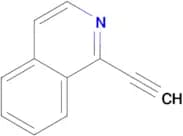
1-Ethynylisoquinoline
CAS :Degré de pureté :95.0%Couleur et forme :SolidMasse moléculaire :153.18400573730474-{[4-(diethylamino)phenyl]methylidene}-1,2,3,4-tetrahydroacridine-9-carboxylic acid
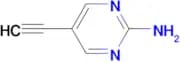
CAS :Degré de pureté :95%Masse moléculaire :386.4952-Amino-5-ethynylpyrimidine
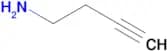
CAS :Degré de pureté :95.0%Couleur et forme :SolidMasse moléculaire :119.12699890136719But-3-yn-1-amine
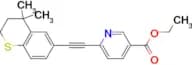
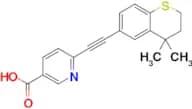
CAS :Formule :C4H7NDegré de pureté :95.0%Couleur et forme :Liquid, OilMasse moléculaire :69.107Ethyl 6-((4,4-dimethylthiochroman-6-yl)ethynyl)nicotinate
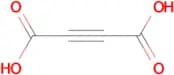
CAS :Degré de pureté :95.0%Masse moléculaire :351.4599914550781ACETYLENEDICARBOXYLIC ACID
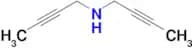
CAS :Degré de pureté :98.0%Couleur et forme :SolidMasse moléculaire :114.05599975585938Di-but-2-ynyl-amine
CAS :Couleur et forme :Solid, No data available.Masse moléculaire :121.182998657226562-{[2-(4-Dimethylamino-phenyl)-benzooxazol-5-yl-imino]-methyl}-4-nitro-phenol
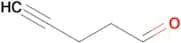
CAS :Degré de pureté :98%Masse moléculaire :402.41PENT-4-YNAL (IN DCM 30% W/W)
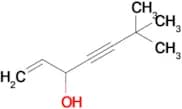
CAS :Degré de pureté :90.0%Couleur et forme :Liquid, Yellow to Brown LiquidMasse moléculaire :82.101997375488286,6-Dimethylhept-1-en-4-yn-3-ol
CAS :Degré de pureté :98% +(stabilized with MEHQ)Masse moléculaire :138.21000671386721,4,5,6,7,8-Hexahydro-4-oxo[1]benzothieno[2,3-d]pyrimidine-2-acetonitrile
CAS :Degré de pureté :95%Masse moléculaire :245.32-Tert-butyl-4-[(4-chlorophenyl)methylidene]-1,2,3,4-tetrahydroacridine-9-carboxylic acid
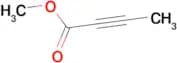
CAS :Degré de pureté :95%Masse moléculaire :405.92Methyl 2-butynoate
CAS :Degré de pureté :95.0%Couleur et forme :LiquidMasse moléculaire :98.10099792480469Ref: 10-F155800
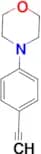
1g18,00€5g28,00€10g36,00€25g77,00€5ml30,00€100g256,00€25mlÀ demander500g1.112,00€250mg18,00€4-(4-ETHYNYLPHENYL)MORPHOLINE
CAS :Degré de pureté :95.0%Couleur et forme :Liquid, No data available.Masse moléculaire :187.24200439453125Ethyl 6-ethynylpicolinate
CAS :Formule :C10H9NO2Degré de pureté :98%Couleur et forme :Liquid, No data available.Masse moléculaire :175.187Ref: 10-F469542
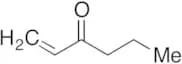
1gÀ demander2gÀ demander5gÀ demander10gÀ demander100mgÀ demander250mgÀ demander500mgÀ demander1-Hexen-3-one (>90%)
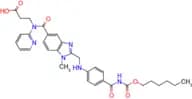
CAS :Produit contrôlé<p>Stability Light Sensitive<br>Applications 1-Hexen-3-one is an odor active compound found in papaya.<br> Not a dangerous good if item is equal to or less than 1g/ml and there is less than 100g/ml in the package<br>References Pino, J.A.: Food Chem., 146, 120 (2014)<br></p>Formule :C6H10ODegré de pureté :>90%Couleur et forme :NeatMasse moléculaire :98.143-(2-(((4-(((Hexyloxy)carbonyl)carbamoyl)phenyl)amino)methyl)-1-methyl-N-(pyridin-2-yl)-1H-benzo[d]imidazole-5-carboxamido)propanoic acid (Dabigatran Impurity)
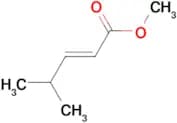
CAS :Degré de pureté :97%Masse moléculaire :600.676Methyl 4-methyl-2-pentenoate
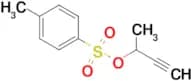
CAS :Degré de pureté :96.0%Couleur et forme :LiquidMasse moléculaire :128.171BUT-3-YN-2-YL 4-METHYLBENZENESULFONATE
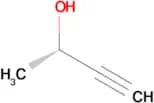
CAS :Degré de pureté :95.0%Masse moléculaire :224.27000427246094(S)-(-)-3-butyn-2-ol
CAS :Formule :C4H6ODegré de pureté :95%Couleur et forme :LiquidMasse moléculaire :70.0911,4-Diisocyanatobutane
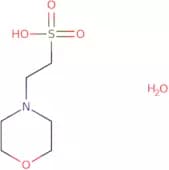
CAS :<p>Monomer for the preparation of biocompatible polyurethane polymers</p>Formule :C6H8N2O2Degré de pureté :Min. 98 Area-%Couleur et forme :Colorless Clear LiquidMasse moléculaire :140.14 g/molMES monohydrate
CAS :<p>MES buffer is a synthetic buffer commonly used in biological and biochemical experiments. It's known for its buffering capacity within the pH range of 5.5 to 6.7, making it suitable for various applications. It has good water solubility, chemical stability, and minimal interaction with metal ions, which is crucial for many biological systems.</p>Formule :C6H13NO4S·H2OCouleur et forme :White Off-White PowderMasse moléculaire :213.25 g/molN-(3-Aminopropyl)-N-dodecylpropane-1,3-diamine
CAS :<p>N-(3-Aminopropyl)-n-dodecylpropane-1,3-diamine, also called N,N-bis(3-aminopropyl)dodecylamine and laurylamine dipropylenediamine, is dodecylamine substituted with 2 propylamine units. Laurylamine dipropylenediamine is a non-ionic surfactant, antimicrobial agent, preservative, emulsifying agent, dispersing agent, corrosion inhibitor and an anti-static agent used in hair products.</p>Formule :C18H41N3Degré de pureté :(¹H-Nmr) Min. 85 Area-%Couleur et forme :Colorless Clear LiquidMasse moléculaire :299.54 g/mol3-(Cyclohexylamino)-1-propanesulfonic acid sodium salt
CAS :<p>CAS No. 105140-23-6 is a cyclic sulfonic acid that is used as a reagent, building block, and intermediate in the synthesis of organic compounds. It is soluble in water and has a high melting point, making it useful for research purposes. CAS No. 105140-23-6 is also an excellent scaffold for complex compounds with many functional groups, making it versatile for use in reactions and syntheses.</p>Formule :C9H18NO3SNaMasse moléculaire :243.3 g/mol4-Fluoro-1-butanol
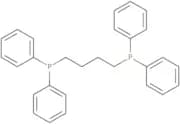
CAS :<p>4-Fluoro-1-butanol is a gaseous protonated fluorine compound. The proton is transferred from the hydrogen to the fluorine, resulting in an intramolecular hydrogen bond. 4-Fluoro-1-butanol has been shown to undergo conformational changes due to the substituent effects of other atoms on its molecules. This molecule has been shown to be able to orient itself in different ways, depending on the experimental parameters and conditions that are used. 4-Fluoro-1-butanol has also been shown to have a strong hydrogen bond with other molecules such as water, which may be due to its ability to form a stable H···O hydrogen bond with a strong donor atom (fluorine).</p>Formule :C4H9FODegré de pureté :Min. 95%Couleur et forme :Colourless To Yellow LiquidMasse moléculaire :92.11 g/mol1,4-Bis-(diphenylphosphino)butane
CAS :<p>1,4-Bis-(diphenylphosphino)butane is a coordination compound that contains a bicyclic heterocycle. The compounds are made up of phosphorus and nitrogen atoms which are arranged in a tetrahedral geometry. It has photochemical properties and can be used to inhibit the growth of myeloid leukemia cells. The complexes bind to amines and form stable complexes with hydroxyl groups, so they are also able to cross mitochondrial membranes. This compound has been shown to bind to copper ions in x-ray crystal structures. 1,4-Bis-(diphenylphosphino)butane binds more strongly to ethylene diamine than it does to aryl halides such as chloroethane or phenylethane. Activation energies for the binding of 1,4-bis-(diphenylphosphino)butane with ethylene diamine have been found by measuring the free energy change for its formation from</p>Formule :C28H28P2Degré de pureté :Min. 95%Couleur et forme :White PowderMasse moléculaire :426.47 g/molZ-1,4-diaminobutane·HCl
CAS :<p>Z-1,4-diaminobutane·HCl is a fine chemical that is a useful building block in research and manufacture of pharmaceuticals. It is also used as a reagent and speciality chemical in the production of other chemicals, such as dyes, rubber products, and pesticides. This compound has been shown to be an effective intermediate for the synthesis of complex organic compounds with versatile structures. Z-1,4-diaminobutane·HCl can be used as a scaffold for the construction of various types of molecules.</p>Formule :C12H18N2O2·HClDegré de pureté :Min. 95%Couleur et forme :White PowderMasse moléculaire :258.74 g/molPivalonitrile
CAS :<p>Solvent and labile ligand in coordination chemistry</p>Formule :C5H9NDegré de pureté :Min. 98 Area-%Couleur et forme :Clear LiquidMasse moléculaire :83.13 g/mol1,1,1,3,3,3-Hexafluoro-2-propanol
CAS :<p>Hexafluoroisopropanol is a chemical compound that is used in the laboratory to study biological properties. It reacts with hydrogen fluoride, forming hydrogen hexafluoride gas and a fluorescent derivative. This reaction solution can be titrated using calorimetric techniques, which involves measuring the heat released by the reaction. Fluorescence probe studies can also be done to determine the conformational properties of hexafluoroisopropanol. Studying this molecule under different conditions can yield important thermodynamic data for its use in structural biology and fluorescence probe experiments.</p>Formule :C3H2F6ODegré de pureté :Min. 98.5%Couleur et forme :Clear LiquidMasse moléculaire :168.04 g/mol12-Amino-1-dodecanol
CAS :<p>12-Amino-1-dodecanol is a monolayer that has been synthesized by reacting dodecanol with phosphorus pentoxide in the presence of diacetate. 12-Amino-1-dodecanol is an amphiphilic molecule, which means it can form both hydrophobic and hydrophilic regions. This property allows it to form a monolayer on the surface of cells, such as the Caco2 cell line. The film is composed of fatty acids and contains functional groups that provide phosphatase activity and neutral pH. 12-Amino-1-dodecanol may be used for drug delivery, specifically for the treatment of intestinal disorders or cell monolayers.</p>Formule :C12H27NODegré de pureté :Min. 95%Couleur et forme :PowderMasse moléculaire :201.35 g/mol2,3-Dimercaptopropanesulfonic acid sodium salt monohydrate
CAS :<p>Chelating agent for heavy metals</p>Formule :C3H8O3S3·H2O·NaDegré de pureté :(¹H-Nmr) Min. 95 Area-%Couleur et forme :White/Off-White SolidMasse moléculaire :229.3 g/molDichloroacetic anhydride
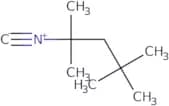
CAS :<p>Please enquire for more information about Dichloroacetic anhydride including the price, delivery time and more detailed product information at the technical inquiry form on this page</p>Formule :C4H2Cl4O3Degré de pureté :Min. 95%Couleur et forme :Solidified MassMasse moléculaire :239.9 g/mol1,1,3,3-Tetramethylbutyl isocyanide
CAS :<p>1,1,3,3-Tetramethylbutyl isocyanide (TMBC) is a palladium complex that has been used in palladium-catalyzed coupling reactions. TMBC is also a ligand for the synthesis of β-amino acid and can be used to form hydrogen bonds with nucleophiles. It has been used in biological studies as well as clinical diagnostics. The solid-phase synthesis of TMBC has been shown to be an efficient method for producing this compound. In addition, TMBC shows stereoselective reactivity with amines and methoxy groups. The nmr spectra of TMBC are characteristic of a carbonyl group at δ 3.20 ppm and two methyl groups at δ 1.36 and 1.37 ppm respectively.</p>Formule :C9H17NDegré de pureté :Min. 98%Couleur et forme :Clear LiquidMasse moléculaire :139.24 g/mol6-Bromo-1-hexanol
CAS :<p>6-Bromo-1-hexanol is an azobenzene polymer film that is used in the manufacture of a number of pharmaceuticals. The polymer has been shown to have a broad spectrum of activity against bacteria and fungi, including human maltase glucoamylase, which is found in the gut. The polymers are prepared by reacting sodium salts with maleate, hydroxyl group, and x-ray crystal structures. 6-Bromo-1-hexanol has been shown to have good optical properties and can be used as a sample preparation material for x-ray diffraction studies. It also has a high chloride ion content and acts as a halide donor in cell culture experiments. This polymer also fluoresces under UV light.!--</p>Formule :C6H13BrODegré de pureté :Min. 97 Area-%Couleur et forme :Colorless Clear LiquidMasse moléculaire :181.07 g/mol1-Phenoxy-2-propanol
CAS :<p>1-Phenoxy-2-propanol is an antimicrobial agent that belongs to the group of glycol ethers. It has a hydroxyl group and atp levels, which are both vital for its activity index. 1-Phenoxy-2-propanol is used as a preservative in cosmetics and pharmaceuticals, with the exception of eye products. It also has been shown to have a low level of toxicity for humans and other mammals, such as rats and guinea pigs. The EPA has classified 1-phenoxy-2 propanol as Group D - not classifiable as to human carcinogenicity. 1-Phenoxy-2 propanol is toxic to bacteria, yeast, fungi, algae, plants, and invertebrates when present in high concentrations.</p>Formule :C9H12O2Degré de pureté :Min. 95%Couleur et forme :Colorless Clear LiquidMasse moléculaire :152.19 g/mol1,3-Diamino-2-hydroxypropane
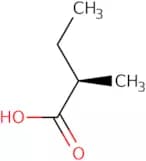
CAS :<p>Intermediate 1,3-Diamino-2-hydroxypropane, also known as 1,3-Diamino-2-propanol, is the simplest amino alcohol containing two primary amino groups and one secondary alcohol group. 1,3-diamino-2-hydroxypropane is quite versatile, serving as a building block for the synthesis of many organometallic compounds and for the biological synthesis of peptides. In industry, 1,3-diamino-2-hydroxypropane is often used as a scrubber for industrial exhaust gases, used in organic synthesis and used biochemically for proteomics research.</p>Formule :C3H10N2ODegré de pureté :Min. 97 Area-%Couleur et forme :Yellow PowderMasse moléculaire :90.12 g/mol(R)-2-Methylbutyric acid
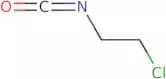
CAS :<p>(R)-2-Methylbutyric acid is a synthetic compound that has the same stereoisomeric configuration as 2-methylbutyric acid. The difference in the two molecules is that the (R) form has a hydroxyl group on the alpha carbon, while 2-methylbutyric acid does not. This compound is stable under acidic conditions, but hydrolyzes to form butyric acid when exposed to basic conditions. It is used in industrial applications such as food production and as an intermediate in synthesizing other compounds such as tiglic acid or amido groups.</p>Formule :C5H10O2Degré de pureté :Min. 95%Couleur et forme :Yellow PowderMasse moléculaire :102.13 g/mol2-Chloroethyl isocyanate
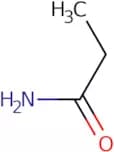
CAS :<p>Inhibitor of DNA repair mechanisms</p>Formule :C3H4ClNODegré de pureté :Min. 98%Couleur et forme :Colorless Clear LiquidMasse moléculaire :105.52 g/molPropionamide
CAS :<p>Propionamide is an amide that inhibits bacterial growth by binding to the DNA-dependent RNA polymerase and preventing transcription. It is used in treatment trials for bacterial infections. Propionamide has been shown to inhibit the growth of bacteria in vitro and in vivo, as well as to have an inhibitory effect on experimental solubility data. The chemical properties of propionamide are consistent with a potential use as a drug for treating metabolic disorders, such as diabetes mellitus and obesity.</p>Formule :C3H7NODegré de pureté :Min. 95%Couleur et forme :White PowderMasse moléculaire :73.09 g/molSodium pyruvate
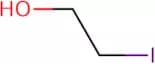
CAS :<p>Pyruvate is an intermediary organic acid metabolite in glycolysis and the first of the Embden Meyerhoff pathways that can pass readily in or out of the cell. Thus, the addition of sodium pyruvate to tissue culture medium provides both an energy source and a carbon skeleton for anabolic processes. Furthermore, it assists with maintaining certain specialized cells, is useful when cloning, and may be necessary when the serum concentration is reduced in the medium.</p>Formule :C3H3O3NaDegré de pureté :Min. 95%Couleur et forme :Crystalline PowderMasse moléculaire :110.04 g/mol2-Iodoethanol - stabilised with copper
CAS :<p>2-Iodoethanol is a chemical compound that has the chemical formula CH2CHIO2. It is used as a reagent in analytical chemistry, as well as in pharmaceutical preparations and polymerase chain reactions. The hydroxyl group on the ethoxy side of this molecule is important for its reactivity, with 2-iodoethanol having an electron affinity of 5.4 eV. This reactivity can also be seen when it is reacted with sodium carbonate to form sodium ethoxide, which has been shown to have anti-hyperproliferative properties. 2-Iodoethanol has been shown to be particularly effective against plant metabolites, such as 5-membered heteroaryl compounds.</p>Formule :C2H5IODegré de pureté :Min. 98.5 Area-%Couleur et forme :PowderMasse moléculaire :171.96 g/molChloro-1-propanol
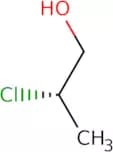
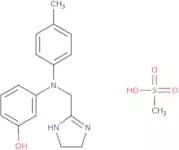
CAS :<p>Chloro-1-propanol is a product that is used as an organic solvent and a reaction medium. It can be used in the synthesis of chlorinated compounds, such as epoxides, chloride gas, and oxetane. Chloro-1-propanol is not carcinogenic, although it does contain traces of impurities that are carcinogenic. Chloro-1-propanol has a high yield with relatively low cost and can be obtained by reacting chlorine with alcohols or phenols. This product is hydrophobic and reacts well with other molecules that are also hydrophobic. The reactivity of chloro-1-propanol increases when it reacts with chloride gas or hydrochloric acid to form divalent ions.</p>Formule :C3H7ClODegré de pureté :Min. 95%Couleur et forme :Colorless Clear LiquidMasse moléculaire :94.54 g/molPhentolamine methanesulfonate
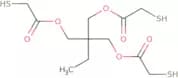
CAS :<p>Phentolamine is a synthetic mesylate that is used as an antihypertensive agent, and for the treatment of Raynaud's syndrome and pheochromocytoma. Phentolamine is also used to prevent frostbite and to treat various types of shock. Phentolamine blocks alpha-2-adrenergic receptors, thereby decreasing sympathetic nerve impulses to the heart, blood vessels, kidneys, and other organs. This drug also acts as a histamine antagonist by blocking H1-receptors on vascular smooth muscle cells. Phentolamine has been shown to have no significant effects on 5-hydroxytryptamine (5HT) release in vitro or in vivo.</p>Formule :C18H23N3O4SDegré de pureté :Min. 95%Couleur et forme :White PowderMasse moléculaire :377.46 g/molTrimethylolpropane tris(2-mercaptoacetate)
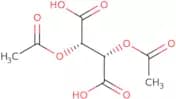
CAS :<p>Trimethylolpropane tris(2-mercaptoacetate) (TMPTMA) is a functional group that is used as an actuator in organic solvent-based inkjet printing. It has been shown to be a cross-linking agent and a treatment effect modifier. TMPTMA has been shown to be a hydroxyl group donor and has the ability to form vinyl groups. In addition, it can act as an organic acid by donating protons and carboxyl groups. TMPTMA can also function as a heat energy absorber and has low molecular weight, making it highly reactive with other substances. The alicyclic structure of TMPTMA makes it susceptible to ring opening reactions with strong acids or bases.</p>Formule :C12H20O6S3Degré de pureté :Min. 95%Couleur et forme :PowderMasse moléculaire :356.48 g/mol(+)-Diacetyl-D-tartaric acid
CAS :<p>(+)-Diacetyl-D-tartaric acid is a chiral organic compound that is soluble in organic solvents. It can be used as a catalyst for the asymmetric synthesis of organic compounds and has been shown to cleave bonds with high stereoselectivity. (+)-Diacetyl-D-tartaric acid also exhibits mesomorphic properties, meaning it changes from liquid to solid and vice versa at certain temperatures. The optical activity of this compound can be seen by its magnetic resonance spectrum, which displays two peaks at different wavelengths. This molecule has been shown to have potential uses in microscopy, as well as for the preparation of monomers for magnetic materials.</p>Formule :C8H10O8Degré de pureté :Min. 95%Couleur et forme :White PowderMasse moléculaire :234.16 g/mol2-Chloroethyl isocyanate
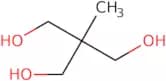
CAS :<p>Please enquire for more information about 2-Chloroethyl isocyanate including the price, delivery time and more detailed product information at the technical inquiry form on this page</p>Formule :C3H4ClNODegré de pureté :Min. 99.0 Area-%Masse moléculaire :105.52 g/mol1,1,1-Tris(hydroxymethyl)ethane
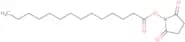
CAS :<p>1,1,1-Tris(hydroxymethyl)ethane is a liquid that can be used in the treatment of wastewater. It is a non-ionic surfactant that reacts with metal hydroxides to form insoluble salts. 1,1,1-Tris(hydroxymethyl)ethane has been shown to have a light emission property at room temperature and below. The structure of 1,1,1-Tris(hydroxymethyl)ethane has been determined using spectroscopic analysis and chemical synthesis. Hypoglycemic effects have been demonstrated in mice fed a high-fat diet supplemented with 1,1,1-Tris(hydroxymethyl)ethane as well as in rats fed an experimental diet containing this compound.</p>Formule :C5H12O3Degré de pureté :Min. 95 Area-%Couleur et forme :White Off-White PowderMasse moléculaire :120.15 g/molN-Succinimidyl myristate
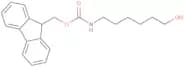
CAS :<p>N-Succinimidyl myristate is a long-chain fatty acid that contains a sulfur atom at its head. It is used in the production of diagnostic products and insulin analogs, as well as in the industrial production of organic solvents. N-Succinimidyl myristate reacts with serum albumin, forming an activated product that can be used in diagnostic tests. This reaction product is also used to bind proteins to fluorine atoms for use in industrial processes.</p>Formule :C18H31NO4Degré de pureté :Min. 95%Couleur et forme :PowderMasse moléculaire :325.44 g/mol6-(Fmoc-amino)-1-hexanol
CAS :<p>6-(Fmoc-amino)-1-hexanol is a high quality chemical that can be used as an intermediate in the synthesis of many complex compounds, such as pharmaceuticals, fine chemicals and research chemicals. It is often used as a building block in the synthesis of other useful chemicals and has been shown to have versatile reactions with many functional groups. 6-(Fmoc-amino)-1-hexanol can be used in reactions involving nucleophilic substitution, elimination, amination, esterification and transesterification.</p>Formule :C21H25NO3Degré de pureté :Min. 95%Couleur et forme :PowderMasse moléculaire :339.43 g/molImidazolyl-4-ethanol
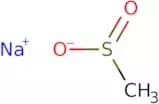
CAS :<p>Imidazolyl-4-ethanol is a glycoside derivative that inhibits the synthesis of proteins, fats, and nucleic acids by inhibiting the enzyme phosphofructokinase. The compound has been shown to have anti-inflammatory properties that are similar to those of nonsteroidal antiinflammatory drugs. This drug also has a kinetic energy of -1.2 kcal/mol and it has a ph optimum of 7.5. Imidazolyl-4-ethanol has been shown to be useful in vitro for the synthesis of antibodies against monoclonal antibodies and for radiation protection. It can also be used as a radioactive tracer in vivo.</p>Formule :C5H8N2ODegré de pureté :Min. 90 Area-%Couleur et forme :PowderMasse moléculaire :112.13 g/molMethanesulfinic acid sodium salt
CAS :<p>Methanesulfinic acid sodium salt (MSAS) is a chemical compound that inhibits the growth of bacteria by inhibiting the synthesis of proteins. It is used as an antimicrobial agent in plant physiology and has been shown to be effective against infectious diseases including HIV infection. MSAS inhibits protein synthesis by binding to the hydroxyl group of a substrate molecule, which is required for amino acid formation. This inhibitory effect leads to a decrease in the production of proteins vital for cell division. Inhibiting protein synthesis also prevents the production of enzymes needed for metabolism, leading to metabolic disorders.</p>Formule :CH3O2S·NaDegré de pureté :Min. 95%Couleur et forme :PowderMasse moléculaire :102.09 g/molPutrescine dihydrochloride
CAS :<p>Putrescine is a polyamine plant growth regulator affecting the synthesis of macromolecules. Promotes adventitious root formation. Precursor of spermidine.</p>Formule :C4H14Cl2N2Degré de pureté :Min. 98.0 Area-%Masse moléculaire :161.08 g/molRef: 3D-P-8000
1kgÀ demander5kgÀ demander10kgÀ demander25kgÀ demander2500gÀ demander-Unit-kgkgÀ demanderDipropyl ether
CAS :<p>Dipropyl ether is an ether that has a glycol ether backbone. It is used as a solvent in the production of optical sensors, and it may be used as a carrier for fatty acids. Dipropyl ether also has the ability to transport water, which makes it useful for wastewater treatment. This compound is synthesized by reacting ethylene diamine with two equivalents of propylene oxide. The glycol chain consists of two hydroxyl groups that are separated by an intramolecular hydrogen bond, which stabilizes the molecule and prevents it from reacting with other substances.</p>Formule :C6H14ODegré de pureté :Min. 99.0 Area-%Couleur et forme :Colorless Clear LiquidMasse moléculaire :102.17 g/mol2-Aminoethanethiol
CAS :<p>2-Aminoethanethiol is a bitartrate salt of cysteamine. It inhibits the growth of bacteria by inhibiting the synthesis of the bacterial cell wall, which is required for bacterial replication and division. 2-Aminoethanethiol has been shown to be effective in experimental models of cystinosis and cystamine. 2-Aminoethanethiol has also been used as an antidote to cyanide poisoning.</p>Formule :C2H7NSCouleur et forme :White Off-White PowderMasse moléculaire :77.15 g/mol1,8-Octanediol
CAS :<p>1,8-Octanediol is a long-term efficacy drug that is used in the treatment of granulosa cell tumors. It has been shown to inhibit the proliferation of these cells by binding to them and inhibiting their metabolism. 1,8-Octanediol can be considered as an analog of progesterone and works by binding to progesterone receptors present in the tumor cells. This binding leads to a decrease in the production of estrogen and decreases the risk of cancer recurrence. 1,8-Octanediol has also been shown to increase body mass index (BMI) in women with polycystic ovary syndrome (PCOS). 1,8-Octanediol is soluble in water and has a phase transition temperature at around 37 degrees Celsius, which makes it biocompatible.</p>Formule :C8H18O2Degré de pureté :Min. 98 Area-%Couleur et forme :White PowderMasse moléculaire :146.23 g/mol1-Amino-1-cyclopropanecarboxylic acid
CAS :<p>1-Amino-1-cyclopropanecarboxylic acid (ACC) is a precursor of ethylene, which is a plant hormone that regulates many aspects of plant growth and development. ACC can be converted to ethylene by the enzyme ACC synthase. The conversion of ACC to ethylene is facilitated by the enzymes ACC oxidase and ACC deaminase. Ethylene has been shown to regulate the expression of genes involved in photosynthesis, protein synthesis, and other metabolic pathways. Ethylene also modulates physiological processes such as fruit ripening, leaf senescence, and stomatal closure. This molecule participates in a variety of biological reactions including receptor activity and protein degradation via ubiquitin ligases. It also regulates calcium levels in cells through its role in signal transduction pathways.</p>Formule :C4H7NO2Degré de pureté :Min. 95%Couleur et forme :PowderMasse moléculaire :101.1 g/mol1-Nonanol
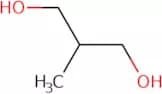
CAS :<p>1-Nonanol is a colorless liquid with a pleasant odor. It can be synthesized from methyl pentanoate by the asymmetric addition of an inorganic acid to the ester hydrochloride. This process results in a mixture of 1-nonanol and its isomer 2-nonanol, which can be separated using an analytical method such as gas chromatography. 1-Nonanol has been shown to have high transport properties, making it useful for detergent compositions. It has also been shown to exhibit strong hydrogen bonding abilities that may contribute to its adsorption mechanism.</p>Formule :C9H20ODegré de pureté :Min. 95%Couleur et forme :Colorless Clear LiquidMasse moléculaire :144.25 g/mol2-Methyl-1,3-propanediol
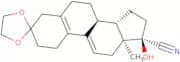
CAS :<p>2-Methyl-1,3-propanediol is a glycol ether that is used in sample preparation for chemical analysis. It is an antimicrobial agent that has been shown to be active against bacteria such as Escherichia coli and Staphylococcus aureus. 2-Methyl-1,3-propanediol has also been shown to have the ability to inhibit the growth of epidermal cells. This chemical has been shown to be effective in treating skin lesions caused by dermatophytes, fungi and bacterial infections. 2-Methyl-1,3-propanediol inhibits the synthesis of glycol esters, fatty acids and epidermal growth factor through competition with hydroxyl groups on cell membranes. It also chelates metal ions such as Cu2+, Zn2+, Cd2+ and Pb2+.</p>Formule :C4H10O2Degré de pureté :Min. 95%Couleur et forme :Colorless PowderMasse moléculaire :90.12 g/molCyclic-3-(1,2-ethanediylacetal)-17β-cyano-17α-hydroxy-estra-5(10),9(11)-dien-3-one
CAS :<p>Cyclic-3-(1,2-ethanediylacetal)-17beta-cyano-17alpha-hydroxy-estra-5(10),9(11)-dien-3 -one is a chemical compound that is used as a reaction component, reagent, and high quality research chemical. It can be used as a useful scaffold or building block for the synthesis of complex compounds. Cyclic-3-(1,2-ethanediylacetal)-17beta-cyano-17alpha -hydroxyestra-5(10),9(11)-diene 3 one has CAS number 3330019 5.</p>Formule :C21H27NO3Degré de pureté :Min. 95%Couleur et forme :White to off-white solid.Masse moléculaire :341.44 g/molSodium pyruvate
CAS :<p>Pyruvate is an intermediary organic acid metabolite in glycolysis and the first of the Embden Meyerhoff pathways that can pass readily in or out of the cell. Thus, the addition of sodium pyruvate to tissue culture medium provides both an energy source and a carbon skeleton for anabolic processes. Furthermore, it assists with maintaining certain specialized cells, is useful when cloning, and may be necessary when the serum concentration is reduced in the medium.</p>Formule :C3H3NaO3Degré de pureté :Min. 98.0 Area-%Masse moléculaire :110.05 g/mol(S)-(+)-2-Amino-3-methylbutane
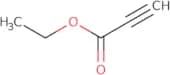
CAS :<p>(S)-(+)-2-Amino-3-methylbutane is a chiral, optically active pyruvate. It can be used as an optical reagent to determine the configuration of an amino acid in the presence of a hydrazone or amine. The 2-amino group is attached to the C1 carbon atom and the methyl group is attached to the C4 carbon atom. Hydrogenolysis of (S)-(+)-2-amino-3-methylbutane produces ethyl pyruvate and hydrogen gas.</p>Formule :C5H13NDegré de pureté :Min. 95%Couleur et forme :Clear LiquidMasse moléculaire :87.17 g/molEthyl propiolate
CAS :<p>Ethyl propiolate is a halide that is structurally related to the alkylating agent trifluoroacetic acid. Ethyl propiolate inhibits the activity of several enzymes including phosphofructokinase and pyruvate kinase, which are important for energy metabolism in cells. It also has been shown to have beneficial effects on autoimmune diseases such as lupus erythematosus. The mechanism of action of ethyl propiolate is due to its ability to react with activated oxygen and form an intramolecular hydrogen bond with carbon atoms in the substrate molecule. The reaction between ethyl propiolate and diethyl ketomalonate results in the formation of diethyl 2-propiolate, which can then be hydrolyzed by water into acetaldehyde and diethyl ketomalonate.</p>Formule :C5H6O2Degré de pureté :Min. 98 Area-%Couleur et forme :Colorless Clear LiquidMasse moléculaire :98.1 g/mol4-Anisylchlorodiphenylmethane
CAS :<p>4-Anisylchlorodiphenylmethane is a trifluoroacetic acid derivative of diphenyl sulfoxide. It is activated by hydrochloric acid and hydrogen chloride to form the corresponding anisyl chlorodiphenylmethane chloride. This compound has a high resistance to nucleophilic attack, with a reaction solution that is resistant to nucleophiles such as water, amines, alcohols, and carboxylic acids. 4-Anisylchlorodiphenylmethane can be synthesized from uridine and acetic acid in the presence of diphenyl sulfoxide and a base. The reaction is then heated at reflux for 24 hours. 4-Anisylchlorodiphenylmethane binds to DNA as well as RNA templates in vitro and can be used for linear regression analysis of DNA sequences. It also has inhibitory effects on cell growth in culture.</p>Formule :C20H17ClODegré de pureté :Min. 95%Couleur et forme :White PowderMasse moléculaire :308.8 g/mol4-Amino-1-butanol
CAS :<p>4-Amino-1-butanol is a natural compound that is not toxic to humans. It is amide with a hydrophilic interaction chromatography property, and has been shown to have hemolytic activity against human erythrocytes. 4-Amino-1-butanol has been shown to be an inhibitor of the HIV virus, with minimal toxicity. It has also been shown to inhibit the replication of the wild type virus in cells in vitro and in vivo, which is due to its ability to bind with the enzyme ethylene diamine. The inhibition of this enzyme leads to a reduction in biological activity of amines.</p>Formule :C4H11NODegré de pureté :Min. 95%Couleur et forme :Slightly Yellow Clear LiquidMasse moléculaire :89.14 g/mol6-Azido-hexan-1-ol
CAS :<p>6-Azido-hexan-1-ol is an organic compound with the chemical formula CH3CH2OCH2CH2N3. It is a colorless liquid that boils at 29°C and has a melting point of -60°C. 6-Azido-hexan-1-ol has been shown to be a reactive site in polymerization kinetics, with a kinetic rate constant of 2.0x10^5 M^(-1)s^(-1). This compound also exhibits high reactivity when used as a substrate for ring opening polymerization, which may be due to its hydroxy group and functional groups. 6-Azido-hexan-1-ol can be synthesized by reacting 4 vinylbenzyl alcohol with hydrazine hydrate in the presence of an acid catalyst, such as sulfuric acid or pyridine. The reaction can be monitored using matrix assisted laser desorption ionization time of flight (MALDI</p>Formule :C6H13N3ODegré de pureté :Min. 95%Couleur et forme :Clear LiquidMasse moléculaire :143.19 g/mol(R,R)-2,8-Diazabicyclo[4.3.0]nonane
CAS :<p>(R,R)-2,8-Diazabicyclo[4.3.0]nonane is an antibacterial agent that is synthesized from piperazine and fluoroquinolone derivatives. It has a high yield of (R,R)-2,8-diazabicyclo[4.3.0]nonane and a low reaction time in the microwave amination reaction. This compound can be used to replace environmentally hazardous chemicals such as mercury(II) chloride in the synthesis of (R,R)-2,8-diazabicyclo[4.3.0]nonane by avoiding the use of toxic mercury compounds and reducing the cost of production by using microwave irradiation.</p>Formule :C7H14N2Degré de pureté :Min. 95%Couleur et forme :PowderMasse moléculaire :126.2 g/moltert-Butylisocyanate
CAS :<p>Tert-butylisocyanate is a reactive chemical that contains a carboxylate group. It is an ester hydrochloride that can be synthesized by reacting trifluoroacetic acid with molybdenum trioxide. This compound has been studied using X-ray crystal structures and the intramolecular hydrogen transfer reaction between two nitrogen atoms in the molecule. Tert-butylisocyanate is stable in solution because it does not react with water or alkalis, but does react with sodium carbonate, forming sodium cyanate and tetrabutylammonium hydroxide. Tert-butylisocyanate reacts with inorganic acids such as sulfuric acid to form its corresponding salts. The chelate ligand of tert-butylisocyanate prevents it from reacting with transition metals such as copper and iron, but will react with zinc metal.</p>Formule :C5H9NODegré de pureté :Min. 98 Area-%Couleur et forme :Colorless Clear LiquidMasse moléculaire :99.13 g/mol11-Mercaptoundecanoic acid
CAS :<p>11-Mercaptoundecanoic acid (11MUA) is a fluorescence probe that reacts with the amide group of proteins. It has been used to study HIV-1 infection and the early stages of human immunodeficiency virus (HIV) replication. 11MUA can be detected by fluorescence spectrometry and gives a strong, selective signal in human serum. This compound is also used as a model system for studying protease activity and electrochemical impedance spectroscopy. 11MUA is stable in solution and can be detected at very low levels, making it an excellent probe for protein degradation studies. The reaction solution containing 11MUA can be prepared using trifluoroacetic acid (TFA), which facilitates the formation of esters from carboxylic acids, or by adding TFA to an acyl chloride derivative of 11-mercaptoundecanoic acid.</p>Formule :C11H22O2SDegré de pureté :Min. 95%Couleur et forme :White PowderMasse moléculaire :218.36 g/molβ-Glycerophosphate, disodium salt pentahydrate, max. 2% α
CAS :<p>Beta-Glycerophosphate, Disodium Salt Pentahydrate is a complex compound that is used as a reagent, useful intermediate, and fine chemical. It is also useful as a scaffold or building block for the synthesis of organic compounds. Beta-glycerophosphate has CAS No. 13408-09-8 and is classified as a speciality chemical. This compound can be used in research and development for versatile building blocks and reaction components to synthesize organic compounds.</p>Formule :C3H17Na2O11PMasse moléculaire :306.12 g/molRef: 3D-G-4200
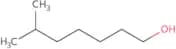
1kgÀ demander100gÀ demander250gÀ demander500gÀ demander2500gÀ demander-Unit-kgkgÀ demander6-Methylheptanol
CAS :<p>6-Methylheptanol is a chemical compound that belongs to the group of imidazole hydrochlorides. It is used as a catalyst for the treatment of wastewater. 6-Methylheptanol has been shown to catalyze the reaction of malonic acid with glycol ethers and hydroxyl groups in water, which produces high values of phosphorus pentoxide. The kinetic data and reaction mechanism for this process have been elucidated by using a model system and reaction solution. 6-Methylheptanol also has an effect on polymerase chain reactions (PCR) due to its ability to increase the temperature at which the enzyme works.</p>Formule :C8H18ODegré de pureté :Min. 97 Area-%Couleur et forme :Colorless Clear LiquidMasse moléculaire :130.23 g/mol2-Azido-ethanol
CAS :<p>2-Azido-ethanol is a chemical compound that is used to synthesize ethylene diamine. It can be produced by reacting ethanol with sodium azide in the presence of an acid catalyst. 2-Azido-ethanol is stable under most conditions and has minimal toxicity, which makes it an attractive option for ethylene diamine production. The compound reacts with a variety of substrates, including diazido, amide, and β-unsaturated ketone compounds. Magnetic resonance spectroscopy (MRS) studies have shown that 2-azido-ethanol binds to water molecules at the site of its β-unsaturated ketone group and creates a new carbon source. This product also exhibits ft-ir spectroscopy properties, which can be used to measure the transport properties and photoelectron emission from the π* orbitals of its carbon atoms.</p>Formule :C2H5N3ODegré de pureté :Min. 95%Couleur et forme :Colorless Slightly Yellow Clear LiquidMasse moléculaire :87.08 g/molTrimethyl orthovalerate
CAS :<p>Used for synthesis of dihydropyran-4-ones</p>Formule :C8H18O3Degré de pureté :Min. 97 Area-%Couleur et forme :Colorless Clear LiquidMasse moléculaire :162.23 g/mol2-Methylamino-2-phenylbutanol hydrochloride
CAS :<p>2-Methylamino-2-phenylbutanol hydrochloride is a fine chemical that can be used in the production of research chemicals, pharmaceuticals, and other specialty chemicals. It is a versatile building block with many applications in organic synthesis. 2-Methylamino-2-phenylbutanol hydrochloride is an intermediate for the production of other useful compounds and has many reactions that are applicable to complex compounds. 2-Methylamino-2-phenylbutanol hydrochloride can also be used as a reagent and has high quality standards.</p>Formule :C11H17NO•HClDegré de pureté :(%) Min. 95%Couleur et forme :PowderMasse moléculaire :215.72 g/mol8-Chloro-1-octanol
CAS :<p>8-Chloro-1-octanol is an organic compound with a hydroxyl group at the 8th position of the octane ring. It has been shown to inhibit bacterial growth in vitro by binding to fatty acid biosynthesis enzymes and preventing the formation of fatty acids, which are vital for bacterial cell wall synthesis. The 8-chloro-1-octanol also inhibits the population growth of bacteria in corneal epithelium, leading to reduced biofilm formation. This compound has been shown to have regulatory effects on microbial populations. 8-Chloro-1-octanol is currently under study for its potential use as a topical antibacterial agent for treating corneal infections.</p>Formule :C8H17ClODegré de pureté :Min. 95%Couleur et forme :Colorless Clear LiquidMasse moléculaire :164.67 g/mol2-Oxa-7-azaspiro[3.5]nonane hemioxalate
CAS :<p>2-Oxa-7-azaspiro[3.5]nonane hemioxalate is a fine chemical that is used as a building block in research and development of complex compounds, such as pharmaceuticals, agrochemicals, and polymers. It has been shown to be useful in the synthesis of heterocycles, such as pyrrolidines, piperazines, indoles, and benzoxazoles. 2-Oxa-7-azaspiro[3.5]nonane hemioxalate can serve as a versatile building block for the preparation of various scaffolds with different functionalities. 2-Oxa-7-azaspiro[3.5]nonane hemioxalate is a reagent that can be used for the preparation of other compounds and intermediates as well.</p>Formule :C7H13NOC2H2O4Degré de pureté :Min. 95%Couleur et forme :Off-White Clear LiquidMasse moléculaire :172.2 g/mol1,8-Diazido-3,6-dioxaoctane
CAS :<p>1,8-Diazido-3,6-dioxaoctane is a synthetic molecule that is used in the synthesis of macrolactones, polymers, and biomolecules. It can be used as a bioconjugate to attach other functional groups to biomaterials and polymers, such as azido groups. This compound has high sensitivity and thermal stability with good solubility in organic solvents. 1,8-Diazido-3,6-dioxaoctane has been shown to be compatible with many functional groups and is an important monomer for use in cross-linked polymers.</p>Formule :C6H12N6O2Degré de pureté :Min. 95%Couleur et forme :Colorless PowderMasse moléculaire :200.2 g/mol4-Biphenylmethanol
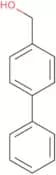
CAS :<p>4-Biphenylmethanol is a low potency naphthalene derivative that has been shown to be carcinogenic in animal studies. It is also an inhibitor of protein synthesis, which may play a role in its carcinogenic potential. 4-Biphenylmethanol has been shown to inhibit the growth of Salmonella typhimurium and Saccharomyces cerevisiae strain when used at concentrations of 50 μg/mL or higher. This compound can react with hydrochloric acid to form hydrogen bonding interactions, which may account for its observed antibacterial activity.</p>Formule :C13H12ODegré de pureté :Min. 95%Couleur et forme :PowderMasse moléculaire :184.23 g/molCyclopentylmethanol
CAS :<p>Cyclopentylmethanol is a chemical compound with the molecular formula CH3OH. It is a colorless liquid that is soluble in water and has a distinctive, sweet odor. Cyclopentylmethanol is used as an intermediate in organic synthesis and as a solvent for nitrocellulose, cellulose acetate, cellulose nitrate, and similar materials. It reacts with chlorine at high temperatures to form chlorinated cyclopentylmethanols. This reaction can be used to synthesize hydroxyapatite (a mineral) from calcium phosphate (a mineral). Cyclopentylmethanol also reacts with nicotinic acetylcholine receptors in the brain, causing them to desensitize. Hydroxyapatite can also be synthesized by reacting cyclopentylmethanol with dinucleotide phosphate and hydroxyl group containing compounds such as esters or soluble guanylate cyclase enzymes. The reactions produce hydrogen</p>Formule :C6H12ODegré de pureté :Min. 95%Couleur et forme :Clear Colourless LiquidMasse moléculaire :100.16 g/molAgaricinic acid
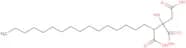
CAS :<p>Organic tricarboxylic acid; inducer of MPT</p>Formule :C22H40O7Degré de pureté :Min. 95%Couleur et forme :PowderMasse moléculaire :416.55 g/mol3-Bromo-1-propanol
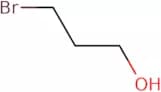
CAS :<p>3-Bromo-1-propanol is a chemical compound that contains a hydroxyl group and an asymmetric carbon atom. This molecule has been used as a model system to study the reaction mechanism of alcohol dehydrogenase, which is the enzyme responsible for the oxidation of ethanol. 3-Bromo-1-propanol has been shown to inhibit the growth of bacteria such as Staphylococcus aureus, which are resistant to penicillin. The pharmacokinetic properties of 3-bromo-1-propanol have been studied in dogs with congestive heart failure.</p>Formule :C3H7BrODegré de pureté :Min. 97 Area-%Couleur et forme :Colorless Clear LiquidMasse moléculaire :138.99 g/mol3-Mercapto-3-methyl-1-butanol
CAS :<p>3-mercapto-3-methyl-1-butanol, also known as MMB, is an organic volatile compound that belongs to the group alkylthiols. It is a secondary metabolite and is a degradation product of felinine, a feline pheromone. Some studies suggest that due to similarities in odor, 3-mercapto-3-methyl-1-butanol and derivatives such as 3-mercapto-3-methyl-1-butyl-1-formate and 3-methyl-3-(methylsulfanyl)butan-1-ol have similar behaviours as felinine. These findings may provide useful and interesting information about signaling and communication related to reproduction and recognition in mammals.<br>3-mercapto-3-methyl-1-butanol can be also found in some alcoholic beverages and coffee products. It provides a meaty flavor and aroma, and it is used as a flavoring agent in the food industry.</p>Formule :C5H12OSDegré de pureté :Min. 95%Couleur et forme :Colorless Clear LiquidMasse moléculaire :120.21 g/mol

![4-{[4-(diethylamino)phenyl]methylidene}-1,2,3,4-tetrahydroacridine-9-carboxylic acid](/_next/image/?url=https%3A%2Fstatic.cymitquimica.com%2Fproducts%2F10%2Fthumb-webp%2FF985974.webp&w=3840&q=75)

![7-Methyl-benzo[1,2-d;3,4-d']bisthiazol-2-ylamine](/_next/image/?url=https%3A%2Fstatic.cymitquimica.com%2Fproducts%2F10%2Fthumb-webp%2FF494531.webp&w=3840&q=75)
![2-{[2-(4-Dimethylamino-phenyl)-benzooxazol-5-yl-imino]-methyl}-4-nitro-phenol](/_next/image/?url=https%3A%2Fstatic.cymitquimica.com%2Fproducts%2F10%2Fthumb-webp%2FF021763.webp&w=3840&q=75)
![1,4,5,6,7,8-Hexahydro-4-oxo[1]benzothieno[2,3-d]pyrimidine-2-acetonitrile](/_next/image/?url=https%3A%2Fstatic.cymitquimica.com%2Fproducts%2F10%2Fthumb-webp%2FF988575.webp&w=3840&q=75)
![2-Tert-butyl-4-[(4-chlorophenyl)methylidene]-1,2,3,4-tetrahydroacridine-9-carboxylic acid](/_next/image/?url=https%3A%2Fstatic.cymitquimica.com%2Fproducts%2F10%2Fthumb-webp%2FF985972.webp&w=3840&q=75)





























![(R,R)-2,8-Diazabicyclo[4.3.0]nonane](/_next/image/?url=https%3A%2Fstatic.cymitquimica.com%2Fproducts%2F3D%2Fthumb-webp%2FFD21506.webp&w=3840&q=75)






![2-Oxa-7-azaspiro[3.5]nonane hemioxalate](/_next/image/?url=https%3A%2Fstatic.cymitquimica.com%2Fproducts%2F3D%2Fthumb-webp%2FFO29380.webp&w=3840&q=75)