Building Blocks
Sous-catégories appartenant à la catégorie "Building Blocks"
- Acides boroniques et dérivés de l'acide boronique(5.778 produits)
- Building Blocks Chiraux(1.243 produits)
- Building Blocks Hydrocarbonés(6.098 produits)
- Building Blocks organiques(61.036 produits)
205240 produits trouvés pour "Building Blocks"
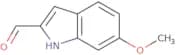
6-Methoxy-1H-indole-2-carbaldehyde
CAS :Versatile small molecule scaffold
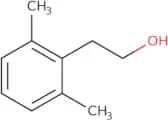
Formule :C10H9NO2Degré de pureté :Min. 95%Masse moléculaire :175.18 g/mol2-(2,6-Dimethylphenyl)ethan-1-ol
CAS :2-(2,6-Dimethylphenyl)ethan-1-ol is a racemic mixture of two compounds with the same molecular formula. The two enantiomers have different chemical properties and can be separated by specific techniques such as chromatography. 2-(2,6-Dimethylphenyl)ethan-1-ol is an ether that is made from methylmalonic acid and ethylene oxide. It is hydrolysed to release methylmalonyl chloride or demethylated to produce methyl ether acetate. This compound has been used in the synthesis of various esters and sesquiterpenoids.
Formule :C10H14ODegré de pureté :Min. 95%Masse moléculaire :150.22 g/molJMS-17-2
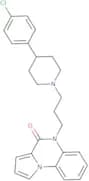
CAS :JMS-17-2 is a small molecule that was shown to have a potent and selective inhibitory effect on the production of chemokines in cancer cells. It blocks the interaction between CXCL12 and its receptor, CXCR4. This interaction is important for normal bone tissue development and function, as well as for chemotaxis and metastasis of cancer cells. JMS-17-2 has been shown to prevent tumor growth in animal models by inhibiting angiogenesis, or the formation of new blood vessels to supply nutrients to tumors. The drug also inhibits tumor growth by decreasing the number of primary tumors, reducing bone lesions, and inhibiting the progression of pancreatic cancer. Clinical trials are currently being conducted to assess the efficacy of JMS-17-2 in humans with advanced solid tumors.
Formule :C25H26ClN3ODegré de pureté :Min. 95%Masse moléculaire :419.95 g/mol5-Methylquinoline
CAS :5-Methylquinoline is a quinoline derivative that is used in the synthesis of other quinoline derivatives. It can be synthesized from cinnamaldehyde, which can be obtained from cinnamic acid or benzaldehyde. 5-Methylquinoline has been shown to have antioxidant properties and inhibit colorectal carcinoma cells in vitro. The compound also inhibits the growth of caco-2 cells. One isomer of 5-methylquinoline, ethenyl, has been shown to cause a shift in the spectrum of light absorbed by caco-2 cells.
Formule :C10H9NDegré de pureté :Min. 95%Masse moléculaire :143.18 g/mol3'-Methyl-[1,1'-biphenyl]-2-carboxylic acid
CAS :Versatile small molecule scaffold
Formule :C14H12O2Degré de pureté :Min. 95%Masse moléculaire :212.24 g/mol(3,4-Dihydro-2H-chromen-6-ylmethyl)ae hydrochloride
CAS :Versatile small molecule scaffold
Formule :C10H14ClNODegré de pureté :Min. 95%Masse moléculaire :199.68 g/mol2-{4-[2-(Pyrrolidin-1-yl)ethoxy]phenyl}ethan-1-amine dihydrochloride
CAS :Versatile small molecule scaffold
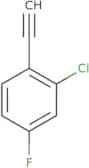
Formule :C14H24Cl2N2ODegré de pureté :Min. 95%Masse moléculaire :307.3 g/mol2-Chloro-1-ethynyl-4-fluorobenzene
CAS :Versatile small molecule scaffoldFormule :C8H4ClFDegré de pureté :Min. 95%Masse moléculaire :154.57 g/mol2-[2-(Furan-3-yl)-1,3-thiazol-4-yl]acetic acid
CAS :Versatile small molecule scaffold
Formule :C9H7NO3SDegré de pureté :Min. 95%Masse moléculaire :209.22 g/mol2-[(2-Methoxyethyl)amino]propanamide hydrochloride
CAS :Versatile small molecule scaffold
Formule :C6H15ClN2O2Degré de pureté :Min. 95%Masse moléculaire :182.65 g/molRef: 3D-IAC63932
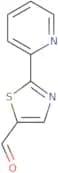
Produit arrêté2-(Pyridin-2-yl)-1,3-thiazole-5-carbaldehyde
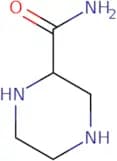
CAS :Versatile small molecule scaffoldFormule :C9H6N2OSDegré de pureté :Min. 95%Masse moléculaire :190.22 g/molPiperazine-2-carboxamide
CAS :Piperazine-2-carboxamide is a synthetic drug that is used to treat tuberculosis. It binds to the mycolic acid of the bacterial cell wall, preventing it from forming an outer layer and disrupting its function. Piperazine-2-carboxamide also inhibits the synthesis of fatty acids and amines in bacteria, which are necessary for their survival. This drug can be synthesized by reacting piperazine with formaldehyde and acetamide.
Formule :C5H11N3ODegré de pureté :Min. 95%Masse moléculaire :129.16 g/molRef: 3D-JDA50164
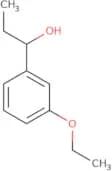
Produit arrêté1-(3-Ethoxyphenyl)propan-1-ol
CAS :Versatile small molecule scaffold
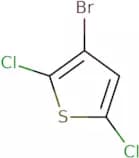
Formule :C11H16O2Degré de pureté :Min. 95%Masse moléculaire :180.24 g/mol3-Bromo-2,5-dichlorothiophene
CAS :Versatile small molecule scaffold
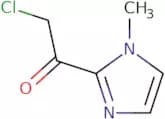
Formule :C4HBrCl2SDegré de pureté :Min. 95%Masse moléculaire :231.93 g/mol2-Chloro-1-(1-methyl-1H-imidazol-2-yl)ethan-1-one
CAS :Versatile small molecule scaffold
Formule :C6H7ClN2ODegré de pureté :Min. 95%Masse moléculaire :158.58 g/molRef: 3D-KJB77272
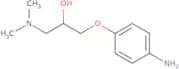
Produit arrêté1-(4-Aminophenoxy)-3-(dimethylamino)propan-2-ol
CAS :Versatile small molecule scaffold
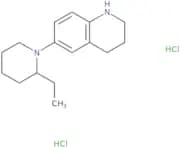
Formule :C11H18N2O2Degré de pureté :Min. 95%Masse moléculaire :210.27 g/mol6-(2-Ethylpiperidin-1-yl)-1,2,3,4-tetrahydroquinoline dihydrochloride
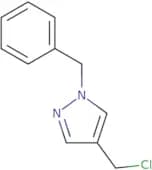
CAS :Versatile small molecule scaffoldFormule :C16H26Cl2N2Degré de pureté :Min. 95%Masse moléculaire :317.3 g/mol1-Benzyl-4-(chloromethyl)-1H-pyrazole
CAS :Produit contrôléVersatile small molecule scaffoldFormule :C11H11ClN2Degré de pureté :Min. 95%Masse moléculaire :206.67 g/molRef: 3D-LJB20495
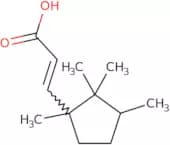
Produit arrêté3-(1,2,2,3-Tetramethylcyclopentyl)prop-2-enoic acid
CAS :Versatile small molecule scaffold
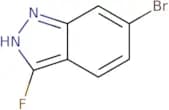
Formule :C12H20O2Degré de pureté :Min. 95%Masse moléculaire :196.29 g/mol6-Bromo-3-fluoro-1H-indazole
CAS :Versatile small molecule scaffold
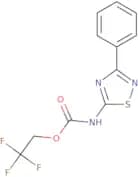
Formule :C7H4BrFN2Degré de pureté :Min. 95%Masse moléculaire :215.02 g/mol2,2,2-Trifluoroethyl N-(3-phenyl-1,2,4-thiadiazol-5-yl)carbamate
CAS :Versatile small molecule scaffold
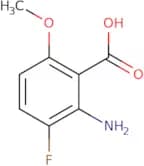
Formule :C11H8F3N3O2SDegré de pureté :Min. 95%Masse moléculaire :303.26 g/mol2-Amino-3-fluoro-6-methoxybenzoic acid
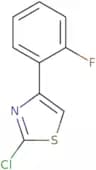
CAS :Versatile small molecule scaffoldFormule :C8H8FNO3Degré de pureté :Min. 95%Masse moléculaire :185.15 g/mol2-Chloro-4-(2-fluorophenyl)-1,3-thiazole
CAS :Versatile small molecule scaffold
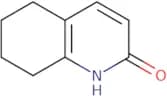
Formule :C9H5ClFNSDegré de pureté :Min. 95%Masse moléculaire :213.66 g/mol5,6,7,8-Tetrahydroquinolin-2(1H)-one
CAS :Tetrahydroquinolin-2(1H)-one is a hydrobromide that has been found in the environment as an environmental pollutant. Tetrahydroquinolin-2(1H)-one is used to synthesize amides and has been studied by single-crystal x-ray diffraction. The molecule is centrosymmetric, with a molecular weight of 244.06 g/mol. Tetrahydroquinolin-2(1H)-one can be used as a ligand for metals such as chlorine and magnesium. It does not dissolve in water but does dissolve in organic solvents such as ethers, chloroform, or benzene.
Formule :C9H11NODegré de pureté :Min. 95%Masse moléculaire :149.19 g/molRef: 3D-ECA80219
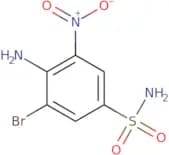
Produit arrêté4-Amino-3-bromo-5-nitro-benzenesulfonamide
CAS :Versatile small molecule scaffold
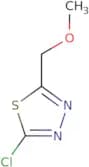
Formule :C6H6BrN3O4SDegré de pureté :Min. 95%Masse moléculaire :296.1 g/mol2-Chloro-5-(methoxymethyl)-1,3,4-thiadiazole
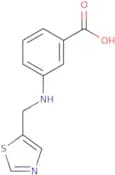
CAS :Versatile small molecule scaffoldFormule :C4H5ClN2OSDegré de pureté :Min. 95%Masse moléculaire :164.61 g/mol3-((Thiazol-5-ylmethyl)amino)benzoic acid
CAS :Versatile small molecule scaffold
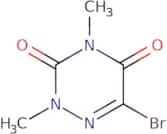
Formule :C11H10N2O2SDegré de pureté :Min. 95%Masse moléculaire :234.28 g/mol6-Bromo-2,4-dimethyl-2,3,4,5-tetrahydro-1,2,4-triazine-3,5-dione
CAS :Versatile small molecule scaffoldFormule :C5H6BrN3O2Degré de pureté :Min. 95%Masse moléculaire :220.02 g/molRef: 3D-QAA87078
Produit arrêté3-(3-Fluorophenoxymethyl)-5H,6H,7H,8H,9H-[1,2,4]triazolo[4,3-a]azepine
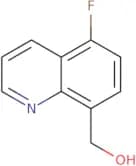
CAS :Versatile small molecule scaffoldFormule :C14H16FN3ODegré de pureté :Min. 95%Masse moléculaire :261.29 g/mol(5-Fluoroquinolin-8-yl)methanol
CAS :Versatile small molecule scaffold
Formule :C10H8FNODegré de pureté :Min. 95%Masse moléculaire :177.17 g/mol7-Oxa-1-azaspiro[3.5]nonan-2-one
CAS :Versatile small molecule scaffold
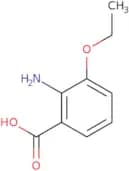
Formule :C7H11NO2Degré de pureté :Min. 95%Masse moléculaire :141.17 g/mol2-Amino-3-ethoxybenzoic acid
CAS :Versatile small molecule scaffold
Formule :C9H11NO3Degré de pureté :Min. 95%Masse moléculaire :181.19 g/mol3-(4-Ethylphenyl)butanoic acid
CAS :Versatile small molecule scaffold
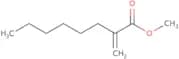
Formule :C12H16O2Degré de pureté :Min. 95%Masse moléculaire :192.25 g/molMethyl 2-methylideneoctanoate
CAS :Versatile small molecule scaffold
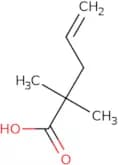
Formule :C10H18O2Degré de pureté :Min. 95%Masse moléculaire :170.25 g/mol2,2-Dimethyl-4-pentenoic Acid
CAS :2,2-Dimethyl-4-pentenoic acid is a decarboxylating agent that converts the carboxylic acid group to an aldehyde. It is commonly used as a reducing agent in organic synthesis, especially for the conversion of esters and nitriles to alcohols and amines respectively. The synthesis of 2,2-dimethyl-4-pentenoic acid is achieved by reacting piperidine with propylene oxide. This reaction proceeds via a six-membered ring intermediate that decomposes to form the final product. The reaction can be catalyzed with peroxide or hydrogen peroxide, which leads to a high yield. 2,2-Dimethyl-4-pentenoic acid has been shown to be effective against hyperproteinemia and lipogenous disorders such as steatosis and cholestasis.
Formule :C7H12O2Degré de pureté :Min. 95%Masse moléculaire :128.17 g/mol3-Hydroxy-5-methylpyridine
CAS :3-Hydroxy-5-methylpyridine (3HMP) is a chemical substance that has been classified as an amine. It is a product of the metabolism of purines, which are nitrogenous bases found in DNA and RNA. 3HMP is produced by aerogenic bacteria (such as Enterobacter), and can be used to estimate the number of these bacteria present in water samples. 3HMP has been shown to have antiviral properties against influenza virus, and can be used as a biomarker for the presence of other viruses in animals. 3HMP also has mineralization properties, which have been studied extensively, particularly with regards to pancreatic disease.
Formule :C6H7NODegré de pureté :Min. 95%Couleur et forme :PowderMasse moléculaire :109.13 g/mol4-Chloro-2-hydroxy-6-methylphenylboronic acid
CAS :Versatile small molecule scaffoldFormule :C7H8BClO3Degré de pureté :Min. 95%Masse moléculaire :186.4 g/molRef: 3D-HYB96150
Produit arrêté2-Bromo-3,3,3-trifluoro-1-propene
CAS :Produit contrôlé2-Bromo-3,3,3-trifluoro-1-propene is a chemical compound that has been synthesized in an asymmetric reaction. The reactant is bromopropane and the product is 2,2,2-trifluoropropene. The methylene group on the propene molecule is activated by the nucleophilic attack of a fluoride ion from hydrogen fluoride to form a cavity with a highly strained bond. The kinetic study of this reaction revealed that the activation energy for the reaction is 42 kJ/mol. Palladium-catalyzed coupling reactions are catalyzed by palladium and require nonpolar solvents such as toluene or dichloromethane. This type of reaction has been shown to be exothermic with an isolated yield of 1%.
Formule :C3H2BrF3Degré de pureté :Min. 95%Couleur et forme :Colorless PowderMasse moléculaire :174.95 g/molRef: 3D-FB11073
Produit arrêté4,5-Dihydroxy-2,3-Pentanedione
CAS :4,5-Dihydroxy-2,3-pentanedione is a carbonyl compound that is the product of the oxidation of ascorbic acid. It is used in wastewater treatment and has antimicrobial properties against infectious diseases. This compound has been shown to inhibit protein synthesis by binding to the ribosome and preventing the formation of peptide bonds between amino acids. 4,5-Dihydroxy-2,3-pentanedione has also been shown to bind to plasma proteins, which may be due to its acyl chain structure. 4,5-Dihydroxy-2,3-pentanedione can be synthesized in a catalytic mechanism that involves dehydroascorbic acid and molecular oxygen.
Formule :C5H8O4Degré de pureté :Min. 95%Couleur et forme :PowderMasse moléculaire :132.11 g/molPiperyline
CAS :Piperyline is an alkanoic acid that has shown to be effective against skin cancer. It also has antimicrobial properties, which may be due to its ability to bind metal ions and form polymeric compounds. Piperyline inhibits microbial growth by inhibiting the synthesis of proteins and nucleic acids. The antimicrobial activity is related to its cationic polymerization with hydroxyl groups, which forms a structure that can inhibit microbial enzymes and disrupt microbial cell membranes. This compound also interacts with the skin's natural lipids, making it difficult for microorganisms to attach and grow on the skin. Piperyline is synthesized in organic chemistry laboratories as an amide precursor of other pharmaceuticals such as penicillin.
Formule :C16H17NO3Degré de pureté :Min. 95%Masse moléculaire :271.31 g/mol


![3'-Methyl-[1,1'-biphenyl]-2-carboxylic acid](/_next/image/?url=https%3A%2Fstatic.cymitquimica.com%2Fproducts%2F3D%2Fthumb-webp%2FHEA41271.webp&w=3840&q=75)

![2-{4-[2-(Pyrrolidin-1-yl)ethoxy]phenyl}ethan-1-amine dihydrochloride](/_next/image/?url=https%3A%2Fstatic.cymitquimica.com%2Fproducts%2F3D%2Fthumb-webp%2FHHC68177.webp&w=3840&q=75)
![2-[2-(Furan-3-yl)-1,3-thiazol-4-yl]acetic acid](/_next/image/?url=https%3A%2Fstatic.cymitquimica.com%2Fproducts%2F3D%2Fthumb-webp%2FIDC97860.webp&w=3840&q=75)
![2-[(2-Methoxyethyl)amino]propanamide hydrochloride](/_next/image/?url=https%3A%2Fstatic.cymitquimica.com%2Fproducts%2F3D%2Fthumb-webp%2FIAC63932.webp&w=3840&q=75)
![3-(3-Fluorophenoxymethyl)-5H,6H,7H,8H,9H-[1,2,4]triazolo[4,3-a]azepine](/_next/image/?url=https%3A%2Fstatic.cymitquimica.com%2Fproducts%2F3D%2Fthumb-webp%2FQGB27246.webp&w=3840&q=75)
![7-Oxa-1-azaspiro[3.5]nonan-2-one](/_next/image/?url=https%3A%2Fstatic.cymitquimica.com%2Fproducts%2F3D%2Fthumb-webp%2FDHA24292.webp&w=3840&q=75)