


Building Blocks
Sous-catégories appartenant à la catégorie "Building Blocks"
- Acides boroniques et dérivés de l'acide boronique(5.783 produits)
- Building Blocks Chiraux(1.242 produits)
- Building Blocks Hydrocarbonés(6.105 produits)
- Building Blocks organiques(61.055 produits)
205383 produits trouvés pour "Building Blocks"
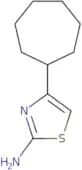
4-Cycloheptyl-1,3-thiazol-2-amine
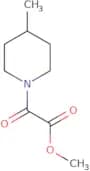
CAS :Versatile small molecule scaffoldFormule :C10H16N2SDegré de pureté :Min. 95%Masse moléculaire :196.31 g/molMethyl 2-(4-methylpiperidin-1-yl)-2-oxoacetate
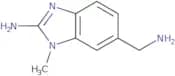
CAS :Versatile small molecule scaffoldFormule :C9H15NO3Degré de pureté :Min. 95%Masse moléculaire :185.22 g/mol6-(Aminomethyl)-1-methyl-1H-1,3-benzodiazol-2-amine
CAS :Versatile small molecule scaffoldFormule :C9H12N4Degré de pureté :Min. 95%Masse moléculaire :176.22 g/mol3-[2-(tert-Butoxy)ethoxy]propanoic acid
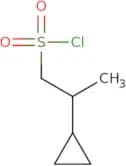
CAS :Versatile small molecule scaffoldFormule :C9H18O4Degré de pureté :Min. 95%Masse moléculaire :190.24 g/mol2-Cyclopropylpropane-1-sulfonyl chloride
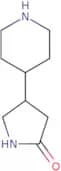
CAS :Versatile small molecule scaffoldFormule :C6H11ClO2SDegré de pureté :Min. 95%Masse moléculaire :182.67 g/mol4-(Piperidin-4-yl)pyrrolidin-2-one
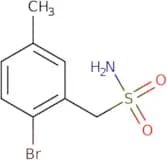
CAS :Versatile small molecule scaffoldFormule :C9H16N2ODegré de pureté :Min. 95%Masse moléculaire :168.24 g/mol(2-Bromo-5-methylphenyl)methanesulfonamide
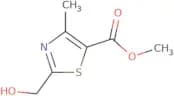
CAS :Versatile small molecule scaffoldFormule :C8H10BrNO2SDegré de pureté :Min. 95%Masse moléculaire :264.14 g/molMethyl 2-(hydroxymethyl)-4-methyl-1,3-thiazole-5-carboxylate
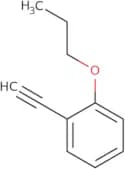
CAS :Versatile small molecule scaffoldFormule :C7H9NO3SDegré de pureté :Min. 95%Masse moléculaire :187.22 g/mol1-Ethynyl-2-propoxybenzene
CAS :Versatile small molecule scaffold
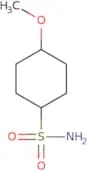
Formule :C11H12ODegré de pureté :Min. 95%Masse moléculaire :160.21 g/mol4-Methoxycyclohexane-1-sulfonamide
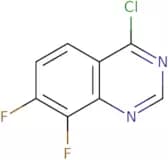
CAS :Versatile small molecule scaffoldFormule :C7H15NO3SDegré de pureté :Min. 95%Masse moléculaire :193.27 g/mol4-Chloro-7,8-difluoroquinazoline
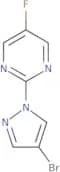
CAS :Versatile small molecule scaffoldFormule :C8H3ClF2N2Degré de pureté :Min. 95%Masse moléculaire :200.57 g/mol2-(4-Bromo-1H-pyrazol-1-yl)-5-fluoropyrimidine
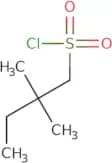
CAS :Versatile small molecule scaffoldFormule :C7H4BrFN4Degré de pureté :Min. 95%Masse moléculaire :243.04 g/mol2,2-Dimethylbutane-1-sulfonyl chloride
CAS :Versatile small molecule scaffoldFormule :C6H13ClO2SDegré de pureté :Min. 95%Masse moléculaire :184.69 g/mol2-[2-(Cyclopentylsulfanyl)pyrimidin-5-yl]ethan-1-amine
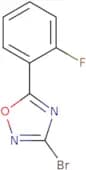
CAS :Versatile small molecule scaffoldFormule :C11H17N3SDegré de pureté :Min. 95%Masse moléculaire :223.34 g/mol3-Bromo-5-(2-fluorophenyl)-1,2,4-oxadiazole
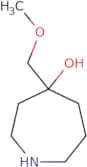
CAS :Versatile small molecule scaffoldFormule :C8H4BrFN2ODegré de pureté :Min. 95%Masse moléculaire :243.03 g/mol4-(Methoxymethyl)azepan-4-ol
CAS :Versatile small molecule scaffold
Formule :C8H17NO2Degré de pureté :Min. 95%Masse moléculaire :159.23 g/mol1-Benzyl-5-chloro-1H-pyrazole-4-carboxylic acid
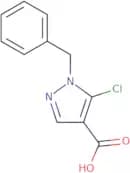
CAS :Versatile small molecule scaffoldFormule :C11H9ClN2O2Degré de pureté :Min. 95%Masse moléculaire :236.65 g/mol2-Ethyl-4H,5H,6H,7H-pyrazolo[1,5-a]pyrimidine-5,7-dione
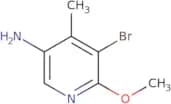
CAS :Versatile small molecule scaffoldFormule :C8H9N3O2Degré de pureté :Min. 95%Masse moléculaire :179.18 g/mol5-Bromo-6-methoxy-4-methylpyridin-3-amine
CAS :Versatile small molecule scaffoldFormule :C7H9BrN2ODegré de pureté :Min. 95%Masse moléculaire :217.06 g/mol6,6,8,8-Tetramethyl-1-azaspiro[3.5]nonane
CAS :Versatile small molecule scaffold
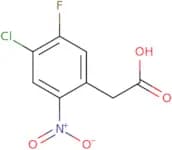
Formule :C12H23NDegré de pureté :Min. 95%Masse moléculaire :181.32 g/mol2-(4-Chloro-5-fluoro-2-nitrophenyl)acetic acid
CAS :Versatile small molecule scaffoldFormule :C8H5ClFNO4Degré de pureté :Min. 95%Masse moléculaire :233.58 g/mol[3-Chloro-5-(ethanesulfonyl)phenyl]methanamine
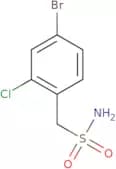
CAS :Versatile small molecule scaffoldFormule :C9H12ClNO2SDegré de pureté :Min. 95%Masse moléculaire :233.72 g/mol(4-Bromo-2-chlorophenyl)methanesulfonamide
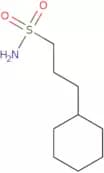
CAS :Versatile small molecule scaffoldFormule :C7H7BrClNO2SDegré de pureté :Min. 95%Masse moléculaire :284.56 g/mol3-Cyclohexylpropane-1-sulfonamide
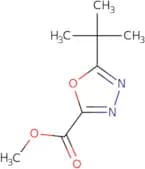
CAS :Versatile small molecule scaffoldFormule :C9H19NO2SDegré de pureté :Min. 95%Masse moléculaire :205.32 g/molMethyl 5-tert-butyl-1,3,4-oxadiazole-2-carboxylate
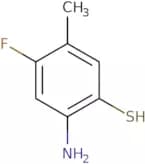
CAS :Versatile small molecule scaffoldFormule :C8H12N2O3Degré de pureté :Min. 95%Masse moléculaire :184.19 g/mol2-Amino-4-fluoro-5-methylbenzenethiol
CAS :Versatile small molecule scaffoldFormule :C7H8FNSDegré de pureté :Min. 95%Masse moléculaire :157.21 g/mol2-{Bicyclo[2.2.1]heptan-2-yl}-3,4-dihydropyrimidin-4-one
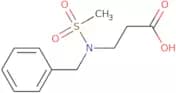
CAS :Versatile small molecule scaffoldFormule :C11H14N2ODegré de pureté :Min. 95%Masse moléculaire :190.24 g/mol3-(N-Benzylmethanesulfonamido)propanoic acid
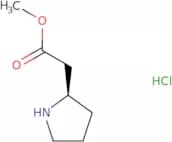
CAS :Versatile small molecule scaffoldFormule :C11H15NO4SDegré de pureté :Min. 95%Masse moléculaire :257.31 g/molMethyl (R)-2-Pyrrolidineacetate Hydrochloride
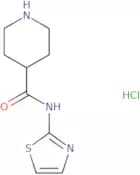
CAS :Versatile small molecule scaffoldFormule :C7H13NO2·HClDegré de pureté :Min. 95%Masse moléculaire :143.18 g/molN-(1,3-Thiazol-2-yl)piperidine-4-carboxamide hydrochloride
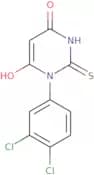
CAS :Versatile small molecule scaffoldFormule :C9H14ClN3OSDegré de pureté :Min. 95%Masse moléculaire :247.75 g/mol1-(3,4-Dichlorophenyl)-2-sulfanylidene-1,3-diazinane-4,6-dione
CAS :Versatile small molecule scaffoldFormule :C10H6Cl2N2O2SDegré de pureté :Min. 95%Masse moléculaire :289.14 g/mol2-Bromo-4-[(2-chlorobenzyl)oxy]-5-methoxybenzaldehyde
CAS :Versatile small molecule scaffoldFormule :C15H12BrClO3Degré de pureté :Min. 95%Masse moléculaire :355.61 g/mol2-Bromo-4-[(2,4-dichlorobenzyl)oxy]-5-methoxybenzaldehyde
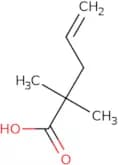
CAS :Versatile small molecule scaffoldFormule :C15H11BrCl2O3Degré de pureté :Min. 95%Masse moléculaire :390.1 g/mol2,2-Dimethyl-4-pentenoic Acid
CAS :2,2-Dimethyl-4-pentenoic acid is a decarboxylating agent that converts the carboxylic acid group to an aldehyde. It is commonly used as a reducing agent in organic synthesis, especially for the conversion of esters and nitriles to alcohols and amines respectively. The synthesis of 2,2-dimethyl-4-pentenoic acid is achieved by reacting piperidine with propylene oxide. This reaction proceeds via a six-membered ring intermediate that decomposes to form the final product. The reaction can be catalyzed with peroxide or hydrogen peroxide, which leads to a high yield. 2,2-Dimethyl-4-pentenoic acid has been shown to be effective against hyperproteinemia and lipogenous disorders such as steatosis and cholestasis.Formule :C7H12O2Degré de pureté :Min. 95%Masse moléculaire :128.17 g/mol2-[(Thiophen-3-ylmethyl)sulfanyl]acetic acid
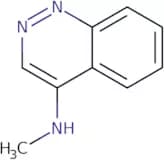
CAS :Versatile small molecule scaffoldFormule :C7H8O2S2Degré de pureté :Min. 95%Masse moléculaire :188.3 g/molN-Methylcinnolin-4-amine
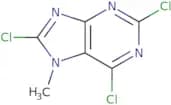
CAS :Versatile small molecule scaffoldFormule :C9H9N3Degré de pureté :Min. 95%Masse moléculaire :159.19 g/mol2,6,8-Trichloro-7-methyl-7H-purine
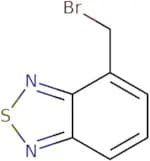
CAS :Versatile small molecule scaffoldFormule :C6H3Cl3N4Degré de pureté :Min. 95%Masse moléculaire :237.5 g/mol4-(Bromomethyl)-2,1,3-benzothiadiazole
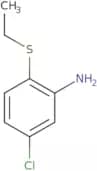
CAS :4-(Bromomethyl)-2,1,3-benzothiadiazole is a heterocyclic compound that is used as an intermediate in the synthesis of pharmaceuticals. It has been shown to have biological activity when hydrolyzed by malonic esterases and phosphodiesterases. 4-(Bromomethyl)-2,1,3-benzothiadiazole has also been shown to be a potent inhibitor of acid hydrolysis in rat erythrocytes and to cause inotropic effects. 4-(Bromomethyl)-2,1,3-benzothiadiazole can be nitrated by potassium nitrate to form a diazonium salt that is used as a reagent for the determination of amines.Formule :C7H5N2SBrDegré de pureté :Min. 95%Masse moléculaire :229.09 g/mol5-Chloro-2-(ethylsulfanyl)aniline
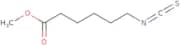
CAS :Versatile small molecule scaffoldFormule :C8H10ClNSDegré de pureté :Min. 95%Masse moléculaire :187.69 g/molMethyl 6-isothiocyanatohexanoate
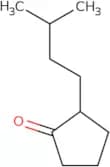
CAS :Methyl 6-isothiocyanatohexanoate is a reactive organic compound that reacts with thiophosgene to form methyl 2,6-dithiocyanatohexanoate. This reaction product is unstable and breaks down to release carbon dioxide and sulfur dioxide. Methyl 6-isothiocyanatohexanoate reacts with theophylline to produce methyl 3,7-dithiocyanatooctanoate. This reaction product can be hydrolyzed by esterases or glucuronidases to release caffeine. Methyl 6-isothiocyanatohexanoate also reacts with theophylline to form methyl 7-dithiocyanatooctanoate in an oxidative process, which releases carbon monoxide and hydrogen cyanide.Formule :C8H13NO2SDegré de pureté :Min. 95%Masse moléculaire :187.26 g/mol2-(3-Methylbutyl)cyclopentan-1-one
CAS :Versatile small molecule scaffold
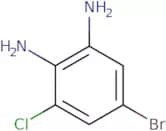
Formule :C10H18ODegré de pureté :Min. 95%Masse moléculaire :154.25 g/mol1,2-Diamino-5-bromo-3-chlorobenzene
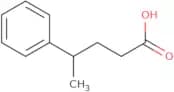
CAS :Versatile small molecule scaffoldFormule :C6H6BrClN2Degré de pureté :Min. 95%Masse moléculaire :221.48 g/mol4-Phenylpentanoic acid
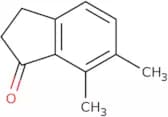
CAS :4-Phenylpentanoic acid is a chemical compound that is found in nature. It is used as an additive to enhance the properties of styrene, which is a colorless liquid with a sweet odor and it can be combustible. 4-Phenylpentanoic acid has been shown to inhibit the degradation of styrene by carbon tetrachloride, but its mechanism of action is not yet known. This substance has also been shown to be selective for alkali metals such as potassium and sodium, while exhibiting no selectivity for other metal ions such as magnesium or iron. This chemical also effectively removes hydroxides from metal surfaces and reacts with aliphatic hydrocarbons to form a variety of products. The nature of 4-phenylpentanoic acid's constant is not yet known.Formule :C11H14O2Degré de pureté :Min. 95%Masse moléculaire :178.23 g/mol6,7-Dimethyl-2,3-dihydro-1H-inden-1-one
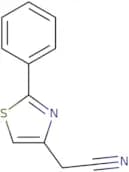
CAS :Versatile small molecule scaffoldFormule :C11H12ODegré de pureté :Min. 95%Masse moléculaire :160.22 g/mol2-(2-Phenyl-1,3-thiazol-4-yl)acetonitrile
CAS :Versatile small molecule scaffold
Formule :C11H8N2SDegré de pureté :Min. 95%Masse moléculaire :200.26 g/mol2-[2-(4-Methylphenyl)-1,3-thiazol-4-yl]acetonitrile
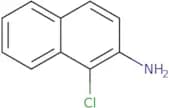
CAS :Versatile small molecule scaffoldFormule :C12H10N2SDegré de pureté :Min. 95%Masse moléculaire :214.29 g/mol1-Chloronaphthalen-2-amine
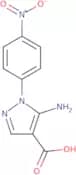
CAS :1-Chloronaphthalen-2-amine is an organic compound that belongs to the group of amines. It is a colorless liquid with a molecular weight of 122.14 and a boiling point of 164°C. This compound is an isomer of naphthalene, which means it has the same chemical formula but different arrangement of atoms within the molecule. 1-Chloronaphthalen-2-amine can be used in pharmaceuticals as well as in nature, where it reacts with singlet oxygen to form nitrosonium ion, which can then react with benzoate to produce nitrobenzene. The enzyme catalysis process involves the use of 1-chloronaphthalen-2-amine as a substrate and acetonitrile as a catalyst to produce 2,6 -dichloroisonicotinic acid.Formule :C10H8ClNDegré de pureté :Min. 95%Masse moléculaire :177.63 g/mol5-Amino-1-(4-nitrophenyl)-1H-pyrazole-4-carboxylic acid
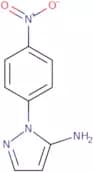
CAS :Versatile small molecule scaffoldFormule :C10H8N4O4Degré de pureté :Min. 95%Masse moléculaire :248.19 g/mol1-(4-Nitrophenyl)-1H-pyrazol-5-amine
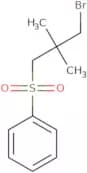
CAS :Versatile small molecule scaffoldFormule :C9H8N4O2Degré de pureté :Min. 95%Masse moléculaire :204.19 g/mol(3-Bromo-2,2-dimethylpropanesulfonyl)benzene
CAS :Versatile small molecule scaffoldFormule :C11H15BrO2SDegré de pureté :Min. 95%Masse moléculaire :291.21 g/mol4-Methyl-1H,2H,3H-pyrrolo[2,3-b]pyridine
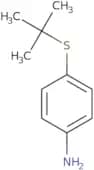
CAS :The protonation of 4-methyl-1H,2H,3H-pyrrolo[2,3-b]pyridine can be described by the following equilibrium equation:Formule :C8H10N2Degré de pureté :Min. 95%Masse moléculaire :134.18 g/mol4-(tert-Butylsulfanyl)aniline
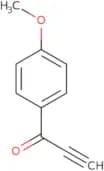
CAS :Versatile small molecule scaffoldFormule :C10H15NSDegré de pureté :Min. 95%Masse moléculaire :181.3 g/mol1-(4-Methoxyphenyl)prop-2-yn-1-one
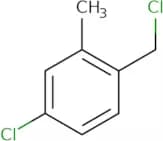
CAS :Versatile small molecule scaffoldFormule :C10H8O2Degré de pureté :Min. 95%Masse moléculaire :160.17 g/mol4-Chloro-1-(chloromethyl)-2-methyl-benzene
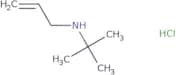
CAS :Lidamine is a potential drug candidate for use in cancer therapy. It has been shown to be cytotoxic, meaning it kills cancer cells. Lidamine was also found to inhibit the growth of cancer cells in vitro and in vivo. More research is needed to investigate lidamine as a potential treatment for cancer.Formule :C8H8Cl2Degré de pureté :Min. 95%Masse moléculaire :175.05 g/moltert-Butyl(prop-2-en-1-yl)amine hydrochloride
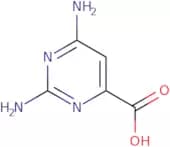
CAS :Versatile small molecule scaffoldFormule :C7H16ClNDegré de pureté :Min. 95%Masse moléculaire :149.66 g/mol2,6-Diaminopyrimidine-4-carboxylic acid
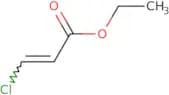
CAS :Versatile small molecule scaffoldFormule :C5H6N4O2Degré de pureté :Min. 95%Masse moléculaire :154.13 g/molEthyl (2Z)-3-chloroprop-2-enoate
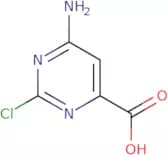
CAS :Versatile small molecule scaffoldFormule :C5H7ClO2Degré de pureté :Min. 95%Masse moléculaire :134.56 g/mol6-Amino-2-chloropyrimidine-4-carboxylic acid
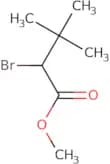
CAS :Versatile small molecule scaffoldFormule :C5H4ClN3O2Degré de pureté :Min. 95%Masse moléculaire :173.56 g/molMethyl 2-bromo-3,3-dimethylbutanoate
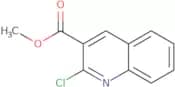
CAS :Versatile small molecule scaffoldFormule :C7H13BrO2Degré de pureté :Min. 95%Masse moléculaire :209.08 g/molMethyl 2-chloro-3-quinolinecarboxylate
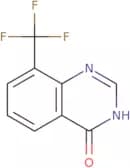
CAS :Methyl 2-chloro-3-quinolinecarboxylate is a heterocycle that inhibits bacterial growth by binding to the DNA gyrase and topoisomerase IV. This antibiotic has been shown to be active against Pseudomonas aeruginosa and other bacteria, including those that are resistant to quinolones. Methyl 2-chloro-3-quinolinecarboxylate binds to the enzyme's active site, inhibiting its function and halting DNA synthesis. It also contains a halogen group that may interact with the enzyme's active site, thereby preventing the formation of an enzyme-substrate complex.Formule :C11H8ClNO2Degré de pureté :Min. 95%Masse moléculaire :221.64 g/mol8-(Trifluoromethyl)-3,4-dihydroquinazolin-4-one
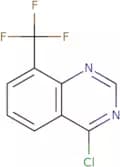
CAS :Versatile small molecule scaffoldFormule :C9H5F3N2ODegré de pureté :Min. 95%Masse moléculaire :214.14 g/mol4-Chloro-8-(trifluoromethyl)quinazoline
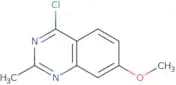
CAS :Versatile small molecule scaffoldFormule :C9H4ClF3N2Degré de pureté :Min. 95%Masse moléculaire :232.59 g/mol4-Chloro-7-methoxy-2-methylquinazoline
CAS :Versatile small molecule scaffold
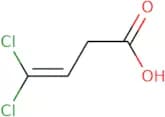
Formule :C10H9ClN2ODegré de pureté :Min. 95%Masse moléculaire :208.64 g/mol4,4-Dichlorobut-3-enoic acid
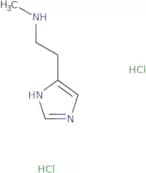
CAS :Versatile small molecule scaffoldFormule :C4H4Cl2O2Degré de pureté :Min. 95%Masse moléculaire :154.98 g/molN±-Methylhistamine dihydrochloride
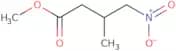
CAS :N±-Methylhistamine dihydrochloride is a metabolite of histamine that has been shown to be produced in mononuclear phagocytes by the oxidation of histamine. N±-Methylhistamine dihydrochloride has been shown to cause oxidative damage to cells, and causes cell response, which may lead to radical formation. It has also been shown to damage DNA and RNA.Formule :C6H11N3·2HClDegré de pureté :Min. 95%Masse moléculaire :198.09 g/molMethyl 3-methyl-4-nitrobutanoate
CAS :Methyl 3-methyl-4-nitrobutanoate is a reagent that can be used in the synthesis of pyrrolo, quinazolone, and deoxyvasicinone analogues. It has been shown to react with electrophiles such as epoxides and aziridines to form six-membered heterocycles. Methyl 3-methyl-4-nitrobutanoate is a useful synthetic intermediate for the preparation of various analogues of vasicinone.Formule :C6H11NO4Degré de pureté :Min. 95%Masse moléculaire :161.16 g/mol2-[(4-Methylphenyl)amino]benzoic acid
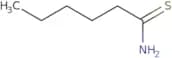
CAS :Versatile small molecule scaffoldFormule :C14H13NO2Degré de pureté :Min. 95%Masse moléculaire :227.26 g/molHexanethioamide
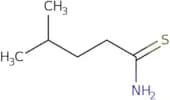
CAS :Hexanethioamide is an organic compound that is a nitro, fluoroalkyl, and thioacetamide. It is used as an acid catalyst in the synthesis of various pharmaceuticals, such as sulfonylureas and antibiotics. Hexanethioamide has been shown to possess viscosity-increasing properties. The functional theory for hexanethioamide is that it adsorbs on the surface of the polymer chain with its nitro group, which becomes protonated. This increases the acidity of the surface and lowers the pKa value of the amide group. Hexanethioamide has been used in pest control as a control agent for termites and other insects.Formule :C6H13NSDegré de pureté :Min. 95%Masse moléculaire :131.24 g/mol4-Methylpentanethioamide
CAS :Versatile small molecule scaffold
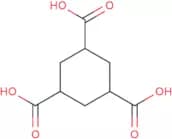
Formule :C6H13NSDegré de pureté :Min. 95%Masse moléculaire :131.24 g/mol1,3,5-Cyclohexanetricarboxylic acid
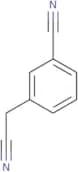
CAS :1,3,5-Cyclohexanetricarboxylic acid is a supramolecular molecule with an imine nitrogen and chloride. It has been analyzed by X-ray crystallography and was found to have the structure of a monoclinic crystal. The deionized water molecules form hydrogen bonds with the carboxylate group on the molecule. The hydrogen bonds are intermolecular and are formed between two different molecules of water. 1,3,5-Cyclohexanetricarboxylic acid is also able to form hydrogen bonds with other molecules that contain a nitrogen atom, such as ammonia or amines. Molecular modeling software was used to show how a cavity is created in the center of the molecule from which it can bind to other molecules.Formule :C9H12O6Degré de pureté :Min. 95%Masse moléculaire :216.19 g/mol3-Cyanbenzylcyanide
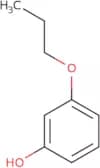
CAS :3-Cyanbenzylcyanide is a synthetic compound that belongs to the class of benzonitriles. It is used as an intermediate in organic synthesis, most notably for the production of atorvastatin and gabapentin. 3-Cyanbenzylcyanide is used in synthesizing amides, such as amides with acetonitrile. It has been shown to be a chemists' tool for elucidating the structures of complex molecules. The systematic study of 3-cyanbenzylcyanide has led to modifications that can be applied to other chemical compounds. The chemists have also examined the biotransformations of 3-cyanbenzylcyanide and found that it can be biotransformed into diacids and gabapentin by modifying its structure. The integration of 3-cyanbenzylcyanide with other compounds has led to new discoveries in the fieldFormule :C9H6N2Degré de pureté :Min. 95%Masse moléculaire :142.16 g/mol3-Propoxyphenol
CAS :3-Propoxyphenol is a compound that is used as an intermediate in the synthesis of other organic compounds. It has been shown to have homologous properties with 3-phenoxypropionitrile, which can be used to synthesize violaceum and other organic compounds. The protonation of 3-propoxyphenol at pH 7.2 produces a stable ion pair, which can be quantified by chromatography. The x-ray structure analysis of this compound showed that it contains a dipole moment of 1.406 D and that it has high affinity for hydrocarbons, providing a possible explanation for its thermal stability and high yield.Formule :C9H12O2Degré de pureté :Min. 95%Masse moléculaire :152.19 g/molN-Cinnamylglycine
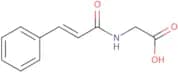
CAS :N-Cinnamylglycine is a compound that belongs to the class of amino acids and has a hydroxyl group and an ethylene diamine side chain. It is an endogenous metabolite which can be found in skin cells, body mass index, gamma-aminobutyric acid, and epidermal growth factor. N-Cinnamylglycine has been identified as a potential biomarker for glomerular filtration rate (GFR). This amino acid may also serve as a biomarker for atherosclerotic cardiovascular disease. N-Cinnamylglycine may be involved in metabolic disorders due to its involvement in microbial metabolism of fatty acids.Formule :C11H11NO3Degré de pureté :Min. 95%Masse moléculaire :205.21 g/moltert-Butyl 2-methylbutanoate
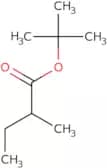
CAS :Versatile small molecule scaffoldFormule :C9H18O2Degré de pureté :Min. 95%Masse moléculaire :158.24 g/molDecane-2,9-dione
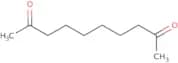
CAS :Decane-2,9-dione is a ketone that is used as an intermediate in organic synthesis. It can be used to synthesize terminal alkyne compounds. Decane-2,9-dione also has the ability to react with chloride or hydration to form methoxymethylene chloride or methyl ketones. Decane-2,9-dione can also be used as a catalyst for various reactions including the transfer of rhodium and benzene. The nature of this compound is not known but it is speculated that it may be a natural product from catalysis by ruthenium and rhodium.Formule :C10H18O2Degré de pureté :Min. 95%Masse moléculaire :170.25 g/molN-[(3-Bromophenyl)methyl]-N-methylaniline
CAS :Versatile small molecule scaffoldFormule :C14H14BrNDegré de pureté :Min. 95%Masse moléculaire :276.17 g/mol4-bromoisoquinolin-5-amine
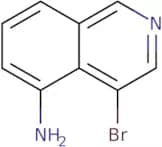
CAS :Versatile small molecule scaffold
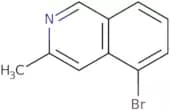
Formule :C9H7BrN2Degré de pureté :Min. 95%Masse moléculaire :223.1 g/mol5-bromo-3-methylisoquinoline
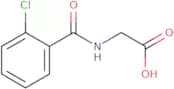
CAS :Versatile small molecule scaffoldFormule :C10H8NBrDegré de pureté :Min. 95%Masse moléculaire :222.08 g/mol2-Chlorohippuric acid
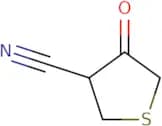
CAS :2-Chlorohippuric acid is a synthetic, non-natural molecule that has been shown to inhibit the growth of liver cells. This drug also has an analytical method for detecting the presence of 2-chlorohippuric acid in urine samples. The terminal half-life is about 30 minutes, and this drug also inhibits the synthesis of hippuric acid, which is a metabolite of benzoic acid. The acylation reaction enhances the elimination of 2-chlorohippuric acid from the body.Formule :C9H8ClNO3Degré de pureté :Min. 95%Masse moléculaire :213.62 g/mol4-Cyano-3-tetrahydrothiophenone
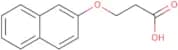
CAS :4-Cyano-3-tetrahydrothiophenone is a simple compound that can be synthesized in a variety of ways. It is not symmetrical, and has been shown to have biological properties. This compound has been used in the synthesis of other compounds with optical properties. 4-Cyano-3-tetrahydrothiophenone is also used as a precursor for the preparation of other compounds that are used as acceptors, such as diethyl ether and thioglycolate. Preparative methods for this compound involve the use of acrylonitrile and solar cells.Formule :C5H5NOSDegré de pureté :Min. 95%Masse moléculaire :127.16 g/mol3-(Naphthalen-2-yloxy)propanoic acid
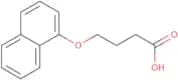
CAS :Versatile small molecule scaffoldFormule :C13H12O3Degré de pureté :Min. 95%Masse moléculaire :216.23 g/mol4-(Naphthalen-1-yloxy)butanoic acid
CAS :Produit contrôléVersatile small molecule scaffoldFormule :C14H14O3Degré de pureté :Min. 95%Masse moléculaire :230.26 g/mol2H,3H,4H,5H-Naphtho[1,2-b]oxepin-5-one
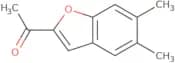
CAS :Naphtho[1,2-b]oxepin-5-one is a crystalline compound that is a derivative of naphthalene. It has an elemental composition of C10H8O and a molecular weight of 142.16 g/mol. Naphtho[1,2-b]oxepin-5-one is stabilized by hydrogen bonding interactions with the hydroxyl groups on the benzene rings and has been shown to have a crystallographic space group of P21/c. The molecule can be analyzed using x-ray diffraction studies, which will provide information about its atomic structure and topology. Computational analysis of the molecule reveals that it has non-covalent interactions at its surface that are due to van der Waals forces. Nature also plays an important role in determining the structural properties of this compound by providing an environment for it to exist in, such as water or air.Formule :C14H12O2Degré de pureté :Min. 95%Masse moléculaire :212.24 g/mol1-(5,6-Dimethyl-1-benzofuran-2-yl)ethan-1-one
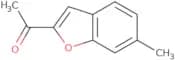
CAS :Versatile small molecule scaffoldFormule :C12H12O2Degré de pureté :Min. 95%Masse moléculaire :188.22 g/mol1-(6-Methyl-1-benzofuran-2-yl)ethan-1-one
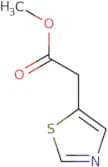
CAS :Versatile small molecule scaffoldFormule :C11H10O2Degré de pureté :Min. 95%Masse moléculaire :174.2 g/molMethyl 2-(1,3-thiazol-5-yl)acetate
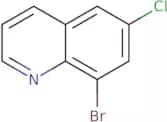
CAS :Versatile small molecule scaffoldFormule :C6H7NO2SDegré de pureté :Min. 95%Masse moléculaire :157.19 g/mol8-Bromo-6-chloroquinoline
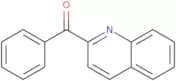
CAS :8-Bromo-6-chloroquinoline (8BCQ) is a fluorescent dye that emits blue light. It has photophysical properties such as its emission, absorption, and fluorescence. 8BCQ is an isomeric compound that can be used to study the relationship between emission and absorption spectra. It has been shown to be a good mediator of cross-coupling reactions in the synthesis of heterocycles. 8BCQ has a high yield as it can be synthesized by heating dioxane with potassium carbonate and palladium chloride under pressure.Formule :C9H5BrClNDegré de pureté :Min. 95%Masse moléculaire :242.5 g/mol2-Benzoylquinoline
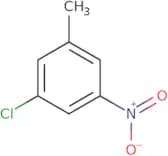
CAS :2-Benzoylquinoline is an antimicrobial agent that can be used as a corrosion inhibitor. It contains a nitro group, an inorganic acid, and an aliphatic hydrocarbon. The molecule has been shown to be effective against Gram-positive and Gram-negative bacteria, fungi, and yeast. 2-Benzoylquinoline is also an efficient method for the synthesis of β-unsaturated ketones.Formule :C16H11NODegré de pureté :Min. 95%Masse moléculaire :233.26 g/mol1-Chloro-3-methyl-5-nitrobenzene
CAS :1-Chloro-3-methyl-5-nitrobenzene is a reactant that is used to prepare the chlorination reaction of hydrochloric acid and sodium nitrite. It has been used in the preparation process for polysaccharides and amino acids. 1-Chloro-3-methyl-5-nitrobenzene is an organic compound that contains a carbamate group and a methylphenyl group. This molecule can be prepared by the chlorination of 1,1,1,2,2,3,4,4,5,5,-octachlorobenzene with potassium chloride or sodium chloride in the presence of hydrochloric acid and sodium nitrite. The nitrite reacts with the methylphenyl group to form an amide bond that then undergoes deamination to form ammonia.Formule :C7H6ClNO2Degré de pureté :Min. 95%Masse moléculaire :171.58 g/mol6-Iodobenzo[d]thiazol-2-amine
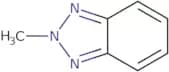
CAS :6-Iodobenzo[d]thiazol-2-amine is an antimicrobial agent that has been shown to have antimycobacterial activity against Mycobacterium tuberculosis. 6-Iodobenzo[d]thiazol-2-amine inhibits the synthesis of mycolic acid, which is a key component in the cell wall of the bacteria. It also has shown to be effective against other bacteria such as Staphylococcus aureus and Pseudomonas aeruginosa. The mechanism of action is not fully understood but may involve binding to bacterial DNA or RNA, inhibiting protein synthesis, or altering cellular membranes. This compound is used as a building block for drug development, where it can be conjugated with other molecules to form new compounds with different properties.Formule :C7H5IN2SDegré de pureté :Min. 95%Masse moléculaire :276.1 g/mol2-Methyl-2H-1,2,3-benzotriazole
CAS :2-Methyl-2H-1,2,3-benzotriazole is a denser form of 2-methyl-1,2,3-benzotriazole. It has been deuterated to facilitate magnetic resonance analysis and has been quantified in wastewater samples. The molecular weight of 2-methyl-2H-1,2,3-benzotriazole is higher than its methylated counterpart. The ionization potential of this molecule is lower than that of the methylated molecule. This difference in electron density between the two molecules can be attributed to the incorporation of deuterium atoms into the molecule's structure. 2-Methyl-2H-1,2,3-benzotriazole may be synthesized from desethylatrazine by hydrogenation. Density profiles were generated for both compounds and it was found that 2-methyl-2H -1,2,3 -benzot
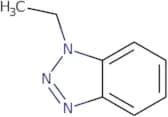
Formule :C7H7N3Degré de pureté :Min. 95%Masse moléculaire :133.15 g/mol1-Ethylbenzotriazole
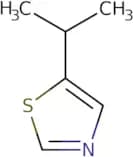
CAS :1-Ethylbenzotriazole is a biologically active compound that is used in organic synthesis. 1-Ethylbenzotriazole can be prepared through the reaction of benzotriazole and ethanol. This compound has been shown to yield high yields of imidazoles in aqueous ethanol solutions. It also has hypsochromic properties, which are changes in color when exposed to ultraviolet light or radiation. The conformational properties of 1-ethylbenzotriazole have been studied using photoelectron spectroscopy. These studies have revealed that the molecule has a conformation with an electronegativity parameter of 0.48 and an average potential energy of -0.8 eV for the benzene ring, as well as a high cyclic potential energy (-2.6 eV).Formule :C8H9N3Degré de pureté :Min. 95%Masse moléculaire :147.18 g/mol5-(Propan-2-yl)-1,3-thiazole
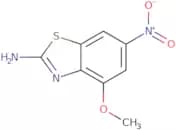
CAS :5-(Propan-2-yl)-1,3-thiazole is a bioactive compound that belongs to the class of antimicrobial agents. It has been shown to have a broad spectrum of activity against Gram-positive and Gram-negative bacteria. 5-(Propan-2-yl)-1,3-thiazole has been used as an active ingredient in biocides, making it effective against both aerobic and anaerobic organisms. This compound has been shown to denature proteins and inhibit their enzymatic activity. 5-(Propan-2-yl)-1,3-thiazole also inhibits protein synthesis by binding to ribosomes at the site of mRNA translation. The minimal inhibitory concentration for this compound is not yet known.Formule :C6H9NSDegré de pureté :Min. 95%Masse moléculaire :127.21 g/mol4-Methoxy-6-nitro-1,3-benzothiazol-2-amine
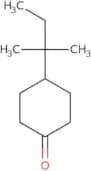
CAS :Versatile small molecule scaffoldFormule :C8H7N3O3SDegré de pureté :Min. 95%Masse moléculaire :225.23 g/mol4-(tert-Pentyl)cyclohexanone
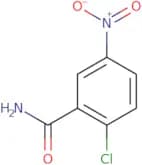
CAS :4-(tert-Pentyl)cyclohexanone is a cyclohexanone derivative that has been modified to have a tert-pentyl group. The compound has been shown to be effective in vitro against bacteria, yeast, and fungi. 4-(tert-Pentyl)cyclohexanone is used as a feedstock for the production of sugar alcohols and can be used as a feedstock for the production of detergent compositions. This compound also has photolabile properties that make it an ideal candidate for use in sterilization processes. 4-(tert-Pentyl)cyclohexanone is also soluble in liquid phase systems and can be removed by filtration methods. The chemical structure of this compound contains functional groups such as ethers and esters, which allow it to function well with other compounds in many different applications.Formule :C11H20ODegré de pureté :Min. 95%Masse moléculaire :168.28 g/mol2-Chloro-5-nitrobenzamide
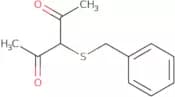
CAS :Versatile small molecule scaffoldFormule :C7H5ClN2O3Degré de pureté :Min. 95%Masse moléculaire :200.58 g/mol3-(Benzylsulfanyl)pentane-2,4-dione
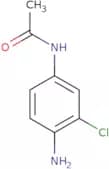
CAS :Versatile small molecule scaffoldFormule :C12H14O2SDegré de pureté :Min. 95%Masse moléculaire :222.31 g/molN-(4-Amino-3-chlorophenyl)acetamide
CAS :Versatile small molecule scaffold
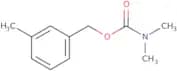
Formule :C8H9ClN2ODegré de pureté :Min. 95%Masse moléculaire :184.62 g/mol(3-Methylphenyl)methyl N,N-dimethylcarbamate
CAS :Versatile small molecule scaffold
Formule :C11H15NO2Degré de pureté :Min. 95%Masse moléculaire :193.24 g/mol6-Benzyl-6-azabicyclo[3.2.1]octan-3-one
CAS :Versatile small molecule scaffoldFormule :C14H17NODegré de pureté :Min. 95%Masse moléculaire :215.29 g/mol

![3-[2-(tert-Butoxy)ethoxy]propanoic acid](/_next/image/?url=https%3A%2Fstatic.cymitquimica.com%2Fproducts%2F3D%2Fthumb-webp%2FQMC66344.webp&w=3840&q=75)
![2-[2-(Cyclopentylsulfanyl)pyrimidin-5-yl]ethan-1-amine](/_next/image/?url=https%3A%2Fstatic.cymitquimica.com%2Fproducts%2F3D%2Fthumb-webp%2FQMC73723.webp&w=3840&q=75)
![2-Ethyl-4H,5H,6H,7H-pyrazolo[1,5-a]pyrimidine-5,7-dione](/_next/image/?url=https%3A%2Fstatic.cymitquimica.com%2Fproducts%2F3D%2Fthumb-webp%2FQMC85543.webp&w=3840&q=75)
![6,6,8,8-Tetramethyl-1-azaspiro[3.5]nonane](/_next/image/?url=https%3A%2Fstatic.cymitquimica.com%2Fproducts%2F3D%2Fthumb-webp%2FQMC92284.webp&w=3840&q=75)
![[3-Chloro-5-(ethanesulfonyl)phenyl]methanamine](/_next/image/?url=https%3A%2Fstatic.cymitquimica.com%2Fproducts%2F3D%2Fthumb-webp%2FQMC93559.webp&w=3840&q=75)
![2-{Bicyclo[2.2.1]heptan-2-yl}-3,4-dihydropyrimidin-4-one](/_next/image/?url=https%3A%2Fstatic.cymitquimica.com%2Fproducts%2F3D%2Fthumb-webp%2FQMC98158.webp&w=3840&q=75)
![2-Bromo-4-[(2-chlorobenzyl)oxy]-5-methoxybenzaldehyde](/_next/image/?url=https%3A%2Fstatic.cymitquimica.com%2Fproducts%2F3D%2Fthumb-webp%2FQNA21655.webp&w=3840&q=75)
![2-Bromo-4-[(2,4-dichlorobenzyl)oxy]-5-methoxybenzaldehyde](/_next/image/?url=https%3A%2Fstatic.cymitquimica.com%2Fproducts%2F3D%2Fthumb-webp%2FQNA21656.webp&w=3840&q=75)
![2-[(Thiophen-3-ylmethyl)sulfanyl]acetic acid](/_next/image/?url=https%3A%2Fstatic.cymitquimica.com%2Fproducts%2F3D%2Fthumb-webp%2FRAA40141.webp&w=3840&q=75)
![2-[2-(4-Methylphenyl)-1,3-thiazol-4-yl]acetonitrile](/_next/image/?url=https%3A%2Fstatic.cymitquimica.com%2Fproducts%2F3D%2Fthumb-webp%2FRAA44127.webp&w=3840&q=75)
![4-Methyl-1H,2H,3H-pyrrolo[2,3-b]pyridine](/_next/image/?url=https%3A%2Fstatic.cymitquimica.com%2Fproducts%2F3D%2Fthumb-webp%2FRAA46294.webp&w=3840&q=75)
![2-[(4-Methylphenyl)amino]benzoic acid](/_next/image/?url=https%3A%2Fstatic.cymitquimica.com%2Fproducts%2F3D%2Fthumb-webp%2FRAA52423.webp&w=3840&q=75)
![N-[(3-Bromophenyl)methyl]-N-methylaniline](/_next/image/?url=https%3A%2Fstatic.cymitquimica.com%2Fproducts%2F3D%2Fthumb-webp%2FRAA54715.webp&w=3840&q=75)
![2H,3H,4H,5H-Naphtho[1,2-b]oxepin-5-one](/_next/image/?url=https%3A%2Fstatic.cymitquimica.com%2Fproducts%2F3D%2Fthumb-webp%2FRAA56358.webp&w=3840&q=75)
![6-Iodobenzo[d]thiazol-2-amine](/_next/image/?url=https%3A%2Fstatic.cymitquimica.com%2Fproducts%2F3D%2Fthumb-webp%2FRAA58258.webp&w=3840&q=75)
![6-Benzyl-6-azabicyclo[3.2.1]octan-3-one](/_next/image/?url=https%3A%2Fstatic.cymitquimica.com%2Fproducts%2F3D%2Fthumb-webp%2FRAA60747.webp&w=3840&q=75)