Building Blocks
Sous-catégories appartenant à la catégorie "Building Blocks"
- Acides boroniques et dérivés de l'acide boronique(5.784 produits)
- Building Blocks Chiraux(1.242 produits)
- Building Blocks Hydrocarbonés(6.105 produits)
- Building Blocks organiques(61.065 produits)
205418 produits trouvés pour "Building Blocks"
2-Methyl-1-(piperazin-1-yl)propan-1-one
CAS :Versatile small molecule scaffoldFormule :C8H16N2ODegré de pureté :Min. 95%Masse moléculaire :156.23 g/moltert-Butyl 2,9-diazaspiro[5.5]undecane-2-carboxylate
CAS :Versatile small molecule scaffold
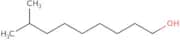
Formule :C14H26N2O2Degré de pureté :Min. 95%Masse moléculaire :254.38 g/mol8-Methylnonan-1-ol
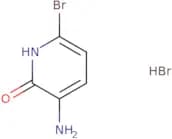
CAS :Please enquire for more information about 8-Methylnonan-1-ol including the price, delivery time and more detailed product information at the technical inquiry form on this pageFormule :C10H22ODegré de pureté :Min. 95%Masse moléculaire :158.28 g/mol3-amino-6-bromopyridin-2-ol hydrobromide
CAS :Versatile small molecule scaffold
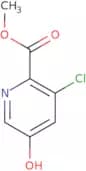
Formule :C5H6Br2N2ODegré de pureté :Min. 95%Masse moléculaire :269.9 g/molMethyl 3-chloro-5-hydroxypyridine-2-carboxylate
CAS :Versatile small molecule scaffoldFormule :C7H6NO3ClDegré de pureté :Min. 95%Masse moléculaire :187.58 g/mol4-(2,6-Difluorophenyl)piperidin-4-ol hydrochloride
CAS :Versatile small molecule scaffold
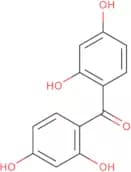
Formule :C11H14ClF2NODegré de pureté :Min. 95%Masse moléculaire :249.68 g/mol2,2',4,4'-tetrahydroxybenzophenone
CAS :2,2',4,4'-tetrahydroxybenzophenone is a hydroxylated benzophenone that has immunomodulatory effects. It binds to the receptor in the immune system and can cause an increase in cytokine production. 2,2',4,4'-tetrahydroxybenzophenone is cytotoxic and has significant toxicity in vitro. The molecule has been shown to disrupt mitochondrial membrane potential. This may be due to its ability to form hydrogen bonds with molecules on the mitochondrial membrane. 2,2',4,4'-tetrahydroxybenzophenone also modulates transcriptional regulation of genes involved in cell proliferation and apoptosis. The drug is detectable at low levels by mass spectrometry and is not known to have any toxicological effects.END>>
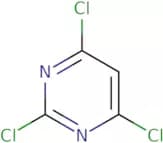
Formule :C13H10O5Degré de pureté :Min. 95%Couleur et forme :Green PowderMasse moléculaire :246.22 g/mol2,4,6-Trichloropyrimidine
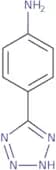
CAS :2,4,6-Trichloropyrimidine is an antimicrobial agent that belongs to the chemical class of pyrimidine compounds. It inhibits bacterial growth by cross-linking with amino acids and nucleic acids in the cell wall, thereby inhibiting protein synthesis. 2,4,6-Trichloropyrimidine is also a cross-linking agent for polymers such as polyurethane and vinyl chloride. This compound has been shown to be effective against P. aeruginosa and other bacteria that are resistant to antibiotics. 2,4,6-Trichloropyrimidine reacts with water vapor or oxygen nucleophiles to form hydrogen chloride and amine groups. These reactions can be used for identification of this compound in the laboratory.Formule :C4HCl3N2Degré de pureté :Min. 95%Couleur et forme :PowderMasse moléculaire :183.42 g/mol4-(1H-Tetrazol-5-yl)aniline
CAS :Please enquire for more information about 4-(1H-Tetrazol-5-yl)aniline including the price, delivery time and more detailed product information at the technical inquiry form on this page
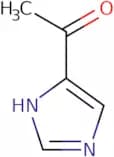
Formule :C7H7N5Degré de pureté :Min. 95%Masse moléculaire :161.16 g/mol4-Acetylimidazole
CAS :4-Acetylimidazole is a histidine analogue that has been shown to have anticancer activity in breast cancer cells. It can react with amines and form imidazoles. The hydroxyl group on the 4-position of the imidazole ring is able to undergo dehydration, which leads to the formation of a chloride ion. This reaction mechanism is reversible and can be used in organic synthesis. 4-Acetylimidazole can also act as an h2 receptor antagonist, although it does not bind to the zwitterionic site of the h2 receptor. NMR spectra show that 4-acetylimidazole exists as a zwitterion in water solution, but becomes a monovalent ion when dissolved in an organic solvent such as methanol or acetone. 4-Acetylimidazole is chemically stable and does not react with poloxamer.
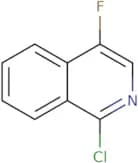
Formule :C5H6N2ODegré de pureté :Min. 95%Couleur et forme :Yellow PowderMasse moléculaire :110.11 g/mol1-chloro-4-fluoroisoquinoline
CAS :1-chloro-4-fluoroisoquinoline is a chlorinating agent that has been used as a synthetic method for the synthesis of oxychloride. It is typically used in the presence of palladium catalyst, in the presence of phosphorus and under reductive conditions. The chlorination reaction is initiated by addition of hydrochloric acid or phosphorous oxychloride. The 1-hydroxyisoquinoline reacts with phosphorus to form a chloroformate, which reacts with fluorine gas to produce an intermediate chlorofluorinate. This intermediate then reacts with chlorine gas in the presence of palladium catalyst to generate the desired product, 1-chloro-4-fluoroisoquinoline.Formule :C9H5ClFNDegré de pureté :Min. 95%Masse moléculaire :181.59 g/molSodium 4-hydroxybenzenesulfonate dihydrate
CAS :Sodium 4-hydroxybenzenesulfonate dihydrate is a hydrogenated compound with reactive properties. It is used in the production of optical materials and is used to produce hydrogen peroxide, which is a strong oxidizing agent. Sodium 4-hydroxybenzenesulfonate dihydrate has been shown to react with calcium ions to form calcium sulfinates. The luminescence property of this compound can be enhanced by mixing it with other compounds such as x-ray diffraction study, functional groups, or hydrogen peroxide. The reaction time for the formation of sodium 4-hydroxybenzenesulfonate dihydrate can be shortened by adding anions such as sulfamic acid.Formule :C6H5NaO4S·2H2ODegré de pureté :Min. 95%Couleur et forme :White To Off-White SolidMasse moléculaire :232.19 g/mol2-chloro-5-(trifluoromethyl)pyrimidin-4-amine
CAS :Versatile small molecule scaffoldFormule :C5H3ClF3N3Degré de pureté :Min. 95%Masse moléculaire :197.55 g/molPotassium (cyclopropylmethyl)trifluoroborate
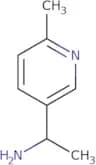
CAS :Versatile small molecule scaffoldFormule :C4H7BF3KDegré de pureté :Min. 95%Masse moléculaire :162 g/mol1-(6-Methylpyridin-3-yl)ethanamine
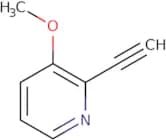
CAS :Versatile small molecule scaffoldFormule :C8H12N2Degré de pureté :Min. 95%Masse moléculaire :136.19 g/mol2-Ethynyl-3-methoxypyridine
CAS :2-Ethynyl-3-methoxypyridine is a chiral, alkynyl compound that can be synthesized from the reaction of acetone and ethyne. This compound is axially chiral and has two rotational isomers, which are optically active. The synthesis of this compound was first reported in 1952 by cyclizing 2-ethynylpyridine with methoxyacetophenone in the presence of acetic acid. The photochemical reactions of this compound have been studied extensively and it has shown to be a useful substrate for pyridines.Formule :C8H7NODegré de pureté :Min. 95%Masse moléculaire :133.14 g/molPiperidine-3-sulfonamide hydrochloride
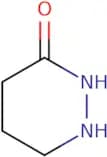
CAS :Versatile small molecule scaffoldFormule :C5H13ClN2O2SDegré de pureté :Min. 95%Masse moléculaire :200.69 g/mol1,2-Diazinan-3-one
CAS :Please enquire for more information about 1,2-Diazinan-3-one including the price, delivery time and more detailed product information at the technical inquiry form on this pageFormule :C4H8N2ODegré de pureté :Min. 95%Masse moléculaire :100.12 g/moltert-Butyl 3-(piperidin-3-yl)azetidine-1-carboxylate
CAS :Versatile small molecule scaffoldFormule :C13H24N2O2Degré de pureté :Min. 95%Masse moléculaire :240.35 g/molOctadecanedioic Acid
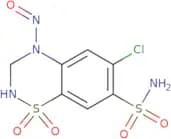
CAS :Octadecanedioic acid (ODA) is a fatty acid with the chemical formula CH3(CH2)14COOH. It is a colorless oily liquid that is soluble in water and alcohols. ODA is used in wastewater treatment, as it can remove metal hydroxides and organic substances such as alcohol residue. It has been shown to have low toxicity to humans, with no significant changes in blood chemistry or urinalysis parameters following exposure. It also has been shown to be chemically stable and biodegradable. ODA may be used in pharmaceutical preparations and process optimization, such as biological treatment of wastewater.Formule :C18H34O4Degré de pureté :Min. 95%Couleur et forme :White PowderMasse moléculaire :314.46 g/molN-Nitroso hydrochlorothiazide
CAS :Please enquire for more information about N-Nitroso hydrochlorothiazide including the price, delivery time and more detailed product information at the technical inquiry form on this pageFormule :C7H7ClN4O5S2Degré de pureté :Min. 95%Masse moléculaire :326.74 g/molN-Nitroso ramipril
Please enquire for more information about N-Nitroso ramipril including the price, delivery time and more detailed product information at the technical inquiry form on this page
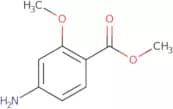
Formule :C23H31N3O6Degré de pureté :Min. 95%Couleur et forme :PowderMasse moléculaire :445.51 g/molMethyl 4-amino-2-methoxybenzoate
CAS :Methyl 4-amino-2-methoxybenzoate is a solute with anticancer activity. It has been shown to inhibit the growth of erythrocytes and cancer cells in vitro. The mechanism of action is associated with its ability to bind to aminobenzothiazole, which inhibits the production of DNA and RNA. Methyl 4-amino-2-methoxybenzoate has also been shown to inhibit the proliferation of human muscle cells and induce their differentiation. This drug does not have any effect on lipid or protein synthesis in cells, which may be due to its solvent perturbation properties.Formule :C9H11NO3Degré de pureté :Min. 95%Couleur et forme :PowderMasse moléculaire :181.19 g/mol3-Methyl-2-(methylthio)benzo[d]thiazol-3-ium iodide
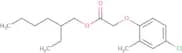
CAS :Please enquire for more information about 3-Methyl-2-(methylthio)benzo[d]thiazol-3-ium iodide including the price, delivery time and more detailed product information at the technical inquiry form on this pageFormule :C9H10NS2•IDegré de pureté :Min. 95%Masse moléculaire :323.22 g/molMCPA 2-ethylhexyl ester
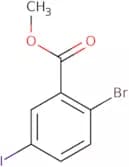
CAS :Please enquire for more information about MCPA 2-ethylhexyl ester including the price, delivery time and more detailed product information at the technical inquiry form on this pageFormule :C17H25ClO3Degré de pureté :Min. 95%Masse moléculaire :312.83 g/molMethyl 2-Bromo-5-iodobenzoate
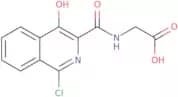
CAS :Please enquire for more information about Methyl 2-Bromo-5-iodobenzoate including the price, delivery time and more detailed product information at the technical inquiry form on this pageFormule :C8H8BrIO2Degré de pureté :Min. 95%Masse moléculaire :340.94 g/molFG-2216
CAS :FG-2216 is a peptide that activates the G protein-coupled receptor, leading to increased intracellular calcium. FG-2216 is a potent agonist of the GPRC6A receptor and has been shown to inhibit pain perception in animal models. FG-2216 has been shown to have no effect on ion channels and does not affect cellular proliferation or migration. FG-2216 may be useful as a research tool for studying the function of the GPRC6A receptor in animal models.Formule :C12H9ClN2O4Degré de pureté :Min. 95%Masse moléculaire :280.66 g/molN-(4-Aminophenyl)-N-methyl-2-(4-methylpiperazin-1-yl)acetamide
CAS :N-(4-Aminophenyl)-N-methyl-2-(4-methylpiperazin-1-yl)acetamide is an environmental and industrial chemical that is used as a formate, benzoate, and methyl benzoate intermediate. It reacts with nitric acid to form N-(4-aminophenyl)-N-methyl-2-(4-nitrophenoxy)acetamide (NPA). NPA has been shown to have antiangiogenic properties. NPA inhibits the proliferation of endothelial cells by interfering with the cell cycle and inducing apoptosis.Formule :C14H22N4ODegré de pureté :Min. 95%Masse moléculaire :262.35 g/mol5-Iodo-2-methylphenol
CAS :Versatile small molecule scaffoldFormule :C7H7IODegré de pureté :Min. 95%Masse moléculaire :234.03 g/molDSP-4 hydrochloride
CAS :DSP-4 hydrochloride is a neurotoxin that inhibits the synthesis of norepinephrine. It binds to neurons and prevents the uptake of dopamine, which can lead to neuronal death. DSP-4 hydrochloride affects brain functions by decreasing the concentration of serotonin in the cortex and increasing the concentrations of norepinephrine in the coeruleus. DSP-4 hydrochloride also has estrogenic effects by binding to estrogen receptors and increasing estradiol benzoate concentrations.Formule :C11H16BrCl2NDegré de pureté :Min. 95%Masse moléculaire :313.06 g/molIr[dffppy]2-(4,4′-dcf3bpy)pf6
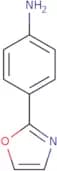
CAS :Please enquire for more information about Ir[dffppy]2-(4,4′-dcf3bpy)pf6 including the price, delivery time and more detailed product information at the technical inquiry form on this pageFormule :C34H16F18IrN4PDegré de pureté :Min. 95%Masse moléculaire :1,045.68 g/mol4-(Oxazol-2-yl)aniline
CAS :Versatile small molecule scaffold
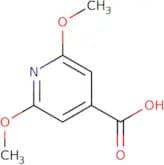
Formule :C9H8N2ODegré de pureté :Min. 95%Masse moléculaire :160.17 g/mol2,6-Dimethoxyisonicotinic acid
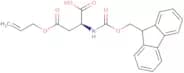
CAS :2,6-Dimethoxyisonicotinic acid is a cytotoxic agent that is structurally related to colchicine and combretastatin A-4. It has been shown to induce apoptosis in cancer cells by inhibiting the polymerization of tubulin. This drug also inhibits the proliferation of cancer cells by binding to DNA and disrupting the synthesis of proteins necessary for cell division. The inhibitory effect on protein synthesis may be due to its ability to inhibit the activity of RNA polymerase II and III, which are essential for transcription. 2,6-Dimethoxyisonicotinic acid also induces an anticancer effect through its ability to bind to phenolic moieties and inhibit the growth of cancer cells.Formule :C8H9NO4Degré de pureté :Min. 95%Masse moléculaire :183.16 g/molFmoc-L-aspartic acid beta-allyl ester
CAS :Fmoc-L-aspartic acid beta-allyl ester is a specific interaction between an amide and an enzyme target. It has been shown to have anti-inflammatory properties by inhibiting the activity of COX-2, which inhibits the production of prostaglandins. Fmoc-L-aspartic acid beta-allyl ester is a cyclic peptide with a lactam ring system that has been synthesized in a stepwise manner on a solid phase. This molecule interacts with cell line A549 and blocks the proliferation of cancer cells. Fmoc-L-aspartic acid beta-allyl ester also contains a disulfide bond that stabilizes its structure.Formule :C22H21NO6Degré de pureté :Min. 95%Masse moléculaire :395.41 g/molFmoc-N-methylglycine
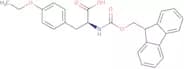
CAS :Fmoc-N-methylglycine is a modified form of the amino acid glycine, which has been modified to include a reactive group that can be used to link other molecules. This molecule has gram-negative bacterial activity and exhibits potent antibacterial activity against many gram-positive bacteria. Fmoc-N-methylglycine is also an antimicrobial peptide with binding constants in the nanomolar range. It is also an agent that binds to serotonin, which may explain its effects on mood and sleep. Fmoc-N-methylglycine can be synthesized using stepwise solid phase synthesis methods or by conjugation with other molecules.Formule :C18H17NO4Degré de pureté :Min. 95%Masse moléculaire :311.33 g/molFmoc-Tyr(Et)-OH
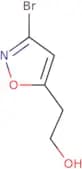
CAS :Please enquire for more information about Fmoc-Tyr(Et)-OH including the price, delivery time and more detailed product information at the technical inquiry form on this pageFormule :C26H25NO5Degré de pureté :Min. 95%Masse moléculaire :431.48 g/mol3-Bromo-5-(2-hydroxyethyl)isoxazole
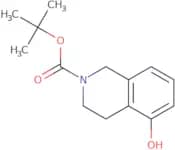
CAS :Versatile small molecule scaffoldFormule :C5H6BrNO2Degré de pureté :Min. 95%Masse moléculaire :192.02 g/moltert-Butyl 5-hydroxy-3,4-dihydroisoquinoline-2(1H)-carboxylate
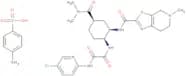
CAS :Versatile small molecule scaffoldFormule :C14H19NO3Degré de pureté :Min. 95%Masse moléculaire :249.31 g/molEdoxaban impurity 2 p-toluenesulfonic acid
CAS :Please enquire for more information about Edoxaban impurity 2 p-toluenesulfonic acid including the price, delivery time and more detailed product information at the technical inquiry form on this pageFormule :C24H30ClN7O4S•C7H8O3SDegré de pureté :Min. 95%Masse moléculaire :720.26 g/molEdoxaban impurity G benzenesulfonate
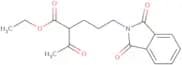
CAS :Please enquire for more information about Edoxaban impurity G benzenesulfonate including the price, delivery time and more detailed product information at the technical inquiry form on this pageFormule :C24H30ClN7O4S•C7H8O3SDegré de pureté :Min. 95%Masse moléculaire :720.26 g/molEthyl 2-(3-phthalimidopropyl)acetoacetate
CAS :Please enquire for more information about Ethyl 2-(3-phthalimidopropyl)acetoacetate including the price, delivery time and more detailed product information at the technical inquiry form on this pageFormule :C17H19NO5Degré de pureté :Min. 95%Masse moléculaire :317.34 g/mol3-Dimethylamino-1-pyridin-3-yl-propenone
CAS :Versatile small molecule scaffoldFormule :C10H12N2ODegré de pureté :Min. 95%Masse moléculaire :176.22 g/mol2-(tert-Butyl)-5-chloroisothiazol-3(2H)-one
CAS :Versatile small molecule scaffoldFormule :C7H10ClNOSDegré de pureté :Min. 95%Masse moléculaire :191.68 g/mol4-Bromopyridine-2,3-diamine
CAS :Versatile small molecule scaffoldFormule :C5H6N3BrDegré de pureté :Min. 95%Masse moléculaire :188.02 g/mol3-Boc-3-azabicyclo[3.2.1]octan-8-amine
CAS :Versatile small molecule scaffoldFormule :C12H22N2O2Degré de pureté :Min. 95%Masse moléculaire :226.32 g/mol7H,8H-Pyrido[2,3-d]pyridazin-8-one
CAS :Versatile small molecule scaffoldFormule :C7H5N3ODegré de pureté :Min. 95%Couleur et forme :PowderMasse moléculaire :147.13 g/mol(2R,6R)-2,6-Dimethylmorpholine
CAS :(2R,6R)-2,6-Dimethylmorpholine is an isomerizing agent that converts (2S,6S)-2,6-dimethylmorpholine to (2R,6R)-2,6-dimethylmorpholine. It has been used in the synthesis of pharmaceuticals and optimization of reaction conditions. The optimum condition for the conversion is a temperature of 40°C with a time of 4 hours. It can also be used to synthesize mandelic acid from phenylglyoxal and nitroethane. This compound has been shown to have antibacterial activity against tonsillar bacteria and enantiomers with different sensitivities may be analyzed using plates coated with silica gel or polymeric resins. Parameters such as pH and temperature must also be optimized for this process.Formule :C6H13NODegré de pureté :Min. 95%Masse moléculaire :115.17 g/mol2,5-Dimethyl-1,4-benzenediamine
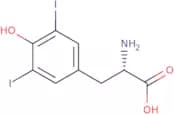
CAS :2,5-Dimethyl-1,4-benzenediamine is an amine that is used as a reagent in organic synthesis. It is also used to derivatize other molecules and as a precursor to other compounds. 2,5-Dimethyl-1,4-benzenediamine has been shown to be a good nucleophile and can react with electrophiles such as difluoride and the metal ion Ag(I). The reaction rate of 2,5-dimethyl-1,4-benzenediamine can be determined using high performance liquid chromatography or electrospray ionization. This compound can be synthesized from phenylmagnesium bromide and methyl iodide in the presence of aluminium chloride. It is possible to immobilize 2,5-dimethyl-1,4-benzenediamine on mesoporous silica by attaching it to the surface of the porous material with aminopFormule :C8H12N2Degré de pureté :Min. 95%Couleur et forme :Beige To Brown SolidMasse moléculaire :136.19 g/mol3,5-Diiodo-L-tyrosine
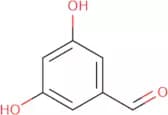
CAS :3,5-Diiodo-L-tyrosine (3DILT) is an iodinated amino acid that can be used as a marker for human immunodeficiency virus (HIV) infection. It is synthesized by the reaction of 3,5-diiodotyrosine with L-tyrosine in the presence of a metal chelate and dinucleotide phosphate. This reaction proceeds via nucleophilic substitution on the aromatic ring with an iodide ion. The product is then purified to remove unreacted 3,5-diiodotyrosine and the metal chelate. 3DILT reacts with antibodies in a luminescence immunoassay to produce light that can be detected. The detection limit of this assay is 10 pg/mL.Formule :C9H9I2NO3Degré de pureté :Min. 95%Masse moléculaire :432.98 g/mol3,5-Dihydroxybenzaldehyde
CAS :3,5-Dihydroxybenzaldehyde (DHBA) is a plant metabolite that is classified as a phenolic compound. It is found in many plants and has important biological functions such as the production of carotenoids or the cleavage of carotenoid to form other compounds. DHBA can be extracted from plant tissue with hydrochloric acid or carbon sources. It has been shown that DHBA inhibits the growth of soil bacteria by binding to amines and thus preventing them from reacting with substrates. This may be due to its ability to act as an electron donor, which could also explain its inhibitory activity on carotenoid cleavage.
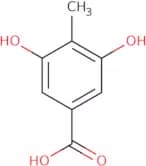
Formule :C7H6O3Degré de pureté :Min. 98 Area-%Couleur et forme :Off-White To Beige To Brown SolidMasse moléculaire :138.12 g/mol3,5-Dihydroxy-4-methylbenzoic acid
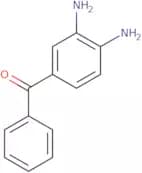
CAS :3,5-Dihydroxy-4-methylbenzoic acid is an efficient synthesis of the natural product lucidin. It is a quinone that is found in citrifolia and morindone, compounds which are used as analgesics and antipyretics. This compound has been shown to inhibit the growth of fungi by inhibition of protein synthesis. 3,5-Dihydroxy-4-methylbenzoic acid also inhibits the production of citric acid cycle intermediates such as succinic acid and fumaric acid.Formule :C8H8O4Degré de pureté :Min. 80%Couleur et forme :PowderMasse moléculaire :168.15 g/mol3,4-Diaminobenzophenone
CAS :3,4-Diaminobenzophenone is an unsymmetrical compound and a derivative of benzophenone. It is used in the synthesis of other organic compounds, such as pharmaceuticals. 3,4-Diaminobenzophenone is also used as a solubilizing agent for drugs that are insoluble in water. The molecular weight of 3,4-Diaminobenzophenone can be determined by gravimetric analysis or FTIR methods. 3,4-Diaminobenzophenone has been shown to have antioxidative properties. This molecule can bind to hydroxyl groups on biomolecules and protect them from oxidation by reactive oxygen species (ROS).Formule :C13H12N2ODegré de pureté :Min 98.5%Couleur et forme :PowderMasse moléculaire :212.25 g/mol3-Bromo-6,7-dihydro-4H-pyrazolo[1,5-a]pyrazine-5-carboxylic acid tert-butyl ester
CAS :Versatile small molecule scaffold
Formule :C11H16BrN3O2Degré de pureté :Min. 95%Masse moléculaire :302.17 g/molImidazo[1,2-a]pyrazine-2-carbaldehyde
CAS :Versatile small molecule scaffold
Formule :C7H5N3ODegré de pureté :Min. 95%Masse moléculaire :147.14 g/mol4-{[(tert-butoxy)carbonyl]amino}bicyclo[2.2.2]octane-1-carboxylic acid
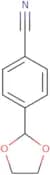
CAS :Versatile small molecule scaffoldFormule :C14H23NO4Degré de pureté :Min. 95%Masse moléculaire :269.3 g/mol4-(1,3-Dioxolan-2-yl)benzonitrile
CAS :Versatile small molecule scaffoldFormule :C10H9NO2Degré de pureté :Min. 95%Masse moléculaire :175.18 g/moltert-Butyl 3,9-diazaspiro[5.5]undecane-3-carboxylate hydrochloride
CAS :Versatile small molecule scaffoldFormule :C14H27ClN2O2Degré de pureté :Min. 95%Masse moléculaire :290.83 g/mol3-(Methoxycarbonyl)pyridine-4-carboxylic acid
CAS :Versatile small molecule scaffold
Formule :C8H7NO4Degré de pureté :Min. 95%Masse moléculaire :181.15 g/mol(1R,5S,6r)-rel-3-Oxabicyclo[3.1.0]hexane-6-carboxylic acid
CAS :Versatile small molecule scaffoldFormule :C6H8O3Degré de pureté :Min. 95%Masse moléculaire :128.13 g/molcis-6-Boc-octahydropyrrolo[3,4-b]morpholine
CAS :Versatile small molecule scaffold
Formule :C11H20N2O3Degré de pureté :Min. 95%Masse moléculaire :228.29 g/mol4-Benzyloxy-1-butanol
CAS :Produit contrôléVersatile small molecule scaffold
Formule :C11H16O2Degré de pureté :Min. 95%Masse moléculaire :180.24 g/mol3,4,5-Trimethoxybenzoyl chloride
CAS :3,4,5-Trimethoxybenzoyl Chloride is a reactive, active chemical that is used in the synthesis of cytotoxic amides. It is prepared by reacting 3,4,5-trimethoxybenzoic acid with an amine or ammonia in the presence of a base. The reaction yields an amide substituted at the 3- and 4-positions with trimethoxyphenyl groups.
Formule :C10H11ClO4Degré de pureté :Min. 95%Masse moléculaire :230.64 g/mol2-Octyldecanoic acid
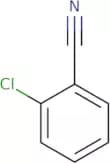
CAS :2-Octyldecanoic acid is a fatty acid that is used as a stabilizer in detergent compositions. This stabilizer is also utilizable at high alkali metal concentrations, which makes it suitable for use in hard water conditions. 2-Octyldecanoic acid has a low viscosity at room temperature, and the nature of its hydrocarbon chain leads to increased stability against decomposition when heated or exposed to carbon tetrachloride. It can be synthesized from an aliphatic hydrocarbon, such as octane, to form a macrocyclic ring structure. 2-Octyldecanoic acid also has optical properties that depend on the configuration of the carbon atoms. The molecule has two chiral centers and can exist in four different forms: erythro (E), threo (T), dithreo (D) and meso (M). The optical activity of 2-octyldecanoic acid dependsFormule :C18H36O2Degré de pureté :Min. 95%Masse moléculaire :284.5 g/mol2-Chlorobenzonitrile
CAS :2-Chlorobenzonitrile is a white solid that is soluble in organic solvents. It is an aryl halide and has a chemical structure of C6ClCN. 2-Chlorobenzonitrile is used as a raw material for the production of dyes and pharmaceuticals. This compound reacts with hydrochloric acid to form 4-chlorobenzonitrile, which can be used in the synthesis of other chemicals. 2-Chlorobenzonitrile can also react with n-dimethyl formamide in an optimal reaction solution to form 4-chlorobenzonitrile. The FTIR spectroscopy on this compound shows that it has a chloride group at 795 cm−1. The optimum reaction temperature for this compound is between 100 and 120 °C, but it will react with inorganic acids such as sulfuric acid or phosphoric acid at higher temperatures. Synthesis of this compound can be done by reactingFormule :C7H4ClNDegré de pureté :Min. 95%Couleur et forme :White PowderMasse moléculaire :137.57 g/moltert-Butyl 3-bromobenzylcarbamate
CAS :Versatile small molecule scaffoldFormule :C12H16BrNO2Degré de pureté :Min. 95%Masse moléculaire :286.16 g/mol1-Phenyl-1-butanol
CAS :1-Phenyl-1-butanol (1PB) is a chiral compound that forms hydrogen bonds with itself. It is a colorless liquid that is soluble in organic solvents and has a boiling point of 61 °C. 1PB has been found to inhibit the growth of Pseudomonas aeruginosa by inhibiting fatty acid synthesis, which may be due to its ability to inhibit β-hydroxylase activity. 1PB also inhibits the growth of some bacteria (e.g., Staphylococcus aureus) by blocking the synthesis of fatty acids, which are important for bacterial cell membrane integrity. The hydroxyl group in 1PB helps it form hydrogen bonds with other molecules, including proteins and DNA strands, which makes it useful for chromatographic separation and as an antioxidant in food preservation.Formule :C10H14ODegré de pureté :Min. 95%Masse moléculaire :150.22 g/molCucurbit[7]uril
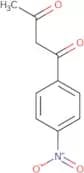
CAS :Cucurbit[7]uril is a chemical compound that can be used as a fluorescent probe for protein target. It has been shown to produce significant cytotoxicity against cancer cell lines in vitro. Cucurbit[7]uril also exhibits hydrophobic effects, which bind to the cell nuclei of cancer cells and inhibits DNA replication. The photophysical properties of cucurbit[7]uril are stable under physiological conditions and it can be used in vivo as a styryl dye. This chemical compound is also able to form stable complexes with carbonyl oxygens, making it an interesting candidate for anti-cancer drug development.Formule :C42H42N28O14Degré de pureté :Min. 95%Couleur et forme :White To Yellow SolidMasse moléculaire :1,162.96 g/mol1-(4-Nitrophenyl)butane-1,3-dione
CAS :1-(4-Nitrophenyl)butane-1,3-dione is a tautomer of 1,4-naphthoquinone. This compound has been reported to have an optical rotation of [alpha]D=+14.2° (C=1 in methanol). The triflate and carbonyl groups are involved in hydrogen bonding with each other. The hydrogen bond is a weak interaction that only occurs between polar molecules. This compound also has an x-ray crystal structure, which can be determined by diffraction studies. It is possible to synthesize this molecule from 1,4-naphthoquinone and butane-1,3-dione or by photolysis of 1-(4-nitrophenyl)-2,5-dioxopentanoic acid. In addition to its optical properties, the intramolecular hydrogen bonds give this molecule interesting optical properties.
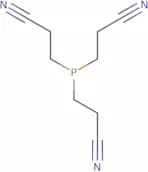
Formule :C10H9NO4Degré de pureté :Min. 95%Masse moléculaire :207.18 g/molTris(2-cyanoethyl)phosphine
CAS :Tris(2-cyanoethyl)phosphine (TCEP) is a metal carbonyl compound that has been used as a reagent in organic chemistry. TCEP is an amphoteric molecule that can react with both acids and bases, and is stable in the pH range of 5 to 9. It has been shown to have anti-inflammatory properties by inhibiting neutrophil migration. TCEP also has biological properties, such as its ability to inhibit the growth of Cryptococcus neoformans. TCEP binds to the mitochondrial membrane potential, which prevents proton leakage through the membrane and inhibits oxidative phosphorylation. TCEP binds strongly to minerals such as sodium salts, which can be used to isolate this molecule from reaction solutions. TCEP can be obtained by laser ablation or X-ray crystallography techniques.Formule :C9H12N3PDegré de pureté :Min. 95 Area-%Masse moléculaire :193.19 g/molCyclopent-2-en-1-ol
CAS :Cyclopent-2-en-1-ol is a reactive monomer that can react with chloride and hydroxyl groups. It can also undergo reaction with sodium carbonate to form a cyclic ester. Cyclopent-2-en-1-ol can be converted to an epoxide by the use of acid catalyst. This compound also has the ability to polymerize, forming polymers that are used in rayon production.Formule :C5H8ODegré de pureté :Min. 95%Couleur et forme :Clear LiquidMasse moléculaire :84.12 g/molCyclobutanesulfonyl chloride
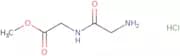
CAS :Cyclobutanesulfonyl chloride is a reagent that is used for the synthesis of 1-6-alkylcyclobutanes. It can be used to synthesize heterocyclic compounds, including those with high optical purity. Cyclobutanesulfonyl chloride has been shown to have antiviral and antiproliferative properties. It has also been shown to exhibit anticancer activity in vitro and in vivo. The mechanism of action for this compound is unclear, but it may inhibit protein synthesis by attacking the amino acid methionine in proteins or by inhibiting DNA replication.Formule :C4H7ClO2SDegré de pureté :Min. 95%Couleur et forme :Clear LiquidMasse moléculaire :154.62 g/molGly-Gly-OMe·HCl
CAS :Gly-Gly-OMe·HCl is a diagnostic agent that can be used to diagnose atherosclerotic lesions. It is conjugated to an organic molecule and then radiolabeled. The conjugate can be detected by cyclopentadienyl, which emits gamma rays when it decays. This conjugate has been shown to selectively accumulate in atherosclerotic lesions of the coronary arteries, where it accumulates with a higher concentration than in the surrounding tissue. This product also has gastroprotective effects on the stomach and liver and can reduce lipid levels in hyperlipidaemic patients.Formule :C5H10N2O3•HClDegré de pureté :Min. 95 Area-%Couleur et forme :Slightly Rose PowderMasse moléculaire :182.61 g/molDibromoethane-d4
CAS :Produit contrôléPlease enquire for more information about Dibromoethane-d4 including the price, delivery time and more detailed product information at the technical inquiry form on this pageFormule :C2H4Br2Degré de pureté :Min. 95%Masse moléculaire :191.89 g/molMethyl 3-formyl-4-methoxybenzoate
CAS :Versatile small molecule scaffold
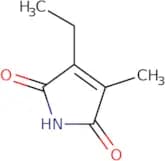
Formule :C10H10O4Degré de pureté :Min. 95%Masse moléculaire :194.19 g/mol3-Ethyl-4-methyl-pyrrole-2,5-dione
CAS :3-Ethyl-4-methylpyrrole-2,5-dione is a chlorophyll analog. It has been found to be an electron donor in photosystem II of the chlorobium reaction center. The compound was prepared by evaporation of a solution of chlorobenzene and ethyl acetoacetate in carbon tetrachloride with the aid of a vacuum pump. 3-Ethyl-4-methylpyrrole-2,5-dione has also been used as a reagent for the preparation of phycocyanin from Spirulina platensis, which is an important component of blue algae. The compound reacts with phenoxy and furyl groups under acidic conditions to produce carboxylate and calcium carbonate, respectively. Oxidation products are formed in reactions with ethyl group and other organic compounds under alkaline conditions.
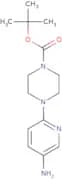
Formule :C7H9NO2Degré de pureté :Min. 95%Masse moléculaire :139.15 g/mol1-Boc-4-(5-Aminopyridin-2-yl)piperazine
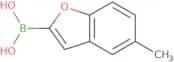
CAS :Versatile small molecule scaffoldFormule :C14H22N4O2Degré de pureté :Min. 95%Masse moléculaire :278.35 g/mol(5-methylbenzofuran-2-yl)boronic acid
CAS :Versatile small molecule scaffoldFormule :C9H9BO3Degré de pureté :Min. 95%Masse moléculaire :175.98 g/mol1-(piperazin-1-yl)butan-1-one
CAS :1-(Piperazin-1-yl)butan-1-one is a neoplastic cell growth inhibitor that inhibits the proliferation of myeloid, k562 and HL60 cells. It has been shown to inhibit the growth of tumor cells in vitro. 1-(Piperazin-1-yl)butan-1-one is an analog of piperazine, which is known to be a cytotoxic agent with anticancer activity. The mechanism of action is not known, but it may be due to its ability to inhibit DNA synthesis or its inhibition of protein synthesis.Formule :C8H16N2ODegré de pureté :Min. 95%Masse moléculaire :156.23 g/mol(S)-tert-Butyl (3-oxocyclopentyl)carbamate
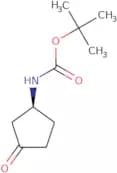
CAS :Versatile small molecule scaffoldFormule :C10H17NO3Degré de pureté :Min. 95%Masse moléculaire :199.25 g/mol6-Bromo-3-methyl-2,3-dihydro-1,3-benzoxazol-2-one
CAS :Versatile small molecule scaffold
Formule :C8H6BrNO2Degré de pureté :Min. 95%Masse moléculaire :228.04 g/mol(3-Aminopropyl)(3-phenylpropyl)amine
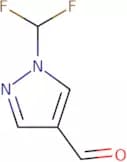
CAS :Versatile small molecule scaffoldFormule :C12H20N2Degré de pureté :Min. 95%Masse moléculaire :192.3 g/mol1-(Difluoromethyl)-1H-pyrazole-4-carbaldehyde
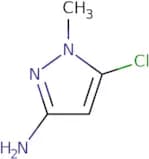
CAS :Versatile small molecule scaffoldFormule :C5H4F2N2ODegré de pureté :Min. 95%Masse moléculaire :146.09 g/mol5-Chloro-1-methyl-1H-pyrazol-3-amine
CAS :Versatile small molecule scaffold
Formule :C4H6N3ClDegré de pureté :Min. 95%Masse moléculaire :131.56 g/molN-Carbethoxy-4-hydroxypiperidine
CAS :N-Carbethoxy-4-hydroxypiperidine is a drug substance that is a h1 receptor antagonist. It is used as an antihistamine to treat the symptoms of hay fever and other allergic reactions. N-Carbethoxy-4-hydroxypiperidine is available in two enantiomers, or mirror images, which are labelled S and R. The R enantiomer is more potent than the S enantiomer for inhibiting histamine h1 receptors. This drug has been shown to inhibit the growth of tuberculosis bacteria in cell culture and animal models, but not against Mycobacterium avium complex. N-Carbethoxy-4-hydroxypiperidine has also been shown to have significant antibacterial activity against Clostridium perfringens with minimal toxicity in mice.
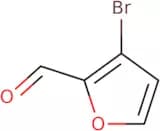
Formule :C8H15NO3Degré de pureté :Min. 95%Masse moléculaire :173.21 g/mol3-Bromofuran-2-carbaldehyde
CAS :3-Bromofuran-2-carbaldehyde is a chemical compound that belongs to the group of carbonyl compounds. It is an acetylated form of 3-bromofuran and its molecular formula is C6H5BrO. This chemical contains a carbonyl group, which reacts with the hydroxyl group in epidermal growth factor (EGF) to produce epidermal growth. 3-Bromofuran-2-carbaldehyde has been shown to be an adrenergic receptor agonist and can be used as a structural formula blocker or hydrochloric acid. The chemical can also be synthesized in acidic conditions using methods such as fluorination, chlorination, and acetylation.Formule :C5H3BrO2Degré de pureté :Min. 95%Masse moléculaire :174.98 g/moltert-Butyl N-(4-methylphenyl)carbamate
CAS :Tert-butyl N-(4-methylphenyl)carbamate is a reusable, efficient method for the synthesis of tert-butyl carbamates from amines and carbon dioxide. This reaction is an example of a C–H bond activation that proceeds through an anion intermediate. The reaction time can be reduced by irradiation to increase the efficiency. Electrons are unpaired during this process, which is modeled with quantum mechanics software. Chloride is used as a catalyst to activate the electron and generate a reactive intermediate. Amine functionalities are added to the molecule in order to give it desired properties. The chloride group can be replaced with other anions such as bromide or iodide, which will also introduce different reactivity patterns.Formule :C12H17NO2Degré de pureté :Min. 95%Masse moléculaire :207.27 g/mol7-Bromo-3,4-dihydro-1H-quinolin-2-one
CAS :Versatile small molecule scaffoldFormule :C9H8BrNODegré de pureté :Min. 95%Masse moléculaire :226.07 g/mol4-[1-(tert-Butoxy)-2-methyl-1-oxopropan-2-yl]benzoic acid
CAS :Versatile small molecule scaffold
Formule :C15H20O4Degré de pureté :Min. 95%Masse moléculaire :264.32 g/mol1,5,6,7-Tetrahydro-2H-cyclopenta[b]pyridin-2-one
CAS :Versatile small molecule scaffoldFormule :C8H9NODegré de pureté :Min. 95%Masse moléculaire :135.17 g/mol(6-Methoxy-pyridin-2-yl)-methanol
CAS :Versatile small molecule scaffoldFormule :C7H9NO2Degré de pureté :Min. 95%Masse moléculaire :139.16 g/mol8-Bromo-6-chloroisoquinoline
CAS :Versatile small molecule scaffoldFormule :C9H5BrClNDegré de pureté :Min. 95%Masse moléculaire :242.5 g/mol(1R)-1-(3-Fluoro-4-methylphenyl)ethan-1-amine hydrochloride
CAS :Versatile small molecule scaffoldFormule :C9H13ClFNDegré de pureté :Min. 95%Masse moléculaire :189.66 g/mol4-Bromo-2-cyclopropylpyridine
CAS :Versatile small molecule scaffold
Formule :C8H8NBrDegré de pureté :Min. 95%Masse moléculaire :198.05 g/mol4-(Aminomethyl)pyridine-2-carbonitrile hydrochloride
CAS :Versatile small molecule scaffoldFormule :C7H8ClN3Degré de pureté :Min. 95%Masse moléculaire :169.61 g/mol1-Azaspiro[3.3]heptane hydrochloride
CAS :Versatile small molecule scaffold
Formule :C6H12ClNDegré de pureté :Min. 95%Masse moléculaire :133.62 g/mol4-(3-Aminopropyl)aniline
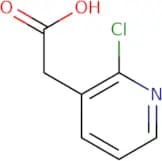
CAS :Versatile small molecule scaffoldFormule :C9H14N2Degré de pureté :Min. 95%Masse moléculaire :150.22 g/mol(2-Chloropyridin-3-yl)acetic acid
CAS :Versatile small molecule scaffoldFormule :C7H6ClNO2Degré de pureté :Min. 95%Masse moléculaire :171.6 g/molethyl 3-formyl-1H-pyrrole-2-carboxylate
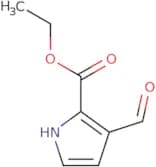
CAS :Ethyl 3-formyl-1H-pyrrole-2-carboxylate is a formyl compound with the molecular formula C8H8O3. It is a colorless liquid that has a strong odor. The compound can be obtained by the reaction of ethyl acetoacetate and pyrrole in the presence of aluminum chloride. The compound has been studied for its nuclear magnetic resonance (NMR) properties. It has two conformers, which are distinguished by their different chemical shifts, and this difference can be used to study coupling between the carbonyl group and other groups in the molecule.
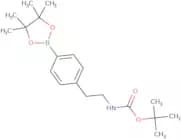
Formule :C8H9NO3Degré de pureté :Min. 95%Masse moléculaire :167.2 g/moltert-butyl 4-(4,4,5,5-tetramethyl-1,3,2-dioxaborolan-2-yl)phenethylcarbamate
CAS :Versatile small molecule scaffoldFormule :C19H30BNO4Degré de pureté :Min. 95%Masse moléculaire :347.26 g/mol(3R)-3-Methylpyrrolidine hydrochloride
CAS :Versatile small molecule scaffoldFormule :C5H11N•HClDegré de pureté :Min. 95%Masse moléculaire :121.5 g/mol


![tert-Butyl 2,9-diazaspiro[5.5]undecane-2-carboxylate](/_next/image/?url=https%3A%2Fstatic.cymitquimica.com%2Fproducts%2F3D%2Fthumb-webp%2FPHA33303.webp&w=3840&q=75)






![3-Methyl-2-(methylthio)benzo[d]thiazol-3-ium iodide](/_next/image/?url=https%3A%2Fstatic.cymitquimica.com%2Fproducts%2F3D%2Fthumb-webp%2FFM184304.webp&w=3840&q=75)


![Ir[dffppy]2-(4,4′-dcf3bpy)pf6](/_next/image/?url=https%3A%2Fstatic.cymitquimica.com%2Fproducts%2F3D%2Fthumb-webp%2FFGD43792.webp&w=3840&q=75)



![3-Boc-3-azabicyclo[3.2.1]octan-8-amine](/_next/image/?url=https%3A%2Fstatic.cymitquimica.com%2Fproducts%2F3D%2Fthumb-webp%2FFDC76351.webp&w=3840&q=75)
![7H,8H-Pyrido[2,3-d]pyridazin-8-one](/_next/image/?url=https%3A%2Fstatic.cymitquimica.com%2Fproducts%2F3D%2Fthumb-webp%2FQAA37579.webp&w=3840&q=75)


![3-Bromo-6,7-dihydro-4H-pyrazolo[1,5-a]pyrazine-5-carboxylic acid tert-butyl ester](/_next/image/?url=https%3A%2Fstatic.cymitquimica.com%2Fproducts%2F3D%2Fthumb-webp%2FWXB15425.webp&w=3840&q=75)
![Imidazo[1,2-a]pyrazine-2-carbaldehyde](/_next/image/?url=https%3A%2Fstatic.cymitquimica.com%2Fproducts%2F3D%2Fthumb-webp%2FSQB78215.webp&w=3840&q=75)
![4-{[(tert-butoxy)carbonyl]amino}bicyclo[2.2.2]octane-1-carboxylic acid](/_next/image/?url=https%3A%2Fstatic.cymitquimica.com%2Fproducts%2F3D%2Fthumb-webp%2FNJB30476.webp&w=3840&q=75)
![tert-Butyl 3,9-diazaspiro[5.5]undecane-3-carboxylate hydrochloride](/_next/image/?url=https%3A%2Fstatic.cymitquimica.com%2Fproducts%2F3D%2Fthumb-webp%2FLJA40647.webp&w=3840&q=75)

![(1R,5S,6r)-rel-3-Oxabicyclo[3.1.0]hexane-6-carboxylic acid](/_next/image/?url=https%3A%2Fstatic.cymitquimica.com%2Fproducts%2F3D%2Fthumb-webp%2FFCA78088.webp&w=3840&q=75)
![cis-6-Boc-octahydropyrrolo[3,4-b]morpholine](/_next/image/?url=https%3A%2Fstatic.cymitquimica.com%2Fproducts%2F3D%2Fthumb-webp%2FNFA02702.webp&w=3840&q=75)





![Cucurbit[7]uril](/_next/image/?url=https%3A%2Fstatic.cymitquimica.com%2Fproducts%2F3D%2Fthumb-webp%2FFC171865.webp&w=3840&q=75)










![4-[1-(tert-Butoxy)-2-methyl-1-oxopropan-2-yl]benzoic acid](/_next/image/?url=https%3A%2Fstatic.cymitquimica.com%2Fproducts%2F3D%2Fthumb-webp%2FNKD15780.webp&w=3840&q=75)
![1,5,6,7-Tetrahydro-2H-cyclopenta[b]pyridin-2-one](/_next/image/?url=https%3A%2Fstatic.cymitquimica.com%2Fproducts%2F3D%2Fthumb-webp%2FNDA49985.webp&w=3840&q=75)


![1-Azaspiro[3.3]heptane hydrochloride](/_next/image/?url=https%3A%2Fstatic.cymitquimica.com%2Fproducts%2F3D%2Fthumb-webp%2FLED33729.webp&w=3840&q=75)