Building Blocks
Sous-catégories appartenant à la catégorie "Building Blocks"
- Acides boroniques et dérivés de l'acide boronique(5.780 produits)
- Building Blocks Chiraux(1.241 produits)
- Building Blocks Hydrocarbonés(6.100 produits)
- Building Blocks organiques(61.024 produits)
205297 produits trouvés pour "Building Blocks"
1-[3-(2,2,2-Trifluoroethoxy)propyl]piperazine
CAS :Versatile small molecule scaffold
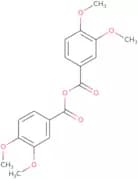
Formule :C9H17F3N2ODegré de pureté :Min. 90%Couleur et forme :Clear LiquidMasse moléculaire :226.24 g/mol3,4-Dimethoxybenzoic acid anhydride
CAS :3,4-Dimethoxybenzoic acid anhydride is a synthetic compound that can be used for the synthesis of other natural products. It has been shown to inhibit the demethylation of flavones and to activate the mitogen-activated protein kinase (MAPK) pathway in cells. 3,4-Dimethoxybenzoic acid anhydride has also been shown to have anti-inflammatory effects by inhibiting prostaglandin synthesis.
Formule :C18H18O7Degré de pureté :Min. 95%Couleur et forme :White PowderMasse moléculaire :346.33 g/molN-Nitroso-3-azabicyclo[3.3.0]octane
CAS :N-Nitroso-3-azabicyclo[3.3.0]octane is a nitrosating agent that can be used for the determination of gliclazide in pharmaceuticals and other applications. It is synthesized by reacting 3-azabicyclo[3.3.0]octane with sodium nitrite in an alkaline environment, followed by hydrolysis with hydrochloric acid. Nitrosation reactions are usually slow, but N-nitroso-3-azabicyclo[3.3.0]octane has been shown to have a fast reaction kinetics, which makes it useful for the determination of gliclazide in pharmaceuticals and other applications. The product is analyzed using chromatographic techniques such as high performance liquid chromatography (HPLC) or gas chromatography/mass spectrometry (GC/MS). The product was found to be linear over the range of 0–
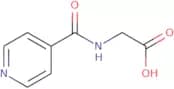
Formule :C7H12N2ODegré de pureté :Min. 95%Couleur et forme :Colorless PowderMasse moléculaire :140.18 g/mol2-(Pyridin-4-ylformamido)acetic acid
CAS :2-(Pyridin-4-ylformamido)acetic acid is a chemical intermediate that is used in the synthesis of other compounds. It is a chemical building block, useful for the production of fine chemicals and speciality chemicals. 2-(Pyridin-4-ylformamido)acetic acid can be used as a reaction component or reagent in organic synthesis. It has been shown to have high purity and quality for research purposes. CAS No. 2015-20-5.br>
2-(Pyridin-4-ylformamido)acetic acid can be used to synthesize a variety of compounds with different properties, such as antihistamines, antibiotics, antihypertensives, and antipsychotics.Formule :C8H8N2O3Degré de pureté :Min. 95 Area-%Couleur et forme :PowderMasse moléculaire :180.16 g/molRef: 3D-FP181044
Produit arrêtéMethyl 4-iodosalicylate
CAS :Methyl 4-iodosalicylate is a redox potential molecule that can be used in the treatment of HIV infections. Studies have shown that methyl 4-iodosalicylate is able to enhance the activity of antiretroviral therapies, and is also able to increase the light emission from fluorophores when combined with sodium triflate. This compound has been shown to have pharmacokinetic properties that are similar to those of salicylic acid. Methyl 4-iodosalicylate has been shown to transport into human erythrocytes, and fluoresce when excited by light with a wavelength of 365 nm.
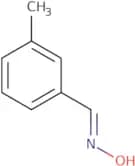
Methyl 4-iodosalicylate has been studied as a possible therapy for various conditions including cancer, arthritis, and heart disease. It may also be useful for improving skin health or for use as a topical antimicrobial agent.Formule :C8H7IO3Degré de pureté :Min. 95%Couleur et forme :PowderMasse moléculaire :278.04 g/mol3-Methylbenzaldehyde oxime
CAS :3-Methylbenzaldehyde oxime is a fine chemical that can be used as a versatile building block. It has the CAS No. 41977-54-2 and is also known as benzoic acid, 3-methyl-, oxime. 3-Methylbenzaldehyde oxime is a complex compound that can be used in research chemicals and reagents. The chemical has been found to have high quality and is useful for making speciality chemicals and useful intermediates. The compound is also a reaction component for use in synthesis of other compounds. 3-Methylbenzaldehyde oxime can be used as a scaffold for drug design and development.
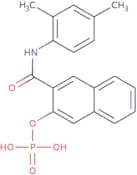
Formule :C8H9NODegré de pureté :Min. 95%Couleur et forme :Off-White PowderMasse moléculaire :135.16 g/molNaphthol AS-MX phosphate
CAS :Naphthol AS-MX phosphate is a synthetic naphthol dye that is used in the diagnosis of infectious diseases, such as Klebsiella aerogenes. It binds to human serum albumin and can be visualized by light microscopy. Naphthol AS-MX phosphate acts as an immunological adjuvant and has been shown to stimulate antibody production and enhance the immune response. This drug also has antidiabetic properties, which may be due to its ability to increase adipose tissue lipolysis.
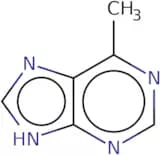
Formule :C19H18NO5PDegré de pureté :Min. 95%Couleur et forme :PowderMasse moléculaire :371.32 g/mol6-Methylpurine
CAS :6-Methylpurine is a product of the nucleotide metabolism in E. coli, which is a model organism for protein synthesis. 6-Methylpurine inhibits protein synthesis and exerts significant cytotoxicity. It has been shown to inhibit the enzyme activities of DNA polymerase alpha, DNA ligase, and RNA polymerase, as well as other enzymes involved in nitrogen metabolism. 6-Methylpurine has been shown to be an analog of adenine and has a similar reaction mechanism. The uptake of 6-methyl purine by cells is mediated by hydrogen bonds with amino acid residues on the cell membrane surface. This molecule also forms glycosidic bonds with ribose sugar groups on cellular surfaces. 6-Methylpurine plays an important role in energy metabolism through its incorporation into glucose and glycogen molecules.
Formule :C6H6N4Degré de pureté :Min. 98 Area-%Couleur et forme :White PowderMasse moléculaire :134.14 g/mol6,7-Dihydro-5H-pyrrolo[1,2-a]imidazole
CAS :6,7-Dihydro-5H-pyrrolo[1,2-a]imidazole is a drug target that belongs to the class of anesthetics. It has been shown to have a protective effect against CNS damage in rats with experimental stroke. 6,7-Dihydro-5H-pyrrolo[1,2-a]imidazole also has a wide range of other effects including antiarrhythmic, antihypertensive, and antianginal properties. It can be used as an anticonvulsant or muscle relaxant and as a diuretic agent for edema and hypertension. 6,7-Dihydro-5H-pyrrolo[1,2-a]imidazole binds to the chlorine atom in the active site of the enzyme skeletal muscle chloride channel (CLC). This prevents the channel from opening and chloride ions from passing through it
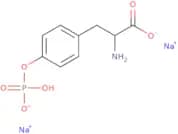
Formule :C6H8N2Degré de pureté :Min. 95%Masse moléculaire :108.14 g/molPhospho-L-tyrosine disodium
CAS :Phospho-L-tyrosine disodium is a versatile building block that has many different uses in research. It is used as a reagent for the synthesis of other chemicals, such as vitamins, drugs and pesticides. The compound can be used to make high quality, useful intermediates for chemical reactions or as a reaction component. Phospho-L-tyrosine disodium is a speciality chemical that can be used in the production of many complex compounds. This product also has CAS number 1610350-91-8.
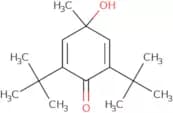
Formule :C9H10NNa2O6PDegré de pureté :Min. 95%Couleur et forme :White PowderMasse moléculaire :305.13 g/mol2,6-Di(tert-butyl)-4-hydroxy-4-methyl-2,5-cyclohexadien-1-one
CAS :2,6-Di(tert-butyl)-4-hydroxy-4-methyl-2,5-cyclohexadien-1-one (BHT) is a reactive methide that can be produced by the nucleophilic attack of an electrophile on a molecule containing a methylene group. BHT is used in analytical chemistry as an antioxidant and free radical scavenger. BHT has been shown to protect rat liver microsomes from damage induced by oxidative stress and to inhibit the development of lung cancer in rats chronically treated with cigarette smoke. This product also has been used in modelling studies to study the effect of alveolar type II cells on airway hyperresponsiveness.
Formule :C15H24O2Degré de pureté :Min. 95%Couleur et forme :PowderMasse moléculaire :236.35 g/molRef: 3D-KAA39680
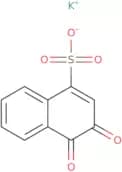
Produit arrêté1,2-Naphthoquinone-4-sulfonic acid potassium salt
CAS :1,2-Naphthoquinone-4-sulfonic acid potassium salt is a pesticide that has been shown to be active against many types of insects. It is used as an insecticide and acaricide in agriculture, horticulture, and forestry. The compound is stable and does not hydrolyze in water, making it easy to handle. This product is also a natural product that can be synthesized from cyanamide and amines, which are both commercially available. 1,2-Naphthoquinone-4-sulfonic acid potassium salt has been found to be effective at killing insects when injected into their bodies with the use of a syringe or when sprayed on the surface where they live. GC–MS analysis has shown that this compound contains no reactive functional groups or substances that would cause harm to humans or animals. Research has shown this product to be safe for use in food crops and animal feed.
Formule :C10H5O5SKDegré de pureté :Min. 98 Area-%Couleur et forme :Orange PowderMasse moléculaire :276.31 g/mol4-Acetamidothiophenol
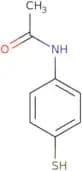
CAS :4-Acetamidothiophenol (4AAT) is an organic compound that has been used in the treatment of inflammatory bowel disease. It has a chemical structure that resembles 5-hydroxytryptamine (5-HT), which is a neurotransmitter and hormone involved in regulating mood and appetite. 4AAT is also used as a reagent in the treatment of wastewater, where it reacts with sulfide to form thiosulfate. In acidic environments, 4AAT undergoes chemical ligation reactions to form covalent bonds with other molecules. Surface-enhanced Raman spectroscopy was used to study the adsorption mechanism of 4AAT on polystyrene particles. This technique revealed that 4AAT binds to the surface of polystyrene particles through hydrophobic interactions and hydrogen bonding with functional groups on the particle surface. The inhibition study showed that 4AAT inhibits 5-hydroxytryptamine receptors.br>
Formule :C8H9NOSDegré de pureté :Min. 95%Couleur et forme :PowderMasse moléculaire :167.23 g/mol3-Amino-4-hydroxybenzoic acid
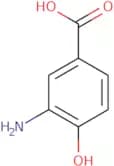
CAS :3-Amino-4-hydroxybenzoic acid is a type of phenolic compound that can be found in human serum. It is also used as a chemical building block for the synthesis of coumarin derivatives, which are important compounds in biochemistry, pharmacology and medical research. 3-Amino-4-hydroxybenzoic acid has been shown to have diphenolase activity, which is an enzyme that cleaves two molecules of phenol from one molecule of diphenol. The light emission is likely due to a metal ion in the active site that acts as a catalyst. The high values seen in the experiments were most likely due to the presence of corynebacterium glutamicum, which is an organism with high levels of 3-amino-4-hydroxybenzoic acid production. This study also found that 3-amino-4-hydoxybenzoic acid may be an antimicrobial agent against HIV
Formule :C7H7NO3Degré de pureté :Min. 95%Couleur et forme :Off-White PowderMasse moléculaire :153.14 g/mol5-Chloropentan-2-ol
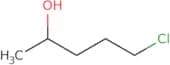
CAS :5-Chloropentan-2-ol is a chemical compound that is found in the leaves of the tobacco plant, Nicotiana tabacum. It is an organic compound that belongs to the group of furans and has been classified as a dye sensitizer. 5-Chloropentan-2-ol is found in small quantities in the leaves of Nicotiana tabacum and has been shown to be responsible for some of the flavour and organoleptic properties of tobacco. The chemical structure of 5-chloropentan-2-ol consists of a 5 carbon chain with two hydroxyl groups on carbons 1 and 2. It has been shown to have high levels of mutagenicity when tested on bacteria, but does not affect animal cells.
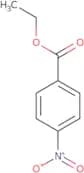
Formule :C5H11ClODegré de pureté :Min. 85%Masse moléculaire :122.59 g/molEthyl 4-nitrobenzoate
CAS :Ethyl 4-nitrobenzoate is a compound that is used to synthesize other drugs, such as erythromycin. It is also an intermediate in the synthesis of some pesticides and dyes. The second-order rate constant for the reaction of ethyl 4-nitrobenzoate with phosphotungstic acid has been measured at 0.058/min at 25°C. This reaction is catalyzed by recombinant cytochrome P450 (P450) enzymes from human liver preparations and cationic surfactants such as nitrobenzene or sodium carbonate, which are known to form hydrogen bonds with the protonated nitrogen atom on the aromatic ring of ethyl 4-nitrobenzoate. Ethyl 4-nitrobenzoate is also used clinically to treat gastric ulcers, although it can be toxic if taken in large doses or over a long period of time.
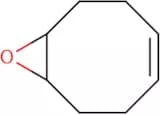
Formule :C9H9NO4Degré de pureté :Min. 95%Couleur et forme :PowderMasse moléculaire :195.17 g/mol1,2-Epoxy-5-cyclooctene
CAS :1,2-Epoxy-5-cyclooctene is a cyclic epoxide that undergoes ring opening with the addition of a nucleophile. This reaction is catalyzed by a bromonium ion, which acts as the electrophile. The product of this reaction is 2-hydroxy-1,2-epoxycyclohexane. 1,2-Epoxy-5-cyclooctene has been used in synthesizing various compounds such as monoepoxides and hydrosilanes. It can also be used to produce compounds that are difficult to access through other methods. 1,2-Epoxy-5-cyclooctene has been studied using x-ray crystallography and conformational analysis.
Formule :C8H12ODegré de pureté :Min. 98 Area-%Couleur et forme :Clear LiquidMasse moléculaire :124.18 g/molN-(4-Aminobutyl)-1,4-butanediamine trihydrochloride
CAS :N-(4-Aminobutyl)-1,4-butanediamine trihydrochloride (N(4)ABDAT) is a fine chemical and versatile building block. It can be used as an intermediate in the synthesis of pharmaceuticals and other organic chemicals. N(4)ABDAT is also a useful reagent for research purposes. The compound has a CAS number of 189340-78-1. It was originally synthesized by reacting 4-aminobutyric acid with 1,4-butanediamine, which yielded N(4)ABDAT as the major product. The chemical properties of N(4)ABDAT have been studied extensively including its reaction with potassium hydroxide, hydrochloric acid and sodium hydroxide to form different compounds.
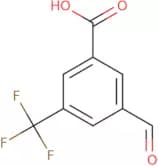
Formule :C8H24Cl3N3Degré de pureté :Min. 95%Couleur et forme :White PowderMasse moléculaire :268.65 g/mol3-formyl-5-(trifluoromethyl)benzoic acid
CAS :3-formyl-5-(trifluoromethyl)benzoic acid is a reagent, complex compound with CAS No. 604001-03-8. It is a useful intermediate, fine chemical and speciality chemical that can be used as a reaction component in organic synthesis. 3-Formyl-5-(trifluoromethyl)benzoic acid also has versatile uses as a building block in the synthesis of other complex compounds, such as pharmaceuticals and pesticides.
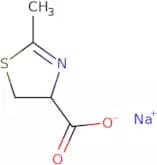
Formule :C9H5F3O3Degré de pureté :Min. 95%Couleur et forme :PowderMasse moléculaire :218.1 g/molSodium 2-methyl-4,5-dihydro-1,3-thiazole-4-carboxylate
CAS :Versatile small molecule scaffoldFormule :C5H6NNaO2SDegré de pureté :Min. 95%Couleur et forme :PowderMasse moléculaire :167.16 g/molRef: 3D-QAA05819
Produit arrêtéN6,N6-Dimethyl-9H-purine-2,6-diamine
CAS :Versatile small molecule scaffold
Formule :C7H10N6Degré de pureté :Min. 95%Couleur et forme :PowderMasse moléculaire :178.2 g/molRef: 3D-FAA43749
Produit arrêté1,1,2,3,3-Pentachloropropane
CAS :Please enquire for more information about 1,1,2,3,3-Pentachloropropane including the price, delivery time and more detailed product information at the technical inquiry form on this page
Formule :C3H3Cl5Degré de pureté :Min. 95%Couleur et forme :Clear LiquidMasse moléculaire :216.32 g/molPyridinoline
CAS :Please enquire for more information about Pyridinoline including the price, delivery time and more detailed product information at the technical inquiry form on this page
Formule :C18H28N4O8Degré de pureté :Min. 95%Couleur et forme :PowderMasse moléculaire :428.44 g/mol6-Phenoxy-3-pyridinemethanol
CAS :Please enquire for more information about 6-Phenoxy-3-pyridinemethanol including the price, delivery time and more detailed product information at the technical inquiry form on this page
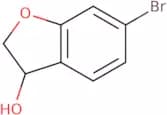
Formule :C12H11NO2Degré de pureté :Min. 95%Couleur et forme :Clear LiquidMasse moléculaire :201.22 g/mol6-bromo-2,3-dihydro-1-benzofuran-3-ol
CAS :Versatile small molecule scaffold
Formule :C8H7BrO2Degré de pureté :Min. 95%Couleur et forme :PowderMasse moléculaire :215.05 g/mol10-Undecen-1-ol
CAS :10-Undecen-1-ol is a fatty acid with a hydroxyl group at the 10th position. It has strong intermolecular hydrogen bonding and reacts to form esters and ethers. 10-Undecen-1-ol is used as a multi-walled carbon for wastewater treatment, which removes organic contaminants. This compound also has a high degree of chemical stability, which makes it suitable for use in anhydrous sodium synthesis methods.
Formule :C11H22ODegré de pureté :Min. 98%Couleur et forme :Colorless Clear LiquidMasse moléculaire :170.29 g/mol3-Nitrobenzamide
CAS :3-Nitrobenzamide is a substance that inhibits the replication of some viruses. It has been shown to inhibit the polymerase chain reaction and to be active against hepatitis B virus. 3-Nitrobenzamide was also observed to have inhibitory properties against herpes simplex virus type 1 (HSV-1) and HSV-2. The solid form of this compound is stable at room temperature, but may undergo hydrolysis in solution. 3-Nitrobenzamide reacts with water to form nitrous acid, which may cause corrosion of metal surfaces.
Formule :C7H6N2O3Degré de pureté :Min. 95%Couleur et forme :PowderMasse moléculaire :166.13 g/mol3-Chlorobenzoic acid
CAS :3-Chlorobenzoic acid is a compound that has been shown to have potent antibacterial activity against Pseudomonas aeruginosa and other bacteria. It has been shown to inhibit the ATP-binding cassette transporter, which is a protein that transports various molecules across cell membranes. 3-Chlorobenzoic acid also inhibits the growth of bacteria by lysing cells and interfering with DNA synthesis. This compound is an effective inhibitor of wild-type strains of E. coli, but not mutants resistant to 2,4-dichlorobenzoic acid. 3-Chlorobenzoic acid reacts with benzoate to form a crystal structure at room temperature and pressure. Further studies are needed to determine the coordination geometry and thermodynamic data for this reaction.
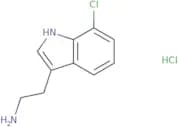
Formule :C7H5ClO2Degré de pureté :Min. 95%Couleur et forme :PowderMasse moléculaire :156.57 g/mol2-(7-Chloro-1H-indol-3-yl)ethanamine hydrochloride
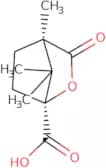
CAS :Produit contrôlé2-(7-Chloro-1H-indol-3-yl)ethanamine hydrochloride is a versatile building block that can be used in the synthesis of complex compounds. It is a high quality, useful intermediate and reaction component in the synthesis of speciality chemicals and research chemicals. 2-(7-Chloro-1H-indol-3-yl)ethanamine hydrochloride has been shown to be a useful scaffold for the synthesis of pharmaceuticals and agrochemicals.Formule :C10H12Cl2N2Degré de pureté :Min. 95%Couleur et forme :PowderMasse moléculaire :231.12 g/mol(1S)-(-)-Camphanic acid
CAS :A chiral auxiliary for the separation of racemates
Formule :C10H14O4Degré de pureté :Min. 95%Couleur et forme :White PowderMasse moléculaire :198.22 g/mol4-Aminobutylphosphonic acid
CAS :4-Aminobutylphosphonic acid is a potent antagonist of the ganglion cell nicotinic acetylcholine receptors. It has been shown to produce irreversible oxidation of the ganglion cell membrane by inhibiting the enzyme catalase, which is responsible for the removal of hydrogen peroxide produced by cells. 4-Aminobutylphosphonic acid also inhibits gamma-aminobutyric acid (GABA) synthesis and increases locomotor activity in frogs. This drug also binds to functional groups on the frog’s muscle cells and stimulates a nerve impulse that causes muscle contraction. The molecule has been shown to be an effective inhibitor of x-ray diffraction data from calf thymus DNA, vinyl alcohol, and glass slides.
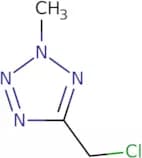
Formule :C4H12NO3PDegré de pureté :Min. 95%Couleur et forme :PowderMasse moléculaire :153.12 g/mol5-(Chloromethyl)-2-methyl-2H-1,2,3,4-tetrazole
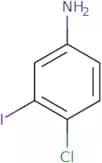
CAS :5-(Chloromethyl)-2-methyl-2H-1,2,3,4-tetrazole is a fine chemical that is used as a versatile building block for research and industrial purposes. It is an intermediate in the synthesis of other compounds and is also used as a reaction component. The quality of this compound is high and it has been shown to be useful in the synthesis of various complex compounds. 5-(Chloromethyl)-2-methyl-2H-1,2,3,4-tetrazole can be used as a reagent for research or manufacturing purposes due to its versatility.Formule :C3H5ClN4Degré de pureté :Min. 95%Couleur et forme :PowderMasse moléculaire :132.55 g/mol4-Chloro-3-iodoaniline
CAS :Versatile small molecule scaffold
Formule :C6H5ClINDegré de pureté :Min. 95%Masse moléculaire :253.47 g/mol5-Amino-1-pentanol
CAS :5-Amino-1-pentanol is a chemical compound that has been shown to stimulate angiogenesis, which is the process of developing new blood vessels from pre-existing ones. It is not currently approved for use in humans and has only been tested on mice. 5-Amino-1-pentanol stimulates angiogenesis by binding to the vascular endothelial growth factor receptor 2 (VEGFR2) protein, which is involved in regulating blood vessel formation. This drug also suppresses cancer gene expression and selectively binds to DNA polymerase α. The amide group of 5-amino-1-pentanol reacts with trifluoroacetic acid to form an amine, which then reacts with water vapor to form a hydroxyl group. This reaction solution can be used as a diagnostic tool for detecting the presence of amines or other nitrogenous compounds.
Formule :C5H13NODegré de pureté :Min. 94%Couleur et forme :Colorless Yellow PowderMasse moléculaire :103.16 g/molRef: 3D-FA09887
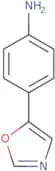
Produit arrêté4-(1,3-Oxazol-5-yl)aniline
CAS :Versatile small molecule scaffold
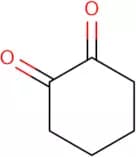
Formule :C9H8N2ODegré de pureté :Min. 95%Masse moléculaire :160.17 g/molCyclohexane-1,2-dione
CAS :Cyclohexane-1,2-dione is a natural compound that can be found in kidney beans and other plants. It has been shown to inhibit the growth of tumor cells in vitro. Cyclohexane-1,2-dione binds to DNA polymerase, preventing replication and transcription. This reaction mechanism is similar to that of the rifamycins. Cyclohexane-1,2-dione has also been shown to bind enzymes such as nitrite ion reductase with high affinity and inhibit their activity. Cyclohexane-1,2-dione is chemically stable and does not react with metal ions or form stable complexes with biological molecules. The redox potentials for this molecule are -0.42 V (5/6) under aerobic conditions and -0.52 V (5/6) under anaerobic conditions.
Formule :C6H8O2Degré de pureté :Min. 96.5%Couleur et forme :PowderMasse moléculaire :112.13 g/mol4-Cyanopiperidine
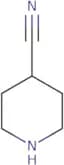
CAS :4-Cyanopiperidine is an organic compound that belongs to the class of medicines and has a cyclohexane ring with two functional groups. It is a part of the compound class of dehydrating agents. 4-Cyanopiperidine is most commonly used as an intermediate in the synthesis of other compounds, but can also be used as a medicine. 4-Cyanopiperidine has been shown to be effective against pain, cancer, and seizures. The inhibitory effect of 4-cyanopiperidine on cyclic AMP causes it to have potent inhibitory activity against cb1 receptor, which is responsible for the psychoactive effects caused by tetrahydrocannabinol (THC). This drug also has potent antagonistic effects on pethidine and related drugs such as fentanyl, morphine, and oxycodone.
Formule :C6H10N2Degré de pureté :Min. 95%Couleur et forme :Colorless Clear LiquidMasse moléculaire :110.16 g/molChloro-7-deazapurine
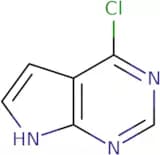
CAS :Intermediate in the synthesis of baricitinib
Formule :C6H4ClN3Degré de pureté :Min. 95%Couleur et forme :Off-White PowderMasse moléculaire :153.57 g/mol6-Chloro-3-methyluracil
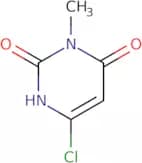
CAS :Intermediate in the synthesis of alogliptin
Formule :C5H5ClN2O2Degré de pureté :Min. 98 Area-%Couleur et forme :Off-White PowderMasse moléculaire :160.56 g/mol4-Chloroindole
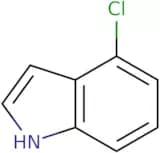
CAS :4-Chloroindole is an indole compound that is a derivative of salicylic acid. It is used in the production of ethylene and casein, as well as being a major metabolite of anthranilic acid. 4-Chloroindole is also found in environmental pollutants and has been shown to be active against plant pathogens such as Pseudomonas syringae. It has been shown to inhibit the growth of Bacillus cereus by binding to its ribosomal RNA and inhibiting protein synthesis. In addition, it inhibits the biosynthesis of methylindole, which may be due to its ability to inhibit the enzyme tryptophan synthase.
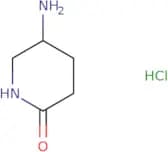
Formule :C8H6ClNDegré de pureté :Min. 98 Area-%Couleur et forme :Clear LiquidMasse moléculaire :151.59 g/mol5-Amino-piperidin-2-one hydrochloride
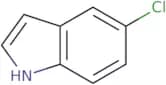
CAS :5-Amino-piperidin-2-one hydrochloride is an enantiomerically pure chiral molecule. It is a white solid with a molecular weight of 138.12 that has been shown to exhibit anti-inflammatory properties in experiments conducted on mice. This drug also has the ability to inhibit the enzyme cyclooxygenase, which plays an important role in the production of prostaglandins. 5-Amino-piperidin-2-one hydrochloride binds to the active site of cyclooxygenase and prevents its conversion of arachadonic acid into prostaglandins. 5-Amino-piperidin-2-one hydrochloride has been shown to be effective against many bacteria, including methicillin resistant Staphylococcus aureus (MRSA) and Mycobacterium tuberculosis, but not against Mycobacterium avium complex.Formule :C5H11ClN2ODegré de pureté :Min. 95%Masse moléculaire :150.61 g/mol5-Chloroindole
CAS :5-Chloroindole is a molecule that can bind to the CB2 cannabinoid receptor. It has been shown in experiments to be an allosteric modulator of this receptor. 5-Chloroindole has been found to have an inhibitory effect on degenerative diseases, such as Huntington's disease and Alzheimer's disease, and may have therapeutic potential for these disorders. 5-Chloroindole binds to a metal surface by forming hydrogen bonds with the oxygen atom of its carboxyl group and the metal surface. The nucleophilic nature of 5-chloroindole allows it to react with chloride ions present in solution. 5-Chloroindole reacts with the carbon source in tissue culture, which leads to receptor activity and inhibition of cell proliferation.
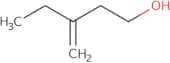
Formule :C8H6ClNCouleur et forme :White PowderMasse moléculaire :151.59 g/mol3-Buten-3-ethyl-1-ol
CAS :3-Buten-3-ethyl-1-ol is a versatile building block that can be used as a reagent for chemical synthesis. It is a complex compound that can be used as a reaction component or intermediate in organic synthesis. 3-Buten-3-ethyl-1-ol has been shown to have antiinflammatory properties, which may be due to the inhibition of prostaglandin synthesis.
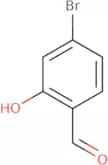
Formule :C6H12ODegré de pureté :Min. 95%Couleur et forme :Clear LiquidMasse moléculaire :100.16 g/mol4-Bromo-2-hydroxybenzaldehyde
CAS :4-Bromo-2-hydroxybenzaldehyde is a chemical compound that is used in the synthesis of azides. It has a molecular formula of C6H5BrO, a diameter of 197.037 pm, and a structural formula of CHBrO. 4-Bromo-2-hydroxybenzaldehyde can be prepared by reacting bromine with hydroxybenzaldehyde in the presence of an amine catalyst. This product has been shown to have synergistic effects when used in combination with other anticancer agents such as aminopyrimidines, coumarin derivatives, or 2-(4'-hydroxyphenyl) benzoxazole. The photophysical properties of 4-bromo-2-hydroxybenzaldehyde are characterized by its fluorescence emission at 272 nm and its absorption at 270 nm. This product also shows low detection levels in human liver tissue samples, which may be due to its high water sol
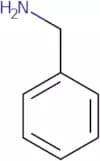
Formule :C7H5BrO2Degré de pureté :Min. 95%Couleur et forme :White PowderMasse moléculaire :201.02 g/molBenzylamine
CAS :Substrate of benzylamine oxidase and monoamine oxidase B
Formule :C7H9NDegré de pureté :Min. 98.0 Area-%Couleur et forme :Colorless Slightly Yellow Clear LiquidMasse moléculaire :107.15 g/mol1-[4-(2-Methoxyethyl)phenoxy]propan-2-one
CAS :1-[4-(2-Methoxyethyl)phenoxy]propan-2-one is a useful scaffold for organic synthesis. It is a versatile building block that can be used as an intermediate in the synthesis of complex compounds with pharmaceutical, agrochemical and other applications.1-[4-(2-Methoxyethyl)phenoxy]propan-2-one is also a reagent in chemical reactions, and has been used to synthesize other compounds such as 1-[4-(2-Methoxyethyl)phenoxy]propan-2-ol (CAS No. 1155083-54-7). This compound has been shown to have good reactivity and high quality, making it an excellent research chemical.
Formule :C12H16O3Degré de pureté :Min. 95%Masse moléculaire :208.25 g/mol4-Ethenyl-1,2-dimethylbenzene
CAS :4-Ethenyl-1,2-dimethylbenzene is a volatile oil that has been found in plants and is a metabolite of styrene. It is classified as a vinyl group, which are compounds with the general formula CH=CH2. 4-Ethenyl-1,2-dimethylbenzene is also a volatile substance, meaning that it evaporates easily from surfaces or materials. This compound may be used as an intermediate for other organic chemicals.
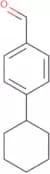
Formule :C10H12Degré de pureté :Min. 95%Couleur et forme :Clear LiquidMasse moléculaire :132.2 g/mol4-Cyclohexylbenzaldehyde
CAS :4-Cyclohexylbenzaldehyde is a molecule that has been disrupted and formylated. It binds to the signal transducer, which activates the transcription of genes. 4-Cyclohexylbenzaldehyde has also been shown to bind to DNA and inhibit the synthesis of RNA in bacteria cells. In addition, this molecule can bind with formylating agents such as hydrogen fluoride or trifluoride, which are used in agrochemicals. This compound is an isomerizing agent that can isomerize cyclohexenyl compounds into cyclohexyltrifluoride. 4-Cyclohexylbenzaldehyde has cytosolic activity and can bind to binder molecules in the cytosol.
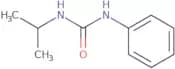
Formule :C13H16ODegré de pureté :Min. 95%Couleur et forme :PowderMasse moléculaire :188.27 g/mol1-Phenyl-3-(propan-2-yl)urea
CAS :1-Phenyl-3-(propan-2-yl)urea is a chemical compound that is used in the synthesis of organic compounds. It has been shown to be useful as a building block and also has applications in the preparation of complex compounds. 1-Phenyl-3-(propan-2-yl)urea can be used as a reagent for reactions involving esterification, hydrolysis, cyclization, and nitration. The compound is also useful for research purposes and can be used as an intermediate for other chemicals.
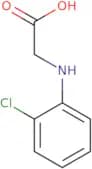
Formule :C10H14N2ODegré de pureté :Min. 95%Couleur et forme :PowderMasse moléculaire :178.23 g/molN-(2-Chlorophenyl)glycine
CAS :N-(2-Chlorophenyl)glycine is an optical isomer of glycine that was synthesized by the photocyclization of 2-chlorobenzaldehyde using KI as a catalyst. It has been shown to be an active inhibitor of platelet aggregation and activation, with a potency comparable to clopidogrel. N-(2-Chlorophenyl)glycine may be used in pharmaceuticals for the prevention of thrombosis and stroke, particularly in patients who are at high risk for these complications. The synthesis of this compound requires the use of an organic solvent and chiral reagents.
Formule :C8H8ClNO2Degré de pureté :Min. 95%Couleur et forme :PowderMasse moléculaire :185.61 g/mol4-Amino-1-adamantanecarboxylic acid
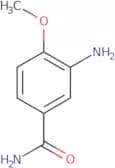
CAS :4-Amino-1-adamantanecarboxylic acid is a useful building block for the synthesis of 4-aminopyridine and 4-aminopyrimidine derivatives. It is an important intermediate in the production of speciality chemicals and has been used as a reaction component in organic synthesis. This compound is also used as a reagent for chemical reactions.Formule :C12H19NO2Degré de pureté :Min. 95%Couleur et forme :White PowderMasse moléculaire :209.28 g/mol3-Amino-4-methoxybenzamide
CAS :3-Amino-4-methoxybenzamide (3AMB) is a transcriptional regulator that inhibits the expression of genes encoding for the synthesis of aminoglycoside antibiotics. 3AMB binds to DNA, forming a heteromer with the transcription factor HANATX, which prevents RNA polymerase from binding to DNA. This in turn inhibits gene expression and bacterial growth. 3AMB has been shown to trigger diabetic neuropathy by inhibiting xylitol dehydrogenase, an enzyme required for neuron protection against oxidative stress. The drug also has a high affinity for nucleophiles and can bind to various substrates such as sulfhydryl groups or hydroxyl groups.
Formule :C8H10N2O2Degré de pureté :Min. 98%Couleur et forme :Off-White PowderMasse moléculaire :166.18 g/mol5-Amino-2-methoxy-benzoic acid methyl ester
CAS :5-Amino-2-methoxy-benzoic acid methyl ester is a synthetic compound that has been shown to have potential as an antibacterial. It has been found to inhibit the growth of bacteria by binding to DNA and preventing transcription. The selectivity for bacterial cells is due to its ability to penetrate the cell membrane, which does not occur in mammalian cells. 5-Amino-2-methoxy-benzoic acid methyl ester is synthesized from 2-(4′-aminophenyl)acetic acid and methoxymethyl chloride in two steps, with a yield of 60%.
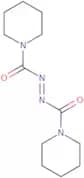
Formule :C9H11NO3Degré de pureté :Min. 95%Couleur et forme :Red PowderMasse moléculaire :181.19 g/mol1,1'-(Azodicarbonyl)dipiperidine
CAS :1,1'-(Azodicarbonyl)dipiperidine is an organic compound that has been shown to be a radiosensitizing agent. It is used in the treatment of ovarian cancer and inhibits cell growth by inducing apoptosis. 1,1'-(Azodicarbonyl)dipiperidine modifies the cellular response to ionizing radiation by sensitizing cells to radiation and increasing the amount of DNA damage caused by radiation. This compound was found to increase the radiosensitivity of cells in vitro; however, it does not induce apoptosis in non-malignant cells. The effects are observed at low doses and are more pronounced when combined with other agents such as 3-aminobenzamide (3AB).
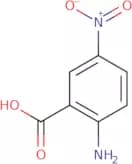
Formule :C12H20N4O2Degré de pureté :Min. 95%Couleur et forme :Yellow PowderMasse moléculaire :252.31 g/mol2-Amino-5-nitrobenzoic acid
CAS :2-Amino-5-nitrobenzoic acid is a plant metabolite that contains a nitro group. It has been found to be an effective inhibitor of glutamate dehydrogenase, one of the enzymes involved in the metabolism of amino acids. 2-Amino-5-nitrobenzoic acid has also been shown to have no effect on other enzyme activities such as amines and nitrosamines. This natural product has been shown to be useful as a model system for understanding how hydrochloric acid interacts with plants, by inhibiting their growth.
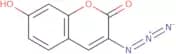
Formule :C7H6N2O4Degré de pureté :Min. 97.5%Couleur et forme :Yellow PowderMasse moléculaire :182.13 g/mol3-Azido-7-hydroxycoumarin
CAS :3-Azido-7-hydroxycoumarin is a water soluble coumarin derivative. 3-Azido-7-hydroxycoumarin is able to undergo highly selective and high yielding Cu(I) catalysed cycloaddition reactions with terminal alkynes (Huisgen cycloaddition or “click” chemistry) to afford the corresponding 1,2,3-triazole under relatively mild reaction conditions. The triazoles thus formed, like 7-hydroxycoumarine, are highly fluorescent and, as 3-azido-7-hydroxycoumarin itself does not fluoresce, terminal alkyne containing molecules can be effectively tagged and visualised by fluorescence spectroscopy.
Formule :C9H5N3O3Degré de pureté :Min. 98 Area-%Couleur et forme :PowderMasse moléculaire :203.15 g/molEthyl (E)-cinnamate
CAS :Ethyl (E)-cinnamate is a cinnamic acid derivative that belongs to the class of phenylpropenoids. It has been shown to have biological properties, such as enzyme activities and antioxidative properties. Ethyl (E)-cinnamate has also been shown to be a potent photosynthetic activator in vitro. This compound can be used as a precursor for the synthesis of cinnamic acid, which is important in the metabolism of energy production and locomotor activity.
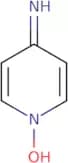
Formule :C11H12O2Degré de pureté :Min. 95%Couleur et forme :Clear LiquidMasse moléculaire :176.21 g/mol4-Aminopyridine N-oxide
CAS :4-Aminopyridine N-oxide is a white, crystalline solid that is soluble in water and alcohol. It has a molecular weight of 128.2 and formula weight of 135.2. 4-Aminopyridine N-oxide reacts with acid solutions to produce nitrous acid and ammonia gas. The rate of the reaction depends on the concentration of aminopyridine and aniline, as well as the pH of the solution. The acetylation, diazotisation, and kinetics have also been studied extensively for this compound. Nitrous acid can react with amides to form azulene, which can then react with amines to form a molecule containing nitrogen, oxygen, carbon, hydrogen and one other element or compound from each group (e.g., NHCOCH). This reaction is reversible when solvents are present.br> 4-Aminopyridine N-oxide may be used as a precursor for other organic
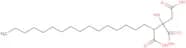
Formule :C5H6N2ODegré de pureté :Min. 95%Couleur et forme :Slightly Yellow PowderMasse moléculaire :110.11 g/molAgaricinic acid
CAS :Organic tricarboxylic acid; inducer of MPT
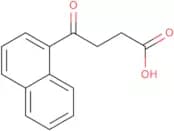
Formule :C22H40O7Degré de pureté :Min. 95%Couleur et forme :PowderMasse moléculaire :416.55 g/mol1-(3-Carboxypropionyl)naphthalene
CAS :1-(3-Carboxypropionyl)naphthalene is a drug that belongs to the class of reactive drugs. It is a prodrug that is metabolized by cytochrome P450 enzymes to 1-(3-carboxypropionyl)naphthoquinone (1CPRNQ). Its main mechanism of action is through binding to magnesium, which induces cell membrane permeability and results in apoptosis. 1-(3-Carboxypropionyl)naphthalene has shown an antibody response to eye disorders and cardiovascular diseases, as well as anti-angiogenic properties. It also has been shown to inhibit the proliferation of tumor cells and induce leukocyte antigen expression.
Formule :C14H12O3Degré de pureté :Min. 95%Couleur et forme :Off-White PowderMasse moléculaire :228.24 g/mol4-(Chloromethyl)-2-methyl-2H-1,2,3-triazole
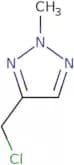
CAS :4-(Chloromethyl)-2-methyl-2H-1,2,3-triazole is a useful intermediate and building block in organic synthesis. It is also used as a reagent for the synthesis of other compounds. 4-(Chloromethyl)-2-methyl-2H-1,2,3-triazole has been reported to be an effective inhibitor of protein tyrosine phosphatase 1B (PTP1B), which is involved in insulin signal transduction. This compound has been shown to inhibit the activity of PTP1B with an IC50 value of 5 μM. 4-(Chloromethyl)-2-methyl-2H-1,2,3-triazole can also be used as an additive in pharmaceutical preparations for its ability to prevent aggregation of proteins.Formule :C4H6ClN3Degré de pureté :Min. 95%Couleur et forme :Clear LiquidMasse moléculaire :131.56 g/mol5-Amino-1H-imidazole-4-carboxamide
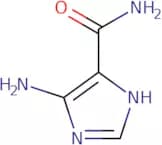
CAS :5-Amino-1H-imidazole-4-carboxamide is a potent inhibitor of inosine monophosphate dehydrogenase (IMPDH). This enzyme converts inosine 5'-monophosphate (IMP) to xanthosine 5'-monophosphate (XMP) and is essential for the synthesis of purines. By inhibiting IMPDH, 5-amino-1H-imidazole-4-carboxamide prevents the formation of XMP, which leads to the depletion of purines, thereby inhibiting DNA synthesis. In addition to its role as an anti-inflammatory agent, this drug has been shown to reduce disease activity in bowel disease patients by reducing nitrate reductase activity. The molecule has also been shown to inhibit protein kinases such as PKC and MAPK/ERK kinases.
Formule :C4H6N4ODegré de pureté :Min. 95%Couleur et forme :PowderMasse moléculaire :126.12 g/molRef: 3D-FA09803
Produit arrêtéL-Serine tert-butyl ester hydrochloride
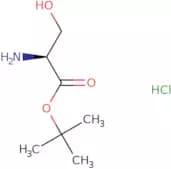
CAS :L-Serine tert-butyl ester hydrochloride is a conditionally catalytic reagent that is used to synthesize aromatic compounds. It is an effective catalyst for toluene hydroxylation, and can be used in the synthesis of L-serine from serine. The tert-butyl group on the molecule prevents side reactions by sterically hindering other molecules from reacting with the reagent.
Formule :C7H15O3N·HClDegré de pureté :Area-% Min. 95 Area-%Couleur et forme :White PowderMasse moléculaire :197.66 g/molSalicylaldehyde azine
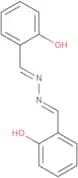
CAS :Salicylaldehyde azine (SAZ) is a polymerized compound that has been shown to inhibit tyrosinase, an enzyme that catalyzes the oxidation of L-tyrosine to DOPA and dopaquinone. It can be used as a fluorescent probe for metal ions and has been used in the preparation of aluminium salts. The interaction of SAZ with protonated functional groups on tyrosinase leads to inhibition by blocking the active site. This inhibition is reversible and can be reversed by adding a reducing agent such as sodium dithionite.
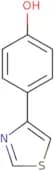
Formule :C14H12N2O2Degré de pureté :Min. 95%Couleur et forme :PowderMasse moléculaire :240.26 g/mol4-(1,3-Thiazol-4-yl)phenol
CAS :4-(1,3-Thiazol-4-yl)phenol is a diagnostic marker for bladder cancer. It is expressed in bladder cells and its levels are higher in urine samples of patients with bladder cancer than in controls. 4-(1,3-Thiazol-4-yl)phenol can be used as a biomarker for diagnosis of bladder cancer and to monitor the treatment response. The concentration of this compound can also be used to assess the risk of recurrence or progression to invasive disease. The function of 4-(1,3-thiazol-4-yl)phenol in the body is not known, but it may act as a growth factor or stabilizer for cells. This molecule has been shown to have therapeutic effects on epithelial cancers such as colorectal and pancreatic cancers.
Formule :C9H7NOSDegré de pureté :Min. 95%Couleur et forme :PowderMasse moléculaire :177.22 g/mol[3-(Morpholinomethyl)phenyl]methylamine
CAS :3-(Morpholinomethyl)phenyl]methylamine (3-MP) is a modified form of the drug 3-morpholinoaniline. It is an organic compound that has been used as a stabilizer in polyolefins, such as polyethylene, to prevent degradation by heat and light. 3-MP is also used to modify copolymers of polypropylene and polyethylene. This modification prevents the copolymer from being degraded by heat, light, or oxygen. The polymerization reaction creates a cross-linked structure that protects the copolymer from degradation.
Formule :C12H18N2ODegré de pureté :Min. 95%Couleur et forme :Clear LiquidMasse moléculaire :206.29 g/mol(2R)-4-Methyl-2-[2-oxo-2-[(phenylmethoxy)amino]ethyl]pentanoic acid
CAS :Please enquire for more information about (2R)-4-Methyl-2-[2-oxo-2-[(phenylmethoxy)amino]ethyl]pentanoic acid including the price, delivery time and more detailed product information at the technical inquiry form on this page
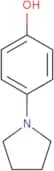
Formule :C15H21NO4Masse moléculaire :279.33 g/mol4-(Pyrrolidin-1-yl)phenol
CAS :Versatile small molecule scaffold
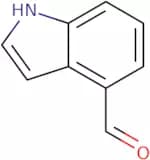
Formule :C10H13NODegré de pureté :Min. 95%Couleur et forme :PowderMasse moléculaire :163.22 g/molIndole-4-carboxaldehyde
CAS :Indole-4-carboxaldehyde is a natural compound that can be found in the acetate extract of the roots of Scopolia japonica. It has been shown to have an inhibitory effect on locomotor activity and may also have an inhibitory effect on protein synthesis. The mechanism of this inhibition is not yet known, but it may be due to an intramolecular hydrogen bond or other interactions with proteins. Indole-4-carboxaldehyde has also been shown to induce apoptotic cell death in 3T3-L1 preadipocytes by inducing mitochondrial dysfunction and oxidative stress.
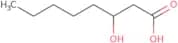
Formule :C9H7NOCouleur et forme :Off-White PowderMasse moléculaire :145.16 g/mol3-Hydroxyoctanoic acid
CAS :3-Hydroxyoctanoic acid is an activated fatty acid that belongs to the group of short-chain fatty acids. It is a hydroxylated derivative of octanoic acid. 3-Hydroxyoctanoic acid has been shown to have antibiotic-resistant properties in human macrophages, which may be due to its ability to inhibit the enzyme activities of beta-lactamases and penicillinase. 3-Hydroxyoctanoic acid also has a nutrient effect on bacteria, preventing the formation of ester linkages between fatty acids and alkanoic acids. This activity may be due to its effects on energy metabolism in bacteria, which may be caused by its ability to inhibit cyclic lipopeptide synthesis and its effects on the citrate cycle.
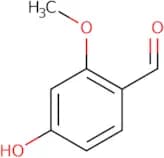
Formule :C8H16O3Degré de pureté :Min. 95%Masse moléculaire :160.21 g/mol4-Hydroxy-2-methoxybenzaldehyde
CAS :Echinatin is a benzaldehyde derivative that is found in the roots of Echinacea purpurea. It is a phenolic compound with a carbonyl group and two benzyl groups. 4-Hydroxy-2-methoxybenzaldehyde has been shown to have photophysical, cell culture, and functional group properties. This compound is used as a precursor for the production of echinatin and other plant polyphenols such as malonic acid. The biosynthesis of 4-hydroxy-2-methoxybenzaldehyde begins with the oxidation of cinnamic acid by cytochrome P450 monooxygenase to form cinnamoyl CoA. The enzyme cinnamate decarboxylase then converts this intermediate to p-hydroxybenzoic acid, which is then hydroxylated to form 4-hydroxy-2-methoxybenzaldehyde.
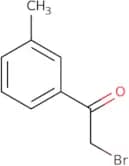
Formule :C8H8O3Degré de pureté :Min. 95%Couleur et forme :PowderMasse moléculaire :152.15 g/mol2-Bromo-1-(m-tolyl)ethanone
CAS :2-Bromo-1-(m-tolyl)ethanone is a ketone that can be used as an oxidant. It is synthesized by the reaction of 2-bromoethanol and m-tolylmagnesium bromide in ether. The bromoethane reacts with the magnesium to form a Grignard reagent, which then reacts with the alcohol to produce the ketone. This chemical can also be used as a reagent for synthesizing biomolecules such as alkenes or solvents. 2-Bromo-1-(m-tolyl)ethanone is soluble in nonpolar solvents, making it an ideal solvent for reactions involving alkenes and other unsaturated compounds. The sequence of the synthesis involves:
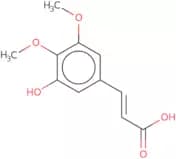
Formule :C9H9BrODegré de pureté :Min. 95%Couleur et forme :PowderMasse moléculaire :213.07 g/mol3,4-Dimethoxy-5-hydroxycinnamic acid
CAS :3,4-Dimethoxy-5-hydroxycinnamic acid is a monoterpenoid indole alkaloid that belongs to the class of biochemical compounds. It is a promiscuous compound and can be found in many plants, such as coffee beans, black pepper, cinnamon, and thyme. 3,4-Dimethoxy-5-hydroxycinnamic acid has been shown to have antimicrobial properties against bacteria and fungi. The metabolomics study showed that this compound may also have anti-inflammatory effects. 3,4-Dimethoxy-5-hydroxycinnamic acid was shown to enhance the transcription of ferulic acid in E. coli cells. This compound was also shown to decrease the levels of transcripts for genes involved in lipid metabolism and fatty acid biosynthesis in human liver cells.
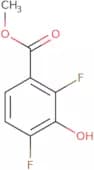
Formule :C11H12O5Degré de pureté :Min. 98 Area-%Couleur et forme :PowderMasse moléculaire :224.21 g/mol2,4-Difluoro-3-hydroxybenzoic acid methyl ester
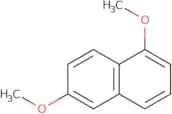
CAS :2,4-Difluoro-3-hydroxybenzoic acid methyl ester is a fine chemical that is used as a versatile building block for research chemicals and other complex compounds. It can be used as a reaction component in the synthesis of new chemical entities or as a reagent for organic chemistry reactions. 2,4-Difluoro-3-hydroxybenzoic acid methyl ester has CAS No. 194804-80-3 and is available in high quality.Formule :C8H6F2O3Degré de pureté :Min. 95%Couleur et forme :PowderMasse moléculaire :188.13 g/mol1,6-Dimethoxynaphthalene
CAS :1,6-Dimethoxynaphthalene is a chiral molecule that can be used as a chemical intermediate in the synthesis of pharmaceuticals. 1,6-Dimethoxynaphthalene has been shown to react with dopamine to form β-unsaturated ketones. This reaction is catalyzed by thionyl chloride. The product of this reaction can be reacted with a chloride, naphthalene or sulfinyl chloride to form five-membered diprotonated products. 1,6-Dimethoxynaphthalene also reacts with hydrosulfite to form sulfinyl functional groups, which can then be used as additives in other chemical reactions.
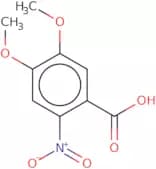
Formule :C12H12O2Degré de pureté :Min. 98 Area-%Couleur et forme :Orange PowderMasse moléculaire :188.22 g/mol4,5-Dimethoxy-2-nitrobenzoic acid
CAS :4,5-Dimethoxy-2-nitrobenzoic acid (DMNB) is a nitrophenol compound that is used as an intermediate in the synthesis of pesticides. DMNB inhibits the growth of bacteria through its ability to inhibit protein synthesis and DNA replication. The inhibition is due to DMNB’s ability to covalently bind to nucleophilic sites on enzymes that are essential for these processes. It has been shown that DMNB can be degraded by microorganisms, such as bacteria, fungi, and algae. The biodegradation process may be facilitated by its solubility in water and its low molecular weight.
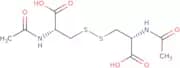
Formule :C9H9NO6Degré de pureté :Min. 97.5%Couleur et forme :Yellow SolidMasse moléculaire :227.17 g/molN,N'-Diacetyl-L-cystine
CAS :N,N'-Diacetyl-L-cystine (NAC) is a cysteine derivative that is used in the preparation of samples for analysis by liquid chromatography. It has been shown to have an antiatherogenic effect in chronic bronchitis patients and has been found to be a growth factor, inhibiting apoptosis and stimulating cell proliferation. NAC also increases the activity of aminotransferases in serum samples, which can be used as an indicator of liver health. Its chemical stability and low toxicity make it an ideal candidate for use as a pharmaceutical preparation at doses below those required for its enzyme-stimulating effects.
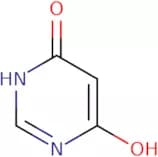
Formule :C10H16N2O6S2Degré de pureté :Min. 95%Couleur et forme :PowderMasse moléculaire :324.38 g/mol4,6-Dihydroxypyrimidine
CAS :4,6-Dihydroxypyrimidine is a competitive inhibitor of the bacterial enzyme DNA gyrase. It binds to the ATP-binding site and blocks the conversion of ATP to ADP. This leads to inhibition of the DNA replication process. 4,6-Dihydroxypyrimidine has shown inhibition constants against various bacterial strains. The kinetic data indicate that this compound is a noncompetitive inhibitor for DNA gyrase. 4,6-Dihydroxypyrimidine also binds to sodium hydroxide solution and forms a Langmuir adsorption isotherm that can be described by an equation with a single binding site. The chemical structure of 4,6-dihydroxypyrimidine consists of three atoms: two hydrogen atoms and one oxygen atom. This molecule has been found in electrochemical impedance spectroscopy experiments using methanol solvent as an electrolyte and monosodium salt as a supporting electrolyte.
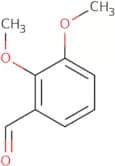
Formule :C4H4N2O2Degré de pureté :Min. 95%Couleur et forme :Yellow PowderMasse moléculaire :112.09 g/mol2,3-Dimethoxybenzaldehyde
CAS :2,3-Dimethoxybenzaldehyde is a chemical substance that binds to its ligands by hydrogen bonding and van der Waals forces. It is used in the synthesis of diethyl succinate. 2,3-Dimethoxybenzaldehyde has been shown to inhibit the growth of squamous carcinoma cells. The conversion of 2,3-dimethoxybenzaldehyde into benzoquinone is catalyzed by glucose oxidase and peroxidase. This oxidation process results in a loss of two electrons and one proton from the molecule, changing it from a phenol to an aromatic hydrocarbon.
Formule :C9H10O3Degré de pureté :Min. 95%Couleur et forme :PowderMasse moléculaire :166.17 g/mol2,6-Dichloro-3-deazapurine
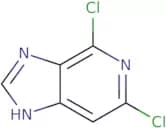
CAS :2,6-Dichloro-3-deazapurine is an isomer of the nucleoside guanosine. It has been shown to inhibit the synthesis of viruses in cell cultures and may be useful in the treatment of leukemia. The synthesis of 2,6-dichloro-3-deazapurine can be achieved through a solid-phase synthesis that uses synthons as starting materials. The molecular modelling studies have shown that this molecule has a potential to bind to adenosine receptor subtypes A2a, A2b, and A3.
Formule :C6H3Cl2N3Degré de pureté :Min. 95%Couleur et forme :Off-White PowderMasse moléculaire :188.02 g/mol1-Methylfluorene
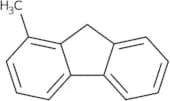
CAS :1-Methylfluorene is a colorless liquid that is soluble in water and alcohols. It is used as a monomer to produce polymers, such as poly(vinylidene fluoride) or poly(chlorotrifluoroethylene). 1-Methylfluorene is also used to prepare perfluorocarbon emulsions for use in water vapor permeable membranes which are used in wastewater treatment. 1-Methylfluorene has shown to be an effective inhibitor of human monocytic cells, thp-1 cells. It also binds to the receptor site on the cell membrane, inhibiting the influx of cations and water molecules. This can result in apoptosis, or programmed cell death. The sample preparation for 1-Methylfluorene includes extraction with petroleum ether followed by purification using column chromatography with silica gel and elution with hydrogen chloride acidified methanol.
Formule :C14H12Degré de pureté :Min. 95%Couleur et forme :PowderMasse moléculaire :180.25 g/mol[(1H-Indol-6-yl)methyl](methyl)amine
CAS :Versatile small molecule scaffold
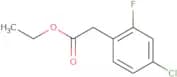
Formule :C10H12N2Degré de pureté :Min. 95%Masse moléculaire :160.22 g/mol(4-Chloro-2-fluorophenyl)acetic acid ethyl ester
CAS :4-Chloro-2-fluorophenyl)acetic acid ethyl ester is a fine chemical that can be used as a scaffold for building more complex molecules, or it can be used as a versatile building block in the synthesis of research chemicals. It is also an intermediate in many reactions and can be used as a speciality chemical. 4-Chloro-2-fluorophenyl)acetic acid ethyl ester has been shown to have high quality and it is useful for research on complex compounds. It can also be used as a reagent in organic synthesis.
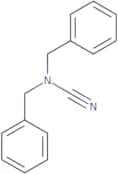
Formule :C10H10ClFO2Degré de pureté :Min. 95%Couleur et forme :SolidMasse moléculaire :216.64 g/molCyanodibenzylamine
CAS :Cyanodibenzylamine is a synthetic, pharmaceutical preparation. It is an amine that undergoes nucleophilic attack by an amide to form a cyanoguanidine. Cyanodibenzylamine can be used as a stabilizer and additive in pharmaceutical preparations. It also has the ability to bind metal hydroxides, which may be due to the presence of basic fibroblast growth factor and isoquinoline compound. Cyanodibenzylamine is also used as a polymerization initiator in organic chemistry, with hydrocarbon solvents such as benzene or toluene as its solvent.
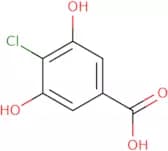
Formule :C15H14N2Degré de pureté :Min. 95%Couleur et forme :PowderMasse moléculaire :222.29 g/mol4-Chloro-3,5-dihydroxybenzoic acid
CAS :4-Chloro-3,5-dihydroxybenzoic acid is a chemical substance that can be used as a building block in organic synthesis. It is also a versatile intermediate and scaffold for the synthesis of more complex compounds. 4-Chloro-3,5-dihydroxybenzoic acid has been found to be useful in research and as a reagent because it is an inexpensive, high quality chemical. This compound reacts rapidly with many other chemicals, including alcohols and amines. 4-Chloro-3,5-dihydroxybenzoic acid has been shown to be stable under acidic conditions and can be purified by crystallization or recrystallization.
Formule :C7H5ClO4Degré de pureté :Min. 95%Couleur et forme :PowderMasse moléculaire :188.56 g/mol[2-(Cyclopropylmethoxy)ethyl](methyl)amine
CAS :Versatile small molecule scaffold
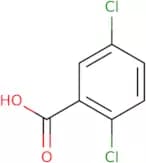
Formule :C7H15NODegré de pureté :Min. 80%Couleur et forme :Clear LiquidMasse moléculaire :129.2 g/mol2,5-Dichlorobenzoic acid
CAS :2,5-Dichlorobenzoic acid is a hydrogen-bonding agent that interacts with other molecules by forming hydrogen bonds. It reacts with benzoate to form 2,5-dichlorobenzoate, which is an intermediate in the synthesis of phenylbenzene and biphenyl. 2,5-Dichlorobenzoic acid has been shown to inhibit the growth of bacteria such as Stenotrophomonas maltophilia and Pseudomonas aeruginosa. The compound also lowers cholesterol levels in rats and humans.
2,5-Dichlorobenzoic acid has a redox potential of -0.25 V and can be used to reduce sodium hydroxide solution or hydroxide solution. This chemical's structure allows it to be taken up by cells through passive diffusion and active transport mechanisms.Formule :C7H4Cl2O2Degré de pureté :Min. 95%Couleur et forme :White PowderMasse moléculaire :191.01 g/mol4,5-Dimethoxy-2-nitrobenzoic acid - Technical
CAS :4,5-Dimethoxy-2-nitrobenzoic acid is a versatile building block and reagent that can be used in research and development as well as for the production of fine chemicals. This compound has been shown to react with amines using the nitration reaction to produce a variety of useful compounds. The synthesis of this compound is not difficult, but requires care and some speciality chemicals. 4,5-Dimethoxy-2-nitrobenzoic acid is also a useful scaffold for complex compounds. It reacts readily with other building blocks to form nitrogen heterocycles and is used in the production of pharmaceuticals and pesticides.
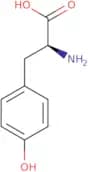
Formule :C9H9NO6Degré de pureté :Min. 95%Masse moléculaire :227.17 g/molL-Tyrosine - non-animal origin
CAS :Amino acid; precursor to neurotransmitters, hormones, pigments, natural phenols
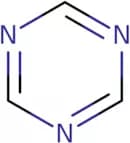
Formule :C9H11NO3Couleur et forme :White Off-White PowderMasse moléculaire :181.19 g/mol1,3,5-Triazine
CAS :1,3,5-Triazine is a nitrogen-containing heterocyclic compound that is used as a precursor for the synthesis of other compounds. It has been shown to inhibit the polymerase chain reaction and to bind to the enzyme DNA polymerase. This binding prevents the formation of an enzyme-substrate complex required for DNA replication. 1,3,5-Triazine also inhibits oxidative injury in experimental models and inhibits cellular physiology by decreasing the production of growth factor-β1. 1,3,5-Triazine has been shown to be a natural compound with inhibitory properties against growth factors and cell proliferation. This chemical also exhibits antioxidant effects by scavenging reactive oxygen species or inhibiting lipid peroxidation.END>
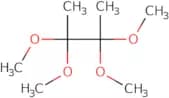
Formule :C3H3N3Degré de pureté :Min. 95%Couleur et forme :White PowderMasse moléculaire :81.08 g/mol2,2,3,3-Tetramethoxybutane
CAS :The butane analog with CAS 176798-33-7 is a useful research chemical used in organic synthesis.
Formule :C8H18O4Degré de pureté :Min. 95%Couleur et forme :Colourless LiquidMasse moléculaire :178.23 g/mol2-Acetoxybenzonitrile
CAS :2-Acetoxybenzonitrile is an atypical, acidic organic compound with a molecular weight of 136.06 g/mol. It has a melting point of -5.5 °C and decomposes spontaneously at high temperatures to form benzonitrile, carbon dioxide, and water. 2-Acetoxybenzonitrile is able to act as a competitive inhibitor of acetylsalicylic acid (ASA) in the kinetic determination of ASA using acetylation as the rate-determining step. In this experiment, 2-acetoxybenzonitrile was found to be an effective inhibitor of acetylation with a KI value of 1.8 x 10 M. The spectrometer can be used to determine the molecular weight and purity of 2-acetoxybenzonitrile by measuring its absorbance in the ultraviolet region.
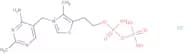
2-Acetoxybenzonitrile binds metal cations such as Cu(II), Fe(Formule :C9H7NO2Degré de pureté :Min. 95%Couleur et forme :Clear LiquidMasse moléculaire :161.16 g/molThiamine pyrophosphate
CAS :Thiamine derivative; coenzyme of transketolase
Formule :C12H19ClN4O7P2SDegré de pureté :Min. 93%Couleur et forme :White PowderMasse moléculaire :460.77 g/mol1-Anilinonaphthalene-8-sulphonic acid magnesium
CAS :Trifluoroacetic acid is a hydrophobic molecule that has been used in the synthesis of 1-anilinonaphthalene-8-sulphonic acid magnesium. The magnesium salt of this compound is soluble in water and can be obtained as a white solid. Trifluoroacetic acid has been shown to have anti-inflammatory effects by binding to chloride ions, which are present in high concentrations on the surface of inflamed cells. Trifluoroacetic acid also has a surfactant property, which may be due to its ability to form micelles with fatty acids. This property is important for drug absorption because it helps solubilize lipophilic drugs and improve their bioavailability.Formule :(C16H13NO3S)2•MgDegré de pureté :Min. 95%Couleur et forme :PowderMasse moléculaire :623 g/mol4-(1-Adamantyl)aniline
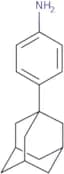
CAS :4-(1-Adamantyl)aniline is a monomer with electron-deficient properties. It can be synthesized from 1-adamantanol and trifluoroacetic acid, followed by hydrolysis to remove the trifluoromethyl group. 4-(1-Adamantyl)aniline has been shown to have high cytotoxicity against tumor cells in vitro. This compound also inhibits the production of necrosis factor, an inflammatory cytokine that plays an important role in many pathological processes, such as septic shock and acute respiratory distress syndrome.
Formule :C16H21NDegré de pureté :Min. 95%Couleur et forme :White PowderMasse moléculaire :227.34 g/mol2-Amino-3-methylbenzoic acid
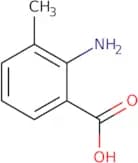
CAS :2-Amino-3-methylbenzoic acid is an organic compound with the formula H2CCH(NH2)(COOH). It is a white solid that is soluble in water. The molecule has a planar geometry, and the copper ion is coordinated by four oxygen atoms and three nitrogen atoms. This coordination geometry can be seen in the crystal structure of the molecule. 2-Amino-3-methylbenzoic acid has been shown to have antifungal activity against Aspergillus niger. It also inhibits 5-nitrosalicyclic acid and sodium carbonate, which are involved in the synthesis of nicotinamide adenine dinucleotide phosphate (NADPH) and ATP respectively. 2-Amino-3-methylbenzoic acid has also been shown to inhibit ryanodine receptor channels, which are important for calcium release from endoplasmic reticulum.
Formule :C8H9NO2Degré de pureté :Min. 95%Couleur et forme :PowderMasse moléculaire :151.16 g/molRef: 3D-FA54893
Produit arrêté(S)-3-Amino-3-phenylpropionic acid
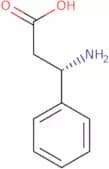
CAS :3-Amino-3-phenylpropionic acid is a β-amino acid that is used in the industrial production of acrylate esters. The acylation reaction of the carboxylic acid group with an alcohol, usually naphthalene or phenol, yields an ester hydrochloride. This is then hydrolyzed to the corresponding amide, which can be further reacted to produce a variety of other compounds. 3-Amino-3-phenylpropionic acid has pharmacokinetic properties that are similar to those of glycine and alanine, but it does not undergo transamination. It also has a very high chloride content and is often used as a reagent for the synthesis of organic chloride salts.
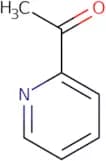
Formule :C9H11NO2Degré de pureté :Min. 95%Couleur et forme :White PowderMasse moléculaire :165.19 g/mol2-Acetylpyridine
CAS :2-Acetylpyridine is a compound that can be used to study the biological properties of molybdenum. It has been shown to have redox potentials that are similar to the corresponding pyridine compounds. The compound has been shown to be an antimicrobial agent that is active against bacteria and fungi, and it also has antioxidative properties. 2-Acetylpyridine binds to dinucleotide phosphate by hydrogen bonding interactions in human serum, which may be related to its ability as an oxidant. This chemical also has a high surface area and can be used for surface methodology experiments as well as x-ray crystal structures.
Formule :C7H7NODegré de pureté :Min. 95%Couleur et forme :PowderMasse moléculaire :121.14 g/mol2,4,6-Trimethylbromobenzene
CAS :2,4,6-Trimethylbromobenzene is a chemical compound with the molecular formula C7H8Br3. It is synthesized by the reaction of 2,4,6-trimethylaniline and bromine in the presence of a base such as potassium carbonate or sodium hydroxide. The synthesis can be carried out with or without solvent. When heated at reflux in toluene, it undergoes an electrophilic substitution reaction with chloroform to form 2-chloro-6-methylbenzene. 2,4,6-Trimethylbromobenzene can also be synthesized by reacting 1,3-dibromopropane with hydroquinone and dibutyltin dichloride in the presence of a strong acid catalyst. The light emission from this compound appears as a yellow color in solution. The molecule has three asymmetric centers: two on the benz
Formule :C9H11BrDegré de pureté :80%Couleur et forme :Clear LiquidMasse moléculaire :199.09 g/mol1-Acetyl-3-indolecarboxaldehyde
CAS :1-Acetyl-3-indolecarboxaldehyde is a ligand that binds to the cannabinoid receptor 1 (CB1). It has been shown to bind to the CB1 receptor with high affinity and selectivity. In addition, it has been demonstrated to inhibit the proliferation of human breast cancer cells in vitro. The compound is used as a fluorescent probe for cb1 receptor binding. Data obtained from molecular modelling studies have suggested that the hydroxyl group might be involved in binding to the CB1 receptor. 1-Acetyl-3-indolecarboxaldehyde also binds carotenoids, which are molecules responsible for giving plants and other photosynthetic organisms their coloration. This compound can be found in many different plants, such as carrots and bananas, where it acts as an antioxidant.
Formule :C11H9NO2Degré de pureté :Min. 95%Couleur et forme :PowderMasse moléculaire :187.19 g/mol
![1-[3-(2,2,2-Trifluoroethoxy)propyl]piperazine](/_next/image/?url=https%3A%2Fstatic.cymitquimica.com%2Fproducts%2F3D%2Fthumb-webp%2FIYB42034.webp&w=3840&q=75)

![N-Nitroso-3-azabicyclo[3.3.0]octane](/_next/image/?url=https%3A%2Fstatic.cymitquimica.com%2Fproducts%2F3D%2Fthumb-webp%2FFN166610.webp&w=3840&q=75)

![6,7-Dihydro-5H-pyrrolo[1,2-a]imidazole](/_next/image/?url=https%3A%2Fstatic.cymitquimica.com%2Fproducts%2F3D%2Fthumb-webp%2FJCA64616.webp&w=3840&q=75)









![1-[4-(2-Methoxyethyl)phenoxy]propan-2-one](/_next/image/?url=https%3A%2Fstatic.cymitquimica.com%2Fproducts%2F3D%2Fthumb-webp%2FFWB08353.webp&w=3840&q=75)



![[3-(Morpholinomethyl)phenyl]methylamine](/_next/image/?url=https%3A%2Fstatic.cymitquimica.com%2Fproducts%2F3D%2Fthumb-webp%2FRDA27183.webp&w=3840&q=75)
![(2R)-4-Methyl-2-[2-oxo-2-[(phenylmethoxy)amino]ethyl]pentanoic acid](/_next/image/?url=https%3A%2Fstatic.cymitquimica.com%2Fproducts%2F3D%2Fthumb-webp%2FB-9970.webp&w=3840&q=75)
amine](/_next/image/?url=https%3A%2Fstatic.cymitquimica.com%2Fproducts%2F3D%2Fthumb-webp%2FDAA46821.webp&w=3840&q=75)
amine](/_next/image/?url=https%3A%2Fstatic.cymitquimica.com%2Fproducts%2F3D%2Fthumb-webp%2FIKB52698.webp&w=3840&q=75)