Building Blocks
Sous-catégories appartenant à la catégorie "Building Blocks"
- Acides boroniques et dérivés de l'acide boronique(5.778 produits)
- Building Blocks Chiraux(1.243 produits)
- Building Blocks Hydrocarbonés(6.098 produits)
- Building Blocks organiques(61.036 produits)
205240 produits trouvés pour "Building Blocks"
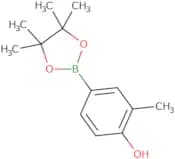
2-Methyl-4-(4,4,5,5-tetramethyl-1,3,2-dioxaborolan-2-yl)phenol
CAS :Versatile small molecule scaffold
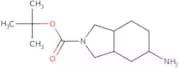
Formule :C13H19BO3Degré de pureté :Min. 95%Masse moléculaire :234.1 g/moltert-butyl 5-amino-octahydro-1H-isoindole-2-carboxylate, Mixture of diastereomers
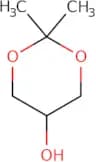
CAS :Versatile small molecule scaffoldFormule :C13H24N2O2Degré de pureté :Min. 95%Masse moléculaire :240.3 g/mol2,2-Dimethyl-1,3-dioxan-5-ol
CAS :2,2-Dimethyl-1,3-dioxan-5-ol is a chemical compound that has been shown to have catalytic properties. It has also been used as an additive in organic synthesis reactions to activate carboxylic acids. 2,2-Dimethyl-1,3-dioxan-5-ol is an oxygenated compound that can be synthesized by the reaction of pyridine and formaldehyde. This substance can be used in acidic conditions and must be activated by solketal or dioxane before use. The physical properties of this chemical are shown using FTIR spectroscopy on corncob samples and physicochemical parameters were determined using standard techniques.
Formule :C6H12O3Degré de pureté :Min. 95%Masse moléculaire :132.16 g/mol1,9-Nonanediol
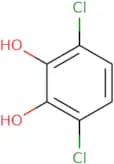
CAS :1,9-Nonanediol is a chemical substance that has been synthesized with the use of a constant pressure process. It is an asymmetric synthesis with light exposure. The molecule has been characterized by chromatographic methods and has the molecular formula CH3(CH2)9O. 1,9-Nonanediol is a dodecanedioic acid and an aliphatic hydrocarbon. It exists in two forms: one hydroxyl group and one hydrogen bond, which are both involved in the dehydration process. This substance does not have any chloride or magnetic resonance spectroscopy properties because it does not contain any chlorine atoms or hydrogen atoms.Formule :C9H20O2Degré de pureté :Min. 95%Masse moléculaire :160.25 g/mol3,6-Dichlorobenzene-1,2-diol
CAS :3,6-Dichlorobenzene-1,2-diol is a conjugate acid of benzene. It has two dimensions in the plane of the molecule and three dimensions in space. The molecule is composed of six carbon atoms, six hydrogen atoms, and one chlorine atom. 3,6-Dichlorobenzene-1,2-diol has a centroid at the center of the molecule that is surrounded by a ring of four hydrogen atoms. The hydrogen-bonded molecules stack on top of each other to form a hexagonal shape. 3,6-Dichlorobenzene-1,2-diol forms hydrogen bonds with other molecules through its lone pairs of electrons on both oxygen atoms as well as through its pi electron system.Formule :C6H4Cl2O2Degré de pureté :Min. 95%Masse moléculaire :179 g/mol1-(Oxan-2-yl)-3-phenyl-5-(tetramethyl-1,3,2-dioxaborolan-2-yl)-1H-pyrazole
CAS :Versatile small molecule scaffold
Formule :C20H27BN2O3Degré de pureté :Min. 95%Masse moléculaire :354.3 g/moltert-Butyl 3-amino-5-methyl-1H-pyrazole-1-carboxylate
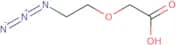
CAS :Versatile small molecule scaffoldFormule :C9H15N3O2Degré de pureté :Min. 95%Masse moléculaire :197.23 g/mol2-(2-Azidoethoxy)acetic Acid
CAS :2-(2-Azidoethoxy)acetic Acid is a hydrophobic antibacterial agent that can be used to inhibit bacterial growth by disrupting the cell membrane. It has been shown to inhibit the growth of Staphylococcus aureus and Escherichia coli, which may be due to its ability to bind to the glutathione moiety in the bacterial cell membrane. 2-(2-Azidoethoxy)acetic Acid has been shown to have antimicrobial activity against both Gram-positive and Gram-negative bacteria in vitro. This compound is also able to cross the cell membrane, inhibiting bacterial replication in vivo.
Formule :C4H7N3O3Degré de pureté :Min. 95%Masse moléculaire :145.12 g/mol[(1S)-1-Ethyl-2-oxopropyl]-1,1-dimethylethyl ester carbamic acid
CAS :Versatile small molecule scaffoldFormule :C10H19NO3Degré de pureté :Min. 95%Masse moléculaire :201.26 g/moltert-Butyl (4-formylpyridin-2-yl)carbamate
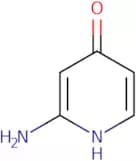
CAS :Versatile small molecule scaffoldFormule :C11H14N2O3Degré de pureté :Min. 95%Masse moléculaire :222.2 g/mol2-Amino-4-hydroxypyridine
CAS :2-Amino-4-hydroxypyridine (2AH) is a synthetic, isomeric compound that has been synthesized in two different forms: 3-bromo-5-hydroxypyridine and hydroxy group. 2AH has been shown to be chemically stable at room temperature and pH levels of less than 7. It also withstands the loss of membrane fluidity induced by amides, such as 3-amino-2-bromopyridine. 2AH can be used to synthesize oxindole derivatives, which are found in natural gas, and piperidines. This chemical can also be used for aminations with pyrrole or 2 amino 4 hydroxypyridine.Formule :C5H6N2ODegré de pureté :Min. 95%Couleur et forme :PowderMasse moléculaire :110.11 g/mol6-chloro-1H-pyrazolo[3,4-d]pyrimidin-4-amine
CAS :Versatile small molecule scaffoldFormule :C5H4ClN5Degré de pureté :Min. 95%Masse moléculaire :169.6 g/mol6-Chloro-1H-benzimidazol-2-amine
CAS :Aminoguanidine is a drug that inhibits the activity of the enzyme guanidinoacetate methyltransferase (GAMT). It is used to treat some types of cancer, such as bladder cancer. Aminoguanidine has been shown to inhibit tumour growth and induce apoptosis in animal models. It has also been reported to be effective in a number of other cancers, including breast cancer, prostate cancer and colon cancer. Aminoguanidine binds with high affinity to protein targets, including x-ray crystallography, magnetic resonance imaging and devices. The binding site on the ligand is highly conserved among different proteins, which may explain the broad spectrum of its activity. Aminoguanidine is dose-dependent and can be administered either stepwise or as one large dose.
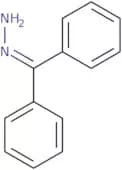
Formule :C7H6ClN3Degré de pureté :Min. 95%Masse moléculaire :167.6 g/molBenzophenone hydrazone
CAS :Benzophenone hydrazone is a benzophenone derivative that belongs to the group of pharmaceutical preparations. It is a hydrazone compound that contains one nitrogen atom and one phosphorus pentoxide group. The reaction mechanism of this molecule involves oxidation catalyzed by a radiation or light source. The diphenylmethanone, which acts as an electron donor, reacts with the benzophenone compound to produce the benzophenone hydrazone product. This reaction has been shown in solution and in solid form by reacting with potassium dichromate and hydrogen peroxide in the presence of hydrochloric acid.Degré de pureté :Min. 95%1-Bromo-4-iodobenzene
CAS :1-Bromo-4-iodobenzene is an aryl halide that can be synthesized by the cross coupling of ethyl formate and hydrochloric acid. This compound is useful in analytical applications, such as chromatographic methods, due to its high solubility in organic solvents. It is also used in synthetic procedures for the preparation of other aryl halides. 1-Bromo-4-iodobenzene has been used to synthesize calcium carbonate via the Suzuki coupling reaction with sodium salts, which are nucleophiles. The carbonyl group on this molecule reacts with the nucleophile, forming an alkyl group and a metal salt. Transfer reactions involving these salts can produce other products with different functional groups.
Formule :C6H4BrIDegré de pureté :Min. 95%Couleur et forme :PowderMasse moléculaire :282.9 g/mol6-Bromohexanoic acid methyl ester
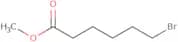
CAS :6-Bromohexanoic acid methyl ester is a linker that can be used in the synthesis of amides. This compound is synthesized by reaction between 2-bromobutyric acid and malonic acid, followed by hydrolysis with sodium hydroxide. 6-Bromohexanoic acid methyl ester is an efficient method for the preparation of amides. It is biologically active and has been shown to have anti-inflammatory properties in biological studies.
Formule :C7H13BrO2Degré de pureté :Min. 95%Couleur et forme :Clear LiquidMasse moléculaire :209.08 g/mol6-Chloro-2-fluoropurine
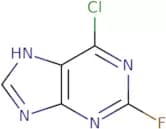
CAS :6-Chloro-2-fluoropurine is an analytical reagent with a monoclonal antibody that binds to the nucleic acid of HL-60 cells and can be used for optical analysis. 6-Chloro-2-fluoropurine has been shown to have significant cytotoxicity against HL-60 cells, which may be due to its ability to bind to intracellular targets. 6-Chloro-2-fluoropurine has also been shown to inhibit the growth of HL-60 cells in a fluorescein angiography study and is used as a diagnostic agent for diagnosis of cancer.Formule :C5H2ClFN4Degré de pureté :Min. 98 Area-%Couleur et forme :Off-White PowderMasse moléculaire :172.55 g/molChlorbutanol hemihydrate
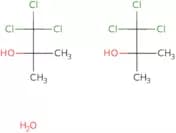
CAS :Chlorbutanol hemihydrate is an antimicrobial agent that is used as an intra-articular injection, and has been shown to be effective against choline chloride. Chlorbutanol hemihydrate binds to the active substances and reacts with chlorine atom to form an active substance. The reaction rate of chlorbutanol hemihydrate with chlorine atoms is slow, so it can be administered intravenously or intramuscularly. Functional assays have shown that chlorbutanol hemihydrate can inhibit the growth of cancer cells in a dose-dependent manner. It also inhibits the production of oxytocin receptor in mice tissues. Chlorbutanol hemihydrate has been shown to be safe for humans when given at doses up to 10 times higher than the recommended dosage, but may cause allergic reactions in some people.Formule :C4H7Cl3O•(H2O)0Degré de pureté :Min. 95%Couleur et forme :White PowderMasse moléculaire :186.46 g/molCytosine
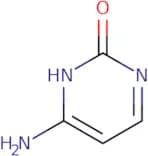
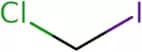
CAS :Pyrimidine nucleobase; component of nucleic acidsFormule :C4H5N3ODegré de pureté :(Hplc) Min. 99%Couleur et forme :White PowderMasse moléculaire :111.1 g/molChloroiodomethane, stabilised with copper
CAS :Chloroiodomethane is a chemical that is used as an intermediate in the production of other chemicals. It is a colourless liquid with a strong odour. 3-Bromopropylamine hydrobromide reacts with chloroiodomethane to form 3-bromopropyl bromide, which can be reacted with hydrogen chloride to form the corresponding acid chloride. This reaction product can then be reacted with β-amino acids to form amides or esters. The reaction mechanism of this process involves nucleophilic substitution of chloroiodomethane by the amino group of the β-amino acid to produce an intermediate α,β-unsaturated carbonyl chloride, which undergoes elimination to give the final product. Chloroiodomethane also reacts rapidly with fatty acids and hydroxyl groups in biological systems, leading to inflammatory diseases such as HIV infection.Formule :CH2ClIDegré de pureté :Min. 95%Couleur et forme :Colorless Clear LiquidMasse moléculaire :176.38 g/molCyclobutanethiol
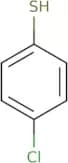
CAS :Cyclobutanethiol is a 1-cyclopentene-1-carboxylic acid, which is a cyclic form of the alkylthio group. It is an organic solvent with a hydroxyl group at one end and an alkyl group at the other end. Cyclobutanethiol can be used as a sealant or as a solvent in organic chemistry. The compound has been shown to inhibit insulin resistance by binding to cb1 receptors on cells, thereby inhibiting the production of glucose. Cyclobutanethiol also absorbs ultraviolet light, so it can be used in photochemistry.Formule :C4H8SDegré de pureté :90%Couleur et forme :Clear LiquidMasse moléculaire :88.17 g/mol4-Chlorobenzenethiol
CAS :4-Chlorobenzenethiol is a chemical compound that contains a fatty acid. It is an intramolecular hydrogen donor with the ability to form a disulfide bond. The compound also has high stability and can be used in organic synthesis reactions involving reactive sulfur groups. 4-Chlorobenzenethiol reacts with sodium carbonate to produce sodium thiocarbonate and chloroform, which are then reacted with phosphorus pentoxide for oxidation. The reaction mechanism is similar to that of the Diels-Alder reaction and the model system involves dinucleotide phosphate. 4-Chlorobenzenethiol can be reacted with hydrochloric acid or trifluoroacetic acid as an oxidizing agent.
Formule :C6H5ClSDegré de pureté :Min. 95%Couleur et forme :White PowderMasse moléculaire :144.62 g/mol1,1'-Carbonimidoylbis-1H-imidazole
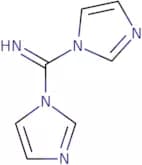
CAS :1,1'-Carbonimidoylbis-1H-imidazole is a ligand that binds to amines and isosteres. It can be activated with electrophilic reagents to form an activated linker. This ligand has been shown to inhibit the growth of xenograft tumor cells in mice by binding to functional groups on the cell surface. This drug also has been shown to bind to the receptor for advanced glycation end products (RAGE) and inhibit its function. 1,1'-Carbonimidoylbis-1H-imidazole has also been evaluated as a cancer therapeutic agent in animal models.
Formule :C7H7N5Degré de pureté :Min. 95%Couleur et forme :White PowderMasse moléculaire :161.16 g/mol2-Chloro-3-(hydroxymethyl)pyridine
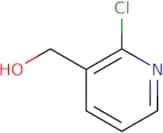
CAS :2-Chloro-3-(hydroxymethyl)pyridine is an organic compound that is used as a building block for the synthesis of other heterocycles. This compound can be synthesized from 2-chloronicotinic acid, which is obtained by oxidation of nicotine with sodium hypochlorite in the presence of potassium ion. The reaction proceeds via a cleavage of the C-Cl bond and formation of a pyridine ring. The catalytic process can be performed at room temperature and at atmospheric pressure in a variety of solvents, including water.
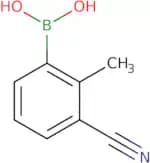
2-Chloro-3-(hydroxymethyl)pyridine has been shown to have high yields for the preparation of compounds such as 2,4-dichloropyridine and 4,5-dichloropyrimidine. It also has been used in the preparation of pharmaceuticals such as atrial natriuretic factor (ANF).Formule :C6H6ClNODegré de pureté :Min. 98 Area-%Couleur et forme :PowderMasse moléculaire :143.57 g/mol3-Cyano-2-methylphenylboronic acid
CAS :3-Cyano-2-methylphenylboronic acid is a high quality compound that can be used as a reagent, intermediate, or building block in the synthesis of complex compounds. This chemical is also useful as a speciality chemical and research chemical. 3-Cyano-2-methylphenylboronic acid has versatile uses in organic synthesis due to its versatility in reactions and building blocks.
Formule :C8H8BNO2Degré de pureté :Min. 95%Couleur et forme :PowderMasse moléculaire :160.97 g/mol(1R,5S,6r)-rel-3-Oxabicyclo[3.1.0]hexane-6-carboxylic acid
CAS :Versatile small molecule scaffoldFormule :C6H8O3Degré de pureté :Min. 95%Masse moléculaire :128.13 g/mol2,4-Dichloropyrido [2,3-D] pyrimidine
CAS :2,4-Dichloropyrido [2,3-D] pyrimidine is a regioselective chlorination agent that can be used for the synthesis of various organic compounds. It is often used in cross-coupling reactions to form carbon-carbon bonds. 2,4-Dichloropyrido [2,3-D] pyrimidine has been shown to give high yields and is selective for disubstituted or monosubstituted substrates. This compound is also useful for the functionalization of C-H bonds via palladium-catalyzed coupling reactions.
Formule :C7H3Cl2N3Degré de pureté :Min. 95%Couleur et forme :White PowderMasse moléculaire :200.02 g/mol2,5-Dimethyl-1,4-benzenediamine
CAS :2,5-Dimethyl-1,4-benzenediamine is an amine that is used as a reagent in organic synthesis. It is also used to derivatize other molecules and as a precursor to other compounds. 2,5-Dimethyl-1,4-benzenediamine has been shown to be a good nucleophile and can react with electrophiles such as difluoride and the metal ion Ag(I). The reaction rate of 2,5-dimethyl-1,4-benzenediamine can be determined using high performance liquid chromatography or electrospray ionization. This compound can be synthesized from phenylmagnesium bromide and methyl iodide in the presence of aluminium chloride. It is possible to immobilize 2,5-dimethyl-1,4-benzenediamine on mesoporous silica by attaching it to the surface of the porous material with aminopFormule :C8H12N2Degré de pureté :Min. 95%Couleur et forme :Beige To Brown SolidMasse moléculaire :136.19 g/molFmoc-b-Ala-Ala-Pro-OH
CAS :Fmoc-b-Ala-Ala-Pro-OH is a reaction component that can be used in the synthesis of peptides and other compounds. It is a building block for the preparation of complex compounds, such as small molecules, polymers and natural products. Fmoc-b-Ala-Ala-Pro-OH has been shown to be useful in the synthesis of various types of reagents, including antibiotics and pharmaceuticals. This chemical has been reported as a useful scaffold for the preparation of high quality research chemicals. Fmoc-b-Ala-Ala-Pro is also an intermediate in the synthesis of speciality chemicals and fine chemicals.Formule :C26H29N3O6Degré de pureté :Min. 95%Couleur et forme :White PowderMasse moléculaire :479.53 g/molFmoc-N-methylglycine
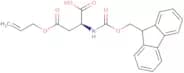
CAS :Fmoc-N-methylglycine is a modified form of the amino acid glycine, which has been modified to include a reactive group that can be used to link other molecules. This molecule has gram-negative bacterial activity and exhibits potent antibacterial activity against many gram-positive bacteria. Fmoc-N-methylglycine is also an antimicrobial peptide with binding constants in the nanomolar range. It is also an agent that binds to serotonin, which may explain its effects on mood and sleep. Fmoc-N-methylglycine can be synthesized using stepwise solid phase synthesis methods or by conjugation with other molecules.Formule :C18H17NO4Degré de pureté :Min. 95%Masse moléculaire :311.33 g/molFmoc-L-aspartic acid beta-allyl ester
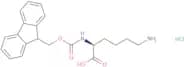
CAS :Fmoc-L-aspartic acid beta-allyl ester is a specific interaction between an amide and an enzyme target. It has been shown to have anti-inflammatory properties by inhibiting the activity of COX-2, which inhibits the production of prostaglandins. Fmoc-L-aspartic acid beta-allyl ester is a cyclic peptide with a lactam ring system that has been synthesized in a stepwise manner on a solid phase. This molecule interacts with cell line A549 and blocks the proliferation of cancer cells. Fmoc-L-aspartic acid beta-allyl ester also contains a disulfide bond that stabilizes its structure.Formule :C22H21NO6Degré de pureté :Min. 95%Masse moléculaire :395.41 g/molFmoc-Lys-OH·HCl
CAS :Fmoc-Lys-OH·HCl is an acidic pyrylium that has been shown to be a potent inhibitor of tumor vasculature. It binds to the human serum albumin and inhibits the binding of ligands to the receptor tyrosine kinases, which are involved in brain tumor proliferation. Fmoc-Lys-OH·HCl has also been shown to inhibit the growth of cancer cells by binding to cell membrane receptors and inhibiting protein synthesis. This compound is also isomeric, meaning it can exist in different forms with different properties.Formule :C21H24N2O4·HClDegré de pureté :Min. 95 Area-%Couleur et forme :White PowderMasse moléculaire :404.89 g/mol3-(boc-amino)-cyclobutanemethanol
CAS :Versatile small molecule scaffoldFormule :C10H19NO3Degré de pureté :Min. 95%Masse moléculaire :201.27 g/mol1-Boc-2-methyl (2R,3S)-3-hydroxypyrrolidine-2-carboxylate
CAS :Please enquire for more information about 1-Boc-2-methyl (2R,3S)-3-hydroxypyrrolidine-2-carboxylate including the price, delivery time and more detailed product information at the technical inquiry form on this pageFormule :C11H19NO5Degré de pureté :Min. 95%Masse moléculaire :245.27 g/molIsononyl alcohol
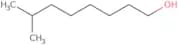
CAS :Isononyl alcohol is a polycarboxylic acid that has been used in the treatment of skin conditions, such as atopic dermatitis and psoriasis. It has been shown to penetrate the skin and stimulate the production of sebum. Isononyl alcohol is also used as a plasticizer for polyvinyl chloride (PVC) and other plastics, which increases their flexibility. This chemical also has a hydrophobic effect, which may be due to its hydroxyl group. The unsaturated alkyl chain on this chemical also makes it susceptible to oxidation by ozone in air and water vapor in air. Isononyl alcohol is metabolized by humans through conjugation with glucuronic acid or sulfate esters.
Formule :C9H20ODegré de pureté :Min. 95%Couleur et forme :Clear LiquidMasse moléculaire :144.25 g/mol6-Bromo-2-methoxyquinoline
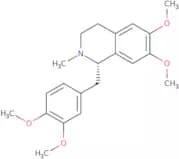
CAS :6-Bromo-2-methoxyquinoline is a versatile compound with various applications. It is commonly used as a disinfectant in ceramic compositions and research chemicals. Additionally, it has been found to have potential therapeutic benefits. Studies have shown that 6-Bromo-2-methoxyquinoline exhibits antioxidant properties and can inhibit the production of inflammatory mediators such as arachidonic acid and prostaglandins. Furthermore, it has been found to modulate potassium channels, which play a crucial role in cellular function. This compound also shows promise in the development of copolymers and other materials due to its unique chemical structure. With its wide range of applications, 6-Bromo-2-methoxyquinoline is an essential compound for various industries.Formule :C10H8BrNODegré de pureté :Min. 95%Couleur et forme :PowderMasse moléculaire :238.08 g/mol(S)-Laudanosine
CAS :Laudanosine is a gamma-aminobutyric acid (GABA) analog that is metabolized by the liver to form laudanosine. Laudanosine has been shown to be a competitive antagonist of benzodiazepine binding sites, including those of atracurium, mivacurium chloride, and diazepam. Laudanosine has also been shown to inhibit cyclic nucleotide phosphodiesterases in vitro, with clinical relevance for its use as an anti-epileptic drug.
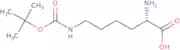
Formule :C21H27NO4Degré de pureté :Min. 95%Masse moléculaire :357.44 g/molH-Lys(Boc)-OH
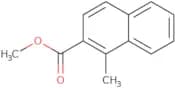
CAS :H-Lys(Boc)-OH is an ε-amino-protected lysine that plays a pivotal role in solution phase peptide synthesis. Strategically protected at the ε-amino group, it allows controlled peptide assembly, and it serves as intermediate for synthesizing β-peptides. The bulky Boc (tert-butyloxycarbonyl) group shields its epsilon amine (NH2) group, acting as a protective measure to prevent unwanted side reactions.Formule :C11H22N2O4Couleur et forme :White PowderMasse moléculaire :246.3 g/molMethyl 1-methylnaphthalene-2-carboxylate
CAS :Versatile small molecule scaffold
Formule :C13H12O2Degré de pureté :Min. 95%Masse moléculaire :200.23 g/molN-alpha-Z-L-lysine methyl ester hydrochloride
CAS :N-alpha-Z-L-lysine methyl ester hydrochloride is a preparation that is used as a methyl ester. It is an ester of lysine and methyl chloride. This product has a molecular weight of 170.16 g/mol and the chemical formula CH3CONHCH2CH(NH)CO2CH3. The structural data has not been confirmed by X-ray crystallography, but it can be assumed to be in the form of a zwitterion. N-alpha-Z-L-lysine methyl ester hydrochloride can be used for the synthesis of peptides, which are building blocks for proteins and enzymes. N-alpha-Z-L-lysine methyl ester hydrochloride is also used in the production of certain kinds of drugs and organic acids such as acetylsalicylic acid (aspirin).
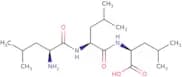
Formule :C15H22N2O4·HClDegré de pureté :Min. 95%Masse moléculaire :330.81 g/molLeu-Leu-Leu-OH
CAS :Leu-Leu-Leu-OH is a pentapeptide that is used in cancer treatment to inhibit the growth of cancer cells. It prevents the production of proteins and, as a result, cell division. Leu-Leu-Leu-OH has been shown to be effective against tumor cells with an antibody that binds to the surface of cells. The monoclonal antibody is taken up by the cancer cells through receptor mediated endocytosis, which leads to inhibition of protein synthesis and cell death.
Formule :C18H35N3O4Degré de pureté :Min. 95%Couleur et forme :White PowderMasse moléculaire :357.49 g/moltert-Butyl 6-amino-3-azabicyclo[3.1.0]hexane-3-carboxylate
CAS :Please enquire for more information about tert-Butyl 6-amino-3-azabicyclo[3.1.0]hexane-3-carboxylate including the price, delivery time and more detailed product information at the technical inquiry form on this pageFormule :C10H18N2O2Degré de pureté :Min. 95%Masse moléculaire :198.26 g/mol1-Methyl-1,2,4-triazole
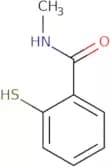
CAS :1-Methyl-1,2,4-triazole is a molecule containing nitrogen atoms. It can be used as a monomer in the preparation of polymers or materials. 1-Methyl-1,2,4-triazole has been shown to be effective for the equilibration of mixtures of organic compounds in analytical methods and matrix effect studies. The reaction vessel must be unsymmetrical to prevent the polymer from sticking to it and causing potential problems with the separation process.Formule :C3H5N3Degré de pureté :Min. 98%Couleur et forme :Clear LiquidMasse moléculaire :83.09 g/mol2-Mercapto-N-methylbenzamide
CAS :2-Mercapto-N-methylbenzamide is a synthetic compound that has been shown to have inhibitory activities against activated brain cells and cell lines. This drug has been used in the synthesis of axitinib, a cancer drug that inhibits cellular growth. 2-Mercapto-N-methylbenzamide is also used as a preservative in cosmetics and can be found in carbonated drinks and foods. It has been shown to inhibit the production of serotonin in microbicidal reactions by inhibiting the enzyme hydroxymethyl transferase, which catalyzes the conversion of 5-hydroxytryptophan to serotonin. It also prevents the reaction products from being formed by reacting with hypoxanthine, xanthine, and phosphoribosyl pyrophosphate (PRPP). 2-Mercapto-N-methylbenzamide also reacts with plasma samples to form ethylmercaptoacetate, which is then oxidized to merc
Formule :C8H9NOSDegré de pureté :Min. 95%Couleur et forme :White PowderMasse moléculaire :167.23 g/mol2-Methyl-2H-indazol-5-ylamine
CAS :Please enquire for more information about 2-Methyl-2H-indazol-5-ylamine including the price, delivery time and more detailed product information at the technical inquiry form on this pageFormule :C8H9N3Degré de pureté :Min. 95%Masse moléculaire :147.18 g/mol3-Bromo-6,7-dihydro-4H-pyrazolo[1,5-a]pyrazine-5-carboxylic acid tert-butyl ester
CAS :Versatile small molecule scaffold
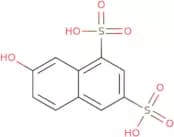
Formule :C11H16BrN3O2Degré de pureté :Min. 95%Masse moléculaire :302.17 g/mol2-Naphthol-6,8-disulfonic acid
CAS :2-Naphthol-6,8-disulfonic acid is a synthetic organic compound that was identified as an impurity in the glyphosate formulation, Roundup. 2-Naphthol-6,8-disulfonic acid has been shown to have good analytical properties and can be used for the analysis of glyphosate in wastewater samples. It is thermally stable with a melting point of about 220°C. The UV detection wavelength ranges from 220nm to 240nm and the chloride ion is detectable at concentrations greater than 0.1 ppm. 2-Naphthol-6,8-disulfonic acid can also be used for the analysis of fatty acids in plants and animals.Formule :C10H8O7S2Degré de pureté :Min. 95%Couleur et forme :White PowderMasse moléculaire :304.3 g/mol(Oc-6-21)-(4-Bromophenyl)Pentafluoro-Sulfur
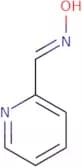
CAS :(Oc-6-21)-(4-Bromophenyl)Pentafluoro-Sulfur is the chemical compound with the formula BrSbF5. It is a yellow solid that is soluble in organic solvents. The molecule consists of a pentafluorothiophenium cation and a bromine anion. It has two regioisomers, one with the sulfur atom in the 4 position and one with it in the 6 position. The compound has been studied as a precursor to polythiophene, which can be synthesized by heating BrSbF5 with sulfur dichloride.Formule :C6H4BrF5SDegré de pureté :Min. 95%Masse moléculaire :283.06 g/molPyridine-2-aldoxime
CAS :Pyridine-2-aldoxime is a chemical compound that is used as a pesticide. It is an inhibitor of acetylcholinesterase, and it can be toxic at low doses. Pyridine-2-aldoxime binds to the active site of acetylcholinesterase and prevents the breakdown of acetylcholine by this enzyme, leading to paralysis of the respiratory muscles. Pyridine-2-aldoxime has been shown to be effective against chronic oral exposure to sarin gas, with lethal dose (LD) values ranging from 0.5–1 mg/kg in rats.
Formule :C6H6N2ODegré de pureté :Min. 95%Couleur et forme :White PowderMasse moléculaire :122.12 g/molPyridine-2-aldehyde
CAS :Pyridine-2-aldehyde is a stable complex that can be synthesized using the asymmetric synthesis of ethylene diamine and picolinic acid. The solid catalyst is the copper chloride, which coordinates to two nitrogen atoms in the pyridine ring. The coordination geometry is octahedral. Pyridine-2-aldehyde has been shown to react with copper complexes to form stable complexes, as well as undergoing kinetic reactions with metal carbonyls. Pyridine-2-aldehyde has also demonstrated analytical chemistry properties by reacting with picolinic acid to form a picolinic acid derivative.Degré de pureté :Min. 95%2,2-Paracyclophane
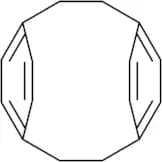
CAS :2,2-Paracyclophane is a high-sensitivity c-reactive protein (hsCRP) that has been isolated from the fungus Cryptococcus neoformans. This compound has shown to have anti-cancer properties in animal studies. 2,2-Paracyclophane binds to fatty acids and is soluble in water, which may be due to its hydrogen bonding with the hydroxyl group at C1. The crystal structure of this compound reveals that it has a cyclohexane ring and two fatty acids. The thermal expansion coefficient of this molecule is also high, which suggests that it may be suitable for use as a solid lubricant.
Formule :C16H16Degré de pureté :Min. 98.5 Area-%Couleur et forme :White PowderMasse moléculaire :208.3 g/molPyridoxal-5-phosphate monohydrate
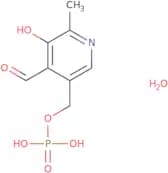
CAS :Bioavailable form of vitamin B6; coenzyme; food supplementFormule :C8H10NO6P·H2ODegré de pureté :Min. 98.5 Area-%Couleur et forme :Off-White Slightly Yellow PowderMasse moléculaire :265.16 g/molMethyl 3-formyl-4-methoxybenzoate
CAS :Versatile small molecule scaffold
Formule :C10H10O4Degré de pureté :Min. 95%Masse moléculaire :194.19 g/mol2,3-Pyridinedicarboxylic acid dimethylester
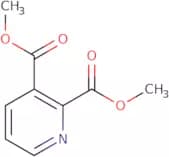
CAS :2,3-Pyridinedicarboxylic acid dimethylester (PDDE) is a methylated derivative of 3-nitrophthalic anhydride. It has been shown to be a stereoselective receptor blocker that binds to the glutamate site of the N-methyl-D-aspartate receptor. PDDE has also been shown to have high affinity for the cerebral cortex and is able to penetrate the blood brain barrier. PDDE blocks the NMDA receptor by binding to it and preventing ion flow, which leads to inhibition of neurotransmitter release. This drug is used as an injectable methyl derivative with a molecule weight of 217. The ionization detector can detect PDDE in tetrahydrofuran at concentrations of 1,000 ng/mL or less.Formule :C9H9NO4Degré de pureté :Min. 95%Masse moléculaire :195.17 g/molPyrrole-2-carboxylic acid
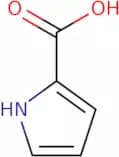
CAS :Pyrrole-2-carboxylic acid is a polycyclic aromatic compound that can be found in coal tar. It has been shown to have anti-inflammatory, antiallergic, and antifungal properties. Pyrrole-2-carboxylic acid is produced by the human body as an intermediate in the metabolism of tryptophan. This compound can also be synthesized and used to treat chronic bronchitis, which is caused by excessive mucus production and inflammation of the airways. The reaction mechanism for pyrrole-2-carboxylic acid is similar to that of other drugs that are used in respiratory therapy, such as aminophylline or acetylcysteine.
Formule :C5H5NO2Degré de pureté :Min. 95%Masse moléculaire :111.1 g/mol2-Methylthiazole-4-carboxaldehyde
CAS :2-Methylthiazole-4-carboxaldehyde is an aldehyde that is the product of the condensation of 2,4-dibenzoylacetone and acetone in the presence of diazomethane. It has been used as a precursor to other compounds such as benzoyl chloride, glyoxal, and aldehydes. 2-Methylthiazole-4-carboxaldehyde can be synthesized using acetylation or nitration of thiols or with glyoxal or aldehyde. The reactivity of this compound is high and can be carried out in high yield.Formule :C5H5NOSDegré de pureté :Min. 95%Masse moléculaire :127.16 g/mol3,4,7,8-Tetramethyl-1,10-phenanthroline
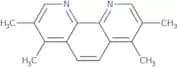
CAS :Metal-chelating agent
Formule :C16H16N2Degré de pureté :Min. 98 Area-%Couleur et forme :White PowderMasse moléculaire :236.31 g/molZ-Tyr-OBzl
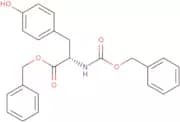
CAS :Z-Tyr-OBzl is a reactive solvent that is used in the synthesis of polypeptides and peptides. It has been shown to react with amino acids and acetonitrile, forming a trifluoroacetyl group. This group can be easily removed by hydrolysis or reductive amination. The solvents used in this reaction are non-polar and do not dissolve water, which makes this process an excellent choice for synthesizing materials that are insoluble in water. Z-Tyr-OBzl is also able to form oxone, which is a powerful oxidant that can be used for the oxidation of aromatic rings.Formule :C24H23NO5Degré de pureté :Min. 95%Masse moléculaire :405.44 g/mol4-(1H-Tetrazol-5-yl)aniline
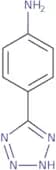
CAS :Please enquire for more information about 4-(1H-Tetrazol-5-yl)aniline including the price, delivery time and more detailed product information at the technical inquiry form on this page
Formule :C7H7N5Degré de pureté :Min. 95%Masse moléculaire :161.16 g/mol3-bromo-6,7-dihydro-5h-pyrrolo[3,4-b]pyridine hcl
CAS :Versatile small molecule scaffold
Formule :C7H8BrClN2Degré de pureté :Min. 95%Masse moléculaire :235.51 g/mol2-[5-(4,4,5,5-Tetramethyl-1,3,2-dioxaborolan-2-yl)pyrimidin-2-yl]propan-2-ol
CAS :Versatile small molecule scaffoldFormule :C13H21BN2O3Degré de pureté :Min. 95%Masse moléculaire :264.13 g/mol6-Amino-4H,5H,6H,7H,8H-thieno[3,2-b]azepin-5-one hydrochloride
CAS :Versatile small molecule scaffoldFormule :C8H11ClN2OSDegré de pureté :Min. 95%Masse moléculaire :218.7 g/molDL-Tropic acid
CAS :Please enquire for more information about DL-Tropic acid including the price, delivery time and more detailed product information at the technical inquiry form on this pageFormule :C9H10O3Degré de pureté :Min. 95%Masse moléculaire :166.17 g/mol1,1',1''-(1,3,5-Triazinane-1,3,5-triyl)tris(2-bromoethan-1-one)
CAS :Please enquire for more information about 1,1',1''-(1,3,5-Triazinane-1,3,5-triyl)tris(2-bromoethan-1-one) including the price, delivery time and more detailed product information at the technical inquiry form on this page
Formule :C9H12Br3N3O3Degré de pureté :Min. 95%Couleur et forme :PowderMasse moléculaire :449.82 g/mol3,3²-Dithiobis(propionitrile)
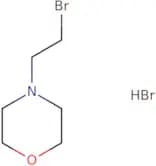
CAS :3,3²-Dithiobis(propionitrile) is a molecule that includes sodium hydroxide solution and acrylonitrile. It reacts with 3-mercaptopropionic acid to form sodium hydrogen ester compounds. This reaction takes place in a sealed container and is catalyzed by carbonic and hydrochloric acids. The product of this reaction is 3-thiocyanatoacrylic acid.Formule :C6H8N2S2Degré de pureté :Min. 95%Masse moléculaire :172.27 g/mol4-(2-Bromoethyl)morpholine hydrobromide
CAS :4-(2-Bromoethyl)morpholine hydrobromide is a solvent that is used as an agent in the production of other chemicals. It is a colorless, crystalline solid with a constant melting point of 130 to 131 degrees Celsius. 4-(2-Bromoethyl)morpholine hydrobromide is soluble in acetone, ethanol, ether, and water. This chemical has been shown to be toxic and should be handled with care.
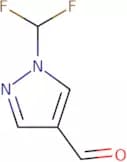
Formule :C6H13Br2NODegré de pureté :Min. 95%Masse moléculaire :274.98 g/mol1-(Difluoromethyl)-1H-pyrazole-4-carbaldehyde
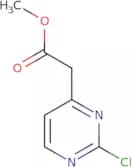
CAS :Versatile small molecule scaffoldFormule :C5H4F2N2ODegré de pureté :Min. 95%Masse moléculaire :146.09 g/molMethyl 2-(2-chloropyrimidin-4-yl)acetate
CAS :Versatile small molecule scaffold
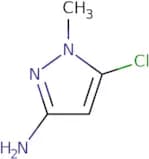
Formule :C7H7ClN2O2Degré de pureté :Min. 95%Masse moléculaire :186.59 g/mol5-Chloro-1-methyl-1H-pyrazol-3-amine
CAS :Versatile small molecule scaffold
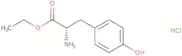
Formule :C4H6N3ClDegré de pureté :Min. 95%Masse moléculaire :131.56 g/molL-Tyrosine ethyl ester hydrochloride
CAS :L-Tyrosine ethyl ester hydrochloride is a non-protein amino acid that inhibits the activity of metalloproteases, which are enzymes that break down proteins. It has been shown to be effective against bowel disease and cancer by inhibiting the release of inflammatory cytokines. L-Tyrosine ethyl ester hydrochloride also has anti-inflammatory properties and can be used in the treatment of depression and liver cirrhosis. This drug is an inhibitor of hydroxylase, which is an enzyme involved in the synthesis of melanin. It is a structural analogue to L-DOPA, which is used for Parkinson's disease. L-Tyrosine ethyl ester hydrochloride has been shown to have antihypertensive effects and can be used as a diuretic agent.
Formule :C11H15NO3·HClDegré de pureté :Min. 95%Couleur et forme :PowderMasse moléculaire :245.7 g/molTriglycol dichloride
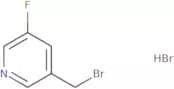
CAS :Triglycol dichloride is a synthetic, water-soluble solid that is prepared by the reaction of 3-chloroperoxybenzoic acid with a hydroxide solution. It has been used in a variety of applications such as the preparation of hemicyanine, the synthesis of polymers, and the degradation of chlorinated hydrocarbons. Triglycol dichloride also has synergistic effects with other photocatalysts, increasing their activity and reducing their cost. Triglycol dichloride can be used to synthesize polymer films or coatings that are biodegradable, have low environmental impact, and are structurally stable. This compound is also unaffected by water or neutral pH and can be used in the production of semiconductors.Formule :C6H12Cl2O2Degré de pureté :Min. 95%Couleur et forme :Clear LiquidMasse moléculaire :187.06 g/mol3-(bromomethyl)-5-fluoropyridine hbr
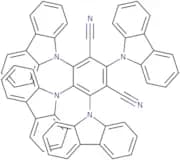
CAS :Versatile small molecule scaffoldFormule :C6H6Br2FNDegré de pureté :Min. 95%Masse moléculaire :270.93 g/mol2,4,5,6-Tetra(9H-carbazol-9-yl)isophthalonitrile
CAS :2,4,5,6-Tetra(9H-carbazol-9-yl)isophthalonitrile is a redox molecule that emits light when excited by an electron or photon. It is used in organic light emitting devices (OLEDs) as the emissive material. This compound has been shown to have low chemical stability and limited transport properties. Its efficiency can be improved by increasing the concentration of the molecule. Activated 2,4,5,6-tetra(9H-carbazol-9-yl)isophthalonitrile emits a bright red orange emission with a maximum at 569 nm and it is activated by electron transfer from an electrode. 2,4,5,6-Tetra(9H-carbazol-9-yl)isophthalonitrile has been shown to emit blue light when excited by UV light in the presence of oxygen as an oxidant.
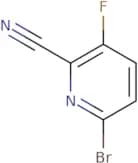
Formule :C56H32N6Degré de pureté :Min. 98 Area-%Couleur et forme :PowderMasse moléculaire :788.89 g/mol6-Bromo-3-fluoropyridine-2-carbonitrile
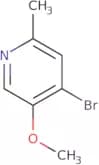
CAS :Versatile small molecule scaffoldFormule :C6H2N2FBrDegré de pureté :Min. 95%Masse moléculaire :200.99 g/mol4-Bromo-5-methoxy-2-methylpyridine
CAS :Versatile small molecule scaffoldFormule :C7H8BrNODegré de pureté :Min. 95%Masse moléculaire :202.05 g/mol3,3-Diethoxypropan-1-amine
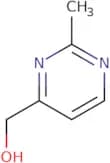
CAS :3,3-Diethoxypropan-1-amine is a synthetic drug that reversibly inhibits the growth of bacteria. It has been shown to be effective against methicillin resistant strains of Staphylococcus aureus and Clostridium perfringens, with no detectable activity against acid-fast bacteria such as Mycobacterium tuberculosis or Mycobacterium avium complex. 3,3-Diethoxypropan-1-amine is a heterobifunctional compound that binds to epidermal growth factor with high affinity. 3,3-Diethoxypropan-1-amine can also bind to collagen and liposomal formulations, which may be useful for the treatment of wounds. This drug has been shown to inhibit δ opioid receptors in mice and rats, which is thought to contribute to its analgesic effects.Formule :C7H17NO2Degré de pureté :Min. 95%Masse moléculaire :147.22 g/mol(2-Methyl-4-pyrimidinyl)methanol
CAS :Versatile small molecule scaffoldFormule :C6H8N2ODegré de pureté :Min. 95%Masse moléculaire :124.14 g/mol1-Methanesulfonyl-1H-pyrazol-4-amine
CAS :Versatile small molecule scaffold
Formule :C4H7N3O2SDegré de pureté :Min. 95%Masse moléculaire :161.19 g/mol1-(4-(4,4,5,5-Tetramethyl-1,3,2-dioxaborolan-2-yl)phenyl)cyclopropanecarbonitrile
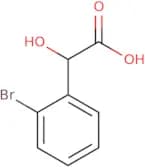
CAS :Versatile small molecule scaffoldFormule :C16H20BNO2Degré de pureté :Min. 95%Masse moléculaire :269.15 g/mol2-(2-Bromophenyl)-2-hydroxyacetic acid
CAS :2-Bromophenyl-2-hydroxyacetic acid is a ligand that binds to the ethylene receptor in plants and can be used as a monomer for the polymerization of polyethylene. It has been shown that 2-bromophenyl-2-hydroxyacetic acid can also be used as an initiator for the polymerization of β-cyclodextrin. This compound has also been shown to be an analyte in gas chromatography, which is used to separate compounds based on their chemical properties. The use of this compound as a tethering agent has also been investigated with copolymerization reactions in order to create more stable polymers. 2-Bromophenyl-2-hydroxyacetic acid has been found to inhibit nonsteroidal antiinflammatory drugs and may have potential applications for chiral synthesis, such as mandelic acid production.
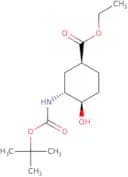
Formule :C8H7BrO3Degré de pureté :Min. 95%Masse moléculaire :231.04 g/mol(1S,3R,4R)-3-(Boc-amino)-4-hydroxy-cyclohexanecarboxylic acid ethyl ester
CAS :Versatile small molecule scaffold
Formule :C14H25NO5Degré de pureté :Min. 95%Masse moléculaire :287.35 g/mol2-[(6-Chloro-3,4-dihydro-3-methyl-2,4-dioxo-1(2H)-pyrimidinyl)methyl]-benzonitrile
CAS :2-[(6-Chloro-3,4-dihydro-3-methyl-2,4-dioxo-1(2H)-pyrimidinyl)methyl]-benzonitrile is an antibacterial agent that belongs to the group of nitro compounds. It inhibits bacterial growth by blocking the synthesis of proteins and DNA. 2-[(6-Chloro-3,4-dihydro-3-methyl-2,4-dioxo-1(2H)-pyrimidinyl)methyl]-benzonitrile has been shown to be active against a wide range of bacteria including Gram positive and Gram negative organisms. This compound also exhibits metal ion chelating properties and can be used for the removal of heavy metals from water. The square planar geometry of 2-[(6-Chloro-3,4-(dihydro)-3-(methyl)-2,4-(dioxo)-1Formule :C13H10ClN3O2Degré de pureté :Min. 95%Masse moléculaire :275.69 g/mol3-(4-Hydroxyphenyl)hex-4-ynoic acid
CAS :Versatile small molecule scaffoldFormule :C12H12O3Degré de pureté :Min. 95%Masse moléculaire :204.22 g/molThiophen-3-ylmethanamine hydrochloride
CAS :Versatile small molecule scaffold
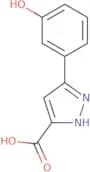
Formule :C5H8ClNSDegré de pureté :Min. 95%Masse moléculaire :149.64 g/mol5-(3-Hydroxyphenyl)-1H-pyrazole-3-carboxylic acid
CAS :Versatile small molecule scaffold
Formule :C10H8N2O3Degré de pureté :Min. 95%Masse moléculaire :204.18 g/molDSP-4 hydrochloride
CAS :DSP-4 hydrochloride is a neurotoxin that inhibits the synthesis of norepinephrine. It binds to neurons and prevents the uptake of dopamine, which can lead to neuronal death. DSP-4 hydrochloride affects brain functions by decreasing the concentration of serotonin in the cortex and increasing the concentrations of norepinephrine in the coeruleus. DSP-4 hydrochloride also has estrogenic effects by binding to estrogen receptors and increasing estradiol benzoate concentrations.Formule :C11H16BrCl2NDegré de pureté :Min. 95%Masse moléculaire :313.06 g/mol7H,8H-Pyrido[2,3-d]pyridazin-8-one
CAS :Versatile small molecule scaffoldFormule :C7H5N3ODegré de pureté :Min. 95%Couleur et forme :PowderMasse moléculaire :147.13 g/moltert-Butyl (2,2-difluoro-3-hydroxypropyl)carbamate
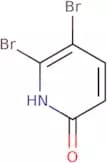
CAS :Versatile small molecule scaffoldFormule :C10H13NO4Degré de pureté :Min. 95%Masse moléculaire :211.21 g/mol5,6-Dibromopyridin-2-ol
CAS :Versatile small molecule scaffold
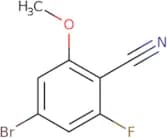
Formule :C5H3Br2NODegré de pureté :Min. 95%Masse moléculaire :252.89 g/mol4-Bromo-2-fluoro-6-methoxybenzonitrile
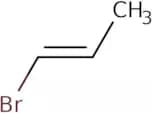
CAS :Versatile small molecule scaffoldFormule :C8H5NOFBrDegré de pureté :Min. 95%Masse moléculaire :230.03 g/moltrans-1-Bromo-1-propene - stablised with Copper
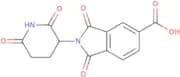
CAS :Trans-1-bromo-1-propene is a compound that has been stabilized by copper. It is used in the synthesis of quinoline derivatives and alkanoic acids. Trans-1-bromo-1-propene is an antimicrobial agent, which kills bacteria by interfering with the fatty acid synthesis. This substance also has antioxidant properties.Formule :C3H5BrDegré de pureté :95%NmrCouleur et forme :Clear LiquidMasse moléculaire :120.98 g/mol2-(2,6-Dioxopiperidin-3-yl)-1,3-dioxoisoindoline-5-carboxylic acid
CAS :Please enquire for more information about 2-(2,6-Dioxopiperidin-3-yl)-1,3-dioxoisoindoline-5-carboxylic acid including the price, delivery time and more detailed product information at the technical inquiry form on this pageFormule :C14H10N2O6Degré de pureté :Min. 95%Masse moléculaire :302.24 g/mol2-Bromo-5-fluoro-4-nitroaniline
CAS :2-Bromo-5-fluoro-4-nitroaniline can be synthesized in a reaction system of ammonium chloride, hydrochloric acid, and water vapor. The reaction is carried out at a temperature of 190°C under reflux. The efficiency of this synthesis is high, and the chemical yield is about 90%.
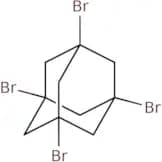
Formule :C6H4BrFN2O2Degré de pureté :Min. 95%Masse moléculaire :235.01 g/mol1,3,5,7-Tetrabromoadamantane
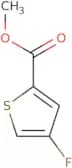
CAS :1,3,5,7-Tetrabromoadamantane is a molecule that has been synthesized and introduced as a mediator to introduce oxidants. The introduction of the oxidant is mediated by 1,3,5,7-tetrabromoadamantane. This molecule has been shown to be synthesized in two steps from hexamethylenetetramine (HMT) and iodomethane. The synthesis of this molecule can also be achieved by reacting synthons such as tetraphenylmethane with hydrochloric acid. 1,3,5,7-Tetrabromoadamantane is an equivalence mediator because it can mediate a redox reaction in which the oxidizing agent is reduced and the reducing agent is oxidized.Formule :C10H12Br4Degré de pureté :Min. 95%Masse moléculaire :451.82 g/molMethyl 4-fluorothiophene-2-carboxylate
CAS :Methyl 4-fluorothiophene-2-carboxylate is a fluorinated organic compound that is used as a model compound in polymer chemistry. It has been used to synthesize polymers with stepwise fluorination and diketopyrrolopyrrole moieties. This molecule also has optoelectronic properties and can be converted to a conjugated, monofluorinated, or difluorinated form by the addition of electron-withdrawing groups such as nitro or cyano groups. Methyl 4-fluorothiophene-2-carboxylate is an acceptor for electron transfer reactions.Formule :C6H5FO2SDegré de pureté :Min. 95%Masse moléculaire :160.16 g/mol4-(Aminomethyl)pyridine-2-carbonitrile hydrochloride
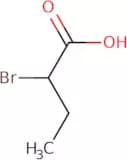
CAS :Versatile small molecule scaffoldFormule :C7H8ClN3Degré de pureté :Min. 95%Masse moléculaire :169.61 g/mol(S)-2-Bromobutyric acid
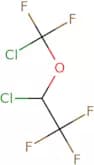
CAS :(S)-2-Bromobutyric acid is a chiral compound. It is an enantiomer of the biologically inactive (R)-2-bromobutyric acid. The (S)-enantiomer has been shown to exhibit biological activity, with a kinetic and detectable activity that are similar to those of the parent molecule. This compound can be used as a precursor for pharmaceuticals, such as antibiotics, which would be useful in cases where bacteria have developed resistance to existing antibiotics. The dehalogenase enzyme catalyzes the hydrolysis of halogenated aromatic compounds in a way that produces an alcohol and hydrogen bromide. This reaction can be detected by changes in the chemical properties of the environment or by detecting changes in the optical rotation or fluorescence of the product.Formule :C4H7BrO2Degré de pureté :Min. 95%Masse moléculaire :167 g/mol2-Chloro-2-(chlorodifluoromethoxy)-1,1,1-trifluoroethane
CAS :2-Chloro-2-(chlorodifluoromethoxy)-1,1,1-trifluoroethane (HFC-152a) is a chemical compound that belongs to the group of chlorofluorocarbons. It has been used as a refrigerant and aerosol propellant. HFC-152a is an azeotrope with methyl ethyl ketone and ethyl ketone. It has also been reported to have properties as an ether, acetone, and difluoromethyl.
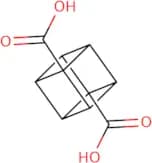
Formule :C3HCl2F5ODegré de pureté :Min. 95%Masse moléculaire :218.94 g/mol1,4-Cubanedicarboxylic acid
CAS :1,4-Cubanedicarboxylic acid is an organic compound that is a diacid. It has been shown to be an inhibitor of chloride secretion in the intestine, and can also decrease the rate at which hydrogen ions are released into the intestinal lumen. 1,4-Cubanedicarboxylic acid is also a cross-linking agent that can be used in organic solvents for large-scale synthesis. The optical properties of 1,4-cubanedicarboxylic acid have been studied using FTIR spectroscopy. This agent has been found to react with intramolecular hydrogen to form a six membered ring.Formule :C10H8O4Degré de pureté :Min. 95%Masse moléculaire :192.17 g/mol4-Bromo-2-cyclopropylpyridine
CAS :Versatile small molecule scaffold
Formule :C8H8NBrDegré de pureté :Min. 95%Masse moléculaire :198.05 g/mol




![[(1S)-1-Ethyl-2-oxopropyl]-1,1-dimethylethyl ester carbamic acid](/_next/image/?url=https%3A%2Fstatic.cymitquimica.com%2Fproducts%2F3D%2Fthumb-webp%2FEMA02105.webp&w=3840&q=75)

![6-chloro-1H-pyrazolo[3,4-d]pyrimidin-4-amine](/_next/image/?url=https%3A%2Fstatic.cymitquimica.com%2Fproducts%2F3D%2Fthumb-webp%2FFAA41778.webp&w=3840&q=75)



![(1R,5S,6r)-rel-3-Oxabicyclo[3.1.0]hexane-6-carboxylic acid](/_next/image/?url=https%3A%2Fstatic.cymitquimica.com%2Fproducts%2F3D%2Fthumb-webp%2FFCA78088.webp&w=3840&q=75)
![2,4-Dichloropyrido [2,3-D] pyrimidine](/_next/image/?url=https%3A%2Fstatic.cymitquimica.com%2Fproducts%2F3D%2Fthumb-webp%2FFD31600.webp&w=3840&q=75)





![tert-Butyl 6-amino-3-azabicyclo[3.1.0]hexane-3-carboxylate](/_next/image/?url=https%3A%2Fstatic.cymitquimica.com%2Fproducts%2F3D%2Fthumb-webp%2FFM161190.webp&w=3840&q=75)


![3-Bromo-6,7-dihydro-4H-pyrazolo[1,5-a]pyrazine-5-carboxylic acid tert-butyl ester](/_next/image/?url=https%3A%2Fstatic.cymitquimica.com%2Fproducts%2F3D%2Fthumb-webp%2FWXB15425.webp&w=3840&q=75)




![3-bromo-6,7-dihydro-5h-pyrrolo[3,4-b]pyridine hcl](/_next/image/?url=https%3A%2Fstatic.cymitquimica.com%2Fproducts%2F3D%2Fthumb-webp%2FUFC11724.webp&w=3840&q=75)
![2-[5-(4,4,5,5-Tetramethyl-1,3,2-dioxaborolan-2-yl)pyrimidin-2-yl]propan-2-ol](/_next/image/?url=https%3A%2Fstatic.cymitquimica.com%2Fproducts%2F3D%2Fthumb-webp%2FUCC25587.webp&w=3840&q=75)
![6-Amino-4H,5H,6H,7H,8H-thieno[3,2-b]azepin-5-one hydrochloride](/_next/image/?url=https%3A%2Fstatic.cymitquimica.com%2Fproducts%2F3D%2Fthumb-webp%2FTHC97972.webp&w=3840&q=75)






![2-[(6-Chloro-3,4-dihydro-3-methyl-2,4-dioxo-1(2H)-pyrimidinyl)methyl]-benzonitrile](/_next/image/?url=https%3A%2Fstatic.cymitquimica.com%2Fproducts%2F3D%2Fthumb-webp%2FQJB75896.webp&w=3840&q=75)



![7H,8H-Pyrido[2,3-d]pyridazin-8-one](/_next/image/?url=https%3A%2Fstatic.cymitquimica.com%2Fproducts%2F3D%2Fthumb-webp%2FQAA37579.webp&w=3840&q=75)