Alcools
Les alcools sont une large gamme de molécules organiques dérivées des hydrocarbures et contenant un ou plusieurs groupes hydroxyle (groupe OH). Ces composés sont essentiels dans diverses réactions chimiques et sont largement utilisés en laboratoire pour la synthèse, comme solvants et en chimie analytique. Chez CymitQuimica, nous proposons des alcools de haute qualité préparés pour une utilisation en laboratoire, soutenant vos recherches et applications industrielles avec des produits fiables et efficaces. Notre sélection garantit que vous disposez des alcools adaptés à vos besoins spécifiques, que ce soit pour des travaux de laboratoire de routine ou des projets de recherche spécialisés.
Sous-catégories appartenant à la catégorie "Alcools"
5814 produits trouvés pour "Alcools"
Trier par
Degré de pureté (%)
0
100
|
0
|
50
|
90
|
95
|
100
rac 2-palmitoyl-3-chloropropanediol
CAS :<p>Please enquire for more information about rac 2-palmitoyl-3-chloropropanediol including the price, delivery time and more detailed product information at the technical inquiry form on this page</p>Formule :C19H37ClO3Degré de pureté :Min. 95%Masse moléculaire :348.95 g/molCloprednol
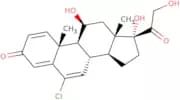
CAS :Produit contrôlé<p>Cloprednol is an anti-infective agent that belongs to the group of aziridine derivatives. It is a synthetic analog of prednisolone, which has been shown to inhibit the inflammatory response in the intestine. Cloprednol has been shown to be highly biocompatible and its long-term efficacy against microbial infection has been demonstrated by kinetic data. This drug also inhibits choroidal neovascularization, which is a major cause of blindness in patients with age-related macular degeneration. Cloprednol is used for the treatment of bowel diseases such as Crohn’s disease and ulcerative colitis. It also has been shown to be effective in treating autoimmune diseases such as psoriasis, rheumatoid arthritis, and systemic lupus erythematosus.</p>Formule :C21H25ClO5Degré de pureté :Min. 95%Masse moléculaire :392.87 g/mol3-Benzyl-phenol
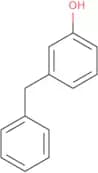
CAS :3-Benzyl-phenol is a formaldehyde and aliphatic compound that is used as a chemical intermediate. It can be synthesized from 3-phenylglycine, which is an amino acid with the formula CH(CH)CONH. The hydroxyl group of 3-benzyl-phenol can be converted to a sulphonic or salicylic acid by hydrolysis with hydrochloric acid or salicylic acid respectively. 3-Benzyl phenol also catalyzes the reaction between paraformaldehyde and hexamine in the presence of water, yielding acetaldehyde and hydrogen gas.Degré de pureté :Min. 95%Petromyzonol
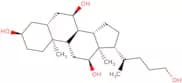
CAS :Produit contrôlé<p>Petromyzonol is an analytical agent for the determination of insulin resistance. It has been shown to be a potent inhibitor of ATP-binding cassette transporter A1 (ABCA1), which is responsible for the transport of cholesterol from peripheral tissues to the liver. Petromyzonol has also been shown to inhibit fatty acid and cholesterol synthesis, which may be due to its ability to bind disulfate groups and inhibit structural studies.</p>Formule :C24H42O4Degré de pureté :Min. 95%Masse moléculaire :394.59 g/mol2-Methyl-2-propanethiol
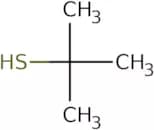
CAS :<p>2-Methyl-2-propanethiol is an electron acceptor and a reagent that can be used for the synthesis of organic compounds. It is soluble in polar solvents, but insoluble in nonpolar solvents. 2-Methyl-2-propanethiol has been shown to react with thiols at concentrations below its optimum concentration. The reaction mechanism is believed to involve adsorption and intramolecular hydrogen transfer. The adsorption process occurs on the surface of the substrate and the intramolecular hydrogen transfer occurs through an intermolecular hydrogen bond with the substrate's hydroxyl group or disulfide bond. When 2-methyl-2-propanethiol reacts with a thiol, it forms a mercaptan group called p2 that contains two substituents, one on each carbon atom. This reaction produces a disulfide bond as well as an electrochemical detector signal known as "activated."</p>Formule :C4H10SDegré de pureté :Min. 98%Couleur et forme :Clear LiquidMasse moléculaire :90.19 g/molrac 1-oleoyl-3-linoleoylglycerol
CAS :<p>Rac-1-oleoyl-3-linoleoylglycerol is a synthetic compound that has been shown to have cytotoxic effects on leukemia cells. This drug induces apoptosis in leukemia cells by binding with the enzyme protein kinase C, which leads to the activation of caspases. Rac-1-oleoyl-3-linoleoylglycerol also inhibits the growth of murine leukemia cells by inducing apoptosis via an increase in reactive oxygen species and DNA damage. The cytotoxicity of rac 1-oleoyl-3-linoleoylglycerol may be due to its ability to inhibit glyceryl synthesis and accumulate stigmasterol within the cell.</p>Formule :C39H70O5Degré de pureté :Min. 95%Masse moléculaire :618.97 g/mol6b-Hydroxy triamcinolone acetonide
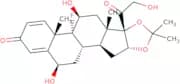
CAS :<p>Please enquire for more information about 6b-Hydroxy triamcinolone acetonide including the price, delivery time and more detailed product information at the technical inquiry form on this page</p>Formule :C24H31FO7Degré de pureté :(%) Min. 95%Couleur et forme :White Off-White PowderMasse moléculaire :450.5 g/molPotassium trimethylsilanolate
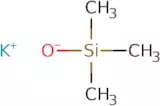
CAS :<p>Potassium trimethylsilanolate is a chemical substance that has inhibitory properties. It is a trifluoroacetic acid derivative that inhibits the activity of certain enzymes, such as proteases and lipases. The compound's inhibitory properties are due to its ability to bind to cytochrome cb2 receptors by means of hydrogen bonding. The binding of potassium trimethylsilanolate to the receptor prevents the activation of apoptosis proteins and protein synthesis in cells. This substance also has an inhibitory effect on water vapor, inhibiting the formation of water molecules from hydrogen atoms and oxygen atoms. Potassium trimethylsilanolate can be used as an anti-cancer agent by preventing cell division in tumor cells and preventing cancer metastasis through inhibition of protease activity.</p>Formule :C3H9KOSiDegré de pureté :Min. 95%Masse moléculaire :128.29 g/mol3-Isoquinolinecarboxylic acid
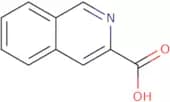
CAS :3-Isoquinolinecarboxylic acid is a molecule with a reactive group that can form cyclic structures. It has been shown that 3-Isoquinolinecarboxylic acid is an apoptotic agent in human macrophages and induces the release of picolinic acid from these cells. This molecule also has a high affinity for α7 nicotinic acetylcholine receptors, which are present on the surface of nerve cells. 3-Isoquinolinecarboxylic acid can be synthesized by condensing picolinic acid, an aromatic aminoacid, with an appropriate amine. The synthesis of this heterocycle is catalyzed by an enzyme called quinolinate synthase. The product of this reaction is oxidized to form 3-isoquinolyl carboxylic acid. The final step in the synthesis involves the oxidative cleavage of a disulfide bond using hydrogen peroxide, yielding 3-isoquinolyFormule :C10H7NO2Degré de pureté :Min. 95%Masse moléculaire :173.17 g/molCP 55940
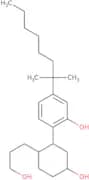
CAS :Produit contrôlé<p>CP 55940 is a cannabinoid receptor agonist that inhibits acetylcholine release in the brain and has been shown to cause neuronal death. CP 55940 binds to the α7 nicotinic acetylcholine receptor, which is important for memory and learning. The binding of this drug causes an increase in guanine nucleotide-binding protein (G protein) activity by reducing the rate of GTP hydrolysis, leading to inhibition of adenylyl cyclase activity and subsequent decrease in cAMP levels. CP 55940 has significant up-regulation of toll-like receptors following exposure, which leads to an increased immune response. This drug can also cause bowel disease or side effects such as seizures and psychotic symptoms. CP 55940 can interact with other drugs, including cannabinoids that may lead to serious side effects.</p>Formule :C24H40O3Degré de pureté :Min. 95%Masse moléculaire :376.57 g/mol4-Cinnolinecarboxaldehyde
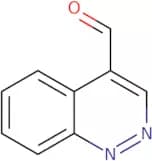
CAS :<p>4-Cinnolinecarboxaldehyde is an organic compound that belongs to the group of cinnoline. It is a colorless liquid that can be used as a precursor in the production of aluminum metal. 4-Cinnolinecarboxaldehyde reacts with lithium aluminum hydride to form a compound that can be used as a reducing agent in organic chemistry. 4-Cinnolinecarboxaldehyde is also used as a precursor for preparing other compounds, such as lithium aluminum hydride and lithium aluminum trihydride.</p>Formule :C9H6N2ODegré de pureté :Min. 95%Masse moléculaire :158.16 g/molDoxorubicinol,mixture of diastereomers
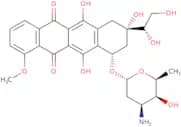
CAS :Doxorubicinol, a mixture of diastereomers, is an anthracycline antibiotic that inhibits the growth of cells by binding to DNA and preventing the production of RNA. Doxorubicinol has been shown to be effective in treating breast cancer and solid tumours, including those resistant to doxorubicin. This drug has also been shown to inhibit the production of matrix metalloproteinases that are involved in tumor invasion and metastasis. The concentration-time curve for doxorubicinol can be determined experimentally by blood sampling and measuring its metabolites. The ryanodine receptor is a calcium channel found on the surface membrane of cardiac muscle cells that regulates intracellular calcium levels. Doxorubicinol may bind to this receptor, which could account for its cardiotoxic effects.Formule :C27H31NO11Degré de pureté :(%) Min. 90%Masse moléculaire :545.54 g/molPotassium methoxide, 25% w/w in methanol
CAS :Potassium methoxide is a strong base that reacts with methanol to produce potassium metal and methanol. It has been used as a model system for studying the reaction mechanism of metal carbonyls. The reaction solution is heated to produce glycol esters, which are catalyzed by the potassium metal. This process can be used to synthesize biologically active molecules, such as anti-inflammatory drugs, which are difficult to make using conventional methods. Potassium methoxide has also been shown to have protective effects against metabolic disorders in mice and has biological properties that may be useful in the treatment of infectious diseases.Formule :CH3OKDegré de pureté :Min. 95%Couleur et forme :Clear LiquidMasse moléculaire :70.13 g/mol(1-Hexyl-1H-benzimidazol-2-yl)methanol
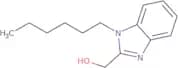
CAS :Produit contrôléPlease enquire for more information about (1-Hexyl-1H-benzimidazol-2-yl)methanol including the price, delivery time and more detailed product information at the technical inquiry form on this pageFormule :C14H20N2ODegré de pureté :Min. 95%Masse moléculaire :232.32 g/mol3-O-Benzyl estriol
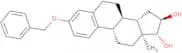
CAS :Produit contrôlé3-O-Benzyl estriol is a synthetic estrogen that is used to treat menopausal symptoms. This drug has been shown to have a high affinity for the estrogen receptor, and it is also able to activate the estrogen receptor in cells. 3-O-Benzyl estriol has been shown to be more potent than other estrogens such as estrone or estriol and has been shown to increase the synthesis of proteins by increasing RNA synthesis. 3-O-Benzyl estriol is conjugated with glucuronic acid and excreted in the bile. It also has a number of metabolic transformations, including pyrolysis, which produces cyanamid and triethylamine.Formule :C25H30O3Degré de pureté :Min. 95%Masse moléculaire :378.5 g/mol4-[(4-Chlorophenyl)phenylmethyl]-1-piperazineethanol dihydrochloride
CAS :<p>4-[(4-Chlorophenyl)phenylmethyl]-1-piperazineethanol dihydrochloride is a cholinergic drug that is used to treat allergic rhinitis in children and adults. It has been shown to be well tolerated in pediatric patients and geriatric patients, as well as being an innovative, labile, and biopharmaceutical compound. 4-[(4-Chlorophenyl)phenylmethyl]-1-piperazineethanol dihydrochloride is not metabolized by the liver and does not have significant side effects. It has a low potential for abuse because of its low solubility in water. It is an antihistamine that blocks the action of histamine at H1 receptors on smooth muscle cells in the nose, which helps reduce nasal congestion and sneezing.</p>Formule :C19H23ClN2O·2HClDegré de pureté :Min. 95%Masse moléculaire :403.77 g/mol2-(1-Adamantyl)propan-2-ol
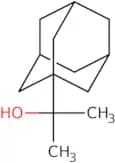
CAS :<p>2-(1-Adamantyl)propan-2-ol is an alcohol that can be synthesized in a multistep process. This molecule has been shown to inhibit the influenza virus, which is a type of negative strand RNA virus. It reacts with the sulfide group on the influenza virus, forming a covalent bond. The structure of 2-(1-Adamantyl)propan-2-ol is similar to that of amantadine and azetidine, which are also antiviral drugs used for the treatment of influenza.</p>Formule :C13H22ODegré de pureté :Min. 95%Masse moléculaire :194.31 g/molDibromochloromethane (stabilized with ethanol)
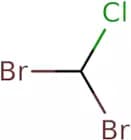
CAS :<p>Dibromochloromethane (DBCM) is a chemical that is used as a solvent and cleaning agent. It was found to be genotoxic, with the potential to cause cancer in humans. DBCM causes cardiac effects in animals, including arrhythmias and an increase in heart rate. DBCM is not volatile and has a low vapor pressure, which makes it hazardous if inhaled or ingested. DBCM can also cause renal toxicity and liver injury in rats. Dibromochloromethane has been shown to have a toxic effect on the heart, lungs, kidneys and liver when administered at high doses in animals. It has been shown to damage DNA by causing mutations or cross-linking with DNA strands.</p>Formule :CHBr2ClDegré de pureté :Min. 95%Masse moléculaire :208.28 g/molall-trans-Retro retinol
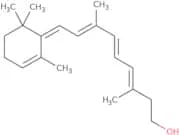
CAS :<p>All-trans-retinol is a form of vitamin A that is found in many animal tissues and some plant oils. It acts as a hormone, binding to the retinoic acid receptors (RARs) in the nucleus and activating gene transcription. All-trans-retinol has been shown to be effective against hyperproliferative diseases such as cancer, both by inducing apoptosis and by inhibiting cell growth. All-trans-retinol may also have therapeutic potential for other diseases, such as intestinal cancers and prostatic hypertrophy. This compound has been shown to induce messenger RNA (mRNA) production in cells that express RARs.</p>Formule :C20H30ODegré de pureté :Min. 95%Masse moléculaire :286.45 g/molEstradiol 3-valerate
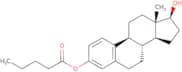
CAS :Produit contrôlé<p>Please enquire for more information about Estradiol 3-valerate including the price, delivery time and more detailed product information at the technical inquiry form on this page</p>Formule :C23H32O3Degré de pureté :Min. 95%Couleur et forme :PowderMasse moléculaire :356.5 g/mol1-Cyclopropyl-7-(2,8-diazabicyclo[4.3.0]non-8-yl)-6-fluoro-8-methoxy-4-oxoquinoline-3-carboxylic acid
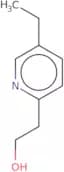
CAS :This is a broad-spectrum antibacterial agent that inhibits bacterial DNA gyrase. It is active against atypical bacterial species, such as Chlamydia and Mycoplasma, and has been shown to be effective against certain strains of the methicillin-resistant Staphylococcus aureus (MRSA) bacteria. This drug also inhibits the growth of other bacteria by binding to their DNA. The drug is used in combination with other antibiotics to treat infections caused by Clostridium difficile, Helicobacter pylori, Borrelia burgdorferi, and Salmonella enterica. However, this drug does not work against Pseudomonas aeruginosa or Enterobacteriaceae infections.Formule :C21H24FN3O4Degré de pureté :Min. 95%Couleur et forme :PowderMasse moléculaire :401.43 g/mol5-Ethyl-2-pyridineethanol
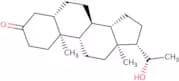
CAS :<p>5-Ethyl-2-pyridineethanol is an anti-diabetic drug that belongs to the class of thiazolidinediones. It is the active form of pioglitazone, which has been shown to bind to peroxisome proliferator-activated receptor gamma (PPARγ). This binding results in increased expression and activity of insulin receptors on cell membranes. 5-Ethyl-2-pyridineethanol also binds to PPARγ in a similar manner as pioglitazone, and it has been shown to be an agonist for PPARγ. This compound has a number of other biological effects such as inhibition of the production of acetone by the liver, which is due to its ability to inhibit diazotization.</p>Formule :C9H13NODegré de pureté :Min. 95%Couleur et forme :White To Yellow Solid Or Liquid (May Vary)Masse moléculaire :151.21 g/mol5alpha-Pregnan-20beta-Ol-3-one
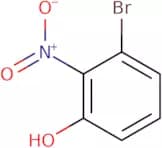
CAS :Produit contrôlé<p>Please enquire for more information about 5alpha-Pregnan-20beta-Ol-3-one including the price, delivery time and more detailed product information at the technical inquiry form on this page</p>Degré de pureté :Min. 95%3-Bromo-2-nitrophenol
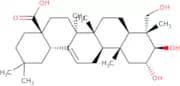
CAS :3-Bromo-2-nitrophenol (3-BNP) is a brominating agent that can be used in the synthesis of a variety of compounds. It is prepared by the refluxing of 3-bromo-2-nitrobenzene with lithium chloride, followed by treatment with trifluoromethanesulfonic anhydride to yield 3-bromo-2-(trifluoromethyl)phenoxyacetic acid. The product can also be obtained from 2,4,6-trinitrophenol and NBS. 3-BNP has shown chemoselectivity for chlorides relative to iodides or fluorides. The yields are higher when it is used in coupling reactions and permutations with lithium or magnesium.Formule :C6H4BrNO3Degré de pureté :Min. 95%Masse moléculaire :218 g/molArjunolic acid
CAS :Produit contrôlé<p>Arjunolic acid is a hypoglycemic agent that belongs to the group of pharmacological agents. It is a reactive compound, which can be found in pueraria lobata and melaleuca alternifolia. Studies have shown that arjunolic acid has an effect on mitochondrial membrane potential, enzyme activities, and cardiac function. This compound also has anti-inflammatory activity and could be used for the treatment of inflammation. Arjunolic acid may have many other effects due to its ability to inhibit proinflammatory transcription factors such as NF-κB and AP-1.</p>Formule :C30H48O5Degré de pureté :(Hplc-Ms) Min. 95 Area-%Couleur et forme :PowderMasse moléculaire :488.7 g/mol(S)-1,2-Butanediol
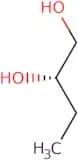
CAS :(S)-1,2-Butanediol is a chemical with formula C4H10O. It is a colorless liquid that is soluble in water and miscible with most organic solvents. The compound has been shown to be an effective solvent for the extraction of proteins, lipids, and other compounds from plants. (S)-1,2-Butanediol has also been used as a reagent in the synthesis of pharmaceuticals such as antibiotics and antihistamines.Formule :C4H10O2Degré de pureté :Min. 95%Masse moléculaire :90.12 g/mol2,3,5,6-Tetrafluorothiophenol
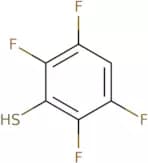
CAS :2,3,5,6-Tetrafluorothiophenol is a backup chemical that can be used in place of the more expensive 2,4,5-trichlorophenol. It is a chemical intermediate that has been shown to react with fatty acids to form chromatographic products. FTIR spectroscopy and sample preparation techniques have been developed for this application. The light emission from FTIR spectroscopy can also be used as a means of controlling a microcontroller in telecommunications devices. A telecommunication company has successfully downloaded this information on their website. 2,3,5,6-Tetrafluorothiophenol has also been shown to inhibit the growth of Pseudomonas aeruginosa and Staphylococcus epidermidis bacteria by interfering with the synthesis of fatty acids and increasing the production of hydroxyl groups.END> Rifapentine is an anti-tuberculosis drug thatFormule :C6H2F4SDegré de pureté :Min. 95%Couleur et forme :Clear LiquidMasse moléculaire :182.14 g/mol3,7,11,15-Tetramethyl-1,2,3-hexadecane-triol
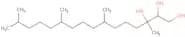
CAS :<p>3,7,11,15-Tetramethyl-1,2,3-hexadecane-triol is a fatty alcohol that is used in detergent compositions. It has been shown to be biocompatible with human skin cells and does not show any carcinogenic potential. 3,7,11,15-Tetramethyl-1,2,3-hexadecane-triol is chemically stable and can be used for sample preparation and light exposure. The particle size of this compound is about 1 micrometer. This substance does not have any toxic effects on skin cells or other cells when it is exposed to light.</p>Formule :C20H42O3Degré de pureté :Min. 95%Masse moléculaire :330.55 g/molErgosta-5,24(28)-diene-3,7,16-triol
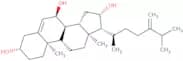
CAS :Produit contrôlé<p>Please enquire for more information about Ergosta-5,24(28)-diene-3,7,16-triol including the price, delivery time and more detailed product information at the technical inquiry form on this page</p>Formule :C28H46O3Degré de pureté :Min. 95%Masse moléculaire :430.66 g/mol1,3-Distearoyl-2-chloropropanediol-d5
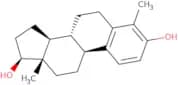
CAS :Please enquire for more information about 1,3-Distearoyl-2-chloropropanediol-d5 including the price, delivery time and more detailed product information at the technical inquiry form on this pageFormule :C39H70D5CIO4Degré de pureté :Min. 95%Masse moléculaire :751.95 g/mol4-Methyl estradiol
CAS :Produit contrôlé<p>4-Methyl estradiol is an estrogen that is a naturally occurring metabolite of estradiol. It has been shown to have weak estrogenic effects and may be used in low doses to treat breast cancer. 4-Methyl estradiol binds to the estrogen receptor with high affinity, which leads to its activation and subsequent translocation into the nucleus, where it binds to DNA and regulates gene transcription. The binding of 4-methyl estradiol to the receptor also stimulates the production of other hormones such as progesterone and estrone.</p>Formule :C19H26O2Degré de pureté :Min. 95 Area-%Couleur et forme :White PowderMasse moléculaire :286.41 g/mol1-(2-Nitrophenyl)-1,2-ethanediol
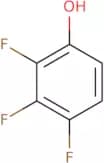
CAS :1-(2-Nitrophenyl)-1,2-ethanediol is a chemical that has been shown to inhibit the glutamate-induced increase in cytosolic Ca2+ concentration. It also prevents the loss of membrane integrity and protects against cell death by inhibiting apoptosis. 1-(2-Nitrophenyl)-1,2-ethanediol also inhibits amp-activated protein kinase activity and increases ATP production. These effects may be due to its ability to reduce intracellular Ca2+ levels and prevent Ca2+ overload in mitochondria. 1-(2-Nitrophenyl)-1,2-ethanediol has been shown to have a protective effect on isolated heart cells and ventricular myocytes from hypoxia/reoxygenation injury and is an effective model system for investigating biochemical properties of glutamate excitotoxicity.Formule :C8H9NO4Degré de pureté :Min. 95%Couleur et forme :PowderMasse moléculaire :183.16 g/mol2,3,4-Trifluorophenol
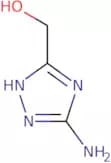
CAS :<p>2,3,4-Trifluorophenol is a chemical control agent that is used as an intermediate in the synthesis of organic compounds. It reacts with hydroxyl groups to form 2,3,4-trifluoroacetophenone from a proton. The compound has low light and x-ray absorption properties and is typically used in liquid crystal compositions. Chemical ionization experiments have shown that 2,3,4-trifluorophenol binds to copper oxide and forms copper trifluoride. This compound also has been found to be conjugated with neutral ph phenols and chlorinated with chlorine atom.</p>Formule :C6H3F3ODegré de pureté :Min. 95%Couleur et forme :PowderMasse moléculaire :148.08 g/mol(5-Amino-1H-1,2,4-triazol-3-yl)methanol
CAS :<p>Please enquire for more information about (5-Amino-1H-1,2,4-triazol-3-yl)methanol including the price, delivery time and more detailed product information at the technical inquiry form on this page</p>Formule :C3H6N4ODegré de pureté :Min. 95%Masse moléculaire :114.11 g/molrac-3-hexadecanamido-2-methoxypropan-1-ol phosphocholine monohydrate
CAS :Please enquire for more information about rac-3-hexadecanamido-2-methoxypropan-1-ol phosphocholine monohydrate including the price, delivery time and more detailed product information at the technical inquiry form on this pageFormule :C25H55N2O7PDegré de pureté :Min. 95%Masse moléculaire :526.69 g/molDelta9,11-Estradiol
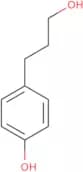
CAS :Produit contrôlé<p>Delta9,11-Estradiol is an estrogen that has been found to bind to the estrogen receptor α. The growth factor activity of this drug is mediated through the binding of this receptor and the activation of various intracellular signaling pathways. This drug is effective in treating eye disorders such as macular degeneration. Delta9,11-Estradiol also has a protective effect on ganglion cells by reducing oxidative stress, inhibiting apoptosis, and modulating inflammatory responses. The hydroxyl group in Delta9,11-Estradiol can be used as a corrosion inhibitor in eye drops and other ophthalmic solutions. It binds to viral gene promoters and inhibits transcriptional activity of these genes.</p>Formule :C18H22O2Degré de pureté :Min. 95%Couleur et forme :SolidMasse moléculaire :270.37 g/mol3-(4-Hydroxyphenyl)-1-propanol
CAS :<p>Produces a fluorogenic signal in the presence of peroxidase</p>Formule :C9H12O2Degré de pureté :Min. 95%Masse moléculaire :152.19 g/mol1-Tetratriacontanol
CAS :1-Tetratriacontanol is a natural compound that is found in plants, such as Momilactone. It has been shown to have inhibitory properties on chemical interactions, which may be due to its enhancement of acetate extract. 1-Tetratriacontanol has also been shown to have potent inhibitory activity against human serum and fetal bovine cells. It has a diameter of approximately 1 nm and is composed of fatty acids and phosphatidylcholine. This compound has not yet been studied for its physiological effects.Formule :C34H70ODegré de pureté :Min. 95%Masse moléculaire :494.92 g/mol4-Hexylresorcinol
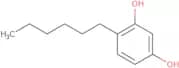
CAS :<p>4-Hexylresorcinol is a polyphenolic compound that has been shown to have inhibitory properties. It has been shown to have synergistic effects with other compounds, such as growth factor-β1, in the treatment of squamous carcinoma. 4-Hexylresorcinol binds to the serine hydroxyl group of the enzyme protein kinase C (PKC) and inhibits PKC activity. This inhibition leads to an increase in intracellular cAMP levels and subsequently activation of protein kinase A (PKA). The optimum concentration for 4-hexylresorcinol is 0.2 mM, which can be determined using a polymerase chain reaction (PCR) assay. However, this compound has not been tested for toxicity studies or structural analysis.</p>Formule :C12H18O2Degré de pureté :Min. 95%Couleur et forme :PowderMasse moléculaire :194.27 g/molSodium linoleate
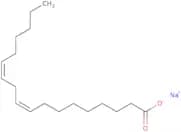
CAS :<p>Sodium linoleate is a model system for studying the effect of radiation on tumorigenesis. Sodium linoleate is used to study the relationship between light exposure and cancer. It has been shown to inhibit Cox-2 expression in carcinoma cell lines, which may be due to its ability to inhibit cox-2 activity by preventing the production of prostaglandins E2 (PGE2). The increased levels of PGE2 can lead to an increase in inflammation and cancer growth. Sodium linoleate has also been shown to have a synergic effect with sodium carbonate in inhibiting tumour growth, which is due to the inhibition of nuclear DNA transcription and protein synthesis.</p>Formule :C18H32O2·NaDegré de pureté :Min. 95%Couleur et forme :PowderMasse moléculaire :303.44 g/mol2-Hydroxy ethynyl estradiol
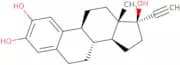
CAS :<p>2-Hydroxy ethynyl estradiol is a synthetic estrogen that has been used in animal studies to study the effects of estrogens on the brain. It is active as an antiestrogen at high doses and has been shown to be a potent inhibitor of brain norepinephrine uptake. 2-Hydroxy ethynyl estradiol has been used as a marker for cytochrome P450 enzymes and NADPH-cytochrome P450 reductase in rat brain. This compound also binds to estrogen receptors in women, although it does not have any biological activity due to its lack of a 17β-hydroxyl group. The drug has also been shown to inhibit noradrenergic neurons in the central nervous system.</p>Formule :C20H24O3Degré de pureté :Min. 95%Masse moléculaire :312.4 g/mol1-Benzyl-4-piperidinol
CAS :<p>1-Benzyl-4-piperidinol is a n-hexane soluble synthetic compound. It has been shown to inhibit the cholesterol acyltransferase enzyme in rat liver microsomes, which is involved in the synthesis of cholesterol. 1-Benzyl-4-piperidinol can also be used for the treatment of cancers, such as prostate adenocarcinoma, due to its potent antagonistic activity against prostate cancer cells. This compound has also been shown to induce apoptosis in cancer cells and inhibit growth. The mechanism of action may be due to bond cleavage and inhibition of protein synthesis.</p>Formule :C12H17NODegré de pureté :Min. 95%Masse moléculaire :191.27 g/mol2,6-Dibromophenol
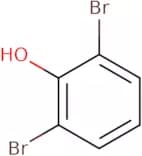
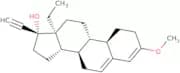
CAS :<p>2,6-Dibromophenol is a chemical compound that is used as an analytical reagent in the determination of bromide ion concentrations. It can be prepared by the debromination of 2-bromophenols using hydrochloric acid and heating to 150°C. This reaction mechanism is best described by kinetic data and a model system. The reaction product of this process is 2,6-dibromo-3-hydroxyphenol. This compound has been shown to have a higher dry weight in strains with high levels of hydroxy group activity.</p>Formule :C6H4Br2ODegré de pureté :Min. 95%Masse moléculaire :251.9 g/mol(17a)-13-Ethyl-3-methoxy-18,19-dinorpregna-3,5-dien-20-yn-17-ol
CAS :Produit contrôléPlease enquire for more information about (17a)-13-Ethyl-3-methoxy-18,19-dinorpregna-3,5-dien-20-yn-17-ol including the price, delivery time and more detailed product information at the technical inquiry form on this pageFormule :C22H30O2Degré de pureté :Min. 95%Masse moléculaire :326.47 g/mol4-Hydroxy-7-methoxyquinoline
CAS :<p>4-Hydroxy-7-methoxyquinoline is an anti-malarial drug that belongs to the class of trimethyl, trifluoromethyl group. It is a cyclic compound and its synthesis starts with cyclization of the methyl derivative, which forms a ring. This product is used in clinical practice as an inhibitor of malarial protozoa and has been shown to have mechanistic effects on the cytochrome bc1 complex containing red blood cells. 4-Hydroxy-7-methoxyquinoline also inhibits the growth of bacteria by binding to the enzyme methionine synthase, which is involved in the biosynthesis of methionine from homocysteine. The product also has an inhibitory effect on DNA synthesis and protein synthesis.</p>Formule :C10H9NO2Degré de pureté :Min. 95%Masse moléculaire :175.18 g/mol2-Amino-1-(2,3-dihydro-benzofuran-5-yl)-ethanol
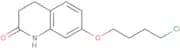
CAS :Produit contrôléPlease enquire for more information about 2-Amino-1-(2,3-dihydro-benzofuran-5-yl)-ethanol including the price, delivery time and more detailed product information at the technical inquiry form on this pageFormule :C10H13NO2Degré de pureté :Min. 95%Masse moléculaire :179.22 g/mol3,4-Dihydro-7-(4-chlorobutoxy)-2(1H)-Quinolinone
CAS :3,4-Dihydro-7-(4-chlorobutoxy)-2(1H)-Quinolinone is a crystalline organic base. It is used as an intermediate in the synthesis of piperazine derivatives. 3,4-Dihydro-7-(4-chlorobutoxy)-2(1H)-Quinolinone can be used to acetylate phenols and amines. This compound also has been shown to be useful in the industrial production of carbostyril and other pharmaceuticals. 3,4-Dihydro-7-(4-chlorobutoxy)-2(1H)-Quinolinone is also a high yield coupling agent for the production of heterocyclic compounds such as 1,5,6,8-tetrahydropyrimidines and benzimidazoles.Degré de pureté :Min. 95%Kushenol Q
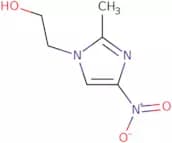
CAS :Kushenol Q is a flavonoid compound, which is derived from the roots of Sophora flavescens, a traditional medicinal plant. This compound exhibits a multifaceted mode of action characterized by its ability to modulate various cellular pathways. Kushenol Q interacts with specific signaling proteins and enzymes, thereby influencing cell proliferation, apoptosis, and inflammatory responses. Notably, its interaction at the molecular level can result in the inhibition of cancer cell growth and the reduction of inflammation.Degré de pureté :Min. 95%2-(2-Methyl-4-nitro-1H-imidazol-1-yl)ethanol
CAS :<p>Please enquire for more information about 2-(2-Methyl-4-nitro-1H-imidazol-1-yl)ethanol including the price, delivery time and more detailed product information at the technical inquiry form on this page</p>Formule :C6H9N3O3Degré de pureté :Min. 95%Masse moléculaire :171.15 g/mol1-Aziridineethanol
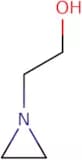
CAS :1-Aziridineethanol is a chemical used in research to study the effects of radiation on cells. It has been shown that the presence of 1-aziridineethanol in cells increases their sensitivity to radiation. In addition, this compound can be used as a chelate ligand for potassium ions. This product is also hydrophilic, allowing it to be dissolved in water and other polar solvents. Moreover, this chemical contains one hydroxy group and can undergo dehydration reactions with acids such as hydrochloric acid. The patterning of this product is determined by the presence of hydroxyl groups, which are reactive with hydrogen bond formation. 1-Aziridineethanol is also able to react with aromatic hydrocarbons and proteins due to its nucleophilic property. This product can undergo a number of chemical reactions, including the formation of azo bonds with azides and amines, as well as epoxidation reactions with peroxyacids such as m-Formule :C4H9NODegré de pureté :Min. 95%Masse moléculaire :87.12 g/molRac 1,2-bis-palmitoyl-3-chloropropanediol
CAS :<p>Rac-1,2-bis-palmitoyl-3-chloropropanediol is a dispersive molecule that is composed of a fatty acid and a chlorinated derivative of palmitic acid. It is used to calibrate the mass spectrometer and as an internal standard in quantitative analysis. Rac-1,2-bis-palmitoyl-3-chloropropanediol reacts with electrospray ionization with a dose-dependent response. It has been shown to be toxic to kidney cells at high doses but not at low doses. This chemical has been detected in food samples after being absorbed from the gastrointestinal tract. Rac 1,2-bis-palmitoyl 3 chloropropanediol can be found in the dipalmitate form or as formic acid.</p>Formule :C35H67ClO4Degré de pureté :95%NmrCouleur et forme :PowderMasse moléculaire :587.36 g/mol(S)-3',5'-Bis(trifluoromethyl)-1-phenethanol
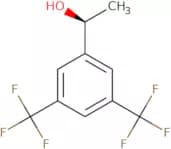
CAS :<p>(S)-3',5'-Bis(trifluoromethyl)-1-phenethanol is a choline derivative that is used in the treatment of liver cancer. It has been shown to increase the permeability of cell membranes and to suppress the growth of tumor cells by inhibiting protein synthesis. (S)-3',5'-Bis(trifluoromethyl)-1-phenethanol can be used as a surfactant and a hydrophobic solvent for optimization of reaction parameters. This chemical also has been shown to be active against Gram-positive bacteria such as Staphylococcus aureus and Enterococcus faecalis, but not against Gram-negative bacteria such as Escherichia coli or Pseudomonas aeruginosa. The mechanism of this effect is mediated by chloride ions that act as bioreductive agents on cellular membranes, leading to increased permeability and cell death.</p>Formule :C10H8F6ODegré de pureté :Min. 95%Masse moléculaire :258.16 g/mol8-Hydroxyquinoline copper(II)
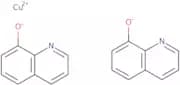
CAS :<p>8-Hydroxyquinoline copper(II) salt is a metal chelate that can be used as an analytical reagent. It is prepared by the reaction of ethylene diamine with 8-hydroxyquinoline and copper(II) chloride. The product has been found to emit light when irradiated with UV light. This product is also used as a substrate for methyl transferase, which is an enzyme involved in the metabolism of drugs. 8-Hydroxyquinoline copper(II) salt has been shown to inhibit the activity of P-glycoprotein (Pgp), which is a drug transporter protein found in mammalian cells that functions to pump xenobiotics from the inside of cells out into the bloodstream. When Pgp is inhibited, it causes cellular accumulation of certain drugs, such as cyclosporin A and tacrolimus.</p>Formule :C18H12CuN2O2Degré de pureté :Min. 95%Couleur et forme :PowderMasse moléculaire :351.85 g/mol(S)-a,a-Diphenylmethylprolinol
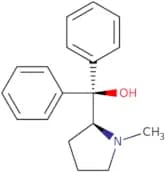
CAS :Produit contrôlé(S)-a,a-Diphenylmethylprolinol is a chiral ligand that is used in asymmetric synthesis. It has been shown to react with alkylating agents to form chiral methyl esters. The reaction product can be resolved into the desired enantiomer by the use of a chiral stationary phase or an experimental method called isotopic labeling. (S)-a,a-Diphenylmethylprolinol was prepared by a preparative method involving the reaction of cyanate, aldehyde and hexane.Formule :C18H21NODegré de pureté :Min. 95%Masse moléculaire :267.37 g/mol(1S,2R)-2-Aminocyclohexanol hydrochloride
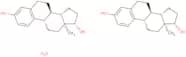
CAS :<p>Please enquire for more information about (1S,2R)-2-Aminocyclohexanol hydrochloride including the price, delivery time and more detailed product information at the technical inquiry form on this page</p>Formule :C6H14ClNODegré de pureté :Min. 95%Masse moléculaire :151.63 g/molEstradiol hemihydrate
CAS :Produit contrôlé<p>Estradiol hemihydrate is a synthetic estrogen. It binds to estrogen receptors, causing the activation of DNA transcription and synthesis of messenger RNA. Estradiol hemihydrate has been used for the treatment of various symptoms, such as menopause, osteoporosis, breast cancer, and metabolic disorders. The drug is most often administered by injection or in a polymeric matrix that dissolves slowly in the mouth. The recommended dose is between 0.5mg and 1mg per day. Estradiol hemihydrate can be detected in plasma using an analytical method called liquid chromatography-tandem mass spectrometry (LC-MS/MS).</p>Formule :(C18H24O2)2•H2ODegré de pureté :Min. 95%Couleur et forme :PowderMasse moléculaire :562.78 g/molTrimethylsilylmethanethiol
CAS :Trimethylsilylmethanethiol (TMSET) is a thiol that is used as a reagent in organic synthesis. It is soluble in water and it has a high boiling point, making it useful for reactions that require heat. TMSET has been shown to be an effective antiviral agent against hepatitis C virus (HCV) and influenza A virus by binding to the viral receptor on the cell surface and preventing its entry into the cell. TMSET also inhibits neuronal function by binding to the hydroxy group of proteins, thereby disrupting their structure and function.Formule :C4H12SSiDegré de pureté :Min. 95%Masse moléculaire :120.29 g/mol1-(RS)-2-(Dibutylamino)-2-[2,7-dichloro-9-(4-chlorobenxylidene)]-9H-fluoren- 4-yl]ethanol - E/Z mixture
CAS :Please enquire for more information about 1-(RS)-2-(Dibutylamino)-2-[2,7-dichloro-9-(4-chlorobenxylidene)]-9H-fluoren- 4-yl]ethanol - E/Z mixture including the price, delivery time and more detailed product information at the technical inquiry form on this pageFormule :C30H32Cl3NODegré de pureté :Min. 95%Masse moléculaire :528.94 g/mol9-Chloro triamcinolone acetonide
CAS :Please enquire for more information about 9-Chloro triamcinolone acetonide including the price, delivery time and more detailed product information at the technical inquiry form on this pageFormule :C24H31ClO6Degré de pureté :Min. 95%Masse moléculaire :450.95 g/molKushenol W
CAS :Kushenol W is a flavonoid compound, which is derived from the root of the Sophora flavescens plant. This plant, commonly known as "Kushen," is an important component in traditional Chinese medicine. The mode of action of Kushenol W involves multiple biological pathways, primarily exerting its effects through anti-inflammatory and anti-tumor activities. It interacts with various molecular targets, modulating pathways associated with oxidative stress and cell proliferation.Degré de pureté :Min. 95%(17a)-3-Ethynyl-19-norpregna-3,5-dien-20-yn-17-ol
CAS :Produit contrôlé<p>Please enquire for more information about (17a)-3-Ethynyl-19-norpregna-3,5-dien-20-yn-17-ol including the price, delivery time and more detailed product information at the technical inquiry form on this page</p>Formule :C22H26ODegré de pureté :Min. 95%Masse moléculaire :306.44 g/mol3b-Acetoxyergosta-7,22-dien-5a-ol
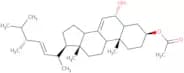
CAS :Produit contrôléPlease enquire for more information about 3b-Acetoxyergosta-7,22-dien-5a-ol including the price, delivery time and more detailed product information at the technical inquiry form on this pageFormule :C30H48O3Degré de pureté :Min. 95%Masse moléculaire :456.7 g/molKushenol R
CAS :Kushenol R is a bioactive flavonoid compound, which is extracted from the roots of the plant Sophora flavescens, commonly known as the shrubby sophora. Its chemical structure contributes to its role as a compound of interest in the realm of natural product chemistry and pharmacology. As a flavonoid, Kushenol R exhibits significant antioxidant activity, attributed to its ability to scavenge free radicals and mitigate oxidative stress at the cellular level. This mechanism of action is crucial as it offers potential therapeutic effects in combating diseases associated with oxidative damage, such as cancer and inflammatory disorders.Degré de pureté :Min. 95%(7-bromo-2H-1,3-benzodioxol-5-yl)methanol
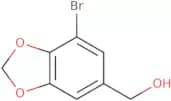
CAS :Produit contrôléPlease enquire for more information about (7-bromo-2H-1,3-benzodioxol-5-yl)methanol including the price, delivery time and more detailed product information at the technical inquiry form on this pageDegré de pureté :Min. 95%Masse moléculaire :231.045(R)-(+)-Atenolol
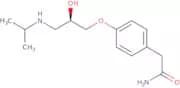
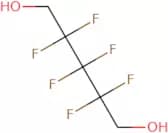
CAS :Produit contrôléBeta-1-adrenoceptor blockerFormule :C14H22N2O3Degré de pureté :Min. 95%Couleur et forme :White/Off-White SolidMasse moléculaire :266.34 g/mol2,2,3,3,4,4-Hexafluoro-1,5-pentanediol
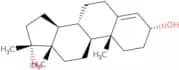
CAS :Produit contrôlé<p>2,2,3,3,4,4-Hexafluoro-1,5-pentanediol is a colorless liquid with a boiling point of 155°C. It is soluble in water and has an odor similar to that of hexane. 2,2,3,3,4,4-Hexafluoro-1,5-pentanediol is used as a chemical intermediate for the production of sodium salts and quaternary ammonium compounds. This substance can be obtained by reacting butanediol with hydrofluoric acid or trifluoromethanesulfonic acid. The most common use of 2,2,3,3,4,4-hexafluoro-1,5-pentanediol is in the synthesis of amines. It also has been used as a solvent for electroplating metals and as a high boiling point solvent in organic reactions. This compound exhibits nucleophilic properties with amines and can</p>Formule :C5H6F6O2Degré de pureté :Min. 95%Masse moléculaire :212.09 g/mol17-Methyl-4-androstene-3a,17a-diol
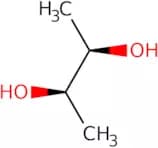
CAS :Produit contrôléPlease enquire for more information about 17-Methyl-4-androstene-3a,17a-diol including the price, delivery time and more detailed product information at the technical inquiry form on this pageFormule :C20H32O2Degré de pureté :Min. 95%Masse moléculaire :304.47 g/mol(R,R)-(-)-2,3-Butanediol
CAS :(R,R)-(-)-2,3-Butanediol is a chiral hydroxy alcohol that is a process optimization for the synthesis of β-hydroxy esters. It has been shown to have antimicrobial activity against Gram-positive bacteria and can inhibit the growth of Gram-negative bacteria in low concentrations. (R,R)-(-)-2,3-Butanediol also inhibits the production of phospolipase A2 by wild-type strains of Escherichia coli. This compound also has an effect on energy metabolism by inhibiting the formation of acetaldehyde from pyruvate.Formule :C4H10O2Degré de pureté :Min. 95%Masse moléculaire :90.12 g/mol{1-[2-(4-Methylphenoxy)ethyl]-1H-benzimidazol-2-yl}methanol
CAS :Produit contrôlé<p>Please enquire for more information about {1-[2-(4-Methylphenoxy)ethyl]-1H-benzimidazol-2-yl}methanol including the price, delivery time and more detailed product information at the technical inquiry form on this page</p>Formule :C17H18N2O2Degré de pureté :Min. 95%Masse moléculaire :282.34 g/mol(1R,2S)-2-[N-Benzyl-N-(mesitylenesulfonyl)amino]-1-phenyl-1-propanol
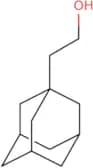
CAS :Produit contrôlé<p>Please enquire for more information about (1R,2S)-2-[N-Benzyl-N-(mesitylenesulfonyl)amino]-1-phenyl-1-propanol including the price, delivery time and more detailed product information at the technical inquiry form on this page</p>Formule :C25H29NO3SDegré de pureté :Min. 95%Masse moléculaire :423.57 g/mol1-Adamantane ethanol
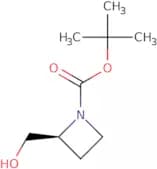
CAS :1-Adamantane ethanol (1AE) is a red blood cell membrane lipid that has been shown to have antimicrobial properties. 1AE is synthesized from 1-adamantanol, which is produced by the hydrolysis of the acyl chain in cholesterol. The acyl chains on 1AE are saturated and contain methoxy groups. The synthesis of 1-adamantanol involves transfer reactions with phthalimides and hydroxide ions. 1-Adamantane ethanol inhibits the growth of staphylococcus, including methicillin resistant strains, through its minimal inhibitory concentrations (MICs). It also has anti-inflammatory effects, inhibiting prostaglandin synthesis in red blood cells.Formule :C12H20ODegré de pureté :Min. 95%Couleur et forme :PowderMasse moléculaire :180.29 g/mol(S)-1-(tert-Butoxycarbonyl)-2-azetidinemethanol
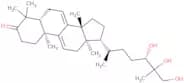
CAS :<p>Please enquire for more information about (S)-1-(tert-Butoxycarbonyl)-2-azetidinemethanol including the price, delivery time and more detailed product information at the technical inquiry form on this page</p>Formule :C9H17NO3Degré de pureté :Min. 95%Masse moléculaire :187.24 g/molGanodermanontriol
CAS :Produit contrôlé<p>Ganodermanontriol is a natural compound that is extracted from the roots of Ganderma applanatum. It has potent anticomplement activity and has been shown to have transcriptional regulation activity. Ganodermanontriol binds to DNA with high affinity, which leads to inhibition of transcription and replication. Ganodermanontriol also inhibits the activity of enzymes such as protein kinase C, phosphodiesterase, and phosphatases. This inhibitory effect on these enzymes may be due to its hydroxyl group, which can donate hydrogen bonds.</p>Formule :C30H48O4Degré de pureté :Min. 95%Masse moléculaire :472.7 g/molN-[1-(2,3-Dioleoyloxy)propyl]-n,n,n-trimethylammonium methyl-sulfate
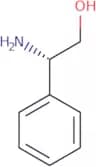
CAS :Dioleoyloxypropyl-N,N,N-trimethylammonium methylsulfate (DOTAP) is an antibacterial agent that disrupts the bacterial membrane. It has been shown to inhibit the uptake of chlamydia by inhibiting the binding of chlamydia to cells and enhancing the detection of chlamydia in cells. DOTAP also has pharmacological properties that are related to its ability to interfere with cellular membranes. DOTAP can be used as a strategy for developing antibacterial agents because it inhibits bacterial growth by disrupting their cellular membranes. This results in a decrease in phosphatidylethanolamine levels, leading to increased cell death.Formule :C43H83NO7SDegré de pureté :Min. 95%Masse moléculaire :758.19 g/molL-Phenylglycinol
CAS :<p>L-phenylglycinol is a chiral compound that is synthesized by the reaction of phenylglycinol with hydroxide solution in the presence of an asymmetric synthesis catalyst. It is used as a precursor to chiral amides and aziridines, which are important for addressing the need for enantiopure compounds. The reaction mechanism involves nucleophilic substitution at the amino function, which can be catalyzed by copper complexes in solution. This reaction can also be monitored using liquid chromatography methods.</p>Formule :C8H11NODegré de pureté :Min. 95%Couleur et forme :White PowderMasse moléculaire :137.18 g/mol2-(2-Aminoethoxy)ethanol
CAS :<p>2-(2-Aminoethoxy)ethanol (2-AE) is a natural compound that has been synthesized from ethanol and 2-aminoethanol. It has been shown to react with sodium carbonate to form stable complexes that are resistant to hydrolysis by amines. The stability of the complex is attributed to the formation of an intermolecular hydrogen bond between the hydroxyl group on the 2-AE molecule and the carboxylate group on the sodium carbonate molecule. 2-AE reacts with benzalkonium chloride, a quaternary ammonium salt, in water vapor to produce an alcohol and a fatty acid, which is then hydrolyzed by glycol ethers into glycolates. This mechanism is similar to that of other reactions involving quaternary ammonium salts, such as those in fatty acids or glycol ethers.</p>Formule :C4H11NO2Degré de pureté :Min. 95%Masse moléculaire :105.14 g/mol2'-[(1H-Tetrazol-5-yl)biphenyl-4-yl]methanol
CAS :<p>Please enquire for more information about 2'-[(1H-Tetrazol-5-yl)biphenyl-4-yl]methanol including the price, delivery time and more detailed product information at the technical inquiry form on this page</p>Formule :C14H12N4ODegré de pureté :Min. 95%Masse moléculaire :252.27 g/mol2-Methylaminoethanol
CAS :<p>2-Methylaminoethanol is a colorless, water-soluble liquid. It is an alkanolamine that has a dipole moment of 1.8 debye. 2-Methylaminoethanol can be synthesized by reacting potassium dichromate with ethanolamine in the presence of borohydride and ammonia. The reaction yield for this process is about 50%. 2-Methylaminoethanol reacts with maleic acid to form maleate salt. Maleate salt molecules have two amine groups attached to a carbonyl group, which are used as raw materials for the production of various other chemicals like nylon 11, nylon 12, and polyethylene terephthalate (PET). Maleates also serve as intermediates in the manufacture of esters and nitrites from alcohols and phenols. 2-Methylaminoethanol has been shown to cause blood pressure reduction in mammals due to its ability to inhibit vasoconstriction caused by</p>Formule :C3H9NODegré de pureté :Min. 95%Couleur et forme :Clear LiquidMasse moléculaire :75.11 g/molAzetidin-3-ol
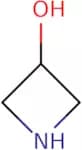
CAS :<p>Azetidin-3-ol is an amide. It can be synthesized by the acylation reaction of 3-hydroxypropanoic acid with an amine. Azetidin-3-ol is a chiral molecule and has two enantiomers. The maleate salt of azetidin-3-ol is used as a drug to treat Parkinson's disease. Azetidin-3-ol has been shown to have potent inhibition against the wild type strain of Clostridium botulinum, but not against its intermolecular hydrogen bonding mutant.</p>Formule :C3H7NODegré de pureté :Min. 95%Masse moléculaire :73.09 g/molR-(-)-1,2-Propanediol
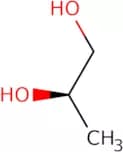
CAS :<p>R-(-)-1,2-Propanediol is a diol that is used as an additive in pharmaceutical preparations. It has been shown to inhibit the growth of several genera of bacteria and fungi, including Actinomyces, Bacillus, Clostridium, Corynebacterium, Enterobacteriaceae (Escherichia coli), Lactobacillus, Micrococcus, Mycobacteria (M. tuberculosis), Nocardia, Pseudomonas aeruginosa. R-(-)-1,2-Propanediol also inhibits the production of carbon source from glucose by inhibiting the enzyme pyruvate dehydrogenase which catalyzes the conversion of pyruvate to acetyl coenzyme A. R-(-)-1,2-Propanediol does not show any significant effect on bacterial growth when it is used at concentrations below 100mM. It has been shown that optimal reaction with R-(-)-</p>Formule :C3H8O2Degré de pureté :Min. 98 Area-%Couleur et forme :Colorless Clear LiquidMasse moléculaire :76.09 g/mol4-Amino-2-(1,3-benzoxazol-2-yl)phenol
CAS :<p>4-Amino-2-(1,3-benzoxazol-2-yl)phenol (4APB) is a fluorescent compound that has been used to study the fungal cell wall. It has shown to cause morphological changes in the conidia of some fungi, including transfer and swelling of the contents. 4APB has also been used to study the transfer mechanism of conidia by fluorescence microscopy and epifluorescence microscopy. This chemical can be stained with tosylates, which are reagents used for staining proteins and other molecules that contain sulfur atoms.</p>Formule :C13H10N2O2Degré de pureté :Min. 95%Masse moléculaire :226.23 g/mol6-Heptyn-1-ol
CAS :6-Heptyn-1-ol is a naturally occurring chemical compound that has been isolated from the human colon and shown to have potent cytotoxicity against human colon carcinoma cells. 6-Heptyn-1-ol inhibits the growth of cancer cells by inducing apoptosis, the process by which a cell commits suicide. It also inhibits pancreatic lipase, an enzyme involved in fat digestion. 6-Heptyn-1-ol has been shown to be a chiral molecule with two enantiomers that can be synthesized artificially. The (R) form of 6-heptyn-1-ol is more potent than the (S) form in inducing apoptosis and inhibiting pancreatic lipase activity.Formule :C7H12ODegré de pureté :Min. 95%Masse moléculaire :112.17 g/molCyclobutanemethanol
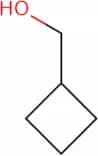
CAS :<p>Cyclobutanemethanol is a drug used to treat inflammatory diseases. It is an uptake inhibitor that blocks the transport of uridine into cells, preventing the activation of G-protein coupled receptors and the subsequent production of inflammatory mediators. Cyclobutanemethanol has been shown to have anti-inflammatory properties by inhibiting the CB2 receptor, which is found in large quantities in inflammatory tissues. Cyclobutanemethanol also prevents dehydration and increases blood flow to inflamed areas by acting on vascular endothelial cells. It can be synthesized from two molecules of hydrochloric acid and one molecule of cyclobutane. The synthesis pathway includes removal of a hydroxy group and addition of an alkynyl group via hydrogen bonding interactions with chloride ions. Cyclobutanemethanol has been shown to inhibit influenza virus replication in vitro, but not in vivo.</p>Formule :C5H10ODegré de pureté :Min. 95%Masse moléculaire :86.13 g/mol2H-1,2,3-Triazol-4-ylmethanol
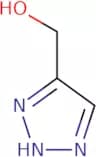
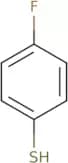
CAS :<p>2H-1,2,3-Triazol-4-ylmethanol is an aliphatic hydrocarbon that can be synthesized by reacting chlorine with a hydroxy group. It has been shown to have insecticidal activity against flies and mosquitoes. 2H-1,2,3-Triazol-4-ylmethanol is also used as a precursor for the synthesis of triazole derivatives. These compounds are used in the production of pharmaceuticals and pesticides. 2H-1,2,3-Triazol-4-ylmethanol also has neurodegenerative disease activities. This compound may be useful in treating diseases such as Alzheimer's disease or Parkinson's disease because it inhibits the formation of beta amyloid proteins that are linked to these conditions.</p>Formule :C3H5N3ODegré de pureté :Min. 95%Masse moléculaire :99.09 g/mol4-Fluorothiophenol
CAS :<p>4-Fluorothiophenol is a reactive chemical that can be used as a monomer for the synthesis of polymers. It has been shown to polymerize with acrylonitrile and methacrylate in the presence of an initiator to form polyacrylonitrile and polymethacrylate, respectively. 4-Fluorothiophenol reacts with unsaturated fatty acids to form thiolates, which are useful intermediates in organic synthesis. 4-Fluorothiophenol also reacts with sulfur transfer agents such as thiourea or mercaptoethanol, leading to S-sulfides that are useful intermediates in organic synthesis. These reactions can be followed by kinetic energy spectroscopy (photoelectron) and nuclear magnetic resonance spectroscopy (NMR). 4-Fluorothiophenol has been shown to undergo intramolecular hydrogen transfer reactions with second order rate constants ranging from</p>Formule :C6H5FSDegré de pureté :Min. 95%Masse moléculaire :128.17 g/molNaphthalen-2-ethanol
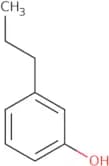
CAS :<p>Naphthalen-2-ethanol is a primary alcohol that has been synthesized and immobilized onto boron nitride. It can be used as a synthetic reaction rate indicator. Naphthalen-2-ethanol is soluble in organic solvents such as methanol, which can be used to determine the concentration of methanol in solution by observing the change in absorbance at 230 nm. This compound has functional groups such as carbinols, which are characterized by their high reactivity and ability to form esters, ethers, amides, or nitriles. Naphthalen-2-ethanol also reacts with lipases to produce polyamines and with chromatography to produce substitutive nomenclature.</p>Formule :C12H12ODegré de pureté :Min. 95%Masse moléculaire :172.22 g/mol3-Propylphenol
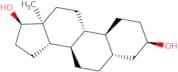
CAS :3-Propylphenol is a naturally occurring fatty acid found in animals and plants. It is used as an industrial chemical and as a solvent for fats, oils, waxes, and resins. 3-Propylphenol has been shown to have a high affinity for caproic acid, which is a fatty acid that can be found in the urine of humans and animals. 3-Propylphenol also has the ability to inhibit methyl ketone formation by diptera during metathesis reactions. This compound is used in the production of industrial chemicals like phenols, acetates, and esters.Formule :C9H12ODegré de pureté :Min. 95%Masse moléculaire :136.19 g/mol5a-Estrane-3a,17a-diol
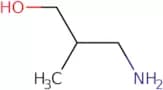
CAS :Produit contrôléPlease enquire for more information about 5a-Estrane-3a,17a-diol including the price, delivery time and more detailed product information at the technical inquiry form on this pageFormule :C18H30O2Degré de pureté :Min. 95%Masse moléculaire :278.43 g/mol3-Amino-2-methylpropan-1-ol
CAS :<p>3-Amino-2-methylpropan-1-ol is a reactive chemical that can be used as a reactant in the synthesis of other chemicals. It is an alkanolamine and can be found in small amounts in water vapor. 3-Amino-2-methylpropan-1-ol has been shown to have low energy and it reacts with water vapor to form 3,4-dihydroxybutanal, which is a product that can be converted into other useful chemicals. 3-Amino-2-methylpropan-1-ol also reacts with high energy photons to form new substances, such as 3,4,5,6 tetrahydroxymethylbenzaldehyde. 3Amino - 2 - methylpropan - 1 - ol has been shown to have many uses including the production of low molecular weight polymers and resins for paints and coatings.</p>Formule :C4H11NODegré de pureté :Min. 95%Masse moléculaire :89.14 g/mol1,2,3,4-Tetrahydro-4,8-dihydroxy-2-methyl-isoquinoline
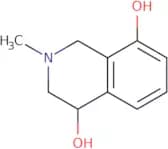
CAS :1,2,3,4-Tetrahydro-4,8-dihydroxy-2-methyl-isoquinoline is a chemical compound that has been used as an intermediate in the synthesis of pharmaceuticals. It is also a useful building block for the production of other chemicals. This compound is soluble in water. 1,2,3,4-Tetrahydro-4,8-dihydroxy-2-methyl-isoquinoline has shown to be a versatile and high quality reagent with many research applications.Formule :C10H13NO2Degré de pureté :Min. 95%Couleur et forme :Yellow PowderMasse moléculaire :179.22 g/mol5-Chloropentanol
CAS :5-Chloropentanol is a reactive compound that can be used as an epidermal growth factor. It has been shown to have potentiating effects on the production of epidermal growth factor in a biological sample. 5-Chloropentanol has also been shown to increase the rate of cell proliferation, which could be due to its ability to generate reactive chloroform in cells. It is not known whether 5-Chloropentanol has any carcinogenic properties.Degré de pureté :Min. 95%(+)-cis-Abienol
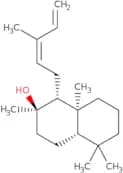
CAS :<p>(+)-Cis-abienol is a diterpene that is found in the leaves of the tobacco plant. It has been suggested to be involved in the synthesis of abscisic acid, which is an important hormone related to plant responses to water and salt stress. (+)-Cis-abienol may also have insecticidal properties and may play a role in resistance to insects. (+)-Cis-abienol has shown activity as an analytical reagent for the detection of hydroxyl groups, due to its UV absorption at 275 nm. The signal peptide sequence for this compound has been determined by analysis of tobacco sequences. This molecule's phase behavior can be predicted from its X-ray crystal structures and it is soluble in organic solvents such as benzyl alcohols or ethers. The mechanism for the reaction between (+)-cis-abienol and dehydroabietic acid has not yet been elucidated but it is thought that benzyl</p>Formule :C20H34ODegré de pureté :Min. 95%Couleur et forme :PowderMasse moléculaire :290.48 g/mol4-Phenoxy-1-butanol
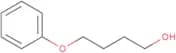
CAS :Produit contrôlé4-Phenoxy-1-butanol is a reactive chemical that can be used as a macroinitiator in cationic polymerization. When 4-phenoxy-1-butanol is heated to about 200°C, it undergoes a ring opening reaction to form an alkoxybenzene. This reaction can be followed by kinetic and microscopy techniques. 4-Phenoxy-1-butanol also reacts with amines to produce haloalkyls, which are then alkylated by chloride or proton. Macroinitiators such as 4-phenoxy-1-butanol have been used for the synthesis of polyurethanes with different properties such as thermal stability, water resistance, and adhesion strength.Formule :C10H14O2Degré de pureté :Min. 95%Masse moléculaire :166.22 g/molEltrombopag olamine
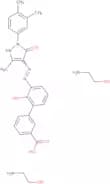
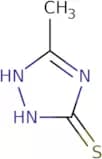
CAS :Eltrombopag olamine is an orally active drug that belongs to the class of thiazolidinones. It has been used for the treatment of thrombocytopenia in patients with chronic liver disease and myelodysplastic syndrome. Eltrombopag olamine inhibits platelet aggregation by binding to glycoprotein IIb/IIIa receptors on the surface of platelets. The drug is a prodrug that is metabolized in vivo to its active form, eltrombopag. This conversion is catalysed by CYP3A4 and CYP2D6 enzymes and can be inhibited by drugs that inhibit these enzymes, such as trifluoroacetic acid and hydroxyl group-containing compounds. Eltrombopag olamine binds to erythrocytes, which may be due to its ability to form intramolecular hydrogen bonds with nitrogen atoms. The synthesis of eltFormule :C25H22N4O4•(C2H7NO)2Degré de pureté :Min. 95%Couleur et forme :PowderMasse moléculaire :564.63 g/mol3-Methyl-1H-1,2,4-triazole-5-thiol
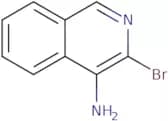
CAS :3-Methyl-1H-1,2,4-triazole-5-thiol is a coagulant agent that has been shown to be effective in the field of wastewater treatment. 3-Methyl-1H-1,2,4-triazole-5-thiol binds metal ions and prevents them from catalyzing reactions in the filtrate. It also has an inhibitory effect on polymerization reactions by binding to functional groups. 3MTH is used as a coagulant additive in many industries, such as papermaking, textile printing and dyeing, food processing and leather tanning. The use of 3MTH has been shown to reduce the amount of water needed during the production process. This product can also be used for coatings and other applications where it is necessary to prevent corrosion or environmental pollution by metal ions.Formule :C3H5N3SDegré de pureté :Min. 95%Masse moléculaire :115.16 g/mol4-Amino-3-bromoisoquinoline
CAS :<p>4-Amino-3-bromoisoquinoline is an isocyanide that reacts with nucleophilic heteroatoms such as the amino group. It also reacts with bromine to form a bromopyridine. The nitrile group of 4-amino-3-bromoisoquinoline can be reduced with sodium borohydride to produce 4-aminoquinoline. This compound has shown potential for use in chemotherapy and treating bacterial infections.</p>Degré de pureté :Min. 95%1,2-Dilinoleoyl-3-palmitoyl-rac-glycerol
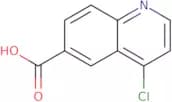
CAS :<p>1,2-Dilinoleoyl-3-palmitoyl-rac-glycerol (DLPG) is a lipid molecule that is structurally similar to the sphingolipid ceramide. It has been shown to be an inhibitor of cellular uptake and growth rate and also has long-term toxicity effects. DLPG has been shown to inhibit the signal transduction pathway by binding to microprocessors in the cell membrane and changing their frequency. DLPG also has a profile that can be used as an analog for dextran sulfate, which is a chemical compound that inhibits the uptake of glucose in mammalian cells. The uptake of DLPG can be decoupled from its signaling activity by using constant magnetic fields, which can be generated with superparamagnetic iron oxides or iron particles.</p>Formule :C55H98O6Degré de pureté :Min. 95%Masse moléculaire :855.36 g/mol4-Chloroquinoline-6-carboxylicacid
CAS :Please enquire for more information about 4-Chloroquinoline-6-carboxylicacid including the price, delivery time and more detailed product information at the technical inquiry form on this pageFormule :C10H6ClNO2Degré de pureté :Min. 95%Masse moléculaire :207.61 g/mol4-Pregnen-17a,20b-diol-3-one
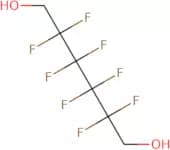
CAS :Produit contrôlé<p>4-Pregnen-17a,20b-diol-3-one is a synthetic androgen with anabolic and androgenic activity. It has been shown in animal studies to increase maximal responses of the reproductive tract to gonadotropin stimulation. 4-Pregnen-17a,20b-diol-3-one binds to the activin receptor on the cell membrane, which leads to increased expression of a gene encoding for 3β-hydroxysteroid dehydrogenase (3βHSD), an enzyme involved in testosterone synthesis. This drug also increases the sensitivity of ovarian follicles to gonadotropins and decreases basal plasma levels of LH and FSH. 4-Pregnen-17a,20b-diol-3-one has not been found to be toxicologically significant at doses up to 10 mg/kg body weight per day.</p>Formule :C21H32O3Degré de pureté :Min. 95%Masse moléculaire :332.48 g/mol2,2,3,3,4,4,5,5-Octafluoro-1,6-hexanediol
CAS :Octafluoro-1,6-hexanediol is a cyclic diol with the chemical formula C6F14O2. The compound is produced by the reaction of hexafluoropropylene oxide and hydrogen fluoride in the presence of a catalyst. This process can be repeated to produce higher molecular weight compounds such as octafluoro-1,8-octanediol (C8F18O2) and octafluoro-1,10-decanediol (C10F22O2). Octafluoro-1,6-hexanediol has been studied using spectroscopies and x-ray crystallography techniques. X-ray crystallographic studies have shown that this molecule has an intramolecular conformation with one hydroxy group on each end of the molecule. Octafluoro-1,6-hexanediol forms crystals that are colorless or light yellow in color. Crystals are monoclinFormule :C6H6F8O2Degré de pureté :Min. 95%Couleur et forme :PowderMasse moléculaire :262.1 g/mol




![4-[(4-Chlorophenyl)phenylmethyl]-1-piperazineethanol dihydrochloride](/_next/image/?url=https%3A%2Fstatic.cymitquimica.com%2Fproducts%2F3D%2Fthumb-webp%2FFC53582.webp&w=3840&q=75)
![1-Cyclopropyl-7-(2,8-diazabicyclo[4.3.0]non-8-yl)-6-fluoro-8-methoxy-4-oxoquinoline-3-carboxylic a…](/_next/image/?url=https%3A%2Fstatic.cymitquimica.com%2Fproducts%2F3D%2Fthumb-webp%2FFC102529.webp&w=3840&q=75)











![1-(RS)-2-(Dibutylamino)-2-[2,7-dichloro-9-(4-chlorobenxylidene)]-9H-fluoren- 4-yl]ethanol - E/Z mi…](/_next/image/?url=https%3A%2Fstatic.cymitquimica.com%2Fproducts%2F3D%2Fthumb-webp%2FFD71423.webp&w=3840&q=75)
![{1-[2-(4-Methylphenoxy)ethyl]-1H-benzimidazol-2-yl}methanol](/_next/image/?url=https%3A%2Fstatic.cymitquimica.com%2Fproducts%2F3D%2Fthumb-webp%2FFM135811.webp&w=3840&q=75)
![(1R,2S)-2-[N-Benzyl-N-(mesitylenesulfonyl)amino]-1-phenyl-1-propanol](/_next/image/?url=https%3A%2Fstatic.cymitquimica.com%2Fproducts%2F3D%2Fthumb-webp%2FFB59938.webp&w=3840&q=75)
![N-[1-(2,3-Dioleoyloxy)propyl]-n,n,n-trimethylammonium methyl-sulfate](/_next/image/?url=https%3A%2Fstatic.cymitquimica.com%2Fproducts%2F3D%2Fthumb-webp%2FFD157467.webp&w=3840&q=75)
![2'-[(1H-Tetrazol-5-yl)biphenyl-4-yl]methanol](/_next/image/?url=https%3A%2Fstatic.cymitquimica.com%2Fproducts%2F3D%2Fthumb-webp%2FFT28188.webp&w=3840&q=75)