Alcools
Les alcools sont une large gamme de molécules organiques dérivées des hydrocarbures et contenant un ou plusieurs groupes hydroxyle (groupe OH). Ces composés sont essentiels dans diverses réactions chimiques et sont largement utilisés en laboratoire pour la synthèse, comme solvants et en chimie analytique. Chez CymitQuimica, nous proposons des alcools de haute qualité préparés pour une utilisation en laboratoire, soutenant vos recherches et applications industrielles avec des produits fiables et efficaces. Notre sélection garantit que vous disposez des alcools adaptés à vos besoins spécifiques, que ce soit pour des travaux de laboratoire de routine ou des projets de recherche spécialisés.
Sous-catégories appartenant à la catégorie "Alcools"
5814 produits trouvés pour "Alcools"
Trier par
Degré de pureté (%)
0
100
|
0
|
50
|
90
|
95
|
100
2-Pyrimidinemethanol
CAS :2-Pyrimidinemethanol is a pyrimidine derivative that is used as a starting material for the synthesis of other compounds. 2-Pyrimidinemethanol is introduced into the body through the skin, lungs and gastrointestinal tract. It has been shown to cause sensitization in humans and rats, with photoexcitation being an important factor in its activity. 2-Pyrimidinemethanol binds to DNA and inhibits protein synthesis by inhibiting ribonucleotide reductase (RNR). The active site of this enzyme contains iron, which is why this compound may be toxic to humans.Formule :C5H6N2ODegré de pureté :Min. 95%Couleur et forme :Light (Or Pale) Yellow To Brown LiquidMasse moléculaire :110.11 g/mol6-Mercapto-9H-purin-2-ol
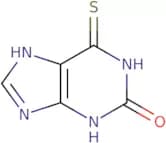
CAS :6-Mercapto-9H-purin-2-ol (6MP) is a purine nucleoside that is used as an antimicrobial agent. It inhibits the enzyme adenosine deaminase, which converts adenosine to inosine, and therefore prevents the production of purines. 6MP has been shown to be effective against inflammatory bowel disease and bowel disease in animal models. At high concentrations, it has been shown to inhibit subcutaneous tumors in mice. 6MP also inhibits the metabolism of certain drugs such as rifampicin and phenytoin, thereby increasing their plasma concentration. 6MP has been shown to be effective against resistant mutants for some bacteria such as Salmonella enterica serovar Typhimurium and Escherichia coli through inhibition of beta-lactamases. The mechanism of action for 6MP is similar to that of β-lactams antibiotics, which are inhibitors of bacterial cell wall synthesisFormule :C5H4N4OSDegré de pureté :Min. 95%Couleur et forme :Off-White PowderMasse moléculaire :168.18 g/mol1,6-Hexanediol
CAS :<p>1,6-Hexanediol is a diol that can be used as a control agent for radiation-sensitive polymeric matrices. It has been shown to bind to the hydroxyl groups of polymers and form hydrogen bonds with other molecules. 1,6-Hexanediol also reacts with trifluoroacetic acid in an electrochemical impedance spectroscopy study to produce low energy electrons. The kinetic data show that the optimum concentration of 1,6-hexanediol is between 0.1 and 0.2 M and the activation energies are in the range of 4.0 - 7.0 kcal/mol.</p>Formule :C6H14O2Degré de pureté :Min. 95%Couleur et forme :PowderMasse moléculaire :118.17 g/mol4-[(4-Chlorophenyl)phenylmethyl]-1-piperazineethanol dihydrochloride
CAS :<p>Please enquire for more information about 4-[(4-Chlorophenyl)phenylmethyl]-1-piperazineethanol dihydrochloride including the price, delivery time and more detailed product information at the technical inquiry form on this page</p>Formule :C19H23ClN2O•(HCl)2Degré de pureté :Min. 95%Masse moléculaire :403.77 g/molp-Xylene-α,α'-diol
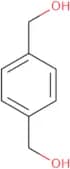
CAS :<p>p-Xylene-α,α'-diol is a water-soluble polymer that can be prepared by the reaction of ethylene diamine with sodium citrate. The resulting product has a low molecular weight and high viscosity. The polymer is insoluble in water at pH values higher than 9.5 and soluble in acidic solutions. p-Xylene-α,α'-diol has been shown to exhibit good chemical stability and thermal expansion properties when exposed to temperatures of up to 300 °C. The polymer is soluble in organic solvents such as benzene, chloroform, acetone, ether, and carbon tetrachloride. The polymer has been shown to have transport properties for some drugs, such as ketoprofen and ibuprofen, with good kinetic data at various concentrations.</p>Formule :C8H10O2Degré de pureté :Min. 98 Area-%Couleur et forme :White PowderMasse moléculaire :138.16 g/mol6-Chloro-1,7-naphthyridin-4-ol
CAS :<p>Please enquire for more information about 6-Chloro-1,7-naphthyridin-4-ol including the price, delivery time and more detailed product information at the technical inquiry form on this page</p>Degré de pureté :Min. 95%1-O-Octadecyl-rac-glycerol
CAS :<p>1-O-Octadecyl-rac-glycerol is a fatty acid that has been shown to have antiinflammatory properties. It is also known as 1,1'-dioctadecyl-rac-glycerol, or DOG. 1-O-Octadecyl-rac-glycerol has been shown to inhibit the production of inflammatory mediators such as prostaglandin E2 and monocyte chemotactic protein 1 (MCP1) in vitro and in vivo. It has also been shown to stimulate the production of colony stimulating factor (CSF), which stimulates the growth and differentiation of stem cells into macrophages, neutrophils, dendritic cells, erythrocytes, and lymphocytes. These cells are needed for wound healing and repair.</p>Formule :C21H44O3Degré de pureté :Min. 95%Masse moléculaire :344.57 g/mol2-(3,4-Dichlorophenyl)ethanol
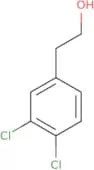
CAS :<p>2-(3,4-Dichlorophenyl)ethanol is a high quality reagent for the synthesis of complex compounds, useful as an intermediate in organic synthesis and as a building block for speciality chemicals. This chemical is also used as a research chemical in the synthesis of versatile building blocks. It can be used as a reaction component in various reactions such as Suzuki coupling, Negishi coupling, Heck reaction, and Sonogashira coupling.</p>Formule :C8H8Cl2ODegré de pureté :Min. 95%Masse moléculaire :191.05 g/molCloprostenol sodium
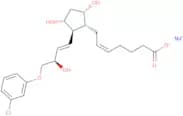
CAS :Cloprostenol sodium is a prostaglandin analogue that is used in veterinary medicine. It is administered intravenously to induce ovulation, improve estrus and fertility, or control luteal function in cows. Cloprostenol sodium has been shown to have a positive effect on the ovulatory process by stimulating the release of endogenous progesterone and estradiol benzoate from the follicle cells. This drug also increases luteal activity by increasing the production of progesterone and inhibiting its metabolism. Cloprostenol sodium has been shown to be effective in inducing ovulation in pregnant women who do not respond to clomiphene citrate (CC) alone. Cloprostenol sodium can also be used for induction of labour in pregnant women with an uncomplicated pregnancy at term, where it is given intravenously or intramuscularly, but intravaginally or orally are not recommended.Formule :C22H28ClNaO6Degré de pureté :Min. 95%Couleur et forme :White PowderMasse moléculaire :446.9 g/molEthynylestradiol
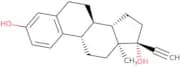
CAS :<p>Ethynylestradiol is a synthetic estrogen that is used in hormone replacement therapy. It belongs to the group of estrogens and has been shown to be a potent inhibitor of ovarian activity. Ethinyl estradiol is metabolized through catechol-O-methyltransferase (COMT) and sulfotransferases, which leads to an increased rate constant for its clearance from plasma. The drug also has interactions with other drugs, such as protease inhibitors, which may lead to disease activity or toxicity in the liver. Ethynylestradiol binds specifically to bcl-2 protein, which may be related to its anti-inflammatory properties.</p>Formule :C20H24O2Degré de pureté :Min. 95%Couleur et forme :PowderMasse moléculaire :296.4 g/molLinolenic acid - 98%
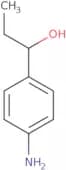
CAS :Linolenic acid is a polyunsaturated fatty acid that is essential for human health. It is a precursor of prostaglandin E2 (PGE2), which has been implicated in the regulation of cell death and inflammation. Linolenic acid has been shown to induce apoptosis in vitro by inhibiting the mitochondrial membrane potential and activating caspases 3 and 9, thereby inducing neuronal death. In vivo, linolenic acid has been shown to have beneficial effects on cardiovascular function, including lowering cholesterol levels and improving blood flow to the heart. Linolenic acid also has antioxidant properties, which may be due to its ability to inhibit lipid peroxidation and scavenge free radicals.Formule :C18H30O2Degré de pureté :Min. 95%Couleur et forme :PowderMasse moléculaire :278.43 g/mol4-Aminophenyl ethyl carbinol
CAS :<p>Please enquire for more information about 4-Aminophenyl ethyl carbinol including the price, delivery time and more detailed product information at the technical inquiry form on this page</p>Formule :C9H13NODegré de pureté :Min. 95%Couleur et forme :PowderMasse moléculaire :151.21 g/molα-Zearalenol
CAS :a-Zearalenol is a steroidal compound that has been shown to be effective in the treatment of autoimmune diseases. It has been found to have a matrix effect on the transcription of genes and can be used in wastewater treatment. Further, it has been shown to inhibit the activity of complex enzymes such as lysyl oxidase and prolyl hydroxylase. The hybridoma cell line was developed for the production of monoclonal antibodies against zearalenone, and an analytical method using LC-MS/MS with fluorescence detection for a-zearalenol was also developed.Formule :C18H24O5Degré de pureté :Min. 95%Masse moléculaire :320.38 g/mol8-Bromo-1-octanol
CAS :<p>8-Bromo-1-octanol is a fluorescent compound that has been shown to be resistant to cancer. It can be used as a probe for the detection of malonic acid in urine samples, which are an indicator of oxidative stress. 8-Bromo-1-octanol is stable in the presence of alcohol groups, and can be used to prepare samples for population growth studies. This chemical has also been used to study the growth of bacteria such as Pseudomonas aeruginosa and Escherichia coli. 8-Bromo-1-octanol emits light at a wavelength of 490 nm when exposed to ultraviolet radiation, which makes it useful for detecting chlorine atoms in water samples. The product research involving this chemical includes its effects on k562 cells and P. aeruginosa. Studies have also been done on its hydroxyl group and fatty acids and fatty acid esters, which are found in animal fat and vegetable oils.</p>Formule :C8H17BrODegré de pureté :Min. 95%Couleur et forme :Colorless Clear LiquidMasse moléculaire :209.12 g/mol14-Azido-3,6,9,12-tetraoxatetradecanol
CAS :Please enquire for more information about 14-Azido-3,6,9,12-tetraoxatetradecanol including the price, delivery time and more detailed product information at the technical inquiry form on this pageFormule :C10H21N3O5Degré de pureté :Min. 95%Masse moléculaire :263.29 g/mol4-Chloro-6-methoxyquinoline
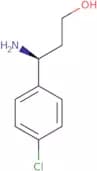
CAS :<p>4-Chloro-6-methoxyquinoline is an inhibitor of bacterial DNA gyrase. It has antibacterial activity against Gram-positive and Gram-negative bacteria, including Staphylococcus aureus, Enterococcus faecalis, and Pseudomonas aeruginosa. 4-Chloro-6-methoxyquinoline is a synthetic compound that was reinvestigated for its antibacterial activity. It has been shown to be effective in the treatment of Staphylococcal infections. The mechanism of action may involve inhibition of topoisomerase II or interference with the synthesis of DNA by binding to the enzyme bacterial DNA gyrase. Quinidine and cinchonidine are quinine derivatives that have been found to inhibit bacterial DNA gyrase. These compounds are found in the bark of Cinchona species, which includes Cinchona ledgeriana, Cinchona officinalis, and Cinchona succirub</p>Formule :C10H8ClNODegré de pureté :Min. 95%Masse moléculaire :193.02944(S)-3-Amino-3-(4-chlorophenyl)-propan-1-ol
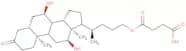
CAS :<p>Please enquire for more information about (S)-3-Amino-3-(4-chlorophenyl)-propan-1-ol including the price, delivery time and more detailed product information at the technical inquiry form on this page</p>Formule :C9H12ClNODegré de pureté :Min. 95%Masse moléculaire :185.65 g/mol3-Keto petromyzonol-24-hemisuccinate
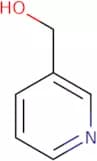
CAS :Produit contrôléPlease enquire for more information about 3-Keto petromyzonol-24-hemisuccinate including the price, delivery time and more detailed product information at the technical inquiry form on this pageFormule :C28H44O7Degré de pureté :Min. 95%Couleur et forme :PowderMasse moléculaire :492.65 g/mol3-Pyridinemethanol
CAS :3-Pyridinemethanol is a chemical compound that is soluble in water. It has a molecular weight of 92.07 grams per mole, and the chemical formula CH3CH2NH. 3-Pyridinemethanol is used as a reagent for the synthesis of organic compounds, such as chlorides, esters, amides, nitriles, and thioamides. 3-Pyridinemethanol reacts with chloride to form an intermediate which reacts with water to produce hydrochloric acid and ammonium chloride. This reaction also produces heat, which can be used to generate energy or power other reactions. br> br> A nanotube was synthesized from 3-pyridinemethanol by using a template made from nickel atoms arranged in a hexagonal pattern on the surface of an indium tin oxide (ITO) glass substrate. The nanotubes are about 5 nm in diameter and can be upFormule :C6H7NODegré de pureté :Min. 95%Masse moléculaire :109.13 g/mol4-Pentyn-1-ol
CAS :4-Pentyn-1-ol is a molecule with the chemical formula of C10H18O. It has intramolecular hydrogen, hydroxyl group and methyl ketones. 4-Pentyn-1-ol is used as a solvent and in perfumery. This compound can be synthesized by hydrochloric acid, hydrogen bond and proton. The FTIR spectroscopy of 4-pentyn-1-ol shows that it has a broad absorption band at 3300 cm−1 and a sharp peak at 1750 cm−1 which are assigned to the O–H stretching vibrations in the hydroxyl group. The IR spectrum also indicates that this compound has an intramolecular hydrogen bond. 4 pentyn - 1 - olFormule :C5H8ODegré de pureté :Min. 95%Masse moléculaire :84.12 g/mol



![4-[(4-Chlorophenyl)phenylmethyl]-1-piperazineethanol dihydrochloride](/_next/image/?url=https%3A%2Fstatic.cymitquimica.com%2Fproducts%2F3D%2Fthumb-webp%2FFC33627.webp&w=3840&q=75)