Alcools
Les alcools sont une large gamme de molécules organiques dérivées des hydrocarbures et contenant un ou plusieurs groupes hydroxyle (groupe OH). Ces composés sont essentiels dans diverses réactions chimiques et sont largement utilisés en laboratoire pour la synthèse, comme solvants et en chimie analytique. Chez CymitQuimica, nous proposons des alcools de haute qualité préparés pour une utilisation en laboratoire, soutenant vos recherches et applications industrielles avec des produits fiables et efficaces. Notre sélection garantit que vous disposez des alcools adaptés à vos besoins spécifiques, que ce soit pour des travaux de laboratoire de routine ou des projets de recherche spécialisés.
Sous-catégories appartenant à la catégorie "Alcools"
5814 produits trouvés pour "Alcools"
Trier par
Degré de pureté (%)
0
100
|
0
|
50
|
90
|
95
|
100
rac 2-palmitoyl-3-chloropropanediol
CAS :<p>Please enquire for more information about rac 2-palmitoyl-3-chloropropanediol including the price, delivery time and more detailed product information at the technical inquiry form on this page</p>Formule :C19H37ClO3Degré de pureté :Min. 95%Masse moléculaire :348.95 g/mol5-Amino-8-hydroxyquinoline dihydrochloride
CAS :5-Amino-8-hydroxyquinoline dihydrochloride (5-AQDH) is an anticancer drug that inhibits the activity of survivin, a protein that is overexpressed in cancer cells. It has been shown to be effective in vivo against melanoma tumor growth. 5-AQDH binds to the unpaired cysteine residues of the survivin molecule and inhibits its function by binding to the active site, blocking access to ATP and preventing DNA synthesis. The efficacy of 5-AQDH has been confirmed in vitro by studying the effect on cell viability and DNA synthesis, as well as by measuring plasma mass spectrometry data from melanoma patients. This drug is currently being investigated for its potential use as an anticancer agent.Formule :C9H8N2O•(HCl)2Degré de pureté :Min. 95%Masse moléculaire :212.63 g/mol3-O-Methyl 4-hydroxy estradiol
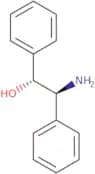
CAS :Produit contrôlé<p>Please enquire for more information about 3-O-Methyl 4-hydroxy estradiol including the price, delivery time and more detailed product information at the technical inquiry form on this page</p>Formule :C19H26O3Degré de pureté :Min. 95%Masse moléculaire :302.41 g/mol(1R,2S)-(-)-2-Amino-1,2-diphenylethanol
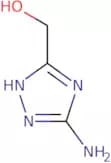
CAS :Produit contrôléThe compound is a stereoselective amine. The molecule has two diastereomers, one of which is the (1R,2S) configuration and the other of which is the (1S,2R) configuration. The compound is an efficient method for preparing fatty acid esters with aromatic hydrocarbons. The chemical structure of the molecule provides a cavity that can be used to bind with ethyl bromoacetate. This cavity has been shown in x-ray crystal structures to be able to bind with ethyl bromoacetate and provide an efficient method for preparing fatty acid esters with aromatic hydrocarbons.Formule :C14H15NODegré de pureté :Min. 95%Masse moléculaire :213.28 g/mol(5-Amino-1H-1,2,4-triazol-3-yl)methanol
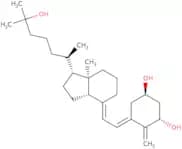
CAS :<p>Please enquire for more information about (5-Amino-1H-1,2,4-triazol-3-yl)methanol including the price, delivery time and more detailed product information at the technical inquiry form on this page</p>Formule :C3H6N4ODegré de pureté :Min. 95%Masse moléculaire :114.11 g/mol5,6-trans-Calcitriol
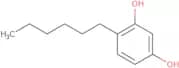
CAS :Calcitriol is a vitamin D metabolite that has an important role in bone health. Calcitriol can be quantified by measuring the amount of calcium that is bound to the molecule. This is done using a detector, which detects the emission of light from the calcitriol. The average recovery value for calcitriol was found to be 98%. The diode array spectrometer and mass spectrometer are used to measure the amount of light emitted and identify specific peaks. A workstation is used to analyze data collected by the detector and chromatographic analysis, respectively. The stability tests were conducted to determine how long calcitriol stays stable at various temperatures.Formule :C27H44O3Degré de pureté :Min. 95%Couleur et forme :PowderMasse moléculaire :416.64 g/mol4-Hexylresorcinol
CAS :<p>4-Hexylresorcinol is a polyphenolic compound that has been shown to have inhibitory properties. It has been shown to have synergistic effects with other compounds, such as growth factor-β1, in the treatment of squamous carcinoma. 4-Hexylresorcinol binds to the serine hydroxyl group of the enzyme protein kinase C (PKC) and inhibits PKC activity. This inhibition leads to an increase in intracellular cAMP levels and subsequently activation of protein kinase A (PKA). The optimum concentration for 4-hexylresorcinol is 0.2 mM, which can be determined using a polymerase chain reaction (PCR) assay. However, this compound has not been tested for toxicity studies or structural analysis.</p>Formule :C12H18O2Degré de pureté :Min. 95%Couleur et forme :PowderMasse moléculaire :194.27 g/mol{1-[2-(4-Methylphenoxy)ethyl]-1H-benzimidazol-2-yl}methanol
CAS :Produit contrôlé<p>Please enquire for more information about {1-[2-(4-Methylphenoxy)ethyl]-1H-benzimidazol-2-yl}methanol including the price, delivery time and more detailed product information at the technical inquiry form on this page</p>Formule :C17H18N2O2Degré de pureté :Min. 95%Masse moléculaire :282.34 g/mol(1S,2R)-2-[N-Benzyl-N-(mesitylenesulfonyl)amino]-1-phenyl-1-propanol
CAS :Produit contrôléPlease enquire for more information about (1S,2R)-2-[N-Benzyl-N-(mesitylenesulfonyl)amino]-1-phenyl-1-propanol including the price, delivery time and more detailed product information at the technical inquiry form on this pageFormule :C25H29NO3SDegré de pureté :Min. 95%Masse moléculaire :423.57 g/molT2 toxin triol
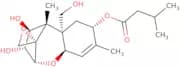
CAS :Produit contrôlé<p>T2 toxin triol is a bacterial strain that is used as a model system for the study of zearalenone. It has been shown to inhibit the growth of trifluoroacetic acid-treated cells and prevent the formation of glucuronide conjugates. T2 toxin triol has also been shown to be toxic to rat liver microsomes in vitro, but not to tissue culture or monoclonal antibody-transfected cells. The toxicity was found to be due to its basic structure, which causes an increase in intracellular levels of reactive oxygen species and lipid peroxidation.</p>Formule :C20H30O7Degré de pureté :Min. 95%Masse moléculaire :382.45 g/mol5-Benzofuranol
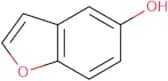
CAS :<p>5-Benzofuranol is a potent cytotoxic natural product that has been isolated from the fungus Cryptococcus neoformans. It possesses a terminal alkyne group and a sulfonic acid group, which are both important for its cytotoxicity. 5-Benzofuranol inhibits the growth of cells in vitro by inhibiting their ability to synthesize DNA. 5-Benzofuranol shows significant cytotoxicity against various cancer cell lines, as well as potent inhibition against Candida albicans, Aspergillus niger, and Saccharomyces cerevisiae strains in vitro. This compound's functional groups make it an effective antifungal agent.</p>Formule :C8H6O2Degré de pureté :Min. 95%Masse moléculaire :134.13 g/mol(1-Chloroisoquinolin-4-yl)boronic acid
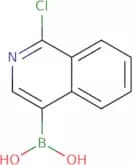
CAS :Please enquire for more information about (1-Chloroisoquinolin-4-yl)boronic acid including the price, delivery time and more detailed product information at the technical inquiry form on this pageFormule :C9H7BClNO2Degré de pureté :Min. 95%Masse moléculaire :207.42 g/mol3-Dehydro retinol
CAS :<p>3-Dehydro retinol is a carotenoid that is found in the skin. It is derived from retinol, and has been shown to have antioxidant properties. 3-Dehydro retinol can be isolated from the fungus Monascus purpureus by chromatographic methods. The enzyme activities of 3-dehydroretinol are not well understood, but it has been hypothesized that chronic exposure to this compound may lead to an increase in cell proliferation or an increase in cell differentiation. 3-Dehydro retinol has also been shown to inhibit the oxidation of other molecules such as hydrogen chloride.</p>Formule :C20H28ODegré de pureté :90%MinMasse moléculaire :284.44 g/molDes(isopropylamino) atenolol diol
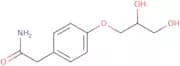
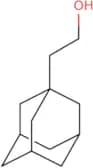
CAS :<p>Des(isopropylamino) atenolol diol is a synthetic, high-performance liquid chromatography (HPLC) analyte with an absorbance maximum of 254 nm. It is a white/off-white solid that is soluble in water and has a molecular weight of 187.5 g/mol. This compound can be analyzed using multichannel or liquid chromatographic techniques. Des(isopropylamino) atenolol diol can be used to measure the concentration of various compounds, such as impurities, by elution from the column. The elution profile has been shown to be dependent on the type of sample and technique used for analysis.</p>Formule :C11H15NO4Degré de pureté :Min. 95%Masse moléculaire :225.24 g/mol1-Adamantane ethanol
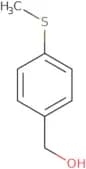
CAS :1-Adamantane ethanol (1AE) is a red blood cell membrane lipid that has been shown to have antimicrobial properties. 1AE is synthesized from 1-adamantanol, which is produced by the hydrolysis of the acyl chain in cholesterol. The acyl chains on 1AE are saturated and contain methoxy groups. The synthesis of 1-adamantanol involves transfer reactions with phthalimides and hydroxide ions. 1-Adamantane ethanol inhibits the growth of staphylococcus, including methicillin resistant strains, through its minimal inhibitory concentrations (MICs). It also has anti-inflammatory effects, inhibiting prostaglandin synthesis in red blood cells.Formule :C12H20ODegré de pureté :Min. 95%Couleur et forme :PowderMasse moléculaire :180.29 g/mol4-(Methylthio)benzyl Alcohol
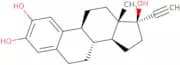
CAS :<p>4-(Methylthio)benzyl Alcohol (MSBA) is a sulfate salt of 4-(methylthio)benzol, which is used as an inhibitor for cytochrome P450 enzymes. MSBA forms a covalent bond with cytochrome P450 and inhibits the oxidation of substrates to form reactive metabolites. This inhibitor can also be used to identify the active site of cytochrome P450 enzymes by docking analysis. The inhibition by MSBA has been demonstrated in recombinant cytochrome P450s using acetonitrile and stilbene derivatives as substrates. The inhibitory potency of MSBA is related to its methoxy groups and sulfate salt groups, which are important for binding with the enzyme. MSBA has been shown to metabolize into primary alcohols, such as 2-propynyl ethyl alcohol, that have inhibitory activities against cytochrome P450 enzymes.</p>Formule :C8H10OSDegré de pureté :Min. 95%Masse moléculaire :154.23 g/mol2-Hydroxy ethynyl estradiol
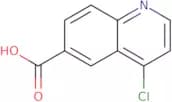
CAS :<p>2-Hydroxy ethynyl estradiol is a synthetic estrogen that has been used in animal studies to study the effects of estrogens on the brain. It is active as an antiestrogen at high doses and has been shown to be a potent inhibitor of brain norepinephrine uptake. 2-Hydroxy ethynyl estradiol has been used as a marker for cytochrome P450 enzymes and NADPH-cytochrome P450 reductase in rat brain. This compound also binds to estrogen receptors in women, although it does not have any biological activity due to its lack of a 17β-hydroxyl group. The drug has also been shown to inhibit noradrenergic neurons in the central nervous system.</p>Formule :C20H24O3Degré de pureté :Min. 95%Masse moléculaire :312.4 g/mol4-Chloroquinoline-6-carboxylicacid
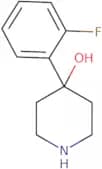
CAS :Please enquire for more information about 4-Chloroquinoline-6-carboxylicacid including the price, delivery time and more detailed product information at the technical inquiry form on this pageFormule :C10H6ClNO2Degré de pureté :Min. 95%Masse moléculaire :207.61 g/mol4-(2-Fluorophenyl)-4-piperidinol
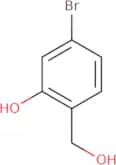
CAS :<p>Please enquire for more information about 4-(2-Fluorophenyl)-4-piperidinol including the price, delivery time and more detailed product information at the technical inquiry form on this page</p>Formule :C11H14FNODegré de pureté :Min. 95%Masse moléculaire :195.23 g/mol5-Bromo-2-(hydroxymethyl)phenol
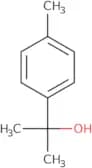
CAS :<p>5-Bromo-2-(hydroxymethyl)phenol (5-BHP) is a synthetic small molecule that activates the death receptor CD95. It has been shown to induce tumor regression in experimental models of cancer. 5-BHP can be used as a cancer therapeutic or for the treatment of inflammatory conditions such as rheumatoid arthritis and psoriasis. 5-BHP binds to the death protein pd-l1, which initiates downstream signaling pathways that lead to activation of caspases and apoptosis. This agent also interacts with programmed death ligand 1 (PD-L1), which is expressed on activated T cells and may be involved in antitumor responses. These interactions are being investigated for their potential use in drug development, including optimization and biochemical techniques to characterize the binding affinity of 5-BHP with PD-L1.</p>Formule :C7H7BrO2Degré de pureté :Min. 95%Masse moléculaire :203.03 g/molp,a,a-Trimethylbenzyl alcohol
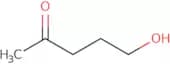
CAS :p,a,a-Trimethylbenzyl alcohol is a naturally occurring compound that is found in the essential oils of plants. It has been shown to have an antifungal effect on Streptococcus faecalis and Candida glabrata. p,a,a-Trimethylbenzyl alcohol also inhibits the growth of bacteria by binding to fatty acids. The mechanism of action for this inhibition is unknown but may be due to its ability to interfere with various enzymatic reactions that are necessary for lipid synthesis. This alcohol has been shown to be a potent inhibitor of bacterial growth with minimal inhibitory concentrations below 1ug/ml and has also been shown to have anti-inflammatory effects in animal studies.Formule :C10H14ODegré de pureté :Min. 90%Couleur et forme :Colorless Clear LiquidMasse moléculaire :150.22 g/mol3-Acetyl-1-propanol
CAS :<p>3-Acetyl-1-propanol is a chemical substance that contains a hydroxy group and a hydrogen chloride molecule. The kinetic data for the reaction of 3-acetyl-1-propanol with water vapor has been found to be constant. This reaction is a nucleophilic attack on the C=O bond, which is followed by an intramolecular hydrogen transfer from one of the OH groups to the other. The product of this reaction is 3-hydroxypropanoic acid, which can be converted back to 3-acetyl propanol by hydrolysis. Hydrochloric acid is used as a catalyst in this process.</p>Formule :C5H10O2Degré de pureté :Min. 95%Couleur et forme :Colourless To Light (Or Pale) Yellow To Red-Brown LiquidMasse moléculaire :102.13 g/mol1-Benzyl-4-piperidinol
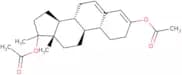
CAS :<p>1-Benzyl-4-piperidinol is a n-hexane soluble synthetic compound. It has been shown to inhibit the cholesterol acyltransferase enzyme in rat liver microsomes, which is involved in the synthesis of cholesterol. 1-Benzyl-4-piperidinol can also be used for the treatment of cancers, such as prostate adenocarcinoma, due to its potent antagonistic activity against prostate cancer cells. This compound has also been shown to induce apoptosis in cancer cells and inhibit growth. The mechanism of action may be due to bond cleavage and inhibition of protein synthesis.</p>Formule :C12H17NODegré de pureté :Min. 95%Masse moléculaire :191.27 g/mol17-Methylestra-3,5-diene-3,17b-diol diacetate
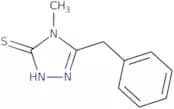
CAS :Produit contrôlé<p>Please enquire for more information about 17-Methylestra-3,5-diene-3,17b-diol diacetate including the price, delivery time and more detailed product information at the technical inquiry form on this page</p>Formule :C23H32O4Degré de pureté :Min. 95%Masse moléculaire :372.5 g/mol5-Benzyl-4-methyl-4H-1,2,4-triazole-3-thiol
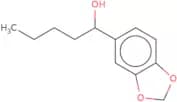
CAS :Please enquire for more information about 5-Benzyl-4-methyl-4H-1,2,4-triazole-3-thiol including the price, delivery time and more detailed product information at the technical inquiry form on this pageFormule :C10H11N3SDegré de pureté :Min. 95%Masse moléculaire :205.28 g/mola-Butylpiperonyl alcohol
CAS :Produit contrôlé<p>a-Butylpiperonyl alcohol is a chiral molecule that is used in the synthesis of esters. It can be produced by microbial fermentation and low-temperature chemical reactions. This compound has been shown to inhibit the growth of Gram-positive bacteria, such as Staphylococcus aureus and Streptococcus pneumoniae. The biosynthetic pathway for a-butylpiperonyl alcohol is not yet well understood, but it has been hypothesized that this compound is synthesized from an intermediate, acetic acid. The enzyme responsible for this conversion is unknown, but it may be catalysed by an acylase or acetate kinase. A study on the genome sequence of Coelicolor revealed that this organism produces a-butylpiperonyl alcohol from the intermediate 3-hydroxypropanoic acid.</p>Formule :C12H16O3Degré de pureté :Min. 95%Masse moléculaire :208.25 g/mol1,2-Dilinoleoyl-3-palmitoyl-rac-glycerol
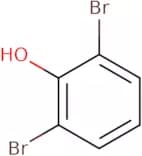
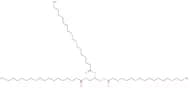
CAS :<p>1,2-Dilinoleoyl-3-palmitoyl-rac-glycerol (DLPG) is a lipid molecule that is structurally similar to the sphingolipid ceramide. It has been shown to be an inhibitor of cellular uptake and growth rate and also has long-term toxicity effects. DLPG has been shown to inhibit the signal transduction pathway by binding to microprocessors in the cell membrane and changing their frequency. DLPG also has a profile that can be used as an analog for dextran sulfate, which is a chemical compound that inhibits the uptake of glucose in mammalian cells. The uptake of DLPG can be decoupled from its signaling activity by using constant magnetic fields, which can be generated with superparamagnetic iron oxides or iron particles.</p>Formule :C55H98O6Degré de pureté :Min. 95%Masse moléculaire :855.36 g/mol2,6-Dibromophenol
CAS :<p>2,6-Dibromophenol is a chemical compound that is used as an analytical reagent in the determination of bromide ion concentrations. It can be prepared by the debromination of 2-bromophenols using hydrochloric acid and heating to 150°C. This reaction mechanism is best described by kinetic data and a model system. The reaction product of this process is 2,6-dibromo-3-hydroxyphenol. This compound has been shown to have a higher dry weight in strains with high levels of hydroxy group activity.</p>Formule :C6H4Br2ODegré de pureté :Min. 95%Masse moléculaire :251.9 g/molPseudoerythromycin A enol ether
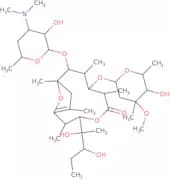
CAS :Pseudoerythromycin A enol ether (PSEA) is an analog of erythromycin and has been used as a predictive model for the diagnosis of urinary tract infections. It is used in the treatment of bacterial infections caused by E. coli, Proteus mirabilis, Enterococcus faecalis, and Klebsiella pneumoniae. PSEA is an acidic compound that reacts with water to form hydroxyethyl pseudo-erythromycine (HEPE). HEPE can be detected in human urine following dehydration, which may be due to its reaction rate with water at pH 5.5-6.0. PSEA has also been used as a reagent for the detection of alkynyl group and ethyl group in liquid chromatography methods.br>br>Formule :C37H65NO12Degré de pureté :Min. 95%Masse moléculaire :715.91 g/mol3-(2-Methyl-1H-imidazol-1-yl)propan-1-ol hydrochloride
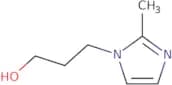
CAS :<p>Please enquire for more information about 3-(2-Methyl-1H-imidazol-1-yl)propan-1-ol hydrochloride including the price, delivery time and more detailed product information at the technical inquiry form on this page</p>Formule :C7H12N2ODegré de pureté :Min. 95%Masse moléculaire :140.18 g/mol(17a)-13-Ethyl-3-methoxy-18,19-dinorpregna-3,5-dien-20-yn-17-ol
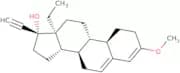
CAS :Produit contrôléPlease enquire for more information about (17a)-13-Ethyl-3-methoxy-18,19-dinorpregna-3,5-dien-20-yn-17-ol including the price, delivery time and more detailed product information at the technical inquiry form on this pageFormule :C22H30O2Degré de pureté :Min. 95%Masse moléculaire :326.47 g/moltert-Butyl alcohol
CAS :Produit contrôlé<p>Tert-butyl alcohol is used in wastewater treatment as a biocide. It has been shown to inhibit the growth of bacteria by binding to their aminotransferase enzymes. Tert-butyl alcohol binds to the active site of an enzyme and inhibits its activity by forming a covalent bond with an amino acid residue. Tert-butyl alcohol also binds to human serum albumin, which may be due to its ability to react with hydroxyl groups on the protein surface. The reaction solution is analyzed using a kinetic method, which determines how much tert-butyl alcohol is consumed over time (k1/2). This information can be used to determine the reaction mechanism for tert-butyl alcohol.</p>Formule :C4H10ODegré de pureté :(Gc) Min. 99.0%Couleur et forme :Clear LiquidMasse moléculaire :74.12 g/molp-Mentha-8-thiol-3-one
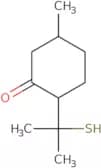
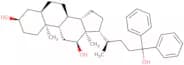
CAS :<p>p-Mentha-8-thiol-3-one is a stabilizer that can be used in the synthesis of agathosma and other terpenes. It is also used as a mass spectrometric standard for the identification of stereoisomers. p-Mentha-8-thiol-3-one has been shown to have antibacterial effects against gram positive bacteria, including methicillin resistant Staphylococcus aureus (MRSA). This compound can be used in vitro to study the interactions between cytochrome P450 enzymes, lipid matrix and terpene compounds. In addition, it has been shown to work as a gas sensor, where it reacts with sodium sulfide to produce hydrogen sulfide gas.</p>Formule :C10H18OSDegré de pureté :Min. 95%Couleur et forme :Clear LiquidMasse moléculaire :186.32 g/mol3,12-Dihydroxy-nor-cholanyldiphenylcarbinol
CAS :Produit contrôléPlease enquire for more information about 3,12-Dihydroxy-nor-cholanyldiphenylcarbinol including the price, delivery time and more detailed product information at the technical inquiry form on this pageFormule :C36H50O3Degré de pureté :Min. 95%Masse moléculaire :530.78 g/molDelta9,11-Estradiol
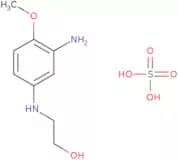
CAS :Produit contrôlé<p>Delta9,11-Estradiol is an estrogen that has been found to bind to the estrogen receptor α. The growth factor activity of this drug is mediated through the binding of this receptor and the activation of various intracellular signaling pathways. This drug is effective in treating eye disorders such as macular degeneration. Delta9,11-Estradiol also has a protective effect on ganglion cells by reducing oxidative stress, inhibiting apoptosis, and modulating inflammatory responses. The hydroxyl group in Delta9,11-Estradiol can be used as a corrosion inhibitor in eye drops and other ophthalmic solutions. It binds to viral gene promoters and inhibits transcriptional activity of these genes.</p>Formule :C18H22O2Degré de pureté :Min. 95%Couleur et forme :SolidMasse moléculaire :270.37 g/mol2-((3-Amino-4-methoxyphenyl)amino)ethanol sulfate
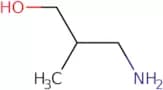
CAS :2-((3-Amino-4-methoxyphenyl)amino)ethanol sulfate is a potent antibacterial agent that inhibits the growth of bacteria by binding to the 50S ribosomal subunit. It is also used in dermatology, as an aminophenol, and as an ingredient in cosmetics. 2-((3-Amino-4-methoxyphenyl)amino)ethanol sulfate has been shown to be efficacious against bacterial infections caused by methicillin resistant Staphylococcus aureus (MRSA), Pseudomonas aeruginosa, Proteus mirabilis, and Klebsiella pneumoniae. This compound also has antihistamine properties.Formule :C9H16N2O6SDegré de pureté :Min. 95%Masse moléculaire :280.3 g/mol3-Amino-2-methylpropan-1-ol
CAS :<p>3-Amino-2-methylpropan-1-ol is a reactive chemical that can be used as a reactant in the synthesis of other chemicals. It is an alkanolamine and can be found in small amounts in water vapor. 3-Amino-2-methylpropan-1-ol has been shown to have low energy and it reacts with water vapor to form 3,4-dihydroxybutanal, which is a product that can be converted into other useful chemicals. 3-Amino-2-methylpropan-1-ol also reacts with high energy photons to form new substances, such as 3,4,5,6 tetrahydroxymethylbenzaldehyde. 3Amino - 2 - methylpropan - 1 - ol has been shown to have many uses including the production of low molecular weight polymers and resins for paints and coatings.</p>Formule :C4H11NODegré de pureté :Min. 95%Masse moléculaire :89.14 g/mol1-O-Octadecyl-rac-glycerol
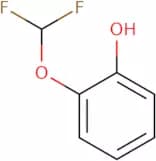
CAS :<p>1-O-Octadecyl-rac-glycerol is a fatty acid that has been shown to have antiinflammatory properties. It is also known as 1,1'-dioctadecyl-rac-glycerol, or DOG. 1-O-Octadecyl-rac-glycerol has been shown to inhibit the production of inflammatory mediators such as prostaglandin E2 and monocyte chemotactic protein 1 (MCP1) in vitro and in vivo. It has also been shown to stimulate the production of colony stimulating factor (CSF), which stimulates the growth and differentiation of stem cells into macrophages, neutrophils, dendritic cells, erythrocytes, and lymphocytes. These cells are needed for wound healing and repair.</p>Formule :C21H44O3Degré de pureté :Min. 95%Masse moléculaire :344.57 g/mol2-(Difluoromethoxy)Phenol
CAS :2-(Difluoromethoxy)Phenol is a purine derivative and pyrimidine derivative. It has been shown to inhibit the growth of cancer cells in vitro and in vivo. 2-(Difluoromethoxy)phenol inhibits multidrug resistance by inhibiting the transport of drugs into cells and thereby preventing their accumulation. As a result, it suppresses inflammatory diseases and autoimmune diseases. The hydroxyl group in this compound can be replaced with fluorine or nitro groups to generate new derivatives with different properties. Piperidine can also be added to this molecule to create an analogue that is more potent than 2-(difluoromethoxy)phenol and has a longer duration of action.Formule :C7H6F2O2Degré de pureté :Min. 95%Masse moléculaire :160.12 g/molSchisanhenol
CAS :Produit contrôlé<p>Schisanhenol is a natural drug that belongs to the class of fructus. It has been shown to have cytosolic calcium-lowering effects in vitro. Schisanhenol has been shown to inhibit polymerase chain reaction (PCR) and reverse transcriptase activity, which may be due to its ability to inhibit oxidative injury, such as free radicals. This drug also inhibits sulfa drugs and integrin receptors, which may be due to its antioxidant properties. Schisanhenol has been shown to inhibit the growth of cancer cells in vitro and has been used as an adjuvant treatment for adriamycin.</p>Formule :C23H30O6Degré de pureté :Min. 95%Couleur et forme :PowderMasse moléculaire :402.48 g/mol6-Bromonaphthalen-1-ol
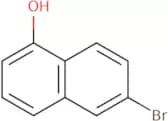
CAS :<p>6-Bromonaphthalen-1-ol is a compound that has shown antimicrobial and antifungal activity. It is the most potent of the naphthoxazines tested to date, with an MIC of 0.04 µg/ml against Escherichia coli. 6-Bromonaphthalen-1-ol was synthesized by reacting 1,2,4-trihydroxybenzene with bromine gas in the presence of mercuric chloride catalyst. The compound was hydrolyzed for elemental analysis and found to be C7H4BrO. Elemental analysis yielded a weight percentage of 71% carbon, 13% hydrogen, 3% bromine, and 12% oxygen. The x-ray diffraction pattern showed peaks at 2θ values of 22.3° (100), 26.5° (101), 33.7° (102), 40° (104), 44° (105) and 62°</p>Formule :C10H7BrODegré de pureté :Min. 95%Masse moléculaire :223.07 g/mol(S)-(-)-3-Chloro-1-phenyl-1-propanol
CAS :<p>(S)-(-)-3-Chloro-1-phenyl-1-propanol is an efficient method for the synthesis of chiral propiophenone. It is synthesized by reacting a mixture of borane and tetrahydrofuran with (S)-(-)-3-chloro-1-phenylpropanol. This reaction produces the desired compound in good yield and high diastereoselectivity. The synthesis of this compound has been shown to be useful for the production of antidepressant drugs, such as κ-opioid receptor ligands, which are used to treat depression, anxiety, and chronic pain.</p>Formule :C9H11ClODegré de pureté :Min. 95%Masse moléculaire :170.64 g/molGlycerol tristearate
CAS :<p>Glycerol tristearate is a triglyceride, which is derived from the esterification of glycerol with stearic acid, a saturated fatty acid. This compound is typically sourced from natural fats and oils through a process involving the hydrogenation of vegetable oils, which facilitates its pure and controlled production.The mode of action of glycerol tristearate involves its function as an effective emulsifier. It stabilizes mixtures of water and oil by reducing interfacial tension, thus enabling the formation of stable emulsions. Its solid form at room temperature also contributes to its ability to enhance texture and stability in various formulations.Glycerol tristearate is widely used in diverse applications including the food industry, where it acts as a texturizer and stabilizer in products like margarine, chocolate, and confectionery. Additionally, it plays a significant role in the cosmetics and personal care sectors, where it improves the texture and stability of creams and lotions. Its properties make it a valuable ingredient for controlling crystallization and improving consistency across multiple industry settings.</p>Formule :C57H110O6Degré de pureté :Min. 95%Masse moléculaire :891.48 g/mol2-O-Benzyl-3-O-allyl-sn-glycerol
CAS :<p>Please enquire for more information about 2-O-Benzyl-3-O-allyl-sn-glycerol including the price, delivery time and more detailed product information at the technical inquiry form on this page</p>Formule :C13H18O3Degré de pureté :Min. 95%Masse moléculaire :222.28 g/molQuinoline-4-carboxylic acid
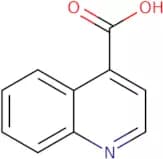
CAS :<p>Quinoline-4-carboxylic acid is a natural compound that is derived from the amino acid tryptophan. It has been shown to have antiinflammatory activity and to be an inhibitor of prostaglandin synthesis. Quinoline-4-carboxylic acid inhibits the growth of carcinoma cells in culture by inducing apoptosis, which is mediated by inhibition of protein synthesis. Quinoline-4-carboxylic acid also has pharmacokinetic properties, including a low volume of distribution, low clearance rate and high bioavailability.</p>Formule :C10H7NO2Degré de pureté :Min. 97 Area-%Masse moléculaire :173.17 g/mol(R)-(+)-1,2,4-Butanetriol
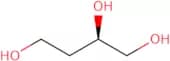
CAS :Produit contrôlé(R)-(+)-1,2,4-Butanetriol is a molecule that has been shown to have cancer-fighting properties. It is used in clinical trials to treat cancer by inhibiting the growth of cells. This drug binds to the site on the protein that is responsible for cell division and prevents the formation of new cells, thereby preventing tumor growth. The mechanism of action for this drug is not yet fully understood but it may be due to its ability to inhibit calcium channels or interfere with protein synthesis. (R)-(+)-1,2,4-Butanetriol has also been shown in laboratory studies to bind with human immunodeficiency virus (HIV) and prevent it from attaching to CD4 T-cells. This drug has been tested in humans as an anti-HIV treatment and showed promising results in a questionnaire study.Formule :C4H10O3Degré de pureté :Min. 95%Masse moléculaire :106.12 g/molrac-1-anthracen-2-yl-ethanol
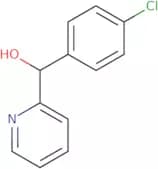
CAS :<p>Rac-1-anthracen-2-yl-ethanol is an apolar, injecting alcohol. It has two isomers. Rac-1-anthracen-2-yl-ethanol has a selectivity profile that is different from other compounds in its class, and it outperforms amine solvents in the separation of similar compounds. This compound's selectivity profile is due to interactions with the solvent and stationary phase that are unique to this compound. Rac-1-anthracen-2-yl-ethanol also has a low nature and low toxicity profile.</p>Formule :C16H14ODegré de pureté :Min. 95%Masse moléculaire :222.28 g/mol4-Chlorophenyl-2-pyridinylmethanol
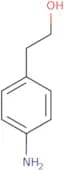
CAS :<p>Please enquire for more information about 4-Chlorophenyl-2-pyridinylmethanol including the price, delivery time and more detailed product information at the technical inquiry form on this page</p>Formule :C12H10ClNODegré de pureté :Min. 95%Masse moléculaire :219.67 g/mol4-Aminophenethyl alcohol
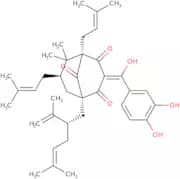
CAS :4-Aminophenethyl alcohol is a monosubstituted, basic compound that is used in the laboratory as a cell culture medium supplement to promote growth of fibroblasts. This compound has been shown to stimulate human intestinal cells and human peripheral blood mononuclear cells. 4-Aminophenethyl alcohol acts as a hydroxyl group donor, which may be due to its ability to form hydrogen ions when reacted with sodium hydroxide solution. The reaction of this compound with diazonium salt produces an intermediate, which can be hydrolyzed by the addition of sodium hydroxide solution. The resultant chloride ion reacts with the aminophenethyldihydroxylamine (APDA) moiety to produce APDCl. This product has been shown to increase the population growth rate of fibroblasts in culture by causing DNA synthesis and protein synthesis. Linear regression analysis revealed that there was no statistically significant difference between the control and experimental groups for either DNAFormule :C8H11NODegré de pureté :Min. 95%Masse moléculaire :137.18 g/molGarcinol
CAS :Polyisoprenylated benzophenone from Garcinia indica; HAT inhibitorFormule :C38H50O6Degré de pureté :Min. 97 Area-%Couleur et forme :Yellow PowderMasse moléculaire :602.8 g/mol



![{1-[2-(4-Methylphenoxy)ethyl]-1H-benzimidazol-2-yl}methanol](/_next/image/?url=https%3A%2Fstatic.cymitquimica.com%2Fproducts%2F3D%2Fthumb-webp%2FFM135811.webp&w=3840&q=75)
![(1S,2R)-2-[N-Benzyl-N-(mesitylenesulfonyl)amino]-1-phenyl-1-propanol](/_next/image/?url=https%3A%2Fstatic.cymitquimica.com%2Fproducts%2F3D%2Fthumb-webp%2FFB59939.webp&w=3840&q=75)