Alcools
Les alcools sont une large gamme de molécules organiques dérivées des hydrocarbures et contenant un ou plusieurs groupes hydroxyle (groupe OH). Ces composés sont essentiels dans diverses réactions chimiques et sont largement utilisés en laboratoire pour la synthèse, comme solvants et en chimie analytique. Chez CymitQuimica, nous proposons des alcools de haute qualité préparés pour une utilisation en laboratoire, soutenant vos recherches et applications industrielles avec des produits fiables et efficaces. Notre sélection garantit que vous disposez des alcools adaptés à vos besoins spécifiques, que ce soit pour des travaux de laboratoire de routine ou des projets de recherche spécialisés.
Sous-catégories appartenant à la catégorie "Alcools"
5814 produits trouvés pour "Alcools"
Trier par
Degré de pureté (%)
0
100
|
0
|
50
|
90
|
95
|
100
(-)-Corey lactone diol
CAS :<p>(-)-Corey lactone diol is a synthetic compound that is soluble in organic solvents. It is used for the synthesis of carbocyclic nucleosides, which are analogs of pyrimidine nucleosides. (-)-Corey lactone diol has been shown to inhibit cholesterol synthesis and the synthesis of alkene. (-)-Corey lactone diol also shows anti-inflammatory properties, which may be due to its inhibition of prostaglandin synthesis.</p>Formule :C8H12O4Degré de pureté :Min. 95%Masse moléculaire :172.18 g/mol1,6-Hexanediol
CAS :<p>1,6-Hexanediol is a diol that can be used as a control agent for radiation-sensitive polymeric matrices. It has been shown to bind to the hydroxyl groups of polymers and form hydrogen bonds with other molecules. 1,6-Hexanediol also reacts with trifluoroacetic acid in an electrochemical impedance spectroscopy study to produce low energy electrons. The kinetic data show that the optimum concentration of 1,6-hexanediol is between 0.1 and 0.2 M and the activation energies are in the range of 4.0 - 7.0 kcal/mol.</p>Formule :C6H14O2Degré de pureté :Min. 95%Couleur et forme :PowderMasse moléculaire :118.17 g/molMethyl γ-linolenate
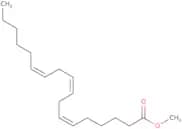
CAS :Methyl gamma-linolenate is a fatty acid that is derived from linoleic acid. It has shown to have anti-inflammatory effects and inhibit the growth of prostate cancer cells in vitro. Methyl gamma-linolenate also inhibits caspase-9, an enzyme that plays a key role in the apoptosis pathway. Methyl gamma-linolenate has been shown to regulate the production of amp-activated protein kinase (AMPK), which is a cellular regulator that controls glucose and lipid metabolism, insulin signaling, and inflammation. This activity may be due to its ability to bind to the regulatory domain of AMPK.Degré de pureté :Min. 95%4-[(4-Chlorophenyl)phenylmethyl]-1-piperazineethanol dihydrochloride
CAS :<p>Please enquire for more information about 4-[(4-Chlorophenyl)phenylmethyl]-1-piperazineethanol dihydrochloride including the price, delivery time and more detailed product information at the technical inquiry form on this page</p>Formule :C19H23ClN2O•(HCl)2Degré de pureté :Min. 95%Masse moléculaire :403.77 g/molp-Xylene-α,α'-diol
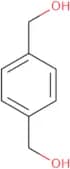
CAS :<p>p-Xylene-α,α'-diol is a water-soluble polymer that can be prepared by the reaction of ethylene diamine with sodium citrate. The resulting product has a low molecular weight and high viscosity. The polymer is insoluble in water at pH values higher than 9.5 and soluble in acidic solutions. p-Xylene-α,α'-diol has been shown to exhibit good chemical stability and thermal expansion properties when exposed to temperatures of up to 300 °C. The polymer is soluble in organic solvents such as benzene, chloroform, acetone, ether, and carbon tetrachloride. The polymer has been shown to have transport properties for some drugs, such as ketoprofen and ibuprofen, with good kinetic data at various concentrations.</p>Formule :C8H10O2Degré de pureté :Min. 98 Area-%Couleur et forme :White PowderMasse moléculaire :138.16 g/mol8-Quinolinesulfonyl chloride
CAS :8-Quinolinesulfonyl chloride (8QSC) is a quinoline derivative that has been shown to have anticancer activity. 8QSC binds to the receptor site of cells and inhibits the production of amines, which are important for cell growth and proliferation. It also binds to hydrogen bonds, which may be involved in the cytotoxicity observed in pancreatic cancer cells. 8QSC shows significant cytotoxicity against Panc-1 cells, but not against NIH 3T3 cells. This may be due to its ability to form supramolecular aggregates with copper ions and quinoline derivatives.Degré de pureté :Min. 95%1-O-Octadecyl-rac-glycerol
CAS :<p>1-O-Octadecyl-rac-glycerol is a fatty acid that has been shown to have antiinflammatory properties. It is also known as 1,1'-dioctadecyl-rac-glycerol, or DOG. 1-O-Octadecyl-rac-glycerol has been shown to inhibit the production of inflammatory mediators such as prostaglandin E2 and monocyte chemotactic protein 1 (MCP1) in vitro and in vivo. It has also been shown to stimulate the production of colony stimulating factor (CSF), which stimulates the growth and differentiation of stem cells into macrophages, neutrophils, dendritic cells, erythrocytes, and lymphocytes. These cells are needed for wound healing and repair.</p>Formule :C21H44O3Degré de pureté :Min. 95%Masse moléculaire :344.57 g/mol(D-Ala2,N-Me-Phe4,methionin(O)-ol5)-Enkephalin trifluoroacetate salt
CAS :<p>D-Ala2,N-Me-Phe4,methionin(O)-ol5)-Enkephalin trifluoroacetate salt H-Tyr-D-Ala-Gly-N-Me-Phe-methionin(O)-ol trifluoroacetate salt is an analog of the endocannabinoid neurotransmitter, anandamide. It has been shown to be effective in the treatment of autoimmune diseases such as multiple sclerosis and inflammatory bowel disease. D-(3R)-3-[(1S,2R,3R,5R) -3-[2-(2,6 dichlorophenyl)ethenyl] -1H -indole]-1 -butanamine trifluoroacetate salt has been shown to inhibit the replication of a number of viruses including human immunodeficiency virus type 1 (HIV). This drug also inhibits the growth of organisms that are resistant</p>Formule :C29H41N5O7SDegré de pureté :Min. 95%Masse moléculaire :603.73 g/mol2-(5-Bromo-2-pyridylazo)-5-(diethylamino)phenol
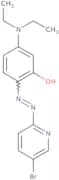
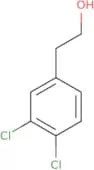
CAS :<p>2-(5-Bromo-2-pyridylazo)-5-(diethylamino)phenol is a chemical that is used for the detection of hydrochloric acid in water vapor. It reacts with zirconium oxide, which generates a red fluorescing complex. The reaction can be detected by using a fluorescence spectrometer with a test sample. 2-(5-Bromo-2-pyridylazo)-5-(diethylamino)phenol is also used to detect the presence of nitrogen atoms and sodium citrate in samples by reacting with them. This chemical reacts with an acid complex to form stable complexes. The analytical method is based on measuring the redox potential of this reaction. The flow system of this technique allows for dehydration of dehydroascorbic acid (DHA).</p>Formule :C15H17BrN4ODegré de pureté :Min. 95%Couleur et forme :PowderMasse moléculaire :349.23 g/mol2-(3,4-Dichlorophenyl)ethanol
CAS :<p>2-(3,4-Dichlorophenyl)ethanol is a high quality reagent for the synthesis of complex compounds, useful as an intermediate in organic synthesis and as a building block for speciality chemicals. This chemical is also used as a research chemical in the synthesis of versatile building blocks. It can be used as a reaction component in various reactions such as Suzuki coupling, Negishi coupling, Heck reaction, and Sonogashira coupling.</p>Formule :C8H8Cl2ODegré de pureté :Min. 95%Masse moléculaire :191.05 g/mol4-Alkoxybenzyl alcohol resin (100-200 mesh)
CAS :4-Alkoxybenzyl alcohol resin is a fine chemical that has been shown to be useful as a scaffold for the synthesis of complex compounds. It is soluble in common organic solvents, such as ethanol and acetone, and can be used as a reaction component for the synthesis of speciality chemicals. This product is also an intermediate for research chemicals, which can be synthesized by reacting 4-alkoxybenzyl alcohol with different reagents. The high quality of this product makes it ideal for use in the synthesis of other compounds and reactions.Couleur et forme :PowderCalcipotriol monohydrate
CAS :<p>Calcipotriol is a synthetic vitamin D3 analog that has been shown to be effective in the treatment of bone cancer. It has a film-forming property and is used in pharmaceutical preparations as well as for wastewater treatment. Calcipotriol monohydrate is made by reacting calcipotriol with hydrochloric acid, which produces an ester bond between the hydroxyl group and the carboxylic acid group. The reaction also produces water, methanol, and methyl ethyl ether. Studies have shown that calcipotriol monohydrate has a chemical stability of over 30 days at room temperature, indicating it can be stored for long periods without degradation.</p>Formule :C27H40O3·H2ODegré de pureté :(%) Min. 96%Couleur et forme :PowderMasse moléculaire :430.62 g/molConjugated linoleic acid - liquid
CAS :<p>Conjugated linoleic acid (CLA) is a fatty acid found in beef and dairy products. It is a conjugated form of linoleic acid, which means it has two or more double bonds in its chemical structure. CLA may help to regulate energy metabolism by inhibiting the activity of enzymes involved in fat and carbohydrate metabolism. CLA has also been shown to have inhibitory properties against polymerase chain reaction (PCR), an enzyme that copies DNA during cell division. CLA has also been shown to reduce the symptoms of bowel disease, including reducing inflammation and improving insulin sensitivity. CLA may suppress body weight gain and fat accumulation in humans, as well as reduce the development of type 2 diabetes mellitus. In addition, CLA may be effective against infectious diseases such as tuberculosis and HIV/AIDS because it can lower levels of pro-inflammatory cytokines like tumor necrosis factor-α (TNF-α)</p>Formule :C18H32O2Degré de pureté :Min. 95%Couleur et forme :Slightly Yellow Clear LiquidMasse moléculaire :280.45 g/molTrichloroethanol
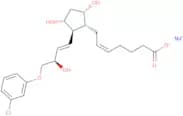
CAS :<p>Trichloroethanol is an alkanoic acid that is used as a solvent and a laboratory reagent. It is also a potential bioactive compound. Trichloroethanol has been shown to have neurotoxic effects in rats, causing histological changes in the trigeminal nerve, which may be due to its inhibition of mitochondrial energy metabolism. Trichloroethanol has been shown to inhibit the activity of matrix metalloproteinase-9 (MMP-9) in human serum and the α1 subunit of Toll-like receptor (TLR) 4 in human monocytes. This compound has also been shown to be toxic to rat liver microsomes at high concentrations.</p>Formule :C2H3Cl3ODegré de pureté :Min. 98.5%Couleur et forme :Clear LiquidMasse moléculaire :149.4 g/molCloprostenol sodium
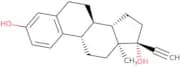
CAS :Cloprostenol sodium is a prostaglandin analogue that is used in veterinary medicine. It is administered intravenously to induce ovulation, improve estrus and fertility, or control luteal function in cows. Cloprostenol sodium has been shown to have a positive effect on the ovulatory process by stimulating the release of endogenous progesterone and estradiol benzoate from the follicle cells. This drug also increases luteal activity by increasing the production of progesterone and inhibiting its metabolism. Cloprostenol sodium has been shown to be effective in inducing ovulation in pregnant women who do not respond to clomiphene citrate (CC) alone. Cloprostenol sodium can also be used for induction of labour in pregnant women with an uncomplicated pregnancy at term, where it is given intravenously or intramuscularly, but intravaginally or orally are not recommended.Formule :C22H28ClNaO6Degré de pureté :Min. 95%Couleur et forme :White PowderMasse moléculaire :446.9 g/molEthynylestradiol
CAS :<p>Ethynylestradiol is a synthetic estrogen that is used in hormone replacement therapy. It belongs to the group of estrogens and has been shown to be a potent inhibitor of ovarian activity. Ethinyl estradiol is metabolized through catechol-O-methyltransferase (COMT) and sulfotransferases, which leads to an increased rate constant for its clearance from plasma. The drug also has interactions with other drugs, such as protease inhibitors, which may lead to disease activity or toxicity in the liver. Ethynylestradiol binds specifically to bcl-2 protein, which may be related to its anti-inflammatory properties.</p>Formule :C20H24O2Degré de pureté :Min. 95%Couleur et forme :PowderMasse moléculaire :296.4 g/mol2-Bromoethane-1-thiol
CAS :2-Bromoethane-1-thiol (2BET) is a hydrogen bond sensitive sensor that can be used in the detection of reactive oxygen species. 2BET has been shown to have a high sensitivity and selectivity to hydrogen peroxide, with an observed response time of less than 1 second. This sensor has been found to be useful for detecting short-term changes in hydrogen peroxide concentrations and can also detect long term changes due to its stability in the membrane. 2BET is also highly selective for hydrogen peroxide and does not react with other compounds, such as nitric oxide or sulfur dioxide. 2BET is a cavity type sensor that consists of two gold electrodes with a polyelectrolyte membrane between them. When exposed to reactive oxygen species, the polyelectrolyte membrane becomes crosslinked and this change in permeability can be detected by measuring the current across the electrodes. 2BET sensors are able to distinguish between isotopomersFormule :C2H5BrSDegré de pureté :Min. 95%Couleur et forme :Clear LiquidMasse moléculaire :141.03 g/mol2-Chloro-N-[2-(diethylamino)ethyl]-4-quinolinecarboxamide
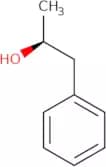
CAS :2-Chloro-N-[2-(diethylamino)ethyl]-4-quinolinecarboxamide is a carboxamide analog of dibucaine. It is synthesized from chloroacetyl chloride and isatin in the presence of sodium hydroxide. The synthesis has been scaled to an industrial level. 2-Chloro-N-[2-(diethylamino)ethyl]-4-quinolinecarboxamide has been shown to have analgesic properties, similar to those of dibucaine. Radiolysis of this compound gives a carboxylic acid and a heterocyclic ring product.Formule :C16H20ClN3ODegré de pureté :95%MinCouleur et forme :PowderMasse moléculaire :305.8 g/mol(S)-1-Phenyl-2-propanol
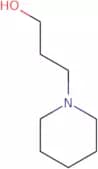
CAS :(S)-1-Phenyl-2-propanol is a chiral, enantiopure alcohol that is used as a substrate for the preparation of various drugs. It can be prepared by the reduction of (R)-1-phenyl-2-propanol with sodium borohydride. To obtain the desired product, high substrate concentrations are required. Molecular modeling and bioreactor studies have shown that this process can also be carried out in cells. Subtilis sps. were found to be suitable for this process due to their ability to synthesize (S)-1-phenyl-2-propanol from 6-phosphate and l-tert-leucine in a stepwise manner. The use of subtilis sps. may reduce the cost and time needed for production of (S)-1-phenyl-2-propanol because it does not require expensive starting materials or purification steps.END>>Formule :C9H12ODegré de pureté :Min. 95%Couleur et forme :Clear LiquidMasse moléculaire :136.19 g/mol3-Piperidin-1-ylpropan-1-ol
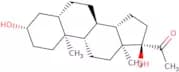
CAS :3-Piperidin-1-ylpropan-1-ol is a substance that is structurally related to biperiden and has affinity for the H3 receptor. It has been shown to have a high affinity for the H3 receptor, which is found in high concentration in the rat brain. 3-Piperidin-1-ylpropan-1-ol has been shown to have antagonistic activity against neuropathic pain in rats, by inhibiting the release of norepinephrine from nerve endings. This substance also has antihistaminic properties, which may be due to its ability to inhibit histamine release. 3-Piperidin-1-ylpropan-1-ol is an enantiomer of piperidine, with a slightly higher affinity for the H3 receptor than its mirror image. The racemic mixture isomeric form (i.e., both enantiomers) inhibits the H3 receptor with an equal potency,Formule :C8H17NODegré de pureté :Min. 95%Couleur et forme :Colorless Clear LiquidMasse moléculaire :143.23 g/mol5α-Pregnan-3β,17α-diol-20-one
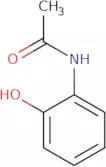
CAS :Produit contrôlé5alpha-Pregnan-3beta,17alpha-diol-20-one is a versatile building block that can be used in the synthesis of a wide range of chemical compounds. It has CAS number 570-54-7 and is useful as a reagent in organic chemistry. This compound is also an intermediate for the synthesis of other chemicals, such as steroids and hormones. 5alpha-Pregnan-3beta,17alpha-diol-20-one can be used to produce high quality products with diverse biological activities and molecular structures. The compound is also useful in the production of pharmaceuticals, pesticides, and herbicides.Formule :C21H34O3Degré de pureté :Min. 95%Couleur et forme :PowderMasse moléculaire :334.49 g/mol2-Acetamidophenol
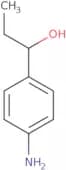
CAS :2-Acetamidophenol is an apoptotic agent that has been used as a hydroxyl radical scavenger in the treatment of oxidative injury. The drug has also been shown to possess anti-inflammatory properties. 2-Acetamidophenol is a stable complex with nitrite ion, which is formed during the redox cycle and may be responsible for the drug's antirheumatic activity. The drug does not react with p-hydroxybenzoic acid, which may be due to its protective effect on enzymes such as cytochrome P450 that are involved in the metabolism of drugs. 2-Acetamidophenol can be detected by analytical methods such as nmr spectra or gas chromatography under neutral pH conditions.Formule :C8H9NO2Degré de pureté :Min. 95%Masse moléculaire :151.16 g/mol4-Aminophenyl ethyl carbinol
CAS :<p>Please enquire for more information about 4-Aminophenyl ethyl carbinol including the price, delivery time and more detailed product information at the technical inquiry form on this page</p>Formule :C9H13NODegré de pureté :Min. 95%Couleur et forme :PowderMasse moléculaire :151.21 g/molα-Zearalenol
CAS :a-Zearalenol is a steroidal compound that has been shown to be effective in the treatment of autoimmune diseases. It has been found to have a matrix effect on the transcription of genes and can be used in wastewater treatment. Further, it has been shown to inhibit the activity of complex enzymes such as lysyl oxidase and prolyl hydroxylase. The hybridoma cell line was developed for the production of monoclonal antibodies against zearalenone, and an analytical method using LC-MS/MS with fluorescence detection for a-zearalenol was also developed.Formule :C18H24O5Degré de pureté :Min. 95%Masse moléculaire :320.38 g/mol(Ala6,D-Trp8,L-alaninol15)-Galanin (1-15)
CAS :Please enquire for more information about (Ala6,D-Trp8,L-alaninol15)-Galanin (1-15) including the price, delivery time and more detailed product information at the technical inquiry form on this pageFormule :C81H114N20O18Degré de pureté :Min. 95%Masse moléculaire :1,655.9 g/molP38 MAP Kinase Inhibitor IV
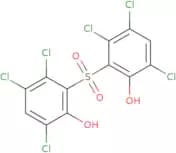
CAS :<p>Phenol,2,2'-sulfonylbis[3,4,6-trichloro] is a sulfate-containing compound that has been shown to stimulate the immune system and activate mitogen-activated protein kinases (MAPKs) in mosquitoes. The inclusion of this substance in vaccines may lead to increased immunity against various diseases. Phenol,2,2'-sulfonylbis[3,4,6-trichloro] has also been shown to reduce cancer cell proliferation by modulating antigen-presenting cells and inducing apoptosis in ovarian cancer cells. This substance can be used as a cost-effective alternative to dextran sulfate for generating pluripotent stem cells from adult cells and can also be used as a scalable process for generating pluripotent cells from human amniotic fluid.</p>Formule :C12H4Cl6O4SDegré de pureté :Min. 95%Masse moléculaire :456.94 g/mol8-Bromo-1-octanol
CAS :<p>8-Bromo-1-octanol is a fluorescent compound that has been shown to be resistant to cancer. It can be used as a probe for the detection of malonic acid in urine samples, which are an indicator of oxidative stress. 8-Bromo-1-octanol is stable in the presence of alcohol groups, and can be used to prepare samples for population growth studies. This chemical has also been used to study the growth of bacteria such as Pseudomonas aeruginosa and Escherichia coli. 8-Bromo-1-octanol emits light at a wavelength of 490 nm when exposed to ultraviolet radiation, which makes it useful for detecting chlorine atoms in water samples. The product research involving this chemical includes its effects on k562 cells and P. aeruginosa. Studies have also been done on its hydroxyl group and fatty acids and fatty acid esters, which are found in animal fat and vegetable oils.</p>Formule :C8H17BrODegré de pureté :Min. 95%Couleur et forme :Colorless Clear LiquidMasse moléculaire :209.12 g/molCinnamyl alcohol
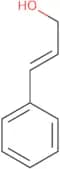
CAS :Cinnamyl alcohol is a substance that belongs to the group of organic compounds called alcohols. It has been shown to be an inhibitor of enzymes such as alcohol dehydrogenase and lignin peroxidase, which are involved in the production of lignin. Cinnamyl alcohol also inhibits the synthesis of proteins, nucleic acids, and other cellular components. Cinnamyl alcohol has significant cytotoxicity against tumor cells, with biochemical properties that make it a good candidate for cancer treatment.Formule :C9H10ODegré de pureté :Min. 98 Area-%Couleur et forme :White PowderMasse moléculaire :134.18 g/molPhenethyl glucosinolate potassium salt
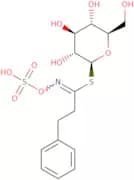
CAS :Phenethyl glucosinolate potassium salt is a compound found in plants belonging to the Brassicaceae family. It has been shown to be highly toxic to larvae of the cabbage butterfly and other insects that feed on brassica plants. Phenethyl glucosinolate potassium salt has been shown to inhibit the development of these insects, probably by inhibiting protein synthesis in the insect's gut. The major sulfur-containing compound in this product is gluconasturtiin, which has been shown to inhibit growth of pekinensis at high temperatures. This compound also inhibits radiation-induced DNA damage and does not show significant effects on nonsignificant organisms such as yeast and mold.Formule :C15H20NO9S2KDegré de pureté :Min. 95%Couleur et forme :PowderMasse moléculaire :461.55 g/mol4-Pentyn-1-ol
CAS :4-Pentyn-1-ol is a molecule with the chemical formula of C10H18O. It has intramolecular hydrogen, hydroxyl group and methyl ketones. 4-Pentyn-1-ol is used as a solvent and in perfumery. This compound can be synthesized by hydrochloric acid, hydrogen bond and proton. The FTIR spectroscopy of 4-pentyn-1-ol shows that it has a broad absorption band at 3300 cm−1 and a sharp peak at 1750 cm−1 which are assigned to the O–H stretching vibrations in the hydroxyl group. The IR spectrum also indicates that this compound has an intramolecular hydrogen bond. 4 pentyn - 1 - olFormule :C5H8ODegré de pureté :Min. 95%Masse moléculaire :84.12 g/mol6-Bromoisoquinoline
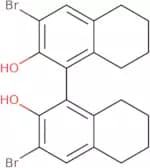
CAS :<p>6-Bromoisoquinoline is a tetradentate ligand that can be used as a molecular model to study the binding of metal ions and organic molecules. 6-Bromoisoquinoline has been shown to bind covalently and noncovalently with phosphate groups on the surface of Caco-2 cells and to induce surface-enhanced Raman spectroscopy. This ligand has a high nucleophilicity and reacts readily with chloride, which is an acidic functional group. The reaction products are hydrochloric acid, trifluoroacetic acid, or both. 6-Bromoisoquinoline can also act as an allosteric modulator in some enzymes, such as phosphofructokinase in glycolysis.</p>Formule :C9H6BrNDegré de pureté :Min. 95%Masse moléculaire :208.05 g/mol(S)-3,3'-Dibromo-5,5',6,6',7,7',8,8'-octahydro-1,1'-binaphthalene-2,2'-diol
CAS :<p>(S)-3,3'-Dibromo-5,5',6,6',7,7',8,8'-octahydro-1,1'-binaphthalene-2,2'-diol is a synthetic compound that has been prepared by a Diels-Alder reaction. It is used as an asymmetric synthesis catalyst for the production of optically active compounds. The ligands are catalysts for the reaction and can be easily replaced with different ligands to produce different products. This compound has been researched for its potential use in the production of pharmaceuticals and other chemicals.</p>Formule :C20H20Br2O2Degré de pureté :Min. 95%Couleur et forme :White To Yellow SolidMasse moléculaire :452.18 g/mol2-Chloro-5-pyridylcarbinol
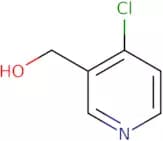
CAS :2-Chloro-5-pyridylcarbinol is an alkene that features a five-membered ring. It is a conformationally rigid molecule, which means it has no rotational or vibrational barriers. The molecule can be classified as a tricyclic heterocycle because the carbon atoms are arranged in three rings. The analogues of this compound feature six-membered carbocycles and intramolecular cycloadditions. 2-Chloro-5-pyridylcarbinol also constitutes one of the azomethine adducts of nicotine, which is a type of tricyclic heterocycle.Formule :C6H6ClNODegré de pureté :Min. 95%Masse moléculaire :143.57 g/mol1,2-Hexadecanediol
CAS :1,2-Hexadecanediol is a compound that reacts with diphenyl ether and organic solvents at a temperature of 100 degrees Celsius. The reaction time is 5 hours. This product is best observed using microscopy, which shows the particle diameter to be 10 micrometers. 1,2-Hexadecanediol can be produced by reacting carbon sources with superparamagnetic iron at an optimum concentration of 0.5 Molar (M). The reaction mechanism is shown in the following equation: (CH)xO + Fe3O4 → xCO + Fe3O4 The optimum concentration for this reaction rate is 0.5 Molar (M), while the growth rate is 0.1 M/s. 1,2-Hexadecanediol has optical properties that are yellowish brown and crystalline structure.Formule :C16H34O2Degré de pureté :Min. 95%Masse moléculaire :258.44 g/mol(R)-(+)-3-Chloro-1-phenyl-1-propanol
CAS :<p>(R)-(+)-3-Chloro-1-phenyl-1-propanol is a substrate for the lactamase of bacteria. The immobilized lipase catalyzes the hydrolysis reaction in which the lactam ring is broken, yielding a propiophenone intermediate. This intermediate can be converted to (S)-(+)-3-chloro-1-phenylpropanol by treatment with an alcohol oxidase or by hydrolysis with hydrogen peroxide. The product has been shown to have antidepressant activity and may modulate the dry weight of bacteria. In vivo studies show that this compound has a high concentration in rats and mice, but it is not active in humans.</p>Formule :C9H11ClODegré de pureté :Min. 95%Couleur et forme :White To Yellow SolidMasse moléculaire :170.64 g/mol2-[3-(S)-[3-(2-(7-Chloro-2-quinolinyl)ethenyl)phenyl]-3-hydroxypropyl]benzoic acid methyl ester
CAS :2-[3-(S)-[3-(2-(7-Chloro-2-quinolinyl)ethenyl)phenyl]-3-hydroxypropyl]benzoic acid methyl ester is a synthetic compound that can be used as a reagent in the synthesis of polynucleotides and polypeptides. It can also be used as an inhibitor of ketoreductase, which is an enzyme involved in the synthesis of fatty acids and ketones. 2-[3-(S)-[3-(2-(7-Chloro-2-quinolinyl)ethenyl)phenyl]-3-hydroxypropyl]benzoic acid methyl ester has been shown to inhibit the growth of wild type and mutant strains of E. coli. The molecular weight of this compound is 439.Formule :C28H24ClNO3Degré de pureté :Min. 95%Masse moléculaire :457.95 g/mol5-Bromo-2-fluorophenol
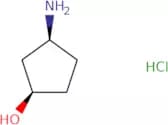
CAS :5-Bromo-2-fluorophenol is an organic solvent that is used in hydrotalcite to extract biphenyl. 5-Bromo-2-fluorophenol has been shown to have a high affinity for the cavity of hydrotalcite, which is a desorption technique. It can also be used to extract supramolecular systems and biomolecules, such as proteins and nucleic acids. The nature of 5-bromo-2-fluorophenol is an aromatic compound with a density of 1.40 g/mL at 20°C and a boiling point of 221°C. 5-Bromo-2-fluorophenol can be eluted using isopropyl alcohol or ethyl acetate, and the transfer rate depends on the nature of the solvent used in elution.Formule :C6H4BrFODegré de pureté :Min. 95%Couleur et forme :PowderMasse moléculaire :191 g/mol(1R,3S)-3-Aminocyclopentanol hydrochloride
CAS :Intermediate in the synthesis of bictegravirFormule :C5H12ClNODegré de pureté :Min. 95%Masse moléculaire :137.61 g/mol4-[(4-Nitrophenyl)-azo]-phenol
CAS :<p>4-[(4-Nitrophenyl)-azo]-phenol is a molecular compound that has a nitro group, an azo group, and a phenolic hydroxyl group. It's also known as nitrophenyl diazonium salt. 4-[(4-Nitrophenyl)-azo]-phenol is used in the synthesis of other compounds such as dyes and pharmaceuticals. The magnetic resonance spectroscopy and optical microscope techniques were used to study the chemical structure of 4-[(4-Nitrophenyl)-azo]-phenol. The titration method was used to determine the purity of this compound. 4-[(4-Nitrophenyl)-azo]-phenol has been shown to have mesomorphic properties, which are exhibited by its ability to be either solid or liquid at room temperature (25°C). This property may be due to its functional groups that stabilize it in both states.</p>Degré de pureté :Min. 95%3-Chloro-2-nitrobenzyl alcohol
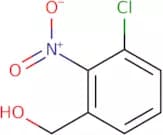
CAS :3-Chloro-2-nitrobenzyl alcohol is a chemical compound that has a molecular formula of C6H5ClNO2. This substance was synthesized by the reaction of 3-chloro-2-nitrobenzyl chloride with sodium hydroxide in methanol. The optimized geometry and vibrational frequencies were calculated using density functional theory (DFT) and theory of Raman scattering. The IR spectra were measured with Fourier transform infrared (FTIR) spectroscopy, which showed that the compound has a strong absorption in the region from 2,600 to 2,800 cm−1.Formule :C7H6ClNO3Degré de pureté :Min. 95%Couleur et forme :PowderMasse moléculaire :187.58 g/mol2,9-Bis(2-Phenylethyl)anthra(2,1,9-def:6,5,10-d'e'f')diisoquinoline-1,3,8,10(2H,9H)-tetrone
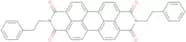
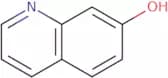
CAS :2,9-Bis(2-phenylethyl)anthraquinone (BPAQ) is a synthetic compound that is used as an fluorescent probe to study biological processes. BPAQ binds to peptides and inhibits their binding to the surface of cells. This property has been used in diagnostic tests for stenosis, infantum, and other conditions. BPAQ has also been shown to inhibit HIV-1 replication in human cells by binding to the HIV-1 envelope protein gp120 and blocking its interaction with CD4 receptors on host cells. The discovery of the antiviral activity of BPAQ was based on its ability to inhibit leishmania growth in animals.Formule :C40H26N2O4Degré de pureté :Min. 95%Couleur et forme :PowderMasse moléculaire :598.65 g/mol7-Hydroxyquinoline
CAS :7-Hydroxyquinoline is a molecule that has been extensively studied in the context of transfer reactions. It is a sodium salt that contains an intermolecular hydrogen bond and an intramolecular hydrogen bond. The proton of 7-hydroxyquinoline can be transferred to the nitrogen atom of a protonated amine, forming an acid complex. This reaction mechanism is kinetically controlled and stabilizes the tautomers of 7-hydoxyquinoline. The hydroxyl group on the quinoline ring can form hydrogen bonds with various groups on other molecules, such as n-dimethyl formamide or deuterium isotope.Formule :C9H7NODegré de pureté :Min. 95%Couleur et forme :Brown PowderMasse moléculaire :145.16 g/mol4-Chloro-6-methoxyquinoline
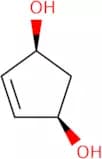
CAS :<p>4-Chloro-6-methoxyquinoline is an inhibitor of bacterial DNA gyrase. It has antibacterial activity against Gram-positive and Gram-negative bacteria, including Staphylococcus aureus, Enterococcus faecalis, and Pseudomonas aeruginosa. 4-Chloro-6-methoxyquinoline is a synthetic compound that was reinvestigated for its antibacterial activity. It has been shown to be effective in the treatment of Staphylococcal infections. The mechanism of action may involve inhibition of topoisomerase II or interference with the synthesis of DNA by binding to the enzyme bacterial DNA gyrase. Quinidine and cinchonidine are quinine derivatives that have been found to inhibit bacterial DNA gyrase. These compounds are found in the bark of Cinchona species, which includes Cinchona ledgeriana, Cinchona officinalis, and Cinchona succirub</p>Formule :C10H8ClNODegré de pureté :Min. 95%Masse moléculaire :193.02944cis-4-Cyclopentene-1,3-diol
CAS :cis-4-Cyclopentene-1,3-diol is a useful chemical intermediate that can be converted to diacetate, acetylation, or chloroacetate. It has a reactive functional group that can be used for synthesizing polymers and other compounds. cis-4-Cyclopentene-1,3-diol is also an excellent substrate for lipase reactions and it reacts with hydrogen fluoride to give desired products. This section has conformational properties that make it suitable for hydrogen bonding and can act as a ligand in coordination chemistry. cis-4-Cyclopentene-1,3-diol is also able to undergo substitution at the carbonyl carbon atom by various reagents such as fluorine.Formule :C5H8O2Degré de pureté :Min. 95%Couleur et forme :PowderMasse moléculaire :100.12 g/mol(aR)-a-[[[2-(4-Aminophenyl)ethyl]amino]methyl]-benzenemethanol
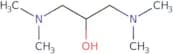
CAS :Please enquire for more information about (aR)-a-[[[2-(4-Aminophenyl)ethyl]amino]methyl]-benzenemethanol including the price, delivery time and more detailed product information at the technical inquiry form on this pageFormule :C16H20N2ODegré de pureté :Min. 95%Couleur et forme :PowderMasse moléculaire :256.34 g/mol1,3-Bis(Dimethylamino)-2-Propanol
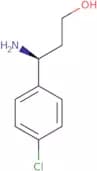
CAS :<p>1,3-Bis(dimethylamino)-2-propanol is a polymeric compound that is soluble in water and organic solvents. It has been shown to have a viscosity of less than 2.0 centipoise (cP) at 20°C and pH 8.5. This compound also has a high solubility in buffers, carboxylates, and chloride ions. 1,3-Bis(dimethylamino)-2-propanol has been used as an additive for silicone surfactants and in the production of tetranuclear gold nanoparticles for use in chemiluminescence applications.</p>Formule :C7H18N2ODegré de pureté :Min. 95%Masse moléculaire :146.23 g/mol(S)-3-Amino-3-(4-chlorophenyl)-propan-1-ol
CAS :<p>Please enquire for more information about (S)-3-Amino-3-(4-chlorophenyl)-propan-1-ol including the price, delivery time and more detailed product information at the technical inquiry form on this page</p>Formule :C9H12ClNODegré de pureté :Min. 95%Masse moléculaire :185.65 g/mol3-Pyridinemethanol
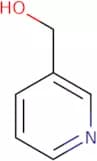
CAS :3-Pyridinemethanol is a chemical compound that is soluble in water. It has a molecular weight of 92.07 grams per mole, and the chemical formula CH3CH2NH. 3-Pyridinemethanol is used as a reagent for the synthesis of organic compounds, such as chlorides, esters, amides, nitriles, and thioamides. 3-Pyridinemethanol reacts with chloride to form an intermediate which reacts with water to produce hydrochloric acid and ammonium chloride. This reaction also produces heat, which can be used to generate energy or power other reactions. br> br> A nanotube was synthesized from 3-pyridinemethanol by using a template made from nickel atoms arranged in a hexagonal pattern on the surface of an indium tin oxide (ITO) glass substrate. The nanotubes are about 5 nm in diameter and can be upFormule :C6H7NODegré de pureté :Min. 95%Masse moléculaire :109.13 g/molBis[α,α-bis(trifluoromethyl)benzenemethanolato]diphenylsulfur
CAS :A dehydration agent. Also called Martin Sulfurane Dehydrating agentFormule :C30H20F12O2SDegré de pureté :Min. 95%Masse moléculaire :672.53 g/mol3-Nitropropanol
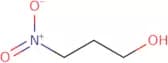
CAS :<p>3-Nitropropanol is an inhibitor of the enzyme nitrite reductase, which is involved in the conversion of nitrite to nitric oxide. 3-Nitropropanol is a dietary supplement that has been shown to have a significant inhibitory effect on the growth of cancer cells and microbial metabolism. Nitrite levels were found to be reduced by 25% in mice treated with this substance. The analytical method for measuring 3-nitropropanol was developed using a type strain and fatty acid standards.</p>Formule :C3H7NO3Degré de pureté :Min. 95%Masse moléculaire :105.09 g/mol


![4-[(4-Chlorophenyl)phenylmethyl]-1-piperazineethanol dihydrochloride](/_next/image/?url=https%3A%2Fstatic.cymitquimica.com%2Fproducts%2F3D%2Fthumb-webp%2FFC33627.webp&w=3840&q=75)








![2-Chloro-N-[2-(diethylamino)ethyl]-4-quinolinecarboxamide](/_next/image/?url=https%3A%2Fstatic.cymitquimica.com%2Fproducts%2F3D%2Fthumb-webp%2FFC20289.webp&w=3840&q=75)







![2-[3-(S)-[3-(2-(7-Chloro-2-quinolinyl)ethenyl)phenyl]-3-hydroxypropyl]benzoic acid methyl ester](/_next/image/?url=https%3A%2Fstatic.cymitquimica.com%2Fproducts%2F3D%2Fthumb-webp%2FFC20038.webp&w=3840&q=75)

![4-[(4-Nitrophenyl)-azo]-phenol](/_next/image/?url=https%3A%2Fstatic.cymitquimica.com%2Fproducts%2F3D%2Fthumb-webp%2FFN31052.webp&w=3840&q=75)

![(aR)-a-[[[2-(4-Aminophenyl)ethyl]amino]methyl]-benzenemethanol](/_next/image/?url=https%3A%2Fstatic.cymitquimica.com%2Fproducts%2F3D%2Fthumb-webp%2FFA75045.webp&w=3840&q=75)
![Bis[α,α-bis(trifluoromethyl)benzenemethanolato]diphenylsulfur](/_next/image/?url=https%3A%2Fstatic.cymitquimica.com%2Fproducts%2F3D%2Fthumb-webp%2FFB98713.webp&w=3840&q=75)