Alcools
Sous-catégories appartenant à la catégorie "Alcools"
5816 produits trouvés pour "Alcools"
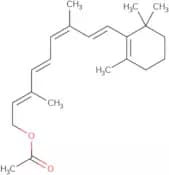
9-cis-Retinol acetate
CAS :9-cis-Retinol acetate is a synthetic retinoid that has been shown to have antioxidant properties. It prevents the oxidation of lipids, proteins and DNA by inhibiting the activity of enzymes such as cyclooxygenase and lipoxygenase, which are responsible for generating reactive oxygen species. 9-cis-Retinol acetate also increases glutathione levels, which scavenges reactive oxygen species. 9-cis-Retinol acetate can be used to treat oxidative injury in different tissues such as the skin, liver, bowel, lung and eye. 9-cis-Retinol acetate can be used in low doses to prevent oxidative injury in the human fetus during pregnancy or in high doses to treat oxidant injuries caused by radiation exposure or chemotherapy.Formule :C22H32O2Degré de pureté :Min. 95%Couleur et forme :Pale yellow oil.Masse moléculaire :328.49 g/mol(R)-1-[3,5-Bis(trifluoromethyl)phenyl]ethan-1-ol
CAS :(R)-1-[3,5-Bis(trifluoromethyl)phenyl]ethan-1-ol is a triazolinone that has been shown to be an efficient contactor for the removal of organic pollutants from water. It is activated by potassium t-butoxide and immobilized on silicone gels. This compound is also active against a broad range of bacteria and fungi.Formule :C10H8F6ODegré de pureté :Min. 98%Couleur et forme :White PowderMasse moléculaire :258.16 g/mol3,4-Dihydro-2(1H)-Quinolinone
CAS :3,4-Dihydro-2(1H)-quinolinone is a potent inhibitor of dopamine β-hydroxylase and is used as a model system to study the pharmacokinetic properties of carbostyril. It has been shown that 3,4-dihydro-2(1H)-quinolinone binds to the chloride ion in the active site of dopamine β-hydroxylase. This binding prevents the formation of a complex with the enzyme's substrate, which is required for catalysis. 3,4-Dihydro-2(1H)-quinolinone also interacts with the alkynyl group on dopamine and competitively inhibits its metabolism by monoamine oxidase (MAO).Formule :C9H9NODegré de pureté :Min. 95%Couleur et forme :PowderMasse moléculaire :147.17 g/mol(1R,2S)-1-Amino-2-indanol
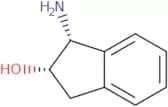
CAS :(1R,2S)-1-Amino-2-indanol is a potential drug candidate that can be used in asymmetric synthesis. It has been shown to inhibit the flow of hydrogen bond and to form an enantiomer. The enantiomer is more active than the racemic mixture, which may be due to the higher binding affinity for the enzyme. This compound has also been shown to inhibit herpes simplex virus and HIV in vitro with a high potency. (1R,2S)-1-Amino-2-indanol is modeled using molecular dynamics simulations and quantum mechanical calculations.Degré de pureté :Min. 95%Couleur et forme :PowderMasse moléculaire :149.19 g/mol(22S,23S)-28-Homo brassinolide
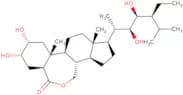
CAS :(22S,23S)-28-Homo brassinolide is a synthetic brassinosteroid that has been shown to have growth-promoting activity in the plant. It is synthesized by the reaction of tetroxide and 28-homobrassinolide. The structure of (22S,23S)-28-Homo brassinolide is stereoselective, with an R configuration at C2 and a S configuration at C3. The hydrogen atoms at C2 and C3 are involved in hydrogen bonds with other molecules. (22S,23S)-28-Homo brassinolide exhibits a conformation that differs from 24-epibrassinolide because it does not contain an intramolecular hydrogen bond between the two rings. This synthetic brassinosteroid also has anti-inflammatory effects due to its ability to inhibit prostaglandins.
Formule :C29H50O6Couleur et forme :PowderMasse moléculaire :494.7 g/moltrans-4-Aminocyclohexanol hydrochloride
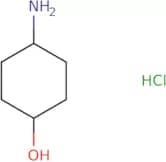
CAS :Trans-4-aminocyclohexanol hydrochloride is a monomer that has been used in the synthesis of polymers, which are used in the production of medical devices. Trans-4-aminocyclohexanol hydrochloride has shown anticancer activity and is used to inhibit the growth of murine leukemia cells. It has also shown uptake in different tissues and amination reaction with amino acids. The melting point of trans-4-aminocyclohexanol hydrochloride is 198°C, constant at 1.0, and impurities are less than 0.2%. Trans-4-aminocyclohexanol hydrochloride has been found to be a colorless solid with a molecular weight of 154.2 g/mol, an amorphous morphology, and a particle size distribution between 5 nm and 10 μm.Formule :C6H13NO·HClCouleur et forme :White Off-White PowderMasse moléculaire :151.63 g/mol4-Nitrocinnamyl alcohol
CAS :4-Nitrocinnamyl alcohol is an antiarrhythmic agent that is structurally related to the nitro group. It is produced by a synthetic process, and it has been shown to be mediated by piperidine. This compound is prepared by catalytic chlorinating of primary alcohols in the presence of hydrotalcite or catalysis with tosylates.Formule :C9H9NO3Degré de pureté :Min. 95%Couleur et forme :PowderMasse moléculaire :179.17 g/mol2-(2-Methoxyphenethyl) alcohol
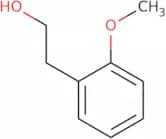
CAS :2-(2-Methoxyphenethyl) alcohol (2MPE) is a ligand that binds to the phenylpropanoid glycosides, which are responsible for the biosynthesis of plant pigments. It has been shown to inhibit tyrosinase and tyrosinase activity in vitro. 2MPE is used in radiopharmaceuticals as a radioactive label. It has also been shown to inhibit melanogenesis and the synthesis of volatile compounds in corncob at high temperatures. 2MPE is found in rhodiola and together with 2-hydroxyphenylacetic acid, it inhibits bacterial growth by inhibiting protein synthesis.Formule :C9H12O2Degré de pureté :Min. 98%Couleur et forme :Clear LiquidMasse moléculaire :152.19 g/mol(R)-BoroLeu-(+)-pinanediol-trifluoroacetate
CAS :(R)-BoroLeu-(+)-pinanediol-trifluoroacetate is a complex compound with CAS No. 179324-87-9 and can be used as a reagent, useful intermediate, or fine chemical. It is a versatile building block that can be used in the synthesis of speciality chemicals, research chemicals, and reaction components. This compound has been reported to be a useful scaffold for the synthesis of novel compounds that could have applications in medicine, such as anti-cancer drugs and antibiotics.Formule :C17H29BF3NO4Couleur et forme :White Off-White PowderMasse moléculaire :379.22 g/mol(S)-(-)-3-tert-Butylamino-1,2-propanediol
CAS :(S)-(-)-3-tert-Butylamino-1,2-propanediol is a hydrophobic liquid that has been used as a stationary phase in chromatography. It interacts with nonaromatic compounds and has been used for the validation of high performance liquid chromatography (HPLC) detection sensitivity. It is also used as a ligand for ternary complexes and as an anion in chromatographic science. This compound's interactions are studied using evaporative light scattering, which can be used to determine the molecular weight of the compound.
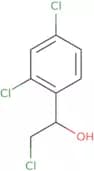
Formule :C7H17NO2Degré de pureté :Min. 95%Masse moléculaire :147.22 g/mol2,4-Dichloro-α-(chloromethyl)benzyl alcohol
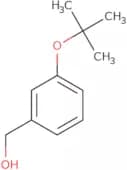
CAS :2,4-Dichloro-alpha-(chloromethyl)benzyl alcohol is an enantiopure compound that belongs to the class of acetylating agents. This drug is used in organic chemistry as a hydrophobic reagent to acetylate hydrophobic or electron-deficient carbon centers. It reacts with alcohols in the presence of aluminium and catalysts such as pyridine, 2,6-lutidine, or benzoyl chloride. The reaction time is dependent on the substrate binding and the kinetic effect. 2,4-Dichloro-alpha-(chloromethyl)benzyl alcohol has been shown to be an antifungal agent against Candida albicans. It has also been shown to be a chiral compound that can inhibit the growth of fungi by inhibiting the enzyme alcohol dehydrogenase which controls cellular levels of NADH2 and NAD+.Formule :C8H7Cl3ODegré de pureté :Min. 95%Couleur et forme :SolidMasse moléculaire :225.5 g/mol3-(tert-Butoxy)benzyl alcohol
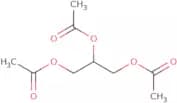
CAS :3-(tert-Butoxy)benzyl alcohol is a high quality reagent that can be used as an intermediate in the synthesis of complex compounds. It is also a useful intermediate for the production of fine chemicals, pharmaceuticals, and speciality chemicals. 3-(tert-Butoxy)benzyl alcohol is a versatile building block that can be used as a reactant in many chemical reactions. This compound has been used as a research chemical to study its properties and has potential uses as a starting point for the synthesis of other compounds.Formule :C11H16O2Degré de pureté :Min. 95%Masse moléculaire :180.24 g/molGlycerol triacetate
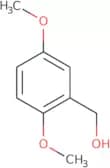
CAS :Glycerol triacetate is a triacetin compound that is used in the production of glycerol and glycerin. The water vapor-resistant nature of this compound makes it an excellent candidate for use in projects where water vapor may be present. Glycerol triacetate has been shown to have a high resistance to solid phase microextraction and can be used as a model system for studying the interactions of triacetates with other materials. The reaction solution containing glycerol triacetate is acidic, which may lead to problems with water permeability if not properly treated. This analytical method utilizes hydrogen bonding interactions between glycerol and glycerine molecules to measure the concentration of each component in the sample.Formule :C9H14O6Couleur et forme :Clear LiquidMasse moléculaire :218.2 g/mol2,5-Dimethoxybenzyl alcohol
CAS :2,5-Dimethoxybenzyl alcohol is a monoterpene compound that is chemically related to menthol and thymol. It has been shown to have cytotoxic effects against cancer cells in culture. The mechanism of action is not fully understood, but it has been proposed that 2,5-dimethoxybenzyl alcohol may be an allelopathic compound. This means that it inhibits the growth of plants by releasing substances into the soil that inhibit the growth of other plants nearby. 2,5-Dimethoxybenzyl alcohol has also been shown to reduce blood pressure in rats. This effect is due to its ability to inhibit angiotensin I-converting enzyme (ACE) as well as increase vasodilation through nitric oxide release. A kinetic study on human urine showed that 2,5-dimethoxybenzyl alcohol undergoes a stepwise reaction with carbinols and methoxy groups. Further research is needed to determineFormule :C9H12O3Degré de pureté :Min. 95%Couleur et forme :Clear LiquidMasse moléculaire :168.19 g/mol4-(Trifluoromethoxy)phenol
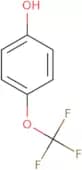
CAS :4-(Trifluoromethoxy)phenol is an anti-tuberculosis drug. It is a diode that has been shown to have pharmacokinetic properties in rats and mice. 4-(Trifluoromethoxy)phenol has been shown to act as a prodrug, which is activated by conversion to the active form. This active form inhibits the growth of Mycobacterium tuberculosis by binding to the 50S ribosomal subunit and preventing bacterial transcription and replication. The molecular structure of 4-(trifluoromethoxy)phenol is similar to phenoxypropanoid compounds, such as biphenyl, which may be responsible for its anti-tuberculosis effects. 4-(Trifluoromethoxy)phenol also binds DNA at specific sites with high affinity and specificity, inhibiting gene expression and RNA synthesis.Formule :C7H5F3O2Degré de pureté :Min. 95%Couleur et forme :Clear LiquidMasse moléculaire :178.11 g/mol2-Fluoro-4-methoxyphenol
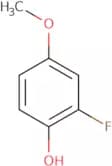
CAS :2-Fluoro-4-methoxyphenol is a white crystalline solid with a melting point of 100°C. It is soluble in water, ethanol and ether and insoluble in chloroform. The compound has been shown to be an intermediate for the synthesis of other organic compounds, such as 2-fluoro-4-(2,2,2-trifluoroethoxy)benzaldehyde, 2-fluoro-4-(3,3,3-trifluoropropoxy)benzaldehyde and 4-(2,2,2-trifluoroethoxy)-3'-nitroacetophenone. 2-Fluoro-4-methoxyphenol can also be used as a building block for speciality chemicals including research chemicals.Formule :C7H7FO2Degré de pureté :Min. 95%Couleur et forme :Clear LiquidMasse moléculaire :142.13 g/mol2-Chloroquinoline-8-carboxylic acid
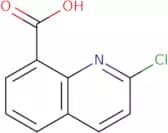
CAS :2-Chloroquinoline-8-carboxylic acid is a fine chemical that is useful as a scaffold for the synthesis of other compounds. It is a versatile building block and can be used in the production of the drug chloroquine. 2-Chloroquinoline-8-carboxylic acid has been used as an intermediate in research chemicals, reaction components in speciality chemical and complex compound. This compound has high quality and can be used as a reagent.Formule :C10H6ClNO2Degré de pureté :Min. 95 Area-%Couleur et forme :White Off-White PowderMasse moléculaire :207.61 g/mol16-Methyl-16-dehydropregnenolone
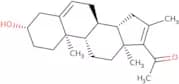
CAS :Produit contrôlé16-Methyl-16-dehydropregnenolone is a steroid that is used as an intermediate in the synthesis of other steroids. It is synthesized by the oxidation of tetrahydropyran with an aldehyde, followed by the addition of chloride to give 16-methyl-16-dehydropregnenolone. The acetonedicarboxylate group of 16-methyl-16-dehydropregnenolone can be removed by treatment with tert-butyl or cyclopentanedione, which yields intermediates for elaboration into other biologically active compounds such as steroids.Formule :C22H32O2Degré de pureté :Min. 95%Couleur et forme :PowderMasse moléculaire :328.49 g/mol4-Pregnen-20β-ol-3-one
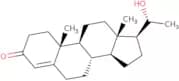
CAS :Produit contrôlé4-Pregnen-20beta-ol-3-one is a synthetic progestin that has been shown to have both contraceptive and noncontraceptive activities. It is used primarily to treat female infertility, endometriosis, and amenorrhea. The drug also has a number of other effects on the body, including anti-inflammatory and anti-angiogenic properties. 4-Pregnen-20beta-ol-3-one binds to the human liver receptor, which is responsible for its metabolism. The drug also has some activity in the endometrium of pregnant women and in the ovary cells of postmenopausal women. It increases epidermal growth factor production in skin cells and may be involved in lipid metabolism. 4-Pregnen-20beta-ol-3-one also stimulates lactogenic hormone production in women.Formule :C21H32O2Degré de pureté :Min. 95%Couleur et forme :PowderMasse moléculaire :316.48 g/mol4-Bromoresorcinol
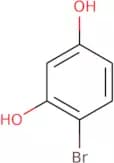
CAS :4-Bromoresorcinol is a synthetic compound that belongs to the group of sulfonamides. It is used in the production of dyes, pharmaceuticals, and agricultural chemicals. 4-Bromoresorcinol is synthesized by sulfonation with trifluoroacetic acid followed by hydrolysis with hydrochloric acid. The polymerization kinetics of this compound have been studied using azobenzene as a model substrate. The reaction products are vignafuran and an organic solvent (e.g., methanol). In addition, 4-bromoresorcinol has potent antibacterial activity against bacteria such as Staphylococcus aureus and Mycobacterium tuberculosis. This drug has minimal inhibitory concentrations (MICs) less than 0.01 ppm for most strains of bacteria tested, including those resistant to penicillin G or erythromycin. The drug also inhibits hydroxylase enzymesFormule :C6H5BrO2Degré de pureté :Min. 95%Couleur et forme :White PowderMasse moléculaire :189.01 g/mol2-(2,4-Dinitrophenoxy)ethanol
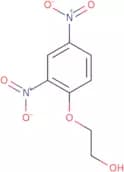
CAS :2-(2,4-Dinitrophenoxy)ethanol is a glycol ether that has been shown to be an effective nucleophile in nucleophilic substitution reactions. It is a colorless liquid with a boiling point of between 204°C and 205°C. 2-(2,4-Dinitrophenoxy)ethanol reacts with deionized water in the presence of ethylene to produce a crystalline precipitate. The product can be recrystallized from ethanol/water or purified by chromatography on silica gel. This chemical can also be used as an activated nucleophile in the synthesis of spirocyclic compounds and isomeric ketones. 2-(2,4-Dinitrophenoxy)ethanol is toxic and may cause severe skin burns if it comes into contact with unprotected skin. It is also environmentally hazardous when released into the environment because it breaks down slowly and may accumulate in soil or water systems.Formule :C8H8N2O6Degré de pureté :Min. 95%Couleur et forme :PowderMasse moléculaire :228.16 g/mol(S)-(+)-Prolinol
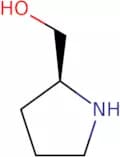
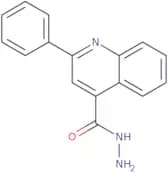
CAS :(S)-(+)-Prolinol is a chiral compound that belongs to the class of polymerase chain reaction (PCR) reagents. It is used as an antibacterial agent, which inhibits bacterial growth by interfering with DNA replication and transcription. The stereoselective nature of the compound has been shown by its differential activity against two different strains of subtilis. This molecule also interacts with diazepam and other drugs, as well as with environmental pollutants such as polychlorinated biphenyls (PCBs). The anti-inflammatory properties of this molecule may be due to its ability to inhibit prostaglandin synthesis through inhibition of cyclooxygenase or lipoxygenase enzymes.Formule :C5H11NODegré de pureté :Min. 95%Couleur et forme :Clear LiquidMasse moléculaire :101.15 g/mol2-Phenylquinoline-4-carbohydrazide
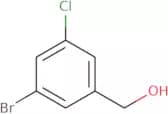
CAS :2-Phenylquinoline-4-carbohydrazide is an antibacterial agent that binds to bacterial DNA gyrase and topoisomerase, which are enzymes that maintain the integrity of bacterial DNA. It also has significant anti-inflammatory activity and can be used for the treatment of skin disorders, such as acne. 2-Phenylquinoline-4-carbohydrazide has been shown to induce apoptosis in human dermal fibroblast cells. This drug has been shown to have anticancer activity in vitro and in vivo. The anticancer activity of this drug may be due to its ability to inhibit cancer cell proliferation by binding to DNA gyrase and topoisomerase, which are enzymes that maintain the integrity of bacterial DNA.Formule :C16H13N3ODegré de pureté :Min. 95%Masse moléculaire :263.29 g/mol3-Bromo-5-chlorobenzyl alcohol
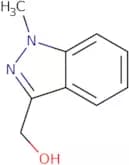
CAS :3-Bromo-5-chlorobenzyl alcohol is a useful building block for the synthesis of complex compounds. It reacts with metal chlorides to form bromochloromethane, which can be used in organic syntheses as a reaction component or reagent. 3-Bromo-5-chlorobenzyl alcohol is a versatile chemical that has been shown to have high quality and is useful in research.Formule :C7H6BrClODegré de pureté :Min. 95%Couleur et forme :PowderMasse moléculaire :221.48 g/mol(1-Methyl-1H-indazol-3-yl)methanol
CAS :Produit contrôlé(1-Methyl-1H-indazol-3-yl)methanol is a heterocyclic compound with a chemical formula of CHN. It is a colorless liquid that reacts violently with water or alcohols. The compound has been shown to form lithium aluminum hydride and aluminum hydride, which react vigorously with water. (1-Methyl-1H-indazol-3-yl)methanol also forms acetylated amines in the presence of thionyl chloride. This reaction is used as an example of a translation reaction in chemistry, where one molecule is converted into another through the addition of other molecules.Formule :C9H10N2ODegré de pureté :Min. 95%Masse moléculaire :162.19 g/mol1,3-Dipalmitoylglycerol
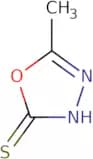
CAS :1,3-Dipalmitoylglycerol is a diacylglycerol, which is a type of fatty acid that is also known as a 1,2-diacylglycerol. It has been shown to exhibit hemolytic activity in the presence of hydroxyl groups. The optimum pH for 1,3-dipalmitoylglycerol is at around 7.5 and it can be used as a biocompatible polymer to form controlled-release preparations with neutral pH that are tumoricidal.Formule :C35H68O5Degré de pureté :Min. 95%Couleur et forme :PowderMasse moléculaire :568.91 g/mol5-Methyl-1,3,4-oxadiazole-2-thiol
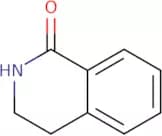
CAS :5-Methyl-1,3,4-oxadiazole-2-thiol is an inhibitor of the reductoisomerase enzyme. It has been shown to inhibit the growth of Brassica species, leading to a herbicidal effect. This compound also has a biological activity that inhibits the biosynthesis of methionine and threonine in bacteria.Formule :C3H4N2OSDegré de pureté :Min. 95 Area-%Couleur et forme :PowderMasse moléculaire :116.14 g/mol3,4-Dihydroisoquinolin-1(2H)-one
CAS :3,4-Dihydroisoquinolin-1(2H)-one is a potent antagonist of the histamine H1 receptor and has been shown to be safe in animal studies. 3,4-Dihydroisoquinolin-1(2H)-one has also shown efficacy in treating inflammatory diseases, such as asthma and arthritis. This compound was recently tested for its potential to diagnose cancer by targeting the tumor microenvironment. The compound was found to bind to trifluoromethanesulfonic acid (TFMS) with high affinity and selectivity. TFMS is an emerging therapeutic target for cancer therapy because it is highly expressed in the tumor microenvironment and can act as a proton donor for drug delivery systems. 3,4-Dihydroisoquinolin-1(2H)-one has also been observed to have low toxicity profiles in preclinical models, but more research is needed before it can be used clinically.
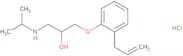
Formule :C9H9NODegré de pureté :Min. 95%Couleur et forme :PowderMasse moléculaire :147.17 g/molAlprenolol hydrochloride
CAS :Produit contrôléAlprenolol hydrochloride is a beta-adrenergic receptor blocker that is used to treat high blood pressure, angina pectoris, and myocardial infarcts. It binds to the β1-adrenergic receptor in the myocardium and blocks the stimulation of adenylate cyclase. This prevents cAMP production, which leads to decreased calcium influx into the myocardium and an inhibition of contractility. Alprenolol hydrochloride has been shown to be effective in treating congestive heart failure (CHF). Alprenolol is metabolized by esterases in the liver and gut wall. The drug has been shown to have a low potency because it is rapidly metabolized by esterases in humans. It also has potential for drug interactions with other drugs that are metabolized by these enzymes. Alprenolol hydrochloride has structural similarity to guanine nucleotide-binding proteins, which may
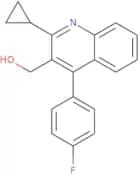
Formule :C15H23NO2·HClDegré de pureté :Min. 98 Area-%Couleur et forme :PowderMasse moléculaire :285.81 g/mol2-Cyclopropyl-4-(4-fluorophenyl)-quinolyl-3-methanol
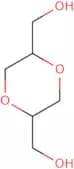
CAS :2-Cyclopropyl-4-(4-fluorophenyl)-quinolyl-3-methanol is a crystalline compound that has been obtained by reacting 3-methoxyquinoline with cyclopropyl bromide. It has the dihedral angle of about 120 degrees and is stabilized by hydrogen bonds. The compound crystallizes in an asymmetric unit cell with two molecules in the asymmetric unit and space group P2/n. The target compound can be obtained in high yield, and it is soluble in organic solvents such as benzene and triphenylphosphine. 2-Cyclopropyl-4-(4-fluorophenyl)-quinolyl-3-methanol can be used to suppress wastewater containing halogenated aromatic compounds, such as quinoline.Formule :C19H16FNODegré de pureté :Min. 95%Masse moléculaire :293.33 g/mol1,4-Dioxane-2,5-dimethanol
CAS :1,4-Dioxane-2,5-dimethanol is a low molecular weight compound that is insoluble in water. It reacts with glycidol to form ring-opening polymerization products. This compound has been shown to exhibit a variety of spectra, including peaks at ν = 3.69, 4.38, and 5.27 ppm (C-H stretching). The major configuration for 1,4-dioxane-2,5-dimethanol is the cis form due to the fact that it has two cationic rings. This substance can be used as an intermediate in the production of polyethers and polyesters. 1,4-Dioxane-2,5-dimethanol can also be used as a solvent for cellulose acetate or nitrocellulose coatings on paperboard or film base materials; however it may cause contamination by substances such as cationic ring opening products and trifluoride
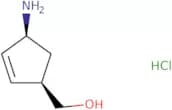
Formule :C6H12O4Degré de pureté :Min. 95%Couleur et forme :PowderMasse moléculaire :148.16 g/mol(1R,4S)-4-Amino-2-cyclopentene-1-methanol hydrochloride
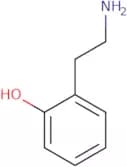
CAS :(1R,4S)-4-Amino-2-cyclopentene-1-methanol hydrochloride is a chemical compound that is used as a building block in the synthesis of other compounds. It is also known to be a speciality chemical and a research chemical. (1R,4S)-4-Amino-2-cyclopentene-1-methanol hydrochloride can be used as an intermediate in the production of fine chemicals, pharmaceuticals and agrochemicals. The compound has been found to have high quality and good purity by the manufacturer.Formule :C6H11NO•HClDegré de pureté :Min. 95%Couleur et forme :Brown SolidMasse moléculaire :149.62 g/mol2-(2-Aminoethyl)phenol
CAS :2-(2-Aminoethyl)phenol is a monoamine oxidase inhibitor. It is a biogenic amine that is found in animals and plants. 2-(2-Aminoethyl)phenol has been found to have anti-inflammatory properties and can be used to treat mongolism.Formule :C8H11NODegré de pureté :Min. 95 Area-%Couleur et forme :PowderMasse moléculaire :137.18 g/mol4-Chloro-3-nitrobenzyl alcohol
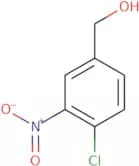
CAS :4-Chloro-3-nitrobenzyl alcohol is a synthetic chemical that reacts with hydrochloric acid to form 4-chloro-3-nitrobenzyl chloride and hydrogen. It can be used in the preparation of other chemicals, such as divinylbenzene and chloride. This compound is insoluble in water and soluble in organic solvents, such as acetone and ether. 4-Chloro-3-nitrobenzyl alcohol has two stereoisomers, one of which is more reactive than the other.
Formule :C7H6ClNO3Degré de pureté :Min. 95%Masse moléculaire :187.58 g/mol(1S,2R)-(-)-cis-1-Amino-2-indanol
CAS :Precusor for preparation of indinavir; a chiral ligand for asymmetric synthesisFormule :C9H11NODegré de pureté :Min. 95%Couleur et forme :White PowderMasse moléculaire :149.19 g/mol4-(1-Adamantyl) phenol
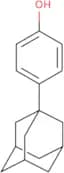
CAS :4-(1-Adamantyl) phenol is a natural compound that is found in the essential oil of nutmeg and mace. 4-(1-Adamantyl) phenol binds to the receptor for 1-adamantanol, which is a neurotransmitter in animals and humans. This binding inhibits the response pathway of this neurotransmitter, which can lead to an inhibitory effect on pain transmission. The structure of 4-(1-Adamantyl) phenol has been determined by X-ray crystallography and molecular docking analysis. It also has been shown that this compound reacts with trifluoroacetic acid under Friedel-Crafts conditions to form 3-(2'-hydroxyethyl)-4-(1'-adamantyl)-phenol. These compounds have been shown to have an inhibitory effect on animal health.Formule :C16H20ODegré de pureté :Min. 95%Couleur et forme :PowderMasse moléculaire :228.33 g/molResorcinol bis(2-hydroxyethyl)ether
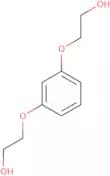
CAS :Resorcinol bis(2-hydroxyethyl)ether is a chemical compound that belongs to the class of polyols. It is a colorless liquid with a strong odor and has a molecular weight of 198.22 g/mol. Resorcinol bis(2-hydroxyethyl)ether is used in the production of polyester, polyurethane, and cellulose acetate butyrate. This chemical also has an anti-oxidant effect that can be utilized in industrial processes such as oxidation polymerization, dyeing, and curing agents. The synthesis methods for resorcinol bis(2-hydroxyethyl)ether include acetaldehyde condensation with glycerol or ethylene oxide followed by hydrolysis.Formule :C10H14O4Degré de pureté :Min. 95%Couleur et forme :White PowderMasse moléculaire :198.22 g/mol6b-Hydroxy-7a-(thiomethyl) spironolactone
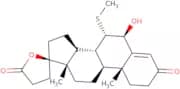
CAS :6b-Hydroxy-7a-(thiomethyl) spironolactone is a drug that is metabolized in the liver and excreted in the bile. It has been found to be safe and effective for the treatment of ascites due to cirrhosis. The pharmacokinetics of 6b-hydroxy-7a-(thiomethyl) spironolactone are linear, with a plasma elimination rate of 0.3 mg/kg/h. The elimination half-life for 6b-hydroxy-7a-(thiomethyl) spironolactone is about 3 hours. 6b-Hydroxy-7a-(thiomethyl) spironolactone has been found to be eliminated from the body at a constant rate, regardless of age, gender or weight. The population studied was healthy adult males who ingested 6b-hydroxy-7a-(thiomethFormule :C23H32O4SDegré de pureté :Min. 95%Couleur et forme :PowderMasse moléculaire :404.56 g/molCalcipotriol
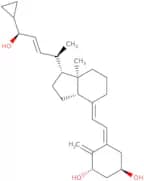
CAS :Calcipotriol is a vitamin D analogue that is used to treat psoriasis. It is classified as an aprotic solvent and is not soluble in water, but it dissolves in organic solvents. Calcipotriol binds to the receptor for nuclear factor kappa-B (NF-κB) and inhibits its activation, which suppresses the production of cytokines that are involved in inflammation and immune responses. The calcipotriol molecule has been shown to inhibit EGFR signaling, thereby suppressing tumor growth. This drug has also been shown to be effective in combination therapy with other drugs such as dithranol or anthralin for the treatment of psoriasis. Calcipotriol can be administered topically or by oral administration. It is usually applied twice daily and the dosage depends on the severity of the disease.Formule :C27H40O3Degré de pureté :Min. 95 Area-%Couleur et forme :White PowderMasse moléculaire :412.6 g/mol16-Dehydropregnenolone acetate
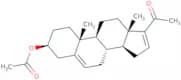
CAS :Produit contrôlé16-Dehydropregnenolone acetate is a synthetic compound that can be used in wastewater treatment. It reacts with phosphorus pentoxide to form an insoluble solid product. 16-Dehydropregnenolone acetate has been shown to inhibit the growth of human prostate cancer cells and breast cancer cells in vitro and in vivo. 16-Dehydropregnenolone acetate is also a specific agonist for the progesterone receptor, which may be due to its ability to bind to the stereospecific (S) binding site on this receptor. The optimum concentration for 16-dehydropregnanediol is 10 mM and it requires the presence of phosphotungstic acid for maximum activity. This substance has biological properties that are similar to those of natural progesterones, but it does not have any estrogenic properties.Formule :C23H32O3Degré de pureté :Min. 95%Couleur et forme :PowderMasse moléculaire :356.5 g/mol5-Hydroxyisoquinoline
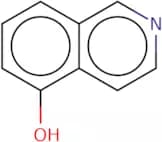
CAS :5-Hydroxyisoquinoline is a quinoline derivative that is synthesized from aziridine. It has been shown to be a potent insulin sensitizing agent in mice with type 2 diabetes mellitus. 5-Hydroxyisoquinoline has been shown to inhibit the activity of purified enzymes preparations and show high selectivity for chloride channels, which are responsible for the transport of chloride ions across cell membranes. This inhibition leads to an influx of protons into the cell, which may lead to a change in the redox potential and changes in the molecular structure of the molecule. The reaction mechanism involves substitution at position 5 of the isoquinoline ring by hydroxy groups (OH).Formule :C9H7NODegré de pureté :Min. 95%Couleur et forme :Yellow PowderMasse moléculaire :145.16 g/molPiceatannol
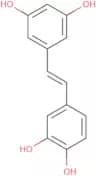
CAS :Piceatannol is a natural compound that is found in grapes, red wine, and grape seed extract. It has been shown to inhibit the injury-induced expression of proinflammatory cytokines and to protect against oxidative stress. Piceatannol has also been reported to bind DNA by competitive inhibition and to have inhibitory properties on 3T3-L1 preadipocytes. In addition, it has been shown to induce apoptosis in murine hepatoma cells and cancer tissues. Piceatannol may be an effective dietary antioxidant due to its ability to regulate gene expression by binding with response elements or through its antioxidant properties.
Formule :C14H12O4Degré de pureté :Min. 95%Couleur et forme :Slightly Yellow PowderMasse moléculaire :244.24 g/mol4-Hydroxythiophenol
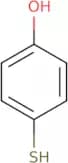
CAS :4-Hydroxythiophenol is an organic compound with the molecular formula C6H4OHO. It is a white crystalline solid that is soluble in water and ethanol. 4-Hydroxythiophenol has been shown to inhibit the growth of bacteria by reacting with free intracellular hydroxyl groups, which are necessary for the biosynthesis of cell walls. This molecule also reacts with other biological molecules, such as nucleic acids and proteins, to form covalent bonds. 4-Hydroxythiophenol has been shown to be effective against both Gram-positive and Gram-negative bacteria in vitro assays.Formule :C6H6OSDegré de pureté :(%) Min. 75%Couleur et forme :PowderMasse moléculaire :126.18 g/mol4-Nitroresorcinol
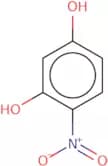
CAS :4-Nitroresorcinol is a hydroxamic acid that inhibits bacterial growth by reacting with riboflavin, which is essential for the synthesis of flavoproteins and folate. This compound has been shown to have a specific growth rate on the order of 10^-5 and 10^-6 M. The reaction of 4-Nitroresorcinol with riboflavin leads to the production of nitric oxide and hydrogen peroxide, which can lead to the destruction of cells. 4-Nitroresorcinol has been synthesized in an organic solvent using various techniques such as thermal decomposition, photochemical synthesis, and hydrolysis. 4-Nitroresorcinol can be viewed under a microscope using techniques such as electron microscopy or light microscopy.Formule :C6H5NO4Degré de pureté :Min. 98 Area-%Couleur et forme :PowderMasse moléculaire :155.11 g/molFmoc-Cysteinol(Trt)
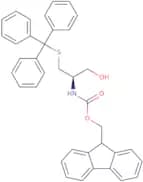
CAS :Fmoc-Cysteinol(Trt) is a versatile building block that can be used in the production of complex compounds and research chemicals. This compound is a high quality, useful building block that is used to synthesize many other compounds. It can also be used as a reagent or speciality chemical. Fmoc-Cysteinol(Trt) has been classified as a CAS No. 215954-72-6 and is a useful scaffold for chemical reactions.Formule :C37H33NO3SDegré de pureté :Min. 95%Couleur et forme :PowderMasse moléculaire :571.73 g/mol4-Acetamidobenzyl alcohol
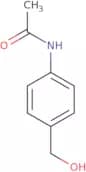
CAS :4-Acetamidobenzyl alcohol is a white crystalline solid that is soluble in water. It is used as a reagent in organic synthesis, and also as a chemical intermediate. 4-Acetamidobenzyl alcohol has been shown to catalyze the oxidation of potassium with liquid phase oxygen. The mechanism of this reaction may be due to an amidation followed by an oxidative deamination or an oxidative decarboxylation of the amide. 4-Acetamidobenzyl alcohol has been shown to oxidize primary alcohols in the presence of hydrogen peroxide, yielding an acetaldehyde and a ketone.Formule :C9H11NO2Degré de pureté :Min. 95%Couleur et forme :PowderMasse moléculaire :165.19 g/mol3-Acetylamino-1-adamantanol
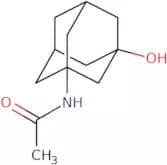
CAS :3-Acetylamino-1-adamantanol is a fluorescent, non-ionic dye that is used in the preparation of coatings and optical elements. It can also be used as an oxidation catalyst for alcohols. This compound has been shown to have excellent alkaline hydrolysis and high yield in the acetonitrile process. 3-Acetylamino-1-adamantanol has been shown to react with nitro groups to form a fluorescent product. This reaction is important because it allows for the identification of explosives. 3-Acetylamino-1-adamantanol has also been found to be useful as a hologram developer or photoresist for optical discs and lenses.Formule :C12H19NO2Degré de pureté :Min. 95%Couleur et forme :White/Off-White SolidMasse moléculaire :209.28 g/molN-Methyl-5-tetrazolethiol
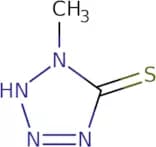
CAS :N-Methyl-5-tetrazolethiol is a vitamin B6 (pyridoxine) analog that inhibits bacterial growth by competitively inhibiting enzymes involved in the synthesis of folate. It has been shown to be toxic for animals and humans at high doses, but the toxicity of this compound has not been studied extensively. N-Methyl-5-tetrazolethiol has been shown to inhibit the activity of enzymes such as methionine synthase, cytochrome C reductase, and nitroreductase in vitro. This drug is used as a treatment for infectious diseases such as malaria and toxoplasmosis. The mechanism of action of N-methyl tetrazolethiol is not known, but it is believed to be related to its ability to inhibit enzyme activity.Formule :C2H4N4SDegré de pureté :Min. 95 Area-%Couleur et forme :PowderMasse moléculaire :116.15 g/mol11-Oxo etiocholanolone
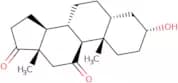
CAS :Produit contrôlé11-Oxo etiocholanolone is a steroid hormone that is produced in the adrenal gland. It is a precursor of cortisol and has been shown to have an anti-inflammatory effect, which may be due to its ability to block pro-inflammatory cytokines. 11-Oxo etiocholanolone has also been shown to increase the concentration of cortisol in the blood, which can help treat stress and promote muscle growth. The measurement of 11-oxo etiocholanolone levels in urine and saliva samples may be used as an experimental infection or dietary supplement for women.
Formule :C19H28O3Degré de pureté :Min. 95%Couleur et forme :PowderMasse moléculaire :304.42 g/molFmoc-L-threoninol
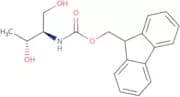
CAS :Fmoc-L-threoninol is a conjugate of L-threoninol with a protecting group, Fmoc. It is synthesized by the solid-phase method on an activated resin and then cleaved from the resin to give the desired product. The linker used in this synthesis is succinic acid diacetate. This compound has been shown to have anti-inflammatory effects in human serum, which may be due to its ability to inhibit prostaglandin synthesis.Formule :C19H21NO4Degré de pureté :Min. 95%Couleur et forme :PowderMasse moléculaire :327.37 g/mol

![(R)-1-[3,5-Bis(trifluoromethyl)phenyl]ethan-1-ol](/_next/image/?url=https%3A%2Fstatic.cymitquimica.com%2Fproducts%2F3D%2Fthumb-webp%2FFB43523.webp&w=3840&q=75)