Alcools
Sous-catégories appartenant à la catégorie "Alcools"
5816 produits trouvés pour "Alcools"
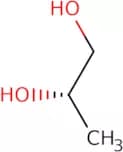
(S)-(+)-1,2-Propanediol
CAS :(S)-(+)-1,2-Propanediol is a diol that is a chemical compound with the molecular formula HOCHCHOH. It has an asymmetric carbon atom and can exist as two enantiomers (S)-(+)-1,2-propanediol and (R)-(-)-1,2-propanediol. The compound is produced in the laboratory by oxidation of propylene with hydrogen peroxide in the presence of a metal catalyst. It undergoes dehydration reactions to form sugars such as erythritol and xylitol. This process also occurs naturally in some plants and bacteria where glucose is oxidized to form glycerol. The conversion of propane-1,2-diol to glycerol is catalyzed by alcohol dehydrogenase from yeast or fungi such as Candida boidinii or Candida kefyr. It also reacts with other molecules such as proteins via amide formation to form new compounds called aFormule :C3H8O2Degré de pureté :Min. 98%Couleur et forme :Colorless Slightly Yellow Clear LiquidMasse moléculaire :76.09 g/mol5-Bromo-3,4-dimethoxybenzyl alcohol
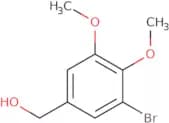
CAS :5-Bromo-3,4-dimethoxybenzyl alcohol is a natural product that can be synthesized from the methyl ethers of 5-bromo-3,4-dimethoxybenzoic acid. It has been reported to have high yields and good yields for the synthesis of methyl ethers. The reaction conditions for this natural product are mild and do not require an organic solvent or a catalyst.Formule :C9H11BrO3Degré de pureté :Min. 98 Area-%Couleur et forme :PowderMasse moléculaire :247.09 g/molPhenolphthalein disulphate tripotassium salt trihydrate
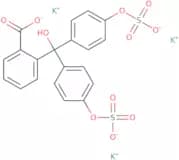
CAS :Phenolphthalein disulphate tripotassium salt trihydrate is a high-quality reagent that is used for the synthesis of complex compounds. Phenolphthalein disulphate tripotassium salt trihydrate has been shown to be a useful intermediate in the synthesis of fine chemicals, research chemicals, and speciality chemicals. It is also a versatile building block and can be used in reactions as a reaction component.Formule :C20H13K3O11S2·3H2ODegré de pureté :Min. 95%Couleur et forme :PowderMasse moléculaire :664.81 g/molL-Tyrosinol hydrochloride
CAS :L-Tyrosinol hydrochloride is a chiral molecule that is the hydrogenated form of L-tyrosine. It is an intermediate in the synthesis of L-dopa, which is used to treat Parkinson's disease. The enzymatic reaction that converts L-tyrosinol hydrochloride to L-dopa requires adenosine 5'-phosphosulfate as cofactor and histidine as a catalyst. The conversion of L-tyrosinol hydrochloride to L-dopa occurs with high yield and has been shown to be stereoselective. This synthetic pathway has been shown to have an activation energy of 53 kcal/mol and a reaction time of 30 minutes at room temperature.Formule :C9H13NO2·HClCouleur et forme :White Off-White PowderMasse moléculaire :203.67 g/mol3,5-Dimethylpyrazin-2-ol
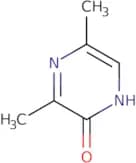
CAS :3,5-Dimethylpyrazin-2-ol is a specific ligand that binds to the disulfide bond in the antimicrobial peptide. The 3,5-dimethylpyrazin-2-ol binds to an allosteric site on the protein, which is a region of the protein that is different from the active site. This binding causes an alteration in protein conformation and changes its activity. The 3,5-dimethylpyrazin-2-ol has been shown to bind to dna binding domains and transcriptional regulation architectures. It has also been shown to have biological function and a paradigm shift effect on cellular function and analytical methods.Formule :C6H8N2ODegré de pureté :Min. 95%Couleur et forme :PowderMasse moléculaire :124.14 g/mol3-(Aminomethyl)adamantan-1-ol HCl
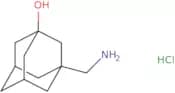
CAS :3-(Aminomethyl)adamantan-1-ol HCl is a chemical substance that can be used as a reaction component, reagent, and useful scaffold in the synthesis of pharmaceuticals. It is also a speciality chemical with versatile building block and useful intermediate properties. 3-(Aminomethyl)adamantan-1-ol HCl has been shown to be an effective building block for complex compounds, such as those used in the synthesis of anti-inflammatory drugs.Formule :C11H19NO·HClDegré de pureté :Min. 95%Couleur et forme :PowderMasse moléculaire :217.74 g/mol(S)-(+)-6-Methyl-1-octanol
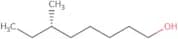
CAS :The (+)-isomer of 6-methyl-1-octanol is a chiral, primary alcohol that has been synthesized and characterized. It is an analytical reagent for the determination of hydroxy groups on a molecule. The (+)-isomer is also used as a synthetic intermediate in the synthesis of other bioactive molecules.Formule :C9H20ODegré de pureté :Min. 95%Masse moléculaire :144.25 g/mol4,5-Bis(2-cyanoethylthio)-1,3-dithiole-2-thione
CAS :4,5-Bis(2-cyanoethylthio)-1,3-dithiole-2-thione is a fluorescent compound that exists in two orientations, cis and trans. It has been used as a linker for the construction of new compounds with interesting properties. 4,5-Bis(2-cyanoethylthio)-1,3-dithiole-2-thione has been shown to be an effective ligand for palladium cross coupling reactions. This compound can also be used in supramolecular chemistry due to its ability to fluoresce brightly.Formule :C9H8N2S5Degré de pureté :Min. 95%Masse moléculaire :304.5 g/mol2-Bromo-5-(trifluoromethyl)benzyl alcohol
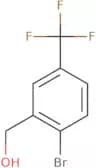
CAS :2-Bromo-5-(trifluoromethyl)benzyl alcohol is a fine chemical that is used as an intermediate in the synthesis of other chemicals. It can be used to synthesize novel organic compounds, such as pharmaceuticals and pesticides. This chemical has been shown to react with various other organic compounds, including amines, thiols, and carboxylic acids. 2-Bromo-5-(trifluoromethyl)benzyl alcohol is also known for its ability to form complexes with metals.Formule :C8H6BrF3ODegré de pureté :Min. 95%Masse moléculaire :255.03 g/molBis(8-quinolinolato)zinc(II)
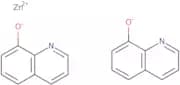
CAS :Bis(8-quinolinolato)zinc (II) is a molecule that contains carboxylate groups. It has been shown to be processable and can be used in fabrication processes. Bis(8-quinolinolato)zinc (II) also exhibits optical properties. The metal ion in the molecule is able to form complexes with other metals, which may affect transport properties, ionization mass and morphology of the compound. It can also be used for magnetic resonance spectroscopy studies, as well as plasma mass spectrometry.
Formule :C18H12N2O2ZnDegré de pureté :Min. 95%Couleur et forme :PowderMasse moléculaire :353.7 g/mol4-Butoxy-1-butanol
CAS :Produit contrôlé4-Butoxy-1-butanol is a solvent that has been shown to be safe for use in humans. It is used to modify the chemical structure of d-glycero-d-galacto-heptose and can be used as a solvent. 4-Butoxy-1-butanol was found to be safe for primary cells and was able to normalize their metabolism and growth rate. This compound has also been shown to have diagnostic properties based on its ability to inhibit the production of camaldulensis leaves, which are known to produce naphthalene. The mechanism by which this compound inhibits camaldulensis leaf production is unknown, but it may involve an acceptor molecule or biochemical reactions.Formule :C8H18O2Degré de pureté :Min. 95%Couleur et forme :Clear LiquidMasse moléculaire :146.23 g/mol2-Hydroxy-5-methoxybenzyl alcohol
CAS :2-Hydroxy-5-methoxybenzyl alcohol (2HMB) is a methide that is used as an inductor in the synthesis of Taxol. 2HMB has been shown to induce apoptosis in MCF-7 cells and to promote the hydration of oxacycles. It can also be used in cancer research as a kinetic probe for the hydration of oxacycles. 2HMB activates MCF-7 cells and induces apoptosis, which may be due to its nucleophilic properties.Formule :C8H10O3Degré de pureté :Min. 95%Masse moléculaire :154.16 g/molPabulenol
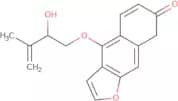
CAS :Pabulenol is an innovative biopolymer, which is synthesized from renewable plant-based resources through advanced biotechnological methods involving enzymatic polymerization. With its unique molecular structure, Pabulenol exhibits specific mode of action by facilitating biodegradation under ambient conditions, catalyzed by naturally occurring microbes. The polymer’s intrinsic ability to break down into non-toxic byproducts makes it an exceptional choice for sustainable environmental applications.Degré de pureté :Min. 95%1-Boc-amino-3,6,9-trioxaundecanyl-11-ol
CAS :1-Boc-amino-3,6,9-trioxaundecanyl-11-ol is a PEG polymer categorised as monofunctional (OH-PEG-X). Used as a linker, 1-boc-amino-3,6,9-trioxaundecanyl-11-ol is used to attached PEG to proteins, peptides, oligonucleotides, nanoparticles and small molecules via pegylation, a bioconjugation technique.Formule :C13H27NO6Degré de pureté :Min. 95%Couleur et forme :Clear LiquidMasse moléculaire :293.36 g/molFmoc-L-threoninol
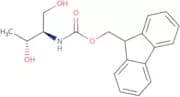
CAS :Fmoc-L-threoninol is a conjugate of L-threoninol with a protecting group, Fmoc. It is synthesized by the solid-phase method on an activated resin and then cleaved from the resin to give the desired product. The linker used in this synthesis is succinic acid diacetate. This compound has been shown to have anti-inflammatory effects in human serum, which may be due to its ability to inhibit prostaglandin synthesis.Formule :C19H21NO4Degré de pureté :Min. 95%Couleur et forme :PowderMasse moléculaire :327.37 g/molN-Methyl-5-tetrazolethiol
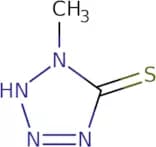
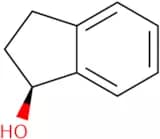
CAS :N-Methyl-5-tetrazolethiol is a vitamin B6 (pyridoxine) analog that inhibits bacterial growth by competitively inhibiting enzymes involved in the synthesis of folate. It has been shown to be toxic for animals and humans at high doses, but the toxicity of this compound has not been studied extensively. N-Methyl-5-tetrazolethiol has been shown to inhibit the activity of enzymes such as methionine synthase, cytochrome C reductase, and nitroreductase in vitro. This drug is used as a treatment for infectious diseases such as malaria and toxoplasmosis. The mechanism of action of N-methyl tetrazolethiol is not known, but it is believed to be related to its ability to inhibit enzyme activity.Formule :C2H4N4SDegré de pureté :Min. 95 Area-%Couleur et forme :PowderMasse moléculaire :116.15 g/mol(S)-(+)-1-Indanol
CAS :(S)-(+)-1-Indanol is a substrate for the human liver alcohol dehydrogenase and can be used to study the enzyme. The molecule has two phenyl groups that are capable of forming hydrogen bonds with other molecules. The hydrogen bond is a relatively weak, noncovalent interaction between two polar molecules. It can be formed by the donation of a lone pair of electrons from one side of an oxygen atom in one molecule to a lone pair of electrons on another oxygen atom in another molecule. This type of bond is responsible for many important biological processes, including DNA replication and protein folding. The (S)-(+)-1-Indanol can also undergo carbonyl reduction, which is the conversion of an organic compound containing a carbonyl group into a corresponding hydrocarbon derivative containing hydroxyl groups. The (S)-(+)-1-Indanol contains both hydroxyl and carbonyl functionalities that make it suitable for this process. (S)-Formule :C9H10ODegré de pureté :Min. 95%Couleur et forme :PowderMasse moléculaire :134.18 g/mol2-[[(4-Anilinophenyl)imino]methyl]-4,6-dichlorophenol
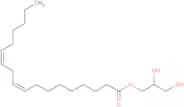
CAS :2-[[(4-Anilinophenyl)imino]methyl]-4,6-dichlorophenol is a chemical that has been used in the synthesis of pharmaceuticals and other organic compounds. It is a versatile building block for the preparation of complex compounds and fine chemicals. This product can be used as a reagent or reaction component for research purposes. It is also useful as an intermediate or building block in the synthesis of drugs and other organic compounds. CAS No. 303215-67-0Formule :C19H14Cl2N2ODegré de pureté :Min. 95%Couleur et forme :Red PowderMasse moléculaire :357.23 g/mol1-Linoleoyl-rac-glycerol
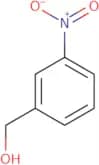
CAS :1-Linoleoyl-rac-glycerol is a lipid with a structure similar to that of linoleic acid. The compound is used as a substrate for the study of the effects of oxygenation on lipid metabolism. 1-Linoleoyl-rac-glycerol has been shown to have anti-inflammatory properties in chronic kidney disease and pancreatitis models, which may be due to its inhibition of pancreatic lipase. 1-Linoleoyl-rac-glycerol is also used as a reaction product in sample preparation techniques, such as thin layer chromatography and high performance liquid chromatography. A variety of reactions can be performed with this compound, including hydrolysis by thrombin or trypsin, esterification with methanol or chloroform, or oxidation by potassium permanganate. 1-Linoleoyl-rac-glycerol has been shown to inhibit the growth of human lung epithelial cells (thp1Formule :C21H38O4Degré de pureté :Min. 95 Area-%Couleur et forme :Clear LiquidMasse moléculaire :354.52 g/mol3-Nitrobenzyl alcohol
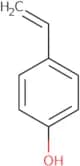
CAS :3-Nitrobenzyl alcohol is a low potency drug that is used for the treatment of cancer. It is a derivative of trifluoroacetic acid, which has been shown to have anti-tumor effects in animals. 3-Nitrobenzyl alcohol binds to the matrix on the surface of cells by hydrogen bonding and forms an intramolecular hydrogen bond with the nitrogen atom. This process leads to increased fluorescence intensity, which can be detected using matrix-assisted laser desorption ionization mass spectrometry (MALDI MS). The fatty acid group found in 3-nitrobenzyl alcohol increases its solubility in water and facilitates penetration into lipid bilayers. This compound exhibits cytotoxicity against monoclonal antibody-positive B cell lymphoma cells and may also have anti-inflammatory properties due to its inhibition of picolinic acid synthesis.Formule :C7H7NO3Degré de pureté :Min 98%Couleur et forme :PowderMasse moléculaire :153.14 g/mol4-Vinylphenol, 10 wt % in propylene glycol
CAS :4-Vinylphenol is a chemical compound that has the molecular formula CH2=CHC6H4OH. It is a hydroxyl derivative of phenol and has the chemical structure of a phenolic acid. This compound is used in the laboratory to study the effects of cationic polymerization on surface methodology and activation energies. 4-Vinylphenol inhibits Saccharomyces cerevisiae strain, which is commonly found in urine samples as well as in recombinant cells, by inhibiting cell growth and reducing ATP production. The inhibition of Saccharomyces cerevisiae strain by 4-vinylphenol can be reversed with p-hydroxybenzoic acid or cationic polymerization. The molecule also contains two nitrogen atoms that can form hydrogen bonds with other molecules, such as water molecules. It is possible that these hydrogen bonds are what allow 4-vinylphenol to inhibit Saccharomyces cerevisiae strain, although this hypothesis hasFormule :C8H8ODegré de pureté :Min. 95 Area-%Couleur et forme :Colorless Clear LiquidMasse moléculaire :120.15 g/mol[5-(4-Amino-2-bromophenyl)-2-furyl]methanol
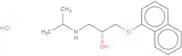
CAS :5-(4-Amino-2-bromophenyl)-2-furyl]methanol (5ABF) is a fine chemical that has been shown to be an effective building block. The compound is used as a reagent in organic synthesis and can be used as a reaction component. 5ABF is also an intermediate, which can be converted into useful building blocks. 5ABF has been shown to have versatile uses in research chemicals and speciality chemicals. This chemical's CAS number is 874592-18-4. 5ABF has a high quality and is a versatile scaffold.Formule :C11H10BrNO2Degré de pureté :Min. 95%Couleur et forme :Slightly Yellow PowderMasse moléculaire :268.11 g/mol(S)-Propranolol hydrochloride
CAS :Produit contrôléPropranolol hydrochloride is a prodrug that is converted to the active form, (S)-propranolol, by deesterification in vivo. Propranolol hydrochloride has been used for more than 50 years as a beta-blocker for the treatment of hypertension and angina pectoris. It is also used to treat other cardiovascular diseases such as arrhythmias and myocardial infarction. Propranolol hydrochloride inhibits the activity of human estrogen receptor (ER) and blocks the synthesis of proteins that are necessary for tumor growth. This drug has been shown to be effective against metastable polymorphs in urine samples and can be used as an analytical method to differentiate enantiomers.
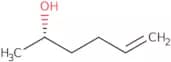
Formule :C16H21NO2•HClDegré de pureté :Min. 95%Masse moléculaire :295.8 g/mol(2S)-5-Hexen-2-ol
CAS :5-Hexen-2-ol is a constituent of various natural products such as the racemosum and macrocyclic lactones. It has been found to have a broad spectrum of biological activities, including antibacterial, antifungal, antiparasitic and antimalarial activity. 5-Hexen-2-ol has also been used in the synthesis of various macrocyclic lactones and macrolactones. This compound has been found to inhibit penicillium growth by competitive inhibition of ergosterol biosynthesis.
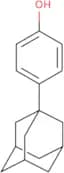
Formule :C6H12ODegré de pureté :Min. 95%Couleur et forme :Clear LiquidMasse moléculaire :100.16 g/mol4-(1-Adamantyl) phenol
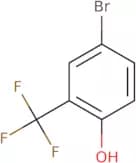
CAS :4-(1-Adamantyl) phenol is a natural compound that is found in the essential oil of nutmeg and mace. 4-(1-Adamantyl) phenol binds to the receptor for 1-adamantanol, which is a neurotransmitter in animals and humans. This binding inhibits the response pathway of this neurotransmitter, which can lead to an inhibitory effect on pain transmission. The structure of 4-(1-Adamantyl) phenol has been determined by X-ray crystallography and molecular docking analysis. It also has been shown that this compound reacts with trifluoroacetic acid under Friedel-Crafts conditions to form 3-(2'-hydroxyethyl)-4-(1'-adamantyl)-phenol. These compounds have been shown to have an inhibitory effect on animal health.Formule :C16H20ODegré de pureté :Min. 95%Couleur et forme :PowderMasse moléculaire :228.33 g/mol4-Bromo-2-(trifluoromethyl)phenol
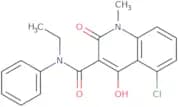
CAS :4-Bromo-2-(trifluoromethyl)phenol is a compound that belongs to the family of dialdehydes. It has been used in organic chemistry as an assembly reagent, a monomer in polymer synthesis, and as a building block for oligomers and duplexes. 4-Bromo-2-(trifluoromethyl)phenol is stable under basic conditions and can be used in the presence of chloroform. This compound functions as an intermediate for the synthesis of other functionalized molecules such as phosphine oxide, oxide, and diamines.Formule :C7H4BrF3ODegré de pureté :Min. 95%Couleur et forme :PowderMasse moléculaire :241.01 g/mol5-Chloro-4-hydroxy-1-methyl-2-oxo-1,2-dihydro-quinoline-3-carboxylic acid ethyl-phenyl-amide
CAS :Laquinimod is an immunomodulator drug that inhibits the activity of the immune system. It binds to toll-like receptor 7, which is a protein on the surface of certain cells that responds to infection and inflammation. Laquinimod has been shown to inhibit neurodegeneration in vitro, which may be due to its ability to bind with neuronal death receptors and block the inflammatory response. Laquinimod also inhibits bowel disease by reducing inflammation and controlling immunity in the intestinal tract. Laquinimod has been shown to have long-term efficacy when administered at physiological levels. This drug is chemically stable, even after exposure to light.Formule :C19H17ClN2O3Degré de pureté :Min. 95%Couleur et forme :White PowderMasse moléculaire :356.8 g/molLinolenic acid - 70%
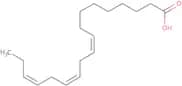
CAS :Linolenic acid is a polyunsaturated fatty acid that belongs to the omega-6 family. It has been shown to have apoptosis-inducing effects in various experimental models and has anti-oxidant properties. Linolenic acid also protects against UV radiation and skin cancer. In addition, linolenic acid may be beneficial for eye disorders such as dry eye syndrome and age-related macular degeneration. Clinical studies have shown that linolenic acid may help with weight loss, improve body mass index, and reduce inflammation.Formule :C18H30O2Degré de pureté :Min. 95%Couleur et forme :Brown Slightly Yellow Red Clear LiquidMasse moléculaire :278.43 g/mol2-Methoxy-5-nitrophenol
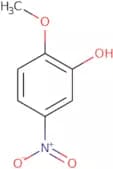
CAS :2-Methoxy-5-nitrophenol (2MNOP) is a compound that has been shown to inhibit the growth of bacteria in nutrient solutions by reducing the activity of glutamate pyruvate transaminase and pyridoxine hydrochloride. 2MNOP is a potent inhibitor of bacterial enzyme activities, such as neutral ph, hydrochloric acid, nitro, and toxicity studies. It is not active against eukaryotic cells or plants. The uptake of 2MNOP is enhanced by the presence of diamine tetraacetic acid and ethylene diamine. 2MNOP has also been shown to be effective against multi-walled carbon nanotubes.Formule :C7H7NO4Degré de pureté :Min. 95%Couleur et forme :PowderMasse moléculaire :169.13 g/mol6-Benzyloxy-1-hexanol
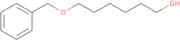
CAS :6-Benzyloxy-1-hexanol is a linker compound that has been used in the synthesis of galnac and trifluoromethylated compounds. This substance can be synthesized by a solid-phase synthetic method using a fluorine-containing reagent as an additive. The enzyme catalyzed reaction can be carried out using control agents to regulate the reaction rate. 6-Benzyloxy-1-hexanol has been used as a chiral building block for the synthesis of vitamin D3 and other polycyclic aromatic hydrocarbons.Formule :C13H20O2Degré de pureté :Min. 95%Couleur et forme :Colourless To Pale Yellow LiquidMasse moléculaire :208.3 g/mol2-[2-[2-(2-Hydroxyethoxy)ethoxy]ethoxy]-1-(p-toluenesulfonyl)-ethanol
CAS :2-[2-[2-(2-Hydroxyethoxy)ethoxy]ethoxy]-1-(p-toluenesulfonyl)-ethanol is a PEG polymer categorised as monofunctional (OH-PEG-X). Used as a linker, 2-[2-[2-(2-hydroxyethoxy)ethoxy]ethoxy]-1-(p-toluenesulfonyl)-ethanol is used to attached PEG to proteins, peptides, oligonucleotides, nanoparticles and small molecules via pegylation, a bioconjugation technique.Formule :C13H20O6SDegré de pureté :Min. 95%Couleur et forme :PowderMasse moléculaire :304.36 g/mol2-Amino-4-cyano-phenol
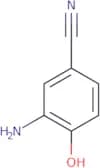
CAS :2-Amino-4-cyano-phenol is a compound that has been shown to have antitubercular activity. It modulates the activity of cromakalim, which is a drug used for the treatment of tuberculosis. 2-Amino-4-cyano-phenol is also an antibacterial agent and has been shown to activate bacterial DNA replication and protein synthesis. The mechanism of action of this compound is thought to be due in part to its ability to bind with the ribosomes on the outside surface of cells and inhibit their function. 2-Amino-4-cyano-phenol has also been shown to have structural similarities with phenylephrine, which inhibits bacterial growth by binding to DNA gyrase, thereby preventing transcription and replication.Formule :C7H6N2ODegré de pureté :Min. 95%Couleur et forme :PowderMasse moléculaire :134.14 g/molEpifriedelanol
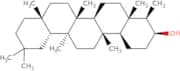
CAS :Produit contrôléEpifriedelanol is a sesquiterpene lactone that belongs to the group of natural compounds. This molecule is produced by the plant B. dracunculifolia and has shown anti-inflammatory properties in vitro. Epifriedelanol has been shown to inhibit mitochondrial membrane potential and activity index, which are important for cancer cell growth and survival. Epifriedelanol also has anticancer effects on colorectal adenocarcinoma cells as well as skin cancer cells. It may also be used for urinary tract infections due to its inhibition of bacterial growth.Degré de pureté :Min. 95%Couleur et forme :Powder1-(6-Chloropyridazin-3-yl)piperidin-4-ol
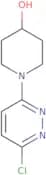
CAS :1-(6-Chloropyridazin-3-yl)piperidin-4-ol (CPP) is an organic compound that is used as a corrosion inhibitor. It has been shown to be effective in the presence of hydrochloric acid and chloride ions in various media. The mechanism of CPP's anti-corrosion properties is due to its ability to form a protective film on metal surfaces, which can be attributed to its electron donating ability. This film prevents the occurrence of metal dissolution or metal oxidation, thereby preventing corrosion. CPP has been shown to inhibit the growth of bacteria by binding with DNA and RNA. It also inhibits protein synthesis through competitive inhibition of ribosomes.Formule :C9H12ClN3ODegré de pureté :(%) Min. 85%Masse moléculaire :213.66 g/mol1-(Acryloyloxy)-3-(methacryloyloxy)-2-propanol (stabilized with MEHQ)
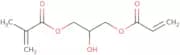
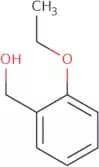
CAS :1-(Acryloyloxy)-3-(methacryloyloxy)-2-propanol (stabilized with MEHQ) is a polymer that is used as an antimicrobial agent. It is synthesized by the reaction of acrylates and methacrylates with a crosslinker, such as MEHQ. This polymer has shown to have strong activity against bacteria and fungi, but it does not have any effect on viruses. The compound has the ability to bind to the surface of cells and cause cell death through the disruption of protein synthesis or by causing membrane leakage. FT-IR spectroscopy has shown that this polymer contains hydroxyl groups, which may account for its antimicrobial properties. The use of multi-walled carbon nanotubes in this polymer may also be responsible for its antimicrobial properties because they are able to bind to organic compounds like chloride ions and hydrogen bonds. 1-(Acryloyloxy)-3Formule :C10H14O5Degré de pureté :Min. 95%Couleur et forme :Clear LiquidMasse moléculaire :214.22 g/mol2-Ethoxybenzyl alcohol
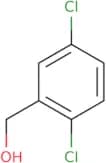
CAS :2-Ethoxybenzyl alcohol is a chemical that belongs to the group of ethyl esters. It is an ether that has been shown to have normalizing activities on frequencies in the range of 2.2-2.4 ppm. The stereochemical configuration at C1 and the carbonyl group are essential for these activities, which are due to the ability of this molecule to act as a hydrogen bond acceptor. 2-Ethoxybenzyl alcohol is commonly found as an impurity in other ethers, such as diethyl ether, and can be used as a marker for their presence in a sample by gas chromatography with chemical ionization detection (GC/CI). 2-Ethoxybenzyl alcohol can also be metabolized by sulfation or biotransformations into methoxy or acetate derivatives. This compound has been shown to be carcinogenic when administered orally to rats.Formule :C9H12O2Degré de pureté :Min. 95%Couleur et forme :Clear LiquidMasse moléculaire :152.19 g/mol2,5-Dichlorobenzyl alcohol
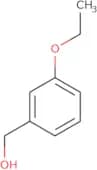
CAS :2,5-Dichlorobenzyl alcohol is a lacteous compound that is used as a herbicide. It inhibits the growth of plants by inhibiting the activity of enzymes that are involved in the biosynthesis of amino acids and fatty acids. 2,5-Dichlorobenzyl alcohol is also used to produce polychlorinated compounds and has significant effects on weed science. 2,5-Dichlorobenzyl alcohol may be used as a linker molecule in chemical reactions. This compound can be catalysed by dioxygenation to produce chlorobenzal or benzaldehyde.Formule :C7H6Cl2ODegré de pureté :Min. 95%Couleur et forme :PowderMasse moléculaire :177.03 g/mol3-Ethoxybenzyl alcohol
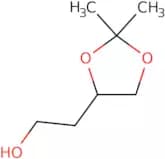
CAS :3-Ethoxybenzyl alcohol is a lead compound that has been shown to be carcinogenic in mice. It has also been shown to have strong anti-inflammatory properties, as it inhibits the production of prostaglandins. This chemical is also able to inhibit sulfation and may be used as an analyte for high-throughput analysis in order to identify novel drugs for the treatment of asthma or other inflammatory diseases. 3-Ethoxybenzyl alcohol has a number of biological effects, including inhibition of protein synthesis and cell division, which are due to its ability to bind with sulfate ions.Formule :C9H12O2Degré de pureté :Min. 95%Couleur et forme :Clear LiquidMasse moléculaire :152.19 g/mol2-(2,2-Dimethyl-1,3-dioxolan-4-yl)ethan-1-ol
CAS :2-(2,2-Dimethyl-1,3-dioxolan-4-yl)ethan-1-ol is a nucleoside analog that inhibits HIV replication by binding to the enzyme adenosine deaminase (ADA). This binding prevents the conversion of adenosine to inosine, which is required for the synthesis of DNA. 2-(2,2-Dimethyl-1,3-dioxolan-4-yl)ethan-1-ol has been shown to inhibit HIV replication in cell lines and human lymphocytes with IC50 values of 0.5–0.8 μM. It also inhibits the production of HIV proteins such as p24 and gp120. The drug has been shown to be more potent than other nucleoside analogues such as 3'-azido-, 3'-thio-, 3'-amino-, or 3'-fluoro-. The drug has been shown to have antiviral activity against a number of virusesFormule :C7H14O3Degré de pureté :Min. 95 Area-%Couleur et forme :Colorless Slightly Yellow Clear LiquidMasse moléculaire :146.18 g/molCholesterol linoleate
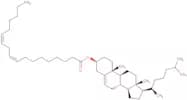
CAS :Produit contrôléCholesterol linoleate is a model system that is used to study the role of cholesterol in atherosclerosis. It consists of a cholesterol-based polymer and linoleic acid, which are chemically similar to the natural lipids found in human cells. In vitro studies have shown that this model system has an inhibitory effect on ATP binding cassette transporter A1 (ABCA1) and ABCG1. These proteins transport cholesterol from cellular membranes to other parts of the cell, where they are degraded by enzymes called lysosomes. Cholesterol linoleate also inhibits basic protein, an enzyme that breaks down cholesteryl, leading to reduced levels of cholesteryl esters in the atheromatous lesions. This model system has been shown to reduce disease activity in animals with atherosclerotic lesions.Formule :C45H76O2Couleur et forme :White PowderMasse moléculaire :649.08 g/mol(1R,4S)-4-Amino-2-cyclopentene-1-methanol hydrochloride
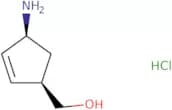
CAS :(1R,4S)-4-Amino-2-cyclopentene-1-methanol hydrochloride is a chemical compound that is used as a building block in the synthesis of other compounds. It is also known to be a speciality chemical and a research chemical. (1R,4S)-4-Amino-2-cyclopentene-1-methanol hydrochloride can be used as an intermediate in the production of fine chemicals, pharmaceuticals and agrochemicals. The compound has been found to have high quality and good purity by the manufacturer.Formule :C6H11NO•HClDegré de pureté :Min. 95%Couleur et forme :Brown SolidMasse moléculaire :149.62 g/mol1,2-Dipalmitoyl-sn-glycero-3-phosphoethanolamine
CAS :1,2-Dipalmitoyl-sn-glycero-3-phosphoethanolamine is a phospholipid that plays an important role in many cellular processes. It is a major component of the lipid bilayer that surrounds cells and provides stability to the membrane. 1,2-Dipalmitoyl-sn-glycero-3-phosphoethanolamine can form hydrogen bonding interactions with other molecules in the cytoplasm. The redox potential of this compound is also high enough to allow it to participate in oxidation reactions. This phospholipid also has a phase transition temperature at which it changes from a liquid state to a solid state at room temperature. 1,2-Dipalmitoyl-sn-glycero-3-phosphoethanolamine can be used as a reaction mechanism for synthesizing glycosylated proteins or lipids. In vitro assays have been performed using this compound asFormule :C37H74NO8PMasse moléculaire :691.96 g/mol(6S)-5,6,7,8-Tetrahydro-6-[propyl[2-(2-thienyl)ethyl]amino]-1-naphthalenol
CAS :Produit contrôlé(6S)-5,6,7,8-Tetrahydro-6-[propyl[2-(2-thienyl)ethyl]amino]-1-naphthalenol is a potent and selective dopamine receptor agonist. It acts by binding to the dopamine receptors in the brain. This binding stimulates the release of dopamine and prevents it from being reabsorbed into the neurons, which in turn increases levels of extracellular dopamine in the synapse. (6S)-5,6,7,8-Tetrahydro-6-[propyl[2-(2-thienyl)ethyl]amino]-1-naphthalenol has been shown to have antidepressant effects in animal models of depression. It also has a long half life and can be administered as a transdermal patch for prolonged relief from depression symptoms.Formule :C19H25NOSDegré de pureté :Min. 95%Couleur et forme :White Off-White PowderMasse moléculaire :315.47 g/molHalquinol, mixture of 5,7-Dichloro-8-quinolinol, 5-Chloro-8-quinolinol, 7-Chloro-8-quinolinol and 8-Hydroxyquinoline
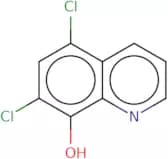
CAS :Halquinol, a mixture of 5,7-dichloro-8-quinolinol, 5-chloro-8-quinolinol, 7-chloro-8-quinolinol and 8-hydroxyquinoline, is an important intermediate in organic synthesis. It has been used as a reagent in the synthesis of a variety of complex compounds. Halquinol has also been used as a building block for the synthesis of many other chemical products. The CAS number for halquinol is 806769-4.Formule :C18H11Cl3N2O2Degré de pureté :Min. 95%Couleur et forme :Off-White PowderMasse moléculaire :393.65 g/mol2-Hydroxy-3-methoxybenzyl alcohol
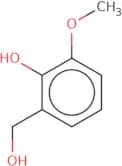
CAS :2-Hydroxy-3-methoxybenzyl alcohol is a phenolic compound that belongs to the class of mandelonitrile. It is an envenomation agent that has been shown to have a molecular weight of 146, and is synthesized by reacting 2-hydroxy-4-methoxybenzaldehyde with formic acid. This drug also has been shown to have high binding affinity for the androgen receptor, which allows it to be used as an antihormone therapy. 2-Hydroxyl-3-methoxybenzyl alcohol binds to hormone receptors in cells and prevents them from binding with the hormones needed for transcription. The hydroxyl group on this molecule allows it to act as an acceptor for other molecules in reactions involving formylation and hydroxylation reactions.
Formule :C8H10O3Degré de pureté :Min. 95%Couleur et forme :PowderMasse moléculaire :154.16 g/mol2-tert-Butyl-6-(5-chloro-2H-benzotriazol-2-yl)-4-methylphenol
CAS :2-tert-Butyl-6-(5-chloro-2H-benzotriazol-2-yl)-4-methylphenol is the chemical compound with formula C12H7ClO3. It is a white solid that is soluble in water and ethanol, but not in ether or hexane. 2,6-Tertiarybutylphenol has been used as a cell nucleus marker to study locomotion of cells, as well as to analyze other samples including metal ions and water vapor. The method involves the use of a laser ablation technique, which can be used for complex sample analysis. The compound is structurally similar to 2,4,6-trimethylphenol, which has an OH group in place of the CH3 group on the tertiary butyl side chain. This difference makes it more reactive than 2,4,6-trimethylphenol because it has a higher concentration of hydroxyl groups.Formule :C17H18ClN3ODegré de pureté :Min. 98 Area-%Couleur et forme :Slightly Yellow PowderMasse moléculaire :315.8 g/mol2-[2-(2-t-Boc-aminoethoxy)ethoxy]ethanol
CAS :2-[2-(2-t-Boc-aminoethoxy)ethoxy]ethanol is a versatile chemical building block that can be used to synthesize a variety of compounds. It has been shown to be useful as a reaction component in the synthesis of pharmaceuticals and agrochemicals. The compound is also used as an intermediate for the preparation of other compounds. 2-[2-(2-t-Boc-aminoethoxy)ethoxy]ethanol is soluble in organic solvents, such as chloroform, ethanol, or acetone. It has a CAS number of 139115-92-7 and is relatively easy to purify by recrystallization from methanol.Formule :C11H23NO5Degré de pureté :Min. 95%Couleur et forme :Clear LiquidMasse moléculaire :249.3 g/mol5-Methyl-4,5-dihydro-1,2,4-triazino[5,6-b]indole-3-thione
CAS :Please enquire for more information about 5-Methyl-4,5-dihydro-1,2,4-triazino[5,6-b]indole-3-thione including the price, delivery time and more detailed product information at the technical inquiry form on this pageFormule :C10H8N4SDegré de pureté :Min. 95%Couleur et forme :PowderMasse moléculaire :216.26 g/mol2-Methylresorcinol, technical
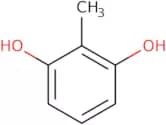
CAS :2-Methylresorcinol, technical is the sodium salt of 2-methylresorcinol. It has been shown to be chemically stable at high temperatures and can be used in magnetic resonance spectroscopy. The nmr spectra of 2-methylresorcinol are different from those of other compounds. It is a molecule with a carbonyl group and one methyl group that reacts with hydrochloric acid to produce a reaction product with a chlorine atom, which reacts with trifluoroacetic acid or trifluoromethanesulfonic acid to produce an activated intermediate that can react with a second molecule to form another reaction product. This mechanism may be useful in the synthesis of anti-tuberculosis drugs.Formule :C7H8O2Degré de pureté :Min. 95%Couleur et forme :PowderMasse moléculaire :124.14 g/mol1,2-Distearoyl-sn-glycerol
CAS :1,2-Distearoyl-sn-glycerol (DAG) is a lipid molecule that is found in the cell membrane and can be used as an antimicrobial agent. DAG has been shown to inhibit the growth of bacteria by binding to their fatty acid chains. It also has been shown to bind to the receptor P2Y6, which is involved in mediating inflammatory responses, and inhibits its activity. This drug may be useful for treating diseases such as atherosclerosis and diabetes mellitus type 2.Formule :C39H76O5Couleur et forme :PowderMasse moléculaire :625.02 g/mol






![2-[[(4-Anilinophenyl)imino]methyl]-4,6-dichlorophenol](/_next/image/?url=https%3A%2Fstatic.cymitquimica.com%2Fproducts%2F3D%2Fthumb-webp%2FFA71703.webp&w=3840&q=75)
![[5-(4-Amino-2-bromophenyl)-2-furyl]methanol](/_next/image/?url=https%3A%2Fstatic.cymitquimica.com%2Fproducts%2F3D%2Fthumb-webp%2FFA134218.webp&w=3840&q=75)
![2-[2-[2-(2-Hydroxyethoxy)ethoxy]ethoxy]-1-(p-toluenesulfonyl)-ethanol](/_next/image/?url=https%3A%2Fstatic.cymitquimica.com%2Fproducts%2F3D%2Fthumb-webp%2FFH07578.webp&w=3840&q=75)

![(6S)-5,6,7,8-Tetrahydro-6-[propyl[2-(2-thienyl)ethyl]amino]-1-naphthalenol](/_next/image/?url=https%3A%2Fstatic.cymitquimica.com%2Fproducts%2F3D%2Fthumb-webp%2FFT76640.webp&w=3840&q=75)

![2-[2-(2-t-Boc-aminoethoxy)ethoxy]ethanol](/_next/image/?url=https%3A%2Fstatic.cymitquimica.com%2Fproducts%2F3D%2Fthumb-webp%2FFB18924.webp&w=3840&q=75)
![5-Methyl-4,5-dihydro-1,2,4-triazino[5,6-b]indole-3-thione](/_next/image/?url=https%3A%2Fstatic.cymitquimica.com%2Fproducts%2F3D%2Fthumb-webp%2FFM169526.webp&w=3840&q=75)