Alcools
Sous-catégories appartenant à la catégorie "Alcools"
5816 produits trouvés pour "Alcools"
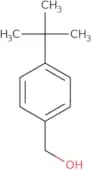
4-tert-Butylbenzyl alcohol
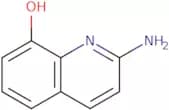
CAS :4-tert-Butylbenzyl alcohol is a chemical compound that binds to the acetyltransferase enzyme and blocks the conversion of acetate to acetyl-CoA. It is used as an inhibitor in biochemical research, where it is commonly used in control experiments. 4-tert-Butylbenzyl alcohol has a binding constant of 10 M, which is much higher than other inhibitors such as ethylene diamine (K = 3 x 10 M) and hydroxymethyl furfural (K = 1 x 10 M). This compound has been shown to inhibit wild type viruses by binding with the active site on their surface. The reaction mechanism for 4-tert-butylbenzyl alcohol involves forming an intermediate with chloride ions, which then reacts with ethylene diamine to form ethyl formate. The non-nucleoside inhibitors are thought to bind at the same site as nucleoside analogues, which inhibits reverse transcriptase activityFormule :C11H16ODegré de pureté :Min. 95%Couleur et forme :Colorless Clear LiquidMasse moléculaire :164.24 g/mol2-Amino-8-hydroxyquinoline
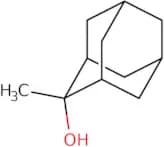
CAS :2-Amino-8-hydroxyquinoline is a molecule that has been shown to have optical properties. 2-Amino-8-hydroxyquinoline has also been shown to be reactive in vitro and inhibit the growth of cancer cells. It is thought that this inhibition may be due to its ability to bind to the active site of DNA polymerase, preventing DNA replication. 2-Amino-8-hydroxyquinoline has also been shown in vitro studies and vivo studies to have potent inhibition activity against human serum albumin (HSA). The molecules that are used as linkers to attach 2-amino 8 hydroxyquinoline to other molecules are thermodynamically stable. The isomers of 2 amino 8 hydroxyquinoline have also been studied by X-ray crystallography and nuclear magnetic resonance spectroscopy, which provides information about the structure of the molecule. Finally, 2 amino 8 hydroxyquinoline has been found to be an odorantFormule :C9H8N2ODegré de pureté :Min. 98%Couleur et forme :Off-White PowderMasse moléculaire :160.17 g/mol2-Methyl-2-adamantanol
CAS :2-Methyl-2-adamantanol is a chemical compound with the molecular formula CH(CH)COOH. It is a colorless liquid that boils at 109°C and freezes at -78°C. This compound has been used as an additive to gasoline, in cosmetics, as a solvent for polymers, and as a fuel. 2-Methyl-2-adamantanol is synthesized by the reaction of 1-adamantanol with hydrogen chloride gas in the presence of dimethylformamide. The product can be purified by recrystallizing it from methanol or chloroform. The structure of this compound was determined using X-ray crystallography. 2-Methyl-2-adamantanol is an alicyclic molecule that contains two methyl groups (-CH3) on adjacent carbons (C). It also has a hydrogen bond between the two methyl groups on C1 and C2. This compound has been
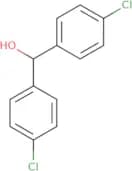
Formule :C11H18ODegré de pureté :Min. 95%Couleur et forme :PowderMasse moléculaire :166.1 g/molbis-(4-Chlorophenyl)-carbinol
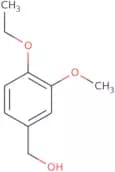
CAS :Bis-(4-chlorophenyl)-carbinol is a nonpolar compound with a linear plot. It is used as an intermediate in the synthesis of herbicides, insecticides, and pharmaceuticals. Bis-(4-chlorophenyl)-carbinol has been shown to bind to cylindrospermum, which is a type of marine algae that can be found in ecosystems such as the Great Barrier Reef. This binding reaction is the result of diphenylmethane, which is an aromatic compound that binds to bis-(4-chlorophenyl)-carbinol's electron-donating groups. The binding reaction was studied using dispersive solid-phase extraction (DSPE) and carbon source experiments on soil microorganisms. Cytochrome P450 enzymes are responsible for metabolizing bis-(4-chlorophenyl)-carbinol into unidentified metabolites.Formule :C13H10Cl2ODegré de pureté :Min. 95%Masse moléculaire :253.12 g/mol4-Ethoxy-3-methoxybenzyl alcohol
CAS :4-Ethoxy-3-methoxybenzyl alcohol is a metabolite of the drug benzocaine. It is formed by hydrolysis of the ester linkages in benzocaine and is then further metabolized to form 4-hydroxy-3-methoxybenzyl alcohol. 4-Ethoxy-3-methoxybenzyl alcohol has been shown to have antinociceptive effects in rats, which may be due to its ability to inhibit pain signals from the peripheral nerves.Formule :C10H14O3Degré de pureté :Min. 95%Couleur et forme :PowderMasse moléculaire :182.22 g/mol2,6-Dimethylphenylmethyl carbinol
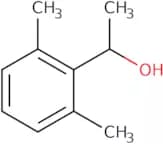
CAS :2,6-Dimethylphenylmethyl carbinol is a high quality chemical that is useful as a reagent in the synthesis of complex compounds. It can be used as an intermediate for the production of fine chemicals and speciality chemicals, such as research chemicals and versatile building blocks. This compound has been used in several chemical reactions to produce various compounds with different functional groups.Formule :C10H14ODegré de pureté :Min. 95%Couleur et forme :PowderMasse moléculaire :150.22 g/mol4-(Trifluoromethoxy)phenol
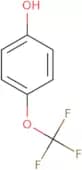
CAS :4-(Trifluoromethoxy)phenol is an anti-tuberculosis drug. It is a diode that has been shown to have pharmacokinetic properties in rats and mice. 4-(Trifluoromethoxy)phenol has been shown to act as a prodrug, which is activated by conversion to the active form. This active form inhibits the growth of Mycobacterium tuberculosis by binding to the 50S ribosomal subunit and preventing bacterial transcription and replication. The molecular structure of 4-(trifluoromethoxy)phenol is similar to phenoxypropanoid compounds, such as biphenyl, which may be responsible for its anti-tuberculosis effects. 4-(Trifluoromethoxy)phenol also binds DNA at specific sites with high affinity and specificity, inhibiting gene expression and RNA synthesis.Formule :C7H5F3O2Degré de pureté :Min. 95%Couleur et forme :Clear LiquidMasse moléculaire :178.11 g/mol2-Phenylquinoline-4-carbohydrazide
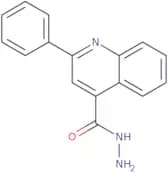
CAS :2-Phenylquinoline-4-carbohydrazide is an antibacterial agent that binds to bacterial DNA gyrase and topoisomerase, which are enzymes that maintain the integrity of bacterial DNA. It also has significant anti-inflammatory activity and can be used for the treatment of skin disorders, such as acne. 2-Phenylquinoline-4-carbohydrazide has been shown to induce apoptosis in human dermal fibroblast cells. This drug has been shown to have anticancer activity in vitro and in vivo. The anticancer activity of this drug may be due to its ability to inhibit cancer cell proliferation by binding to DNA gyrase and topoisomerase, which are enzymes that maintain the integrity of bacterial DNA.Formule :C16H13N3ODegré de pureté :Min. 95%Masse moléculaire :263.29 g/mol3-Bromo-4-hydroxybenzyl alcohol
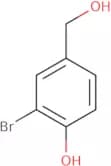
CAS :3-Bromo-4-hydroxybenzyl alcohol (3BHA) is a synthetic compound that is used as an antagonist in the treatment of platelet aggregation. It inhibits the activity of benzoxazine, an enzyme involved in the synthesis of 4-hydroxybenzoic acid. 3BHA blocks this pathway at high concentrations, inhibiting biosynthesis and leading to the accumulation of bromophenols. This inhibition may explain why aspirin has a potent inhibitory effect on platelet aggregation when combined with 3BHA.Formule :C7H7BrO2Degré de pureté :Min. 95%Couleur et forme :PowderMasse moléculaire :203.03 g/mol(4aS,6R,8aS)-4a,5,9,10,11,12-Hexahydro-3-methoxy-11-methyl-6H-benzofuro[3a,3,2-ef][2]benzazepin-6-ol
CAS :Produit contrôlé(4aS,6R,8aS)-4a,5,9,10,11,12-Hexahydro-3-methoxy-11-methyl-6H-benzofuro[3a,3,2-ef][2]benzazepin-6-ol is a natural compound that has been shown to be an effective treatment for oxidative injury. It has a cholinergic activity and is able to cross the blood brain barrier. (4aS,6R,8aS)-4a,5,9,10,11,12-Hexahydro-3-methoxy-11-methyl-6Hbenzofuro[3a. 3.2ef][2]benzazepin -6--ol was found to have protective effects in an experimental model of Alzheimer's disease where it significantly reduced neuronal death. The compound also has antiinflammatory properties which mayFormule :C17H21NO3Degré de pureté :Min. 95%Couleur et forme :PowderMasse moléculaire :287.35 g/mol1-Benzylglycerol
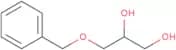
CAS :1-Benzylglycerol is a bifunctional reagent that can be used as an inorganic base or an organic solvent. It has been used to synthesize enantiopure compounds, such as fatty acids. 1-Benzylglycerol reacts with boron trifluoride etherate to form the corresponding ester, which is a reaction system for the synthesis of persulfates. The hydroxyl group on 1-benzylglycerol can be reacted with hydroxyl groups on fatty acids, catalyzed by lipase or chemoenzymes, to produce esters. 1-Benzylglycerol has been used in asymmetric synthesis and carbon tetrachloride immobilization reactions.
Formule :C10H14O3Degré de pureté :Min. 95%Couleur et forme :Clear LiquidMasse moléculaire :182.22 g/molIndole-3-propanol
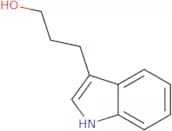
CAS :Indole-3-propanol is a reversible inhibitor of the enzyme dihydrofolate reductase that blocks the synthesis of purine nucleotides. It has been shown to have a regulatory effect on bacterial growth and may be used as an antimicrobial agent. Indole-3-propanol is an inhibitor of the enzyme dihydrofolate reductase, which catalyzes the reduction of dihydrofolic acid to tetrahydrofolic acid. This conversion is essential for DNA synthesis and repair in bacteria. Indole-3-propanol inhibits this reaction reversibly by binding to the hydroxy group in the active site of the enzyme, thereby blocking access to substrate analogues such as phosphoribosyl pyrophosphate (PRPP). The compound also inhibits human serum proteins, such as albumin, which are involved in metabolizing drugs. Molecular modeling studies suggest that indole-3-propanol binds to two lFormule :C11H13NODegré de pureté :Min. 95%Couleur et forme :Clear LiquidMasse moléculaire :175.23 g/mol1-Acetyl-1,2,3,4-tetrahydroquinolin-7-amine hydrochloride
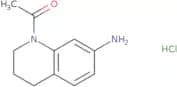
CAS :1-Acetyl-1,2,3,4-tetrahydroquinolin-7-amine hydrochloride is a versatile building block that can be used in the synthesis of complex compounds with high quality and as a speciality chemical. This compound is useful as a reagent and reaction component in organic synthesis. It has been shown to be useful in the synthesis of new scaffolds for drug discovery.
Formule :C11H14N2O·HClDegré de pureté :Min. 95%Couleur et forme :Off-White PowderMasse moléculaire :226.7 g/mol2,6-Dinitrobenzene-1,4-dimethanol
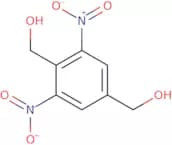
CAS :2,6-Dinitrobenzene-1,4-dimethanol is a developer that has been shown to have a sensitivity of 0.5 mg/ml and a molecular weight of 235.3 g/mol. It is also an amplified developer that has been shown to reduce the weight of polymers by up to 20%. This molecule can be used for the production of polymers with functional moieties and monomers with chemically reactive groups. 2,6-Dinitrobenzene-1,4-dimethanol is soluble in organic solvents and can be used as a monomer in polymerization reactions.
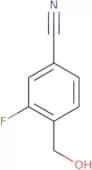
Formule :C8H8N2O6Degré de pureté :Min. 95%Couleur et forme :PowderMasse moléculaire :228.16 g/mol4-Cyano-2-fluorobenzyl alcohol
CAS :4-Cyano-2-fluorobenzyl alcohol is a reagent that is used to produce chlorine and hydrochloric acid. It is also used industrially in the production of potassium chloride, a compound that is used in fertilizers, animal feed supplements, and water treatment. 4-Cyano-2-fluorobenzyl alcohol reacts with chloride ions to form hypochlorous acid (HOCl), which then reacts with water to form hydrogen chloride gas. The reaction with fluoride ions leads to the formation of hydrofluoric acid (HF).Formule :C8H6FNODegré de pureté :Min. 95%Couleur et forme :White To Beige SolidMasse moléculaire :151.14 g/molEpifriedelanol
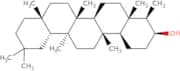
CAS :Produit contrôléEpifriedelanol is a sesquiterpene lactone that belongs to the group of natural compounds. This molecule is produced by the plant B. dracunculifolia and has shown anti-inflammatory properties in vitro. Epifriedelanol has been shown to inhibit mitochondrial membrane potential and activity index, which are important for cancer cell growth and survival. Epifriedelanol also has anticancer effects on colorectal adenocarcinoma cells as well as skin cancer cells. It may also be used for urinary tract infections due to its inhibition of bacterial growth.Degré de pureté :Min. 95%Couleur et forme :Powder4-Fluoroisoquinoline
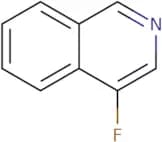
CAS :4-Fluoroisoquinoline is a synthetic compound that can be produced by the reduction of an acetonitrile-chlorinated isoquinoline compound. It is also possible to produce 4-fluoroisoquinoline by the reaction of chlorinating agents with an aldehyde, followed by the addition of phosphorus oxychloride and fluorine. The reductive sulfonation of 4-fluoroisoquinoline can be achieved by reacting it with sulfur trioxide, which is in turn generated from phosphorous oxychloride and sulfur dioxide. This process produces the desired product in good yields.
Formule :C9H6FNDegré de pureté :Min. 95%Couleur et forme :Brown PowderMasse moléculaire :147.15 g/moltrans-4-Aminocyclohexanol hydrochloride
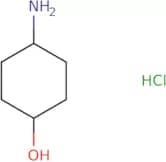
CAS :Trans-4-aminocyclohexanol hydrochloride is a monomer that has been used in the synthesis of polymers, which are used in the production of medical devices. Trans-4-aminocyclohexanol hydrochloride has shown anticancer activity and is used to inhibit the growth of murine leukemia cells. It has also shown uptake in different tissues and amination reaction with amino acids. The melting point of trans-4-aminocyclohexanol hydrochloride is 198°C, constant at 1.0, and impurities are less than 0.2%. Trans-4-aminocyclohexanol hydrochloride has been found to be a colorless solid with a molecular weight of 154.2 g/mol, an amorphous morphology, and a particle size distribution between 5 nm and 10 μm.Formule :C6H13NO·HClCouleur et forme :White Off-White PowderMasse moléculaire :151.63 g/mol1-Hexadecanethiol
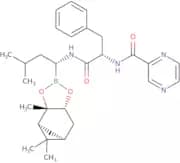
CAS :1-Hexadecanethiol (1-HDT) is a chemical substance that is used in the synthesis of polymers and as a reagent for surface modification. It has been shown to be an effective cationic surfactant with antimicrobial properties. 1-HDT has also been used to pattern surfaces and is found in water vapor, where it can react with oxygen to form 3-mercaptopropionic acid. 1-HDT reacts with thiols, alcohols, amines, and amino acids to form sulfides. In vitro assays have shown that 1-HDT can inhibit the growth of carboxy terminal protein polymer films. Chemical stability is dependent on the chemical species, which can be predicted by examining chemical structure and reactivity.Formule :C16H34SDegré de pureté :Min. 95%Couleur et forme :PowderMasse moléculaire :258.5 g/mol(1R)-(1S,2S,3R,5S)-Pinanediol-N-(N-pyrazinylphenylalaninoyl)-1-amino-3-methyl-butane-1-boronate
CAS :(1R)-(1S,2S,3R,5S)-Pinanediol-N-(N-pyrazinylphenylalaninoyl)-1-amino-3-methyl-butane-1-boronate is a boronic acid derivative that has been shown to have an antiproliferative effect on cancer cells. It is a biodegradable, water soluble drug with a low toxicity profile. The maximum tolerated dose has been established in vivo studies and it can be used as an imaging agent for diagnosis. (1R)-(1S,2S,3R,5S)-Pinanediol-N-(N-pyrazinylphenylalaninoyl)-1-amino-3-methyl-butane-1-boronate may be used to treat cancers such as breast cancer or leukemia. This drug targets the proteasome and inhibits its activity by binding to the active site of the 20sFormule :C29H39BN4O4Degré de pureté :Min. 95%Couleur et forme :SolidMasse moléculaire :518.46 g/molResorcinol bis(2-hydroxyethyl)ether
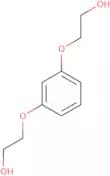
CAS :Resorcinol bis(2-hydroxyethyl)ether is a chemical compound that belongs to the class of polyols. It is a colorless liquid with a strong odor and has a molecular weight of 198.22 g/mol. Resorcinol bis(2-hydroxyethyl)ether is used in the production of polyester, polyurethane, and cellulose acetate butyrate. This chemical also has an anti-oxidant effect that can be utilized in industrial processes such as oxidation polymerization, dyeing, and curing agents. The synthesis methods for resorcinol bis(2-hydroxyethyl)ether include acetaldehyde condensation with glycerol or ethylene oxide followed by hydrolysis.Formule :C10H14O4Degré de pureté :Min. 95%Couleur et forme :White PowderMasse moléculaire :198.22 g/mol(17α)-6-Fluorocholest-5-en-3-ol
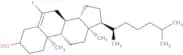
CAS :Produit contrôlé(17alpha)-6-Fluorocholest-5-en-3-ol is a fluorinated cholesterol derivative that inhibits the cholesterol acyltransferase enzyme, which is responsible for the enzymatic esterification of cholesterol to form cholesteryl esters. This product has been shown to inhibit cellular growth and may be useful in treating bacterial infections. (17alpha)-6-Fluorocholest-5-en-3-ol has also been shown to inhibit the growth of bacteria by binding to the hmg coa reductase enzyme, which is involved in cholesterol metabolism. This product has been found to increase membrane fluidity and promote cell growth. It also prevents the formation of foam cells by inhibiting cholesterol uptake from peripheral tissues into macrophages.Formule :C27H45FODegré de pureté :Min. 95%Masse moléculaire :404.64 g/molXanthinol nicotinate
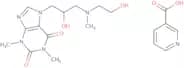
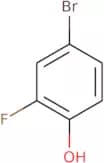
CAS :Produit contrôléXanthinol nicotinate is a fat-soluble compound that is found in the form of nicotinic acid. It has been shown to decrease inflammation, inhibit tumor growth and improve blood flow. Xanthinol nicotinate has been shown to be effective for the treatment of chronic pulmonary disease, cranial cavity disease, maternal blood clotting disorders, congestive heart failure, cancer, and tissue culture. This drug has also been shown to regulate transcriptional activity and coordinate complex formation. The use of this drug has also been shown to be beneficial for women with diabetes mellitus or pancreatitis.Formule :C13H21N5O4·C6H5NO2Degré de pureté :Min. 95%Couleur et forme :White Off-White PowderMasse moléculaire :434.45 g/mol4-Bromo-2-fluorophenol
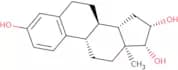
CAS :4-Bromo-2-fluorophenol is a mesomorphic substance that has a helical structure. It has been shown to have ferroelectric properties and light emission, as well as being spontaneously polar. 4-Bromo-2-fluorophenol is a dipole molecule with two hydrogen bonds on each side of the molecule. The fluorine atom in 4-bromo-2-fluorophenol interacts with chlorine atoms through an intramolecular hydrogen bond.Formule :C6H4BrFODegré de pureté :Min. 95%Couleur et forme :Clear LiquidMasse moléculaire :191 g/mol16-Epiestriol
CAS :Produit contrôlé16-Epiestriol is a natural estrogen that can be found in urine samples. It has been shown to bind to the glucocorticoid receptor, which plays an important role in the regulation of immune responses and metabolism. 16-Epiestriol has also been shown to have immunosuppressive activities and may be used to treat cancer. 16-Epiestriol is metabolized by esterases in the liver, which leads to the production of covalent adducts. These covalent adducts bind to proteins in human liver and other tissues, leading to potential carcinogenicity. 16-Epiestriol binds with high affinity to streptococcus faecalis, which is an opportunistic pathogen associated with urinary tract infections. The optimum pH for this drug is 8.5 and it has been shown that it does not bind well at pH levels below 7 or above 11.
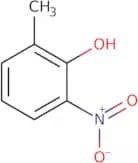
Formule :C18H24O3Degré de pureté :Min. 95%Couleur et forme :PowderMasse moléculaire :288.38 g/mol2-Methyl-6-nitrophenol
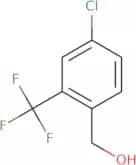
CAS :2-Methyl-6-nitrophenol (2MP) is a nitro compound that has been shown to have an inhibitory effect on the oxidation of sodium nitrate by sodium chloride. It also inhibits the photooxidation of biomimetic systems. 2MP is a chemical ionization reagent that can be used as a molecular descriptor in environmental chemistry studies. The regioselectivity of 2MP was studied using gas chromatography and mass spectrometry. The molecular descriptors were determined using electron ionization and chemical ionization, which were found to be similar.Formule :C7H7NO3Degré de pureté :Min. 95%Couleur et forme :Off-White PowderMasse moléculaire :153.14 g/mol4-Chloro-2-(trifluoromethyl)benzyl alcohol
CAS :4-Chloro-2-(trifluoromethyl)benzyl alcohol is a human body signal that is emitted by elements in the human body when irradiated. It has been shown to be a good marker for monitoring the effects of radiation on humans. The emission of 4-Chloro-2-(trifluoromethyl)benzyl alcohol can be detected by mass spectrometry.Formule :C8H6ClF3ODegré de pureté :Min. 95%Couleur et forme :PowderMasse moléculaire :210.58 g/mol5-Hydroxyisoquinoline
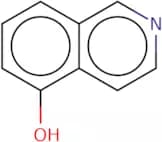
CAS :5-Hydroxyisoquinoline is a quinoline derivative that is synthesized from aziridine. It has been shown to be a potent insulin sensitizing agent in mice with type 2 diabetes mellitus. 5-Hydroxyisoquinoline has been shown to inhibit the activity of purified enzymes preparations and show high selectivity for chloride channels, which are responsible for the transport of chloride ions across cell membranes. This inhibition leads to an influx of protons into the cell, which may lead to a change in the redox potential and changes in the molecular structure of the molecule. The reaction mechanism involves substitution at position 5 of the isoquinoline ring by hydroxy groups (OH).Formule :C9H7NODegré de pureté :Min. 95%Couleur et forme :Yellow PowderMasse moléculaire :145.16 g/mol3-(Diethylamino)-1-propanol
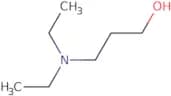
CAS :3-(Diethylamino)-1-propanol is a chemical species that has been shown to inhibit the growth of epidermal cells in a model system. 3-(Diethylamino)-1-propanol inhibits the production and release of epidermal growth factor, which is required for cell proliferation. The chemical binds to the receptor for epidermal growth factor, thereby inhibiting its activity. The low energy activation energies of this compound make it an excellent candidate for use in radiation therapy, as it can be easily activated by low levels of radiation and will not break down before reaching the target tissue. 3-(Diethylamino)-1-propanol also has inhibitory properties against other amines, such as histamine and acetylcholine.Formule :C7H17NODegré de pureté :Min. 95%Couleur et forme :Clear LiquidMasse moléculaire :131.22 g/mol4-Keto retinol
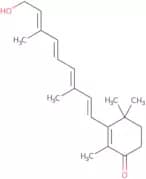
CAS :4-Keto retinol is an analog of vitamin A, which is used in the treatment of various diseases. It has been shown to reduce the levels of PGE2 and increase the redox potential in cells. 4-Keto retinol has also been shown to increase locomotor activity and improve energy metabolism. The structural analysis of 4-keto retinol has revealed that it binds to DNA polymerase, inhibiting transcriptional activity. The pharmacokinetic properties of this drug have been studied in rats and mice, but not yet humans. This compound will most likely be administered orally or intravenously with a dosage range from 0.01 mg/kg to 10 mg/kg per day.
Formule :C20H28O2Degré de pureté :Min. 95%Couleur et forme :PowderMasse moléculaire :300.44 g/mol4-(1-Adamantyl)-2-nitrophenol
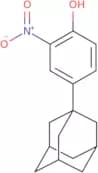
CAS :4-(1-Adamantyl)-2-nitrophenol is a versatile building block that can be used to construct complex compounds. It is a research chemical that can be used as a reagent, as well as in the synthesis of pharmaceuticals and other chemicals. 4-(1-Adamantyl)-2-nitrophenol is soluble in water and ethanol, and has an odorless and colorless appearance. This chemical can be found under the CAS number 32599-84-1.
Formule :C16H19NO3Degré de pureté :Min. 95%Masse moléculaire :273.33 g/molL-Tyrosinol hydrochloride
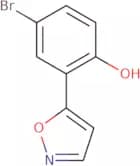
CAS :L-Tyrosinol hydrochloride is a chiral molecule that is the hydrogenated form of L-tyrosine. It is an intermediate in the synthesis of L-dopa, which is used to treat Parkinson's disease. The enzymatic reaction that converts L-tyrosinol hydrochloride to L-dopa requires adenosine 5'-phosphosulfate as cofactor and histidine as a catalyst. The conversion of L-tyrosinol hydrochloride to L-dopa occurs with high yield and has been shown to be stereoselective. This synthetic pathway has been shown to have an activation energy of 53 kcal/mol and a reaction time of 30 minutes at room temperature.Formule :C9H13NO2·HClCouleur et forme :White Off-White PowderMasse moléculaire :203.67 g/mol4-Bromo-2-(5-isoxazolyl)phenol
CAS :4-Bromo-2-(5-isoxazolyl)phenol is a fine chemical that is used as a building block in the synthesis of other chemicals. It is also useful as a reagent, speciality chemical, and intermediate to produce complex compounds. This compound has versatile uses as it can be used in reactions involving nucleophilic substitution, electrophilic substitution, and elimination. 4-Bromo-2-(5-isoxazolyl)phenol is also a useful scaffold for the synthesis of new molecules with biological activity.
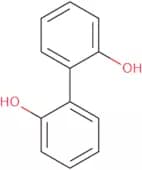
Formule :C9H6BrNO2Degré de pureté :Min. 95%Couleur et forme :PowderMasse moléculaire :240.05 g/mol2,2'-Biphenol
CAS :2,2'-Biphenol is a phenolic compound that is used in the synthesis of polymers. The thermal expansion coefficient of 2,2'-biphenol can be measured by DSC and found to be ˜6.5 × 10⁻⁴/°C. The UV absorption spectrum of 2,2'-biphenol shows three bands at wavelengths of 290 nm, 320 nm, and 370 nm. 2,2'-Biphenol has been shown to adsorb onto biological surfaces through an adsorption mechanism. It has been observed that this adsorption occurs via x-ray crystal structures and kinetic measurements have shown that the adsorption process is rate-limited by intramolecular hydrogen bonding between the protonated phenolic hydroxyl group and the aromatic ring. The activation energies for protonation and desorption have been determined to be ˜30 kJ/mol and ˜30 kJ/mol respectively. Ac
Formule :C12H10O2Degré de pureté :Min. 98 Area-%Couleur et forme :White PowderMasse moléculaire :186.21 g/mol4-Methylthiophenol
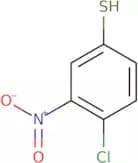
CAS :4-Methylthiophenol is a colorless liquid that is soluble in water. It has a molecular weight of 98.12 and an empirical formula of C6H7O2S. 4-Methylthiophenol is used as an analytical reagent, solvent, and chemical intermediate. It exhibits hydrogen bonding interactions with sodium carbonate and trifluoroacetic acid and forms a salt with sodium carbonate. The molecule's stability increases when it interacts with amines and the presence of nucleophiles such as water or alcohols. 4-Methylthiophenol has been shown to be effective at enhancing the fluorescence signal emitted by amines, which makes it useful for laser ablation mass spectrometry (LA-MS). 4-Methylthiophenol can also be used for kinetic energy measurements using FTIR spectroscopy because it will absorb infrared light at 1680 cm−1 from the CO2 laser beam.Formule :C7H8SDegré de pureté :Min. 95%Couleur et forme :White PowderMasse moléculaire :124.2 g/mol4-Chloro-3-nitrobenzenethiol
CAS :4-Chloro-3-nitrobenzenethiol (4CNBT) is a micropet that is used as a radiotracer to measure the uptake of serotonin in the brain. This compound has been shown to bind to the serotonin transporter, which is responsible for reuptake of serotonin from the synapse. The radiolabeled 4CNBT can be used for positron emission tomography (PET) scanning and postinjection autoradiography. 4CNBT has also been used as a ligand in pharmacological studies on serotonin transporters.
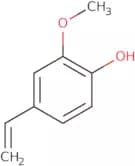
Formule :C6H4ClNO2SDegré de pureté :Min. 95%Couleur et forme :White PowderMasse moléculaire :189.62 g/mol2-Methoxy-4-vinylphenol
CAS :2-Methoxy-4-vinylphenol is a chlorogenic acid that has been shown to inhibit the growth of Candida glabrata. It binds to ferulic acid and caffeic acids, which are natural compounds found in plants. The optimum concentration at which 2-methoxy-4-vinylphenol inhibits the growth of C. glabrata is between 0.5 and 1 mM. This compound can be readily analyzed using an analytical method with high selectivity for chlorogenic acids, such as liquid chromatography coupled with mass spectrometry (LC/MS). The binding of 2-methoxy-4-vinylphenol to ferulic acid and caffeic acid may also have implications for its use as an anti-inflammatory agent.Formule :C9H10O2Degré de pureté :Min. 98%Couleur et forme :Clear LiquidMasse moléculaire :150.17 g/mol4-Methoxy 17b-estradiol
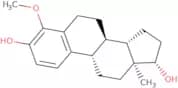
CAS :Produit contrôlé4-Methoxy 17β-estradiol is a synthetic estrogen that is used as a pharmaceutical drug in the treatment of menopausal symptoms and to prevent osteoporosis. It can be taken orally or administered by injection. 4-Methoxy 17β-estradiol has been found to have interactive effects with other drugs, such as fatty acids and catechol-o-methyltransferase (COMT). It also has an effect on body mass index in vivo, which can lead to cancerous cell proliferation. The matrix effect of 4-methoxy 17β-estradiol on tissues depends on the hydrogen bonds it forms with amino acids in the protein matrix. The hydrogen bonds are different for each tissue type and this may contribute to the differences in carcinogenic potential between tissues. This drug is not active against MCF-7 human breast cancer cells, but does inhibit growth of MDA MB 231 human breast cancer cells.
Formule :C19H26O3Degré de pureté :Min. 95%Couleur et forme :PowderMasse moléculaire :302.41 g/mol3-Hydroxyphenylmethylcarbinol
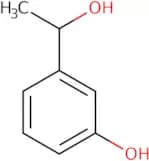
CAS :3-Hydroxyphenylmethylcarbinol is a phenolic compound that has been shown to increase the uptake of iron by cells. It has been shown to induce apoptotic signaling in cancer cells and to be cytotoxic. 3-Hydroxyphenylmethylcarbinol is synthesized from 2-hydroxyphenylacetic acid, which is found in many natural sources such as plants and animals. This compound can be extracted from hexane or other organic solvents. 3-Hydroxyphenylmethylcarbinol has two isomers: 3HPMC and 3HPMC-O-β-D-glucopyranoside. The latter form has a greater affinity for iron than the former.Formule :C8H10O2Degré de pureté :Min. 95%Couleur et forme :PowderMasse moléculaire :138.16 g/mol3-Cyclohexyl-1-[4-[2-(7-methoxy -4,4-dimethyl-1,3-dioxo-isoquinolin -2-yl)ethyl]phenyl]sulfonyl-urea
CAS :3-Cyclohexyl-1-[4-[2-(7-methoxy -4,4-dimethyl-1,3-dioxo-isoquinolin -2-yl)ethyl]phenyl]sulfonyl-urea is a drug that inhibits the enzyme DPPIV, which breaks down the incretin hormone glucagon-like peptide (GLP)-1. It may be used to treat diabetes by regulating blood glucose levels. This drug has been shown to reduce postprandial blood glucose levels in patients with type 2 diabetes. 3CYCSU is also capable of reducing body weight and food intake in mice. The mechanism of action of this drug is not fully understood, but it appears to have an effect on the cytosolic calcium ion concentration and may reduce inflammatory responses in cells. 3CYCSU is a promising potential treatment for infectious diseases such as Hepatitis C virus (HCV).Formule :C27H33N3O6SCouleur et forme :PowderMasse moléculaire :527.63 g/mol2-Hydroxy-5-methoxybenzyl alcohol
CAS :2-Hydroxy-5-methoxybenzyl alcohol (2HMB) is a methide that is used as an inductor in the synthesis of Taxol. 2HMB has been shown to induce apoptosis in MCF-7 cells and to promote the hydration of oxacycles. It can also be used in cancer research as a kinetic probe for the hydration of oxacycles. 2HMB activates MCF-7 cells and induces apoptosis, which may be due to its nucleophilic properties.Formule :C8H10O3Degré de pureté :Min. 95%Masse moléculaire :154.16 g/mol1,2-Dioleoyl-sn-glycero-3-phosphocholine
CAS :1,2-Dioleoyl-sn-glycero-3-phosphocholine is a phospholipid that has been shown to have antimicrobial activity. It has been observed to inhibit the growth of bacteria by disrupting cell membrane systems and inhibiting protein synthesis. 1,2-Dioleoyl-sn-glycero-3-phosphocholine is able to permeate membranes and enter cells, where it interacts with the cell nuclei and inhibits DNA synthesis. This compound is also found in biological studies as a growth factor for neutrophils and as a model system for studying the mechanism of action of antimicrobial peptides. The phase transition temperature of this compound is low, making it useful for studies in chemical biology.
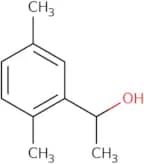
Formule :C44H84NO8PDegré de pureté :Min. 95%Couleur et forme :PowderMasse moléculaire :786.11 g/mol2,5-Dimethylphenylmethyl carbinol
CAS :2,5-Dimethylphenylmethyl carbinol is a reagent that is used in the synthesis of aromatic hydrocarbons and alkenylated products. It reacts with an electron-deficient alkyl compound to form an alkenylated product. 2,5-Dimethylphenylmethyl carbinol is highly selective for electron-deficient alkyl compounds. The reaction rate of 2,5-dimethylphenylmethyl carbinol can be increased by increasing the temperature or adding a base catalyst, such as sodium methoxide or potassium tert-butoxide.Formule :C10H14ODegré de pureté :Min. 95%Couleur et forme :Clear LiquidMasse moléculaire :150.22 g/molEpicoprostanol
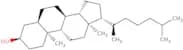
CAS :Produit contrôléEpicoprostanol is a sterol that is found in the human intestines. It has been shown to inhibit the activity of enzymes involved in the metabolism of cholesterol and alcohol. Epicoprostanol is also a component of human feces, which are used to test for its presence. The presence of epicoprostanol can be determined by measuring its absorbance at 260 nm. The concentration of epicoprostanol can be calculated by multiplying the absorbance by the dilution factor (1/10). Epicoprostanol has been shown to have antioxidant properties, helping to protect cells from free radicals. This sterol has also been shown to have some anti-inflammatory properties, which may help with autoimmune diseases such as Crohn's disease and ulcerative colitis in humans.
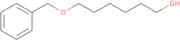
Formule :C27H48ODegré de pureté :Min. 98 Area-%Couleur et forme :White PowderMasse moléculaire :388.67 g/mol6-Benzyloxy-1-hexanol
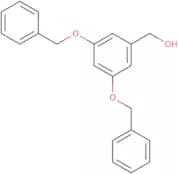
CAS :6-Benzyloxy-1-hexanol is a linker compound that has been used in the synthesis of galnac and trifluoromethylated compounds. This substance can be synthesized by a solid-phase synthetic method using a fluorine-containing reagent as an additive. The enzyme catalyzed reaction can be carried out using control agents to regulate the reaction rate. 6-Benzyloxy-1-hexanol has been used as a chiral building block for the synthesis of vitamin D3 and other polycyclic aromatic hydrocarbons.Formule :C13H20O2Degré de pureté :Min. 95%Couleur et forme :Colourless To Pale Yellow LiquidMasse moléculaire :208.3 g/mol3,5-Dibenzyloxybenzyl alcohol
CAS :3,5-Dibenzyloxybenzyl alcohol is a flavonoid that is used for the treatment of cancer. The compound inhibits the activity of cyclooxygenase-2 (COX-2) and has been shown to inhibit the production of prostaglandin E2, which is associated with inflammation. 3,5-Dibenzyloxybenzyl alcohol also inhibits metathesis reactions in an equilibration process that can be catalyzed by palladium or platinum. It has been found to have anti-inflammatory properties due to its inhibition of COX-2 and its ability to induce apoptosis in tumor cells. 3,5-Dibenzyloxybenzyl alcohol also has anti-cancerous properties, which may be due to its ability to inhibit cell proliferation through alkylation and spiroketal conjugation reactions. This compound also binds to tannins and fatty acids as well as monomers in a reversible manner
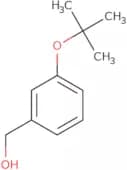
Formule :C21H20O3Degré de pureté :Min. 95%Masse moléculaire :320.38 g/mol3-(tert-Butoxy)benzyl alcohol
CAS :3-(tert-Butoxy)benzyl alcohol is a high quality reagent that can be used as an intermediate in the synthesis of complex compounds. It is also a useful intermediate for the production of fine chemicals, pharmaceuticals, and speciality chemicals. 3-(tert-Butoxy)benzyl alcohol is a versatile building block that can be used as a reactant in many chemical reactions. This compound has been used as a research chemical to study its properties and has potential uses as a starting point for the synthesis of other compounds.Formule :C11H16O2Degré de pureté :Min. 95%Masse moléculaire :180.24 g/mol4-Methyl-5-nonanol
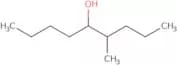
CAS :4-Methyl-5-nonanol is a synthetic pheromone that is used in the analytical methods of weevil traps. The odorant binding proteins on the surface of the weevil are attracted to this chemical, which binds to them through hydrophobic interactions. This trap is stereoselective, as it only attracts male weevils. 4-Methyl-5-nonanol has been shown to have a high specificity and sensitivity as an analytical tool for weevil traps, with no cross reactivity with other insects such as beetles or ants.
Formule :C10H22ODegré de pureté :Min. 95%Couleur et forme :Clear LiquidMasse moléculaire :158.28 g/mol4-Bromo-alpha-methylbenzyl alcohol
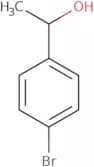
CAS :4-Bromo-alpha-methylbenzyl alcohol is a reactive compound, which can be synthesized in two different forms. The first form is an isomer with the bromine atom on the alpha position and the second form has the bromine atom on the beta position. 4-Bromo-alpha-methylbenzyl alcohol reacts with hydrogen peroxide in order to produce borohydride reduction products. It has also been shown to inhibit protein synthesis by binding to DNA and RNA molecules, such as primary alcohols and benzyl groups. 4-Bromo-alpha-methylbenzyl alcohol may have potential therapeutic uses in cancer treatment due its ability to inhibit cell growth in prostate cancer cells (Mcf7) and breast cancer cells (MCF7).Formule :C8H9BrODegré de pureté :Min. 95%Couleur et forme :White Clear LiquidMasse moléculaire :201.06 g/molPolycaprolactone diol - MW 525-575
CAS :Biodegradable polymer
Formule :C4H8O3(C6H10O2)nCouleur et forme :Clear Liquid

![(4aS,6R,8aS)-4a,5,9,10,11,12-Hexahydro-3-methoxy-11-methyl-6H-benzofuro[3a,3,2-ef][2]benzazepin-6-…](/_next/image/?url=https%3A%2Fstatic.cymitquimica.com%2Fproducts%2F3D%2Fthumb-webp%2FFH15703.webp&w=3840&q=75)



![3-Cyclohexyl-1-[4-[2-(7-methoxy -4,4-dimethyl-1,3-dioxo-isoquinolin -2-yl)ethyl]phenyl]sulfonyl-ur…](/_next/image/?url=https%3A%2Fstatic.cymitquimica.com%2Fproducts%2F3D%2Fthumb-webp%2FFG40551.webp&w=3840&q=75)