Alcools
Sous-catégories appartenant à la catégorie "Alcools"
5816 produits trouvés pour "Alcools"
2-(Hydroxymethyl)pyridin-4-ol
CAS :2-(Hydroxymethyl)pyridin-4-ol is a versatile building block that can be used in the synthesis of complex compounds and research chemicals. This fine chemical is a reagent, speciality chemical, and useful scaffold in organic synthesis. 2-(Hydroxymethyl)pyridin-4-ol is also an intermediate for the production of useful building blocks. It has high purity and can be used as a reaction component or a useful scaffold in organic synthesis.Formule :C6H7NO2Degré de pureté :Min. 95%Couleur et forme :White PowderMasse moléculaire :125.13 g/mol1-Isoquinolin-1-ylmethanamine dihydrochloride
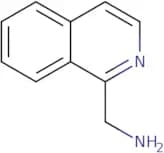
CAS :1-Isoquinolin-1-ylmethanamine dihydrochloride is a versatile building block that can be used for the synthesis of a wide variety of compounds. It is a reagent and speciality chemical, as well as an intermediate or reaction component in the production of pharmaceuticals, agrochemicals, plastics, dyes and other chemicals. 1-Isoquinolin-1-ylmethanamine dihydrochloride has been shown to have high purity and quality.Formule :C10H10N2·2HClDegré de pureté :Min. 95%Couleur et forme :Light Blue SolidMasse moléculaire :231.12 g/mol(3-Phenyl-1,2,4-oxadiazol-5-yl)methanol
CAS :3-Phenyl-1,2,4-oxadiazol-5-yl)methanol is a versatile building block that has been used in the synthesis of complex compounds and research chemicals. It is also a reagent that can be used in the laboratory to synthesize other fine chemicals. 3-Phenyl-1,2,4-oxadiazol-5-yl)methanol is an intermediate that can be used to create high quality and useful building blocks for chemical reactions. This compound has many uses as a scaffold in organic synthesis and it can be used to make valuable products such as pharmaceuticals and pesticides. 3-(3'-phenyl)-1,2,4-oxadiazole 5'-amine is listed on the Chemical Abstracts Service (CAS) database with number 5543-33-9.
Formule :C9H8N2O2Degré de pureté :Min. 95%Couleur et forme :PowderMasse moléculaire :176.17 g/mol2-Bromoquinoline
CAS :2-Bromoquinoline is an antimicrobial agent that binds to bacterial receptors. It is a bifunctional molecule with two reactive groups: a hydroxyl group and a nitrogen atom. 2-Bromoquinoline has been shown to inhibit the growth of various bacteria, including Mycobacterium tuberculosis, Staphylococcus epidermidis and Streptococcus pyogenes, by preventing the formation of a proton gradient across the bacterial membrane. 2-Bromoquinoline also inhibits hyperproliferative diseases such as amyloidosis in mice by binding to amyloid fibrils. This drug has been shown to cause DNA damage in mammalian cells, which may be due to its ability to form hydrogen bonds with methyl ethyl groups on DNA bases.Formule :C9H6BrNDegré de pureté :Min. 95%Couleur et forme :White To Yellow To Pink SolidMasse moléculaire :208.05 g/mol5-Oxa-2-octyne-1,7-diol
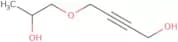
CAS :5-Oxa-2-octyne-1,7-diol is a monomer that belongs to the class of heterocyclic compounds. It has been used in research studies to coat metal surfaces with silicone. This compound is also a surfactant, which can be used for cleaning and degreasing dishes, pots and pans. 5-Oxa-2-octyne-1,7-diol is resistant to degradation by sulfate ester or carboxylate ester solvents. It has shown activity as a monomer with methyl esters and alkenyls for use in polymers.Formule :C7H12O3Degré de pureté :Min. 95%Couleur et forme :PowderMasse moléculaire :144.17 g/mol3-Chloroisoquinoline
CAS :3-Chloroisoquinoline is a thiolate, which is a reactive chemical group. 3-Chloroisoquinoline has been shown to react with trifluoromethanesulfonic acid to form a compound with biological properties. The amide and palladium complexes of 3-chloroisoquinoline have been prepared in the past. Additionally, the two isomers of 3-chloroisoquinoline are known as the halides and magnetic resonance spectroscopy of this compound has been studied. Structural isomers and functional groups of 3-chloroisoquinoline have also been studied in detail. Tautomers and lactams are structural isomers of 3-chloroisoquinoline that have also been researched extensively. Finally, trifluoroacetic acid reacts with 3-chloroisoquinoline to form an ester product.Formule :C9H6ClNDegré de pureté :Min. 95%Masse moléculaire :163.6 g/mol[3-Methyl-4-(2,2,2-trifluoro-ethoxy)-pyridin-2-yl]-methanol
CAS :[3-Methyl-4-(2,2,2-trifluoro-ethoxy)-pyridin-2-yl]-methanol is a synthetic organic compound that is used in the synthesis of other organic compounds. It can be purified by filtration or gasification and recrystallization.Degré de pureté :Min. 95%Couleur et forme :Powder2-(2-Bromophenyl)ethanol
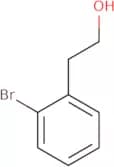
CAS :2-(2-Bromophenyl)ethanol is a functional group that contains a bromine atom and an ethoxy group. This compound is used to synthesize condensation products, such as the crystal x-ray diffraction of crystallized palladium complexes with acetaldehyde. The 2-(2-bromophenyl)ethanol analog was synthesized in order to study the synthesis and reactivity of a chelate ring. The hydroxyl group on this compound is useful for forming a magnesium salt or for using it as a synthetic reagent.
Formule :C8H9BrODegré de pureté :Min. 95%Couleur et forme :Colorless Clear LiquidMasse moléculaire :201.06 g/mol4-Chlorophenol
CAS :4-Chlorophenol is a chemical compound that is found as a byproduct in the manufacturing process of phenol and acetone. It has been found to be stable in the presence of nitrogen atoms, which are present in wastewater treatment plants. The optimum concentration for 4-chlorophenol is 0.2 ppm, but it can be reduced to 0.1 ppm with the addition of malonic acid or surfactant sodium dodecyl sulfate. The reaction mechanism for 4-chlorophenol is an oxidation-reduction reaction with oxygen nucleophiles as electron acceptors and surface methodology through electrochemical impedance spectroscopy.Formule :C6H5ClODegré de pureté :Min. 98%Couleur et forme :Clear LiquidMasse moléculaire :128.56 g/mol1,5-Hexadiene-3,4-diol
CAS :1,5-Hexadiene-3,4-diol is an organic compound that is used as a pharmaceutical intermediate. It has been shown to be effective in the treatment of infectious diseases and inflammatory diseases. 1,5-Hexadiene-3,4-diol has been shown to inhibit the transport rate of bacterial vaginosis and inflammatory diseases. The active form of this drug is soluble in water and it can be used as a vaginal gel preparation or eye drops. This drug has also been shown to have film forming properties and to act as a membrane system stabilizer. 1,5-Hexadiene-3,4-diol may also be used for the production of insoluble polymers and films.Formule :C6H10O2Degré de pureté :Min. 95%Couleur et forme :Colorless Clear LiquidMasse moléculaire :114.14 g/molO-Aminophenol sulfate
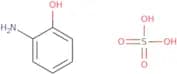
CAS :O-Aminophenol sulfate is a reagent that is used in research and synthesis of complex compounds. It has a variety of applications, such as use as a building block for speciality chemicals, as a reaction component in reactions, and to prepare fine chemicals. O-Aminophenol sulfate is soluble in water and can be used as an intermediate for other products.Formule :C12H16N2O6SDegré de pureté :Min. 95 Area-%Couleur et forme :PowderMasse moléculaire :316.33 g/mol1-Amino-2-methyl-propan-2-ol
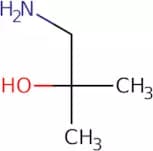
CAS :1-Amino-2-methyl-propan-2-ol is a cytotoxic molecule that has been shown to inhibit the growth of cancer cells. It is synthesized by converting 1,4-benzenediamine and cyclopentanol into the corresponding amines. The amines are then condensed with an alkanolamine in a kinetic reaction to form 1-amino-2-methylpropan-2-ol. This product's anticancer activity may be due to its ability to induce nucleophilic attack on DNA, leading to DNA strand breakage. 1AMPP has also been shown to have antiviral properties against HIV infection.Formule :C4H11NODegré de pureté :Min. 95%Couleur et forme :Colorless Clear LiquidMasse moléculaire :89.14 g/mol2-phenyl-quinoline
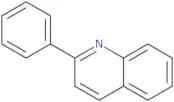
CAS :2-Phenyl-quinoline is a naturally occurring compound that exhibits antimicrobial activity. It has been shown to inhibit the growth of bacteria by interfering with the synthesis of ATP, which is necessary for bacterial cell division. 2-Phenyl-quinoline also possesses antioxidative properties and has been shown to have inhibitory effects on a number of bacterial strains. 2-Phenyl-quinoline has been shown to induce necrotic cell death in S. aureus strains, as well as anti-inflammatory and antinociceptive properties.Formule :C15H11NDegré de pureté :Min. 98 Area-%Couleur et forme :PowderMasse moléculaire :205.25 g/mol2-(2,4-Dichlorophenyl)ethanol
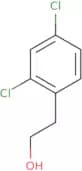
CAS :2-(2,4-Dichlorophenyl)ethanol is an organic compound that can be synthesized by reacting 2,4-dichlorobenzoic acid with trifluoroacetic acid in the presence of a base. The reaction scheme is:Formule :C8H8Cl2ODegré de pureté :Min. 95%Masse moléculaire :191.05 g/molBoc-(3S)-1,2,3,4-Tetrahydroisoquinoline-3-carboxylic acid
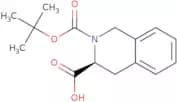
CAS :Boc-(3S)-1,2,3,4-Tetrahydroisoquinoline-3-carboxylic acid is an amino acid that has the δ-opioid receptor antagonist activity. It can be synthesized by a stepwise synthesis with an asymmetric center. The δ-opioid receptor antagonist activity of Boc-(3S)-1,2,3,4-Tetrahydroisoquinoline-3-carboxylic acid was found to be comparable to naloxone in terms of affinity constants and functional groups.Formule :C15H19NO4Degré de pureté :Min. 95%Couleur et forme :SolidMasse moléculaire :277.32 g/mol2-Bromo-3-pyridinol
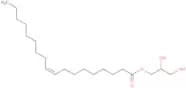
CAS :2-Bromo-3-pyridinol is a nicotinic acetylcholine receptor antagonist that has anti-influenza activity. It was synthesized as an analogue of the natural product pyridostigmine, which inhibited influenza in mice. 2-Bromo-3-pyridinol binds to the nicotinic acetylcholine receptor at the same site as nicotine and prevents it from being activated by acetylcholine. This drug also inhibits tumor growth and proliferation in vitro and in vivo, showing potent cytotoxicity against carcinoma cells by inhibiting protein synthesis and cell division. 2-Bromo-3-pyridinol has been shown to inhibit Alzheimer's disease in a mouse model of this disorder. The drug inhibits amyloid plaque formation and toxicity in cultured cells, suggesting its potential for treating this disease.Formule :C5H4BrNODegré de pureté :Min. 95%Couleur et forme :White To Off-White SolidMasse moléculaire :174 g/mol1-Oleoyl-rac-glycerol - 50%
CAS :1-Oleoyl-rac-glycerol is a lipid that has been used in experimental studies to replace the use of animal-derived lipids for pharmaceutical applications. It can be synthesized by combining oleic acid with glycerol. 1-Oleoyl-rac-glycerol is soluble in water and has been shown to have a Langmuir adsorption isotherm, which means it can be used as a monoolein substitute. The basic protein in 1-Oleoyl-rac-glycerol has been determined using XRD data and found to be chitosan polymer. The experimental model for 1-Oleoyl-rac-glycerol was tested on rats and found not to cause toxicity, making it an ideal biocompatible polymer that can be used as an alternative to chitosan polymer.
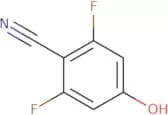
Formule :C21H40O4Degré de pureté :Min. 95%Couleur et forme :Slightly Yellow Clear LiquidMasse moléculaire :356.54 g/mol4-Cyano-3,5-difluorophenol
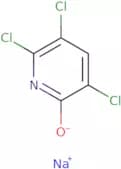
CAS :4-Cyano-3,5-difluorophenol (4CF) is a mesomorphic compound that has a number of reactions with chloride. 4CF is synthesized from 3,5-difluoroaniline and the reaction product is then heated with chlorine to produce 4CF. The optimal reaction temperature is between 100°C and 120°C. When exposed to light, 4CF will react with chloride ions in the presence of heat to form a hydrophobic chlorinated product. This product reacts with proton donors such as NaOH or KOH to produce hydrogen gas. At room temperature, 4CF can be used as a gas sensor.Formule :C7H3F2NODegré de pureté :Min. 95 Area-%Masse moléculaire :155.1 g/molSodium 3,5,6-trichloro-2-pyridinol
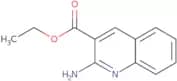
CAS :Sodium 3,5,6-trichloro-2-pyridinol is an inorganic compound that has been shown to be an effective biocide for the removal of hydrogen chloride and hydroxide solution. The optimal reaction was found to be at pH 10.3 with a reaction vessel containing 1% sodium hydroxide solution and a concentration of 0.2 grams per liter of hydrogen chloride. This compound reacts with hydrogen chloride to form hydrochloric acid (HCl) and sodium 3,5,6-trichloro-2-pyridinol hydrochloride (NCTP), which can then be removed by wastewater treatment or precipitation as sodium chloride. NCTP is also used for the treatment of skin conditions such as acne and eczema.Formule :C5HCl3NONaDegré de pureté :Min. 95%Couleur et forme :Off-White SolidMasse moléculaire :220.42 g/molEthyl-2-aminoquinoline-3-carboxylate
CAS :Ethyl-2-aminoquinoline-3-carboxylate is an intramolecular reductive coupling product. It was synthesized by the reductive coupling of nitrobenzene with triethylamine in the presence of a copper salt. The use of ethyl cyanoacetate as a starting material for this synthesis has been shown to produce regioselective products with high yields. Ethyl-2-aminoquinoline-3-carboxylate is used in the synthesis of quinoline derivatives and fluoroquinolone antibiotics. This compound has been shown to have optimum properties for GC/MS analysis, which makes it an advance in the field of chemistry.
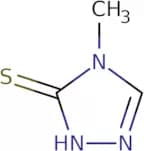
Formule :C12H12N2O2Degré de pureté :Min. 95%Couleur et forme :PowderMasse moléculaire :216.24 g/mol4-Methyl-4H-1,2,4-triazole-3-thiol
CAS :4-Methyl-4H-1,2,4-triazole-3-thiol is a corrosion inhibitor that has been used in the production of polyurethane foam. It is synthesized by the reaction of ethylene diamine with sulfur trioxide and water. This compound has a molecular weight of 184.14 g/mol and an acidic nature due to the presence of four protonated amines on its structure. The compound can be characterized by gravimetric analysis, structural analysis, and FTIR spectroscopy. 4-Methyl-4H-1,2,4-triazole-3-thiol is toxic to rats when administered orally at 2000 mg/kg and also causes irritation to rabbits when applied topically at 200 µg/ear. !--Formule :C3H5N3SDegré de pureté :Min. 97 Area-%Couleur et forme :White PowderMasse moléculaire :115.16 g/molN-Boc-L-phenylalaninol
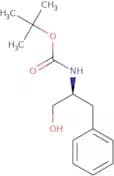
CAS :N-Boc-L-phenylalaninol is a monomer that has been shown to inhibit the activity of proteinases. It binds to the active site of the enzymes and inhibits their catalytic activity, thereby preventing them from cleaving peptide bonds. N-Boc-L-phenylalaninol also has hydroxyl groups that can be used for further derivatization to produce derivatives with different functional groups, such as sulfonic acids or isosteres. The carbonyl group in this compound can be used for conjugation reactions with other molecules, such as proteins or nucleic acids.
Formule :C14H21NO3Degré de pureté :Min. 95%Couleur et forme :White PowderMasse moléculaire :251.32 g/mol2-Amino-4,6-dibromophenol
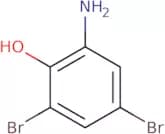
CAS :2-Amino-4,6-dibromophenol is an organic compound that is used in research for the synthesis of benzoxazoles and related compounds. It is a lactam analog that can be synthesized from commercially available starting materials. 2-Amino-4,6-dibromophenol has been shown to have pharmacological activity against tumor cells. This compound has also been used to synthesize regiospecific skeletal analogs of natural products.Formule :C6H5Br2NODegré de pureté :Min. 95 Area-%Couleur et forme :Off-White PowderMasse moléculaire :266.92 g/mol(1S,2R)-(+)-2-Amino-1,2-diphenylethanol
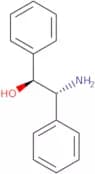
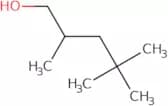
CAS :Produit contrôlé(1S,2R)-(+)-2-Amino-1,2-diphenylethanol is an enantiopure amine that has been used as a ligand in supramolecular chemistry. It can be prepared by reacting 2-chloropropane with thionyl chloride and primary alcohols. The chloride group facilitates the reaction rate and can be replaced by nitro groups to immobilize the product on a solid substrate. (1S,2R)-(+)-2-Amino-1,2-diphenylethanol has optical properties that are dependent on its environment. It can be used to label cells for studies of cell differentiation or cell migration. This compound also reacts with cyclohexane rings to form cyclic products with different optical properties than those of the reactants. The reaction yield is high in this process.Formule :C14H15NODegré de pureté :Min. 95%Couleur et forme :White To Beige SolidMasse moléculaire :213.28 g/mol2,4,4-Trimethylpentan-1-ol
CAS :2,4,4-Trimethylpentan-1-ol (TMP) is a chemical compound with the molecular formula CH3(CH2)3COH. It is a colorless liquid that is soluble in most organic solvents, but insoluble in water. TMP has been shown to be carcinogenic to mice and rats when it was inhaled or injected. The carcinogenic effects of TMP are due to its ability to cause bond cleavage reactions on DNA molecules and activate oxygen radicals. TMP has also been shown to have therapeutic properties as an additive for magnetic resonance imaging (MRI). When used as an MRI contrast agent, TMP helps improve the visualization of cancerous tissue by changing the relaxation time of water protons in the tissue.Formule :C8H18ODegré de pureté :Min. 95%Couleur et forme :Colorless Clear LiquidMasse moléculaire :130.23 g/mol1,2-O-Isopropylidene-sn-glycerol
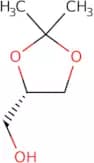
CAS :1,2-O-Isopropylidene-sn-glycerol (1,2-OIPG) is a synthetic molecule. It is synthesized from potassium thioacetate and chloride in an organic solvent with hexadecyl methanesulfonate as the catalyst. The product is obtained by intramolecular hydrogenation of the glyceride to produce 1,2-OIPG. This compound has been used as a strategy to generate hydrogen bonds in asymmetric synthesis, for example in the formation of d-mannitol with activated hydrogen bonds. The compound also has potential applications in the production of fatty acids.
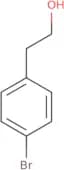
Formule :C6H12O3Degré de pureté :Min. 98 Area-%Couleur et forme :Colorless Clear LiquidMasse moléculaire :132.15 g/mol2-(4-Bromophenyl)ethanol
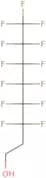
CAS :2-(4-Bromophenyl)ethanol is an analog of histone lysine and histone H3. It is a synthetic substrate for the acylation reaction on the carboxyl group of fatty acids. 2-(4-Bromophenyl)ethanol has been shown to have optical properties similar to those of natural fatty acids and has been used as a polymer film for cell line A549.Formule :C8H9BrODegré de pureté :Min. 95%Couleur et forme :Slightly Yellow Clear LiquidMasse moléculaire :201.06 g/mol1H,1H,2H,2H-Tridecafluoro-1-n-octanol
CAS :1H,1H,2H,2H-Tridecafluoro-1-n-octanol is a potent and selective halogenated hydrocarbon. It binds to DNA at the dinucleotide phosphate site, which is an important site for polymerase chain reaction (PCR) activation. 1HFN has been shown to be more effective than other halogenated hydrocarbons in vitro assays on rat liver microsomes. It has been used as an additive in wastewater treatment to remove organic contaminants and metal ions. In vivo studies have been carried out in CD-1 mice to determine the effects of 1HFN on the liver and kidneys; these studies showed no toxicological effects on these organs. 1HFN also has been shown to inhibit enzymes such as cytochrome P450 and monoamine oxidase B that are involved in drug metabolism and may lead to adverse reactions with drugs metabolized by these enzymes.Formule :C8H5F13ODegré de pureté :Min. 95%Masse moléculaire :364.1 g/mol2,4-Dichlorophenol-6-sulphonyl chloride
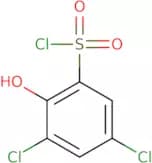
CAS :2,4-Dichlorophenol-6-sulphonyl chloride (2,4-DCP) is a molecule that has been shown to have antibacterial activity against Gram-positive and Gram-negative bacteria. It inhibits the growth of bacteria by binding to the cell wall and inhibiting enzyme activity. 2,4-DCP also has hemolytic activity in vitro. The mechanism of this effect is not well understood but may involve an interaction with membrane lipids or proteins in red blood cells. In addition, 2,4-DCP has been shown to inhibit the growth of staphylococcus and other bacterial strains in vitro. The inhibition of bacterial growth by 2,4-DCP is reversible with exposure to hydrated conditions.Formule :C6H3Cl3O3SDegré de pureté :Min. 95%Masse moléculaire :261.51 g/mol1,3-Benzenedimethanol
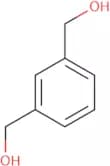
CAS :1,3-Benzenedimethanol is a diphenyl ether with the chemical formula C6H6O. It has been shown to be a good nucleophile and undergoes nucleophilic attack on a variety of substrates. The hydroxyl group in the molecule can be protonated to form the corresponding carboxylic acid or an alcohol. This compound has been shown to react with aluminium, magnesium oxide and trifluoroacetic acid in an acidic environment and undergo carbonyl reduction to form ethyl esters. 1,3-Benzenedimethanol is also soluble in water and can be extracted by gravimetric analysis.Formule :C8H10O2Degré de pureté :Min. 95%Couleur et forme :PowderMasse moléculaire :138.16 g/mol2-Butyl-2-adamantanol
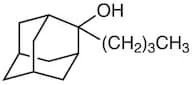
CAS :Formule :C14H24ODegré de pureté :>98.0%(GC)Couleur et forme :White to Almost white powder to crystalMasse moléculaire :208.354-(Methylthiol)-1-(isothiocyanato)butane
CAS :4-(Methylthiol)-1-(isothiocyanato)butane is commonly identified as sulforaphane, which is a naturally occurring organosulfur compound. This compound is predominantly sourced from cruciferous vegetables, such as broccoli, Brussels sprouts, and cabbage. It is specifically abundant in the seeds and sprouts of these plants.Formule :C6H11NS2Degré de pureté :Min. 95%Couleur et forme :PowderMasse moléculaire :161.29 g/mol(E)-5-(3-Hydroxyprop-1-en-1-yl)benzene-1,3-diol
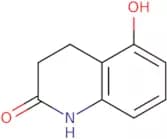
(E)-5-(3-Hydroxyprop-1-en-1-yl)benzene-1,3-diol is a high quality reagent that has been used as an intermediate to synthesize other chemical compounds. It is one of the most useful scaffolds for complex compound synthesis, and a versatile building block for the production of research chemicals and speciality chemicals. The chemical can be used in reactions as a reaction component to prepare fine chemicals or useful intermediates. CAS No. is 7058-25-0.Formule :C9H10O3Degré de pureté :Min. 95%Couleur et forme :PowderMasse moléculaire :166.17 g/mol5-Hydroxy-3,4-dihydro-2(1H)-quinolinone
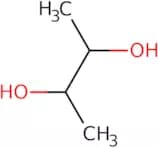
CAS :5-Hydroxy-3,4-dihydro-2(1H)-quinolinone is a high quality reagent with a CAS number of 30389-33-4. It has been shown to be a useful intermediate in the synthesis of complex compounds. This compound can also be used as an important building block for the synthesis of speciality chemicals and research chemicals. 5-Hydroxy-3,4-dihydro-2(1H)-quinolinone is versatile and can be used as a reaction component in many reactions that require the introduction of oxygen into molecules.Formule :C9H9NO2Degré de pureté :Min. 95%Couleur et forme :White PowderMasse moléculaire :163.17 g/mol2,3-Butanediol
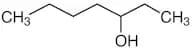
CAS :2,3-Butanediol is a glycol that is produced by the fermentation of sugars or carbohydrates. It is used in the synthesis of acetoin, which is an important flavor compound in various foods and beverages. The production of 2,3-butanediol from glucose was achieved through the use of a novel asymmetric synthesis reaction with inorganic acid as catalyst. 2,3-Butanediol can also be synthesized from adipic acid using aerobacter aerogenes as catalyst. This process has been shown to be efficient with wild-type strains and provides high yields under mild conditions. 2,3-Butanediol has been shown to have antibiotic activity against tetracycline resistant bacteria and may inhibit bacterial growth by binding to DNA gyrase and topoisomerase IV enzymes. The hydroxyl group on the molecule makes it more reactive than other glycols because it can form hydrogen bonds with water molecules.Formule :C4H10O2Degré de pureté :Min. 95%Couleur et forme :Colorless Clear LiquidMasse moléculaire :90.12 g/mol3-Heptanol
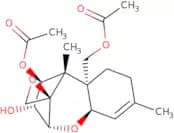
CAS :Formule :C7H16ODegré de pureté :>98.0%(GC)Couleur et forme :Colorless to Almost colorless clear liquidMasse moléculaire :116.20Diacetoxyscirpenol
CAS :Produit contrôléDiacetoxyscirpenol is a mycotoxin that is found in wastewater and has been shown to have the ability to inhibit certain enzyme activities. It is a glucuronide conjugate that is excreted by humans, and can be detected in urine samples. The metabolite of Diacetoxyscirpenol, 4-hydroxy-2,3-dihydroxymethyl-5-(2H)-furanone (4OH-DMF), has been shown to induce antibody response in mice. The LC-MS/MS method for detecting Diacetoxyscirpenol uses a monoclonal antibody that recognizes the toxin. This antibody binds to the toxin and activates an enzyme cascade that leads to the production of a fluorescent dye. The intensity of fluorescence can be quantified using fluorometry or spectrophotometry. /nowiki>/pre>Formule :C19H26O7Degré de pureté :Min. 95%Masse moléculaire :366.41 g/molPoly(bisphenol-A-co-epichlorohydrin)
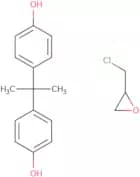
CAS :Poly(bisphenol-A-co-epichlorohydrin) is an epoxy polymer that reacts with a fatty acid to form a cationic polymer. It has a high resistance to thermal expansion and inorganic acids, making it a good sealant. In addition, poly(bisphenol-A-co-epichlorohydrin) is insoluble and not reactive, which makes it resistant to structural analysis. Poly(bisphenol-A-co-epichlorohydrin)'s thermal stability also makes it suitable for use as a boron nitride coating on zirconium oxide.Degré de pureté :(%) Min. 60%Couleur et forme :Clear LiquidMasse moléculaire :1.15 g/mol2-Chloro-1-(6-methyl(1,2,3,4-tetrahydroquinolyl))propan-1-one
Please enquire for more information about 2-Chloro-1-(6-methyl(1,2,3,4-tetrahydroquinolyl))propan-1-one including the price, delivery time and more detailed product information at the technical inquiry form on this pageDegré de pureté :Min. 95%1-(2-Methyl(8-quinolyloxy))-2-nitro-4-(trifluoromethyl)benzene
CAS :Please enquire for more information about 1-(2-Methyl(8-quinolyloxy))-2-nitro-4-(trifluoromethyl)benzene including the price, delivery time and more detailed product information at the technical inquiry form on this pageDegré de pureté :Min. 95%4-(5-Phenyl-4-thioxo-2,3,5-triazolinyl)phenol
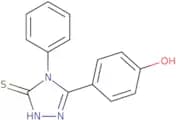
CAS :Please enquire for more information about 4-(5-Phenyl-4-thioxo-2,3,5-triazolinyl)phenol including the price, delivery time and more detailed product information at the technical inquiry form on this pageFormule :C14H11N3OSDegré de pureté :Min. 95%Couleur et forme :PowderMasse moléculaire :269.32 g/mol2-Nitro-1-(8-quinolyloxy)-4-(trifluoromethyl)benzene
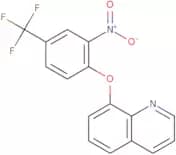
CAS :Please enquire for more information about 2-Nitro-1-(8-quinolyloxy)-4-(trifluoromethyl)benzene including the price, delivery time and more detailed product information at the technical inquiry form on this pageFormule :C16H9F3N2O3Degré de pureté :Min. 95%Couleur et forme :PowderMasse moléculaire :334.25 g/mol4-(4-((3-(trifluoromethyl)phenyl)amino)-3,5-thiazolyl)benzene-1,2-diol, hydrochloride
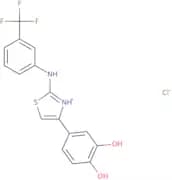
CAS :Please enquire for more information about 4-(4-((3-(trifluoromethyl)phenyl)amino)-3,5-thiazolyl)benzene-1,2-diol, hydrochloride including the price, delivery time and more detailed product information at the technical inquiry form on this pageFormule :C16H11F3N2O2S·ClHDegré de pureté :Min. 95%Couleur et forme :PowderMasse moléculaire :388.79 g/molAmino(6-methyl(1,2,3,4-tetrahydroquinol-1-yl))methane-1-thione
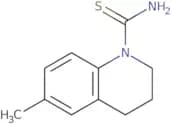
CAS :Please enquire for more information about Amino(6-methyl(1,2,3,4-tetrahydroquinol-1-yl))methane-1-thione including the price, delivery time and more detailed product information at the technical inquiry form on this pageDegré de pureté :Min. 95%2-[(3-Phenoxyphenyl)methylene]-2H-1,4-benzothiazin-3(4H)-one
CAS :Please enquire for more information about 2-[(3-Phenoxyphenyl)methylene]-2H-1,4-benzothiazin-3(4H)-one including the price, delivery time and more detailed product information at the technical inquiry form on this pageFormule :C21H15NO2SDegré de pureté :Min. 95%Couleur et forme :Powder4-(2-methyl(8-quinolyloxy))-1-nitrobenzene
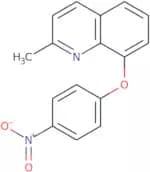
CAS :Please enquire for more information about 4-(2-methyl(8-quinolyloxy))-1-nitrobenzene including the price, delivery time and more detailed product information at the technical inquiry form on this page
Degré de pureté :Min. 95%3-(4-Bromophenyl)-5-(hydroxyimino)-7,7-dimethyl-6,7,8-trihydrocinnoline
CAS :Please enquire for more information about 3-(4-Bromophenyl)-5-(hydroxyimino)-7,7-dimethyl-6,7,8-trihydrocinnoline including the price, delivery time and more detailed product information at the technical inquiry form on this page
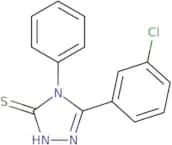
Formule :C16H16BrN3ODegré de pureté :Min. 95%Couleur et forme :PowderMasse moléculaire :346.22 g/mol5-(3-Chlorophenyl)-4-phenyl-4H-1,2,4-triazole-3-thiol
CAS :Please enquire for more information about 5-(3-Chlorophenyl)-4-phenyl-4H-1,2,4-triazole-3-thiol including the price, delivery time and more detailed product information at the technical inquiry form on this pageFormule :C14H10ClN3SDegré de pureté :Min. 95%Couleur et forme :PowderMasse moléculaire :287.77 g/mol5-(Benzimidazol-2-ylthiomethyl)-4-phenyl-1,2,4-triazole-3-thiol
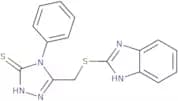
CAS :Please enquire for more information about 5-(Benzimidazol-2-ylthiomethyl)-4-phenyl-1,2,4-triazole-3-thiol including the price, delivery time and more detailed product information at the technical inquiry form on this pageFormule :C16H13N5S2Degré de pureté :Min. 95%Couleur et forme :PowderMasse moléculaire :339.44 g/mol16α,17α-Epoxypregnenolone
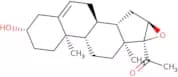
CAS :16alpha,17alpha-Epoxypregnenolone is a synthetic insect odorant that binds to the odorant binding protein (OBP) and has been used in research to investigate the relationship between odorant binding and olfaction. The OBPs are thought to play an important role in the detection of odors by binding to specific odorants, which then initiate a sensory response. 16alpha,17alpha-Epoxypregnenolone has also been shown to bind with recombinant OBP and have fluorescence properties, making it useful for biosensors. This compound may be useful as an experimental or research tool for investigating olfactory receptors in insects or other organisms.
Formule :C21H30O3Degré de pureté :Min. 95%Masse moléculaire :330.47 g/mol





![[3-Methyl-4-(2,2,2-trifluoro-ethoxy)-pyridin-2-yl]-methanol](/_next/image/?url=https%3A%2Fstatic.cymitquimica.com%2Fproducts%2F3D%2Fthumb-webp%2FFM38829.webp&w=3840&q=75)







![2-[(3-Phenoxyphenyl)methylene]-2H-1,4-benzothiazin-3(4H)-one](/_next/image/?url=https%3A%2Fstatic.cymitquimica.com%2Fproducts%2F3D%2Fthumb-webp%2FFP169832.webp&w=3840&q=75)