Alcools
Les alcools sont une large gamme de molécules organiques dérivées des hydrocarbures et contenant un ou plusieurs groupes hydroxyle (groupe OH). Ces composés sont essentiels dans diverses réactions chimiques et sont largement utilisés en laboratoire pour la synthèse, comme solvants et en chimie analytique. Chez CymitQuimica, nous proposons des alcools de haute qualité préparés pour une utilisation en laboratoire, soutenant vos recherches et applications industrielles avec des produits fiables et efficaces. Notre sélection garantit que vous disposez des alcools adaptés à vos besoins spécifiques, que ce soit pour des travaux de laboratoire de routine ou des projets de recherche spécialisés.
Sous-catégories appartenant à la catégorie "Alcools"
5814 produits trouvés pour "Alcools"
Trier par
Degré de pureté (%)
0
100
|
0
|
50
|
90
|
95
|
100
5-Chloro-8-hydroxyquinoline
CAS :<p>5-Chloro-8-hydroxyquinoline (5-CQ) is a quinoline derivative that has been used as an anticancer agent. It binds to DNA and inhibits the synthesis of RNA and proteins, leading to cell death. 5-CQ has been shown to be cytotoxic against skin cells in vitro by inhibiting mitochondrial oxidative phosphorylation and decreasing the mitochondrial membrane potential. This compound also has genotoxic effects on cultured choroidal neovascularization cells through the inhibition of DNA synthesis.<br>5-CQ binds to DNA via hydrogen bonds with nitrogen atoms in the purine ring of nucleobases. The overall geometry is that of a distorted octahedron with two faces, each containing six nitrogens in square planar coordination geometry. The binding constants are low for purines but high for pyrimidines, which is why 5-CQ preferentially targets purine rich regions of the genome.</p>Formule :C9H6ClNODegré de pureté :Min. 95%Couleur et forme :Green To Grey SolidMasse moléculaire :179.6 g/mol4-Chloro-6,7-dimethoxyquinoline
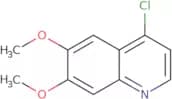
CAS :4-Chloro-6,7-dimethoxyquinoline (4C6DMQ) is a potent inhibitor of the growth of prostate cancer cells. 4C6DMQ is an analog of chloropropyl chloride, which inhibits the growth of epidermal growth factor receptor (EGFR). The binding site for 4C6DMQ on EGFR is the same as that for chloropropyl chloride. 4C6DMQ inhibits EGFR by preventing the activation of downstream signaling cascades, leading to a decrease in cell proliferation and tumor size. The IC50 values for 4C6DMQ are approximately 10 times higher than those for chloropropyl chloride. This drug has been shown to be more potent than other inhibitors of EGFR such as erlotinib and gefitinib.Formule :C11H10ClNO2Degré de pureté :Min. 95%Couleur et forme :White PowderMasse moléculaire :223.66 g/molcis,trans-2-Buten-1,4-diol
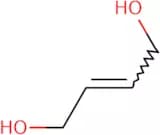
CAS :<p>Product FB158451, cis, trans-2-Buten-1,4-diol, is a versatile chemical compound with the CAS number 110-64-5. It is used a key building block in various chemical synthesis processes, making it an essential component for researchers and industrial applications. Its versatile nature allows it to be employed in the production of polymers, resins, and specialty chemicals, making it a valuable asset for a wide range of applications.</p>Formule :C4H8O2Degré de pureté :Min. 95%Couleur et forme :Clear LiquidMasse moléculaire :88.11 g/mol4-Aminophenethyl alcohol
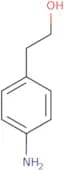
CAS :4-Aminophenethyl alcohol is a monosubstituted, basic compound that is used in the laboratory as a cell culture medium supplement to promote growth of fibroblasts. This compound has been shown to stimulate human intestinal cells and human peripheral blood mononuclear cells. 4-Aminophenethyl alcohol acts as a hydroxyl group donor, which may be due to its ability to form hydrogen ions when reacted with sodium hydroxide solution. The reaction of this compound with diazonium salt produces an intermediate, which can be hydrolyzed by the addition of sodium hydroxide solution. The resultant chloride ion reacts with the aminophenethyldihydroxylamine (APDA) moiety to produce APDCl. This product has been shown to increase the population growth rate of fibroblasts in culture by causing DNA synthesis and protein synthesis. Linear regression analysis revealed that there was no statistically significant difference between the control and experimental groups for either DNAFormule :C8H11NODegré de pureté :Min. 95%Masse moléculaire :137.18 g/molD-Threoninol
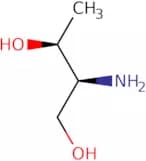
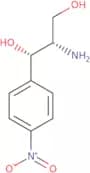
CAS :<p>Please enquire for more information about D-Threoninol including the price, delivery time and more detailed product information at the technical inquiry form on this page</p>Formule :C4H11NO2Degré de pureté :Min. 95%Masse moléculaire :105.14 g/molL-threo-(+)-2-Amino-1-(4-nitrophenyl)-1,3-propanediol
CAS :L-threo-(+)-2-amino-1-(4-nitrophenyl)-1,3-propanediol is a functional group that is composed of a fatty acid and an amino acid. It has been shown to inhibit the growth of corynebacterium glutamicum bacteria by hydrolyzing their cell wall. This compound also inhibits the activity of bacterial enzymes that are involved in the synthesis of proteins. This functional group may be useful for the treatment of chronic lymphocytic leukemia and HIV infection.Formule :C9H12N2O4Degré de pureté :Min. 95%Couleur et forme :PowderMasse moléculaire :212.2 g/mol(1R,3S)-3-Aminocyclopentanol hydrochloride
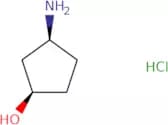
CAS :<p>Intermediate in the synthesis of bictegravir</p>Formule :C5H12ClNODegré de pureté :Min. 95%Masse moléculaire :137.61 g/molOctreotide trifluoroacetate salt (Dimer, Antiparallel) (
Please enquire for more information about Octreotide trifluoroacetate salt (Dimer, Antiparallel) ( including the price, delivery time and more detailed product information at the technical inquiry form on this pageFormule :C98H132N20O20S4Degré de pureté :Min. 95%Masse moléculaire :2,038.48 g/mol1H-Pyrazol-4-ylmethanol
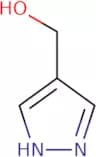
CAS :1H-Pyrazol-4-ylmethanol is a dehydrogenase inhibitor that binds to the heme group of the enzyme and inhibits oxidative metabolism. It has been shown to be an effective inhibitor of human liver alcohol dehydrogenase (ADH) and also reduces the absorption rate constant of pyrazole derivatives. The catalytic mechanism is not yet known, but it has been found to inhibit other enzymes with a similar catalytic mechanism. Techniques such as kinetic studies and model systems have been used to study this enzyme's catalytic mechanism.Formule :C4H6N2ODegré de pureté :Min. 95%Masse moléculaire :98.1 g/mol4-Alkoxybenzyl alcohol resin (200-400 mesh)
CAS :<p>Particle size 200-400 mesh</p>Degré de pureté :Min. 95%Linolenic acid - 98%
CAS :Linolenic acid is a polyunsaturated fatty acid that is essential for human health. It is a precursor of prostaglandin E2 (PGE2), which has been implicated in the regulation of cell death and inflammation. Linolenic acid has been shown to induce apoptosis in vitro by inhibiting the mitochondrial membrane potential and activating caspases 3 and 9, thereby inducing neuronal death. In vivo, linolenic acid has been shown to have beneficial effects on cardiovascular function, including lowering cholesterol levels and improving blood flow to the heart. Linolenic acid also has antioxidant properties, which may be due to its ability to inhibit lipid peroxidation and scavenge free radicals.Formule :C18H30O2Degré de pureté :Min. 95%Couleur et forme :PowderMasse moléculaire :278.43 g/molPolyglycerine - Polyglycerol-2,3,4
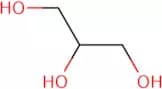
CAS :Naturally-derived multifunctional moisturizer; used in cosmetic formulationsFormule :(C3H8O3)nDegré de pureté :Min. 85%Couleur et forme :Colorless Powder4-Fluoro-2-methoxyphenol
CAS :<p>4-Fluoro-2-methoxyphenol is a fluorinating agent that is used in the manufacture of pharmaceuticals, plastics and pesticides. It has been shown to induce apoptosis in cultured cells by upregulating reactive oxygen species (ROS) and increasing mitochondrial membrane permeability, as well as inhibiting cellular physiology. 4-Fluoro-2-methoxyphenol also inhibits the production of ATP and may be toxic to cells by interfering with dinucleotide phosphate.</p>Formule :C7H7FO2Degré de pureté :Min. 95%Couleur et forme :Clear LiquidMasse moléculaire :142.13 g/mol2,4-Dibromobenzyl alcohol
CAS :<p>2,4-Dibromobenzyl alcohol is a selective inhibitor of sglt2, which is an enzyme that inactivates the incretin hormones glucagon-like peptide-1 (GLP-1) and glucose-dependent insulinotropic polypeptide (GIP). It has been shown to have a strong inhibitory effect on the activity of sglt2 in vitro. This inhibition leads to increased levels of GLP-1 and GIP, which may help improve glycemic control. 2,4-Dibromobenzyl alcohol has been shown to reduce blood glucose levels in diabetic mice to the same degree as tofogliflozin, which is marketed for diabetes treatment.</p>Formule :C7H6Br2ODegré de pureté :Min. 95%Masse moléculaire :265.93 g/mol(1R,2R)-1,2-Cyclohexanedimethanol
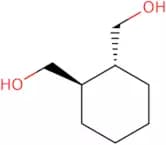
CAS :<p>(1R,2R)-1,2-Cyclohexanedimethanol is an isomer of the more common (1S,2S)-1,2-cyclohexanedimethanol. It is a synthetic compound that is used as an analytical reagent in chromatographic and spectroscopic analyses. The two enantiomers of this compound have different stability and reactivity properties. (1R,2R)-1,2-Cyclohexanedimethanol has been shown to be a good photocatalyst for the decomposition of organic compounds. It also has some hydrophobic properties because it can dissolve in organic solvents such as ethers and chlorinated hydrocarbons.</p>Formule :C8H16O2Degré de pureté :Min. 95%Masse moléculaire :144.21 g/molp-Xylene-α,α'-diol
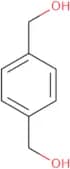
CAS :<p>p-Xylene-α,α'-diol is a water-soluble polymer that can be prepared by the reaction of ethylene diamine with sodium citrate. The resulting product has a low molecular weight and high viscosity. The polymer is insoluble in water at pH values higher than 9.5 and soluble in acidic solutions. p-Xylene-α,α'-diol has been shown to exhibit good chemical stability and thermal expansion properties when exposed to temperatures of up to 300 °C. The polymer is soluble in organic solvents such as benzene, chloroform, acetone, ether, and carbon tetrachloride. The polymer has been shown to have transport properties for some drugs, such as ketoprofen and ibuprofen, with good kinetic data at various concentrations.</p>Formule :C8H10O2Degré de pureté :Min. 98 Area-%Couleur et forme :White PowderMasse moléculaire :138.16 g/molStigmast-7-enol
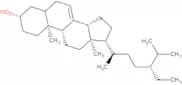
CAS :Produit contrôléStigmast-7-enol is a naturally occurring compound found in plants such as Oroxylum indicum and Carthamus tinctorius. It was first isolated from the plant Stigmasta crispa. The chemical composition of stigmast-7-enol includes a hydroxyl group, a carboxylic acid group, and an ester bond. It has been shown to have hypoglycemic effects in animal models. This compound is stable at acidic pH levels, but is unstable at physiological pH levels. Stigmast-7-enol also binds to the mitochondrial membrane potential and inhibits the synthesis of p-hydroxybenzoic acid in cells.Formule :C29H50ODegré de pureté :Min. 95%Masse moléculaire :414.71 g/mol6-Mercapto-9H-purin-2-ol
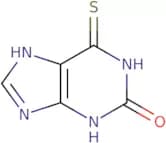
CAS :<p>6-Mercapto-9H-purin-2-ol (6MP) is a purine nucleoside that is used as an antimicrobial agent. It inhibits the enzyme adenosine deaminase, which converts adenosine to inosine, and therefore prevents the production of purines. 6MP has been shown to be effective against inflammatory bowel disease and bowel disease in animal models. At high concentrations, it has been shown to inhibit subcutaneous tumors in mice. 6MP also inhibits the metabolism of certain drugs such as rifampicin and phenytoin, thereby increasing their plasma concentration. 6MP has been shown to be effective against resistant mutants for some bacteria such as Salmonella enterica serovar Typhimurium and Escherichia coli through inhibition of beta-lactamases. The mechanism of action for 6MP is similar to that of β-lactams antibiotics, which are inhibitors of bacterial cell wall synthesis</p>Formule :C5H4N4OSDegré de pureté :Min. 95%Couleur et forme :Off-White PowderMasse moléculaire :168.18 g/mol9,11b-Epoxidetriamcinolone
CAS :<p>Please enquire for more information about 9,11b-Epoxidetriamcinolone including the price, delivery time and more detailed product information at the technical inquiry form on this page</p>Formule :C21H26O6Degré de pureté :Min. 95%Masse moléculaire :374.43 g/molPhenolphthalein monophosphate di(cyclohexylammonium)
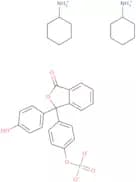
CAS :<p>Phenolphthalein monophosphate di(cyclohexylammonium) is a fine chemical that can be used as a building block in research, reagent, or speciality chemical. It is a versatile building block and reaction component that can be used as an intermediate to make other compounds. Phenolphthalein monophosphate di(cyclohexylammonium) is also used as a scaffold for the synthesis of complex chemicals. This complex compound has CAS number 14815-59-9.</p>Formule :C20H15O7P•2C6H13NDegré de pureté :Min. 90%Couleur et forme :PowderMasse moléculaire :596.65 g/mol