Amines
Les amines sont un ensemble de molécules contenant un groupe fonctionnel amino (dérivé de l'ammoniac). Cette catégorie inclut les amines à tous les niveaux de substitution : primaires, secondaires, tertiaires et sels d'ammonium. Les amines sont fondamentales dans la synthèse organique et sont largement utilisées dans les produits pharmaceutiques, les agrochimiques et les sciences des matériaux. Chez CymitQuimica, nous proposons une sélection complète d'amines pour répondre à vos besoins de recherche et industriels. Notre gamme assure l'accès à diverses amines pour divers processus chimiques et recherches innovantes.
Sous-catégories appartenant à la catégorie "Amines"
- Nitrosamines(2.605 produits)
- Amines primaires(30.947 produits)
- Cations d'ammonium quaternaire(1.100 produits)
- Amines secondaires(20.886 produits)
- Amines tertiaires(17.193 produits)
8780 produits trouvés pour "Amines"
Trier par
Degré de pureté (%)
0
100
|
0
|
50
|
90
|
95
|
100
2-Dimethylamino-6-hydroxypurine
CAS :<p>2-Dimethylamino-6-hydroxypurine is a biochemical that belongs to the group of purines. It is a methylated form of 2,6-diaminopurine and has been shown to be an antigenic product in wheat germ. 2,6-Diaminopurine is involved in the synthesis of protein and other biomolecules by transferring methyl groups from S-adenosyl methionine to amino acid side chains. This gene product is also involved in enzyme preparations and reactions that are related to the biochemical properties of mammalian cells. The methyltransferase enzyme catalyzes the reaction mechanism for 2,6-dimethylamino-purine. 2,6-Dimethylamino-purine has been shown to have anticancer effects on various types of cancer cells with modifications on their DNA.</p>Formule :C7H9N5ODegré de pureté :Min. 95%Couleur et forme :Off-white to yellow solid.Masse moléculaire :179.18 g/mol(4,N-Dimethylamino)benzylamine
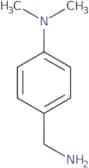
CAS :4,N-Dimethylamino)benzylamine is a chromatographic standard that is used to measure the activity of human serum enzymes. It is also used as a reagent in analytical chemistry for the preparation of fatty acids with nmr spectra. This product can be used to detect amines by chemiluminescent reaction and can also be used as an intermediate in carnitine synthesis.Formule :C9H14N2Degré de pureté :Min. 95%Masse moléculaire :150.22 g/mol3-(Difluoromethoxy)benzyl amine
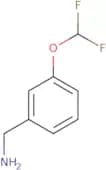
CAS :<p>3-(Difluoromethoxy)benzyl amine is a high-quality reagent that is used as an intermediate in the synthesis of complex compounds. 3-(Difluoromethoxy)benzyl amine is also a useful building block for the synthesis of speciality chemicals and research chemicals. This compound can be used as a versatile building block, which can be used to synthesize different functional groups. 3-(Difluoromethoxy)benzyl amine is soluble in many organic solvents and has a boiling point of 193 °C.</p>Formule :C8H9F2NODegré de pureté :Min. 95%Masse moléculaire :173.16 g/mol5-Amino-1,3,4-thiadiazole-2-carboxylic acid
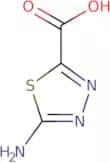
CAS :5-Amino-1,3,4-thiadiazole-2-carboxylic acid is a benzene derivative that can be used as a fluorescent probe for the detection of anions. It has high specificity and sensitivity to chloride ions, which is due to its ability to form a five membered ring with the chloride ion. This molecular structure gives 5-amino-1,3,4-thiadiazole-2-carboxylic acid its characteristic fluorescence emission spectrum. The optimum conditions for the reaction are at pH 7.0 and room temperature with a concentration of 0.1 M in water. The reactivity of 5-amino-1,3,4-thiadiazole 2 carboxylic acid is increased by the presence of thiourea and naphthalene.Formule :C3H3N3O2SDegré de pureté :Min. 95%Couleur et forme :PowderMasse moléculaire :145.14 g/mol4-Amino-2-methylphenol
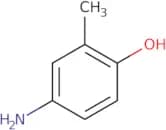
CAS :<p>4-Amino-2-methylphenol is a chemical substance that is used in the production of dyes, cationic surfactants, and basic dyes. It can be produced through oxidation of phenol or by dehydration of aniline. 4-Amino-2-methylphenol has been shown to have potential use as a surface enhancer for Raman spectroscopy. This compound has also been used to extract amines and ethers from organic solvents.</p>Formule :C7H9NODegré de pureté :Min. 95%Couleur et forme :SolidMasse moléculaire :123.15 g/molN-Phenyl-2-nitro-4-trifluoromethyl-phenylamine
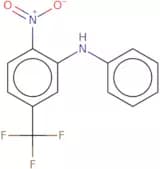
CAS :<p>N-Phenyl-2-nitro-4-trifluoromethylphenylamine is a versatile building block. It is a fine chemical that is used in research and as a reagent, speciality chemical, or useful scaffold for the synthesis of complex compounds. This compound has CAS No. 5108-04-3 and can be used as an intermediate in reactions. It is also useful in the synthesis of various types of building blocks. N-Phenyl-2-nitro-4-trifluoromethylphenylamine has been shown to be a high quality product that can be used in various ways.</p>Formule :C13H9F3N2O2Degré de pureté :Min. 95%Masse moléculaire :282.22 g/molN-Methyloctylamine
CAS :<p>N-Methyloctylamine is a low energy, organic extractant that is soluble in water and ethanol. It has been shown to be an effective agent for the extraction of adenine nucleotides from acidic aqueous solutions. The hydroxyl group on the molecule enables oxidation reactions with molecules containing aldehyde groups, such as diphenyl ethers and amines. N-Methyloctylamine has also been shown to be an effective catalyst for transfer reactions between particles, such as nanoparticles.</p>Formule :C9H21NDegré de pureté :Min. 95%Couleur et forme :Clear LiquidMasse moléculaire :143.27 g/mol4-[Bis(2-hydroxypropyl)amino]benzoic acid ethyl ester, 90%
CAS :4-[Bis(2-hydroxypropyl)amino]benzoic acid ethyl ester is an absorber that is used in the production of cationic surfactants. It has been shown to have clinical properties and can be combined with antibiotics for the treatment of inflammatory diseases. 4-[Bis(2-hydroxypropyl)amino]benzoic acid ethyl ester is also used as a radiation absorber, which prevents the formation of free radicals by absorbing radiation. This drug also has an antioxidant effect and may protect skin cells from damage caused by UV light.Formule :C15H23NO4Degré de pureté :Min. 95%Couleur et forme :Yellow PowderMasse moléculaire :281.35 g/molMethyl 3-amino-5-methyl thiophene-2-carboxylate
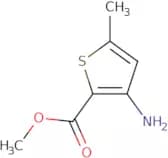
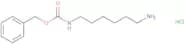
CAS :Methyl 3-amino-5-methyl thiophene-2-carboxylate is a fine chemical that belongs to the group of useful scaffolds, versatile building blocks, useful intermediates for research chemicals and speciality chemicals. It can be used as reaction components in the synthesis of complex compounds. Methyl 3-amino-5-methyl thiophene-2-carboxylate is a high quality reagent with a wide range of applications in organic chemistry.Formule :C7H9NO2SDegré de pureté :Min. 95%Couleur et forme :PowderMasse moléculaire :171.22 g/molZ-1,6-diaminohexane·HCl
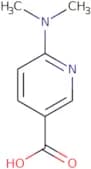
CAS :Z-1,6-Diaminohexane·HCl is a versatile building block that can be used as a reagent, speciality chemical, or useful scaffold. This compound has been shown to be a useful intermediate in the synthesis of other compounds and can also react with metal ions to generate metal complexes. Z-1,6-Diaminohexane·HCl is a high quality compound that is stable and soluble in water, making it suitable for use in reactions at room temperature.Formule :C14H22N2O2·HClDegré de pureté :Min. 95%Couleur et forme :White PowderMasse moléculaire :286.8 g/mol6-(Dimethylamino)nicotinic acid
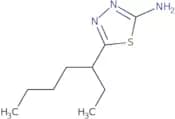
CAS :<p>6-(Dimethylamino)nicotinic acid is a fine chemical and research chemical that is useful as a building block for complex compounds. It is also used as a reagent in the synthesis of other chemicals, or as an intermediate or scaffold molecule in organic chemistry. This chemical has been shown to be useful in the synthesis of many drugs, including penicillin and erythromycin. 6-(Dimethylamino)nicotinic acid has CAS number 82846-28-4.</p>Formule :C8H10N2O2Degré de pureté :Min. 95%Couleur et forme :White PowderMasse moléculaire :166.18 g/mol5-(1-Ethylpentyl)-1,3,4-thiadiazol-2-amine
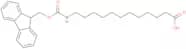
CAS :5-(1-Ethylpentyl)-1,3,4-thiadiazol-2-amine is a useful intermediate that is used in the synthesis of various chemicals. It has been shown to react with thionyl chloride to produce 5-(1-ethylhexyl)-2,4-dioxo-1,3,4-thiadiazole. This reagent can be used as a building block for the synthesis of other complex compounds and has been shown to react with many different types of functional groups. 5-(1-Ethylpentyl)-1,3,4-thiadiazol-2-amine is also useful in the production of speciality chemicals such as research chemicals and versatile building blocks. This compound has CAS number 299934-91-1.Formule :C9H17N3SDegré de pureté :Min. 95%Couleur et forme :PowderMasse moléculaire :199.32 g/molFmoc-12-aminododecanoic acid
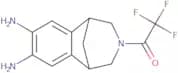
CAS :<p>Fmoc-12-aminododecanoic acid is a synthetic amino acid that has been shown to lower blood pressure in both animal and human studies. It binds to albumin, which regulates the passage of substances into and out of the bloodstream, and also binds to b2 receptors that regulate the release of insulin from pancreatic cells. Fmoc-12-aminododecanoic acid has also been shown to inhibit cancer cell growth in vitro and has been used as an anti-cancer agent in animal experiments. This drug also inhibits bacterial growth by binding to a transporter protein, preventing uptake of glucose. Fmoc-12-aminododecanoic acid is a substrate for 4-tert butylbenzoic acid (4TBBA), which is taken up by bacteria such as P. aeruginosa at high rates.</p>Formule :C27H35NO4Degré de pureté :Min. 95%Masse moléculaire :437.57 g/mol1-(7,8-Diamino-1,2,4,5-tetrahydro-1,5-methano-3H-3-benzazepin-3-yl)-2,2,2-trifluoroethanone
CAS :<p>Varenicline Diamine Impurity - Bio-X ™ is a diamine impurity of varenicline, a medication used for smoking cessation. Varenicline acts as a partial agonist at α4β2 nicotinic acetylcholine receptors, which are involved in the addictive effects of nicotine. Researchers utilize this compound to study its effects on nicotine addiction and develop potential treatments for smoking cessation. This impurity is used as a reference standard or analytical tool in the quality control and manufacturing process of varenicline and serves as an important marker for ensuring the purity and consistency of varenicline during its production, helping to maintain the medication's safety and efficacy for patients seeking to quit smoking.</p>Formule :C13H14F3N3ODegré de pureté :Min. 96 Area-%Couleur et forme :PowderMasse moléculaire :285.27 g/molOxythiamine chloride
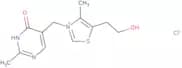
CAS :<p>Oxythiamine chloride is a compound that binds to DNA in the nucleus of cells. It has been shown to inhibit cell growth and induce apoptosis by binding to a number of cellular molecules, including hydrogen bonding interactions with enzymes. Oxythiamine chloride also inhibits energy metabolism by inhibiting mitochondrial respiration and mitochondrial ATP production, and is toxic to cells. This drug has potent inducers, such as cell factor, which are necessary for the production of new cells. It also inhibits thiamine-dependent enzymes, such as pyruvate dehydrogenase kinase (PDK) and pyruvate dehydrogenase (PDH). The wild-type strain of Escherichia coli was used for these studies.</p>Formule :C12H15N3O2S·HClDegré de pureté :Min. 95%Couleur et forme :White to off-white solid.Masse moléculaire :301.79 g/mol3-Methoxybenzenamine
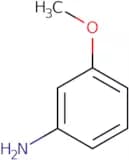
CAS :<p>3-Methoxybenzenamine is a molecule that can be synthesized by an asymmetric reaction. It has carcinogenic potential and is classified as a chemical substance. 3-Methoxybenzenamine reacts with hydrochloric acid to form hydrogen chloride gas and methoxybenzene. The hydroxyl group on the molecule reacts with l-tartaric acid to form an ester, which then undergoes hydrolysis to produce 3-hydroxybutanoic acid. This reaction also produces water, which may result in a decrease of the concentration of the reactants. 3-Methoxybenzenamine can also react with amines to form quaternary ammonium salts, which are highly soluble in water and have a high detection sensitivity.</p>Formule :C7H9NODegré de pureté :Min. 95%Couleur et forme :Clear LiquidMasse moléculaire :123.15 g/molp-Amino-L-phenylalanine hydrochloride
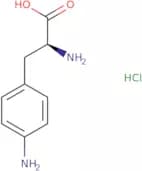
CAS :p-Amino-L-phenylalanine hydrochloride (PABA) is a type of amino acid that is used in the synthesis of melphalan hydrochloride, a drug used to treat cancer. PABA is a white crystalline powder that can be dissolved in water and formic acid. It has been shown to interact with the hydrophilic interaction chromatography column and flow rate sensor in order to improve the chromatographic separation of ammonium formate. PABA has also been found to be chiral and can be converted into its enantiomeric form by means of an organic solvent, such as acetonitrile. The impurities of PABA are mandelic acid and l-phenylalanine. These impurities are separated from PABA by means of HPLC analysis.Formule :C9H13ClN2O2Degré de pureté :Min. 95%Couleur et forme :White/Off-White SolidMasse moléculaire :216.66 g/molMethyl 3-aminophenylacetate hydrochloride
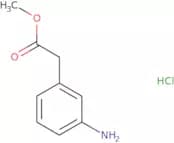
CAS :Methyl 3-aminophenylacetate hydrochloride is a versatile building block that can be used as a reagent for the synthesis of complex compounds. It has been widely used in the production of specialty chemicals, research chemicals and other building blocks. Methyl 3-aminophenylacetate hydrochloride is also an important intermediate in the production of speciality chemicals and pharmaceuticals. This chemical is a high quality chemical that can be used as a reaction component or scaffold for the synthesis of organic compounds.Formule :C9H12ClNO2Degré de pureté :Min. 95%Masse moléculaire :201.65 g/molPheniramine maleate
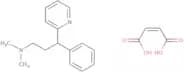
CAS :<p>Histamine receptor H1 antagonist</p>Formule :C16H20N2·C4H4O4Degré de pureté :Min. 95%Couleur et forme :PowderMasse moléculaire :356.42 g/mol4-Amino-3-chloro-2,5,6-trifluoropyridine
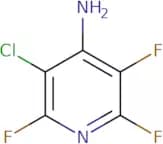
CAS :4-Amino-3-chloro-2,5,6-trifluoropyridine is a reactive and unstable chemical compound that belongs to the group of anilines. It is used in the synthesis of hypsochromic dyes. The compound has been shown to interact with other molecules, such as chemo-, supramolecular-, and synthetically-. The fluorophore has been stabilized by a supramolecular approach. Chemically induced fluorescence properties have been observed for 4-amino-3-chloro-2,5,6-trifluoropyridine.Formule :C5H2ClF3N2Degré de pureté :Min. 95%Couleur et forme :SolidMasse moléculaire :182.53 g/mol4-(Aminomethyl)benzenesulfonamide acetate
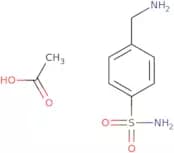
CAS :Produit contrôlé4-(Aminomethyl)benzenesulfonamide acetate is a biocompatible polymer that is used in the treatment of infectious diseases. It has antibacterial efficacy against a range of microorganisms, including methicillin-resistant Staphylococcus aureus and Pseudomonas aeruginosa. This polymer binds to sulfadiazine and antimicrobial peptides, which then act as antimicrobial agents. 4-(Aminomethyl)benzenesulfonamide acetate also exhibits good chemical stability in vivo and has been shown to inhibit the growth of skin cells.Formule :C9H14N2O4SDegré de pureté :Min. 95%Couleur et forme :PowderMasse moléculaire :246.28 g/mol4,5-Diamino-1-(2-hydroxyethyl)pyrazolesulphate
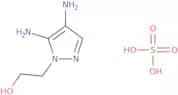
CAS :4,5-Diamino-1-(2-hydroxyethyl)pyrazolesulphate is a compound that is used as an intermediate in the production of ethoxymethylenemalonate. It is synthesized by hydrolysis of 4,5-diamino-1-(2-hydroxyethyl)pyrazole (DAP). In order to determine the purity and identity of this compound, it must be passed through a filter. The filtration process can be accomplished using analytical methods such as supercritical fluid chromatography or electrospray mass spectrometry. This compound has been shown to have a very high efficiency when recycled and can be used for the expansion of ethoxymethylenemalonate.Formule :C5H12N4O5SDegré de pureté :Min. 95%Couleur et forme :Red PowderMasse moléculaire :240.24 g/mol(+)-(1S,3R)-3-Amino-cyclopentane carboxylic acid
CAS :<p>The nature of the amino acid side chain plays a major role in determining the properties of an amino acid. The side chain is either hydrophobic (CH3) or hydrophilic (NH2). Amino acids are arranged into subunits. The alpha-amino group is attached to the carbon atom at the end of the side chain, and the carboxyl group is attached to a second carbon atom on a different molecule. These two molecules are joined by a chemical bond called an amide bond. The alpha-carboxyl group determines whether an amino acid will be acidic or basic in nature. The pH scale ranges from 0 to 14, with 7 being neutral, and numbers higher than 7 indicating alkaline conditions. Constant values for each amino acid can be found on this website:</p>Formule :C6H11NO2Degré de pureté :Min. 95%Couleur et forme :White PowderMasse moléculaire :129.16 g/molThiamine monophosphate chloride dihydrate
CAS :<p>Thiamine monophosphate chloride dihydrate is a form of the vitamin thiamine. It has been used in control analysis to measure the activity of enzymes that require thiamine as a cofactor, such as transketolase and pyruvate kinase. Thiamine monophosphate chloride dihydrate has also been studied in biochemical properties, where it was found that this compound can be cleaved by picolinic acid to form thiazole phosphate. The matrix effect is an important factor in polymerase chain reactions and has been shown to be dependent on the presence of dinucleotide phosphate. This compound is an essential component of energy metabolism and plays a role in protein synthesis. Thiamine monophosphate chloride dihydrate also has toxicological studies, including a model system using wild-type strains of yeast. These studies have shown that this compound leads to physiological effects such as inhibition of glycolysis and lactic acid production.</p>Formule :C12H18N4O4PS•Cl•(H2O)2Degré de pureté :Min. 99 Area-%Couleur et forme :PowderMasse moléculaire :416.82 g/mol1-Phenyl-3-aminopyrazol-5-one
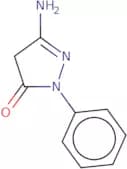
CAS :1-Phenyl-3-aminopyrazol-5-one is a solvent that can be used in elemental analysis. It has a molecular weight of 137.12 and is soluble in water, methanol, ethanol, acetone, ether, benzene and chloroform. 1-Phenyl-3-aminopyrazol-5-one has been shown to react with amines and form tautomers with different chemical properties. The spectral data for this compound are presented as the absorption spectra of substituted 1-phenyl-3-aminopyrazol-5-ones with acetyl groups at C2 and C4 (1), the nuclear magnetic resonance spectrum of 1-(dimethylamino)ethyl 3-[2-(N,N'-dimethylamino)ethyl]pyrazole (2), the NMR spectrum of 2-(dimethylamino)ethyl 3-[2-(N,N'-dimethylamino)ethyl]Formule :C9H9N3ODegré de pureté :Min. 95%Masse moléculaire :175.19 g/mol5-Amino-4-bromo-3-methylpyrazole hydrobromide
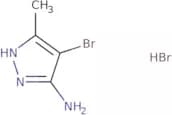
CAS :5-Amino-4-bromo-3-methylpyrazole hydrobromide is an intermediate in the synthesis of a variety of compounds. It is also a building block for the synthesis of heterocycles, such as pyrazoles, indazoles, benzoxazoles, and benzothiazoles. 5-Amino-4-bromo-3-methylpyrazole hydrobromide can be used as a reagent to synthesize pharmaceuticals and other useful compounds. 5-Amino-4-bromo-3-methylpyrazole hydrobromide is a versatile building block that can be used in the synthesis of many different types of compounds. This compound has been shown to react with various groups on organic molecules to form new chemical structures.Formule :C4H6BrN3•BrHDegré de pureté :Min. 95%Couleur et forme :PowderMasse moléculaire :256.93 g/mol3-Amino-4-bromopyridine
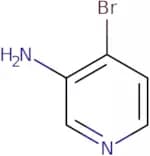
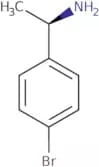
CAS :<p>3-Amino-4-bromopyridine is a receptor binding ligand that belongs to the group of synthetic, active natural products. It has been shown to stabilize nicotinic acetylcholine receptors and inhibit the release of acetylcholine. 3-Amino-4-bromopyridine has been shown to be a potent antagonist at nicotinic acetylcholine receptors and can be used in the treatment of disorders such as Parkinson's disease, Alzheimer's disease, and schizophrenia. 3-Amino-4-bromopyridine binds to pyridiniums in an inorganic acid environment and stabilizes them, which prevents their interaction with carbolines that are important for the modulation of neuronal activity.</p>Formule :C5H5BrN2Degré de pureté :Min. 95%Couleur et forme :Off-White PowderMasse moléculaire :173.01 g/mol(R)-(+)-1-(4-Bromophenyl)ethylamine
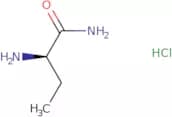
CAS :<p>(R)-(+)-1-(4-Bromophenyl)ethylamine is a chiral anion that can be used as a ligand for supramolecular chemistry. It reacts with primary amines to form a diazenyl (an anion with two nitrogen atoms and one carbon atom). The diazenyl molecule has been shown to have chemotactic activity and to stimulate the immune system. The (R)-(+)-1-(4-bromophenyl)ethylamine is generally stable when it is in contact with water, but is unstable when heated due to decomposition by light or oxygen.</p>Formule :C8H10BrNDegré de pureté :Min. 95%Couleur et forme :Clear LiquidMasse moléculaire :200.08 g/mol(R)-2-Aminobutanamide hydrochloride
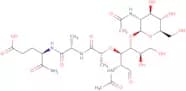
CAS :<p>(R)-2-Aminobutanamide hydrochloride is a compound that contains chloride gas. This compound is an alkylating agent, which means it can form new carbon-nitrogen bonds by adding to the electrophilic center of a molecule. This process is used industrially to produce butyronitrile, which is a precursor for nylon and other plastics. The introduction of (R)-2-aminobutanamide hydrochloride into industrial processes has decreased the use of l-tartaric acid, diluent, and hydrogen chloride. The impurities in this compound are typically quantified using gas chromatography with flame ionization detection.<br>(R)-2-Aminobutanamide hydrochloride is an acidic compound that dissociates in water to release hydrogen chloride. It has two chiral forms: <br>The enantiomers have different chemical properties due to their different configurations around the central carbon atom. In the case of (</p>Formule :C4H10N2O·HClDegré de pureté :Min. 95%Couleur et forme :White PowderMasse moléculaire :138.6 g/molN-Acetyl-β-D-glucosaminyl-(1→4)-N-acetylmuramoyl-L-alanyl-D-isoglutamine
CAS :<p>Please enquire for more information about N-Acetyl-β-D-glucosaminyl-(1→4)-N-acetylmuramoyl-L-alanyl-D-isoglutamine including the price, delivery time and more detailed product information at the technical inquiry form on this page</p>Formule :C27H45N5O16Degré de pureté :Min. 95%Couleur et forme :PowderMasse moléculaire :695.67 g/mol3-Methoxy-5-(trifluoromethyl)aniline
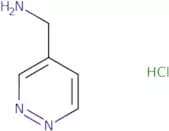
CAS :Formule :C8H8F3NODegré de pureté :>98.0%(GC)(T)Couleur et forme :Light yellow to Brown to Dark red powder to crystalMasse moléculaire :191.15Pyridazin-4-ylmethanamine hydrochloride
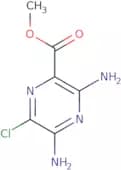
CAS :<p>Pyridazin-4-ylmethanamine hydrochloride is a fine chemical that is used as a building block for more complex molecules. It is an intermediate in the synthesis of many organic compounds and has been used as a reagent to generate new compounds. This compound can be used as a versatile building block, as it can react with other chemicals to form new compounds. Pyridazin-4-ylmethanamine hydrochloride is also an effective scaffold for generating new drugs and pharmaceuticals.</p>Formule :C5H8ClN3Degré de pureté :Min. 95%Couleur et forme :Yellow PowderMasse moléculaire :145.59 g/mol3,5-Diamino-6-chloropyrazine-2-carboxylic acid methyl ester
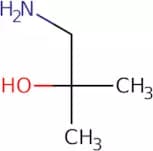
CAS :<p>3,5-Diamino-6-chloropyrazine-2-carboxylic acid methyl ester is a low binding, mitochondrial labeling agent. It is photolabile and can be used in the study of respiratory complex activity. 3,5-Diamino-6-chloropyrazine-2-carboxylic acid methyl ester has been shown to inhibit the enzyme mitochondrial complex I and II. The azido group on the molecule is homologous to a phosphate group in ATP and can be used as a substrate analogue for ATP synthase. This allows 3,5-Diamino-6-chloropyrazine-2-carboxylic acid methyl ester to be used as an experimental tool for studying ATP synthesis.</p>Formule :C6H7ClN4O2Degré de pureté :Min. 95%Couleur et forme :PowderMasse moléculaire :202.6 g/mol1-Amino-2-methyl-propan-2-ol
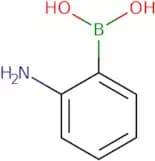
CAS :<p>1-Amino-2-methyl-propan-2-ol is a cytotoxic molecule that has been shown to inhibit the growth of cancer cells. It is synthesized by converting 1,4-benzenediamine and cyclopentanol into the corresponding amines. The amines are then condensed with an alkanolamine in a kinetic reaction to form 1-amino-2-methylpropan-2-ol. This product's anticancer activity may be due to its ability to induce nucleophilic attack on DNA, leading to DNA strand breakage. 1AMPP has also been shown to have antiviral properties against HIV infection.</p>Formule :C4H11NODegré de pureté :Min. 95%Couleur et forme :Colorless Clear LiquidMasse moléculaire :89.14 g/mol2-Aminophenylboronic acid
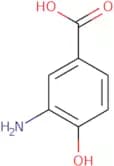
CAS :<p>2-Aminophenylboronic acid is an organic compound that can be used as a cross-coupling agent in the Suzuki coupling reaction. It has been used to synthesize amides and β-unsaturated ketones. It has also been used to prepare fluorescent molecules for use in clinical diagnostics. The phase transition temperature of 2-aminophenylboronic acid is approximately -6°C, which makes it useful for the synthesis of amides and β-unsaturated ketones at low temperatures. This compound is not reactive towards nucleophiles due to its acidic character, but it can undergo a nucleophilic attack when protonated. Its fluorescence assay can be used to detect the presence of low concentrations of hydrogen sulfide gas in natural gas pipelines.</p>Formule :C6H8BNO2Degré de pureté :Min. 95%Couleur et forme :PowderMasse moléculaire :136.94 g/mol3-Amino-4-hydroxybenzoic acid hydrate
CAS :3-Amino-4-hydroxybenzoic acid hydrate is a fine chemical that is used as a versatile building block in the synthesis of pharmaceuticals, agrochemicals, and other organic chemicals. It is an intermediate for the preparation of various research chemicals. 3-Amino-4-hydroxybenzoic acid hydrate has been shown to be an effective reagent for the synthesis of certain complex compounds. It also has high quality and can be used as a reaction component in many reactions.Formule :C7H7NO3·H2ODegré de pureté :Min. 95%Couleur et forme :PowderMasse moléculaire :171.15 g/mol[2-(tert-Butylthio)ethyl]amine
CAS :<p>[2-(tert-Butylthio)ethyl]amine is a basic chemical compound with the molecular formula CH3CH(SH)CH2NH. This amine is used as an intermediate in the synthesis of cyclosporin, a drug that has anti-inflammatory and immunosuppressive properties. The thermodynamic stability of the neutral [2-(tert-butylthio)ethyl]amine molecule was experimentally determined by measuring its heat capacity at constant pressure and temperature. The interaction between this molecule and a virus was also characterized by force measurements using a cantilever under an optical microscope.</p>Formule :C6H15NSDegré de pureté :Min. 95%Couleur et forme :Yellow PowderMasse moléculaire :133.26 g/mol4-Diazodiphenylamine sulfate
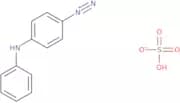
CAS :<p>4-Diazodiphenylamine sulfate is a phosphatase inhibitor that can be used to inhibit tyrosinase activity in the biochemical and enzymatic reactions. The inhibition constant for 4-diazodiphenylamine sulfate against tyrosinase activity is 1.5 μM. This inhibitor has been shown to have a low energy surface-enhanced Raman spectrum, which can be used to detect protein coatings on surfaces such as glass beads or sephadex g-100. It has also been shown to inhibit the phosphatase activity of human urine samples, which may be due to its ability to bind to the enzyme's active site and reduce substrate accessibility. 4-Diazodiphenylamine sulfate is also known for its ability to bind with DNA and form an adduct with p-nitrophenyl phosphate.</p>Formule :C12H9N3·H2SO4Degré de pureté :Min. 95%Couleur et forme :PowderMasse moléculaire :293.3 g/molN-(4-Methoxyphenyl)ethane-1,2-diamine
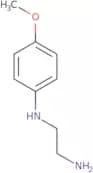
CAS :<p>N-(4-Methoxyphenyl)ethane-1,2-diamine is a synthetic compound that has been shown to inhibit the activity of cathepsins. It can be used in the treatment of diseases caused by these enzymes, such as osteoarthritis and Alzheimer's disease. N-(4-Methoxyphenyl)ethane-1,2-diamine has a pharmacokinetic profile that is favorable for oral administration. The drug is absorbed from the gastrointestinal tract readily and undergoes extensive metabolism in the liver. This process leads to the formation of active metabolites which are excreted in urine or bile. N-(4-Methoxyphenyl)ethane-1,2-diamine also inhibits nitroalkanes with activated aromatic rings, such as 4-nitrobenzaldehyde and 2,4,6-trinitrobenzene.</p>Formule :C9H14N2ODegré de pureté :Min. 95%Couleur et forme :Slightly Yellow PowderMasse moléculaire :166.22 g/mol3-(2-Diisopropylaminoethyl)indole hydrochloride
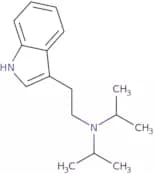
CAS :Produit contrôlé<p>3-(2-Diisopropylaminoethyl)indole hydrochloride is an inhibitor of the enzyme monoamine oxidase (MAO). MAO is responsible for the degradation of monoamines such as serotonin, dopamine, and norepinephrine. 3-(2-Diisopropylaminoethyl)indole hydrochloride inhibits these enzymes in order to increase the levels of these neurotransmitters in the brain. These effects are observed with a sectional study on the host plant species. 3-(2-Diisopropylaminoethyl)indole hydrochloride has been shown to have low potency for inhibiting 5-HT1A and 5-HT2A receptors in rat studies, but it is not active against 5-HT2C receptors. This drug was used to measure urinary serotonin and dopamine levels in human urine samples.</p>Formule :C16H25ClN2Degré de pureté :Min. 95%Masse moléculaire :280.84 g/mol4-Propylbenzylamine
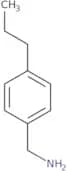
CAS :<p>4-Propylbenzylamine is a chemical compound that is an intermediate for the synthesis of other chemicals. It is a versatile building block that can be used in research to create useful scaffolds or as a reaction component to form complex compounds. 4-Propylbenzylamine has been shown to have high purity, and it is soluble in most solvents. The CAS number for this chemical is 538342-98-2.</p>Formule :C10H15NDegré de pureté :Min. 95%Couleur et forme :PowderMasse moléculaire :149.23 g/mol4,6-Dimethyl-5-nitro-m-phenylenediamine
CAS :4,6-Dimethyl-5-nitro-m-phenylenediamine is a versatile building block that can be used as a reagent or a speciality chemical. It is used in research to test the susceptibility of bacteria to antibiotics and other toxic substances. 4,6-Dimethyl-5-nitro-m-phenylenediamine has been shown to inhibit the growth of Mycobacterium tuberculosis, Mycobacterium avium complex, and some strains of Staphylococcus aureus. This product is also useful for making high quality compounds that are useful scaffolds for drug development.br> 4,6-Dimethyl-5-nitro-m-phenylenediamine is an organic compound with the chemical formula C9H8N2O3. It has two asymmetric carbon atoms and exists as two enantiomers, one of which is more reactive than the other. The (S)-enFormule :C8H11N3O2Degré de pureté :Min. 95%Masse moléculaire :181.19 g/mol4-Ethyl-1,3-thiazol-2-amine
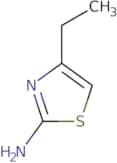
CAS :<p>4-Ethyl-1,3-thiazol-2-amine is a tertiary amine that is used as an alkylating agent. It has been shown to react with alcohols and form tertiary amines. 4-Ethyl-1,3-thiazol-2-amine can also react with carboxylic acids to form esters and with aldehydes to form acetals. This compound has been used in the synthesis of compounds such as aminothiazoles and thiazole.</p>Formule :C5H8N2SDegré de pureté :Min. 95%Masse moléculaire :128.2 g/molN-Methyloctadecylamine
CAS :<p>N-Methyloctadecylamine is a cationic surfactant that is used in the production of specialty chemicals, such as emulsifiers and wetting agents. It has been reported to have reactive properties, which may be due to its ability to react with fatty acids or amines. N-Methyloctadecylamine is also known as a lubricity agent, which improves the lubricity of materials. This chemical is an organic solution that contains hydroxyl groups, which are responsible for its high water solubility.</p>Formule :C19H41NDegré de pureté :Min. 95%Couleur et forme :White/Off-White SolidMasse moléculaire :283.54 g/molN-Acetylaminomethylphosphonic acid
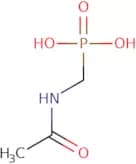
CAS :<p>N-Acetylaminomethylphosphonic acid is a benzylcompound with an amide group on the nitrogen atom. It has three resonance structures, two of which are shown below.</p>Formule :C3H8NO4PDegré de pureté :Min. 95%Couleur et forme :White PowderMasse moléculaire :153.07 g/molEthyl 3-aminobenzofuran-2-carboxylate
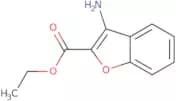
CAS :<p>Ethyl 3-aminobenzofuran-2-carboxylate is a decarboxylated pyridine derivative that has been shown to react with an aldoxime to form an unsymmetrical aldehyde. This reaction is catalyzed by acid and alkaline hydrolysis. It is also able to form benzothiophenes and benzofurans through the same reaction. Ethyl 3-aminobenzofuran-2-carboxylate can be used in the synthesis of many other organic compounds, including phenacyl, carboxylic acids, pyridines, and aryl halides.</p>Formule :C11H11NO3Degré de pureté :Min. 95%Masse moléculaire :205.21 g/mol4-Fluoro-3-methoxybenzylamine hydrochloride
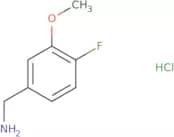
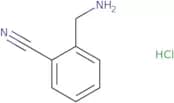
CAS :<p>4-Fluoro-3-methoxybenzylamine hydrochloride is a fine chemical that can be used as a building block in research, as a reagent in the synthesis of complex compounds, and as a versatile scaffold for the synthesis of natural products. This compound is an intermediate for the production of other pharmaceuticals and has been shown to be useful in the production of various drugs. It is also used as a reactant in organic chemistry reactions due to its high quality. 4-Fluoro-3-methoxybenzylamine hydrochloride has CAS No. 869296-41-3 and can be found on the Chemical Abstract Service (CAS) database.</p>Formule :C8H11ClFNODegré de pureté :Min. 95%Masse moléculaire :191.63 g/mol2-Cyanobenzylamine hydrochloride
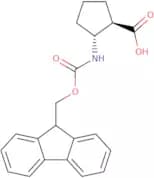
CAS :<p>2-Cyanobenzylamine hydrochloride is a chemical building block and intermediate that can be used in the synthesis of many different compounds. It is also a useful reagent for reactions involving nitro compounds. 2-Cyanobenzylamine hydrochloride is a fine chemical that is registered with the Chemical Abstract Service (CAS No. 1134529-25-1). It has been identified as a versatile building block and useful intermediate in the synthesis of pharmaceuticals, agrochemicals, and other organic chemicals.</p>Formule :C8H8N2·HClDegré de pureté :Min. 95%Couleur et forme :White/Off-White SolidMasse moléculaire :168.62 g/molFmoc-(1R,2R)-2-aminocyclopentane carboxylic acid
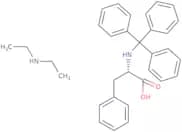
CAS :<p>Fmoc-(1R,2R)-2-aminocyclopentane carboxylic acid is a high quality and versatile building block. It can be used as an intermediate in the synthesis of complex compounds or as a reaction component. Fmoc-(1R,2R)-2-aminocyclopentane carboxylic acid is a speciality chemical that has potential uses in research, development and manufacturing of pharmaceuticals, agrochemicals, dyestuff intermediates, perfumes and other fine chemicals. CAS No. 359586-69-9</p>Formule :C21H21NO4Degré de pureté :Min. 95%Couleur et forme :PowderMasse moléculaire :351.4 g/molTrityl-L-phenylalanine diethylamine
CAS :Trityl-L-phenylalanine diethylamine is a reagent that is used in the synthesis of peptides, reagents, and other chemicals. Trityl-L-phenylalanine diethylamine reacts with an azide to form a triazole. It can also be used to convert an acid into an amino acid. This chemical has been shown to be sensitive to plasmin, which may lead to degradation during peptide synthesis.Formule :C28H25NO2·C4H11NDegré de pureté :Min. 95%Couleur et forme :PowderMasse moléculaire :480.64 g/molTetradecyltrimethylammonium chloride
CAS :<p>Tetradecyltrimethylammonium chloride (TTAC) is a hydrophobic fluorescent probe that has been used to investigate the properties of lipid bilayers and micelles. TTAC is fluorescent in aqueous solution and it can be used as a molecular-weight marker for organic solvents. The fluorescence lifetime of TTAC is dependent on the solvent conditions and the presence of counterions, while its fluorescence intensity depends on the concentration of TTAC in solution. The hydrophobic nature of TTAC causes it to be solubilized by micelles, which are spherical aggregates formed from amphiphilic molecules. This property makes TTAC ideal for studying micelles with surface properties and steady-state fluorescence.</p>Formule :C17H38N·ClCouleur et forme :White PowderMasse moléculaire :291.94 g/mol2-Aminothiazole-5-carboxylic acid
CAS :<p>2-Aminothiazole-5-carboxylic acid is a synthetic compound that is currently being investigated as a potential anticancer agent. 2-Aminothiazole-5-carboxylic acid has shown anticancer activity in clinical studies, with an increase in the number of cancer cells killed and a decrease in the number of cancer cells surviving after treatment. The mechanism of action for this drug is not well understood, but it may be due to its ability to inhibit cellular processes such as DNA synthesis and protein synthesis.<br>2-Aminothiazole-5-carboxylic acid does not show significant toxicity at therapeutic doses, although it can cause some side effects including nausea, vomiting, constipation, diarrhea, headaches, and fever.</p>Formule :C4H4N2O2SDegré de pureté :Min. 95%Couleur et forme :PowderMasse moléculaire :144.15 g/mol[3-(1H-Pyrazol-1-yl)benzyl]amine
CAS :3-(1H-Pyrazol-1-yl)benzyl amine is a fine chemical that is used as a versatile building block in the synthesis of many complex compounds, such as pharmaceuticals and agrochemicals. This compound can be used to produce research chemicals, reaction components, and specialty chemicals. 3-(1H-Pyrazol-1-yl)benzyl amine is also a high quality reagent for use in the manufacture of various products.Formule :C10H11N3Degré de pureté :Min. 95%Couleur et forme :PowderMasse moléculaire :173.21 g/mol4-Nitro-4'-acetylaminodiphenyl sulfone
CAS :<p>4-Nitro-4'-acetylaminodiphenyl sulfone is a high quality reagent that is useful for the synthesis of complex compounds. It is a useful intermediate and building block in the synthesis of fine chemicals, pharmaceuticals, and other organic compounds. 4-Nitro-4'-acetylaminodiphenyl sulfone has CAS No. 1775-37-7 and can be used as a speciality chemical in research laboratories. This compound has versatile uses in many types of reactions and can be used as a reaction component in the synthesis of many types of organic compounds.</p>Formule :C14H12N2O5SDegré de pureté :Min. 95%Masse moléculaire :320.32 g/molPolyethylene Glycol Stearylamine (n=approx. 10)
Degré de pureté :min. 90.0 %Couleur et forme :Orange to Brown to Dark red clear liquid3-[[3-[(Dimethylamino)carbonyl]-2-hydroxyphenyl]amino]-4-[[(R)-1-(4-isopropylfuran-2-yl)propyl]amino]cyclobut-3-ene-1,2-dione
CAS :Please enquire for more information about 3-[[3-[(Dimethylamino)carbonyl]-2-hydroxyphenyl]amino]-4-[[(R)-1-(4-isopropylfuran-2-yl)propyl]amino]cyclobut-3-ene-1,2-dione including the price, delivery time and more detailed product information at the technical inquiry form on this pageFormule :C23H27N3O5Degré de pureté :Min. 95%Masse moléculaire :425.48 g/mol2,2-Diphenylethylamine
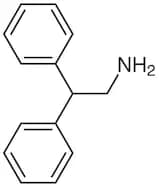
CAS :Formule :C14H15NDegré de pureté :>98.0%(GC)(T)Couleur et forme :White or Colorless to Light yellow to Light orange powder to lump to clear liquidMasse moléculaire :197.28N,N-Bis(4-bromobenzyl)amine
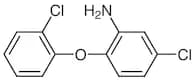
CAS :Formule :C14H13Br2NDegré de pureté :>98.0%(GC)(T)Couleur et forme :White to Orange to Green powder to crystalMasse moléculaire :355.072-Amino-2',4-dichlorodiphenyl Ether
CAS :Formule :C12H9Cl2NODegré de pureté :>98.0%(GC)(T)Couleur et forme :Colorless to Brown clear liquidMasse moléculaire :254.112,5,6-Triamino-4-hydroxypyrimidine
CAS :<p>2,5,6-Triamino-4-hydroxypyrimidine (THP) is a nitrogenous base that has been shown to have anticancer activity. It is an intermediate in the biosynthesis of lysine and can be found in environmental pollution. THP is formed by the reaction of hydrogen chloride with dimethylformamide, which produces hydrochloric acid as a byproduct. 2,5,6-Triamino-4-hydroxypyrimidine also reacts with glyoxal to produce a compound that can cause metabolic disorders. THP is an acidic compound that becomes neutral when dissolved in water. The molecular formula for THP is C 3 H 6 N 8 O 4 .</p>Formule :C4H7N5ODegré de pureté :Min. 95%Couleur et forme :PowderMasse moléculaire :141.13 g/mol1,3-Diaminopropane
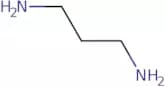
CAS :1,3-Diaminopropane is a molecule that belongs to the group of organic compounds known as diamine. It is a colorless liquid with an unpleasant odor. 1,3-Diaminopropane has inhibitory properties and can be used in the treatment of squamous cell carcinoma and galleria mellonella. The mechanism of action for this compound has been determined by x-ray crystal structures. 1,3-Diaminopropane reacts with picolinic acid (PA) to form an intramolecular hydrogen bond, which inhibits PA's ability to react with other molecules. This results in PA being unable to form reactive intermediates that normally lead to cancerous changes in cells.Formule :C3H10N2Degré de pureté :Min. 95%Couleur et forme :Clear LiquidMasse moléculaire :74.12 g/mol2,3-Diphenyl-3-phenylamino-acrylonitrile
<p>2,3-Diphenyl-3-phenylaminoacrylonitrile (DPAN) is a fine chemical that is used as a building block in the synthesis of more complex compounds. DPAN can be used as a reagent and speciality chemical in research and development. It has been shown to react with other chemicals to form new compounds, some of which have been shown to have potential therapeutic properties. This compound has also been shown to have potential use as a scaffold for drug discovery.</p>Degré de pureté :Min. 95%N,N-Diethyl-5-methyl-[1,2,4]triazolo[5,1-b]pyrimidin-7-amine
CAS :<p>N,N-Diethyl-5-methyl-[1,2,4]triazolo[5,1-b]pyrimidin-7-amine (MTX) is a drug that is used in the treatment of disease activity. It has been shown to have an effect on the production of redox potentials and energy metabolism. MTX also has an effect on cardiac muscle by inhibiting the enzyme activities associated with cardiac muscle contraction and relaxation. This drug has been shown to be effective in the treatment of bowel disease, injury, and basic protein as well as caproic acid production.</p>Formule :C10H15N5Degré de pureté :Min. 95%Couleur et forme :PowderMasse moléculaire :205.26 g/mol2,2',7,7'-Tetrakis-(N,N-di-4-methoxyphenylamino)-9,9'-spirobifluorene - Sublimed grade
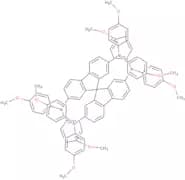
CAS :2,2',7,7'-Tetrakis-(N,N-di-4-methoxyphenylamino)-9,9'-spirobifluorene (TPB) is a model system for investigating the transport of light signal in polymers. TPB can be used as a component in solar cells to increase their efficiency and improve their resistance to heat. TPB has shown high resistance to hydrochloric acid and other aggressive chemicals. TPB has been shown to be an effective photoelectron donor with a redox potential that is close to the one of copper; this property can be used for electrochemical impedance spectroscopy.Formule :C81H68N4O8Degré de pureté :Min. 95%Couleur et forme :Off-white to yellow solid.Masse moléculaire :1,225.43 g/mol2-(3,5-Dichlorophenyl)ethanamine
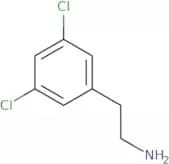
CAS :Produit contrôlé<p>2-(3,5-Dichlorophenyl)ethanamine is a versatile building block that can be used in research and development of many compounds. This compound is a fine chemical that has been used as a reagent in organic synthesis. 2-(3,5-Dichlorophenyl)ethanamine is a useful intermediate and reaction component in the synthesis of other organics. It can also be used as a scaffold to synthesize more complicated molecules.</p>Formule :C8H9Cl2NDegré de pureté :Min. 95%Couleur et forme :Clear LiquidMasse moléculaire :190.07 g/mol2-(2,6-Dichlorophenyl)ethylamine
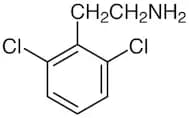
CAS :Formule :C8H9Cl2NDegré de pureté :>98.0%(GC)(T)Couleur et forme :Colorless to Light orange to Yellow clear liquidMasse moléculaire :190.074-Amino-6-fluoroquinazoline
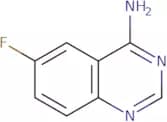
CAS :<p>4-Amino-6-fluoroquinazoline (4AFQ) is a protease inhibitor that has been shown to be effective in treating ulcerative colitis. It inhibits the activity of the human neutrophil elastase and cathepsin G, which are enzymes that degrade proteins and are involved in the inflammatory response. 4AFQ has also been shown to have antiatherogenic effects, inhibiting lipid uptake in macrophages and reducing fatty acid synthesis. This drug also induces apoptosis of monocytes, which reduces inflammation by decreasing cytokine production. 4AFQ is used as a probiotic agent for treatment of bacterial infections or as an additive to food products.<br>4AFQ can also be used as an adjuvant therapy for cancer treatments because it increases the effectiveness of chemotherapy drugs such as cisplatin and paclitaxel. This drug's water-soluble nature allows it to penetrate cell membranes more easily than other drugs with similar</p>Formule :C8H6FN3Degré de pureté :Min. 95%Couleur et forme :PowderMasse moléculaire :163.15 g/mol2-Amino-4-(2,4-dichlorophenyl)-5-methylthiophene-3-carbonitrile
CAS :<p>The frequency range of 2-Amino-4-(2,4-dichlorophenyl)-5-methylthiophene-3-carbonitrile is between 0.1 and 1.0 GHz. The channel is between 1 and 10 MHz. The algorithm used for this frequency is the Gaussian algorithm. This frequency has been shown to have a frequency range of 0.1 to 1.0 GHz with a channel of 1 to 10 MHz and an algorithm of the Gaussian algorithm.</p>Formule :C12H8Cl2N2SDegré de pureté :Min. 95%Couleur et forme :Brown PowderMasse moléculaire :283.18 g/mol(3-Isopropoxybenzyl)amine
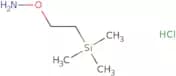
CAS :<p>(3-Isopropoxybenzyl)amine is a high quality, reagent grade chemical that can be used as an intermediate for the synthesis of complex organic compounds. It is also a useful building block for the synthesis of speciality chemicals and research chemicals. This compound has a versatile building block that is used in the synthesis of new molecules. Reaction components such as (3-isopropoxybenzyl)amine are important for synthesizing more complex molecules and can be easily purified with chromatography or recrystallization.</p>Formule :C10H15NODegré de pureté :Min. 95%Couleur et forme :Colorless PowderMasse moléculaire :165.23 g/molO-(2-Trimethylsilylethyl)hydroxylamine HCl
CAS :<p>O-(2-Trimethylsilylethyl)hydroxylamine HCl is a fine chemical that can be used as a versatile building block in the synthesis of complex compounds. It is also an intermediate for research chemicals, reagents, and speciality chemicals. O-(2-Trimethylsilylethyl)hydroxylamine HCl can be used as a reaction component in organic synthesis and has been shown to be useful in the synthesis of new scaffolds.</p>Formule :C5H15NOSi·HClDegré de pureté :Min. 95%Couleur et forme :White PowderMasse moléculaire :169.72 g/molSulbutiamine
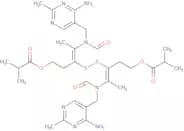
CAS :<p>Sulbutiamine is a thiamine analogue that is used to treat diseases such as Alzheimer's disease and Parkinson's disease. Sulbutiamine also has antimicrobial properties and can be used to treat infectious diseases such as infectious diarrhea. Sulbutiamine has been shown to reduce symptoms of inflammatory bowel disease (IBD) by relieving intestinal inflammation, although it does not affect the course of the disease. Sulbutiamine has also been shown to have effects on the immune system, which may be due to its ability to increase cellular redox potentials in neuro2a cells and human serum. These effects are caused by an indirect antioxidant effect, which results from sulbutiamine's ability to inhibit lipid peroxidation and stimulate glutathione reductase activity.</p>Formule :C32H46N8O6S2Degré de pureté :Min. 95%Couleur et forme :PowderMasse moléculaire :702.89 g/mol1-Adamantyl(amino)acetic acid hydrochloride
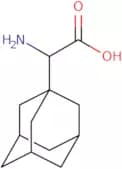
CAS :<p>1-Adamantyl(amino)acetic acid hydrochloride is an organic compound that is used as a versatile building block and intermediate in the synthesis of complex compounds. It reacts with nitric acid to form 1-Adamantyl nitrate, which is a useful reagent for organic synthesis. This compound has CAS number 16091-96-6 and can be found on the list of speciality chemicals. It is a fine chemical with high quality and is useful for research purposes.</p>Formule :C12H19NO2·HClDegré de pureté :Min. 95%Couleur et forme :PowderMasse moléculaire :245.75 g/mol2-Aminopyridine-5-sulfonic acid
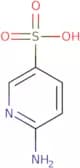
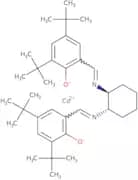
CAS :2-Aminopyridine-5-sulfonic acid is an alkaline hydrolysis product of benzene and water. It is an organic compound that is classified as a heterocyclic amine. The molecule has a pyridine ring with two nitrogen atoms in the ring. 2-Aminopyridine-5-sulfonic acid has been shown to be used as a ligand for coordination of ruthenium metal ions, which has been studied by theory and experiment. This ligand was also found to be able to coordinate halides such as chloride, bromide, or iodide ions. 2-Aminopyridine-5-sulfonic acid can exist in two different isomers: (S)-2-(benzyloxycarbonylamino)pyridine 5 sulfonic acid or (R)-2-(benzyloxycarbonylamino)pyridine 5 sulfonic acid.Formule :C5H6N2O3SDegré de pureté :Min. 95%Couleur et forme :SolidMasse moléculaire :174.18 g/mol(S,S)-(+)-N,N'-Bis(3,5-di-tert-butylsalicylidene)-1,2-cyclohexanediaminocobalt(II)
CAS :<p>The (S,S)-(+)-N,N'-Bis(3,5-di-tert-butylsalicylidene)-1,2-cyclohexanediaminocobalt(II) is an orange copolymer that is soluble in water and organic solvents. It has a molecular weight of 542.83 g/mol and a density of 1.221 g/cm3. The (S,S)-(+)-N,N'-Bis(3,5-di-tert-butylsalicylidene)-1,2-cyclohexanediaminocobalt(II) is used to catalyze the desymmetrization of epoxides and the ligand in enantioselective kinetic preparative reactions. The (S,S)-(+)-N,N'-Bis(3,5-di-tert-butylsalicyl</p>Formule :C36H52CoN2O2Degré de pureté :(Icp) Min. 96%Couleur et forme :Red PowderMasse moléculaire :603.74 g/mol2-[(4-Chlorophenyl)-2-pyridinylmethoxy]-N,N-dimethylethanamine maleate salt
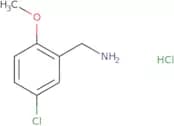
CAS :Produit contrôlé<p>2-[(4-Chlorophenyl)-2-pyridinylmethoxy]-N,N-dimethylethanamine maleate salt (DCLM) is a controlled-release preparation of an antihistamine that is used for the relief of allergic symptoms. It is a prodrug that is hydrolyzed to 2-[(4-chlorophenyl)-2-pyridinylmethoxy]ethanol (DCPEM) in vivo. DCLM has been shown to be effective against viruses and has been found to have receptor activity in human serum. The drug can be administered either orally or by injection. DCLM has also been shown to suppress allergic symptoms in vitro with LC-MS/MS analysis.</p>Formule :C20H23ClN2O5Degré de pureté :Min. 95%Couleur et forme :White To Off-White SolidMasse moléculaire :406.86 g/mol5-Chloro-2-methoxybenzylamine hydrochloride
CAS :<p>5-Chloro-2-methoxybenzylamine hydrochloride is a chemical substance that is used as an intermediate in the synthesis of pharmaceuticals and other chemicals. It can be used as a building block to create complex compounds, or it can be used in reactions to produce speciality chemicals. 5-Chloro-2-methoxybenzylamine hydrochloride is a high quality reagent that can be used as a reaction component in research and development.<br>A fine chemical, 5-Chloro-2-methoxybenzylamine hydrochloride has many uses as a versatile building block for organic synthesis. It is also useful for generating research chemicals and complex compounds for use in medicines and other products.</p>Formule :C8H10ClNO·(HCl)Degré de pureté :Min. 95%Couleur et forme :PowderMasse moléculaire :208.08 g/mol3-Fluoro-4-(4-morpholinyl) benzenamine
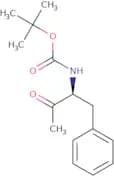
CAS :<p>3-Fluoro-4-(4-morpholinyl) benzenamine is an antibiotic drug that belongs to the group of nitro compounds. It is active against bacteria and fungi, but not against viruses. It has been shown to inhibit bacterial growth by binding to the gyrase enzyme, which is essential for DNA replication. 3-Fluoro-4-(4-morpholinyl) benzenamine also inhibits protein synthesis by topoisomerase inhibition and has been shown to be effective against a wide range of bacteria including Pseudomonas aeruginosa, Escherichia coli, Enterobacter cloacae, Klebsiella pneumoniae, Proteus mirabilis, Serratia marcescens, and Staphylococcus aureus. 3-Fluoro-4-(4-morpholinyl) benzenamine has low toxicity in humans because it reacts with nitric oxide (NO), producing harmless fluoroacetate</p>Formule :C10H13FN2ODegré de pureté :Min. 95%Couleur et forme :PowderMasse moléculaire :196.22 g/molBoc-(3S)-3-amino-4-phenyl-2-butanone
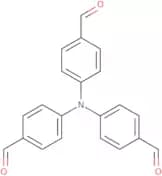
CAS :<p>Boc-(3S)-3-amino-4-phenyl-2-butanone is a chemical intermediate that is useful as a building block in organic synthesis. It has been used as a reaction component, reagent and high quality research chemical. Boc-(3S)-3-amino-4-phenyl-2-butanone is also a versatile building block and useful intermediate for the preparation of complex compounds. This chemical has shown to have speciality applications in fine chemicals such as pharmaceuticals and agrochemicals.</p>Formule :C15H21NO3Degré de pureté :Min. 95%Couleur et forme :White to off-white solid.Masse moléculaire :263.33 g/molTris(4-formylphenyl)amine
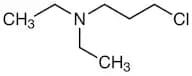
CAS :Tris(4-formylphenyl)amine is an organic molecule with a phenol and formamidine functional group. It has been shown to be effective in clinical studies when used as a chelating agent. Tris(4-formylphenyl)amine is able to bind metal ions in the presence of oxygen, which is due to its acidic nature. The molecule also has peroxidase-like activity, which can be used for the detection of plasma samples. Tris(4-formylphenyl)amine has been shown to have fluorescence properties that are dependent on pH and temperature, as well as fluorescence lifetimes. This molecule also exhibits optical properties that are dependent on the wavelength of light used for excitation.Formule :C21H15NO3Degré de pureté :Min. 95%Couleur et forme :Slightly Yellow PowderMasse moléculaire :329.35 g/mol3-Chloro-N,N-diethylpropan-1-amine
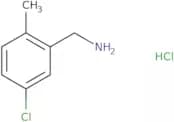
CAS :Formule :C7H16ClNDegré de pureté :>98.0%(GC)(T)Couleur et forme :Colorless to Almost colorless clear liquidMasse moléculaire :149.665-Chloro-2-methylbenzylamine hydrochloride
CAS :<p>5-Chloro-2-methylbenzylamine hydrochloride is a chemical reagent used in the production of pharmaceuticals and other chemicals. It is also known as 5-Chloro-2-methylbenzaldehyde, or 5-Methoxyindole. 5-Chloro-2-methylbenzylamine hydrochloride is an important building block for the synthesis of many complex compounds with high purity and quality. This compound is also versatile and can be used as a reaction component or as a reagent. CAS No: 28096-37-9.</p>Formule :C8H10ClN·HClDegré de pureté :Min. 95%Masse moléculaire :192.09 g/mol2-(4-Benzylpiperidin-1-yl)ethanamine
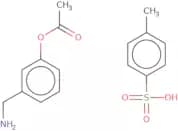
CAS :<p>2-(4-Benzylpiperidin-1-yl)ethanamine is a fine chemical that is useful for the preparation of versatile building blocks. This compound is an intermediate in the synthesis of a variety of compounds, including research chemicals and speciality chemicals. It has been used as a reaction component in the synthesis of complex compounds with high quality. 2-(4-Benzylpiperidin-1-yl)ethanamine is also a reagent that can be used to synthesize amines and amides. CAS No. 25842-32-4</p>Formule :C14H22N2Degré de pureté :Min. 95%Couleur et forme :LiquidMasse moléculaire :218.34 g/mol3-Acetoxybenzylamine 4-toluenesulphonate
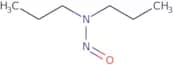
CAS :<p>3-Acetoxybenzylamine 4-toluenesulphonate is a white solid reagent that can be used as a building block for the synthesis of complex compounds. It has been shown to be useful as an intermediate and building block in the synthesis of natural products. 3-Acetoxybenzylamine 4-toluenesulphonate is a versatile compound that can be used in many different chemical reactions. It is also a speciality chemical that is available for purchase from research chemical suppliers.</p>Formule :C9H11NO2·C7H8O3SDegré de pureté :Min. 95%Masse moléculaire :337.39 g/molN-Nitrosodipropylamine
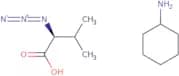
CAS :<p>N-Nitrosodipropylamine is a chemical that is used in wastewater treatment. It is found in acetate extracts of sewage sludge and has been shown to inhibit the activity of rat liver microsomes. N-Nitrosodipropylamine has been linked to cancer, and although it has not been shown to cause cancer in rats, it does have carcinogenic potential. This chemical also inhibits the activity of bacterial cytochrome P450 enzymes, which are important for regulating the synthesis of lipids, steroids, and other biologically important molecules. N-Nitrosodipropylamine has also been shown to be an anthelmintic drug, but when administered orally or intraperitoneally at high doses, it causes maternal toxicity and fetal death in pregnant rats. The use of this drug should therefore be avoided during pregnancy.</p>Formule :C6H14N2ODegré de pureté :Min. 95%Couleur et forme :Clear LiquidMasse moléculaire :130.19 g/mol(S)-2-Azido isovaleric acid cyclohexylammonium
CAS :<p>Please enquire for more information about (S)-2-Azido isovaleric acid cyclohexylammonium including the price, delivery time and more detailed product information at the technical inquiry form on this page</p>Formule :C6H13N•C5H9N3O2Degré de pureté :Min. 95%Couleur et forme :PowderMasse moléculaire :242.32 g/mol2,4,6-Triaminopyrimidine
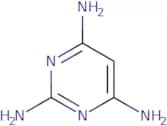
CAS :<p>2,4,6-Triaminopyrimidine is an organic compound that can be found in a variety of sources. It is used as a research chemical and has shown to have anti-inflammatory properties in the rat kidney. This compound has been shown to bind with nucleobases and form hydrogen bonds with glycosidic bonds. 2,4,6-Triaminopyrimidine has also been shown to be a ligand for affinity chromatography.</p>Formule :C4H7N5Degré de pureté :Min. 95%Couleur et forme :Off-White To Yellow SolidMasse moléculaire :125.070152,2'-Dichloro-1,1'-biphenyl-4,4'-diamine
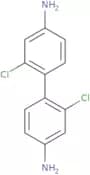
CAS :<p>2,2'-Dichloro-1,1'-biphenyl-4,4'-diamine is a chemical that belongs to the class of organic compounds known as amines. It is insoluble in water and has a molecular weight of 190.8 g/mol. 2,2'-Dichloro-1,1'-biphenyl-4,4'-diamine has been shown to be carcinogenic in animals and can cause coagulation problems in humans. The compound also shows anti-inflammatory properties by inhibiting the production of prostaglandins.</p>Formule :C12H10Cl2N2Degré de pureté :Min. 95%Couleur et forme :White/Off-White SolidMasse moléculaire :253.13 g/mol(2S)-Pentan-2-amine hydrochloride
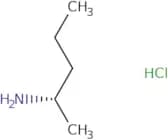
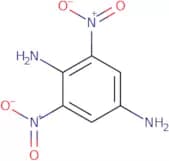
CAS :<p>(2S)-Pentan-2-amine hydrochloride is a versatile building block that can be used as a reaction component, reagent, or useful scaffold for the synthesis of complex organic compounds. It is a high quality chemical that can be used in both research and commercial applications. CAS No. 216237-52-4.</p>Formule :C5H14ClNDegré de pureté :Min. 95%Couleur et forme :PowderMasse moléculaire :123.62 g/mol2,6-Dinitro-1,4-phenylenediamine
CAS :<p>2,6-Dinitro-1,4-phenylenediamine is a versatile building block that can be used in the synthesis of complex compounds. It is a high quality chemical with excellent stability and purity. This chemical is also useful as an intermediate for the synthesis of other chemicals, and as a reagent for research purposes. 2,6-Dinitro-1,4-phenylenediamine is also useful in organic chemistry as a scaffold for synthesizing important organic molecules.</p>Formule :C6H6N4O4Degré de pureté :Min. 95%Masse moléculaire :198.14 g/molFmoc-(1R,2R)-2-aminocyclohexane carboxylic acid
CAS :<p>Fmoc-(1R,2R)-2-aminocyclohexane carboxylic acid is a versatile building block used as a reaction component in the synthesis of chemical compounds. It is classified as a speciality chemical and has been shown to be useful in the synthesis of complex compounds. The CAS number for this compound is 389057-34-5.</p>Formule :C22H23NO4Degré de pureté :Min. 99 Area-%Couleur et forme :PowderMasse moléculaire :365.42 g/mol(11bS)-N,N-Dimethyl-8,9,10,11,12,13,14,15-octahydrodinaphtho[2,1-d:1',2'-f][1,3,2]dioxaphosphepin-4-amine
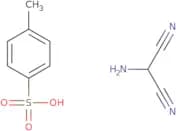
CAS :(11bS)-N,N-Dimethyl-8,9,10,11,12,13,14,15-octahydrodinaphtho[2,1-d:1',2'-f][1,3,2]dioxaphosphepin-4-amine is a chiral compound that can be used as an immobilizer in catalytic asymmetric reactions. This molecule has shown to be effective in hydrogenation reactions and insulating electrodes. It also has bifunctional properties and can be recycled with the use of a gelation process. (11bS)-N,N-Dimethyl-8,9,10,11,12,13,14,15-octahydrodinaphtho[2.1d:1',2'-f][1.3.2]dioxaphosphepin-4-amine has been synthesized from a recyclable material and its interactions haveFormule :C22H26NO2PDegré de pureté :Min. 95%Couleur et forme :White PowderMasse moléculaire :367.42 g/molAminomalononitrile p-toluenesulfonate
CAS :<p>Aminomalononitrile p-toluenesulfonate is a synthetic, homologous chemical that inhibits the replication of virus type-1. It has been shown to have anticancer activity in mice by inducing apoptosis and necrosis in cancer cells. Aminomalononitrile p-toluenesulfonate is an inhibitor of the assembly of virus particles by inhibiting the polymerization of nucleoprotein complexes with low energy. In addition, it can inhibit chloride channels, which are required for viral entry into cells. Aminomalononitrile p-toluenesulfonate binds to metal ions, such as copper or iron, and blocks their function in cell signaling pathways. The functional groups present on this compound are aminomethylbenzenesulfonyl and isothiocyanates.</p>Formule :C7H8O3S·C3H3N3Degré de pureté :Min. 95%Couleur et forme :White PowderMasse moléculaire :253.28 g/mol[(5-Cyclopropyl-1,2,4-oxadiazol-3-yl)methyl]amine hydrochloride
CAS :[(5-Cyclopropyl-1,2,4-oxadiazol-3-yl)methyl]amine hydrochloride is an intermediate used in the synthesis of a variety of complex compounds. It is also a fine chemical that can be used as a reagent and building block in the manufacture of drugs. [(5-Cyclopropyl-1,2,4-oxadiazol-3-yl)methyl]amine hydrochloride has been shown to be a versatile building block for the synthesis of many types of compounds. This compound has been shown to react with various functional groups, including alcohols and amines. This reagent can also be used as a reaction component with other chemicals such as nitroalkanes or ketones to produce heterocycles or other useful compounds. ([(5-Cyclopropyl-1,2,4-oxadiazol-3-yl)methyl]amine hydrochloride)Formule :C6H10ClN3ODegré de pureté :Min. 95%Couleur et forme :Off-White PowderMasse moléculaire :175.62 g/molTetrabutylammonium fluoride - 75 wt. % in H2O
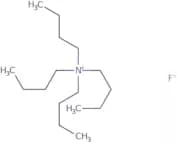
CAS :Tetrabutylammonium fluoride is a strong base which reacts with the hydroxyl group of a carboxylic acid to form a salt and hydrogen fluoride. The nucleophilic nature of tetrabutylammonium and its high polarity make it an excellent catalyst for this reaction. Tetrabutylammonium fluoride has been shown to react with sodium salts in nonpolar solvents, such as benzene or toluene, to form quinoline derivatives. It also has been used in the synthesis of x-ray crystal structures of organic molecules by reacting with carbonyl groups, such as acetaldehyde. Tetrabutylammonium fluoride can interact chemically with other compounds, such as hydrogen bond formation with amines or reactions with amides.Formule :C16H36FNDegré de pureté :Min. 95%Couleur et forme :Clear LiquidMasse moléculaire :261.46 g/mol6-Aminoquinoxaline
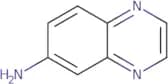
CAS :<p>6-Aminoquinoxaline is a quinoxaline derivative that has been shown to be effective against the bacterium, Salmonella typhimurium. 6-Aminoquinoxaline has significant cytotoxicity and significant activity against the ryanodine receptor (RYR). This compound is also a dopamine analog which may have neuroprotective effects. It was also shown to have no adverse effects on skeletal development in rats. 6-Aminoquinoxaline is an analog of quinoxaline and it can undergo a thermal expansion reaction with other organic molecules. The biological properties of this compound are still being researched, but it has been shown to be toxic to cells in culture due to its ability to inhibit protein synthesis and DNA replication.</p>Formule :C8H7N3Degré de pureté :Min. 95%Couleur et forme :Yellow PowderMasse moléculaire :145.16 g/mol4-Amino-3,5-dichlorophenol
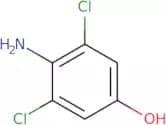
CAS :<p>4-Amino-3,5-dichlorophenol is a decoupling agent that has been shown to have acute toxicities in cultures. It is also used as a regulatory control for the analysis of hydroxyl groups and for broad-spectrum antimicrobial agents. 4-Amino-3,5-dichlorophenol reacts with hydrochloric acid to form chlorohydrin, which can be detected by an electrochemical detector. This reaction mechanism has been proposed as the basis for the use of this chemical as a decoupling agent in analytical chemistry. Its use as an antimicrobial agent is based on its ability to inhibit bacterial growth by reacting with thiol groups in enzymes or proteins and blocking their activity.</p>Formule :C6H5Cl2NODegré de pureté :Min. 95%Couleur et forme :PowderMasse moléculaire :178.02 g/mol1-(4-Aminobutyl)pyrrolidine
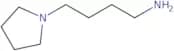
CAS :<p>1-(4-Aminobutyl)pyrrolidine is an amine with acidic properties. It has a molecular weight of 126.1 g/mol and a melting point of -62 °C. The amine group in 1-(4-aminobutyl) pyrrolidine has the general formula NH2-R, where R can be any organic group, such as H, alkyl, or alkoxy. This functional group is reactive because it contains an electron pair that is free to participate in reactions with other molecules. 1-(4-Aminobutyl)pyrrolidine's chemical name indicates that it belongs to the class of monoamines and that it contains one amine group and one methyl substituent on the four carbon chain. The molecule also has two chiral centers at positions 1 and 2. 1-(4-Aminobutyl)pyrrolidine's molar mass is 126.1 g/mol and</p>Formule :C8H18N2Couleur et forme :Clear LiquidMasse moléculaire :142.24 g/mol2-Methoxy-4-amino-5-ethylsulfonyl benzoic acid
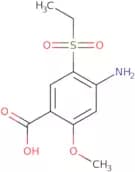
CAS :2-Methoxy-4-amino-5-ethylsulfonyl benzoic acid is a synthetic chemical that is used in wastewater treatment. It is also used as a precursor for the production of other chemicals, such as thiocyanates, peroxides, and bromoethanes. 2-Methoxy-4-amino-5-ethylsulfonyl benzoic acid can be produced by the reaction of hydrochloric acid with thionyl chloride. It reacts with aluminium to produce an acylation reaction that produces 2,2'-dithiodiethanol (DTE). The DTE can be reacted with an organic compound to produce a variety of products, including salicylic acid or bromoethanes.Formule :C10H13NO5SDegré de pureté :Min. 95%Couleur et forme :PowderMasse moléculaire :259.28 g/mol1-Propylpiperidin-4-amine 2HCl
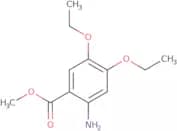
CAS :<p>1-Propylpiperidin-4-amine 2HCl is a cyclic amine. It is an organic compound that has a high absorption rate and can be used as an absorbent. 1-Propylpiperidin-4-amine 2HCl is used in experiments to study the speciation of different compounds, such as carbonates and desorption. The experiment was performed using various solvents with different densities, such as water, ethanol, and acetone, to determine the absorption rate of 1-Propylpiperidin-4-amine 2HCl. The experiment also studied viscosity changes over time while in contact with 1-Propylpiperidin-4-amine 2HCl. This chemical has a molecular structure consisting of one propyl group and four amines.</p>Formule :C8H20Cl2N2Degré de pureté :Min. 95%Couleur et forme :SolidMasse moléculaire :215.16 g/mol2-Amino-4,5-diethoxy-benzoic acid methyl ester
CAS :<p>2-Amino-4,5-diethoxy-benzoic acid methyl ester is a fine chemical that is used as a building block in the synthesis of complex compounds. It is a versatile building block with many possible reactions and can be used as a reagent or speciality chemical. 2-Amino-4,5-diethoxy-benzoic acid methyl ester can be used in the synthesis of diverse scaffolds for use in research chemicals, pharmaceuticals and agrochemicals.</p>Formule :C12H17NO4Degré de pureté :Min. 95%Masse moléculaire :239.27 g/mol



![4-[Bis(2-hydroxypropyl)amino]benzoic acid ethyl ester, 90%](/_next/image/?url=https%3A%2Fstatic.cymitquimica.com%2Fproducts%2F3D%2Fthumb-webp%2FFB18673.webp&w=3840&q=75)




![[2-(tert-Butylthio)ethyl]amine](/_next/image/?url=https%3A%2Fstatic.cymitquimica.com%2Fproducts%2F3D%2Fthumb-webp%2FFB134379.webp&w=3840&q=75)



![[3-(1H-Pyrazol-1-yl)benzyl]amine](/_next/image/?url=https%3A%2Fstatic.cymitquimica.com%2Fproducts%2F3D%2Fthumb-webp%2FFP129771.webp&w=3840&q=75)


![3-[[3-[(Dimethylamino)carbonyl]-2-hydroxyphenyl]amino]-4-[[(R)-1-(4-isopropylfuran-2-yl)propyl]ami…](/_next/image/?url=https%3A%2Fstatic.cymitquimica.com%2Fproducts%2F3D%2Fthumb-webp%2FFD152335.webp&w=3840&q=75)


![N,N-Diethyl-5-methyl-[1,2,4]triazolo[5,1-b]pyrimidin-7-amine](/_next/image/?url=https%3A%2Fstatic.cymitquimica.com%2Fproducts%2F3D%2Fthumb-webp%2FFD153326.webp&w=3840&q=75)


![2-[(4-Chlorophenyl)-2-pyridinylmethoxy]-N,N-dimethylethanamine maleate salt](/_next/image/?url=https%3A%2Fstatic.cymitquimica.com%2Fproducts%2F3D%2Fthumb-webp%2FFC19699.webp&w=3840&q=75)



![(11bS)-N,N-Dimethyl-8,9,10,11,12,13,14,15-octahydrodinaphtho[2,1-d:1',2'-f][1,3,2]dioxaphosphepin-…](/_next/image/?url=https%3A%2Fstatic.cymitquimica.com%2Fproducts%2F3D%2Fthumb-webp%2FFD163891.webp&w=3840&q=75)
![[(5-Cyclopropyl-1,2,4-oxadiazol-3-yl)methyl]amine hydrochloride](/_next/image/?url=https%3A%2Fstatic.cymitquimica.com%2Fproducts%2F3D%2Fthumb-webp%2FFC121975.webp&w=3840&q=75)