Amines
Sous-catégories appartenant à la catégorie "Amines"
- Nitrosamines(2.629 produits)
- Amines primaires(30.947 produits)
- Cations d'ammonium quaternaire(1.101 produits)
- Amines secondaires(20.887 produits)
- Amines tertiaires(17.196 produits)
8790 produits trouvés pour "Amines"
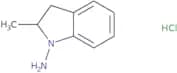
N-Amino-2-methylindoline hydrochloride
CAS :N-Amino-2-methylindoline HCl is an organic chemical compound that belongs to the class of acylating agents. It is a colorless solid that is soluble in water and methanol. The compound has been used in the acylation reaction with triethylamine and chloride to synthesize dioxane. N-Amino-2-methylindoline HCl is also a substance that can be found in nature, such as in the leaves of plants. Organic chemistry deals with the study of compounds and their reactions, which includes N-Amino-2-methylindoline HCl and its uses.
Formule :C9H12N2•HClDegré de pureté :Min. 95%Couleur et forme :PowderMasse moléculaire :184.67 g/molN-Cyclopropyl-N-tetrahydro-2H-pyran-4-ylamine HCl
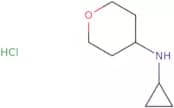
CAS :N-Cyclopropyl-N-tetrahydro-2H-pyran-4-ylamine HCl is a fine chemical used as a building block in the synthesis of many compounds. It is also used in research and development, as a reagent, and as a speciality chemical. N-Cyclopropyl-N-tetrahydro-2H-pyran-4-ylamine HCl has been shown to be an excellent intermediate for the synthesis of many different products. This product is versatile and can be used as a building block or scaffold for synthesizing other compounds. N-Cyclopropyl-N-tetrahydro-2H-pyran-4-ylamine HCl has a CAS number of 1158426–65–3.Formule :C8H16NOClDegré de pureté :Min. 95%Couleur et forme :PowderMasse moléculaire :177.67 g/mol3-Amino-4-bromophenol
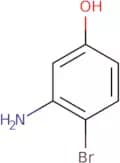
CAS :3-Amino-4-bromophenol is an industrial chemical that is used in the diazotization and reduction reactions. 3-Amino-4-bromophenol can be synthesized by reacting hydrazine with iron oxide and nitrite in a condition of acetone and sodium nitrite. The product yield for this reaction is about 90%. 3-Amino-4-bromophenol crystallizes from acetone as a white powder.Formule :C6H6BrNODegré de pureté :Min. 95%Masse moléculaire :188.02 g/mol(E)-N-(3-Methylaminopropyl)-2-thiopheneacrylamide hydrochloride
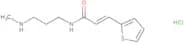
CAS :(E)-N-(3-Methylaminopropyl)-2-thiopheneacrylamide hydrochloride is a high quality, reagent, complex compound, useful intermediate, fine chemical. It has CAS No. 1449108-90-0 and is used as a research chemical and building block in the synthesis of other compounds. (E)-N-(3-Methylaminopropyl)-2-thiopheneacrylamide hydrochloride can be used as a versatile building block in organic synthesis reactions and is an important reaction component for the preparation of speciality chemicals.Formule :C11H17N2OSClDegré de pureté :Min. 95%Couleur et forme :White PowderMasse moléculaire :260.78 g/mol3-Noradamantaneamine hydrochloride
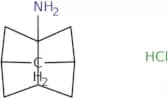
CAS :3-Noradamantaneamine hydrochloride is a thioamide that has inhibitory activities on biological processes, such as the production of tumor necrosis factor-α (TNF-α). 3-Noradamantaneamine hydrochloride also inhibits angiogenesis and the proliferation of endothelial cells. The drug was shown to be neuroprotective in animal models and to have anti-angiogenic properties. The mechanism of action is not yet clear, but may involve nitric oxide synthase inhibition or nitration of the drug.
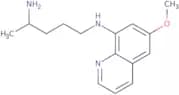
Formule :C9H15N·HClDegré de pureté :Min. 95%Couleur et forme :White PowderMasse moléculaire :173.68 g/molN1-(6-Methoxy-8-quinolinyl)-1,4-pentanediamine
CAS :Impurity found in Primaquine diphosphateFormule :C15H21N3ODegré de pureté :Min. 95%Couleur et forme :Yellow PowderMasse moléculaire :259.35 g/mol1H-Pyrrolo[3,2-b]pyridin-7-amine
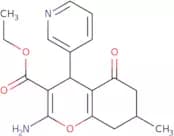
CAS :1H-Pyrrolo[3,2-b]pyridin-7-amine is a potent inhibitor of cyclization catalysed by 7-azaindole. It was synthesized as a modification of the 7-azaindole synthesis and has been shown to be a lipophilic heterocycle. This compound is not readily soluble in water and can be used for the synthesis of other heterocycles with similar properties. The yields are high and the modifications are easy to make, making this compound an excellent candidate for use in research.Degré de pureté :Min. 95%Couleur et forme :PowderMasse moléculaire :133.15 g/molethyl 2-amino-7-methyl-5-oxo-4-(3-pyridyl)-4,6,7,8-tetrahydro2H-chromene-3-carboxylate
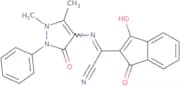
CAS :Please enquire for more information about ethyl 2-amino-7-methyl-5-oxo-4-(3-pyridyl)-4,6,7,8-tetrahydro2H-chromene-3-carboxylate including the price, delivery time and more detailed product information at the technical inquiry form on this pageDegré de pureté :Min. 95%2-((2,3-dimethyl-5-oxo-1-phenyl(3-pyrazolin-4-yl))amino)-2-(1,3-dioxoindan-2-ylidene)ethanenitrile
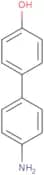
CAS :Please enquire for more information about 2-((2,3-dimethyl-5-oxo-1-phenyl(3-pyrazolin-4-yl))amino)-2-(1,3-dioxoindan-2-ylidene)ethanenitrile including the price, delivery time and more detailed product information at the technical inquiry form on this pageDegré de pureté :Min. 95%4-Hydroxy-4'-aminobiphenyl
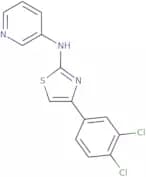
CAS :4-Hydroxy-4'-aminobiphenyl (4-OH-4'ABP) is a test compound that is an aromatic aminobiphenyl and has been shown to be carcinogenic. This compound has been found in the urine and serum of human subjects as well as in the liver, lung and brain of experimental animals. 4-OH-4'ABP has been shown to cause cancer in target organs such as the liver and lung. It is also considered a carcinogen due to its ability to bind to DNA, inhibit protein synthesis, and induce oxidative stress. 4-OH-4'ABP can be hydroxylated at position 3 or 4 by cytochrome P450 enzymes into reactive metabolites which are then able to bind covalently with cellular macromolecules like DNA, proteins, or lipids. This binding can lead to mutations or cell death.Formule :C12H11NODegré de pureté :Min. 95%Couleur et forme :PowderMasse moléculaire :185.22 g/mol(4-(3,4-dichlorophenyl)(2,5-thiazolyl))-3-pyridylamine
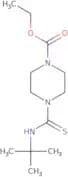
CAS :Please enquire for more information about (4-(3,4-dichlorophenyl)(2,5-thiazolyl))-3-pyridylamine including the price, delivery time and more detailed product information at the technical inquiry form on this pageDegré de pureté :Min. 95%Ethyl 4-(((tert-butyl)amino)thioxomethyl)piperazinecarboxylate
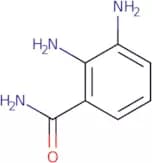
CAS :Please enquire for more information about Ethyl 4-(((tert-butyl)amino)thioxomethyl)piperazinecarboxylate including the price, delivery time and more detailed product information at the technical inquiry form on this pageDegré de pureté :Min. 95%2,3-Diaminobenzamide
CAS :2,3-Diaminobenzamide is a synthetic aromatic compound that is used as a radiation stabilizer. It is also an effective antimicrobial agent with reactive properties against bacteria and fungi. 2,3-Diaminobenzamide has been shown to have anti-cancer properties and can be used to treat inflammatory diseases such as rheumatoid arthritis or ulcerative colitis. The intramolecular hydrogen bond between the amide group and the benzene ring in 2,3-diaminobenzamide contributes to its stability and biological activity.
Formule :C7H9N3ODegré de pureté :Min. 95%Couleur et forme :PowderMasse moléculaire :151.17 g/mol[1-(Methoxymethyl)cyclopropyl]amine hydrochloride
CAS :1-(Methoxymethyl)cyclopropyl]amine hydrochloride is a versatile building block that can be used in the synthesis of complex compounds. It has been shown to be useful as a reagent, speciality chemical, and research chemical. This compound is also a useful intermediate in the synthesis of other compounds and as a reaction component for several chemical reactions. 1-(Methoxymethyl)cyclopropyl]amine hydrochloride is high-quality and has CAS No. 1029716-05-9.Formule :C5H11NO•HClDegré de pureté :Min. 95%Couleur et forme :PowderMasse moléculaire :137.61 g/molTriammonium phosphate trihydrate
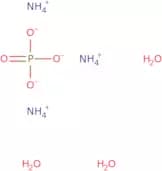
CAS :Triammonium phosphate trihydrate is a white or yellowish solid that is chemically stable. It is primarily used as a molybdenum-containing coating for animal feed and in the production of hydrogen fluoride. This compound has been shown to be toxic to animals, but has low toxicity and no carcinogenicity in humans. Triammonium phosphate trihydrate has been shown to have surface properties that are conducive to the adsorption of hydroxyapatite, which may be due to its high affinity for hydrogen bonds. Triammonium phosphate trihydrate can also be used as an acid catalyst and as a precursor in the production of lithium. It can be synthesized by reacting ammonium nitrate with plasma mass spectrometry or by heating lithium chloride with ammonium nitrate. This compound is also an optical material that can be used in lithium ion batteries.Formule :H12N3PO4•(H2O)3Degré de pureté :Min. 95%Couleur et forme :PowderMasse moléculaire :203.13 g/mol(R)-(-)-1-Aminoindane hydrochloride
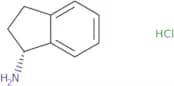
CAS :Produit contrôlé(R)-(-)-1-Aminoindane HCl is a fine chemical that is used as a versatile building block, useful intermediate, and reaction component. It has been shown to be an effective reagent for the synthesis of many complex compounds. (R)-(-)-1-Aminoindane HCl is available in high quality and can be used as a speciality chemical or research chemical.Formule :C9H11N•HClDegré de pureté :Min. 95%Couleur et forme :White/Off-White SolidMasse moléculaire :169.65 g/mol[3-Chloro-4-(4-isobutyrylpiperazin-1-yl)phenyl]amine
CAS :3-Chloro-4-(4-isobutyrylpiperazin-1-yl)phenyl]amine is a fine chemical that can be used in the production of medicines, research chemicals, and other speciality chemicals. It has been shown to be a versatile building block with a wide range of uses. 3-Chloro-4-(4-isobutyrylpiperazin-1-yl)phenyl]amine can be used as an intermediate in organic synthesis or as a reagent to generate other chemicals. This compound is also useful as a reaction component for the production of new compounds.Formule :C14H20ClN3ODegré de pureté :Min. 95%Couleur et forme :PowderMasse moléculaire :281.78 g/mol4-Amino-3-methylbenzoic acid
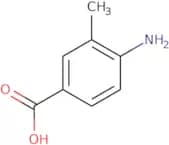
CAS :4-Amino-3-methylbenzoic acid is a chemical compound that can be synthesized from 4-Methylbenzoic acid and sodium carbonate. It has been used in the treatment of cervical cancer and leishmania. The synthesis of this drug is an example of a chemical reaction in which a carboxylic acid is reacted with sodium carbonate to give an ester and sodium bicarbonate. This process requires the use of trifluoroacetic acid. The resulting drug also has antiviral properties, as it inhibits HIV infection by blocking reverse transcriptase activity. 4-Amino-3-methylbenzoic acid was also shown to have anti-inflammatory properties, which may be due to its ability to inhibit prostaglandin synthesis.Formule :C8H9NO2Degré de pureté :Min. 95%Couleur et forme :Brown PowderMasse moléculaire :151.16 g/mol3-Bromobenzylamine hydrochloride
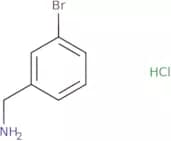
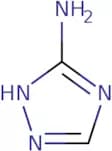
CAS :3-Bromobenzylamine hydrochloride is a chemical compound that belongs to the class of alkylating agents. It is a derivative of allylamine, which is an amine and can be used in the synthesis of tripeptides. 3-Bromobenzylamine hydrochloride has been shown to be able to bind to primary amines, such as histamine, serotonin, and dopamine. It has been found to inhibit the reuptake of these neurotransmitters by blocking the transporter responsible for their uptake. This inhibition leads to increased concentrations of neurotransmitters in tissues.Formule :C7H8BrN•HClCouleur et forme :PowderMasse moléculaire :222.51 g/mol3-Amino-1,2,4-triazole
CAS :Inhibitor of catalase; selection marker for HIS3 systems; herbicide
Formule :C2H4N4Degré de pureté :Min. 95%Couleur et forme :PowderMasse moléculaire :84.08 g/mol1,2-Dipalmitoyl-sn-glycero-3-phosphoethanolamine
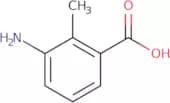
CAS :1,2-Dipalmitoyl-sn-glycero-3-phosphoethanolamine is a phospholipid that plays an important role in many cellular processes. It is a major component of the lipid bilayer that surrounds cells and provides stability to the membrane. 1,2-Dipalmitoyl-sn-glycero-3-phosphoethanolamine can form hydrogen bonding interactions with other molecules in the cytoplasm. The redox potential of this compound is also high enough to allow it to participate in oxidation reactions. This phospholipid also has a phase transition temperature at which it changes from a liquid state to a solid state at room temperature. 1,2-Dipalmitoyl-sn-glycero-3-phosphoethanolamine can be used as a reaction mechanism for synthesizing glycosylated proteins or lipids. In vitro assays have been performed using this compound asFormule :C37H74NO8PMasse moléculaire :691.96 g/mol3-Amino-2-methylbenzoic acid
CAS :3-Amino-2-methylbenzoic acid is an organic compound that belongs to the group of heterocyclic compounds. 3-Amino-2-methylbenzoic acid has been shown to inhibit the transport properties of nanotubes and may be used in the development of new materials for drug delivery. It also has potential as a therapeutic agent for the treatment of cancer, diabetes, and bacterial infections. This molecule is unsymmetrical with six hydrogen bonding interactions and three functional groups. The 3-amino group can form an intermolecular hydrogen bond with a proton donor and the two methyl groups can form intramolecular hydrogen bonds with each other.Formule :C8H9NO2Degré de pureté :Min. 95%Couleur et forme :PowderMasse moléculaire :151.16 g/mol6-Amino-3-methyl-4-(4-nitrophenyl)-4H-pyrano[3,2-d]pyrazole-5-carbonitrile
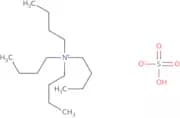
CAS :6-amino-3-methyl-4-(4-nitrophenyl)-4H-pyrano[3,2-d]pyrazole-5-carbonitrile is a compound that has been shown to have correlations with energies and regression. It also has a linear regression, polarities, photophysical properties, and dipole. The fluorescence and excited state of this compound are singlet and hydrogen bonding interactions with solvents.Formule :C14H11N5O3Degré de pureté :Min. 95%Couleur et forme :PowderMasse moléculaire :297.27 g/molTetrabutylammonium hydrogensulfate
CAS :Tetrabutylammonium hydrogensulfate (TBAS) is a trifluoroacetic acid salt of tetrabutylammonium. It is soluble in water and alcohols and can be used as an acid catalyst for many organic reactions. TBAS reacts with ethylene diamine to form the sulfate ester, which undergoes nucleophilic substitution with hydrogen fluoride to produce hydrofluoric acid. The reaction mechanism of TBAS consists of two steps: the first step involves the formation of a tetrahedral intermediate between the sulfonium cation and the fluoride anion, and the second step involves the nucleophilic attack by water on this intermediate. The x-ray crystal structure of tetrabutylammonium hydrogensulfate has been determined by NMR spectroscopy. This compound is chemically stable at room temperature but decomposes at higher temperatures. The hydroxyl group in tetrabutylammonium hydrogensulfate
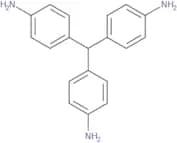
Formule :C16H37NO4SDegré de pureté :Min 99%Couleur et forme :White Clear LiquidMasse moléculaire :339.54 g/molTris(4-Aminophenyl)methane
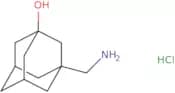
CAS :Tris(4-aminophenyl)methane is a molecule that can react with nitrous acid to form an aliphatic hydrocarbon, which is a type of organic compound. It has been shown to be effective in mammalian cells and in vitro. Tris(4-aminophenyl)methane reacts with nitrous acid to form a diamine adduct, which has been shown to have a diameter of 3.2 nanometers. The expression plasmid containing the gene for the protein tyrosinase was introduced into E. coli cells using an electroporation technique and then used as a template for transcription reactions. The reaction products were identified by gas chromatography/mass spectrometry (GC/MS). Tris(4-aminophenyl)methane has been shown to bind tightly to DNA molecules in nuclear DNA and RNA molecules in ribosomes, inhibiting their synthesis through adsorption mechanisms. This leads to cell death through the inhibitionFormule :C19H19N3Degré de pureté :Min. 95%Couleur et forme :PowderMasse moléculaire :289.37 g/mol3-(Aminomethyl)adamantan-1-ol HCl
CAS :3-(Aminomethyl)adamantan-1-ol HCl is a chemical substance that can be used as a reaction component, reagent, and useful scaffold in the synthesis of pharmaceuticals. It is also a speciality chemical with versatile building block and useful intermediate properties. 3-(Aminomethyl)adamantan-1-ol HCl has been shown to be an effective building block for complex compounds, such as those used in the synthesis of anti-inflammatory drugs.Formule :C11H19NO·HClDegré de pureté :Min. 95%Couleur et forme :PowderMasse moléculaire :217.74 g/molAmmonium bisulfite - 45% In water
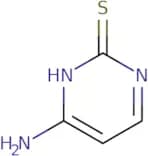
CAS :Ammonium bisulfite is a soluble sulfite salt that is used as a reducing agent in organic chemistry. It reacts with metal hydroxides to produce sulfur and anhydrous sodium. This reaction also produces water vapor, which can be condensed and collected for use in other reactions. The reaction mechanism involves the formation of a sulfate ion when ammonium ions react with bisulfites or sulfites. Ammonium bisulfite has been shown to reduce hydrogen fluoride in aqueous solution, but not hydrofluoric acid.Formule :H5NO3SDegré de pureté :(Titration) 44 To 46%Couleur et forme :Colorless Clear LiquidMasse moléculaire :99.11 g/mol4-Amino-2-mercaptopyrimidine
CAS :4-Amino-2-mercaptopyrimidine is a model system for coordination geometry and the hydroxyl group. It has been shown to have an x-ray crystal structure that can be used to study human serum, activated viruses, and other biological properties. 4-Amino-2-mercaptopyrimidine has been synthesized using a flow system and kinetic energy. The protonation state of 4-amino-2-mercaptopyrimidine is dependent on the pH of the solution and it can exist as two tautomers.
Formule :C4H5N3SDegré de pureté :Min. 97 Area-%Couleur et forme :White PowderMasse moléculaire :127.17 g/mol20-Deoxo-23-deoxy-5-O-[3,6-dideoxy-3-(dimethylamino)-β-D-glucopyranosyl]-20,23-di-1-piperidinyltylonolide
CAS :20-Deoxo-23-deoxy-5-O-[3,6-dideoxy-3-(dimethylamino)-beta-D-glucopyranosyl]-20,23-di-1-piperidinyltylonolide is an antimicrobial agent that belongs to the group of chemotherapeutic agents. It is a fluorinated analog of tilmicosin. The low dose group was treated with this drug for five days, and the high dose group received 20 times the amount of drug. Fluorescence spectrometry showed that there was no significant difference in the fluorescence intensity between these two groups after 24 hours. This drug has been shown to have pharmacokinetic properties in rats and mice, but further optimization may be required to improve its process.Formule :C41H71N3O8Degré de pureté :Min. 95%Couleur et forme :Off-White PowderMasse moléculaire :734.02 g/mol1,9-Diaminononane
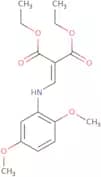
CAS :1,9-Diaminononane is a reactive organic compound that belongs to the class of ferroelectric compounds. It has been used as an additive in polyamides and polycarbonates to improve their thermal expansion and electrical properties. 1,9-Diaminonane reacts with nitrogen atoms to form amide groups or with inorganic acids to form reactive functional groups. 1,9-Diaminonane also forms hydrogen bonding interactions with other molecules such as polycarboxylic acids.Formule :C9H22N2Degré de pureté :Area-% Min. 95.0 Area-%Couleur et forme :White Off-White PowderMasse moléculaire :158.28 g/moldiethyl 2-(((2,5-dimethoxyphenyl)amino)methylene)propane-1,3-dioate
CAS :Please enquire for more information about diethyl 2-(((2,5-dimethoxyphenyl)amino)methylene)propane-1,3-dioate including the price, delivery time and more detailed product information at the technical inquiry form on this pageDegré de pureté :Min. 95%(2-Imidazo[2,1-b][1,3]thiazol-6-ylethyl)amine dihydrochloride
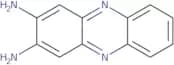
CAS :2-Imidazo[2,1-b][1,3]thiazol-6-ylethyl)amine dihydrochloride is a high quality reagent that is used as a useful intermediate in the synthesis of complex compounds with possible pharmaceutical applications. It can also be used as a useful scaffold to create new and interesting molecules of interest. This chemical has been shown to be useful in the synthesis of speciality chemicals, research chemicals, and versatile building blocks. 2-Imidazo[2,1-b][1,3]thiazol-6-ylethyl)amine dihydrochloride is a versatile building block that has been used for the synthesis of various types of reaction components.Formule :C7H9N3S·2HClDegré de pureté :Min. 95%Couleur et forme :Brown PowderMasse moléculaire :240.15 g/mol2,3-Diaminophenazine
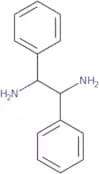
CAS :2,3-Diaminophenazine is a fluorescent probe that is used for the detection of dopamine. 2,3-Diaminophenazine has been shown to be a good indicator of the presence of organic compounds in human serum. Research has also shown that 2,3-diaminophenazine can be used as a fluorescence probe for transport properties and transfer reactions. It is soluble in water and shows no evidence of toxicity or mutagenicity. 2,3-Diaminophenazine has been shown to react with copper ions to form a copper complex. This reaction solution can catalyze the enzyme catalysis of p-nitrophenyl phosphate to produce acid p-nitrophenol (pNP). The nitrogen atoms on 2,3-diaminophenazine are responsible for its ability to bind with copper ions and act as an electron acceptor at the electrode surface.Formule :C12H10N4Degré de pureté :Min 95%Masse moléculaire :210.23 g/molDL-1,2-Diphenyl-1,2-ethanediamine
CAS :The fluorescence resonance energy transfer (FRET) technique is used to measure the distance between two molecules in a crystalline state. The FRET phenomenon occurs when one molecule is excited with light of a specific wavelength and interacts with another molecule that has an absorption spectrum at the same wavelength. The energy from the excited molecule is transferred to the second molecule, which then emits light of a different wavelength. This phenomenon can be used to study structures and interactions within molecules. A large number of studies have been done using this technique to study how small molecules bind together, such as dopamine and trifluoroacetic acid, or hydrogen bonding interactions in nitrogen-containing molecules.Formule :C14H16N2Degré de pureté :Min. 95%Couleur et forme :White PowderMasse moléculaire :212.29 g/molN-[5-(Phenylamino)-2,4-pentadienylidene]aniline monohydrochloride
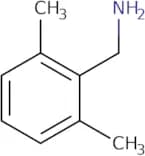
CAS :N-[5-(Phenylamino)-2,4-pentadienylidene]aniline monohydrochloride is a fluorescent probe that reacts with malonic acid. The reaction produces an emission peak at 595 nm and can be detected by fluorescence microscopy. This probe has been used in the study of hypoxia imaging, as well as for detection of reactive carbonyl groups and acetylation reactions. It can also be used to monitor treatment effects on residues from emulsions.Formule :C17H16N2·HClDegré de pureté :(Titration) Min 98%Couleur et forme :Red PowderMasse moléculaire :284.78 g/mol2,6-Dimethylbenzylamine
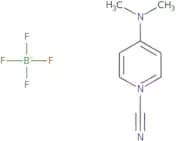
CAS :2,6-Dimethylbenzylamine is a chemical compound that has been shown to have potent antiviral activity. It binds to the active site of the HIV-1 protease enzyme, which blocks the cleavage of polyproteins into functional proteins. In addition, 2,6-dimethylbenzylamine has been shown to be capable of blocking other enzymes such as human immunodeficiency virus (HIV)-1 integrase and influenza virus neuraminidase. The chemical structure of 2,6-dimethylbenzylamine includes a heterocyclic ring that may be modified to optimise its antiviral activity. This modification can be done by using peptidomimetics or bioactive molecules such as small molecules or lipids.Formule :C9H13NDegré de pureté :Min. 95%Couleur et forme :Clear LiquidMasse moléculaire :135.21 g/mol1-Cyano-4-(dimethylamino)pyridinium tetrafluoroborate
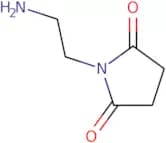
CAS :1-Cyano-4-(dimethylamino)pyridinium tetrafluoroborate (CDAP) is an organic cyanylating agent. It is reactive under acidic conditions giving CDAP an advantage over other sulfhydryl labeling agents, as it can avoid potential thiol-disulfide exchange.Formule :C8H10N3BF4Degré de pureté :Min. 98 Area-%Couleur et forme :PowderMasse moléculaire :234.99 g/mol1-(2-Aminoethyl)pyrrolidine-2,5-dione hydrochloride
CAS :1-(2-Aminoethyl)pyrrolidine-2,5-dione hydrochloride is a chemical intermediate that is used in the synthesis of biologically active compounds. It has been shown to be an excellent building block for synthesizing complex compounds, and is also a useful reagent. 1-(2-Aminoethyl)pyrrolidine-2,5-dione hydrochloride has been identified as a high quality research chemical and is commercially available in the form of bulk quantities or as a fine chemical.
Formule :C6H11ClN2O2Degré de pureté :Min. 95%Couleur et forme :PowderMasse moléculaire :178.62 g/molBis[2-[Ethyl[(Heptadecafluorooctyl)Sulphonyl]Amino]Ethyl] (4-Methyl-1,3-Phenylene)Biscarbamate
CAS :Produit contrôléBis[2-[Ethyl[(heptadecafluorooctyl)sulphonyl]amino]ethyl] (4-methyl-1,3-phenylene)biscarbamate is a sulfonate that is used as a chemical intermediate. It is a mixture of bis[2-[ethyl(heptadecafluorooctyl)sulphonyl]amino]ethyl (4-methyl-1,3-phenylene)biscarbamate and bis[2-[ethyl(hexadecafluoroheptyl)sulphonyl]amino]ethyl (4-methyl-1,3-phenylene)biscarbamate.Formule :C33H26F34N4O8S2Degré de pureté :Min. 95%Couleur et forme :PowderMasse moléculaire :1,316.66 g/molEthylenediaminetetraacetic acid tetrasodium salt tetrahydrate
CAS :Ethylenediaminetetraacetic acid tetrasodium salt tetrahydrate is a chemical compound that is used in cell culture to protect cells from oxidative injury. It has been shown to be effective against a variety of antimicrobial agents, such as aromatic hydrocarbons and reactive oxygen species. Ethylenediaminetetraacetic acid tetrasodium salt tetrahydrate has been shown to have antioxidant properties by scavenging reactive oxygen species, which are produced during the process of oxidation. This chemical compound also prevents the breakdown of disulfide bonds and may have a protective effect on DNA by preventing strand breakage. Ethylenediaminetetraacetic acid tetrasodium salt tetrahydrate can be used for sample preparation and inhibits the polymerase chain reaction (PCR) in vitro at low concentrations.Formule :C10H12N2Na4O8·4H2ODegré de pureté :Min. 95%Couleur et forme :PowderMasse moléculaire :452.23 g/molTetradecylammonium bromide
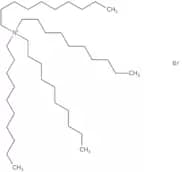
CAS :Tetradecylammonium bromide is a crystalline compound that has been shown to have many applications. It can be used as a denitrification agent, for example, in the removal of nitrates from water or air. Tetradecylammonium bromide also has synergistic effects when combined with other molecules such as fatty acids and human urine. Its crystalline structure consists of two subunits that are linked by hydrogen bonding. The α-subunit is made up of four tetradecylammonium cations and one chloride anion, while the β-subunit is made up of six chloride anions and one tetradecylammonium cation.Formule :C40H84BrNCouleur et forme :White Off-White PowderMasse moléculaire :659.01 g/mol2-Amino-4-bromobenzoic acid
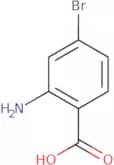
CAS :2-Amino-4-bromobenzoic acid is a molecule that has an acidic carboxylic group and two aromatic amino groups. It has a hydroxyl group and a fluorescence that can be activated or deactivated by ultraviolet light. 2-Amino-4-bromobenzoic acid is used in the synthesis of certain organic compounds. This molecule can be synthesized from other molecules, such as phenol, aminobenzene, and nitrobenzene. The reaction time for this chemical species is dependent on the catalytic agent used during the reaction process. A variety of chemical species are produced when 2-Amino-4-bromobenzoic acid is synthesized, including hydrogen bromide, ammonia, nitrogen gas, and water vapor. The population of 2-Amino-4-bromobenzoic acid is unknown because it is not abundant in nature.
Formule :C7H6BrNO2Degré de pureté :Min. 95%Couleur et forme :Yellow PowderMasse moléculaire :216.03 g/mol(3-Aminomethyl)benzoic acid methyl ester HCl
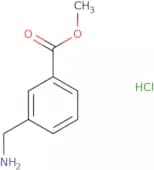
CAS :3-Aminomethylbenzoic acid methyl ester HCl is a fine chemical that is used as a reagent for the synthesis of other compounds. It is also a versatile building block, which can be used to make many different compounds. 3-Aminomethylbenzoic acid methyl ester HCl has been demonstrated to be a useful intermediate in the synthesis of various pharmaceuticals, such as metoclopramide and clozapine. 3-Aminomethylbenzoic acid methyl ester HCl is also a useful scaffold for research chemicals, such as 4-amino-N-(2-hydroxyethyl)benzenesulfonamide or N-[3-(aminomethyl)phenyl]acetamide.Formule :C9H11NO2·HClDegré de pureté :Min. 95%Couleur et forme :PowderMasse moléculaire :201.65 g/molBoc-2-aminobenzoic acid
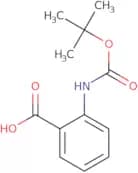
CAS :Boc-2-aminobenzoic acid is a synthetic amino acid that can be used for the synthesis of recombinant proteins. It contains lysine residues, which are often used in protein engineering. This product is hydrolyzed to form a chloride gas and a hydrochloride salt by the enzyme chloridase. The hydrolysis proceeds through an amine intermediate and proceeds with a rate that is first order in chloride gas and second order in Boc-2-aminobenzoic acid. The kinetic constants for this reaction have been determined using fluorescence resonance energy transfer (FRET) spectroscopy on the solid phase.
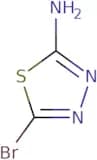
Formule :C12H15NO4Degré de pureté :Min. 95%Couleur et forme :PowderMasse moléculaire :237.25 g/mol5-Bromo-1,3,4-thiadiazol-2-amine
CAS :5-Bromo-1,3,4-thiadiazol-2-amine is a synthetic antiplatelet agent that belongs to the thiosemicarbazide class. It has been shown to have broad-spectrum antimicrobial activity against Gram-positive and Gram-negative bacteria. 5-Bromo-1,3,4-thiadiazol-2-amine is an orally bioavailable drug that can be used in the treatment of bacterial infections caused by Gram negative bacteria. The molecular modeling study suggests that this compound binds to the enzyme active site of DNA gyrase and inhibits its activity. 5Bromo-1,3,4-thiadiazol-2 amine is deuterated and can be used for molecular modeling studies because it is soluble in organic solvents.Formule :C2H2BrN3SDegré de pureté :Min. 95%Couleur et forme :PowderMasse moléculaire :180.03 g/molAmino-PEG10-Amine
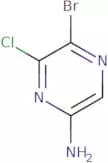
CAS :Amino-PEG10-Amine is a PEG polymer categorised as homobifunctional PEG (X-PEG X). Used as a linker, amino-PEG10-amine is used to attached PEG to proteins, peptides, oligonucleotides, nanoparticles and small molecules via pegylation, a bioconjugation technique.Formule :C22H48N2O10Degré de pureté :Min. 95%Couleur et forme :Colourless To Pale Yellow LiquidMasse moléculaire :500.33095-Bromo-6-chloropyrazin-2-amine
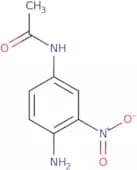
CAS :5-Bromo-6-chloropyrazin-2-amine is a high quality, versatile building block for the synthesis of a variety of chemical compounds. It is also a reagent used in organic chemistry for the conversion of alcohols to alkyl chlorides and bromides. It can be used as an intermediate for the preparation of various complex compounds with potential use as pharmaceuticals or fine chemicals. This compound has been shown to have potential as a useful scaffold for the development of novel drugs which could be used to treat bacterial infections such as tuberculosis. 5-Bromo-6-chloropyrazin-2-amine has also been shown to be an excellent starting material for the synthesis of research chemicals and speciality chemicals.Formule :C4H3BrClN3Degré de pureté :Min. 95%Masse moléculaire :208.44 g/mol1-N-Acetyl-3-nitro-p-phenylenediamine
CAS :1-N-Acetyl-3-nitro-p-phenylenediamine is a hydrolytic product of 1,4-diaminobenzene. It is an intermediate in the preparation of naphthalene diamine and has been shown to hydrolyze in acidic solutions.Formule :C8H9N3O3Degré de pureté :Min. 95%Couleur et forme :PowderMasse moléculaire :195.18 g/molO,O'-Bis(2-aminoethyl)hexaethylene glycol
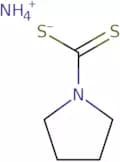
CAS :O,O'-Bis(2-aminoethyl)hexaethylene glycol is a PEG polymer categorised as homobifunctional PEG (X-PEG X). Used as a linker, O,O'-bis(2-aminoethyl)hexaethylene glycol is used to attached PEG to proteins, peptides, oligonucleotides, nanoparticles and small molecules via pegylation, a bioconjugation technique.Formule :C16H36N2O7Degré de pureté :Min. 95%Couleur et forme :Clear LiquidMasse moléculaire :368.47 g/mol1-Pyrrolidinecarbodithioic acid,ammonium
CAS :1-Pyrrolidinecarbodithioic acid, ammonium salt is an inhibitor of the NMDA receptor. It blocks the activation of this receptor by glutamate, a neurotransmitter that plays an important role in pain transmission and memory formation. 1-Pyrrolidinecarbodithioic acid, ammonium salt has been shown to inhibit the growth of human pathogenic fungi in cell culture. The polymerase chain reaction (PCR) technique was used to detect the presence of this drug in solutions and phase microextraction was used for chromatographic analysis. The control method for these experiments was pyrrolidine dithiocarbamate, which is a structural analog of 1-pyrrolidinecarbodithioic acid, ammonium salt. Pyrrolidine dithiocarbamate inhibits NF-κB pathway and is used to treat injury. This drug also has anti-inflammatory properties due to its inhibition of nuclear factor kappa B (NF-Formule :C5H9NS2•NH3Degré de pureté :Min. 95%Couleur et forme :PowderMasse moléculaire :164.29 g/mol

![1H-Pyrrolo[3,2-b]pyridin-7-amine](/_next/image/?url=https%3A%2Fstatic.cymitquimica.com%2Fproducts%2F3D%2Fthumb-webp%2FFP142011.webp&w=3840&q=75)
![[1-(Methoxymethyl)cyclopropyl]amine hydrochloride](/_next/image/?url=https%3A%2Fstatic.cymitquimica.com%2Fproducts%2F3D%2Fthumb-webp%2FFM129588.webp&w=3840&q=75)
![[3-Chloro-4-(4-isobutyrylpiperazin-1-yl)phenyl]amine](/_next/image/?url=https%3A%2Fstatic.cymitquimica.com%2Fproducts%2F3D%2Fthumb-webp%2FFC134207.webp&w=3840&q=75)

![6-Amino-3-methyl-4-(4-nitrophenyl)-4H-pyrano[3,2-d]pyrazole-5-carbonitrile](/_next/image/?url=https%3A%2Fstatic.cymitquimica.com%2Fproducts%2F3D%2Fthumb-webp%2FFA169805.webp&w=3840&q=75)

![20-Deoxo-23-deoxy-5-O-[3,6-dideoxy-3-(dimethylamino)-β-D-glucopyranosyl]-20,23-di-1-piperidinyltyl…](/_next/image/?url=https%3A%2Fstatic.cymitquimica.com%2Fproducts%2F3D%2Fthumb-webp%2FFT137728.webp&w=3840&q=75)

![(2-Imidazo[2,1-b][1,3]thiazol-6-ylethyl)amine dihydrochloride](/_next/image/?url=https%3A%2Fstatic.cymitquimica.com%2Fproducts%2F3D%2Fthumb-webp%2FFI126807.webp&w=3840&q=75)
![N-[5-(Phenylamino)-2,4-pentadienylidene]aniline monohydrochloride](/_next/image/?url=https%3A%2Fstatic.cymitquimica.com%2Fproducts%2F3D%2Fthumb-webp%2FFP29019.webp&w=3840&q=75)
![Bis[2-[Ethyl[(Heptadecafluorooctyl)Sulphonyl]Amino]Ethyl] (4-Methyl-1,3-Phenylene)Biscarbamate](/_next/image/?url=https%3A%2Fstatic.cymitquimica.com%2Fproducts%2F3D%2Fthumb-webp%2FFB101999.webp&w=3840&q=75)