Amines
Sous-catégories appartenant à la catégorie "Amines"
- Nitrosamines(2.617 produits)
- Amines primaires(30.947 produits)
- Cations d'ammonium quaternaire(1.101 produits)
- Amines secondaires(20.886 produits)
- Amines tertiaires(17.196 produits)
8793 produits trouvés pour "Amines"
N-[3-(Diethylaminomethyl)-4-hydroxyphenyl]acetamide
CAS :N-[3-(Diethylaminomethyl)-4-hydroxyphenyl]acetamide is a molecule that has been shown to have acetylcholine esterase (AChE) inhibitory activity. It binds to the active site of AChE, preventing it from breaking down acetylcholine, leading to the accumulation of this neurotransmitter. The inhibition of AChE by N-[3-(Diethylaminomethyl)-4-hydroxyphenyl]acetamide prevents muscle contraction and leads to paralysis and death by asphyxiation. This drug has been used in the treatment of sarin gas poisoning. The molecular structure of N-[3-(Diethylaminomethyl)-4-hydroxyphenyl]acetamide is similar to that of pyridinium chlorides, which are used for synthesizing nerve agents such as sarin and soman. This drug also has a protonFormule :C13H20N2O2Degré de pureté :Min. 95%Couleur et forme :PowderMasse moléculaire :236.31 g/mol2,4,6-Triaminopyrimidine
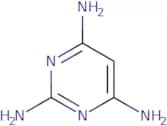
CAS :2,4,6-Triaminopyrimidine is an organic compound that can be found in a variety of sources. It is used as a research chemical and has shown to have anti-inflammatory properties in the rat kidney. This compound has been shown to bind with nucleobases and form hydrogen bonds with glycosidic bonds. 2,4,6-Triaminopyrimidine has also been shown to be a ligand for affinity chromatography.Formule :C4H7N5Degré de pureté :Min. 95%Couleur et forme :Off-White To Yellow SolidMasse moléculaire :125.070152-Amino-2',4-dichlorodiphenyl Ether
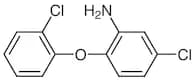
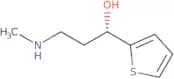
CAS :Formule :C12H9Cl2NODegré de pureté :>98.0%(GC)(T)Couleur et forme :Colorless to Brown clear liquidMasse moléculaire :254.11(S)-3-Methylamino-1-(2-thienyl)-1-propanol
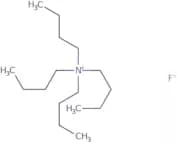
CAS :(S)-3-Methylamino-1-(2-thienyl)-1-propanol is a chiral molecule with two stereogenic centers. It is synthesized by the demethylation of acetylthiophene and the crystallization of the reaction mixture. The class of compounds to which (S)-3-Methylamino-1-(2-thienyl)-1-propanol belongs includes those that have hydroxy groups or diastereomeric salts. The hydroxy group on (S)-3-Methylamino-1-(2-thienyl)-1-propanol can be removed by demethylation, which leads to a mixture of products, including hydroxy and demethylated compounds.Formule :C8H13NOSDegré de pureté :Min. 95%Couleur et forme :White PowderMasse moléculaire :171.26 g/molTetrabutylammonium fluoride - 75 wt. % in H2O
CAS :Tetrabutylammonium fluoride is a strong base which reacts with the hydroxyl group of a carboxylic acid to form a salt and hydrogen fluoride. The nucleophilic nature of tetrabutylammonium and its high polarity make it an excellent catalyst for this reaction. Tetrabutylammonium fluoride has been shown to react with sodium salts in nonpolar solvents, such as benzene or toluene, to form quinoline derivatives. It also has been used in the synthesis of x-ray crystal structures of organic molecules by reacting with carbonyl groups, such as acetaldehyde. Tetrabutylammonium fluoride can interact chemically with other compounds, such as hydrogen bond formation with amines or reactions with amides.Formule :C16H36FNDegré de pureté :Min. 95%Couleur et forme :Clear LiquidMasse moléculaire :261.46 g/mol[(5-Cyclopropyl-1,2,4-oxadiazol-3-yl)methyl]amine hydrochloride
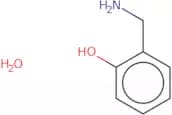
CAS :[(5-Cyclopropyl-1,2,4-oxadiazol-3-yl)methyl]amine hydrochloride is an intermediate used in the synthesis of a variety of complex compounds. It is also a fine chemical that can be used as a reagent and building block in the manufacture of drugs. [(5-Cyclopropyl-1,2,4-oxadiazol-3-yl)methyl]amine hydrochloride has been shown to be a versatile building block for the synthesis of many types of compounds. This compound has been shown to react with various functional groups, including alcohols and amines. This reagent can also be used as a reaction component with other chemicals such as nitroalkanes or ketones to produce heterocycles or other useful compounds. ([(5-Cyclopropyl-1,2,4-oxadiazol-3-yl)methyl]amine hydrochloride)Formule :C6H10ClN3ODegré de pureté :Min. 95%Couleur et forme :Off-White PowderMasse moléculaire :175.62 g/mol2-Hydroxybenzylamine hydrate
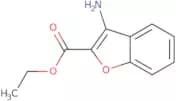
CAS :2-Hydroxybenzylamine hydrate is a fine chemical, useful building block, research chemical, and reagent. It is soluble in water and has a neutral pH. 2-Hydroxybenzylamine hydrate is an intermediate in the synthesis of amphetamines and phenethylamines. This product is also used as a reaction component for the synthesis of polymers, pharmaceuticals, natural products, and other organic compounds. 2-Hydroxybenzylamine hydrate has a high quality level and can be used as a versatile building block in complex reactions.Formule :C7H9NO·H2ODegré de pureté :Min. 95%Masse moléculaire :141.17 g/molEthyl 3-aminobenzofuran-2-carboxylate
CAS :Ethyl 3-aminobenzofuran-2-carboxylate is a decarboxylated pyridine derivative that has been shown to react with an aldoxime to form an unsymmetrical aldehyde. This reaction is catalyzed by acid and alkaline hydrolysis. It is also able to form benzothiophenes and benzofurans through the same reaction. Ethyl 3-aminobenzofuran-2-carboxylate can be used in the synthesis of many other organic compounds, including phenacyl, carboxylic acids, pyridines, and aryl halides.Formule :C11H11NO3Degré de pureté :Min. 95%Masse moléculaire :205.21 g/mol2,5-Bis(aminomethyl)tetrahydrofuran
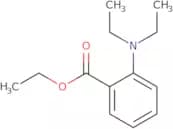
CAS :2,5-Bis(aminomethyl)tetrahydrofuran is a polymerization catalyst for polyethylene terephthalate that has been shown to be effective at low temperatures. It is not active at high temperatures and is stable in acidic and neutral media. 2,5-Bis(aminomethyl)tetrahydrofuran can be used as an electrochemical catalyst for the conversion of 5-hydroxymethylfurfural (HMF) to formic acid. This reaction has been shown to have a high turnover frequency and to be sustainable because it does not require fossil fuels or heavy metals as reactants. The parameters of this reaction are still being investigated, including the effect of oxidant on the rate of catalysis.Formule :C6H14N2ODegré de pureté :Min. 95%Couleur et forme :Colorless PowderMasse moléculaire :130.19 g/molEthyl 2-(N,N-diethylamino)benzoate
CAS :Ethyl 2-(N,N-diethylamino)benzoate is a high quality chemical that can be used as a reagent in the synthesis of complex compounds. This chemical is also a useful intermediate in the manufacture of fine chemicals and pharmaceuticals. CAS No. 94023-76-4 is an important ingredient for research chemicals and speciality chemicals. It can be used as a building block or scaffold for reaction components to produce versatile products.Formule :C13H19NO2Degré de pureté :Min. 95%Masse moléculaire :221.3 g/mol6-Chloro-2-methyl-4-pyrimidinamine
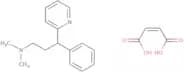
CAS :6-Chloro-2-methyl-4-pyrimidinamine is a molecule that has been studied for anticancer activity. It is an urea nitrogen, which is a hydrogen bond donor. The fructus of the 6-chloro-2-methyl-4-pyrimidinamine molecule has been shown to have anticancer activity in vitro. The anticancer activities of 6-chloro-2-methyl-4-pyrimidinamine are thermodynamic and vibrational, with etridiazole as the most potent inhibitor. The diamine tetraacetic acid (DTA) protonation state of the molecule was found to be 5.6, while the chloride protonation state was 3.6. In addition, it has been shown that 6CHMPA binds to Triticum aestivum cells through ethylene diamine and atomic orbital interactions.Formule :C5H6ClN3Degré de pureté :Min. 95%Couleur et forme :White To Off-White SolidMasse moléculaire :143.57 g/molPheniramine maleate
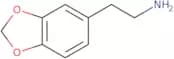
CAS :Histamine receptor H1 antagonistFormule :C16H20N2·C4H4O4Degré de pureté :Min. 95%Couleur et forme :PowderMasse moléculaire :356.42 g/mol3,4-(Methylenedioxyphenyl)ethylamine
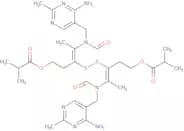
CAS :Produit contrôlé3,4-(Methylenedioxyphenyl)ethylamine (MDPA) is an anticancer drug that is used to treat various types of cancer. It has been shown to inhibit the growth of human colon cancer cells and breast cancer cells by binding to sphingosine kinase. MDPA is also a dietary supplement that can be found in Stephania japonica plants. This compound has a structural formula of C14H18N2O2, with a molar mass of 220.30 g/mol. The chromatographic science technique can be used for the separation and identification of this compound. It binds to dopamine receptors, which are G-protein coupled receptors that mediate the release of various neurotransmitters such as dopamine and serotonin from neurons in the brain. These natural compounds are acylated with amines or amino acids before they react with hydrochloric acid to produce MDPA.br>Formule :C9H11NO2Degré de pureté :Min. 95%Couleur et forme :Clear LiquidMasse moléculaire :165.19 g/molSulbutiamine
CAS :Sulbutiamine is a thiamine analogue that is used to treat diseases such as Alzheimer's disease and Parkinson's disease. Sulbutiamine also has antimicrobial properties and can be used to treat infectious diseases such as infectious diarrhea. Sulbutiamine has been shown to reduce symptoms of inflammatory bowel disease (IBD) by relieving intestinal inflammation, although it does not affect the course of the disease. Sulbutiamine has also been shown to have effects on the immune system, which may be due to its ability to increase cellular redox potentials in neuro2a cells and human serum. These effects are caused by an indirect antioxidant effect, which results from sulbutiamine's ability to inhibit lipid peroxidation and stimulate glutathione reductase activity.Formule :C32H46N8O6S2Degré de pureté :Min. 95%Couleur et forme :PowderMasse moléculaire :702.89 g/mol[(1,2-Dimethyl-1H-benzimidazol-5-yl)methyl]amine dihydrochloride
CAS :[(1,2-Dimethyl-1H-benzimidazol-5-yl)methyl]amine dihydrochloride is a reagent that is used as a reaction component in the synthesis of organic and inorganic compounds. It is used as a high quality research chemical for use in the production of fine chemicals and pharmaceuticals. This compound has many uses as a versatile building block, useful intermediate, or useful building block in the synthesis of complex compounds. It can also be used to make various speciality chemicals. [(1,2-Dimethyl-1H-benzimidazol-5-yl)methyl]amine dihydrochloride is stable at room temperature and can be stored under ambient conditions indefinitely.Formule :C10H13N3·2HClDegré de pureté :Min. 95%Couleur et forme :White PowderMasse moléculaire :248.15 g/mol4,6-Dimethyl-5-nitro-m-phenylenediamine
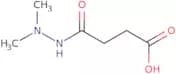
CAS :4,6-Dimethyl-5-nitro-m-phenylenediamine is a versatile building block that can be used as a reagent or a speciality chemical. It is used in research to test the susceptibility of bacteria to antibiotics and other toxic substances. 4,6-Dimethyl-5-nitro-m-phenylenediamine has been shown to inhibit the growth of Mycobacterium tuberculosis, Mycobacterium avium complex, and some strains of Staphylococcus aureus. This product is also useful for making high quality compounds that are useful scaffolds for drug development.br> 4,6-Dimethyl-5-nitro-m-phenylenediamine is an organic compound with the chemical formula C9H8N2O3. It has two asymmetric carbon atoms and exists as two enantiomers, one of which is more reactive than the other. The (S)-enFormule :C8H11N3O2Degré de pureté :Min. 95%Masse moléculaire :181.19 g/molDaminozide
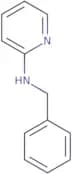
CAS :Daminozide is a plant growth regulator that belongs to the group of chemical substances called dinitrophenols. It is used in agriculture as a pre-planting seed treatment for potatoes and other vegetables to inhibit sprouting, increase yield, and reduce the incidence of disease. Daminozide has been shown to inhibit the activity of two enzymes, fatty acid desaturase (FAD) and lysine decarboxylase (LDC), in plants. The optimum concentration for daminozide is 0.1 mM, which can be achieved by adding ethylene diamine to tissue culture media at a concentration of 1 mM. Daminozide has not been shown to have any significant physiological effects in plants when applied at this concentration.Formule :C6H12N2O3Degré de pureté :Min. 95%Couleur et forme :PowderMasse moléculaire :160.17 g/mol2-Benzylaminopyridine
CAS :2-Benzylaminopyridine is a hydrogen bond donor that interacts with anions. This compound has been shown to be bactericidal and able to inhibit the activity of tyrosine kinase. It was also found to have functional theory properties. 2-Benzylaminopyridine is a ligand for coordination chemistry, which is used in supramolecular chemistry. The constant of this compound is high, making it useful as a starting material in the synthesis of other compounds. The imidazole derivatives of 2-benzylaminopyridine are chloride, which can be used as a ligand for interaction chemistry and dichroism spectroscopy.Formule :C12H12N2Degré de pureté :Min. 98 Area-%Couleur et forme :Yellow PowderMasse moléculaire :184.24 g/molFmoc-(1R,2R)-2-aminocyclohexane carboxylic acid
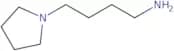
CAS :Fmoc-(1R,2R)-2-aminocyclohexane carboxylic acid is a versatile building block used as a reaction component in the synthesis of chemical compounds. It is classified as a speciality chemical and has been shown to be useful in the synthesis of complex compounds. The CAS number for this compound is 389057-34-5.Formule :C22H23NO4Degré de pureté :Min. 99 Area-%Couleur et forme :PowderMasse moléculaire :365.42 g/mol1-(4-Aminobutyl)pyrrolidine
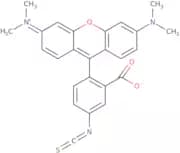
CAS :1-(4-Aminobutyl)pyrrolidine is an amine with acidic properties. It has a molecular weight of 126.1 g/mol and a melting point of -62 °C. The amine group in 1-(4-aminobutyl) pyrrolidine has the general formula NH2-R, where R can be any organic group, such as H, alkyl, or alkoxy. This functional group is reactive because it contains an electron pair that is free to participate in reactions with other molecules. 1-(4-Aminobutyl)pyrrolidine's chemical name indicates that it belongs to the class of monoamines and that it contains one amine group and one methyl substituent on the four carbon chain. The molecule also has two chiral centers at positions 1 and 2. 1-(4-Aminobutyl)pyrrolidine's molar mass is 126.1 g/mol andFormule :C8H18N2Couleur et forme :Clear LiquidMasse moléculaire :142.24 g/molTetramethylrhodamine-5-isothiocyanate
CAS :Tetramethylrhodamine-5-isothiocyanate (TRITC) is a fluorescent dye that can be used for the detection of cancer cells. This molecule interacts with mitochondrial membrane potential and superparamagnetic iron oxide nanoparticles, which are used to detect cancer cells. TRITC is linked to a carrier protein, such as wheat germ agglutinin or streptavidin, and then incubated with the target tissue. The dye is taken up by cells with high mitochondrial membrane potential, which are typically cancerous. The dye can also be detected using an analytical method called flow cytometry, which detects changes in the fluorescence intensity of the dyed cells. TRITC has been shown to have anti-cancer properties in basic fibroblast growth factor-deficient mice and in human colon carcinoma cells in vitro.Formule :C25H21N3O3SDegré de pureté :Min. 95%Couleur et forme :PowderMasse moléculaire :443.52 g/mol(1-(4-Diethylamino)phenyl)-2-nitroethene
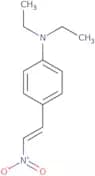
CAS :(1-(4-Diethylamino)phenyl)-2-nitroethene is a fluorescent probe that can be used to measure the growth rate of microorganisms. It is also a polarizable fluorescent molecule that is sensitive to environmental effects such as pH, temperature, and light intensity. This compound has been used as a chromophore in optical devices and has been observed to have linear responses to changes in time constants. The fluorescence of (1-(4-diethylamino)phenyl)-2-nitroethene is proportional to the molecular response of the protein or nucleic acid it binds to. This compound is also an inorganic compound with dipole moments, which are properties that allow it to interact with other compounds.Formule :C12H16N2O2Degré de pureté :Min. 95%Masse moléculaire :220.27 g/mol3-Amino-4-hydroxybenzoic acid hydrate
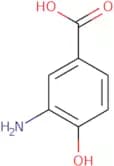
CAS :3-Amino-4-hydroxybenzoic acid hydrate is a fine chemical that is used as a versatile building block in the synthesis of pharmaceuticals, agrochemicals, and other organic chemicals. It is an intermediate for the preparation of various research chemicals. 3-Amino-4-hydroxybenzoic acid hydrate has been shown to be an effective reagent for the synthesis of certain complex compounds. It also has high quality and can be used as a reaction component in many reactions.Formule :C7H7NO3·H2ODegré de pureté :Min. 95%Couleur et forme :PowderMasse moléculaire :171.15 g/mol2-Chloro-3,4-dimethoxybenzylamine HCl
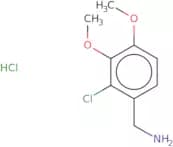
CAS :2-Chloro-3,4-dimethoxybenzylamine HCl is a fine chemical that can be used as a building block to synthesize new compounds. It is also a useful intermediate in the production of pharmaceuticals and other organic chemicals. 2-Chloro-3,4-dimethoxybenzylamine HCl has been used as a reaction component for the synthesis of various complex compounds. This compound has been shown to have high purity and quality.Formule :C9H12ClNO2·HClDegré de pureté :Min. 95%Masse moléculaire :238.11 g/mol2-Ethylhexyl 4-dimethylaminobenzoate
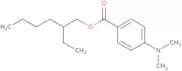
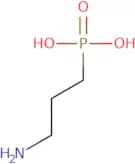
CAS :2-Ethylhexyl 4-dimethylaminobenzoate is a sulfa drug that is used for the prevention of skin cancer, and it has been shown to be effective against bacterial strains in vitro. It also has a monosodium salt and a hydroxyl group. 2-Ethylhexyl 4-dimethylaminobenzoate is used as an analytical method for measuring the concentration of zirconium oxide in wastewater and drinking water samples. This compound has been used in vivo to show that it can inhibit the growth of bacteria by interfering with DNA synthesis. 2-Ethylhexyl 4-dimethylaminobenzoate is also used as a sunscreen and provides protection against UV radiation by absorbing light at wavelengths between 280 and 320 nm.Formule :C17H27NO2Degré de pureté :Min. 95%Couleur et forme :Clear LiquidMasse moléculaire :277.4 g/mol(3-Aminopropyl)phosphonic acid
CAS :(3-Aminopropyl)phosphonic acid is an organic compound that is structurally similar to the neurotransmitter gamma-aminobutyric acid (GABA). It is a potent uptake inhibitor of GABA and has been shown to inhibit cancer growth in vitro. The mechanism of action for (3-aminopropyl)phosphonic acid is not fully known, but it has been suggested that it inhibits tumor cell proliferation by binding to ganglion cells and inhibiting their growth. This inhibition may be due to its ability to act as a potent antagonist at the GABA receptor site.
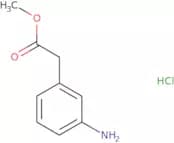
Formule :C3H10NO3PDegré de pureté :Min. 95%Couleur et forme :White PowderMasse moléculaire :139.09 g/molMethyl 3-aminophenylacetate hydrochloride
CAS :Methyl 3-aminophenylacetate hydrochloride is a versatile building block that can be used as a reagent for the synthesis of complex compounds. It has been widely used in the production of specialty chemicals, research chemicals and other building blocks. Methyl 3-aminophenylacetate hydrochloride is also an important intermediate in the production of speciality chemicals and pharmaceuticals. This chemical is a high quality chemical that can be used as a reaction component or scaffold for the synthesis of organic compounds.Formule :C9H12ClNO2Degré de pureté :Min. 95%Masse moléculaire :201.65 g/mol6-Amino-8-methyl-2H-1,4-benzoxazin-3(4H)-one
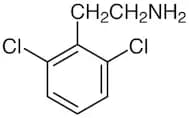
CAS :6-Amino-8-methyl-2H-1,4-benzoxazin-3(4H)-one is a fine chemical that is a useful building block for research chemicals and speciality chemicals. It can be used as a reagent in organic synthesis, as well as in the production of high quality and versatile building blocks. 6-Amino-8-methyl-2H-1,4-benzoxazin-3(4H)-one can be reacted to form useful scaffolds or intermediates that are valuable in the process of making complex compounds.Formule :C9H10N2O2Degré de pureté :Min. 95%Couleur et forme :PowderMasse moléculaire :178.19 g/mol2-(2,6-Dichlorophenyl)ethylamine
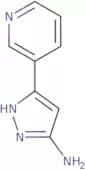
CAS :Formule :C8H9Cl2NDegré de pureté :>98.0%(GC)(T)Couleur et forme :Colorless to Light orange to Yellow clear liquidMasse moléculaire :190.075-Pyridin-3-yl-2H-pyrazol-3-ylamine
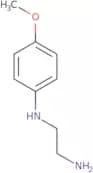
CAS :5-Pyridin-3-yl-2H-pyrazol-3-ylamine is a fine chemical with applications in the research and development of pharmaceuticals, agrochemicals, and other speciality chemicals. 5-Pyridin-3-yl-2H-pyrazol-3-ylamine is also a versatile building block for the synthesis of complex molecules. This compound can be used as a reagent or intermediate in organic reactions. It is also an excellent scaffold for the synthesis of complex molecules.Formule :C8H8N4Degré de pureté :Min. 95%Couleur et forme :Off-white to pale yellow or beige solid.Masse moléculaire :160.18 g/molN-(4-Methoxyphenyl)ethane-1,2-diamine
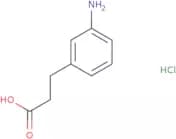
CAS :N-(4-Methoxyphenyl)ethane-1,2-diamine is a synthetic compound that has been shown to inhibit the activity of cathepsins. It can be used in the treatment of diseases caused by these enzymes, such as osteoarthritis and Alzheimer's disease. N-(4-Methoxyphenyl)ethane-1,2-diamine has a pharmacokinetic profile that is favorable for oral administration. The drug is absorbed from the gastrointestinal tract readily and undergoes extensive metabolism in the liver. This process leads to the formation of active metabolites which are excreted in urine or bile. N-(4-Methoxyphenyl)ethane-1,2-diamine also inhibits nitroalkanes with activated aromatic rings, such as 4-nitrobenzaldehyde and 2,4,6-trinitrobenzene.Formule :C9H14N2ODegré de pureté :Min. 95%Couleur et forme :Slightly Yellow PowderMasse moléculaire :166.22 g/molbeta-(3-Aminophenyl)propionic acid hydrochloride
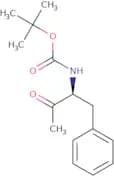
CAS :Beta- (3-aminophenyl)propionic acid hydrochloride is a drug that belongs to the class of pharmaceuticals and is used as a gastric antacid. It has been shown to be effective in treating acute and chronic gastritis, as well as ulcers in humans. Beta-(3-aminophenyl)propionic acid hydrochloride has been shown to have strong effects on tissues, membranes, and chlorides. The drug binds to hydrogen chloride and chlorine ions in the stomach, thereby preventing the formation of hydrochloric acid (HCL). This prevents the damage caused by HCL on tissues and membranes of the stomach. Beta-(3-aminophenyl)propionic acid hydrochloride also has health effects with high concentrations, such as chloroform or chlorine gas.Formule :C9H12ClNO2Degré de pureté :Min. 95%Masse moléculaire :201.65 g/molBoc-(3S)-3-amino-4-phenyl-2-butanone
CAS :Boc-(3S)-3-amino-4-phenyl-2-butanone is a chemical intermediate that is useful as a building block in organic synthesis. It has been used as a reaction component, reagent and high quality research chemical. Boc-(3S)-3-amino-4-phenyl-2-butanone is also a versatile building block and useful intermediate for the preparation of complex compounds. This chemical has shown to have speciality applications in fine chemicals such as pharmaceuticals and agrochemicals.
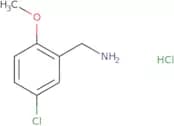
Formule :C15H21NO3Degré de pureté :Min. 95%Couleur et forme :White to off-white solid.Masse moléculaire :263.33 g/mol5-Chloro-2-methoxybenzylamine hydrochloride
CAS :5-Chloro-2-methoxybenzylamine hydrochloride is a chemical substance that is used as an intermediate in the synthesis of pharmaceuticals and other chemicals. It can be used as a building block to create complex compounds, or it can be used in reactions to produce speciality chemicals. 5-Chloro-2-methoxybenzylamine hydrochloride is a high quality reagent that can be used as a reaction component in research and development. A fine chemical, 5-Chloro-2-methoxybenzylamine hydrochloride has many uses as a versatile building block for organic synthesis. It is also useful for generating research chemicals and complex compounds for use in medicines and other products.Formule :C8H10ClNO·(HCl)Degré de pureté :Min. 95%Couleur et forme :PowderMasse moléculaire :208.08 g/molZ-1,5-Diaminopentane HCl
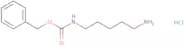
CAS :Z-1,5-Diaminopentane HCl is a chemical intermediate used in the synthesis of pharmaceuticals and other organic compounds. It is also useful as a building block in the synthesis of complex compounds with high purity. Z-1,5-Diaminopentane HCl is soluble in water and has a boiling point of 232°C. CAS No. 18807-74-4
Formule :C13H20N2O2·HClDegré de pureté :Min. 95%Couleur et forme :PowderMasse moléculaire :272.77 g/mol2,5,6-Triamino-4-hydroxypyrimidine
CAS :2,5,6-Triamino-4-hydroxypyrimidine (THP) is a nitrogenous base that has been shown to have anticancer activity. It is an intermediate in the biosynthesis of lysine and can be found in environmental pollution. THP is formed by the reaction of hydrogen chloride with dimethylformamide, which produces hydrochloric acid as a byproduct. 2,5,6-Triamino-4-hydroxypyrimidine also reacts with glyoxal to produce a compound that can cause metabolic disorders. THP is an acidic compound that becomes neutral when dissolved in water. The molecular formula for THP is C 3 H 6 N 8 O 4 .Formule :C4H7N5ODegré de pureté :Min. 95%Couleur et forme :PowderMasse moléculaire :141.13 g/molO-(N-Boc-2-aminoethyl)-O'-(N-diglycolyl-2-aminoethyl)hexaethyleneglycol
CAS :O-(N-Boc-2-aminoethyl)-O'-(N-diglycolyl-2-aminoethyl)hexaethyleneglycol is a PEG compound with two different functional groups (also known as heterobifunctional). Unlike homobifunctional PEG compounds (same functional group on both ends), this type of compounds are more versatile as have two different anchor points. O-(N-Boc-2-aminoethyl)-O'-(N-diglycolyl-2-aminoethyl)hexaethyleneglycol is used as a linker and spacer to add a PEG moiety, via pegylation (a bioconjugation technique) to proteins, peptides, oligonucleotides, small molecules and nanoparticles.Formule :C25H48N2O13Degré de pureté :Min. 95%Couleur et forme :PowderMasse moléculaire :584.65 g/molMethyl 3-amino-5-methyl thiophene-2-carboxylate
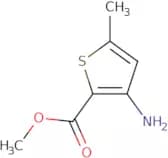
CAS :Methyl 3-amino-5-methyl thiophene-2-carboxylate is a fine chemical that belongs to the group of useful scaffolds, versatile building blocks, useful intermediates for research chemicals and speciality chemicals. It can be used as reaction components in the synthesis of complex compounds. Methyl 3-amino-5-methyl thiophene-2-carboxylate is a high quality reagent with a wide range of applications in organic chemistry.Formule :C7H9NO2SDegré de pureté :Min. 95%Couleur et forme :PowderMasse moléculaire :171.22 g/mol3-(Difluoromethoxy)benzyl amine
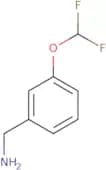
CAS :3-(Difluoromethoxy)benzyl amine is a high-quality reagent that is used as an intermediate in the synthesis of complex compounds. 3-(Difluoromethoxy)benzyl amine is also a useful building block for the synthesis of speciality chemicals and research chemicals. This compound can be used as a versatile building block, which can be used to synthesize different functional groups. 3-(Difluoromethoxy)benzyl amine is soluble in many organic solvents and has a boiling point of 193 °C.Formule :C8H9F2NODegré de pureté :Min. 95%Masse moléculaire :173.16 g/mol(5-Nitro-1-naphthyl)amine
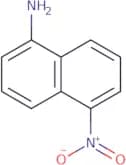
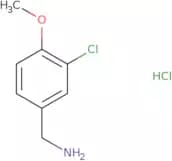
CAS :(5-Nitro-1-naphthyl)amine is an aromatic amine that has been used as a dye and as a reagent in organic synthesis. (5-Nitro-1-naphthyl)amine has an electron withdrawing effect on the aromatic ring, which creates an electron rich environment. This allows it to undergo reductive elimination reactions with hydrochloric acid or hydrazine. It can also be converted into nitro groups by reduction with hydrogen and hydrochloric acid, or by oxidation with potassium permanganate. The intramolecular hydrogen bond of (5-nitro-1-naphthyl)amine is stronger than the intermolecular hydrogen bonding of the molecule with water molecules. This means that the solubility of (5-nitro-1-naphthyl)amine in water is low because it cannot easily form hydrogen bonds with other water molecules. The chromatographic separation of (5-nitFormule :C10H8N2O2Degré de pureté :Min. 95%Couleur et forme :Red PowderMasse moléculaire :188.18 g/mol3-Chloro-4-methoxybenzylamine hydrochloride
CAS :3-Chloro-4-methoxybenzylamine hydrochloride is a quinoline derivative that inhibits the activity of phosphodiesterase 5, an enzyme that breaks down cGMP in the brain. This drug has been shown to increase levels of cGMP and decrease levels of low energy (i.e., low ATP) in synaptosomes. 3-Chloro-4-methoxybenzylamine hydrochloride may be useful for the treatment of Alzheimer's disease, as it has been shown to improve cognitive function and memory in animal models. The mechanism of action is not fully understood but may involve inhibition of cholinergic neurotransmission or activation of nitric oxide synthase.Formule :C8H10ClNO•HClDegré de pureté :Min. 95%Couleur et forme :PowderMasse moléculaire :208.08 g/mol3,5-Diamino-6-chloropyrazine-2-carboxylic acid methyl ester
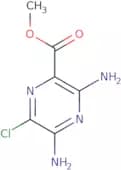
CAS :3,5-Diamino-6-chloropyrazine-2-carboxylic acid methyl ester is a low binding, mitochondrial labeling agent. It is photolabile and can be used in the study of respiratory complex activity. 3,5-Diamino-6-chloropyrazine-2-carboxylic acid methyl ester has been shown to inhibit the enzyme mitochondrial complex I and II. The azido group on the molecule is homologous to a phosphate group in ATP and can be used as a substrate analogue for ATP synthase. This allows 3,5-Diamino-6-chloropyrazine-2-carboxylic acid methyl ester to be used as an experimental tool for studying ATP synthesis.
Formule :C6H7ClN4O2Degré de pureté :Min. 95%Couleur et forme :PowderMasse moléculaire :202.6 g/mol(1S,2R)-(+)-2-Amino-1,2-diphenylethanol
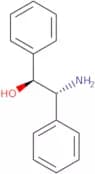
CAS :Produit contrôlé(1S,2R)-(+)-2-Amino-1,2-diphenylethanol is an enantiopure amine that has been used as a ligand in supramolecular chemistry. It can be prepared by reacting 2-chloropropane with thionyl chloride and primary alcohols. The chloride group facilitates the reaction rate and can be replaced by nitro groups to immobilize the product on a solid substrate. (1S,2R)-(+)-2-Amino-1,2-diphenylethanol has optical properties that are dependent on its environment. It can be used to label cells for studies of cell differentiation or cell migration. This compound also reacts with cyclohexane rings to form cyclic products with different optical properties than those of the reactants. The reaction yield is high in this process.Formule :C14H15NODegré de pureté :Min. 95%Couleur et forme :White To Beige SolidMasse moléculaire :213.28 g/mol2-Aminobiphenyl [for Sugar determination]
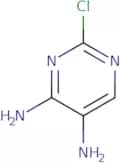
CAS :Formule :C12H11NDegré de pureté :>99.0%(GC)(T)Couleur et forme :White to Light yellow powder to crystalMasse moléculaire :169.232-Chloro-4,5-diaminopyrimidine
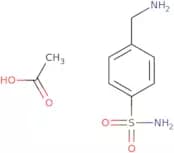
CAS :2-Chloro-4,5-diaminopyrimidine is a pyrimidine compound with the molecular formula CHClN. It can be synthesized by reacting glycine and phenol with piperidine in the presence of hydrochloric acid. 2-Chloro-4,5-diaminopyrimidine has a solubility of 1.2 g/100 mL in water and reacts with quinine to form a red solution. This product also reacts with proline to produce an orange solution that fluoresces green when exposed to UV light. 2-Chloro-4,5-diaminopyrimidine has been used as an intermediate in the synthesis of other compounds such as pyridoxal phosphate and cefixime.Formule :C4H5ClN4Degré de pureté :Min. 95%Couleur et forme :PowderMasse moléculaire :144.56 g/mol4-(Aminomethyl)benzenesulfonamide acetate
CAS :Produit contrôlé4-(Aminomethyl)benzenesulfonamide acetate is a biocompatible polymer that is used in the treatment of infectious diseases. It has antibacterial efficacy against a range of microorganisms, including methicillin-resistant Staphylococcus aureus and Pseudomonas aeruginosa. This polymer binds to sulfadiazine and antimicrobial peptides, which then act as antimicrobial agents. 4-(Aminomethyl)benzenesulfonamide acetate also exhibits good chemical stability in vivo and has been shown to inhibit the growth of skin cells.Formule :C9H14N2O4SDegré de pureté :Min. 95%Couleur et forme :PowderMasse moléculaire :246.28 g/mol1-Amino-2-methyl-propan-2-ol
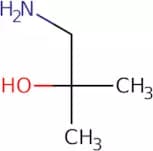
CAS :1-Amino-2-methyl-propan-2-ol is a cytotoxic molecule that has been shown to inhibit the growth of cancer cells. It is synthesized by converting 1,4-benzenediamine and cyclopentanol into the corresponding amines. The amines are then condensed with an alkanolamine in a kinetic reaction to form 1-amino-2-methylpropan-2-ol. This product's anticancer activity may be due to its ability to induce nucleophilic attack on DNA, leading to DNA strand breakage. 1AMPP has also been shown to have antiviral properties against HIV infection.Formule :C4H11NODegré de pureté :Min. 95%Couleur et forme :Colorless Clear LiquidMasse moléculaire :89.14 g/mol4-Aminophenylboronic acid hydrochloride
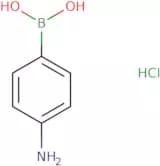
CAS :4-Aminophenylboronic acid hydrochloride is a fluorescent probe that can be used to detect hydrogen bonds in proteins. It has been used to measure water vapor in human serum and as an electrochemical impedance spectroscopy probe for the detection of ATP levels. This compound has also been used as a fluorescence probe for the detection of viruses and fetal bovine serum, as well as nanomaterials and matrix effect studies. 4-Aminophenylboronic acid hydrochloride is synthesized through the reaction of 4-aminophenylboronic acid with hydrochloric acid in water at high temperature, which produces a white solid. The thermal expansion coefficient of this compound is 2.6 x 10^-5 K^-1.
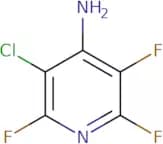
Formule :C6H8BNO2•HClDegré de pureté :Min. 95%Couleur et forme :PowderMasse moléculaire :173.4 g/mol4-Amino-3-chloro-2,5,6-trifluoropyridine
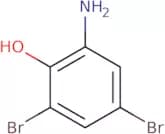
CAS :4-Amino-3-chloro-2,5,6-trifluoropyridine is a reactive and unstable chemical compound that belongs to the group of anilines. It is used in the synthesis of hypsochromic dyes. The compound has been shown to interact with other molecules, such as chemo-, supramolecular-, and synthetically-. The fluorophore has been stabilized by a supramolecular approach. Chemically induced fluorescence properties have been observed for 4-amino-3-chloro-2,5,6-trifluoropyridine.Formule :C5H2ClF3N2Degré de pureté :Min. 95%Couleur et forme :SolidMasse moléculaire :182.53 g/mol2-Amino-4,6-dibromophenol
CAS :2-Amino-4,6-dibromophenol is an organic compound that is used in research for the synthesis of benzoxazoles and related compounds. It is a lactam analog that can be synthesized from commercially available starting materials. 2-Amino-4,6-dibromophenol has been shown to have pharmacological activity against tumor cells. This compound has also been used to synthesize regiospecific skeletal analogs of natural products.Formule :C6H5Br2NODegré de pureté :Min. 95 Area-%Couleur et forme :Off-White PowderMasse moléculaire :266.92 g/mol
![N-[3-(Diethylaminomethyl)-4-hydroxyphenyl]acetamide](/_next/image/?url=https%3A%2Fstatic.cymitquimica.com%2Fproducts%2F3D%2Fthumb-webp%2FFD71897.webp&w=3840&q=75)


![[(5-Cyclopropyl-1,2,4-oxadiazol-3-yl)methyl]amine hydrochloride](/_next/image/?url=https%3A%2Fstatic.cymitquimica.com%2Fproducts%2F3D%2Fthumb-webp%2FFC121975.webp&w=3840&q=75)


![[(1,2-Dimethyl-1H-benzimidazol-5-yl)methyl]amine dihydrochloride](/_next/image/?url=https%3A%2Fstatic.cymitquimica.com%2Fproducts%2F3D%2Fthumb-webp%2FFD135142.webp&w=3840&q=75)





![2-Aminobiphenyl [for Sugar determination]](/_next/image/?url=https%3A%2Fstatic.cymitquimica.com%2Fproducts%2F3B%2Fthumb-webp%2FB0467.webp&w=3840&q=75)