


Amines
Sous-catégories appartenant à la catégorie "Amines"
- Nitrosamines(2.668 produits)
- Amines primaires(30.948 produits)
- Cations d'ammonium quaternaire(1.099 produits)
- Amines secondaires(20.886 produits)
- Amines tertiaires(17.195 produits)
8788 produits trouvés pour "Amines"
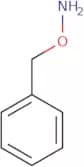
O-Benzylhydroxylamine
CAS :O-Benzylhydroxylamine is an antimicrobial agent that has been shown to be active against a range of microorganisms, including bacteria, fungi, and protozoa. It also has been shown to have an effect on locomotor activity in mice. O-Benzylhydroxylamine is synthesized by the asymmetric addition of hydrogen bromide to hydroxylamine with the use of a chiral catalyst. The synthesis yields two diastereomers, one enantiomeric form being active and the other inactive. O-Benzylhydroxylamine has been found to decrease levels of dopamine β-hydroxylase in rats and was used for the treatment of diabetic neuropathy and inflammatory bowel disease in human clinical trials.
Formule :C7H9NODegré de pureté :Min. 95%Couleur et forme :Clear LiquidMasse moléculaire :123.15 g/molAminomalononitrile p-toluenesulfonate
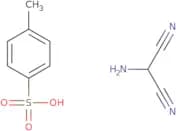
CAS :Aminomalononitrile p-toluenesulfonate is a synthetic, homologous chemical that inhibits the replication of virus type-1. It has been shown to have anticancer activity in mice by inducing apoptosis and necrosis in cancer cells. Aminomalononitrile p-toluenesulfonate is an inhibitor of the assembly of virus particles by inhibiting the polymerization of nucleoprotein complexes with low energy. In addition, it can inhibit chloride channels, which are required for viral entry into cells. Aminomalononitrile p-toluenesulfonate binds to metal ions, such as copper or iron, and blocks their function in cell signaling pathways. The functional groups present on this compound are aminomethylbenzenesulfonyl and isothiocyanates.
Formule :C7H8O3S·C3H3N3Degré de pureté :Min. 95%Couleur et forme :White PowderMasse moléculaire :253.28 g/mol2-Amino-9-fluorenone
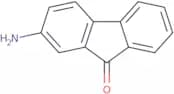
CAS :2-Amino-9-fluorenone is a borohydride reduction product of 2-amino-4,5,6,7-tetrahydrobenzofuran. It is synthesized by the reaction of ethyl esters with cavity and protonation. The synthesis of 2-amino-9-fluorenone has been shown to proceed through a noncompetitive inhibition mechanism. It is used as a fluorescent probe for amines in gravimetric analysis and mass spectrometry. 2-Amino-9-fluorenone has also been used as a fluorescence probe for carbonyl groups in fluoroimetric analysis.
2 aminofluorene exhibits steady state fluorescence when excited at 295 nm and 365 nm.Formule :C13H9NODegré de pureté :Min. 95%Masse moléculaire :195.22 g/mol4-Aminosalicylic acid sodium salt dihydrate
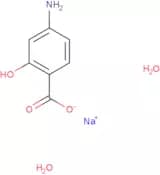
CAS :4-Aminosalicylic acid sodium salt dihydrate is a molecule that has been shown to be useful for the diagnosis of viral, autoimmune, and cancerous diseases. It is a diagnostic agent that can be used in both the diagnosis and treatment of bowel disease. 4-Aminosalicylic acid sodium salt dihydrate can also be used to treat cavity formation in teeth. It binds to fatty acids in the target tissue, which leads to cell death by apoptosis. This drug has been shown to be effective against inflammatory bowel disease (IBD) as well as other types of bowel disease. This drug has been shown to have no adverse effects on healthy cells or tissues, but it may cause kidney toxicity when taken orally or injected intravenously.
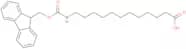
Formule :C7H6NNaO3·2H2ODegré de pureté :Min. 95%Couleur et forme :White PowderMasse moléculaire :211.15 g/molFmoc-12-aminododecanoic acid
CAS :Fmoc-12-aminododecanoic acid is a synthetic amino acid that has been shown to lower blood pressure in both animal and human studies. It binds to albumin, which regulates the passage of substances into and out of the bloodstream, and also binds to b2 receptors that regulate the release of insulin from pancreatic cells. Fmoc-12-aminododecanoic acid has also been shown to inhibit cancer cell growth in vitro and has been used as an anti-cancer agent in animal experiments. This drug also inhibits bacterial growth by binding to a transporter protein, preventing uptake of glucose. Fmoc-12-aminododecanoic acid is a substrate for 4-tert butylbenzoic acid (4TBBA), which is taken up by bacteria such as P. aeruginosa at high rates.
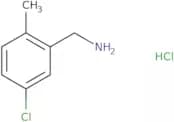
Formule :C27H35NO4Degré de pureté :Min. 95%Masse moléculaire :437.57 g/mol5-Chloro-2-methylbenzylamine hydrochloride
CAS :5-Chloro-2-methylbenzylamine hydrochloride is a chemical reagent used in the production of pharmaceuticals and other chemicals. It is also known as 5-Chloro-2-methylbenzaldehyde, or 5-Methoxyindole. 5-Chloro-2-methylbenzylamine hydrochloride is an important building block for the synthesis of many complex compounds with high purity and quality. This compound is also versatile and can be used as a reaction component or as a reagent. CAS No: 28096-37-9.
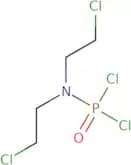
Formule :C8H10ClN·HClDegré de pureté :Min. 95%Masse moléculaire :192.09 g/molBis(2-chloroethyl)aminophosphoric dichloride
CAS :Bis(2-chloroethyl)aminophosphoric dichloride is a fatty acid ester that is used as an antibiotic. It binds to the fatty acid of the bacterial cell membrane, thereby inhibiting the production of vital cell components. Bis(2-chloroethyl)aminophosphoric dichloride has been shown to be active against chondrosarcoma cells in rats and tumor tissue in mice. This drug also inhibits bacterial growth by binding to the fatty acids on the surface of Gram-positive bacteria, such as subtilis and staphylococci. Bis(2-chloroethyl)aminophosphoric dichloride has been shown to have antibacterial activity against Gram-negative bacteria, including Escherichia coli and Salmonella enterica serotype Typhimurium. The binding constants for this drug are high for both Gram-positive and Gram-negative bacteria; however, it does not bind to sugar alcohols or l12
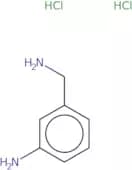
Formule :C4H8Cl4NOPDegré de pureté :Min. 95%Couleur et forme :White PowderMasse moléculaire :258.9 g/mol3-Aminobenzylamine dihydrochloride
CAS :3-Aminobenzylamine dihydrochloride is a chemical building block that is useful for the synthesis of complex compounds. 3-Aminobenzylamine dihydrochloride is an aminobenzamide and has been used as a reagent or reaction component in laboratory research. This chemical is a versatile building block that can be used to synthesize a variety of compounds. 3-Aminobenzylamine dihydrochloride has been shown to be effective in the synthesis of 1,2,4-triazole derivatives, which are useful as pharmaceuticals or herbicides. 3-Aminobenzylamine dihydrochloride is also useful for the preparation of other fine chemicals and speciality chemicals.
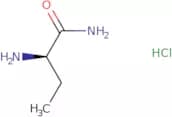
Formule :C7H10N2·2ClHDegré de pureté :Min. 95%Couleur et forme :SolidMasse moléculaire :195.09 g/mol(R)-2-Aminobutanamide hydrochloride
CAS :(R)-2-Aminobutanamide hydrochloride is a compound that contains chloride gas. This compound is an alkylating agent, which means it can form new carbon-nitrogen bonds by adding to the electrophilic center of a molecule. This process is used industrially to produce butyronitrile, which is a precursor for nylon and other plastics. The introduction of (R)-2-aminobutanamide hydrochloride into industrial processes has decreased the use of l-tartaric acid, diluent, and hydrogen chloride. The impurities in this compound are typically quantified using gas chromatography with flame ionization detection.
(R)-2-Aminobutanamide hydrochloride is an acidic compound that dissociates in water to release hydrogen chloride. It has two chiral forms:
The enantiomers have different chemical properties due to their different configurations around the central carbon atom. In the case of (Formule :C4H10N2O·HClDegré de pureté :Min. 95%Couleur et forme :White PowderMasse moléculaire :138.6 g/mol1-Aminopyrene (purified by sublimation)
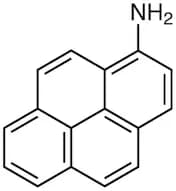
CAS :Formule :C16H11NDegré de pureté :>99.0%(T)(HPLC)Couleur et forme :Light yellow to Amber to Dark green powder to crystalMasse moléculaire :217.274-(Aminomethyl)-3-phenylbutyric acid hydrochloride
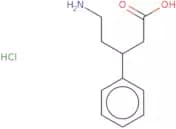
CAS :4-(Aminomethyl)-3-phenylbutyric acid hydrochloride is a reagent that can be used as a building block in synthesizing new chemical compounds. It is also an intermediate for the synthesis of 4-(aminomethyl)benzoic acid, which is useful for producing pharmaceuticals, pesticides, and other agrochemicals. 4-(Aminomethyl)-3-phenylbutyric acid hydrochloride has a CAS number of 860252-34-2 and can be used in reactions with a variety of reagents to produce fine chemicals, research chemicals, and speciality chemicals.
Formule :C11H16ClNO2Degré de pureté :Min. 95%Masse moléculaire :229.7 g/mol2-Amino-4,6-dihydroxypyrimidine
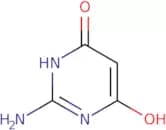
CAS :2-Amino-4,6-dihydroxypyrimidine is a chemical compound that is used in the synthesis of pemetrexed. It has been shown to inhibit the growth of cancer cells in cell culture by cross-coupling with nitrogen atoms in DNA and thereby inhibiting replication. 2-Amino-4,6-dihydroxypyrimidine also reacts with halides to form reaction intermediates that are capable of reacting with hydrogen bonds and other functional groups. This chemical compound has been shown to have radical scavenging activities in acidic environments and vibrational properties.
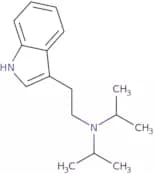
Formule :C4H5N3O2Degré de pureté :Min. 98 Area-%Couleur et forme :PowderMasse moléculaire :127.1 g/mol3-(2-Diisopropylaminoethyl)indole hydrochloride
CAS :Produit contrôlé3-(2-Diisopropylaminoethyl)indole hydrochloride is an inhibitor of the enzyme monoamine oxidase (MAO). MAO is responsible for the degradation of monoamines such as serotonin, dopamine, and norepinephrine. 3-(2-Diisopropylaminoethyl)indole hydrochloride inhibits these enzymes in order to increase the levels of these neurotransmitters in the brain. These effects are observed with a sectional study on the host plant species. 3-(2-Diisopropylaminoethyl)indole hydrochloride has been shown to have low potency for inhibiting 5-HT1A and 5-HT2A receptors in rat studies, but it is not active against 5-HT2C receptors. This drug was used to measure urinary serotonin and dopamine levels in human urine samples.
Formule :C16H25ClN2Degré de pureté :Min. 95%Masse moléculaire :280.84 g/mol2-Amino-4-(2,4-dichlorophenyl)-5-methylthiophene-3-carbonitrile
CAS :The frequency range of 2-Amino-4-(2,4-dichlorophenyl)-5-methylthiophene-3-carbonitrile is between 0.1 and 1.0 GHz. The channel is between 1 and 10 MHz. The algorithm used for this frequency is the Gaussian algorithm. This frequency has been shown to have a frequency range of 0.1 to 1.0 GHz with a channel of 1 to 10 MHz and an algorithm of the Gaussian algorithm.
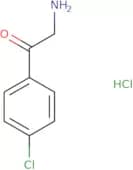
Formule :C12H8Cl2N2SDegré de pureté :Min. 95%Couleur et forme :Brown PowderMasse moléculaire :283.18 g/mol2-Amino-4'-chloroacetophenone hydrochloride
CAS :Produit contrôlé2-Amino-4'-chloroacetophenone hydrochloride is a cytotoxic compound that inhibits the polymerization of tubulin. It has been shown to have cytotoxic effects and inhibit the growth of cancer cells in vitro at low micromolar concentrations. 2-Amino-4'-chloroacetophenone hydrochloride is a member of the cytotoxic class of compounds and can be used to slow or stop cell division by inhibiting the production of proteins vital for cell division, such as tubulin. This effect is due to its ability to bind to the beta subunit of tubulin, which disrupts its structure and prevents polymerization from occurring.
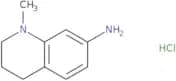
Formule :C8H8ClNO•HClDegré de pureté :Min. 95%Couleur et forme :PowderMasse moléculaire :206.07 g/mol1-Methyl-1,2,3,4-tetrahydroquinolin-7-amine hydrochloride
CAS :1-Methyl-1,2,3,4-tetrahydroquinolin-7-amine hydrochloride (MQ) is a fluorescent probe that has been used to study the photostability of cisplatin in real time. MQ was synthesized by reacting 3-(2'-bromoacetyl)-7-methoxy-1,2,3,4-tetrahydroquinolin with 7-aminoquinaldine. The emission spectrum of MQ peaks at 615 nm and has an extinction coefficient at 615 nm of 12.5 mM/cm. This probe has been shown to be photostable for long periods of time and can be used to visualize DNA polymerase activity in living cells.Formule :C10H15ClN2Degré de pureté :Min. 95%Couleur et forme :Off-White PowderMasse moléculaire :198.69 g/mol4,4'-Methylenebis(2-ethylbenzenamine)
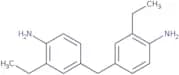
CAS :4,4'-Methylenebis(2-ethylbenzenamine) is a linear polymer that is soluble in organic solvents and insoluble in water. It has a molecular weight of about 320 and a viscosity of about 800 cps at 25 degrees Celsius. This sealant is heat resistant and can be used for sealing joints in industrial processes involving high temperatures. 4,4'-Methylenebis(2-ethylbenzenamine) can be used as a diluent for other sealants or adhesives because it does not interfere with their properties. 4,4'-Methylenebis(2-ethylbenzenamine) is also an effective filler material for polymeric matrix systems due to its ability to form micelles with linear chains of molecules that provide interconnections within the system.
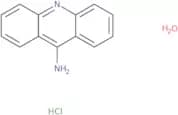
Formule :C17H22N2Degré de pureté :Min. 95%Couleur et forme :Off-White Clear LiquidMasse moléculaire :254.37 g/mol9-Acridinamine hydrochloride hydrate
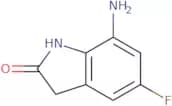
CAS :9-Acridinamine hydrochloride hydrate is a redox agent that has been shown to have genotoxic effects in vitro. It can be used for the treatment of infectious diseases such as tuberculosis and leprosy, but it is not active against gram-positive bacteria. 9-Acridinamine hydrochloride hydrate has been shown to inhibit the growth of bacteria by binding to DNA and preventing transcription, replication, and repair. This compound also inhibits bacterial protein synthesis by forming covalent bonds with amino groups on proteins. 9-Acridinamine hydrochloride hydrate has been shown to be safe when administered orally in animal studies, but it may cause hepatotoxicity.Formule :C13H10N2·HCl·H2ODegré de pureté :Min. 95%Couleur et forme :Yellow PowderMasse moléculaire :248.71 g/mol7-Amino-5-fluoro-1,3-dihydroindol-2-one
CAS :7-Amino-5-fluoro-1,3-dihydroindol-2-one is a compound that can be used as a research chemical. It has been shown to react with various other compounds in the laboratory and may have potential uses as a versatile building block or useful intermediate. 7-Amino-5-fluoro-1,3-dihydroindol-2-one is also known for its high quality and speciality chemical status.
Formule :C8H7FN2ODegré de pureté :Min. 95%Couleur et forme :PowderMasse moléculaire :166.15 g/molNb[n-N-butyl-N-acetyl]aminopropionic acid ethyl ester
CAS :Nb[n-N-butyl-N-acetyl]aminopropionic acid ethyl ester is a nitro compound that can be used as a repellent. It is often used in pharmaceutical preparations, such as topical and oral medications. The Nb[n-N-butyl-N-acetyl]aminopropionic acid ethyl ester molecule has nitrogen atoms with two hydrogens each, which are separated by an oxygen atom. This makes it a polar molecule because the hydrogen atoms are not on the same side of the molecule. The Nb[n-N-butyl-N-acetyl]aminopropionic acid ethyl ester also contains two carboxylic acids, which are fatty acids with one carbon atom and two hydrogens each. This makes it an organic compound that can be analyzed using gas chromatography or high performance liquid chromatography.
Formule :C11H21NO3Degré de pureté :Min. 95%Couleur et forme :Clear LiquidMasse moléculaire :215.29 g/mol



![Nb[n-N-butyl-N-acetyl]aminopropionic acid ethyl ester](/_next/image/?url=https%3A%2Fstatic.cymitquimica.com%2Fproducts%2F3D%2Fthumb-webp%2FFN149896.webp&w=3840&q=75)