


Éthers
Les éthers sont des composés organiques contenant un groupe fonctionnel éther, caractérisé par un atome d'oxygène lié à deux radicaux hydrocarbonés. Ces composés sont précieux en synthèse et servent de solvants dans diverses réactions chimiques. Chez CymitQuimica, nous proposons une sélection d'éthers de haute qualité pour soutenir vos applications de recherche et industrielles, garantissant des résultats fiables et efficaces. Notre gamme d'éthers répond aux divers besoins de laboratoire, des expériences de routine aux recherches avancées.
40902 produits trouvés pour "Éthers"
Trier par
Degré de pureté (%)
0
100
|
0
|
50
|
90
|
95
|
100
2-(3-(3,5-DIMETHOXYPHENOXY)PROPYL)ISOINDOLINE-1,3-DIONE
CAS :Degré de pureté :95.0%Masse moléculaire :341.3630065917969Benzyl (3-fluoro-4-morpholinophenyl)carbamate
CAS :Degré de pureté :95.0%Couleur et forme :Liquid, No data available.Masse moléculaire :330.35900878906252,5-Dimethoxy-2-methyl-2,5-dihydrofuran
CAS :Degré de pureté :98%Masse moléculaire :144.1699981689453(2E)-1-{[1,1'-biphenyl]-4-yl}-3-(2-ethoxyphenyl)prop-2-en-1-one
CAS :Degré de pureté :95.0%Masse moléculaire :328.41101074218752-(3,5-Dimethoxybenzoyl)-5-(1,3-dioxolan-2-yl)thiophene
CAS :Degré de pureté :97.0%Masse moléculaire :320.3599853515625(6-Methoxy-2-methylsulfanyl-pyrimidin-4-yl)-piperidin-4-yl-amine hydrochloride
CAS :Degré de pureté :95.0%Masse moléculaire :290.80999755859375(5E)-5-(1,3-benzodioxol-5-ylmethylene)-2-mercapto-1,3-thiazol-4(5H)-one
CAS :Degré de pureté :95.0%Masse moléculaire :265.299987792968756-(1,3-benzodioxol-5-yl)pyridazin-3-ol
CAS :Degré de pureté :95.0%Masse moléculaire :216.19599914550784-[(2,3-dihydro-1,4-benzodioxin-2-ylcarbonyl)amino]benzoic acid
CAS :Degré de pureté :95.0%Masse moléculaire :299.2820129394531Benzyl 3-oxo-1,8-dioxa-4,11-diazaspiro[5.6]dodecane-11-carboxylate
CAS :Degré de pureté :95%Masse moléculaire :320.34500122070316-(BENZYLOXY)PYRAZOLO[1,5-A]PYRIMIDINE-3-CARBOXYLIC ACID
CAS :Degré de pureté :95.0%Masse moléculaire :269.260009765625Di-n-octyl ether
CAS :Formule :C16H34ODegré de pureté :97%Couleur et forme :LiquidMasse moléculaire :242.4474-{[(2,2-dimethyl-2,3-dihydro-1-benzofuran-7-yl)oxy]methyl}benzoic acid
CAS :Degré de pureté :95.0%Masse moléculaire :298.3380126953125N-methyl-N-[(oxiran-2-yl)methyl]cyclohexanamine
CAS :Degré de pureté :95.0%Masse moléculaire :169.268005371093754-[2-(4-methoxyphenyl)acetyl]-8-methyl-1-oxa-4,8-diazaspiro[4.5]decane-3-carboxylic acid
CAS :Degré de pureté :95.0%Masse moléculaire :348.39898681640625Berberine.sulfate hydrate
CAS :<p>M01413 - Berberine.sulfate hydrate</p>Formule :C40H36N2O12SDegré de pureté :>98%Couleur et forme :Solid, No data available.Masse moléculaire :768.78997802734382-Amino-4,6,7,8-tetrahydro-5-(N-carbethoxy)thiazolo[5,4-d]azepine
CAS :Produit contrôlé<p>Applications 2-Amino-4,6,7,8-tetrahydro-5-(N-carbethoxy)thiazolo[5,4-d]azepine (cas# 887352-60-5) is a compound useful in organic synthesis.<br></p>Formule :C10H15N3O2SCouleur et forme :NeatMasse moléculaire :241.31(R)-4-((4-methoxybenzyl)oxy)butane-1,2-diol
CAS :Degré de pureté :98%Masse moléculaire :226.272003173828127-(2-Methoxyethyl)-2,5,7-triazaspiro[3.4]octane-6,8-dione hydrochloride
Degré de pureté :95%Masse moléculaire :235.66999816894534-(1,3-Dioxolan-2-yl)-4'-fluorobenzophenone
CAS :Degré de pureté :97.0%Masse moléculaire :272.27499389648443-(4-METHOXYBENZYL)-1,3,7-TRIAZASPIRO[4.4]NONANE-2,4-DIONE HCL
Degré de pureté :95.0%Masse moléculaire :311.7699890136719Dicyclohexano-18-crown-6
CAS :Degré de pureté :97.0%Couleur et forme :Solid, CrystallineMasse moléculaire :372.5022H-Spiro[benzofuran-3,1'-cyclopropan]-4-ol
CAS :Degré de pureté :98%Masse moléculaire :162.188003540039062-(4-((1-(Methoxycarbonyl)-2-oxocyclopentyl)methyl)phenyl)propanoic Acid
CAS :Produit contrôlé<p>Applications 2-(4-((1-(Methoxycarbonyl)-2-oxocyclopentyl)methyl)phenyl)propanoic Acid is a reagent used in the preparation of Loxoprofen Sodium<br>References Liu, Q., et al.: Faming Zhuanli Shenqing (2016), CN 105218351 A 20160106<br></p>Formule :C17H20O5Couleur et forme :NeatMasse moléculaire :304.344-Morpholinophenylglyoxal hydrate
CAS :Degré de pureté :95%Couleur et forme :SolidMasse moléculaire :237.255004882812510-METHOXY-4H-BENZO[4,5]CYCLOHEPTA[1,2-B]THIOPHEN-4-ONE
CAS :Degré de pureté :95%Masse moléculaire :242.28999328613284-Ethoxy-3-[(piperidine-1-carbonyl)amino]benzenesulfonyl chloride
CAS :Formule :C14H19ClN2O4SCouleur et forme :SolidMasse moléculaire :346.83(4-Bromo-2-ethoxy-6-fluorophenyl)boronic acid
CAS :Degré de pureté :95.0%Masse moléculaire :262.8699951171875(2-Cyclohexyl)ethyl 5-(1,3-dioxolan-2-yl)-2-thienyl ketone
CAS :Degré de pureté :97.0%Masse moléculaire :294.41000366210945-(4-((3-Chloro-4-((3-fluorobenzyl)oxy)phenyl)amino)quinazolin-6-yl)furan-2-carbaldehyde
CAS :Degré de pureté :97.0%Masse moléculaire :473.89001464843754-BENZYL-7-OXA-4-AZASPIRO[2.5]OCTANE
CAS :Degré de pureté :95.0%Masse moléculaire :203.285003662109381-[5-(2-Methoxy-4-nitro-phenyl)-furan-2-yl]-ethanone
CAS :Formule :C13H11NO5Degré de pureté :98%Couleur et forme :SolidMasse moléculaire :261.2333-acetyl-6-chloro-4-(4-ethoxyphenyl)quinolin-2(1H)-one
CAS :Degré de pureté :95.0%Masse moléculaire :341.79000854492192-((1-Benzylpiperidin-4-yl)methyl)-5,6-dimethoxy-2,3-dihydro-1H-inden-1-one
CAS :Degré de pureté :95.0%Couleur et forme :SolidMasse moléculaire :379.54-(6-Methoxy-naphthalen-2-yl)-thiazol-2-ylamine
CAS :Degré de pureté :95.0%Masse moléculaire :256.320007324218754-methyl-N-((tetrahydrofuran-2-yl)methyl)benzo[d]thiazol-2-amine
CAS :Degré de pureté :95.0%Masse moléculaire :248.33999633789062N-(2,2-DIMETHOXYETHYL)ACETAMIDE
CAS :Degré de pureté :95.0%Couleur et forme :LiquidMasse moléculaire :147.17399597167973-((Benzyloxy)methyl)-6-chloro-4-methoxy-1H-pyrazolo[3,4-d]pyrimidine
CAS :Degré de pureté :95%Masse moléculaire :304.73001098632814-((4-Bromo-2-fluorophenyl)amino)-6-methoxyquinazolin-7-ol hydrochloride
CAS :Degré de pureté :98%Masse moléculaire :400.63000488281252-(2,3-Dimethoxybenzoyl)-5-(1,3-dioxolan-2-yl)thiophene
CAS :Degré de pureté :97.0%Masse moléculaire :320.3599853515625(2E)-3-(2H-1,3-benzodioxol-5-yl)-1-(4-ethoxyphenyl)prop-2-en-1-one
CAS :Degré de pureté :95.0%Masse moléculaire :296.3219909667969(3-amino-1-benzofuran-2-yl)(3,4-dimethoxyphenyl)methanone
CAS :Degré de pureté :97%Masse moléculaire :297.309997558593751-(1,3-benzodioxol-5-ylcarbonyl)azetidine-3-carboxylic acid
CAS :Degré de pureté :95.0%Masse moléculaire :249.22200012207031-(Benzyloxy)naphthalene
CAS :Degré de pureté :95.0%Couleur et forme :SolidMasse moléculaire :234.298004150390624-(7-chloro-2,3-dihydro-1,4-benzodioxin-6-yl)-1,3-thiazol-2-amine
CAS :Degré de pureté :95.0%Masse moléculaire :268.72000122070316'-(Diethylamino)-1',3'-dimethyl-3H-spiro[isobenzofuran-1,9'-xanthen]-3-one
CAS :Degré de pureté :98%Masse moléculaire :399.489990234375(S)-tert-butyl (1,4-dioxan-2-yl)methylcarbamate
CAS :Degré de pureté :95.0%Masse moléculaire :217.264999389648441H-INDOLE-2-CARBONITRILE, 6-(PHENYLMETHOXY)-
CAS :Degré de pureté :98.0%Masse moléculaire :248.28500366210938(2E)-3-(2H-1,3-benzodioxol-5-yl)-1-(2-chlorophenyl)prop-2-en-1-one
CAS :Degré de pureté :95.0%Masse moléculaire :286.70999145507814-Chloro-2-fluoro-3-methoxyaniline
CAS :Formule :C7H7ClFNOCouleur et forme :SolidMasse moléculaire :175.593,4,5-TRIMETHOXY-N-(4-(8-METHYLIMIDAZO[1,2-A]PYRIDIN-2-YL)PHENYL)BENZAMIDE
CAS :Degré de pureté :95%Masse moléculaire :417.46499633789068-tert-butyl-4-(3-fluorobenzoyl)-1-oxa-4-azaspiro[4.5]decane-3-carboxylic acid
CAS :Degré de pureté :95.0%Masse moléculaire :363.42898559570318-tert-butyl-4-(4-fluorobenzoyl)-1-oxa-4-azaspiro[4.5]decane-3-carboxylic acid
CAS :Degré de pureté :95.0%Masse moléculaire :363.42898559570314-[4-(dimethylamino)benzoyl]-8-methyl-1-oxa-4,8-diazaspiro[4.5]decane-3-carboxylic acid
CAS :Degré de pureté :95.0%Masse moléculaire :347.41500854492191,2-O-Isopropylidene-α-D-glucofuranose
CAS :Formule :C9H16O6Degré de pureté :95%Couleur et forme :Solid, White to almost white powderMasse moléculaire :220.2218-ethyl-4-[2-(4-methoxyphenyl)acetyl]-1-oxa-4,8-diazaspiro[4.5]decane-3-carboxylic acid
CAS :Degré de pureté :95.0%Masse moléculaire :362.42599487304692-amino-10-ethyldibenzo[b,f][1,4]oxazepin-11(10H)-one
CAS :Degré de pureté :95.0%Masse moléculaire :254.289001464843755-(1,3-Dioxolan-2-yl)-2-(4-nitrobenzoyl)thiophene
CAS :Degré de pureté :97.0%Masse moléculaire :305.299987792968754-(2-Methoxy-5-methylphenyl)-3-thiosemicarbazide
CAS :Formule :C9H13N3OSCouleur et forme :SolidMasse moléculaire :211.284-(4-chlorobenzoyl)-8-propyl-1-oxa-4,8-diazaspiro[4.5]decane-3-carboxylic acid
CAS :Degré de pureté :95.0%Masse moléculaire :366.8399963378906METHYL 3-FLUORO-4-(2-METHOXY-2-OXOETHOXY)BENZOATE
Degré de pureté :95.0%Masse moléculaire :242.201995849609385-(1,3-Dioxolan-2-yl)-2-(4-fluorobenzoyl)thiophene
CAS :Degré de pureté :97.0%Masse moléculaire :278.299987792968752-(Furan-2-yl)-7-(3-(4-methoxyphenyl)propyl)-7H-pyrazolo[4,3-e][1,2,4]triazolo[1,5-c]pyrimidin-5-amine
CAS :Degré de pureté :95.0%Masse moléculaire :389.41900634765625Ref: 10-F227073
1mgÀ demander5mgÀ demander10mgÀ demander25mgÀ demander50mgÀ demander100mgÀ demander250mgÀ demander8-benzyl-4-(3-methylbutanoyl)-1-oxa-4,8-diazaspiro[4.5]decane-3-carboxylic acid
CAS :Degré de pureté :95.0%Masse moléculaire :360.4540100097656(Benzo[3,4-d]1,3-dioxolan-5-ylmethylene)methane-1,1-dicarbonitrile
CAS :Degré de pureté :95.0%Couleur et forme :SolidMasse moléculaire :198.180999755859384-Fluoro-3-(((5-(1-methyl-1H-pyrazol-3-yl)pyridin-3-yl)methyl)amino)-N-(3-(trifluoromethoxy)phenyl)benzamide
CAS :Degré de pureté :97.0%Masse moléculaire :485.44299316406253,4,5-Trimethoxybenzoic acid
CAS :<p>3,4,5-Trimethoxybenzoic acid is an experimental drug that has been shown to have significant cytotoxicity in a chronic oral model. It inhibits the activity of a number of enzymes including esterases, lipases, and proteases. This compound also showed significant cytotoxicity when tested in the water vapor chronic inhalation model. 3,4,5-Trimethoxybenzoic acid may be toxic to humans because it binds to calcium channels and inhibits the release of ryanodine from its storage sites on the sarcoplasmic reticulum. This inhibition may lead to muscle cramps and tetany as well as cardiac arrhythmias. The toxicity of 3,4,5-trimethoxybenzoic acid has been studied in rats using a number of methods including titration calorimetry and chlorogenic acids extraction from rat liver.</p>Formule :C10H12O5Degré de pureté :Min. 95%Couleur et forme :PowderMasse moléculaire :212.2 g/mol5-Iodo-2-methoxybenzonitrile
CAS :<p>5-Iodo-2-methoxybenzonitrile is a fine chemical that is used as a building block in the synthesis of other chemicals or pharmaceuticals. The compound reacts with strong bases to produce an aryl amine and iodoethane, and can be used to make derivatives as well. 5-Iodo-2-methoxybenzonitrile has a number of uses, including as a research chemical, reagent, specialty chemical, and intermediate. It is also useful in the synthesis of other complex compounds. 5-Iodo-2-methoxybenzonitrile belongs to the group of organoiodine compounds that are classified as speciality chemicals. This compound has CAS number 933672-32-3.</p>Formule :C8H6INOCouleur et forme :PowderMasse moléculaire :259.04 g/mol3,4-Dimethoxy-5-hydroxybenzaldehyde
CAS :<p>3,4-Dimethoxy-5-hydroxybenzaldehyde is a phenolic compound that has been shown to be bactericidal against Listeria monocytogenes and Staphylococcus aureus. It has also been shown to have antioxidant properties in vivo. 3,4-Dimethoxy-5-hydroxybenzaldehyde may be used in the treatment of cardiovascular diseases such as atherosclerosis because it inhibits platelet aggregation and lipoprotein oxidation. The compound prevents the oxidation of prosthetic groups and the formation of adducts with DNA, which can lead to carcinogenesis. 3,4-Dimethoxy-5-hydroxybenzaldehyde is known to inhibit the growth of Pseudomonas aeruginosa, Salmonella typhimurium, Escherichia coli and Lactobacillus plantarum.</p>Formule :C9H10O4Degré de pureté :Min. 95%Couleur et forme :PowderMasse moléculaire :182.17 g/mol1-(3-((5-Chloro-2-methoxyphenyl)amino)-5-methyl-2,4-thiazolyl)ethan-1-one
CAS :Please enquire for more information about 1-(3-((5-Chloro-2-methoxyphenyl)amino)-5-methyl-2,4-thiazolyl)ethan-1-one including the price, delivery time and more detailed product information at the technical inquiry form on this pageFormule :C13H13ClN2O2SDegré de pureté :Min. 95%Masse moléculaire :296.77 g/mol2,6-Dimethoxynaphthalene
CAS :<p>2,6-Dimethoxynaphthalene is a skeleton that belongs to the naphthalene class of compounds. It is a white crystalline solid that is soluble in organic solvents. This compound has been used as an intermediate for the synthesis of dyes and pharmaceuticals, but it is most commonly used as a precursor to reactive carboxylic acid derivatives. The sulfonation of 2,6-dimethoxynaphthalene with SO3 leads to the formation of ethyl diazoacetate and subsequent acylation reactions can be used to produce esters. The reaction mechanism for these reactions involves proton transport from the sulfur atom to the oxygen atom on ethyl diazoacetate. Supramolecular chemistry studies have shown that this reaction also takes place at low temperatures without the need for an acid catalyst.</p>Formule :C12H12O2Degré de pureté :Min. 98 Area-%Masse moléculaire :188.22 g/mol7-hydroxy-5,6-di Methoxycoumarin(Umckalin)
CAS :<p>Umckalin is a bioactive phytochemical found in the dry weight of plants. It has been shown to have antiviral properties against influenza virus and other viruses. Umckalin also has anti-inflammatory, antioxidant, and anticancer activities and has been shown to inhibit the growth of human macrophages that are infected with protocatechuic acid. The clinical studies on this compound are promising and show that it has a role in controlling the spread of influenza virus. Umckalin can be extracted from plants by acetate extraction or other methods such as analytical method.</p>Formule :C11H10O5Degré de pureté :Min. 95%Couleur et forme :PowderMasse moléculaire :222.19 g/mol3,4-Dimethoxypropiophenone
CAS :<p>3,4-Dimethoxypropiophenone is a superacidic electrophile that is oxidized to produce oxidation products. It can be used in the manufacture of dyes and pharmaceuticals. The reaction mechanism for this compound starts with an electrophilic attack by one of the two carbonyl groups on a double bond in the propiophenone molecule. This produces an enol intermediate, which undergoes stepwise oxidation to form a carbonyl group, chloride ion, and acid catalyst. The acid catalyst can be recycled to reduce production costs. 3,4-Dimethoxypropiophenone also has stereoisomers that are chemically identical but have different three-dimensional shapes.</p>Formule :C11H14O3Degré de pureté :Min. 95%Couleur et forme :PowderMasse moléculaire :194.23 g/molN,N-Diallyl-5-methoxytryptamine
CAS :Produit contrôlé<p>N,N-Diallyl-5-methoxytryptamine (DMAT) is a synthetic cannabinoid that has been shown to produce effects similar to those of tetrahydrocannabinol. It has been used in clinical studies to study the effects of cannabinoids on the central nervous system. DMAT binds with high affinity to 5-HT2A receptors and low affinity to histamine H1 receptors. DMAT also binds moderately with 5-HT1A receptors, which are serotonin receptors found in the cerebral cortex and hippocampus regions of the brain. DMAT is a potent monoamine neurotransmitter reuptake inhibitor, which means it prevents the reuptake of monoamines such as dopamine, norepinephrine, and serotonin by blocking their transporters. This results in an increase in extracellular concentrations of these monoamines. DMAT is structurally similar to other drugs that have been shown to cause seizures, such as meprobamate, benzodiazepines,</p>Formule :C17H22N2ODegré de pureté :Min. 95%Masse moléculaire :270.37 g/mol2-Methoxybenzaldehyde oxime
CAS :<p>2-Methoxybenzaldehyde oxime is a synthetic amine that is used in the synthesis of peroxides. The reaction rate and nature depend on the type of peroxide being synthesized, but typically, it is used with acetonitrile as a solvent and an acid catalyst. 2-Methoxybenzaldehyde oxime reacts with peracid to create an aldoxime and nitrite. This product can also be made by reacting benzaldehyde with nitrous acid, which will produce dioxane as an intermediate. The reaction time for this process takes about four hours at room temperature.</p>Formule :C8H9NO2Degré de pureté :Min. 95%Couleur et forme :PowderMasse moléculaire :151.16 g/mol2-Fluoro-6-methoxybenzoic acid
CAS :<p>2-Fluoro-6-methoxybenzoic acid is a monocarboxylic acid that is synthesized from 2,6-dichlorobenzoic acid by a mediated, synthetic sequence. This compound can be used as a substrate for kinetic analyses of the transport of carboxylic acids across cellular membranes. The uptake of 2-fluoro-6-methoxybenzoic acid is expressed in the apical surface membrane of Caco2 cells. Kinetic studies indicate that this compound reacts rapidly with butyllithium to form an enamine intermediate. The enamine intermediate then reacts with either water or methanol to produce a final product, depending on the reaction time.</p>Formule :C8H7FO3Degré de pureté :Min. 95%Couleur et forme :PowderMasse moléculaire :170.14 g/mol2,5-Diphenyl-3-(4-methoxyphenyl)pyronium tetrafluoroborate
CAS :2,5-Diphenyl-3-(4-methoxyphenyl)pyronium tetrafluoroborate is a chemical compound that can be used as a reagent or building block for the synthesis of other chemical compounds. It is also useful for research and as a versatile building block in organic chemistry. 2,5-Diphenyl-3-(4-methoxyphenyl)pyronium tetrafluoroborate is classified as a speciality chemical product. This compound has CAS Number 2907-20-2 and a molecular weight of 244.12 g/mol.Formule :C24H19O2·BF4Degré de pureté :90%Couleur et forme :PowderMasse moléculaire :426.21 g/mol2-Benzyloxy-6-methoxyacetophenone
CAS :<p>2-Benzyloxy-6-methoxyacetophenone is a high quality and versatile chemical that can be used as a reagent or building block in organic synthesis. It is an important intermediate in the synthesis of fine chemicals, pharmaceuticals, and other complex compounds. 2-Benzyloxy-6-methoxyacetophenone has been shown to be useful as a scaffold for the synthesis of novel complex molecules, such as speciality chemicals. The compound also has potential applications in research and development of new drugs.</p>Formule :C16H16O3Degré de pureté :Min. 95%Couleur et forme :PowderMasse moléculaire :256.3 g/mol3-Nitro-4-methoxybenzamide
CAS :<p>3-Nitro-4-methoxybenzamide is a versatile building block that belongs to the group of fine chemicals. It is a reagent that is used in the synthesis of complex compounds. 3-Nitro-4-methoxybenzamide has been shown to be an effective intermediate for the synthesis of pharmaceuticals, such as antibiotics and immunosuppressants. This compound also has high quality and can be used as a scaffold for other chemical syntheses.</p>Formule :C8H8N2O4Degré de pureté :Min. 95%Couleur et forme :PowderMasse moléculaire :196.16 g/mol3,4,5-trimethoxybenzyl cyanide
CAS :<p>3,4,5-Trimethoxybenzyl cyanide is a natural product that has been shown to inhibit the polymerase of bacterial RNA and DNA. It binds to the active site of the enzyme and prevents its function. The mechanism of 3,4,5-trimethoxybenzyl cyanide is similar to that of other inhibitors of bacterial RNA polymerase such as quinacrine and actinomycin D. This compound has also been shown to prevent fibrillation in vitro. 3,4,5-Trimethoxybenzyl cyanide has antiarrhythmic properties. It blocks the mitochondrial membrane potential by inhibiting the synthesis of ATP. This inhibition leads to an increased permeability of the mitochondrial membrane for ions such as potassium and calcium. The increased permeability leads to a decrease in cellular excitability and a decrease in cardiac arrhythmias (irregular heartbeats).</p>Formule :C11H13NO3Degré de pureté :Min. 97 Area-%Couleur et forme :PowderMasse moléculaire :207.23 g/mol4,6-Dimethoxyindole
CAS :<p>4,6-Dimethoxyindole is a molecule that can be used as an amide or chloride. The molecular modeling study indicated that the 4,6-dimethoxyindole is hydrophobic and has a molecular weight of 164.4 g/mol. In the acetylation reaction, the 4,6-dimethoxyindole was synthesized with an acetyl group on one side of the molecule and an acetate group on the other side of the molecule. This molecule has shown to have anticholinesterase activity in vitro and can be used as an antibiotic. The synthesis of this molecule was confirmed by X-ray diffraction analysis, which showed that it had a crystal structure with two molecules in space group P2(1)2(1).</p>Formule :C10H11NO2Degré de pureté :Min. 95%Masse moléculaire :177.2 g/mol5-Methoxy-2-methylbenzoic acid
CAS :<p>5-Methoxy-2-methylbenzoic acid is an intermediate in the synthesis of vitamin D3. It can also be used to synthesize calciferol, a configurationally stable form of vitamin D3 that has been shown to be optically active. Lactonic forms are composed of a 5-methoxy group and a 2-methylbenzoic acid moiety. Enantiomers are compounds with the same chemical formula but different arrangements of their atoms in space and each enantiomer is capable of rotating plane polarized light in opposite directions.</p>Formule :C9H10O3Degré de pureté :Min. 95%Couleur et forme :PowderMasse moléculaire :166.17 g/mol2-(2,4-dichlorophenoxy)-N-(6-methoxy(3-pyridyl))ethanamide
CAS :<p>Please enquire for more information about 2-(2,4-dichlorophenoxy)-N-(6-methoxy(3-pyridyl))ethanamide including the price, delivery time and more detailed product information at the technical inquiry form on this page</p>Degré de pureté :Min. 95%(R)-(+)-2-Methoxypropionic acid
CAS :<p>(R)-(+)-2-Methoxypropionic acid is a derivatization agent that is used to label branched-chain amino acids. It has been shown to react with l-rhamnose, which is found in glycoproteins and polysaccharides.</p>Formule :C4H8O3Degré de pureté :Min. 95%Couleur et forme :Clear Colourless To Pale Yellow LiquidMasse moléculaire :104.1 g/molRetigabine
CAS :Produit contrôlé<p>Retigabine is a carbamate that binds to the benzodiazepine binding site of the gamma-aminobutyric acid receptor. It has been shown to have analgesic properties in animal studies, and has also been investigated as a potential treatment for epilepsy. Retigabine may be used in combination with other drugs, such as flumazenil, which can reverse its effects. The structural analog of retigabine is flumazenil, a drug that can reverse the effects of benzodiazepines such as diazepam and midazolam. Retigabine also interacts with other drugs through significant effects on their pharmacokinetics and pharmacodynamics.</p>Formule :C16H18FN3O2Degré de pureté :Min. 98 Area-%Couleur et forme :White PowderMasse moléculaire :303.33 g/mol1,4-Dimethoxy-2,5-diacetylbenzene
CAS :<p>1,4-Dimethoxy-2,5-diacetylbenzene is a versatile building block that can be used in the synthesis of many organic compounds. It has a high quality and is a useful intermediate for research chemicals, pharmaceuticals, and speciality chemicals. It can be used as a reaction component in the synthesis of complex compounds, such as amino acids and glycosides. 1,4-Dimethoxy-2,5-diacetylbenzene is also a useful scaffold for the synthesis of new fine chemicals.</p>Formule :C12H14O4Degré de pureté :Min. 95%Couleur et forme :PowderMasse moléculaire :222.24 g/mol4'-Methoxyresveratrol
CAS :4'-Methoxyresveratrol is a polyphenol found in red wine and other plants. It has been shown to have anti-angiogenic effects, which may be due to its ability to inhibit vascular endothelial growth factor (VEGF) synthesis. 4'-Methoxyresveratrol has also been shown to have long-term efficacy against autoimmune diseases such as colitis, arthritis and asthma. This compound has not been studied in women or animals for toxicity or carcinogenicity. The most common side effects include gastrointestinal disturbances, headache, dizziness and skin rash.Formule :C15H14O3Degré de pureté :Min. 95%Couleur et forme :White PowderMasse moléculaire :242.27 g/mol4-(2-Methoxyphenyl)-2(3H)-thiazolone hydrazone
CAS :4-(2-Methoxyphenyl)-2(3H)-thiazolone hydrazone is a versatile building block for the synthesis of complex compounds. It is also a useful intermediate for the preparation of research chemicals, reagents, and speciality chemicals. 4-(2-Methoxyphenyl)-2(3H)-thiazolone hydrazone has been used in the synthesis of a number of biologically active compounds, including hydroxyarylacetamides and 2,5-dioxo-4-(2-methoxybenzoyl)thiazolidine derivatives. This compound can be used as a scaffold to produce novel compounds with biological activity.Formule :C10H11N3OSDegré de pureté :Min. 95%Couleur et forme :Off-White PowderMasse moléculaire :221.28 g/mol[1-(3-Methoxyphenyl)-1-methylethyl]amine hydrochloride
CAS :<p>[1-(3-Methoxyphenyl)-1-methylethyl]amine hydrochloride is an organic compound that can be used as a reagent and a building block. It has been shown to be a useful intermediate in the synthesis of various other compounds, such as pharmaceuticals. This chemical is also used in research, as it is versatile and can react with other compounds easily. [1-(3-Methoxyphenyl)-1-methylethyl]amine hydrochloride can be purchased at our store if you are interested in purchasing this product.</p>Formule :C10H15NO·HClDegré de pureté :Min. 95%Couleur et forme :PowderMasse moléculaire :201.69 g/mol2-Fluoro-5-methoxybenzonitrile
CAS :<p>2-Fluoro-5-methoxybenzonitrile is a metal catalyst that has been shown to be effective in the synthesis of various organic compounds. The use of ultrasound can increase the yields of reactions involving 2-fluoro-5-methoxybenzonitrile. 2-Fluoro-5-methoxybenzonitrile has also been demonstrated as a pharmacological agent with a number of potential applications. It inhibits the activity of phosphodiesterase 4, which may lead to an improved therapeutic profile for conditions such as asthma and erectile dysfunction. 2-Fluoro-5-methoxybenzonitrile is also used in photochemical reactions, where it acts as an inhibitor to prevent the formation of undesired products.</p>Formule :C8H6FNODegré de pureté :Min. 95%Couleur et forme :PowderMasse moléculaire :151.14 g/mol2-Ethoxy-3-methoxybenzaldehyde
CAS :<p>2-Ethoxy-3-methoxybenzaldehyde is a coordination compound that contains two thiolate ligands, one carbonyl group, and a chelate ring with sulfur. The compound has been shown to bind to the active site of thiosemicarbazide in the enzyme sulfite oxidase, which catalyzes the oxidation of sulfite to sulfate. 2-Ethoxy-3-methoxybenzaldehyde has also been shown to be an effective ligand for rhenium.</p>Formule :C10H12O3Degré de pureté :Min. 95%Masse moléculaire :180.2 g/mol(Carbethoxymethylene)triphenylphosphorane
CAS :(Carbethoxymethylene)triphenylphosphorane is a pharmacological treatment that has a water-vapor reaction mechanism. It inhibits the replication of DNA by binding to the nitrogen atom in fatty acid, forming a heterocyclic compound with a hydroxyl group, which prevents the formation of ATP. This drug also binds to monoamine neurotransmitters and light emission. (Carbethoxymethylene)triphenylphosphorane is used to treat patients with Parkinson's disease, Alzheimer's disease, and other neurodegenerative diseases.Formule :C22H21O2PDegré de pureté :Min. 98 Area-%Couleur et forme :White PowderMasse moléculaire :348.37 g/molCandesartan cilexetil methoxy analogue
CAS :<p>Candesartan cilexetil methoxy analogue is a reaction component that is used in the synthesis of a variety of chemical compounds. It has been shown to be a useful scaffold for the production of high-quality, research chemicals with diverse applications. Candesartan cilexetil methoxy analogue is also a versatile building block and intermediate for the production of fine chemicals with complex structures. It can be used as a reagent for the synthesis of pharmaceuticals and other organic compounds, as well as an additive in plastics, polyurethane, and other products. The CAS number for this compound is 1026042-12-5.</p>Formule :C32H32N6O6Degré de pureté :Min. 95 Area-%Couleur et forme :PowderMasse moléculaire :596.63 g/mol4'-Methoxypropiophenone
CAS :<p>4'-Methoxypropiophenone is an alkanoid compound. It has been shown to have anticancer activity and the ability to produce light emission. 4'-Methoxypropiophenone is a phosphotungstic acid (PTA) light-sensitive dye that can be used for detection of acidic compounds. The PTA dye binds to the analyte and produces an intense blue or green light when irradiated with UV or visible light. This process is called photoluminescence. 4'-Methoxypropiophenone has also been shown to have insecticidal properties, which may be due to its arylation reaction with proteins in the insect cell membrane. 4'-Methoxypropiophenone is often used as a model system for studying Friedel-Crafts reactions, which are chemical reactions that involve the addition of multiple molecules of an alkene across a double bond to form substituted aromatic compounds. In this case, one molecule of 4</p>Formule :C10H12O2Degré de pureté :Min. 98 Area-%Couleur et forme :Colorless Slightly Yellow Clear LiquidMasse moléculaire :164.2 g/mol4-Amino-2-methoxypyridine
CAS :<p>4-Amino-2-methoxypyridine is an antiviral agent that inhibits the activity of the NS5B polymerase, a key enzyme in the replication of the hepatitis C virus. It is a potent inhibitor with a wide range of activity and can be used for treatment and prevention of infection. 4-Amino-2-methoxypyridine has been shown to inhibit replication of hepatitis C virus in cell culture. This compound is stable in vivo and can be administered orally, making it an attractive candidate for oral prophylaxis against hepatitis C. 4-Amino-2-methoxypyridine also exhibits good pharmacokinetic properties, including a low clearance rate and high volume of distribution, which makes it suitable for chronic administration.</p>Formule :C6H8N2ODegré de pureté :Min. 95%Couleur et forme :White To Light (Or Pale) Orange SolidMasse moléculaire :124.14 g/mol3-Bromo-4-methoxybenzylamine hydrochloride
CAS :<p>3-Bromo-4-methoxybenzylamine hydrochloride is a high quality reagent that is used as an intermediate in the synthesis of complex compounds. It has been shown to be a useful scaffold for the synthesis of new chemical entities and a versatile building block for organic synthesis. 3-Bromo-4-methoxybenzylamine hydrochloride can be used as a reaction component in various chemical reactions, including Friedel-Crafts acylation, nitration, chlorination and bromination.</p>Formule :C8H11BrClNODegré de pureté :Min. 95%Couleur et forme :PowderMasse moléculaire :252.54 g/mol3-Hydroxy-4-methoxybenzoic acid methyl ester
CAS :<p>3-Hydroxy-4-methoxybenzoic acid methyl ester is a phenolic acid that is a potent inhibitor of tyrosinase activity. It has been shown to inhibit the growth of cancer cells by binding to 5-HT2A receptors and inhibiting the production of epidermal growth factor, which leads to a decrease in the expression of tyrosinase. 3-Hydroxy-4-methoxybenzoic acid methyl ester has also been shown to have an inhibitory effect on the synthesis of protocatechuic acid and acetate extract from soybean. This compound was found to be more effective than kojic acid, arbutin, and ascorbic acid.</p>Formule :C9H10O4Degré de pureté :Min. 95%Couleur et forme :PowderMasse moléculaire :182.17 g/mol4-Methoxybenzil
CAS :4-Methoxybenzil is an activated diketone with a processable temperature range. It is a precursor to imidazoles and can be used for the manufacture of 4-methoxybenzaldehyde by reacting with sodium carbonate, in which an aldehyde group is added. The 4-methoxybenzaldehyde can then be reacted with oxone to form 4-methoxybenzil. This compound may also be used as a stabilizer or inhibitor in polyolefin production.Formule :C15H12O3Degré de pureté :Min. 95%Couleur et forme :PowderMasse moléculaire :240.25 g/mol(3-Ethoxyphenyl)acetic acid
CAS :<p>3-Ethoxyphenylacetic acid is a reagent and building block that can be used in the synthesis of pharmaceuticals and agrochemicals. This compound is also a versatile building block that can be used to synthesize a variety of other compounds, including amino acids, peptides, and drugs. 3-Ethoxyphenylacetic acid is soluble in water, alcohols, ethers, acetone, chloroform, benzene, and carbon tetrachloride. It has an mp at 115°C. The CAS number for this compound is 72775-83-8.</p>Formule :C10H12O3Degré de pureté :Min. 95%Couleur et forme :PowderMasse moléculaire :180.2 g/mol2,4-Dimethoxypyrimidine-5-boronic acid, pinacol ester
CAS :<p>2,4-Dimethoxypyrimidine-5-boronic acid is a high quality chemical that can be used as a reagent or a complex intermediate. It is an important building block for the synthesis of many compounds and has been shown to be useful in the synthesis of 2,4-dimethoxybenzaldehyde. This compound has been used in the preparation of 2,4-dimethoxypyrimidin-5(6H)-ones and as a reaction component in organic chemistry.</p>Formule :C12H19BN2O4Degré de pureté :Min. 97%Masse moléculaire :266.1 g/mol6-amino-4-(2-methoxyphenyl)-3-methyl-4H-pyrano[3,2-d]pyrazole-5-carbonitrile
CAS :<p>Please enquire for more information about 6-amino-4-(2-methoxyphenyl)-3-methyl-4H-pyrano[3,2-d]pyrazole-5-carbonitrile including the price, delivery time and more detailed product information at the technical inquiry form on this page</p>Formule :C15H14N4O2Degré de pureté :Min. 95%Couleur et forme :PowderMasse moléculaire :282.30 g/mol3-(2-(2-(2-Aminoethoxy)ethoxy)ethoxy)propanoic acid HCI
CAS :<p>3-(2-(2-(2-Aminoethoxy)ethoxy)ethoxy)propanoic acid HCI is a PEG compound with two different functional groups (also known as heterobifunctional). Unlike homobifunctional PEG compounds (same functional group on both ends), this type of compounds are more versatile as have two different anchor points. 3-(2-(2-(2-Aminoethoxy)ethoxy)ethoxy)propanoic acid HCI is used as a linker and spacer to add a PEG moiety, via pegylation (a bioconjugation technique) to proteins, peptides, oligonucleotides, small molecules and nanoparticles.</p>Formule :C9H19NO5·HClCouleur et forme :Slightly Yellow Yellow Clear Liquid PowderMasse moléculaire :257.71 g/mol2-Ethoxybenzhydrazide
CAS :<p>2-Ethoxybenzhydrazide is a monomer that can be used to prepare heterodimers. 2-Ethoxybenzhydrazide is irradiated with ultraviolet light or electron beam and the resulting photoinduced or thermal reaction yields a monomeric or dimeric hydrazone. The heterodimer can then be prepared by reacting the monomers in chloroform. Various techniques can be used to study the interactions of these molecules, including ultrasonic techniques, which are often used to study hydrazides and benzene derivatives. This drug has a number of uses as an intermediate in the synthesis of diimidazole and diimide, which are agents that inhibit fungal growth. It also has been used in the synthesis of some hydrazines and naphthalenes.</p>Formule :C9H12N2O2Degré de pureté :Min. 95%Couleur et forme :PowderMasse moléculaire :180.2 g/mol2-(R)-[1-(R)-(3,5-Bis(trifluoromethyl)phenyl)ethoxy]-3-(S)-fluorophenylmorpholine
CAS :<p>2-(R)-[1-(R)-(3,5-Bis(trifluoromethyl)phenyl)ethoxy]-3-(S)-fluorophenylmorpholine is a fine chemical with high quality. It has been used as a versatile building block in organic synthesis. 2-(R)-[1-(R)-(3,5-Bis(trifluoromethyl)phenyl)ethoxy]-3-(S)-fluorophenylmorpholine is a useful scaffold and can be used as a reaction component in the synthesis of other compounds. This compound is also an intermediate for the preparation of more complex compounds. CAS No. 171338-27-5</p>Formule :C20H18F7NO2Degré de pureté :Min. 95%Couleur et forme :Yellow PowderMasse moléculaire :437.35 g/mol2-Chloro-4-methoxyaniline
CAS :<p>2-Chloro-4-methoxyaniline is a primary amine that has been used in the synthesis of polychlorinated and chlorinated amines. It is an important precursor for the manufacture of herbicides, insecticides, and pharmaceuticals. 2-Chloro-4-methoxyaniline reacts with hydrogen chloride to form chloroacetanilide, which can be hydrolysed to aniline. This reaction proceeds at room temperature and does not require catalysts. The reactivity of this compound is due to its nucleophilic substitutions in the presence of ketocarboxylic acids or vinyl ethers. 2-Chloro-4-methoxyaniline has also been used as a dehydrating reagent in organic synthesis reactions.br>br><br>2-Chloro-4-methoxyaniline is highly reactive because it contains two primary amines (NH2) that</p>Formule :C7H8ClNODegré de pureté :Min. 95%Masse moléculaire :157.6 g/mol4'-Methoxy-α-naphthoflavone
CAS :4'-Methoxy-alpha-naphthoflavone is a flavonoid that has been shown to have inhibitory effects on the metabolism of 3-methylcholanthrene and other xenobiotics. The compound inhibits the oxidation of these compounds by both the cytochrome P450 and NADPH-dependent oxidases. 4'-Methoxy-alpha-naphthoflavone also inhibits the activation of these compounds by hepatic tissues, as well as the metabolism of phenobarbital by rat liver microsomes. The compound may be metabolized in vivo to 4'-hydroxy-alpha-naphthoflavone, which is more potent than 4'-methoxy-alpha-naphthoflavone.Formule :C20H14O3Degré de pureté :Min. 95%Masse moléculaire :302.32 g/molCarbethoxysyringic acid
CAS :<p>Carbethoxysyringic acid is a reagent, complex compound, useful intermediate and fine chemical. It is also a useful scaffold for the synthesis of other organic compounds. Carbethoxysyringic acid is used in the production of speciality chemicals, research chemicals and versatile building blocks. Carbethoxysyringic acid has been shown to be an excellent reaction component in many reactions such as hydrogenation, nitro reduction, oxidation and hydrolysis.</p>Formule :C12H14O7Degré de pureté :Min. 95%Couleur et forme :PowderMasse moléculaire :270.24 g/mol5-Methoxy-2-[[(4-methoxy-3,5-dimethyl-2-pyridinyl)methyl]thio]-1H-benzimidazole N-oxide
CAS :<p>5-Methoxy-2-[[(4-methoxy-3,5-dimethyl-2-pyridinyl)methyl]thio]-1H-benzimidazole N-oxide is a sulfoxide that belongs to the family of medicines called proton pump inhibitors. It is a stereoselective proton pump inhibitor due to its cyclic nature and has been used as a pharmaceutical preparation for the treatment of gastroesophageal reflux disease. 5-Methoxy-2-[(4-methoxy-3,5-dimethylpyridinium) methylthio]-1H benzimidazole N oxide has been shown to be an enantiomerically pure salt form with magnesium chloride.</p>Formule :C17H19N3O3SDegré de pureté :Min. 95%Couleur et forme :White to off-white solid.Masse moléculaire :345.42 g/mol1-Fluoro-3-methoxy-2-nitrobenzene
CAS :<p>1-Fluoro-3-methoxy-2-nitrobenzene is a versatile building block that can be used as a scaffold for the synthesis of complex compounds. It is also used as a reaction component in research and development, especially in the production of pharmaceuticals, pesticides and other chemicals. 1-Fluoro-3-methoxy-2-nitrobenzene has many uses in the production of high quality reagents, such as pharmaceutical intermediates, dyes, and explosives.</p>Formule :C7H6FNO3Degré de pureté :Min. 95%Masse moléculaire :171.13 g/mol3-Methoxy-4-t-Butyl-Benzoic acid
CAS :3-Methoxy-4-t-Butyl-Benzoic acid is a building block that can be used in the synthesis of a variety of organic compounds. This chemical has been used as a reagent, as well as in research and development. It is also used to synthesize complex compounds and may be used as a versatile building block or intermediate for reactions.Formule :C12H16O3Degré de pureté :Min. 95%Masse moléculaire :208.25 g/molcis-3,4-Dihydroxy-2,5-dimethoxytetrahydrofuran
CAS :<p>cis-3,4-Dihydroxy-2,5-dimethoxytetrahydrofuran is a tetrahydrofuran derivative that has been shown to have neuroprotective effects. It has been shown to inhibit the formation of crosslinks in rat spinal cord neurons and to inhibit the release of reactive oxygen species (ROS) and nitric oxide (NO), which are known to be neurotoxic. In addition, cis-3,4-dihydroxy-2,5-dimethoxytetrahydrofuran has antibacterial activity against Staphylococcus aureus and Dasycarpus sp. This compound is also a precursor for limonoids and glyceraldehyde.</p>Formule :C6H12O5Degré de pureté :Min. 95%Couleur et forme :PowderMasse moléculaire :164.16 g/mol3,5-Difluoro-4-methoxybenzoic acid
CAS :<p>3,5-Difluoro-4-methoxybenzoic acid is a chemical compound that is used as both a starting material and an intermediate in organic synthesis. It can be obtained from the reaction of 2,4-difluoro-3-methoxybenzoyl chloride with 3,5-dimethoxyaniline. 3,5-Difluoro-4-methoxybenzoic acid has been shown to be useful as a building block in the synthesis of other compounds with potent antibiotic activity such as fluoroquinolones. This compound is also used to synthesize aminomethylcyclohexane and methylaminomethylcyclohexane, which are useful in the manufacture of pesticides.</p>Formule :C8H6F2O3Degré de pureté :Min. 95%Couleur et forme :PowderMasse moléculaire :188.13 g/mol2-Indol-3-yl-2-oxo-N-((3-(trifluoromethoxy)phenyl)methyl)ethanamide
CAS :Please enquire for more information about 2-Indol-3-yl-2-oxo-N-((3-(trifluoromethoxy)phenyl)methyl)ethanamide including the price, delivery time and more detailed product information at the technical inquiry form on this pageFormule :C18H13F3N2O3Degré de pureté :Min. 95%Couleur et forme :PowderMasse moléculaire :362.3 g/molN-(2-(3,4-dimethoxyphenyl)ethyl)(4-chlorophenyl)formamide
CAS :Produit contrôlé<p>Please enquire for more information about N-(2-(3,4-dimethoxyphenyl)ethyl)(4-chlorophenyl)formamide including the price, delivery time and more detailed product information at the technical inquiry form on this page</p>Degré de pureté :Min. 95%5-Fluoro-2-methoxybenzonitrile
CAS :<p>5-Fluoro-2-methoxybenzonitrile is a fine chemical that has a versatile building block and is used as a reaction component in the synthesis of complex compounds. It is also used as a reagent and research chemical. The compound can be useful for the preparation of high quality pharmaceuticals, pesticides, materials science, and other industries.</p>Formule :C8H6FNODegré de pureté :Min. 95%Masse moléculaire :151.14 g/mol2-Methoxybenzonitrile
CAS :<p>2-Methoxybenzonitrile is a reactive molecule that can undergo a variety of reactions. In simulations, 2-methoxybenzonitrile reacts with carbon tetrachloride to form chlorobenzene and hydrochloric acid. The reaction mechanism involves the metal surface, which is believed to act as a catalyst and transfer the molecule to the receptor binding site on the substrate molecule. 2-Methoxybenzonitrile has been shown to react with various functional groups on a substrate molecule, including ester, amide, nitrile, sulfide, sulfone, and phosphate groups. This reaction system also produces different reaction products depending on the type of functional group.</p>Formule :C8H7NODegré de pureté :Min. 95%Couleur et forme :Clear LiquidMasse moléculaire :133.15 g/mol5-Bromo-2,3-dimethoxybenzoic acid
CAS :2,3-Dimethoxybenzoic acid is a metabolite of 2,3-dimethoxybenzaldehyde, which is produced by the condensation of acetaldehyde and benzoic acid. It has been used as an intermediate in organic synthesis. The enzyme dopamine D3 receptor ligand binding assays have been used to study the ability of 5-bromo-2,3-dimethoxybenzoic acid to inhibit dopamine uptake in rat striatal membranes. The compound has also been shown to be a specific ligand for the dopamine D3 receptor and bind with a high affinity.Formule :C9H9BrO4Degré de pureté :Min. 95%Couleur et forme :PowderMasse moléculaire :261.07 g/mol(2,4,6-Trimethoxyphenyl)acetone
CAS :<p>(2,4,6-Trimethoxyphenyl)acetone is a chemical compound that has been detected in human breath. It is a metabolite of tetracycline and chloramphenicol. It is also seen in the urine of patients receiving these antibiotics. The drug can be detected in the blood or urine of individuals who have not taken any antibiotic drugs. (2,4,6-Trimethoxyphenyl)acetone has been used as an indicator for antibiotic use by researchers. This chemical compound may have low toxicity and is only found at low levels in humans.</p>Formule :C12H16O4Degré de pureté :Min. 95%Couleur et forme :PowderMasse moléculaire :224.25 g/mol2,4'-Dimethoxyacetaphenone
CAS :<p>2,4'-Dimethoxyacetaphenone is a chalcone that has been synthesized by the allylation of 2-hydroxy-5-methylacetophenone with 4-methoxybenzaldehyde. It has potent antibacterial activity and has been shown to inhibit HIV integrase. The chemical structure consists of two methoxy groups on the phenyl ring at positions 4 and 5, respectively. This heterocycle is also a synthetic compound.</p>Formule :C10H12O3Degré de pureté :Min. 95%Couleur et forme :Clear LiquidMasse moléculaire :180.2 g/mol2,4-Dimethoxy-3-methylbenzoic acid
CAS :<p>2,4-Dimethoxy-3-methylbenzoic acid is a fine chemical that is used as a versatile building block in the synthesis of other organic compounds. 2,4-Dimethoxy-3-methylbenzoic acid has been used in research to generate novel compounds with desired properties. It is also used as a reaction component and speciality chemical. The compound can be reacted with sodium methoxide in methanol to form 2,4-dimethoxybenzaldehyde, which is an intermediate for the synthesis of other chemicals. It also reacts with nitric acid to form 2,4-dimethylbenzoic acid and oleum. These reactions are useful for the production of certain drugs or for the synthesis of polymers.</p>Formule :C10H12O4Degré de pureté :Min. 95%Masse moléculaire :196.2 g/mol5-Bromo-2-ethoxybenzoic acid
CAS :<p>5-Bromo-2-ethoxybenzoic acid is a versatile building block that can be used as a reagent, speciality chemical, or a useful scaffold. It is used in the synthesis of complex compounds that include pharmaceuticals, agrochemicals, and research chemicals. 5-Bromo-2-ethoxybenzoic acid is also a useful intermediate and reaction component in organic synthesis. This compound has high quality and is listed on the Chemical Abstract Service (CAS) registry number 60783-90-6.</p>Formule :C9H9BrO3Degré de pureté :Min. 95%Couleur et forme :SolidMasse moléculaire :245.07 g/mol3-Chloro-4-methoxybenzoic acid ethyl ester
CAS :<p>3-Chloro-4-methoxybenzoic acid ethyl ester is a chemical compound that is used as a reactant in organic synthesis. It has shown high quality and can be used for research. 3-Chloro-4-methoxybenzoic acid ethyl ester can be used as a scaffold to make fine chemicals, pharmaceuticals, and other products. It has been shown to be useful in the synthesis of many complex compounds and as an intermediate or building block for chemical reactions.</p>Formule :C10H11ClO3Degré de pureté :Min. 95%Couleur et forme :PowderMasse moléculaire :214.65 g/moldiethyl 2-(((2,5-dimethoxyphenyl)amino)methylene)propane-1,3-dioate
CAS :Please enquire for more information about diethyl 2-(((2,5-dimethoxyphenyl)amino)methylene)propane-1,3-dioate including the price, delivery time and more detailed product information at the technical inquiry form on this pageDegré de pureté :Min. 95%2-Hydroxy-5-methoxy-3-nitrobenzaldehyde
CAS :<p>2-Hydroxy-5-methoxy-3-nitrobenzaldehyde is a 6-membered aromatic compound that has been shown to have anti-cancer properties. It has been shown to inhibit the proliferation of cancer cells by inhibiting protein synthesis, as well as inducing apoptosis. This compound also inhibits the growth of colon cancer cells and cervical cancer cells in culture. 2-Hydroxy-5-methoxy-3-nitrobenzaldehyde has an inhibitory effect on the growth of cancer cells and may be used for treatment against tumors.</p>Formule :C8H7NO5Degré de pureté :Min. 95%Couleur et forme :PowderMasse moléculaire :197.14 g/mol4-(2-Hydroxyethoxy)-3-nitroacetanilide
CAS :<p>4-(2-Hydroxyethoxy)-3-nitroacetanilide is a versatile building block that can be used in the synthesis of complex compounds and research chemicals. This compound is also used as a reagent for organic synthesis, or as an intermediate for the production of other chemical substances. 4-(2-Hydroxyethoxy)-3-nitroacetanilide is high quality and has many uses in various reactions. It has been shown to be an effective scaffold for synthetic chemistry.</p>Formule :C10H12N2O5Degré de pureté :90%Couleur et forme :PowderMasse moléculaire :240.21 g/mol4-Methoxy estrone
CAS :Produit contrôlé<p>4-Methoxy estrone is a metabolite of estradiol that has been shown to induce cellular transformation in vitro and tumorigenesis in vivo. It can be found in the urine of women with breast cancer and is also produced during pregnancy. 4-Methoxy estrone has been shown to have a high affinity for catechol-O-methyltransferase (COMT) enzyme, which may contribute to its carcinogenic effects. Studies have also shown that 4-methoxy estrone can be metabolized by hydroxylation at the 4 position to form catechol estrogen metabolites, which are associated with preeclampsia. This compound has been identified as an endocrine disruptor that alters metabolic profiles when administered to animals.</p>Formule :C19H24O3Degré de pureté :Min. 95%Couleur et forme :PowderMasse moléculaire :300.39 g/molN-((3,4-dimethoxyphenyl)methyl)(3-(2-chlorophenyl)-5-methylisoxazol-4-yl)formamide
CAS :Please enquire for more information about N-((3,4-dimethoxyphenyl)methyl)(3-(2-chlorophenyl)-5-methylisoxazol-4-yl)formamide including the price, delivery time and more detailed product information at the technical inquiry form on this pageDegré de pureté :Min. 95%4-Methoxy-3-methylbenzyl alcohol
CAS :4-Methoxy-3-methylbenzyl alcohol is a high quality and versatile chemical reagent. It is a complex compound with the CAS number 114787-91-6. 4-Methoxy-3-methylbenzyl alcohol is useful as an intermediate in the synthesis of other fine chemicals, such as pesticides, dyes, and pharmaceuticals. It is also used as a speciality chemical for research purposes or as a building block for more complicated compounds. This compound can be used in reactions to produce new products, such as reaction components that are versatile building blocks.Formule :C9H12O2Degré de pureté :Min. 95%Couleur et forme :Clear LiquidMasse moléculaire :152.19 g/molN-(2-(3,4-dimethoxyphenyl)ethyl)(2-chloro(3-pyridyl))formamide
CAS :<p>Please enquire for more information about N-(2-(3,4-dimethoxyphenyl)ethyl)(2-chloro(3-pyridyl))formamide including the price, delivery time and more detailed product information at the technical inquiry form on this page</p>Degré de pureté :Min. 90%2-Methoxyphenylacetonitrile
CAS :<p>2-Methoxyphenylacetonitrile is a chemical that is used in the manufacture of pharmaceuticals. It has antibacterial activity and can be used to treat typhoid fever, staphylococcal infections, and mental disorders such as schizophrenia. 2-Methoxyphenylacetonitrile is an alkylating agent that reacts with nucleophiles in proteins, DNA, and RNA. These reactions lead to the destruction of the bacterial cell wall and inhibition of protein synthesis. The mechanism by which 2-methoxyphenylacetonitrile exerts its antibacterial effect may involve formation of a reactive intermediate that inhibits bacterial ribonucleotide reductase. The addition of an electron to this intermediate leads to the formation of a covalent bond with one or more amino acids in the protein acceptor, thereby preventing further growth and division of bacteria.</p>Formule :C9H9NODegré de pureté :Min. 90%Couleur et forme :White PowderMasse moléculaire :147.17 g/mol3,4-Diethoxybenzoic acid
CAS :<p>3,4-Diethoxybenzoic acid is a phenolic compound that has potent antitumor activity. It inhibits the growth of tumor cells by inhibiting DNA synthesis and protein synthesis in the cell. 3,4-Diethoxybenzoic acid also inhibits the production of enzymes such as pepsin, lipase, and amylase that are important for digestion. It has been shown to be an effective antifungal agent in vitro against Candida albicans and Saccharomyces cerevisiae. 3,4-Diethoxybenzoic acid may also have a role in the prevention of dental caries due to its inhibitory effects on bacterial plaque formation.</p>Formule :C11H14O4Degré de pureté :Min. 95%Couleur et forme :Clear LiquidMasse moléculaire :210.23 g/molN-[(2-Fluorophenyl)methyl]-4-iodo-2,5-dimethoxybenzeneethanamine
CAS :Produit contrôlé<p>N-[(2-Fluorophenyl)methyl]-4-iodo-2,5-dimethoxybenzeneethanamine (25I-NBOMe) is a synthetic drug that acts as a potent agonist of the serotonin receptor 5-HT2A. It has been used in bioassays to study the function of this receptor and has been shown to be able to inhibit human liver metabolism. 25I-NBOMe is also an analytical tool for the detection and identification of cannabinoid derivatives, which are often found in synthetic cannabinoids. This compound can be analyzed by liquid chromatography tandem mass spectrometry (LC/MS/MS) methods with modifications that allow for the detection of metabolites.</p>Formule :C17H19FINO2Degré de pureté :Min. 95%Masse moléculaire :415.24 g/mol(2-Methoxyphenoxy)acetonitrile
CAS :<p>(2-Methoxyphenoxy)acetonitrile is a versatile building block that has been used in the synthesis of fine chemicals, complex compounds, research chemicals, reagents and speciality chemicals. It is a useful building block for high quality pharmaceuticals. (2-Methoxyphenoxy)acetonitrile can be used as a reaction component or scaffold to synthesize organic molecules with interesting biological activities.</p>Formule :C9H9NO2Degré de pureté :Min. 95%Couleur et forme :Clear LiquidMasse moléculaire :163.17 g/mol2-(((4-ethoxyphenyl)amino)methylene)indane-1,3-dione
CAS :<p>Please enquire for more information about 2-(((4-ethoxyphenyl)amino)methylene)indane-1,3-dione including the price, delivery time and more detailed product information at the technical inquiry form on this page</p>Degré de pureté :Min. 95%(2,3,4-Trimethoxyphenyl)acetic acid
CAS :<p>(2,3,4-Trimethoxyphenyl)acetic acid is a potent compound that binds to the 5-ht7 receptor. It has been shown to inhibit the binding of 5-HT to the 5-HT1A and 5-HT7 receptors. This drug has also been shown to have affinity for the receptor and may be used in the treatment of depression, anxiety, and other mood disorders.</p>Formule :C11H14O5Degré de pureté :Min. 95%Couleur et forme :White Off-White PowderMasse moléculaire :226.23 g/mol2-Methoxy-4-vinylphenol
CAS :<p>2-Methoxy-4-vinylphenol is a chlorogenic acid that has been shown to inhibit the growth of Candida glabrata. It binds to ferulic acid and caffeic acids, which are natural compounds found in plants. The optimum concentration at which 2-methoxy-4-vinylphenol inhibits the growth of C. glabrata is between 0.5 and 1 mM. This compound can be readily analyzed using an analytical method with high selectivity for chlorogenic acids, such as liquid chromatography coupled with mass spectrometry (LC/MS). The binding of 2-methoxy-4-vinylphenol to ferulic acid and caffeic acid may also have implications for its use as an anti-inflammatory agent.</p>Formule :C9H10O2Degré de pureté :Min. 98%Couleur et forme :Clear LiquidMasse moléculaire :150.17 g/mol2-(Methoxymethyl)oxirane
CAS :<p>2-Methoxymethyloxirane (2MMO) is a fatty acid epoxide that reacts with the hydroxyl groups on collagen to form a cross-linked network. This reaction mechanism may be responsible for the thermal expansion of 2MMO and its stability at high temperatures. The phase transition temperature of 2MMO is in the range of 100-120°C, which is lower than that for most other common epoxides, such as ethylene oxide or propylene oxide. In vitro experiments have shown that 2MMO can inhibit autoimmune diseases by inhibiting the proliferation of T lymphocytes, monocytes, and neutrophils. 2MMO also has been shown to have cationic polymerization properties and can act as a solid catalyst. A detergent composition containing 2MMO was found to be more effective than one without it at removing inorganic acids from a surface.</p>Formule :C4H8O2Degré de pureté :Min. 95%Couleur et forme :Clear LiquidMasse moléculaire :88.11 g/mol3'-Iodo-4'-methoxyacetophenone
CAS :<p>3'-Iodo-4'-methoxyacetophenone is a chemical compound that is used in the synthesis of other organic compounds. It is a byproduct of the reaction between acetophenone and iodomethane. 3'-Iodo-4'-methoxyacetophenone is soluble in most solvents, such as ethanol, ether, chloroform, and acetone. The compound has a CAS number of 79324-77-9.</p>Formule :C9H9IO2Degré de pureté :Min. 95%Couleur et forme :PowderMasse moléculaire :276.07 g/mol2-Methoxy-5-nitroaniline
CAS :<p>2-Methoxy-5-nitroaniline is a nitro compound that is cytotoxic at high doses. It is a diazonium salt that can be synthesised from hydrochloric acid and nitrous acid. The toxicity of 2-methoxy-5-nitroaniline has been tested in rats and found to have significant cytotoxicity at doses of 5000 mg/kg, with a LD50 of 2700 mg/kg. The chemical structure of 2-methoxy-5-nitroaniline consists of an amine group, two nitro groups, and two methyl groups. This compound can be synthesized by reacting ammonia with formaldehyde in the presence of nitric acid. 2-Methoxy-5-nitroaniline has shown to inhibit transcription polymerase chain reactions (PCR) in mouse erythrocytes at concentrations as low as 0.1 mM. Dietary</p>Formule :C7H8N2O3Degré de pureté :95%NmrCouleur et forme :PowderMasse moléculaire :168.15 g/mol2-Chloromethyl-3,5-dimethyl-4-methoxypyridine
CAS :2-Chloromethyl-3,5-dimethyl-4-methoxypyridine is a drug substance that is used as a pump inhibitor. The optimal reaction conditions for the synthesis of this molecule are a Grignard reagent, chlorinating agent, and magnesium salt. Impurities may arise during the synthetic process due to chloride or inorganic acid catalyst. This drug substance is not soluble in water but can be dissolved in organic solvents such as ethers, chloroform, or benzene. It reacts with magnesium to form a chelate ring with an organic molecule.Formule :C9H12ClNODegré de pureté :Min. 95%Couleur et forme :PowderMasse moléculaire :185.65 g/molMethyl 4-methoxyphenylpropionate
CAS :<p>Methyl 4-methoxyphenylpropionate is a pyridine derivative that is used as a solvent, reagent, and intermediate in organic synthesis. It has been shown to be a marker for aerosols in the environment and has been detected in the atmosphere of Beijing, China. The methyl ester can also be used to synthesize dienones and benzyl mesylates.</p>Formule :C11H14O3Degré de pureté :Min. 95%Couleur et forme :PowderMasse moléculaire :194.23 g/mol2,6-Dimethoxy-4-methylbenzyl alcohol
CAS :<p>2,6-Dimethoxy-4-methylbenzyl alcohol is a high quality, versatile building block that is used as a reagent. The chemical has been shown to be a useful intermediate in the production of fine chemicals and speciality chemicals. 2,6-Dimethoxy-4-methylbenzyl alcohol can be used as a reaction component in the production of research chemicals and versatile building blocks. This compound can be found on CAS registry number 875664-51-0.</p>Formule :C10H14O3Degré de pureté :Min. 95%Couleur et forme :PowderMasse moléculaire :182.22 g/mol4'-Methoxycarbonylbenzo-15-crown 5-ether
CAS :<p>4'-Methoxycarbonylbenzo-15-crown 5-ether (4MBC) is a gestational, microstructural, extracellular and thermodynamic teratogen that has been shown to have a high level of resistance to hyaluronidase. 4MBC binds to hyaluronic acid, which is a component of the synovial fluid in the joints. The binding of 4MBC to hyaluronic acid results in inhibition of cartilage growth, which leads to joint degradation. This drug also has been shown to cause fetal bovine serum proteins to precipitate. 4MBC is associated with an increased risk for body mass index (BMI) greater than 30 kg/m2 and an increased risk of radiofrequency ablation (RFA) for benign uterine masses.</p>Formule :C16H22O7Degré de pureté :Min. 95%Couleur et forme :White PowderMasse moléculaire :326.34 g/mol1-(3,4-Dimethoxyphenyl)-2-nitroethene
CAS :<p>1-(3,4-Dimethoxyphenyl)-2-nitroethene is a trifluoroacetic acid derivative that can be synthesized using the reaction of 1-(3,4-dimethoxyphenyl)ethanone and 2-nitroethanol. It is an unsymmetrical molecule with two possible structures. The first structure is postulated to be the energetically favored conformation, while the second structure is postulated to be the result of elimination of HCl during synthesis. This compound has shown potential as a prodrug for amine-containing drugs such as resveratrol or hydrazines.</p>Formule :C10H11NO4Degré de pureté :Min. 95%Couleur et forme :PowderMasse moléculaire :209.2 g/mol4,5,6-Trimethoxyindole
CAS :<p>4,5,6-Trimethoxyindole is a chemical compound that is found in the plant Chinensis. This compound has been shown to have potent anticancer properties and can be used as a treatment for inflammatory diseases. 4,5,6-Trimethoxyindole has been shown to modulate the activity of some bacteria and it has been hypothesized that this may be due to its interaction with formylation. The acidic nature of 4,5,6-Trimethoxyindole makes it soluble in ethanol. It can also be synthesised from butyric acid and other chemicals.</p>Formule :C11H13NO3Degré de pureté :Min. 95%Couleur et forme :SolidMasse moléculaire :207.23 g/molMethyl 6-bromo-3,4-dimethoxybenzoate
CAS :<p>Methyl 6-bromo-3,4-dimethoxybenzoate is a potent compound that inhibits topoisomerase. It is not as selective as other topoisomerase inhibitors, but it is more reactive and has been shown to be effective in the synthesis of lactones. This compound can also be used as an intermediate for the synthesis of more potent inhibitors of topoisomerase. Methyl 6-bromo-3,4-dimethoxybenzoate has been shown to react with aliphatic aldehydes and nitro compounds to form zinc powder. The reaction proceeds via a catalytic mechanism involving an initial complexation of the methyl group with the carbonyl oxygen atom followed by nucleophilic attack by zinc.</p>Formule :C10H11BrO4Degré de pureté :Min. 98 Area-%Couleur et forme :PowderMasse moléculaire :275.1 g/mol5-Methoxyindole-2-carboxylic acid
CAS :<p>5-Methoxyindole-2-carboxylic acid is a molecule that belongs to the class of diazonium salts. It is a potent inhibitor of mitochondrial membrane potential and has been shown to have anti-diabetic effects in animal models. 5-Methoxyindole-2-carboxylic acid also inhibits sperm motility, which may be due to its ability to inhibit uv absorption. This compound has been shown to be an effective agent in the treatment of brain infarctions when administered chronically orally. The mechanism of action is not known, but it may involve inhibition of potassium ion uptake or hydrogen bond formation with fatty acids.</p>Formule :C10H9NO3Couleur et forme :PowderMasse moléculaire :191.18 g/mol4-Methoxy 17b-estradiol
CAS :Produit contrôlé<p>4-Methoxy 17β-estradiol is a synthetic estrogen that is used as a pharmaceutical drug in the treatment of menopausal symptoms and to prevent osteoporosis. It can be taken orally or administered by injection. 4-Methoxy 17β-estradiol has been found to have interactive effects with other drugs, such as fatty acids and catechol-o-methyltransferase (COMT). It also has an effect on body mass index in vivo, which can lead to cancerous cell proliferation. The matrix effect of 4-methoxy 17β-estradiol on tissues depends on the hydrogen bonds it forms with amino acids in the protein matrix. The hydrogen bonds are different for each tissue type and this may contribute to the differences in carcinogenic potential between tissues. This drug is not active against MCF-7 human breast cancer cells, but does inhibit growth of MDA MB 231 human breast cancer cells.</p>Formule :C19H26O3Degré de pureté :Min. 95%Couleur et forme :PowderMasse moléculaire :302.41 g/mol3-Ethoxybenzylamine hydrochloride
CAS :<p>3-Ethoxybenzylamine hydrochloride is a chemical compound that belongs to the group of industrial chemicals. It is used as an intermediate for the production of vanillin and as a catalyst for hydrogenation reactions. 3-Ethoxybenzylamine hydrochloride can be used in large-scale, industrial reactions. The target product is a reaction solvent that can be used in reduction reactions and aminations. The catalytic activity of 3-ethoxybenzylamine hydrochloride has been shown to increase with increasing pH, temperature, and concentration. The use of this product as a catalyst in the hydrogenation process results in high yield products with low levels of byproducts.</p>Formule :C9H13NO·HClDegré de pureté :Min. 95%Couleur et forme :White PowderMasse moléculaire :187.67 g/mol4-Methoxyresorcinol
CAS :<p>4-Methoxyresorcinol is a chemical compound that has the molecular formula CHNO. It has a hydroxyl group in the 4-position and a methyl group on the 8-position. The intramolecular hydrogen of this molecule is denatured by heating to about 220°C. This process converts it into resorcinol, which is structurally similar but has different properties. 4-Methoxyresorcinol can be used as a polymerization initiator for polycarboxylic acid or quinoline derivatives, and its analytical methods are used in determining its structure.</p>Formule :C7H8O3Degré de pureté :Min. 95%Couleur et forme :PowderMasse moléculaire :140.14 g/mol6,7-Dimethoxycarbostyril
CAS :<p>6,7-Dimethoxycarbostyril is a small molecule that has been shown to induce cell death in cancer cells by inhibiting the chaperone function of heat shock protein 90 (HSP90). HSP90 is a multifunctional molecular chaperone that affects many cellular processes including cell growth, apoptosis and tumorigenesis. 6,7-Dimethoxycarbostyril binds to the ATP binding site of HSP90, preventing it from performing its chaperone role. This leads to inhibition of cell growth and induction of apoptosis. 6,7-Dimethoxycarbostyril has also been shown to inhibit tumor growth in vivo in mouse models and has successfully completed phase I clinical trials at doses up to 2000 mg/day.</p>Formule :C11H11NO3Degré de pureté :Min. 95%Couleur et forme :PowderMasse moléculaire :205.21 g/mol2,4,5-Trimethoxyacetophenone
CAS :<p>2,4,5-Trimethoxyacetophenone (2,4,5-TMA) is a phenolic compound that exists as a colorless liquid. It has been shown to interact with the carboxyl group of the amino acid lysine in proteins and sterically hinder the formation of peptide bonds. 2,4,5-TMA also inhibits the production of leukocytes and causes leukemia cells to undergo apoptosis. The molecular weight of 2,4,5-TMA is 236.2 g/mol and it has a melting point of 45°C. The chemical structure is C9H10O3 and its homologues are 2-hydroxyacetophenone and 3-hydroxyacetophenone. Isolated yield was found to be 83%. The nmr spectra for 2,4,5-TMA are: δ=7.31 ppm (1H), δ=6.87 ppm (1</p>Formule :C11H14O4Degré de pureté :Min. 95%Couleur et forme :White PowderMasse moléculaire :210.23 g/mol2,6-Dimethoxybenzyl alcohol
CAS :<p>2,6-Dimethoxybenzyl alcohol is a synthetic compound that is a peroxidase substrate. It is used as an alternative for papaverine in the synthesis of penicillin and cephalosporin antibiotics. 2,6-Dimethoxybenzyl alcohol reacts with Mn2+ ions to form hydronium and hydrogen peroxide. This reaction has been shown to be more efficient than the decomposition of hydrogen peroxide by catalases or superoxide dismutases. 2,6-Dimethoxybenzyl alcohol also forms a reactive congener with erythrocytes and plasma proteins that can cause vasoconstriction in the blood vessels. The dimethoxybenzyl group (DMB) is a monosubstituted phenol group that binds to the active site of enzymes such as cytochrome P450s and glutathione reductase.</p>Formule :C9H12O3Degré de pureté :Min. 95%Masse moléculaire :168.19 g/mol2'-Hydroxy-2,4,4',6'-tetramethoxychalcone
CAS :<p>2'-Hydroxy-2,4,4',6'-tetramethoxychalcone (HTMC) is a bioactive substance that has been shown to have anticancer properties. HTMC has been shown to have allopathic effects in a statistically significant manner and has been used in traditional herbal medicine for centuries. The mechanisms of action are not well understood but may be due to its ability to inhibit the activity of arjunic acid and flavonoids. HTMC is found in plants such as tropical trees and herbs from India, including Acacia catechu and Tinospora cordifolia. It also has pharmacological properties, which may be due to its derivates that are isolated from these plants. HTMC shows no adverse effects on humans when taken orally at doses up to 1 g/day for 28 days.</p>Formule :C19H20O6Degré de pureté :Min. 95%Couleur et forme :PowderMasse moléculaire :344.36 g/mol2-Methoxybenzamide
CAS :<p>2-Methoxybenzamide is an amide with a p-hydroxybenzoic acid moiety. It has been shown to be an effective inhibitor of the enzyme histone deacetylase, which is involved in the regulation of gene expression. 2-Methoxybenzamide also has antiinflammatory activity and has minimal toxicity. This drug is used as a research tool for studying the immune system and its effects on hyperproliferative diseases such as cancer and autoimmune diseases. 2-Methoxybenzamide can also be used to treat metabolic disorders and physiological effects. The drug binds to intracellular targets through intermolecular hydrogen bonds that are mainly found in protein structures, including cytochrome P450s, protein kinases, DNA polymerases, transcription factors, and proteases.</p>Formule :C8H9NO2Degré de pureté :Min. 95%Couleur et forme :PowderMasse moléculaire :151.16 g/molEthoxysanguinarine
CAS :Ethoxysanguinarine is a copper complex that has been shown to be an autophagy inducer. It has been shown to activate the surface methodology and increase autophagy, which is a process that eliminates intracellular pathogens in cells. Ethoxysanguinarine also has clinical relevance, as it can be used as a prognosis marker for infectious diseases. The ability of ethoxysanguinarine to bind to DNA polymerase and inhibit its activity may be responsible for its antiviral properties. Ethoxysanguinarine binds to the phosphatase enzyme, which is important for cell signaling pathways and protein synthesis. This binding prevents phosphatases from dephosphorylating membrane-bound receptors that initiate the inflammatory response, leading to suppression of inflammation.Formule :C22H19NO5Degré de pureté :Min. 98 Area-%Couleur et forme :White Off-White PowderMasse moléculaire :377.39 g/mol3-Chloro-4-methoxybenzaldehyde
CAS :<p>3-Chloro-4-methoxybenzaldehyde is a chemical compound that belongs to the class of aromatic compounds. It is synthesized by reacting 3-chlorobenzaldehyde with methoxyacetone in a hydroxylation reaction. The asymmetric synthesis of 3-chloro-4-methoxybenzaldehyde was achieved by using a chiral auxiliary, which is an organic molecule that can be used to control the stereochemistry of other reactions. This product has high cytotoxicity and is able to cause melanogenesis (production of melanin) when applied to rat striatal membranes.</p>Formule :C8H7ClO2Degré de pureté :Min. 95%Couleur et forme :PowderMasse moléculaire :170.59 g/mol4-Methoxy-2-(trifluoromethyl)benzaldehyde
CAS :4-Methoxy-2-(trifluoromethyl)benzaldehyde is a chemical that has been used in the synthesis of a variety of compounds. It is an important intermediate for the production of pharmaceuticals, agrochemicals, and fine chemicals. This compound can be used as a building block to produce other organic compounds with high quality. 4-Methoxy-2-(trifluoromethyl)benzaldehyde can also be used as a reagent in organic chemistry reactions, such as the synthesis of indoles. The CAS number for this compound is 106312-36-1.Formule :C9H7F3O2Degré de pureté :Min. 95%Couleur et forme :PowderMasse moléculaire :204.15 g/mol2,3,4-Trimethoxy-6-methylbenzaldehyde
CAS :2,3,4-Trimethoxy-6-methylbenzaldehyde is a synthetic coumarin with antibacterial activity. It is synthesized by the condensation of 3-hydroxyacetophenone and benzaldehyde. 2,3,4-Trimethoxy-6-methylbenzaldehyde has been shown to have antibacterial activity against both Gram-positive and Gram-negative bacteria. This molecule has also been shown to inhibit the growth of Gram negative bacteria in the presence of hydrogen peroxide. The crystal structure of this molecule was determined by XRD analysis and shows that it contains a dihedral angle of about 155°.Formule :C11H14O4Degré de pureté :Min. 95%Masse moléculaire :210.23 g/mol3-Fluoro-2-methoxybenzaldehyde
CAS :<p>3-Fluoro-2-methoxybenzaldehyde is a synthetic chemical that has been used as a precursor in the synthesis of pharmaceuticals and other organic compounds. 3-Fluoro-2-methoxybenzaldehyde can be prepared through the lithiation, chloromethylation, or trimethylation of 3-fluoroacetophenone. The compound can be oxidized to 3,4-dihydrobenzofuran with peroxide at low temperature. This conversion can be achieved using a variety of reagents, such as boron tribromide or boron trichloride.</p>Formule :C8H7FO2Degré de pureté :Min. 95%Couleur et forme :Colorless PowderMasse moléculaire :154.14 g/mol7-Methoxycoumarin-3-carboxylicacid
CAS :<p>7-Methoxycoumarin-3-carboxylic acid (MC) is a potent inhibitor of metalloendopeptidases and cyclic peptide receptors. MC has been shown to inhibit protein synthesis, leading to apoptotic cell death. It has also been reported to have anti-inflammatory properties, which may be due to its inhibition of prostaglandin synthesis. The fluorophore 7-methoxycoumarin is derived from the natural product coumarin and can be used as a fluorescent probe for hydrogen bonding in molecular modeling studies.</p>Formule :C11H8O5Degré de pureté :Min. 95%Couleur et forme :PowderMasse moléculaire :220.18 g/mol3,5-Dimethyl-4-methoxybenzonitrile
CAS :<p>3,5-Dimethyl-4-methoxybenzonitrile is a chemical that can be used as an intermediate for the synthesis of organic compounds. It is also useful for research purposes. 3,5-Dimethyl-4-methoxybenzonitrile has a CAS number of 152775-45-6 and can be found in the chemical catalog at Acros Organics. This compound is a reactive building block that can undergo many reactions to produce other chemicals. 3,5-Dimethyl-4-methoxybenzonitrile is a complex compound with high purity and quality.</p>Formule :C10H11NODegré de pureté :Min. 95%Couleur et forme :PowderMasse moléculaire :161.2 g/mol3-(4-methoxy-1-naphthyl)acrylic acid
CAS :Please enquire for more information about 3-(4-methoxy-1-naphthyl)acrylic acid including the price, delivery time and more detailed product information at the technical inquiry form on this pageDegré de pureté :Min. 95%5-Methoxytryptamine hydrochloride
CAS :Produit contrôlé<p>Non-selective serotonin receptor agonist that lacks affinity for the 5-HT3 receptor.</p>Formule :C11H15ClN2OMasse moléculaire :226.71 g/mol3-Cyano-4-methoxybenzoic acid
CAS :3-Cyano-4-methoxybenzoic acid is a white crystalline solid that is soluble in water. This compound is a useful intermediate for the synthesis of other organic compounds, as well as a useful scaffold for the synthesis of complex compounds. 3-Cyano-4-methoxybenzoic acid also has potential use as a research chemical, and can be used as an effective building block for the preparation of fine chemicals. 3-Cyano-4-methoxybenzoic acid may be used to produce speciality chemicals such as pharmaceuticals, dyes, pesticides, and perfumes. It can also be used to synthesize compounds with diverse functionalities.Formule :C9H7NO3Degré de pureté :Min. 95%Couleur et forme :SolidMasse moléculaire :177.16 g/molTrifluoromethoxyacetic acid
CAS :<p>Trifluoromethoxyacetic acid is a synthetic drug that has been used to treat inflammatory bowel disease, alopecia and seborrhoea. It is also used as a pharmacological agent for the treatment of autoimmune diseases, such as sclerosis, malignant and bowel disease. Trifluoromethoxyacetic acid has anti-inflammatory properties due to its inhibition of prostaglandin synthesis. This drug has been shown to be effective in treating alopecia areata in rats with an oral dose of 0.5 mg/kg for two weeks, which is comparable to the effect observed with 1 mg/kg of minoxidil (Rogaine). Trifluoromethoxyacetic acid binds to nitrogen atoms on proteins and inhibits protein synthesis, leading to cell death by inhibiting the production of proteins vital for cell division.</p>Formule :C3H3F3O3Degré de pureté :Min. 95 Area-%Couleur et forme :Clear LiquidMasse moléculaire :144.05 g/mol1-Chloro-3,5-dimethoxybenzene
CAS :1-Chloro-3,5-dimethoxybenzene is an organic chemical compound that is used for the synthesis of other chemicals. It is a cross-coupling agent and a ligand in coordination chemistry. 1-Chloro-3,5-dimethoxybenzene has been shown to be unreactive in reactions with thionyl chloride or sulfuric acid. The chloro group on the benzoic acid derivative can be replaced by bromine or iodine to give 1,4-dibromobenzene and 3,5-diiodobenzene respectively. 1-Chloro-3,5-dimethoxybenzene can also be used as an analogously reactive but less toxic replacement for 1,2,4,5,-tetrachlorobenzene. This chemical has been isolated in yields of up to 97% when reacted with boronic acids or sulfinyle compounds.Formule :C8H9ClO2Degré de pureté :Min. 95%Couleur et forme :PowderMasse moléculaire :172.61 g/mol(S)-2-Methoxy-2-(1-naphthyl)propanoic acid
CAS :(S)-2-Methoxy-2-(1-naphthyl)propanoic acid is a chiral molecule that can exist in two different forms, each of which has the same physical and chemical properties. The two enantiomers are not optically active, meaning they have the same degree of rotation when passed through a polarizing filter. It is an organic compound that is used as a flavoring agent in food chemistry and as a bioactive compound. (S)-2-Methoxy-2-(1-naphthyl)propanoic acid also has been shown to function as an attractant for hemipteran insects such as mosquitoes, although it is not clear if this property is due to its aromatic or enantiomeric structure.Formule :C14H14O3Degré de pureté :Min. 95%Couleur et forme :PowderMasse moléculaire :230.26 g/mol2-Hydroxy-6-methoxyacetophenone
CAS :<p>2-Hydroxy-6-methoxyacetophenone is a chalcone that belongs to the group of flavonoids. It has been shown to have anticancer properties, inhibiting the growth of colorectal carcinoma cells in a dose-dependent manner. The mechanism of action for 2-hydroxy-6-methoxyacetophenone is not fully understood, but it may be due to its ability to inhibit the enzyme demethylase and induce apoptosis. This compound also has been shown to inhibit the growth of Escherichia coli and Salmonella typhimurium when used at high concentrations. 2-Hydroxy-6-methoxyacetophenone can be synthesized by reacting ethyl acetoacetate with two equivalents of methylamine in the presence of a base such as sodium methoxide or potassium hydroxide.<br>2-Hydroxy-6-methoxyacetophenone has also been shown to inhibit</p>Formule :C9H10O3Degré de pureté :Min. 95%Couleur et forme :PowderMasse moléculaire :166.17 g/mol2-Methoxy-1-[(4-methylphenyl)sulphinyl]benzene
CAS :<p>2-Methoxy-1-[(4-methylphenyl)sulphinyl]benzene is a reagent and useful intermediate that is used in the synthesis of complex compounds. This chemical has been shown to be a useful scaffold for the synthesis of natural products. It can also be used as a building block in the synthesis of speciality chemicals and research chemicals, as well as versatile building blocks in reactions.</p>Formule :C14H14O2SDegré de pureté :Min. 95%Masse moléculaire :246.33 g/mol3-Ethoxybenzoyl chloride
CAS :<p>3-Ethoxybenzoyl chloride is a versatile building block that can be used to synthesize complex compounds. It has been shown as a useful intermediate in research and development, as well as being a reagent for the synthesis of other chemicals. 3-Ethoxybenzoyl chloride is also a high quality chemical with a variety of uses, including as an intermediate in organic reactions and as a scaffold for the preparation of other chemical compounds.</p>Formule :C9H9ClO2Degré de pureté :Min. 80%Couleur et forme :PowderMasse moléculaire :184.62 g/mol3-(2-(2-Aminoethoxy)ethoxy)-propanoic acid
CAS :<p>3-(2-(2-Aminoethoxy)ethoxy)-propanoic acid is a PEG compound with two different functional groups (also known as heterobifunctional). Unlike homobifunctional PEG compounds (same functional group on both ends), this type of compounds are more versatile as have two different anchor points. 3-(2-(2-Aminoethoxy)ethoxy)-propanoic acid is used as a linker and spacer to add a PEG moiety, via pegylation (a bioconjugation technique) to proteins, peptides, oligonucleotides, small molecules and nanoparticles.</p>Formule :C7H15NO4Degré de pureté :Min. 95%Couleur et forme :White PowderMasse moléculaire :177.2 g/mol3-Ethoxy-4-hydroxyphenylacetic acid
CAS :<p>3-Ethoxy-4-hydroxyphenylacetic acid is a chemical compound that functions as an anaesthetic. It has been shown to produce sedation and anesthesia in animals, but not in humans. 3-Ethoxy-4-hydroxyphenylacetic acid is also a metabolite of the drug propofol, which is used as a general anesthetic.</p>Formule :C10H12O4Degré de pureté :Min. 95%Couleur et forme :PowderMasse moléculaire :196.2 g/mol3-Carbethoxy-2-piperidone
CAS :<p>3-Carbethoxy-2-piperidone is a cycloaddition product of formaldehyde and an amine. This reaction proceeds through the formation of a dicarbonyl intermediate, which then reacts with chloride to form the final product. The absorption maximum of 3-carboxy-2-piperidone is at 270 nm, and its structure can be determined by using infrared spectroscopy. 3-Carbethoxy-2-piperidone has a dipole moment of 1.3 D and is electron deficient due to the absence of a hydrogen atom on the nitrogen atom. It also has an amido group (C=O) that is bonded to the carbonyl group (C=O).<br>3-Carbethoxy-2-piperidone is not soluble in water, but it does dissolve in polar organic solvents such as acetone or dimethylformamide (DMF). The chemical reactions</p>Formule :C8H13NO3Couleur et forme :White PowderMasse moléculaire :171.19 g/mol6-Methoxypyrimidine-2,4(1H,3H)-dione
CAS :Produit contrôlé<p>6-Methoxypyrimidine-2,4(1H,3H)-dione is a nucleophilic compound that is formed by the reaction of an electron with a carbon atom in an organic molecule. It is used as a reagent in organic synthesis. 6-Methoxypyrimidine-2,4(1H,3H)-dione can be synthesized from 2-amino-5-methoxybenzaldehyde and chloroacetic acid in three steps. The chloride ion reacts with the 6-methoxypyridine to form the desired product. 6-Methoxypyrimidine-2,4(1H,3H)-dione can also be used as a reagent to catalyze chemical reactions such as alkylation and allylation reactions. 6-Methoxypyrimidine-2,4(1H,3H)-dione has been shown to have barbiturate activity</p>Formule :C5H6N2O3Degré de pureté :Min. 95%Masse moléculaire :142.11 g/mol3-Acetoxy-2,4-dimethoxyacetophenone
CAS :3-Acetoxy-2,4-dimethoxyacetophenone is a chemical building block that has been shown to be useful in the synthesis of complex compounds. This compound can be used as a reaction component and reagent in organic synthesis. 3-Acetoxy-2,4-dimethoxyacetophenone can be used as a versatile building block for the synthesis of high quality research chemicals and speciality chemicals. It is also a useful intermediate for the preparation of fine chemicals such as pharmaceuticals, agrochemicals, and dyestuffs. 3-Acetoxy-2,4-dimethoxyacetophenone has CAS number 63604-86-4.Formule :C12H14O5Degré de pureté :Min. 95%Masse moléculaire :238.24 g/mol3-Methoxycarbonylphenylacetone
CAS :<p>3-Methoxycarbonylphenylacetone is a high quality, reagent, complex compound. It is a useful intermediate for the production of fine chemicals and speciality chemicals. 3-Methoxycarbonylphenylacetone can be used as a useful scaffold for the synthesis of new compounds and as a reaction component for chemical reactions. This compound has been shown to react with anhydrous hydrazine in the presence of catalysts to yield 2-aminothiazole derivatives. 3-Methoxycarbonylphenylacetone has CAS number 74998-19-9 and is listed on ChemSpider, PubChem, and Chemical Abstracts Service (CAS) databases.</p>Formule :C11H12O3Degré de pureté :Min. 95%Couleur et forme :Clear LiquidMasse moléculaire :192.21 g/mol2-Bromo-4-methoxyaniline hydrochloride
CAS :2-Bromo-4-methoxyaniline hydrochloride is a high quality, reagent that is used as a useful intermediate in the production of fine chemicals. This compound has been shown to be a useful scaffold for the synthesis of speciality chemicals and research chemicals. It also functions as an excellent building block for versatile chemical reactions. 2-Bromo-4-methoxyaniline hydrochloride can be used as a reaction component in the preparation of compounds with diverse functional groups.Formule :C7H8BrNO·ClHDegré de pureté :Min. 95%Couleur et forme :White PowderMasse moléculaire :238.51 g/mol3-Bromo-4-methoxybenzaldehyde
CAS :<p>3-Bromo-4-methoxybenzaldehyde is a heterocycle that contains a covalent inhibitor. It has been shown to have inhibitory activity against imines, hydroxyl groups, and human serum. 3-Bromo-4-methoxybenzaldehyde has been shown to be an efficient method for the synthesis of nitrogen containing heterocycles with potential use as pharmaceuticals. This compound has also been used in the asymmetric synthesis of diphenyl ethers, which are useful in pharmacological studies. The reaction mechanism of this compound is not well understood and needs more research before it can be applied to other areas.</p>Formule :C8H7BrO2Degré de pureté :Min. 95%Couleur et forme :PowderMasse moléculaire :215.04 g/mol(2R,3S,4S,5S)-5-Hydroxy-2,3,4-tris(phenylmethoxy)-5-[(phenylmethoxy)methyl]-cyclohexanone
CAS :<p>(2R,3S,4S,5S)-5-Hydroxy-2,3,4-tris(phenylmethoxy)-5-[(phenylmethoxy)methyl]-cyclohexanone is a fine chemical that is used as a versatile building block in the synthesis of complex compounds. It has been shown to be an intermediate in the synthesis of some useful chemicals and it is one of the most commonly used reagents for organic chemistry reactions. The compound has a CAS number of 115250-38-9 and is soluble in various organic solvents such as dichloromethane or chloroform.</p>Formule :C35H36O6Degré de pureté :Min. 95%Couleur et forme :PowderMasse moléculaire :552.66 g/molMethyl (1S,2S,3S,5R)-3-[Bis(4-Fluorophenyl)Methoxy]-8-Methyl-8-Azabicyclo[3.2.1]Octane-2-Carboxylate
CAS :Produit contrôléMethyl (1S,2S,3S,5R)-3-[Bis(4-fluorophenyl)methoxy]-8-methyl-8-azabicyclo[3.2.1]octane-2-carboxylate is a molecule that has been shown to bind with high affinity to the serotonin receptor and blocks dopamine uptake. This drug has also demonstrated dose-dependent locomotor activity in rats and m1 muscarinic receptor binding. Methyl (1S,2S,3S,5R)-3-[Bis(4-fluorophenyl)methoxy]-8-methyl-8-azabicyclo[3.2.1]octane-2-carboxylate is being developed for use as a diagnostic tool for detecting Parkinsonian symptoms or chemical reactions in the brain.Formule :C23H25F2NO3Degré de pureté :Min. 95%Masse moléculaire :401.45 g/mol
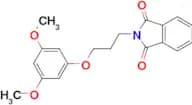


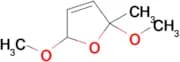
![(2E)-1-{[1,1'-biphenyl]-4-yl}-3-(2-ethoxyphenyl)prop-2-en-1-one](/_next/image/?url=https%3A%2Fstatic.cymitquimica.com%2Fproducts%2F10%2Fthumb-webp%2FF524249.webp&w=3840&q=75)
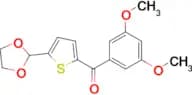
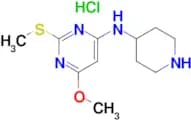
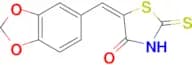
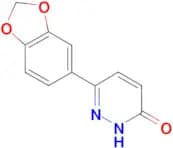
![4-[(2,3-dihydro-1,4-benzodioxin-2-ylcarbonyl)amino]benzoic acid](/_next/image/?url=https%3A%2Fstatic.cymitquimica.com%2Fproducts%2F10%2Fthumb-webp%2FF314734.webp&w=3840&q=75)
![Benzyl 3-oxo-1,8-dioxa-4,11-diazaspiro[5.6]dodecane-11-carboxylate](/_next/image/?url=https%3A%2Fstatic.cymitquimica.com%2Fproducts%2F10%2Fthumb-webp%2FF601896.webp&w=3840&q=75)
![6-(BENZYLOXY)PYRAZOLO[1,5-A]PYRIMIDINE-3-CARBOXYLIC ACID](/_next/image/?url=https%3A%2Fstatic.cymitquimica.com%2Fproducts%2F10%2Fthumb-webp%2FF529004.webp&w=3840&q=75)

![4-{[(2,2-dimethyl-2,3-dihydro-1-benzofuran-7-yl)oxy]methyl}benzoic acid](/_next/image/?url=https%3A%2Fstatic.cymitquimica.com%2Fproducts%2F10%2Fthumb-webp%2FF495315.webp&w=3840&q=75)
![N-methyl-N-[(oxiran-2-yl)methyl]cyclohexanamine](/_next/image/?url=https%3A%2Fstatic.cymitquimica.com%2Fproducts%2F10%2Fthumb-webp%2FF522624.webp&w=3840&q=75)
![4-[2-(4-methoxyphenyl)acetyl]-8-methyl-1-oxa-4,8-diazaspiro[4.5]decane-3-carboxylic acid](/_next/image/?url=https%3A%2Fstatic.cymitquimica.com%2Fproducts%2F10%2Fthumb-webp%2FF525630.webp&w=3840&q=75)
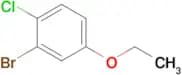
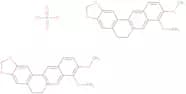
![2-Amino-4,6,7,8-tetrahydro-5-(N-carbethoxy)thiazolo[5,4-d]azepine](/_next/image/?url=https%3A%2Fstatic.cymitquimica.com%2Fproducts%2FTR%2Fthumb-webp%2FA629925.webp&w=3840&q=75)

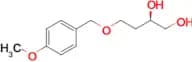
![7-(2-Methoxyethyl)-2,5,7-triazaspiro[3.4]octane-6,8-dione hydrochloride](/_next/image/?url=https%3A%2Fstatic.cymitquimica.com%2Fproducts%2F10%2Fthumb-webp%2FF791870.webp&w=3840&q=75)
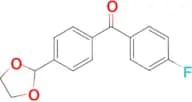
![3-(4-METHOXYBENZYL)-1,3,7-TRIAZASPIRO[4.4]NONANE-2,4-DIONE HCL](/_next/image/?url=https%3A%2Fstatic.cymitquimica.com%2Fproducts%2F10%2Fthumb-webp%2FF505848.webp&w=3840&q=75)

![2H-Spiro[benzofuran-3,1'-cyclopropan]-4-ol](/_next/image/?url=https%3A%2Fstatic.cymitquimica.com%2Fproducts%2F10%2Fthumb-webp%2FF620113.webp&w=3840&q=75)
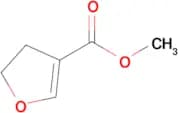
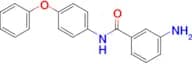

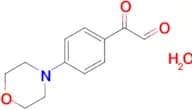
![10-METHOXY-4H-BENZO[4,5]CYCLOHEPTA[1,2-B]THIOPHEN-4-ONE](/_next/image/?url=https%3A%2Fstatic.cymitquimica.com%2Fproducts%2F10%2Fthumb-webp%2FF852439.webp&w=3840&q=75)
![4-Ethoxy-3-[(piperidine-1-carbonyl)amino]benzenesulfonyl chloride](/_next/image/?url=https%3A%2Fstatic.cymitquimica.com%2Fproducts%2F10%2Fthumb-webp%2FF014993.webp&w=3840&q=75)
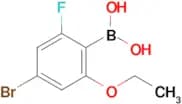

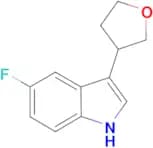
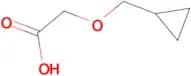
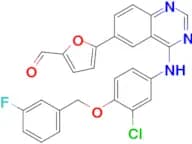
![4-BENZYL-7-OXA-4-AZASPIRO[2.5]OCTANE](/_next/image/?url=https%3A%2Fstatic.cymitquimica.com%2Fproducts%2F10%2Fthumb-webp%2FF305736.webp&w=3840&q=75)
![1-[5-(2-Methoxy-4-nitro-phenyl)-furan-2-yl]-ethanone](/_next/image/?url=https%3A%2Fstatic.cymitquimica.com%2Fproducts%2F10%2Fthumb-webp%2FF031505.webp&w=3840&q=75)
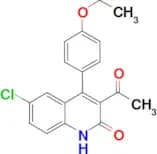
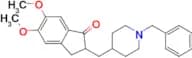
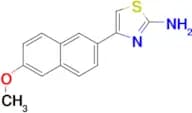
![4-methyl-N-((tetrahydrofuran-2-yl)methyl)benzo[d]thiazol-2-amine](/_next/image/?url=https%3A%2Fstatic.cymitquimica.com%2Fproducts%2F10%2Fthumb-webp%2FF495357.webp&w=3840&q=75)
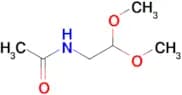
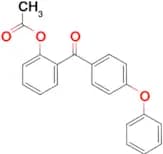
![3-((Benzyloxy)methyl)-6-chloro-4-methoxy-1H-pyrazolo[3,4-d]pyrimidine](/_next/image/?url=https%3A%2Fstatic.cymitquimica.com%2Fproducts%2F10%2Fthumb-webp%2FF791929.webp&w=3840&q=75)

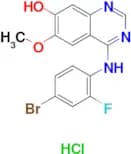
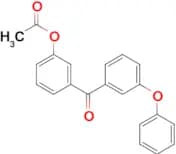
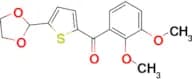

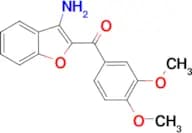
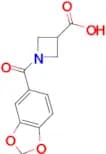
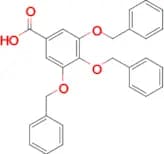

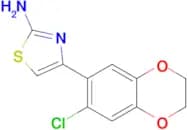
![6'-(Diethylamino)-1',3'-dimethyl-3H-spiro[isobenzofuran-1,9'-xanthen]-3-one](/_next/image/?url=https%3A%2Fstatic.cymitquimica.com%2Fproducts%2F10%2Fthumb-webp%2FF760032.webp&w=3840&q=75)
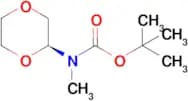
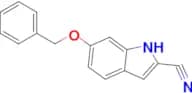
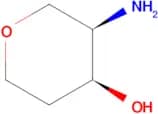

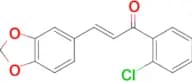
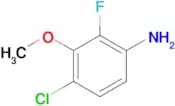
![3,4,5-TRIMETHOXY-N-(4-(8-METHYLIMIDAZO[1,2-A]PYRIDIN-2-YL)PHENYL)BENZAMIDE](/_next/image/?url=https%3A%2Fstatic.cymitquimica.com%2Fproducts%2F10%2Fthumb-webp%2FF847662.webp&w=3840&q=75)
![8-tert-butyl-4-(3-fluorobenzoyl)-1-oxa-4-azaspiro[4.5]decane-3-carboxylic acid](/_next/image/?url=https%3A%2Fstatic.cymitquimica.com%2Fproducts%2F10%2Fthumb-webp%2FF525767.webp&w=3840&q=75)
![8-tert-butyl-4-(4-fluorobenzoyl)-1-oxa-4-azaspiro[4.5]decane-3-carboxylic acid](/_next/image/?url=https%3A%2Fstatic.cymitquimica.com%2Fproducts%2F10%2Fthumb-webp%2FF525752.webp&w=3840&q=75)
![4-[4-(dimethylamino)benzoyl]-8-methyl-1-oxa-4,8-diazaspiro[4.5]decane-3-carboxylic acid](/_next/image/?url=https%3A%2Fstatic.cymitquimica.com%2Fproducts%2F10%2Fthumb-webp%2FF525661.webp&w=3840&q=75)
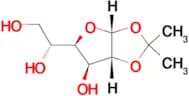
![8-ethyl-4-[2-(4-methoxyphenyl)acetyl]-1-oxa-4,8-diazaspiro[4.5]decane-3-carboxylic acid](/_next/image/?url=https%3A%2Fstatic.cymitquimica.com%2Fproducts%2F10%2Fthumb-webp%2FF525679.webp&w=3840&q=75)
![2-amino-10-ethyldibenzo[b,f][1,4]oxazepin-11(10H)-one](/_next/image/?url=https%3A%2Fstatic.cymitquimica.com%2Fproducts%2F10%2Fthumb-webp%2FF496237.webp&w=3840&q=75)


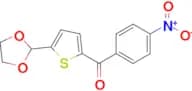
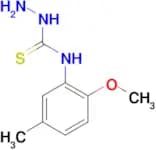
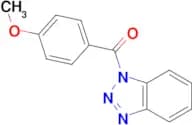
![4-(4-chlorobenzoyl)-8-propyl-1-oxa-4,8-diazaspiro[4.5]decane-3-carboxylic acid](/_next/image/?url=https%3A%2Fstatic.cymitquimica.com%2Fproducts%2F10%2Fthumb-webp%2FF525719.webp&w=3840&q=75)
![1,2,4,9-Tetrahydrospiro[carbazole-3,2'-[1,3]dioxolane]](/_next/image/?url=https%3A%2Fstatic.cymitquimica.com%2Fproducts%2F10%2Fthumb-webp%2FF098354.webp&w=3840&q=75)
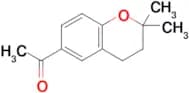
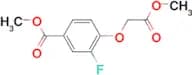
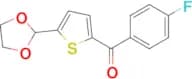
![2-(Furan-2-yl)-7-(3-(4-methoxyphenyl)propyl)-7H-pyrazolo[4,3-e][1,2,4]triazolo[1,5-c]pyrimidin-5-a…](/_next/image/?url=https%3A%2Fstatic.cymitquimica.com%2Fproducts%2F10%2Fthumb-webp%2FF227073.webp&w=3840&q=75)
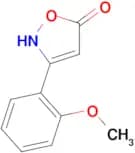
![8-benzyl-4-(3-methylbutanoyl)-1-oxa-4,8-diazaspiro[4.5]decane-3-carboxylic acid](/_next/image/?url=https%3A%2Fstatic.cymitquimica.com%2Fproducts%2F10%2Fthumb-webp%2FF525807.webp&w=3840&q=75)
![(Benzo[3,4-d]1,3-dioxolan-5-ylmethylene)methane-1,1-dicarbonitrile](/_next/image/?url=https%3A%2Fstatic.cymitquimica.com%2Fproducts%2F10%2Fthumb-webp%2FF068951.webp&w=3840&q=75)
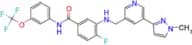
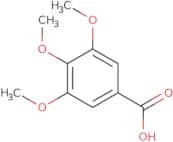


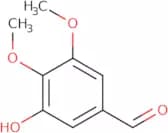
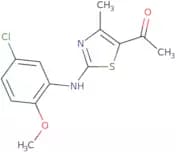
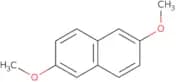
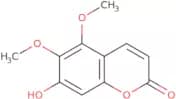
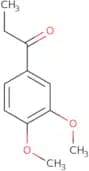
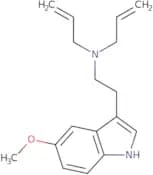
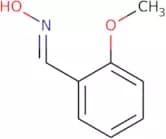


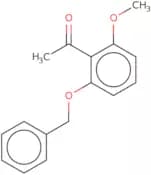
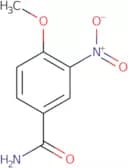
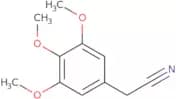
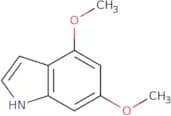
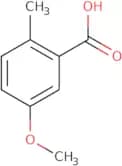
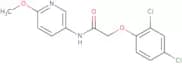
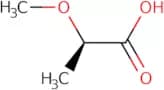
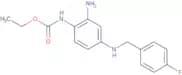
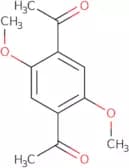
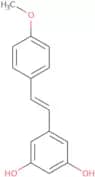
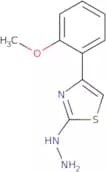
![[1-(3-Methoxyphenyl)-1-methylethyl]amine hydrochloride](/_next/image/?url=https%3A%2Fstatic.cymitquimica.com%2Fproducts%2F3D%2Fthumb-webp%2FFM136868.webp&w=3840&q=75)
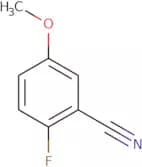

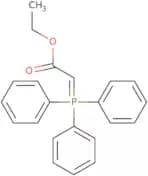
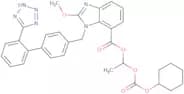
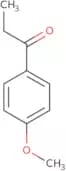

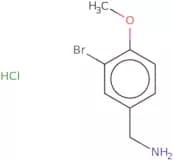
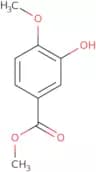
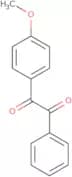
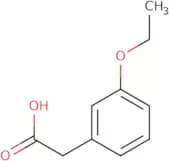
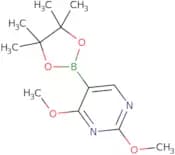
![6-amino-4-(2-methoxyphenyl)-3-methyl-4H-pyrano[3,2-d]pyrazole-5-carbonitrile](/_next/image/?url=https%3A%2Fstatic.cymitquimica.com%2Fproducts%2F3D%2Fthumb-webp%2FFA169804.webp&w=3840&q=75)

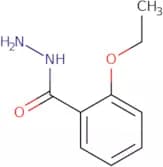
![2-(R)-[1-(R)-(3,5-Bis(trifluoromethyl)phenyl)ethoxy]-3-(S)-fluorophenylmorpholine](/_next/image/?url=https%3A%2Fstatic.cymitquimica.com%2Fproducts%2F3D%2Fthumb-webp%2FFB18758.webp&w=3840&q=75)
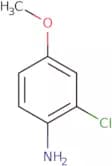
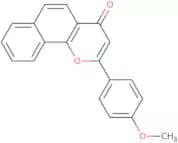
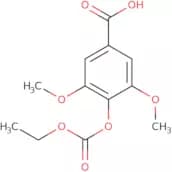
![5-Methoxy-2-[[(4-methoxy-3,5-dimethyl-2-pyridinyl)methyl]thio]-1H-benzimidazole N-oxide](/_next/image/?url=https%3A%2Fstatic.cymitquimica.com%2Fproducts%2F3D%2Fthumb-webp%2FFM63432.webp&w=3840&q=75)

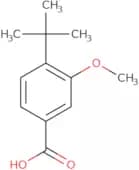

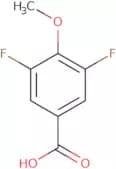
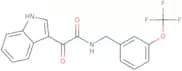
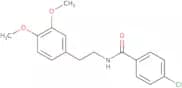
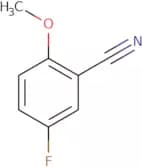
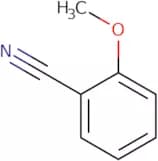

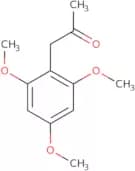

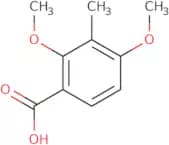
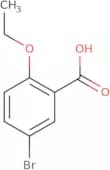
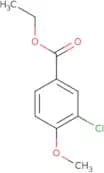
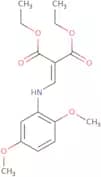
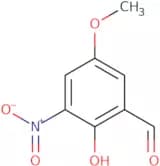
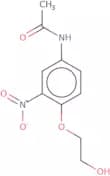
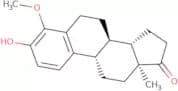
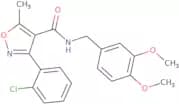
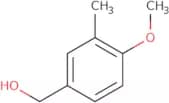
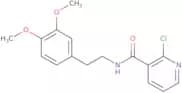


![N-[(2-Fluorophenyl)methyl]-4-iodo-2,5-dimethoxybenzeneethanamine](/_next/image/?url=https%3A%2Fstatic.cymitquimica.com%2Fproducts%2F3D%2Fthumb-webp%2FFF97685.webp&w=3840&q=75)
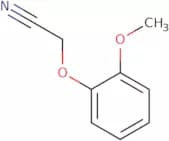
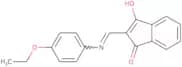
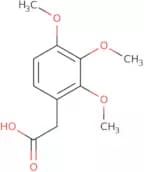
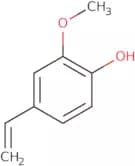
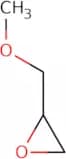
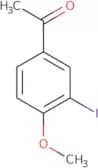
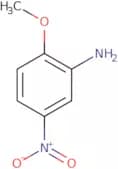
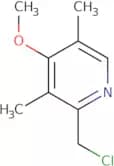
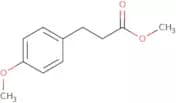

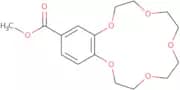
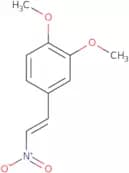
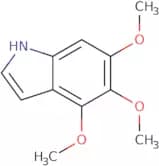
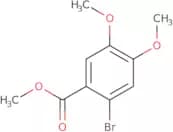
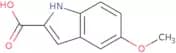
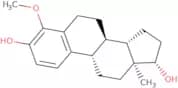
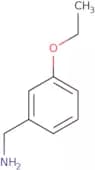
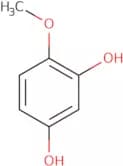
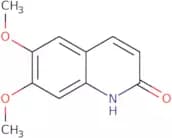
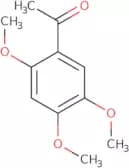
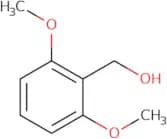
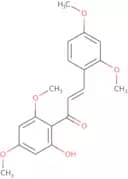
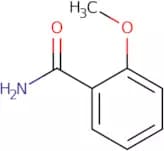
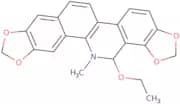
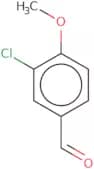
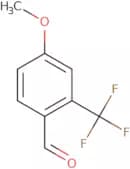
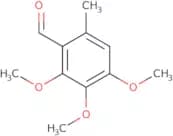
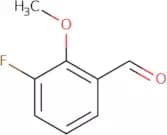
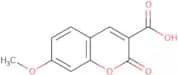
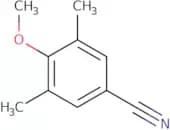


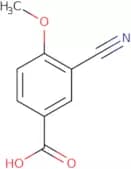
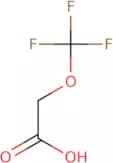
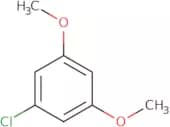
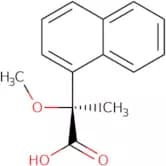
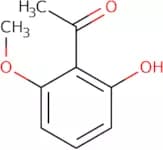
![2-Methoxy-1-[(4-methylphenyl)sulphinyl]benzene](/_next/image/?url=https%3A%2Fstatic.cymitquimica.com%2Fproducts%2F3D%2Fthumb-webp%2FFM66194.webp&w=3840&q=75)


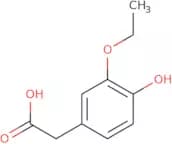

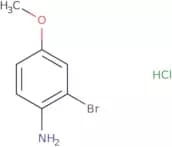

![(2R,3S,4S,5S)-5-Hydroxy-2,3,4-tris(phenylmethoxy)-5-[(phenylmethoxy)methyl]-cyclohexanone](/_next/image/?url=https%3A%2Fstatic.cymitquimica.com%2Fproducts%2F3D%2Fthumb-webp%2FFH148464.webp&w=3840&q=75)
![Methyl (1S,2S,3S,5R)-3-[Bis(4-Fluorophenyl)Methoxy]-8-Methyl-8-Azabicyclo[3.2.1]Octane-2-Carboxyla…](/_next/image/?url=https%3A%2Fstatic.cymitquimica.com%2Fproducts%2F3D%2Fthumb-webp%2FFM102464.webp&w=3840&q=75)