Éthers
40904 produits trouvés pour "Éthers"
11-ETHYL-6,8-DIMETHYLOXAZOLO[5,4,3-IJ]PYRIDO[3,2-G]QUINOLINE-4,10(2H,11H)-DIONE
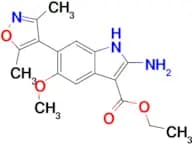
CAS :Degré de pureté :95.0%Masse moléculaire :296.32598876953125Ethyl 2-amino-6-(3,5-dimethylisoxazol-4-yl)-5-methoxy-1H-indole-3-carboxylate
CAS :Degré de pureté :98%Masse moléculaire :329.35598754882816-Chloro-N-(3-chloro-4-methoxyphenyl)-1-methyl-1H-pyrazolo[3,4-d]pyrimidin-4-amine
CAS :Degré de pureté :95.0%Masse moléculaire :324.1700134277344SPIRO[1,3-DIOXOLANE-2,9'-[9H]FLUORENE]-4,5-DICARBOXYLIC ACID DIETHYL ESTER
CAS :Degré de pureté :95.0%Masse moléculaire :368.385009765625(3S,3aR,6S,6aR)-Hexahydro-furo[3,2-b]furan-3,6-diol
CAS :Couleur et forme :SolidMasse moléculaire :146.14199829101562(2E)-3-(4-Hydroxy-3,5-dimethoxyphenyl)-2-propenoic Acid
CAS :Produit contrôléStability Light Sensitive
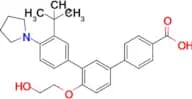
Applications (2E)-3-(4-Hydroxy-3,5-dimethoxyphenyl)-2-propenoic Acid, is a reagent used as an analytical standard.Formule :C11H12O5Couleur et forme :NeatMasse moléculaire :224.21(S)-3-(TERT-BUTYL)-4-(4',6'-DIMETHOXY-[1,1':3',1''-TERPHENYL]-5'-YL)-2,3-DIHYDROBENZO[D][1,3]OXAPHOSPHOLE
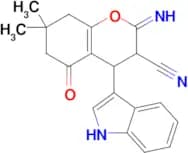
CAS :Degré de pureté :98%Masse moléculaire :482.5599975585942-imino-4-(1H-indol-3-yl)-7,7-dimethyl-5-oxo-3,4,5,6,7,8-hexahydro-2H-1-benzopyran-3-carbonitrile
CAS :Degré de pureté :90%Masse moléculaire :333.3909912109375Ref: 10-F806736
1gÀ demander5mgÀ demander10mgÀ demander25mgÀ demander50mgÀ demander100mgÀ demander250mgÀ demander3,5-Dimethoxybenzyl chloride
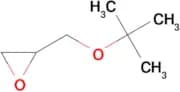
CAS :Formule :C9H11ClO2Degré de pureté :97%Couleur et forme :SolidMasse moléculaire :186.642-(tert-Butoxymethyl)oxirane
CAS :Degré de pureté :95.0%Couleur et forme :LiquidMasse moléculaire :130.186996459960944-(3,4,5-trimethoxybenzoyl)-1-oxa-4-azaspiro[4.5]decane-3-carboxylic acid
CAS :Degré de pureté :95.0%Masse moléculaire :379.408996582031254-(2H-1,3-benzodioxol-5-yl)-6-(furan-2-yl)pyrimidin-2-amine
CAS :Degré de pureté :95.0%Masse moléculaire :281.270996093753-Benzyl-7-(phenylsulfonyl)-9-oxa-3,7-diazabicyclo[3.3.1]nonane
CAS :Degré de pureté :95%Masse moléculaire :358.45999145507814-isopropyl-1-(2-methoxyphenyl)-1H-pyrazolo[3,4-d]pyridazine-7-thiol
CAS :Degré de pureté :95.0%Masse moléculaire :300.104482132Ref: 10-F794544
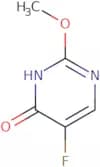
1gÀ demander5gÀ demander10mgÀ demander25mgÀ demander50mgÀ demander100mgÀ demander250mgÀ demander5-Fluoro-4-hydroxy-2-methoxypyrimidine
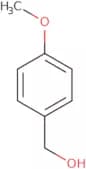
CAS :5-Fluoro-4-hydroxy-2-methoxypyrimidine (5FMMP) is a chemical intermediate that is used in the synthesis of various pharmaceuticals, including antibiotics. It can be obtained by reacting phosphorus oxychloride with activated 2-methoxybenzaldehyde. This chemical intermediate is highly reactive and has been shown to be virulent against some strains of bacteria, such as E. coli and Proteus mirabilis. 5FMMP binds to the bacterial cell wall using its primary amine group, which prevents the formation of an antibiotic-inhibitor complex with the enzyme cell wall synthesis that is required for cell wall biosynthesis, inhibiting protein synthesis and cell division. The chlorinating reaction between 5FMMP and sodium hypochlorite results in hydrochloric acid generation. This chemical intermediate can also be synthesized from recycled chemicals such as ethyl chloride or chloroform.Formule :C5H5FN2O2Degré de pureté :Min. 95%Couleur et forme :PowderMasse moléculaire :144.1 g/mol4-Methoxybenzyl alcohol
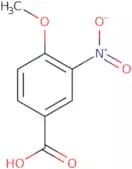
CAS :4-Methoxybenzyl alcohol is an inhibitor that inhibits the enzyme hydroxylase, which catalyzes the conversion of 4-methylphenol to 4-hydroxymandelic acid. The inhibition of this enzyme leads to a decrease in the production of pro-inflammatory factors, such as leukotrienes and prostaglandins. The inhibition of this enzyme also prevents the release of lysosomal enzymes, which may be a therapeutic target for degenerative diseases. Kinetic data has been collected by measuring the rate at which 4-methoxybenzyl alcohol reacts with hydroxylase in vitro and in vivo. This reaction was found to be second order with respect to substrate concentration, with a half-life of 2.8 hours at 37 degrees Celsius and pH 7.4.Formule :C8H10O2Degré de pureté :Min. 98%Couleur et forme :Clear LiquidMasse moléculaire :138.16 g/mol4-Methoxy-3-nitrobenzoic acid
CAS :4-Methoxy-3-nitrobenzoic acid is a hydroxybenzoic acid, and belongs to the group of heterocyclic compounds. It is a preactivated hydroxybenzoate that can be used in the synthesis of griseoluteic acid with chloride as an electron donor. Griseoluteic acid has inhibitory activities on isolated yield. This compound also has potent antitumor activity, which may be due to its ability to inhibit DNA synthesis and protein synthesis by binding to DNA polymerase and ribosomes respectively. Preparative high performance liquid chromatography (HPLC) using this compound is possible with marine microorganisms as the stationary phase. The x-ray absorption spectrum shows that 4-methoxy-3-nitrobenzoic acid has potential for use as a contrast agent for x-rays in imaging tissues.
Formule :C8H7NO5Degré de pureté :Min. 98 Area-%Couleur et forme :PowderMasse moléculaire :197.14 g/mol5-Iodo-2-methoxybenzonitrile
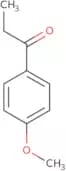
CAS :5-Iodo-2-methoxybenzonitrile is a fine chemical that is used as a building block in the synthesis of other chemicals or pharmaceuticals. The compound reacts with strong bases to produce an aryl amine and iodoethane, and can be used to make derivatives as well. 5-Iodo-2-methoxybenzonitrile has a number of uses, including as a research chemical, reagent, specialty chemical, and intermediate. It is also useful in the synthesis of other complex compounds. 5-Iodo-2-methoxybenzonitrile belongs to the group of organoiodine compounds that are classified as speciality chemicals. This compound has CAS number 933672-32-3.Formule :C8H6INOCouleur et forme :PowderMasse moléculaire :259.04 g/mol4'-Methoxypropiophenone
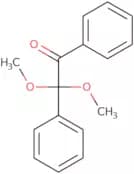
CAS :4'-Methoxypropiophenone is an alkanoid compound. It has been shown to have anticancer activity and the ability to produce light emission. 4'-Methoxypropiophenone is a phosphotungstic acid (PTA) light-sensitive dye that can be used for detection of acidic compounds. The PTA dye binds to the analyte and produces an intense blue or green light when irradiated with UV or visible light. This process is called photoluminescence. 4'-Methoxypropiophenone has also been shown to have insecticidal properties, which may be due to its arylation reaction with proteins in the insect cell membrane. 4'-Methoxypropiophenone is often used as a model system for studying Friedel-Crafts reactions, which are chemical reactions that involve the addition of multiple molecules of an alkene across a double bond to form substituted aromatic compounds. In this case, one molecule of 4Formule :C10H12O2Degré de pureté :Min. 98 Area-%Couleur et forme :Colorless Slightly Yellow Clear LiquidMasse moléculaire :164.2 g/mol2,2-Dimethoxy-2-phenylacetophenone
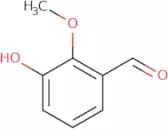
CAS :2,2-Dimethoxy-2-phenylacetophenone is a glycol ether substrate film that can be used to study the reaction mechanism of glycol ethers. It has been found that this substrate film reacts with oxygen in the air to form an organic peroxide and hydrogen peroxide. The product of the reaction is then identified by measuring the rate of thermal expansion. This method has been shown to be a useful tool for determining the kinetic constants of glycol ethers. The 2,2-dimethoxy-2-phenylacetophenone substrate film can also be used as a fluorescence probe for detecting radiation and wastewater treatment. The hydroxyl group on this substrate film is susceptible to degradation by acids, which may lead to its chemical instability.Formule :C16H16O3Degré de pureté :Min. 95%Couleur et forme :White To Off-White SolidMasse moléculaire :256.3 g/mol3-Hydroxy-2-methoxybenzaldehyde
CAS :3-Hydroxy-2-methoxybenzaldehyde is a synthetic compound that is used as an antiviral agent. It has been shown to inhibit the replication of Coxsackievirus A9 (CV-A9). In addition, 3-Hydroxy-2-methoxybenzaldehyde reacts with isoeugenol and isonicotinic acid under acidic conditions to form 4-allyl-2-methoxyphenol, which has antiviral activity against CV-A9. This reaction requires a catalyst, such as zinc chloride or nickel sulfate. The rate of this reaction can be increased by increasing the reaction time. 3-Hydroxy-2-methoxybenzaldehyde also inhibits the virus's ability to bind to cells and enter them, reducing its infectivity.
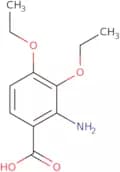
Formule :C8H8O3Couleur et forme :PowderMasse moléculaire :152.15 g/mol2-Amino-3,4-diethoxybenzoic acid
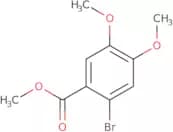
CAS :2-Amino-3,4-diethoxybenzoic acid is a high quality chemical with a CAS No. 61948-72-9. It is an organic compound that belongs to the class of aromatic carboxylic acids and has a molecular weight of 174.2 g/mol. 2DHB is a useful intermediate in the synthesis of fine chemicals, research chemicals, and speciality chemicals like pharmaceuticals, pesticides, and dyes. It can also be used as a building block in the synthesis of many other compounds. The versatility of 2DHB makes it an important component in reactions involving nucleophilic substitution or addition reactions.Formule :C11H15NO4Degré de pureté :Min. 95%Couleur et forme :PowderMasse moléculaire :225.24 g/molMethyl 6-bromo-3,4-dimethoxybenzoate
CAS :Methyl 6-bromo-3,4-dimethoxybenzoate is a potent compound that inhibits topoisomerase. It is not as selective as other topoisomerase inhibitors, but it is more reactive and has been shown to be effective in the synthesis of lactones. This compound can also be used as an intermediate for the synthesis of more potent inhibitors of topoisomerase. Methyl 6-bromo-3,4-dimethoxybenzoate has been shown to react with aliphatic aldehydes and nitro compounds to form zinc powder. The reaction proceeds via a catalytic mechanism involving an initial complexation of the methyl group with the carbonyl oxygen atom followed by nucleophilic attack by zinc.
Formule :C10H11BrO4Degré de pureté :Min. 98 Area-%Couleur et forme :PowderMasse moléculaire :275.1 g/mol2-[(2-Carboxyphenyl)amino]-3-methoxybenzoic acid
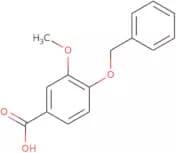
CAS :2-[(2-Carboxyphenyl)amino]-3-methoxybenzoic acid is a fine chemical that is used as a building block, reagent, and speciality chemical in the synthesis of other compounds. This compound is a versatile building block for the synthesis of complex compounds with many applications. 2-[(2-Carboxyphenyl)amino]-3-methoxybenzoic acid is a complex compound that can be used as an intermediate or scaffold in the manufacture of pharmaceuticals, agrochemicals, and other organic syntheses.Formule :C15H13NO5Degré de pureté :Min. 95%Masse moléculaire :287.27 g/mol4-Benzyloxy-3-methoxybenzoic acid
CAS :4-Benzyloxy-3-methoxybenzoic acid is an isomeric compound that is decarboxylated to 4-hydroxy-3-methoxybenzoic acid. It has been shown to inhibit tumor growth and induce apoptosis in HCT116 human lung cancer cells. The mechanism of action may be due to the inhibition of amine synthesis by vanillyl alcohol and oxygenated metabolites.Formule :C15H14O4Degré de pureté :Min. 90%Masse moléculaire :258.27 g/mol4-Methoxybenzenecarbothioamide
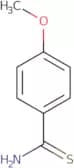
CAS :4-Methoxybenzenecarbothioamide is a urea nitrogen analogue that inhibits the synthesis of urea and other nitrogenous compounds. It is an inhibitor of the enzyme pyruvic transaminase, which converts pyruvate to alanine. The drug is also an inhibitor of the enzyme lactam synthetase, which catalyzes the formation of lactams from amino acids. This activity results in decreased production of cancer cells and renal toxicity. 4-Methoxybenzenecarbothioamide has been shown to have anticancer activity in vitro against a number of human cancer cell lines, including A549 lung carcinoma cells and MCF-7 breast cancer cells.Formule :C8H9NOSDegré de pureté :Min. 98 Area-%Couleur et forme :Off-White Yellow PowderMasse moléculaire :167.23 g/mol6-Methoxyindoline-2,3-dione
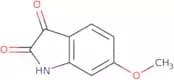
CAS :6-Methoxyindoline-2,3-dione is an indole alkaloid that has been isolated from the leaves of plants in the genus Apiaceae. It is synthesized by a reaction system that involves the oxidation of 6-methoxyindole to the corresponding oxindole and subsequent reduction to the desired product. The cytotoxicity of 6-methoxyindoline-2,3-dione has been demonstrated using a fluorescent assay with cancer cells. The compound binds to and activates cb2 receptors, which are expressed on immune cells and have been shown to be involved in inflammatory processes.Formule :C9H7NO3Degré de pureté :Min. 95%Couleur et forme :PowderMasse moléculaire :177.16 g/mol5-(3-Methoxyphenyl)-4-phenyl-4H-1,2,4-triazole-3-thiol
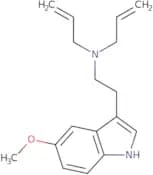
CAS :Please enquire for more information about 5-(3-Methoxyphenyl)-4-phenyl-4H-1,2,4-triazole-3-thiol including the price, delivery time and more detailed product information at the technical inquiry form on this pageFormule :C15H13N3OSDegré de pureté :Min. 95%Couleur et forme :PowderMasse moléculaire :283.35 g/molN,N-Diallyl-5-methoxytryptamine
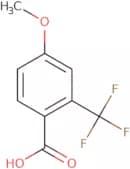
CAS :Produit contrôléN,N-Diallyl-5-methoxytryptamine (DMAT) is a synthetic cannabinoid that has been shown to produce effects similar to those of tetrahydrocannabinol. It has been used in clinical studies to study the effects of cannabinoids on the central nervous system. DMAT binds with high affinity to 5-HT2A receptors and low affinity to histamine H1 receptors. DMAT also binds moderately with 5-HT1A receptors, which are serotonin receptors found in the cerebral cortex and hippocampus regions of the brain. DMAT is a potent monoamine neurotransmitter reuptake inhibitor, which means it prevents the reuptake of monoamines such as dopamine, norepinephrine, and serotonin by blocking their transporters. This results in an increase in extracellular concentrations of these monoamines. DMAT is structurally similar to other drugs that have been shown to cause seizures, such as meprobamate, benzodiazepines,Formule :C17H22N2ODegré de pureté :Min. 95%Masse moléculaire :270.37 g/mol4-Methoxy-2-(trifluoromethyl)benzoic acid
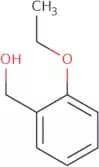
CAS :4-Methoxy-2-(trifluoromethyl)benzoic acid is a useful building block for the synthesis of various organic compounds. It is used in the preparation of pharmaceuticals, agrochemicals, and pesticides. 4-Methoxy-2-(trifluoromethyl)benzoic acid is also a reagent for many organic reactions, such as Friedel–Crafts reactions, Grignard reactions, and alkylation reactions. It is also an intermediate for the synthesis of other compounds.Formule :C9H7F3O3Degré de pureté :Min. 95%Couleur et forme :PowderMasse moléculaire :220.15 g/mol2-Ethoxybenzyl alcohol
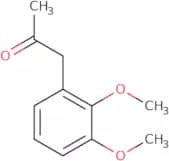
CAS :2-Ethoxybenzyl alcohol is a chemical that belongs to the group of ethyl esters. It is an ether that has been shown to have normalizing activities on frequencies in the range of 2.2-2.4 ppm. The stereochemical configuration at C1 and the carbonyl group are essential for these activities, which are due to the ability of this molecule to act as a hydrogen bond acceptor. 2-Ethoxybenzyl alcohol is commonly found as an impurity in other ethers, such as diethyl ether, and can be used as a marker for their presence in a sample by gas chromatography with chemical ionization detection (GC/CI). 2-Ethoxybenzyl alcohol can also be metabolized by sulfation or biotransformations into methoxy or acetate derivatives. This compound has been shown to be carcinogenic when administered orally to rats.Formule :C9H12O2Degré de pureté :Min. 95%Couleur et forme :Clear LiquidMasse moléculaire :152.19 g/mol(2,3-Dimethoxyphenyl)acetone
CAS :2,3-Dimethoxyphenylacetone is a synthetic compound that has been used as a precursor to other compounds. The synthesis of 2,3-dimethoxyphenylacetone requires the reaction of lithium aluminum hydride with acrylonitrile and hydriodic acid. The molecule can be cyclized in two different ways to form either 2,3-dimethoxybenzaldehyde or 3-methoxybenzaldehyde. The structure of 2,3-dimethoxyphenylacetone is similar to that of hydrazoic acid which has been used as an intermediate in the synthesis of other compounds such as pyrazines.
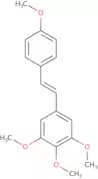
Formule :C11H14O3Degré de pureté :Min. 95%Couleur et forme :PowderMasse moléculaire :194.23 g/moltrans-3,4,5,4'-Tetramethoxystilbene
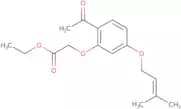
CAS :Trans-3,4,5,4'-tetramethoxystilbene is a potential anti-cancer drug that inhibits the growth of prostate cancer cells. It has been shown to inhibit the activity of cytochrome P450 enzymes and induce apoptosis in prostate cancer cells. Trans-3,4,5,4'-tetramethoxystilbene also has an inhibitory effect on angiogenesis and induces apoptosis in breast cancer cells. This compound is not readily absorbed from the gastrointestinal tract and has low bioavailability due to its chemical properties. Trans-3,4,5,4'-tetramethoxystilbene binds to DNA and inhibits transcription by competitive inhibition of RNA polymerase II and III.Formule :C18H20O4Degré de pureté :Min. 95%Couleur et forme :PowderMasse moléculaire :300.35 g/mol2'-Ethoxycarbonylmethoxy-4'-(3-methyl-2-butenyloxy)acetophenone
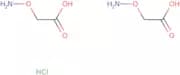
CAS :2'-Ethoxycarbonylmethoxy-4'-(3-methyl-2-butenyloxy)acetophenone is a centrosymmetric molecule with a crystal structure. It has been shown to form dimers in the solid state.Formule :C17H22O5Degré de pureté :Min. 95%Couleur et forme :PowderMasse moléculaire :306.35 g/molCarboxymethoxyamine hemihydrochloride
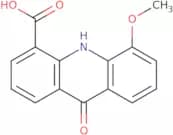
CAS :Carboxymethoxyamine hemihydrochloride (CMAH) is a gamma-aminobutyric acid analogue that has inhibitory properties. It is used in the treatment of syncytial virus infections and has been shown to reduce the severity of symptoms, as well as shorten the course of the disease. CMAH binds to the receptors in cells that are sensitive to gamma-aminobutyric acid. This binding inhibits uptake of calcium ions into cells, thereby reducing intracellular Ca2+ levels and inhibiting synaptic transmission. CMAH also has an effect on aminotransferase activity, which may be due to its ability to inhibit protein synthesis or dephosphorylate proteins.Formule :C2H5NO3HClCouleur et forme :White PowderMasse moléculaire :109.3 g/mol9,10-Dihydro-5-methoxy-9-oxo-4-acridinecarboxylic acid
CAS :Please enquire for more information about 9,10-Dihydro-5-methoxy-9-oxo-4-acridinecarboxylic acid including the price, delivery time and more detailed product information at the technical inquiry form on this page
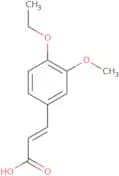
Formule :C15H11NO4Degré de pureté :Min. 95%Couleur et forme :PowderMasse moléculaire :269.25 g/mol4-Ethoxy-3-methoxycinnamic acid
CAS :4-Ethoxy-3-methoxycinnamic acid (4EMC) is a metabolite of propionic acid. It is produced by the fungus Phanerochaete chrysosporium when it is grown on lignocellulose. 4EMC can be cleaved from its ester bond with benzyl alcohol and vanillyl alcohol to produce vanillyl, benzyl, and ethanol. These products are then further metabolized to produce other compounds such as acetaldehyde, acetic acid, and butanol. 4EMC also inhibits the enzyme catalysed that converts propanol to butanol in cultures of P. chrysosporium
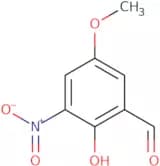
Formule :C12H14O4Degré de pureté :Min. 95%Couleur et forme :PowderMasse moléculaire :222.24 g/mol2-Hydroxy-5-methoxy-3-nitrobenzaldehyde
CAS :2-Hydroxy-5-methoxy-3-nitrobenzaldehyde is a 6-membered aromatic compound that has been shown to have anti-cancer properties. It has been shown to inhibit the proliferation of cancer cells by inhibiting protein synthesis, as well as inducing apoptosis. This compound also inhibits the growth of colon cancer cells and cervical cancer cells in culture. 2-Hydroxy-5-methoxy-3-nitrobenzaldehyde has an inhibitory effect on the growth of cancer cells and may be used for treatment against tumors.Formule :C8H7NO5Degré de pureté :Min. 95%Couleur et forme :PowderMasse moléculaire :197.14 g/mol4-Ethoxybenzoic acid
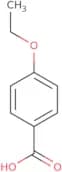
CAS :4-Ethoxybenzoic acid is a phenolic compound that has shown significant cytotoxicity. This molecule has been shown to inhibit the production of tyrosinase, an enzyme that catalyzes the oxidation of tyrosine to produce melanin. 4-Ethoxybenzoic acid also inhibits detoxification enzymes such as glutathione transferases and quinone reductase, which may be responsible for its cytotoxicity. 4-Ethoxybenzoic acid is soluble in organic solvents but insoluble in water. It reacts with other compounds to form insoluble polymers. 4-Ethoxybenzoic acid can react with piperonyl butoxide or caproic acid to form p-hydroxybenzoic acid or friedel-crafts reaction products respectively.Formule :C9H10O3Degré de pureté :Min. 95%Couleur et forme :PowderMasse moléculaire :166.17 g/mol2,4,5-Trimethoxybenzyl alcohol
CAS :2,4,5-Trimethoxybenzyl alcohol is a metabolite that is produced by the p. pastoris strain. It has been shown to be active against the enzyme glyceraldehyde-3-phosphate dehydrogenase and has been expressed heterologously in yeast. 2,4,5-Trimethoxybenzyl alcohol also has been shown to inhibit peroxidases and may have biochemical applications in pharmaceuticals as an inhibitor of lipid peroxidation.
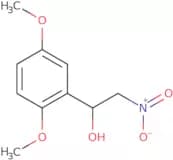
Formule :C10H14O4Degré de pureté :Min. 95%Couleur et forme :White PowderMasse moléculaire :198.22 g/mol1-(2,5-Dimethoxyphenyl)-2-nitroethanol
CAS :1-(2,5-Dimethoxyphenyl)-2-nitroethanol is a chiral, asymmetric catalyst that has been shown to be effective in the enantioselective reduction of ketones. This process is important because it allows for the synthesis of chiral amino alcohols, which are then used in a variety of chemical reactions. The reaction can also be carried out with methyl amine as an amine source. 1-(2,5-Dimethoxyphenyl)-2-nitroethanol is an example of a catalyst that participates in catalysis through the lone pair on oxygen and nitrogen atoms.Formule :C10H13NO5Degré de pureté :Min. 95%Couleur et forme :White PowderMasse moléculaire :227.21 g/mol1,3-Diethoxybenzene
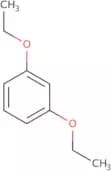
CAS :1,3-Diethoxybenzene is an equimolecular alkylation product that is prepared by the reaction of chloride and diethyl ether. The analysis technique used to identify this compound is GC-MS. This product has been shown to be resistant to vinyl acetate copolymerization with styrene and nitrocellulose polymerization with cyclohexenyl methoxy.
Formule :C10H14O2Degré de pureté :Min. 94.0 Area-%Couleur et forme :Clear LiquidMasse moléculaire :166.22 g/mol4-Ethoxy-3-methoxytoluene
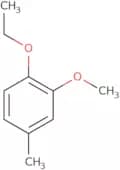
CAS :4-Ethoxy-3-methoxytoluene is a fine chemical that has been used as a building block in the synthesis of other chemicals. It is also used as a research chemical and a reagent. 4-Ethoxy-3-methoxytoluene can be used to form various compounds with different functional groups. It can be used as an intermediate for the synthesis of drugs or polymers, or as a reaction component in organic reactions. The CAS number for 4-Ethoxy-3-methoxytoluene is 33963-27-8.
Formule :C10H14O2Degré de pureté :Min. 95%Couleur et forme :PowderMasse moléculaire :166.22 g/mol
![11-ETHYL-6,8-DIMETHYLOXAZOLO[5,4,3-IJ]PYRIDO[3,2-G]QUINOLINE-4,10(2H,11H)-DIONE](/_next/image/?url=https%3A%2Fstatic.cymitquimica.com%2Fproducts%2F10%2Fthumb-webp%2FF506197.webp&w=3840&q=75)

![6-Chloro-N-(3-chloro-4-methoxyphenyl)-1-methyl-1H-pyrazolo[3,4-d]pyrimidin-4-amine](/_next/image/?url=https%3A%2Fstatic.cymitquimica.com%2Fproducts%2F10%2Fthumb-webp%2FF520751.webp&w=3840&q=75)
![SPIRO[1,3-DIOXOLANE-2,9'-[9H]FLUORENE]-4,5-DICARBOXYLIC ACID DIETHYL ESTER](/_next/image/?url=https%3A%2Fstatic.cymitquimica.com%2Fproducts%2F10%2Fthumb-webp%2FF470165.webp&w=3840&q=75)
![(3S,3aR,6S,6aR)-Hexahydro-furo[3,2-b]furan-3,6-diol](/_next/image/?url=https%3A%2Fstatic.cymitquimica.com%2Fproducts%2F10%2Fthumb-webp%2FF480951.webp&w=3840&q=75)


![(S)-3-(TERT-BUTYL)-4-(4',6'-DIMETHOXY-[1,1':3',1''-TERPHENYL]-5'-YL)-2,3-DIHYDROBENZO[D][1,3]OXAPH…](/_next/image/?url=https%3A%2Fstatic.cymitquimica.com%2Fproducts%2F10%2Fthumb-webp%2FF809551.webp&w=3840&q=75)

![4-(3,4,5-trimethoxybenzoyl)-1-oxa-4-azaspiro[4.5]decane-3-carboxylic acid](/_next/image/?url=https%3A%2Fstatic.cymitquimica.com%2Fproducts%2F10%2Fthumb-webp%2FF525526.webp&w=3840&q=75)

![3-Benzyl-7-(phenylsulfonyl)-9-oxa-3,7-diazabicyclo[3.3.1]nonane](/_next/image/?url=https%3A%2Fstatic.cymitquimica.com%2Fproducts%2F10%2Fthumb-webp%2FF609136.webp&w=3840&q=75)
![4-isopropyl-1-(2-methoxyphenyl)-1H-pyrazolo[3,4-d]pyridazine-7-thiol](/_next/image/?url=https%3A%2Fstatic.cymitquimica.com%2Fproducts%2F10%2Fthumb-webp%2FF520940.webp&w=3840&q=75)


![2-[(2-Carboxyphenyl)amino]-3-methoxybenzoic acid](/_next/image/?url=https%3A%2Fstatic.cymitquimica.com%2Fproducts%2F3D%2Fthumb-webp%2FFC19799.webp&w=3840&q=75)