Éthers
40902 produits trouvés pour "Éthers"
1,2-Dihydroxy-3-methoxybenzene
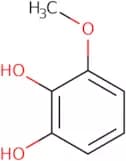
CAS :1,2-Dihydroxy-3-methoxybenzene is a catechol that is used as a sample preparation agent in the analysis of genotoxic activity. It is also used to evaluate the viral life cycle and for studies on the regiospecificity of hydroxylation reactions. 1,2-Dihydroxy-3-methoxybenzene has been shown to inhibit the activity of polymerase chain reaction (PCR) by interfering with hydrogen bonding interactions. This may be due to its ability to act as an inhibitor of DNA polymerase. The carcinogenic potential of 1,2-dihydroxy-3-methoxybenzene has not been determined.Formule :C7H8O3Degré de pureté :Min. 95%Couleur et forme :PowderMasse moléculaire :140.14 g/mol2,5-Dimethoxy-4-methylphenethylamine hydrochloride
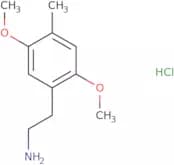
CAS :Produit contrôléPlease enquire for more information about 2,5-Dimethoxy-4-methylphenethylamine hydrochloride including the price, delivery time and more detailed product information at the technical inquiry form on this pageFormule :C11H18ClNO2Degré de pureté :Min. 98 Area-%Masse moléculaire :231.72 g/mol[3-(2-Methoxyethoxy)benzyl]amine
CAS :[3-(2-Methoxyethoxy)benzyl]amine is a high-quality chemical that can be used as an intermediate in the synthesis of complex compounds. It is also a useful scaffold for the synthesis of other chemicals, such as pharmaceuticals and pesticides. This compound also has many uses in research, such as being a versatile building block and reaction component.Formule :C10H15NO2Degré de pureté :Min. 95%Couleur et forme :PowderMasse moléculaire :181.23 g/mol2-Methoxy-1-naphthaldehyde
CAS :2-Methoxy-1-naphthaldehyde is a potential chemical intermediate for the synthesis of a variety of biologically active compounds. It has been shown to have anti-tumor activity in solid tumours and can be used as a precursor for the production of new drugs that inhibit the growth of cancer cells. 2-Methoxy-1-naphthaldehyde is synthesized via an intramolecular hydrogen addition reaction with salicylaldehyde, which generates resonance stabilization. It also has an intermolecular hydrogen bond with naphthalene to form the dimer or trimer. The vibrational spectra and analytical methods are used to identify the functional groups present in 2-Methoxy-1-naphthaldehyde, which includes a hydrogen bond between the two methoxy groups. Computational methods can be used to predict how different molecules bind to this chemical intermediate and its role in biological activity.Formule :C12H10O2Degré de pureté :Min. 95%Couleur et forme :PowderMasse moléculaire :186.21 g/molMethyl 2-amino-3,4-diethoxybenzoate
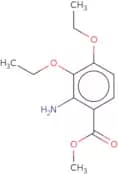
CAS :Methyl 2-amino-3,4-diethoxybenzoate is a chemical compound that is used as a reagent for the preparation of other complex compounds. Methyl 2-amino-3,4-diethoxybenzoate has a CAS number of 1017083-69-0 and can be found in fine chemicals, research chemicals, and speciality chemicals. This chemical is also an intermediate for the synthesis of other compounds and has been shown to have many uses as a building block for more complex compounds. As a versatile building block, methyl 2-amino-3,4-diethoxybenzoate has been used in organic synthesis reactions to produce new compounds with unique properties.Formule :C12H17NO4Degré de pureté :Min. 95%Couleur et forme :PowderMasse moléculaire :239.27 g/molN,N-Diallyl-5-methoxytryptamine
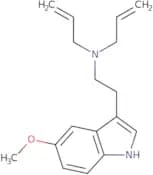
CAS :Produit contrôléN,N-Diallyl-5-methoxytryptamine (DMAT) is a synthetic cannabinoid that has been shown to produce effects similar to those of tetrahydrocannabinol. It has been used in clinical studies to study the effects of cannabinoids on the central nervous system. DMAT binds with high affinity to 5-HT2A receptors and low affinity to histamine H1 receptors. DMAT also binds moderately with 5-HT1A receptors, which are serotonin receptors found in the cerebral cortex and hippocampus regions of the brain. DMAT is a potent monoamine neurotransmitter reuptake inhibitor, which means it prevents the reuptake of monoamines such as dopamine, norepinephrine, and serotonin by blocking their transporters. This results in an increase in extracellular concentrations of these monoamines. DMAT is structurally similar to other drugs that have been shown to cause seizures, such as meprobamate, benzodiazepines,Formule :C17H22N2ODegré de pureté :Min. 95%Masse moléculaire :270.37 g/molTrifluoromethoxyacetic acid
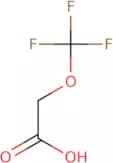
CAS :Trifluoromethoxyacetic acid is a synthetic drug that has been used to treat inflammatory bowel disease, alopecia and seborrhoea. It is also used as a pharmacological agent for the treatment of autoimmune diseases, such as sclerosis, malignant and bowel disease. Trifluoromethoxyacetic acid has anti-inflammatory properties due to its inhibition of prostaglandin synthesis. This drug has been shown to be effective in treating alopecia areata in rats with an oral dose of 0.5 mg/kg for two weeks, which is comparable to the effect observed with 1 mg/kg of minoxidil (Rogaine). Trifluoromethoxyacetic acid binds to nitrogen atoms on proteins and inhibits protein synthesis, leading to cell death by inhibiting the production of proteins vital for cell division.Formule :C3H3F3O3Degré de pureté :Min. 95 Area-%Couleur et forme :Clear LiquidMasse moléculaire :144.05 g/mol5-Methoxyindole-2-carboxylic acid
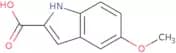
CAS :5-Methoxyindole-2-carboxylic acid is a molecule that belongs to the class of diazonium salts. It is a potent inhibitor of mitochondrial membrane potential and has been shown to have anti-diabetic effects in animal models. 5-Methoxyindole-2-carboxylic acid also inhibits sperm motility, which may be due to its ability to inhibit uv absorption. This compound has been shown to be an effective agent in the treatment of brain infarctions when administered chronically orally. The mechanism of action is not known, but it may involve inhibition of potassium ion uptake or hydrogen bond formation with fatty acids.Formule :C10H9NO3Couleur et forme :PowderMasse moléculaire :191.18 g/mol3,4-Dimethoxy-2-hydroxymethylpyridine
CAS :Pantoprazole is a proton pump inhibitor (PPI) that blocks the production of stomach acid by inhibiting the H+/K+-ATPase enzyme in gastric parietal cells. The chemical compound 3,4-Dimethoxy-2-hydroxymethylpyridine is a sodium salt of pantoprazole. It is commercially available as the anhydrous form, which is a white crystalline powder. This chemical has been used to regulate the amount of water in industrial processes and to salify materials such as lead oxide. Pantoprazole sodium chloride can be prepared by evaporating and drying with anhydrous sodium chloride or by heating an aqueous solution of pantoprazole sulfate.
Formule :C8H11NO3Degré de pureté :Min. 95%Couleur et forme :PowderMasse moléculaire :169.18 g/mol2-Methoxybenzonitrile
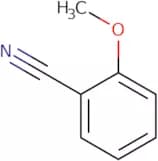
CAS :2-Methoxybenzonitrile is a reactive molecule that can undergo a variety of reactions. In simulations, 2-methoxybenzonitrile reacts with carbon tetrachloride to form chlorobenzene and hydrochloric acid. The reaction mechanism involves the metal surface, which is believed to act as a catalyst and transfer the molecule to the receptor binding site on the substrate molecule. 2-Methoxybenzonitrile has been shown to react with various functional groups on a substrate molecule, including ester, amide, nitrile, sulfide, sulfone, and phosphate groups. This reaction system also produces different reaction products depending on the type of functional group.
Formule :C8H7NODegré de pureté :Min. 95%Couleur et forme :Clear LiquidMasse moléculaire :133.15 g/mol2,5-Diphenyl-3-(4-methoxyphenyl)pyronium tetrafluoroborate
CAS :2,5-Diphenyl-3-(4-methoxyphenyl)pyronium tetrafluoroborate is a chemical compound that can be used as a reagent or building block for the synthesis of other chemical compounds. It is also useful for research and as a versatile building block in organic chemistry. 2,5-Diphenyl-3-(4-methoxyphenyl)pyronium tetrafluoroborate is classified as a speciality chemical product. This compound has CAS Number 2907-20-2 and a molecular weight of 244.12 g/mol.Formule :C24H19O2·BF4Degré de pureté :90%Couleur et forme :PowderMasse moléculaire :426.21 g/mol1-(3,4-Dimethoxyphenyl)-2-nitroethene
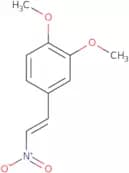
CAS :1-(3,4-Dimethoxyphenyl)-2-nitroethene is a trifluoroacetic acid derivative that can be synthesized using the reaction of 1-(3,4-dimethoxyphenyl)ethanone and 2-nitroethanol. It is an unsymmetrical molecule with two possible structures. The first structure is postulated to be the energetically favored conformation, while the second structure is postulated to be the result of elimination of HCl during synthesis. This compound has shown potential as a prodrug for amine-containing drugs such as resveratrol or hydrazines.Formule :C10H11NO4Degré de pureté :Min. 95%Couleur et forme :PowderMasse moléculaire :209.2 g/mol3,5-Dimethoxy-4-methylbenzoic acid
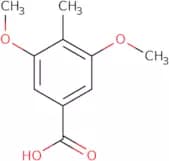
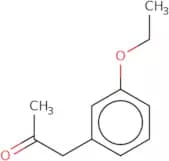
CAS :3,5-Dimethoxy-4-methylbenzoic acid is an organic compound that has a carboxylate group and a long chain. It is synthesized from 3,5-dimethoxybenzoic acid through the borohydride reduction of the primary alcohols to produce a mixture of 2,3,4-trimethoxybenzoic acid and 3,5-dimethoxybenzoic acid. The nitro group on the phenolic ring can be reduced to the corresponding amine with sodium borohydride. 3,5-Dimethoxy-4-methylbenzoic acid has been found in natural products such as Cephalotaxus fortunei and Acacia confusa.Formule :C10H12O4Degré de pureté :Min. 95%Couleur et forme :PowderMasse moléculaire :196.2 g/mol(3-Ethoxyphenyl)acetone
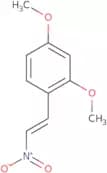
CAS :3-Ethoxyphenylacetone is a white crystalline solid that is soluble in cold water and insoluble in ethanol. It is a chemical reagent that can be used for research purposes such as to study the mechanism of various chemical reactions. 3-Ethoxyphenylacetone can be used as a building block in the synthesis of more complex compounds and as an intermediate in the synthesis of other chemicals. 3-Ethoxyphenylacetone can also be used as a scaffold to create novel compounds with different functional groups.Formule :C11H14O2Degré de pureté :Min. 85 Area-%Couleur et forme :Clear LiquidMasse moléculaire :178.23 g/mol2,4-Dimethoxy-β-nitrostyrene
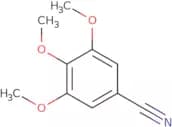
CAS :2,4-Dimethoxy-beta-nitrostyrene is a high quality, versatile building block for synthesis of complex compounds. It is an intermediate for the production of pharmaceuticals and other fine chemicals. 2,4-Dimethoxy-beta-nitrostyrene is used as a reagent in organic chemistry to produce complex compounds, such as esters and amides. This chemical has also been shown to be useful in research into the synthesis of new drugs.Formule :C10H11NO4Degré de pureté :Min. 95%Masse moléculaire :209.2 g/mol3,4,5-Trimethoxybenzonitrile
CAS :3,4,5-Trimethoxybenzonitrile is a drug that is used in the treatment of cancer. It inhibits the growth of cancer cells by binding to the benzodiazepine receptor. This drug also has anticancer activity and is used as an acidic hydrate in clinical medicine to treat cancer. 3,4,5-Trimethoxybenzonitrile has been shown to have antitumor effects in human adenocarcinoma cells by inhibiting the synthesis of DNA and RNA. It also inhibits cellular protein synthesis and induces cell death due to its ability to inhibit topoisomerase II activity.Formule :C10H11NO3Degré de pureté :Min. 95%Couleur et forme :PowderMasse moléculaire :193.2 g/mol6,9-Dichloro-2-methoxyacridine
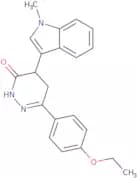
CAS :6,9-Dichloro-2-methoxyacridine (DCA) is a fluorescent probe that can be used to measure the cytosolic Ca2+ concentration in mammalian cells. DCA binds to chloride ions and emits a fluorescence signal proportional to the cytosolic Ca2+ concentration. The binding constants for DCA and chloride are low, which makes this probe an ideal candidate for measuring cytosolic Ca2+. DCA has been shown to inhibit cancer cell growth by decreasing mitochondrial membrane potential. This effect may be caused by the inhibition of mitochondrial ATP production or the disruption of ion transport across the mitochondrial membrane.Formule :C14H9Cl2NODegré de pureté :Min. 95%Couleur et forme :Slightly Yellow PowderMasse moléculaire :278.13 g/mol3-(4-ethoxyphenyl)-5-(1-methylindol-3-yl)-1H,4H,5H-1,2-diazin-6-one
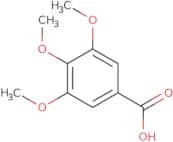
CAS :Please enquire for more information about 3-(4-ethoxyphenyl)-5-(1-methylindol-3-yl)-1H,4H,5H-1,2-diazin-6-one including the price, delivery time and more detailed product information at the technical inquiry form on this pageDegré de pureté :Min. 80%3,4,5-Trimethoxybenzoic acid
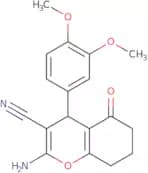
CAS :3,4,5-Trimethoxybenzoic acid is an experimental drug that has been shown to have significant cytotoxicity in a chronic oral model. It inhibits the activity of a number of enzymes including esterases, lipases, and proteases. This compound also showed significant cytotoxicity when tested in the water vapor chronic inhalation model. 3,4,5-Trimethoxybenzoic acid may be toxic to humans because it binds to calcium channels and inhibits the release of ryanodine from its storage sites on the sarcoplasmic reticulum. This inhibition may lead to muscle cramps and tetany as well as cardiac arrhythmias. The toxicity of 3,4,5-trimethoxybenzoic acid has been studied in rats using a number of methods including titration calorimetry and chlorogenic acids extraction from rat liver.Formule :C10H12O5Degré de pureté :Min. 95%Couleur et forme :PowderMasse moléculaire :212.2 g/mol2-amino-4-(3,4-dimethoxyphenyl)-5-oxo-4,6,7,8-tetrahydro2H-chromene-3-carbonitrile
CAS :Please enquire for more information about 2-amino-4-(3,4-dimethoxyphenyl)-5-oxo-4,6,7,8-tetrahydro2H-chromene-3-carbonitrile including the price, delivery time and more detailed product information at the technical inquiry form on this page
Formule :C18H18N2O4Degré de pureté :Min. 95%Couleur et forme :PowderMasse moléculaire :326.35 g/mol8-Hydroxy-7-methoxy-2-oxo-2H-1-benzopyran-3-carboxylic acid
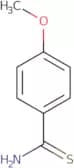
8-Hydroxy-7-methoxy-2-oxo-2H-1-benzopyran-3-carboxylic acid is a versatile building block with a broad range of applications. It has been used in the synthesis of many complex compounds and research chemicals, including CAS No. 1207819-96-6. This chemical can be used as a reagent to produce important biological molecules such as antibiotics, antivirals, and antihypertensives.Formule :C11H7NO8Degré de pureté :Min. 95%Couleur et forme :Green SolidMasse moléculaire :281.18 g/mol4-Methoxybenzenecarbothioamide
CAS :4-Methoxybenzenecarbothioamide is a urea nitrogen analogue that inhibits the synthesis of urea and other nitrogenous compounds. It is an inhibitor of the enzyme pyruvic transaminase, which converts pyruvate to alanine. The drug is also an inhibitor of the enzyme lactam synthetase, which catalyzes the formation of lactams from amino acids. This activity results in decreased production of cancer cells and renal toxicity. 4-Methoxybenzenecarbothioamide has been shown to have anticancer activity in vitro against a number of human cancer cell lines, including A549 lung carcinoma cells and MCF-7 breast cancer cells.Formule :C8H9NOSDegré de pureté :Min. 98 Area-%Couleur et forme :Off-White Yellow PowderMasse moléculaire :167.23 g/mol5-Carboxymethoxytryptamine hydrochloride
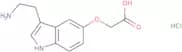
CAS :Produit contrôlé5-Carboxymethoxytryptamine hydrochloride (5CMT) is a chemical compound that belongs to the group of useful building blocks. It is a versatile intermediate that can be used in the synthesis of many important compounds. 5CMT reacts with amines and alcohols to form amides and esters. It also reacts with carboxylic acids to form acid halides and anhydrides. 5CMT has been shown to be a useful scaffold in organic synthesis, as it can be converted into various derivatives. 5CMT is soluble in water, methanol, ethanol, acetone, and dichloromethane.Formule :C12H14N2O3•HClDegré de pureté :Min. 95%Masse moléculaire :270.71 g/mol1-Iodo-2-methoxybenzene
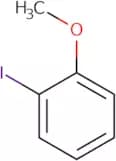
CAS :1-Iodo-2-methoxybenzene is a compound that has shown to have anti-cancer properties. It is an effective inhibitor of protein tyrosine kinases, which are involved in the activation of inflammatory diseases and cancer. The hydroxyl group on the benzenoid ring activates the molecule by hydrogen bonding with the protein target, thereby inhibiting its activity. 1-Iodo-2-methoxybenzene may also be used as a contrast agent for magnetic resonance imaging (MRI) due to its light emission properties.
Formule :C7H7IODegré de pureté :Min. 95%Couleur et forme :Clear LiquidMasse moléculaire :234.03 g/mol4-Hydroxy-3-methoxypropiophenone
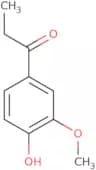
CAS :4-Hydroxy-3-methoxypropiophenone is a contaminating compound that has been found in water vapor and may be generated by the thermal degradation of fatty acids. This chemical is also present in wood and lignin. The ether linkages in this chemical make it resistant to hydrolysis, making it difficult to remove from water or other substances. 4-Hydroxy-3-methoxypropiophenone is produced by the chronic bronchitis and filamentous fungus, but carbon sources are required for its production. It can be used as a starting material for the synthesis of other organic compounds with hydroxyl groups, such as phenols and coumarins.
Formule :C10H12O3Degré de pureté :Min. 95%Couleur et forme :PowderMasse moléculaire :180.2 g/mol2,5-Dimethoxy-N-[(2-methoxyphenyl)methyl]-4-(trifluoromethyl)benzeneethanamine
CAS :Produit contrôlé2,5-Dimethoxy-N-[(2-methoxyphenyl)methyl]-4-(trifluoromethyl)benzeneethanamine is a synthetic drug that belongs to the group of psychotropic drugs. It has been shown to cause death in rats, which is likely due to its ability to inhibit serotonin uptake by neurons. 2,5-Dimethoxy-N-[(2-methoxyphenyl)methyl]-4-(trifluoromethyl)benzeneethanamine also inhibits the enzyme monoamine oxidase and prevents the breakdown of monoamines such as serotonin. This drug has been shown to have both stimulant and depressant properties. 2,5-Dimethoxy-N-[(2-methoxyphenyl)methyl]-4-(trifluoromethyl)benzeneethanamine can be quantified in human blood samples using liquid chromatography with aFormule :C19H22F3NO3Degré de pureté :Min. 95%Masse moléculaire :369.38 g/mol7-Methoxy-1-naphthaldehyde
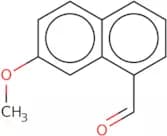
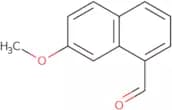
CAS :7-Methoxy-1-naphthaldehyde is an aldehyde that is synthesized from acetaldehyde and 7-methoxy-1-naphthol. It has been shown to inhibit the cytosolic aldehyde dehydrogenase, which converts acetaldehyde to acetate. This reaction is one of the major routes for the metabolism of alcohol in humans. 7-Methoxy-1-naphthaldehyde can be used as a substrate in immunochemical assays, and its synthetic scheme has been published. 7MNA was also found to have cytotoxic effects on human liver cells in vitro.Formule :C12H10O2Degré de pureté :Min. 95%Masse moléculaire :186.21 g/mol4-Methoxy-3-methylbenzyl alcohol
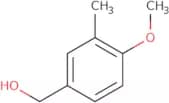
CAS :4-Methoxy-3-methylbenzyl alcohol is a high quality and versatile chemical reagent. It is a complex compound with the CAS number 114787-91-6. 4-Methoxy-3-methylbenzyl alcohol is useful as an intermediate in the synthesis of other fine chemicals, such as pesticides, dyes, and pharmaceuticals. It is also used as a speciality chemical for research purposes or as a building block for more complicated compounds. This compound can be used in reactions to produce new products, such as reaction components that are versatile building blocks.Formule :C9H12O2Degré de pureté :Min. 95%Couleur et forme :Clear LiquidMasse moléculaire :152.19 g/mol3,4-Dimethoxybenzaldehyde
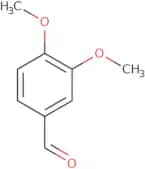
CAS :3,4-Dimethoxybenzaldehyde is a crystalline cellulose that has been shown to have anthelmintic properties. 3,4-Dimethoxybenzaldehyde reduces the redox potential of the parasite and inhibits the oxidative metabolism of p-hydroxybenzoic acid (pHBA). It also inhibits the biosynthesis of dihydroconiferyl alcohol and usnic acid, which are building blocks for bacterial cell walls. The reaction mechanism is thought to be due to a hydrogen atom transfer from 3,4-dimethoxybenzaldehyde to the p-hydroxybenzoic acid molecule. The product of this reaction is an aromatic ring with a hydroxyl group on carbon 2 and an ether oxygens on carbons 3 and 4. This aromatic ring will then react with another molecule of 3,4-dimethoxybenzaldehyde to produce a new molecule with two hydroxyl groups on carbons 2 and 5. This willFormule :C9H10O3Degré de pureté :Min. 95%Couleur et forme :PowderMasse moléculaire :166.17 g/molMethyl (1S,2S,3S,5R)-3-[Bis(4-Fluorophenyl)Methoxy]-8-Methyl-8-Azabicyclo[3.2.1]Octane-2-Carboxylate
CAS :Produit contrôléMethyl (1S,2S,3S,5R)-3-[Bis(4-fluorophenyl)methoxy]-8-methyl-8-azabicyclo[3.2.1]octane-2-carboxylate is a molecule that has been shown to bind with high affinity to the serotonin receptor and blocks dopamine uptake. This drug has also demonstrated dose-dependent locomotor activity in rats and m1 muscarinic receptor binding. Methyl (1S,2S,3S,5R)-3-[Bis(4-fluorophenyl)methoxy]-8-methyl-8-azabicyclo[3.2.1]octane-2-carboxylate is being developed for use as a diagnostic tool for detecting Parkinsonian symptoms or chemical reactions in the brain.Formule :C23H25F2NO3Degré de pureté :Min. 95%Masse moléculaire :401.45 g/mol4-(Bromodifluoromethoxy)nitrobenzene
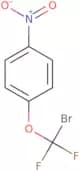
CAS :4-(Bromodifluoromethoxy)Nitrobenzene is a versatile building block that can be used to synthesize a wide variety of organic and inorganic compounds. It is a brominated derivative of nitrobenzene, which is useful for the synthesis of complex compounds and research chemicals. 4-(Bromodifluoromethoxy)Nitrobenzene is also an intermediate for the synthesis of pharmaceuticals and other valuable chemical compounds. This compound has been shown to provide high quality results in reactions with other molecules. 4-(Bromodifluoromethoxy)Nitrobenzene can be used as a scaffold for the construction of more complex molecules.Formule :C7H4BrF2NO3Degré de pureté :Min. 95%Couleur et forme :LiquidMasse moléculaire :268.01 g/mol3-Hydroxy-2,4-dimethoxyacetophenone
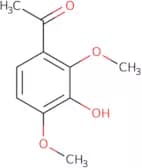
CAS :3-Hydroxy-2,4-dimethoxyacetophenone is an alkoxide that reacts with a variety of substances. It has been used to synthesize polymers, and has been detected in the gas phase by electron spin resonance spectroscopy. 3-Hydroxy-2,4-dimethoxyacetophenone is also a microbial metabolite that can be quantified by coulometric analysis. It has been found in microorganisms such as Escherichia coli and Pseudomonas aeruginosa, which suggests it may have anti-microbial activity.Formule :C10H12O4Degré de pureté :Min. 95%Couleur et forme :PowderMasse moléculaire :196.2 g/mol3,4,5-Trimethoxybenzamide
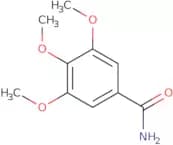
CAS :3,4,5-Trimethoxybenzamide is a benzofuran that has been shown to have anti-cancer properties. It has been shown to inhibit the production of chemokines and inhibit cancer cell proliferation. 3,4,5-Trimethoxybenzamide also binds to chloride ion channels on cancer cells and blocks the influx of chloride ions into the cells. This causes an increase in intracellular pH and inhibits the formation of ATP. 3,4,5-Trimethoxybenzamide also has antiarrhythmic properties and can be used for the treatment of hypertension. It is metabolized by hydrolysis in tissues or blood pressure through piperidine formation or hydrochloric acid.
Formule :C10H13NO4Degré de pureté :Min. 95%Couleur et forme :PowderMasse moléculaire :211.21 g/molMethyl 4-methoxyacetoacetate
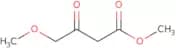
CAS :Methyl 4-methoxyacetoacetate is a synthetic chemical compound that can be used in the synthesis of other substances. It has been shown to react with diacetates and produce hydroxy compounds during the reaction system. The reaction rate is dependent on the temperature and concentration of the reactants, as well as the presence of a catalyst such as hydrochloric acid. Methyl 4-methoxyacetoacetate has also been shown to form crystals when heated at constant temperature, which have been analyzed by X-ray diffraction. These crystals are composed of 2 molecules of methyl 4-methoxyacetoacetate that are held together through hydrogen bonding.
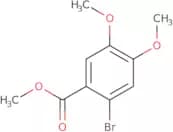
Formule :C6H10O4Degré de pureté :Min. 95%Couleur et forme :Colorless Clear LiquidMasse moléculaire :146.14 g/molMethyl 6-bromo-3,4-dimethoxybenzoate
CAS :Methyl 6-bromo-3,4-dimethoxybenzoate is a potent compound that inhibits topoisomerase. It is not as selective as other topoisomerase inhibitors, but it is more reactive and has been shown to be effective in the synthesis of lactones. This compound can also be used as an intermediate for the synthesis of more potent inhibitors of topoisomerase. Methyl 6-bromo-3,4-dimethoxybenzoate has been shown to react with aliphatic aldehydes and nitro compounds to form zinc powder. The reaction proceeds via a catalytic mechanism involving an initial complexation of the methyl group with the carbonyl oxygen atom followed by nucleophilic attack by zinc.
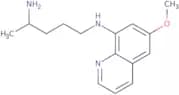
Formule :C10H11BrO4Degré de pureté :Min. 98 Area-%Couleur et forme :PowderMasse moléculaire :275.1 g/molN1-(6-Methoxy-8-quinolinyl)-1,4-pentanediamine
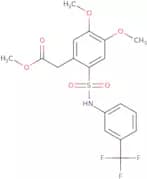
CAS :Impurity found in Primaquine diphosphateFormule :C15H21N3ODegré de pureté :Min. 95%Couleur et forme :Yellow PowderMasse moléculaire :259.35 g/molmethyl 2-(4,5-dimethoxy-2-(((3-(trifluoromethyl)phenyl)amino)sulfonyl)phenyl)acetate
CAS :Please enquire for more information about methyl 2-(4,5-dimethoxy-2-(((3-(trifluoromethyl)phenyl)amino)sulfonyl)phenyl)acetate including the price, delivery time and more detailed product information at the technical inquiry form on this page
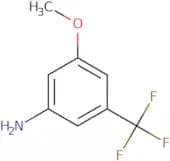
Degré de pureté :Min. 95%3-Methoxy-5-(trifluoromethyl)aniline
CAS :3-Methoxy-5-(trifluoromethyl)aniline is a chemical building block that is used in the preparation of pharmaceuticals, agrochemicals, dyes, and other chemicals. 3-Methoxy-5-(trifluoromethyl)aniline is also a versatile intermediate that can be used to produce heterocyclic compounds. 3-Methoxy-5-(trifluoromethyl)aniline has been found to be high quality and useful for many reactions. It is an important compound for research use because it can be used as a reagent or scaffold for complex compounds.
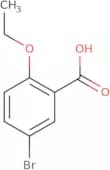
Formule :C8H8F3NODegré de pureté :Min. 95%Couleur et forme :PowderMasse moléculaire :191.15 g/mol5-Bromo-2-ethoxybenzoic acid
CAS :5-Bromo-2-ethoxybenzoic acid is a versatile building block that can be used as a reagent, speciality chemical, or a useful scaffold. It is used in the synthesis of complex compounds that include pharmaceuticals, agrochemicals, and research chemicals. 5-Bromo-2-ethoxybenzoic acid is also a useful intermediate and reaction component in organic synthesis. This compound has high quality and is listed on the Chemical Abstract Service (CAS) registry number 60783-90-6.Formule :C9H9BrO3Degré de pureté :Min. 95%Couleur et forme :SolidMasse moléculaire :245.07 g/mol9,10-Dihydro-5-methoxy-9-oxo-4-acridinecarboxylic acid
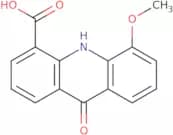
CAS :Please enquire for more information about 9,10-Dihydro-5-methoxy-9-oxo-4-acridinecarboxylic acid including the price, delivery time and more detailed product information at the technical inquiry form on this page
Formule :C15H11NO4Degré de pureté :Min. 95%Couleur et forme :PowderMasse moléculaire :269.25 g/mol4-Acetoxy-3-methoxybenzaldehyde
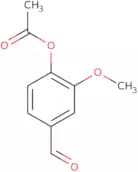
CAS :4-Acetoxy-3-methoxybenzaldehyde is an antimicrobial agent that is used specifically for the treatment of lemongrass oil and eugenol. It has been shown to be effective against a wide range of microorganisms, such as Escherichia coli, Pseudomonas aeruginosa, Salmonella enterica, Staphylococcus aureus, and Streptococcus pneumoniae. 4-Acetoxy-3-methoxybenzaldehyde has been shown to inhibit the growth of bacteria by binding to the 50S ribosomal subunit. The molecule also has hydroxyl group which can react with potassium dichromate and sodium carbonate. This reaction results in the formation of 4-acetoxy-3-hydroxybenzaldehyde through an S N 2 substitution mechanism.
Formule :C10H10O4Degré de pureté :Min. 95%Couleur et forme :PowderMasse moléculaire :194.18 g/mol(3-glycidoxypropyl)methyldimethoxysilane
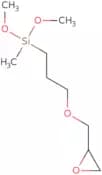
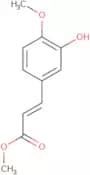
CAS :3-Glycidoxypropyl methyldimethoxysilane (3-GPMDMS) is a compound that belongs to the group of organosilicon compounds. It is an organic solvent that has been used for the activation energy of ring-opening reactions. 3-GPMDMS is also suitable for immobilizing polysaccharides, proteins, and enzymes on surfaces or in polymer matrices. 3-GPMDMS has been used to produce polymers with high molecular weight and a wide range of molecular weights by polymerization. 3-GPMDMS can be synthesized by reacting glycidoxypropyltrimethoxysilane with methanol in the presence of hydrochloric acid. The chemical structure includes methoxy groups connected to silicon atoms via methylphenyl groups. 3-GPMDMS has been shown to exhibit excellent magnetic resonance properties and be a potential candidate for use as nanomaterials. ItFormule :C9H20O4SiDegré de pureté :Min. 95%Masse moléculaire :220.34 g/molMethyl 3-(3-hydroxy-4-methoxyphenyl)acrylate
CAS :Methyl 3-(3-hydroxy-4-methoxyphenyl)acrylate is a compound that has been shown to be active against viruses. It is a derivative of salvianolic acid, which has been found to have anti-inflammatory and antiviral properties. Salvianolic acid and its derivatives are produced by the plant Salvia miltiorrhiza Bunge, and are known for their use in traditional Chinese medicine. The mechanism of action of methyl 3-(3-hydroxy-4-methoxyphenyl)acrylate is not yet fully understood, but it may inhibit the replication of influenza virus by binding to the RNA polymerase in the virus. This drug also has a hydrogen bond with cinnamic acid derivatives, which can inhibit HIV replication.Formule :C11H12O4Degré de pureté :Min. 95%Masse moléculaire :208.21 g/mol4-Ethoxy-3-methoxybenzyl alcohol
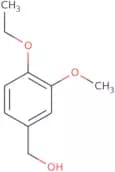
CAS :4-Ethoxy-3-methoxybenzyl alcohol is a metabolite of the drug benzocaine. It is formed by hydrolysis of the ester linkages in benzocaine and is then further metabolized to form 4-hydroxy-3-methoxybenzyl alcohol. 4-Ethoxy-3-methoxybenzyl alcohol has been shown to have antinociceptive effects in rats, which may be due to its ability to inhibit pain signals from the peripheral nerves.Formule :C10H14O3Degré de pureté :Min. 95%Couleur et forme :PowderMasse moléculaire :182.22 g/mol3,4-Diethoxyphenylacetonitrile
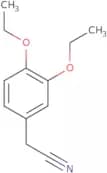
CAS :3,4-Diethoxyphenylacetonitrile is an intermediate that is used in the synthesis of drotaverine. It can also be used to synthesize catechol, which is a medicine used to treat depression and anxiety. 3,4-Diethoxyphenylacetonitrile can be chloromethylated with phosphorus pentachloride to produce 3,4-diethoxyphenylacetic acid. This product has been used in the synthesis of sodium cyanide and catechol hydrochloride.
Formule :C12H15NO2Degré de pureté :Min. 95%Couleur et forme :PowderMasse moléculaire :205.25 g/mol4-Methoxybenzoic anhydride
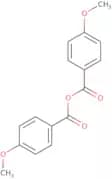
CAS :4-Methoxybenzoic anhydride is a nonsteroidal anti-inflammatory drug (NSAID) that has a hydroxy group, which makes it susceptible to nucleophilic attack. The reaction mechanism of 4-methoxybenzoic anhydride involves hydroxyl group and phosphorus pentachloride. Kinetic data for the reaction was obtained from kinetic studies. The kinetic study found that the rate of the reaction increased with increasing concentration of amines and amides in the reaction mixture. 4-Methoxybenzoic anhydride has been shown to have antiinflammatory activity in various tests on animals, including rats, guinea pigs, and rabbits. The mechanism of this activity may be due to its ability to inhibit prostaglandin synthesis by blocking cyclooxygenase enzyme activity.
Formule :C16H14O5Degré de pureté :Min. 95%Couleur et forme :PowderMasse moléculaire :286.28 g/mol3-(2-(2-Aminoethoxy)ethoxy)-propanoic acid
CAS :3-(2-(2-Aminoethoxy)ethoxy)-propanoic acid is a PEG compound with two different functional groups (also known as heterobifunctional). Unlike homobifunctional PEG compounds (same functional group on both ends), this type of compounds are more versatile as have two different anchor points. 3-(2-(2-Aminoethoxy)ethoxy)-propanoic acid is used as a linker and spacer to add a PEG moiety, via pegylation (a bioconjugation technique) to proteins, peptides, oligonucleotides, small molecules and nanoparticles.Formule :C7H15NO4Degré de pureté :Min. 95%Couleur et forme :White PowderMasse moléculaire :177.2 g/mol6,7-Dimethoxyquinazoline-2,4-dione
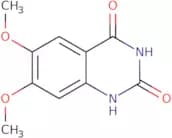
CAS :6,7-Dimethoxyquinazoline-2,4-dione is a chemical compound that can be synthesized by reacting amide and formaldehyde. It has been investigated as an efficient method for the synthesis of amides. 6,7-Dimethoxyquinazoline-2,4-dione is also a potential antibacterial agent which may prevent bacterial growth by inhibiting choline uptake or by binding to ribosomes and blocking protein synthesis. The reaction mechanism of this compound is not well understood, but it may involve hydrolysis of cyanate to produce hydrogen cyanide (HCN), which then reacts with the amide to form the quinazoline ring.Formule :C10H10N2O4Degré de pureté :Min. 95%Couleur et forme :PowderMasse moléculaire :222.2 g/mol3,4-Dimethoxy-2-methylcinnamic acid
CAS :3,4-Dimethoxy-2-methylcinnamic acid is a fine chemical that can be used as a building block to produce complex compounds. It is also an intermediate in the synthesis of chemicals such as cinnamyl alcohol, cinnamaldehyde, and 2-methyl-3-(4'-methoxyphenyl)propanoic acid. This compound is useful for research purposes as it has been shown to be an effective reaction component in organic reactions. 3,4-Dimethoxy-2-methylcinnamic acid is a high quality reagent with CAS No. 868562-26-9.Formule :C12H14O4Degré de pureté :Min. 95%Couleur et forme :PowderMasse moléculaire :222.24 g/mol2-(3,4,5-Trimethoxyphenyl)ethylamine
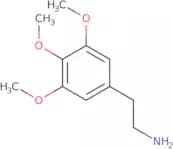
CAS :Produit contrôlé2-(3,4,5-Trimethoxyphenyl)ethylamine (TMPEA), also known as 3,4,5-trimethoxyamphetamine or 3,4,5-trimethoxyphenethylamine is a psychoactive agent that is structurally related to amphetamine and mescaline. It is a precursor to TMA which is an hallucinogenic drug. TMPEA has been shown to have dose-dependent effects on locomotor activity in mice and rats. In addition, it has been found to bind with high affinity to 5HT2A receptors in the rat brain. This compound can be prepared by reacting trifluoroacetic acid with 2-(3,4,5-trimethoxyphenyl)ethanamine. The sample preparation of this compound may be performed using human serum or lophophora plants.Formule :C11H17NO3Degré de pureté :Min. 95%Couleur et forme :PowderMasse moléculaire :211.26 g/mol

![[3-(2-Methoxyethoxy)benzyl]amine](/_next/image/?url=https%3A%2Fstatic.cymitquimica.com%2Fproducts%2F3D%2Fthumb-webp%2FFM134467.webp&w=3840&q=75)



![2,5-Dimethoxy-N-[(2-methoxyphenyl)methyl]-4-(trifluoromethyl)benzeneethanamine](/_next/image/?url=https%3A%2Fstatic.cymitquimica.com%2Fproducts%2F3D%2Fthumb-webp%2FFD100429.webp&w=3840&q=75)
![Methyl (1S,2S,3S,5R)-3-[Bis(4-Fluorophenyl)Methoxy]-8-Methyl-8-Azabicyclo[3.2.1]Octane-2-Carboxyla…](/_next/image/?url=https%3A%2Fstatic.cymitquimica.com%2Fproducts%2F3D%2Fthumb-webp%2FFM102464.webp&w=3840&q=75)