Acides carboxyliques
12457 produits trouvés pour "Acides carboxyliques"
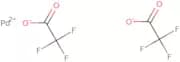
Palladium(II) trifluoroacetate
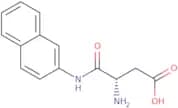
CAS :Palladium(II) trifluoroacetate is a palladium complex with the chemical formula PdCl(CF3CO2). It is soluble in water and reacts with hydroxide solution to form palladium oxide. Palladium complexes have been used as diagnostic agents for their ability to selectively bind to specific proteins. Palladium-catalyzed asymmetric syntheses of organic compounds, such as natural products and pharmaceuticals, are also possible. Palladium complexes often undergo metathesis reactions, which involve the transfer of one ligand from one metal complex to another. The use of deuterium isotopes can be used to differentiate between the two types of palladium complexes that undergo metathesis reactions.Formule :C4F6O4PdDegré de pureté :Min. 95%Couleur et forme :PowderMasse moléculaire :332.45 g/molL-Aspartic acid β-naphthylamide
CAS :L-Aspartic acid beta-naphthylamide is a dietary amino acid that is metabolized to oxaloacetate in the liver. This metabolite is then converted to aspartate and glutamate, which are both important for brain functions. L-Aspartic acid beta-naphthylamide has been shown to have regulatory effects on peptide hormones, such as inhibiting the synthesis of angiotensin II and vasopressin in rats. L-Aspartic acid beta-naphthylamide also has anti-cancer properties, which may be due to its ability to inhibit the growth of cancer cells by hydrolyzing proteins and enzymes involved in fatty acid synthesis.Formule :C14H14N2O3Degré de pureté :Min. 95%Masse moléculaire :258.27 g/molSDF-1β (human) trifluoroacetate salt
CAS :Please enquire for more information about SDF-1beta (human) trifluoroacetate salt including the price, delivery time and more detailed product information at the technical inquiry form on this pageFormule :C382H620N114O97S5Degré de pureté :Min. 95%Masse moléculaire :8,522.05 g/mol3,4-Diethoxybenzoic acid
CAS :3,4-Diethoxybenzoic acid is a phenolic compound that has potent antitumor activity. It inhibits the growth of tumor cells by inhibiting DNA synthesis and protein synthesis in the cell. 3,4-Diethoxybenzoic acid also inhibits the production of enzymes such as pepsin, lipase, and amylase that are important for digestion. It has been shown to be an effective antifungal agent in vitro against Candida albicans and Saccharomyces cerevisiae. 3,4-Diethoxybenzoic acid may also have a role in the prevention of dental caries due to its inhibitory effects on bacterial plaque formation.Formule :C11H14O4Degré de pureté :Min. 95%Couleur et forme :Clear LiquidMasse moléculaire :210.23 g/mol2-Amino-5-iodobenzoic acid methyl ester
CAS :2-Amino-5-iodobenzoic acid methyl ester (2AIBA) is a molecule that can be used as an activatable probe for imaging cancer. It has a profile suitable for radionuclide therapy and is also senescent. 2AIBA binds to DNA and inhibits the synthesis of proteins, leading to cell death. 2AIBA has potent inhibitory activity against murine melanoma cells and synergistic effects when combined with acridone. The section of tumour cells was shown to be reduced by 42% in mice when treated with 2AIBA, acridone, and radiation compared to mice treated with radiation alone.Formule :C8H8INO2Degré de pureté :Min. 95%Couleur et forme :PowderMasse moléculaire :277.06 g/molDL-3,4-Dihydroxymandelic acid
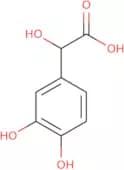
CAS :DL-3,4-Dihydroxymandelic Acid is a biologically active compound that is found in the human body and has been used as a drug for the treatment of cardiac arrhythmias. It is also an intermediate in the biosynthesis of the neurotransmitter dopamine. DL-3,4-Dihydroxymandelic Acid has been shown to decrease enzyme activity in hl-60 cells and was found to be an inhibitor of acetate extract from coli K-12. The reaction mechanism for this compound has not yet been fully elucidated. DL-3,4-Dihydroxymandelic Acid is generally considered to have a physiological function in regulating systolic pressure.
Formule :C8H8O5Degré de pureté :Min. 95%Couleur et forme :White To Yellow SolidMasse moléculaire :184.15 g/molMethyl quinuclidine-3-carboxylate hydrochloride
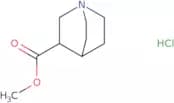
CAS :Methyl quinuclidine-3-carboxylate hydrochloride is a versatile building block that can be used to synthesize a variety of compounds. It is an intermediate in the production of high quality research chemicals and reagents. This compound has been shown to be useful as a scaffold for reactions that produce complex compounds with interesting biological activity. Methyl quinuclidine-3-carboxylate hydrochloride is a fine chemical that can be used as a reaction component or for other purposes.Formule :C9H15NO2·HClDegré de pureté :Min. 95%Masse moléculaire :205.68 g/mol1-Benzyl-1H-indole-2-carboxylic acid
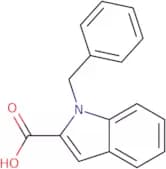
CAS :1-Benzyl-1H-indole-2-carboxylic acid is a molecule that binds to chemokine receptors and has been used in screening assays as a chemical probe of chemokine receptor binding. It has been shown to be an antagonist of the CXCR3 receptor, with high affinity and selectivity. 1-Benzyl-1H-indole-2-carboxylic acid is also an antagonist of the CCR5 receptor, with low affinity. This compound was discovered by screening for novel antagonists of chemokines.Formule :C16H13NO2Degré de pureté :Min. 95 Area-%Couleur et forme :PowderMasse moléculaire :251.28 g/mol3-Amino-4-methylbenzoic acid
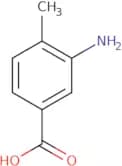
CAS :3-Amino-4-methylbenzoic acid is a chemical that is used in the synthesis of pharmaceuticals. It has been shown to have receptor binding activity and is able to inhibit aminotransferase activity. 3-Amino-4-methylbenzoic acid has been shown to be a competitive inhibitor of ptp1b, an enzyme that degrades phosphatidylinositol (3,4,5)-triphosphate. This property may be useful for treating inflammatory diseases such as Crohn's disease and rheumatoid arthritis. 3-Amino-4-methylbenzoic acid binds to the active site of ptp1b with high affinity and forms a coordination complex with two zinc ions. Monomers are also able to bind to ptp1b and inhibit its function. 3-Amino-4-methylbenzoic acid has been tested in vitro for its ability to inhibit the growthDegré de pureté :Min. 95%Couleur et forme :PowderMasse moléculaire :151.16 g/mol5-Nitroisophthalic acid monomethyl ester
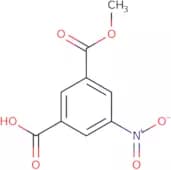
CAS :5-Nitroisophthalic acid monomethyl ester (NIAE) is an acetylating agent that can be used for the preparation of 5-nitroisophthalic acid, which is a precursor to the synthesis of dyes and pharmaceuticals. The acetylation reaction of NIAE with proteins produces an insensitive material. Acetylation also inhibits the activity of serine proteases and virus replication. In addition, it has been found that the catalytic reduction of NIAE with palladium is faster than other synthetic methods. Optimal reaction conditions are obtained by adding chloride ions to the reaction mixture, while reductive conditions are optimal for catalysis. Reaction time can be shortened by using a soluble catalyst such as iodide ion or mercury(II) sulfate. The active site of NIAE contains a nitro group that reacts with substrates in the presence of oxygen, forming a product from which the acetyl group has been removed
Formule :C9H7NO6Degré de pureté :Min 98%Couleur et forme :PowderMasse moléculaire :225.16 g/mol2-Methyl-5-nitrobenzoic acid
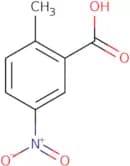
CAS :2-Methyl-5-nitrobenzoic acid is a synthetic compound that has been shown to inhibit the growth of tumor xenografts in mice. This compound has been shown to inhibit the production of prostate-specific antigen and prostate cancer cells, as well as cause apoptosis in prostate cancer cells. 2-Methyl-5-nitrobenzoic acid also inhibits the activity of vitamin D3 and docetaxel, which are both chemotherapeutic agents used to treat prostate cancer. 2-Methyl-5-nitrobenzoic acid is a thermodynamic inhibitor with an IC50 value of 0.1 mM. It is an inhibitor of cellular respiration and mitochondrial function with a Km value of 1 mM. This agent also inhibits tumor perfusion, which may be due to its ability to induce apoptosis in tumor cells.
Formule :C8H7NO4Degré de pureté :Min. 95%Couleur et forme :PowderMasse moléculaire :181.15 g/molAsperulosidic acid
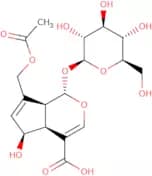
CAS :Asperulosidic acid is a glycoside derivative that belongs to the natural compounds. It has been shown to be an enzyme inducer in bacteria, yeast and plants. Asperulosidic acid can be found in the leaves of asperula odorata, a plant commonly known as sweet woodruff. It is also found in fructus asperuli, which is made from the fruit of asperula odorata. Asperulosidic acid has been shown to increase the activity of enzymes such as β-glucuronidase and esterase in bacteria, which may have an effect on their metabolism. This compound also increases the activity of proteases and other enzymes in plants and yeast. The matrix effect can be used to determine the concentration of this compound by measuring its effects on enzyme activity. Matrix effects can be measured using a plate test or by plasma mass spectrometry. Asperulosidic acid has been shown to have growthFormule :C18H24O12Degré de pureté :Min. 95%Couleur et forme :SolidMasse moléculaire :432.38 g/mol(1-Isopropylpiperidin-4-yl)acetic acid
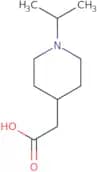
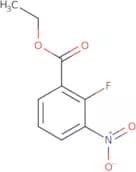
CAS :(1-Isopropylpiperidin-4-yl)acetic acid is a fine chemical that has a versatile scaffold and can be used as a building block in the synthesis of complex compounds. It is also useful as a reaction component or reagent in the synthesis of new speciality chemicals. This chemical is available in high quality and purity grades.Formule :C10H19NO2Degré de pureté :Min. 95%Couleur et forme :PowderMasse moléculaire :185.26 g/mol2-Fluoro-3-nitrobenzoic acid ethyl ester
CAS :2-Fluoro-3-nitrobenzoic acid ethyl ester is a versatile, high quality building block with a number of uses in research and industry. It is an intermediate in the synthesis of a range of compounds, including pharmaceuticals and other fine chemicals. 2-Fluoro-3-nitrobenzoic acid ethyl ester is also used as a reagent for the synthesis of complex compounds, such as pharmaceuticals. This compound can be synthesized from readily available starting materials and has been shown to be useful for the preparation of scaffolds for organic synthesis. 2-Fluoro-3-nitrobenzoic acid ethyl ester is not listed on the Chemical Abstract Service (CAS) registry, but it does have an IUPAC name (2-(2,6-difluorophenyl)-5-(1,1,2,2 tetrafluoropropoxy)-3H-[1]py
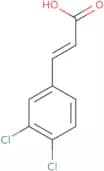
Formule :C9H8FNO4Degré de pureté :Min. 95%Couleur et forme :Off-White PowderMasse moléculaire :213.16 g/mol3,4-Dichlorocinnamic acid
CAS :3,4-Dichlorocinnamic acid is a pentane that has a molecular weight of 144.2 g/mol and melting point of -12 °C. It is soluble in organic solvents such as ethanol and acetone, but insoluble in water. 3,4-Dichlorocinnamic acid is an intermediate in the synthesis of cinnamates from phenylacetic acid and chloroform via methyl esterification with methanol followed by alkylation with chlorine. The reaction rate for this conversion is slow, making it difficult to produce at commercial scale. 3,4-Dichlorocinnamic acid can be obtained by irradiation of 3-chloro-1,2-propanediol with ultraviolet light or by heating hydrotalcite at high temperatures. Hydrotalcite is heated to 600°C where it reacts with air to form 3,4-dichlorocinnamic acid and
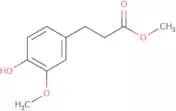
Formule :C9H6Cl2O2Degré de pureté :Min. 95%Couleur et forme :PowderMasse moléculaire :217.05 g/molβ-(4-Hydroxy-3-methoxyphenyl)propionic acid methyl ester
CAS :β-(4-Hydroxy-3-methoxyphenyl)propionic acid methyl ester is a fine chemical used as a building block in the synthesis of pharmaceuticals, agrochemicals, and other chemicals. It is also used as a reagent for the detection of alkaloids and for the preparation of valuable speciality chemicals. β-(4-Hydroxy-3-methoxyphenyl)propionic acid methyl ester is an intermediate in organic reactions or can be used to synthesize complex compounds such as antibiotics. It is also an important scaffold that can be modified to produce new drugs with different properties.Formule :C11H14O4Degré de pureté :Min. 95%Couleur et forme :Clear LiquidMasse moléculaire :210.23 g/mol4-tert-Butylcalix[4]arene - contains 12% residual solvent (ethyl acetate and acetonitrile)
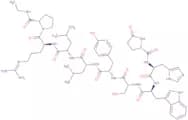
CAS :4-tert-Butylcalix[4]arene is a polymorphic compound with transport properties. It has been shown to have an activation energy of ˜30 kcal/mol, and can be characterized by its nmr spectra. The molecule can be found in n-hexane and zirconium. 4-tert-Butylcalix[4]arene is a coordination complex with a transfer mechanism that contains chloride or metal ion. It forms an acid complex with thermally stable molecules.Formule :C44H56O4Degré de pureté :Min. 95%Couleur et forme :PowderMasse moléculaire :648.91 g/mol(Des-Gly10,D-Ser4,D-Leu6,Pro-NHEt 9)-LHRH trifluoroacetate
CAS :Please enquire for more information about (Des-Gly10,D-Ser4,D-Leu6,Pro-NHEt 9)-LHRH trifluoroacetate including the price, delivery time and more detailed product information at the technical inquiry form on this page
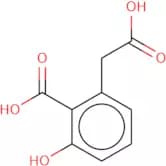
Formule :C59H84N16O12•(C2HF3O2)xDegré de pureté :Min. 98 Area-%Couleur et forme :PowderMasse moléculaire :1,209.4 g/mol2-Carboxy-3-hydroxyphenyl acetic acid
CAS :2-Carboxy-3-hydroxyphenyl acetic acid is a fine chemical that is used in research, as well as in the synthesis of other compounds. It is a versatile building block that can be used to make more complex compounds and has been shown to be useful in many reactions. It is also a useful intermediate and scaffold for drug design and development. 2-Carboxy-3-hydroxyphenyl acetic acid can be used to synthesize drugs that are capable of inhibiting protein translation or protein synthesis.Formule :C9H8O5Degré de pureté :Min. 95%Couleur et forme :PowderMasse moléculaire :196.16 g/mol3,5-Dimethoxyphenylacetic acid
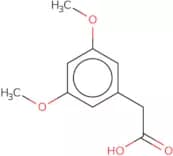
CAS :3,5-Dimethoxyphenylacetic acid is a reagent that can be used in the synthesis of many organic compounds. It is also a high quality chemical with a CAS number of 4670-10-4. 3,5-Dimethoxyphenylacetic acid is useful as a research chemical and as an intermediate for the synthesis of more complex compounds. This compound has been shown to be a versatile building block and useful scaffold in the synthesis of highly complex chemicals.
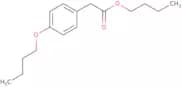
Formule :C10H12O4Degré de pureté :Min. 95%Couleur et forme :White PowderMasse moléculaire :196.2 g/mol4-n-Butoxyphenylacetic acid butyl ester
CAS :4-n-Butoxyphenylacetic acid butyl ester is a chemical reagent that has been studied extensively as a useful intermediate in organic synthesis. It is of high purity and quality, and can be used for many applications.Formule :C16H24O3Degré de pureté :80%Couleur et forme :PowderMasse moléculaire :264.36 g/molSmac-N7 Peptide trifluoroacetate salt
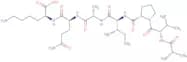
CAS :Smac-N7 is a peptide that binds to the mitochondrial pathway of apoptosis and inhibits the activation of caspase-3. This peptide has been shown to inhibit the death ligand, which would normally trigger the release of cytochrome c from mitochondria and activate other caspases. In addition, Smac-N7 has been shown to induce cleavage activity in cells. It also prevents the protein survivin from binding to cellular receptors, which may be responsible for its ability to inhibit cell proliferation.Formule :C33H59N9O9Degré de pureté :Min. 95%Masse moléculaire :725.88 g/mol(1-Methylethyl)boronic acid
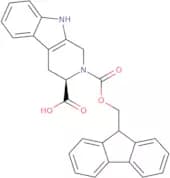
CAS :(1-Methylethyl)boronic acid is a boronic acid that can be used as a catalyst in organic synthesis. This compound is an organometallic compound that has been shown to be a good catalyst for the polymerization of olefins, and for the preparation of copolymers with polyenes. It can also be used in asymmetric synthesis and as a site-specific ligand in transition metal catalyzed reactions. (1-Methylethyl)boronic acid has been shown to inhibit protease activity and may have therapeutic potential for metabolic disorders such as obesity.Formule :C3H9BO2Degré de pureté :Min. 95%Couleur et forme :PowderMasse moléculaire :87.91 g/molFmoc-D-1,2,3,4-tetrahydronorharman-3-carboxylic acid
CAS :Fmoc-D-1,2,3,4-tetrahydronorharman-3-carboxylic acid is a fine chemical that is a versatile building block and reaction intermediate. It is a high quality compound with CAS No. 268731-07-3. Fmoc-D-1,2,3,4-tetrahydronorharman-3-carboxylic acid can be used as a reagent for the synthesis of complex compounds and scaffolds. This compound has been shown to have useful properties in the research field.Formule :C27H22N2O4Degré de pureté :Min. 95%Masse moléculaire :438.47 g/molBenzohydroxamic acid potassium
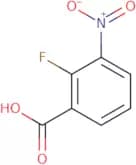
CAS :Benzohydroxamic acid potassium salt is an organic compound that is soluble in water, but insoluble in organic solvents. It has a molecular weight of 134.2, and its chemical formula is C7H6N4O3K. It can react with acid solutions to form hydroxamic acids (e.g., benzohydroxamic acid). The nmr spectra of these compounds have been shown to be sensitive to the presence of molybdenum or other metal ions. Benzohydroxamic acid potassium salt can be synthesized by reacting hydrochloric acid with zirconium tetrachloride and carbon tetrachloride in the presence of ethyl bromoacetate. This reaction produces insoluble benzohydroxamic acid potassium salt together with ethyl bromoacetate as a byproduct. Molecular weight: 134.2 Chemical formula: C7H6N4O3K SolubleFormule :C7H7NO2•KDegré de pureté :Min. 95%Couleur et forme :PowderMasse moléculaire :176.23 g/mol2-Fluoro-3-nitrobenzoic acid
CAS :2-Fluoro-3-nitrobenzoic acid is a fine chemical that has been used as a building block for research chemicals, reagents, and speciality chemicals. It is also a versatile building block for the synthesis of complex compounds and useful scaffolds. 2-Fluoro-3-nitrobenzoic acid can be used as an intermediate in organic reactions or as a reaction component in the synthesis of pharmaceuticals. This compound has been shown to have high purity and good quality with CAS No. 317-46-4.Formule :C7H4O4NFDegré de pureté :Min. 95%Couleur et forme :PowderMasse moléculaire :185.11 g/molalpha-Mating Factor acetate salt
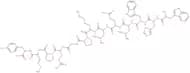
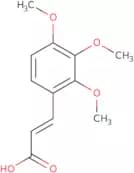
CAS :Alpha-Mating Factor acetate salt is a complex compound that is a useful intermediate, building block, and reaction component. Alpha-Mating Factor acetate salt has been shown to be a useful scaffold for the synthesis of other compounds. It can also be used as a reagent in research or as a speciality chemical. Alpha-Mating Factor acetate salt is soluble in water and most organic solvents, making it versatile in its applications.Formule :C82H114N20O17S·xC2H4O2Degré de pureté :Min. 95%Couleur et forme :PowderMasse moléculaire :1,683.97 g/moltrans-2,3,4-Trimethoxycinnamic acid
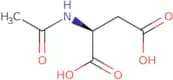
CAS :Trans-2,3,4-trimethoxycinnamic acid is a bioactive chemical that has been shown to have significant antioxidant activity. This compound is a hydrogen peroxide scavenger and can be used in devices to remove hydrogen peroxide from water. Trans-2,3,4-trimethoxycinnamic acid has also been shown to inhibit the production of campesterol and paromomycin in bacteria. Furfural is an inhibitor of trans-2,3,4-trimethoxycinnamic acid and its oxidation products. Trans-2,3,4-trimethoxycinnamic acid can be oxidised by furfural to produce glycerin and formic acid. It also inhibits the formation rate of amides from cinnamyl alcohol.Formule :C12H14O5Degré de pureté :Min. 98 Area-%Couleur et forme :PowderMasse moléculaire :238.24 g/molN-Acetyl-L-aspartic acid
CAS :N-Acetyl-L-aspartic acid is a molecule that has been shown to be a potential biomarker for neuronal death, with activity index levels inversely correlating with the number of granule neurons. The chemical stability of N-acetyl-L-aspartic acid was tested using various in vitro methods and found to be stable at a wide range of pHs and temperatures. This compound has also been shown to have a role in brain function, axonal growth, and metabolic disorders. This compound is found naturally in vivo in humans.Formule :C6H9NO5Couleur et forme :White PowderMasse moléculaire :175.14 g/molResorcinol-o,o'-diacetic acid
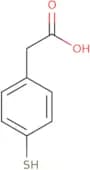
CAS :Resorcinol-o,o'-diacetic acid is a copolymer that is used in the production of polyurethane, glyceride, or heptane. It has been shown to have a brittleness of less than 1% and can be used for the production of polyester. Resorcinol-o,o'-diacetic acid is also used as an intermediate in the synthesis of terephthalic acid and chromatographic detection method. Resorcinol-o,o'-diacetic acid is hydrophilic and can be used for packaging food and packaging materials.Formule :C10H10O6Degré de pureté :Min. 95%Couleur et forme :White PowderMasse moléculaire :226.18 g/mol4-Mercaptophenylacetic acid
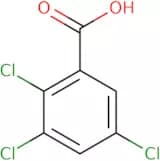
CAS :4-Mercaptophenylacetic acid is a palladium complex that inhibits the synthesis of proteins by binding to the ribosome and blocking peptide bond formation. The molecule has a polymeric matrix with a high degree of crystallinity and an isolated yield of greater than 95%. 4-Mercaptophenylacetic acid is immobilized on a carboxylate surface and has been shown to have pharmacokinetic properties. It can be used in the treatment of cancer cells and inhibits protein synthesis, leading to cell death. 4-Mercaptophenylacetic acid also has anti-inflammatory activities due to its inhibition of prostaglandin synthesis.Formule :C8H8O2SDegré de pureté :Min. 95%Couleur et forme :Yellow PowderMasse moléculaire :168.21 g/mol2,3,5-Trichlorobenzoic acid
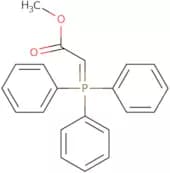
CAS :2,3,5-Trichlorobenzoic acid is a chemical compound that can be synthesized from phenacyl chloride and phthalic anhydride. The synthesis of 2,3,5-trichlorobenzoic acid is accomplished in two steps. First, the phenacyl chloride and ammonium sulfate are mixed together at a temperature of about 100°C for about 12 hours to produce 2-chloro-4-(phenylazo)benzene-1,3-diol (2). This product is then mixed with phthalic anhydride at a temperature of about 150°C for about 6 hours to produce 2,3,5-trichlorobenzoic acid (1). The synthesis of this compound has been shown to be thermophilic and reactive. It has also been shown to have single crystal x-ray diffraction properties.Formule :C7H3Cl3O2Degré de pureté :Min. 95%Couleur et forme :White PowderMasse moléculaire :225.46 g/molMethyl(triphenylphosphoranylidene)acetate
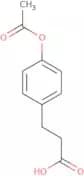
CAS :Methyl(triphenylphosphoranylidene)acetate is a bicyclic heterocycle with an amino acid sequence that has been determined by x-ray diffraction data. This compound has shown to be an inhibitor of the enzyme glutathione reductase, which converts oxidized glutathione (GSSG) back to the reduced form (GSH). Methyl(triphenylphosphoranylidene)acetate also inhibits other enzymes such as cytochrome p450 and mycobacterium tuberculosis esterases. The reaction mechanism for methyl(triphenylphosphoranylidene)acetate is not yet known but it may involve the formation of an intramolecular hydrogen bond between the NH group and the oxygen atom on C3. This compound has been shown to have anticancer properties in hl-60 cells, which is consistent with its ability to inhibit prostaglandin synthesis. It also has antioxidant properties dueFormule :C21H19O2PDegré de pureté :Min. 98 Area-%Couleur et forme :White Off-White PowderMasse moléculaire :334.35 g/molβ-(4-Acetoxyphenyl)propionic acid
CAS :Beta-Propionic acid is an organic compound that belongs to the group of monocarboxylic acids. The chemical name for beta-propionic acid is 2-oxopropanoic acid. Beta-Propionic acid has a molecular weight of 88.06 grams per mole and a melting point of -79 degrees Celsius. This product is soluble in water, ethanol, ether, and ethyl acetate. It also reacts with dilute alkalis to form salts such as sodium bicarbonate and potassium propionate. Beta-Propionic acid is used in the manufacturing of polyurethane plastics, as well as in the production of resins for paints and varnishes.Formule :C11H12O4Degré de pureté :Min. 95%Couleur et forme :PowderMasse moléculaire :208.21 g/molTaurochenodeoxycholic acid
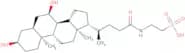
CAS :Taurochenodeoxycholic acid is a bile acid derivative, which is a conjugated form of chenodeoxycholic acid. It is sourced from the bile of mammals, specifically as a conjugate of taurine and chenodeoxycholic acid. This compound participates in the emulsification of dietary fats, which is crucial for lipid digestion and absorption. Additionally, it contributes to the regulation of cholesterol homeostasis by modulating bile acid pool sizes and is involved in signaling pathways that affect lipid metabolism.
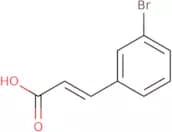
Formule :C26H45NO6SDegré de pureté :Min. 95%Couleur et forme :PowderMasse moléculaire :499.7 g/mol3-Bromocinnamic acid
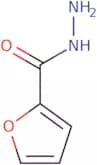
CAS :3-Bromocinnamic acid is a long-term treatment that inhibits the adenosine receptor, which is an important component of the central nervous system. It has been shown to have biological properties such as cell growth inhibition, depressant effect, and inhibitory effects on HIV replication. 3-Bromocinnamic acid also inhibits the action of sodium salts in vitro and in vivo, suggesting that this drug may be useful for the treatment of epilepsy. 3-Bromocinnamic acid can be used to study the mechanisms by which sirt1 inhibitors act as anticancer drugs. In addition, 3-bromocinnamic acid has been shown to have therapeutic potential for treating Alzheimer's disease and Parkinson's disease.Formule :C9H7BrO2Degré de pureté :Min. 95%Couleur et forme :PowderMasse moléculaire :227.05 g/mol2-Furoic acid hydrazide
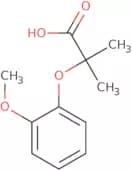
CAS :2-Furoic acid hydrazide is an antifungal agent that inhibits the synthesis of cell membrane lipids by inhibiting the enzyme enoyl-ACP reductase. This compound has been shown to be effective against Candida albicans in vitro and in vivo. 2-Furoic acid hydrazide may also have amoebicidal activity, although this has not yet been confirmed. The mechanism of action of 2-furoic acid hydrazide is currently unknown, but it may be due to its ability to inhibit adenosine receptor antagonists and its interaction with hydrogen bonding interactions.Formule :C5H6N2O2Degré de pureté :Min. 95%Couleur et forme :PowderMasse moléculaire :126.11 g/mol2-(2-Methoxyphenoxy)-2-methylpropanoic acid
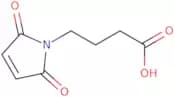
CAS :2-(2-Methoxyphenoxy)-2-methylpropanoic acid is a versatile building block that can be used as a reagent in organic synthesis. It is also an intermediate for the synthesis of various pharmaceuticals, including 2-methoxyestradiol and methoxymacroin. This compound is commercially available from chemical suppliers and can be used to synthesize other compounds with a variety of functional groups.Formule :C11H14O4Degré de pureté :Area-% Min. 95 Area-%Couleur et forme :PowderMasse moléculaire :210.23 g/mol4-Maleimidobutyric acid
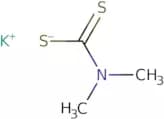
CAS :4-Maleimidobutyric acid is a molecule that is used for the immobilization of peptides and proteins. It has been shown to bind to lysine residues on the surface of epidermal growth factor, which may be due to its ability to form covalent bonds with amino groups. This binding prevents the protein from interacting with cells in culture. 4-Maleimidobutyric acid also inhibits bacterial growth, including activity against Staphylococcus aureus, Bacillus anthracis, Mycobacterium tuberculosis, and Pseudomonas aeruginosa. 4-Maleimidobutyric acid has been shown to inhibit cancer cell proliferation in a Ca2+-dependent manner. It may also be effective as an antimicrobial agent due to its ability to disrupt proton gradients and acidic environments found in bacteria.Formule :C8H9NO4Degré de pureté :Min. 98 Area-%Couleur et forme :PowderMasse moléculaire :183.16 g/molPotassium dimethyldithiocarbamate - 50% aqueous solution
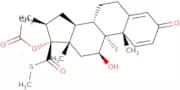
CAS :Potassium dimethyldithiocarbamate is a biocide that is used for the treatment of wastewater. It has been shown to inhibit the growth of bacteria and fungi through its antimicrobial activity. Potassium dimethyldithiocarbamate prevents bacterial attachment to surfaces, which may be due to its ability to bind covalently with proteins and form a protective layer on metal surfaces. This agent also has an inhibitory effect on complex enzyme reactions, such as transfer reactions, which are important in microbial metabolism.Formule :C3H7NS2·KDegré de pureté :Min. 95%Couleur et forme :Clear LiquidMasse moléculaire :160.32 g/mol[(8S,10S,11S,13S,14S,16S)-9-Fluoro-11-Hydroxy-10,13,16-Trimethyl-17-Methylsulfanylcarbonyl-3-Oxo-6,7,8,11,12,14,15,16-Octahydrocyclo penta[a]Phenanthren-17-Yl] Acetate
CAS :Produit contrôlé(8S,10S,11S,13S,14S,16S)-9-Fluoro-11-Hydroxy-10,13,16-Trimethyl-17-Methylsulfanylcarbonyl-3-Oxo-6,7,8,11,12,14,15,16-Octahydrocyclo penta[a]Phenanthren-17-Yl) Acetate is a fatty acid ester that is used as a pharmaceutical preparation. It has been shown to be an effective treatment for the muscle wasting disease myotonic dystrophy and has been approved by the FDA. (8S,10S,11S,13S,14S,, 16 S)-9 - Fluoro - 11 - Hydroxy - 10 , 13 , 16 - Trimethyl - 17 - Methylsulfanylcarbonyl - 3 - Oxo - 6 , 7 , 8 , 11Formule :C24H31FO5SDegré de pureté :Min. 95%Masse moléculaire :450.56 g/mol3-Chloro-5-hydroxybenzoic acid
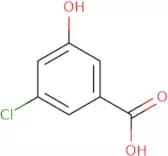
CAS :3-Chloro-5-hydroxybenzoic acid is a fluorescent compound that has been used to study insulin resistance in rats. Using fluorescence resonance energy transfer, this study found that 3-chloro-5-hydroxybenzoic acid increases insulin sensitivity and decreases blood pressure levels. It is hypothesized that the observed effects are due to an increase in the uptake of 3,5-dihydroxybenzoic acid into cells, which helps regulate the release of nitric oxide from afferent arterioles. Increased nitric oxide leads to vasodilation and increased uptake of glucose by muscle cells. This mechanism may be responsible for the observed decrease in blood pressure and improved insulin sensitivity.
Formule :C7H5ClO3Degré de pureté :Min. 95%Couleur et forme :PowderMasse moléculaire :172.56 g/molEthyl azidoacetate
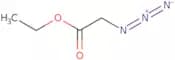
CAS :Ethyl azidoacetate is a synthetic compound that contains an ethyl group and an azide group. It undergoes photolysis in the presence of benzyl groups to produce benzyl azide and ethyl malonic acid. The photoelectron spectra of ethyl azidoacetate show two peaks at 285 and 320 nm, which correspond to the two lowest energy levels in the ground state. The quantum theory predicts that the binding constants for receptors are proportional to the square root of their corresponding dissociation constants, which may explain why it has high binding constants for both cb2 receptor and receptor binding.Formule :C4H7N3O2Degré de pureté :Min. 95%Couleur et forme :Yellow PowderMasse moléculaire :129.1 g/molDiethylenetriaminepentaacetic acid dianhydride
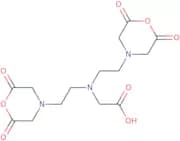
CAS :Diethylenetriaminepentaacetic acid dianhydride (DTPA) is a gadolinium chelate that can be used as a contrast agent. DTPA has been shown to have high affinity for the integrin receptor, which is expressed on the surface of many human cancer cells. This property makes DTPA an effective diagnostic tool for imaging and detecting tumor cells in vivo. DTPA is also useful for diagnosing myeloma cell lines and mouse tumors, due to its ability to bind to metal ions such as iron or copper.Formule :C14H19N3O8Degré de pureté :Min. 95%Couleur et forme :PowderMasse moléculaire :357.32 g/moltert-Butyl-4-(2-bromoethyl)piperidine-1-carboxylate
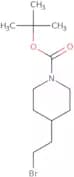
CAS :tert-Butyl-4-(2-bromoethyl)piperidine-1-carboxylate is a white solid with a molecular weight of 215.07. It is soluble in organic solvents such as dichloromethane, ethanol, acetone and ether. The CAS number for this chemical is 169457-73-2. This product can be used as a reagent or complex compound to synthesize other fine chemicals, useful scaffolds and building blocks, speciality chemicals and research chemicals. It has many versatile uses due to its wide range of functional groups that are easily modified by various synthetic reactions.Formule :C12H22BrNO2Degré de pureté :Min. 97 Area-%Couleur et forme :PowderMasse moléculaire :292.21 g/molS-Methyl-L-thiocitrulline acetate salt
CAS :Produit contrôléS-Methyl-L-thiocitrulline acetate salt (SMTSA) is an inhibitor of the enzyme cyclase that inhibits the production of 5-hydroxytryptamine (5-HT) in the gastrointestinal tract. SMTSA has been shown to reduce 5-HT concentrations in mesenteric vessels and inhibit the physiological effects of 5-HT in rats. This drug also inhibits dopamine release from synaptosomes, which may be due to its ability to act as a competitive inhibitor of ester hydrochloride, dinucleotide phosphate, and cyclase. In addition, this drug has been shown to have a cytotoxic effect on cardiac myocytes by causing calcium influx into the cytosol and inhibiting ryanodine receptor channels.Formule :C7H15N3O2SDegré de pureté :Min. 95%Couleur et forme :PowderMasse moléculaire :205.28 g/mol2-(2,4-Dichlorobenzenesulphonyl)propionic acid hydrazide
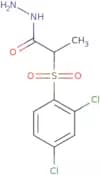
CAS :Please enquire for more information about 2-(2,4-Dichlorobenzenesulphonyl)propionic acid hydrazide including the price, delivery time and more detailed product information at the technical inquiry form on this pageDegré de pureté :Min. 95%3-Ethoxy-2-methylbenzoic acid - 90%
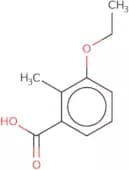
CAS :3-Ethoxy-2-methylbenzoic acid is a white solid that is soluble in organic solvents. It has a molecular weight of 192.3 and an empirical formula of C9H11O3. 3-Ethoxy-2-methylbenzoic acid can be used as a building block for diverse chemical reactions and processes, including the synthesis of pharmaceuticals, pesticides, and other fine chemicals. This compound is also used as a research chemical, reaction component, or speciality chemical in various experiments and projects. 3-Ethoxy-2-methylbenzoic acid provides high quality reagents to scientists for use in research.br>br>Formule :C10H12O3Degré de pureté :Min. 95%Couleur et forme :PowderMasse moléculaire :180.2 g/mol3-Hydroxy-4-methoxybenzoic acid
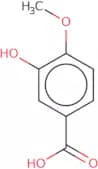
CAS :3-Hydroxy-4-methoxybenzoic acid is a phenolic acid with antiinflammatory activity. It can be found in the leaves of the plant "Anacardium occidentale" or as an intermediate in the synthesis of protocatechuic acid, which is formed by oxidation of 3-hydroxycinnamic acid. 3-Hydroxy-4-methoxybenzoic acid has been shown to inhibit bacterial growth and fungal infection in vitro. The compound also inhibits proinflammatory cytokine production by human monocytes and macrophages, which may be due to its hydroxyl group that can form hydrogen bonds with nucleophilic centers on proteins. 3-Hydroxy-4-methoxybenzoic acid can be prepared through extraction from acetate (1g) containing pyridine (2mL) and acetone (2mL). The extract is incubated at 50°C for 20 minutes before being cooled. TheFormule :C8H8O4Degré de pureté :Min. 95%Couleur et forme :PowderMasse moléculaire :168.15 g/mol2-(3-Methoxyphenoxy)-2-methylpropanoic acid
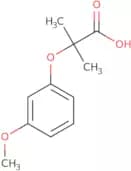
CAS :2-(3-Methoxyphenoxy)-2-methylpropanoic acid is a reagent, useful intermediate and speciality chemical. It is a versatile building block for the synthesis of complex compounds. This product has CAS No. 140239-94-7, which is a fine chemical with high quality. It is an essential reaction component for the preparation of many other valuable chemicals in the laboratory.Formule :C11H14O4Degré de pureté :Min. 95%Couleur et forme :PowderMasse moléculaire :210.23 g/molCadmium diethyldithiocarbamate
CAS :Cadmium diethyldithiocarbamate is a chemical compound with the molecular formula Cd(C2H5)2S2Cl, which contains a disulfide bond. It is a light-sensitive powder that can be prepared in a variety of ways. Cadmium diethyldithiocarbamate can be used as an analytical reagent for metal ions and other compounds. It is also used in the synthesis of zinc diethyldithiocarbamate, which has been shown to have anti-inflammatory properties in rat models. The divalent hydrocarbon nature of cadmium diethyldithiocarbamate makes it useful as a solid dispersant in liquid chromatography methods.
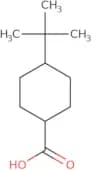
Formule :C10H20CdN2S4Degré de pureté :Area-% Min. 95 Area-%Couleur et forme :PowderMasse moléculaire :408.95 g/mol4-tert-Butylcyclohexanecarboxylic acid
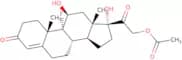
CAS :4-tert-Butylcyclohexanecarboxylic acid is a monocarboxylic acid. It has been used as an analytical chemical for the estimation of naphthenic acids in petroleum oils. 4-tert-Butylcyclohexanecarboxylic acid has been identified as one of the major components of crude oil. The titration method is based on the formation of a complex with cyclopentylmethyl, which can be determined by measuring its UV absorption at 260 nm. This chemical can be used to synthesize 2-phenylbutyric acid, which is a useful carbon source for microorganisms that produce biodegradable plastics and other materials. The synthesis of this chemical starts with a strain of bacteria that converts monoacetic acid into 2-phenylbutyric acid. The mechanistic pathway involves stereoisomers and aldehydes.Formule :C11H20O2Degré de pureté :Min. 95%Couleur et forme :PowderMasse moléculaire :184.28 g/molFludrocortisone acetate
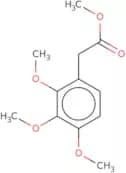
CAS :Produit contrôléFludrocortisone acetate is a corticosteroid hormone used in the treatment of a number of diseases, including infectious diseases. Fludrocortisone acetate can be administered orally or by injection. It is also used to treat bowel disease and as an aid to diagnose subarachnoid hemorrhage. The matrix effect of fludrocortisone acetate has been studied using human serum and polymerase chain reactions (PCR). Fludrocortisone acetate is stable at temperatures below its phase transition temperature, but it undergoes degradation at higher temperatures. This drug is not active against bacteria, fungi, viruses, or parasites.Formule :C23H31FO6Degré de pureté :Min. 95%Couleur et forme :PowderMasse moléculaire :422.49 g/molMethyl 2,3,4-trimethoxyphenyl acetate
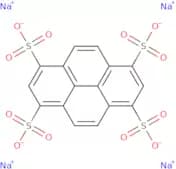
CAS :Methyl 2,3,4-trimethoxyphenyl acetate is a high quality reagent that can be used to synthesize complex compounds. This compound is also useful as an intermediate in the synthesis of fine chemicals and useful scaffolds for chemical research. CAS No. 22480-88-2 Methyl 2,3,4-trimethoxyphenyl acetate is a versatile building block that can be used to synthesize other compounds with a wide range of applications.Formule :C12H16O5Degré de pureté :Min. 95%Couleur et forme :PowderMasse moléculaire :240.25 g/mol1,3,6,8-Pyrenetetrasulfonic acid tetrasodium salt - powder
CAS :1,3,6,8-Pyrenetetrasulfonic acid tetrasodium salt is a fluorescent dye that belongs to the group of hydroxide salts. It has been shown to have an absorption maximum at 524 nm and emission maximum at 585 nm. The molecule has a constant pressure of 0.1 mmHg when dissolved in water. 1,3,6,8-Pyrenetetrasulfonic acid tetrasodium salt is soluble in water and hydrochloric acid and has been used as a microcapsule encapsulation agent for copper complexes. This substance also absorbs light due to its dipole moment and can be used as a control experiment for other substances with different optical properties.
Formule :C16H6Na4O12S4Degré de pureté :Min. 97 Area-%Couleur et forme :PowderMasse moléculaire :610.43 g/molLY2112688 trifluoroacetate
CAS :Please enquire for more information about LY2112688 trifluoroacetate including the price, delivery time and more detailed product information at the technical inquiry form on this page
Formule :C51H70N18O11S2•(C2HF3O2)xDegré de pureté :Min. 95%Couleur et forme :PowderMasse moléculaire :1,175.35 g/molcis-4-Chloro-3-nitrocinnamic acid
Cis-4-Chloro-3-nitrocinnamic acid is an aromatic organic compound with potential utility in biochemical research and synthesis. This compound is typically derived from synthetic chemical processes involving chlorination and nitration reactions on cinnamic acid derivatives. Its molecular structure, characterized by both chloro and nitro functional groups, allows it to interact in unique ways with various biochemical pathways and molecular frameworks.
Formule :C9H6ClNO4Degré de pureté :Min. 95%Couleur et forme :White PowderMasse moléculaire :227.6 g/molGanoderic acid B
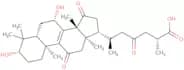
CAS :Produit contrôléGanoderic acid B is a fatty acid that can be extracted from the mushroom Ganoderma lucidum. It has been shown to inhibit acetylcholinesterase and butyrylcholinesterase, which are enzymes involved in neurotransmission. This compound also inhibits the production of nitric oxide, prostaglandins, and leukotrienes by inhibiting the activation of phospholipases A2 and cyclooxygenases. In addition, it has been shown to have anti-inflammatory effects and may be used for the treatment of symptoms such as dry eye syndrome, lacrimal gland inflammation, or chronic asthma. Ganoderic acid B can be found in some dietary supplements or food products as an ingredient.Formule :C30H44O7Degré de pureté :Min. 95%Couleur et forme :White PowderMasse moléculaire :516.67 g/molFmoc-(S)-3-amino-3-(2-nitrophenyl)propionic acid
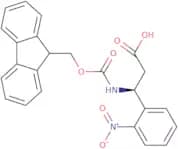
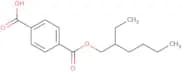
CAS :Please enquire for more information about Fmoc-(S)-3-amino-3-(2-nitrophenyl)propionic acid including the price, delivery time and more detailed product information at the technical inquiry form on this pageFormule :C24H20N2O6Degré de pureté :Min. 95%Couleur et forme :White PowderMasse moléculaire :432.43 g/molMono(2-ethylhexyl) terephthalate
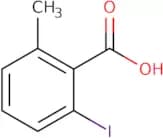
CAS :Please enquire for more information about Mono(2-ethylhexyl) terephthalate including the price, delivery time and more detailed product information at the technical inquiry form on this pageFormule :C16H22O4Degré de pureté :Min. 95%Couleur et forme :PowderMasse moléculaire :278.34 g/mol2-Iodo-6-methylbenzoic acid
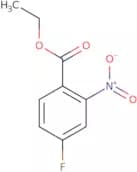
CAS :2-Iodo-6-methylbenzoic acid is a chemical used as an additive in the manufacture of plastics, paints and rubber. It is also a ligand for some transition metals. 2-Iodo-6-methylbenzoic acid has been found to be an active natural product that can be synthesized from phthalimides or other amines. 2-Iodo-6-methylbenzoic acid reacts with donepezil to form a multistep reaction intermediate called A, which is then oxidized by a transition metal to form the final product, aricept. The operational mechanism of this reaction is not yet fully understood, but it may involve an alkene intermediate.Formule :C8H7IO2Degré de pureté :Min. 95%Couleur et forme :PowderMasse moléculaire :262.04 g/mol4-Fluoro-2-nitrobenzoic acid ethyl ester
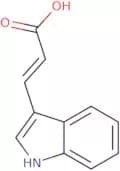
CAS :4-Fluoro-2-nitrobenzoic acid ethyl ester is a fine chemical that can be used as a reagent, intermediate compound, building block, scaffold and building block for speciality chemicals. It has been shown to be an effective chemical in the synthesis of 4-fluoro-2-nitrobenzoic acid, which is a versatile building block with many potential applications. 4-Fluoro-2-nitrobenzoic acid ethyl ester is also useful in reactions involving amines and alcohols as well as metal catalyzed reactions. This product has CAS No. 1072207-10-3.Formule :C9H8FNO4Degré de pureté :(%) Min. 85%Couleur et forme :Clear LiquidMasse moléculaire :213.16 g/mol3-(1H-Indol-3-yl)acrylic acid
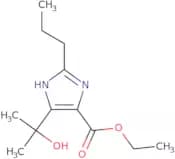
CAS :(2E)-3-(1H-Indol-3-yl)acrylic acid is a chemical compound that can be found in the plant genus "Actinomycetes". It has significant antiproliferative activity and may induce apoptotic cell death. (2E)-3-(1H-Indol-3-yl)acrylic acid is a precursor to the aromatic amino acid l-phenylalanine, which can be used for the synthesis of many other compounds. The compound was first isolated in an ethanolic extract of Actinomycetes bacteria and identified by NMR spectroscopy. In addition, (2E)-3-(1H-Indol-3-yl)acrylic acid is metabolized into chloride and methanol. It is also a low detection substance in urine, making it difficult to detect using current methods.Formule :C11H9NO2Degré de pureté :Min. 95%Couleur et forme :White PowderMasse moléculaire :187.19 g/mol4-(1-Hydroxy-1-methylethyl)-2-propyl-1H-imidazole-5-carboxylic acid ethyl ester
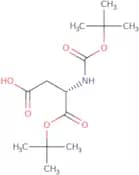
CAS :4-(1-Hydroxy-1-methylethyl)-2-propyl-1H-imidazole-5-carboxylic acid ethyl ester is a synthetic drug with pharmacological properties that are similar to those of the natural product medoxomil. It has been shown to be a potent blocker of the GABA receptor and is used for the treatment of epilepsy. 4-(1-Hydroxy-1-methylethyl)-2-propyl-1H-imidazole-5-carboxylic acid ethyl ester has been shown to be an inhibitor of rat liver microsomes and also has a high affinity for the enzyme cilexetil, which is responsible for the conversion of cilexetil into its active form.Formule :C12H20N2O3Degré de pureté :Min. 95%Couleur et forme :PowderMasse moléculaire :240.3 g/molN-tert-Boc-L-aspartic acid tert-butyl ester
CAS :N-tert-Boc-L-aspartic acid tert-butyl ester is a chemical compound that is synthesized in the laboratory. It has been shown to have an insulinotropic effect on plasma samples and may be used in the treatment of cancer. The ring opening of N-tert-Boc-L-aspartic acid tert-butyl ester yields L-aspartic acid, which can be used for the synthesis of collagen or glycopeptide. This chemical is also found to stimulate T cells and has been shown to inhibit proliferation of cancer cells in vitro.Formule :C13H23NO6Degré de pureté :Min. 95%Couleur et forme :White PowderMasse moléculaire :289.32 g/mol(2-[Biotinamido]ethylamido)-3,3'-dithiodipropionic acid N-hydroxysuccinimide ester
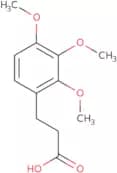
CAS :Biotinamido-3,3'-dithiodipropionic acid N-hydroxysuccinimide ester is a biotinylated derivative of the lectin from Streptomyces griseus. It has been shown to bind to the mycolic acid on the surface of mycobacteria and activate inflammatory cells. The lectin has also been used as a vaccine adjuvant for tuberculosis and other bacterial infections. Biotinamido-3,3'-dithiodipropionic acid N-hydroxysuccinimide ester activates Toll-like receptor 4 (TLR4) and induces secretion of tumor necrosis factor alpha (TNF-α). TLR4 is a cell surface receptor that recognizes various microbial products, such as lipopolysaccharides (LPS), peptidoglycan, and unmethylated CpG DNA.Formule :C22H33N5S3O7Degré de pureté :Min. 95%Couleur et forme :PowderMasse moléculaire :575.72 g/mol3-(2,3,4-trimethoxyphenyl)propanoic acid
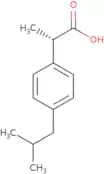
CAS :3-(2,3,4-Trimethoxyphenyl)propanoic acid is a high quality chemical that is used as a reagent and as a useful intermediate in the production of fine chemicals. CAS No. 33130-04-0 is a versatile building block with many applications in the research and development of compounds for use as pharmaceuticals, agrochemicals, or other chemicals. 3-(2,3,4-Trimethoxyphenyl)propanoic acid can be used to synthesize new chemical substances with different properties than those of the starting material. This compound has been shown to have many uses in organic synthesis due to its versatility and reactivity.Formule :C12H16O5Degré de pureté :Min. 98 Area-%Couleur et forme :PowderMasse moléculaire :240.25 g/mol(S)-(+)-4-Isobutyl-a-methylphenylacetic acid
CAS :Ibuprofen is a non-steroidal anti-inflammatory drug (NSAID) that inhibits the production of prostaglandins and has been shown to be effective in the treatment of pain, fever, and inflammation. Ibuprofen binds to and blocks cyclooxygenase enzymes COX-1 and COX-2, which are responsible for the production of prostaglandins. It also inhibits leukocyte migration, which may reduce symptoms associated with infectious diseases. The molecular docking analysis has shown that ibuprofen interacts with crystalline cellulose through hydrogen bonding interactions. Ibuprofen can be used in conjunction with sodium citrate as an anticoagulant during blood sampling procedures to prevent clotting. This medication can cause side effects such as nausea, stomach upset, heartburn, dizziness, headache, or increased risk of bleeding.>Formule :C13H18O2Degré de pureté :Min. 95%Couleur et forme :White PowderMasse moléculaire :206.28 g/mol3-Cyclohexylpropiolic acid
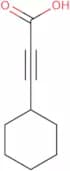
CAS :3-Cyclohexylpropiolic acid is a chemical intermediate that is used in the production of other chemicals. It is a versatile building block with a wide range of reactions and applications. 3-Cyclohexylpropiolic acid has been used as a reagent and as a speciality chemical for research purposes. This compound has also been shown to be useful in the synthesis of complex compounds, such as pharmaceuticals, natural products, pesticides, and dyes. 3-Cyclohexylpropiolic acid can be used as a reaction component or intermediate for the synthesis of many different compounds.Formule :C9H12O2Degré de pureté :Min. 95 Area-%Masse moléculaire :152.19 g/mol5-Methyltetrahydrofolic acid disodium salt
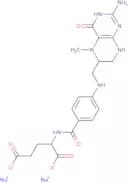
CAS :5-Methyltetrahydrofolic acid disodium salt is a form of vitamin B9 that is produced by the body from 5,10-methylenetetrahydrofolate. It also can be obtained through the diet in foods such as milk, eggs, and leafy vegetables. This vitamin is necessary for many cellular processes, including amino acid metabolism. 5-Methyltetrahydrofolic acid disodium salt has been shown to have a significant effect on neuron cell growth and health. It has been shown to stimulate the enzyme activities of catecholamine-O-methyltransferase and dopamine beta hydroxylase in vitro. The effects were seen with both acidic and neutral pHs. 5-Methyltetrahydrofolic acid disodium salt has been found to be a selective inhibitor of receptor α (rho) uptake in Caco-2 cells at acidic pHs but not at neutral pHs. In additionFormule :C20H23N7Na2O6Couleur et forme :PowderMasse moléculaire :503.42 g/mol2-(4-Bromophenyl)-5,5-dimethyl-1,3-thiazolidine-4-carboxylic acid
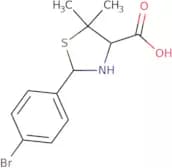
CAS :2-(4-Bromophenyl)-5,5-dimethyl-1,3-thiazolidine-4-carboxylic acid is a fine chemical that can be used as a building block for research chemicals. It can also be used as an intermediate in the synthesis of complex compounds. 2-(4-Bromophenyl)-5,5-dimethyl-1,3-thiazolidine-4-carboxylic acid has been shown to react with various groups including hydroxyls and amines, making it a versatile compound. This compound is synthesized by condensation of 4 bromobenzene with 5,5 dimethyllithium and the subsequent reaction with thiourea. The product is purified by recrystallization from ethanol.Formule :C12H14BrNO2SDegré de pureté :Min. 95%Couleur et forme :PowderMasse moléculaire :316.21 g/mol3,5-Dimethoxycinnamic acid
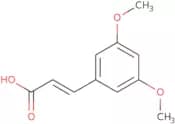
CAS :3,5-Dimethoxycinnamic acid is a compound that belongs to the class of cinnamic acid derivatives. It is a synthetic substance obtained by demethylation of 3,5-dimethoxybenzoic acid. This substance has been shown to have an antifungal activity in vitro against filamentous fungi and many other microorganisms. The antimicrobial effect can be explained by the presence of functional groups such as hydroxyl and methoxyl on the aromatic ring. Hydroxide solution can be used as an analytical reagent for determining the formation rate of this compound.Formule :C11H12O4Degré de pureté :Min. 95%Couleur et forme :PowderMasse moléculaire :208.21 g/mol(S)-(-)-α-Lipoic acid
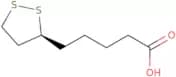
CAS :(S)-(-)-a-Lipoic acid (DLPA) is a reactive, oxidative molecule that has been shown to have antioxidant properties. DLPA is a natural compound found in the human body and is essential for energy metabolism and mitochondrial membrane depolarization. It has been shown to be beneficial in cases of bowel disease and diabetic neuropathy. DLPA has also been shown to be clinically relevant in the treatment of ischemia–reperfusion injury and cisplatin-induced nephrotoxicity, as well as having anti-inflammatory properties. DLPA may also help reduce symptoms of Parkinson's disease and other conditions.Formule :C8H14O2S2Degré de pureté :Min. 95%Couleur et forme :White PowderMasse moléculaire :206.33 g/molDiethylene glycol diacetate
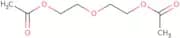
CAS :Diethylene glycol diacetate is a coagulating agent that is used in the production of polyester fibers. It reacts with fatty acids and forms ester compounds, which are then polymerized and cross-linked to form a film. The acetylation of the hydroxyl group on the molecule provides an additional degree of polymerization, thereby increasing the molecular weight of the product. The reaction vessel used for this process is typically heated at a temperature between 180°C and 220°C to promote polymerization. This polymer film can be made into filaments by extruding it through a spinnerette or die head. The filament may be cut into small particles before being placed in a section, which is then processed as desired.
Formule :C8H14O5Degré de pureté :Min. 95%Couleur et forme :Colorless Clear LiquidMasse moléculaire :190.19 g/mol2-(4-toluenesulfonyl)propionic acid hydrazide
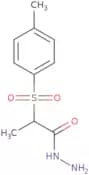
CAS :Please enquire for more information about 2-(4-toluenesulfonyl)propionic acid hydrazide including the price, delivery time and more detailed product information at the technical inquiry form on this page
Degré de pureté :Min. 95%Acrylic acid - stabilised with MEHQ
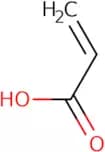
CAS :Acrylic acid is a chemical compound that is naturally found in the environment. It is a colorless liquid with a pungent odor. Acrylic acid has been studied for its antimicrobial properties and has shown high activity against Aerobacter aerogenes. It also has been used as an intermediate in the manufacture of acrylic, acrylate, and methyl ethyl methacrylate. Acrylic acid has been used to produce glycol ethers and other chemicals, such as sodium carbonate and hydrogen bonding interactions. Acrylic acid can be manufactured using the industrial process of neutralization of trifluoroacetic acid with sodium carbonate or sodium hydroxide. The production process is highly dependent on the purity of starting materials, which can cause variations in product quality and chemical stability.
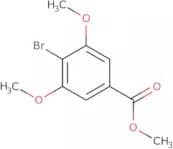
Formule :C3H4O2Degré de pureté :Min. 95%Couleur et forme :PowderMasse moléculaire :72.06 g/mol4-Bromo-3,5-dimethoxybenzoic acid methyl ester
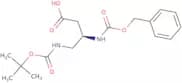
CAS :4-Bromo-3,5-dimethoxybenzoic acid methyl ester is a crystalline solid that can be obtained from the reaction of 4-bromo-3,5-dimethoxybenzoic acid and methyl iodide. It has been shown to undergo an intramolecular cyclization when irradiated with ultraviolet light. This transformation is characterized by an increase in the length of the C=C bond and the appearance of a new C=O bond. The skeleton of 4-bromo-3,5-dimethoxybenzoic acid methyl ester consists of four five membered rings and two six membered rings. The molecule interacts with ligands such as styrene, mesitylene, vinylated benzyl halides, or halides.Formule :C10H11BrO4Degré de pureté :Min. 95%Couleur et forme :PowderMasse moléculaire :275.1 g/mol(R)-4-(Boc-amino)-3-(Z-amino)butyric acid
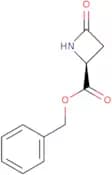
CAS :(R)-4-(Boc-amino)-3-(Z-amino)butyric acid is a synthetic ligand that binds to dna. The binding of this ligand can be monitored by the thermodynamic interaction between the ligand and dna. (R)-4-(Boc-amino)-3-(Z-amino)butyric acid has been shown to bind to the phosphate groups on dna, which are apolar in nature. This ligand also interacts with the vector group of dna, and it has a multivalency of two. It is water soluble and neutral, making it suitable for use in supramolecular chemistry. (R)-4-(Boc-amino)-3-(Z-amino)butyric acid is not very polar and does not have any charges or functional groups that would make it an ionizable species. It can form complexes with carbohydrates because it is neutral, and its interactions with them areFormule :C17H24N2O6Degré de pureté :Min. 98 Area-%Couleur et forme :PowderMasse moléculaire :352.38 g/molBenzyl (S)-4-oxo-2-azetidinecarboxylate
CAS :Benzyl (S)-4-oxo-2-azetidinecarboxylate is a reversible inhibitor of porcine pancreatic trypsin and chymotrypsin. It irreversibly inhibits the proteases, papain and bromelain. Benzyl (S)-4-oxo-2-azetidinecarboxylate is an alkylating agent that binds to the sulfhydryl group of enzymes, inactivating them by forming covalent bonds with cysteine residues. This irreversible inhibition leads to a decrease in protein synthesis and cell death.Formule :C11H11NO3Degré de pureté :Min. 98 Area-%Couleur et forme :White PowderMasse moléculaire :205.21 g/molZinc dibutyldithiocarbamate
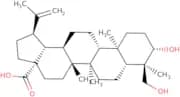
CAS :Zinc dibutyldithiocarbamate is a chemical compound that forms a complex with fatty acids. It is used as an absorbent and sample preparation agent in uv spectroscopy. Zinc dibutyldithiocarbamate can also cause allergic reactions and is toxic to cells in the presence of calcium stearate. This chemical is found in reaction solutions, where it reacts with hydrochloric acid and boron nitride to form zinc diethyldithiocarbamate. Zinc dibutyldithiocarbamate has shown growth factor-like properties and was shown to enhance the rate of cell growth on V79 cells when combined with polyene.Formule :C18H36N2S4ZnDegré de pureté :Min. 95%Couleur et forme :PowderMasse moléculaire :474.14 g/mol23-Hydroxybetulinic acid
CAS :23-Hydroxybetulinic acid is a saponin that belongs to the group of polysaccharides. It is obtained from Curcuma aromatica, which is an edible plant also known as turmeric. 23-Hydroxybetulinic acid has been shown to have a low bioavailability, with plasma concentrations reached after 2 hours. This compound has been used in the preparation of medicines for the treatment of liver diseases, such as cirrhosis and hepatitis. Pharmacokinetic modeling has been done on both animals and humans. The results show that the metabolic pathways for 23-hydroxybetulinic acid are catalysed by beta-elemonic acid and that its absorption is facilitated by acidic conditions. 23-Hydroxybetulinic acid can be found in plasma samples after sample preparation using analytical methods such as HPLC or GC/MS.Formule :C30H48O4Degré de pureté :Min. 95%Couleur et forme :PowderMasse moléculaire :472.7 g/molAllocholic acid
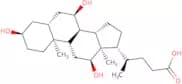
CAS :Produit contrôléAllocholic acid is a hydroxylated derivative of allo-inositol. It has been shown to inhibit the formation of peptide hormones and is used in the treatment of cerebrotendinous xanthomatosis. Allocholic acid also inhibits molecules that inhibit enzymes, such as phosphodiesterase and lipase, which are involved in the breakdown of fat. The biological sample preparation methods have been optimized for the extraction of allocholic acid from human feces. The optimum pH for allocholic acid is 4.5-5.0. Allocholic acid can be used to inhibit prostate cancer cells and rat liver microsomes, which are important for the metabolism of fatty acids in the body. The magnesium salt form is more soluble than other salts, making it easier to use in solution form.Formule :C24H40O5Degré de pureté :Min. 90 Area-%Couleur et forme :White Off-White PowderMasse moléculaire :408.57 g/molFmoc-(R)-3-amino-4-(4-tert-butyl-phenyl)-butyric acid
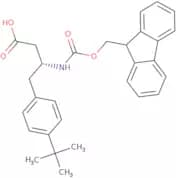
CAS :Fmoc-3-Amino-4-(4-tertbutylphenyl)butyric acid is a versatile building block that can be used in the synthesis of complex compounds. Fmoc-3-Amino-4-(4-tertbutylphenyl)butyric acid is an intermediate for the production of speciality chemicals and reagents. It is also a useful scaffold in chemical reactions, as well as a reaction component. Fmoc-(R)-3-Amino-4-(4-tertbutylphenyl)butyric acid is soluble in ethanol and ether, but insoluble in water.Formule :C29H31NO4Degré de pureté :Min. 95%Couleur et forme :White To Off-White SolidMasse moléculaire :457.56 g/mol9-Fluoro-11β,17-Dihydroxy-16α-Methyl-3,20-Dioxopregna-1,4-Dien-21-Yl 2-[2-(2-Ethoxyethoxy)Ethoxy]Acetate
CAS :Produit contrôléMethylprednisolone is a corticosteroid that has been used for the treatment of many conditions, including asthma and arthritis. It is used to reduce inflammation and suppress the immune system. Methylprednisolone can be administered orally or as an injection. It is also used in the diagnosis of tumours, especially those that are difficult to diagnose by other means. Methylprednisolone may be given together with another drug called dexamethasone, which has synergistic effects. These drugs have been shown to cause death in animals with certain types of tumours. In humans, they can cause cutaneous lesions, such as follicle cysts and tnf-α expression in skin cells. This drug also causes a microsporum infection (a type of fungus) on the skin to grow more rapidly when it is applied topically, resulting in a larger diameter section than untreated areas.Formule :C30H43FO9Degré de pureté :Min. 95%Masse moléculaire :566.66 g/molDihydro caffeic acid 3-O-sulfate sodium salt
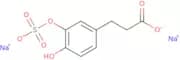
CAS :Dihydro caffeic acid 3-O-sulfate sodium salt is a flavonol that is found in plants. It has been shown to have antioxidant properties and may be effective in the treatment of diseases associated with oxidative stress, such as diabetes mellitus and cancer. Dihydrocaffeic acid 3-O-sulfate sodium salt has also been shown to inhibit the growth of bacteria by modulating the production of nitric oxide. This agent has been quantified in human urine, which provides evidence for its potential use as a biomarker for disease risk due to its association with phenolic metabolites.Formule :C9H8Na2O7SDegré de pureté :Min. 95%Couleur et forme :White Off-White PowderMasse moléculaire :306.2 g/mol5-Chlorosalicylic acid
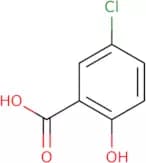
CAS :5-Chlorosalicylic acid is an inhibitor of the enzyme carbonic anhydrase. It is used for the treatment of gout, rheumatoid arthritis, and osteoarthritis. This compound has been shown to be a genotoxic agent, which may result in mutagenic or carcinogenic effects. 5-Chlorosalicylic acid inhibits the growth of probiotic bacteria. It also has anti-inflammatory properties and can be used as a proton donor in organic synthesis reactions. 5-Chlorosalicylic acid is a metabolite of acetylsalicylic acid (ASA) that forms when ASA undergoes oxidative deamination in the liver. 5-Chlorosalicylic acid is also formed during metabolism of nonsteroidal anti-inflammatory drugs (NSAIDs).Formule :C7H5ClO3Degré de pureté :Min. 95%Couleur et forme :White Off-White PowderMasse moléculaire :172.57 g/molDL-4-Hydroxy-3-methoxymandelic acid
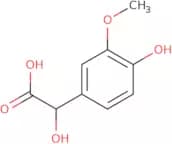
CAS :DL-4-Hydroxy-3-methoxymandelic acid is a metabolite of the catecholamines, norepinephrine and epinephrine. It is found in the blood, urine and cerebrospinal fluid of humans. DL-4-Hydroxy-3-methoxymandelic acid is derived from the amino acid tyrosine. When the body's production of catecholamines exceeds its ability to break them down, these molecules accumulate and are excreted in urine as DL-4-hydroxy-3-methoxymandelic acid or as other metabolites. The concentration of DL-4-hydroxy 3 methoxymandelic acid in urine may be used to diagnose pheochromocytoma or neuroblastoma.
Formule :C9H10O5Degré de pureté :Min. 95%Couleur et forme :White PowderMasse moléculaire :198.17 g/mol2-Aminoethanephosphonic acid
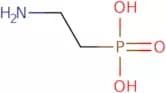
CAS :2-Aminoethanephosphonic acid (2AEP) is a phosphonic acid that is used as a fungicide. 2AEP binds to the target enzymes, such as bacterial RNA polymerase and bacterial DNA gyrase, by steric interactions with the hydroxyl groups of the enzyme. 2AEP also inhibits the synthesis of proteins in bacteria, which leads to cell death. The binding of 2AEP to bacterial RNA polymerase prevents the enzyme from interacting with ribonucleoside triphosphates, thus inhibiting transcription and translation of proteins. This compound has been shown to be effective against Caulobacter crescentus and Escherichia coli K-12 strains. A matrix effect was observed in this study for 2AEP when it was mixed with other compounds such as sodium azide or DMSO. In addition, there are some biochemical properties that are specific for 2AEP including its ability to inhibit fetal bovine serumFormule :C2H8NO3PDegré de pureté :Min. 95%Couleur et forme :PowderMasse moléculaire :125.06 g/mol6-Methoxy-2-naphthoic acid
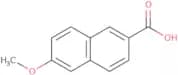
CAS :6-Methoxy-2-naphthoic acid (MN) is a cavity amide that has been shown to have an inhibitory effect on the growth of cancer cells. MN has been found to be more effective in inhibiting β-amyrin than caffeine, which may be due to its increased lipophilicity. It also has a higher affinity for adriamycin and enhances its anticancer effects. MN has been shown to be beneficial in treating diabetic patients, as it can reduce blood glucose levels by stimulating insulin release. The pharmacokinetic properties of MN are similar to those of other cavity amides, with rapid absorption and distribution throughout the body. This compound is metabolized in the liver by CYP2C8, CYP2C9, CYP3A4 and CYP3A5 enzymes. Molecular docking analysis of MN with β-amyrin showed that there was a strong interaction between them due to their complementary shapes and charge distributionsFormule :C12H10O3Degré de pureté :Min. 98 Area-%Couleur et forme :PowderMasse moléculaire :202.21 g/mol1,2-Dipalmitoyl-sn-glycero-3-phosphatidic acid sodium
CAS :1,2-Dipalmitoyl-sn-glycero-3-phosphatidic acid sodium (DPPA) is a drug substance that has been used in primary culture to study the cell membrane of hepatocytes. This compound is a phospholipid with a cavity at one end and contains two hydroxy groups that can be conjugated to other molecules. It has been shown to be effective against Hepatitis B virus and mesenchymal stromal cells. DPPA has also been used as an adjuvant for gadolinium contrast agents for magnetic resonance imaging. Gadolinium may bind to the hydroxy groups on DPPA, which increases its birefringence and brightness on MRI scans.Formule :C35H69Na2O8PDegré de pureté :Min. 98 Area-%Couleur et forme :White PowderMasse moléculaire :694.87 g/mol3-Chloro-2-pyrazine-carboxylic acid
CAS :3-Chloro-2-pyrazinecarboxylic acid is a nucleophilic compound that is synthetically produced and has antimicrobial properties. It is an active component of the drug 3,4 dichloro-2-pyrazinecarboxylic acid (DCP). This agent binds to the chloride ion in bacterial cells, which inactivates the enzyme adenosine triphosphatase that is essential for maintaining cellular homeostasis. 3-Chloro-2-pyrazinecarboxylic acid has been shown to be active against a number of Gram positive and Gram negative bacteria, including Staphylococcus epidermidis, Streptococcus pneumoniae, and Pseudomonas aeruginosa. It also has antibacterial activity against mycobacteria such as Mycobacterium tuberculosis and Mycobacterium avium complex.Formule :C5H3ClN2O2Degré de pureté :Min. 95%Couleur et forme :Off-White To Light Brown SolidMasse moléculaire :158.54 g/mol3-(3-Ethoxyphenyl)propionic acid
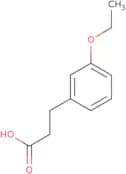
CAS :3-(3-Ethoxyphenyl)propionic acid is a useful building block in organic chemistry. It is used as a reagent in the synthesis of various pharmaceuticals, pesticides, and other chemicals. 3-(3-Ethoxyphenyl)propionic acid is also an intermediate in the production of 3-ethoxybenzoic acid and its derivatives.Formule :C11H14O3Degré de pureté :Min. 95%Couleur et forme :PowderMasse moléculaire :194.23 g/molEthyl 5-Methyl-2-oxo-2,3-dihydro-1H-imidazole-4-carboxylate
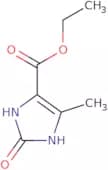
CAS :Please enquire for more information about Ethyl 5-Methyl-2-oxo-2,3-dihydro-1H-imidazole-4-carboxylate including the price, delivery time and more detailed product information at the technical inquiry form on this pageDegré de pureté :Min. 90%(Z)-3-Bromoacrylic acid
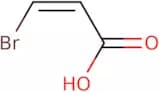
CAS :(Z)-3-Bromoacrylic acid is an organic compound that belongs to the class of terminal alkynes. It has been shown to be a potent irreversible inhibitor of enantiopure propargylation catalyzed by dehalogenases. (Z)-3-Bromoacrylic acid reacts with the active site residues of the enzyme and forms a covalent bond, which prevents the release of acetaldehyde from propargyl alcohol. This reaction is reversible, which may cause some problems in cases where it is necessary to regenerate the enzyme. (Z)-3-Bromoacrylic acid also reacts with phosphite and halides to form five-membered rings, which are not as stable as six-membered rings.Formule :C3H3BrO2Degré de pureté :Min. 95%Couleur et forme :SolidMasse moléculaire :150.96 g/mol5-Methoxysalicylic acid sodium
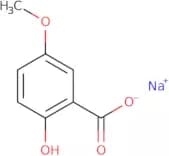
CAS :5-Methoxysalicylic acid sodium (MSAS) is a drug that is used to treat intestinal ulcers. It is also used to reduce the viscosity of blood and as an adjuvant in the treatment of rheumatoid arthritis. The bioavailability of MSAS is increased when it is administered with cefmetazole, which enhances the absorption of this drug in the small intestine. MSAS has a hypoglycemic effect and can be used to treat high blood sugar levels. This drug binds to muscle cells and prevents their contraction, which can lead to relief from muscle pain or spasms. MSAS may also have a pharmacological effect on ligation, which occurs when tissue is cut off from its blood supply.
Formule :C8H7O4·NaDegré de pureté :Min. 95%Couleur et forme :PowderMasse moléculaire :190.13 g/molD-(+)-Phenyllactic acid
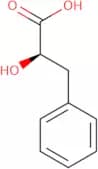
CAS :D-(+)-phenyllactic acid is a pharmaceutical drug that is used to catalyze the asymmetric synthesis of chiral compounds. It is an enantiomer of L-phenyllactic acid, and it has been shown to be effective in the treatment of patients with breast cancer. D-(+)-phenyllactic acid can also be used to catalyze the formation of taxol, a clinical drug which has been shown to inhibit tumor growth. D-(+)-phenyllactic acid binds to the active site of catalase, an enzyme that breaks down hydrogen peroxide in cells. The reaction mechanism for catalysis by D-(+)-phenyllactic acid is not well understood, but it may involve monocarboxylic acids such as formic or acetic acids.
Formule :C9H10O3Degré de pureté :Min. 95%Couleur et forme :White PowderMasse moléculaire :166.17 g/molTertiapin-Q trifluoroacetate salt
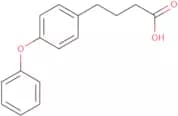
CAS :A peptide found in honey bee venom; Potassium channel inhibitorFormule :C106H175N35O24S4Degré de pureté :Min. 95%Masse moléculaire :2,452.01 g/mol4-(4-Phenoxyphenyl)butyric acid
CAS :4-(4-Phenoxyphenyl)butyric acid is a versatile building block that can be used in the synthesis of many different compounds. It has been used as a reaction component or intermediate in the synthesis of pharmaceuticals and agrochemicals, such as atorvastatin and methyltetrahydrofolate. 4-(4-Phenoxyphenyl)butyric acid is also used as a research chemical and has been shown to have antibacterial properties. This compound is soluble in water, making it easy to use in reactions with other reagents. 4-(4-Phenoxyphenyl)butyric acid is an important building block for many organic syntheses because it can be converted into a wide variety of useful compounds.Formule :C16H16O3Degré de pureté :Min. 95%Couleur et forme :PowderMasse moléculaire :256.3 g/molFmoc-cis-1-amino-4-phenyl-cyclohexane carboxylic acid
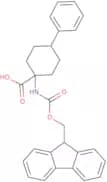
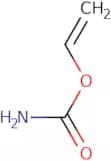
CAS :Fmoc-cis-1-amino-4-phenyl-cyclohexane carboxylic acid is a fine chemical, useful building block, and research chemical. It is a versatile building block that can be used in the synthesis of complex compounds such as pharmaceuticals and agrochemicals. Fmoc-cis-1-amino-4-phenyl-cyclohexane carboxylic acid has been shown to react with various other compounds to form useful intermediates, which can be used to produce more complex molecules. This compound has also been shown to have reagent properties.Formule :C28H27NO4Degré de pureté :Min. 95%Couleur et forme :PowderMasse moléculaire :441.52 g/molVinyl carbamate
CAS :Vinyl carbamate is a reactive chemical that is carcinogenic in animals. It can be synthesized by reacting vinyl chloride with anhydrous ammonia at high temperature and pressure. Vinyl carbamate is used in the synthesis of polymers, such as epidermal growth factor and hydroxyl group-containing proteins. It also has been used to prepare monoclonal antibodies against the cd-1 mouse lymphoma cell line. However, it should not be used at low doses due to its carcinogenic potential. The carcinogenic effects of vinyl carbamate have been observed in mice after administration of a single dose (2 mg/kg) or repeated doses (0.3 mg/kg per day for 5 days).Formule :C3H5NO2Degré de pureté :Min. 95%Couleur et forme :White To Off-White SolidMasse moléculaire :87.08 g/mol



![4-tert-Butylcalix[4]arene - contains 12% residual solvent (ethyl acetate and acetonitrile)](/_next/image/?url=https%3A%2Fstatic.cymitquimica.com%2Fproducts%2F3D%2Fthumb-webp%2FFB59591.webp&w=3840&q=75)





![(2-[Biotinamido]ethylamido)-3,3'-dithiodipropionic acid N-hydroxysuccinimide ester](/_next/image/?url=https%3A%2Fstatic.cymitquimica.com%2Fproducts%2F3D%2Fthumb-webp%2FFB52737.webp&w=3840&q=75)

![9-Fluoro-11β,17-Dihydroxy-16α-Methyl-3,20-Dioxopregna-1,4-Dien-21-Yl 2-[2-(2-Ethoxyethoxy)Ethoxy]A…](/_next/image/?url=https%3A%2Fstatic.cymitquimica.com%2Fproducts%2F3D%2Fthumb-webp%2FFF103016.webp&w=3840&q=75)