Acides carboxyliques
12456 produits trouvés pour "Acides carboxyliques"
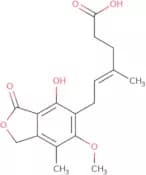
Mycophenolic acid
CAS :Mycophenolic acid is a guanosine monophosphate synthesis pathway blocker. It selectively inhibits inosine monophosphate dehydrogenase (IMPDH) which blocks the conversion of inosine-5-phosphate and xanthine-5-phosphate to guanosine-5-phosphate. This drug inhibits de novo purine biosynthesis. Mycophenolic acid is an immunosuppressant metabolite present in drug formulations that are used to prevent rejections after organ transplants. It has also shown to have antibacterial and antifungal properties.
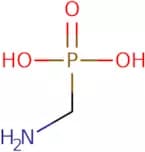
Formule :C17H20O6Degré de pureté :Min. 95%Couleur et forme :PowderMasse moléculaire :320.34 g/molAminomethylphosphonic acid
CAS :Aminomethylphosphonic acid has proven action as a mimetic of both D- and L-alanine; it acts as an inhibitor of cell wall enzymes such as D-Ala-D-Ala synthetase, alanine racemase (JAA02406), and UDP-N-acetylmuramyl-L-alanine synthetase
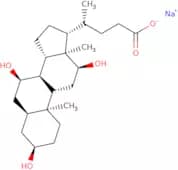
Formule :CH6NO3PDegré de pureté :Min. 95%Couleur et forme :PowderMasse moléculaire :111.04 g/molCholic acid sodium salt
CAS :Produit contrôléCholic acid sodium salt is a bile acid sodium salt, which is primarily derived from the bile of mammals. It functions as a surfactant that facilitates the emulsification of fats and lipids, enhancing their subsequent absorption and digestion. This compound plays a critical role in the synthesis and regulation of cholesterol in the body.
Formule :C24H39NaO5Degré de pureté :Min. 95%Couleur et forme :PowderMasse moléculaire :430.55 g/mol3-(2,6,6-Trimethyl-4-oxo-5,6,7-trihydroindolyl)benzoic acid
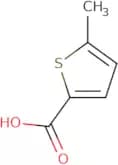
CAS :Please enquire for more information about 3-(2,6,6-Trimethyl-4-oxo-5,6,7-trihydroindolyl)benzoic acid including the price, delivery time and more detailed product information at the technical inquiry form on this pageFormule :C18H19NO3Degré de pureté :Min. 95%Couleur et forme :PowderMasse moléculaire :297.35 g/mol5-Methyl-2-thiophenecarboxylic acid
CAS :5-Methyl-2-thiophenecarboxylic acid is an organic compound with the molecular formula CH3COOH. It has a carboxyl group at one end and a methyl group at the other, hence its name. 5-Methyl-2-thiophenecarboxylic acid is used in the synthesis of esters that are useful as intermediates in the production of pharmaceuticals, pesticides, and other chemicals. The asymmetric synthesis of 5-Methyl-2-thiophenecarboxylic acid was accomplished by reacting it with sodium hydroxide in methanol. The compound is also found to have anticarcinogenic properties. A study conducted on mice showed that 5-Methyl-2-thiophenecarboxylic acid inhibited skin cancer by inducing apoptosis in melanoma cells and inhibiting cell proliferation. 5-Methyl-2-thiophenecarboxylic acid has been shown to
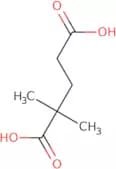
Formule :C6H6O2SDegré de pureté :Min. 95%Couleur et forme :PowderMasse moléculaire :142.18 g/mol2,2-Dimethylglutaric acid
CAS :2,2-Dimethylglutaric acid is a reactive, aliphatic hydrocarbon with a carbonyl group. It is an intermediate in the metabolism of fatty acids and may be formed by the hydrogenation of 2,2-dimethylsuccinic acid. This compound has been used as a film-forming polymer in detergent compositions and may also be used in biological samples to detect light emission. 2,2-Dimethylglutaric acid reacts with ethylene diamine to form malonic acid and x-ray crystal structures have been obtained for this compound. Pyrimidine compounds are formed when 2,2-dimethylglutaric acid reacts with ammonia or amines.
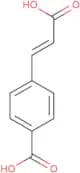
Formule :C7H12O4Couleur et forme :White Off-White PowderMasse moléculaire :160.17 g/mol4-Carboxycinnamic acid
CAS :4-Carboxycinnamic acid is an organic compound that is a derivative of cinnamic acid. It is a colorless solid that is soluble in organic solvents and has high resistance to environmental pollution. 4-Carboxycinnamic acid has been shown to have photocatalytic activity in the presence of UV radiation, with a quantum yield of 0.2% at 365 nm. It also exhibits fluorescence properties, but these are not as strong as the parent compound, cinnamic acid. 4-Carboxycinnamic acid has functional groups that can be activated by hydrogen bonding interactions and uptake into cells. This compound also reacts with sulfonic acids to form sulfinic acids and hydrochloric acid to form chlorocinnamic acids. Chronic pulmonary effects were observed in animals after inhalation of this substance for 30 minutes per day for 10 days. X-ray crystal structures have been determined for 4-carboxycinnamic acid and its
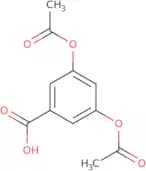
Formule :C10H8O4Degré de pureté :Min. 95%Couleur et forme :PowderMasse moléculaire :192.17 g/mol3,5-Diacetoxybenzoic acid
CAS :3,5-Diacetoxybenzoic Acid is a monomer that belongs to the group of amides. It has been shown to have an inhibitory effect on the cross-linking reaction of amide bonds with UV irradiation. This monomer copolymerizes with acrylic acid and acrylamide to form stable emulsions with good surface properties. 3,5-Diacetoxybenzoic Acid is used as a co-monomer for trifunctional chloroformates in order to synthesize polymers with diameters of less than 100 nm. The polymerization temperature and morphology are dependent on the concentration of 3,5-Diacetoxybenzoic Acid. Matrix-assisted laser desorption/ionization (MALDI) has been used to characterize the polymerized 3,5-Diacetoxybenzoic Acid.
Formule :C11H10O6Degré de pureté :Min. 95%Masse moléculaire :238.19 g/mol4-[2'-(7''-Deazaguanine)ethyl]benzoic acid N-hydroxysuccinimide ester
CAS :4-[2'-(7''-Deazaguanine)ethyl]benzoic acid N-hydroxysuccinimide ester is a useful intermediate in the synthesis of 7''-deazaguanine, which is a key building block in the synthesis of DNA. 4-[2'-(7''-Deazaguanine)ethyl]benzoic acid N-hydroxysuccinimide ester is a versatile building block that can be used in the synthesis of complex compounds. It has been shown to react with amines, sulfonyl chlorides, and epoxides to form amides, sulfonamides, and epoxy amines respectively. The CAS number for this compound is 204257-65-8.Formule :C19H17N5O5Degré de pureté :Min. 95%Masse moléculaire :395.37 g/molDL-Indole-3-lactic acid
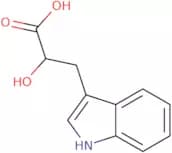
CAS :Indole-3-lactic acid is a plant hormone that is produced in the leaves of the plant when they are under stress. It has been shown to have activity against bowel diseases and metabolic disorders. Indole-3-lactic acid has been isolated from plants like Caproicum album, which is used in vitro to measure its effect on caproic acid production. This compound has also been detected in human serum and wastewater treatment. Indole-3-lactic acid inhibits tryptophan degradation by competing with indolecarboxylase for substrate. The effect of indole-3-lactic acid on dextran sulfate and glomerular filtration rate was studied using a rat model, where it was found that it had no significant effects.
Formule :C11H11NO3Degré de pureté :Min. 95%Couleur et forme :PowderMasse moléculaire :205.21 g/molRoburic acid
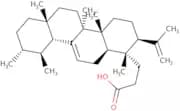
CAS :Roburic acid is a monocarboxylic acid that is found in the Indian spice Curcuma aromatica. It has been shown to inhibit curcuma aromatica-induced inflammation by inhibition of COX-2, as well as other inflammatory diseases. The most common technique used to identify roburic acid is a chromatographic technique with different solvents and detection by UV light. Roburic acid has also been shown to inhibit the synthesis of prostaglandin E2 (PGE2) in cells, which may be due to its ability to cause cell lysis. There are no toxicity profiles for roburic acid because it does not have significant effects on animal models.
Formule :C30H48O2Degré de pureté :Min. 98 Area-%Couleur et forme :PowderMasse moléculaire :440.7 g/mol2,6-Dichlorocinnamic acid
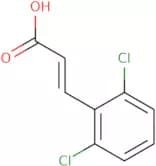
CAS :2,6-Dichlorocinnamic acid is an organic compound that is used as a reagent in the synthesis of other chemicals. 2,6-Dichlorocinnamic acid has been used as a component in the synthesis of various kinds of fine chemicals and useful building blocks. This chemical is also used as a speciality chemical and research chemical. 2,6-Dichlorocinnamic acid can be used as a versatile building block for the preparation of various compounds. It can be synthesized by heating cinnamic acid with chlorine gas and then reacting it with sodium hydroxide.
Formule :C9H6Cl2O2Degré de pureté :Min. 95%Couleur et forme :PowderMasse moléculaire :217.05 g/molEslicarbazepine acetate
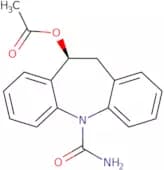
CAS :Eslicarbazepine acetate is an anticonvulsant drug that has been shown to be effective in reducing the frequency of seizures. It is a prodrug and is metabolized by esterases to form the active form, eslicarbazepin acetate. Eslicarbazepine acetate inhibits glutamate release by acting on the glutamate transporter, which prevents depolarization of the mitochondrial membrane potential, leading to inhibition of epileptic activity. Eslicarbazepine acetate also decreases brain levels of GABA and increases levels of polyamines such as spermidine and spermine, which are neuroprotective. There are some reports of hepatic impairment when eslicarbazepine acetate is used with other drugs that are metabolized through this organ (e.g., valproic acid).
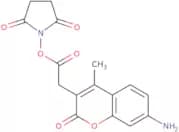
Eslicarbazepine acetate can cause chemical stability issues when exposed to light or air due to oxidation reactions. It may also reactFormule :C17H16N2O3Degré de pureté :Min. 95%Couleur et forme :PowderMasse moléculaire :296.32 g/mol7-Amino-4-methyl-3-coumarinacetic acid N-succinimidyl ester
CAS :7-Amino-4-methyl-3-coumarinacetic acid N-succinimidyl ester is a synthetic amino acid with a reactive carboxylic acid group. It is used as a crosslinker in biochemistry and has been shown to have biological properties in plants. 7-Amino-4-methyl-3-coumarinacetic acid N-succinimidyl ester reacts with the acidic groups of proteins, DNA, or RNA, and is an important component of some second order rate constants. This chemical is also used for the neutralization of histological stains such as haematoxylin.
Formule :C16H14N2O6Degré de pureté :Min. 90 Area-%Couleur et forme :PowderMasse moléculaire :330.29 g/mol1,3-Benzodioxole-5-carboxylic acid
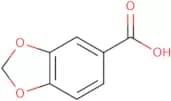
CAS :1,3-Benzodioxole-5-carboxylic acid (1,3BDC) is a benzoxazinoid that was identified as an inhibitor of malonic acid carboxylase. 1,3BDC is not active against bacteria and fungi in vitro. It has been shown to be effective in preventing and treating insect resistance by interfering with the synthesis of chitin. The compound binds to the active site of the enzyme and inhibits its activity by blocking the entrance of acetic acid into the active site. 1,3BDC also has a protective effect on balloon injury in rats by reducing inflammation and apoptosis in skin cells. The mechanism of action for this effect is not known but may involve hydrogen bonding interactions with proteins or 3,4-methylenedioxycinnamic acid-induced transcriptional activation.
Formule :C8H6O4Degré de pureté :Min. 98.0%Couleur et forme :PowderMasse moléculaire :166.13 g/mol[4-(1-Methyl-1-phenylethyl)phenoxy]acetic acid
CAS :4-(1-Methyl-1-phenylethyl)phenoxyacetic acid is a versatile building block that is used in the synthesis of a variety of fine chemicals and drugs. 4-(1-Methyl-1-phenylethyl)phenoxyacetic acid is an intermediate in the synthesis of a number of complex compounds, including research chemicals, reagents, and speciality chemicals. This compound can also be used as a reaction component for the synthesis of other chemical compounds or as a scaffold for larger molecules.
Formule :C17H18O3Degré de pureté :Min. 95%Couleur et forme :PowderMasse moléculaire :270.32 g/molSex Pheromone Inhibitor iPD1 trifluoroacetate salt
CAS :Sex pheromone inhibitor IPD1 is an antibody that inhibits the production of sex pheromones by Streptococcus faecalis. It is used to diagnose and treat allergic diseases, such as atopic dermatitis or bronchial asthma. This antibody binds to a protein called polypide, which is involved in the synthesis of sex pheromones, and inhibits its activity. It has been shown to inhibit the production of sex pheromones by Streptococcus faecalis when analyzed using an SDS-polyacrylamide gel electrophoresis method. Sex pheromone inhibitor IPD1 also binds to antibodies against streptococcus, acari, and other bacteria.
Formule :C39H72N8O11Degré de pureté :Min. 95%Couleur et forme :PowderMasse moléculaire :829.04 g/mol3-Amino-4-fluorobenzoic acid ethyl ester
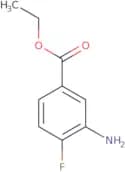
CAS :3-Amino-4-fluorobenzoic acid ethyl ester is a linker that is used to attach a drug molecule to the tautomycin, an analgesic. It has been shown to have nontoxic properties in animals and does not react with intestinal contents. The 3-Amino-4-fluorobenzoic acid ethyl ester also reacts with azide, phosphatase, and hydrocarbons. It is stable in the presence of aromatic hydrocarbons and can be used as a photolabeling agent for introducing a fluorescent group into a molecule.
Formule :C9H10FNO2Degré de pureté :Min. 95%Couleur et forme :PowderMasse moléculaire :183.18 g/mol18-(Tert-butoxy)-18-oxooctadecanoic acid
CAS :18-(tert-butoxy)-18-oxooctadecanoic acid is a fatty acid-based linker providing hydrophobic anchoring. In standard biological conditions, it is non-cleavable.
Formule :C22H42O4Degré de pureté :Min. 95%Couleur et forme :White Off-White PowderMasse moléculaire :370.57 g/mol3-Amino-2-pyrazinecarboxylic acid methyl ester
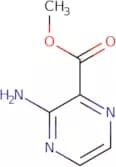
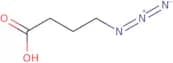
CAS :3-Amino-2-pyrazinecarboxylic acid methyl ester (3APCME) is a potent anti-mycobacterial agent that inhibits the growth of Mycobacterium tuberculosis by inhibiting the synthesis of amines, which are necessary for its survival. 3APCME has also been shown to have an inhibitory effect on other bacteria that require amines for their survival, such as Escherichia coli. This agent binds to the receptor and inhibits the enzyme pyrazinase in the reaction of phenoxy with dimethylformamide. The molecular modeling studies show that 3APCME is able to bind to a hydrophobic region on the enzyme's surface and form a covalent bond through nucleophilic attack. The asymmetric synthesis results in the production of one enantiomer of 3APCME and allows for greater efficacy against mycobacteria than other agents.Formule :C6H7N3O2Degré de pureté :Min. 95%Couleur et forme :PowderMasse moléculaire :153.14 g/mol4-Azidobutyric acid
CAS :4-Azidobutyric acid (4-AA) is a cyclic peptide with an amide bond that forms the backbone of the molecule. The 4-AA skeleton has been used in the synthesis of a number of organic compounds, including azides and tethering molecules. The synthesis of 4-AA is carried out on solid phase as it is insoluble in water. It has also been used for the production of supramolecular assemblies and quantum dots with novel properties. This compound can be found in nature as part of streptavidin or calcium assay reagents.
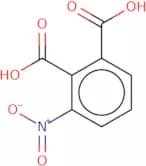
Formule :C4H7N3O2Degré de pureté :Min. 95 Area-%Couleur et forme :Clear LiquidMasse moléculaire :129.12 g/mol3-Nitrophthalic acid
CAS :3-Nitrophthalic acid is an organic compound that has been used in biological studies. It has been shown to bind to DNA and RNA, which may be due to hydrogen bonding interactions with the nitrogen atoms. 3-Nitrophthalic acid is synthesized by reacting sodium carbonate with trifluoroacetic acid, resulting in a carboxylate group. This compound has photochemical properties and can be used as a photosensitizer for the treatment of certain forms of cancer. 3-Nitrophthalic acid reacts with oxygen and generates singlet oxygen, which results in cellular damage.
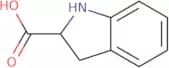
Formule :C8H5NO6Degré de pureté :Min. 95%Couleur et forme :PowderMasse moléculaire :211.13 g/molIndoline-2-carboxylic acid
CAS :Indoline-2-carboxylic acid is a photophysical molecule with an absorption maximum at 518 nm. It has been shown to inhibit the activity of enzymes such as cyclooxygenase, lipoxygenase, and monoamine oxidases. This compound has been found to be effective in the treatment of cancer cells. Indoline-2-carboxylic acid is also used in pharmaceutical preparations, where it binds to enantiomers of other molecules and inhibits their biological activity. Indoline-2-carboxylic acid reacts with hydrochloric acid to form allyl carbonate and amide.
Formule :C9H9NO2Degré de pureté :Min. 97 Area-%Couleur et forme :PowderMasse moléculaire :163.17 g/molRef: 3D-FI164891
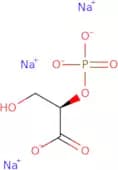
Produit arrêtéD-(+)-2-Phosphoglyceric acid sodium hydrate
CAS :Please enquire for more information about D-(+)-2-Phosphoglyceric acid sodium hydrate including the price, delivery time and more detailed product information at the technical inquiry form on this page
Formule :C3H4Na3O7PDegré de pureté :Min. 95 Area-%Couleur et forme :PowderMasse moléculaire :252 g/molIralukast Na
CAS :Iralukast Na is a leukotriene receptor antagonist that prevents bronchoconstrictor response. It binds to the cystic fibrosis transmembrane conductance regulator (CFTR) and blocks the binding of leukotrienes, which are potent bronchoconstrictors. Iralukast Na also blocks the activity of inflammatory cells and reduces bowel inflammation. Iralukast Na has been shown to be effective in treating asthma, inflammatory bowel disease, and other autoimmune diseases.
Formule :C38H36F3NaO8SDegré de pureté :Min. 95%Masse moléculaire :732.19807Dihydroallocortisone acetate
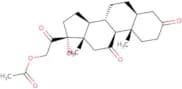
CAS :Produit contrôléDihydroallocortisone acetate is a reaction component that is used as a reagent in organic synthesis. It can be used as a building block for the synthesis of corticosteroids. This chemical has been shown to have high quality and is useful as a research chemical or speciality chemical. Dihydroallocortisone acetate is also a versatile building block, which can be used as an intermediate or building block in complex compounds. This chemical also has CAS number 3751-02-8.
Formule :C23H32O6Degré de pureté :Min. 95%Couleur et forme :White Clear LiquidMasse moléculaire :404.5 g/molDL-Aminobutyric acid
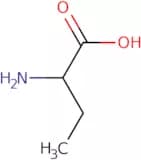
CAS :DL-Aminobutyric acid is an analog of amino acids and a potent inhibitor of protease activity. It has been shown to inhibit the proteolytic activity of amyloid protein in human serum, most likely by competitive inhibition. DL-Aminobutyric acid also inhibits the enzyme activities that are responsible for the production of ammonia from amino acids. DL-Aminobutyric acid is an analyte in blood sampling and has a pH optimum of 8.0. It has been shown to have inhibitory properties on bacteria strains including Staphylococcus aureus and Streptococcus pneumoniae, but not Mycobacterium tuberculosis or Escherichia coli.
Formule :C4H9NO2Degré de pureté :Min 97%Couleur et forme :PowderMasse moléculaire :103.12 g/mol2,2-Difluoro-2-[1,1,2,2-tetrafluoro-2-(trifluoromethoxy)ethoxy]acetic acid
CAS :2,2-Difluoro-2-[1,1,2,2-tetrafluoro-2-(trifluoromethoxy)ethoxy]-acetic acid is a fluorinated compound that can be used as an adsorbent for organic compounds. It is a highly selective material and has high adsorption capacity. The adsorption equilibrium data for 2,2-difluoro-2-[1,1,2,2-tetrafluoro-2-(trifluoromethoxy)ethoxy]-acetic acid are given in the table below. Table: Adsorption Equilibrium Data Temperature (°C) Pressure (kPa) Vapor Pressure (Pa) Equilibrium Vapor Pressure (Pa) Adsorption Capacity (%) 0 0.001 0.0008 0.0012 100
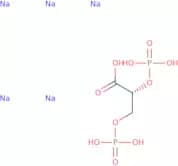
Formule :C5HF9O4Degré de pureté :Min. 95%Couleur et forme :Clear LiquidMasse moléculaire :296.04 g/mol2,3-Diphospho-D-glyceric acid pentasodium salt
CAS :2,3-Diphospho-D-glyceric acid pentasodium salt is a pyridine complex that is found in nature as a constant. It is also synthesized by humans and can be formed in the laboratory. 2,3-Diphospho-D-glyceric acid pentasodium salt is reactive and has been shown to be useful for producing radical species. This compound has been analysed in the human body at physiological concentrations and has been shown to interact with endogenous molecules such as lipids. The interaction of this compound with lipids could be due to its ability to form emulsions.Formule :C3H3Na5O10P2Degré de pureté :Min. 95%Couleur et forme :PowderMasse moléculaire :375.95 g/mol2,3-Dimethoxyphenylboronic acid
CAS :2,3-Dimethoxyphenylboronic acid is a synthetic molecule that contains a boronic acid group. This compound has been shown to interact with histones H3 and L6. It has also been shown to modify lysine residues on the histone H3 protein by methylation. In addition, 2,3-dimethoxyphenylboronic acid interacts with other molecules in a way that changes their conformation and this interaction can be studied using vibrational spectroscopy. Organic chemists may use 2,3-dimethoxyphenylboronic acid as a ligand for biological targets or as a means of modifying proteins.
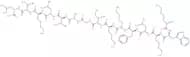
Formule :C8H11BO4Degré de pureté :Min. 95%Couleur et forme :PowderMasse moléculaire :181.98 g/molCecropin A (1-7)-Melittin A (2-9) amide trifluoroacetate salt
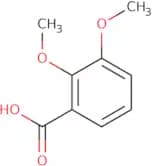
CAS :Cecropin A (1-7)-Melittin A (2-9) amide trifluoroacetate salt is a cecropin-melittin hybrid peptide that has been immobilized on cellulose nanofibers for use as an antimicrobial. It has been shown to have strong antimicrobial activity against bacillus subtilis, and the immobilization process ensures that the peptide is not released from the surface of the material. The process of coating with nanopaper and then applying the peptides provides a stable surface with high antimicrobial activity. The synthetic peptides are synthesized by solid phase synthesis using Fmoc chemistry and purified by preparative HPLC.Formule :C89H152N22O15Degré de pureté :Min. 95%Couleur et forme :PowderMasse moléculaire :1,770.3 g/mol2,3-Dimethoxybenzoic acid
CAS :2,3-Dimethoxybenzoic acid is a metal chelate that has been shown to have in vitro antifungal activity. It is also a 5-membered heteroaryl amide with inhibitory properties against proinflammatory cytokines such as TNF-α and IL-1β. 2,3-Dimethoxybenzoic acid has been found to have inhibitory effects on the metabolism of cholesterol and other lipids, which may be due to its ability to bind with serum proteins. This compound has also been shown to have antiinflammatory activity in human serum.
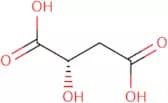
Formule :C9H10O4Degré de pureté :Min. 95%Couleur et forme :White Off-White PowderMasse moléculaire :182.17 g/molL-(-)-Malic acid
CAS :L-malic acid is a naturally occurring organic compound that can be found in many fruits and vegetables. It is an important intermediate in the citric acid cycle as well as a key component of the Krebs cycle. L-malic acid has been shown to have antiseizure and anti-inflammatory effects, and also inhibits the growth of bacteria such as Staphylococcus aureus. L-malic acid is synthesized from sodium carbonate and lactic acid by reacting with a mineral acid such as hydrochloric, sulfuric, or nitric acid. This reaction produces hydrogen gas, water, and l-malic acid. L-Malic Acid is also used for production of monoclonal antibodies against various targets, including human cells.
Formule :C4H6O5Couleur et forme :White Off-White PowderMasse moléculaire :134.09 g/molLipoic acid, reduced
CAS :Lipoic acid, reduced (LAR) is a naturally occurring compound that is found in many living organisms. It has been used to study the mechanisms of DNA binding and protein oxidation. Lipoic acid, reduced has been shown to have anti-inflammatory properties by inhibiting the production of prostaglandins. The rate constant for LAR is 10-3 M-1s-1 at 25°C and pH 7.0, which can be measured using a polymer composition method. This compound also has an optical sensor and chemiluminescence method that are able to measure the rate constant and determine its concentration.
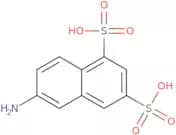
Formule :C8H16O2S2Degré de pureté :Min. 95%Couleur et forme :PowderMasse moléculaire :208.34 g/mol2-Aminonaphthalene-5,7-disulfonic acid
CAS :2-Aminonaphthalene-5,7-disulfonic acid (2ANDA) is a fluorescent and colorless compound that can be used as a tracer for wastewater treatment. 2ANDA is adsorbed onto the surface of suspended solids in wastewater and binds to the hydroxide ions. This binding causes an increase in fluorescence intensity, which can be detected with synchronous fluorescence spectroscopy. 2ANDA also has the ability to form ternary complexes with chloride ions and molecular ions such as sodium hydroxide solution, making it useful for wastewater treatment because it provides information about the concentration of these ions. 2ANDA is soluble in water and may hydrolyze at high pH levels. It has been shown to have good kinetic properties for wastewater treatment by adsorption on granular activated carbon (GAC).
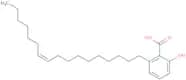
Formule :C10H9NO6S2Degré de pureté :Min. 95%Couleur et forme :PowderMasse moléculaire :303.31 g/molGinkgolic acid (C17:1)
CAS :Ginkgolic acid is a monomer of the ginkgolides, which are antimicrobial agents. It is an analytical method for detecting the concentration of ginkgolic acid in a sample. Ginkgolic acid has been shown to cause genotoxic potential in vitro and its use as a medicine should be limited. Ginkgolic acid may also inhibit organic anion transporters as well as organic acids such as chlorogenic acids and 1,3-dicaffeoylquinic acid. Ginkgo extract contains high concentrations of ginkgolic acid, which can be reduced by removing alcohol residues from the extract through distillation or boiling.
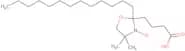
Formule :C24H38O3Degré de pureté :Min. 95 Area-%Couleur et forme :White PowderMasse moléculaire :374.56 g/mol5-Doxyl stearic acid
CAS :5-Doxyl stearic acid is an agonist of the G protein coupled receptor. It has been shown to activate energy metabolism in human neutrophils and HL-60 cells, as well as guanine nucleotide binding and transmembrane transport. 5-Doxyl stearic acid was found to have no significant effect on the regulation of cellular membrane fluidity or on the permeability of biological membranes. It also has no significant effects on human erythrocytes, human serum, or human plasma. This compound is a cyclic peptide with a magnesium salt that can be used for fluorescent probe studies and has been used to develop a model system for studying G protein coupled receptors.
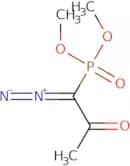
Formule :C22H42NO4Couleur et forme :Yellow PowderMasse moléculaire :384.57 g/mol1-Diazoacetonylphosphonic acid dimethyl ester
CAS :1-Diazoacetonylphosphonic acid dimethyl ester is an antimicrobial agent that has been shown to be active against Candida species and other fungi. The compound was synthesized using a modified Ugi four-component reaction, which enabled the preparation of a single asymmetric synthesis. This process also generated a new bioactive molecule, 1-aminoacetonylphosphonic acid, in high yield and with excellent enantioselectivity.
Formule :C5H9N2O4PDegré de pureté :Min. 95%Couleur et forme :PowderMasse moléculaire :192.11 g/molRef: 3D-FD33893
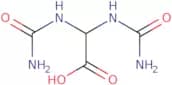
Produit arrêtéAllantoic acid
CAS :Allantoin is a chemical compound with the molecular formula C4H6N2O3. It is a dihydroxyimide of uric acid and can be found in plants. Allantoin has been shown to inhibit transcriptional regulation by binding to dinucleotide phosphate (DNP) sites on DNA. This inhibition blocks the binding of RNA polymerase, preventing RNA synthesis and ultimately inhibiting bacterial growth. Allantoin has been shown to have antioxidant properties and was able to prevent lipid peroxidation in human serum samples. It also has been shown to improve enzyme activity in reaction solutions containing allantoic acid.
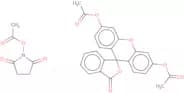
Formule :C4H8N4O4Degré de pureté :Min. 95%Couleur et forme :White PowderMasse moléculaire :176.13 g/mol5(6)-Carboxyfluorescein diacetate N-succinimidyl ester
CAS :5(6)-Carboxyfluorescein diacetate N-succinimidyl ester is a high quality chemical that is used as an intermediate in the synthesis of fluorescein, a complex compound. It is also useful as a reagent and building block in the synthesis of other compounds. 5(6)-Carboxyfluorescein diacetate N-succinimidyl ester is soluble in water and can be used to make fine chemicals, such as speciality chemicals and research chemicals. The chemical is also versatile and can be used as a reaction component for synthesizing other compounds.
Formule :C29H19NO11Degré de pureté :Min. 95%Couleur et forme :White PowderMasse moléculaire :557.46 g/mol2-Chlorobenzoic acid
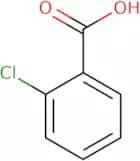
CAS :Please enquire for more information about 2-Chlorobenzoic acid including the price, delivery time and more detailed product information at the technical inquiry form on this page
Formule :C7H5ClO2Degré de pureté :Min. 95%Couleur et forme :White PowderMasse moléculaire :156.57 g/mol3-Acetylphenylboronic acid
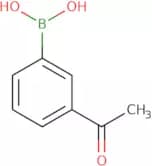
CAS :3-Acetylphenylboronic acid is a functional group with an acetyl group substituted for the hydroxyl group of phenol. 3-Acetylphenylboronic acid has been shown to inhibit cholinesterase through competitive inhibition. It also binds to the endocannabinoid receptor CB1 and competes with anandamide, which is a natural ligand of this receptor. 3-Acetylphenylboronic acid may be used as a replacement for fatty acids in carbon nanotubes because it has the same basic structure but does not react with oxygen or other chemicals. 3-Acetylphenylboronic acid also reacts with metal ions such as copper and zinc, which may be due to its electron withdrawing ability.
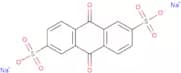
Formule :C8H9BO3Degré de pureté :Min. 98 Area-%Couleur et forme :White Slightly Yellow PowderMasse moléculaire :163.97 g/molAnthraquinone-2,6-disulfonic acid disodium
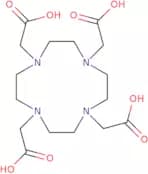
CAS :Anthraquinone-2,6-disulfonic acid disodium salt is a reactive, redox potential chemical that has been shown to be stable to intermolecular hydrogen bonding and crystalline in structure. It has the ability to react with carbon sources and can be used as a catalyst in coordination chemistry. Anthraquinone-2,6-disulfonic acid disodium salt has been shown to have fluorescence properties under UV light and FTIR spectroscopy.Formule :C14H6Na2O8S2Degré de pureté :Min. 95%Couleur et forme :Beige PowderMasse moléculaire :412.3 g/mol1,4,7,10-Tetraazacyclododecane-1,4,7,10-tetraacetic acid
CAS :1,4,7,10-Tetraazacyclododecane-1,4,7,10-tetraacetic acid (DOTA) is a metal chelator or radioligand that is used for the diagnosis of cancer. DOTA, as other analogous compounds such as NOTA, TETA and DTPA, has a high affinity for gadolinium and binds to integrin receptors on the surface of cancer cells. It can then be detected by nuclear magnetic resonance spectroscopy or computed tomography. This agent is also used in conjunction with other drugs to treat certain cancers. The most common use of DOTA is as a component of chemotherapy drugs such as docetaxel and cisplatin. DOTA has been shown to be biocompatible with human serum and metabolic response studies have been conducted in animals without any serious side effects. DOTA has shown to be an effective anti-cancer drug for solid tumors in animals and humans with minimal toxicity due to its coordination geometry.
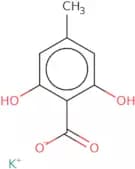
Formule :C16H28N4O8Degré de pureté :Min. 95%Couleur et forme :White PowderMasse moléculaire :404.42 g/mol2,6-Dihydroxy-4-methylbenzoic acid potassium
CAS :2,6-Dihydroxy-4-methylbenzoic acid potassium salt (2,6-DMBAK) is a high quality reagent that is used as an intermediate in the synthesis of complex compounds. CAS No. 856177-01-0. It is a white crystalline solid with an mp of about 190 degrees Celsius and a bp of about 315 degrees Celsius. 2,6-DMBAK has been shown to be useful in the synthesis of speciality chemicals and research chemicals. This product can be used as a versatile building block for the preparation of various kinds of chemical compounds, and it also has many applications in organic synthesis because it reacts well with many different types of compounds.
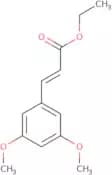
Formule :C8H8O4•KDegré de pureté :Min. 95%Couleur et forme :PowderMasse moléculaire :207.25 g/mol3,5-Dimethoxycinnamic acid methyl ester
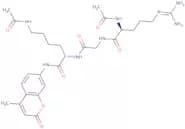
CAS :Please enquire for more information about 3,5-Dimethoxycinnamic acid methyl ester including the price, delivery time and more detailed product information at the technical inquiry form on this pageFormule :C12H14O4Degré de pureté :Min. 95%Masse moléculaire :222.24 g/molAc-Arg-Gly-Lys(Ac)-AMC trifluoroacetate salt
CAS :Ac-Arg-Gly-Lys(Ac)-AMC is a potent apoptotic agent that induces the apoptosis of cancer cells by binding to the caspase-9, which is an enzyme that initiates the process of apoptosis. Ac-Arg-Gly-Lys(Ac)-AMC has been shown to inhibit the growth of cancer cells in cell culture and also shows potent antitumor activity against MDA-MB-231 breast cancer cells. This drug can be used as a potential therapeutic agent for cancers such as colorectal, prostate, and pancreatic cancer. Ac-Arg-Gly-Lys(Ac)-AMC is also able to induce apoptosis in human leukemia cells and may have a potential role in therapy for acute myelogenous leukemia (AML).
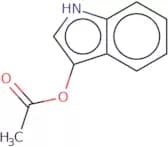
Formule :C28H40N8O7•C2HF3O2Degré de pureté :Min. 98 Area-%Couleur et forme :PowderMasse moléculaire :714.69 g/mol3-Indoxylacetate
CAS :Please enquire for more information about 3-Indoxylacetate including the price, delivery time and more detailed product information at the technical inquiry form on this page
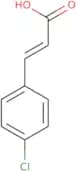
Formule :C10H9NO2Couleur et forme :White PowderMasse moléculaire :175.18 g/mol4-Chlorocinnamic acid
CAS :4-Chlorocinnamic acid is a malonic acid derivative and one of the cinnamic acid derivatives that has been shown to inhibit many chemical reactions. It inhibits the production of tyrosinase, which is an enzyme that catalyzes the conversion of tyrosinase to 4-hydroxycinnamic acid. 4-Chlorocinnamic acid also inhibits the growth of Candida glabrata in vitro. The effect on candida is due to its ability to inhibit the production of hydroxyl group and aromatic hydrocarbon, both of which are required for candida's survival. 4-Chlorocinnamic acid binds with aryl halide and neutral ph, preventing it from reacting with other substances.
Formule :C9H7ClO2Degré de pureté :Min. 95%Couleur et forme :PowderMasse moléculaire :182.6 g/molRef: 3D-FC37374
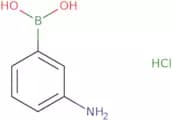
Produit arrêté(3-Aminophenyl)boronic acid hydrochloride
CAS :3-Aminophenylboronic acid hydrochloride is a chemical compound that is used for analytical chemistry, bioconjugate chemistry, and clinical diagnostics. The compound binds to model proteins with high affinity and specificity. 3-Aminophenylboronic acid hydrochloride has been shown to have low binding constants with polyols, which make it ideal for use in cell culture. 3-Aminophenylboronic acid hydrochloride has a pK of 2.7 at pH 7.4, making it acidic at this pH. The compound also has a pK of 9.3 at pH 4.5, making it neutral at this pH. 3-Aminophenylboronic acid hydrochloride is an electrochemically active molecule and can be used as an electrode material in electrochemical impedance spectroscopy experiments.
Formule :C6H9BClNO2Degré de pureté :Min. 95%Couleur et forme :PowderMasse moléculaire :173.4 g/mol

![4-[2'-(7''-Deazaguanine)ethyl]benzoic acid N-hydroxysuccinimide ester](/_next/image/?url=https%3A%2Fstatic.cymitquimica.com%2Fproducts%2F3D%2Fthumb-webp%2FFD20837.webp&w=3840&q=75)
![[4-(1-Methyl-1-phenylethyl)phenoxy]acetic acid](/_next/image/?url=https%3A%2Fstatic.cymitquimica.com%2Fproducts%2F3D%2Fthumb-webp%2FFM112689.webp&w=3840&q=75)



![2,2-Difluoro-2-[1,1,2,2-tetrafluoro-2-(trifluoromethoxy)ethoxy]acetic acid](/_next/image/?url=https%3A%2Fstatic.cymitquimica.com%2Fproducts%2F3D%2Fthumb-webp%2FFD99821.webp&w=3840&q=75)