Acides carboxyliques
Les acides carboxyliques sont des molécules organiques caractérisées par un groupe fonctionnel de type carboxyle (-COOH). Ces acides sont fondamentaux dans diverses réactions chimiques, y compris l'estérification, l'amidation et la décarboxylation. Les acides carboxyliques sont largement utilisés dans la production de produits pharmaceutiques, de polymères et d'agrochimiques. Dans cette section, vous pouvez trouver un grand nombre d'acides carboxyliques prêts à l'emploi. Chez CymitQuimica, nous fournissons une large gamme d'acides carboxyliques de haute qualité pour soutenir vos applications de recherche et industrielles.
12454 produits trouvés pour "Acides carboxyliques"
Trier par
Degré de pureté (%)
0
100
|
0
|
50
|
90
|
95
|
100
Ethyl cyanoformate, 99%
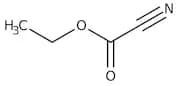
CAS :<p>Ethyl cyanoformate is used as reagent in the preparation of N-substituted amindinoformic acid and ethyl-4-quinazoline -2-carboxylate. This Thermo Scientific Chemicals brand product was originally part of the Alfa Aesar product portfolio. Some documentation and label information may refer to the leg</p>Formule :C4H5NO2Degré de pureté :99%Couleur et forme :Clear or slightly turbid colorless, LiquidMasse moléculaire :99.09Dimethyl fumarate, 99%
CAS :<p>This Thermo Scientific Chemicals brand product was originally part of the Alfa Aesar product portfolio. Some documentation and label information may refer to the legacy brand. The original Alfa Aesar product / item code or SKU reference has not changed as a part of the brand transition to Thermo Sci</p>Formule :C6H8O4Degré de pureté :99%Couleur et forme :Crystals or crystalline powder or flakes, White to cream to pale brownMasse moléculaire :144.13Isopropyl palmitate, tech. 85%
CAS :<p>Isopropyl palmitate is used to formulate and evaluate the suitability of pluronic lecithin organogels containing flurbiprofen for topical application and to characterize microemulsion systems of isopropyl palmitate, water and 2:1 Brij 97, and 1-butanol by different experimental techniques. This Ther</p>Formule :CH3(CH2)14CO2CH(CH3)2Degré de pureté :85%Couleur et forme :Liquid, Clear colorlessMasse moléculaire :298.513-Acetoxy-2-butanone, 98%
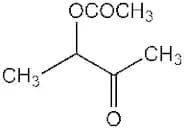
CAS :<p>This Thermo Scientific Chemicals brand product was originally part of the Alfa Aesar product portfolio. Some documentation and label information may refer to the legacy brand. The original Alfa Aesar product / item code or SKU reference has not changed as a part of the brand transition to Thermo Sci</p>Formule :C6H10O3Degré de pureté :98%Couleur et forme :Liquid, Clear colorless to pale yellowMasse moléculaire :130.14Methyl 3-methoxythiophene-2-carboxylate, 97%
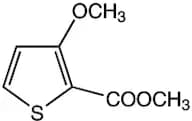
CAS :<p>This Thermo Scientific Chemicals brand product was originally part of the Alfa Aesar product portfolio. Some documentation and label information may refer to the legacy brand. The original Alfa Aesar product / item code or SKU reference has not changed as a part of the brand transition to Thermo Sci</p>Formule :C7H8O3SDegré de pureté :97%Couleur et forme :White to pale brown, Crystals or powder or crystalline powderMasse moléculaire :172.20Strontium oxalate, 95%
CAS :<p>This Thermo Scientific Chemicals brand product was originally part of the Alfa Aesar product portfolio. Some documentation and label information may refer to the legacy brand. The original Alfa Aesar product / item code or SKU reference has not changed as a part of the brand transition to Thermo Sci</p>Formule :C2O4SrDegré de pureté :95%Couleur et forme :White, Powder or lumpMasse moléculaire :175.64Methyl 1-methylpyrrole-2-carboxylate, 99%
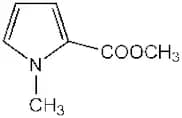
CAS :<p>Methyl 1-methylpyrrole-2-carboxylate is used as chemical and organic Intermediates. This Thermo Scientific Chemicals brand product was originally part of the Alfa Aesar product portfolio. Some documentation and label information may refer to the legacy brand. The original Alfa Aesar product / item c</p>Formule :C7H9NO2Degré de pureté :99%Couleur et forme :Clear colorless to yellow to orange, LiquidMasse moléculaire :139.15tert-Butyl cyanoacetate, 98%
CAS :<p>tert-Butyl cyanoacetate is used in the synthesis of vinylogous urea. It is also used as a new additive for the sugar nucleoside base coupling step en route to DAPD with improved -selectivity. This Thermo Scientific Chemicals brand product was originally part of the Alfa Aesar product portfolio. Some</p>Formule :NCCH2CO2C(CH3)3Degré de pureté :98%Couleur et forme :Liquid or viscous liquid, Clear colorless to white to yellowMasse moléculaire :141.17Ethyl tert-butylacetate, 98%
CAS :<p>This Thermo Scientific Chemicals brand product was originally part of the Alfa Aesar product portfolio. Some documentation and label information may refer to the legacy brand. The original Alfa Aesar product / item code or SKU reference has not changed as a part of the brand transition to Thermo Sci</p>Formule :C8H16O2Degré de pureté :98%Couleur et forme :Clear colorless, LiquidMasse moléculaire :144.21N-(4-Pentynyl)phthalimide, 97%
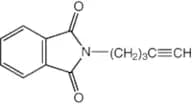
CAS :<p>N-(4-Pentynyl)phthalimide is used as pharmaceutical intermediate. This Thermo Scientific Chemicals brand product was originally part of the Alfa Aesar product portfolio. Some documentation and label information may refer to the legacy brand. The original Alfa Aesar product / item code or SKU referen</p>Formule :C13H11NO2Degré de pureté :97%Couleur et forme :White to yellow to pale brown, PowderMasse moléculaire :213.243-OXO-4-PHENYL-BUTYRIC ACID ETHYL ESTER
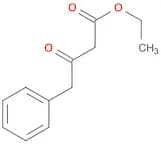
CAS :Formule :C12H14O3Degré de pureté :95%Couleur et forme :LiquidMasse moléculaire :206.2378Ref: IN-DA00FC4H
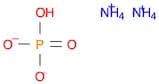
Produit arrêtéDiammonium hydrogenphosphate
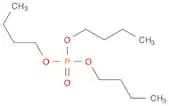
CAS :Formule :H9N2O4PDegré de pureté :99%Couleur et forme :SolidMasse moléculaire :132.056221Tributyl phosphate
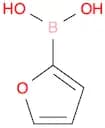
CAS :Formule :C12H27O4PDegré de pureté :98%Couleur et forme :LiquidMasse moléculaire :266.3141Boronic acid, B-2-furanyl-
CAS :Formule :C4H5BO3Degré de pureté :97%Couleur et forme :SolidMasse moléculaire :111.8917ACETIC ACID-D
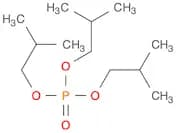
CAS :Formule :C2H3DO2Degré de pureté :98%Couleur et forme :LiquidMasse moléculaire :61.0581Phosphoric acid, tris(2-methylpropyl) ester
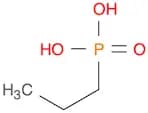
CAS :Formule :C12H27O4PDegré de pureté :98%Couleur et forme :LiquidMasse moléculaire :266.3141Propylphosphonic acid
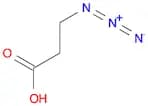
CAS :Formule :C3H9O3PDegré de pureté :95%Couleur et forme :SolidMasse moléculaire :124.0755Propanoic acid, 3-azido-
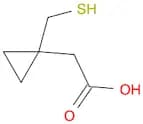
CAS :Formule :C3H5N3O2Degré de pureté :97%Couleur et forme :LiquidMasse moléculaire :115.0907Cyclopropaneacetic acid, 1-(mercaptomethyl)-
CAS :Formule :C6H10O2SDegré de pureté :95%Couleur et forme :SolidMasse moléculaire :146.2074Tungsten hydroxide oxide phosphate
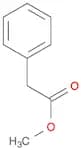
CAS :Formule :H146O78P2W24Degré de pureté :85%Couleur et forme :SolidMasse moléculaire :5869.22Benzeneacetic acid, methyl ester
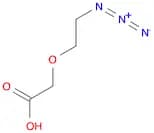
CAS :Formule :C9H10O2Degré de pureté :98%Couleur et forme :LiquidMasse moléculaire :150.17452-(2-Azidoethoxy)acetic acid
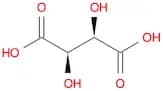
CAS :Formule :C4H7N3O3Degré de pureté :98%Couleur et forme :LiquidMasse moléculaire :145.1167L-(+)-Tartaric acid
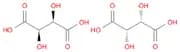
CAS :Formule :C4H6O6Degré de pureté :102.00%Couleur et forme :SolidMasse moléculaire :150.0868Butanedioic acid, 2,3-dihydroxy-, (2R,3R)-rel-
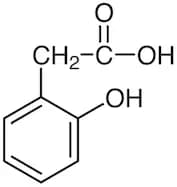
CAS :Formule :C8H12O12Degré de pureté :95%Couleur et forme :LiquidMasse moléculaire :300.17372-Hydroxyphenylacetic Acid
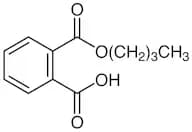
CAS :Formule :C8H8O3Degré de pureté :>98.0%(GC)(T)Couleur et forme :Light yellow to Yellow to Orange powder to crystalMasse moléculaire :152.15Monobutyl Phthalate
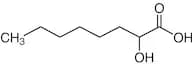
CAS :Formule :C12H14O4Degré de pureté :>95.0%(GC)(T)Couleur et forme :White to Almost white powder to crystalMasse moléculaire :222.242-Hydroxy-n-octanoic Acid
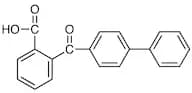
CAS :Formule :C8H16O3Degré de pureté :>98.0%(T)Couleur et forme :White to Almost white powder to crystalMasse moléculaire :160.212-(4-Biphenylylcarbonyl)benzoic Acid
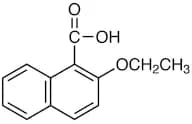
CAS :Formule :C20H14O3Degré de pureté :>97.0%(GC)(T)Couleur et forme :White to Almost white powder to crystalMasse moléculaire :302.332-Ethoxy-1-naphthoic Acid
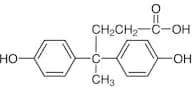
CAS :Formule :C13H12O3Degré de pureté :>99.0%(T)(HPLC)Couleur et forme :White to Almost white powder to crystalMasse moléculaire :216.24Diphenolic Acid
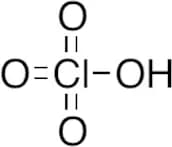
CAS :Formule :C17H18O4Degré de pureté :>98.0%(GC)(T)Couleur et forme :White to Light yellow powder to crystalMasse moléculaire :286.33Perchloric Acid (60%)
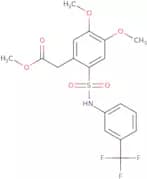
CAS :<p>Applications Perchloric Acid is a useful chemical reagent in the preparation of perchlorate salts. It is also known to be a strong oxidizer.<br> E0<br></p>Formule :ClHO4Degré de pureté :60%Couleur et forme :NeatMasse moléculaire :100.4585methyl 2-(4,5-dimethoxy-2-(((3-(trifluoromethyl)phenyl)amino)sulfonyl)phenyl)acetate
CAS :<p>Please enquire for more information about methyl 2-(4,5-dimethoxy-2-(((3-(trifluoromethyl)phenyl)amino)sulfonyl)phenyl)acetate including the price, delivery time and more detailed product information at the technical inquiry form on this page</p>Degré de pureté :Min. 95%Phytic acid, 50% aqueous solution
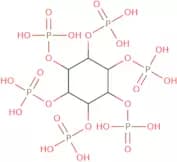
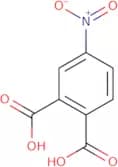
CAS :<p>Phytic acid is a naturally occurring compound that is found in plants. It can be found in grains such as wheat, corn, rice, and oats. Phytic acid has been shown to inhibit the absorption of calcium, magnesium, copper, iron, and zinc from the diet. This may be due to its ability to bind these minerals in the gastrointestinal tract. The binding of these minerals may also lead to an increase in bioavailability of phytates by preventing their absorption from the gut. Phytic acid has been shown to have a number of physiological effects on humans including inhibition of squamous carcinoma growth and autoimmune diseases. It also has been shown to have biological properties that include being an inhibitor for binding with other compounds such as sodium citrate and inositol.</p>Formule :C6H18O24P6Couleur et forme :Colorless PowderMasse moléculaire :660.04 g/mol4-Nitrophthalic acid
CAS :<p>4-Nitrophthalic acid is a white crystalline solid that has an acid and basic character. It has been shown to be antigenic, with a specific antibody able to bind to the 4-nitro group. The structure of 4-Nitrophthalic acid was determined using X-ray crystallography and NMR spectroscopy. The molecular weight of 4-Nitrophthalic acid is 177.2 g/mol, with a melting point of 174 °C and a boiling point of 341 °C. It is soluble in water and organic solvents such as ethanol, acetone, chloroform, ethyl ether, benzene, hexane, dichloromethane and ethyl acetate.</p>Formule :C8H5NO6Degré de pureté :Min. 97 Area-%Couleur et forme :White PowderMasse moléculaire :211.13 g/molRef: 3D-FN03461
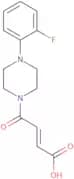
Produit arrêté3-((2-Fluorophenyl)piperazinylcarbamoyl)prop-2-enoic acid
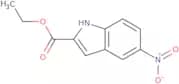
CAS :Produit contrôlé<p>Please enquire for more information about 3-((2-Fluorophenyl)piperazinylcarbamoyl)prop-2-enoic acid including the price, delivery time and more detailed product information at the technical inquiry form on this page</p>Formule :C14H15Fn2O3Degré de pureté :Min. 80%Couleur et forme :PowderMasse moléculaire :278.29 g/molEthyl 5-Nitroindole-2-Carboxylate
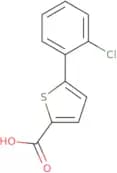
CAS :<p>Ethyl 5-Nitroindole-2-Carboxylate is a precursor to the anti-HIV drug Delavirdine. It is synthesized by condensation of ethyl pyruvate and urea derivative in the presence of thionyl chloride. This compound can be used as an intermediate in the synthesis of other compounds such as ethyl ester and ethyl pyruvate. The chemical reaction is carried out at room temperature using a chlorinated solvent such as methylene chloride or chloroform. Ethyl 5-nitroindole-2-carboxylate can also be used for the synthesis of other drugs, including antitumor agents.</p>Formule :C11H10N2O4Degré de pureté :Min. 95%Couleur et forme :PowderMasse moléculaire :234.21 g/mol5-(2-Chlorophenyl)thiophene-2-carboxylic acid
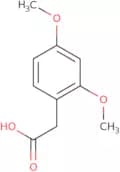
CAS :<p>5-(2-Chlorophenyl)thiophene-2-carboxylic acid is a reagent, complex compound, and useful intermediate that belongs to the class of fine chemicals. CAS No. 500604-91-1 is a speciality chemical that is used as a versatile building block in research chemicals and as a reaction component for the synthesis of new drugs. It is also an excellent building block for synthesizing 1,4-benzothiazepines and other heterocyclic compounds.</p>Formule :C11H7ClO2SDegré de pureté :Min. 95%Couleur et forme :PowderMasse moléculaire :238.69 g/mol2,4-Dimethoxyphenyl acetic acid
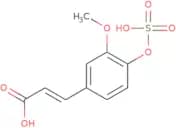
CAS :<p>2,4-Dimethoxyphenyl acetic acid is a synthetic compound that has been used as a pharmacological agent in the treatment of high blood pressure. It is also used as a reaction intermediate and can be obtained by the condensation of 2-hydroxybenzaldehyde with acetyl chloride. The kinetic data for this compound has been determined using deuterium isotope labeling and ion-pairing. The synthesis of 2,4-dimethoxyphenyl acetic acid involves the conversion of malonic acid to methylmalonate with ethyl bromoacetate and hydrobromic acid. This compound is chiral and optically active, giving it an R or S configuration. The reaction rate for 2,4-dimethoxyphenyl acetic acid has been found to be faster when in contact with phosphite ions than without.</p>Formule :C10H12O4Degré de pureté :Min. 95%Couleur et forme :Off-White PowderMasse moléculaire :196.2 g/molFerulic acid 4-O-sulfate disodium salt
CAS :<p>Ferulic acid 4-O-sulfate disodium salt is a compound belonging to the class of hydroxybenzoic acids. It is found in plant and animal tissue, as well as in urine samples. Ferulic acid 4-O-sulfate disodium salt has been shown to have antitumorigenic activity on thp-1 cells by inhibiting activation of toll-like receptor 2 (TLR2). It also inhibits the production of proinflammatory cytokines and interleukin 6 (IL6) in human macrophages. Ferulic acid 4-O-sulfate disodium salt may be a potential chemopreventive agent for women with breast cancer who are at high risk for recurrence. In addition, ferulic acid 4-O-sulfate disodium salt may have antiobesity properties that are mediated through inhibition of fatty acid synthesis in humans.</p>Formule :C10H8Na2O7SDegré de pureté :Min. 95%Couleur et forme :White Off-White PowderMasse moléculaire :318.21 g/molRef: 3D-FF23277
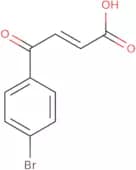
Produit arrêté3-(4-Bromobenzoyl)-acrylic acid
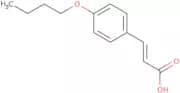
CAS :<p>3-(4-Bromobenzoyl)-acrylic acid is a chiral secondary amine that was synthesised in the laboratory. It is an inhibitor of xanthine oxidase, which is an enzyme involved in purine metabolism. The compound inhibits the enzyme by binding to it and preventing it from breaking down xanthine into uric acid. This has been shown to inhibit xanthine oxidase activity in vitro, but not in vivo. 3-(4-Bromobenzoyl)-acrylic acid has been shown to be more potent than some other inhibitors, such as thiourea and erythromycin. However, it has only been studied at low concentrations so far and its effects on human cells are unknown.</p>Formule :C10H7BrO3Degré de pureté :Min. 95%Couleur et forme :PowderMasse moléculaire :255.06 g/mol4-N-Butoxycinnamic acid
CAS :<p>4-N-Butoxycinnamic acid is a chemical compound with the molecular formula CH3(CH2)7COCH=CH(COOH). It belongs to the group of cinnamic acid derivatives, which are organic compounds that may be synthesized by condensation of malonic acid and benzene. 4-N-Butoxycinnamic acid has been shown to have anti-inflammatory properties in animal models. This compound inhibits inflammatory cytokines and their signaling pathways, thereby preventing the translocation of neutrophils into inflamed tissues.</p>Formule :C13H16O3Degré de pureté :Min. 95%Masse moléculaire :220.26 g/molMethyl 3-amino-6-methylthieno[2,3-b]pyridine-2-carboxylate
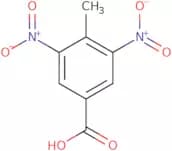
CAS :<p>Please enquire for more information about Methyl 3-amino-6-methylthieno[2,3-b]pyridine-2-carboxylate including the price, delivery time and more detailed product information at the technical inquiry form on this page</p>Formule :C10H10N2O2SDegré de pureté :Min. 95%Masse moléculaire :222.27 g/mol3,5-Dinitro-4-methylbenzoic acid
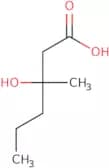
CAS :<p>3,5-Dinitro-4-methylbenzoic acid is a compound that can be used in the synthesis of many organic compounds. It is an important reagent for the preparation of nitroarenes and it is also used as a precursor to other organic compounds. 3,5-Dinitro-4-methylbenzoic acid has been shown to have a hydrogen bond with malonic acid and can form an asymmetric hydrogen bond with the hydroxyl group of protonated water. 3,5-Dinitro-4-methylbenzoic acid has three different resonance structures and its x-ray diffraction data show that it has a cavity shape. This molecule can be found in the nmr spectra at around 8.3 ppm and its kinetic constants are given as k1 = 0.01 s−1 and k2 = 0.06 s−1 for the two reactions. 3,5-Dinitro-4-methylben</p>Formule :C8H6N2O6Degré de pureté :Min. 95%Couleur et forme :PowderMasse moléculaire :226.14 g/mol3-Hydroxy-3-methylhexanoic acid
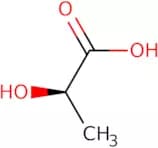
CAS :<p>3-Hydroxy-3-methylhexanoic acid is a fatty acid that is one of the metabolic products of leukocytes. It is formed in the body by conjugation with an acid and is excreted in urine. 3-Hydroxy-3-methylhexanoic acid has been shown to be a substrate for bacterial enzymes, such as corynebacterium, which can convert it to isovaleric acid. The analytical method for measuring 3-hydroxy-3-methylhexanoic acid in urine has been developed and validated on women.</p>Formule :C7H14O3Degré de pureté :Min. 95%Couleur et forme :Clear LiquidMasse moléculaire :146.18 g/molD-Lactic acid
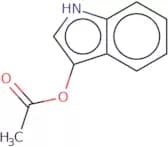
CAS :<p>D-lactic acid is a metabolic byproduct of lactic acid bacteria that can be found in food products such as fermented vegetables and dairy products. It is also produced in the human body and can be used as an energy source. D-lactic acid has been shown to have antibacterial efficacy against wild-type strains of Escherichia coli, but not against multidrug-resistant strains. D-lactic acid has been shown to increase the mitochondrial membrane potential and decrease the surface area of squamous carcinoma cells.</p>Formule :C3H6O3Couleur et forme :Clear LiquidMasse moléculaire :90.08 g/mol3-Indoxylacetate
CAS :<p>Please enquire for more information about 3-Indoxylacetate including the price, delivery time and more detailed product information at the technical inquiry form on this page</p>Formule :C10H9NO2Couleur et forme :White PowderMasse moléculaire :175.18 g/molDL-Indole-3-lactic acid
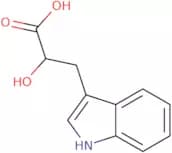
CAS :<p>Indole-3-lactic acid is a plant hormone that is produced in the leaves of the plant when they are under stress. It has been shown to have activity against bowel diseases and metabolic disorders. Indole-3-lactic acid has been isolated from plants like Caproicum album, which is used in vitro to measure its effect on caproic acid production. This compound has also been detected in human serum and wastewater treatment. Indole-3-lactic acid inhibits tryptophan degradation by competing with indolecarboxylase for substrate. The effect of indole-3-lactic acid on dextran sulfate and glomerular filtration rate was studied using a rat model, where it was found that it had no significant effects.</p>Formule :C11H11NO3Degré de pureté :Min. 95%Couleur et forme :PowderMasse moléculaire :205.21 g/molBis(2,2,2-trichloroethyl)azodicarboxylate
CAS :<p>Bis(2,2,2-trichloroethyl)azodicarboxylate is a nucleophile that can be used as an alkylating agent in the industrial process. It is also used to prepare chiral amines by adding an amine to the enantiomerically pure bis(2,2,2-trichloroethyl)azodicarboxylate. The anticancer activity of Bis(2,2,2-trichloroethyl)azodicarboxylate is due to its ability to inhibit tumor cell proliferation. Bis(2,2,2-trichloroethyl)azodicarboxylate is not effective against cancerous cells that do not have functional groups such as amino acids.</p>Formule :C6H4Cl6N2O4Degré de pureté :Min. 95%Couleur et forme :Yellow SolidMasse moléculaire :380.82 g/molFmoc-(S)-2-(aminomethyl)-4-methylpentanoic acid
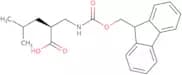
CAS :<p>Fmoc-(S)-2-(aminomethyl)-4-methylpentanoic acid is a proteinogenic amino acid that is used in the production of casein and other dairy products. It is also found in wheat, where it can be converted to the essential amino acid methionine. Fmoc-(S)-2-(aminomethyl)-4-methylpentanoic acid is classified as a high-quality protein because it contains all eight essential amino acids (EAAs). It has been shown that when dietary intakes are low, malnourished children may benefit from increased intake of this amino acid.</p>Formule :C22H25NO4Degré de pureté :Area-% Min. 95 Area-%Couleur et forme :PowderMasse moléculaire :367.44 g/mol













![Methyl 3-amino-6-methylthieno[2,3-b]pyridine-2-carboxylate](/_next/image/?url=https%3A%2Fstatic.cymitquimica.com%2Fproducts%2F3D%2Fthumb-webp%2FFM142163.webp&w=3840&q=75)