Aldéhydes
8576 produits trouvés pour "Aldéhydes"
5-methyl-10,11-dihydro-5H-dibenzo[b,f]azepine-2-carbaldehyde
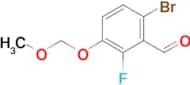
CAS :Masse moléculaire :237.3020019531256-Bromo-2-fluoro-3-(methoxymethoxy)benzaldehyde
CAS :Degré de pureté :98%Masse moléculaire :263.062011718752-Phenyl-imidazo[1,2-a]pyridine-3-carbaldehyde
CAS :Degré de pureté :95.0%Masse moléculaire :222.2469940185547(E)-3-(2-(7-chloroquinolin-2-yl)vinyl)benzaldehyde
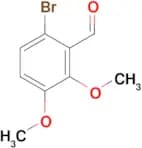
CAS :Degré de pureté :96%Masse moléculaire :293.756-Bromo-2,3-dimethoxy-benzaldehyde
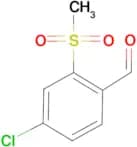
CAS :Formule :C9H9BrO3Degré de pureté :97%Couleur et forme :SolidMasse moléculaire :245.0724-Chloro-2-(methylsulfonyl)benzaldehyde
CAS :Formule :C8H7ClO3SDegré de pureté :95.0%Couleur et forme :SolidMasse moléculaire :218.658-Methyl-2-p-tolyl-imidazo[1,2-a]pyridine-3-carboxaldehyde
CAS :Masse moléculaire :250.300994873046882-(4-Fluoro-phenyl)-imidazo[1,2-a]pyridine-3-carboxaldehyde
CAS :Degré de pureté :95.0%Masse moléculaire :240.23699951171875(3R,7aR)-3-(tert-Butyl)-1,5-dioxohexahydropyrrolo[1,2-c]oxazole-7a-carbaldehyde
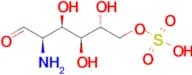
CAS :Degré de pureté :97.0%Masse moléculaire :225.24400329589844(2R,3S,4R,5R)-5-Amino-2,3,4-trihydroxy-6-oxohexyl hydrogen sulfate
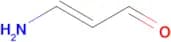
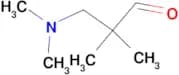
CAS :Degré de pureté :95.0%Masse moléculaire :259.23001098632813-Dimethylamino-2,2-dimethyl-propionaldehyde
CAS :Degré de pureté :95.0%Couleur et forme :LiquidMasse moléculaire :129.20300292968755-(Benzyloxy)-1H-pyrrolo[2,3-c]pyridine-3-carbaldehyde
CAS :Degré de pureté :95.0%Masse moléculaire :252.2729949951172Methyl 3-formylpyrrolo[2,1-b][1,3]benzothiazole-1-carboxylate
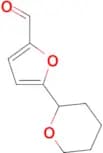
CAS :Degré de pureté :95.0%Masse moléculaire :259.27999877929695-(tetrahydro-2H-pyran-2-yl)-2-furaldehyde
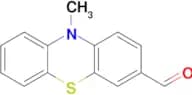
CAS :Degré de pureté :95.0%Couleur et forme :LiquidMasse moléculaire :180.203002929687510-Methyl-10H-phenothiazine-3-carbaldehyde
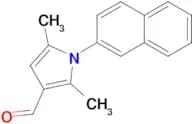
CAS :Degré de pureté :97%Masse moléculaire :241.309997558593752,5-dimethyl-1-(2-naphthyl)-1H-pyrrole-3-carbaldehyde
CAS :Degré de pureté :95.0%Masse moléculaire :249.313003540039064-([1,2,4]Triazolo[1,5-a]pyridin-6-yl)-5-(6-methylpyridin-2-yl)-1H-imidazole-2-carbaldehyde
CAS :Degré de pureté :99.0%Masse moléculaire :304.31298828125tert-Butyl 5-formyl-3,4-dihydroisoquinoline-2(1H)-carboxylate
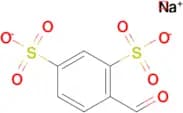
CAS :Degré de pureté :95%Masse moléculaire :261.3210144042969Sodium 4-formylbenzene-1,3-disulfonate
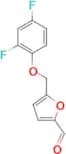
CAS :Formule :C7H4Na2O7S2Degré de pureté :95%Couleur et forme :White to almost white powderMasse moléculaire :310.25-(2,4-Difluoro-phenoxymethyl)-furan-2-carbaldehyde
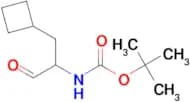
CAS :Formule :C12H8F2O3Couleur et forme :SolidMasse moléculaire :238.19Tert-Butyl (1-cyclobutyl-3-oxopropan-2-yl)carbamate
CAS :Degré de pureté :95.0%Masse moléculaire :227.3040008544922Ref: 10-F428653
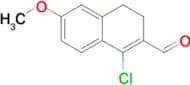
1gÀ demander2gÀ demander5gÀ demander10gÀ demander100mgÀ demander250mgÀ demander500mgÀ demander1-Chloro-6-methoxy-3,4-dihydronaphthalene-2-carbaldehyde
CAS :Degré de pureté :95.0%Masse moléculaire :222.66999816894536-Phenyl-imidazo[2,1-b]thiazole-5-carbaldehyde
CAS :Degré de pureté :95.0%Masse moléculaire :228.270004272460942-chloro-7,8-dihydro-6H-cyclopenta[g]quinoline-3-carbaldehyde
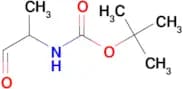
CAS :Degré de pureté :95.0%Masse moléculaire :231.67999267578125(1-Methyl-2-oxoethyl)carbamic acid tert-butyl ester
CAS :Degré de pureté :90.0%Couleur et forme :SolidMasse moléculaire :173.212005615234382-Methyl-6-phenyl-imidazo[1,2-a]pyridine-3-carbaldehyde
CAS :Degré de pureté :97.0%Masse moléculaire :236.27400207519539-Methyl-2-(4-methylpiperazin-1-yl)-4-oxo-4H-pyrido[1,2-a]pyrimidine- 3-carbaldehyde
CAS :Degré de pureté :95.0%Masse moléculaire :286.33499145507811-BOC-4-(3-FORMYL-4-HYDROXYPHENYL)PIPERAZINE
CAS :Formule :C16H22N2O4Degré de pureté :97.0%Couleur et forme :Liquid, No data available.Masse moléculaire :306.3623-(4-Fluoro-phenyl)-1-methyl-1H-pyrazole-4-carbaldehyde
CAS :Formule :C11H9FN2ODegré de pureté :95.0%Couleur et forme :Solid, Light yellow powderMasse moléculaire :204.204Tert-Butyl 4-(2-oxoethyl)bicyclo[2.2.1]heptane-1-carboxylate
CAS :Degré de pureté :98%Masse moléculaire :238.32699584960938Benzo[h][1,6]naphthyridine-5-carbaldehyde
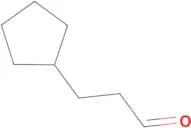
CAS :Degré de pureté :95.0%Couleur et forme :Liquid, No data available.Masse moléculaire :208.220001220703123-cyclopentylpropanal
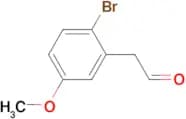
CAS :Degré de pureté :95.0%Couleur et forme :Liquid, No data available.Masse moléculaire :126.1989974975586(2-Bromo-5-methoxyphenyl)acetaldehyde
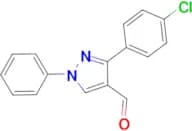
CAS :Formule :C9H9BrO2Degré de pureté :97.0%Couleur et forme :SolidMasse moléculaire :229.0733-(4-CHLOROPHENYL)-1-PHENYL-1H-PYRAZOLE-4-CARBALDEHYDE
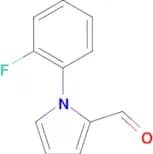
CAS :Degré de pureté :95.0%Masse moléculaire :282.73001098632811-(2-Fluoro-phenyl)-1H-pyrrole-2-carbaldehyde
CAS :Degré de pureté :95.0%Masse moléculaire :189.188995361328122-(4-Bromo-phenyl)-8-methyl-imidazo[1,2-a]pyridine-3-carbaldehyde
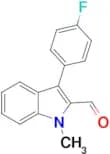
CAS :Masse moléculaire :315.17001342773442-Formyl-3-(4-fluorophenyl)-1-N-methyl indole
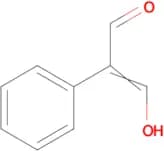
CAS :Degré de pureté :98.0%Couleur et forme :SolidMasse moléculaire :253.27600097656252-Phenylmalondialdehyde
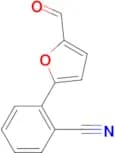
CAS :Formule :C9H8O2Degré de pureté :95.0%Couleur et forme :SolidMasse moléculaire :148.1612-(5-Formyl-furan-2-yl)-benzonitrile
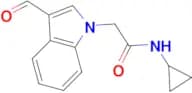
CAS :Formule :C12H7NO2Degré de pureté :95.0%Couleur et forme :SolidMasse moléculaire :197.193N-Cyclopropyl-2-(3-formyl-indol-1-yl)-acetamide
CAS :Degré de pureté :95.0%Masse moléculaire :242.2779998779297Benzo[d]imidazo[2,1-b]thiazole-2-carbaldehyde
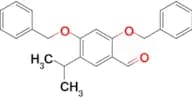
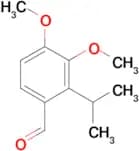
CAS :Degré de pureté :95.0%Masse moléculaire :202.229995727539062,4-Bis(phenylmethoxy)-5-propan-2-ylbenzaldehyde
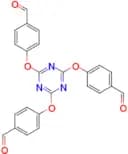
CAS :Degré de pureté :97%Masse moléculaire :360.45300292968754,4',4''-((1,3,5-TRIAZINE-2,4,6-TRIYL)TRIS(OXY))TRIBENZALDEHYDE
CAS :Degré de pureté :95%Masse moléculaire :441.39898681640625Ref: 10-F852142
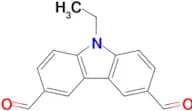
100mgÀ demander250mgÀ demander1g43,00€5g148,00€10g273,00€25g665,00€50g1.158,00€100g2.301,00€9-Ethyl-9h-carbazole-3,6-dicarbaldehyde
CAS :Degré de pureté :95+%Masse moléculaire :251.285003662109383-(2-Chlorophenyl)acrylaldehyde
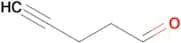
CAS :Formule :C9H7ClODegré de pureté :95.0%Couleur et forme :SolidMasse moléculaire :166.6PENT-4-YNAL (IN DCM 30% W/W)
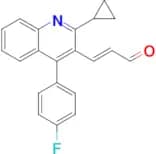
CAS :Degré de pureté :90.0%Couleur et forme :Liquid, Yellow to Brown LiquidMasse moléculaire :82.10199737548828(E)-3-(2-Cyclopropyl-4-(4-fluorophenyl)quinolin-3-yl)acrylaldehyde
CAS :Degré de pureté :95%Masse moléculaire :317.3630065917969(S)-TERT-BUTYL (3-METHYL-1-OXOBUTAN-2-YL)CARBAMATE
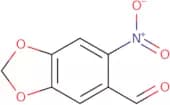
CAS :Degré de pureté :95.0%Couleur et forme :SolidMasse moléculaire :201.266006469726562-Nitro-4,5-methylenedioxybenzaldehyde
CAS :2-Nitro-4,5-methylenedioxybenzaldehyde (2NMB) is a molecule with a molecular weight of 188.24, an empirical formula of C8H8NO2 and a chemical structure consisting of a benzene ring attached to two nitro groups. 2NMB has been shown to bind to the dopamine β-hydroxylase enzyme in human serum and inhibit the production of dopa, which leads to a decrease in dopamine levels. It also inhibits the growth of staphylococcus, cryptococcus neoformans, and typhimurium. 2NMB also has been used as radiotracers for gyrase activity and can be used for asymmetric synthesis due to its piperonal group. The uptake of 2NMB by cells is dependent on its nucleophilic properties.
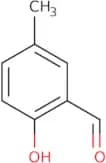
Formule :C8H5NO5Degré de pureté :Min. 98%Couleur et forme :PowderMasse moléculaire :195.13 g/mol2-Hydroxy-5-methylbenzaldehyde
CAS :2-Hydroxy-5-methylbenzaldehyde (2HMBA) is a biologically active molecule that has been shown to bind to human serum albumin. The binding constants for the two molecules are relatively low, with a Kd of approximately 2.6 x 10 M. The nitrogen atoms in the molecule form hydrogen bonds with the hydroxyl group on the ethylene diamine, which stabilizes it and prevents it from dissolving in water. This compound also has a cyclohexane ring and can be found in natural products such as erythronolide B, an antibiotic produced by Streptomyces erythreus. 2HMBA is stable when complexed with hydrochloric acid or potassium dichromate and can be used in structural analysis of other molecules.Formule :C8H8O2Degré de pureté :Min. 95%Couleur et forme :Off-White PowderMasse moléculaire :136.15 g/mol3-Bromo-4-fluorobenzaldehyde
CAS :3-Bromo-4-fluorobenzaldehyde is a drug substance that is used in the synthesis of pharmaceuticals. It is also a potential anticancer agent. 3-Bromo-4-fluorobenzaldehyde inhibits bacterial growth by binding to DNA, preventing transcription and replication. The high frequency of human activity has been shown using a patch clamp technique on human erythrocytes. This active form is metabolized through a number of metabolic transformations, including hydrolysis by esterases or glucuronidases, oxidation by cytochrome P450 enzymes, reduction by glutathione reductase, or conjugation with glucuronic acid. 3-Bromo-4-fluorobenzaldehyde also specifically binds to markers expressed at high levels in Mycobacterium tuberculosis strains (e.g., ESX-1 secretion system protein) and inhibits cell growth in culture.
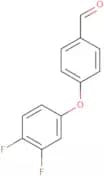
Formule :C7H4BrFODegré de pureté :Min. 95%Couleur et forme :PowderMasse moléculaire :203.01 g/mol4'-(3,4-Difluorophenoxy)benzaldehyde
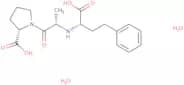
CAS :4'-(3,4-Difluorophenoxy)benzaldehyde is an organic compound that yields a bright yellow color. It is used in the replication of DNA and RNA in the laboratory. This compound has been shown to interact with environmental conditions and significant effects have been observed for cultivars of wheat.Formule :C13H8F2O2Degré de pureté :Min. 95%Masse moléculaire :234.2 g/molEnalaprilat dihydrate
CAS :Enalaprilat is an angiotensin-converting enzyme (ACE) inhibitor that prevents the formation of angiotensin II, a potent vasoconstrictor. It is used to treat high blood pressure and congestive heart failure. Enalaprilat is metabolized to enalapril, which has been found to act as an active inhibitor of DNA polymerase. This drug is also capable of inhibiting the synthesis of other proteins, such as those involved in protein transport and cell wall biogenesis.
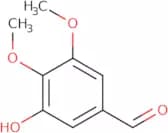
Formule :C18H28N2O7Degré de pureté :Min. 98 Area-%Couleur et forme :PowderMasse moléculaire :384.42 g/mol3,4-Dimethoxy-5-hydroxybenzaldehyde
CAS :3,4-Dimethoxy-5-hydroxybenzaldehyde is a phenolic compound that has been shown to be bactericidal against Listeria monocytogenes and Staphylococcus aureus. It has also been shown to have antioxidant properties in vivo. 3,4-Dimethoxy-5-hydroxybenzaldehyde may be used in the treatment of cardiovascular diseases such as atherosclerosis because it inhibits platelet aggregation and lipoprotein oxidation. The compound prevents the oxidation of prosthetic groups and the formation of adducts with DNA, which can lead to carcinogenesis. 3,4-Dimethoxy-5-hydroxybenzaldehyde is known to inhibit the growth of Pseudomonas aeruginosa, Salmonella typhimurium, Escherichia coli and Lactobacillus plantarum.Formule :C9H10O4Degré de pureté :Min. 95%Couleur et forme :PowderMasse moléculaire :182.17 g/mol2-Ethoxy-3-methoxybenzaldehyde
CAS :2-Ethoxy-3-methoxybenzaldehyde is a coordination compound that contains two thiolate ligands, one carbonyl group, and a chelate ring with sulfur. The compound has been shown to bind to the active site of thiosemicarbazide in the enzyme sulfite oxidase, which catalyzes the oxidation of sulfite to sulfate. 2-Ethoxy-3-methoxybenzaldehyde has also been shown to be an effective ligand for rhenium.
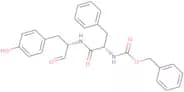
Formule :C10H12O3Degré de pureté :Min. 95%Masse moléculaire :180.2 g/molZ-Phe-Tyr-aldehyde
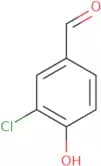
CAS :Z-Phe-Tyr-aldehyde is a natural compound that inhibits the activity of cathepsin, an enzyme associated with cancer and bowel disease. The compound also inhibits the expression of covid-19, which is a protein that regulates cell death. Z-Phe-Tyr-aldehyde has been shown to cause caspase-independent cell death in human leukemia cells. This compound also blocks the TLR4 receptor, which is thought to play a role in infectious diseases such as SARS and Covid-2. It has been found to inhibit protein synthesis in bacteria, which may be due to its ability to inhibit ribosomal function.Formule :C26H26N2O5Degré de pureté :Min. 95%Masse moléculaire :446.5 g/mol3-Chloro-4-hydroxybenzaldehyde
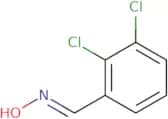
CAS :3-Chloro-4-hydroxybenzaldehyde is a molecule that belongs to the class of aldehydes. It is a monocarboxylic acid and an important precursor in the production of coumarin derivatives. 3-Chloro-4-hydroxybenzaldehyde has been shown to have pharmacokinetic properties, such as vibrational, chemical, and optical properties. It is also a fluorophore with strong fluorescence emission. The hydroxymethyl group can be programmed by adding an amine or thiol group at the 4 position on the ring of 3-chloro-4-hydroxybenzaldehyde. The addition of these groups will change the optical properties of 3-chloro-4-hydroxybenzaldehyde to make it more useful for biotechnology applications.Formule :C7H5ClO2Degré de pureté :Min. 95%Couleur et forme :PowderMasse moléculaire :156.57 g/mol2,3-Dichlorobenzaldehyde oxime
CAS :2,3-Dichlorobenzaldehyde oxime is a versatile building block and reagent in the synthesis of complex compounds. It is mainly used as a research chemical and speciality chemical. 2,3-Dichlorobenzaldehyde oxime has been widely used for the preparation of fine chemicals, pharmaceuticals, agrochemicals, and other organic compounds. This compound can be reacted with various reagents to produce useful scaffolds or reaction components.
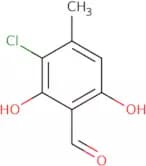
Formule :C7H5Cl2NODegré de pureté :Min. 95%Couleur et forme :PowderMasse moléculaire :190.03 g/mol3-Chloro-2,6-dihydroxy-4-methylbenzaldehyde
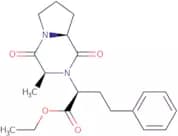
CAS :3-Chloro-2,6-dihydroxy-4-methylbenzaldehyde is a hydroxylated compound that is used in wastewater treatment. It can be found in many products including plastics and pesticides. 3-Chloro-2,6-dihydroxy-4-methylbenzaldehyde has been shown to inhibit the growth of bacteria such as Usnic Acid through its ability to react with hydrogen atoms on the bacterial cell wall and replace them with chlorine. This replacement halts the production of benzoate, which is essential for bacterial growth. The reaction mechanism has been detected using an electrochemical detector, chloroatranol.Formule :C8H7ClO3Degré de pureté :Min. 95%Couleur et forme :Off-White PowderMasse moléculaire :186.59 g/molEnalapril diketopiperazine
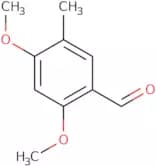
CAS :Enalapril is a potassium-sparing diuretic that belongs to the group of angiotensin-converting enzyme (ACE) inhibitors. It is used in the treatment of high blood pressure and congestive heart failure. Enalapril is activated by hydrolysis to enalaprilat, which in turn inhibits the formation of angiotensin II and prevents its effects on blood vessels and kidneys. Enalapril also prevents the conversion of captopril to enalaprilat, thereby reducing its effectiveness as an ACE inhibitor.Formule :C20H26N2O4Degré de pureté :Min. 95%Couleur et forme :PowderMasse moléculaire :358.43 g/mol2,4-Dimethoxy-5-methylbenzaldehyde
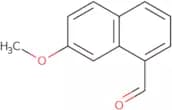
CAS :2,4-Dimethoxy-5-methylbenzaldehyde is an aryl aldehyde that can be synthesized from 2,4-dimethoxyphenol and methyl benzoate. It can also be produced by condensation of benzaldehyde with chloroform in the presence of zinc chloride. This compound is used in the production of various pharmaceuticals, including antihistamines, antidepressants, and antipsychotics.Formule :C10H12O3Degré de pureté :Min. 95%Couleur et forme :PowderMasse moléculaire :180.2 g/mol7-Methoxy-1-naphthaldehyde
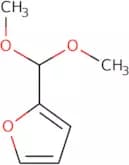
CAS :7-Methoxy-1-naphthaldehyde is an aldehyde that is synthesized from acetaldehyde and 7-methoxy-1-naphthol. It has been shown to inhibit the cytosolic aldehyde dehydrogenase, which converts acetaldehyde to acetate. This reaction is one of the major routes for the metabolism of alcohol in humans. 7-Methoxy-1-naphthaldehyde can be used as a substrate in immunochemical assays, and its synthetic scheme has been published. 7MNA was also found to have cytotoxic effects on human liver cells in vitro.Formule :C12H10O2Degré de pureté :Min. 95%Masse moléculaire :186.21 g/mol2-Furaldehyde dimethylacetal
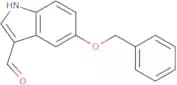
CAS :2-Furaldehyde dimethylacetal is a monomer with a hydroxyl group and an aldehyde group in the molecule. It is produced by the reaction of formaldehyde with methanol and sodium hydroxide, which react to create formaldehyde hemiacetal. The formaldehyde hemiacetal then reacts with methanol to produce 2-furaldehyde dimethylacetal. This compound has been shown to polymerize when heated or irradiated with ultraviolet light, forming polymers. Gel chromatography can be used to separate this compound from other compounds in a mixture. The molecular weight of 2-furaldehyde dimethylacetal is 186g/mol.Formule :C7H10O3Degré de pureté :Min. 95 Area-%Couleur et forme :Clear LiquidMasse moléculaire :142.15 g/mol5-Benzyloxyindole-3-carboxaldehyde
CAS :5-Benzyloxyindole-3-carboxaldehyde is a merocyanine dye that can be used as an antimycobacterial agent in cell culture. It is also fluorescent and has been shown to inhibit the growth of Mycobacterium tuberculosis. 5-Benzyloxyindole-3-carboxaldehyde has been synthesised by reacting 5,5′-dibenzoyloxydihydropyrene with indole and benzaldehyde. The hydrolysis of this compound yields the corresponding carboxylic acid and benzoic acid, which are then converted to the desired product by action of sodium ethoxide. Merocyanine dyes are characterized by a distinctive absorption band in the visible region at about 540 nm. These compounds have also been shown to inhibit renal cells, which may be due to their ability to act as nucleophiles or tautomers.
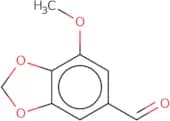
Formule :C16H13NO2Degré de pureté :Min. 95%Couleur et forme :Off-White PowderMasse moléculaire :251.28 g/mol3-Methoxy-4,5-methylenedioxybenzaldehyde
CAS :Produit contrôlé3-Methoxy-4,5-methylenedioxybenzaldehyde (MMDA) is an amine that is used in the synthesis of drugs and pharmaceuticals. It is a major component of myristicin, which is found in nutmeg. MMDA can be synthesized from aluminium chloride, hydrochloric acid and pyridine. The molecule has a skeleton that is recemic at acidic pH values and mesoionic at basic pH values. This compound also reacts with acetyl chloride to form 3,4-dimethoxyacetophenone, which can be chromatographically separated from other compounds. The chromatography produces flavonoid derivatives such as quercetin, 3′-methoxyquercetin and 3′,4′-dimethoxyquercetin. Flavonoids are polyphenolic compounds found in plants that have antioxidant properties. Chromatographic separation of these compounds can be done using spectrometric methods toFormule :C9H8O4Degré de pureté :Min. 95 Area-%Couleur et forme :Off-White PowderMasse moléculaire :180.16 g/mol(E)-2-Octenal
CAS :(E)-2-Octenal is a reactive compound that is produced by the degradation of unsaturated fatty acids. It has been shown to have antioxidant properties, which may be due to its ability to inhibit the activity of lipoxygenase and cyclooxygenase enzymes. (E)-2-Octenal also inhibits bacterial growth through genotoxic effects, such as DNA damage and mutations. The chemical ionization mass spectrometry method has been used for identification and quantification of (E)-2-octenal in a variety of natural products, including ethyl decanoate, caproic acid, and galacturonic acid.
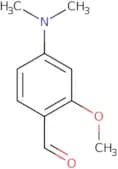
Formule :C8H14ODegré de pureté :Min. 95 Area-%Couleur et forme :Clear LiquidMasse moléculaire :126.2 g/mol4-Dimethylamino-2-methoxybenzaldehyde
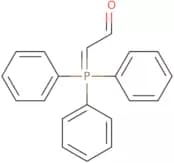
CAS :When used in combination with X-Gal, 4-dimethylamino-2-methoxybenzaldehyde can be used for effective staining under anaerobic conditions. This novel method is termed Indoxyl/Dimethylamino-2-methoxybenzaldehyde aldol staining and can be used as an alternative to indoxyl-substrate indicator systems which depends on molecule oxygen to develop the desired indigo chromogen.Formule :C10H13NO2Degré de pureté :Min. 95%Couleur et forme :Yellow PowderMasse moléculaire :179.22 g/mol(Triphenylphosphoranylidene)acetaldehyde
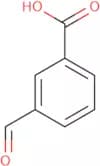
CAS :Produit contrôléTriphenylphosphoranylidene)acetaldehyde (TPPAA) is a diphenyl ether that binds to the allosteric site on the enzyme acetylcholinesterase, leading to inhibition of the catalytic mechanism. TPPAA has been shown to have insecticidal activity in the form of contact toxicity. It also has anticancer activity by inhibiting DNA synthesis and inducing apoptosis in cancer cells. TPPAA can be synthesized through a preparative method involving an asymmetric synthesis with a hydroxyl group as one of the reagents. TPPAA is an ionizable molecule that undergoes chemical ionization in a mass spectrometer and vibrational spectroscopy techniques.Formule :C20H17OPDegré de pureté :min 96%Couleur et forme :PowderMasse moléculaire :304.32 g/mol3-Carboxybenzaldehyde
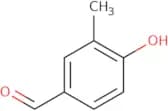
CAS :3-Carboxybenzaldehyde is a hydroxy aromatic compound with a molecular formula of C8H6O2. It is a synthetic chemical that can be used as an intermediate in the synthesis of other compounds, such as polycarboxylic acids. 3-Carboxybenzaldehyde has been shown to be an effective substrate for binding to polycarboxylic acid enzymes and activating them. This reaction generates the corresponding carboxylate product and releases CO2. 3-Carboxybenzaldehyde has also been used as a reactant in asymmetric synthesis reactions and shown to have some structural similarities with benzene ring structures.Formule :C8H6O3Degré de pureté :Min. 95%Couleur et forme :PowderMasse moléculaire :150.13 g/mol4-Hydroxy-3-methylbenzaldehyde
CAS :4-Hydroxy-3-methylbenzaldehyde is a fungicidal agent that has been shown to have activity against Cryptococcus neoformans. It inhibits the mitochondrial functions of this fungus, which leads to cell death by disrupting the synthesis of fatty acids and other cellular components. 4-Hydroxy-3-methylbenzaldehyde binds to C. neoformans with high affinity, producing a reaction product that interferes with the organism's ability to produce butyric acid. The molecular modelling of this compound shows that it is a pyrazole ring with two benzyl groups on either side of an aldehyde group. This chemical also inhibits gram-negative bacteria by binding to fatty acids in their outer membrane.Formule :C8H8O2Degré de pureté :Min. 95%Couleur et forme :PowderMasse moléculaire :136.15 g/mol2,4,6-Trimethoxy-3-methylbenzaldehyde
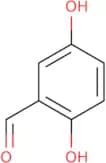
CAS :2,4,6-Trimethoxy-3-methylbenzaldehyde is a flavanone that is structurally related to the drug ciprofloxacin. The two molecules share a common molecular framework with the addition of a hydroxyl group on the 2 position of the benzene ring. In molecular docking studies, 2,4,6-Trimethoxy-3-methylbenzaldehyde has shown antitubercular activity against Mycobacterium tuberculosis and Mycobacterium avium complex. It is also an inhibitor of protein tyrosine phosphatase and has been shown to have antibacterial activity against various strains of bacteria.Formule :C11H14O4Degré de pureté :Min. 95%Couleur et forme :PowderMasse moléculaire :210.23 g/mol2,5-Dihydroxybenzaldehyde
CAS :2,5-Dihydroxybenzaldehyde is a compound that can be used as an antioxidant. It is also a precursor for the synthesis of benzalkonium chloride. 2,5-Dihydroxybenzaldehyde reacts with p-hydroxybenzoic acid to form 2,5-dihydroxyphenylacetic acid and benzoic acid. The reaction mechanism of 2,5-dihydroxybenzaldehyde has been studied in detail using hl-60 cells and has been shown to be significant cytotoxicity. The hydroxyl group in this molecule creates a hydrogen bond with the carbonyl group in p-hydroxybenzoic acid and the two react together to form products. This reaction is catalyzed by Michaelis–Menten kinetics and proceeds via an electrochemical detector. Nitrogen atoms are not present in this molecule but do exist in benzalkonium chloride, which is synthesized from 2
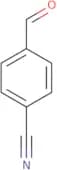
Formule :C7H6O3Degré de pureté :Min. 95%Couleur et forme :Yellow PowderMasse moléculaire :138.12 g/mol4-Cyanobenzaldehyde
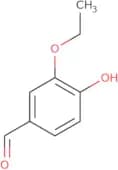
CAS :4-Cyanobenzaldehyde is an acid that inhibits tyrosinase, an enzyme involved in the production of melanin. It has been shown to have a strong inhibitory effect on the activity of this enzyme in a variety of biological studies. 4-Cyanobenzaldehyde is chemically stable and does not react with hydrochloric acid or water at room temperature, making it suitable for use in experiments involving these substances. This chemical also has antiinflammatory properties and can be used as a substitute for phenols in some chemical reactions. 4-Cyanobenzaldehyde is soluble in methanol and reacts with diphenolase, an enzyme involved in the synthesis of lignin, to produce benzophenone and benzoic acid. This reaction may be important for the formation of lignin during wood decomposition.Formule :C8H5NODegré de pureté :80%Couleur et forme :PowderMasse moléculaire :131.13 g/mol3-Ethoxy-4-hydroxybenzaldehyde
CAS :3-Ethoxy-4-hydroxybenzaldehyde is an active analogue of p-hydroxybenzoic acid that can be used in the synthesis of vanillin. 3-Ethoxy-4-hydroxybenzaldehyde is extracted from a reaction solution using solid phase microextraction, and can then be analyzed by gas chromatography/mass spectrometry to determine the concentration of vanillin. This compound has been shown to have a solubility in water, but not in organic solvents. 3-Ethoxy-4-hydroxybenzaldehyde has been found to inhibit cytochrome P450 activity and polyvinyl chloride production. This chemical compound has also been found to be toxic when inhaled or ingested, with no known toxicity studies for skin contact or eye contact.
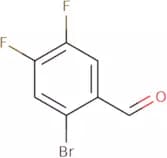
Formule :C9H10O3Degré de pureté :Min. 95%Couleur et forme :White PowderMasse moléculaire :166.17 g/mol2-Bromo-4,5-difluorobenzaldehyde
CAS :2-Bromo-4,5-difluorobenzaldehyde is a chemical intermediate and speciality chemical. It is an important building block for the synthesis of organic compounds, such as pharmaceuticals and agrochemicals. This product is a versatile building block, which can be used in a wide range of reactions and is suitable for use as an intermediate or scaffold. It has high quality and complex structure that can be used to synthesize a number of different compounds.
Formule :C7H3BrF2ODegré de pureté :Min. 97%Couleur et forme :PowderMasse moléculaire :221 g/mol4-Hydroxybutyraldehyde
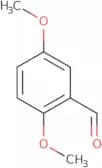
CAS :Produit contrôlé4-Hydroxybutyraldehyde is a carbonyl group that contains a zirconium oxide fragment. It is acidic and can be used as an inhibitor of tumor cells. 4-Hydroxybutyraldehyde has been shown to deuterium isotope effect on the reaction mechanism. This chemical ionization process leads to the production of an H3+ cation, which reacts with the sample in order to produce a protonated product. The hydrogenated form of this molecule undergoes an addition reaction with butyrolactone, forming the desired product. The synthetic pathway for this molecule starts with metal carbonyl complexes, which react with nucleophiles such as ammonia or amines to produce 4-hydroxybutyraldehyde.Formule :C4H8O2Degré de pureté :Min. 95%Couleur et forme :Clear LiquidMasse moléculaire :88.11 g/mol2,5-Dimethoxybenzaldehyde
CAS :Intermediate in organic synthesis
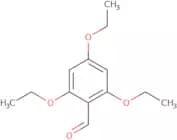
Formule :C9H10O3Degré de pureté :Min. 98 Area-%Couleur et forme :Off-White PowderMasse moléculaire :166.17 g/molPhloroglucinol aldehyde triethyl ether
CAS :Phloroglucinol aldehyde triethyl ether is a high quality, research chemical, speciality chemical and versatile building block. It is used in the synthesis of complex compounds that are useful as intermediates or fine chemicals. The CAS No. for this compound is 59652-88-9.Formule :C13H18O4Degré de pureté :Min. 95%Masse moléculaire :238.28 g/moltrans-Cinnamaldehyde
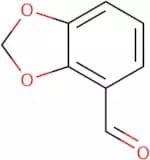
CAS :Cinnamaldehyde is a natural compound that has shown to have antiviral and antimicrobial properties. It has been shown to inhibit the toll-like receptor, which is a protein on the surface of cells that detects bacteria and other microorganisms. Cinnamaldehyde is also able to inhibit c. glabrata growth in vitro at concentrations between 10 and 100 μM, as well as copper-mediated cell death in hl-60 cells. Cinnamaldehyde has been shown to cause neuronal death by interfering with cellular physiology. This compound can be used in the treatment of infectious diseases because it inhibits bacterial dna gyrase, dna topoisomerase, and rna synthesis.Formule :C9H8ODegré de pureté :Min. 95%Couleur et forme :PowderMasse moléculaire :132.16 g/mol(3E)-4-(1,3-Benzodioxol-4-yl)-3-butenoic acid
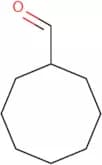
CAS :2,3-Methylenedioxybenzaldehyde is an organic compound that has been used as a chemical ionization reagent in the development of chemosensors. The formyl group in this molecule reacts with chloride to produce the corresponding formate salt, which can be detected by gas chromatography. This compound has also been shown to inhibit bacterial growth in vitro and may have potential applications as a drug substance. 2,3-Methylenedioxybenzaldehyde is an isomer of 2,4-methylenedioxybenzaldehyde, which has been shown to inhibit bacterial growth via hydrogen bonding with amines and electron deficient molecules such as chlorides. 2,3-Methylenedioxybenzaldehyde can be used for chromatographic science and the detection of drugs in urine samples.Formule :C11H10O4Degré de pureté :Min. 95%Couleur et forme :PowderMasse moléculaire :206.19 g/molCyclooctanecarbaldehyde
CAS :Cyclooctanecarbaldehyde is a reactive chemical that contains a hydroxyl group and hydroxy group. It is used for the production of polymers such as cyclooctyne-1,4-diol. Cyclooctanecarbaldehyde is also used to synthesize acyl halides. The compound has been shown to be cytotoxic in cancer cells. It can inhibit the production of nucleic acids, proteins and lipids in cancer cells, leading to cell death. Cyclooctanecarbaldehyde also has depression and cardiac arrhythmia effects due to its κ-opioid receptor agonist properties.Formule :C9H16ODegré de pureté :Min. 95%Couleur et forme :Clear LiquidMasse moléculaire :140.22 g/molGlycolaldehyde dimer
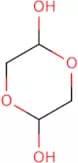
CAS :Glycolaldehyde dimer is a molecule that is the product of an intramolecular hydrogenation reaction. It has been shown to have estrogen receptor modulator activity, which may be due to its ability to bind to estrogen receptors and inhibit the production of inflammatory cytokines. Glycolaldehyde dimer also has the potential to be used as a therapeutic agent for inflammatory bowel disease. Glycolaldehyde dimer binds to crystalline cellulose and undergoes a series of chemical reactions, including hydrolysis by hydroxyl group, hydrochloric acid, and hydrogen bond. The logistic regression analysis shows that the molecule is more potent in rats with bowel disease than those without.Formule :C4H8O4Degré de pureté :Min. 95%Couleur et forme :White PowderMasse moléculaire :120.1 g/mol2,4-Difluoro-3-methylbenzaldehyde
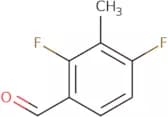
CAS :2,4-Difluoro-3-methylbenzaldehyde is a chemical compound that is used as a building block for the synthesis of other chemicals. It can be used as a research chemical or intermediate due to its versatility. 2,4-Difluoro-3-methylbenzaldehyde has a CAS number of 847502-88-9 and is classified as a speciality chemical with high quality. This compound may be useful in the synthesis of polymers and pharmaceuticals due to its ability to form covalent bonds with other molecules.Formule :C8H6F2ODegré de pureté :Min. 95%Couleur et forme :Clear LiquidMasse moléculaire :156.13 g/molTerephthaldicarboxaldehyde
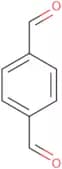
CAS :Terephthaldicarboxaldehyde is a white crystalline solid that has been shown to be soluble in hydrogen fluoride, water vapor, and sodium salts. It is also insoluble in water. Langmuir adsorption isotherm experiments have shown that the solubility of terephthaldicarboxaldehyde increases with increasing concentration of chitosan polymer. Terephthaldicarboxaldehyde has been used as an analytical method for p-hydroxybenzoic acid (PHBA) and terephthalic acid (TPA). It can also be used as a fluorescent probe to detect the presence of these compounds in aqueous solutions.Formule :C8H6O2Degré de pureté :Min. 95%Couleur et forme :PowderMasse moléculaire :134.13 g/mol2,6-Dihydroxybenzaldehyde
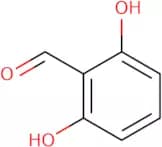
CAS :2,6-Dihydroxybenzaldehyde is a chemical compound that has been used as an intermediate in the synthesis of other chemicals. It is also used as a precursor for benzaldehyde and benzoic acid. 2,6-Dihydroxybenzaldehyde can be synthesized by reacting sodium carbonate with pluronic F127 in the presence of cationic surfactant. The surface methodology used in this process involves the use of hydrophobic molecules to form micelles and liposomes on the surface of the electrode. The interaction between these micelles and liposomes is pH dependent. This reaction causes an increase in hydrogen ions, which leads to an increase in conductivity at acidic pH values. Electrochemical impedance spectroscopy (EIS) results show that 2,6-dihydroxybenzaldehyde reacts with high concentrations of salt and water vapor. FTIR spectroscopy shows that it has two hydroxyl groups and one double
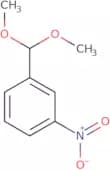
Formule :C7H6O3Degré de pureté :Min. 95%Couleur et forme :PowderMasse moléculaire :138.12 g/mol3-Nitrobenzaldehyde dimethyl acetal
CAS :3-Nitrobenzaldehyde dimethyl acetal is a reagent that is used in organic synthesis. It is a white solid that can be dissolved in polar solvents such as ethanol, acetone and water. This compound has been shown to be useful in the preparation of pharmaceuticals and other chemicals. 3-Nitrobenzaldehyde dimethyl acetal has been shown to react with amines, alcohols, carboxylic acids and phenols to produce various compounds. It also reacts with nitric acid to form an explosive compound called nitrophenol.
Formule :C9H11NO4Degré de pureté :Min. 95%Couleur et forme :Clear LiquidMasse moléculaire :197.19 g/mol
![5-methyl-10,11-dihydro-5H-dibenzo[b,f]azepine-2-carbaldehyde](/_next/image/?url=https%3A%2Fstatic.cymitquimica.com%2Fproducts%2F10%2Fthumb-webp%2FF368096.webp&w=3840&q=75)

![2-Phenyl-imidazo[1,2-a]pyridine-3-carbaldehyde](/_next/image/?url=https%3A%2Fstatic.cymitquimica.com%2Fproducts%2F10%2Fthumb-webp%2FF015731.webp&w=3840&q=75)

![8-Methyl-2-p-tolyl-imidazo[1,2-a]pyridine-3-carboxaldehyde](/_next/image/?url=https%3A%2Fstatic.cymitquimica.com%2Fproducts%2F10%2Fthumb-webp%2FF015707.webp&w=3840&q=75)
![2-(4-Fluoro-phenyl)-imidazo[1,2-a]pyridine-3-carboxaldehyde](/_next/image/?url=https%3A%2Fstatic.cymitquimica.com%2Fproducts%2F10%2Fthumb-webp%2FF015659.webp&w=3840&q=75)
![(3R,7aR)-3-(tert-Butyl)-1,5-dioxohexahydropyrrolo[1,2-c]oxazole-7a-carbaldehyde](/_next/image/?url=https%3A%2Fstatic.cymitquimica.com%2Fproducts%2F10%2Fthumb-webp%2FF519658.webp&w=3840&q=75)
![5-(Benzyloxy)-1H-pyrrolo[2,3-c]pyridine-3-carbaldehyde](/_next/image/?url=https%3A%2Fstatic.cymitquimica.com%2Fproducts%2F10%2Fthumb-webp%2FF212066.webp&w=3840&q=75)
![Methyl 3-formylpyrrolo[2,1-b][1,3]benzothiazole-1-carboxylate](/_next/image/?url=https%3A%2Fstatic.cymitquimica.com%2Fproducts%2F10%2Fthumb-webp%2FF314911.webp&w=3840&q=75)
![4-([1,2,4]Triazolo[1,5-a]pyridin-6-yl)-5-(6-methylpyridin-2-yl)-1H-imidazole-2-carbaldehyde](/_next/image/?url=https%3A%2Fstatic.cymitquimica.com%2Fproducts%2F10%2Fthumb-webp%2FF546178.webp&w=3840&q=75)

![6-Phenyl-imidazo[2,1-b]thiazole-5-carbaldehyde](/_next/image/?url=https%3A%2Fstatic.cymitquimica.com%2Fproducts%2F10%2Fthumb-webp%2FF015733.webp&w=3840&q=75)
![2-chloro-7,8-dihydro-6H-cyclopenta[g]quinoline-3-carbaldehyde](/_next/image/?url=https%3A%2Fstatic.cymitquimica.com%2Fproducts%2F10%2Fthumb-webp%2FF313229.webp&w=3840&q=75)
![2-Methyl-6-phenyl-imidazo[1,2-a]pyridine-3-carbaldehyde](/_next/image/?url=https%3A%2Fstatic.cymitquimica.com%2Fproducts%2F10%2Fthumb-webp%2FF020623.webp&w=3840&q=75)
![9-Methyl-2-(4-methylpiperazin-1-yl)-4-oxo-4H-pyrido[1,2-a]pyrimidine- 3-carbaldehyde](/_next/image/?url=https%3A%2Fstatic.cymitquimica.com%2Fproducts%2F10%2Fthumb-webp%2FF511656.webp&w=3840&q=75)


![Tert-Butyl 4-(2-oxoethyl)bicyclo[2.2.1]heptane-1-carboxylate](/_next/image/?url=https%3A%2Fstatic.cymitquimica.com%2Fproducts%2F10%2Fthumb-webp%2FF786388.webp&w=3840&q=75)
![Benzo[h][1,6]naphthyridine-5-carbaldehyde](/_next/image/?url=https%3A%2Fstatic.cymitquimica.com%2Fproducts%2F10%2Fthumb-webp%2FF494629.webp&w=3840&q=75)

![2-(4-Bromo-phenyl)-8-methyl-imidazo[1,2-a]pyridine-3-carbaldehyde](/_next/image/?url=https%3A%2Fstatic.cymitquimica.com%2Fproducts%2F10%2Fthumb-webp%2FF015734.webp&w=3840&q=75)

![Benzo[d]imidazo[2,1-b]thiazole-2-carbaldehyde](/_next/image/?url=https%3A%2Fstatic.cymitquimica.com%2Fproducts%2F10%2Fthumb-webp%2FF429879.webp&w=3840&q=75)