Aldéhydes
8588 produits trouvés pour "Aldéhydes"
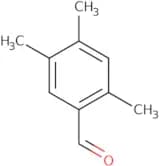
2,4,5-Trimethylbenzaldehyde
CAS :2,4,5-Trimethylbenzaldehyde is a cell line that can be used to study the oxidation of α-pinene. It is a chemical compound that belongs to the group of aromatic compounds and has been shown to have high cytotoxicity. It has been found to oxidize other molecules in the body with an electron acceptor such as oxygen or another molecule. 2,4,5-Trimethylbenzaldehyde has also been shown to have biological properties. This product is being researched for its ability to inhibit fatty acid synthesis and reduce cholesterol production in the liver.
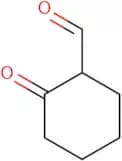
Formule :C10H12ODegré de pureté :Min. 95%Masse moléculaire :148.2 g/mol2-Oxocyclohexanecarbaldehyde
CAS :2-Oxocyclohexanecarbaldehyde is a bifunctional carbonyl compound that reacts with amines to form carbinols. It can be used as a cheaper and more environmentally friendly alternative to the use of piperidine. 2-Oxocyclohexanecarbaldehyde also reacts with potassium hydride to form the corresponding ketones. The reaction of 2-oxocyclohexanecarbaldehyde with primary amines leads to isomeric products, depending on the position of substitution on the aromatic ring. This compound has been shown to react electrochemically in an asymmetric synthesis and has been used in the synthesis of morpholine, which is an important intermediate for pharmaceuticals, agrochemicals, and other chemical compounds.
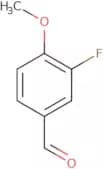
Formule :C7H10O2Degré de pureté :Min. 90%Couleur et forme :Clear LiquidMasse moléculaire :126.15 g/mol3-Fluoro-4-methoxybenzaldehyde
CAS :3-Fluoro-4-methoxybenzaldehyde is a chemical compound that is used in the synthesis of natural products. It has been shown to have inhibitory properties against cancer cells, and has been synthesized as an analog of 3-fluoro-4-hydroxybenzaldehyde. The biological function of 3-fluoro-4-methoxybenzaldehyde is not yet known. Hydrochloric acid may be used to react with 3-fluoro-4-methoxybenzaldehyde to form a salt. This chemical also has anti-tumor effects and can be synthesized using cryogenic techniques.
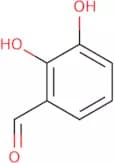
Formule :C8H7FO2Degré de pureté :Min. 95%Couleur et forme :Slightly Yellow PowderMasse moléculaire :154.14 g/mol2,3-Dihydroxybenzaldehyde
CAS :2,3-Dihydroxybenzaldehyde is a chemical compound that has been shown to have antimicrobial properties. It inhibits bacterial growth by binding to the ribosome and preventing mRNA synthesis. 2,3-Dihydroxybenzaldehyde binds to the 50S ribosomal subunit and prevents protein synthesis by inhibiting the transfer mechanism of tRNA from the A site to the P site on the ribosome. The drug also inhibits mitochondrial superoxide production in V79 cells and human serum.
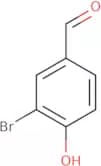
2,3-Dihydroxybenzaldehyde has been shown to be effective against methicillin resistant S. aureus (MRSA) strains but not against Group P2 Staphylococcus aureus (GPA). It is also active against Gram-positive bacteria such as Bacillus subtilis but not against Gram-negative bacteria like Escherichia coli or Pseudomonas aeruginosa.Formule :C7H6O3Degré de pureté :Min. 96 Area-%Couleur et forme :Slightly Yellow PowderMasse moléculaire :138.12 g/mol3-Bromo-4-hydroxybenzaldehyde
CAS :3-Bromo-4-hydroxybenzaldehyde is a fluorescence probe that can be used to identify the presence of hydroxyl groups in organic solutions. It reacts with hydrochloric acid to form a green solution and a gas. 3-Bromo-4-hydroxybenzaldehyde has been used to study hydroxyl groups in human serum, plant physiology, and surfactant sodium dodecyl (SDS). This compound has shown potent inhibition against an enzyme called benzoyl peroxide reductase. 3-Bromo-4-hydroxybenzaldehyde is soluble in water, but not in ether. The molecular weight of this compound is 176.3 g/mol.
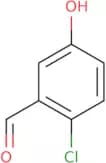
Formule :C7H5BrO2Degré de pureté :Min. 95%Couleur et forme :PowderMasse moléculaire :201.02 g/mol2-Chloro-5-hydroxybenzaldehyde
CAS :2-Chloro-5-hydroxybenzaldehyde is an organic compound that can be used as a starting material for the synthesis of many other chemicals. It is a building block for the production of high quality and fine chemicals, such as research chemicals and speciality chemicals. 2-Chloro-5-hydroxybenzaldehyde also has versatile uses in chemical reactions, such as condensation reactions, nucleophilic substitution reactions, and electrophilic addition reactions. The CAS number of this chemical is 7310-94-3.
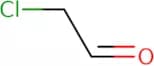
Formule :C7H5ClO2Degré de pureté :Min. 98 Area-%Couleur et forme :PowderMasse moléculaire :156.57 g/molChloroacetaldehyde (40% aq.)
CAS :Chloroacetaldehyde is a reactive compound that is found in wastewater. It can be used to remove other pollutants from the water. Chloroacetaldehyde has been shown to be toxic and may cause cancer, but it also has been used as a model system for studying energy metabolism. This substance is toxic because it reacts with cellular components such as proteins and DNA by cross-linking them. The cytosolic Ca2+ concentration increases when chloroacetaldehyde binds to cellular proteins, which affects cell physiology and the production of MMP-9.
Formule :ClCH2CHODegré de pureté :Min. 95%Couleur et forme :Clear LiquidMasse moléculaire :78.5 g/mol2-Hydroxy-4-morpholinobenzaldehyde
CAS :Please enquire for more information about 2-Hydroxy-4-morpholinobenzaldehyde including the price, delivery time and more detailed product information at the technical inquiry form on this page
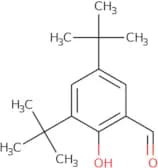
Formule :C11H13NO3Degré de pureté :Min. 95%Masse moléculaire :207.23 g/mol3,5-Di-tert-butyl-2-hydroxy benzaldehyde
CAS :3,5-Di-tert-butyl-2-hydroxy benzaldehyde is a molecule that has been shown to have inhibitory effects on cancer cells. It has been tested in vitro on carcinoma cell lines with promising results and shows the potential to be used as an anticancer agent. 3,5-Di-tert-butyl-2-hydroxy benzaldehyde inhibits the growth of cancer cells by binding to their DNA and preventing the synthesis of proteins. This drug is also effective against bacterial strains such as Escherichia coli, Salmonella typhimurium, Klebsiella pneumoniae, Pseudomonas aeruginosa, and Vibrio cholerae. 3,5-Di-tert-butyl-2-hydroxy benzaldehyde forms hydrogen bonds with nitrogen atoms that are present in the molecules of these bacteria. The intramolecular hydrogen bonding interactions between 3,5-di tert butyl 2 hydroxyben
Formule :C15H22O2Degré de pureté :Min. 95%Couleur et forme :Off-White PowderMasse moléculaire :234.33 g/mol1H-Pyrrole-2-carbaldehyde
CAS :1H-Pyrrole-2-carbaldehyde is a compound that belongs to the class of ferrocenecarboxylic acids. It is a coordination complex with a pyrrole system and an intramolecular hydrogen bond. The proton on the carbonyl carbon atom forms hydrogen bonds with nitrogen atoms, which are located in the immediate vicinity of the carbonyl group. The structure was determined by x-ray diffraction studies and the reactivity was studied by means of X-ray crystal structures. This compound has been used for biological studies as well as for structural analysis.
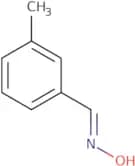
Formule :C5H5NODegré de pureté :Min. 95%Couleur et forme :PowderMasse moléculaire :95.1 g/mol3-Methylbenzaldehyde oxime
CAS :3-Methylbenzaldehyde oxime is a fine chemical that can be used as a versatile building block. It has the CAS No. 41977-54-2 and is also known as benzoic acid, 3-methyl-, oxime. 3-Methylbenzaldehyde oxime is a complex compound that can be used in research chemicals and reagents. The chemical has been found to have high quality and is useful for making speciality chemicals and useful intermediates. The compound is also a reaction component for use in synthesis of other compounds. 3-Methylbenzaldehyde oxime can be used as a scaffold for drug design and development.
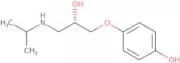
Formule :C8H9NODegré de pureté :Min. 95%Couleur et forme :Off-White PowderMasse moléculaire :135.16 g/molPrenalterol
CAS :Prenalterol is a drug that can be used to treat congestive heart failure and high blood pressure. It belongs to the class of 2-adrenergic receptor agonists, which are drugs that stimulate the sympathetic nervous system. Prenalterol has been shown to have a positive effect on the cardiovascular system by increasing cardiac output. This drug also has an anti-inflammatory effect, which may be due to its ability to inhibit protein synthesis genes in cells. Prenalterol has also been shown to reduce post-myocardial infarction remodeling by reducing myocardial fibrosis, although it does not affect the incidence of myocardial infarcts.
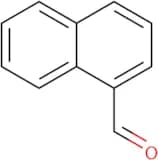
Formule :C12H19NO3Degré de pureté :Min. 95%Couleur et forme :White PowderMasse moléculaire :225.28 g/mol1-Naphthaldehyde
CAS :1-Naphthaldehyde is a coordination compound that contains 1 naphthyl group and an oxygen atom. It can be used as an oxidation catalyst, intramolecular hydrogen, or a reaction solution. The antimicrobial activity of 1-naphthaldehyde has been shown in the presence of sodium carbonate or potassium phosphate buffer. 1-Naphthaldehyde has been shown to possess structural properties similar to those of other metal chelates, such as zinc pyrithione. The protonated form of 1-naphthaldehyde has been identified by means of analytical methods including gas chromatography and mass spectrometry.
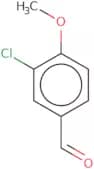
Formule :C11H8ODegré de pureté :Min. 95%Couleur et forme :Yellow To Brown LiquidMasse moléculaire :156.18 g/mol3-Chloro-4-methoxybenzaldehyde
CAS :3-Chloro-4-methoxybenzaldehyde is a chemical compound that belongs to the class of aromatic compounds. It is synthesized by reacting 3-chlorobenzaldehyde with methoxyacetone in a hydroxylation reaction. The asymmetric synthesis of 3-chloro-4-methoxybenzaldehyde was achieved by using a chiral auxiliary, which is an organic molecule that can be used to control the stereochemistry of other reactions. This product has high cytotoxicity and is able to cause melanogenesis (production of melanin) when applied to rat striatal membranes.
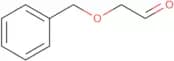
Formule :C8H7ClO2Degré de pureté :Min. 95%Couleur et forme :PowderMasse moléculaire :170.59 g/mol2-(Benzyloxy)acetaldehyde
CAS :2-(Benzyloxy)acetaldehyde (BA) is an aldol that is used as an oxidation catalyst for chemical stability. It can be synthesized with the use of asymmetric synthesis and coordination geometry. 2-(Benzyloxy)acetaldehyde has been shown to bind to the enzyme aldehyde dehydrogenase and inhibit its activity, which may lead to the treatment of infectious diseases. This compound also has receptor activity in coli K-12 cells, which can be used to detect BA in urine samples. The reaction mechanism of BA is similar to that of benzimidazole compounds, hydroxyl group, and trifluoroacetic acid.
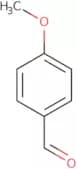
Formule :C9H10O2Degré de pureté :Min. 95%Couleur et forme :Slightly Yellow Clear LiquidMasse moléculaire :150.17 g/mol4-Methoxybenzaldehyde
CAS :4-Methoxybenzaldehyde is a surfactant with a Langmuir adsorption isotherm. It can be used in analytical methods for the determination of sodium carbonate at concentrations of 1 mg/mL and higher. The redox potentials of 4-methoxybenzaldehyde are +0.37 and -0.35 volts, which corresponds to group P2. The reaction mechanism for 4-methoxybenzaldehyde is the oxidation of the compound by potassium permanganate (KMnO4) in aqueous solution to form 4-hydroxybenzoic acid (4HB). The fluorescent derivative of 4-methoxybenzaldehyde is magnesium salt, which has been shown to react with ryanodine receptors in skeletal muscle cells, leading to a decrease in calcium release from the sarcoplasmic reticulum. Process optimization may be necessary for this product due to its limited applications in analytical chemistry.
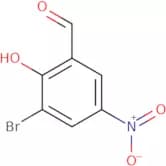
Formule :C8H8O2Degré de pureté :Min. 95%Couleur et forme :Colorless Clear LiquidMasse moléculaire :136.15 g/mol3-Bromo-2-hydroxy-5-nitrobenzaldehyde
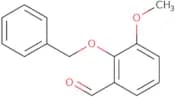
CAS :3-Bromo-2-hydroxy-5-nitrobenzaldehyde is a hydroxy group with a formyl group, an imine and an isomeric structure. It can be used as a fluorescence probe in biological studies. The compound has been shown to have antioxidant activity, which may be due to its ability to donate hydrogen bonds or its ability to act as a phenylhydrazone. 3-Bromo-2-hydroxy-5-nitrobenzaldehyde also has the ability to react with ammonium nitrate and produce nitrogen gas (NH3) when heated. This reaction is exothermic and produces an orange color.Formule :C7H4BrNO4Degré de pureté :Min. 95%Couleur et forme :PowderMasse moléculaire :246.02 g/mol2-Benzyloxy-3-methoxybenzaldehyde
CAS :2-Benzyloxy-3-methoxybenzaldehyde is an enantiopure compound that has been shown to have antiproliferative effects on cancer cells. It was also found to have a strong binding affinity for DNA and protein. The antiproliferative effects of 2-Benzyloxy-3-methoxybenzaldehyde were found to be due to its ability to bind to dna and inhibit the enzyme activity of pyrazine-2-carboxylic acid, leading to a decrease in the production of proteins vital for cell division. 2-Benzyloxy-3-methoxybenzaldehyde has been shown to have anticancer activity against colorectal cancer cells and may serve as a lead compound for future drug development.
Formule :C15H14O3Degré de pureté :Min. 95%Masse moléculaire :242.27 g/molGallaldehyde
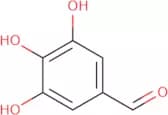
CAS :Gallaldehyde is a bioactive phenolic compound with antiproliferation activity. It has been shown to inhibit the growth of bacteria in vitro and also has hypoglycemic effects in mice. Gallaldehyde inhibits tyrosine kinase activity, which is needed for the growth of cells. Gallaldehyde is a tannin that can bind to proteins, inhibiting their functions. Gallaldehyde may also have anti-inflammatory properties due to its ability to inhibit the production of TNF-α induced by epidermal growth factor. This active form is metabolized by a number of metabolic transformations, including hydrolysis by esterases or glucuronidases, oxidation by cytochrome P450 enzymes, reduction by glutathione reductase, or conjugation with glucuronic acid.
Formule :C7H6O4Degré de pureté :Min. 95%Couleur et forme :PowderMasse moléculaire :154.12 g/molPolydialdehyde starch (Polymeric dialdehyde)
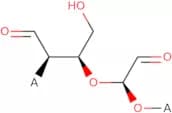
CAS :Polydialdehyde starch is a cross-linking agent that is used to form hydrophobic polymers, which are prodrugs. It is a polymer of dialdehydes and can be used as an additive for restenosis prevention. Polydialdehyde starch has been shown to reduce platelet adhesion and aggregation in vitro and in vivo. The mechanism of action may be related to the ability of polydialdehyde starch to bind collagen and promote its degradation by hydrolysis. This also results in an increase in the rate of dilation of blood vessels, which may contribute to the antiplatelet effect. Polydialdehyde starch has been shown to be biodegradable, with a half-life of about two weeks in vivo after injection into rats.
Couleur et forme :White PowderMasse moléculaire :347.66Ref: 3D-FP30795
Produit arrêté