Anilines
102 produits trouvés pour "Anilines".
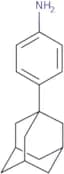
4-(1-Adamantyl)aniline
CAS :4-(1-Adamantyl)aniline is a monomer with electron-deficient properties. It can be synthesized from 1-adamantanol and trifluoroacetic acid, followed by hydrolysis to remove the trifluoromethyl group. 4-(1-Adamantyl)aniline has been shown to have high cytotoxicity against tumor cells in vitro. This compound also inhibits the production of necrosis factor, an inflammatory cytokine that plays an important role in many pathological processes, such as septic shock and acute respiratory distress syndrome.
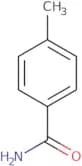
Formule :C16H21NDegré de pureté :Min. 95%Couleur et forme :White PowderMasse moléculaire :227.34 g/mol4-Methylbenzamide
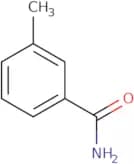
CAS :4-Methylbenzamide is a palladium complex that has been used in the synthesis of imatinib, a drug used to treat chronic myeloid leukemia. 4-Methylbenzamide has been shown to form a hydrogen bond with water molecules and also exhibits cavity effects. The cavity effect can be explained by intermolecular hydrogen bonding and the deuterium isotope effect. The deuterium isotope effect is observed when an atom of deuterium replaces an atom of hydrogen in a molecule. This substitution leads to reduced boiling point and increased solubility for the compound. 4-Methylbenzamide is also known for its inhibitory effects on p38 kinase, which are seen through titration calorimetry.Formule :C8H9NODegré de pureté :Min. 95%Couleur et forme :PowderMasse moléculaire :135.16 g/mol3-Methylbenzamide
CAS :3-Methylbenzamide is an organic compound that belongs to the class of benzamides. It has been shown to cause a decrease in blood pressure and a decrease in viscosity, as well as an increase in blood flow to the testes. 3-Methylbenzamide has also been shown to inhibit the enzyme that catalyzes the conversion of tyrosine into dopamine and may be used for the treatment of Parkinson's disease with mild symptoms. The chemical ionization technique was used to study the binding of 3-methylbenzamide with rat plasma proteins and showed that this molecule binds with high affinity to albumin and alpha 1-acid glycoprotein. This binding was found to be reversible, which suggests that 3-methylbenzamide may not be metabolized by liver enzymes.
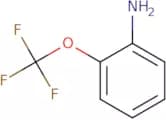
Formule :C8H9NODegré de pureté :Min. 95%Couleur et forme :White PowderMasse moléculaire :135.16 g/mol2-(Trifluoromethoxy)aniline
CAS :2-(Trifluoromethoxy)aniline is a heterocyclic aromatic compound that can act as an electrophilic catalyst. It is a strong nucleophile and reacts with various types of nucleophiles. 2-(Trifluoromethoxy)aniline has been used for the synthesis of aliphatic sulfoxides under acidic conditions, including alcohols, phenols, and thiols. The reaction mechanism is often a 1,2-addition of the nucleophile to the carbonyl group of 2-(trifluoromethoxy)aniline. This reaction is catalytic and produces a stable dimerized product. 2-(Trifluoromethoxy)aniline also has mesoporous properties, which allow it to be used in reactions involving alcohols or other polar molecules because they are soluble in the pores.Formule :C7H6F3NODegré de pureté :Min. 95%Couleur et forme :Clear LiquidMasse moléculaire :177.12 g/mol3-Nitrobenzamide
CAS :3-Nitrobenzamide is a substance that inhibits the replication of some viruses. It has been shown to inhibit the polymerase chain reaction and to be active against hepatitis B virus. 3-Nitrobenzamide was also observed to have inhibitory properties against herpes simplex virus type 1 (HSV-1) and HSV-2. The solid form of this compound is stable at room temperature, but may undergo hydrolysis in solution. 3-Nitrobenzamide reacts with water to form nitrous acid, which may cause corrosion of metal surfaces.
Formule :C7H6N2O3Degré de pureté :Min. 95%Couleur et forme :PowderMasse moléculaire :166.13 g/mol4,5-Dichloro-1,2-phenylenediamine
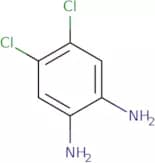
CAS :4,5-Dichloro-1,2-phenylenediamine is a cytotoxic agent that can inhibit the enzymes urea amidolyase and fatty acid synthase in tissue culture. This compound also inhibits the production of urea nitrogen and fatty acids in human serum. 4,5-Dichloro-1,2-phenylenediamine may be useful as a cancer treatment because it has been shown to cause leukemia cell death as well as inhibition of t-cell proliferation. The drug may also induce apoptosis by inhibiting DNA synthesis through its reaction with benzimidazole compounds. The basic structure of 4,5-Dichloro-1,2-phenylenediamine is similar to protocatechuic acid and malignant brain tumor cells.
Formule :C6H6Cl2N2Degré de pureté :Min. 95%Couleur et forme :PowderMasse moléculaire :177.03 g/mol4-Chlorobenzamide
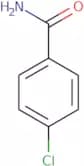
CAS :4-Chlorobenzamide is a quaternary ammonium compound that is used in the synthesis of other organic compounds. 4-Chlorobenzamide reacts with malonic acid to form a compound called 4-chlorobenzoic acid. The reaction mechanism involves formation of hydrogen bonds and an electrophilic substitution. 4-Chlorobenzamide is also found in environmental pollution, where it can be degraded by hydroxyl radicals and chlorine. It can be found as a chloride salt or amide depending on the pH. The functional groups are carbonyl group, which has a carbon atom double bonded to an oxygen atom, and hydroxyl group, which has a hydroxyl radical attached to a carbon atom.Formule :C7H6ClNODegré de pureté :Min. 95%Couleur et forme :PowderMasse moléculaire :155.58 g/molAniline
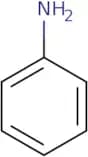
CAS :Aniline is an aromatic amine and is a clear to slightly yellow liquid with a characteristic odor. Aniline is an important precursor in the production of a wide range of industrial chemicals, including polyurethane foams, agricultural chemicals, and dyes. Aniline is also used in the manufacture of pharmaceuticals, rubber processing chemicals, and antioxidants. Due to its widespread industrial use, aniline can be found in various environmental matrices, including water, wastewater, and air.Formule :C6H7NDegré de pureté :Min. 95%Couleur et forme :Colorless Clear LiquidMasse moléculaire :93.13 g/mol3-Amino-4-methoxybenzamide
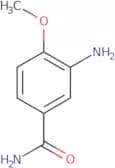
CAS :3-Amino-4-methoxybenzamide (3AMB) is a transcriptional regulator that inhibits the expression of genes encoding for the synthesis of aminoglycoside antibiotics. 3AMB binds to DNA, forming a heteromer with the transcription factor HANATX, which prevents RNA polymerase from binding to DNA. This in turn inhibits gene expression and bacterial growth. 3AMB has been shown to trigger diabetic neuropathy by inhibiting xylitol dehydrogenase, an enzyme required for neuron protection against oxidative stress. The drug also has a high affinity for nucleophiles and can bind to various substrates such as sulfhydryl groups or hydroxyl groups.
Formule :C8H10N2O2Degré de pureté :Min. 98%Couleur et forme :Off-White PowderMasse moléculaire :166.18 g/mol3,3',5,5'-Tetramethylbenzidine, free base
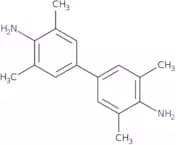
CAS :TMB is an excellent colorimetric substrate for detection of horseradish peroxidase labelled probes and is used with peroxidase and peroxidase coupled systems, particularly in ELISA techniques. It produces a soluble end product, which is blue in color and can be read spectrophotometrically. TMB has also been used in the quantitative determination of hemoglobin and in cytochemical staining for peroxidase. TMB is a hepatitis B antigen.
Formule :C16H20N2Degré de pureté :Min. 99.0 Area-%Masse moléculaire :240.35 g/mol2,6-Dinitro-4-methylaniline
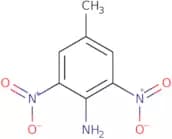
CAS :2,6-Dinitro-4-methylaniline is an amide that has been shown to induce cancer in animals. It has a high affinity for nucleic acids and forms covalent bonds with DNA. 2,6-Dinitro-4-methylaniline is metabolized by the liver and excreted by the kidneys into urine, where it can be detected in urine samples. This compound has been shown to bioconcentrate in organisms and accumulate in tissues as well as activate radiation. The activation of this compound is dose dependent and may be due to its ability to form covalent bonds with DNA.
Formule :C7H7N3O4Degré de pureté :Min. 95%Couleur et forme :PowderMasse moléculaire :197.15 g/mol2-Ethoxybenzamide
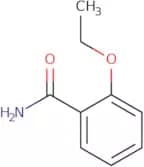
CAS :2-Ethoxybenzamide is a nonsteroidal anti-inflammatory drug that has been shown to inhibit the production of inflammatory prostaglandins. It is structurally similar to ethenzamide, an older drug in this class. 2-Ethoxybenzamide is used for the treatment of pain and inflammation, as well as for other conditions such as gout and rheumatoid arthritis. The molecular formula for 2-ethoxybenzamide is C6H11NO2 and its molecular weight is 169.21 grams per mole. It has a melting point of 75 degrees Celsius and a boiling point of 220 degrees Celsius at atmospheric pressure. This compound can be found in crystalline cellulose, analytical method, water vapor, experimental solubility data, wastewater treatment, ethylmalonic acid, human serum, structural analysis.Formule :C9H11NO2Degré de pureté :Min. 95%Couleur et forme :White PowderMasse moléculaire :165.19 g/mol4-(Acetylamino)phenetole
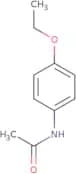
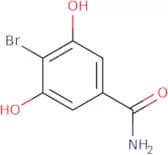
CAS :4-(Acetylamino)phenetole is a drug that belongs to the class of nonsteroidal anti-inflammatory drugs. It is a reactive, toxic chemical that has been shown to inhibit ATP binding cassette transporter (ABC) proteins and can be used for treatment of pain. 4-(Acetylamino)phenetole inhibits cellular energy metabolism by inhibiting an enzyme in the electron transport chain, which prevents the formation of reactive oxygen species necessary for cell growth. 4-(Acetylamino)phenetole also binds to DNA and reduces the transcriptional activity of certain genes. This drug has been found to show cytotoxicity in solid tumours and can be used as a chemotherapeutic agent.Formule :C10H13NO2Degré de pureté :Min. 95%Couleur et forme :White PowderMasse moléculaire :179.22 g/mol4-Bromo-3,5-dihydroxybenzamide
CAS :4-Bromo-3,5-dihydroxybenzamide is a versatile building block that can be used as a reagent or as an intermediate in the synthesis of other compounds. It can also be used as a research chemical. 4-Bromo-3,5-dihydroxybenzamide has shown to be useful for the synthesis of complex organic compounds and is an excellent starting point for the preparation of novel scaffolds. This compound is also useful for making high quality products.
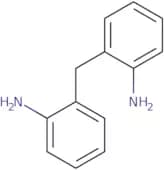
Formule :C7H6BrNO3Degré de pureté :90%Couleur et forme :PowderMasse moléculaire :232.03 g/mol2,2'-Methylenedianiline
CAS :2,2'-Methylenedianiline is a quinoline derivative that is used in the synthesis of herbicides and insecticides. It is classified as a biodegradable substance and has been shown to be rapidly mineralized by arthropods. 2,2'-Methylenedianiline is also water soluble and can be degraded by microorganisms in wastewater treatment plants. 2,2'-Methylenedianiline has been shown to inhibit the growth of bacteria and fungi, but it does not have any effect on algae or protozoa. The degradation of 2,2'-methylenedianiline occurs mainly through hydrolysis with amines reacting with the methyl group to form methyl amides.
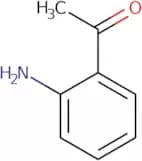
Formule :C13H14N2Degré de pureté :Min. 95 Area-%Couleur et forme :Off-White PowderMasse moléculaire :198.26 g/mol2'-Aminoacetophenone
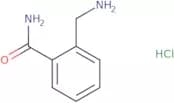
CAS :2'-Aminoacetophenone is a chemical compound that belongs to the class of anthranilate. It is a water-soluble, white solid. 2'-Aminoacetophenone has been shown to have antimicrobial properties against bacteria and fungi. The mechanism of action of this compound is not known, but it may be due to its ability to disrupt mitochondrial function and affect the membrane potential. The stability of 2'-Aminoacetophenone in the presence of water vapor is greater than that observed for other anthranilates.Formule :C8H9NODegré de pureté :Min. 95%Couleur et forme :PowderMasse moléculaire :135.16 g/mol2-(Aminomethyl)benzamide hydrochloride
CAS :2-(Aminomethyl)benzamide hydrochloride is a research chemical with high quality and versatile building block properties. It is a useful intermediate in the synthesis of complex compounds, and can be used as a reagent for the production of speciality chemicals. 2-(Aminomethyl)benzamide hydrochloride is also an important reaction component in the synthesis of some fine chemicals, such as pharmaceuticals, dyes, pesticides, and perfumes. 2-(Aminomethyl)benzamide hydrochloride has CAS No. 1187927-15-6 and can be purchased from chemical suppliers worldwide.Formule :C8H10N2O·HClDegré de pureté :Min. 95%Couleur et forme :White PowderMasse moléculaire :186.64 g/mol2,4,6-Trimethoxyaniline
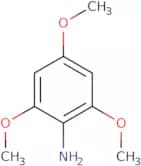
CAS :2,4,6-Trimethoxyaniline is a tetrazole compound that has been shown to inhibit glycosidases. The inhibition of these enzymes prevents the hydrolysis of glycosidic bonds in carbohydrates and other biomolecules. 2,4,6-Trimethoxyaniline is used as an antibacterial agent against methicillin-resistant Staphylococcus aureus (MRSA) and other bacteria. It also inhibits the growth of Mycobacterium tuberculosis and Mycobacterium avium complex due to its ability to inhibit protein synthesis by inhibiting RNA synthesis. 2,4,6-Trimethoxyaniline can be synthesized by demethylation of anisidine with tribromide or chloroform.Formule :C9H13NO3Degré de pureté :Min. 97 Area-%Couleur et forme :Yellow PowderMasse moléculaire :183.2 g/mol3,3'-Diaminobenzidine
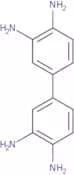
CAS :3,3'-Diaminobenzidine (DAB) is an organic compound derived from benzidine. It is the precursor to the synthetic fibre polybenzimidazole (PBI), which have high thermal and oxidative stability properties. DAB is water-soluble as the tetrahydrochloride salt and is used in immunohistochemical staining of nucleic acids and proteins. Research in Alzheimer's disease, Aβ protein amyloid plaques are targeted by a primary antibody, and subsequently by a secondary antibody, which is conjugated with a peroxidase enzyme. This will bind DAB as a substrate and oxidize it, producing an easily observable brown colour. 3,3’-Diaminobenzidine is also available as the tetrahydrochloride salt and the tetrahydrochloride hydrate.
Formule :C12H14N4Degré de pureté :Min. 98 Area-%Couleur et forme :PowderMasse moléculaire :214.27 g/mol4-Fluoro-3-methoxyaniline
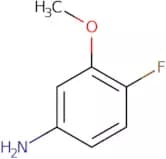
CAS :4-Fluoro-3-methoxyaniline is a high quality reagent with a CAS number of 64465-53-8. It is an intermediate in the synthesis of other complex compounds, such as chroman derivatives. This compound can be used as a building block for the synthesis of organic compounds and also has many medicinal applications. 4-Fluoro-3-methoxyaniline is soluble in most solvents and can be stored at room temperature.Formule :C7H8FNODegré de pureté :Min. 95%Couleur et forme :Yellow PowderMasse moléculaire :141.14 g/mol