Étalons pharmaceutiques
Les standards pharmaceutiques sont un ensemble complet de matériaux de référence essentiels pour garantir la sécurité, l'efficacité et la qualité des produits pharmaceutiques. Cette catégorie comprend des standards pour les ingrédients pharmaceutiques actifs (APIs), qui sont les composants principaux responsables des effets thérapeutiques. De plus, elle couvre les composés et métabolites pertinents pour les industries pharmaceutique et vétérinaire, fournissant des points de référence pour la mesure et l'analyse précises de ces substances. Les standards de contrôle des nitrosamines sont cruciaux pour détecter et atténuer les nitrosamines potentiellement nocives dans les formulations médicamenteuses. Les standards de toxicologie aident à évaluer la sécurité et les effets indésirables potentiels des composés pharmaceutiques. En outre, les standards pour les activateurs et les inhibiteurs enzymatiques sont essentiels pour la recherche et le développement, permettant des études précises des voies biochimiques et des mécanismes des médicaments. Ces standards pharmaceutiques sont des outils indispensables pour la conformité réglementaire, le contrôle de qualité et la recherche, garantissant que les produits pharmaceutiques répondent à des critères stricts de sécurité et d'efficacité.
Sous-catégories appartenant à la catégorie "Étalons pharmaceutiques"
- APIs pour la recherche et les impuretés(273.753 produits)
- Activateurs et inhibiteurs d'enzymes(2.827 produits)
- Nitrosamines(2.606 produits)
- Composés et métabolites pharmaceutiques et vétérinaires(2.603 produits)
- Toxicologie(13.652 produits)
7836 produits trouvés pour "Étalons pharmaceutiques"
Trier par
Degré de pureté (%)
0
100
|
0
|
50
|
90
|
95
|
100
3’,5’-Bis-O-benzoyl-2’-Deoxy-2’-fluoro-4-deoxy-arabinouridine
CAS :<p>Please enquire for more information about 3’,5’-Bis-O-benzoyl-2’-Deoxy-2’-fluoro-4-deoxy-arabinouridine including the price, delivery time and more detailed product information at the technical inquiry form on this page</p>Degré de pureté :Min. 95%(1S)-(+)-(10-Camphorsulfonyl)oxaziridine
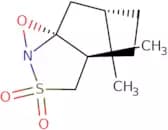
CAS :<p>(1S)-(+)-(10-Camphorsulfonyl)oxaziridine is a chemical compound that is used as a reagent in organic synthesis. It can be used as a building block for the construction of more complex compounds. This chemical has been shown to react with cyclic amines, such as pyrrolidine and piperidine, to form oxazolidines. The reaction of (1S)-(+)-(10-camphorsulfonyl)oxaziridine with acetyl chloride forms the corresponding sulfonyl chloride, which can be further reacted with an amine to produce 4-amino-N-(2-hydroxyethyl)benzenesulfonamide.</p>Formule :C10H15NO3SDegré de pureté :Min. 95 Area-%Couleur et forme :White PowderMasse moléculaire :229.3 g/molL-Homocysteine thiolactone hydrochloride
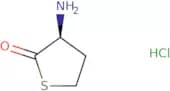
CAS :<p>L-Homocysteine thiolactone hydrochloride is a synthetic radiotracer. It has been used as a positron emission tomography (PET) radiopharmaceutical to image brain tumors and other cancers. L-homocysteine thiolactone hydrochloride is synthesized from L-cysteine and aluminium chloride. The yield of this reaction is usually low, but can be increased by addition of sodium hydroxide or tetrabutylammonium bromide. L-homocysteine thiolactone hydrochloride has been shown to be an effective radiotracer for the detection of cancerous tissue in the brain, breast, and prostate.</p>Formule :C4H7NOS•HClDegré de pureté :Min. 95%Couleur et forme :PowderMasse moléculaire :153.63 g/mol5β-Pregnan-3α-ol-20-one
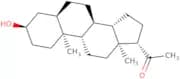
CAS :Produit contrôlé<p>5b-Pregnan-3a-ol-20-one is a natural product that belongs to the group of steroids. It has been shown to inhibit the polymerase chain reaction in animals. The drug also inhibits pain and has been shown to be effective in models of epilepsy. 5b-Pregnan-3a-ol-20-one binds to DNA, preventing transcription and replication. It also stabilizes the surface of cells, which may be important for its uptake by cells. This compound interacts with Tlr4, which may activate immune cells and lead to seizures. 5b-Pregnan-3a-ol-20-one is oxidized by cytochrome P450 enzymes, leading to the production of hydrogen peroxide and formation of a carbonyl group on the molecule.</p>Formule :C21H34O2Degré de pureté :Min. 95%Couleur et forme :White PowderMasse moléculaire :318.49 g/molNaphthol Green B
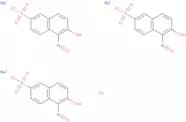
CAS :<p>Naphthol Green B is a highly fluorescent dye that is used in organic light-emitting diodes. It can be synthesized to form nanosheets that are stable and of high quality. The sodium salt of Naphthol Green B has been shown to stabilize the structure of liposomes and increase their stability. This product is also able to cross-link collagen, which may have bifunctional properties. Naphthol Green B can be used as a surfactant or a membrane stabilizer, as well as for its coordination chemistry.</p>Formule :C30H15FeN3O15S3·3NaDegré de pureté :Min. 95%Couleur et forme :Dark Green To Black SolidMasse moléculaire :878.47 g/mol2-(Di-tert-butylphosphino)-2',4',6'- triisopropyl-3,6-dimethoxy-1,1'-biphenyl
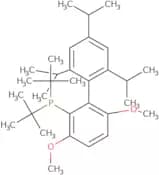
CAS :<p>2-(Di-tert-butylphosphino)-2',4',6'-triisopropyl-3,6-dimethoxy-1,1'-biphenyl is a nucleophilic compound that can be used in amination reactions. It has been used to synthesize fluorinated compounds by reacting with various halides under palladium catalysis. This reaction is an efficient method for the synthesis of 5-membered heteroaryl compounds and pyrazole rings. 2-(Di-tert-butylphosphino)-2',4',6'-triisopropyl-3,6-dimethoxy-1,1'-biphenyl has also been shown to inhibit the growth of carcinoma cell lines and profiles in aminoimidazoles.</p>Formule :C31H49O2PDegré de pureté :Min. 97 Area-%Couleur et forme :White Off-White PowderMasse moléculaire :484.69 g/mol2,6-Dichloro-1,5-dinitronaphthalene
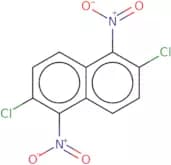
CAS :<p>2,6-Dichloro-1,5-dinitronaphthalene is an organic compound that is used as a reagent for the synthesis of other compounds. It can also be used in research for the synthesis of 2,6-dichloro-1,5-dinitronaphthalene derivatives. The CAS number for this compound is 320600-07-5. This compound is a versatile building block and has many uses as a fine chemical.</p>Formule :C10H4Cl2N2O4Degré de pureté :Min. 95%Couleur et forme :PowderMasse moléculaire :287.06 g/molβ-Tropine
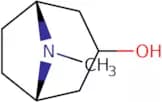
CAS :<p>Beta-tropine is a fatty acid that is synthesized from tiglic acid. It is used in sample preparation for the determination of nitrogen and carbon content and to determine the presence of ester linkages. Beta-tropine has been shown to inhibit the activity of enzymes, such as citrate lyase and malonic acid decarboxylase, which are involved in oxidative metabolism. Beta-tropine also inhibits the activity of mt2 receptors, which are involved in the regulation of blood pressure. This drug may have physiological effects on humans because it inhibits human serum aminopeptidase, an enzyme that catalyzes the hydrolysis of peptides with basic or neutral amino acids at their carboxy terminus.</p>Formule :C8H15NODegré de pureté :Min. 95%Couleur et forme :White PowderMasse moléculaire :141.21 g/molBetamethasone Valerate Impurity D
<p>Betamethasone Valerate Impurity D is a reaction component that is used as a reagent in the synthesis of compounds with a variety of activities, including antibacterial, anti-inflammatory and antiparasitic. It is also used to create a variety of building blocks and intermediates for pharmaceuticals. Betamethasone Valerate Impurity D has been shown to be an effective anti-parasitic agent against Trypanosoma cruzi and Leishmania amazonensis in vitro.</p>Formule :C27H37BrO6Degré de pureté :Min. 95%Couleur et forme :White PowderMasse moléculaire :537.48 g/mol2'-Hydroxy-4'-methoxypropiophenone
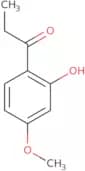
CAS :<p>2'-Hydroxy-4'-methoxypropiophenone is a phenolic compound that belongs to the class of organic chemicals. It has a potent antibacterial activity and inhibits lipid peroxidation. 2'-Hydroxy-4'-methoxypropiophenone has been shown to inhibit the growth of gram-negative bacteria, such as Escherichia coli and Salmonella typhimurium. It also inhibits the production of nitric oxide and prostaglandin E2, which are proinflammatory mediators. This compound is active against anaerobic bacteria such as Clostridium difficile, Enterococcus faecalis, and Bacillus subtilis. 2'-Hydroxy-4'-methoxypropiophenone also exhibits antioxidant activity by inhibiting free radical generation from α-tocopherol.</p>Formule :C10H12O3Degré de pureté :Min. 95%Couleur et forme :PowderMasse moléculaire :180.2 g/mol4-Hydroxy-2-methylcinnamic acid
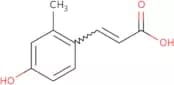
CAS :<p>4-Hydroxy-2-methylcinnamic acid is a chemical intermediate that can be used in organic synthesis as a building block or reagent. It has been shown to have a high quality and purity, and is also an excellent reaction component. This compound is used as a speciality chemical, versatile building block, and complex compound. 4-Hydroxy-2-methylcinnamic acid has been used in the production of drugs such as amiodarone, sotalol, and tacrolimus. It can also be used in the production of other fine chemicals such as benzaldehyde, cinnamyl alcohol, cinnamaldehyde, and hydroxyacetophenone.</p>Formule :C10H10O3Degré de pureté :Min. 95%Couleur et forme :PowderMasse moléculaire :178.18 g/molRose bengal lactone
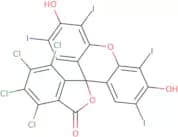
CAS :<p>Rose bengal lactone is a potent inhibitor of human metabolism that binds to the proteasome pathway and inhibits the polymerization of tubulin. It has been shown to bind with high affinity to microtubules and inhibit their assembly, which leads to cell death. Rose bengal lactone also binds with high affinity to potassium ion, which may contribute to its anti-cancer effects. This compound has also been found to be an effective inhibitor of goiters in rats by binding with aliphatic hydrocarbons such as cholesterol.</p>Formule :C20H4Cl4I4O5Degré de pureté :Min. 95 Area-%Couleur et forme :PowderMasse moléculaire :973.67 g/mol4-Chlorocinnamic acid
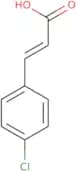
CAS :<p>4-Chlorocinnamic acid is a malonic acid derivative and one of the cinnamic acid derivatives that has been shown to inhibit many chemical reactions. It inhibits the production of tyrosinase, which is an enzyme that catalyzes the conversion of tyrosinase to 4-hydroxycinnamic acid. 4-Chlorocinnamic acid also inhibits the growth of Candida glabrata in vitro. The effect on candida is due to its ability to inhibit the production of hydroxyl group and aromatic hydrocarbon, both of which are required for candida's survival. 4-Chlorocinnamic acid binds with aryl halide and neutral ph, preventing it from reacting with other substances.</p>Formule :C9H7ClO2Degré de pureté :Min. 95%Couleur et forme :PowderMasse moléculaire :182.6 g/mol7-Ketocholesterol
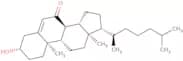
CAS :Produit contrôlé<p>7-Ketocholesterol is a reactive molecule that can induce inflammation and has been shown to be associated with eye disorders. 7-Ketocholesterol is an intermediate in the biosynthesis of cholesterol and is converted to 7-keto-cholesterol by the enzyme HMG-CoA reductase. This compound has also been shown to be a potent inducer of autophagy, which is a process that degrades intracellular components. 7-Ketocholesterol binds to cell nuclei and alters their shape, which may lead to cancerous cell growth. For example, this molecule induces apoptosis in cultured human retinal pigment epithelial cells. The mechanism of action for 7-ketocholesterol involves mitochondrial membrane potential, ATP binding cassette transporters, and DNA polymerase chain reaction (PCR).</p>Formule :C27H44O2Degré de pureté :Min. 95%Couleur et forme :PowderMasse moléculaire :400.64 g/mol3-Fluorocinnamic acid
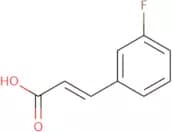
CAS :<p>3-Fluorocinnamic acid is an organic compound that belongs to the class of amides. It reacts with metal ions such as copper, silver, or gold. 3-Fluorocinnamic acid has a constant boiling point and can be used in the preparation of cinnamic acid derivatives. 3-Fluorocinnamic acid also has redox potential and is used as a substrate in enzyme preparations. 3-Fluorocinnamic acid can be synthesized by hydrolysis of malonic acid and metal salts with hydrochloric acid, which then reacts with triticum aestivum. The product is purified by recrystallization from water. This compound inhibits the reaction that converts lactose into glucose and galactose, leading to the production of lactic acid from milk.</p>Formule :C9H7FO2Degré de pureté :Min. 98 Area-%Couleur et forme :PowderMasse moléculaire :166.15 g/mol1,2,3,4-Dibenzanthracene
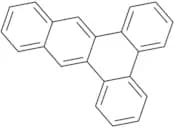
CAS :<p>1,2,3,4-Dibenzanthracene is a polycyclic aromatic hydrocarbon that is used as a fluorescent probe in fluorescence spectrometry. 1,2,3,4-Dibenzanthracene is a substrate for cytochrome P450 enzymes. The rate of metabolism is dependent on the enzyme concentration and the pH. 1,2,3,4-dibenzanthracene has been shown to inhibit protein synthesis in rat liver microsomes and hamster V79 cells. It also binds to hematopoietic cells through receptor binding and inhibits DNA synthesis by interacting with nitrogen atoms.</p>Formule :C22H14Degré de pureté :Min. 95%Couleur et forme :PowderMasse moléculaire :278.35 g/mol1-(2-Isopropyl-6-methylphenyl)thiourea
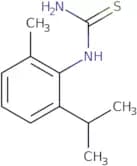
CAS :<p>Please enquire for more information about 1-(2-Isopropyl-6-methylphenyl)thiourea including the price, delivery time and more detailed product information at the technical inquiry form on this page</p>Formule :C11H16N2SDegré de pureté :Min. 95%Couleur et forme :PowderMasse moléculaire :208.32 g/mol4'-Benzyloxyacetophenone
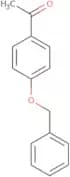
CAS :<p>4'-Benzyloxyacetophenone is a synthetic chemical that can be used in the synthesis of natural products. It has a chiral center and can be synthesized in an asymmetric manner. This compound reacts with primary amines to form acrylates, which are useful for the synthesis of polyesters. 4'-Benzyloxyacetophenone can also react with halides to form alkylating agents, which are useful for the synthesis of amines or other functional groups. The structure of this chemical is similar to estrogen, which may explain its hormonal effects.</p>Formule :C15H14O2Degré de pureté :Min. 95%Couleur et forme :PowderMasse moléculaire :226.27 g/mol3-Chloro-4-hydroxycinnamic acid
CAS :<p>3-Chloro-4-hydroxycinnamic acid is a coelicolor biosynthetic precursor that is synthesized from 4-hydroxycinnamic acid and chlorinated. It can be used for the synthesis of aminocoumarin moieties and other prenylated molecules. 3-Chloro-4-hydroxycinnamic acid has been shown to be an effective inhibitor of streptomyces coelicolor, which is a type of bacterium that produces antibiotics. The gene responsible for the biosynthesis of 3-chloro-4-hydroxycinnamic acid has also been identified in streptomyces clorobiocin, which is another type of bacterium that produces antibiotics.</p>Formule :C9H7ClO3Degré de pureté :Min. 95%Couleur et forme :PowderMasse moléculaire :198.6 g/mol2-Di-tert-butylphosphino-3,4,5,6-tetramethyl-2',4',6'-triisopropyl-1,1'-biphenyl
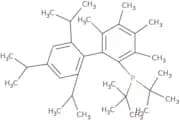
CAS :<p>2-Di-tert-butylphosphino-3,4,5,6-tetramethyl-2',4',6'-triisopropyl-1,1'-biphenyl is a fine chemical that is useful in research and development as a versatile building block. It is used as an intermediate in the synthesis of other compounds and can serve as a reaction component or reagent. This compound has high purity and can be used in the synthesis of pharmaceuticals and other organic compounds.</p>Formule :C33H53PDegré de pureté :Min. 95%Couleur et forme :White To Off-White SolidMasse moléculaire :480.75 g/mol4'-Chloro-4-methoxychalcone
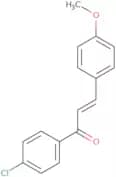
CAS :<p>4'-Chloro-4-methoxychalcone is a dihedral molecule that has been studied by laser spectroscopy. The wavelength and efficiency of the laser have been shown to be dependent on the chalcone's dipole moment. Chalcones are also used in the synthesis of other compounds, such as benzene, which is an aromatic hydrocarbon. Chalcones are used as optical brighteners in detergents and soaps and can also be used to induce evaporation of organic solvents. 4'-Chloro-4-methoxychalcone is used as an intermediate in crystal x-ray diffraction studies.</p>Formule :C16H13ClO2Degré de pureté :Min. 95%Couleur et forme :PowderMasse moléculaire :272.73 g/mol2,3-Dihydroxy-4-methoxycinnamic acid ethyl ester
<p>Please enquire for more information about 2,3-Dihydroxy-4-methoxycinnamic acid ethyl ester including the price, delivery time and more detailed product information at the technical inquiry form on this page</p>Degré de pureté :Min. 95%2-Chloro-5-nitroacetophenone
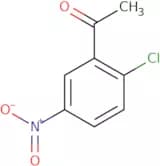
CAS :<p>2-Chloro-5-nitroacetophenone is a synthetic chemical that is used in the synthesis of vismodegib. It has been shown to have pharmacokinetic properties, such as a low clearance and high volume of distribution. A number of impurities are found in this chemical, including halide ions, amines, and benzofuran derivatives. 2-Chloro-5-nitroacetophenone is genotoxic and can cause cancer. This chemical should not be exposed to radiation or chlorine gas.</p>Formule :C8H6ClNO3Degré de pureté :Min. 95%Couleur et forme :PowderMasse moléculaire :199.59 g/mol1,4,5,8-Tetramethylnaphthalene
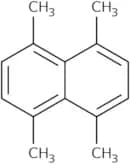
CAS :<p>1,4,5,8-Tetramethylnaphthalene is a colorless liquid that is synthesized from naphthalene and trifluoroacetic acid. It has been used as a photolytic substrate in the rationalized synthesis of 1,4-benzoquinones. Tetramethylnaphthalene also reacts with diacetate to form tetraacetates. The compound is stable at low temperatures but undergoes thermal decomposition above 120 degrees Celsius. Tetramethylnaphthalene can be oxidized by air or oxygen to form aniline. This reaction can occur through either orientation of the molecule. Tetramethylnaphthalene has been used as an acceptor in hydrodynamic studies and as a strain in solid state studies.</p>Formule :C14H16Degré de pureté :Min. 95%Couleur et forme :PowderMasse moléculaire :184.28 g/mol3-Amino-2-pyrazinecarboxylic acid methyl ester
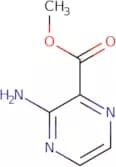
CAS :<p>3-Amino-2-pyrazinecarboxylic acid methyl ester (3APCME) is a potent anti-mycobacterial agent that inhibits the growth of Mycobacterium tuberculosis by inhibiting the synthesis of amines, which are necessary for its survival. 3APCME has also been shown to have an inhibitory effect on other bacteria that require amines for their survival, such as Escherichia coli. This agent binds to the receptor and inhibits the enzyme pyrazinase in the reaction of phenoxy with dimethylformamide. The molecular modeling studies show that 3APCME is able to bind to a hydrophobic region on the enzyme's surface and form a covalent bond through nucleophilic attack. The asymmetric synthesis results in the production of one enantiomer of 3APCME and allows for greater efficacy against mycobacteria than other agents.</p>Formule :C6H7N3O2Degré de pureté :Min. 95%Couleur et forme :PowderMasse moléculaire :153.14 g/molN,N'-Di-2-naphthyl-1,4-phenylenediamine
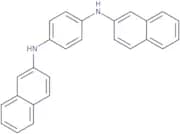
CAS :<p>N,N'-Di-2-naphthyl-1,4-phenylenediamine is a chemical compound that is used in the production of polyvinyl chloride (PVC). It can be used as an antimicrobial agent to prevent the growth of bacteria and fungi. It is also used as a crosslinking agent in the production of PVC. The reaction solution consists of hydrochloric acid and methyl ethyl chloride. The monochloride is then reacted with 2-naphthol, followed by reaction with benzalkonium chloride. The final product is N,N'-di-(2-naphthyl)-1,4-(phenylene) diamine monochloride.</p>Formule :C26H20N2Degré de pureté :Min. 95 Area-%Couleur et forme :PowderMasse moléculaire :360.45 g/mol5β-Pregnan-3α,21-diol-11,20-dione
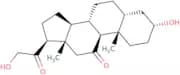
CAS :Produit contrôlé<p>5beta-Pregnan-3alpha,21-diol-11,20-dione (5beta-pregnan) is a fine chemical used in research and development as a building block or intermediate. It has many uses, including as a useful scaffold for complex compounds. This chemical is also an excellent reagent for the synthesis of new organic compounds. It is a versatile building block that can be used in the production of high quality speciality chemicals. 5beta-pregnan may be used to synthesize many different types of building blocks and intermediates that are useful for the synthesis of other compounds.</p>Formule :C21H32O4Degré de pureté :(Tlc) Min. 95.0%Couleur et forme :PowderMasse moléculaire :348.48 g/mol3-tert-Butyl-4-hydroxybenzoic acid methyl ester
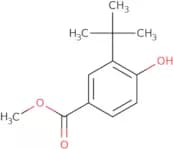
CAS :<p>3-tert-Butyl-4-hydroxybenzoic acid methyl ester is a chemical compound with the molecular formula CHCOOCH. It is a versatile building block that can be used in research and as a useful intermediate. 3-tert-Butyl-4-hydroxybenzoic acid methyl ester can be used to synthesize complex compounds, such as pharmaceuticals and pesticides. The high quality of this product makes it suitable for use as a reagent or reaction component.<br>!-- <br>--> !-- <br>--> !-- <br>--></p>Formule :C12H16O3Degré de pureté :Min. 98 Area-%Couleur et forme :PowderMasse moléculaire :208.25 g/molD-Asparagine
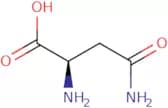
CAS :<p>D-Asparagine is a hydroxamic acid that has shown to have antioxidative activity in vitro. D-Asparagine can be used as an analytical method for the determination of fatty acids. It also has been shown to have protective effects on tissue culture cells and human blood samples, which may be due to its antioxidant activity. The deuterium isotope effect is observed when the hydrogen atoms are replaced with deuterium atoms. This change leads to a decrease in the number of protons that are released during metabolism, which can affect cell viability.</p>Formule :C4H8N2O3Degré de pureté :(Titration) Min. 98%Couleur et forme :PowderMasse moléculaire :132.12 g/mol3’-Azido-3’-deoxyguanosine
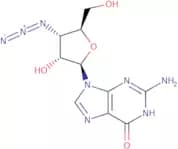
CAS :<p>Please enquire for more information about 3’-Azido-3’-deoxyguanosine including the price, delivery time and more detailed product information at the technical inquiry form on this page</p>Formule :C10H12N8O4Degré de pureté :Min. 95%Masse moléculaire :308.098154-Bromo-2-chlorocinnamic acid
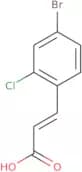
CAS :<p>4-Bromo-2-chlorocinnamic acid is a useful chemical in the synthesis of organic compounds. It is an intermediate in the production of pharmaceuticals and other organic compounds. The compound has been used as a research chemical and as a building block for the production of complex chemicals. 4-Bromo-2-chlorocinnamic acid has also been used as a building block for the production of fine chemicals, such as dyes, perfumes, and pesticides.</p>Formule :C9H6BrClO2Degré de pureté :Min. 95%Couleur et forme :PowderMasse moléculaire :261.5 g/molErythropoietin
CAS :<p>Erythropoietin is a glycoprotein hormone, which is primarily produced by interstitial fibroblasts in the kidney in response to hypoxia. Its main mode of action involves binding to erythropoietin receptors on the surface of erythroid progenitor cells in the bone marrow, thereby initiating a signaling cascade that results in the proliferation and differentiation of these progenitors into mature red blood cells.</p>Degré de pureté :(Capillary Zone Electrophoresis) Min. 98.0%Couleur et forme :Powder3,5-Diisopropylsalicylic acid
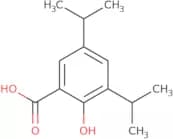
CAS :<p>3,5-Diisopropylsalicylic acid is a reactive chemical substance that has been shown to be an effective anti-inflammatory agent. The compound is active against wild-type viruses and copper complexes. 3,5-Diisopropylsalicylic acid also has been shown to inhibit the growth of human cancer cells in vitro. This drug can be used as an analytical reagent for the detection of water vapor in gas chromatography and other techniques. The acute toxicities associated with 3,5-diisopropylsalicylic acid are not well understood, but it has been shown to have a negative effect on body mass index. It also may affect pluripotent cells and radiation therapy. There are reports of drug interactions when used with certain medications such as acetaminophen or ibuprofen.</p>Formule :C13H18O3Degré de pureté :Min. 95%Couleur et forme :PowderMasse moléculaire :222.28 g/mol3,4-Dihydroxybenzoic acid methyl ester
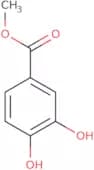
CAS :<p>3,4-Dihydroxybenzoic acid methyl ester is a natural compound that has been isolated from Linteus. This compound has been shown to have antiinflammatory activity and to inhibit the production of pro-inflammatory cytokines, such as tumor necrosis factor-alpha (TNF-α) and interleukin 1β (IL-1β). It also inhibits toll-like receptor 4 (TLR4), which is a protein that can bind to lipopolysaccharides on the surface of bacteria. 3,4-Dihydroxybenzoic acid methyl ester has been found to decrease mitochondrial membrane potential in cells treated with hydrogen fluoride. This agent is used in organic synthesis for the preparation of derivatives with high purity. The extract from Etoac can be used as a model organism for the study of its structure and function.</p>Formule :C8H8O4Degré de pureté :Min. 95%Couleur et forme :PowderMasse moléculaire :168.15 g/mol2-Bromo-6-fluorobenzoic acid methyl ester
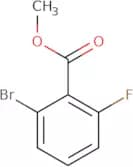
CAS :<p>2-Bromo-6-fluorobenzoic acid methyl ester is a fine chemical that belongs to the family of brominated compounds. It is a useful building block in the synthesis of diverse organic molecules, as well as a reagent for research and speciality chemicals. 2-Bromo-6-fluorobenzoic acid methyl ester is used as a versatile building block in the synthesis of complex compounds, as well as an intermediate or scaffold in organic chemistry. This product can be used to synthesize many diverse products while maintaining high quality and purity.</p>Formule :C8H6BrFO2Degré de pureté :Min. 95%Couleur et forme :PowderMasse moléculaire :233.03 g/mol6-Hydroxy-2,3,4-trimethoxyacetophenone
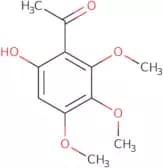
CAS :<p>6-Hydroxy-2,3,4-trimethoxyacetophenone (6HTMA) is a natural product that has been shown to have potent inhibitory activities against PC12 cells. This compound also possesses neuroprotective and antioxidative properties. 6HTMA was able to inhibit acetylation of proteins, which may be responsible for its neuroprotective activity. Furthermore, 6HTMA has been shown to possess anti-oxidant and anti-tuberculous activities.</p>Formule :C11H14O5Degré de pureté :Min. 95%Couleur et forme :PowderMasse moléculaire :226.23 g/molL-Adrenaline
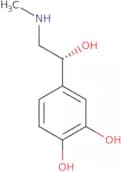
CAS :Produit contrôlé<p>L-Adrenaline is a hormone that belongs to the group of nonsteroidal anti-inflammatory drugs. It is used in combination therapy for the treatment of asthma, chronic obstructive pulmonary disease and other respiratory diseases. L-Adrenaline has also been shown to increase blood pressure and heart rate. L-Adrenaline may interact with other medication such as cardiac glycosides and calcium channel blockers, so it is important to consult with a doctor before taking this drug. L-Adrenaline is a potent vasoconstrictor that can cause primary pulmonary hypertension, which can lead to heart failure. The epinephrine in this drug binds to receptors on cells in the lungs, increasing bronchial secretions, which reduces the symptoms of anaphylaxis.</p>Formule :C9H13NO3Degré de pureté :Min. 95%Couleur et forme :PowderMasse moléculaire :183.2 g/molAtorvastatin calcium
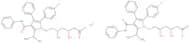
CAS :<p>HMG-CoA reductase inhibitor; anti-hypercholesterolemia agent</p>Formule :C66H68CaF2N4O10Degré de pureté :Min. 97 Area-%Couleur et forme :White PowderMasse moléculaire :1,155.34 g/mol3-Fluoro-L-tyrosine
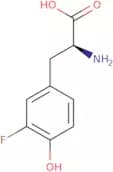
CAS :<p>3-Fluoro-L-tyrosine is a hydroxylated amino acid that is used as a pharmacological agent. 3-Fluoro-L-tyrosine has been shown to be a substrate for the enzyme tyrosinase, which catalyzes the conversion of L-tyrosine into 3,4 dihydroxyphenylalanine (DOPA). 3-Fluoro-L-tyrosine also reacts with bacterial enzymes and may have antibacterial properties.</p>Formule :C9H10FNO3Degré de pureté :Min. 95%Couleur et forme :PowderMasse moléculaire :199.18 g/molβ-(4-Hydroxy-3-methoxyphenyl)propionic acid methyl ester
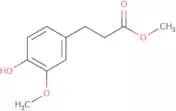
CAS :<p>β-(4-Hydroxy-3-methoxyphenyl)propionic acid methyl ester is a fine chemical used as a building block in the synthesis of pharmaceuticals, agrochemicals, and other chemicals. It is also used as a reagent for the detection of alkaloids and for the preparation of valuable speciality chemicals. β-(4-Hydroxy-3-methoxyphenyl)propionic acid methyl ester is an intermediate in organic reactions or can be used to synthesize complex compounds such as antibiotics. It is also an important scaffold that can be modified to produce new drugs with different properties.</p>Formule :C11H14O4Degré de pureté :Min. 95%Couleur et forme :Clear LiquidMasse moléculaire :210.23 g/mol4-Amino-1,8-naphthalimide
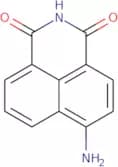
CAS :<p>4-Amino-1,8-naphthalimide is a fluorescent derivative that is used as a probe to detect hydrogen bonds in molecular models. It can be used to study the interactions of molecules with hydrogen bonding partners. 4-Amino-1,8-naphthalimide has been shown to have broad spectrum antimicrobial activity against Gram-positive and Gram-negative bacteria. This compound also enhances the fluorescence of certain compounds by forming an intermolecular hydrogen bond.</p>Formule :C12H8N2O2Degré de pureté :Min. 95%Couleur et forme :Orange PowderMasse moléculaire :212.2 g/mol(3R,5S)-Fluvastatin-3,5-acetonide tert-butyl ester
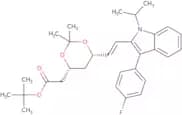
CAS :<p>Fluvastatin-3,5-acetonide tert-butyl ester is a chemical compound that is used as a reaction component in the synthesis of other compounds. It can be used as a reagent or as a useful scaffold for research. Fluvastatin-3,5-acetonide tert-butyl ester is high quality and has versatile applications.</p>Formule :C31H38FNO4Degré de pureté :Min. 98 Area-%Couleur et forme :White to pale yellow solid.Masse moléculaire :507.64 g/mol4-Hydroxy-3-nitropyridine
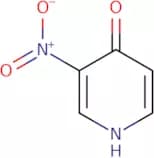
CAS :<p>4-Hydroxy-3-nitropyridine is an organic chemical compound with the molecular formula CHNO. It has a structure that is composed of a nitro group bonded to a pyridine ring. 4-Hydroxy-3-nitropyridine can be found in wastewater and as a byproduct of the production of dyes, drugs, and explosives. It has been shown to react with primary amines to form nitrosamines. In its tautomeric form, 4-hydroxy-3-nitropyridine is more reactive and will react with chloride ions to form hydroxylamine. This reaction is used commercially for the synthesis of hydrazine and other products.</p>Formule :C5H4N2O3Degré de pureté :Min. 95%Couleur et forme :PowderMasse moléculaire :140.1 g/molVanillic acid methyl ester
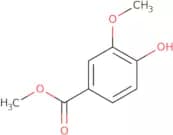
CAS :<p>Vanillic acid methyl ester is a chemical compound that can be used as an antioxidant and antimicrobial agent. It is synthesized by the reaction of vanillin with methanol in the presence of hydrochloric acid. Vanillic acid methyl ester has been shown to have antioxidative properties and inhibit the activities of various enzymes, such as eugenol oxidase, lipid peroxidase, and cyclooxygenase-1. This product also has shown anti-inflammatory effects in animal models of bowel disease and coronary heart diseases. Vanillic acid methyl ester converts to benzoic acid when it is metabolized by cytochrome P450 2E1, which can then be conjugated with glutathione or glucuronic acid.</p>Formule :C9H10O4Degré de pureté :Min. 95%Couleur et forme :White Off-White PowderMasse moléculaire :182.17 g/mol2-Bromo-4'-phenylacetophenone
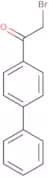
CAS :<p>2-Bromo-4'-phenylacetophenone is a methanol solvent that is used as an intermediate in the synthesis of phenacyl. It is also used as a reagent for the titration of fatty acids and for the determination of terminal alkynes. 2-Bromo-4'-phenylacetophenone has been shown to have antibacterial activity against Mycobacterium tuberculosis, which may be due to its ability to inhibit protein biosynthesis. This compound can also be used as an analytical tool for determining the mass of organic acids. The solubility properties of 2-bromo-4'-phenylacetophenone are similar to those of ethyl acetate and ethanol, making it useful as a solvent in analytical methods.</p>Formule :C14H11BrODegré de pureté :Min. 95%Couleur et forme :PowderMasse moléculaire :275.14 g/mol2-Amino-5-bromobenzoic acid methyl ester
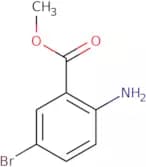
CAS :<p>2-Amino-5-bromobenzoic acid methyl ester is a small molecule with antiviral potency. It has a dipole moment and can form hydrogen bonds. 2-Amino-5-bromobenzoic acid methyl ester inhibits the PDE5 enzyme, which is an enzyme that breaks down cGMP. This inhibition of PDE5 leads to the increase in cGMP, which causes blood vessels to relax and widen. As a result, 2-amino-5-bromobenzoic acid methyl ester has been shown to decrease high blood pressure and improve heart function.</p>Formule :C8H8BrNO2Degré de pureté :Min. 95%Couleur et forme :PowderMasse moléculaire :230.06 g/molα-Pinene
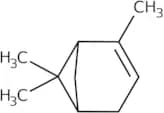
CAS :<p>Alpha-pinene is a monoterpene that reacts with ozone to form acid. It is also a skin irritant and has been shown to cause cancer in animals. Alpha-pinene can be used as a chemical pesticide and is an important precursor for the synthesis of polymers, such as polyethylene, polypropylene, and polystyrene. The alpha-pinene molecule has been studied in relation to its transport properties through the lungs, due to its high vapor pressure and tendency to form particles. This molecule is an active compound that binds to DNA-dependent RNA polymerase, thereby preventing transcription and replication. Alpha-pinene has also been found to have biological properties related to gene expression regulation, cell signaling pathways, neuronal death, and apoptosis.</p>Formule :C10H16Degré de pureté :Min. 95%Couleur et forme :Clear LiquidMasse moléculaire :136.23 g/mol4-Hydroxy-3-formylcoumarin
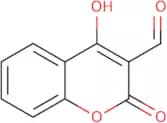
CAS :<p>4-Hydroxy-3-formylcoumarin is a coumarin derivative that has been shown to have antitumor activity in vivo against the L1210 murine leukemia. It has also been shown to be effective against the tetranuclear form of the cancer cells. 4-Hydroxy-3-formylcoumarin is also an important molecule for testing, as it is able to inhibit the growth of other types of tumor cells. This molecule has been found to be stable at neutral pH and in anhydrous sodium chloride solution. 4-Hydroxy-3-formylcoumarin can exist as two tautomeric forms: the erythro and threo isomers. The erythro form is more stable, with a higher activation energy than the threo form, which makes it more reactive for biological purposes.</p>Formule :C10H6O4Degré de pureté :Min. 95%Couleur et forme :PowderMasse moléculaire :190.15 g/molDitridecyl 3,3'-thiodipropionate
CAS :<p>An antioxidant; decomposes polymer peroxide to inert substance</p>Formule :C32H62O4SCouleur et forme :Colorless Yellow Clear LiquidMasse moléculaire :542.9 g/molVinpocetin
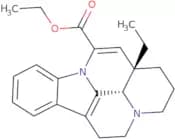
CAS :<p>Sodium channel blocker</p>Formule :C22H26N2O2Degré de pureté :Min. 95%Couleur et forme :White PowderMasse moléculaire :350.45 g/mol