Étalons pharmaceutiques
Les standards pharmaceutiques sont un ensemble complet de matériaux de référence essentiels pour garantir la sécurité, l'efficacité et la qualité des produits pharmaceutiques. Cette catégorie comprend des standards pour les ingrédients pharmaceutiques actifs (APIs), qui sont les composants principaux responsables des effets thérapeutiques. De plus, elle couvre les composés et métabolites pertinents pour les industries pharmaceutique et vétérinaire, fournissant des points de référence pour la mesure et l'analyse précises de ces substances. Les standards de contrôle des nitrosamines sont cruciaux pour détecter et atténuer les nitrosamines potentiellement nocives dans les formulations médicamenteuses. Les standards de toxicologie aident à évaluer la sécurité et les effets indésirables potentiels des composés pharmaceutiques. En outre, les standards pour les activateurs et les inhibiteurs enzymatiques sont essentiels pour la recherche et le développement, permettant des études précises des voies biochimiques et des mécanismes des médicaments. Ces standards pharmaceutiques sont des outils indispensables pour la conformité réglementaire, le contrôle de qualité et la recherche, garantissant que les produits pharmaceutiques répondent à des critères stricts de sécurité et d'efficacité.
Sous-catégories appartenant à la catégorie "Étalons pharmaceutiques"
- APIs pour la recherche et les impuretés(274.920 produits)
- Activateurs et inhibiteurs d'enzymes(2.827 produits)
- Nitrosamines(2.606 produits)
- Composés et métabolites pharmaceutiques et vétérinaires(2.871 produits)
- Toxicologie(13.652 produits)
7836 produits trouvés pour "Étalons pharmaceutiques"
Trier par
Degré de pureté (%)
0
100
|
0
|
50
|
90
|
95
|
100
D-glucosyl-β-1,1'-N-nervonoyl-D-erythro-sphingosine
CAS :D-glucosyl-β-1,1'-N-nervonoyl-D-erythro-sphingosine is a mouse metabolite that was found to be an acyl group. This metabolite was shown to be a mouse metabolite.Formule :C48H91NO8Degré de pureté :Min. 98 Area-%Couleur et forme :PowderMasse moléculaire :810.24 g/mol4-(2-Hydroxyethylamino)-3-nitrophenol
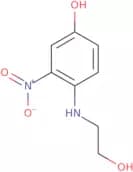
CAS :<p>4-(2-Hydroxyethylamino)-3-nitrophenol is a nitrophenol that can cause toxicity in humans. It has been investigated for its potential use as a treatment for erectile dysfunction. The compound was found to have a long half-life of over 24 hours, which may be due to its slow metabolism by esterases and glucuronidases. 4-(2-Hydroxyethylamino)-3-nitrophenol has been shown to be an allergen and is toxic to the skin, lungs, and muscles. This chemical can cause cancer when it is irradiated or mixed with other chemicals such as 4-amino-2-nitrophenol (ANP).</p>Formule :C8H10N2O4Degré de pureté :Min. 95%Couleur et forme :PowderMasse moléculaire :198.18 g/molCytisine
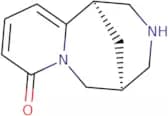
CAS :Cytisine is an alkaloid found in plants of the Cytisus genus of the family Fabaceae. It is a partial agonist to α4β2 nicotinic acetylcholine receptors, which are implicated in the nicotine dependence. In Eastern Europe, it has been used for 50 years to aid smoking cessation.Formule :C11H14N2ODegré de pureté :Min. 95%Couleur et forme :White PowderMasse moléculaire :190.24 g/mol5β-Pregnane-3α,11α,20β-triol
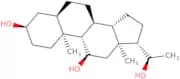
CAS :Produit contrôlé5-b-Pregnan-3-a,11-a-,20-b-triol is a high quality research chemical with CAS No. 55647-22-8. It is a complex compound that can be used as an intermediate in the synthesis of other compounds. 5-b-Pregnan-3-a,11-a-,20-b-triol is a speciality chemical that has many uses and is also a versatile building block for synthesis. This reagent can be used to create new compounds or to react in different ways with other chemicals to produce useful scaffolds or building blocks for reactions. 5 b pregna 3 a, 11 a, 20 b triol has been shown to have the ability to react with other chemicals in order to form useful reaction components.Formule :C21H36O3Degré de pureté :Min. 95%Couleur et forme :PowderMasse moléculaire :336.51 g/mol3-Cyanocinnamic acid
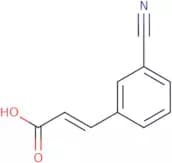
CAS :3-Cyanocinnamic acid is a reactive, unreactive, and stepwise cycloaddition compound. It can participate in photochemical reactions with other compounds to form photodimers. 3-Cyanocinnamic acid has an optimal reaction temperature of 100°C and a reaction time of 5 minutes. The diradical nature of 3-cyanocinnamic acid makes it sensitive to UV light, and the photochemical reactions are simulated by quantum mechanics calculations. Photodimerisation simulations show that 3-cyanocinnamic acid is capable of forming photodimers with 2-cyanocinnamic acid or 4-cyanocinnamic acid at room temperature.Formule :C10H7NO2Degré de pureté :Min. 95%Couleur et forme :PowderMasse moléculaire :173.17 g/molPotassium DL-aspartate hemihydrate
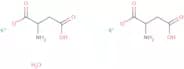
CAS :<p>Potassium DL-aspartate hemihydrate is a versatile building block that can be used as a reagent and as a speciality chemical. It is useful for research and development, as well as for the production of high-quality compounds and intermediates. This compound can be used in organic synthesis reactions and has been shown to be useful in the construction of scaffolds.</p>Formule :C4H7NO4H2O·KDegré de pureté :Min. 95%Couleur et forme :White PowderMasse moléculaire :181.21 g/mol6-Fluoroserotonin
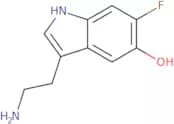
CAS :Produit contrôléThe 6-Fluoroserotonin is a selective serotonin uptake inhibitor that has been used to study the serotonin transporter. It has been shown to inhibit the uptake of 5-hydroxyindoleacetic acid and 5-hydroxytryptamine, which is mediated by the serotonin transporter. The 6-Fluoroserotonin is also able to bind to clomipramine and zimelidine with high affinity. Analysis of the chromatographic profile of this compound revealed two peaks, one at 3.2 minutes and another at 4.7 minutes, corresponding to the two diastereoisomers of 6-fluoroserotonin.Formule :C10H11FN2ODegré de pureté :Min. 95%Masse moléculaire :194.21 g/mol3,3',5,5'-Tetramethylbenzidine dihydrochloride dihydrate
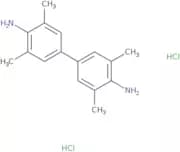
CAS :<p>3,3',5,5'-Tetramethylbenzidine dihydrochloride dihydrate is a hydrophilic, non-fluorescent, and water-soluble chemical that is used as an enzyme-linked immunosorbent assay (ELISA) substrate. It has been shown to be reactive with peroxide and hydrogen peroxide in vitro and in vivo. 3,3',5,5'-Tetramethylbenzidine dihydrochloride dihydrate also has peroxidase-like activity when interacting with monomers to form polymers. The monomers are recombinantly human proteins that have been modified to increase the molecule's solubility. This increased solubility increases the interaction of the monomers with oxidants such as hydrogen peroxide or peroxides.</p>Formule :C16H20N2·2HCl·2H2ODegré de pureté :Min. 95%Couleur et forme :PowderMasse moléculaire :349.3 g/mol4-Chloro-3-nitrobenzoic acid methyl ester
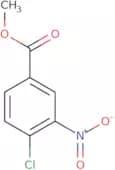
CAS :4-Chloro-3-nitrobenzoic acid methyl ester is a chemical compound that inhibits the synthesis of nucleic acids. It binds to the functional groups of DNA, preventing replication and transcription. 4-Chloro-3-nitrobenzoic acid methyl ester also inhibits protein synthesis by inhibiting ribosomal RNA which is required for translation. This agent has been shown to induce apoptotic cell death in leukemia cells, HL60 cells, and other types of cancer cells in vitro. 4-Chloro-3-nitrobenzoic acid methyl ester has a potent inhibitory activity against replicons in vitro and is a synthetic molecule with two sulfoxide functional groups.Formule :C8H6ClNO4Degré de pureté :Min. 95%Couleur et forme :PowderMasse moléculaire :215.59 g/molCholesterol formate
CAS :Produit contrôlé<p>Cholesterol formate is a chemical that belongs to the group of organic compounds and is classified as an ester. It can be used in research, where it is a reagent for the synthesis of other chemicals. Cholesterol formate can be used in the production of pharmaceuticals, pesticides, fragrances, and other products. Cholesterol formate is also used as a building block in complex chemical reactions because it can act as a versatile scaffold.</p>Formule :C28H46O2Degré de pureté :Min. 95%Couleur et forme :White PowderMasse moléculaire :414.66 g/mol4-Nitrocinnamaldehyde
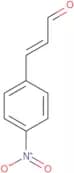
CAS :<p>4-Nitrocinnamaldehyde is a diazonium salt that is used as an efficient method for the synthesis of nitro compounds. Nitro compounds are used in the production of explosives, insecticides, and herbicides. 4-Nitrocinnamaldehyde reacts with hydrochloric acid to produce trifluoroacetic acid, which is then reacted with an organic compound to produce a nitro compound. This reaction has been shown to be irreversible and not sensitive to functional groups. 4-Nitrocinnamaldehyde binds to the enzyme cytochrome P450 reductase, inhibiting its function. The binding of 4-nitrocinnamaldehyde to enzymes such as pyruvate kinase and acetylcholinesterase has also been observed in binding experiments.</p>Formule :C9H7NO3Degré de pureté :Min. 95%Couleur et forme :PowderMasse moléculaire :177.16 g/mol2-Methoxy-5-nitrophenol
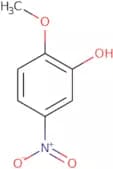
CAS :2-Methoxy-5-nitrophenol (2MNOP) is a compound that has been shown to inhibit the growth of bacteria in nutrient solutions by reducing the activity of glutamate pyruvate transaminase and pyridoxine hydrochloride. 2MNOP is a potent inhibitor of bacterial enzyme activities, such as neutral ph, hydrochloric acid, nitro, and toxicity studies. It is not active against eukaryotic cells or plants. The uptake of 2MNOP is enhanced by the presence of diamine tetraacetic acid and ethylene diamine. 2MNOP has also been shown to be effective against multi-walled carbon nanotubes.Formule :C7H7NO4Degré de pureté :Min. 95%Couleur et forme :PowderMasse moléculaire :169.13 g/mol7-Dehydrostigmasterol
CAS :Produit contrôlé7-Dehydrostigmasterol is a phytosterol, which is a type of steroid alcohol derived from plant sources, particularly within the metabolic pathway of various sterols. This compound acts as an intermediate in the biosynthesis of other phytosterols, functioning within key enzymatic conversion processes that are part of the larger sterol metabolic network.Degré de pureté :Min. 95%6-Methoxy-2-naphthoic acid
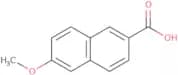
CAS :6-Methoxy-2-naphthoic acid (MN) is a cavity amide that has been shown to have an inhibitory effect on the growth of cancer cells. MN has been found to be more effective in inhibiting β-amyrin than caffeine, which may be due to its increased lipophilicity. It also has a higher affinity for adriamycin and enhances its anticancer effects. MN has been shown to be beneficial in treating diabetic patients, as it can reduce blood glucose levels by stimulating insulin release. The pharmacokinetic properties of MN are similar to those of other cavity amides, with rapid absorption and distribution throughout the body. This compound is metabolized in the liver by CYP2C8, CYP2C9, CYP3A4 and CYP3A5 enzymes. Molecular docking analysis of MN with β-amyrin showed that there was a strong interaction between them due to their complementary shapes and charge distributionsFormule :C12H10O3Degré de pureté :Min. 98 Area-%Couleur et forme :PowderMasse moléculaire :202.21 g/mol4-Fluoro-2-hydroxybenzoic acid methyl ester
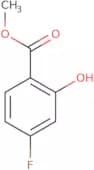
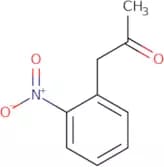
CAS :4-Fluoro-2-hydroxybenzoic acid methyl ester is a chemical compound that is used as a synthetic intermediate in the synthesis of drugs. 4-Fluoro-2-hydroxybenzoic acid methyl ester can be prepared by reductive amination of an acyl chloride with an amine, followed by reaction with methanol. This chemical intermediate is used in the synthesis of the BCL-2 inhibitor venetoclax, which inhibits cell growth and induces apoptosis in lymphoma cells. 4-Fluoro-2-hydroxybenzoic acid methyl ester also has been shown to inhibit the activity of amidating enzymes and transferases, suggesting it may have potential as an anti-inflammatory drug.Formule :C8H7FO3Degré de pureté :Min. 95%Couleur et forme :PowderMasse moléculaire :170.14 g/mol(2-Nitrophenyl)acetone
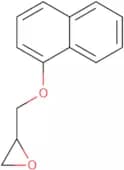
CAS :<p>2-Nitrophenylacetone is a polycyclic compound with an alkyl group, phenyl group, and a diterpenoid substituent. It is acylated with an acetate group on the 2-nitrophenyl group. The skeleton of this molecule contains a ketone (C=O) framework. The hydrogen atom in the molecule constitutes its chemistry. This molecule has been expressed in E. coli and purified to homogeneity. It constitutes the first example of a ketone containing framework for which biomolecular chemistry has been studied.</p>Formule :C9H9NO3Degré de pureté :Min. 95%Couleur et forme :PowderMasse moléculaire :179.17 g/molNaphthyl glycidylether
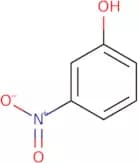
CAS :Naphthyl glycidylether is a chemical compound with chemical stability, which makes it useful for the manufacture of ethers and epoxides. It has been used as an acid catalyst and in the synthesis of polycarboxylic acids. Naphthyl glycidylether is also used to produce genotoxic impurities that are not removed by sterilants or metal hydroxides. This substance can be found as an impurity in some disinfectants, such as mercuric chloride, which can cause toxicity when ingested. In order to determine if naphthyl glycidylether is present in a material, a plate test can be performed to detect its presence.Formule :C13H12O2Degré de pureté :(%) Min. 95%Couleur et forme :Colorless Clear LiquidMasse moléculaire :200.23 g/mol3-Nitrophenol
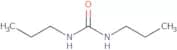
CAS :<p>3-Nitrophenol is an organic compound that is used in wastewater treatment, specifically to remove nitrogenous compounds from the water. It reacts with a hydroxyl group and a nitro group to form a molecule with three nitro groups. The presence of this molecule in wastewater can lead to population growth, which may be reduced by thermal expansion. 3-Nitrophenol is also used as an electrode for gravimetric analysis of metals and as a reagent for the detection of sodium ions. This compound has been shown to have a ph optimum of 7.5, but will react with hydrogen bonds at any ph value.</p>Formule :C6H5NO3Degré de pureté :Min. 95%Couleur et forme :PowderMasse moléculaire :139.11 g/mol1,3-Dipropylurea
CAS :<p>1,3-Dipropylurea is a nucleophilic organic compound. It is soluble in organic solvents such as benzyl alcohol, nitrous oxide, and ethylene glycol. It also has a constant boiling point of 215°C at atmospheric pressure. The reaction rate for the formation of 1,3-dipropylurea from benzaldehyde and propylene oxide is dependent on the solvent used. The yields are higher in polar solvents such as nitrous oxide or ethylene glycol than in nonpolar solvents like benzene or hexane. This reaction can be catalyzed by cyanoborohydride and the use of a base such as sodium hydroxide or potassium tert-butoxide speeds up the reaction rate considerably.</p>Formule :C7H16N2ODegré de pureté :Min. 97 Area-%Couleur et forme :PowderMasse moléculaire :144.21 g/mol2'-Aminoacetanilide
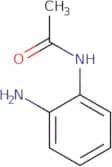
CAS :<p>2'-Aminoacetanilide is a colorless, crystalline compound that is soluble in water and has a bitter taste. It is used as an acidity regulator in food products, particularly bakery products. 2'-Aminoacetanilide can be found naturally in some microflora, such as lactic acid bacteria. <br>2'-Aminoacetanilide is an aromatic amine that contains both primary amino and functional groups. It is nucleophilic and reacts with proton by nucleophilic attack to form the corresponding amide or carbonyl group. 2'-Aminoacetanilide also has the ability to react with nitro compounds to form an amido-nitro adduct.</p>Formule :C8H10N2ODegré de pureté :Min. 95%Couleur et forme :PowderMasse moléculaire :150.18 g/molLithium 3,5-diiodosalicylic acid
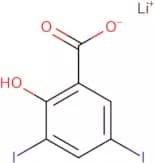
CAS :<p>Lithium 3,5-diiodosalicylic acid (Li3,5I2SA) is a cross-linking agent that has been shown to inhibit phosphatase activity and receptor binding in vitro. It also inhibits sugar transport, which is important for the functioning of human cells. Li3,5I2SA has been used to study the action of drugs on cancer cells and spermatozoa. This compound has also been tested as an inhibitor of membrane lipid peroxidation. Li3,5I2SA attaches to red blood cell membranes by binding to sites with high concentrations of monoclonal antibodies. The sequences of this compound have not yet been fully elucidated.</p>Formule :C7H4I2O3•LiDegré de pureté :Min. 98 Area-%Couleur et forme :PowderMasse moléculaire :396.85 g/mol3’,5’-Di-O-benzoyl-2’-deoxy-2’-fluoro-5-trifluoromethyl-arabinouridine
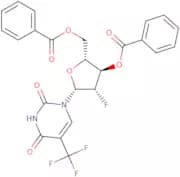
CAS :Please enquire for more information about 3’,5’-Di-O-benzoyl-2’-deoxy-2’-fluoro-5-trifluoromethyl-arabinouridine including the price, delivery time and more detailed product information at the technical inquiry form on this pageDegré de pureté :Min. 95%(6S)-5,6,7,8-Tetrahydro-6-(propylamino)-1-naphthalenol
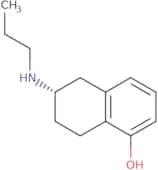
CAS :Produit contrôlé<p>Rotigotine is a drug that is used to treat Parkinson's disease. It is a dopamine agonist that stimulates the release of dopamine in the brain. Rotigotine has been shown to be effective in controlling symptoms of Parkinson's disease, such as tremors and stiffness, and improving motor skills. This drug has also been shown to have a good tolerability profile, with few side effects reported. Rotigotine is rapidly absorbed from the gastrointestinal tract and metabolized by CYP2D6 into desalkyl rotigotine, which are pharmacologically inactive compounds. The mean terminal half-life for rotigotine is about 2 hours.</p>Formule :C13H19NODegré de pureté :Min. 95%Masse moléculaire :205.3 g/mol2',4'-Dichloroacetophenone
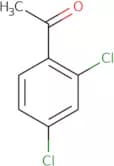
CAS :<p>2',4'-Dichloroacetophenone is a chemical intermediate used in the treatment of wastewater. It reacts with chloride ions to form 2,4-dichloro-5-chlorobenzene-1,3-diol (2,4-DCD) and dichloroacetic acid (DCAA). DCDA is an inhibitor of the synthesis of triazole antifungal agents. In addition to its use as an intermediate, 2',4'-Dichloroacetophenone has been shown to be an effective inhibitor of the enzyme carbonyl reductase and can also serve as a precursor for the synthesis of other chemicals. The reaction products are geometric isomers that differ only in their orientation about the double bond. This product's molecular weight is 188.27 g/mol and its melting point is 53 °C.</p>Formule :C8H6Cl2ODegré de pureté :Min. 95%Couleur et forme :PowderMasse moléculaire :189.04 g/mol3,3'-Dichloro-4,4'-dihydroxystilbene
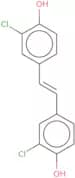
CAS :<p>3,3'-Dichloro-4,4'-dihydroxystilbene is a chemical compound that is used as a reagent and intermediate. It has been shown to be an effective building block in organic synthesis. 3,3'-Dichloro-4,4'-dihydroxystilbene can be used for the production of speciality chemicals and research chemicals. This versatile compound is also used to make a variety of reactions components.</p>Formule :C14H10Cl2O2Degré de pureté :Min. 95%Couleur et forme :PowderMasse moléculaire :281.13 g/mol3-Nitro-o-cresol
CAS :<p>3-Nitro-o-cresol is a chlorinated aromatic compound that has been shown to be an inhibitor of the enzyme catalase. Catalase is an enzyme that catalyzes the decomposition of hydrogen peroxide into water and oxygen. 3-Nitro-o-cresol inhibits this reaction by binding to the heme group in the enzyme, which prevents it from binding with molecular oxygen. This chemical also has a vibrational frequency of 1225 cm−1 and a molecular weight of 171.2 g/mol. 3-Nitro-o-cresol can be used as an antimicrobial agent against organisms such as Streptococcus pneumoniae, Escherichia coli, and Pseudomonas aeruginosa in liquid phase systems.</p>Formule :C7H7NO3Degré de pureté :Min. 95%Couleur et forme :PowderMasse moléculaire :153.14 g/mol3-Fluoro-4-methoxycinnamic acid
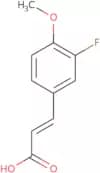
CAS :<p>3-Fluoro-4-methoxycinnamic acid is a template for the synthesis of azido compounds. Azide is a versatile functional group that can be used in many chemical reactions. 3-Fluoro-4-methoxycinnamic acid can be used to synthesize various azido products by reacting with hydrogen gas and an appropriate nucleophile, such as acrylic acid or ammonia. This reaction is called the "hydrogenating" reaction because it involves the addition of hydrogen. The target product can be synthesized by adding an appropriate electrophile, such as sodium azide, to the starting material in a solvent such as methylene chloride.</p>Formule :C10H9FO3Degré de pureté :Min. 95%Couleur et forme :PowderMasse moléculaire :196.18 g/molN4-Hydroxycytosine
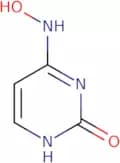
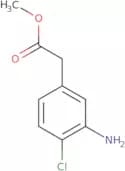
CAS :<p>N4-Hydroxycytosine is an intramolecular hydrogen that inhibits the replication of viruses by inhibiting their DNA polymerase. It is a structural analogue of cytosine and can be found in both left- and right-handed forms, which are termed isomers. The chemical study of N4-hydroxycytosine has shown it to have inhibitory effects on human immunodeficiency virus and hepatitis C virus. 13C-NMR spectroscopy has been used to identify the chemical structure of N4-hydroxycytosine and its reactivity with other molecules. N4-Hydroxycytosine can be synthesized by the reaction between formaldehyde and 2,3,5,6-tetrafluorocytosine.</p>Formule :C4H5N3O2Degré de pureté :Min. 95%Couleur et forme :PowderMasse moléculaire :127.1 g/mol3-Amino-4-chlorophenylacetic acid methyl ester
CAS :3-Amino-4-chlorophenylacetic acid methyl ester is a fine chemical that is useful as a building block in the synthesis of complex compounds. It has been used as a reagent and speciality chemical, which can be used for research purposes. CAS No. 59833-69-1Formule :C9H10ClNO2Degré de pureté :Min. 95%Masse moléculaire :199.63 g/mol(1R,2R,3S,5R)-Pinanediol pyrrolidine-2S-boronate hydrochloride
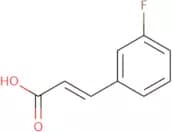
CAS :(1R,2R,3S,5R)-Pinanediol pyrrolidine-2S-boronate hydrochloride is a reagent that can be used in the synthesis of complex compounds. It is a fine chemical with CAS No. 149716-73-4. (1R,2R,3S,5R)-Pinanediol pyrrolidine-2S-boronate hydrochloride has a number of uses including as an intermediate for the preparation of speciality chemicals and as a building block for reactions in research. This compound is also useful as a versatile building block for many reactions.Formule :C14H25BClNO2Degré de pureté :Min. 95%Couleur et forme :PowderMasse moléculaire :285.62 g/mol3-Fluorocinnamic acid
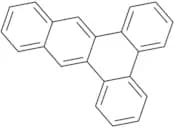
CAS :<p>3-Fluorocinnamic acid is an organic compound that belongs to the class of amides. It reacts with metal ions such as copper, silver, or gold. 3-Fluorocinnamic acid has a constant boiling point and can be used in the preparation of cinnamic acid derivatives. 3-Fluorocinnamic acid also has redox potential and is used as a substrate in enzyme preparations. 3-Fluorocinnamic acid can be synthesized by hydrolysis of malonic acid and metal salts with hydrochloric acid, which then reacts with triticum aestivum. The product is purified by recrystallization from water. This compound inhibits the reaction that converts lactose into glucose and galactose, leading to the production of lactic acid from milk.</p>Formule :C9H7FO2Degré de pureté :Min. 98 Area-%Couleur et forme :PowderMasse moléculaire :166.15 g/mol1,2,3,4-Dibenzanthracene
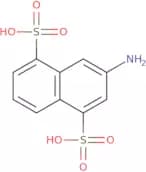
CAS :<p>1,2,3,4-Dibenzanthracene is a polycyclic aromatic hydrocarbon that is used as a fluorescent probe in fluorescence spectrometry. 1,2,3,4-Dibenzanthracene is a substrate for cytochrome P450 enzymes. The rate of metabolism is dependent on the enzyme concentration and the pH. 1,2,3,4-dibenzanthracene has been shown to inhibit protein synthesis in rat liver microsomes and hamster V79 cells. It also binds to hematopoietic cells through receptor binding and inhibits DNA synthesis by interacting with nitrogen atoms.</p>Formule :C22H14Degré de pureté :Min. 95%Couleur et forme :PowderMasse moléculaire :278.35 g/mol2-Amino-4,8-naphthalenedisulfonic acid
CAS :<p>2-Amino-4,8-naphthalenedisulfonic acid is a structural analog of the natural amino acid phenylalanine. It is an inhibitor of the enzyme tyrosinase, which participates in the oxidation of dopamine to DOPA and subsequent conversion to melanin. 2-Amino-4,8-naphthalenedisulfonic acid has been shown to inhibit the growth of probiotic bacteria and can be used as a food additive. The compound also inhibits the oxidation catalyst that is required for some analytical chemistry tests. 2-Amino-4,8-naphthalenedisulfonic acid has been shown to have toxicological properties in animal studies and this toxicity is exacerbated by its ability to bind with pyridine nucleotides found in cells. The toxicological effects are thought to be related to the inhibition of protein synthesis that leads to cell death.</p>Formule :C10H9NO6S2Degré de pureté :Min. 95%Couleur et forme :PowderMasse moléculaire :303.31 g/molN-[(3R)-1-(3,3-Dimethyl-2-oxobutyl)-2,3-dihydro-2-oxo-5-(2-pyridinyl)-1H-1,4-benzodiazepin-3-yl]-N'-[3-(methylamino)phenyl]urea
CAS :Produit contrôlé<p>N-[(3R)-1-(3,3-Dimethyl-2-oxobutyl)-2,3-dihydro-2-oxo-5-(2-pyridinyl)-1H-1,4-benzodiazepin-3-yl]-N'-[3-(methylamino)phenyl]urea (GZ4081) is a drug that inhibits gastrin secretion by blocking the G protein coupled receptor. It has been shown to be effective in treating cancer and also has an inhibitory effect on tissue samples. GZ4081 has been shown to have long term treatment effects as well as being effective for prognosis. The effective dose of GZ4081 is not yet known but it is believed to be at least 10 times lower than the doses used for other drugs in its class.</p>Formule :C28H30N6O3Degré de pureté :Min. 95%Masse moléculaire :498.58 g/mol3-Bromocinnamic acid ethyl ester
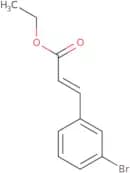
CAS :3-Bromocinnamic acid ethyl ester is a chemical that is useful as a building block for the synthesis of more complex compounds. It is an intermediate in the synthesis of organic compounds and can be used as a reaction component. 3-Bromocinnamic acid ethyl ester has CAS No. 24398-80-9 and is a reagent that can be used to synthesize other chemicals. 3-Bromocinnamic acid ethyl ester is also useful as a scaffold in the development of new drugs, because it has an amide bond, which may lead to new types of drug molecules with different properties.Formule :C11H11BrO2Degré de pureté :Min. 95%Masse moléculaire :255.11 g/molFmoc-3-(2'-pyridyl)-L-alanine
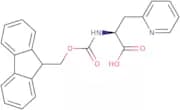
CAS :<p>Fmoc-3-(2'-pyridyl)-L-alanine is an acid molecule that has been shown to have anti-cancer properties. It is a polysaccharide polymer used in the preparation of polyvinyl alcohol and polyvinyl acetate. The phosphatase activity of Fmoc-3-(2'-pyridyl)-L-alanine was first observed in the 1970s, when it was found to be an effective inhibitor of acid phosphatase. This structural study has also revealed the effects of Fmoc-3-(2'-pyridyl)-L-alanine on cancer cells, which may be due to its ability to prevent cell division and genetic control. Fmoc-3-(2'-pyridyl)-L-alanine is also known as a monoclonal antibody that can bind to specific structures on cancer cells, such as antigens and receptors, which may be responsible for these effects.</p>Formule :C23H20N2O4Degré de pureté :Min. 95%Couleur et forme :SolidMasse moléculaire :388.42 g/molO-(2,4-Dinitrophenyl)hydroxylamine
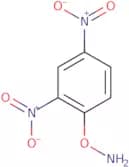
CAS :<p>O-(2,4-dinitrophenyl)hydroxylamine is a synthetic compound that binds to the enzyme bound site of the cap-dependent endonuclease. It is an inhibitor of influenza virus replication in vitro and has shown inhibitory activity against murine leukemia virus. O-(2,4-dinitrophenyl)hydroxylamine is also a model for the study of aminoglycoside antibiotics. The compound inhibits aminoglycoside-induced protein synthesis in eukaryotic cells and may be useful in understanding the mechanism of action and resistance to these antibiotics.</p>Formule :C6H5N3O5Degré de pureté :Min. 98 Area-%Couleur et forme :Yellow PowderMasse moléculaire :199.12 g/molL-Leucine b-naphthylamide hydrochloride
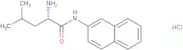
CAS :Please enquire for more information about L-Leucine b-naphthylamide hydrochloride including the price, delivery time and more detailed product information at the technical inquiry form on this pageFormule :C16H20N2O·HClDegré de pureté :Min. 95%Couleur et forme :PowderMasse moléculaire :292.8 g/molDesmethyl atomoxetine hydrochloride
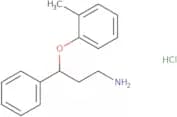
CAS :<p>Desmethyl atomoxetine hydrochloride is a chemical compound that can be used as a reaction component, a reagent, or a useful scaffold. It is an intermediate for the production of other chemicals and has many uses in industry. Desmethyl atomoxetine hydrochloride is also one of the building blocks used to produce speciality chemicals and fine chemicals. This chemical compound has been assigned CAS number 881995-46-6.</p>Formule :C16H19NO•HClDegré de pureté :Min. 95%Couleur et forme :White To Light (Or Pale) Yellow SolidMasse moléculaire :277.79 g/moltrans-Cinnamaldehyde
CAS :Cinnamaldehyde is a natural compound that has shown to have antiviral and antimicrobial properties. It has been shown to inhibit the toll-like receptor, which is a protein on the surface of cells that detects bacteria and other microorganisms. Cinnamaldehyde is also able to inhibit c. glabrata growth in vitro at concentrations between 10 and 100 μM, as well as copper-mediated cell death in hl-60 cells. Cinnamaldehyde has been shown to cause neuronal death by interfering with cellular physiology. This compound can be used in the treatment of infectious diseases because it inhibits bacterial dna gyrase, dna topoisomerase, and rna synthesis.Formule :C9H8ODegré de pureté :Min. 95%Couleur et forme :PowderMasse moléculaire :132.16 g/mol2'-Chloro-4'-nitroacetophenone
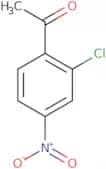
CAS :<p>2'-Chloro-4'-nitroacetophenone is a reagent that is used in the synthesis of tulobuterol, an oxirane that binds to β2-adrenergic receptors. 2'-Chloro-4'-nitroacetophenone is also used for the synthesis of other drugs, such as benzylated alcohols and phenols. This product has been shown to be metabolized into a number of metabolites, including hydroxybenzyl alcohol and hydroxybenzyl glucuronide.</p>Formule :C8H6ClNO3Degré de pureté :Min. 95%Couleur et forme :Dark yellow solid.Masse moléculaire :199.59 g/mol(1S)-3,3'-Bis(1,1-dimethylethyl)-5,5',6,6'-tetramethyl-[1,1'-biphenyl]-2,2'-diol
CAS :<p>(1S)-3,3'-Bis(1,1-dimethylethyl)-5,5',6,6'-tetramethyl-[1,1'-biphenyl]-2,2'-diol is a reaction component that is used in the synthesis of complex compounds. It has been shown to be useful as a reagent and as a scaffold for high quality research chemicals. This compound is also used in the synthesis of versatile building blocks and fine chemicals.</p>Formule :C24H34O2Degré de pureté :Min. 95%Couleur et forme :White PowderMasse moléculaire :354.53 g/molent-Fisetinidol-(4α->8)-catechin-(6->4α)-ent-fisetinidol
CAS :Ent-Fisetinidol-(4alpha->8)-catechin-(6->4alpha)-ent-fisetinidol is a complex flavan-3-ol oligomer, which is a type of polyphenolic compound commonly found in various plant species. This compound is derived primarily from plants such as those in the genus *Acacia* and other similar species rich in condensed tannins. The mode of action of this oligomer involves its ability to engage in antioxidant activities, which include scavenging free radicals and chelating metal ions that facilitate oxidative stress in biological systems.Formule :C45H38O16Degré de pureté :Min. 95%Couleur et forme :PowderMasse moléculaire :834.77 g/molS-Methylisovalerate
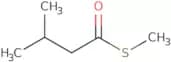
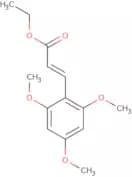
CAS :<p>S-Methylisovalerate is a branched fatty acid that is an intermediate in the biosynthesis of valine. It has been isolated from Corynebacterium glutamicum and Brevibacterium sp. S-Methylisovalerate has been identified by gas chromatography/mass spectrometry (GC/MS) as a major component of the volatile organic compounds produced by strains of Corynebacterium glutamicum and Brevibacterium sp. The GC/MS profile of these strains consists mainly of ester compounds, such as methyl ethyl acetate and butyric acid.</p>Formule :C6H12OSDegré de pureté :Min. 95%Couleur et forme :Colorless Clear LiquidMasse moléculaire :132.22 g/molEthyl 2,4,6-trimethoxycinnamate
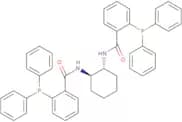
CAS :Ethyl 2,4,6-trimethoxycinnamate is a fine chemical that is a useful scaffold for the synthesis of other compounds. It is used as a versatile building block in the synthesis of research chemicals and as an intermediate in the production of speciality chemicals. This compound has been shown to be highly reactive. Ethyl 2,4,6-trimethoxycinnamate can be used as an effective reagent or reaction component in organic chemistry.Formule :C14H18O5Degré de pureté :90%Couleur et forme :PowderMasse moléculaire :266.29 g/mol(1R,2R)-(+)-1,2-Diaminocyclohexane-N,N'-bis(2'-diphenylphosphinobenzoyl)
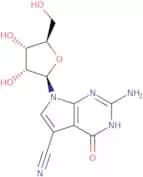
CAS :(+)-1,2-Diaminocyclohexane-N,N'-bis(2'-diphenylphosphinobenzoyl) is an important chemical building block and intermediate that can be used in a wide range of organic synthesis. This compound is a versatile building block with high quality and has been shown to be useful for the synthesis of complex compounds. (+)-1,2-Diaminocyclohexane-N,N'-bis(2'-diphenylphosphinobenzoyl) can be used as a reagent in many reactions. CAS No. 138517-61-0 is a fine chemical that has been widely used in research laboratories around the world.Formule :C44H40N2O2P2Degré de pureté :Min. 95%Couleur et forme :White PowderMasse moléculaire :690.75 g/mol7-Cyano-7-deazaguanosine
CAS :7-Cyano-7-deazaguanosine is a nucleoside that belongs to the category of 7-deazapurines. It is an optimized nucleic acid analogue that has been shown to act as a translational inhibitor in vitro and in vivo. This compound has been shown to have high yields in chemical synthesis, which makes it an attractive candidate for optimization and future research. 7-Cyano-7-deazaguanosine is a synthetic nucleotide with anticodon properties, which may be useful for the development of new drugs against bacterial infections.Formule :C12H13N5O5Degré de pureté :Min. 95%Couleur et forme :PowderMasse moléculaire :307.26 g/molrec Oncostatin M (human)
CAS :<p>Please enquire for more information about rec Oncostatin M (human) including the price, delivery time and more detailed product information at the technical inquiry form on this page</p>Degré de pureté :Min. 95%3-Chloro-4-hydroxycinnamic acid
CAS :3-Chloro-4-hydroxycinnamic acid is a coelicolor biosynthetic precursor that is synthesized from 4-hydroxycinnamic acid and chlorinated. It can be used for the synthesis of aminocoumarin moieties and other prenylated molecules. 3-Chloro-4-hydroxycinnamic acid has been shown to be an effective inhibitor of streptomyces coelicolor, which is a type of bacterium that produces antibiotics. The gene responsible for the biosynthesis of 3-chloro-4-hydroxycinnamic acid has also been identified in streptomyces clorobiocin, which is another type of bacterium that produces antibiotics.Formule :C9H7ClO3Degré de pureté :Min. 95%Couleur et forme :PowderMasse moléculaire :198.6 g/molγ-Carotene
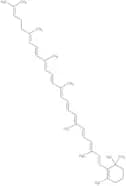
CAS :Gamma-carotene is a polycarboxylic acid that is a major food component. It has been shown to have neuroprotective effects in the brains of mice and may be important for the prevention of dementia. Gamma-carotene is found in plants, where it acts as a photosynthetic pigment, absorbing light energy and converting it into chemical energy. It also functions as an antioxidant, which protects cells from damage by free radicals. The biosynthesis of gamma-carotene starts with geranylgeranyl diphosphate (GGDP), which is then converted to phytoene by phytoene synthase. This reaction involves removal of two hydrogen atoms from GGDP, followed by the addition of two acetate groups. The next step in the pathway is conversion to lycopene by lycopene cyclase, and finally to beta-carotene by beta-carotenoid dehydrogenase.Formule :C40H56Degré de pureté :Min. 95%Couleur et forme :Dark Red SolidMasse moléculaire :536.87 g/mol2,3-Dichlorocinnamic acid
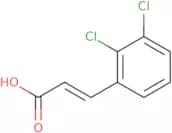
CAS :<p>2,3-Dichlorocinnamic acid is an organic compound that can be synthesized in a multistep process involving the reaction of pyridine with sulfuryl chloride. This reaction forms 2,3-dichloropropiophenone and 2,3-dichloroacetophenone. The latter compound is converted to the desired product by reacting it with thionyl chloride. The final step involves hydrolysis of the ester group to form 2,3-dichlorocinnamic acid.<br>2,3-Dichlorocinnamic acid can also be synthesized from phenylpropiolic acid and chlorosulfuric acid or from methyl propiolate and chlorosulfuric acid. <br>2,3-Dichlorocinnamic acid is a white crystalline solid that melts at 155°C and boils at 287°C. It is soluble in water and has a low yield due to</p>Formule :C9H6Cl2O2Degré de pureté :Min. 95%Masse moléculaire :217.05 g/molL-Homoserine lactone HCl
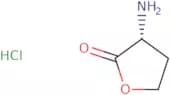
CAS :L-Homoserine lactone HCl is an organic compound that is used as a building block for the synthesis of other compounds. It is also a useful intermediate and building block in the synthesis of natural products, pharmaceuticals and agrochemicals. L-Homoserine lactone HCl is soluble in water and readily reacts with acid to form its salt, which can be easily purified by recrystallization. This product has a CAS number of 2185-03-7.Formule :C4H7NO2•HClDegré de pureté :Min. 95%Couleur et forme :White PowderMasse moléculaire :137.56 g/molUrea
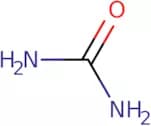
CAS :<p>Urea is a natural by-product of protein metabolism in humans, and is also produced commercially from the ammonia by-product of fossil fuel production. Urea is commonly used as a fertilizer, and as a scrubber for removing toxic gases from coal gas, for instance. It can be used in the manufacture of plastics, paints, and explosives. Urea has been shown to have many biochemical properties including its ability to cause cell lysis. This property can be exploited in the laboratory to lyse red blood cells during blood sampling or to lyse bacteria during infectious disease testing. Urea also has an effect on enzyme activities by lowering their pH and increasing their water solubility. The addition of urea to nutrient solutions has been shown to increase slow-release fertilization rates in plants.</p>Formule :CH4N2ODegré de pureté :Min. 95%Couleur et forme :White Clear LiquidMasse moléculaire :60.06 g/molSimvastatin hydroxy acid ammonium salt
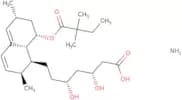
CAS :Simvastatin is a hydrated, acylated statin that is used as a lipid-lowering drug. It inhibits HMG-CoA reductase, an enzyme that plays a central role in cholesterol biosynthesis. The reaction solution can be activated by mixing with an acyltransferase and the desired acyl group. Simvastatin has a toxicity profile that includes myopathy, rhabdomyolysis, and liver failure. Simvastatin also inhibits lipoprotein lipase and prevents the hydrolysis of triglycerides to fatty acids and glycerol. This leads to reduced levels of low-density lipoproteins (LDLs) and increased levels of high-density lipoproteins (HDLs). Simvastatin is converted into an amide form by enzymatic cleavage, which may lead to metabolic inhibition.Formule :C25H43NO6Degré de pureté :Min. 98 Area-%Couleur et forme :White PowderMasse moléculaire :453.61 g/mol3'-Bromo-4'-fluoro-β-methyl-β-nitrostyrene
CAS :<p>3'-Bromo-4'-fluoro-beta-methyl-beta-nitrostyrene is a chemical compound with the molecular formula C9H5BrFN2O. It can be used as an intermediate in the synthesis of other chemical compounds. 3'-Bromo-4'-fluoro-beta-methyl-beta-nitrostyrene can also be used to produce research chemicals, speciality chemicals, and complex compounds. This compound has a high quality and is useful for research purposes.</p>Formule :C9H7BrFNO2Degré de pureté :Min. 95%Couleur et forme :PowderMasse moléculaire :260.06 g/molCefprozil EP impurity C
CAS :<p>Cefprozil EP impurity C is a fine chemical and research chemical. It is a versatile building block that can be used in the synthesis of various compounds, such as novel antibiotics, anti-cancer agents, and other pharmaceuticals. This compound is a useful intermediate that may be used to produce speciality chemicals such as pharmaceuticals, agrochemicals, or polymers. Cefprozil EP impurity C has been shown to react with amines to form ureas.</p>Formule :C11H11N3O3Degré de pureté :Min. 95%Couleur et forme :Yellow PowderMasse moléculaire :233.22 g/mol4-(2-Carboxyethenyl)benzoic Acid Methyl Ester
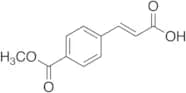
CAS :Produit contrôlé<p>Applications An intermediate in the preparation of heteropolycyclic quinolones.<br>References Dogan, J. et al.: Heterocycles, 41, 1659 (1995)<br></p>Formule :C11H10O4Couleur et forme :NeatMasse moléculaire :206.193-Chloronaphthalene-2,7-disulfonyl Dichloride
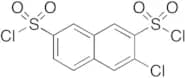
Produit contrôlé<p>Applications 3-Chloronaphthalene-2,7-disulfonyl Dichloride is an intermediate used in the synthesis of 2,3,6-Trichloronaphthalene (T774070), which can bind to the aryl hydrocarbon receptor (AhR) and induce a wide range of pleotrophic effects.<br>References Petrulis, J., et al.: Toxicol. Lett., 105, 251 (1999), Hilscherova, K., et al.: Environ. Sci. Pollut. Res., 7, 159 (2000),<br></p>Formule :C10H5Cl3O4S2Couleur et forme :NeatMasse moléculaire :359.6337-Chloro-1-ethyl-6-fluoro-1,4-dihydro-4-oxo-3-quinolinecarboxylic Acid Ethyl-d5 Ester
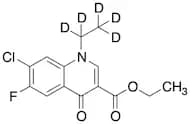
CAS :Produit contrôlé<p>Applications 7-Chloro-1-ethyl-6-fluoro-1,4-dihydro-4-oxo-3-quinolinecarboxylic Acid Ethyl-d5 Ester is the unlabelled form of 7-Chloro-1-ethyl-6-fluoro-1,4-dihydro-4-oxo-3-quinolinecarboxylic Acid Ethyl Ester (C315510), which is an impurity of Norfloxacin (N681000), an antibacterial agent and a contaminant of emerging concern (CECs). 7-Chloro-1-ethyl-6-fluoro-1,4-dihydro-4-oxo-3-quinolinecarboxylic Acid Ethyl-d5 Ester is also an intermediate in the synthesis of Norfloxacin-d5 (N681003).<br>References Koga, H., et al.: J. Med. Chem., 23, 1358 (1980); Hirai, K., et al.: Antimicrob. Agents Chemother., 19, 188 (1981); Holmes, B., et al.: Drugs, 30, 482 (1985)<br></p>Formule :C14D5H8ClFNO3Couleur et forme :NeatMasse moléculaire :302.742-Hydroxyacetophenone-d7
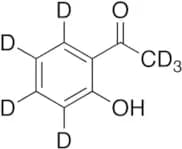
CAS :Produit contrôlé<p>Applications 2-Hydroxyacetophenone-d7 (cas# 1189865-36-8) is a compound useful in organic synthesis.<br></p>Formule :C82H7HO2Couleur et forme :NeatMasse moléculaire :143.195'-Methoxylaudanosine-13C
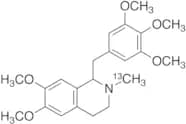
CAS :Produit contrôlé<p>Applications Intermediate for the synthesis of neuromuscular blocking agents.<br></p>Formule :C2113CH29NO5Couleur et forme :NeatMasse moléculaire :388.462-Diisopropylaminoethyl Chloride Hydrochloride-d14
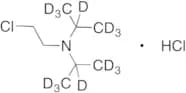
CAS :Produit contrôlé<p>Applications 2-Diisopropylaminoethyl Chloride Hydrochloride-d14 is an intermediate in synthesizing Disopyramide-d14 Tosylate Salt (D493452). Antiarrhythmic (class IA). Sodium channel blocker.<br>References Adelstein, et al.: J. Med. Chem., 16, 309 (1973); Czeisler, J.L., et al.: J. Pharm. Sci., 74, 750 (1985); Taylor, E.H., et al.: Ann. Clin. Lab. Sci., 16, 289 (1986);<br></p>Formule :C8H4D14ClN·HClCouleur et forme :NeatMasse moléculaire :177.77 + 36.46all-trans-Geranyl Citronellol
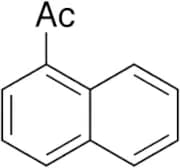
CAS :Produit contrôlé<p>Applications all-trans-Geranyl Citronellol, can be used for the synthesis of Glucosylphosphoryldolichol (Glc-P-Dol) , acting as a glucosyl donor. It is also a Dolichol, which are a group of compounds responsible for co-translational modification of proteins known as N-glycosylation in the form of dolichol phosphate. Dolichols has also been suggested to be used as a biomarker for aging.<br>References Rush, J., et al.: Glycobiology, 8(12), 1195 (1998); Jaenicke, L., et al.: Chem. Phys. Lipids, 51 (3-4), 159 (1989); J. Gerontol. A Biol. Sci. Med. Sci., 60(1), 39 (2005);<br></p>Formule :C20H36OCouleur et forme :NeatMasse moléculaire :292.51-Acetylnaphthalene
CAS :Produit contrôlé<p>Applications 1-Acetylnaphthalene is used in the preparation of S(-)-1-(1'-naphthyl) ethanol, an important synthetic intermediate of mevinic acid analog.<br>References Kamble, A.L. et al.: J. Mol. Catal. B Enzym., 35, 1 (2005); Bhattacharyya, M. et al.: Biores. Technol., 98, 1958 (2007);<br></p>Formule :C12H10OCouleur et forme :NeatMasse moléculaire :170.217-(Dimethylamino)-4-methylcoumarin
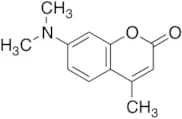
CAS :Produit contrôlé<p>Applications 7-(Dimethylamino)-4-methylcoumarin (cas# 87-01-4) is a useful research chemical.<br></p>Formule :C12H13NO2Couleur et forme :NeatMasse moléculaire :203.24(2R)-2-(Acetylamino)butanoic Acid-d5
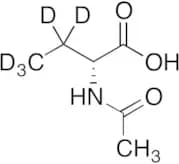
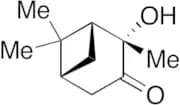
CAS :Produit contrôlé<p>Applications (2R)-2-(Acetylamino)butanoic Acid-d5 is an intermediate in synthesizing Methyl Ergonovine-d5 Maleate Salt (M304602), a labelled metabolite of Methysergide. Semisynthetic ergot alkaloid. Oxytocic.<br>References Mueller, L., et al.: Headache, 37, 437 (1997), de Groot, A.N., et al.: Drugs, 56, 523 (1998),<br></p>Formule :C6D5H6NO3Couleur et forme :NeatMasse moléculaire :150.187(+)-2-Hydroxypinocamphone
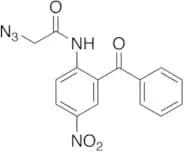
CAS :Produit contrôlé<p>Applications (+)-2-Hydroxypinocamphone is an essential oil of inflorescence and leaf of various species of Thymus L. These essential oils were shown to be useful for medical, flavoring and food preservation purposes.<br>References Hoeferi, M., et al.: Ernahrung., 37, 197 (2013);<br></p>Formule :C10H16O2Couleur et forme :NeatMasse moléculaire :168.232-Azido-N-(2-benzoyl-4-nitrophenyl)acetamide
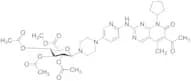
CAS :Produit contrôlé<p>Applications Intermediate for the preparation of Nitrazepam.<br></p>Formule :C15H11N5O4Couleur et forme :NeatMasse moléculaire :325.28Palbociclib 1,2,3,4-Tetra-O-acetyl-β-D-glucuronic Acid Methyl Ester
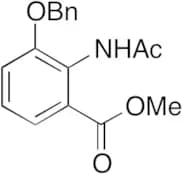
Produit contrôlé<p>Applications Palbociclib 1,2,3,4-Tetra-O-acetyl-β-D-glucuronic Acid Methyl Ester is an intermediate in synthesizing Palbociclib N-β-D-Glucuronide Sodium Salt (P139910), a derivative of Palbociclib (P139900) which is an experimental drug for the treatment of breast cancer being developed by Pfizer. It is a selective inhibitor of the cyclin-dependent kinases CDK4 and CDK6.<br>References Finn, R., et al.: Breast Cancer Res., 11, 5 (2009)<br></p>Formule :C37H45N7O11Couleur et forme :NeatMasse moléculaire :763.792-Acetamido-3-(benzyloxy)benzoic Acid Methyl Ester
Produit contrôlé<p>Applications 2-Acetamido-3-(benzyloxy)benzoic Acid Methyl Ester is an intermediate in the synthesis of metabolites of Bentazon (B120580), a selective post-emergence herbicide.<br></p>Formule :C17H17NO4Couleur et forme :NeatMasse moléculaire :299.3212-[(2-Fluoro-4-nitrophenyl)amino]ethan-1-ol
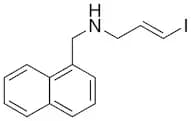
CAS :Produit contrôlé<p>Applications 2-[(2-Fluoro-4-nitrophenyl)amino]ethan-1-ol is a chemical reagent used in the synthesis of oxazolidinone compounds as antibiotics and other anti-bacterial agents.<br></p>Formule :C8H9FN2O3Couleur et forme :NeatMasse moléculaire :200.173-Iodopropylene-1-naphthalene Methyl Amine
CAS :Produit contrôlé<p>Applications 3-Iodopropylene-1-naphthalene Methyl Amine (cas# 1076198-32-7) is a compound useful in organic synthesis.<br></p>Formule :C14H14INCouleur et forme :NeatMasse moléculaire :323.172-Ethoxy-1-[[2'-[2-(trityl)-2H-tetrazol-5-yl][1,1'-biphenyl]-4-yl]methyl]-1H-benzimidazole-4-carboxylic Acid Methyl Ester-d4 (Candesartan Impurity)
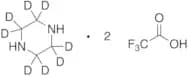
CAS :Produit contrôlé<p>Impurity Candesartan Impurity<br>Applications A byproduct formed during the synthesis of labelled Candesartan.<br>References Kubo, K., et al.: J. Med. Chem., 36, 2182 (1993)<br></p>Formule :C44H32D4N6O3Couleur et forme :WhiteMasse moléculaire :700.82Piperazine-d8 Trifluoroacetic Acid Salt
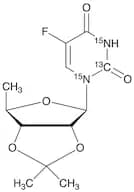
CAS :Produit contrôlé<p>Applications Labelled Piperazine. Anthelmintic (Nematodes).<br>References Drudge, J.H., et al.: Am. J. Vet. Res., 35, 67 (1974), Nanivadekar, et al.: J. Postgrad. Med., 30, 144 (1984),<br></p>Formule :C8H4D8F6N2O4Couleur et forme :NeatMasse moléculaire :322.235’-Deoxy-2’,3’-O-isopropylidene-5-fluorouridine-13C,15N2
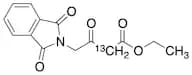
CAS :Produit contrôlé<p>Applications 5’-Deoxy-2’,3’-O-isopropylidene-5-fluorouridine-13C,15N2 is a compound useful in organic synthesis.<br></p>Formule :CC11H15F15N2O5Couleur et forme :WhiteMasse moléculaire :289.2364-Phthalimidoacetoacetic Acid Ethyl Ester-13C
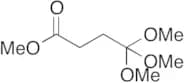
CAS :Produit contrôlé<p>Applications 4-Phthalimidoacetoacetic Acid Ethyl Ester-13C is an intermediate in the synthesis of 5-Aminolevulinic Acid-3-13C Hydrochloride which is a naturally occurring amino acid; precursor of tetrapyrroles in the biosynthesis of chlorophyll and heme. Antineoplastic (photosensitizer).<br>References Sisler, E.C., et al.: Physiol. Plant., 16, 315 (1963), Herdeis, C., et al.: Arch. Pharm., 317, 304 (1984), Peng, Q., et al.: Cancer, 79, 2282(1997),<br></p>Formule :C27H30N2O2·HClCouleur et forme :NeatMasse moléculaire :451.04,4,4-Trimethoxybutanoic Acid Methyl Ester
CAS :Produit contrôlé<p>Applications 4,4,4-Trimethoxybutanoic Acid Methyl Ester is an substituent in the synthesis of Methyl Prednisolone (M325934).<br>References Ueno, H., et al.: J. Med. Chem., 34, 2468 (1991);<br></p>Formule :C8H16O5Couleur et forme :NeatMasse moléculaire :192.211-Cyclopropyl-6,7-difluoro-8-methoxy-4-oxo-1,4-dihydroquinoline-3-carboxylic Acid-13C,d3
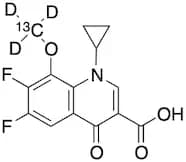
CAS :Produit contrôlé<p>Applications 1-Cyclopropyl-6,7-difluoro-8-methoxy-4-oxo-1,4-dihydroquinoline-3-carboxylic Acid-13C,d3 is an intermediate in synthesizing Moxifloxacin Hydrochloride-13CD3 (M745003), a fluorinated quinolone antibacterial.<br>References Woodcock, J.M., et al.: Antimicrob. Ag. Chemother., 41, 101 (1997); Stass, H., et al.: Antimicrob. Ag. Chemother., 42, 2060 (1998)<br></p>Formule :CC13D3H8F2NO4Couleur et forme :NeatMasse moléculaire :299.2496-Isopropyl-2-decahydronaphthalenol (Mixture of Diastereomers)
CAS :<p>Applications 6-Isopropyl-2-decahydronaphthalenol, is a fragrance raw material, used in the perfumery industry.<br>References Ford, R. A, et al.: Food and Chemical Toxicology, 23, 367 (1988);<br></p>Formule :C13H24OCouleur et forme :NeatMasse moléculaire :196.33p-Fluoro Prasugrel Thiolactone(Mixture of Diastereomers)
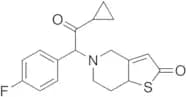
CAS :Produit contrôlé<p>Applications Intermediate in the synthesis of p-Fluoro Prasugrel (F595875).<br></p>Formule :C18H18FNO2SCouleur et forme :NeatMasse moléculaire :331.42-Amino-4,6-dihydroxy-5-nitropyrimidine
CAS :Produit contrôlé<p>Applications 2-Amino-4,6-dihydroxy-5-nitropyrimidine (cas# 80466-56-4) is a compound useful in organic synthesis.<br></p>Formule :C4H4N4O4Couleur et forme :NeatMasse moléculaire :172.103-Bromo 5-Acetamido-salicylic Acid Methyl Ester
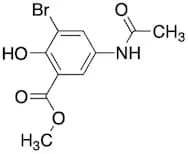
Produit contrôlé<p>Applications 3-Bromo 5-Acetamido-salicylic Acid Methyl Ester is an intermediate in synthesizing 5-Amino-3-(4-sulfonylphenyl)salicyclic Acid Sodium Salt (A629340), an impurity of mesalamine (M258100), which is the active metabolite of Sulfasalazine (S699084). Anti-inflammatory (gastrointestinal).<br>References Friedman, G., et al.: Am. J. Gastroenterol., 81, 141 (1986); Tursi A., Expert Opin. Pharmacother., 6, 69 (2005)<br></p>Formule :C10H10BrNO4Couleur et forme :NeatMasse moléculaire :235.2937-Chloro-1,3-naphthalenedisulfonic Acid
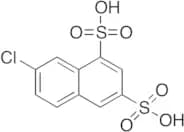
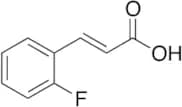
CAS :Produit contrôlé<p>Applications 7-Chloro-1,3-naphthalenedisulfonic Acid is an intermediate in synthesizing 1,3,7-Trichloronaphthalene (T774065). Chloronaphthalenes (CNs) can bind to the aryl hydrocarbon receptor (AhR) and induce a wide range of pleotrophic effects.<br>References Petrulis, J., et al.: Toxicol. Lett., 105, 251 (1999), Hilscherova, K., et al.: Environ. Sci. Pollut. Res., 7, 159 (2000)<br></p>Formule :C24H46O11Couleur et forme :NeatMasse moléculaire :510.6152-Fluorocinnamic Acid
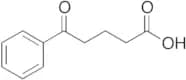
CAS :Produit contrôlé<p>Applications 2-Fluorocinnamic acid, 98% (cas# 451-69-4) is a useful research chemical.<br></p>Formule :C9H7FO2Couleur et forme :NeatMasse moléculaire :166.155-Oxo-5-phenylvaleric Acid
CAS :Produit contrôlé<p>Applications 5-Oxo-5-phenylvaleric Acid is used in various synthetic preparations. It is used in the synthesis of fulleroid and methanofullerene derivatives. Also used in tertiary amino urea-catalyzed enantioselective iodolactonization.<br>References Hummelen, J., et al.: J. Org. Chem., 60, 532 (1995); Veitch, G., Jacobsen, E.: Angew. Chem. Int. Ed., 49, 7332 (2010);<br></p>Formule :C11H12O3Couleur et forme :NeatMasse moléculaire :192.213',5'-Bis(Trifluoromethyl)acetophenone
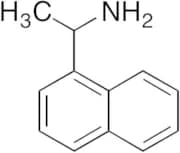
CAS :Produit contrôlé<p>Applications 3',5'-Bis(Trifluoromethyl)acetophenone is a reactant that has been used in the preparation of pyrazole carboxamide derivatives with antibacterial and antifungal activity.<br>References Patil, A., et. al.: J. Chem. Pharmaceut. Res., 6, 218 (2014)<br></p>Formule :C10H6F6OCouleur et forme :NeatMasse moléculaire :256.141-(1-Naphthyl)ethylamine
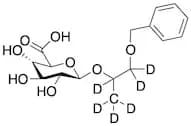
CAS :Produit contrôlé<p>Applications 1-(1-Naphthyl)ethylamine is used in the enzymic resolution of amines. A chirality modifier.<br>References Kitaguchi, H., et al.: Ann. N. Y. Acad. Sci., 613, 656 (1990); Lee I., et al.: J. Am. Chem. Soc., 130, 14597 (20008)<br></p>Formule :C12H13NCouleur et forme :NeatMasse moléculaire :171.24Propylene Glycol 2-β-Glucopyranosiduronic Acid Benzyl Ester-d6
Produit contrôlé<p>Applications Propylene Glycol 2-β-Glucopyranosiduronic Acid Benzyl Ester-d6 is an intermediate in the synthesis of Isotope labelled Propylene Glycol 2-Glucuronide which is a metabolite of propylene glycol, used in the synthesis of N-terminal kinase inhibitors with cellular activity. Acts as a solvent for various pharmaceutical compounds.<br>References Szczepankiewicz, B. et al.: J. Med. Chem., 49, 3563 (2006); Mateus, R. et al.: Int. J. Pharm., 444, 106 (2013);<br></p>Formule :C16H16D6O8Couleur et forme :NeatMasse moléculaire :348.38rac Propranolol b-D-Glucuronide Triacetate Methyl Ester
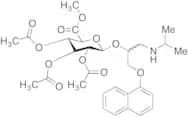
Produit contrôlé<p>Applications rac Propranolol β-D-Glucuronide Triacetate Methyl Ester ia an intermediate in the synthesis of rac Propranolol β-D-Glucuronide Sodium Salt which is a metabolite of Propranolol. Antihypertensive; antianginal; antiarrhythmic (class II).<br>References Reeves, P., et al.: Xenobiotica, 8, 313 (1978), Balon, K., et al.: Pharm. Res., 16, 882(1999), Lange, R., et al.: Toxicol. Lett., 131, 97 (2002),<br></p>Formule :C29H37NO11Couleur et forme :NeatMasse moléculaire :575.68-Bromoguanosine-13C2,15N
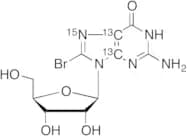
CAS :Produit contrôlé<p>Applications 8-Bromoguanosine-13C2,15N is an intermediate in the synthesis of 8-Aminoguanosine-13C2,15N (A609877). 8-Aminoguanosine-13C2,15N is an isotopic labelled compound of 8-Aminoguanosine (A609875), which is a potent inhibitor of purine nucleoside phosphorylase.<br>References Kazmers, I.S., et al.: Science, 214, 1137 (1981); Chern, J-W., et al.: J. Med. Chem., 36, 1024 (1993)<br></p>Formule :C2C8H12Br15NN4O5Couleur et forme :NeatMasse moléculaire :365.115N4-Boc-N1,N2,N3-diboc Isodesmosine Chloride Tetra t-butyl Ester
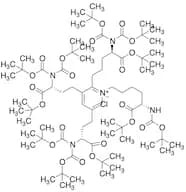
CAS :Produit contrôlé<p>Applications N4-Boc-N1,N2,N3-diboc Isodesmosine Chloride Tetra t-butyl Ester is an intermediate in the synthesis of Isodesmosine Chloride Hydrate is a component of elastin. It is extremely hygroscopic and must be stored over a desiccant such as silica gel.<br>References Partridge, S., et al.: Nature, 209, 399 (1966)<br></p>Formule :C75H128N5O22Couleur et forme :NeatMasse moléculaire :1487.295’-Deoxy-5’-iodo-2’,3’-O-isopropylidene-5-fluorouridine-13C,15N2 >95%
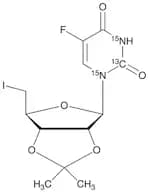
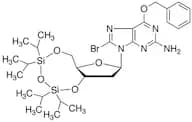
CAS :Produit contrôlé<p>Applications 5’-Deoxy-5’-iodo-2’,3’-O-isopropylidene-5-fluorouridine-13C,15N2 >95% is a compound useful in organic synthesis.<br></p>Formule :CC11H14FI15N2O5Degré de pureté :>95%Couleur et forme :NeatMasse moléculaire :415.132O6-Benzyl-8-bromo-N9-[3’,5’-O-(1,1,3,3-tetrakis(isopropyl)-1,3-disiloxanediyl)-β-D-2’-deoxyribofuranosyl]guanine
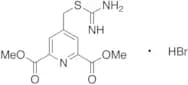
CAS :Produit contrôlé<p>Applications O6-Benzyl-8-bromo-N9-[3’,5’-O-(1,1,3,3-tetrakis(isopropyl)-1,3-disiloxanediyl)-β-D-2’-deoxyribofuranosyl]guanine (cas# 328394-26-9) is a compound useful in organic synthesis.<br></p>Formule :C29H44BrN5O5Si2Couleur et forme :NeatMasse moléculaire :678.7654-S-Methylisothiourea Dipicolinic Acid Dimethyl Ester Hydrobromide
Produit contrôlé<p>Applications 4-S-Methylisothiourea Dipicolinic Acid Dimethyl Ester Hydrobromide is a compound useful in organic synthesis.<br></p>Formule :C11H13N3O4S·HBrCouleur et forme :NeatMasse moléculaire :364.216Deferoxamine-d7 Trifluoroacetic Acid Salt (Major)
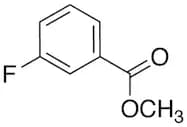
CAS :Produit contrôlé<p>Applications Deferoxamine-d7 Trifluoroacetic Acid Salt, is labelled Deferoxamine Trifluoroacetic Acid Salt (D228981), an iron chelating agent used in therapy for patients with sickle cell diseases and iron overload. Studies suggest that it can exert potential antioxidant neuroprotective effects in stroke patients.<br>References Inati, A. et al.: Am. J. Hematol., 85, 782 (2010); Selim, M.: Translat. Stroke Res., 1, 35 (2010); Cappellini, M.D. et al.: Hemoblobin, 33, 258 (2009)<br></p>Formule :C25D7H41N6O8·x(C2HF3O2)Couleur et forme :White To Off-WhiteMasse moléculaire :567.74 + x(114.02)3-Fluorobenzoic Acid Methyl Ester
CAS :Produit contrôlé<p>Applications 3-Fluorobenzoic Acid Methyl Ester (cas# 455-68-5) is a compound useful in organic synthesis.<br></p>Formule :C8H7FO2Couleur et forme :NeatMasse moléculaire :154.14Propiolic Acid Sodium Salt (90%)
CAS :Produit contrôlé<p>Applications A bactericidal and fungicidal.<br>References Schoppelrei, J., et al.: J. Phys. Chem., 100, 14343 (1996), Kolb, H., et al.: Drug Discovery Today, 8, 1128 (2003),<br></p>Formule :C3HNaO2Degré de pureté :90%Couleur et forme :NeatMasse moléculaire :92.03Acetophenone-13C8
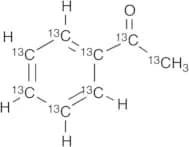
CAS :Produit contrôlé<p>Applications Acetophenone-13C8 is an intermediate in synthesizing Mandelic Acid-13C8 (M162523). It is a C13 labelled Mandelic Acid which is used as an antiseptic (urinary). It is also used as a short-term exposure biomarker in urine from styrene exposed workers.<br>References Pessela, B., et al.: Enzyme Microb. Technol., 40, 310 (2007); Carrasco-Lopez, C., et al.: J. Biol. Chem., 284, 4365 (2009); Fustinoni, S., et al.: Toxicol. Lett., 192, 40 (2010)<br></p>Formule :C8H8OCouleur et forme :NeatMasse moléculaire :128.095-Chloro-1,2-dihydro-1-acenaphthylenol
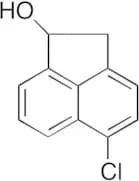
CAS :Produit contrôlé<p>Applications 5-Chloro-1,2-dihydro-1-acenaphthylenol is used in the preparation of benzimidazole derivatives as receptor agonists for the treatment of central nervous system diseases.<br></p>Formule :C12H9ClOCouleur et forme :NeatMasse moléculaire :204.65(-)-Galanthaminyl (-)-Camphanate
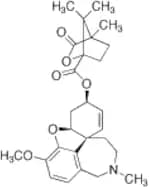
CAS :Produit contrôlé<p>Applications (-)-Galanthaminyl (-)-Camphanate (cas# 1025881-27-9) is a compound useful in organic synthesis.<br></p>Formule :C27H33NO6Couleur et forme :NeatMasse moléculaire :467.55





![N-[(3R)-1-(3,3-Dimethyl-2-oxobutyl)-2,3-dihydro-2-oxo-5-(2-pyridinyl)-1H-1,4-benzodiazepin-3-yl]-N…](/_next/image/?url=https%3A%2Fstatic.cymitquimica.com%2Fproducts%2F3D%2Fthumb-webp%2FFD153499.webp&w=3840&q=75)

![(1S)-3,3'-Bis(1,1-dimethylethyl)-5,5',6,6'-tetramethyl-[1,1'-biphenyl]-2,2'-diol](/_next/image/?url=https%3A%2Fstatic.cymitquimica.com%2Fproducts%2F3D%2Fthumb-webp%2FFB167175.webp&w=3840&q=75)



![2-[(2-Fluoro-4-nitrophenyl)amino]ethan-1-ol](/_next/image/?url=https%3A%2Fstatic.cymitquimica.com%2Fproducts%2FTR%2Fthumb-webp%2FF489585.webp&w=3840&q=75)
![2-Ethoxy-1-[[2'-[2-(trityl)-2H-tetrazol-5-yl][1,1'-biphenyl]-4-yl]methyl]-1H-benzimidazole-4-carbo…](/_next/image/?url=https%3A%2Fstatic.cymitquimica.com%2Fproducts%2FTR%2Fthumb-webp%2FE892996.webp&w=3840&q=75)