


Étalons pharmaceutiques
Sous-catégories appartenant à la catégorie "Étalons pharmaceutiques"
- APIs pour la recherche et les impuretés(277.367 produits)
- Activateurs et inhibiteurs d'enzymes(2.829 produits)
- Nitrosamines(2.663 produits)
- Composés et métabolites pharmaceutiques et vétérinaires(2.891 produits)
- Toxicologie(13.353 produits)
8146 produits trouvés pour "Étalons pharmaceutiques"
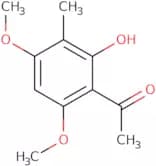
4',6'-Dimethoxy-2'-hydroxy-3-methylacetophenone
CAS :4,6-Dimethoxy-2-hydroxy-3-methylacetophenone belongs to the group of natural products. It is a phenolic compound that has been isolated from the leaves of plants in the genus Eucalyptus. 4,6-Dimethoxy-2-hydroxy-3-methylacetophenone has shown cytotoxic activity against cancer cells in an animal bioassay and inhibits tumor growth by inhibiting protein synthesis. This compound also exhibits chemosystematic properties and may be useful for research on natural products.
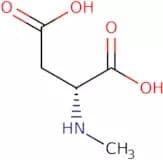
Formule :C11H14O4Degré de pureté :Min. 95%Couleur et forme :White PowderMasse moléculaire :210.23 g/molN-Methyl-D-aspartic acid
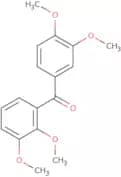
CAS :NMDA agonistFormule :C5H9NO4Degré de pureté :Min. 95%Couleur et forme :White PowderMasse moléculaire :147.13 g/mol2,3,3',4'-Tetramethoxybenzophenone
CAS :2,3,3',4'-Tetramethoxybenzophenone is a fine chemical that is used as a versatile building block in the synthesis of various organic compounds. It is used as an intermediate to synthesize other chemicals and research chemicals. 2,3,3',4'-Tetramethoxybenzophenone has a CAS number of 50625-53-1 and can be found in the following chemical names: 2,2-Dimethoxy-2-phenylacetophenone; 2-(2'-Methoxyphenyl)-2-(methoxymethyl) acetophenone; 2,2'-(Phenylenediisopropylidene)bis(p-methoxyphenol); 1-[(2'-Methoxyphenyl)methyl]-1,2-diphenylethane. The compound is soluble in organic solvents but insoluble in water. This fine chemicalFormule :C17H18O5Degré de pureté :Min. 95%Couleur et forme :PowderMasse moléculaire :302.32 g/mol1-(Chloromethyl)-4-fluoronaphthalene
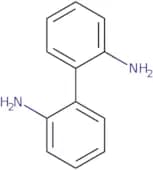
CAS :1-(Chloromethyl)-4-fluoronaphthalene is a halogenated, organic compound with two different forms, a trans and cis form. The trans form is the more stable, inactive form. The cis form is more reactive and can be converted to the trans form by heating or light. It has been studied for use in polymer synthesis and as an insecticide. 1-(Chloromethyl)-4-fluoronaphthalene has not been observed in the gas phase because it does not have any dipole moments in this state. However, it does show infrared and vibrational spectra that are explainable when it is in the gaseous phase. 1-(Chloromethyl)-4-fluoronaphthalene also emits Raman spectra when it is heated or exposed to light. These spectra help to characterize the molecule quantitatively by observing its transitions at different frequencies.Formule :C11H8ClFDegré de pureté :Min. 95%Couleur et forme :White To Beige SolidMasse moléculaire :194.63 g/molBiphenyl-2,2'-diamine
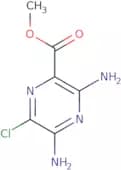
CAS :Biphenyl-2,2'-diamine is a hydrogen bond donor. It is an organic compound with a molecular formula of C6H5NH that has two amine groups. The compound is gaseous at room temperature and it has a boiling point below 400 degrees Celsius. It reacts with ethanolic solutions to form colorless crystals that are soluble in water. Biphenyl-2,2'-diamine has been shown to have antiinflammatory activity in rats. This activity may be due to biphenyl-2,2'-diamine's ability to inhibit the production of prostaglandins by inhibiting cyclooxygenase (COX).Formule :C12H12N2Degré de pureté :Min. 95%Couleur et forme :Off-White Clear LiquidMasse moléculaire :184.24 g/mol3,5-Diamino-6-chloropyrazine-2-carboxylic acid methyl ester
CAS :3,5-Diamino-6-chloropyrazine-2-carboxylic acid methyl ester is a low binding, mitochondrial labeling agent. It is photolabile and can be used in the study of respiratory complex activity. 3,5-Diamino-6-chloropyrazine-2-carboxylic acid methyl ester has been shown to inhibit the enzyme mitochondrial complex I and II. The azido group on the molecule is homologous to a phosphate group in ATP and can be used as a substrate analogue for ATP synthase. This allows 3,5-Diamino-6-chloropyrazine-2-carboxylic acid methyl ester to be used as an experimental tool for studying ATP synthesis.
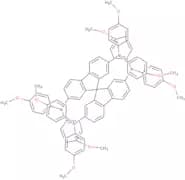
Formule :C6H7ClN4O2Degré de pureté :Min. 95%Couleur et forme :PowderMasse moléculaire :202.6 g/mol2,2',7,7'-Tetrakis-(N,N-di-4-methoxyphenylamino)-9,9'-spirobifluorene - Sublimed grade
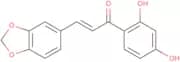
CAS :2,2',7,7'-Tetrakis-(N,N-di-4-methoxyphenylamino)-9,9'-spirobifluorene (TPB) is a model system for investigating the transport of light signal in polymers. TPB can be used as a component in solar cells to increase their efficiency and improve their resistance to heat. TPB has shown high resistance to hydrochloric acid and other aggressive chemicals. TPB has been shown to be an effective photoelectron donor with a redox potential that is close to the one of copper; this property can be used for electrochemical impedance spectroscopy.Formule :C81H68N4O8Degré de pureté :Min. 95%Couleur et forme :Off-white to yellow solid.Masse moléculaire :1,225.43 g/mol2',4'-Dihydroxy-3,4-methylenedioxychalcone
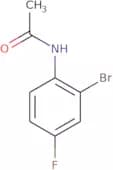
CAS :2',4'-Dihydroxy-3,4-methylenedioxychalcone is a fine chemical that is used as a versatile building block in organic synthesis. It can be used to synthesize a variety of complex compounds and has been used as a reaction component in the preparation of other useful chemicals. This compound has been found to be useful as an intermediate in organic synthesis and research chemicals. 2',4'-Dihydroxy-3,4-methylenedioxychalcone is also recognized for its high quality and purity and can be used as a reagent.Formule :C16H12O5Degré de pureté :Min. 95%Masse moléculaire :284.26 g/mol2'-Bromo-4'-fluoroacetanilide
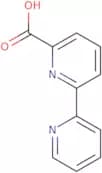
CAS :2'-Bromo-4'-fluoroacetanilide is a synthetic derivative of acetanilide that is used in the treatment of diabetes mellitus. It has been shown to have antidiabetic properties as well as to inhibit the formation of nitrosamines, which are carcinogenic compounds. The synthesis of 2'-bromo-4'-fluoroacetanilide involves the addition of bromine and sodium hydrogen to acetylated acetanilide. This reaction occurs in a reaction vessel at an elevated temperature, with the solvent being an organic solvent. The final product is isolated by distillation and purified by recrystallization or column chromatography. Molecular docking analysis has shown that 2'-bromo-4'-fluoroacetanilide binds to ATP synthase, which is involved in gluconeogenesis and glycolysis, leading to its ability to inhibit glucose production in cells.Formule :C8H7BrFNODegré de pureté :Min. 95%Masse moléculaire :232.05 g/mol2,2'-Bipyridine-6-carboxylic acid
CAS :2,2'-Bipyridine-6-carboxylic acid is a reagent that is used in organic synthesis as a reaction component and building block for the synthesis of heterocyclic compounds. 2,2'-Bipyridine-6-carboxylic acid is also used as a precursor to produce other compounds. 2,2'-Bipyridine-6-carboxylic acid has been shown to be useful in the synthesis of complex compounds with diverse structures, making it a versatile building block. It can also be used as an intermediate in the synthesis of various drugs and speciality chemicals.
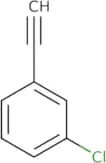
Formule :C11H8N2O2Degré de pureté :Min. 95%Couleur et forme :Off-White PowderMasse moléculaire :200.19 g/mol3'-Chlorophenylacetylene
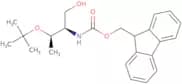
CAS :3'-Chlorophenylacetylene is an organic compound that is used in the production of styrene via a macroinitiator. 3'-Chlorophenylacetylene reacts with azides to form diazo compounds, which are then hydrolyzed to produce terminal alkynes. These terminal alkynes can be dehydrogenated to produce acrylonitrile and vinyl acetate. The compound can also react with silicon to produce organometallic complexes. 3'-Chlorophenylacetylene is commonly analyzed using nuclear magnetic resonance spectroscopy (NMR). This molecule has been used as a conjugate for drug delivery systems and as a supramolecular catalyst for organic reactions.Formule :C8H5ClDegré de pureté :Min. 95%Masse moléculaire :136.58 g/molFmoc-O-tert-butyl-L-threoninol
CAS :Fmoc-O-tert-butyl-L-threoninol is an aminoacyl chloroformate ester that is used in the synthesis of peptides. It has a conjugate acid chloride and a disulfide bond. The chloroformate group reacts with the carboxylic acid moiety of L-threonine to form an ester, which can then be cleaved by hydrolysis to yield L-threonine. This product is also used for the synthesis of peptides in which the threonine residue is conjugated to another amino acid such as cysteine or glutamic acid.
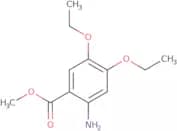
Fmoc-O-tert-butyl-L-threoninol is synthesized from l-threonine and isobutene via a phase chromatography process. The synthetic intermediate Fmoc-(S)-OH is reacted with trifluoroacetic acid (TFA)Formule :C23H29NO4Degré de pureté :Min. 98 Area-%Couleur et forme :White PowderMasse moléculaire :383.48 g/mol2-Amino-4,5-diethoxy-benzoic acid methyl ester
CAS :2-Amino-4,5-diethoxy-benzoic acid methyl ester is a fine chemical that is used as a building block in the synthesis of complex compounds. It is a versatile building block with many possible reactions and can be used as a reagent or speciality chemical. 2-Amino-4,5-diethoxy-benzoic acid methyl ester can be used in the synthesis of diverse scaffolds for use in research chemicals, pharmaceuticals and agrochemicals.Formule :C12H17NO4Degré de pureté :Min. 95%Masse moléculaire :239.27 g/mol3,6-Dinitro-1,8-naphthalenedicarboxylicanhydride
CAS :3,6-Dinitro-1,8-naphthalenedicarboxylic anhydride is a fine chemical that is used as a building block in the synthesis of other compounds. It is also used as a reagent and can be found in research chemicals with CAS No. 3807-80-5. 3,6-Dinitro-1,8-naphthalenedicarboxylic anhydride is versatile and has many uses as a reaction component. The compound can be used to produce complex compounds or scaffolds that are useful in research.Formule :C12H4N2O7Degré de pureté :Min. 95%Couleur et forme :Beige PowderMasse moléculaire :288.17 g/molVanillyl alcohol
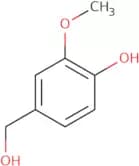
CAS :Vanillyl alcohol is a vanillin derivative that exhibits strong antibacterial activity. It can be used in the food industry as a natural preservative, and it has synergic effects with eugenol. Vanillyl alcohol shows antimicrobial properties against Gram-positive and Gram-negative bacteria, including Staphylococcus aureus, Pseudomonas aeruginosa, Escherichia coli, and Enterococcus faecalis. Vanillyl alcohol exhibits synergic effects with eugenol. In vivo models show that vanillyl alcohol is not toxic to humans, but it may be toxic to wild-type strains of bacteria.Formule :C8H10O3Degré de pureté :Min. 98 Area-%Couleur et forme :White PowderMasse moléculaire :154.16 g/mol5-(3-Nitrophenyl)-1H-pyrazole-3-carboxylic acid
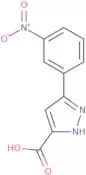
CAS :5-(3-Nitrophenyl)-1H-pyrazole-3-carboxylic acid is a molecule that inhibits the proliferation of cancer cells in vitro. This compound has been shown to inhibit the growth of human breast cancer cells in culture, with IC50 values of 7.8 µM for MCF-7 and 5.6 µM for A549 cells. It also inhibits cell growth in MDA-MB231 cells, which are human breast carcinoma cells, with IC50 values of 4.5 µM for MCF-7 and 2.4 µM for A549 cells. The mechanism by which this drug inhibits cancer cell proliferation is not clear but may be due to its ability to interfere with DNA synthesis or protein synthesis.Formule :C10H7N3O4Degré de pureté :Min. 95%Couleur et forme :PowderMasse moléculaire :233.18 g/mol4'-Methyl-2,2'-bipyridine-4-carboxaldehyde
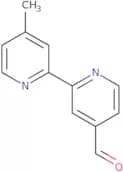
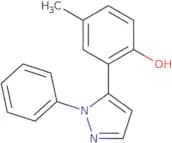
CAS :4'-Methyl-2,2'-bipyridine-4-carboxaldehyde is a heterocyclic compound that contains a nitro group. It has the chemical formula C8H6N2O and the molecular weight of 122.15 g/mol. This compound belongs to the class of formyl compounds and it is composed of two formyl groups and one hydrogen atom. The bipyridines are linked by a methylene bridge to form a six-membered ring. The compound can be used as an intermediate for the synthesis of other organic compounds such as pharmaceuticals, dyes, water repellents, pesticides, and herbicides.Formule :C12H10N2ODegré de pureté :Min. 95%Couleur et forme :PowderMasse moléculaire :198.22 g/mol1-Phenyl-1H-5-(2'-hydroxy-5'-methylphenyl)pyrazole
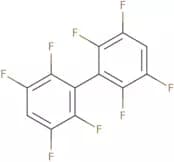
CAS :1-Phenyl-1H-5-(2'-hydroxy-5'-methylphenyl)pyrazole is a chemical compound with the molecular formula C14H10N2O. It is a white crystalline solid that can be used as a building block, intermediate, or reagent in organic synthesis. It is soluble in most solvents, but insoluble in water. 1-Phenyl-1H-5-(2'-hydroxy-5'-methylphenyl)pyrazole has been used as a useful scaffold for high quality compounds and research chemicals. The CAS number for this chemical compound is 90617-39-3.Formule :C16H14N2ODegré de pureté :Min. 95%Masse moléculaire :250.3 g/mol2,2',3,3',5,5',6,6'-Octafluorobiphenyl
CAS :2,2',3,3',5,5',6,6'-Octafluorobiphenyl is a monomer that can be used for cross-coupling reactions. It can be synthesized by reacting a terminal alkyne with an organolithium compound such as cocl2. This monomer has been shown to undergo elimination reactions at lower temperatures than most other monomers and is commercially available in large quantities. 2,2',3,3',5,5',6,6'-Octafluorobiphenyl is also used as a dopant in semiconductors. The use of this compound in solar cells has been demonstrated with the addition of metal halides such as copper chloride or silver chloride. This compound has been shown to be able to efficiently absorb the light and convert it into electricity.
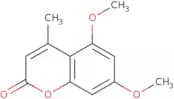
Formule :C12H2F8Degré de pureté :Min. 95%Couleur et forme :PowderMasse moléculaire :298.13 g/mol4-Methyl-5,7-dimethoxycoumarin
CAS :4-Methyl-5,7-dimethoxycoumarin is a coumarin derivative that has been synthesized from acetonitrile and aluminium. It is used as an antiplatelet drug in the treatment of cardiovascular diseases such as unstable angina, myocardial infarction, and transient ischemic attack. 4-Methyl-5,7-dimethoxycoumarin reversibly inhibits platelet aggregation by blocking the platelet receptor P2Y12 on the surface of platelets. This drug also has antioxidant effects and can be used to identify markers associated with cardiovascular disease.
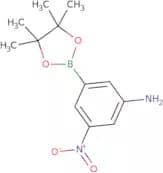
Formule :C12H12O4Degré de pureté :Min. 95%Masse moléculaire :220.22 g/mol3-Amino-5-nitrophenylboronic acid pinacol ester
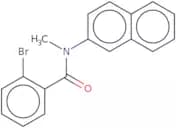
CAS :3-Amino-5-nitrophenylboronic acid pinacol ester is a versatile building block that can be used in the synthesis of complex compounds. This compound has been shown to have useful properties in research chemicals and as reagents or speciality chemicals. Useful intermediates are usually synthesized from 3-Amino-5-nitrophenylboronic acid pinacol ester, which is also a useful scaffold for the synthesis of other compounds.Formule :C12H17BN2O4Degré de pureté :Min. 95%Couleur et forme :Yellow PowderMasse moléculaire :264.09 g/molN-Methyl-N-(2-naphthyl)-2-bromobenzamide
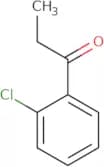
CAS :Methyl 2-naphthylbenzoate is a high quality reagent that is used as a complex compound, useful intermediate and speciality chemical. It is also a useful building block for the synthesis of other compounds. The CAS number 74881-61-1 identifies Methyl 2-naphthylbenzoate as a fine chemical with an interesting scaffold. This chemical is suitable for research purposes and versatile in its use as a reaction component.Formule :C18H14BrNODegré de pureté :Min. 95%Masse moléculaire :340.21 g/mol2'-Chloropropiophenone
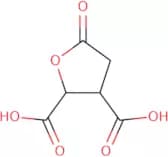
CAS :2'-Chloropropiophenone is a synthetic compound with analgesic and anticonvulsant properties. It inhibits the production of enzymes that form fatty acids, which are the building blocks of muscle cells. This drug also has a muscle relaxant effect due to its ability to deactivate the lumbar muscles. 2'-Chloropropiophenone has been shown to be effective in treating herniated disks and spinal spondylitis, although it can only provide short-term relief. The drug is also used as a remedy for lumbago and sciatica.Formule :C9H9ClODegré de pureté :Min. 95%Couleur et forme :Clear LiquidMasse moléculaire :168.62 g/molDL-Isocitric acid lactone
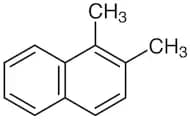
CAS :DL-Isocitric acid lactone is a skin condition agent that belongs to the group of amides. It has hypoglycemic effects and, when applied topically, can improve skin conditions such as xerosis. DL-Isocitric acid lactone also inhibits the growth of bacteria by binding to dinucleotide phosphate in the bacterial cell wall and inhibiting protein synthesis. This compound also has an inhibitory effect on hydroxyl groups in polycarboxylic acids in plants. The structure of this compound was determined by x-ray crystallography.Formule :C6H6O6Degré de pureté :Min. 95%Couleur et forme :PowderMasse moléculaire :174.11 g/mol1,2-Dimethylnaphthalene
CAS :Formule :C12H12Degré de pureté :>95.0%(GC)Couleur et forme :Colorless to Light orange to Yellow clear liquidMasse moléculaire :156.23L-Methionine ethyl ester HCl
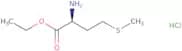
CAS :L-Methionine ethyl ester HCl is a chiral compound that is an amino acid. It is not used in the synthesis of proteins, but instead for use as a nutritional supplement. L-Methionine ethyl ester HCl has been shown to have regenerative properties in tissue culture and tumor cell lines. It may also be useful for the synthesis of peptides or other products using enzymatic methods.Formule :C7H15NO2S·HClDegré de pureté :Min. 95%Couleur et forme :White To Off-White SolidMasse moléculaire :213.73 g/mol4',2-Dihydroxy-3-methoxychalcone
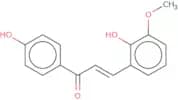
CAS :4,2-Dihydroxy-3-methoxychalcone is a fine chemical that is useful in the synthesis of various pharmaceuticals and other chemicals. It is a versatile building block that can be used as a reaction component or intermediate in the synthesis of complex compounds. 4,2-Dihydroxy-3-methoxychalcone has been shown to be a high quality reagent for use in the synthesis of speciality chemicals and research chemicals. This compound is also useful as a scaffold for the development of new drugs.
Formule :C16H14O4Degré de pureté :Min. 95%Masse moléculaire :270.28 g/mol(R)-(-)-1,1'-Binaphthyl-2,2'-diyl hydrogen phosphate
CAS :Intermediate in the synthesis of bedaquilineFormule :C20H13O4PDegré de pureté :Min. 95%Couleur et forme :PowderMasse moléculaire :348.29 g/molN-alpha-Fmoc-Nepsilon-7-methoxycoumarin-4-acetyl-L-lysine
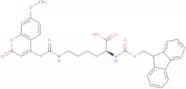
CAS :N-alpha-Fmoc-Nepsilon-7-methoxycoumarin-4-acetyl-L-lysine is a fluorogenic molecule that is synthesized by the solid phase method. It is an analog of lysine, which is a bioactive amino acid. This compound binds to copper and exhibits fluorescence emission at 585 nm when excited at 488 nm. N-alpha-Fmoc-Nepsilon-7-methoxycoumarin-4-acetyl-L-lysine can be used as a substrate for bone growth in vitro and in vivo. It can also be used as a labeling reagent for bone tissue, such as bone sections or cells. It has been shown to produce osteogenic activity in vitro and in vivo.Formule :C33H32N2O8Degré de pureté :Min. 97 Area-%Couleur et forme :PowderMasse moléculaire :584.62 g/mol4-Amino-pyridine-2-carboxylic acid methyl ester
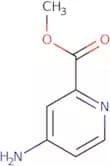
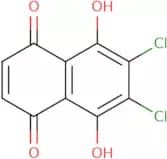
CAS :4-Amino-pyridine-2-carboxylic acid methyl ester is a compound that is used as a reactant, reagent, and building block in organic synthesis. It is also useful for the preparation of complex compounds. 4-Amino-pyridine-2-carboxylic acid methyl ester is soluble in water and has a melting point of 183°C. The CAS number for this chemical is 71469-93-7.Formule :C7H8N2O2Degré de pureté :Min. 95%Couleur et forme :White PowderMasse moléculaire :152.15 g/mol2,3-Dichloro-5,8-dihydroxy-1,4-naphthalenedione
CAS :2,3-Dichloro-5,8-dihydroxy-1,4-naphthalenedione (DDD) is a chemical inhibitor of the proton response pathway. It is an analog of 2,3,7,8-tetrachlorodibenzo-p-dioxin (TCDD). DDD has been shown to enhance the induction of apoptosis in human macrophages and leishmania parasites. This agent also inhibits the growth of some tumor cell lines and enhances the cytotoxicity of other chemotherapeutic drugs. DDD has low bioavailability due to its high lipophilicity and rapid metabolism by esterases and glucuronidases.Formule :C10H4Cl2O4Degré de pureté :Min. 95%Couleur et forme :Red PowderMasse moléculaire :259.04 g/molN-alpha,epsilon-Bis-Boc-L-lysine 4-nitrophenyl ester
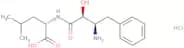
CAS :N-alpha,epsilon-Bis-Boc-L-lysine 4-nitrophenyl ester is a chiral compound that has been used as an antigen for the detection of antibodies against lysine. It is a synthetic peptide that can be used as an adjuvant to improve the efficacy of vaccines. The kinetic and orientations of the antigen were determined by electrospray ionization mass spectrometry. The enantiomeric composition was determined using high performance liquid chromatography with chiral stationary phase, followed by thioether cleavage and liquid chromatography.Formule :C22H33N3O8Degré de pureté :Min. 95%Couleur et forme :White To Beige To Light (Or Pale) Yellow SolidMasse moléculaire :467.51 g/molBestatin hydrochloride
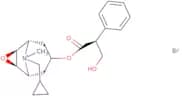
CAS :Aminopeptidase inhibitor; analgesicFormule :C16H24N2O4•HClDegré de pureté :Min. 95%Couleur et forme :PowderMasse moléculaire :344.83 g/molCimetropium bromide
CAS :Cimetropium bromide is a pharmacological agent that binds to muscarinic receptors, inhibiting the release of acetylcholine. It is used in the treatment of bowel disease, such as constipation and irritable bowel syndrome. Cimetropium bromide has been shown to be effective in treating symptoms of these diseases, including decreased intestinal motility, increased stool consistency, and relief from abdominal pain. Cimetropium bromide has also been found to be effective in reducing symptoms of inflammatory bowel disease. This drug inhibits the release of acetylcholine by binding with muscarinic receptors on the smooth muscle cells lining the intestine and bladder. Cimetropium bromide is a potent antimuscarinic agent that can cause dry mouth and blurred vision.
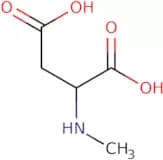
Formule :C21H28BrNO4Degré de pureté :Min. 95%Couleur et forme :White PowderMasse moléculaire :438.36 g/molN-Methyl-DL-aspartic acid
CAS :N-Methyl-DL-aspartic acid (NMDA) is a pharmacological agent that binds to the glutamate receptor and increases the intracellular calcium concentration in cells. NMDA has been shown to cause neuronal death in mouse hippocampal cells, as well as rat striatal cells. It can also act as a messenger molecule and enhance growth factor production. NMDA binds to the N-methyl-D-aspartate receptor, which is located on the surface of neurons in the brain. This binding causes an influx of sodium ions into the cell, resulting in an increase in the intracellular calcium concentration. This increase leads to changes in cellular function, including increased growth factor production and neuronal death.Formule :C5H9NO4Degré de pureté :Min. 95%Couleur et forme :PowderMasse moléculaire :147.13 g/molOleic acid-biotin - solution in ethanol
CAS :Oleic acid-biotin is a fine chemical that is used as a versatile building block in the synthesis of complex compounds. It can also be used as a reagent for research purposes, and is a useful building block for the synthesis of various chemicals. Oleic acid-biotin is an intermediate in organic chemistry, and can be used as a reaction component in organic synthesis. It can also act as a scaffold for drug design and development. This product has been shown to have high quality and purity, making it suitable for use in various reactions.Formule :C28H50N4O3SDegré de pureté :Min. 95%Couleur et forme :Colorless PowderMasse moléculaire :522.79 g/molBoc-O-benzyl-L-tyrosine
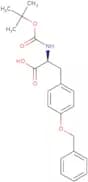
CAS :Boc-O-benzyl-L-tyrosine is a sweetener that is synthesized in a liquid phase. It has been shown to prevent muscle loss and increase the uptake of glutamate. Boc-O-benzyl-L-tyrosine may also act as an δ opioid receptor agonist, which prevents the release of peptides from cells. This substance is synthesised by benzylation of L-tyrosine with dicarbonate and irradiation with UV light. The Boc group protects the molecule from being broken down by enzymatic activity, allowing it to be used in lab experiments. Boc-O-benzyl-L-tyrosine has potent antagonist effects on opioid receptors, which may be related to its analgesic properties.Formule :C21H25NO5Degré de pureté :Min. 95%Couleur et forme :White PowderMasse moléculaire :371.43 g/molGly-pro-4-methoxy-beta-naphthylamide
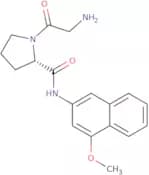
CAS :Gly-pro-4-methoxy-beta-naphthylamide is a synthetic substrate that is used to measure the activity of human plasma phosphatases. Gly-pro-4-methoxy-beta-naphthylamide is synthesized in an organic solvent and then reacted with diazonium salt to form a glycosylated aminophosphonic acid. The product is purified by chromatography and identified by mass spectrometry. Gly-pro-4-methoxy beta naphthylamide has been shown to inhibit the growth of cancer cells in vitro, as well as having antiinflammatory properties. This drug also has been shown to be effective in treating patients with severe hyperbilirubinemia who are undergoing hematopoietic stem cell transplantation.Formule :C18H21N3O3Degré de pureté :Min. 95%Masse moléculaire :327.38 g/mol3-(5-Iodo-4-hydroxy-3-methoxy)cinnamic acid
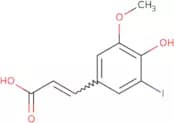
CAS :3-(5-Iodo-4-hydroxy-3-methoxy)cinnamic acid is a chemical compound that can be used as a starting material for synthesis of complex compounds. It is a white solid with a melting point of about 100°C, and it is soluble in water. This product is an excellent reagent for the synthesis of new chemicals, and it has been widely used as a reaction component in organic syntheses. 3-(5-Iodo-4-hydroxy-3-methoxy)cinnamic acid also has antibacterial properties.Formule :C10H9IO4Degré de pureté :Min. 95%Masse moléculaire :320.08 g/mol5-Bromo-2-nitrophenol
CAS :5-Bromo-2-nitrophenol is an organic compound that is used in the industrial production of drugs and dyes. It is soluble in ethanol, but insoluble in water. 5-Bromo-2-nitrophenol can be obtained by extracting it from the filtrate of a solution of potassium tert-butyl ether with aqueous ethanol. The extraction process involves adding morpholine to the solution, which is then heated and refluxed. This process yields high yields of 5-bromo-2-nitrophenol.Formule :C6H4BrNO3Degré de pureté :Min. 95%Couleur et forme :Yellow solid.Masse moléculaire :218 g/mol4-Iodo-3-methylbenzoic acid methyl ester
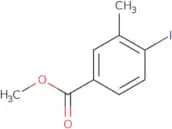
CAS :4-Iodo-3-methylbenzoic acid methyl ester is a chemical that is structurally analogous to 4-iodo-2,5-dimethoxybenzoic acid methyl ester. It is synthesized by the reaction of 3-methylbenzoic acid with ethyl chloroformate and iodomethane. 4-Iodo-3-methylbenzoic acid methyl ester has been shown to inhibit o6 alkylguanine DNA alkyltransferase (AGT) and o6 alkylguanine dna glycosylase (AGG). AGT and AGG are enzymes that repair DNA damage caused by reactive oxygen species. This inhibition leads to the accumulation of DNA damage in cells and induces apoptosis.Formule :C9H9IO2Degré de pureté :90%Couleur et forme :PowderMasse moléculaire :276.07 g/mol2'(2-Thienylidene)-4-methylacetophenone
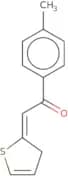
CAS :2'(2-Thienylidene)-4-methylacetophenone is a chemical intermediate that is a useful scaffold for the synthesis of complex compounds. This compound has been used as an intermediate in the preparation of many pharmaceuticals, such as 2-thienylidene-4-methylbenzoic acid, which has anti-inflammatory properties. 2'(2-Thienylidene)-4-methylacetophenone can also be used to synthesize other compounds. It is a versatile building block and a valuable reagent that can be used in research and development.Formule :C13H12OSDegré de pureté :Min. 95%Masse moléculaire :216.3 g/molIndole-3-acetyl-L-alanine acid methyl ester
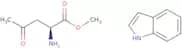
CAS :Please enquire for more information about Indole-3-acetyl-L-alanine acid methyl ester including the price, delivery time and more detailed product information at the technical inquiry form on this page
Formule :C14H16N2O3Degré de pureté :Min. 95%Masse moléculaire :260.29 g/mol(1S)-(+)-10-Camphorsulfonic acid
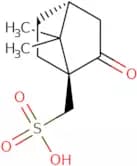
CAS :(1S)-(+)-10-Camphorsulfonic acid is an organolithium compound that is used as a reagent in organic synthesis. It has been shown to have antimicrobial activity against Gram-positive and Gram-negative bacteria, including methicillin-resistant Staphylococcus aureus (MRSA). The bathochromic shift observed in the infrared spectrum of camphorsulfonic acid at 860 nm is due to the hydrogen bonding between sulfonic acid groups. Camphorsulfonic acid has also been shown to inhibit dipeptidyl peptidase-IV, which results in increased levels of butyric acid, a short chain fatty acid. This inhibition may be responsible for its use as an adjuvant for vaccines.Formule :C10H16O4SDegré de pureté :Min. 95%Couleur et forme :PowderMasse moléculaire :232.3 g/molRengasin-3'-O-glucoside
Rengasin-3'-O-glucoside is a fine chemical, useful building block, and research chemical. It is a versatile building block that can be used in the synthesis of complex compounds. Rengasin-3'-O-glucoside is also a useful intermediate or scaffold for reactions. This compound has been shown to react with 1,2-ethanediol and form an ester, which can be hydrolyzed to release glycerol and the original rengasin-3'-O-glucoside.
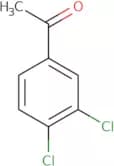
Formule :C22H22O11Degré de pureté :(%) Min. 75%Masse moléculaire :462.4 g/mol3',4'-Dichloroacetophenone
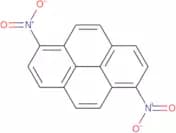
CAS :3',4'-Dichloroacetophenone is a tetranuclear compound that is used in the synthesis of chromatographic assays. It has been shown to inhibit the growth of infectious diseases, cancer, and bacteria. 3',4'-Dichloroacetophenone inhibits trichomonas vaginalis and chlamydia by binding to imine nitrogen, which prevents the formation of an enzyme (NAD-dependent), which is required for bacterial DNA synthesis. 3',4'-Dichloroacetophenone also inhibits p. aeruginosa by binding with phosphane groups on this organism's cell wall, preventing bacterial cell division.Formule :C8H6Cl2ODegré de pureté :Min. 95%Couleur et forme :Off-White PowderMasse moléculaire :189.04 g/mol1,6-Dinitropyrene
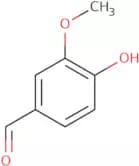
CAS :1,6-Dinitropyrene (1,6-DPP) is a potent inducer of the cytochrome P450 enzyme system. It has been shown to have genotoxic effects in CD-1 mice and humans, and has been shown to be carcinogenic in rats. 1,6-DPP also induces detoxification enzymes that may protect against its genotoxic effects. 1,6-DPP is found to bind with high affinity to DNA and can be used as a probe for measuring oxidative stress. This chemical has a redox potential of -0.53 volts and can cause potassium dichromate to oxidize from +2 to +3 in solution.Formule :C16H8N2O4Degré de pureté :Min. 95%Couleur et forme :PowderMasse moléculaire :292.25 g/molVanillin - synthetic
CAS :Vanillin is an inhibitor molecule that has been shown to have antimicrobial activity against a bacterial strain. Vanillin binds to the surface of bacteria and prevents them from adhering to surfaces, which may be due to its high values for biological properties. This compound is also an inhibitor molecule in the polymerase chain reaction (PCR). It binds to the DNA polymerase enzyme, preventing it from synthesizing DNA. Vanillin inhibits bacterial growth by binding to DNA-dependent RNA polymerase, thereby preventing transcription and replication. The high frequency of human activity has been shown using a patch-clamp technique on human erythrocytes.Formule :C8H8O3Degré de pureté :Min. 95%Couleur et forme :White Clear LiquidMasse moléculaire :152.15 g/mol1-{{[5-(4-Nitrophenyl)-2-furanyl]methylene}amino}-2,4-imidazolidinedione
CAS :Dantrolene is an experimental model for malignant hyperthermia, a rare genetic condition that can cause muscle rigidity and death. Dantrolene has been shown to inhibit the activity of the dinucleotide phosphate (NADH) dehydrogenase enzyme in muscle cells. In addition, it inhibits calcium release from the sarcoplasmic reticulum and activates ryanodine receptors. Dantrolene also inhibits muscle contractions and prevents neuronal death by inhibiting the release of glutamate.Formule :C14H10N4O5Degré de pureté :Min. 95%Couleur et forme :SolidMasse moléculaire :314.25 g/mol3-Cyanomethylbenzoic acid methyl ester
CAS :3-Cyanomethylbenzoic acid methyl ester is a synthetic chemical compound that is used as an intermediate in the production of other chemicals. It is a chlorination agent that reacts with toluene and methanol in the presence of chlorine to produce 3-chloromethylbenzoic acid methyl ester. This reaction also produces a byproduct called sulphone, which can be converted into acylation reagents for use in organic synthesis. The chloride ion can be used for cyanation reactions, which are useful for producing dyes or pharmaceuticals.Formule :C10H9NO2Degré de pureté :Min. 95%Couleur et forme :SolidMasse moléculaire :175.18 g/mol







![1-{{[5-(4-Nitrophenyl)-2-furanyl]methylene}amino}-2,4-imidazolidinedione](/_next/image/?url=https%3A%2Fstatic.cymitquimica.com%2Fproducts%2F3D%2Fthumb-webp%2FFN138588.webp&w=3840&q=75)
