Glycosciences
Sous-catégories appartenant à la catégorie "Glycosciences"
- Aminosucres(108 produits)
- Anticorps Glyco-Related(284 produits)
- Glycolipides(46 produits)
- Glycosaminoglycanes (GAGs)(55 produits)
- Glycosides(419 produits)
- Monosaccharides(6.622 produits)
- Oligosaccharides(3.701 produits)
- Polysaccharides(505 produits)
11034 produits trouvés pour "Glycosciences"
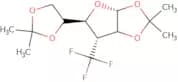
3-Deoxy-1,2:5,6-di-O-isopropylidene-3-trifluoromethyl-a-D-glucofuranose
CAS :3-Deoxy-1,2:5,6-di-O-isopropylidene-3-trifluoromethyl-a-D-glucofuranose is a carbohydrate that has the following modifications: methylation at the 6 position of the 3rd carbon atom, glycosylation at the 2nd and 4th positions of the 5th carbon atom, fluorination at the 1st position of the 5th carbon atom. This carbohydrate has a CAS number 1426243-44-8 and can be found under Polysaccharide in CAS.
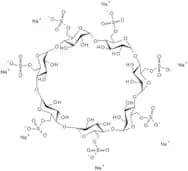
Formule :C13H19F3O5Degré de pureté :Min. 95%Masse moléculaire :312.28 g/molb-Cyclodextrin hydrogen sulfate, sodium salt
CAS :This beta-cyclodextrin (β-CD) derivative is a functionalized cyclic oligosaccharide composed of seven glucose units, characterized by a hydrophilic exterior and a lipophilic cavity (bigger than α-CD and smaller than γ-CDs), which allows it to encapsulate various guest molecules. This structural feature facilitates its use in multiple applications, including pharmaceuticals, food enhancement, and cosmetics. In the pharmaceutical industry, it enhances the solubility and stability of poorly water-soluble drugs, improving their bioavailability and efficacy while also masking unpleasant tastes. The food sector utilizes it as a stabilizer for flavors, colors, and nutrients, extending shelf life by protecting sensitive ingredients from degradation. In cosmetics, it serves as a complexing agent for fragrances and active components, ensuring their stability and controlled release. Its use expands to many other fields, including nanotechnology for drug delivery systems, environmental remediation for extracting organic pollutants, textiles for slow-release fragrances, and analytical chemistry for chiral separation.
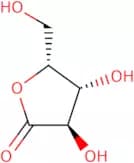
Degré de pureté :Min. 95%Couleur et forme :PowderD-Xylonic-1,4-lactone
CAS :D-Xylonic acid-1,4-lactone is a substrate that participates in the synthesis of glyceric acid. It has been shown to be a synthetic substrate for benzyl groups and leukemia HL-60 cells. D-Xylonic acid-1,4-lactone can react with chloride ions to form D-xylose. The product of this reaction is an epimerization reaction that occurs when the hydroxyl group on the carbon atom adjacent to the carbonyl group (C1) reacts with a proton from water to form a double bond at C2. This conversion produces xylonic acid and lactone.
Formule :C5H8O5Degré de pureté :Min. 97 Area-%Couleur et forme :White PowderMasse moléculaire :148.11 g/mol6-Chloro-6-deoxy-b-cyclodextrin
This beta-cyclodextrin (β-CD) derivative is a functionalized cyclic oligosaccharide composed of seven glucose units, characterized by a hydrophilic exterior and a lipophilic cavity (bigger than α-CD and smaller than γ-CDs), which allows it to encapsulate various guest molecules. This structural feature facilitates its use in multiple applications, including pharmaceuticals, food enhancement, and cosmetics. In the pharmaceutical industry, it enhances the solubility and stability of poorly water-soluble drugs, improving their bioavailability and efficacy while also masking unpleasant tastes. The food sector utilizes it as a stabilizer for flavors, colors, and nutrients, extending shelf life by protecting sensitive ingredients from degradation. In cosmetics, it serves as a complexing agent for fragrances and active components, ensuring their stability and controlled release. Its use expands to many other fields, including nanotechnology for drug delivery systems, environmental remediation for extracting organic pollutants, textiles for slow-release fragrances, and analytical chemistry for chiral separation.
Formule :C42H63Cl7O28Degré de pureté :Min. 95%Masse moléculaire :1,264.1 g/molD-Glucose 6-phosphate, monosodium salt
CAS :D-Glucose 6-phosphate, monosodium salt is a natural compound found in honeybush (Cyclopia species) and other plants. The compound is also found in the human body as a result of its synthesis from glucose. D-Glucose 6-phosphate, monosodium salt is an inhibitor of NADPH cytochrome P450 reductase, which is an enzyme that converts NADPH to NADP+. This inhibition prevents the formation of nadph and causes an accumulation of reduced nicotinamide adenine dinucleotide (NADH), which leads to the inhibition of cell growth. D-Glucose 6-phosphate, monosodium salt has been shown to inhibit cancer cells and bacterial growth. It does this by inhibiting enzymes such as cytosolic phosphoglycerate kinase and phosphofructokinase.
Formule :C6H12O9PNaDegré de pureté :Min. 98.0 Area-%Masse moléculaire :282.12 g/molRef: 3D-G-3340
Produit arrêtéD-Xylose
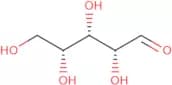
CAS :Xylose (Xyl) is an aldopentose also known as wood sugar (Collins, 2006). The main sources of xylose are hemicelluloses found in hardwood and perennial plants, such as, grasses, cereals, and herbs (Petzold-Welcke, 2014) and some algae. Xylose is used in the production of xylitol, a low calory sugar substitute. Xylose is used in glycosaminoglycan (GAG) biosynthesis, which is initiated by peptide O-xylosyltransferases, which transfer xylose onto selected serine residues in the core proteins. The first enzyme in the pathway, peptide O-xylosyltransferase, catalyzes the transfer of xylose from uridine diphosphate (UDP)-α-D-xylose onto serine and thus determines the site(s) of GAG attachment on the core protein (Briggs, 2018).
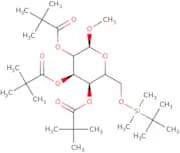
Formule :C5H10O5Degré de pureté :Min. 98.0 Area-%Couleur et forme :White PowderMasse moléculaire :150.13 g/molMethyl 6-O-tert-butyldimethylsilyl-2,3,4-tri-O-pivaloyl-a-D-mannopyranoside
Methyl 6-O-tert-butyldimethylsilyl-2,3,4-tri-O-pivaloyl-a-D-mannopyranoside is a synthetic glycosylation agent that can be used for the synthesis of complex carbohydrates. This product has been fluorinated and saccharide modified. Methyl 6-O-tert-butyldimethylsilyl-2,3,4-tri-O-pivaloyl-aDmannopyranoside is available in CAS number: 5756782.
Formule :C28H52O9SiDegré de pureté :Min. 95%Masse moléculaire :560.81 g/mol5-O-Lauryl-D-xylofuranose
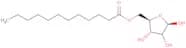
CAS :5-O-Lauryl-D-xylofuranose is a lipase that can hydrolyze pentoses and hexoses. This enzyme has been shown to be active at temperatures between 0°C and 40°C, with optimal activity at 30°C. 5-O-Lauryl-D-xylofuranose is also thermostable and can be immobilized on silica gel or alumina. It is used in the manufacture of lysine, L-arabinose, and D-xylose. The enzyme catalyzes the reaction by removing a hydroxyl group from the pentoses or hexoses through an ester linkage with a dodecanoate group. The aliphatic chain of 5-O-lauryl dodecanoate is attached to the pentose or hexose molecule in an ester linkage by a thioether bond.
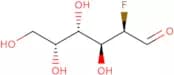
Formule :C17H32O6Degré de pureté :Min. 95%Masse moléculaire :332.43 g/mol2-Deoxy-2-fluoro-D-galactose
CAS :2-Deoxy-2-fluoro-D-galactose, also called 3-fluoro-6-hydroxymethyl-tetrahydro-pyran-2,4,5-triol, can be added to the medium of primary cultured rat hepatocytes to inhibit N-glycosylation of proteins. Immunoglobulin G (IgG) is the most common antibody found in blood and 2-deoxy-2-fluoro-D-galactose modifies the galactosylation of the N-linked glycan in the IgG-Fc receptor. We also have this product from a non-animal origin, MD71984.
Formule :C6H11FO5Degré de pureté :Min. 97 Area-%Couleur et forme :White PowderMasse moléculaire :182.15 g/mol2-Allyloxycarbonylamino-2-deoxy-D-galactose
2-Allyloxycarbonylamino-2-deoxy-D-galactose is a monosaccharide that is synthetically modified for use as a synthetic building block in the synthesis of complex carbohydrates and saccharides. This compound is fluorinated at the 2 position to increase its water solubility, which makes it useful for chemical modifications. It has been shown to be methylated and glycosylated.
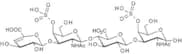
Degré de pureté :Min. 95%Dermatan sulphate tetrasaccharide ammonium salt
Dermatan sulphate tetrasaccharide ammonium salt is a synthetic, high purity oligosaccharide that is also known as Dermatan sulfate. Dermatan sulfate is a complex carbohydrate that is composed of a repeating sequence of three monosaccharides: glucuronic acid, N-acetylgalactosamine and N-acetylglucosamine. Dermatan sulfate has been shown to have an inhibitory effect on the growth of bacteria such as Staphylococcus aureus and Mycobacterium tuberculosis. This molecule can be modified to include fluorination or methylation for custom synthesis.
Degré de pureté :Min. 95%L-Rhamnose diethyl mercaptal
CAS :L-Rhamnose diethyl mercaptal is an antiperspirant and deodorant that is used in combination with other ingredients to reduce or eliminate body odor. It is a supplement, often found in combinations with other compounds such as neodymium and radium. This compound works by preventing the formation of sweat from the apocrine glands, which reduces underarm wetness and body odor. L-Rhamnose diethyl mercaptal also has antimicrobial properties that help prevent bacterial growth on the skin surface.
Formule :C10H22O4S2Degré de pureté :Min. 95%Couleur et forme :PowderMasse moléculaire :270.41 g/molN-Acetylneuraminic acid sodium salt
CAS :N-Acetylneuraminic acid sodium salt is present in various natural sources, including glycoproteins and glycolipids found in animal tissues. As a sialic acid, N-Acetylneuraminic acid sodium salt plays a critical role in cellular recognition processes due to its involvement in the terminal position of glycan chains. This position allows it to participate in cellular communication, influencing processes like cell adhesion and pathogen interactions.The compound is extensively utilized in the fields of biochemistry and molecular biology, primarily for studies concerning cell surface glycoconjugates. Its ability to modulate interactions at the cell surface makes it invaluable for research into mechanisms of infection, immunity, and cell signaling. Additionally, N-Acetylneuraminic acid sodium salt finds applications in pharmaceutical research, particularly in the development of antiviral drugs where modulation of sialic acid interactions is key. The compound’s biochemical properties enable scientists to explore and elucidate complex biological phenomena, contributing to advances in therapeutic strategies and molecular pathology.
Formule :C11H18NO9NaDegré de pureté :Min. 95%Masse moléculaire :331.25 g/molLM Pectin
CAS :Pectins are regarded as linear chains of α-1,4-linked D-galacturonic acid, a homogalacturonan (pectic acid). In the products of commerce, the degree of methylation has a vital influence on the properties of pectin, especially the solubility and gel forming characteristics.
Couleur et forme :PowderChondroitin disaccharide 6S sodium salt
CAS :Chondroitin disaccharide 6S sodium salt is a synthetic, fluorinated, oligosaccharide that has been custom synthesized and glycosylated. It is a sugar-based compound with a high purity and excellent solubility in water. It was synthesized by click modification of the sugar monomer with an amine group at the reducing end. The chondroitin disaccharide 6S sodium salt was further modified with methylation to yield a product with a higher purity.
Formule :C14H21NO15S·2NaDegré de pureté :Min. 90 Area-%Couleur et forme :PowderMasse moléculaire :521.36 g/molD-Ribulose 5-phosphate sodium
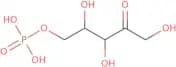
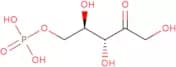
CAS :Ribulose 5-phosphate sodium is a chemical that can be used to inhibit the enzyme ribulose phosphate reductase. Ribulose 5-phosphate sodium has been shown to inhibit glycolaldehyde production in the chloroplasts of plants, effectively reducing the amount of carbon dioxide produced. This chemical has also been shown to have an inhibitory effect on other enzymes involved in carbon fixation and assimilation. The effectiveness of this chemical is dependent on the specific plant species and environmental conditions.
Formule :C5H11O8P•NaxDegré de pureté :Min. 95%Couleur et forme :PowderMasse moléculaire :230.11 g/molPolysorbate 20
CAS :Polysorbate 20 is a sodium salt of polyoxyethylene sorbitan monolaurate, which is a biocompatible polymer. It is used as an emulsifier in pharmaceuticals, foods, cosmetics, and other personal care products. Polysorbate 20 has been shown to be effective against the production of proprotein convertase subtilisin/kexin type 9 (PCSK9), a protein that regulates the levels of low-density lipoprotein cholesterol (LDL-C) in the blood. This drug has also been shown to enhance the production of monoclonal antibodies by human serum cells. Polysorbate 20 can be used for cell lysis and biological sample handling due to its ability to dissolve proteins, including biological samples such as tissue sections or blood smears.
Couleur et forme :Slightly Yellow Slightly Brown Clear LiquidCandesartan N2-glucuronide
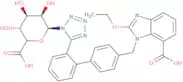
CAS :Candesartan N-glucuronide is a metabolite of candesartan. It is produced by human UDP-glucuronosyltransferase, which belongs to the subfamily of uridine diphosphate (UDP)-glucuronosyltransferases. Candesartan N-glucuronide inhibits angiotensin II receptor type 1 (AT1) and has minimal effects on angiotensin II receptor type 2 (AT2). Candesartan N-glucuronide binds to the AT1 receptor and blocks its activation by angiotensin II. This binding inhibits the uptake of sodium ions into cells and causes an increase in potassium ion secretion, leading to vasodilation. Candesartan N-glucuronide also induces the expression of cytochrome P450 3A5, which results in increased metabolism of drugs such as paclitaxel.
Formule :C30H28N6O9Degré de pureté :Min. 95%Masse moléculaire :616.58 g/molSuccinyl-(2-hydroxypropyl)-a-cyclodextrin
Alpha-cyclodextrin (α-CD) derivative with a hydrophilic exterior and lipophilic cavity (smaller than β-CDs and γ-CDs) to allocate certain guest molecules. This structural characteristic enables applications in molecular encapsulation, solubility enhancement, and stabilization across multiple industries. In pharmaceuticals, it serves as a drug delivery vehicle, enhancing the bioavailability and stability of active ingredients. The food industry utilizes it as a stabilizer for flavors, colors, and nutrients, as well as a functional ingredient for its effects on lipid metabolism. In cosmetics, it acts as a complex agent for fragrances and active components. Its applications extend to analytical chemistry for chiral separation and to materials science for developing smart materials and nanosystems.
Degré de pureté :Min. 95%L-Threonic acid-1,4-lactone
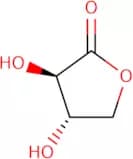
CAS :L-Threonic acid-1,4-lactone is a nutrient solution for mammalian tissue. It is a coenzyme that acts as an intermediate in the conversion of dehydroascorbic acid to erythronate and participates in the synthesis of 4-hydroxycinnamic acid from 4-hydroxyphenylpyruvic acid. L-Threonic acid-1,4-lactone has been shown to inhibit the replication of human immunodeficiency virus (HIV) in vitro. The physiological levels of L-Threonic acid-1,4-lactone are not yet known, but it has been shown to have inhibitory properties on HIV infection at concentrations that do not affect cellular metabolism or induce reactive oxygen species production. L-Threonic acid-1,4-lactone also has been shown to prevent hepatic steatosis and fatty liver disease by inhibiting lipid accumulation via its ability to
Formule :C4H6O4Degré de pureté :Min. 95%Couleur et forme :PowderMasse moléculaire :118.09 g/molα-D-Lactose 1-phosphate barium salt
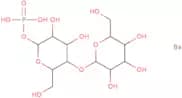
CAS :a-D-Lactose 1-phosphate barium salt is a modification of a D-lactose monosaccharide. It is a complex carbohydrate that has been synthesized using the polyol method. The CAS number for this product is 103404-65-5. This product is available in high purity and the molecular weight of this compound is 576. a-D-Lactose 1-phosphate barium salt can be used as an ingredient in pharmaceuticals, food products, and cosmetics. It has been shown to have anticariogenic activities and may be used as a substitute for sucrose in food products.
Formule :C12H21O14P·BaDegré de pureté :Min. 95%Couleur et forme :PowderMasse moléculaire :557.59 g/molD-Ribulose 5-phosphate sodium salt
CAS :Reference compound for metabolites of the pentosephosphate pathway
Formule :C5H11O8P·xNaDegré de pureté :Min. 96 Area-%Couleur et forme :White Yellow PowderMasse moléculaire :230.11 g/molSisomicin Sulfate
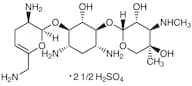
CAS :Formule :C19H37N5O7H2SO4Degré de pureté :>98.0%(HPLC)Couleur et forme :White to Almost white powder to crystalMasse moléculaire :692.71Silodosin O-beta-D-glucuronide
CAS :Silodosin O-beta-D-glucuronide is a metabolite of silodosin, a drug used to treat benign prostatic hyperplasia. It is the glucuronide conjugate of silodosin and its presence in plasma can be quantified by high performance liquid chromatography (HPLC). The solvents used in HPLC are acetonitrile and ammonium formate. The chromatographic separation is achieved with a mobile phase consisting of an organic solvent (acetonitrile) and an ion pairing agent (ammonium formate) that interacts with the analyte and forms an ion pair. The sensitivity of HPLC for this analyte can be improved by using deuterated solvents.
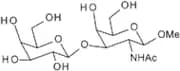
Formule :C31H40F3N3O10Degré de pureté :Min. 95 Area-%Couleur et forme :PowderMasse moléculaire :671.7 g/molMethyl 2-acetamido-2-deoxy-3-O-(b-D-galactopyranosyl)-b-D-galactopyranoside
CAS :Methyl 2-acetamido-2-deoxy-3-O-(b-D-galactopyranosyl)-b-D-galactopyranoside is a carbohydrate that is modified by the addition of fluorine at the 3 position. It has CAS number 88274-25-3 and belongs to the group of oligosaccharides. Methyl 2-acetamido-2-deoxy-3-(b, b'-D, galactopyranosyl)-b, D galactopyranoside is a synthetic polymer that is glycosylated with methyl groups. This product can be custom synthesized for your needs.
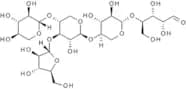
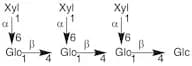
Formule :C15H27NO11Degré de pureté :Min. 95%Couleur et forme :PowderMasse moléculaire :397.38 g/molHeptasaccharide Glc4Xyl3
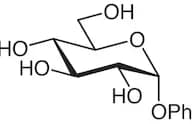
CAS :Formule :C39H66O33Degré de pureté :>80.0%(HPLC)Couleur et forme :White to Almost white powder to crystalMasse moléculaire :1,062.92Phenyl α-D-Glucopyranoside
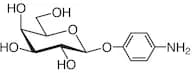
CAS :Formule :C12H16O6Degré de pureté :>97.0%(GC)Couleur et forme :White to Light yellow powder to crystalMasse moléculaire :256.254-Aminophenyl β-D-Galactopyranoside
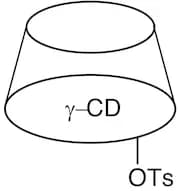
CAS :Formule :C12H17NO6Degré de pureté :>98.0%(HPLC)Couleur et forme :White to Almost white powder to crystalMasse moléculaire :271.27Mono-2-O-(p-toluenesulfonyl)-γ-cyclodextrin
CAS :Formule :C55H86O42SDegré de pureté :>95.0%(HPLC)Couleur et forme :White to Almost white powder to crystalMasse moléculaire :1,451.31Mouse Anti-Human IgG Fc Biotin Conjugate
Couleur et forme :Colorless to Almost colorless clear liquidFructodecasaccharide
Fructodecasaccharide is a methylated, custom-synthesized oligosaccharide that is a polysaccharide with the molecular formula C10H17O11. Fructodecasaccharide is a complex carbohydrate that consists of a monosaccharide and two disaccharides. It has been modified to include fluorine atoms in the glycosidic linkages between the sugar residues. This modification can alter the physical properties of fructodecasaccharide, such as increasing its solubility and stabilizing its structure. Fructodecasaccharide is used in many industries as a high-purity, synthetic product for use in medical applications, including pharmaceuticals and cosmetics.
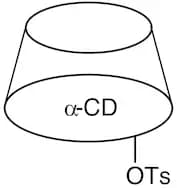
Formule :C60H102O51Degré de pureté :Min. 95%Couleur et forme :PowderMasse moléculaire :1,639.42 g/molMono-2-O-(p-toluenesulfonyl)-α-cyclodextrin
CAS :Formule :C43H66O32SDegré de pureté :>98.0%(HPLC)Couleur et forme :White to Almost white powder to crystalMasse moléculaire :1,127.03D-Erythrono-1,4-lactone
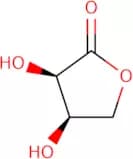
CAS :Chiral synthon; used to synthesise analgoues of natural products
Formule :C4H6O4Degré de pureté :Min. 98 Area-%Couleur et forme :White PowderMasse moléculaire :118.09 g/molFucogalactan - from Undaria pinnatifida
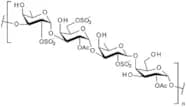
CAS :Fucogalactan (GFS) is a polysaccharide isolated and purified from the brown seaweed Undaria pinnatifida. The polysaccharide is a sulphated galactose containing fucan. Fucogalactan is currently under investigation for possible therapeutic indications including anti-inflammatory properties, immuno- modulating activities, inhibition of tumor growth, stem cell replentishment, antiviral activity, dementia and ulcer healing.Fucoidan ≥ 75 %
The image was kindly provided by Prof Mike Guiry from Cork who runs ‘The Seaweed Site’.Degré de pureté :(%) Min. 75%Couleur et forme :Off-White PowderDigalactosyl diglyceride
CAS :Digalactosyl diglyceride is a lipid that is found in the wax of plants. It has been shown to have anti-inflammatory properties and can be used as a nonsteroidal anti-inflammatory drug. Digalactosyl diglyceride binds to nuclear DNA and inhibits fatty acid synthesis, which leads to membrane destabilization.
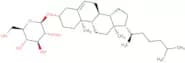
Formule :C18H34O13Degré de pureté :Min. 95%Couleur et forme :SolidMasse moléculaire :458.45 g/molCholesterol b-D-glucoside
CAS :Cholesterol b-D-glucoside is a modified cholesterol that has been fluorinated and methylated. It is a complex carbohydrate that can be used in the synthesis of oligosaccharides and monosaccharides. Cholesterol b-D-glucoside is soluble in water, alcohols, and ethers and is insoluble in chloroform. The CAS number for Cholesterol b-D-glucoside 7073-61-2. This product is available for custom synthesis, which means it can be made to order with the specifications you need.
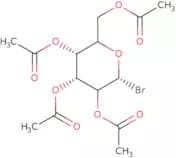
Degré de pureté :Min. 95%Acetobromo-D-glucose
CAS :Intermediate for β-glucosides; potential PET surface modification reagent
Formule :C14H19BrO9Degré de pureté :Min. 95%Couleur et forme :White Off-White PowderMasse moléculaire :411.2 g/mol6-Deoxy-6-iodo-a-cyclodextrin
CAS :6-Deoxy-6-iodo-a-cyclodextrin is a cavity-forming agent that is used in the treatment of dental cavities. It has been shown to be effective against Streptococcus mutans and is less toxic than other cavity treatments. 6-Deoxy-6-iodo-a-cyclodextrin also has phosphorescence and can be used as a fluorescent tracer. This molecule has been shown to form complexes with 3-bromoquinoline, which are good substrates for cyclodextrin synthesis. In addition, it reacts with 6-bromo2 naphthol to form a complex that includes an electron donor and an electron acceptor. The complex absorbs light at wavelengths of 400 nm or more and emits light at wavelengths of 500 nm or less, making it useful for luminescent imaging systems.
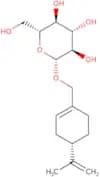
Formule :C36H54I6O24Degré de pureté :Min. 95%Masse moléculaire :1,632.23 g/molS-(-)-Perillyl alcohol glucoside
CAS :S-(-)-Perillyl alcohol glucoside is a glycoconjugate that has been shown to inhibit β-glucosidase and pancreatic lipase. It is used in the treatment of cancers, such as colorectal cancer, by inhibiting glucose uptake into cells. S-(-)-Perillyl alcohol glucoside may also have anticancer effects by inhibiting glucose transporters and caspases.
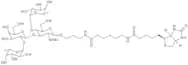
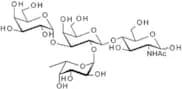
Formule :C16H26O6Degré de pureté :Min. 95%Couleur et forme :PowderMasse moléculaire :314.37 g/molLewis B tetrasaccharide-sp-biotin
CAS :Lewis B tetrasaccharide-sp-biotin is a high purity, custom synthesis of saccharides. The saccharide is modified with a Click modification and fluorination. Glycosylation, methylation, and other modifications are also present in this product. Lewis B tetrasaccharide-sp-biotin is used in research for the glycosylation of proteins and to study carbohydrate binding proteins.
Formule :C45H77N5O22SDegré de pureté :Min. 95%Couleur et forme :White PowderMasse moléculaire :1,072.18 g/mol3'-Sialyl Lewis X-sp-biotin
3'-Sialyl Lewis X-sp-biotin is a Custom synthesis, Modification, Fluorination, Methylation, Monosaccharide, Synthetic, Click modification, Oligosaccharide, saccharide that can be modified to have a variety of different functions. It can be used as a building block for the synthesis of complex carbohydrates and glycoconjugates. 3'-sialyl Lewis X-sp-biotin is also used in the production of oligosaccharides and glycoproteins.
Formule :C50H84N6O26SDegré de pureté :Min. 95%Couleur et forme :White PowderMasse moléculaire :1,217.29 g/mol4'-(Azidomethyl)-[1,1'-biphenyl]-2-carboxamide
CAS :Produit contrôléFormule :C14H12N4OCouleur et forme :NeatMasse moléculaire :252.28N,N-[Iminobis(trimethylene)]bis-D-gluconamide
CAS :Produit contrôléApplications N,N-[Iminobis(trimethylene)]bis-D-gluconamide (cas# 86303-20-0) is a compound useful in organic synthesis.
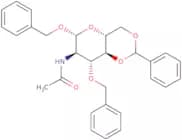
Formule :C18H37N3O12Couleur et forme :NeatMasse moléculaire :487.502-Acetamido-1,3-di-O-benzyl-4,6-O-benzylidene-2-deoxy-b-D-glucopyranoside
CAS :2-Acetamido-1,3-di-O-benzyl-4,6-O-benzylidene-2-deoxy-b-D-glucopyranoside is a modification of a carbohydrate. It is a complex carbohydrate that has been synthesized by custom synthesis. It is an oligosaccharide with high purity and monosaccharides methylated at the hydroxyl group. The glycosylation and polysaccharide have been synthesized with fluorination and saccharides.Formule :C29H31NO6Degré de pureté :Min. 95%Masse moléculaire :489.56 g/molPrimeverose
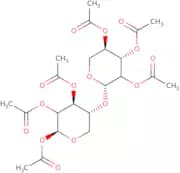
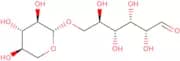
CAS :Primeverose is a p-hydroxybenzoic acid that is found in the genus Primula and mammalian tissue. Primeverose has been shown to inhibit the activity of an enzyme called fatty acid activated, which is involved in the biosynthesis of anthraquinone glycosides. Primeverose is also able to hydrolyze enzymes such as primeverose and may act as a signal peptide for biological samples. The hydroxyl group on primeverose can form hydrogen bonds with other molecules and is present in food composition.
Formule :C11H20O10Degré de pureté :Min. 95%Masse moléculaire :312.27 g/molOlmesartan acid O-b-D-glucuronide
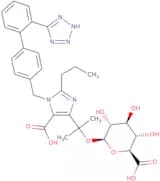
CAS :Olmesartan acid O-b-D-glucuronide is a synthetic, high purity, and custom synthesis oligosaccharide. It can be fluorinated in the presence of a base to give a fluorinated compound with the following CAS number: 369395-57-3. Olmesartan acid O-b-D-glucuronide is an oligosaccharide that has been modified by click chemistry. This modification results in a polysaccharide that contains saccharides connected through ether linkages. The saccharides are made up of monosaccharides and disaccharides, which are all sugars.
Formule :C30H34N6O9Degré de pureté :Min. 95%Masse moléculaire :622.63 g/molMyo-inositol-d6
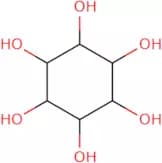
CAS :Myo-inositol-d6 is a stable isotope of myo-inositol. It is used to monitor the biosynthesis of myo-inositol in yeast cells. Myo-inositol is a carbohydrate that has regulatory functions in yeast cells. Myo-inositol-d6 can be used as an extracellular bioassay for determining the uptake and intracellular distribution of myo-inositol in mammalian cells.
Formule :C6H12O6Degré de pureté :Min. 95%Couleur et forme :PowderMasse moléculaire :186.19 g/mol2-Deoxy-2-fluoro-D-arabinofuranose-1-phosphate
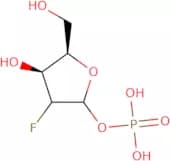
2-Deoxy-2-fluoro-D-arabinofuranose-1-phosphate is a synthetic sugar that is used in the synthesis of oligosaccharides and saccharide derivatives. It has been shown to be a promising candidate for Click modification, as well as fluorination, glycosylation, methylation, and other modifications. This sugar can be found under CAS No. 131069-06-6.Formule :C5H7FO7PDegré de pureté :Min. 95%Masse moléculaire :229.08 g/molMogroside II A2
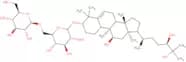
CAS :Mogroside II A2 is a fructan that is found in the fruit of the plant Glycosmis erythrorhiza, which is a member of the family Rutaceae. This compound has been shown to have immune-modulating properties and is used as an ingredient in some pharmaceutical drugs. Mogroside II A2 has also been demonstrated to have antiviral activity and may be helpful for cancer treatment. The effects of this compound on kidney fibrosis are unclear; however, it does have anti-inflammatory properties.
Formule :C42H72O14Degré de pureté :Min. 95%Couleur et forme :PowderMasse moléculaire :801.01 g/molα-6⁴-6³-Di-galactosyl-mannopentaose
CAS :α-6⁴-6³-Di-galactosyl-mannopentaose is a specialized oligosaccharide, which is a type of complex carbohydrate. This compound is derived from natural plant sources and its structure comprises a mannopentaose core linked with two galactose units. The mode of action involves specific interactions with gut microbiota, where it selectively enriches beneficial bacterial populations, such as Bifidobacteria and Lactobacilli. These interactions occur by serving as a fermentation substrate, promoting the growth of microbes that confer beneficial effects on host health.
Formule :C42H72O36Degré de pureté :Min. 95%Masse moléculaire :1,153 g/molMannioside A
CAS :Mannioside A is a postulated antigen that may be found in the Dracaena genus of plants. This compound has been shown to have an affinity for membranes, which could possibly be used as a strategy for vaccines and other pharmaceutical products. Mannioside A also has hemolytic activity, which may be useful in developing new treatments for autoimmune disorders such as multiple sclerosis.
Degré de pureté :Min. 95%1,6:3,4-Bis-[O-(2,3-dimethoxybutane-2,3-diyl)]-2-O-trifluoromethanesulphonyl-5-O-benzolyl-myo-inositol
CAS :1,6:3,4-Bis-[O-(2,3-dimethoxybutane-2,3-diyl)]-2-O-trifluoromethanesulphonyl-5-O-benzolyl-myo-inositol is a Glycosylation product with CAS No. 1068089-34-8. It is a synthetic oligosaccharide that contains an Oligosaccharide sugar and a Polysaccharide saccharide. The product has been Fluorinated and Custom synthesized for Methylation. Click modification has been performed on the complex carbohydrate to produce the desired Modification in High purity.
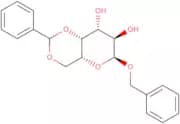
Formule :C26H35F3O13SDegré de pureté :Min. 95%Masse moléculaire :644.61 g/molBenzyl 4,6-O-benzylidene-a-D-galactopyranoside
CAS :4,6-O-Benzylidene-a-D-galactopyranoside is an artificial sweetener that has a high purity and can be custom synthesized. This compound is also known as an oligosaccharide or complex carbohydrate. It is a member of the saccharide family, which includes monosaccharides and disaccharides. 4,6-O-Benzylidene-a-D-galactopyranoside is a sugar that has been modified by glycosylation and methylation. This product has CAS No. 57783-86-5 and can be found in the Glycosides section of the Chemical Directory.
Formule :C20H22O6Degré de pureté :Min. 95%Masse moléculaire :358.39 g/mol1,4:3,6-Dianhydro- 2- O- methyl-D- glucitol
CAS :1,4:3,6-Dianhydro-2-O-methyl-D-glucitol is a modified sugar that belongs to the group of carbohydrates. It is synthesized by the modification of 1,4:3,6-dianhydro-2,5-diO-methyl D glucitol with methyl iodide and sodium methoxide. The compound is used in pharmaceuticals as an excipient and in cosmetics as a moisturizer. It has been shown to be effective against influenza A virus.
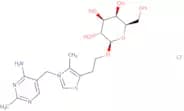
Formule :C7H12O4Degré de pureté :Min. 95%Masse moléculaire :160.17 g/molThiamine galactoside
CAS :Thiamine galactoside is a custom synthesis of a monosaccharide. It is modified with fluorination, methylation and saccharide. The resulting product has a molecular weight of 578.08 g/mol and the chemical formula C24H34N6O18S2.
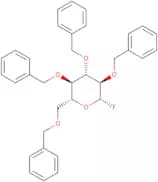
Formule :C18H27O6N4S·C2H3O2Degré de pureté :Min. 95%Masse moléculaire :486.54 g/mol2,3,4,6-Tetra-O-benzyl-D-glucopyranosyl fluoride
CAS :2,3,4,6-Tetra-O-benzyl-D-glucopyranosyl fluoride is a postulated molecule that has been observed in the gas phase. The molecule is a fluorinated analog of 2,3,4,6-tetra-O-acetyl-D-glucopyranosyl fluoride and was detected by its characteristic nuclear magnetic resonance (NMR) data. It was found to be more nucleophilic than 2,3,4,6-tetra-O-acetyl-D glycosyl fluoride. As with the latter molecule 2,3,4,6-tetra -O benzyl glucopyranosyl fluoride can form adducts with hydrogen fluoride or oxocarbenium ions. 2,3,4,6 tetra -o benzyl glucopyranosyl fluoride has not been prepared and characterized experimentally yet.Formule :C34H35FO5Degré de pureté :Min. 95%Masse moléculaire :542.64 g/molBlood Group B type II tetrasaccharide
CAS :Blood Group B type II tetrasaccharide is a carbohydrate that is synthesized by custom synthesis. It is a complex carbohydrate with a molecular weight of 909890-21-7. It has the chemical formula C6H14O6 and CAS No. 909890-21-7. Blood group B type II tetrasaccharide can be modified, methylated, glycosylated, and fluorinated. It is an oligosaccharide with a monosaccharide repeating unit that can be found in the blood group B type II antigen on erythrocytes. This saccharide has six sugar units (three glucose and three galactose) connected in a chain by alpha 1-3 glycosidic linkages. The sugar units are attached to each other by beta 1-4 glycosidic linkages.
Formule :C26H45NO20Degré de pureté :Min. 95%Masse moléculaire :691.63 g/molGlcnacβ(1-3)GalNAc-α-Thr
CAS :Glcnacβ(1-3)GalNAc-α-Thr is a polysaccharide that is found in the human body, which is a complex carbohydrate. It is an oligosaccharide modification of galactose and alpha-threonine. Glcnacβ(1-3)GalNAc-α-Thr can be custom synthesized to order with high purity and monosaccharide content. This product is used for research purposes and has not been approved for therapeutic use. The CAS number for this compound is 286959-52-2.
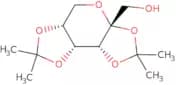
Formule :C20H35N3O13Degré de pureté :Min. 95%Masse moléculaire :525.5 g/molPsicose diacetonide
CAS :Psicose diacetonide is a synthetic, custom-synthesized carbohydrate. It is a complex carbohydrate that is made of saccharides and has been modified to have a fluorinated monosaccharide. Psicose diacetonide is an oligosaccharide with a high purity and has been methylated and glycosylated.
Degré de pureté :Min. 95%Gala1-3Galb1-4(6-deoxyGlcNAc)-HSA
Gala1-3Galb1-4(6-deoxyGlcNAc)-HSA is a custom synthesis of a complex carbohydrate. It is an oligosaccharide with CAS No. and Polysaccharide that has been modified by Methylation, Glycosylation, and Click modification. Carbohydrate is one of the most important macronutrients for human health, as it provides energy and cell building blocks. Sugar (e.g., glucose) is the simplest form of carbohydrate, while saccharide refers to chains of sugar molecules. Gala1-3Galb1-4(6-deoxyGlcNAc)-HSA has been fluorinated and synthesized with high purity in order to be used as a drug delivery system. This drug can be used to treat various diseases such as diabetes mellitus type I or II, cancer, or HIV/AIDS.
Degré de pureté :Min. 95%NGA3F N-Glycan
CAS :NGA3F N-Glycan is a custom synthesis product that has been fluorinated, methylated, and modified with a click modification. It is a monosaccharide that can be found in the form of polysaccharides or glycosylations. This product is made of saccharides, which are carbohydrates that have been modified with glycosylation or polysaccharide modifications. NGA3F N-Glycan can be used in a variety of applications such as pharmaceuticals, food additives, and cosmetics.
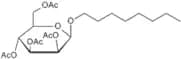
Formule :C64H107N5O45Degré de pureté :Min. 95%Masse moléculaire :1,666.54 g/molOctyl 2,3,4,6-tetra-O-acetyl-b-D-mannopyranoside
CAS :Octyl 2,3,4,6-tetra-O-acetyl-b-D-mannopyranoside is a glycosylated monosaccharide. This sugar is synthesized by the enzymatic action of acetyl CoA:mannose 3-O-acetyltransferase and bromoacetamidomalonic acid in the presence of ATP. The product of this reaction is an acetamidomalonic acid derivative with a beta (1,2)-linked mannose at C2 and an acetylated alpha (1,3)-linked mannose at C4. The compound has been shown to inhibit the growth of bacteria that are resistant to penicillin, ampicillin, and erythromycin.
Formule :C22H36O10Degré de pureté :Min. 95%Masse moléculaire :460.52 g/molD-Ribopyranosyl thiosemicarbazide
CAS :D-Ribopyranosyl thiosemicarbazide is a glycosylation agent that can be used in the synthesis of complex carbohydrates. It also has the ability to modify sugar structures, such as methylation, click modification, and fluorination. This reagent can be used for the modification of saccharides, oligosaccharides, and monosaccharides. D-Ribopyranosyl thiosemicarbazide is synthesized from d-ribose and thiosemicarbazide. The CAS number for this product is 95352-77-5.
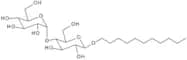
Formule :C6H13N3O4SDegré de pureté :Min. 95%Masse moléculaire :223.25 g/molUndecyl b-D-maltopyranoside
CAS :Undecyl b-D-maltopyranoside is a cell culture reagent that belongs to the group of monomers. It is used in the synthesis of dodecyl maltoside and is also used as a substrate for bacterial enzymes. Undecyl b-D-maltopyranoside has been shown to inhibit the activity of leukotriene A4 hydrolase, an enzyme involved in the metabolism of leukotrienes. This product has been shown to be effective in chromatographic separation of metal ions from other components. Undecyl b-D-maltopyranoside can also be used for solubilizing peptides and proteins, including those that are neutral or have a low pH. This product is also used as a substrate for recombinant monoclonal antibodies and viral coat proteins.
Formule :C23H44O11Degré de pureté :Min. 95%Couleur et forme :PowderMasse moléculaire :496.59 g/molb-D-Thioglucose sodium salt hydrate
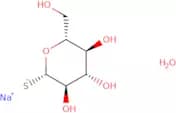
CAS :b-D-Thioglucose sodium salt hydrate is a complex carbohydrate that is used as an intermediate for the synthesis of oligosaccharides and polysaccharides. It is also used in the modification of saccharide chains, such as glycosylation, and for the preparation of fluorinated carbohydrates. b-D-Thioglucose sodium salt hydrate is high purity, with no detectable impurities or degradation products. It has been modified with fluorine to form a new chemical entity that has not been previously described in the literature.
Formule :C6H11NaO5S·H2ODegré de pureté :Min. 95%Masse moléculaire :236.22 g/mol3'-Sialyllactose-APD-HSA
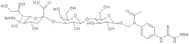
3'-Sialyllactose-APD-HSA is a complex carbohydrate with Oligosaccharide and Polysaccharide. It is a modification of saccharides, which are composed of monosaccharides or simple sugars. 3'-Sialyllactose-APD-HSA is a synthetic compound that has been modified by the addition of fluorine atoms to the sugar molecule. This modification prevents the sugar from being broken down by enzymes in the body and ensures that it remains intact until it reaches its target site. 3'-Sialyllactose-APD-HSA is used as a drug delivery system for cancer drugs, such as doxorubicin and paclitaxel.
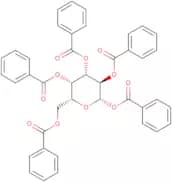
Degré de pureté :Min. 95%1,2,3,4,6-Penta-O-benzoyl-D-galactopyranoside
CAS :1,2,3,4,6-Penta-O-benzoyl-D-galactopyranoside is a custom synthesis of an oligosaccharide. It is a polysaccharide that is modified by methylation and glycosylation. This product has been fluorinated and has been modified with a click reaction. The final product is highly pure with a CAS number of 3006-48-2.Formule :C41H32O11Degré de pureté :Min. 95%Masse moléculaire :700.69 g/molD-[1-13C]Xylose
CAS :D-[1-13C]Xylose is a carbon source that is used to study the metabolism of glycolytic carbon in cells. It has been labeled with 13C and can be used as a tracer for the study of the distribution of metabolites, including glucuronic acid, mannose, and xylose. This can be done by nuclear magnetic resonance (NMR) spectroscopy or by using a magnetic resonance spectroscopy technique. The use of D-[1-13C]xylose has been shown to be an effective way to label cryptococcus neoformans cells in order to understand their metabolism.
Formule :C5H10O5Degré de pureté :Min. 95%Masse moléculaire :151.12 g/molMethyl 1-(5-fluoro-1H-2-oxopyrimidin-4-yl)-b-D-glucopyranuronate
CAS :Methyl 1-(5-fluoro-1H-2-oxopyrimidin-4-yl)-b-D-glucopyranuronate is an anticancer drug that inhibits β-glucuronidase. Methyl 1-(5-fluoro-1H-2-oxopyrimidin-4-yl)-b-D-glucopyranuronate is a colorless solid that has been recrystallized, purified, and analyzed for its chloride content. The function of this compound has been tested in vitro using tissue cultures and animal models. The reaction vessel used for the test was an acetonitrile solution with a pH between 7 and 8. The methylester form of methyl 1-(5-fluoro-1H--2--oxopyrimidin 4--yl)-b--D--glucopyranuronate reacts with sulphite to produce a green product with a colorimetric method
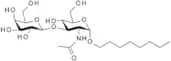
Formule :C11H13FN2O8Degré de pureté :Min. 95%Masse moléculaire :320.23 g/molOctyl 2-acetamido-2-deoxy-3-O-(b-D-galactopyranosyl)-a-D-glucopyranoside
CAS :Octyl 2-acetamido-2-deoxy-3-O-(b-D-galactopyranosyl)-a-D-glucopyranoside is a synthetic sugar that is used in the production of various drugs. It is used as an intermediate in the synthesis of a variety of drugs, including antihistamines, antidiabetic agents, and antihypertensive agents. Octyl 2-acetamido-2-deoxy-3-O-(b-D-galactopyranosyl)-a-D--glucopyranoside is also used to modify proteins and carbohydrates. This compound has been shown to be useful for the fluorination of saccharides and for click modification with an azide group.Formule :C22H41NO11Degré de pureté :Min. 95%Masse moléculaire :495.56 g/molHydroxyethyl Starch (HES) 450/0.7
CAS :Please enquire for more information about Hydroxyethyl Starch (HES) 450/0.7 including the price, delivery time and more detailed product information at the technical inquiry form on this page
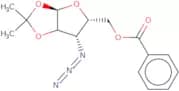
Formule :(C6H10O5)m•(C2H5O)n3-Azido-5-O-benzoyl-3-deoxy-1,2-O-isopropylidene-a-D-ribofuranose
3-Azido-5-O-benzoyl-3-deoxy-1,2-O-isopropylidene a D-ribofuranose (3ABI) is a synthetic monosaccharide that can be synthesized via a custom synthesis. 3ABI is an oligosaccharide that has the ability to modify glycosylation and polysaccharide synthesis. The fluorination of this sugar provides it with high purity and stability. 3ABI has been shown to have a CAS number of 44793-23-2.
Formule :C15H17N3O5Degré de pureté :Min. 95%Masse moléculaire :319.31 g/mol4-Aminophlorizin
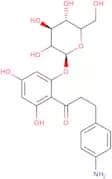
CAS :4-Aminophlorizin is a chemical compound that inhibits the uptake of azide by red blood cells. It has been shown to be effective against intestinal parasites and trophozoites. 4-Aminophlorizin is a potent inhibitor of the membrane system, which may be due to its interaction with the semenza, or membrane protein.
Formule :C21H25NO9Degré de pureté :Min. 95%Masse moléculaire :435.42 g/mol4-Aminobutyl β-D-galactopyranoside
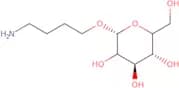
CAS :4-Aminobutyl b-D-galactopyranoside is a methylated saccharide that is also a glycosylation reaction product of 4-aminobutyl b-D-galactopyranoside. It has been modified with Click chemistry and fluorinated for use in carbohydrate research, including glycoprotein synthesis, carbohydrate modification, and oligosaccharide synthesis. 4-Aminobutyl b-D-galactopyranoside has been shown to be a potent inhibitor of the enzyme aminoglycoside adenyltransferase 1 (AGT1), which is involved in the synthesis of bacterial cell wall peptidoglycan. This compound has been used as a model for glycosylation reactions as it contains both an amino and sugar moiety.
Formule :C10H21NO6Degré de pureté :Min. 95%Masse moléculaire :251.28 g/molTrimethylsilyl-2,3,4,6-tetra-O-benzyl-b-D-glucopyranoside
CAS :Trimethylsilyl-2,3,4,6-tetra-O-benzyl-b-D-glucopyranoside is a modified carbohydrate that has been fluorinated and silylated. It is used as an intermediate in the synthesis of glycosylated compounds. Trimethylsilyl-2,3,4,6-tetra-O-benzyl-b-D-glucopyranoside can be custom synthesized to meet your needs. It is a white powder that is soluble in water and alcohols. The CAS number for this compound is 89825-08-1.
Formule :C37H42O8Degré de pureté :Min. 95%Masse moléculaire :614.72 g/molN-Nonanoyl-N-methylglucamine
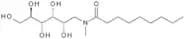
CAS :N-Nonanoyl-N-methylglucamine is a nonionic surfactant that has been shown to be effective in the treatment of some inherited blood disorders. N-Nonanoyl-N-methylglucamine is used as a red cell membrane stabilizer and has been shown to increase the proton concentration in human serum. It also increases the transfer rate of p-nitrophenyl phosphate from erythrocytes to plasma. This drug has been found to have enzyme activity on soybean trypsin, model system, and epoxidase activity. N-Nonanoyl-N-methylglucamine has shown to be an effective protective agent against sodium citrate induced hemolysis and monoclonal antibody mediated cytotoxicity. It also shows kinetic data for protein synthesis and gene expression at different concentrations.
Formule :C16H33NO6Degré de pureté :Min. 95%Couleur et forme :PowderMasse moléculaire :335.44 g/molEzetimibe hydroxy-b-D-glucuronide
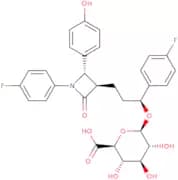
CAS :Ezetimibe hydroxy-b-D-glucuronide is an oligosaccharide that can be synthesized from the modified sugar, L-glucuronic acid. It has a molecular weight of 536 and is soluble in water and methanol. This compound has been used in the synthesis of glycosides, saccharides, and polysaccharides. The chemical name for this compound is 1-(2-hydroxyethyl)-3-(((4'-carboxybenzyl)oxy)carbonyl)-2,6-diazaoctane glucuronide. Ezetimibe hydroxy-b-D-glucuronide has been shown to increase the absorption of cholesterol and decrease low density lipoprotein (LDL) levels in the blood by inhibiting intestinal cholesterol absorption.
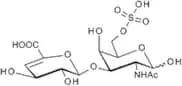
Formule :C30H29F2NO9Degré de pureté :Min. 95%Masse moléculaire :585.55 g/molCellobiuronic acid
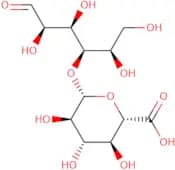
CAS :Cellobiuronic acid is a polysaccharide that contains glucose and uronic acids. It is found in the cell walls of gram-positive bacteria, where it may play an important role in maintaining the structural integrity of the cell wall. Cellobiuronic acid has been shown to be a potent antigen for pneumococcus. Cellobiuronic acid has also been shown to be conjugated with proteins and used as a vaccine adjuvant for inducing antibody responses against pneumococcal antigens. Cellobiuronic acid is synthesized from glucose by bacterial cells, which use it as a carbon source. The biosynthesis of cellobiuronic acid is poorly understood because it does not occur in mammalian cells.
Formule :C12H20O12Degré de pureté :Min. 95%Masse moléculaire :356.28 g/mol3'3-a-L-Arabinofuranosyl-xylotetraose
CAS :3'3-a-L-Arabinofuranosyl-xylotetraose is a custom synthesis of an oligosaccharide. It is a polysaccharide that is modified by methylation, glycosylation and carbamoylation. This carbohydrate has been fluorinated at the 3'3 position. The monosaccharide composition of this molecule is erythrose, arabinose and xylose.
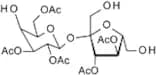
Formule :C25H42O21Degré de pureté :Min. 95 Area-%Couleur et forme :White PowderMasse moléculaire :678.59 g/mol3,4,2',3',6'-Penta-O-acetylsucrose
CAS :3,4,2',3',6'-Penta-O-acetylsucrose is a deuterated analog of sucrose. It can be synthesized by reacting sucrose with acetyl chloride in the presence of a base. The transesterification reaction yields the desired product in an overall yield of about 20%. This process is similar to that used for the synthesis of fatty acid esters, but 3,4,2',3',6'-Penta-O-acetylsucrose does not exist in nature and cannot be found as a natural product. The X-ray crystallography studies show that 3,4,2',3',6'-Penta-O-acetylsucrose has a conformation different from that of 6-phosphate sucrose.
Formule :C22H32O16Degré de pureté :Min. 95%Masse moléculaire :552.49 g/mol5-Thio-D-lactose
5-Thio-D-lactose is a monosaccharide that has been synthesized and modified to contain fluorine atoms. This synthetic sugar is used in the glycosylation of polysaccharides in the synthesis of complex carbohydrates. 5-Thio-D-lactose is also used for click modification and methylation reactions. 5-Thio-D-lactose can be used as a reference standard for carbohydrate analysis by gas chromatography, mass spectrometry, nuclear magnetic resonance, or infrared spectroscopy.
5-Thio-D-lactose is available at high purity (99%+) and with custom synthesis upon request.Degré de pureté :Min. 95%1,2,3,4,6-Penta-O-benzoyl-b-D-galactopyranose
CAS :Penta-O-benzoyl-b-D-galactopyranose is a pentasaccharide that has been shown to have an inhibitory effect on the growth of corynebacterium, which may be due to its ability to modulate fatty acid synthesis. Penta-O-benzoyl-b-D-galactopyranose is a disaccharide that is used as a diagnostic agent for corynebacteria. It is also used as a growth factor in the production of Corynebacterium glutamicum. The safety profile of this drug has not been evaluated in humans.Formule :C41H32O11Degré de pureté :Min. 95%Masse moléculaire :700.71 g/mol4-Epi-daunosamine
CAS :4-Epi-daunosamine is a glycopeptide antibiotic that is used to treat infections caused by Gram-positive bacteria. It binds to the cell wall of these bacteria and inhibits the synthesis of new cell walls. This causes the cells to burst and die, which leads to bacterial death. 4-Epi-daunosamine has been shown to be effective against animal pathogens such as Streptococcus pneumoniae, Haemophilus influenzae, and Clostridium perfringens. 4-Epi-daunosamine also has a low level of toxicity in humans, but can cause adverse effects such as nausea and vomiting if taken in large doses.
Formule :C6H11NO3Degré de pureté :Min. 95%Masse moléculaire :145.16 g/molSucrose monopalmitate
CAS :Sucrose monopalmitate is a fatty acid that is used as a surfactant and emulsifier. It has been shown to have surface-active properties in vitro, which may be due to its ability to interact with the surface of cells. Sucrose monopalmitate is used in diagnostic agents such as active analogues, which are compounds that bind specifically to an analyte or target molecule. These compounds can then be detected by other methods such as radioactive labelling or enzyme-linked immunosorbent assay (ELISA). This product also has been shown to be useful in detergent compositions, including nanoemulsions and solid dispersions.
Formule :C28H52O12Degré de pureté :Min. 95%Masse moléculaire :580.71 g/molRhamnolipids C8-C8
CAS :Rhamnolipids C8-C8 are a group of lipids that are produced by the bacterium Burkholderia cepacia. They have been shown to have a strong ability to bind to and remove substances from water, such as heavy metals, lignin, and polychlorinated biphenyls. Rhamnolipids C8-C8 can be used in industrial settings for wastewater treatment or in the environment for bioremediation of pollutants. The physicochemical properties of rhamnolipids C8-C8 are determined by their composition of fatty acids and their degree of unsaturation. These properties can vary depending on the origin of the bacteria producing them.
Formule :C22H40O9Degré de pureté :Min. 95%Masse moléculaire :448.55 g/molD-Xylonic acid lithium
CAS :D-Xylonic acid lithium salt is a redox potential regulator that belongs to the class of nucleotide phosphate. It has been shown to inhibit the transcriptional regulation of genes in Saccharomyces cerevisiae strain. D-Xylonic acid lithium salt inhibits the growth of bacteria by binding to a hydroxyl group on the surface of bacterial cells, which disrupts the cell membrane and causes cell death. This drug also has film-forming properties and can be used as a model system for studying glycolaldehyde, an intermediate in sugar metabolism.
Formule :C5H10O6•LiDegré de pureté :Min. 95%Masse moléculaire :173.07 g/mol1,2,3,5-Tetra-o-acetyl-D-xylofuranose
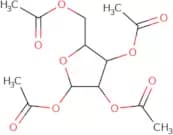
CAS :1,2,3,5-Tetra-o-acetyl-D-xylofuranose is a fatty acid that is found in human red blood cells. It is used as a biochemical marker to diagnose the activity index of fatty acids in the red cell membrane. The activity index can be used to determine whether an individual has metabolic disorders such as hepatic steatosis or lc-ms/ms method. 1,2,3,5-Tetra-o-acetyl-D-xylofuranose also has antimicrobial effects against bacteria and fungi and can be used for the treatment of infectious diseases.
Formule :C13H18O9Degré de pureté :Min. 95%Masse moléculaire :318.28 g/mol4'-O-(b-D-2,3,4,6-Tetra-O-acetyl-glucopyranosyl)-4-nitrophloretin
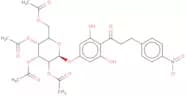
CAS :4'-O-(b-D-2,3,4,6-Tetra-O-acetyl-glucopyranosyl)-4-nitrophloretin is a custom synthesis with Modification. This product was prepared by fluorination and methylation of 4'-O-(b-D-2,3,4,6-tetra-O-[1,2:1,3]triazolium chloride)-4' nitrophloretin. The molecular formula is C21H18N8O12 and molecular weight is 524.32. CAS No. 82628-87-3.
Formule :C29H31NO15Degré de pureté :Min. 95%Masse moléculaire :633.55 g/mol(S)-Propranolol glucuronide
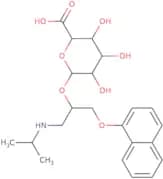
CAS :(S)-Propranolol glucuronide is a custom-synthesized sugar that has been modified with fluorination and methylation. It is also a polysaccharide that has been glycosylated and carbamoylated. This compound is a white crystalline solid that can be used as an intermediate in the synthesis of saccharides, oligosaccharides, and polysaccharides.
Formule :C22H29NO8Degré de pureté :Min. 95%Masse moléculaire :435.47 g/mol1,3,4,6-Tetra-O-acetyl-N-(4-methoxybenzylidene)-b-D-glucosamine
CAS :1,3,4,6-Tetra-O-acetyl-N-(4-methoxybenzylidene)-b-D-glucosamine is a high purity custom synthesis sugar that has been fluorinated and glycosylated. It is synthesized from the methylation of 4-(1,3,4,6-tetra-O-acetyl)-N-(4-hydroxybenzylidene)-b-D-glucosamine and can be used for the modification of saccharides or oligosaccharides. This compound has CAS No. 7597-81-1 and is known as a carbohydrate.
Formule :C22H27NO10Degré de pureté :Min. 95%Masse moléculaire :465.45 g/molIvermectin monosaccharide
CAS :Ivermectin monosaccharide is a molecule that has been shown to have an inhibitory effect on the uptake of glucose by cyathostomes. This molecule does not bind to inulin, but it does bind to the receptor binding site for ivermectin. Ivermectin monosaccharide has been shown to have a high affinity for the receptor binding site and can be used as an alternative method for detecting low concentrations of ivermectin.
Formule :C41H62O11Degré de pureté :Min. 95%Masse moléculaire :730.92 g/molL-Sorbosone
CAS :L-Sorbosone is an antioxidant that can be used as a food additive or dietary supplement. It has been shown to have antioxidative properties and has the ability to inhibit oxidation reactions. The optimum concentration of L-sorbosone is 0.1 milligrams per liter and it is effective at inhibiting chemical reactions in a wide range of pH levels, from 2 to 8. L-Sorbosone belongs to the genus sorbose, which is a sugar alcohol that does not contain an aldehyde group. It also converts sorbose into dehydroascorbic acid and inhibits the enzyme activities of two important enzymes involved in cell culture, namely glutathione reductase and cytochrome p450, which are necessary for maintaining cellular redox balance.
Formule :C6H10O6Degré de pureté :Min. 95%Masse moléculaire :178.14 g/mol3-Deoxy-3-fluoro-D-fructose
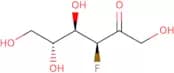
CAS :3-Deoxy-3-fluoro-D-fructose is a monosaccharide that has been used as an inhibitor of glucose uptake and metabolism in the lymphocytic leukemia cell line. This compound has been shown to inhibit the glucose transporter GLUT1, which is responsible for the transport of glucose across the plasma membrane. 3-Deoxy-3-fluoro-D-fructose inhibits cancer cells by inhibiting galactitol production through inhibition of gluconeogenesis. It also inhibits oxidative phosphorylation in lymphocytic leukemia cells, leading to apoptosis. 3-Deoxy-3-fluoro-D-fructose has been shown to inhibit cancer growth by blocking glucose uptake in xenopus oocytes.
Degré de pureté :Min. 95%Sucrose - USP
CAS :Consumed in large amounts around the world as a food ingredient. Other applications of sucrose include its use in surfactants (esters), polyurethanes (polyols), plastics (alkyds) to produce dextrans (Leuconostoc mesenteroides fermentation) and ethanol (Saccharomyces cerevisiae fermentation).
Formule :C12H22O11Degré de pureté :Min. 95%Couleur et forme :White/Off-White SolidMasse moléculaire :342.3 g/molSennoside D
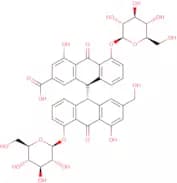
CAS :Sennoside D is a fatty acid that can be isolated from the sennosides found in the leaves of the plant Senna alata. It has been shown to have anti-tumor properties and may play a role in treating colon cancer, breast cancer, and skin cancer. Sennoside D has also been shown to be effective against autoimmune diseases such as arthritis, ulcerative colitis, and Crohn's disease. The low energy of this compound may be due to its formation rate. The hydroxide solution (NaOH) is used in the synthesis of this molecule because it binds with carbon dioxide molecules to form sodium bicarbonate and carbon dioxide gas which can then be captured by water. This process produces a high yield of sennoside D. In addition, the bound form of this molecule is soluble in organic solvents and insoluble in water, which makes it suitable for skin conditions as well as colon cancer treatments.
Degré de pureté :Min. 95%Couleur et forme :SolidMethyl a-D-altropyranoside
CAS :Methyl a-D-altropyranoside is an electrolyte solution that is used for the stabilization and selective separation of glycosides. It has been shown to be effective at diagnosing bacterial infections by selectively binding to glycosylated nucleotides. The methyl group on the molecule is necessary for this function, and therefore it cannot act as a glycosylated nucleotide in its own right. Methyl a-D-altropyranoside may be used to synthesize nucleotides with axial or equatorial configurations, which are not usually found in nature. The yields of these sequences can be increased using this compound.
Formule :C7H14O6Degré de pureté :Min. 95%Masse moléculaire :194.18 g/mol5-(S-2-Pyridin-3-yl-pyrrolidine)-1-yl-5-deoxy-1,2-isopropylidene-a-D-xylofuranose
CAS :5-(S-2-Pyridin-3-yl-pyrrolidine)-1-yl-5-deoxy-1,2-isopropylidene-a-D-xylofuranose is a glycosylated sugar which can be modified with methyl groups, fluorine atoms, and saccharides. This compound has been synthesized in the laboratory and has not been found in nature. It is soluble in water and ethanol. The compound is available for custom synthesis to order.Formule :C17H24N2O4Degré de pureté :Min. 95%Masse moléculaire :320.39 g/mol1,4-b-Xylobiose hexaacetate
CAS :1,4-b-Xylobiose hexaacetate is a sugar that is used in the glycosylation of complex carbohydrates. It can be synthesized from xylose and acetaldehyde by Methylation and Click modification. 1,4-b-Xylobiose hexaacetate has been fluorinated to give a stable product. This product is soluble in water, ethanol, acetone, DMF, DMSO and other organic solvents. It can also be used for methylation or polysaccharide synthesis. The CAS number for this compound is 58024-20-7.
Formule :C22H30O15Degré de pureté :Min. 95%Couleur et forme :White PowderMasse moléculaire :534.46 g/molPhenyl a-L-thiorhamnopyranoside
CAS :Phenyl a-L-thiorhamnopyranoside is a monosaccharide that is synthesized by the methylation of alpha-D-glucose. It is a custom synthesis that is used in the synthesis of oligosaccharides, polysaccharides, and sugar drugs. Phenyl a-L-thiorhamnopyranoside can be fluorinated to create an active form that has antibacterial activity. This compound has shown no signs of toxicity in animal studies and has been used as a food additive.
Formule :C12H16O4SDegré de pureté :Min. 95%Masse moléculaire :256.32 g/mol












![4'-(Azidomethyl)-[1,1'-biphenyl]-2-carboxamide](/_next/image/?url=https%3A%2Fstatic.cymitquimica.com%2Fproducts%2FTR%2Fthumb-webp%2FA815580.webp&w=3840&q=75)

![N,N-[Iminobis(trimethylene)]bis-D-gluconamide](/_next/image/?url=https%3A%2Fstatic.cymitquimica.com%2Fproducts%2FTR%2Fthumb-webp%2FI400500.webp&w=3840&q=75)
![1,6:3,4-Bis-[O-(2,3-dimethoxybutane-2,3-diyl)]-2-O-trifluoromethanesulphonyl-5-O-benzolyl-myo-inos…](/_next/image/?url=https%3A%2Fstatic.cymitquimica.com%2Fproducts%2F3D%2Fthumb-webp%2FMB16636.webp&w=3840&q=75)




![D-[1-13C]Xylose](/_next/image/?url=https%3A%2Fstatic.cymitquimica.com%2Fproducts%2F3D%2Fthumb-webp%2FVCA84921.webp&w=3840&q=75)