Glycosciences
La glycosciences est l'étude des glucides et de leurs dérivés, ainsi que des interactions et des fonctions biologiques auxquelles ils participent. Ce domaine de recherche est crucial pour comprendre une grande variété de processus biologiques, y compris la reconnaissance cellulaire, la signalisation, la réponse immunitaire et le développement des maladies. La glycosciences a des applications importantes en biotechnologie, en médecine et dans le développement de nouveaux médicaments et thérapies. Chez CymitQuimica, nous proposons une large sélection de produits de haute qualité et pureté pour la recherche en glycosciences. Notre catalogue comprend des monosaccharides, des oligosaccharides, des polysaccharides, des glyconjugués et des réactifs spécifiques, conçus pour soutenir les chercheurs dans leurs études sur la structure, la fonction et les applications des glucides dans les systèmes biologiques. Ces ressources sont destinées à faciliter les découvertes scientifiques et les applications pratiques dans divers domaines des biosciences et de la médecine.
Sous-catégories appartenant à la catégorie "Glycosciences"
- Aminosucres(108 produits)
- Anticorps Glyco-Related(282 produits)
- Glycolipides(46 produits)
- Glycosaminoglycanes (GAGs)(55 produits)
- Glycosides(419 produits)
- Monosaccharides(6.621 produits)
- Oligosaccharides(3.681 produits)
- Polysaccharides(503 produits)
11041 produits trouvés pour "Glycosciences"
Trier par
Degré de pureté (%)
0
100
|
0
|
50
|
90
|
95
|
100
Phenyl 3-O-benzyl-b-D-thioglucopyranoside
CAS :<p>Phenyl 3-O-benzyl-b-D-thioglucopyranoside is a synthetic, fluorinated monosaccharide that has been used as a glycosylation and polysaccharide for various applications. It can be used as a reagent in Click chemistry due to its ability to undergo facile and selective methylation. Phenyl 3-O-benzyl-b-D-thioglucopyranoside is also used in the synthesis of complex carbohydrates and sugar modification.</p>Degré de pureté :Min. 95%Glycyl-lacto-N-fucopentaose VI
<p>Glycyl-lacto-N-fucopentaose VI is a polysaccharide that is synthesized by the enzymatic activity of glycosylase, methylase, and fluorinase. It can be modified with click chemistry to introduce a fluorine atom at the C4 position of the glucose molecule. This modification can be used for the synthesis of oligosaccharides. Glycyl-lacto-N-fucopentaose VI has CAS number 108897-96-5 and is available in high purity and custom synthesis.</p>Formule :C34H59N3O25Degré de pureté :Min. 95%Masse moléculaire :909.84 g/molFuc-a-1-2-Gal-b-1-3-GalNAc-b-1-4-Gal-b-1-4-Glc-b-ethylazide
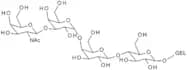
<p>Fuc-a-1-2-Gal-b-1-3-GalNAc-b-1-4-Gal-b is a methylated oligosaccharide that binds to the C3 position of NANA (N acetylneuraminic acid) residues. It has been shown to be an effective inhibitor of tumor growth and angiogenesis, which may be due to its ability to inhibit the synthesis of glycoproteins and glycolipids in tumors. Fucogalactose can also be modified with different fluorinated groups, such as 4F or 18F, for use in positron emission tomography imaging. This product is available for custom synthesis and modification.</p>Degré de pureté :Min. 95%D-myo-inositol 3-phosphate
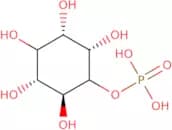
CAS :<p>D-myo-inositol 3-phosphate (IP3) is a molecule that is involved in the metabolism of carbohydrates, fats, and proteins. It is synthesized from D-myo-inositol 1,4,5-trisphosphate through the action of an enzyme called phosphatidylinositol kinase. IP3 binds to the calmodulin protein and has been shown to have biological properties, such as cytosolic or chloroplastic localization and transcriptional regulation. IP3 also participates in the synthesis of DNA and RNA. The sequence of IP3 has been determined for plants such as Solanum tuberosum and Arabidopsis thaliana.</p>Formule :C6H13O9PDegré de pureté :Min. 95%Masse moléculaire :260.14 g/molFurcellaran
CAS :<p>Furcellaran (Danish agar) is similar to κ-carrageenan but is less sulphated (50%). It has been extracted from Furcellaria lumbricalis, which is mainly harvested off the coast of Denmark. This species, which is common to most parts of Europe, occurs as a loose form and only reproduces vegetatively.<br>The image was kindly provided by Prof Mike Guiry from Cork who runs ‘The Seaweed Site’.</p>Couleur et forme :PowderA2 Glycan, 2-AB labelled
<p>The A2 Glycan is a custom synthesized oligosaccharide that is labelled with 2-AB. It contains the following sugars: Oligosaccharide, sugar, Synthetic, Fluorination, Custom synthesis, Methylation, Monosaccharide, Polysaccharide. The A2 Glycan has a purity of > 99%. CAS No. for this product is not available. Modification includes Click modification and complex carbohydrate.</p>Degré de pureté :Min. 95%N-[2-(4'-Nitrophenyl)-1-cyano-3-butene]-2,3,4,6-tetra-O-pivaloyl-D-glucopyranoside
<p>The product is a methylation, saccharide, Polysaccharide, CAS No., Click modification, Modification, Oligosaccharide, Custom synthesis, Glycosylation and High purity. The product is a fluorination and complex carbohydrate.</p>Formule :C36H51N3O11Degré de pureté :Min. 95%Masse moléculaire :701.8 g/molMethyl 7-chloro-7-deoxy-1-thiolincosaminide
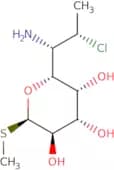
CAS :<p>Methyl 7-chloro-7-deoxy-1-thiolincosaminide is a modification of the monosaccharide D-glucose. It has a CAS number of 22965-79-3 and is a white powder. Methyl 7-chloro-7-deoxy-1-thiolincosaminide can be used in the production of various carbohydrates, such as oligosaccharides and polysaccharides. This compound is also useful for the synthesis of sugar related products, including saccharides, glycosylation, and fluorination. Methyl 7-chloro-7-deoxy 1 -thiolincosaminide has been shown to be highly pure and synthetic, making it suitable for use in research or industrial settings.</p>Formule :C9H18ClNO4SDegré de pureté :Min. 95%Couleur et forme :PowderMasse moléculaire :271.76 g/mol7-Deoxy-D-glycero-D-gluco-heptitol
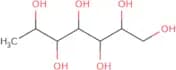
CAS :<p>7-Deoxy-D-glycero-D-gluco-heptitol is a synthetic sugar that can be used as a building block for the synthesis of complex carbohydrates. 7DGDG has shown to be a good substrate for glycosylation and has been modified with fluorine, methyl, and click chemistry. This sugar also shows high reactivity towards saccharide and oligosaccharides. 7DGDG may be useful in the production of polysaccharides or glycosylations.</p>Degré de pureté :Min. 95%Psyllium seed gum
CAS :<p>Psyllium seed gum comes from plants of the Plantago genus and is cultivated mainly in the Mediterranian and in India. Psyllium has been used for many years medical applications and more recently there has been a resurgency of interest because it has been seen as a soluble dietary fibre. The proposed structure is of a backbone of D-xylopyranosyl units linked (1,4) and (1,3) with the 4-linked units bearing side chains. The side chains consist of α-L-arabinofuranosyl units linked (1,3) and (1,2) and β-D-xylopyranosyl units linked (1,3) and (1,2) and the α-D-GalAρ-(1,2)-α-L-Rhaρ aldobiuronic acid units linked (1,2) to the main chain.</p>Formule :C33H66O2Degré de pureté :Min. 95%Couleur et forme :PowderMasse moléculaire :494.90 g/mol2,3,4,6-Tetra-O-acetyl-a-D-mannopyranosyl bromide - stabilised with 2% CaCO3
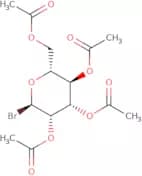
CAS :<p>Donor for Koenigs-Knorr type mannosylation and other anomeric substitutions</p>Formule :C14H19BrO9Degré de pureté :Min. 95%Couleur et forme :Yellow PowderMasse moléculaire :411.2 g/mol2-Acetamido-3,4,6-tri-O-acetyl-2-deoxy-D-glucohydroximo-1,5-lactone
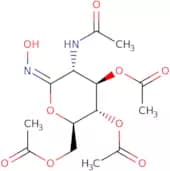
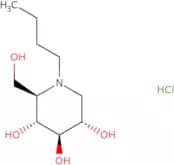
CAS :<p>2-Acetamido-3,4,6-tri-O-acetyl-2-deoxy-D-glucohydroximo-1,5-lactone is a methylated sugar. It is a white to off white powder with a molecular weight of 518. The chemical formula for 2-Acetamido-3,4,6-tri-O-acetyl-2-deoxy--D--glucohydroximo--1,5--lactone is C16H26N2O8 and the structural formula is as follows:br></p>Formule :C14H20N2O9Degré de pureté :Min. 95%Couleur et forme :White PowderMasse moléculaire :360.32 g/molN-Butyldeoxynojirimycin hydrochloride
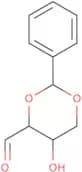
CAS :<p>Competitive inhibitor of ceramide-glycosyltransferase used for substrate reduction therapy in lysosomal storage disorders. It inhibits glucosylceramide synthase, which catalyses the initial step in glycosphingolipid biosynthetic pathway. This compound delays the onset of symptoms in type 1 Gaucher disease, Sandhoff disease and Tay-Sachs disease. It also reduces brain abnormalities in mucolipidosis type IV.</p>Formule :C10H21NO4•HClDegré de pureté :Min. 95%Couleur et forme :PowderMasse moléculaire :255.74 g/mol2,4-O-Benzylidene-D-Threose
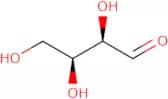
CAS :<p>2,4-O-Benzylidene-D-Threose is a chemical compound that is used as a reagent in the synthesis of glycosphingolipids. It is prepared by the Wittig reaction of 2,4-dibromobenzaldehyde with potassium azide and phytosphingosine. The compound has also been used as a tool in biological studies to study the biosynthesis of glycosphingolipids. This product can react with carbinols to produce acetylides or diphosphate esters. 2,4-O-Benzylidene-D-Threose can be used as a reagent for the synthesis of methylmagnesium chloride, which is a Grignard reagent.</p>Degré de pureté :Min. 95%L-Threose - aqueous solution
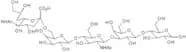
CAS :<p>L-Threose is a sugar molecule that is used as a structural component of DNA and RNA. It is also an important part of the energy metabolism in cells. L-Threose can be enzymatically inactivated by glycosidases, which are enzymes that hydrolyze glycosidic bonds. The inhibition of glycosidases by L-threose may be useful for the prevention or treatment of diseases associated with enzyme activity, such as diabetes mellitus type II. L-Threose has been shown to have inhibitory properties against sephadex G-100, a membrane protein found in bacteria. L-Threose may be useful as a control agent for research into the response element of polymerase chain reaction (PCR).</p>Formule :C4H8O4Degré de pureté :Min. 60 Area-%Couleur et forme :Clear LiquidMasse moléculaire :120.1 g/molLS-tetrasaccharide c ammonium salt
CAS :<p>Sialylated tetrasaccharide found in human milk, possible health benefits for the neonate by supporting resistance to pathogens, gut maturation, immune function, and cognitive development.</p>Formule :C37H62N2O29•NH3Degré de pureté :Min. 95 Area-%Couleur et forme :White PowderMasse moléculaire :1,015.88 g/molEthyl 2-O-benzyl-b-D-thioglucopyranoside
<p>Ethyl 2-O-benzyl-b-D-thioglucopyranoside is a custom synthesis product. It is an oligosaccharide that contains a saccharide monomer unit with a carbohydrate chain containing between 3 and 10 monomer units. This product has been modified to include fluorine atoms, which confers resistance to degradation by enzymes. The product has been synthesized from ethyl 2-O-benzyl-b-D-thioglucopyranoside and 2,4,5,6-tetrafluoroethanol in the presence of sodium methoxide in methanol at 120 °C for 24 hours.</p>Degré de pureté :Min. 95%3-Aminopropyl α-D-glucopyranoside
CAS :<p>3-Aminopropyl α-D-glucopyranoside is a monomer that can be used to produce polymers. It has been shown to be effective in methylation, saccharide and oligosaccharide modifications. 3-Aminopropyl α-D-glucopyranoside is an alpha glucosidase inhibitor. The compound also inhibits the action of other enzymes, such as glycosidases, which are responsible for breaking down glycogen and starch. 3-Aminopropyl α-D-glucopyranoside is a white powder with a melting point of about 150°C and boiling point of about 300°C.</p>Formule :C9H19NO6Degré de pureté :Min. 95%Couleur et forme :PowderMasse moléculaire :237.35 g/mol6-O-(a-D-Mannopyranosyl)-D-mannose
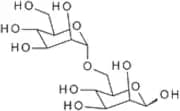
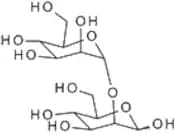
CAS :<p>Produced by the reverse hydrolysis of a mannose substrate. Isolated from the partial hydrolysates of bakers' yeast (Saccharomyces cerevisiae) mannan. This disaccharide also forms the sugar portion of the phospholipid, phosphatidylinositodimannoside, of Mycobacterium tuberculosis.</p>Formule :C12H22O11Degré de pureté :Min. 95%Couleur et forme :White PowderMasse moléculaire :342.3 g/molChitotriose trihydrochloride
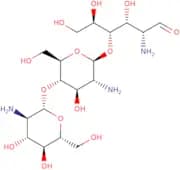
CAS :<p>Chitotriose trihydrochloride is a modification of chitin, an oligosaccharide. Chitotriose trihydrochloride is a synthetic carbohydrate which is used as a raw material for the production of fibers, films, and adhesives. It can be used in the synthesis of complex carbohydrates such as starch and glycogen. Chitotriose trihydrochloride is a high purity carbohydrate with CAS No. 41708-93-4 that can be used to produce glycosylated proteins or polysaccharides.</p>Formule :C18H35N3O13·3HClDegré de pureté :Min. 95 Area-%Couleur et forme :PowderMasse moléculaire :610.87 g/mol5-Azido-5-deoxy-1,2-O-isopropylidene-a-D-galactofuranose
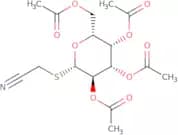
<p>5-Azido-5-deoxy-1,2-O-isopropylidene-a-D-galactofuranose is a synthetic sugar that can be modified to create oligosaccharide and polysaccharides. It has been used in click chemistry to modify proteins and other biomolecules. This product is used for fluorination of sugars, methylation of monosaccharides, and modification of saccharides with a variety of functional groups. 5-Azido-5-deoxy-1,2-O-isopropylidene-a-D galactofuranose is also used for the synthesis of complex carbohydrates. This product can be purchased in large quantities for custom synthesis orders.</p>Degré de pureté :Min. 95%Cyanomethyl 2,3,4,6-tetra-O-acetyl-b-D-thioglucopyranoside
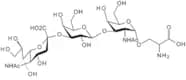
CAS :<p>Cyanomethyl 2,3,4,6-tetra-O-acetyl-b-D-thioglucopyranoside is a synthetic glycosylation agent. It is an acetal derivative of b-D-thioglucopyranoside with a terminal methyl group at C2 and a fluorine atom at C6. This product can be used to modify saccharides and sugars in a variety of ways. It has been shown to react with various carbohydrates including polysaccharides and oligosaccharides. Synthetic glycosylations are often used in the synthesis of complex carbohydrates for use in pharmaceuticals or chemical engineering. The CAS number for this product is 61145-33-3.</p>Formule :C16H21NO9SDegré de pureté :Min. 95%Masse moléculaire :403.41 g/mol3'-Sialylgalacto-N-biosyl-serine
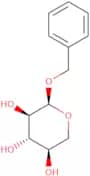
<p>3'-Sialylgalacto-N-biosyl-serine is a custom synthesis of a high purity, complex carbohydrate with the following modifications: fluorination and click modification. This product is a monosaccharide sugar that has many applications in biomedical research. 3'-Sialylgalacto-N-biosyl-serine is an important component of glycolipids and glycoproteins, which are major constituents of the outer leaflet of the plasma membrane. It also plays a role in cell signaling, binding to receptors on the surface of cells to activate them. In addition, this product can be used for the methylation reaction and has been used as an intermediate for other oligosaccharides and polysaccharides.</p>Formule :C28H47N3O21Degré de pureté :Min. 95 Area-%Couleur et forme :PowderMasse moléculaire :761.68 g/molBenzyl a-D-xylopyranoside
CAS :<p>Benzyl a-D-xylopyranoside is a benzyl galactofuranose that is synthesized from the condensation of benzaldehyde and D-xylose. This compound has been shown to be an excellent target molecule for the detection of Mycobacterium tuberculosis, as it constitutes about 10% of the mycolic acid in this organism. Benzyl a-D-xylopyranoside can also be used to detect other bacteria such as Actinomyces, Streptomyces, and Corynebacterium. The yield of this compound is high and its regiospecificity is complete.</p>Formule :C12H16O5Degré de pureté :Min. 95%Couleur et forme :PowderMasse moléculaire :240.25 g/mol1-O-Benzyl-2N, 3-O-carbonyl-α-L-sorbofuranosylamine
CAS :<p>Apigenin is a flavone, which is a type of phenolic compound. It is one of the most widely distributed plant flavonoids found in nature. Apigenin has been shown to inhibit glucose uptake and intestinal transport in mice. Apigenin also has been shown to have anti-inflammatory properties, as well as the ability to suppress the growth of cancer cells in vitro. The expression of apigenin was observed after incubation with caco-2 cells and was upregulated when maltose was added to the media. Apigenin can be used as an additive for food products that are high in sugar content, such as cakes and cookies.</p>Formule :C14H17NO6Degré de pureté :Min. 95%Couleur et forme :Colourless LiquidMasse moléculaire :295.29 g/mol(1S) -1- [(2S, 3R,4R) -4-Hydroxymethyl-3- hydroxy- 1- azetidinyl] -1, 2- ethanediol
<p>(1S) -1- [(2S, 3R,4R) -4-Hydroxymethyl-3- hydroxy- 1- azetidinyl] -1, 2- ethanediol is a synthetic sugar that can be used as a glycosylation or click modification agent. It is also used in the synthesis of complex carbohydrates. This product has been shown to have high purity and is available for custom synthesis.</p>Degré de pureté :Min. 95%1-Amino-D-butane-2,3,4-triol
<p>1-Amino-D-butane-2,3,4-triol is a custom synthesis of 1,2,3,4-1-amino butane. It has been modified with fluorination and methylation. This product has a CAS number of 20897-16-0. The molecular weight is 152.17 g/mol and the molecular formula is C6H11NO3. This product is a synthetic compound that consists of monosaccharides and oligosaccharides. The glycosylation is Oligosaccharide and saccharide. It can be found in the carbohydrate category as it contains complex carbohydrates.</p>Degré de pureté :Min. 95%(2R, 3R, 4R, 5S) -3,4-Dihydroxy-2, 5- pyrrolidinedimethano l
CAS :<p>(2R, 3R, 4R, 5S) -3,4-Dihydroxy-2, 5- pyrrolidinedimethanol is an organic compound that is a modification of the sugar erythrose. It has been synthesized from 2,3,4,5-tetrahydroxybenzaldehyde and 2-fluoro-1-(trifluoromethyl)benzene. The compound has been used for the preparation of oligosaccharides and polysaccharides. It is also used as a raw material for the synthesis of complex carbohydrate compounds and saccharide derivatives. (2R, 3R, 4R, 5S) -3,4-Dihydroxy-2, 5- pyrrolidinedimethanol is used in the production of fluorinated saccharides.</p>Degré de pureté :Min. 95%2-Acetamido-2-deoxy-D-lyxojirimycin
CAS :<p>2-Acetamido-2-deoxy-D-lyxojirimycin is a carbohydrate that is modified by fluorination, methylation, glycosylation, and click modification. The compound is a synthetic monosaccharide that is used in the synthesis of complex carbohydrates. 2-Acetamido-2-deoxy-D-lyxojirimycin has CAS number 1207673-74-2 and can be custom synthesized to meet your requirements for purity and quality.</p>Formule :C7H14N2O3Degré de pureté :Min. 95%Masse moléculaire :174.2 g/mol6'-O-Benzoyl-2,3,6,3',4,-penta-O-acetyl-sucrose
<p>6'-O-Benzoyl-2,3,6,3',4,-penta-O-acetyl-sucrose is a methylated and fluorinated glycosylation product of sucrose. This compound has a molecular weight of 527.97 and an average molar mass of 579.38 g/mol. It exists in the form of white crystals at room temperature and has a melting point of 222 °C. 6'-O-Benzoyl-2,3,6,3',4,-penta-O-acetyl-sucrose is soluble in water and ethanol but insoluble in ether. It is not toxic or irritating to skin or eyes and does not react with other substances to produce hazardous reactions.</p>Degré de pureté :Min. 95%2,3:4,6-Di-O-isopropylidene-α-L-sorbofuranose
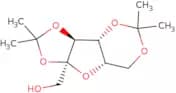
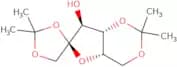
CAS :<p>2,3:4,6-Di-O-isopropylidene-α-L-sorbofuranose is a furanose sugar that is structurally similar to sorbose. It is a five membered ring with two stereocenters. The conformation of this molecule encompasses the techniques of dialkyl and furanose synthesis. This compound can be used as a vitamin and can be degraded by ozonation in water. 2,3:4,6-Di-O-isopropylidene-α-L-sorbofuranose is biodegradable and has been shown to have antiinflammatory properties.</p>Formule :C12H20O6Degré de pureté :Min. 95%Couleur et forme :White PowderMasse moléculaire :260.28 g/molIsomaltitol
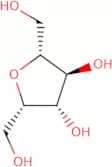
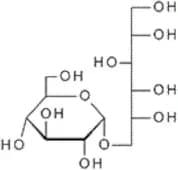
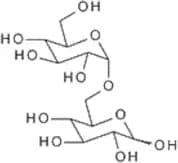
CAS :<p>Bulk sweetener; viscosity/bodying agent; humectant; cryoprotectant</p>Formule :C12H24O11Degré de pureté :Min. 95%Couleur et forme :White SolidMasse moléculaire :344.31 g/molN-Acetyl-L-xylosamine
<p>N-Acetyl-L-xylosamine is a custom synthesis of a glycosylation product that contains an acetyl group and a xylosamine. It is used as a building block for the synthesis of complex carbohydrates. N-Acetyl-L-xylosamine can be modified with fluorination, saccharide, modification, sugar, or oligosaccharide to create custom products.</p>Formule :C7H13NO5Degré de pureté :Min. 95%Couleur et forme :Yellow PowderMasse moléculaire :191.18 g/mol(3S, 4S, 5R) -3, 4- Dihydroxy- 5- (hydroxymethyl) -L- proline
<p>(3S, 4S, 5R) -3, 4- Dihydroxy- 5- (hydroxymethyl) -L- proline is a custom synthesis. It is a fluorinated, methylated, and modified monosaccharide with a polysaccharide sugar attached to a glycosylation site. The CAS number for this compound is not available.</p>Degré de pureté :Min. 95%D-Maltose monohydrate
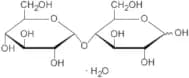
CAS :<p>Maltose (or malt sugar) is produced by the action of α-and β-amylase on starch. Maltose is an intermediate in the intestinal digestion (i.e. hydrolysis) of glycogen and starch and is found in germinating grains (and other plants and vegetables). Maltose-containing syrups are used in the brewing, baking, soft drink, canning, confectionery, and other food industries (Collins, 2006). Maltose is also used in affinity purification of proteins using MBP-fused protein constructs. Herein, maltose is added to an elution buffer causing release of the MBP-fused protein from the resin.</p>Formule :C12H24O12Masse moléculaire :360.32 g/molGala1-3Galb1-4GlcNAc-O-L-serine
<p>Gala1-3Galb1-4GlcNAc-O-L-serine is a Custom synthesis, Modification, Fluorination, Methylation, Monosaccharide, Synthetic, Click modification, Oligosaccharide, saccharide. The CAS number for this product is . It has been created by the process of Glycosylation. This product is a Carbohydrate and a Polysaccharide. The molecular weight of this product is .</p>Degré de pureté :Min. 95%Chondroitin disaccharide di-diSD trisodium salt
CAS :<p>Chondroitin disaccharide di-diSD trisodium salt is a synthetic, high purity chondroitin sulfate with a molecular weight of about 1 million. It is custom synthesized and modified to include a Click modification on the sugar, fluorination, glycosylation and methylation. The CAS number for this product is 149368-03-6. This product can be used as an ingredient in pharmaceuticals or in cosmetics.</p>Formule :C14H18NO17S2Na3Degré de pureté :Min. 95%Couleur et forme :PowderMasse moléculaire :605.39 g/mol2,3:5,6-Di-O-isopropylidene-D-mannonic acid-1,4-lactone
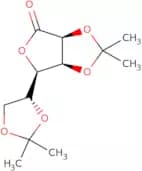
CAS :<p>2,3:5,6-Di-O-isopropylidene-D-mannonic acid-1,4-lactone is an analogue of the furanoid compound mannonic acid. It is a lactone that can be hydrolyzed to carboxylic acids with acidic conditions. This compound has been shown to be a good target molecule for efficient syntheses of alcohols and thiols. The configurations at the stereocenters are analogous to those found in other furanoids. The high yields and yields of this molecule make it an efficient target molecule for synthesis.</p>Formule :C12H18O6Degré de pureté :Min. 95%Couleur et forme :PowderMasse moléculaire :258.27 g/molDextran 250 - MW: 225,000 to 275,000
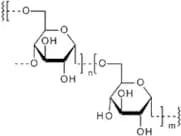
CAS :<p>Complex glucan (a 1-6) from Leuconostoc spp.; extender in blood transfusions</p>Couleur et forme :PowderGlobo-N-tetraose GEL
<p>Immobilised on Fractogel with glycosylamine formation of the monosaccharide</p>Degré de pureté :Min. 95%1,3,4,6-Tetra-O-acetyl-a-D-glucopyranose
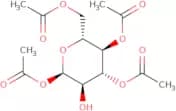
CAS :<p>1,3,4,6-Tetra-O-acetyl-a-D-glucopyranose is a synthon that is used as a synthetic intermediate for the synthesis of other compounds. It is also a reactive compound that can be used to synthesize carboxylic acids and hydroxy ketones by reaction with water or alcohols. 1,3,4,6-Tetra-O-acetyl-a-D-glucopyranose can also be converted into esters by reaction with alcohols.</p>Formule :C14H20O10Degré de pureté :Min. 93 Area-%Couleur et forme :White Off-White PowderMasse moléculaire :348.3 g/molGlupentaacetate
<p>Glupentaacetate is a synthetic, fluorinated sugar that is used in the synthesis of complex carbohydrates. It has been shown to be a useful tool for the modification of glycosylations, polysaccharides and saccharides. Glupentaacetate has been modified with a methyl group at the C-2 position. This modification leads to increased reactivity and stability, in addition to being useful for click chemistry. Glupentaacetate is also stable under acidic conditions, making it an excellent choice for use in organic synthesis.</p>Degré de pureté :Min. 95%2-Azido-2-deoxy-3,4:5,6-di-O-isopropylidene-D-idonic acid methyl ester
<p>2-Azido-2-deoxy-3,4:5,6-di-O-isopropylidene-D-idonic acid methyl ester is an oligosaccharide that is synthesized by the click reaction. It is a fluorinated carbohydrate and can be modified for glycosylation. The compound has high purity and is suitable for modification with azido groups. CAS Number: 570181-97-8</p>Degré de pureté :Min. 95%6-O-tert-Butyldimethylsilyl-1,2,3,4-tetra-O-pivaloyl-b-D-galactopyranose
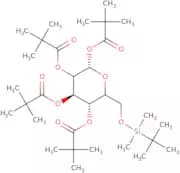
<p>6-O-tert-Butyldimethylsilyl-1,2,3,4-tetra-O-pivaloyl-b-D-galactopyranose is an oligosaccharide that is synthesized through a complex carbohydrate. This product has a CAS No. and is not natural. It is a modification of the sugar galactose and can be methylated or glycosylated. This product has high purity and can be used as a custom synthesis.</p>Formule :C32H58O10SiDegré de pureté :Min. 95%Masse moléculaire :630.9 g/molFluorescein isothiocyanate-carboxymethyl-dextran - Average MW 40,000
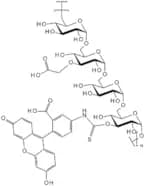
<p>Fluorescein isothiocyanate carboxymethyl dextran (FITC-CM Dextran) has been reported to provide a valuable carrier for nanoparticles of iron oxide. These products provide a potent tool for contrast enhancement in magnetic resonance imaging.</p>Degré de pureté :Min. 95%2,6-Dideoxy-2-fluoro-L-mannose
<p>2,6-Dideoxy-2-fluoro-L-mannose is a monosaccharide that is a fluorinated glycosylate. It is used in the synthesis of oligosaccharides and has been shown to be useful for click modification of proteins. This compound is also used as a substrate for methylation reactions. 2,6-Dideoxy-2-fluoro-L-mannose contains an oxygen atom at the C1 position and two hydroxyl groups at the C3 and C4 positions on the ring. The molecular weight of this compound is 180.16 g/mol.</p>Degré de pureté :Min. 95%Isomaltose
CAS :<p>Sweetener; has low cariogenicity; produced from high maltose syrup by treatment</p>Formule :C12H22O11Degré de pureté :Min. 97 Area-%Couleur et forme :White PowderMasse moléculaire :342.3 g/mol5-Deoxy-1,2-O-isopropylidene-5-[(2R-phenylpyrrolidine)-1-yl]-a-D-xylofuranose
CAS :<p>5-Deoxy-1,2-O-isopropylidene-5-[(2R-phenylpyrrolidine)-1-yl]-a-D-xylofuranose is a sugar that is used in the synthesis of oligosaccharides and monosaccharides. It is also used to modify saccharides and carbohydrates. 5DIOX can be synthesized from deoxyribose phosphate, 2-(2′,4′,6′,8'-tetraoxohexyl)benzaldehyde, and 2-(2′,4′,6′,8'-tetraoxohexyl)pyrrole. The CAS number for 5DIOX is 1014404-86-4.</p>Formule :C18H25NO4Degré de pureté :Min. 95%Masse moléculaire :319.4 g/molArthrobacter viscosus exopolysaccharide
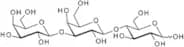
<p>The polysaccharide has a linear structure and consists predominantly of repeating trisaccharide units, -O-(3-D-mannuronic acid-(1,4)-O-(3-D-glucopyranosyl-(1,4)-D-galactose. 50% of the hydroxyl groups are acetylated. Extracted from a gram negative non pathogenic bacteria and then synthetic manipulation.</p>Degré de pureté :Min. 95%Couleur et forme :Powder3'-Galactosyllactose
CAS :<p>Galactosyllactose attenuated NF-κB inflammatory signaling in human intestinal epithelial cells and in human immature intestine. Thus, galactosyllactoses are strong anti-inflammatory agents in human colostrum and early milk, contributing to innate immune modulation. The potential clinical utility of galactosyllactose warrants investigation.</p>Formule :C18H32O16Degré de pureté :Min. 95 Area-%Couleur et forme :White PowderMasse moléculaire :504.44 g/molb-D-Glucose - 85%
CAS :<p>Glycol ethers are compounds that are used as solvents and plasticizers. They have been shown to inhibit the activity of enzymes, such as glucose-6-phosphate dehydrogenase, which is involved in the conversion of glucose to phosphate. Glycol ethers also promote sugar transport by inhibiting the sodium-dependent glucose transporter (SGLT). This transport mechanism is important for maintaining normal blood sugar levels and preventing diabetic neuropathy. Glycol ethers are also anti-diabetic agents that can increase insulin sensitivity by stimulating insulin release from pancreatic beta cells and improving the response of peripheral tissues to insulin stimulation.</p>Formule :C6H12O6Degré de pureté :Min. 95%Couleur et forme :White PowderMasse moléculaire :180.16 g/molN-Acetylneuraminyl-(a2-3)-D-galactopyranosyl-(b1-3)-D-N-acetylgalactosaminyl serine
<p>N-Acetylneuraminyl-(a2-3)-D-galactopyranosyl-(b1-3)-D-N-acetylgalactosaminyl serine is a custom synthesized carbohydrate with an average molecular weight of about 1,000. It has been modified with fluorination, methylation, and click chemistry. This polysaccharide has an acetamido group on the C6 position of N-acetylneuraminic acid and a glycosidic linkage at the C4 position of galactose. The saccharide units are composed of a 2,3-linked galactose residue and a b1,3 linked N-acetylgalactosamine residue. The CAS number for this carbohydrate is 116863-87-8.</p>Formule :C28H47N3O21Degré de pureté :Min. 95%Couleur et forme :PowderMasse moléculaire :761.68 g/mol1,2:4,6-Di-O-isopropylidene-α-L-sorbofuranose
CAS :<p>1,2:4,6-Di-O-isopropylidene-a-L-sorbofuranose is a synthetic glycoside that can be used as a carbohydrate in the synthesis of oligosaccharides and polysaccharides. It can be methylated at the C1 position to form 1,2:4,6-di-O-methylidene-a-L-sorbofuranose and then glycosylated with various saccharides at the O3 position. Fluorination of this compound at the C2 position yields 1,2:4,6-diO-(trifluoromethyl)idenea L sorbofuranose. This product has a melting point of 178°C.</p>Formule :C12H20O6Degré de pureté :Min. 95%Couleur et forme :White To Off-White SolidMasse moléculaire :260.28 g/molEthyl 2-O-benzoyl-3-O-benzyl-4-O-levulinoyl-b-D-thioglucopyranoside
<p>Ethyl 2-O-benzoyl-3-O-benzyl-4-O-levulinoyl-b-D-thioglucopyranoside is a glycosylation product of ethyl levulinate and 3,4,6,7,8,9,10,11,12-hexahydroxybenzoate. This compound has undergone methylation at the C2 position of the benzoic acid moiety and click modification at the C1 position of the benzoyl group. It is a polysaccharide that is used as a fluorinating agent in organic synthesis. Ethyl 2-O-benzoyl-3-O-benzyl-4-O-levulinoyl b -D--thioglucopyranoside is an oligosaccharide with six monosaccharides attached to each other by glycosidic bonds. The CAS No</p>Degré de pureté :Min. 95%Phosphatidyl inositol - 10mg/ml solution in chloroform:methanol(4:1)
<p>Phosphatidyl inositol-10mg/ml solution in chloroform:methanol(4:1) is a carbohydrate that is a complex carbohydrate. It is synthesized by the modification of the phosphatidyl inositol molecule with fluorination and methylation. The CAS number for this compound is 91228-52-5. This product can be custom synthesized as per customer's requirements. It has a high purity and excellent quality, and is available at competitive prices.</p>Formule :C47H83O13PDegré de pureté :Min. 95%Couleur et forme :PowderMasse moléculaire :887.13 g/molN-Methyl-D-glucamine
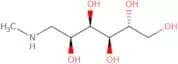
CAS :<p>N-Methyl-D-glucamine is a gadolinium chelate that has been used as a contrast agent in magnetic resonance imaging. It is also an antimicrobial agent that binds to DNA and RNA, inhibiting their synthesis. N-Methyl-D-glucamine has been shown to have strong antitumor activity against carcinoma cell lines in vitro. This drug also inhibits the growth of bacteria such as Leishmania, which causes cutaneous leishmaniasis. N-Methyl-D-glucamine can be used for the treatment of infections caused by methicillin resistant Staphylococcus aureus (MRSA) or Mycobacterium tuberculosis due to its ability to inhibit protein synthesis and bacterial growth. MEGLUMINE is an experimental model for human serum with high water solubility and low toxicity. It belongs to the class of nonsteroidal anti-inflammatory drugs (NSAIDs). The MEGLUM</p>Formule :C7H17NO5Degré de pureté :Min. 95%Couleur et forme :White PowderMasse moléculaire :195.21 g/mol(4R,5S)-2,2,5-Trimethyl-1,3-dioxolane-4-carboxylic acid
CAS :<p>(4R,5S)-2,2,5-Trimethyl-1,3-dioxolane-4-carboxylic acid is a synthetic compound that has not been found in nature. It is a sugar derivative that can be used in the synthesis of oligosaccharides and monosaccharides. (4R,5S)-2,2,5-Trimethyl-1,3-dioxolane-4-carboxylic acid has a CAS number of 107983-40-4 and can be modified with fluorination or glycosylation. This product is also available in various quantities and purity levels.</p>Degré de pureté :Min. 95%(2R, 3R, 4R, 5R) -3, 4-Dihydroxy- 2, 5- bis(hydroxymethyl) -1- pyrrolidinepropanoic acid tert butyl ester
<p>This is a custom synthesis. It can be used as a sugar, click modification, fluorination, glycosylation, and synthetic. This product is CAS No. 634-74-8 with many modifications to make it work for your needs. We have oligosaccharides and monosaccharides that can be modified to create complex carbohydrates.</p>Degré de pureté :Min. 95%3, 4:5, 6- Di- O-isopropylidene -D- gluconic acid methyl ester
<p>3, 4:5, 6- Di- O-isopropylidene -D- gluconic acid methyl ester is a modification of the natural product D-glucose. It is an oligosaccharide with a complex carbohydrate structure. This product can be custom synthesized to meet your requirements and specifications. In addition, it has high purity and CAS No.</p>Degré de pureté :Min. 95%Methyl 3,5-di-O-(p-chlorobenzoyl)-α-D-ribofuranoside
<p>Methyl 3,5-di-O-(p-chlorobenzoyl)-a-D-ribofuranoside is an organic compound. It is a synthetic product that is used in the synthesis of saccharides and polysaccharides. This chemical can be modified with Click chemistry to create a glycosylate or fluorinated complex carbohydrate. The compound has CAS number 62700-92-3 and can be custom synthesized to meet customer specifications.</p>Degré de pureté :Min. 95%Methyl cellulose - viscosity ca 15cP
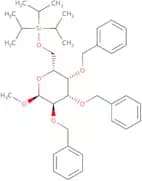
CAS :<p>Methyl cellulose is a water-soluble polymer that is used as a binder or thickener in pharmaceutical, food, and ceramic processing applications. Methylcellulose has an unusual lower critical solution temperature (LCST) between 40 °C and 50 °C. At temperatures below the LCST it is readily soluble in water; above the LCST it is not soluble, which has a paradoxical effect that heating a saturated solution of methylcellulose will turn it solid, because methylcellulose will precipitate out. The temperature at which this occurs depends on DS-value, with higher DS-values giving lower solubility and lower precipitation temperatures because the polar hydroxyl groups are masked.</p>Couleur et forme :White PowderMethyl 2,3,4-tri-O-benzyl-6-O-triisopropylsilyl-a-D-galactopyranoside
CAS :<p>Methyl 2,3,4-tri-O-benzyl-6-O-triisopropylsilyl-a-D-galactopyranoside is a synthetic oligosaccharide that has been modified with fluorination and methylation. It belongs to the class of carbohydrates and is used in custom synthesis. This product can be used to modify glycosylated proteins and nucleic acids.</p>Formule :C37H52O6SiDegré de pureté :Min. 95%Masse moléculaire :620.89 g/mol1-(3'-Azidopropyl)-2-deoxy-4-O-[3-O-(p-phenoxybenzyl)-b-D-galactopyranosyl]-2-phthalimido-b-D-glucopyranoside
<p>1-(3'-Azidopropyl)-2-deoxy-4-O-[3-O-(p-phenoxybenzyl)-b-D-galactopyranosyl]-2-phthalimido-b-D-glucopyranoside is a modification of an oligosaccharide. It is synthesized by the methylation and glycosylation of a monosaccharide, then fluorinated and saccharified. 1-(3'-Azidopropyl)-2-deoxy-4-O-[3-O-(p-phenoxybenzyl)-b -D -galactopyranosyl]-2 -phthalimido b -D -glucopyranoside is a white powder that can be used in the synthesis of complex carbohydrates.</p>Degré de pureté :Min. 95%2a,3b,19a-trihydroxyurs-12-en-28-oic acid 28-b-D-glucopyranosyl ester
<p>2a,3b,19a-trihydroxyurs-12-en-28-oic acid 28-b-D-glucopyranosyl ester is a glycosylated complex carbohydrate that can be methylated, fluorinated, or custom synthesized. It is typically used as an intermediate in the synthesis of polysaccharides, saccharides and oligosaccharides.</p>Degré de pureté :Min. 95%(Piperidine-2,6-dione-4-yl) b-D-ribofuranoside
<p>Methylation of a saccharide is the covalent addition of a methyl group to one of the hydroxyl groups. This process may be achieved through an electrophilic substitution reaction with a methylating agent such as dimethyl sulfate. In the case of polysaccharides, this process can be carried out in vitro using enzymes called glycosyltransferases. The mechanism for glycosyltransferase-mediated methylation was elucidated by Michaelis and Menten in 1913.</p>Degré de pureté :Min. 95%1-O-Acetyl-2-O-benzoyl-3-O-tert-butyldimethylsilyl-L-threofuranose
<p>1-O-Acetyl-2-O-benzoyl-3-O-tert-butyldimethylsilyl-L-threofuranose is a carbohydrate that can be synthesized to serve as a monosaccharide. Carbohydrates are polysaccharides composed of repeating units of sugar, which may be either glucose or fructose. This carbohydrate has been modified with fluorination and acetylation. It can also be modified with methylation, click modification, or polysaccharide synthesis. This product is custom made and can be ordered in high purity for research purposes.</p>Degré de pureté :Min. 95%2,4-Di-C-methyl-3,4-isopropylidene-D-arabinonic acid γ-lactone
<p>2,4-Di-C-methyl-3,4-isopropylidene-D-arabinonic acid gamma-lactone is a custom synthesis that has been modified with fluorination and methylation. It is a monosaccharide that can be found in synthetic oligosaccharides and saccharides. This product is CAS No. 9011-05-2.</p>Degré de pureté :Min. 95%Neu5GcAc[1Me,4789Ac]a(2-6)Gal[24Bz,3Bn]-b-MP
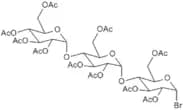
<p>Neu5GcAc[1Me,4789Ac]a(2-6)Gal[24Bz,3Bn]-b-MP is a custom synthesis of an oligosaccharide. This complex carbohydrate has a CAS No. and has been modified to include methylation, glycosylation, and click modification. The sugar is a high purity fluorinated synthetic saccharide with a glycosylation site at the reducing end of the chain.</p>Formule :C56H61NO23Degré de pureté :Min. 95%Masse moléculaire :1,116.08 g/mol2,3,6-Tri-O-acetyl-4-O-(2,3,6-tri-O-acetyl-4-O-(2,3,4,6-tetra-O-acetyl-a-D-glucopyranosyl)-a-D-glucopyranosyl)-a-D-glucopyranosyl br omide
<p>2,3,6-Tri-O-acetyl-4-O-(2,3,6-tri-O-acetyl-4-O-(2,3,4,6-tetra-O-acetylaDglucopyranosyl)-aDglucopyranosyl)-aDglucopyranosyl bromide is a hexasaccharide that mimics the natural structure of deacetylated β1→4 glucans. It has been synthesized by electrochemical reduction of acetobromoglucose and coupling with glycomimetics. 2,3,6 Tri O acetyl 4 O (2 3 6 tri O acetyl 4 O (2 3 4 6 tetra O acetyl a D glucopyranos yl) a D glucopyranos yl) a D glucopyranos yl bromide is an anomeric mixture of diastereoisomers</p>Formule :C38H51BrO25Degré de pureté :Min. 95%Masse moléculaire :987.7 g/mol(2R, 3R, 4R, 5S) -3, 4- Dihydroxy- 5- (hydroxymethyl) - N- methyl-2- pyrrolidinecarboxami de
CAS :<p>Methylation of a saccharide with a methyl group is called methylation. The process is used in the synthesis of many important molecules, including biomedically-relevant compounds such as drugs and natural products. Methylation can be achieved by using various methods, such as by using an organometallic (e.g., Grignard reagent) or electrophilic reagent (e.g., dimethyl sulfate).</p>Degré de pureté :Min. 95%1-Deoxy- 6- O- tert.butyl dimethylsilyl]- 3, 4- O- isopropylidene-D- Psicofuranose
<p>This complex carbohydrate is a modification of the 6-O-tert.butyl dimethylsilyl]psicofuranose. It is an Oligosaccharide that has been modified with methylation, glycosylation, and Click modification of the sugar moieties. The CAS number for this complex carbohydrate is 10963-29-3, and it has a purity of 99%.</p>Degré de pureté :Min. 95%Heparin derived dp4 saccharide ammonium
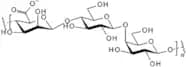
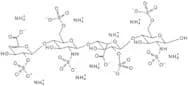
CAS :<p>Heparin is a linear sulphated polysaccharide comprising contiguous disaccharide units of a uronic acid and a derivative of 2-amino-2-deoxy-D-glucose. The heparin tetrasaccharide can be obtained from the degradation of heparin with the lyase enzymes isolated from Flavobacterium heparinum, which yields oligosaccharides terminated at the non-reducing end by the unsaturated unit, 4-deoxy-α-L-threo-hex-4-enopyranosyl uronic acid or its 2-0-sulphated derivative. The major product following lyase degradation is the trisulphated derivative DUA-2S + GlcNS-6S (unsaturated disaccharide). Other oligosaccharides such as the tetrasaccharide, illustrated below, can be produced by the lytic degradation of heparin (Moffat, 1991).</p>Formule :C24H40N2O39S6•(NH3)xDegré de pureté :Of Main Disaccharide Unit Approx. 75%Couleur et forme :PowderMasse moléculaire :Av 12006-Azido-6-deoxy-1,2:3,4-di-O-isopropylidene-a-D-galactopyranose
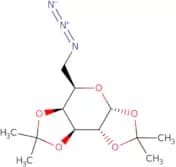
CAS :<p>6-Azido-6-deoxy-1,2:3,4-di-O-isopropylidene-a-D-galactopyranose is a copper complex that is soluble in water. It is used as an initiator for the polymerization of galactose monomers. 6AIDOGAL reacts with azide or diazo compounds to form a cycloaddition reaction and can be used to prepare copolymers by reacting with other monomers such as D-glucose. The temperature range for this reaction is between 20°C and 100°C. This compound has been shown to form stable complexes with Cu(II) ions at temperatures below 0°C.</p>Formule :C12H19N3O5Degré de pureté :Min. 98 Area-%Couleur et forme :Colorless Clear LiquidMasse moléculaire :285.3 g/mol3’-Sialyl lewis A trisaccharide fragment
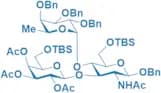
<p>It is a protected trisaccharide intermediate of 3'-Sialyl Lewis A (also known as 3'-SLa, 3'-sLeA or CA19-9). a tetrasaccharide carbohydrate antigen and a potential target for cancer immunotherapy.</p>Formule :C66H93NO17Si2Masse moléculaire :1,228.61 g/mol2-O-(a-D-Mannopyranosyl)-D-mannopyranose
CAS :<p>Synthesized by the action of zinc chloride on tetra-O-acetylmannose and 1-chloro-3,4,6- tri-0-acetylmannose. Isolated from partial acetolysates of baker's yeast mannan and Saccharomyces rouxii mannan.</p>Formule :C12H22O11Degré de pureté :Min. 95 Area-%Couleur et forme :White PowderMasse moléculaire :342.3 g/mol(5S, 8S, 9R) -8- [(4R) - 2, 2- Dimethyl- 1, 3- dioxolan- 4- yl] - 9- hydroxy- 2, 2- dimethyl- 1, 3, 7- trioxaspiro[4.4] nonan- 6- on e
<p>(5S, 8S, 9R) -8- [(4R) - 2, 2- Dimethyl- 1, 3- dioxolan- 4- yl] - 9- hydroxy- 2, 2- dimethyl- 1, 3, 7- trioxaspiro[4.4] nonan- 6- on e is a fluorinated monosaccharide that is synthetically derived. It has been used in glycosylation and polysaccharide synthesis and can be modified with methylation or Click chemistry. This compound is a sugar with CAS number 100741-42-2.</p>Degré de pureté :Min. 95%Carboxymethyl-dextran sodium salt 20-30% COOH - Average molecular weight 40000
CAS :<p>Drug carrier for cancer therapy & imaging, biocompatible, soluble, biodegradable</p>Couleur et forme :PowderD-Mannosamine HCl
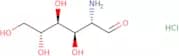
CAS :<p>Resource for synthesis of non-natural ManNAc analogs and mannosaminyl donors</p>Formule :C6H13NO5·HClDegré de pureté :Min. 98 Area-%Couleur et forme :White PowderMasse moléculaire :215.63 g/molPhenyl β-D-thiogalactopyranoside
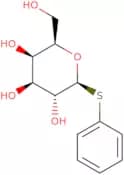
CAS :<p>Phenyl β-D-thiogalactopyranoside is a selective inhibitor of galectin-3, which mediates the growth and metastasis of cancer cells. Phenyl β-D-thiogalactopyranoside has been shown to inhibit the binding of galectin-3 to its receptor on cancer cells, thereby blocking the activation of signaling pathways that promote cell proliferation and survival. The crystalline form can be used as a reagent for the determination of glucose in aqueous solutions.</p>Formule :C12H16O5SDegré de pureté :Min. 95%Couleur et forme :White Off-White PowderMasse moléculaire :272.32 g/molDL-Glyceraldehyde 3-phosphate - 45-55 mg/mL aqueous solution
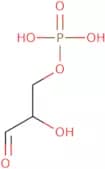
CAS :<p>Glyceraldehyde-3-phosphate dehydrogenase (GAPDH) is an enzyme that catalyzes the conversion of glyceraldehyde-3-phosphate to 1,3 bisphosphoglycerate. GAPDH is involved in glycolysis and the pentose phosphate pathway. It has been shown to be an important player in mediating cellular responses to hypoxia, inflammation, and oxidative stress. The glyceraldehyde-3-phosphate dehydrogenase gene has been found to be mutated in a number of cancers including breast cancer and colon cancer. This gene also has a role in inflammatory lesion development as well as energy metabolism. GAPDH also participates in the biochemical reactions that lead to neuronal death during neurodegenerative diseases such as Alzheimer's disease and Parkinson's disease.</p>Formule :C3H7O6PCouleur et forme :Colorless Clear LiquidMasse moléculaire :170.06 g/mol2,3,4,6-Tetra-O-pivaloyl-D-glucopyranosyl azide
CAS :<p>2,3,4,6-Tetra-O-pivaloyl-D-glucopyranosyl azide is an oligosaccharide that has been modified for use in the synthesis of complex carbohydrates. It is synthesized through a methylation reaction and then click chemistry. The resulting product is a high purity chemical that can be used to modify saccharides or sugars. 2,3,4,6-Tetra-O-pivaloyl-D-glucopyranosyl azide is a white crystalline solid with CAS No. 1251910-91-4.</p>Formule :C26H43N3O9Degré de pureté :Min. 95%Couleur et forme :White SolidMasse moléculaire :541.63 g/molN-[2-(2'-Hydroxyphenylacetonitrile)]-2,3,4,6-tetra-O-pivaloyl-D-glucopyranoside
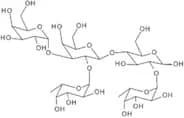
CAS :<p>N-[2-(2'-Hydroxyphenylacetonitrile)]-2,3,4,6-tetra-O-pivaloyl-D-glucopyranoside is a custom synthesis that is a complex carbohydrate. It has CAS No. 55580-06-8. This is an Oligosaccharide that has been modified with saccharides and methylated with glycosylation. Carbohydrate modification includes click modification of sugar and fluorination of synthetic sugars. High purity of this product ensures it will not inhibit reactions in downstream applications as well as be free from contaminants such as endotoxins or heavy metals.</p>Formule :C34H50N4O10Degré de pureté :Min. 95%Masse moléculaire :674.78 g/molBlood Group B pentasaccharide
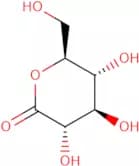
CAS :<p>Core antigen fragment in ABO blood group system</p>Formule :C30H52O24Degré de pureté :Min. 95%Couleur et forme :PowderMasse moléculaire :796.72 g/molL-Glucono-1,5-lactone
CAS :<p>L-Glucono-1,5-lactone is a crystalline compound that is used in structural biology and as a growth factor. It has been shown to inhibit the transfer of phosphate from ATP to protein substrates, binding to receptor sites and inhibiting the activity of enzymes such as protein kinase C. L-Glucono-1,5-lactone has also been shown to bind to an aluminum ion with a constant of 0.5 M. This binding inhibits the enzymatic activity of phosphatases that hydrolyze phosphate esters which are important for cellular metabolism.</p>Formule :C6H10O6Degré de pureté :Min. 85 Area-%Couleur et forme :White Off-White PowderMasse moléculaire :178.14 g/mol4-Deoxy-4-fluoro-D-glucosamine
<p>4-Deoxy-4-fluoro-D-glucosamine is a carbohydrate that is used as an inhibitor of the enzyme l1210. This enzyme is required for the biosynthesis of the glycoprotein on the surface of some types of leukemia cells. 4-Deoxy-4-fluoro-D-glucosamine has been shown to be effective in inhibiting leukemia cell growth, and in some cases it has been shown to induce tumor regression. It inhibits protein synthesis by binding to the enzymes responsible for this process.</p>Degré de pureté :Min. 95%1,4-β-D-Xylotriitol
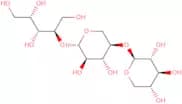
CAS :<p>1,4-B-D-Xylotriitol is a synthetic carbohydrate that has been modified with fluorine. The use of the methylation reaction enables the synthesis of oligosaccharides with up to six glucose units. This product is available in high purity and can be custom synthesized to meet specific needs. 1,4-B-D-Xylotriitol is used for glycosylation reactions and may be useful for modifying carbohydrates and saccharides.</p>Formule :C15H28O13Degré de pureté :Min. 95%Masse moléculaire :416.38 g/mol2,5-Anhydro-D-glucitol
CAS :<p>2,5-Anhydro-D-glucitol is a sugar alcohol that is found naturally in the human body. It can be produced from D-glucose by the enzyme aldose reductase. This reaction involves an initial dehydration of D-glucose to form 2,5-anhydro-D-glucose, followed by a nucleophilic attack on the hydroxyl group of 2,5-anhydro-D-glucose by the phosphate group of ATP to form 2,5-anhydro-D-glucitol and ADP. The reaction mechanism for this process has been studied using kinetic and model studies. It has also been shown that metal ions are required for cationic polymerization reactions. A solid catalyst was used in this study because it could be easily removed after completion of the reaction. The 2,5-anhydro form of D-glucitol can undergo dehydration reactions to yield</p>Formule :C6H12O5Degré de pureté :Min. 95%Couleur et forme :Clear LiquidMasse moléculaire :164.16 g/mol1,3,4,6-Tetra-O-acetyl-N-azidoacetylgalactosamine
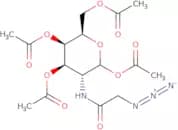
CAS :<p>1,3,4,6-Tetra-O-acetyl-N-azidoacetylgalactosamine is an azido-tagged analogue of N-acetylgalactosamine. It features azide functionality on the N-acyl side chain and is acetylated to aid in cell membrane permeation. It is metabolised by mammalian cells and incorporated into mucin-type-O-linked glycoproteins. The azide functionality is exploited as a biorthogonal functional group that can be reacted with phosphine probes by the Staudinger ligation.</p>Formule :C16H22N4O10Degré de pureté :Min. 95 Area-%Couleur et forme :White Off-White PowderMasse moléculaire :430.37 g/mol3'-Sialyllactose sodium salt
CAS :<p>3'-Sialyllactose is found in milk with immunoprotective effects against pathogens in newborns and aids development and maturation of the immune system and gut microbiota. It suppresses adhesion and infectivity of bacteria and viruses, such as influenza viruses, HIV-1 and rotaviruses and inhibits binding of cholera toxin.</p>Formule :C23H38NO19NaDegré de pureté :Min. 90%Couleur et forme :White PowderMasse moléculaire :655.53 g/molAllyl 2,3-anhydro-4,6-O-benzylidene-a-L-mannopyranoside
<p>Allyl 2,3-anhydro-4,6-O-benzylidene-a-L-mannopyranoside is a glycosylation product of L-mannose. It is a synthetic compound that has been fluorinated and methylated. Allyl 2,3-anhydro-4,6-O-benzylidene-a-L-mannopyranoside is used for the modification of complex carbohydrates. This product has high purity and CAS No., and can be modified with click chemistry.</p>Formule :C16H18O5Degré de pureté :Min. 95%Couleur et forme :White to off-white solid.Masse moléculaire :290.31 g/mol1-Cyano-1-methylethyl b-D-glucopyranosiduronic acid
CAS :<p>1-Cyano-1-methylethyl b-D-glucopyranosiduronic acid (1CMEG) is a synthetic monosaccharide that has been modified with fluorination. It is an oligosaccharide, which is a complex carbohydrate made up of many sugar molecules. The CAS number for 1CMEG is 78662-58-5. This product can be custom synthesized to meet customer specifications and needs. It has been shown to have glycosylation and polysaccharide properties, and it can be modified with methylation or sugar binding. This product's purity level is high, making it ideal for use in pharmaceuticals or other applications where purity matters.</p>Formule :C10H15NO7Degré de pureté :Min. 98 Area-%Couleur et forme :PowderMasse moléculaire :261.23 g/molD-Glucose-6-phosphate disodium hydrate
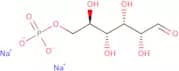
CAS :<p>Glucose 6-phosphatase substrate</p>Formule :C6H11Na2O9P•(H2O)xDegré de pureté :(%) Min. 98%Couleur et forme :PowderMasse moléculaire :304.1 g/molN-Methyl-D-glucosamine
CAS :<p>N-Methyl-D-glucosamine is a nucleotide that is found in the adenine nucleotide pool. It can be synthesized from glucose, which is converted to glucosamine-6-phosphate by the enzyme glucosamine synthetase. This compound can also be obtained from dietary sources. N-Methyl-D-glucosamine has been shown to have cytotoxic activity against mouse tumor cells and inhibit skin cancer in mice. It binds with DNA and inhibits cell growth through a glycosidic bond with terminal residues of DNA, preventing transcription and replication. N-Methyl-D-glucosamine has also been shown to inhibit the growth of resistant microorganisms such as C. glabrata, including antibiotic resistant strains, and bacteria such as E. coli and P. aeruginosa when used in combination with an experimental model of biocompatible polymers.<br>NMTG has been shown to</p>Formule :C7H15NO5Degré de pureté :Min. 95%Couleur et forme :PowderMasse moléculaire :193.2 g/molMethyl 1-O-acetyl-2,3-di-O-benzyl-4-O-methyl-β-D-glucopyranuronate
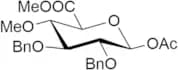
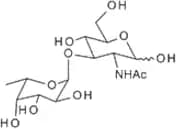
CAS :<p>A useful glucuronide building block.</p>Formule :C24H28O8Degré de pureté :Min. 95%Couleur et forme :PowderMasse moléculaire :444.47 g/mol2-Acetamido-2-deoxy-3-O-(a-L-fucopyranosyl)-D-glucopyranose
CAS :<p>2-Acetamido-2-deoxy-3-O-(a-L-fucopyranosyl)-D-glucopyranose is a carbohydrate that has been found in leaves of camellia plants. It can be used as a marker for the identification of camellia plants. 2-Acetamido-2-deoxy-3-O-(a-L-fucopyranosyl)-D-glucopyranose is also thought to be involved in the developmental and metabolic mechanisms of camellia plants, which are still being studied. This carbohydrate is synthesized from l -glutamine and epigallocatechin in the presence of d -proline.</p>Formule :C14H25NO10Degré de pureté :Min. 96 Area-%Couleur et forme :White PowderMasse moléculaire :367.35 g/molGlucosylceramide
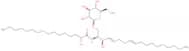
CAS :<p>Glucosylceramide (Glc-Cer) is the common precursor in the biosynthesis of most glycosphingolipids, with exception of some Gal-Cer derivatives, such as, GM4. Glucosylceramide consists of a glucosyl moiety which is β-O-glycosydically linked to ceramide, which itself, consists of the long-chain aminoalcohol sphingosine and a fatty acid. Glucosylceramide (also called glucocerebroside) is synthesised enzymatically, by the glucosylceramide synthase-catalysed with the addition of a glucose residue to ceramide. Glucosylceramide is involved in the regulation of various cellular events and also serves as a main constituent in liposome formulations.</p>Formule :C40H75NO9Degré de pureté :Min. 98 Area-%Couleur et forme :White Off-White PowderMasse moléculaire :714.02 g/molFucoidan, fucus serratus
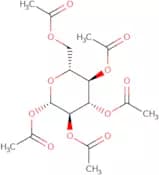
CAS :<p>A fucan sulphate found in brown marine algae (Phaeophyta-typically Fucus serratus, Ascophyllum nodosum (illustrated), Laminaria japonica and Macrocystis pyrifyra) and has been shown to have anticoagulant activity. The main constituents are α-1,4 and α-1,2 linked L-fucose sulphates although galactose also occurs and there are many variations of the basic structure found in different species of Phaeophyta.<br>The image was kindly provided by Prof Mike Guiry from Cork who runs ‘The Seaweed Site’.</p>Degré de pureté :Min. 95%Couleur et forme :White Powder1,2,3,4,6-Penta-O-acetyl-b-D-glucopyranose
CAS :<p>1,2,3,4,6-Penta-O-acetyl-b-D-glucopyranose, also known as beta-D-glucose pentaacetate, has high chemical stability and long shelf life. This protected form of glucose is a key building block of any chemical synthesis of glucose-containing oligosaccharides or glycoconjugates. In the presence of Lewis acids it can be used as a glycosyl donor to make simple glycosides. In order to perform more complex glycosylations, it can be converted into more reactive donors, such as glycosyl halides or thioglycosides. Beta-D-glucose pentaacetate is also used as a food additive and flavouring agent.</p>Formule :C16H22O11Degré de pureté :Min. 97.5 Area-%Couleur et forme :White PowderMasse moléculaire :390.34 g/moltert-Butyl 2-acetamido-3,4,6-tri-O-acetyl-2-deoxy-b-D-glucopyranoside
CAS :<p>Tert-butyl 2-acetamido-3,4,6-tri-O-acetyl-2-deoxy-b-D-glucopyranoside is a modification of the natural carbohydrate tertiary butyl 2,3,4,6 tetraacetyl beta D glucopyranoside. It is synthesized by the addition of acetamide to the 3 and 4 position on the glucose molecule. This product can be used as a reagent for glycosylation reactions. Tert-butyl 2 acetamido 3,4,6 tri O acetyl 2 deoxy b D glucopyranoside is an oligosaccharide with a molecular weight of 522.5 Da. The monomeric units are alpha glucose and beta glucose linked by glycosidic bonds. This product is also methylated at the 6 position on the glucose molecule and then fluorinated to create a hydrocarbon chain with one hydroxyl</p>Formule :C18H29NO9Degré de pureté :Min. 95%Masse moléculaire :403.42 g/molL-Talose
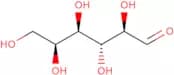
CAS :<p>L-Talose is a type of sugar that is found in plants and animals. It is a stereoselective, synthetic carbohydrate with the chemical formula C12H24O11. L-Talose has an anhydrous dextrose equivalent (DE) of 180. L-Talose is synthesized from D-glucal and D-talonol by a recombinant protein. The immobilization process has been shown to be successful for the production of L-talose as it prevents the loss of product due to adsorption on the surface of the reactor. Molecular modeling was used to determine that L-talose binds to carbonyl groups more strongly than other types of molecules. Anhydrous dextrose was shown to be an effective acceptor for L-talose because it reacts with hydroxyl groups at room temperature and pressure conditions. The nmr spectra show that the hydroxyl group interacts with hydrogen bonding and coordinate covalent bonding</p>Formule :C6H12O6Degré de pureté :Min. 95%Couleur et forme :PowderMasse moléculaire :180.16 g/mol




![N-[2-(4'-Nitrophenyl)-1-cyano-3-butene]-2,3,4,6-tetra-O-pivaloyl-D-glucopyranoside](/_next/image/?url=https%3A%2Fstatic.cymitquimica.com%2Fproducts%2F3D%2Fthumb-webp%2FMN08500.webp&w=3840&q=75)
![(1S) -1- [(2S, 3R,4R) -4-Hydroxymethyl-3- hydroxy- 1- azetidinyl] -1, 2- ethanediol](/_next/image/?url=https%3A%2Fstatic.cymitquimica.com%2Fproducts%2F3D%2Fthumb-webp%2FMH163401.webp&w=3840&q=75)


![5-Deoxy-1,2-O-isopropylidene-5-[(2R-phenylpyrrolidine)-1-yl]-a-D-xylofuranose](/_next/image/?url=https%3A%2Fstatic.cymitquimica.com%2Fproducts%2F3D%2Fthumb-webp%2FMD07486.webp&w=3840&q=75)



![1-(3'-Azidopropyl)-2-deoxy-4-O-[3-O-(p-phenoxybenzyl)-b-D-galactopyranosyl]-2-phthalimido-b-D-gluc…](/_next/image/?url=https%3A%2Fstatic.cymitquimica.com%2Fproducts%2F3D%2Fthumb-webp%2FOA74915.webp&w=3840&q=75)
![Neu5GcAc[1Me,4789Ac]a(2-6)Gal[24Bz,3Bn]-b-MP](/_next/image/?url=https%3A%2Fstatic.cymitquimica.com%2Fproducts%2F3D%2Fthumb-webp%2FON60601.webp&w=3840&q=75)
![1-Deoxy- 6- O- tert.butyl dimethylsilyl]- 3, 4- O- isopropylidene-D- Psicofuranose](/_next/image/?url=https%3A%2Fstatic.cymitquimica.com%2Fproducts%2F3D%2Fthumb-webp%2FMD170320.webp&w=3840&q=75)
![(5S, 8S, 9R) -8- [(4R) - 2, 2- Dimethyl- 1, 3- dioxolan- 4- yl] - 9- hydroxy- 2, 2- dimethyl- 1, 3…](/_next/image/?url=https%3A%2Fstatic.cymitquimica.com%2Fproducts%2F3D%2Fthumb-webp%2FMD170671.webp&w=3840&q=75)


![N-[2-(2'-Hydroxyphenylacetonitrile)]-2,3,4,6-tetra-O-pivaloyl-D-glucopyranoside](/_next/image/?url=https%3A%2Fstatic.cymitquimica.com%2Fproducts%2F3D%2Fthumb-webp%2FMH08452.webp&w=3840&q=75)