Glycosciences
La glycosciences est l'étude des glucides et de leurs dérivés, ainsi que des interactions et des fonctions biologiques auxquelles ils participent. Ce domaine de recherche est crucial pour comprendre une grande variété de processus biologiques, y compris la reconnaissance cellulaire, la signalisation, la réponse immunitaire et le développement des maladies. La glycosciences a des applications importantes en biotechnologie, en médecine et dans le développement de nouveaux médicaments et thérapies. Chez CymitQuimica, nous proposons une large sélection de produits de haute qualité et pureté pour la recherche en glycosciences. Notre catalogue comprend des monosaccharides, des oligosaccharides, des polysaccharides, des glyconjugués et des réactifs spécifiques, conçus pour soutenir les chercheurs dans leurs études sur la structure, la fonction et les applications des glucides dans les systèmes biologiques. Ces ressources sont destinées à faciliter les découvertes scientifiques et les applications pratiques dans divers domaines des biosciences et de la médecine.
Sous-catégories appartenant à la catégorie "Glycosciences"
- Aminosucres(108 produits)
- Anticorps Glyco-Related(282 produits)
- Glycolipides(46 produits)
- Glycosaminoglycanes (GAGs)(55 produits)
- Glycosides(419 produits)
- Monosaccharides(6.624 produits)
- Oligosaccharides(3.682 produits)
- Polysaccharides(503 produits)
11046 produits trouvés pour "Glycosciences"
Trier par
Degré de pureté (%)
0
100
|
0
|
50
|
90
|
95
|
100
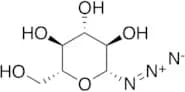
b-D-Glucopyranosyl Azide
CAS :Produit contrôléFormule :C6H11N3O5Couleur et forme :NeatMasse moléculaire :205.1691-Phenylpentadecane-d36
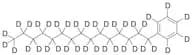
CAS :Produit contrôlé<p>Applications 1-Phenylpentadecane-d36 (CAS# 352431-31-3) is a useful isotopically labeled research compound.<br></p>Formule :C21D36Couleur et forme :NeatMasse moléculaire :324.742’-O-(5’-Deoxy-β-D-ribofuranosyl) Capecitabine
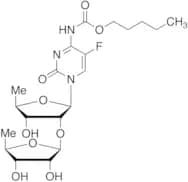
CAS :Produit contrôlé<p>Impurity Capecitabine 2-O-BDR Impurity (USP)<br>Stability Hygroscopic<br>Applications Capecitabine (C175650) impurity. Capecitabine 2-O-BDR Impurity (USP).<br></p>Formule :C20H30FN3O9Couleur et forme :NeatMasse moléculaire :475.47O-(2-Acetamido-2-deoxy-3,4,6-tri-O-acetyl-β-D-glucopyranosyl)-N-Fmoc-L-serine
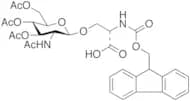
CAS :Produit contrôléFormule :C32H36N2O13Couleur et forme :NeatMasse moléculaire :656.63Ethyl-α-13C-benzene
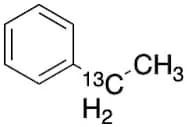
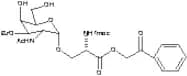
CAS :Produit contrôlé<p>Applications Ethyl-alpha-13C-benzene (CAS# 287399-32-0) is a useful isotopically labeled research compound.<br></p>Formule :C7C)H10Couleur et forme :NeatMasse moléculaire :107.163-O-Benzoyl-N-acetyl-α-D-galactosaminyl-1-O-N-(Fmoc)serine Phenacylester
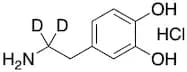
CAS :Produit contrôlé<p>Applications A useful glycopeptide intermediate.<br></p>Formule :C41H40N2O12Couleur et forme :NeatMasse moléculaire :752.762-(3,4-Dihydroxyphenyl)ethyl-1,1-d2-amine HCl
CAS :Produit contrôlé<p>Applications 2-(3,4-Dihydroxyphenyl)ethyl-1,1-d2-amine HCl (CAS# 83008-33-7) is a useful isotopically labeled research compound.<br></p>Formule :C8H10D2ClNO2Couleur et forme :NeatMasse moléculaire :191.65Methyl-3,5-O-isopropylidine-D-xylofuranose
CAS :Methyl-3,5-O-isopropylidine-D-xylofuranose is an oligosaccharide that is synthesized in the laboratory. It is a complex carbohydrate with many glycosylation and polysaccharide chains. This compound can be used in the synthesis of various other compounds and has been shown to have high purity. Methyl-3,5-O-isopropylidine-D-xylofuranose has CAS No. 112245-59-7 and fluorination properties.Formule :C9H16O5Degré de pureté :Min. 95%Masse moléculaire :204.22 g/molGM3NeuGc-Ganglioside
<p>Ganglioside GM3NeuGc (sodium salt) has a core disaccharide structure (Galβ1,4Glc) with N-glycolyl sialic acid linked α2,3 to the galactose residue, and ceramide linked β to position 1 on the reducing terminal glucose residue (Ledeen, 2009). GM3(NeuGc) ganglioside is of interest due to its restrictive expression in normal human tissues, according to immunohistochemical studies, using either polyclonal or monoclonal antibodies. However, both immunohistochemical and biochemical methods have strongly suggested its over-expression in human breast tumours (Oliva, 2006). It is seen as a possible tumor-associated carbohydrate antigen for cancer immunotherapy (Changping, 2019).</p>Degré de pureté :Min. 95%Couleur et forme :White PowderHyaluronate rhodamine - Molecular Weight - 1500kDa
Hyaluronate rhodamine is a synthetic, high-purity, fluorinated, hydrophilic oligosaccharide. It is a complex carbohydrate with a molecular weight of 1500kDa and a very low viscosity. Hyaluronate rhodamine has been modified to include Click chemistry that provides the potential for site-specific modification on the sugar backbone. The fluorination process can be customized to produce the desired degree of substitution (DS) and functionalization for specific applications. This product has been glycosylated and polysaccharide modified to create an oligosaccharide that is suitable for use in therapeutic and diagnostic applications.Degré de pureté :Min. 95%Biotin-dextran MW 10000
<p>Biotin dextran is widely used as both an anterograde and retrograde tracer in neurons and for numerous other applications. It is biologically rather inert having α-1,6-linked glucose residues resistant to cleavage by most endogenous cellular glycosidases. It has low immunogenicity and makes an ideal long-term tracer for live cells. Biotin dextran also serves as a valuable marker for cell loading of macromolecules by microinjection, vesicular fusion, and electroporation, as well as for the uptake and internal processing of exogenous materials by phagocytotic and endocytic pathways.</p>Degré de pureté :Min. 95%Couleur et forme :Powder1,2-o-Isopropylidene-beta-D-fructopyranose
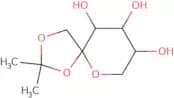
CAS :<p>1,2-O-Isopropylidene-β-D-fructopyranose is a synthetic monosaccharide. It is a fluorinated derivative of fructopyranose. This product is a modification of the alpha anomeric form of β-D-fructopyranose. It has been used as a substrate for various types of glycosylation reactions, such as methylation and click modification.</p>Formule :C9H16O6Degré de pureté :Min. 95%Masse moléculaire :220.22 g/molD-Arabinose diethyldithioacetal
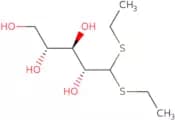
CAS :<p>D-Arabinose diethyldithioacetal is a nitro compound that is used as an anticoagulant. It has a high degree of water solubility and can be administered intravenously. D-Arabinose diethyldithioacetal is formed from d-arabinose and diethyl dithiocarbamate by reaction with boron trifluoride etherate in the presence of hydrochloric acid. This produces the nitro group, which can then react with a hydroxymethyl group to form the final product. The reaction proceeds through two steps: first, the hydroxy methyl group converts to a trifluoroacetic acid derivative, followed by addition of nitric acid to produce the desired product. The final product contains two benzyl groups and two functional groups, which are responsible for its anticoagulant properties.</p>Formule :C9H20O4S2Degré de pureté :Min. 95%Couleur et forme :Off-white solid.Masse moléculaire :256.38 g/mol2-Acetamido-3,4,6-tri-O-acetyl-2-deoxy-b-D-glucopyranosyl-(N-Fmoc)-L-serine pentafluorophenyl ester
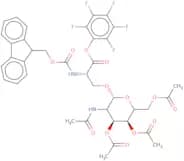
CAS :<p>2-Acetamido-3,4,6-tri-O-acetyl-2-deoxy-b-D-glucopyranosyl-(N-Fmoc)-L-serine pentafluorophenyl ester is a custom synthesis product. The synthesis of this compound was done by methylating 2,3,4,6-tetra O acetyl b D glucopyranoside with N Fmoc protected serine and then click modification to the carbonyl group. This product is a saccharide that has been fluorinated at the C5 position. It is an oligosaccharide that contains a complex carbohydrate that has been modified by monosaccharides and sugars. This product has high purity and is synthesized to order.</p>Formule :C38F5H35N2O13Degré de pureté :Min. 95%Masse moléculaire :822.68 g/mol1,2,3,4-Tetra-O-acetyl-L-xylopyranose
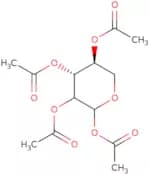
CAS :<p>1,2,3,4-Tetra-O-acetyl-L-xylopyranose is a custom synthesis product. It is a sugar that is found in glycosaminoglycans and proteoglycans. This product can be customized through the modification of the sugar with fluorination, methylation, acetylation or other modifications. This product has a CAS number of 142130-89-0 and can be synthesized from sucrose using Click chemistry. The chemical name for this compound is 1,2,3,4-Tetra-O-[(trimethylsilyl)acetyl]-L-xylopyranose.</p>Formule :C13H18O9Degré de pureté :Min. 95%Masse moléculaire :318.28 g/molMethyl 2,3,4-tri-O-benzyl-L-fucopyranoside
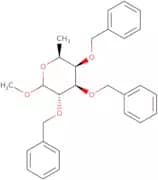
CAS :<p>Methyl 2,3,4-tri-O-benzyl-L-fucopyranoside is a fluorinated sugar that belongs to the category of carbohydrates. This compound is synthesized from D-galactose and 3,4,5-tri-O-benzyl L-fucose by glycosylation with methyl 2,3,4-tri-O-benzyl L-fucopyranoside. The synthetic route starts with an acetic acid esterification of D-galactose with benzaldehyde in the presence of pyridine and triethylamine to yield methyl 2,3,4-triacetoxybenzoate. A reaction with 3,4,5 trihydroxyphenylacetic acid in the presence of pyridine and triethylamine leads to a glycosylation between the two compounds. The resulting product is then subjected to hydrogenolysis using palladium on</p>Formule :C28H32O5Degré de pureté :Min. 95%Masse moléculaire :448.55 g/molGalactan - from gum arabic
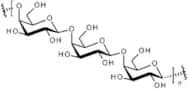
CAS :<p>A linear β-(1,4)-galactan from Acacia gum. Other linear β-(1,4)-galactans have been isolated from lemon peel, potato tubers and Norwegian spruce compresssion wood.</p>Degré de pureté :Min. 95%Couleur et forme :White Powder2,3,4,6-Tetra-O-acetyl-b-D-glucopyranosyl-(N2-Fmoc)-L-asparagine tert-butyl ester
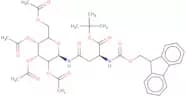
CAS :2,3,4,6-Tetra-O-acetyl-b-D-glucopyranosyl-(N2-Fmoc)-L-asparagine tert-butyl ester is a glycosylation reagent that contains a reactive primary amine. It is used in the synthesis of complex carbohydrates and oligosaccharides. This compound is also used as a fluorinating agent for saccharides and sugars. 2,3,4,6-Tetra-O-acetyl-b-D-glucopyranosyl-(N2-Fmoc)-L-asparagine tert butyl ester can be custom synthesized to meet your needs. This product has CAS number 16041617 1 and it is available in high purity.Formule :C37H44N2O14Degré de pureté :Min. 95%Masse moléculaire :740.75 g/mol1,6:3,4-Dianhydro-2-O-p-toluenesulfonyl-β-D-galactopyranose
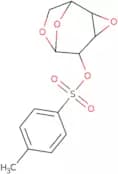
CAS :1,6:3,4-Dianhydro-2-O-p-toluenesulfonyl-b-D-galactopyranose is a fluorinated monosaccharide that can be used in glycosylation reactions. This compound can be custom synthesized and is not available commercially. It has CAS No. 6167-32-4 and its molecular weight is 489.1 g/mol.Formule :C13H14O6SDegré de pureté :Min. 95%Couleur et forme :PowderMasse moléculaire :298.31 g/molOnitisin 2'-O-glucoside
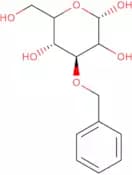
CAS :Onitisin 2'-O-glucoside is a modification of the natural oligosaccharide onitisin. It is a complex carbohydrate that belongs to the group of sugars. Onitisin 2'-O-glucoside is custom synthesized and its purity level is high. The chemical structure of this compound consists of a monosaccharide methylated with fluorine, glycosylated, and polysaccharided. This compound has been shown to be active against methicillin resistant Staphylococcus aureus (MRSA) and Mycobacterium tuberculosis.Degré de pureté :Min. 95%3-O-Benzyl-a-D-mannopyranose
CAS :<p>3-O-Benzyl-a-D-mannopyranose is a sugar that is used in the synthesis of complex carbohydrates. It is a synthetic compound that can be fluorinated, glycosylated, or methylated to produce desired compounds. 3-O-Benzyl-a-D-mannopyranose has a CAS number of 65877-63-6 and can be used in the synthesis of oligosaccharides, monosaccharides, and saccharides. This product has high purity and is available for custom synthesis.</p>Formule :C13H18O6Degré de pureté :Min. 95%Masse moléculaire :270.28 g/mol4'-O-(b-D-Glucopyranosyl)-D-pantothenic acid
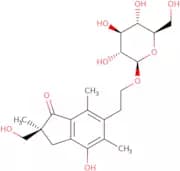
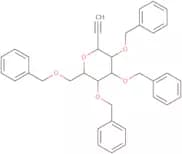
CAS :<p>4'-O-(b-D-Glucopyranosyl)-D-pantothenic acid is a glycosylated, fluorinated, and methylated complex carbohydrate. It has been synthesized by Click chemistry. 4'-O-(b-D-Glucopyranosyl)-D-pantothenic acid has been shown to be a potent inhibitor of the production of proinflammatory cytokines in mouse macrophages. This compound also inhibits the synthesis of bacterial cell wall polysaccharides by inhibiting glycosyltransferases and depolymerizing the sugar backbone.</p>Formule :C15H27NO10Degré de pureté :Min. 95%Masse moléculaire :381.38 g/mol2-C-(2,3,4,6-Tetra-O-benzyl-b-D-glucopyranosyl) ethyne
CAS :<p>2-C-(2,3,4,6-Tetra-O-benzyl-b-D-glucopyranosyl) ethyne is a synthetic monosaccharide. It has a molecular formula of C12H14O8 and a molecular weight of 302.24 g/mol. 2-C-(2,3,4,6-Tetra-O-benzyl-b-D-glucopyranosyl) ethyne is used to modify oligosaccharides and polysaccharides in the synthesis of complex carbohydrates. This chemical is also used as an intermediate in the fluorination reaction to produce polyfluorinated molecules with high purity.</p>Formule :C29H30O5Degré de pureté :Min. 95%Masse moléculaire :458.55 g/molRhamnolipids C12
CAS :<p>Rhamnose based 'green' surfactant</p>Formule :C18H34O7Degré de pureté :Min. 95%Masse moléculaire :362.46 g/molD-Glucose-1,3-13C2
CAS :<p>Please enquire for more information about D-Glucose-1,3-13C2 including the price, delivery time and more detailed product information at the technical inquiry form on this page</p>Formule :C6H12O6Degré de pureté :Min. 95%Masse moléculaire :182.14 g/molMelibiulose
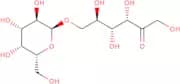
CAS :Melibiulose is a dietary supplement that has been shown to help maintain the health of the human immune system. It has also been shown to stimulate prostate cancer cells. Melibiose, the sugar molecule found in melibiulose, has been found to be processed by toll-like receptor 2 and 4, which are proteins found on the surface of immune cells. The glycan structure of melibiose may be responsible for its conditioning effects as it binds to proteases and surfactants, preventing them from binding to other molecules. This ternary complex prevents glycosylation reactions and reduces viscosity in detergent compositions.Formule :C12H22O11Degré de pureté :Min. 95%Masse moléculaire :342.3 g/molErigeside C
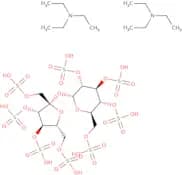
CAS :<p>Erigeside C is a flavonoid derivative that has been shown to be effective in treating allergic symptoms. Erigeside C inhibits the production of various pro-inflammatory cytokines, such as IL-6 and TNF-α, by inhibiting the activity of protein kinase C (PKC). The compound also inhibits the production of prostaglandin E2 by inhibiting cyclooxygenase-2. In addition, Erigeside C is able to inhibit the release of histamine from mast cells. This antihistamine effect is due to its ability to inhibit oxidation reactions in the cell membrane and block cellular calcium channels.</p>Degré de pureté :Min. 95%Sucrose octasulfate octatriethylammonium salt
CAS :<p>Used for treatment of duodenal ulcers and gastroesophageal reflux</p>Formule :C12H22O35S8•(C6H15N)8Degré de pureté :Min. 95%Couleur et forme :PowderMasse moléculaire :982.81 g/mol1,2-Dideoxy-2'-dimethylamino-a-D-glucopyranoso-[2,1-d]-2'-thiazoline
CAS :<p>1,2-Dideoxy-2'-dimethylamino-a-D-glucopyranoso-[2,1-d]-2'-thiazoline is a synthetic sugar that is used in the synthesis of complex carbohydrates. It can be used to modify polysaccharides and glycosyls with methyl groups. This product has high purity and custom synthesis.</p>Formule :C9H16N2O4SDegré de pureté :Min. 95%Masse moléculaire :248.3 g/mol6-Deoxy-L-altrose
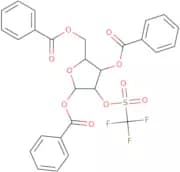
CAS :<p>6-Deoxy-L-altrose is a type of sugar that is found in human pathogens. It can be used as a biomarker for the identification of these types of bacteria. 6-Deoxy-L-altrose has been shown to have physiological activities against some bacterial strains, such as pseudotuberculosis and enterocolitica. 6-Deoxy-L-altrose is used as an extracellular metabolite by some bacteria, and has been shown to inhibit the growth of Mycobacterium tuberculosis through its ability to inhibit protein synthesis at the ribosomal level.</p>Formule :C6H12O5Degré de pureté :Min. 95%Masse moléculaire :164.16 g/mol1,3,5-Tri-O-benzoyl-2-O-(trifluoromethanesulfonyl)-a-D-ribofuranose
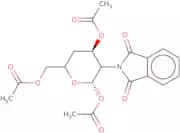
CAS :1,3,5-Tri-O-benzoyl-2-O-(trifluoromethanesulfonyl)-a-D-ribofuranose is a nucleoside that is phosphorylated by the enzyme deoxycytidine kinase to form 1,3,5-tri-O-benzoyl-2'-O-(trifluoromethanesulfonyl)-a-[D]ribofuranosyl phosphate. This compound has been shown to activate immune cells in vitro and in vivo. The activation of immune cells may be due to its ability to inhibit the expression of enzymes that are required for DNA synthesis. 1,3,5-Tri-O-benzoyl-2'-O-(trifluoromethanesulfonyl)-a-[D]ribofuranosyl phosphate also inhibits the expression of enzymes involved in DNA replication and cell proliferation.Formule :C27H21F3O10SDegré de pureté :Min. 95%Couleur et forme :PowderMasse moléculaire :594.51 g/mol1,3,6-Tri-O-acetyl-2,4-dideoxy-2-phthalimido-b-D-glucopyranose
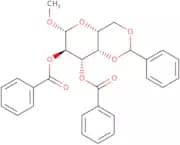
CAS :1,3,6-Tri-O-acetyl-2,4-dideoxy-2-phthalimido-b-D-glucopyranose is a modification of the sugar molecule. This product is a custom synthesis and can be used in research to synthesize complex carbohydrates. It is also a synthetic carbohydrate that has been fluorinated and saccharides have been methylated and glycosylated. It has CAS No. 1260591-45-4 and can be used as a monosaccharide or polysaccharide.Formule :C20H21NO9Degré de pureté :Min. 95%Masse moléculaire :419.38 g/molMethyl 2,3-di-O-benzoyl-4,6-O-benzylidene-b-D-galactopyranoside
CAS :<p>Methyl 2,3-di-O-benzoyl-4,6-O-benzylidene-b-D-galactopyranoside is a custom synthesis that belongs to the class of complex carbohydrates. This compound is an oligosaccharide or a polysaccharide that has been modified by methylation and glycosylation. The modification of this saccharide with methyl groups allows for fluorination which is a click modification. Methyl 2,3-di-O-benzoyl-4,6-O-benzylidene b -D galactopyranoside is synthesized via glycosylation followed by fluorination. This product can be used as a research chemical or in other applications.</p>Formule :C28H26O8Degré de pureté :Min. 95%Masse moléculaire :490.5 g/mol4-Methoxyphenyl 2-azido-4,6-O-benzylidene-2-deoxy-a-D-galactopyranose
CAS :4-Methoxyphenyl 2-azido-4,6-O-benzylidene-2-deoxy-a-D-galactopyranose is a custom synthesis of an oligosaccharide. It is a polysaccharide that contains a modified sugar with a methyl group at position C6 and a benzyl group at position 4. The glycosylation of this sugar is the result of an enzymatic process involving the transfer of glucose from UDP to C6. This modification is called Click chemistry, which can be done in vivo or in vitro using chemical reactions. This product has high purity and can be used as an inhibitor for bacterial growth or as a catalyst for organic synthesis.Formule :C20H21N3O6Degré de pureté :Min. 95%Masse moléculaire :399.4 g/molBenzyl 2-acetamido-3,4-di-O-acetyl-2-deoxy-6-O-DMT-a-D-galactopyranoside
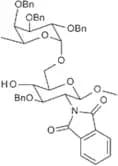
<p>Benzyl 2-acetamido-3,4-di-O-acetyl-2-deoxy-6-O-DMT-a-D-galactopyranoside is a custom synthesis that is available in high purity. This product can be used for methylation, click modification, and fluorination. It is an oligosaccharide with a saccharide or carbohydrate as the main component. The molecular weight of this product is about 567.9 Da and the CAS number of this product is 103487-13-0.</p>Formule :C40H43NO10Degré de pureté :Min. 95%Masse moléculaire :697.77 g/molMethyl 3-O-benzyl-6-O-(2,3,4-tri-O-benzyl-a-L-fucopyranosyl)-2-deoxy-2-phthalimido-b-D-glucopyranoside
CAS :Methyl 3-O-benzyl-6-O-(2,3,4-tri-O-benzyl-a-L-fucopyranosyl)-2,3,4,6-tetra-O-(2,3,4,6,-tetra-O-(2′,3′,4′,-triacetyl)benzoyl) -2′ deoxy -2′ phthalimido -bD glucopyranoside is a synthetic carbohydrate. It is a modification of the natural product Dioscorea polysaccharides that has been modified by an acetylation reaction with 2,3,4 triacetylbenzoic acid and then further modified by a benzoylation reaction with methyl 3 tosylate. Methyl 3 O benzyl 6 O (2 3 4 tri O benzyl a L fucopyranosyl) 2 deoxy 2 phthalimido bFormule :C49H51NO11Degré de pureté :Min. 95%Masse moléculaire :829.93 g/molBenzyl 2-acetamido-3-O-(2,3,4-tri-O-benzyl-a-L-fucopyranosyl)-4,6-O-benzylidene-2-deoxy-a-D-glucopyranoside
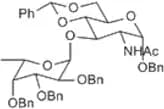
CAS :<p>Benzyl 2-acetamido-3-O-(2,3,4-tri-O-benzyl-a-L-fucopyranosyl)-4,6-O-benzylidene-2-deoxy-a-D-glucopyranoside is a high purity custom synthesis sugar. This compound has been synthesized by Click modification of the amino acid glycoside and fluorination of the sugar. It is an Oligosaccharide with a saccharide chain composed of Monosaccharides and Carbohydrates. The CAS number for this compound is 196941 – 73 – 8.</p>Formule :C49H53NO10Degré de pureté :Min. 95%Masse moléculaire :815.95 g/molCellotrionic acid
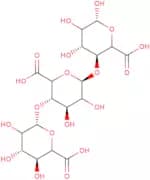
CAS :<p>Cellotrionic acid is a biochemical that is found in the cell walls of bacteria. It is also known as Cellotriose, which is a type of sugar molecule. Cellotriose is composed of three molecules of glucose and it has reactive hydroxy groups. Hydroxy groups are reactive because they can form hydrogen bonds with other molecules. Cellotrionic acid has been shown to have a redox potential, which means that it can either accept or donate electrons. The crystalline structure of cellotrionic acid is similar to that of glucose and can be represented by the formula C6H8O6. Cellotrionic acid has been shown to have aerobic properties, meaning it requires oxygen for metabolism. One example of an aerobic process where cellotrionic acid participates in is the transfer of electrons during the oxidation-reduction reactions in photosynthesis. This biochemical also participates in glycolysis, which occurs during cellular respiration when sugars are broken down into smaller fragments</p>Formule :C18H32O17Degré de pureté :Min. 95%Masse moléculaire :520.44 g/mol3'-Sialyllactosyl azide
3'-Sialyllactosyl azide is a complex carbohydrate that is modified with fluorination, saccharide modification, and methylation. 3'-Sialyllactosyl azide is synthesized from a monosaccharide by glycosylation, methylation, click modification, or polysaccharides. The CAS number for this compound is 814-07-1. This product can be custom synthesized to meet the customer's needs.Degré de pureté :Min. 95%2-Deoxy-2-fluoro-D-lactose
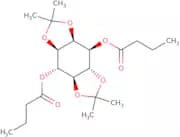
<p>Used for studies of the D-lactose pathway by non-invasive techniques, using ¹â¹F-NMR spectroscopy or positron emission from the ¹âžF-labeled compound.</p>Formule :C12H21O10FDegré de pureté :Min. 95%Couleur et forme :White PowderMasse moléculaire :344.29 g/mol1,4-Di-O-butanoyl-2,3:5,6-di-O-isopropylidene-D-myo-inositol
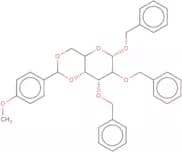
CAS :1,4-Di-O-butanoyl-2,3:5,6-di-O-isopropylidene-D-myo-inositol is a synthetic glycosylation product. It has no known biological activity and is not metabolized by the body. This product is used for complex carbohydrate synthesis, fluorination reactions, methylation reactions, and click modifications.Formule :C20H32O8Degré de pureté :Min. 95%Masse moléculaire :400.46 g/mol1,2,3-Tri-O-benzyl-4,6-O-(4-methoxybenzylidene)-a-D-mannopyranoside
<p>Ai Product Descriptions 50 Creative</p>Formule :C35H36O7Degré de pureté :Min. 95%Masse moléculaire :568.66 g/molOctyl a-L-rhamnopyranoside
CAS :<p>Octyl a-L-rhamnopyranoside is a custom-synthesized, fluorinated, methylated, monosaccharide with saccharide and polysaccharide modifications. It is used for the modification of glycoproteins in the synthesis of complex carbohydrates and as an intermediate in the preparation of monosaccharides and their derivatives. <br>Octyl a-L-rhamnopyranoside is synthesized by condensing 1,2:3,4-di-O-isopropylidene D-mannitol with 5-(bromomethyl)benzene sulfonyl chloride to give 5-(Bromomethyl)benzene sulfonic acid. The acid is then reacted with octanoyl chloride to form octyl a-L-rhamnopyranoside. Octyl a-L-rhamnopyranoside has been shown to inhibit protein</p>Formule :C14H28O5Degré de pureté :Min. 95 Area-%Couleur et forme :PowderMasse moléculaire :276.37 g/molChitosan - non-animal origin
CAS :<p>Chitosan is the deacetylated form of chitin. The polysaccharide is deacetylated in order to render it soluble, which is then possible at pH values of less than 7 (normally in dilute acid). This then allows the material to be used in a number of industrial applications as a binder and film former.</p>Formule :(C6H11NO4)nMethyl a-D-mannofuranoside
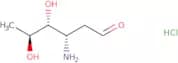
CAS :<p>Methyl a-D-mannofuranoside is a synthetic sugar that has been modified by the addition of fluorine at C-1 and methylation at C-2. This modification provides the compound with desired physical properties, such as increased stability and solubility. Methyl a-D-mannofuranoside can be used in the synthesis of oligosaccharides, which are complex carbohydrates consisting of three to ten monosaccharides linked together by glycosidic bonds. It is also used for click chemistry modifications.</p>Formule :C7H14O6Degré de pureté :Min. 95%Masse moléculaire :194.18 g/mol3-Amino-2,3,6-trideoxy-L-arabino-hexose hydrochloride
CAS :<p>3-Amino-2,3,6-trideoxy-L-arabino-hexose hydrochloride is a fluorinated sugar. It is synthesized by the fluorination of arabinose. This compound has a high degree of substitution and can be used for glycosylation reactions or modification reactions. 3-Amino-2,3,6-trideoxy-L-arabino-hexose hydrochloride has CAS number 56501-70-3 and is soluble in water.</p>Formule :C6H14ClNO3Degré de pureté :Min. 95%Couleur et forme :SolidMasse moléculaire :183.63 g/molEthynyl estradiol 3-b-D-glucuronide
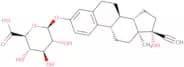
CAS :<p>Ethynyl estradiol 3-b-D-glucuronide is a synthetic derivative of the endogenous estrogen, 17β-estradiol. It is a glycosylated, complex carbohydrate with a methylation and fluorination modification. Ethynyl estradiol 3-b-D-glucuronide is synthesized by reacting ethynyl estradiol with β-D-glucuronic acid to form an ester linkage between the sugar and steroid molecules. This process also produces an Oligosaccharide as well as Monosaccharides. The synthesis of this compound can be customized for specific needs and is available in high purity.</p>Formule :C26H32O8Degré de pureté :Min. 95%Couleur et forme :PowderMasse moléculaire :472.53 g/molMethyl D-galactopyranoside
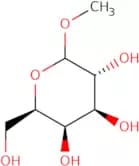
CAS :Methyl D-galactopyranoside is a lectin that binds to galactose residues in the glycosidic linkage of oligosaccharides. Methyl D-galactopyranoside is used in functional theory to determine the number of lysine residues on the dodecyl chain. This lectin has been shown to bind to anomeric linkages, which are different types of sugar molecules that have a carbon atom at the same position. The binding of this lectin to oligosaccharides can be detected by matrix-assisted laser desorption ionization mass spectrometry (MALDI MS). Methyl D-galactopyranoside has also been shown to have high salt and carbohydrate binding properties, as well as binding with galactose, trimethyl, and hydroxymethyl groups.Formule :C7H14O6Degré de pureté :Min. 95%Couleur et forme :PowderMasse moléculaire :194.18 g/mol2,3-Anhydro-4,6-O-benzylidene-N-(tert-butoxycarbonyl)-1,5-deoxy-1,5-imino-D-glucitol
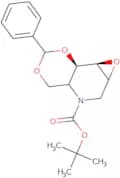
CAS :<p>2,3-Anhydro-4,6-O-benzylidene-N-(tert-butoxycarbonyl)-1,5-deoxy-1,5-imino-D-glucitol (NTB) is a synthetic glycoside that can be modified with a variety of functional groups for use in bioactive molecules. NTB is a high purity product with an estimated purity of >99%. It is synthesized from glucose by click modification with tertiary butyl bromoacetate followed by fluorination and glycosylation. The product has been shown to be useful in the synthesis of oligosaccharides and complex carbohydrates.</p>Formule :C18H23NO5Degré de pureté :Min. 95%Masse moléculaire :333.38 g/molCellobiuronic acid
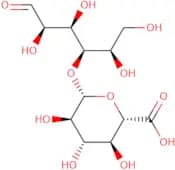
CAS :<p>Cellobiuronic acid is a polysaccharide that contains glucose and uronic acids. It is found in the cell walls of gram-positive bacteria, where it may play an important role in maintaining the structural integrity of the cell wall. Cellobiuronic acid has been shown to be a potent antigen for pneumococcus. Cellobiuronic acid has also been shown to be conjugated with proteins and used as a vaccine adjuvant for inducing antibody responses against pneumococcal antigens. Cellobiuronic acid is synthesized from glucose by bacterial cells, which use it as a carbon source. The biosynthesis of cellobiuronic acid is poorly understood because it does not occur in mammalian cells.</p>Formule :C12H20O12Degré de pureté :Min. 95%Masse moléculaire :356.28 g/molDaunorubicin
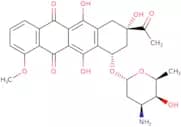
CAS :<p>Anthracycline antibiotic with potent anti-tumoral activity. The compound interferes with DNA replication and RNA transcription since it intercalates between the base pairs of nucleic acids. It also inhibits the topoisomerase II, proteasome and generates free radicals, which leads to cell death of treated cells. Moreover, daunorubicin triggers apoptosis trough the stimulation of ceramide synthesis. It has been used as chemotherapy agent for the treatment of myeloid leukaemia (AML) and acute lymphocytic leukaemia (ALL).</p>Formule :C27H29NO10Degré de pureté :Min. 95%Masse moléculaire :527.52 g/mol2-Deoxy-3,4:5,6-di-O-isopropylidene-D-arabino-hexose propane-1,3-diyl dithioacetal
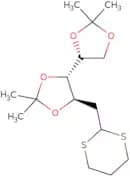
CAS :<p>The antibiotic 2-deoxy-3,4:5,6-di-O-isopropylidene-D-arabino-hexose propane-1,3-diyl dithioacetal is a shikimate analog that inhibits the shikimate pathway. It prevents the synthesis of aromatic compounds and other nitrogenous substances by inhibiting the enzyme chorismate synthase. Chorismate synthase catalyzes the conversion of 3,4:5,6-di-O-isopropylidene D-arabino hexose to chorismic acid which is then converted to shikimic acid. The antibiotic binds covalently to an active site cysteine residue on the enzyme and inhibits its activity. This inhibition blocks the production of aromatic amino acids and other nitrogenous substances required for protein synthesis in bacteria.</p>Formule :C15H26O4S2Degré de pureté :Min. 95%Masse moléculaire :334.5 g/mol3-Deoxy-1,2:5,6-di-O-isopropylidene-a-D-gulofuranose
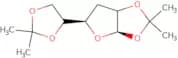
<p>3-Deoxy-1,2:5,6-di-O-isopropylidene-a-D-gulofuranose is a synthetic sugar that is used in the production of glycoproteins. It is an important component of glycosaminoglycans, which are complex carbohydrates that are responsible for the formation and maintenance of connective tissue. 3DG has been modified by fluorination, glycosylation, methylation, and modification. It can be used to synthesize oligosaccharides and monosaccharides. It can also be used as a raw material for the synthesis of saccharides. 3DG has been shown to inhibit tumor growth in animal models because it decreases protein synthesis in cancer cells.</p>Formule :C12H20O5Degré de pureté :Min. 95%Masse moléculaire :244.28 g/mol4-O-b-(2,3,4,6-Tetra-O-acetyl-D-galactopyranosyl)-1,6-anhydro-D-mannopyranoside
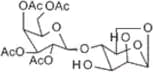
<p>This high purity, custom synthesis, sugar and Click modification, fluorination, Glycosylation, Synthetic, Methylation, Modification is a CAS No. 4-O-b-(2,3,4,6-Tetra-O-acetyl-D-galactopyranosyl)-1,6-anhydro-D-mannopyranoside. This is an Oligosaccharide and Monosaccharide that is a Carbohydrate. This complex carbohydrate has been synthesized from the following monosaccharides: D-mannose (CAS No. 5914) and D-galactose (CAS No. 5632). The molecular weight of this carbohydrate is 591. The chemical formula of this carbohydrate is C36H60O24.</p>Formule :C20H28O14Degré de pureté :Min. 95%Masse moléculaire :492.43 g/mol1-Deoxy-L-idonojirimycin hydrochloride
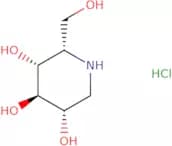
CAS :<p>1-Deoxy-L-idonojirimycin hydrochloride is a chaperone that is structurally related to the natural substrate, L-idonojirimycin. It has been found to interact with recombinant human Hsp70 and Hsp90. 1-Deoxy-L-idonojirimycin hydrochloride enhances the kinetic and thermodynamic parameters of these chaperones in vitro. The structural analysis of this compound revealed that it binds to both Hsp70 and Hsp90, which may be due to its ability to mimic the natural substrate's binding site on these chaperones.</p>Formule :C6H14ClNO4Degré de pureté :Min. 95%Masse moléculaire :199.63 g/molQuinovic acid 3-O-b-D-glucoside
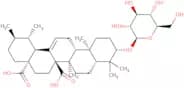
CAS :<p>Quinovic acid 3-O-b-D-glucoside is a fluorinated saccharide that has been synthesized in the laboratory. It is a high purity, synthetic sugar with an M+1 ion at m/z 571. The structure of this compound is O-α-D-mannopyranosyl-(1→2)-β-D-glucopyranosyl-(1→6)-β-D-glucopyranosyl-(1→2)-O-.</p>Degré de pureté :Min. 95%4-Methoxyphenyl 2,3,6-tri-O-acetyl-4-O-[2,4,6-tri-O-acetyl-3-O-(3,4,6-tri-O-acetyl-2-deoxy-2-phthalimido-b-D-glucopyranosyl)-b-D-gal actopyranosyl]-b-D-glucopyranose
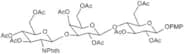
<p>4-Methoxyphenyl 2,3,6-tri-O-acetyl-4-O-[2,4,6-tri-O-acetyl-3-O-(3,4,6-tri-O-acetyl-2-deoxy-2 -phthalimido)-bDglucopyranosyl]-bDgalactopyranoside is a high purity methylated glycoside of 4 methoxyphenol. The product has been modified by fluorination and Click chemistry to produce a complex carbohydrate. This modification can be used for the synthesis of oligosaccharides and polysaccharides.</p>Formule :C51H59NO27Degré de pureté :Min. 95%Masse moléculaire :1,118 g/molBenzyl 2-acetamido-4,6-O-benzylidene-2-deoxy-3-O-(b-D-galactopyranosyl)-a-D-galactopyranoside
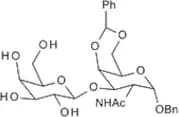
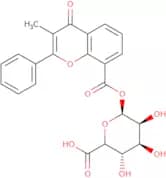
<p>Benzyl 2-acetamido-4,6-O-benzylidene-2-deoxy-3-O-(b-D-galactopyranosyl)-a-D-galactopyranoside is a methylated and fluorinated monosaccharide. It is used in the synthesis of complex carbohydrates and oligosaccharides. The modification of this compound can be done with click chemistry, which is a process that allows for the rapid assembly of molecules on surfaces. This product has been shown to have high purity, making it suitable for use in research or production.</p>Formule :C28H35NO11Degré de pureté :Min. 95%Masse moléculaire :561.58 g/mol3-Methylflavone-8-carboxylic acid acyl-b-D-glucuronide
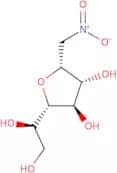
CAS :<p>3-Methylflavone-8-carboxylic acid acyl-b-D-glucuronide is a fluorinated synthetic compound that has been custom synthesized with a high purity. It is an oligosaccharide, monosaccharide, and complex carbohydrate. This chemical can be used for glycosylation, methylation, or click modification. The product is stable at room temperature and does not require any special storage conditions.</p>Formule :C23H20O10Degré de pureté :Min. 95%Masse moléculaire :456.4 g/mola-D-Galactofuranosyl nitromethane
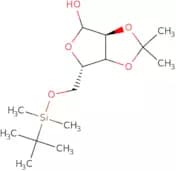
CAS :<p>a-D-Galactofuranosyl nitromethane is a sugar with a galactose (galactosyl) and a nitro group. It is used as a starting material for the synthesis of other glycosides, such as the synthesis of 3-indoxyl-6-fluoro β-D-galactopyranoside. This compound is also used for the synthesis of saccharides with fluorinated or methylated groups.<br>a-D-Galactofuranosyl nitromethane has CAS number 81812-46-6 and can be synthesized from 2,4,5,7 trichloroacetophenone and 1,2,3,4 benzene tetracarboxylic acid in the presence of sodium ethoxide.</p>Formule :C7H14NO7Degré de pureté :Min. 95%Masse moléculaire :224.19 g/mol5-O-tert-Butyldimethylsilyl-2,3-O-isopropylidene-L-lyxofuranose
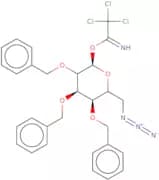
CAS :<p>5-O-tert-Butyldimethylsilyl-2,3-O-isopropylidene-L-lyxofuranose is a modification of D-glucose. It is synthesized by methylation and glycosylation, and fluorinated on the hydroxyl group to give 5-O-tert-butyldimethylsilyloxycarbonylmethyl 2,3-O-(1,1,2,2,-tetrafluoroethoxy)propylidene L -lyxo furanose. 5DMTBSILOXOLFURANOSE has a CAS number of 1266546-81-9.</p>Formule :C14H28O5SiDegré de pureté :Min. 95%Masse moléculaire :304.45 g/mol6-Azido-2,3,4-tri-O-benzyl-6-deoxy-a-D-mannopyranosyl trichloroacetimidate
<p>6-Azido-2,3,4-tri-O-benzyl-6-deoxy-a-D-mannopyranosyl trichloroacetimidate (6A2TB) is a synthetic glycosylation reagent that is used in the synthesis of complex carbohydrates. It can be used in Click chemistry to introduce an azide group onto an alpha carbon. This reaction requires the presence of a copper catalyst and is very selective. 6A2TB is also useful for modification of saccharides with fluorination or methylation reactions.<br>This product has been demonstrated to have high purity and can be custom synthesized to meet customer specifications.</p>Formule :C29H29Cl3N4O5Degré de pureté :Min. 95%Masse moléculaire :619.92 g/molSecoxyloganin
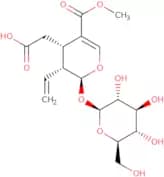
CAS :<p>Secoxyloganin is a 4-hydroxycinnamic acid that belongs to the group of caffeic acids. It is an iridoid, which is a type of monoterpene indole alkaloid that has been found in various plants. Secoxyloganin can be found in the roots, stems, and leaves of plants such as Securigera varia and Digitalis purpurea. Secoxyloganin has shown antimicrobial activity against Gram-positive bacteria such as Staphylococcus aureus and Gram-negative bacteria such as Pseudomonas aeruginosa. It also has antiviral properties, which may be due to its ability to inhibit RNA synthesis and protein synthesis.<br>Secoxyloganin has been shown to have physiological effects in vitro assays, including an increase in glucose uptake by cells after injection of glucose into the cell culture medium.</p>Formule :C17H24O11Degré de pureté :Min. 95%Masse moléculaire :404.37 g/molN-Methyl-b-D-glucopyranosylamine (hydrochloride or other salt)
CAS :<p>Methylation of saccharides is a chemical process that adds methyl groups to the hydroxyl groups of sugars. The most common form of this reaction is the conversion of glucose to mannose. Methylation can be achieved by reacting the sugar with sodium cyanoborohydride, which converts the sugar into a reactive form that can be used in other reactions. This product is a synthetic compound and an intermediate for various glycosylations or modifications. It is a high-purity, white powder with molecular formula C6H17NO5 and molecular weight 191.22 g/mol and CAS Number 114761-39-6 (hydrochloride).</p>Formule :C7H15NO5·HClDegré de pureté :Min. 95%Masse moléculaire :229.7 g/molTween 40
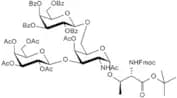
CAS :Tween 40 is a non-ionic surfactant that has been used in the reaction mechanism of lipolytic enzymes. It has been shown to have metabolic effects on fatty acids, with an increase in the rate at which they are metabolized. Tween 40 is also a component of particle suspensions and may be used as a medium for chemiluminescence reactions. Sodium salts such as sodium benzoate or sodium chloride may be added to the solution to produce light emission. Tween 40 has also been shown to provide linear calibration curves for quantitative measurement of glutamate levels in biological fluids by fluorescence photometry. The use of Tween 40 can prevent eye disorders, such as dry eye syndrome, due to its lubricating properties. Tween 40 is synthesized by the esterification of sorbitol and oleic acid with ethylene oxide.Degré de pureté :Min. 95%2-Acetamido-3-O-(2,3,4,6-tetra-O-acetyl-b-D-galactopyranosyl)-4-O-acetyl-6-O-(2,3,4,6-tetra-O-benzoyl-b-D-galactopyranosyl)-2-deoxy- a-D-galactopyranosyl-Fmoc threonine tert-butyl ester
<p>2-Acetamido-3-O-(2,3,4,6-tetra-O-acetyl-b-D-galactopyranosyl)-4-O-acetyl-6-O-(2,3,4,6-tetra-O-benzoyl-b-D -galactopyranosyl)-2 deoxy a D galactopyranosyl Fmoc threonine tert butyl ester is a custom synthesis with high purity and custom synthesis. This product is recommended for methylation and glycosylation reactions. It is a complex carbohydrate that has been modified by fluorination and saccharide.</p>Formule :C81H86N2O29Degré de pureté :Min. 95%Masse moléculaire :1,551.55 g/molPhenyl b-D-thiogalactopyranoside - non-animal origin
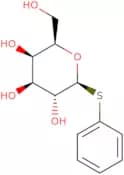
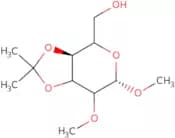
CAS :Phenyl b-D-thiogalactopyranoside is a carbohydrate binding agent that has been shown to have anti-cancer properties. It binds to galectin, a carbohydrate receptor on the surface of tumour cells, thereby interfering with cell proliferation and tumor growth. Phenyl b-D-thiogalactopyranoside also blocks the activity of glycolytic enzymes and can be used as an adjuvant in cancer therapy. This molecule is synthesized by nature or chemically by means of alkylation of phenol. The chemical synthesis is more efficient and economical than the natural process.Formule :C12H16O5SDegré de pureté :Min. 95%Masse moléculaire :272.32 g/mol3,4-O-Isopropylidene-1,2-di-O-methyl-a-D-galactopyranoside
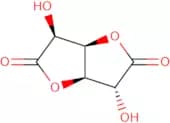
CAS :<p>3,4-O-Isopropylidene-1,2-di-O-methyl-a-D-galactopyranoside is a fluorinated glycoside that is used in the synthesis of oligosaccharides and polysaccharides. It is an excellent substrate for glycosylation reactions. 3,4-O-Isopropylidene-1,2-di-O-methylgalactopyranoside can be modified using methylation or click chemistry to produce derivatives with various functionalities. This product has been shown to be highly pure and suitable for research applications.</p>Formule :C11H20O6Degré de pureté :Min. 95%Masse moléculaire :248.28 g/mol1,4:6,3-Glucarodilactone
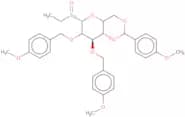
CAS :1,4:6,3-Glucarodilactone is an undecenoate with a sustainable and degradable structure. It can be used as a monomer in the production of polyols that are used in various industries, such as the plastics industry. 1,4:6,3-Glucarodilactone is also an acidic compound that has been shown to have a crystalline product and isomeric transition. It is possible to produce this compound by ring-opening polymerization of p-xylylenediamine with butyl vinyl ether or isobutyl vinyl ether.Formule :C6H6O6Degré de pureté :Min. 95%Masse moléculaire :174.11 g/molEthyl 2,3-di-O-(4-methoxybenzyl)-4,6-O-(4-methoxybenzylidene)-b-D-thiogalactopyranoside S-oxide
<p>Ethyl 2,3-di-O-(4-methoxybenzyl)-4,6-O-(4-methoxybenzylidene)-b-D-thiogalactopyranoside S-oxide is a modification of an oligosaccharide. The carbohydrate has a molecular weight of 682. It is synthesized by the methylation and glycosylation of the monosaccharide, galactose. It can be used in many different applications including as a starting material for other carbohydrates or as a reagent in polysaccharide synthesis.</p>Formule :C32H38O9SDegré de pureté :Min. 95%Masse moléculaire :598.72 g/molDihydroresveratrol 3-O-glucoside
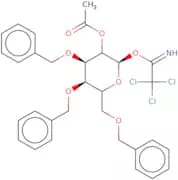
CAS :<p>Dihydroresveratrol 3-O-glucoside is a synthetic, monosaccharide, oligosaccharide, complex carbohydrate with the molecular formula C6H10O5. It has CAS No. 100432-87-9 and is custom synthesized. Dihydroresveratrol 3-O-glucoside is glycosylated and polysaccharided with a high purity.</p>Degré de pureté :Min. 95%2-O-Acetyl-3,4,6-tri-O-benzyl-a-D-mannopyranosyl trichloroacetimidate
CAS :<p>2-O-Acetyl-3,4,6-tri-O-benzyl-a-D-mannopyranosyl trichloroacetimidate is a complex carbohydrate that can be modified. It can be synthesized by Methylation, Glycosylation, Carbohydrate, Click modification and fluorination of 2-(2'-deoxyribofuranosyl)propionic acid. This product has CAS No. 108869-64-3 and a purity of greater than 98%.</p>Formule :C31H32Cl3NO7Degré de pureté :Min. 95%Masse moléculaire :636.95 g/mol2,3,4,6-Tetra-O-acetyl-a-D-galactopyranosyl chloride
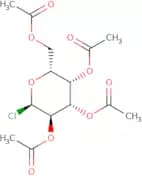
CAS :<p>2,3,4,6-Tetra-O-acetyl-a-D-galactopyranosyl chloride is a synthetic carbohydrate that can be used for glycosylation and modification. It is a sugar with a molecular weight of 434.58 and an empirical formula of C12H24O14. It has been shown to have a high purity of over 98%.</p>Formule :C14H19ClO9Degré de pureté :Min. 95%Masse moléculaire :366.75 g/mola-L-Fucose-1-phosphate
<p>a-L-Fucose-1-phosphate is a Glycosylation, complex carbohydrate, Methylation, Click modification, Polysaccharide, Fluorination, saccharide, Modification, sugar, Oligosaccharide and Synthetic product. a-L-Fucose-1-phosphate is available for custom synthesis and can be ordered with high purity.</p>Degré de pureté :Min. 95%1,2,3,4-Tetra-O-acetyl-b-L-fucopyranose
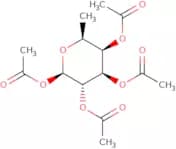
CAS :1,2,3,4-Tetra-O-acetyl-b-L-fucopyranose is a saccharide that can be synthesized from L-fucose. It is a complex carbohydrate and can be used for Methylation, Click modification, Polysaccharide, and Fluorination. 1,2,3,4-Tetra-O-acetyl-b-L-fucopyranose is an Oligosaccharide and it is custom synthesized. The CAS number for this compound is 50615-78-6 and it has a purity of high.Formule :C14H20O9Degré de pureté :Min. 95%Masse moléculaire :332.3 g/molChitotetraose tetradecaacetate
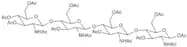
CAS :Chitotetraose tetradecaacetate is a condensation product of chitin and sephadex, which is synthesized from chitin and sodium chloride. It is an acetolysis substrate that has a sensitivity of 3.2 ug/ml in the fluorometric assay. Chitotetraose tetradecaacetate also exhibits high sensitivity to micrococcus, with a minimum inhibitory concentration (MIC) of 0.3 ug/ml.Formule :C52H74N4O31Degré de pureté :Min. 95%Masse moléculaire :1,251.18 g/molCys-spacer-Gly-Gly-Tyr-D-Thr-Gly-Phe-Leu-Ser(glucoside)-amide
<p>Custom synthesis, Modification, Fluorination, Methylation, Monosaccharide, Synthetic, Click modification, Oligosaccharide, saccharide<br>CAS No.: 1101-98-2<br>Polysaccharide: Glycosylated<br>Sugar: Carbohydrate<br>Complex carbohydrate: Glycosylated<br>Glycosylation: sugar</p>Degré de pureté :Min. 95%Sennoside D
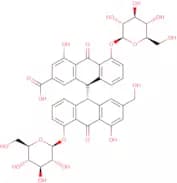
CAS :<p>Sennoside D is a fatty acid that can be isolated from the sennosides found in the leaves of the plant Senna alata. It has been shown to have anti-tumor properties and may play a role in treating colon cancer, breast cancer, and skin cancer. Sennoside D has also been shown to be effective against autoimmune diseases such as arthritis, ulcerative colitis, and Crohn's disease. The low energy of this compound may be due to its formation rate. The hydroxide solution (NaOH) is used in the synthesis of this molecule because it binds with carbon dioxide molecules to form sodium bicarbonate and carbon dioxide gas which can then be captured by water. This process produces a high yield of sennoside D. In addition, the bound form of this molecule is soluble in organic solvents and insoluble in water, which makes it suitable for skin conditions as well as colon cancer treatments.</p>Degré de pureté :Min. 95%Couleur et forme :SolidUndecyl b-D-thiomaltopyranoside
CAS :<p>Undecyl b-D-thiomaltopyranoside is a high purity, custom synthesis, methylated and glycosylated carbohydrate that can be used as a fluorinated sugar. It is an oligosaccharide with 4 glucose units, 1 of which has been modified by the addition of an undecyl group. This modification inhibits the enzyme maltase from hydrolyzing the saccharide. Undecyl b-D-thiomaltopyranoside has CAS No. 148565-57-5 and can be synthesized in high purity for research purposes.</p>Formule :C23H44O10SDegré de pureté :Min. 95%Couleur et forme :PowderMasse moléculaire :512.66 g/molMethyl 4,6-O-benzylidene-2-O-p-toluenesulfonyl-a-D-glucopyranoside
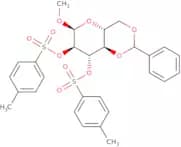
CAS :<p>Methyl 4,6-O-benzylidene-2-O-p-toluenesulfonyl-a-D-glucopyranoside is a modification of the natural carbohydrate, alpha-D-(1→4)-glucose. It is an oligosaccharide that is synthesized by the methylation of a natural sugar and subsequent glycosylation with a saccharide. This compound has been shown to inhibit the activity of bacterial RNA polymerase and DNA gyrase enzymes. The synthesis of this compound has been described in detail in the literature.<br>Methyl 4,6-O-benzylidene-2-O-(p-toluenesulfonyl)a D glucopyranoside <br>This compound is a modification of the natural carbohydrate, alpha D (1 ->4) glucose. It is an oligosaccharide that is synthesized by methylation of a natural</p>Formule :C21H24O8SDegré de pureté :Min. 95%Masse moléculaire :436.48 g/mol1,3,4,5,6-Penta-O-acetyl-2-keto-D-fructose
CAS :1,3,4,5,6-Penta-O-acetyl-2-keto-D-fructose is a custom synthesis of monosaccharide. It has been modified by fluorination and methylation. The CAS number for 1,3,4,5,6-Penta-O-acetyl-2-keto-D-fructose is 494828–55–6. This product is a saccharide that is a sugar with a complex carbohydrate structure.Formule :C16H22O11Degré de pureté :Min. 95%Masse moléculaire :390.34 g/mol3-O-Benzyl-5,6-di-O-acetyl-1,2-O-isoproylidene-a-D-glucofuranose
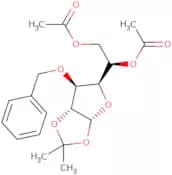
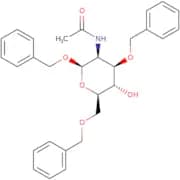
CAS :<p>3-O-Benzyl-5,6-di-O-acetyl-1,2-O-isoproylidene-a-D-glucofuranose is a synthetic compound that can be used as a building block for the synthesis of saccharides and oligosaccharides. The molecule is an alpha D glucose derivative with an acetyl group at C3 and an isopropylidene group at C5. It has great potential in glycosylation reactions due to its high purity and low price.</p>Formule :C20H26NO8Degré de pureté :Min. 95%Masse moléculaire :394.43 g/molBenzyl 2-acetamido-3,6-di-O-benzyl-2-deoxy-b-D-glucopyranoside
CAS :<p>Benzyl 2-acetamido-3,6-di-O-benzyl-2-deoxy-b-D-glucopyranoside is a glycosylation reagent that has been modified with the Click reaction. This product is a white powder that is soluble in water. It has a molecular weight of 637.3 and an assay of 99% by HPLC.</p>Degré de pureté :Min. 95%1,2,3-Tri-O-benzyl-4,6-O-benzylidene-b-D-galactopyranose
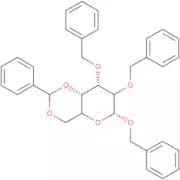
CAS :<p>1,2,3-Tri-O-benzyl-4,6-O-benzylidene-b-D-galactopyranose is a saccharide that is used as a building block for the synthesis of oligosaccharides and polysaccharides. It has been modified with fluorination, methylation, and click chemistry. 1,2,3-Tri-O-benzyl-4,6-O-benzylidene-b-D-galactopyranose is CAS No. 57783–80–9. This product can be custom synthesized to meet your needs.</p>Formule :C34H34O6Degré de pureté :Min. 95%Masse moléculaire :538.63 g/mol1,2-Dipalmitoyl-sn-glycero-3-phospho-(1'-myoinositol-4'-phosphate)
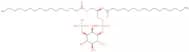
CAS :<p>1,2-Dipalmitoyl-sn-glycero-3-phospho-(1'-myoinositol-4'-phosphate) is a lipid kinase that has been shown to be localized in the cytoplasm. This enzyme is activated by receptor activity and autophagy, and plays a role in protein transport. It also activates phosphatase activity which regulates the actin cytoskeleton, and can be regulated by insulin-stimulated glucose levels. 1,2-Dipalmitoyl-sn-glycero-3-phospho-(1'-myoinositol-4'-phosphate) has been shown to have a regulatory function in epidermal growth factor (EGF)-induced cell proliferation. The physiological function of this enzyme is not yet known.</p>Formule :C41H80O16P2Degré de pureté :Min. 95%Masse moléculaire :891.01 g/molDimethylthexylsilyl 2-azido-2-deoxy-b-L-fucopyranoside
Dimethylthexylsilyl 2-azido-2-deoxy-b-L-fucopyranoside is a custom synthesis, complex carbohydrate. It is an Oligosaccharide with CAS No. and Polysaccharide that has been modified with Methylation, Glycosylation, Click modification and Carbohydrate. This compound is a sugar and a high purity. The compound has been fluorinated and it's synthetic.Degré de pureté :Min. 95%cis-Zeatin-9-glucoside
CAS :<p>Cis-Zeatin-9-glucoside is a plant hormone known as a cytokinin, which is primarily synthesized in plants such as Zea mays (corn) and other monocots. Cytokinins play a critical role in regulating plant growth and development by promoting cell division, influencing nutrient allocation, and delaying leaf senescence. The mode of action of cis-Zeatin-9-glucoside involves its role as a signaling molecule that interacts with specific receptors in plant cells, thereby triggering a cascade of gene expression changes that modulate physiological processes.</p>Formule :C16H23N5O6Degré de pureté :Min. 95%Couleur et forme :PowderMasse moléculaire :381.38 g/molN-Methyl acarbose
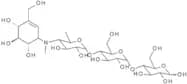
<p>N-Methyl acarbose is a synthetic, high purity, fluorinated carbohydrate with a variety of applications. It has been modified to contain methyl groups on the carbons adjacent to the anomeric carbon, which are used for click chemistry and other bioconjugation reactions. N-Methyl acarbose can be used in glycosylation reactions and offers a wide range of custom synthesis options. This compound is a complex sugar that contains both glucose and fructose monomers.</p>Formule :C26H45NO18Degré de pureté :Min. 95%Masse moléculaire :659.63 g/mol2,3,4-Tri-O-acetyl-1-cyano-a-D-xylopyranosyl bromide
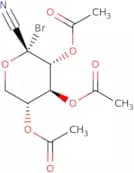
CAS :<p>2,3,4-Tri-O-acetyl-1-cyano-a-D-xylopyranosyl bromide is a custom synthesis of a sugar. It is fluorinated, methylated, and acetylated. 2,3,4-Tri-O-acetyl-1-cyano-a-D-xylopyranosyl bromide can be used for the modification of glycosides and oligosaccharides as well as for the synthesis of saccharides and polysaccharides. This product is CAS No. 8349743 -2.</p>Formule :C12H14BrNO7Degré de pureté :Min. 95%Masse moléculaire :364.15 g/molHyaluronate biotin - Molecular Weight - 2500kDa
<p>Hyaluronate biotin is a complex carbohydrate that consists of a saccharide with a terminal sugar and methylated N-acetylglucosamine. The molecular weight of Hyaluronate biotin is 2500kDa. It can be synthesized by reacting the appropriate monosaccharides under the presence of an enzyme, such as glucose oxidase. This product has high purity and is modified using Fluorination and Click modification.</p>Degré de pureté :Min. 95%D-[4,5,6]-Fructose-13C3
CAS :<p>D-[4,5,6]-Fructose-13C3 is a potent inhibitor of the golgi alpha-mannosidases which are enzymes that catalyze the hydrolysis of mannose residues from glycoproteins. This compound has been shown to inhibit the synthesis of glycoproteins in vitro and in vivo. D-[4,5,6]-Fructose-13C3 also inhibits other chemical reactions by binding to fatty acids or proteins. In cell culture, this compound has been shown to synergistically interact with cytochalasin B, which disrupts Golgi membranes. D-[4,5,6]-Fructose-13C3 is lipophilic and can be easily detected by magnetic resonance spectroscopy (MRS). MRS can be used to monitor the inhibition of fatty acid synthesis in cells cultured with this agent.</p>Formule :C3C3H12O6Degré de pureté :Min. 95%Masse moléculaire :183.13 g/mol8-D-Glucopyranosyl-7,8,9,10-tetrahydro-6,10-methano-6H-pyrazino[2,3-h][3]benzazepine
<p>Please enquire for more information about 8-D-Glucopyranosyl-7,8,9,10-tetrahydro-6,10-methano-6H-pyrazino[2,3-h][3]benzazepine including the price, delivery time and more detailed product information at the technical inquiry form on this page</p>Formule :C19H23N3O5Degré de pureté :Min. 95%Masse moléculaire :373.4 g/mol2-Amino-2-deoxy-D-ribose hydrochloride
CAS :<p>2-Amino-2-deoxy-D-ribose hydrochloride is a synthetic sugar that can be used to produce oligosaccharides and polysaccharides. It has been shown to have high purity and to be custom synthesized as per requirements. This sugar can also be modified with fluorination, methylation, or click modification.</p>Formule :C5H11NO4•HClDegré de pureté :Min. 95%Couleur et forme :PowderMasse moléculaire :185.61 g/mol6-Deoxy-3-C-methyl-D-gulose
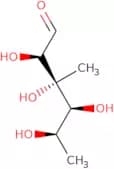
CAS :<p>6-Deoxy-3-C-methyl-D-gulose is an enantiomer of 3,6-dideoxy-D-gluconic acid. This compound has been shown to be a virulent factor in mastitis caused by the mutant strain of Escherichia coli (MT1) and to be expressed at a higher level in mastitic milk than in normal milk. 6DMG has also been shown to induce monoclonal antibody production and stimulate specific immune responses. It is thought that 6DMG damages cells, which leads to the release of intracellular components that trigger an antibody response. The biological function of 6DMG is not known, but it may play a role in the infection process by stimulating an antibody response against infectious agents.</p>Degré de pureté :Min. 95%Methyl 2-O-a-L-fucopyranosyl-b-D-galactoside
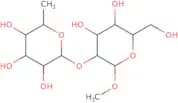
CAS :<p>Computational fluid dynamics (CFD) is the study of fluid flow, a subject which has been studied for over two thousand years. The idea of CFD is to use computers to solve the equations that govern fluid flow and to make predictions about the behavior of gases, liquids and complex fluids in various situations. Computational analysis can be used to calculate how air flows around an object such as a car or plane. This allows engineers to create designs with less drag. Computational analysis can also be used in designing buildings, bridges, and other structures that are exposed to large amounts of wind. <br>CFD is a "convective" computational method because it solves problems by using convection-diffusion equations with appropriate boundary conditions. A "transport" computational method solves problems by solving momentum equations and energy conservation equations simultaneously; this method is often more accurate than convective methods but computationally more expensive. A "laminar" computational method solves problems by solving continuity equations. A "nature</p>Degré de pureté :Min. 95%Methyl 5-aldo-2,3-O-isopropylidene-D-ribofuranoside
Methyl 5-aldo-2,3-O-isopropylidene-D-ribofuranoside is a custom synthesis product. It is an oligo and polysaccharide with a complex carbohydrate structure. This product has high purity and is modified by fluorination. It has been modified to form a monosaccharide sugar.Degré de pureté :Min. 95%Hyaluronate biotin - Molecular Weight - 500kDa
<p>Hyaluronate biotin is a high purity and complex carbohydrate. It is synthesized by methylation, saccharide, polysaccharide, and glycosylation of natural hyaluronic acid. Hyaluronate biotin is a modified form of hyaluronic acid that contains an additional biotin molecule per every 500 kDa of molecular weight. This modification can be used in the development of new drugs or as a supplement to improve joint health.</p>Degré de pureté :Min. 95%Propofol-D-glucuronide methyl ester
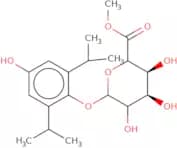
Propofol-D-glucuronide methyl ester is a modification of propofol, which is an anesthetic drug. It is also known as a polysaccharide or saccharide. The modification is made by the addition of methyl groups to the phenolic hydroxyl group on the sugar ring. This modification has been shown to have properties that are similar to those of propofol, but with greater solubility in water and a longer duration of action. Propofol-D-glucuronide methyl ester is synthesized from D-glucuronic acid, which is obtained from glucose through Oligosaccharide synthesis. This compound can be used for glycosylation reactions.Formule :C19H28O7Degré de pureté :Min. 95%Masse moléculaire :368.42 g/molCYMAL-6 neopentyl glycol
<p>CYMAL-6 neopentyl glycol (CYMAL-6) is a monoclonal antibody that binds to the chloride channel protein in human cells. CYMAL-6 has been shown to inhibit uptake of chloride ions, leading to an increase in extracellular pH and an inhibition of cellular respiration. It has been shown to be effective in patients with pigmentosa or hematological disorders such as leukemia and lymphoma. The structural studies on CYMAL-6 have shown that this drug can be used as a fluorescent probe for the study of chloride ion channels.</p>Formule :C47H84O22Degré de pureté :Min. 95%Masse moléculaire :1,001.16 g/molFluconazole D-glucuronide
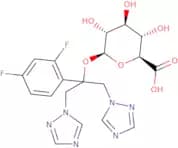
CAS :<p>Fluconazole D-glucuronide is a synthetic, fluorinated sugar that has been modified with a glycosylation. It is synthesized by reacting fluconazole with the sugar glucuronic acid in the presence of an enzyme called glycosyltransferase. Fluconazole D-glucuronide is a custom synthesis, and it can be used as a pharmaceutical intermediate to produce other compounds. Fluconazole D-glucuronide is also used as an analytical standard for quantifying fluconazole in biological samples.</p>Degré de pureté :Min. 95%






![1,2-Dideoxy-2'-dimethylamino-a-D-glucopyranoso-[2,1-d]-2'-thiazoline](/_next/image/?url=https%3A%2Fstatic.cymitquimica.com%2Fproducts%2F3D%2Fthumb-webp%2FMD15731.webp&w=3840&q=75)









![D-[4,5,6]-Fructose-13C3](/_next/image/?url=https%3A%2Fstatic.cymitquimica.com%2Fproducts%2F3D%2Fthumb-webp%2FMF171832.webp&w=3840&q=75)
![8-D-Glucopyranosyl-7,8,9,10-tetrahydro-6,10-methano-6H-pyrazino[2,3-h][3]benzazepine](/_next/image/?url=https%3A%2Fstatic.cymitquimica.com%2Fproducts%2F3D%2Fthumb-webp%2FMG183915.webp&w=3840&q=75)