Glycosciences
La glycosciences est l'étude des glucides et de leurs dérivés, ainsi que des interactions et des fonctions biologiques auxquelles ils participent. Ce domaine de recherche est crucial pour comprendre une grande variété de processus biologiques, y compris la reconnaissance cellulaire, la signalisation, la réponse immunitaire et le développement des maladies. La glycosciences a des applications importantes en biotechnologie, en médecine et dans le développement de nouveaux médicaments et thérapies. Chez CymitQuimica, nous proposons une large sélection de produits de haute qualité et pureté pour la recherche en glycosciences. Notre catalogue comprend des monosaccharides, des oligosaccharides, des polysaccharides, des glyconjugués et des réactifs spécifiques, conçus pour soutenir les chercheurs dans leurs études sur la structure, la fonction et les applications des glucides dans les systèmes biologiques. Ces ressources sont destinées à faciliter les découvertes scientifiques et les applications pratiques dans divers domaines des biosciences et de la médecine.
Sous-catégories appartenant à la catégorie "Glycosciences"
- Aminosucres(108 produits)
- Anticorps Glyco-Related(282 produits)
- Glycolipides(46 produits)
- Glycosaminoglycanes (GAGs)(55 produits)
- Glycosides(419 produits)
- Monosaccharides(6.624 produits)
- Oligosaccharides(3.682 produits)
- Polysaccharides(503 produits)
11046 produits trouvés pour "Glycosciences"
Trier par
Degré de pureté (%)
0
100
|
0
|
50
|
90
|
95
|
100
2-C-Methyl-D-arabino-1,4-lactone
<p>2-C-Methyl-D-arabinose is a modification of the sugar arabinose. It is an oligosaccharide that can be synthesized in the laboratory. 2-C-Methyl-D-arabinose can be used as a custom synthesis and has been identified by its CAS number, which is 76447-07-6. This compound is a monosaccharide that has a molecular formula of C5H10O4 and an atomic weight of 150.12 g/mol. It is also referred to as methylated arabinose or D(+)-2,3,4,5,6 tetra‑O-methyl‑D‑arabino‑1,4‑lactone. 2-C-Methyl-D-arabinose is also a polysaccharide that contains glucose subunits with modifications such as fluorination or saccharides with glycosylation or methylation.</p>Degré de pureté :Min. 95%(1S) -1- [(2S, 3R,4R) -4-Hydroxymethyl-3- hydroxy- 1- azetidinyl] -1, 2- ethanediol
<p>(1S) -1- [(2S, 3R,4R) -4-Hydroxymethyl-3- hydroxy- 1- azetidinyl] -1, 2- ethanediol is a synthetic sugar that can be used as a glycosylation or click modification agent. It is also used in the synthesis of complex carbohydrates. This product has been shown to have high purity and is available for custom synthesis.</p>Degré de pureté :Min. 95%9-O-Acetyl-N-acetyl-neuraminic acid
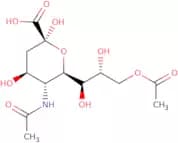
CAS :9-O-Acetyl-N-acetyl-neuraminic acid is a sialic acid produced by the human body. It can be found in human serum and has been shown to have inhibitory properties against viruses, such as hepatitis B and C viruses. 9-O-Acetyl-N-acetylneuraminic acid binds to the α1-acid glycoprotein in the blood, which can reduce its ability to bind to other molecules. This leads to a lower concentration of 9-O-acetylneuraminic acid in the blood. This molecule also has chemical biology properties that are being studied for their effects on biological processes such as histological analysis, receptor molecule binding, polymerase chain reaction (PCR), and mucin gene transcription. 9-O-Acetylneuraminic acid also has antihistamine activities that may be due to its ability to block histamine receptors or inhibit histamine release.Formule :C13H21NO10Degré de pureté :Min. 75 Area-%Couleur et forme :White Off-White PowderMasse moléculaire :351.31 g/molTrehalose octaacetate
CAS :<p>Trehalose octaacetate is a carbohydrate that can be synthesized from trehalose and acetyl coenzyme A. It has been shown to act as an enzymatic substrate and a carbon source in the production of microparticles. Trehalose octaacetate is an antigenic molecule that can be used as a vaccine adjuvant to enhance the immune response to antigens. It also exhibits anti-inflammatory properties, which may be due to its ability to inhibit prostaglandin synthesis. Trehalose octaacetate is highly viscous, which makes it useful for the formulation of medications such as eye drops.</p>Formule :C28H38O19Degré de pureté :Min. 95%Masse moléculaire :678.59 g/molNA3 Glycan, 2-AB labelled
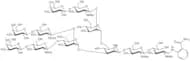
<p>NA3 Glycan is a custom-synthesized Oligosaccharide that has been modified by the addition of 2AB labelled. This glycan contains an N-acetylglucosamine residue at its reducing end. The NA3 Glycan can be used for a wide range of applications, including glycosylation reactions, click reactions, and carbohydrate chemistry. It is also available in high purity and with fluorination on the sugar moiety.</p>Degré de pureté :Min. 95%1-Amino-D-butane-2,3,4-triol
<p>1-Amino-D-butane-2,3,4-triol is a custom synthesis of 1,2,3,4-1-amino butane. It has been modified with fluorination and methylation. This product has a CAS number of 20897-16-0. The molecular weight is 152.17 g/mol and the molecular formula is C6H11NO3. This product is a synthetic compound that consists of monosaccharides and oligosaccharides. The glycosylation is Oligosaccharide and saccharide. It can be found in the carbohydrate category as it contains complex carbohydrates.</p>Degré de pureté :Min. 95%(2R, 3R, 4R, 5S) -3,4-Dihydroxy-2, 5- pyrrolidinedimethano l
CAS :(2R, 3R, 4R, 5S) -3,4-Dihydroxy-2, 5- pyrrolidinedimethanol is an organic compound that is a modification of the sugar erythrose. It has been synthesized from 2,3,4,5-tetrahydroxybenzaldehyde and 2-fluoro-1-(trifluoromethyl)benzene. The compound has been used for the preparation of oligosaccharides and polysaccharides. It is also used as a raw material for the synthesis of complex carbohydrate compounds and saccharide derivatives. (2R, 3R, 4R, 5S) -3,4-Dihydroxy-2, 5- pyrrolidinedimethanol is used in the production of fluorinated saccharides.Degré de pureté :Min. 95%2C-Hydroxymethyl-2,3:5,6-di-O-isopropylidene-L-gulono-1,4-lactone
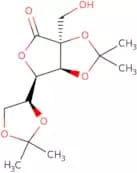
CAS :<p>2C-Hydroxymethyl-2,3:5,6-di-O-isopropylidene-L-gulono-1,4-lactone is a synthetic compound with the molecular formula C8H11O7. It is a sugar derivative that is used as an intermediate in the synthesis of saccharides and oligosaccharides. 2C-Hydroxymethyl-2,3:5,6-di-O-isopropylidene-L-gulono-1,4 -lactone has been shown to be a good candidate for Click chemistry modification.</p>Formule :C13H20O7Degré de pureté :Min. 95%Masse moléculaire :288.29 g/mol3'-(N-Glycolyl-a-neuraminosyl)lactose
CAS :<p>3'-(N-Glycolyl-a-neuraminosyl)lactose is a carbohydrate that is synthesized from lactose, which is a disaccharide composed of glucose and galactose. It is synthesized by the modification of the terminal hydroxyl group on the galactose moiety with glycolyl chloride. 3'-(N-Glycolyl-a-neuraminosyl)lactose has been shown to inhibit the growth of bacteria and fungi. It also has the potential to be used as an anti-cancer drug candidate due to its ability to inhibit protein synthesis in cells. This carbohydrate can also be modified by methylation, glycosylation, or click chemistry.</p>Formule :C23H39NO20Degré de pureté :Min. 95%Masse moléculaire :649.55 g/mol4-Deoxy-4-fluoro-D-mannose
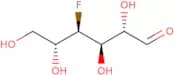
CAS :<p>4-Deoxy-4-fluoro-D-mannose is a sugar that is an analog of 3-deoxy-3-fluoro-d-mannose. It is synthesized by the transfer of a 6-hydroxyl group from 6,6'-dideoxyadenosine to the C6 hydroxyl group of 3,6'-dihexadecylthio adenosine. 4,4'-Difluoro D-mannose is then obtained by hydrolysis and decarboxylation. This process can be catalyzed by enzyme catalysis with phosphofructokinase or hexokinase. 4,4'-Difluoro D mannose has been used in biochemical studies as an analog for 6,6'-dideoxydaunosine. It has also been used as a substrate for virus glycosylation and protein glycosylation in living cells. In addition, it has been shown to inhibit</p>Formule :C6H11FO5Degré de pureté :Min. 95%Couleur et forme :PowderMasse moléculaire :182.15 g/mol4-Formylphenyl β-D-glucopyranoside
CAS :<p>4-Formylphenyl β-D-glucopyranoside is a natural compound that is found in human serum and has the ability to form stable complexes with p-hydroxybenzoic acid. This drug has been shown to regulate transcription through its interaction with the nucleotide sequence of DNA, which may be due to its ability to form stable complexes with p-hydroxybenzoic acid. 4-Formylphenyl β-D-glucopyranoside has been reported as having biological properties such as gland cells, matrix effect, and locomotor activity. The surface methodology used on this drug can be used for sample preparation, which can be beneficial for the chinese herb industry. It has also been shown to have synchronous fluorescence when mixed with other compounds.</p>Formule :C13H16O7Degré de pureté :Min. 98 Area-%Couleur et forme :PowderMasse moléculaire :284.26 g/mol6'-O-Benzoyl-2,3,6,3',4,-penta-O-acetyl-sucrose
6'-O-Benzoyl-2,3,6,3',4,-penta-O-acetyl-sucrose is a methylated and fluorinated glycosylation product of sucrose. This compound has a molecular weight of 527.97 and an average molar mass of 579.38 g/mol. It exists in the form of white crystals at room temperature and has a melting point of 222 °C. 6'-O-Benzoyl-2,3,6,3',4,-penta-O-acetyl-sucrose is soluble in water and ethanol but insoluble in ether. It is not toxic or irritating to skin or eyes and does not react with other substances to produce hazardous reactions.Degré de pureté :Min. 95%2-Azido-2-deoxy-3,5-O-isopropylidene-D-xylono-1.4-lactone
<p>2-Azido-2-deoxy-3,5-O-isopropylidene-D-xylono-1.4-lactone is a glycosylation agent that can be used in the synthesis of complex carbohydrates and saccharides. This compound is fluorinated at the 3 position and then modified with a click chemistry reaction to introduce an azide group. The azide group can be used for subsequent modifications such as Polysaccharide, Fluorination, or Click modification. 2-Azido-2-deoxy-3,5-O-isopropylidene -D-xylono--1.4--lactone has CAS number 79840–01–8 and is custom synthesized to high purity for research purposes only.</p>Degré de pureté :Min. 95%2,4,7,8,9-Pentaacetyl-N- [(2- propyn- 1- yloxy) carbonyl] - b- neuraminic acid methyl ester
CAS :<p>2,4,7,8,9-Pentaacetyl-N-[(2-propen-1-yloxy)carbonyl]-b-neuraminic acid methyl ester is a Glycosylation reagent that is used in the synthesis of oligosaccharide and polysaccharide. The product can be modified to produce Click modifications and complex carbohydrates. It has been shown to have high purity and can be custom synthesized.</p>Formule :C24H31NO15Degré de pureté :Min. 95%Masse moléculaire :573.5 g/mol3,4,6-Tri-O-acetyl-D-galactal - non-animal origin
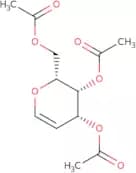
CAS :<p>Building block for synthesis of oligosaccharides</p>Formule :C12H16O7Degré de pureté :Min. 98 Area-%Couleur et forme :White PowderMasse moléculaire :272.25 g/molMaltoheptaose
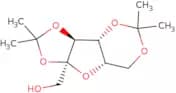
CAS :<p>α 1,4-glucoheptasaccharide derived from starch by hydrolysis and chromatography</p>Formule :C42H72O36Degré de pureté :Min. 60%Couleur et forme :White PowderMasse moléculaire :1,153.02 g/mol2,3:4,6-Di-O-isopropylidene-α-L-sorbofuranose
CAS :<p>2,3:4,6-Di-O-isopropylidene-α-L-sorbofuranose is a furanose sugar that is structurally similar to sorbose. It is a five membered ring with two stereocenters. The conformation of this molecule encompasses the techniques of dialkyl and furanose synthesis. This compound can be used as a vitamin and can be degraded by ozonation in water. 2,3:4,6-Di-O-isopropylidene-α-L-sorbofuranose is biodegradable and has been shown to have antiinflammatory properties.</p>Formule :C12H20O6Degré de pureté :Min. 95%Couleur et forme :White PowderMasse moléculaire :260.28 g/molIsomaltitol
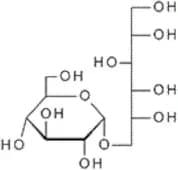
CAS :<p>Bulk sweetener; viscosity/bodying agent; humectant; cryoprotectant</p>Formule :C12H24O11Degré de pureté :Min. 95%Couleur et forme :White SolidMasse moléculaire :344.31 g/molN-Acetyl-L-xylosamine
<p>N-Acetyl-L-xylosamine is a custom synthesis of a glycosylation product that contains an acetyl group and a xylosamine. It is used as a building block for the synthesis of complex carbohydrates. N-Acetyl-L-xylosamine can be modified with fluorination, saccharide, modification, sugar, or oligosaccharide to create custom products.</p>Formule :C7H13NO5Degré de pureté :Min. 95%Couleur et forme :Yellow PowderMasse moléculaire :191.18 g/mol(3S, 4S, 5R) -3, 4- Dihydroxy- 5- (hydroxymethyl) -L- proline
<p>(3S, 4S, 5R) -3, 4- Dihydroxy- 5- (hydroxymethyl) -L- proline is a custom synthesis. It is a fluorinated, methylated, and modified monosaccharide with a polysaccharide sugar attached to a glycosylation site. The CAS number for this compound is not available.</p>Degré de pureté :Min. 95%L-Sorbose
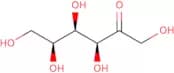
CAS :<p>Resource for the industrial synthesis of ascorbic acid alias Vitamin C</p>Formule :C6H12O6Degré de pureté :Min. 98 Area-%Couleur et forme :White Off-White PowderMasse moléculaire :180.16 g/molPhenyl a-D-glucopyranoside
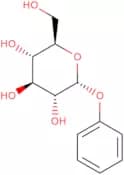
CAS :<p>Phenyl a-D-glucopyranoside is a specific inhibitor of the enzyme α-glucosidase. It is used to study the mechanism of carbohydrate metabolism and its role in diabetes. Phenyl a-D-glucopyranoside binds to the active site of α-glucosidase, which prevents it from hydrolyzing α-1,4 glycosidic bonds in carbohydrates. The compound has been shown to inhibit pancreatic α-glucosidase activity, but not the activity of intestinal enzymes such as sucrase and maltase. Phenyl a-D-glucopyranoside also inhibits β cells by preventing glucose release from glycogen stores, which may be due to an isotope effect. This compound can act as an acceptor for isotopes such as carbon 14 and deuterium oxide (heavy water).</p>Formule :C12H16O6Degré de pureté :Min. 95%Couleur et forme :PowderMasse moléculaire :256.25 g/molNeocarradecaose-41,3,5,7,9-penta-O-sulfate sodium salt
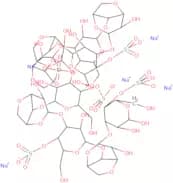
CAS :Neocarradecaose-41,3,5,7,9-penta-O-sulfate sodium salt is a synthetic oligosaccharide that is used as an active ingredient in anti-tuberculosis drugs. It has been shown to have strong inhibitory activity against Mycobacterium tuberculosis. Neocarradecaose-41,3,5,7,9-penta-O-sulfate sodium salt is also a good substrate for glycosylation reactions and can be modified by methylation or click chemistry. This compound is water soluble and suitable for dissolving in organic solvents. The purity of the compound is over 98%.Formule :C60H87Na5O61S5Degré de pureté :Min. 95 Area-%Couleur et forme :Yellow PowderMasse moléculaire :2,059.58 g/molHexa-mannuronic acid sodium
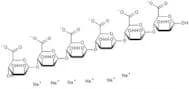
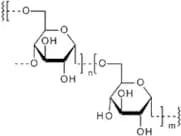
<p>Hexa-mannuronic acid sodium salt (β-1,4-linked sodium mannuronohexaose) is one of a number of oligosaccharides obtained from alginate which is a polysaccharide in brown seaweeds containing: blocks of repeating mannuronic acid sequences (M-M-M-M etc), repeating guluronic acid sequences (G-G-G-G etc), and alternating M-G-M-G sequences.Oligosaccharides can be released using several methods (Lua, 2015; Yanga, 2004) and claims have been published that mannuronic acid oligosaccharides for example, can be effective in the prophylaxis and treatment of Alzheimer's disease, or for the prophylaxis and treatment of diabetes (USP 8835403B2, 2014).</p>Formule :C36H44O37Na6Degré de pureté :Min. 95 Area-%Couleur et forme :PowderMasse moléculaire :1,206.65 g/molMan-8 Glycan, 2-AB labelled
<p>Man-8 Glycan, 2-AB labelled is a carbohydrate, modification. It is a saccharide that has been fluorinated and modified with methylation and glycosylation. It has a CAS number of 7071-83-0, and is available for custom synthesis. This product has high purity, is synthetic, and can be modified with a click modification. The molecular weight of this product is 604.</p>Degré de pureté :Min. 95%3-Acetamido-3-deoxy-D-glucose
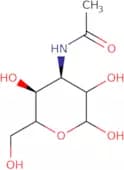
CAS :<p>3-Acetamido-3-deoxy-D-glucose (3ADG) is a trisaccharide that is an acceptor for glycosidic reactions. It has been shown to be a good substrate for glycosidases, which hydrolyze it by cleaving the glycosidic bond between the 3rd and 4th carbon from the 3rd carbon of the D-glucose residue. The enzyme specificity for this reaction has been shown to be dependent on the stereospecificity of the enzyme. 3ADG can also be used as a synthetic precursor for oligosaccharides, such as GalNAC, where it is used as a starting material in place of glucose.</p>Formule :C8H15NO6Degré de pureté :Min. 95%Couleur et forme :PowderMasse moléculaire :221.21 g/mol2-Amino- 2- deoxy- 3, 6- di- O- methyl-D- glucose
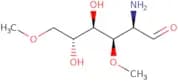
CAS :<p>2-Amino- 2-deoxy-3,6-di-O-methyl-D-glucose is a modified saccharide that is synthesized by the coupling of two amino acids: an alpha amino group and a beta hydroxyl group. It is also known as N-[2,6-bis(1,1-dimethylethyl)amino]-2,3,4,5,6 tetrahydrobenzofuran with the CAS number 25521-11-3. This compound can be custom synthesized to meet specific requirements. It has been used in research on glycosylation reactions and methylation reactions.</p>Formule :C8H17NO5Degré de pureté :Min. 95%Masse moléculaire :207.22 g/molChondroitin disaccharide di-diSD trisodium salt
CAS :<p>Chondroitin disaccharide di-diSD trisodium salt is a synthetic, high purity chondroitin sulfate with a molecular weight of about 1 million. It is custom synthesized and modified to include a Click modification on the sugar, fluorination, glycosylation and methylation. The CAS number for this product is 149368-03-6. This product can be used as an ingredient in pharmaceuticals or in cosmetics.</p>Formule :C14H18NO17S2Na3Degré de pureté :Min. 95%Couleur et forme :PowderMasse moléculaire :605.39 g/molD-Cellobiose
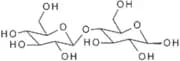
CAS :<p>D-Cellobiose, also known as cellose, is a reducing disaccharide consisting of two β(1-4)-linked glucopyranose units. It is produced by the hydrolysis of cellulose, a homopolysaccharide of glucose with β(1-4)-linkages. Cellobiose constitutes the polar part of cellobiose lipids (CLs) that are secreted by yeasts and mycelia fungi. Their various biological activities have led to a range of applications in the food industry, pharmaceutical industry and in medicine. Cellobiose itself has been used as an indicator carbohydrate for Crohn's disease and malabsorption syndrome. In biotechnology, cellobiose is one of the sugars explored for the synthesis of biotensides.</p>Formule :C12H22O11Degré de pureté :Min. 97 Area-%Couleur et forme :White Off-White Crystalline PowderMasse moléculaire :342.30 g/molDextran 250 - MW: 225,000 to 275,000
CAS :<p>Complex glucan (a 1-6) from Leuconostoc spp.; extender in blood transfusions</p>Couleur et forme :Powder4-Aminophenyl β-D-thiogalactopyranoside
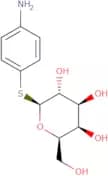
CAS :<p>4-Aminophenyl β-D-thiogalactopyranoside is a custom synthesis of a fluorinated saccharide. It is an oligosaccharide that has been modified with a click modification, which is an atom transfer radical polymerization. The chemical name for 4-aminophenyl β-D-thiogalactopyranoside is 2,5-difluorobenzoyl-(1→4)-4-(4'-aminophenoxy)butyryl-(1→2)-β-D-thiogalactopyranoside. The CAS number for 4-aminophenyl β-D-thiogalactopyranoside is 29558-05-2. This product has high purity and can be used as a substitute for saccharides in the synthesis of polysaccharides or oligosaccharides.</p>Formule :C12H17NO5SDegré de pureté :Min. 95%Couleur et forme :PowderMasse moléculaire :287.33 g/mol1,3,4,6-Tetra-O-acetyl-a-D-glucopyranose
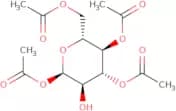
CAS :1,3,4,6-Tetra-O-acetyl-a-D-glucopyranose is a synthon that is used as a synthetic intermediate for the synthesis of other compounds. It is also a reactive compound that can be used to synthesize carboxylic acids and hydroxy ketones by reaction with water or alcohols. 1,3,4,6-Tetra-O-acetyl-a-D-glucopyranose can also be converted into esters by reaction with alcohols.Formule :C14H20O10Degré de pureté :Min. 93 Area-%Couleur et forme :White Off-White PowderMasse moléculaire :348.3 g/molD-Glucosamine-3,6-di-O-sulphate sodium
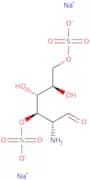
CAS :<p>D-Glucosamine-3,6-di-O-sulphate sodium salt is a synthetic, fluorinated, monosaccharide that is prepared by the modification of D-glucosamine. It can be synthesized by reacting D-glucosamine with sodium sulfite in the presence of hydrochloric acid. This product has been modified to contain a reactive group for click chemistry. The synthesis of this compound involves methylation, which is a process used to introduce methyl groups into organic compounds. This product is also an oligosaccharide and polysaccharide. The sugar molecule in this product is glucosamine, which is a carbohydrate that contains glucose and amino acids. Glucosamines are complex carbohydrates that play a role in the synthesis of glycoproteins and glycolipids in cells.</p>Formule :C6H13NO11S2•Na2Degré de pureté :Min. 95%Couleur et forme :PowderMasse moléculaire :385.28 g/molD-Mannojirimycin hydrogensulfite
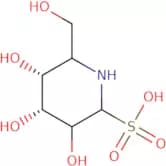
<p>D-Mannojirimycin hydrogensulfite, an iminosugar analogue of Mannose, is a potent inhibitor of alpha-mannosidase.</p>Formule :C6H13NO7SDegré de pureté :Min. 95%Couleur et forme :PowderMasse moléculaire :243.24 g/molDelphinidin 3-glucoside chloride
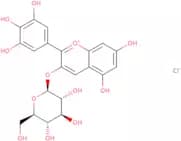
CAS :<p>Delphinidin 3-glucoside chloride is a natural, water-soluble compound that exhibits antimicrobial activity against Staphylococcus aureus. It has been shown to inhibit the growth of this bacteria by inhibiting detoxification enzymes and intracellular cGMP production. Delphinidin 3-glucoside chloride also inhibits uptake of this bacterium by human cells, which may be due to its synergistic interaction with other compounds such as cinnamic acid derivatives. This compound has been shown to have cardiac effects in animals and is being studied for its potential use in treating heart disease.</p>Formule :C21H21O12ClDegré de pureté :Min. 95%Couleur et forme :PowderMasse moléculaire :500.84 g/molGlupentaacetate
Glupentaacetate is a synthetic, fluorinated sugar that is used in the synthesis of complex carbohydrates. It has been shown to be a useful tool for the modification of glycosylations, polysaccharides and saccharides. Glupentaacetate has been modified with a methyl group at the C-2 position. This modification leads to increased reactivity and stability, in addition to being useful for click chemistry. Glupentaacetate is also stable under acidic conditions, making it an excellent choice for use in organic synthesis.Degré de pureté :Min. 95%Cyanomethyl 2,3,4,6-tetra-O-acetyl-b-D-thiogalactopyranoside
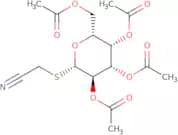
CAS :<p>Cyanomethyl 2,3,4,6-tetra-O-acetyl-b-D-thiogalactopyranoside is an important reagent for the synthesis of glycosides and oligosaccharides. This substance has been used to synthesize a variety of modified saccharides, such as methylated sugars and fluorinated saccharides. It also has been applied to the synthesis of complex carbohydrates with the click modification.</p>Formule :C16H21NO9SDegré de pureté :Min. 98 Area-%Couleur et forme :White Off-White PowderMasse moléculaire :403.41 g/mol2,3:4,5-Di-O-isopropylidene-D-talonic acid methyl ester
<p>2,3:4,5-Di-O-isopropylidene-D-talonic acid methyl ester is an organic compound that is the product of a custom synthesis. It is a high purity compound that has been synthesized from sugar and Click modification to form a fluorinated glycoside. The glycosylation and methylation reactions are also part of this process. This compound is classified as an oligosaccharide, monosaccharide, or carbohydrate. It has CAS number 51478-07-6.</p>Degré de pureté :Min. 95%2-Allyloxycarbonylamino-1,6-anhydro-2-deoxy-b-D-glucopyranose
<p>2-Allyloxycarbonylamino-1,6-anhydro-2-deoxy-b-D-glucopyranose is a synthetic saccharide that has been modified with 2,5-difluoroacetophenone. This modification generates a fluorine atom at the C2 position of the glucose ring. The synthesis of this compound is performed by custom synthesis for Click chemistry. The desired reaction product is obtained in high purity and with good yield. The chemical formula for 2,5-difluoroacetophenone is C8H7F3O2 and the molecular weight is 191.19 g/mol.<br>2,5-Difluoroacetophenone has been shown to be an efficient reagent in glycosylation reactions because it can react selectively with primary alcohols and amines without affecting other functional groups present in the molecule. In addition, 2,5-difluoroacetophenone</p>Degré de pureté :Min. 95%3-Azido-3-deoxy-4-hydroxymethyl-1,2-O-isopropylidene-a-D-ribofuranose
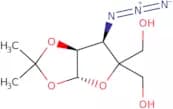
CAS :<p>Carbohydrate building block</p>Formule :C9H15N3O5Degré de pureté :Min. 95%Couleur et forme :PowderMasse moléculaire :245.23 g/mol1-Deoxygalactonojirimycin hydrochloride salt
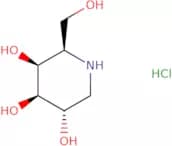
CAS :<p>Specific and potent inhibitor of lysosomal α-galactosidase with IC50 in nanomolar range. It acts as pharmacological chaperone and assists folding of the wild type and mutant versions of the enzyme. It places itself in the instable active site and prevents the damage to the enzyme during the passage through Golgi apparatus, endoplasmatic reticulum and lysosome axis. The exposure to this compound leads to increased levels of functional α-galactosidase in models for lysosomal storage disorders and brings therapeutic benefits to patients with Fabry disease.</p>Formule :C6H13NO4·HClDegré de pureté :Min. 95 Area-%Couleur et forme :White PowderMasse moléculaire :199.63 g/molFluorescein isothiocyanate-carboxymethyl-dextran - Average MW 40,000
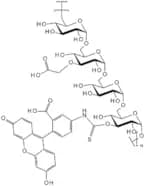
<p>Fluorescein isothiocyanate carboxymethyl dextran (FITC-CM Dextran) has been reported to provide a valuable carrier for nanoparticles of iron oxide. These products provide a potent tool for contrast enhancement in magnetic resonance imaging.</p>Degré de pureté :Min. 95%L-Ribopyranosyl thiosemicarbazide
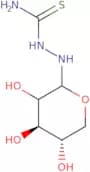
<p>Ribopyranosyl thiosemicarbazide is a synthetic chemical compound that has glycosylation activity. It can be used for the synthesis of oligosaccharides, sugar, and complex carbohydrate. Ribopyranosyl thiosemicarbazide can be fluorinated at C-1 position and methylated in C-2 position. This product is provided with purity of >98%. CAS No.: 5288-55-8</p>Formule :C6H13N3O4SDegré de pureté :Min. 95%Masse moléculaire :223.25 g/molα-Chloralose (max. 20% β-anomer)
CAS :<p>Alpha-Chloralose (max. 20% beta-anomer) is a chemical compound primarily used as a sedative and for rodent control. It is synthesized through a chemical reaction involving glucose and chloral, creating a substance with unique physiological properties. Its mode of action primarily involves depressing the central nervous system, leading to reduced responsiveness and hypothermia in targeted organisms. Alpha-Chloralose induces symptoms that facilitate its application as a tranquilizer, particularly in small mammals and birds during scientific research. Additionally, due to its efficacy in lowering metabolic rates, it is utilized as a rodenticide. Within this context, it serves to humanely control rodent populations by inducing hypothermic conditions, leading to a humane death. Its dual functionality—both as a sedative and a rodenticide—makes it a versatile tool in scientific research and pest management. The specification of a maximum 20% beta-anomer content ensures a standardized formulation, enhancing its reliability and consistency for experimental and practical applications.</p>Formule :C8H11Cl3O6Masse moléculaire :309.53 g/molRef: 3D-C-3305
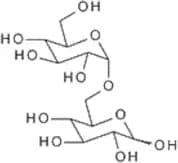
1kgÀ demander5kgÀ demander10kgÀ demander25kgÀ demander2500gÀ demander-Unit-kgkgÀ demanderIsomaltose
CAS :<p>Sweetener; has low cariogenicity; produced from high maltose syrup by treatment</p>Formule :C12H22O11Degré de pureté :Min. 97 Area-%Couleur et forme :White PowderMasse moléculaire :342.3 g/mol5-Deoxy-1,2-O-isopropylidene-5-[(2R-phenylpyrrolidine)-1-yl]-a-D-xylofuranose
CAS :<p>5-Deoxy-1,2-O-isopropylidene-5-[(2R-phenylpyrrolidine)-1-yl]-a-D-xylofuranose is a sugar that is used in the synthesis of oligosaccharides and monosaccharides. It is also used to modify saccharides and carbohydrates. 5DIOX can be synthesized from deoxyribose phosphate, 2-(2′,4′,6′,8'-tetraoxohexyl)benzaldehyde, and 2-(2′,4′,6′,8'-tetraoxohexyl)pyrrole. The CAS number for 5DIOX is 1014404-86-4.</p>Formule :C18H25NO4Degré de pureté :Min. 95%Masse moléculaire :319.4 g/molArthrobacter viscosus exopolysaccharide
<p>The polysaccharide has a linear structure and consists predominantly of repeating trisaccharide units, -O-(3-D-mannuronic acid-(1,4)-O-(3-D-glucopyranosyl-(1,4)-D-galactose. 50% of the hydroxyl groups are acetylated. Extracted from a gram negative non pathogenic bacteria and then synthetic manipulation.</p>Degré de pureté :Min. 95%Couleur et forme :PowderEthyl 2-O-benzoyl-3,6-di-O-benzyl-4-O-Fmoc-b-D-thioglucopyranoside
CAS :<p>The compound is a glycosylation, oligosaccharide and sugar. It is a synthetic, fluorinated compound that can be custom synthesized to meet your needs. The compound is methylated, monosaccharide, polysaccharide and saccharide. It has been modified with click chemistry and it has high purity. CAS No. 1416144-50-7</p>Degré de pureté :Min. 95%3'-Galactosyllactose
CAS :<p>Galactosyllactose attenuated NF-κB inflammatory signaling in human intestinal epithelial cells and in human immature intestine. Thus, galactosyllactoses are strong anti-inflammatory agents in human colostrum and early milk, contributing to innate immune modulation. The potential clinical utility of galactosyllactose warrants investigation.</p>Formule :C18H32O16Degré de pureté :Min. 95 Area-%Couleur et forme :White PowderMasse moléculaire :504.44 g/molDabigatran 3-acyl glucuronide
<p>Dabigatran 3-acyl glucuronide is a glycosylation product of the anti-coagulant drug dabigatran. It is synthesized by the reaction of an ester, such as acetyl chloride, with a sugar, typically glucose. Dabigatran 3-acyl glucuronide has been shown to have a high purity and no detectable impurities. The CAS number for this compound is 1073498-74-4.</p>Degré de pureté :Min. 95%

![(1S) -1- [(2S, 3R,4R) -4-Hydroxymethyl-3- hydroxy- 1- azetidinyl] -1, 2- ethanediol](/_next/image/?url=https%3A%2Fstatic.cymitquimica.com%2Fproducts%2F3D%2Fthumb-webp%2FMH163401.webp&w=3840&q=75)




![2,4,7,8,9-Pentaacetyl-N- [(2- propyn- 1- yloxy) carbonyl] - b- neuraminic acid methyl ester](/_next/image/?url=https%3A%2Fstatic.cymitquimica.com%2Fproducts%2F3D%2Fthumb-webp%2FMP168633.webp&w=3840&q=75)



![5-Deoxy-1,2-O-isopropylidene-5-[(2R-phenylpyrrolidine)-1-yl]-a-D-xylofuranose](/_next/image/?url=https%3A%2Fstatic.cymitquimica.com%2Fproducts%2F3D%2Fthumb-webp%2FMD07486.webp&w=3840&q=75)