Glycosciences
La glycosciences est l'étude des glucides et de leurs dérivés, ainsi que des interactions et des fonctions biologiques auxquelles ils participent. Ce domaine de recherche est crucial pour comprendre une grande variété de processus biologiques, y compris la reconnaissance cellulaire, la signalisation, la réponse immunitaire et le développement des maladies. La glycosciences a des applications importantes en biotechnologie, en médecine et dans le développement de nouveaux médicaments et thérapies. Chez CymitQuimica, nous proposons une large sélection de produits de haute qualité et pureté pour la recherche en glycosciences. Notre catalogue comprend des monosaccharides, des oligosaccharides, des polysaccharides, des glyconjugués et des réactifs spécifiques, conçus pour soutenir les chercheurs dans leurs études sur la structure, la fonction et les applications des glucides dans les systèmes biologiques. Ces ressources sont destinées à faciliter les découvertes scientifiques et les applications pratiques dans divers domaines des biosciences et de la médecine.
Sous-catégories appartenant à la catégorie "Glycosciences"
- Aminosucres(108 produits)
- Anticorps Glyco-Related(282 produits)
- Glycolipides(46 produits)
- Glycosaminoglycanes (GAGs)(55 produits)
- Glycosides(419 produits)
- Monosaccharides(6.624 produits)
- Oligosaccharides(3.682 produits)
- Polysaccharides(503 produits)
11046 produits trouvés pour "Glycosciences"
Trier par
Degré de pureté (%)
0
100
|
0
|
50
|
90
|
95
|
100
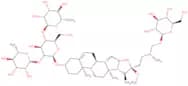
Methyl protodioscin
CAS :<p>Methyl protodioscin is a natural compound that has been shown to have a promising therapeutic effect on autoimmune diseases. Methyl protodioscin is derived from soybean extract and it is known to inhibit the translocation of bacteria across the gut wall, which could be due to its ability to regulate mucin gene expression. In vitro assays show that methyl protodioscin has an effect on mitochondrial membrane potential, which may be related to its anti-inflammatory properties. The effects of methyl protodioscin on mitochondrial functions were studied in C. glabrata, and it was shown that this compound can be used as a therapeutic agent for balloon injury.<br>Methyl protodioscin also inhibits the growth of Candida albicans and other fungi in vivo, suggesting that this compound might have antifungal activity.</p>Formule :C52H86O22Degré de pureté :Min. 95%Masse moléculaire :1,063.23 g/mol1,2,3,4,6-Penta-O-galloyl-D-glucopyranose
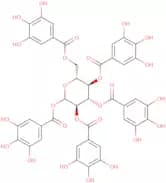
CAS :<p>1,2,3,4,6-Penta-O-galloyl-D-glucopyranose (PGG) is a naturally occurring compound that has been shown to be involved in the transport of glucose across cell membranes. It increases the blood glucose levels in animals and is an inhibitor of phosphatase. PGG has also been shown to have potential therapeutic properties for diabetes. Studies have shown that PGG inhibits the enzymes involved in glycogen synthesis and glycogenolysis, which are important for maintaining normal blood glucose levels. This inhibition may be due to its affinity for receptor binding sites or its ability to act as a competitive inhibitor of these enzymes.</p>Formule :C41H32O26Degré de pureté :Min. 95%Masse moléculaire :940.68 g/molUDP-GlcNAc disodium salt
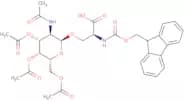
CAS :<p>Substrate for N-acetylglucosaminyltransferases</p>Formule :C17H25N3O17P2Na2Degré de pureté :Min. 98 Area-%Couleur et forme :White PowderMasse moléculaire :651.32 g/mol2-Acetamido-3,4,6-tri-O-acetyl-2-deoxy-α-D-galactopyranosyl-Fmoc serine
CAS :<p>2-Acetamido-3,4,6-tri-O-acetyl-2-deoxy-α-D-galactopyranosyl-Fmoc serine is an amino sugar that has been shown to be a supplement for soybean cultivars. It is a basic compound that is obtained from the condensation of glycine and acetamidodeoxygalactose. This amino sugar can be used as a matrix in genetic engineering and tissue culture experiments with soybean plants. Transgenic soybeans have been created using 2AAGFS as the source of galactose for glycoprotein synthesis. Soybean plants with transgenes are also able to synthesize high levels of seed protein, which may increase the quality of soybean products.</p>Formule :C32H36N2O13Degré de pureté :Min. 95 Area-%Couleur et forme :White PowderMasse moléculaire :656.63 g/molmyo-Inositol
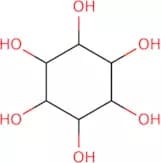
CAS :<p>Vitamin added to plant cell culture medium to promote growth. Used to differentiate microorganisms based on their metabolic properties.</p>Formule :C6H12O6Degré de pureté :Min. 99.0 Area-%Masse moléculaire :180.16 g/molCorn starch
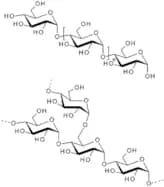
CAS :<p>Starch is a two component polysaccharide mixture of amylose and amylopectin. Amylose is a linear polysaccharide of α (1,4)-linked glucose residues and averages 20 to 30% of the total in most native starches. Amylopectin is a highly branced glucan containing both a (1,4) and a (1,6) linkages. The number of glucose residues in a single starch molecule can vary from five hundred to several hundred thousand, depending on the type of starch. Starch is the major storage form of energy in plants, just as glycogen is the storage form of energy for animals. The plant directs the starch molecules to the amyloplasts, where they are deposited to form granules. Thus, both in plants and in the extracted concentrate, starch exists as granules varying in diameter from 2 to 130 μm.</p>Degré de pureté :Min. 95%Couleur et forme :PowderFucosyl GM1 oligosaccharide
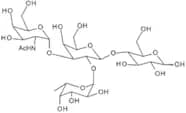
<p>Oligosaccharide domain of monosialylated glycosphingolipid GM1 with an α1,2-fucosylated galactose at the nonreducing end. The moluecule is minimally expressed in healthy tissues but has high prevalence in some tumours such as small cell lung cancer (SCLC). Fucosyl-GM1 ganglioside is a potential tumour marker for SCLC and a potential antigen target for immunotherapy.</p>Formule :C43H71N2O33NaDegré de pureté :Min. 90%Couleur et forme :White PowderMasse moléculaire :1,167.01 g/molAcarviosin
CAS :<p>Acarviosin is a chemical compound that is structurally related to the antimicrobial peptide Ac-LLL-Nal-OH. It is an antidiabetic agent that has been shown to be effective for the treatment of type 2 diabetes and associated cardiovascular risk factors. Acarviosin was originally isolated from a bacterial strain and has been chemically synthesized for use in the treatment of diabetes. Acarviosin inhibits both glycan synthesis and enzyme activities, leading to reduced levels of glucose in blood plasma. This drug also exhibits pharmacokinetic properties with a half-life of approximately 15 hours, which allows it to be taken once daily. Acarviosin can also be used as an analytical method for identifying disaccharides by cleaving them at the glycosidic bond, releasing monosaccharides as products.</p>Formule :C14H25NO8Degré de pureté :Min. 95%Couleur et forme :PowderMasse moléculaire :335.35 g/mol6-Azido- 6- deoxy- D- glycero- L- gulo- heptitol
CAS :<p>6-Azido-6-deoxy-D-glycero-L-gulo-heptitol is a methylated, saccharide, polysaccharide, click modification, and modification of oligosaccharides. The chemical name for the compound is 6-[(1S)-1-(2-aminoethyl)propyl]-2,4 -dioxopentanedioic acid. It has CAS No. 1458063-96-1 and has a molecular weight of 374.5 g/mol. This product can be custom synthesized with high purity and it is a carbohydrate sugar that is synthetic.</p>Formule :C7H15N3O6Degré de pureté :Min. 95%Masse moléculaire :237.21 g/mol1,2:5,6-Di-O-isopropylidene-a-D-gulofuranose
CAS :<p>Synthetic building block</p>Formule :C12H20O6Degré de pureté :Min. 98 Area-%Couleur et forme :White PowderMasse moléculaire :260.28 g/molBlood Group A tetrasaccharide type V
CAS :<p>Core antigen fragment in ABO blood group system</p>Formule :C26H45NO20Degré de pureté :Min. 90%Couleur et forme :White PowderMasse moléculaire :691.63 g/molBenzyl 2-acetamido-2-deoxy-3,4,6-tri-O-acetyl-β-D-glucopyranoside
CAS :<p>Benzyl 2-acetamido-2-deoxy-3,4,6-tri-O-acetyl-b-D-glucopyranoside is a synthetic sugar that is used as a glycosylation reagent for the synthesis of oligosaccharides and polysaccharides. It reacts with saccharides in the presence of 1,3-dicyclohexylcarbodiimide (DCC) and 4-(dimethylamino)pyridine (DMAP). The benzyl group can be modified to include fluorine atoms or methyl groups. This compound is an important building block for the synthesis of complex carbohydrates.</p>Formule :C21H27NO9Degré de pureté :Min. 95%Couleur et forme :White To Off-White SolidMasse moléculaire :437.44 g/molLaminaran, from laminaria digitata
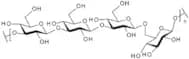
CAS :<p>Laminaran is a polysaccharide that co-occurs with fucoidan and alginate in brown seaweeds such as Laminaria digitata, Laminaria cloustoni, Eisenia bicyclis and Thallus laminariae. It is a β-1,3-linked glucan which it is claimed stimulates the immune system in mammals and fish.<br>The image was kindly provided by Prof Mike Guiry from Cork who runs ‘The Seaweed Site’.</p>Degré de pureté :Min. 95%Couleur et forme :Off-White PowderEthyl 2,3,4,6-tetra-O-benzyl-β-D-thioglucopyranoside
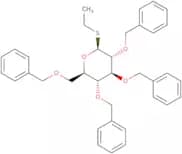
CAS :<p>Ethyl 2,3,4,6-tetra-O-benzyl-b-D-thioglucopyranoside is a sugar alcohol that is selective for the formation of disaccharides. It has a constant yield and can be synthesized from phenyl glycosides or acetonitrile.</p>Formule :C36H40O5SDegré de pureté :Min. 95%Couleur et forme :PowderMasse moléculaire :584.77 g/mol1,5-Anhydro-4,6-O-benzylidene-3-deoxy-D-glucitol
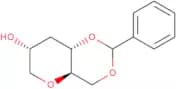
CAS :<p>1,5-Anhydro-4,6-O-benzylidene-3-deoxy-D-glucitol (1,5BPG) is a form compound that is conformationally restricted to the chair conformation. It has inhibitory activity against human macrophages and low activity against thp-1 cells. The 1,5BPG inhibits the activation of Nlrp3 and induces apoptosis in macrophages. These effects are mediated through binding to the hydroxyl group of C2 on the glucose moiety of 1,5BPG. The 1,5BPG also has high activity against marrow derived macrophages. This is due to its ability to inhibit the synthesis of phosphatidic acid and other lipids in these cells.</p>Formule :C13H16O4Degré de pureté :Min. 95%Couleur et forme :PowderMasse moléculaire :236.26 g/mol2N-Boc-amino-2- deoxy- b- D- galactopyranosylamine
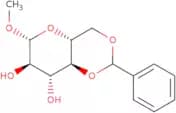
<p>2N-Boc-amino-2-deoxy-b-D-galactopyranosylamine is a synthetic sugar that can be used in the synthesis of oligosaccharides and glycosylations. It is a modification of galactose, which is an important saccharide in the synthesis of polysaccharides. 2N-Boc-amino-2-deoxy-b-D-galactopyranosylamine is also an excellent fluorinating agent that can be used for complex carbohydrate syntheses.</p>Formule :C11H22N2O6Degré de pureté :Min. 95%Masse moléculaire :278.3 g/molMethyl 4,6-O-benzylidene-β-D-glucopyranoside
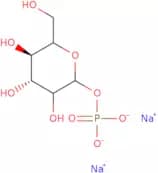
CAS :<p>Methyl 4,6-O-benzylidene-b-D-glucopyranoside is a nitro derivative of methyl b-D-glucopyranoside. The anomeric proton and the nitro group are in the same plane and on opposite sides of the molecule. This compound has been shown to be both a receptor binding agent and a gelation agent. It is used to study biological membranes because it binds to phospholipids in the cell membrane, which alters its physical properties. Methyl 4,6-O-benzylidene-b-D-glucopyranoside is also known for its ability to form hydrogen bonds with water molecules. This is due to its cavity that can accommodate one water molecule per monomer unit. The crystal structure of this compound has been determined by x ray crystallography and shows that it forms dimers through hydrogen bonding between two molecules in each dimer. These interactions are</p>Formule :C14H18O6Degré de pureté :Min. 95%Couleur et forme :PowderMasse moléculaire :282.29 g/molD-Galactose-1-phosphate disodium
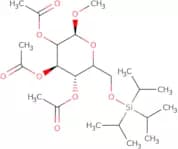
CAS :<p>D-Galactose-1-phosphate disodium is an organic compound that is used as a methylation and glycosylation reagent. It can be used in the synthesis of oligosaccharides, polysaccharides, and other complex carbohydrates. D-Galactose-1-phosphate disodium is a fluorinated saccharide that can be custom synthesized to order. It is also available in high purity and has CAS No. 147072-63-7.</p>Formule :C6H13O9P•(Na)2Degré de pureté :(31P-Nmr) Min. 98%Couleur et forme :PowderMasse moléculaire :304.1 g/molMethyl 2,3,4-tri-O-acetyl-6-O-triisopropylsilyl-a-D-galactopyranoside
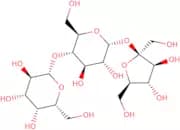
CAS :<p>Methyl 2,3,4-tri-O-acetyl-6-O-triisopropylsilyl-a-D-galactopyranoside is a synthetic glycoside. It is used as a building block for the synthesis of complex carbohydrates. This compound has been shown to have high purity with a purity of 99% by mass. It has not been evaluated by the Food and Drug Administration (FDA) and therefore cannot be sold in the United States.</p>Formule :C22H40O9SiDegré de pureté :Min. 95%Masse moléculaire :476.64 g/mol4-O-β-D-Galactosylsucrose
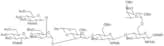
CAS :Similar to Raffinose but with the galactose residue attached 1,4 to the glucoseFormule :C18H32O16Degré de pureté :Min. 95 Area-%Couleur et forme :White PowderMasse moléculaire :504.44 g/mol4-Methoxyphenyl 4-O-{4-O-[[2-O-Ac-3-O-[2,4-di-O-(3,4,6-tri-O-Ac-2-PhthN-β-D-Glc)-3,6-di-O-Bn-α-D-Man]-4,6-O-benzylidene-β-D-Man]]-3, 6-di-O-Bn-2-PhthN-β-D-Glc}-3-O-Bn-6-O-(tri-O-Bn-α-L-Fuc)-2-PhthN-β-D-Glc
<p>4-Methoxyphenyl 4-O-{4-O-[[2-O-Ac-3-O-[2,4-di-O-(3,4,6-tri-O-Ac-2-PhthNbDGlc)-3,6--Di--O--Bn--aDMan]-4,6--O--Benzylidene--bDMan]]} -3, 6--Di--Obn2PhthNbDGlc} -2 PhthNbDGlc is a sugar that has been modified by methylation. It also contains saccharide and polysaccharides. This product is CAS No. 899891–14–8 and can be purchased through custom synthesis. The purity of this product is high and the modification is fluorination.</p>Formule :C158H156N4O47Degré de pureté :Min. 95%Masse moléculaire :2,862.93 g/molMethyl 2-deoxy-3,5-di-O-toluoyl-D-ribofuranoside
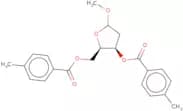
CAS :<p>Methyl 2-deoxy-3,5-di-O-toluoyl-D-ribofuranoside is a carbohydrate compound that is a modification of the saccharide and oligosaccharide. It is fluorinated at the 3' position. The monosaccharide is synthesized from D-ribose and methylated at the 2' and 5' positions. Methyl 2-deoxy-3,5-di-O-toluoyl-D-ribofuranoside is a synthetic sugar that has been modified with glycosylation and Click chemistry.</p>Formule :C22H24O6Degré de pureté :Min. 95%Couleur et forme :PowderMasse moléculaire :384.42 g/mol2,3,4,5,6-Penta-O-acetyl-D-galactononitrile
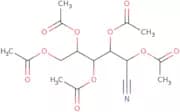
CAS :<p>2,3,4,5,6-Penta-O-acetyl-D-galactononitrile is a synthetic chemical compound that can be used in glycosylation reactions. It has been synthesized by the click modification of 2,3,4,5-tetra-O-acetyl-D-galactose with pentaerythritol tri(nitrile) followed by fluorination. The saccharide was then converted to the methyl ester and acetylated using acetic anhydride. This product is highly pure and can be custom synthesized according to your needs.<br>2,3,4,5,6-Penta-O-acetyl-D-galactononitrile has a molecular weight of 434.2 g/mol and its CAS number is 35439-42-0.</p>Formule :C16H21NO10Degré de pureté :Min. 95%Masse moléculaire :387.34 g/molGalacturonan DP3 sodium salt
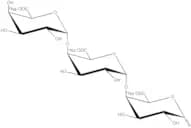
<p>Sodium Trigalacturonate (α-1,4 sodium galacturonotriose) is derived from pectin or pectic acid, by enzymatic or partial acid hydrolysis (Combo, 2012). It is used inâ¯galacturonic acidâ¯metabolism research as a substrate to identify, differentiate, and characterize endo- and exopolygalacturonase(s), and gluconase(s) (Jayani, 2005). The addition of very short fragments of homogalacturonan, tri-galacturonate, and tetra-galacturonate oligosaccharides, restore development in dark-grown, de-etiolated seedling mutants, suggesting that they are unable to generate de-methylesterified pectin fragments. A model of spatiotemporally separated photoreceptive and signal-responsive cell types has been proposed, that contains overlapping subsets of the regulatory network of light-dependent seedling development (Sinclair, 2017).</p>Degré de pureté :Min. 75 Area-%Couleur et forme :PowderL-Arabinose
CAS :<p>The aldopentose L-arabinose (Ara) is, after xylose, the second most abundant pentose in nature. It is found in plant cell walls as a component of polysaccharides, including: hemicelluloses, pectin, arabinogalactan-protein complexes and in exudate plant gums, such as: Gum Arabic (Fehér, 2018). L-arabinose is an important component of the mycobacterial cell wall and is involved in the synthesis of arabinogalactan and lipoarabinomannan, which suggests that it can modulate cell wall permeability and drug resistance. Mycobacterium smegmatis is a useful tool for research into Mycobacteria due to it being a "fast grower" and non-pathogenic (Zhou, 2019).</p>Formule :C5H10O5Degré de pureté :Min. 99 Area-%Masse moléculaire :150.13 g/molRef: 3D-A-8240
1kgÀ demander25gÀ demander250gÀ demander500gÀ demander2500gÀ demander-Unit-kgkgÀ demander(5R, 6R, 7R, 8S) -8- (HydroxymHthyl) - 1- azabicyclo[4.2.0] octane- 5, 7- diol
CAS :<p>(5R, 6R, 7R, 8S) -8- (Hydroxymethyl) - 1- azabicyclo[4.2.0] octane- 5,7-diol is a synthetic compound that belongs to the group of sugar derivatives and is used in the synthesis of oligosaccharides. It is a white solid with an mp of 153°C and a molecular weight of 226.3 g/mol. This compound is soluble in water and ethanol but insoluble in ether or hexane. It has been shown to have high purity and can be modified with fluorination, glycosylation, methylation, or saccharide modification.</p>Degré de pureté :Min. 95%1,2:3,4-Di-O-isopropylidene-6-deoxy-6-C-(2-pyridyl)-D-galactopyranose
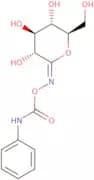
<p>This product is a high purity, custom synthesis, sugar. It is Click modification, fluorination, glycosylation and synthetic. This product has CAS No. and Oligosaccharide, Monosaccharide, saccharide and Carbohydrate. This product also has complex carbohydrate.</p>Formule :C17H23NO5Degré de pureté :Min. 95%Masse moléculaire :321.34 g/molO-(D-Glucopyranosylidene)amino N-phenylcarbamate
CAS :<p>O-(D-glucopyranosylidene)amino N-phenylcarbamate is a synthetic monosaccharide that is used in our laboratory as an intermediate for the synthesis of complex carbohydrates. It is also used in the modification of polysaccharides and glycosylations. This compound has been shown to be stable to hydrolysis, methylation, and oxidation. O-(D-glucopyranosylidene)amino N-phenylcarbamate has been shown to be a high purity product with a CAS number of 104012-84-2.</p>Formule :C13H16N2O7Degré de pureté :Min. 95%Masse moléculaire :312.28 g/molChloramphenicol-β-D-galactopyranoside
CAS :<p>Chloramphenicol-beta-D-galactopyranoside is a carbohydrate that can be used in the synthesis of various carbohydrates. This product is fluorinated at the beta-position and has a saccharide modification. It is also an oligosaccharide with a high purity, methylated, glycosylated, and click modified.</p>Formule :C17H22Cl2N2O10Masse moléculaire :485.27 g/mol2,6-Dideoxy-D-glucose
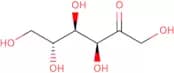
CAS :2,6-Dideoxy-D-glucose is a glycosyl acceptor that has been shown to induce apoptosis in cancer cells. It is an anticancer agent that inhibits the production of ATP by inhibiting glycolysis. 2,6-Dideoxy-D-glucose can also inhibit the translocation of proteins from the cytoplasm to the nucleus and thereby prevent nuclear accumulation of these proteins. This drug may also have anticancer effects through its ability to inhibit DNA synthesis and potentiate anticancer effects of other chemotherapeutic agents. 2,6-Dideoxy-D-glucose has been shown to be effective against cardiac cancer cells and leukemia cells.Formule :C6H12O4Degré de pureté :Min. 95%Couleur et forme :PowderMasse moléculaire :148.16 g/molD-Fructose
CAS :<p>D-Fructose (Fru) is the most common reducing keto-hexose and is often known as levulose, arabino-hexulose, fruit sugar (Collins, 2006). In an aqueous solution, fructose exhibits mutarotation (approx., 70-75% β-pyranose, 20-23% β-furanose, 5% α-furanose, 2% α-pyranose, 0.7% open chain) (Angyal, 1984). Sucrose from sugar cane and sugar beet is made up of 50% fructose and is found in many fruits and vegetables; it is the predominant sugar in apples, grapes, oranges and watermelon, as well as comprising of up to half of the total sugars in honey. High fructose corn syrup (HFCS) containing around 50% fructose is an important food ingredient produced from glucose syrup by the action of the enzyme glucose isomerase (Hanover, 1993). However, dietary sugars including fructose, have long been implicated in the epidemic of obesity. Evidence to link the relation of foods and beverages containing fructose with overweight or obesity has recently been obtained (Zurbau, 2020).</p>Formule :C6H12O6Degré de pureté :Min. 99 Area-%Couleur et forme :White PowderMasse moléculaire :180.16 g/molMan-6 Glycan, 2-AB labelled
<p>Man-6 Glycan, 2-AB labelled is a custom synthesis of mannose-6-phosphate, a monosaccharide. The molecule contains six carbons and one phosphate group. It can be modified with fluorination, methylation, or click modification. This glycan is synthesized by the addition of an oligosaccharide to a polysaccharide. Mannose-6-phosphate is an Oligosaccharide that carries out glycosylation reactions in the body. It is used as a precursor for other glycans such as N-Acetylglucosamine and N-Acetylgalactosamine.</p>Degré de pureté :Min. 95%2-Azido-2-deoxy-3,5-O-benzylidene-L-xylono-1,4-lactone
<p>2-Azido-2-deoxy-3,5-O-benzylidene-L-xylono-1,4-lactone is a sugar compound that can be custom synthesized. It has been shown to be a methylation product of 2,3,4,6-tetraacetylgalactose and is an oligosaccharide with a saccharide chain that includes glucose and xylose. The chemical formula for this compound is C11H13NO7. This compound has a CAS Number of 73028-81-2 and can be purchased from various vendors at high purity levels. 2Azido2deoxy3,5ObenzylideneLxylono1,4lactone is used as a reagent in the synthesis of complex carbohydrates. It can also be used to modify monosaccharides and sugar compounds with fluorination or modification reactions.</p>Degré de pureté :Min. 95%4-(4-(2-Pyridinyl)-3-(E)-buten-2-one-1-yl)piperidine-2,6-dione
<p>4-(4-(2-Pyridinyl)-3-(E)-buten-2-one-1-yl)piperidine-2,6-dione is a synthetic compound that has been modified with fluorination, methylation, and click modification. It is an oligosaccharide molecule that was synthesized in the laboratory. The molecular weight of this compound is 718.</p>Degré de pureté :Min. 95%2,3:4,5-Di-O-isopropylidene-D-gulonic acid methyl ester
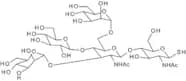
<p>2,3:4,5-Di-O-isopropylidene-D-gulonic acid methyl ester is a custom synthesis that has been modified with fluorination and methylation. It is a monosaccharide, which is synthesized by the click modification of an oligosaccharide. The CAS number for this compound is 7791-54-2. This chemical can be used to produce polysaccharides and complex carbohydrates.</p>Degré de pureté :Min. 95%2-Acetamido-4-O-[2-acetamido-4-O-(β-D-glucopyranosyl)-3,6-di-O-(α-D-mannopyranosyl)-2-deoxy-β-D-glucopyranosyl]-2-deoxy-β-D-thiogluc opyranoside
2-Acetamido-4-O-[2-acetamido-4-O-(b-D-glucopyranosyl)-3,6-di-O-(a-D-mannopyranosyl)-2,6-di-O-(a,b,c,d)-D mannopyranosyl]-2,6-di-O-(a,b,c,d)-D mannopyranosyl]-2 deoxy -b D thioglucopyranose is a carbohydrate that belongs to the class of saccharides. This compound is modified with fluorination and methylation and can be custom synthesized. It has high purity and can be glycosylated or click modified.Formule :C34H58N2O25SDegré de pureté :Min. 95%Couleur et forme :SolidMasse moléculaire :926.89 g/molDextran 2000 - MW: 1,500,000 to 3,500,000
CAS :<p>Dextran 2000 is a high molecular weight biocompatible polymer with transport properties. It is used in a variety of medical applications, such as red blood cell transfusions and the prevention of post-surgical adhesions. Dextran 2000 has been shown to be a safe and effective means of preventing hemolysis during red blood cell transfusion. This agent binds to amine groups on the surface of erythrocytes, which prevents complement activation and subsequent lysis. Additionally, dextran 2000 has been shown to exhibit low cytotoxicity against neuronal cells in vitro.</p>Degré de pureté :Min. 95%Couleur et forme :White Off-White Powder2,6-Anhydro-D-glycero-D-gluo-heptonic acid amide
<p>2,6-Anhydro-D-glycero-D-gluo-heptonic acid amide is a synthetic glycoside that is used as an intermediate in the synthesis of oligosaccharides and polysaccharides. The compound is a fluorinated sugar with a methoxy group at the 2 position. This modification provides for increased stability to oxidation reactions and improved solubility in organic solvents. The compound can be modified to include other functional groups, such as methyl or click modifications. 2,6-Anhydro-D-glycero-D-gluo-heptonic acid amide has CAS number 8881–41–8 and can be purchased from various chemical suppliers.</p>Degré de pureté :Min. 95%1,3,5-Tri-O-benzoyl-2-deoxy-2-fluoro-α-L-arabinofuranose
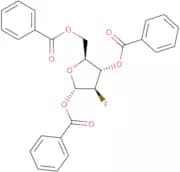
CAS :<p>Intermediate in synthesis of clevudine</p>Formule :C26H21FO7Degré de pureté :Min. 98 Area-%Couleur et forme :PowderMasse moléculaire :464.44 g/mol2-Acetamido-6-O-(α-2-N-acetylneuraminyl)-2-deoxy-α-D-galactopyranosyl N-acetylserine
CAS :<p>2-Acetamido-6-O-(a-2-N-acetylneuraminyl)-2-deoxy-a-D-galactopyranosyl N-acetylserine is a synthetic glycosyl amino acid.</p>Formule :C24H39N3O17Degré de pureté :Min. 95%Couleur et forme :PowderMasse moléculaire :641.58 g/mol2,6-di-n-pentyl-γ-cyclodextrin
<p>2,6-di-n-pentyl-gamma-cyclodextrin is a glycosylation reagent that is used in the synthesis of oligosaccharides and polysaccharides. It has been used to synthesize an anti-inflammatory agent for the treatment of inflammatory bowel disease. This compound can be modified by Click chemistry, which allows for the attachment of different molecules to its surface. 2,6-di-n-pentyl-gamma-cyclodextrin is also a fluorinated compound with CAS number 689069-46-2.</p>Formule :C128H240O40Degré de pureté :Min. 95%Masse moléculaire :2,419.25 g/molAllyl 6-O-benzyl 2-deoxy-3-O-((R)-1'-ethoxycarbonylethyl)-2-(2,2,2-trichloroethoxycarbonylamino)-a-D-glucopyranoside
<p>Allyl 6-O-benzyl 2-deoxy-3-O-(R)-1'-ethoxycarbonylethyl)-2-(2,2,2-trichloroethoxycarbonylamino)-a-D-glucopyranoside is a synthetic carbohydrate that can be custom synthesized. It is a saccharide, an oligosaccharide, and a sugar. This product has been fluorinated and methylated. The CAS number for Allyl 6-O-benzyl 2-deoxy-3-O-(R)-1'-ethoxycarbonylethyl)-2-(2,2,2-trichloroethoxycarbonylamino)-a-D-glucopyranoside is 589791.</p>Degré de pureté :Min. 95%Laminaritetraose
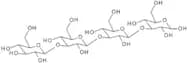
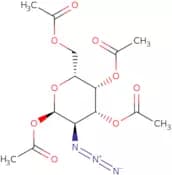
CAS :Ex algal/bacterial polysaccharides-value in b1-3 glucanase assays & diagnosticsFormule :C24H42O21Degré de pureté :Min. 95 Area-%Couleur et forme :White PowderMasse moléculaire :666.6 g/mol1,3,4,6-Tetra-O-acetyl-2-azido-2-deoxy-a-D-galactopyranose
CAS :<p>1,3,4,6-Tetra-O-acetyl-2-azido-2-deoxy-a-D-galactopyranose is an azide sugar that is resistant to the activity of sulfide and can be used as a probe for sulfide in the distal colon. It has been shown that this sugar binds to recombinant human erythrocyte enzymes and inhibits their activities. The hydrolysis of this sugar by pancreatic enzymes has been shown to be dependent on the conformational state of the enzyme. This sugar also inhibits salivary amylase and intestinal sucrase activities.</p>Formule :C14H19N3O9Degré de pureté :Min. 95%Couleur et forme :White PowderMasse moléculaire :373.32 g/molTri-b-GalNAcAc3-6-aminohexyl-NHCbz
CAS :<p>Tri-b-GalNAc-6-aminohexyl-NHCbz is the peracetylated form with a protected terminal amino group (NHCbz). It is a synthetic ligand designed to target the asialoglycoprotein receptor (ASGPR) on hepatocytes. The three terminal beta-N-acetylgalactosamine (GalNAc) sugars provide an efficient ASGPR binding. It serves as a platform for lysosomal targeting chimera (LYTAC) development, allowing for the creation of chimeras that specifically target unwanted proteins for degradation within hepatocytes. In addition, tri-b-GalNAc-6-aminohexanoate facilitates the delivery of therapeutic cargo, such as RNA or Cas9 complexes, directly to hepatocytes via ASGPR-mediated endocytosis. This approach is promising for gene therapy and RNAi applications in the liver due to the specificity of ASGPR targeting and the versatility of the conjugation moiety.</p>Formule :C93H145N11O39Degré de pureté :Min. 95 Area-%Masse moléculaire :2,041.2 g/molD-Galacturonic acid monohydrate
CAS :<p>D-Galacturonic acid (GalA) is a hexuronic acid with the CH2OH at C5 of galactose replaced by a carboxyl group (Collins, 2006). D-galacturonic acid is abundant in pectic polysaccharides which are characterized by a high α-1,4 linked galacturonic acid content and include pectic acid (polygalacturonic acid), rhamnogalacturonan I (Oomen, 2002), rhamnogalacturonan (RG) II (Vidal, 2000), xylogalacturonan, and homogalacturonan. These polymers play roles in strengthening cell walls, cell adhesion and are established as part of signaling cascades that detect cell wall degradation upon pathogen attack.</p>Formule :C6H10O7·H2ODegré de pureté :(Titration) Min. 97%Couleur et forme :White Off-White PowderMasse moléculaire :212.15 g/mol5-Chloro-8-hydroxyquinoline b-D-glucuronide
CAS :<p>Chromogenic substrate targeting beta-glucuronidase</p>Formule :C15H14ClNO7Degré de pureté :Min. 98 Area-%Couleur et forme :White PowderMasse moléculaire :355.73 g/mol3-O-Benzyl-1,2,4-tri-O-acetyl-D-xylopyranoside
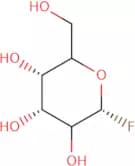
<p>3-O-Benzyl-1,2,4-tri-O-acetyl-D-xylopyranoside is a methylated saccharide that has been modified with the click chemistry. This product can be used for the synthesis of complex carbohydrates and glycosylations. This product is available in high purity and custom synthesis. It is soluble in water or aqueous solutions, making it ideal for use in biological applications. 3-O-Benzyl-1,2,4-tri-O-acetyl-D-xylopyranoside can be used as an intermediate for the synthesis of oligosaccharides and glycoconjugates. It has CAS number 69936–76–5.</p>Degré de pureté :Min. 95%a-D-Glucopyranosyl fluoride
CAS :<p>a-D-Glucopyranosyl fluoride is an irreversible inhibitor of the enzyme glycosidase. This product has been used to study the kinetic and mechanism of human serum alpha-glucosidase, which is a key enzyme in the digestion of carbohydrates. Kinetic studies have shown that 4-hydroxycinnamic acid and glucose are competitive inhibitors of the enzyme. The reaction mechanism for this product involves hydrogen fluoride cleavage of the glycosidic bond. The optimum pH for this product is 7.</p>Formule :C6H11FO5Degré de pureté :Min. 95%Couleur et forme :White PowderMasse moléculaire :182.15 g/molPolysucrose 400
CAS :<p>Water-soluble, nontoxic, enzyme-resistant polymer for biological applications</p>Couleur et forme :White PowderMasse moléculaire :400.0






![(5R, 6R, 7R, 8S) -8- (HydroxymHthyl) - 1- azabicyclo[4.2.0] octane- 5, 7- diol](/_next/image/?url=https%3A%2Fstatic.cymitquimica.com%2Fproducts%2F3D%2Fthumb-webp%2FMH163378.webp&w=3840&q=75)