Antimicrobiens
Sous-catégories appartenant à la catégorie "Antimicrobiens"
- Antibiotiques(4.137 produits)
- Antifongiques(904 produits)
- Antiparasitaires(700 produits)
- Antiviraux(767 produits)
2432 produits trouvés pour "Antimicrobiens"
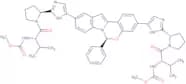
Elbasvir
CAS :Anti-viral; NS5A protein inhibitor
Formule :C49H55N9O7Degré de pureté :Min. 95%Couleur et forme :White To Yellow SolidMasse moléculaire :881.42245Milbemycin oxime
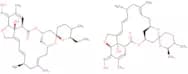
CAS :Milbemycin oxime is a broad-spectrum antiparasitic agent with action on glutamate-gated chloride channels in parasites and is used for preventing heartworm and treating intestinal worms in animals.
Formule :C126H176N4O28Degré de pureté :Min. 95%Couleur et forme :PowderMasse moléculaire :2,194.76 g/molOleandomycin phosphate
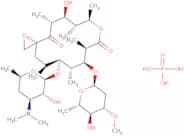
CAS :Produit contrôléOleandomycin phosphate is a macrolide antibiotic with action on bacterial protein synthesis inhibition and is used for treating respiratory tract infections and as a veterinary antibiotic.
Formule :C35H64NO16PDegré de pureté :(%) Reported (%)Couleur et forme :PowderMasse moléculaire :785.85 g/molRef: 3D-AO59785
Produit arrêtéVancomycin HCl - pharma grade
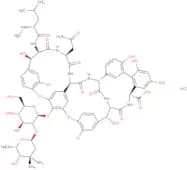
CAS :Vancomycin is a tricyclic glycopeptide antibiotic that has bactericidal effects against staphylococci, streptococci, and other gram-positive bacteria. It is often used as an alternative treatment for severe staphylococcal and streptococcal infections, including endocarditis, and infections with MRSA (methicillin-resistant Staphylococcus aureus), penicillin-resistant pneumococci or in cases of allergy to penicillins and cephalosporins.
Formule :C66H75Cl2N9O24·HClCouleur et forme :PowderMasse moléculaire :1,485.71 g/molAdefovir - Bio-X ™
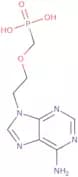
CAS :Adefovir is an antiviral drug that is used for the treatment of hepatitis B infections. This drug works by blocking the enzyme reverse transcriptase, therefore preventing the replication of the virus in the body.
Formule :C8H12N5O4PDegré de pureté :Min. 95%Couleur et forme :PowderMasse moléculaire :273.19 g/molTrimethoprim lactate salt
CAS :Antibacterial used in treatment of UTI and respiratory tract infections
Formule :C14H18N4O3·C3H6O3Degré de pureté :Min. 95%Couleur et forme :White PowderMasse moléculaire :380.4 g/molNisin - >900IU/mg, contains min 50% NaCl
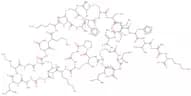
CAS :Nisin (>900 IU/mg, contains min 50% NaCl) is a lantibiotic peptide with action on bacterial cell membranes and is used for preserving food and controlling gram-positive bacteria.
Formule :C143H230N42O37S7Degré de pureté :Min. 95%Couleur et forme :PowderMasse moléculaire :3,354.08 g/molRef: 3D-FN38985
Produit arrêtéCarbenicillin monosodium salt
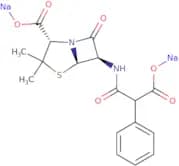
CAS :Inhibitor of bacterial cell wall biogenesis; penicillin class
Formule :C17H17N2NaO6SDegré de pureté :Min. 90 Area-%Couleur et forme :PowderMasse moléculaire :400.38 g/molBictegravir
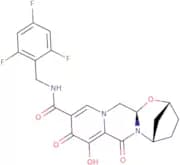
CAS :Inhibitor of HIV-1 integrase strand transfer; antiviral
Formule :C21H18F3N3O5Degré de pureté :Min. 95%Couleur et forme :Off-White To Yellow To Orange Or Light Brown SolidMasse moléculaire :449.38 g/molViramidine
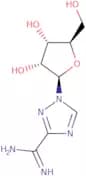
CAS :Viramidine is a nucleotide analogue prodrug, which is derived from naturally occurring nucleosides, specifically optimized for enhanced therapeutic profiles. Its mode of action involves conversion into ribavirin triphosphate within the body. This active form inhibits viral RNA polymerase, a critical enzyme necessary for viral replication. By disrupting the synthesis of viral RNA, Viramidine effectively reduces viral proliferation within host cells.
Degré de pureté :Min. 95%GSK 2838232
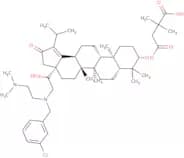
CAS :GSK 2838232 is a HIV-1 maturation inhibitor with action on HIV-1 Gag protein cleavage and is used for research on HIV treatment.
Formule :C48H73ClN2O6Degré de pureté :Min. 95%Couleur et forme :White PowderMasse moléculaire :809.56 g/molTilmicosin phosphate
CAS :Produit contrôléTilmicosin phosphate is a phosphate salt form of tilmicosin with similar action and applications as tilmicosin.
Formule :C46H80N2O13·H3PO4Degré de pureté :Min. 95%Couleur et forme :White PowderMasse moléculaire :967.13 g/molMetronidazole
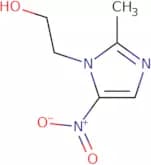
CAS :Metronidazole is a nitroimidazole antibiotic with action on anaerobic bacteria and protozoa by disrupting DNA synthesis and is used for treating infections like bacterial vaginosis, trichomoniasis, and certain parasitic infections.
Formule :C6H9N3O3Degré de pureté :Min. 95%Couleur et forme :PowderMasse moléculaire :171.15 g/molRef: 3D-AM01526
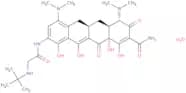
Produit arrêtéTigecycline
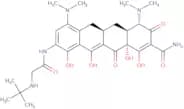
CAS :Inhibitor of protein synthesis; glycylcycline class
Formule :C29H39N5O8Degré de pureté :Min. 98 Area-%Couleur et forme :Orange PowderMasse moléculaire :585.65 g/molRef: 3D-AT10818
Produit arrêtéCiclopirox olamine - Bio-X ™
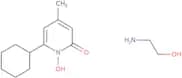
CAS :Ciclopirox is a broad-spectrum antifungal agent that is used to treat onychomycosis of fingernails and toenails in immunocomprised patients. Ciclopirox has been shown to work by binding to polyvalent metal cations such Al3+ and Fe3+. These cations interfere with cellular processes including mitochondrial electron transport and energy synthesis by inhibiting numerous enzymes, including cytochromes. Additionally, the plasma membrane of fungi appears to be altered by ciclopirox as well, leading to the disorder of internal structures.
Formule :C12H17NO2•C2H7NODegré de pureté :Min. 95%Couleur et forme :PowderMasse moléculaire :268.35 g/molStreptomycin sulfate
CAS :Inhibitor of protein synthesis; aminoglycoside
Formule :(C21H39N7O12)2•(H2SO4)3Degré de pureté :Min. 720 Iu/MgCouleur et forme :White Off-White PowderMasse moléculaire :1,457.39 g/molRef: 3D-AS01530
Produit arrêtéPosaconazole
CAS :Posaconazole is an antifungal agent that inhibits the 14-alpha demethylase enzyme which is responsible for the synthesis of the fungal cell wall component, ergosterol. This demethylase enzyme synthesizes ergosterol through converting lanosterol to ergosterol. Therefore Posaconazole prevents the formation of fungal cell walls with the appropriate membrane permeability thus leading to fungal cell lysis. Posaconazole can be used as an antifungal drug to treat opportunistic fungal infections in immunocompromised individuals such as HIV patients. Moreover it is shown to inflict its inhibitory activity against common pathogenic fungus such as Candida and Aspergillus species but also Mucorales and some Fusarium species, which are less common.
Formule :C37H42F2N8O4Degré de pureté :Min. 98 Area-%Couleur et forme :White PowderMasse moléculaire :700.78 g/molTriazavirin
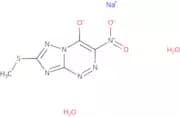
CAS :Triazavirin is an antiviral drug developed against SAR-CoV-2. The action of triazavirin might be due to its ability to inhibit the Mpro protease from SARS viruses. Triazavirin has been clinically tested in the treatment of COVID-19 patients.
Formule :C5H4N6O3S·Na·2H2ODegré de pureté :Min. 95%Couleur et forme :Slightly Yellow PowderMasse moléculaire :287.21 g/molMethacycline HCl
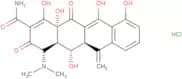
CAS :Methacycline HCl is a tetracycline antibiotic with action on bacterial protein synthesis by binding to the 30S ribosomal subunit and is used for treating bacterial infections such as respiratory and urinary tract infections.
Formule :C22H22N2O8·HClDegré de pureté :Min. 95%Couleur et forme :PowderMasse moléculaire :478.88 g/molTerconazole
CAS :Terconazole is an azole antifungal agent with action on fungal cell membranes by inhibiting ergosterol biosynthesis and is used for treating vaginal yeast infections.
Formule :C26H31Cl2N5O3Degré de pureté :Min. 95%Couleur et forme :PowderMasse moléculaire :532.46 g/molRef: 3D-FT35141
Produit arrêtéAnhydrooxytetracycline hydrochloride
CAS :Anhydrooxytetracycline hydrochloride is a useful research chemical. Buy Anhydrooxytetracycline hydrochloride from Cymit Quimica for a variety of research applications.
Formule :C22H22N2O8HClMasse moléculaire :478.88 g/molNeospiramycin I
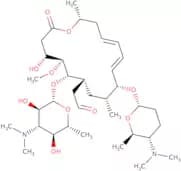
CAS :Neospiramycin I is a macrolide antibiotic with action on bacterial ribosomes to inhibit protein synthesis and is used for treating bacterial infections in research applications.
Formule :C36H62N2O11Degré de pureté :Min. 95 Area-%Couleur et forme :PowderMasse moléculaire :698.88 g/molCiprofloxacin dihydrochloride
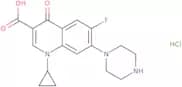
CAS :A fluoroquinolone antibiotic which inhibits nucleic acid synthesis by targeting the DNA gyrase and topoisomerase IV. This second-generation fluoroquinolone has a broad spectrum of action and is more effective against Gram-negative bacteria.
Formule :C17H20Cl2FN3O3Degré de pureté :Min. 95%Masse moléculaire :404.26 g/mol9-Erythromycin 9-oxime
CAS :9-Erythromycin 9-oxime is an activty inpurity, binding to the 50S ribosomal subunit of bacteria.
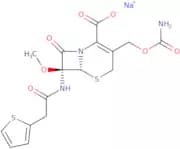
Formule :C37H68N2O13Degré de pureté :Min. 93 Area-%Couleur et forme :PowderMasse moléculaire :748.94 g/molCefoxitin sodium
CAS :Inhibitor of cell-wall synthesis; cephalosporin class
Formule :C16H16N3NaO7S2Degré de pureté :Min. 90 Area-%Couleur et forme :White PowderMasse moléculaire :449.44 g/molBedaquiline fumarate
CAS :Bedaquiline fumarate is the salt form of bedaquiline, a diarylquinoline molecule with an ATP synthetase inhibitory activity. Bedaquiline fumarate is an FDA-approved drug for the oral treatment of multidrug-resistant tuberculosis. Bedaquiline fumarate acts by inhibiting the activity of the ATP synthetase in the pathogenic bacterium Mycobacterium tuberculosis, even in the case of multiple antibiotic resistant strains.
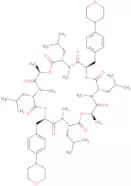
Formule :C32H31BrN2O2•C4H4O4Degré de pureté :Min. 97 Area-%Couleur et forme :White Off-White PowderMasse moléculaire :671.58 g/molEmodepside
CAS :Emodepside is a cyclooctadepsipeptide anthelmintic with action on latrophilin receptors in nematodes and is used for treating parasitic infections in animals.
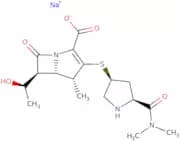
Formule :C60H90N6O14Degré de pureté :Min. 96 Area-%Couleur et forme :White PowderMasse moléculaire :1,119.39 g/molMeropenem sodium
CAS :Inhibitor of cell-wall synthesis; carbapenem class
Formule :C17H25N3O5S•NaDegré de pureté :Min. 95%Couleur et forme :PowderMasse moléculaire :406.45 g/molVirginiamycin S1
CAS :Inhibitor of protein synthesis; streptogramin
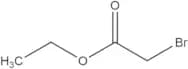
Formule :C43H49N7O10Degré de pureté :Min. 95%Couleur et forme :PowderMasse moléculaire :823.89 g/molEthyl Bromoacetate
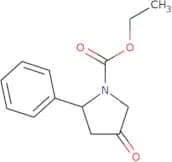
CAS :Formule :C4H7BrO2Couleur et forme :Clear Colourless to Yellow OilMasse moléculaire :167.0Abafungin
CAS :Abafungin is an antifungal agent and is used for treating fungal infections.
Formule :C21H22N4OSDegré de pureté :Min. 95%Couleur et forme :PowderMasse moléculaire :378.49 g/molSulopenem
CAS :Sulopenem is a thiopenem antibiotic with action on bacterial cell wall synthesis and is used for treating uncomplicated urinary tract infections.
Formule :C12H15NO5S3Degré de pureté :Min. 95%Couleur et forme :Off-White Yellow PowderMasse moléculaire :349.45 g/molSulfadoxine
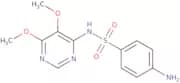
CAS :Sulfadoxine is a long-acting sulfonamide antibiotic with action on bacterial folate synthesis inhibition and is used for treating malaria in combination with pyrimethamine.
Formule :C12H14N4O4SDegré de pureté :Min. 95%Couleur et forme :PowderMasse moléculaire :310.33 g/molTenofovir diphosphate
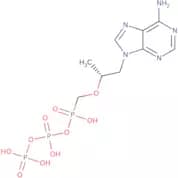
CAS :Tenofovir diphosphate is an antiviral compound, which is a key active metabolite derived from the prodrugs tenofovir disoproxil fumarate and tenofovir alafenamide, both originating from chemical synthesis. Its mode of action involves inhibiting the activity of HIV-1 reverse transcriptase by competing with the natural substrate, deoxyadenosine 5’-triphosphate, and causing chain termination after incorporation into viral DNA. This mechanism effectively prevents the replication of retroviral DNA, thus halting the progression of the infection.
Formule :C9H16N5O10P3Degré de pureté :Min. 95%Masse moléculaire :447.17 g/molCefovecin Sodium
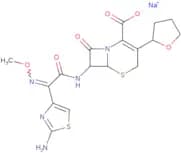
CAS :Please enquire for more information about Cefovecin Sodium including the price, delivery time and more detailed product information at the technical inquiry form on this page
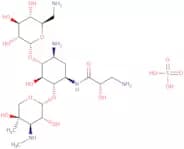
Formule :C17H18N5NaO6S2Masse moléculaire :475.48 g/molIsepamicin sulfate - 70%
CAS :Isepamicin sulfate - 70% is a semi-synthetic aminoglycoside antibiotic, which is derived from naturally occurring antibiotic compounds through chemical modifications. Its mode of action involves binding to the bacterial 30S ribosomal subunit, disrupting protein synthesis and consequently causing bacterial cell death. This mechanism of action is typical of aminoglycosides, characterized by their bactericidal properties against a broad spectrum of Gram-negative bacteria, with some efficacy against certain Gram-positive bacterial strains.
Formule :C22H45N5O16SDegré de pureté :Min. 95%Couleur et forme :White/Off-White SolidMasse moléculaire :667.68 g/molLincomycin hydrochloride
CAS :Lincomycin is active against gram-positive bacteria such as staphylococci, streptococci, pneumococci, diphtheria bacillus, and clostridia. It is used to treat severe bacterial infections including: sepsis, osteomyelitis, septic endocarditis, pneumonia, pulmonary abscess, infected wounds, purulent meningitis and severe pseudomembranous colitis. Lincomycin is an alternative antibiotic for penicillin-resistant gram-positive bacteria.
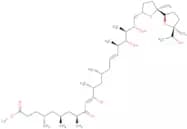
Formule :C18H35ClN2O6SDegré de pureté :Min. 95%Couleur et forme :Off-White PowderMasse moléculaire :443 g/molIonomycin calcium
CAS :Ionomycin calcium is a potent calcium ionophore, which is derived from natural sources such as certain Streptomyces species. Its primary mode of action involves facilitating the translocation of calcium ions (Ca^2+) across biological membranes, specifically transporting them from external environments or intracellular stores into the cytoplasm. This action significantly elevates intracellular calcium levels.
Formule :C41H70O9•CaDegré de pureté :Min. 95%Masse moléculaire :747.07 g/molViolacein
CAS :Violacein is a model system for studying the effects of hydroxyl groups on cell lysis. It is a fatty acid that contains nitrogen atoms and has antimicrobial properties. Violacein has been shown to cause the loss of mitochondrial membrane potential in HL-60 cells, which may be due to its ability to act as a multidrug efflux pump inhibitor. Violacein also exhibits antimicrobial activity against several bacterial strains, including MRSA and methicillin-sensitive Staphylococcus aureus (MSSA). In addition, violacein has been shown to induce cell lysis in vitro via the degradation of proteins and lipids in the cytoplasm.
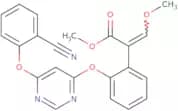
Formule :C20H13N3O3Degré de pureté :Min. 95%Couleur et forme :PowderMasse moléculaire :343.3 g/mol(Z)-Azoxystrobin
CAS :(Z)-Azoxystrobin is a strobilurin fungicide, which is a synthetic derivative of naturally occurring antifungal compounds produced by fungi such as *Strobilurus tenacellus*. Its mode of action involves the inhibition of mitochondrial respiration in target fungi, specifically by binding to the Qo site of the cytochrome bc1 complex. This disrupts electron transport in the mitochondria, leading to the cessation of ATP production and subsequent cell death.
Formule :C22H17N3O5Degré de pureté :Min. 95%Masse moléculaire :403.4 g/molMesosulfuron
CAS :Mesosulfuron is a selective herbicide, which is a synthetic chemical compound with a specific mode of action designed to inhibit acetolactate synthase (ALS). This enzyme inhibition disrupts the biosynthesis of essential amino acids such as valine, leucine, and isoleucine, leading to the cessation of cell division and consequent plant growth arrest. The herbicide is primarily utilized in agricultural settings, particularly for post-emergence control of various grass weeds within cereal crops, including wheat and barley. Its application is crucial for managing weed competition that can significantly impact crop yield and quality. Mesosulfuron is absorbed through the foliage and roots of targeted species, providing systemic action that ensures effective control. Its usage is governed by stringent regulations to minimize environmental impact and to manage herbicide resistance through integrated weed management strategies.
Formule :C16H19N5O9S2Degré de pureté :Min. 95%Masse moléculaire :489.5 g/molButafenacil
CAS :Butafenacil is a herbicide, which is a chemical formulation sourced from synthetic compounds. It acts by inhibiting protoporphyrinogen oxidase (PPO), an enzyme critical in the biosynthesis of chlorophyll. This inhibition disrupts the photosynthetic process, leading to the accumulation of reactive oxygen species that cause cell membrane damage and ultimately result in plant death.
Formule :C17H14ClF3N2O6Degré de pureté :Min. 95%Masse moléculaire :434.7 g/molNoracronycine
CAS :Please enquire for more information about Noracronycine including the price, delivery time and more detailed product information at the technical inquiry form on this page
Formule :C19H17NO3Degré de pureté :Min. 95%Masse moléculaire :307.3 g/molGanciclovir, Antibiotic for Culture Media Use Only
CAS :Ganciclovir is an antiviral agent specifically designed for culture media use. It is a synthetic analogue of 2'-deoxy-guanosine, derived from nucleoside compounds, and operates primarily by inhibiting the replication of viral DNA. Its mode of action involves selective phosphorylation by viral kinases, which converts it into ganciclovir triphosphate, a potent inhibitor of viral DNA polymerase, ultimately preventing viral DNA synthesis.
Formule :C9H13N5O4Degré de pureté :Min. 98.0 Area-%Masse moléculaire :255.23 g/molPiperacillin oxalylamide
CAS :Piperacillin oxalylamide is an investigational antibiotic, which is a synthetic derivative of the widely used β-lactam antibiotic, piperacillin. Its development is rooted in the quest to combat β-lactamase-producing resistant bacterial strains, which are a growing threat in clinical settings. It operates by inhibiting bacterial cell wall synthesis, similar to other β-lactam antibiotics, but possesses a modified structure that enhances its resistance to enzymatic degradation by β-lactamases.
Formule :C23H29N5O8SDegré de pureté :Min. 95%Masse moléculaire :535.57 g/molOmaciclovir
CAS :Please enquire for more information about Omaciclovir including the price, delivery time and more detailed product information at the technical inquiry form on this page
Formule :C10H15N5O3Degré de pureté :Min. 95%Masse moléculaire :253.26 g/molE-Ceftazidime
CAS :E-Ceftazidime is a third-generation cephalosporin antibiotic, which is derived from the mold Acremonium. It functions by inhibiting bacterial cell wall synthesis, a crucial component for bacterial survival and replication. This inhibition occurs through the binding to specific penicillin-binding proteins (PBPs) within the bacterial cell wall, thus preventing cross-linking of the peptidoglycan chains, which results in the eventual lysis and death of the bacterial cell.
Formule :C22H22N6O7S2Degré de pureté :Min. 95%Masse moléculaire :546.60 g/molSofosbuvir impurity N
CAS :Sofosbuvir impurity N is a chemical impurity found as a byproduct in the synthesis of sofosbuvir, a nucleotide analog used as an antiviral drug. Its origin is directly linked to the complex chemical processes involved in producing the active pharmaceutical ingredient. This impurity is specifically identified and analyzed to ensure the purity and efficacy of the sofosbuvir drug. Impurities like these are of significant interest in pharmaceutical development, as they provide insights into the synthetic pathways and potential degradation products.
Formule :C20H25FN3O9PDegré de pureté :Min. 95%Masse moléculaire :501.4 g/mol(R)-Ambrisentan
CAS :(R)-Ambrisentan is an endothelin receptor antagonist, which is a pharmacological agent derived synthetically to target and inhibit specific cellular pathways. It is primarily utilized in the treatment of pulmonary arterial hypertension (PAH), where it plays a crucial role in modulating vascular function. The mode of action of (R)-Ambrisentan involves selective antagonism of the endothelin type A (ETA) receptors, which are responsible for vasoconstriction and proliferation of vascular smooth muscle cells. By blocking these receptors, it mitigates the effects of endothelin, a potent vasoconstrictor, thus reducing blood pressure and improving blood flow in pulmonary arteries.
Formule :C22H22N2O4Degré de pureté :Min. 95%Masse moléculaire :378.40 g/molPikromycin
CAS :Pikromycin is an antibiotic, which is derived from the bacterium *Streptomyces venezuelae*. It functions by specifically binding to the 50S ribosomal subunit, thereby inhibiting bacterial protein synthesis. This action effectively blocks peptide chain elongation, leading to the cessation of bacterial growth and proliferation. Pikromycin serves as an important model compound in antibiotic research, particularly in the study of macrolides and polyketides, due to its unique structure and biosynthetic pathway.
Formule :C28H47NO8Degré de pureté :Min. 95%Masse moléculaire :525.7 g/molβ-Lactoglobulin A from bovine milk
CAS :β-Lactoglobulin A is a whey protein found predominantly in bovine milk, characterized as a globular protein. It is sourced from the milk of cows and serves as a major component of whey, the liquid by-product of cheese production. The structure of β-Lactoglobulin A allows it to bind hydrophobic molecules, such as fatty acids and vitamins, which may facilitate their transport and absorption in the digestive tract.
Degré de pureté :Min. 95%(2RS,4S)-2-[[(phenylacetyl)amino]methyl]-5,5-dimethylthiazolidine-4-carboxylic acid (penilloic acids of benzylpenicillin)
CAS :(2RS,4S)-2-[[(Phenylacetyl)amino]methyl]-5,5-dimethylthiazolidine-4-carboxylic acid, commonly referred to as penilloic acids, is a hydrolytic degradation product of benzylpenicillin. It is derived through the enzymatic or chemical cleavage of the β-lactam ring of benzylpenicillin, which is a classic β-lactam antibiotic.
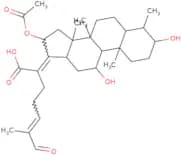
Formule :C15H20N2O3SDegré de pureté :Min. 95%Masse moléculaire :308.4 g/mol26-Oxofusidic acid
CAS :26-Oxofusidic acid is a derivative of fusidic acid, which is a potent antibacterial compound originally isolated from the fungus Fusidium coccineum. This compound exhibits a unique mode of action by inhibiting bacterial protein synthesis through interference with the elongation factor G (EF-G), a critical component in the translocation step of translation. By targeting this specific aspect of bacterial metabolism, 26-Oxofusidic acid effectively disrupts the growth of gram-positive bacteria, making it an invaluable tool in combating resistant bacterial strains.
Formule :C31H46O7Degré de pureté :Min. 95%Masse moléculaire :530.69 g/molSpiromesifen-alcohol-4-hydroxymethyl
CAS :Spiromesifen-alcohol-4-hydroxymethyl is a selective miticide, which is a derivative of spiromesifen. This compound is sourced from novel chemical synthesis approaches focusing on the manipulation of chemical structures to improve efficacy and selectivity. The mode of action of Spiromesifen-alcohol-4-hydroxymethyl centers on disrupting the lipid biosynthesis pathway within target mites and whiteflies. By inhibiting acetyl-CoA carboxylase, it leads to impaired energy storage and membrane biosynthesis, ultimately causing the mortality of these pests.
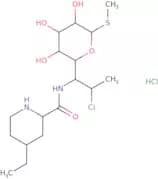
Formule :C17H20O4Degré de pureté :Min. 95%Masse moléculaire :288.34 g/molPirlimycin HCl
CAS :Pirlimycin HCl is an antibacterial product, which is a semi-synthetic derivative of the natural antibiotic lincomycin produced by Streptomyces lincolnensis. Its mode of action involves the inhibition of bacterial protein synthesis by binding to the 50S ribosomal subunit, thereby preventing the elongation of peptide chains. This action is particularly effective against Gram-positive bacteria, including Staphylococcus and Streptococcus species.
Formule :C17H31ClN2O5S·HClDegré de pureté :Min. 95%Couleur et forme :White PowderMasse moléculaire :447.42 g/molCarbovir monophosphate
CAS :Carbovir monophosphate is an antiviral agent, which is a metabolite derived from the prodrug abacavir. It functions as a nucleotide analog that interferes with viral replication. The source of Carbovir monophosphate is the metabolic conversion of abacavir, an antiretroviral medication used in the treatment of HIV. This conversion occurs primarily in the liver, facilitated by cellular enzymes.
Formule :C11H14N5O5PDegré de pureté :Min. 95%Masse moléculaire :327.23 g/molMalformin C
CAS :Malformin C is a cyclic pentapeptide, which is a secondary metabolite derived from certain strains of the fungus Aspergillus. Its mode of action involves disrupting cellular processes by interfering with cell division. Specifically, it is thought to affect mitotic spindle formation, leading to abnormal cell cycle progression.
Formule :C23H39N5O5S2Degré de pureté :Min. 95%Couleur et forme :PowderMasse moléculaire :529.72 g/mol1-Naphthol-o-sulfate potassium
CAS :1-Naphthol-o-sulfate potassium is a sulfate ester, which is a derivative of naphthol. It is synthesized from 1-naphthol, a phenolic compound, through sulfation, typically using chlorosulfonic acid or oleum, followed by neutralization with potassium hydroxide to produce the potassium salt form. This particular compound is involved in various biochemical pathways, especially as a conjugated metabolite in phase II metabolism.
Formule :C10H8KO4SDegré de pureté :Min. 95%Masse moléculaire :263.33 g/molClarithromycin-13CD3
CAS :Clarithromycin-13CD3 is an isotopically labeled macrolide antibiotic, which is synthesized to include deuterium (D) and carbon-13 (^13C) in its molecular structure. This modified compound serves as a stable isotope-labeled standard, primarily sourced from chemical synthesis. The incorporation of these isotopes differentiates it from the naturally occurring antibiotic, enabling its use in precise analytical studies.
Formule :C37CH66D3NO13Degré de pureté :Min. 95%Masse moléculaire :751.97 g/molTunicamycin V
CAS :Tunicamycin V is an antibiotic and nucleoside analog, which is a secondary metabolite derived from various Streptomyces species. It functions predominantly by inhibiting the initial step of N-linked glycosylation, a critical post-translational modification process in eukaryotic cells. This inhibition occurs through the blockage of UDP-N-acetylglucosamine: dolichyl-phosphate N-acetylglucosamine-1-phosphate transferase, thereby preventing the synthesis of dolichol-linked oligosaccharides and ultimately affecting protein folding and quality control mechanisms within the endoplasmic reticulum.
Formule :C38H62N4O16Degré de pureté :Min. 95%Masse moléculaire :830.9 g/molClenhexerol
CAS :Clenhexerol is a topical antiseptic, which is a chemically synthesized product with broad-spectrum antimicrobial properties. It is derived from chlorhexidine, commonly used in various medical formulations for its efficacy against both Gram-positive and Gram-negative bacteria. Clenhexerol operates through disrupting microbial cell membranes, leading to leakage of cellular components and cell death, making it highly effective in reducing microbial load on skin and mucous membranes.
Formule :C14H22Cl2N2ODegré de pureté :Min. 95%Masse moléculaire :305.2 g/molTylosin D
CAS :Tylosin D is an antibiotic product, which is derived from the bacterium *Streptomyces fradiae*. Its mode of action involves binding to the 50S subunit of the bacterial ribosome, thereby inhibiting protein synthesis essential for bacterial growth and replication. This mechanism is particularly effective against Gram-positive bacteria and mycoplasma species, making it a crucial agent in combatting infections in the veterinary field.
Formule :C46H79NO17Degré de pureté :Min. 95%Masse moléculaire :918.1 g/molCAP 3
CAS :CAP 3 is an enzymatic product, derived from genetically engineered microorganisms, known for its specificity and efficiency in catalyzing biochemical reactions. This enzyme functions via the hydrolysis of specific chemical bonds, promoting reaction pathways that enhance productivity in various industrial and laboratory settings.
Formule :C52H82N6O11Degré de pureté :Min. 95%Masse moléculaire :967.20 g/molPurfalcamine
CAS :Purfalcamine is a synthetic pharmaceutical compound that belongs to a class of molecules known as small-molecule inhibitors. It is sourced through advanced chemical synthesis, enabling precise structural modifications to optimize its biological activity. The mode of action of Purfalcamine involves selective inhibition of a specific target protein involved in key cellular signaling pathways. This targeted interaction disrupts abnormal cellular processes, making it a promising therapeutic candidate for certain diseases.
Formule :C29H33FN8ODegré de pureté :Min. 95%Masse moléculaire :528.6 g/molAcephate d3
CAS :Acephate d3 is an isotopically labeled organophosphorus insecticide, which is a synthetic chemical compound used primarily for its insecticidal properties. It is derived by incorporating deuterium, a stable hydrogen isotope, into the molecular structure of acephate. The inclusion of deuterium isotopes is instrumental in tracing and studying the biochemical pathways and metabolic degradation of acephate within target organisms and ecosystems.
Formule :C4H10NO3PSDegré de pureté :Min. 95%Masse moléculaire :186.19 g/molBalapiravir hydrochloride
CAS :Balapiravir hydrochloride is an antiviral agent, which is synthesized through chemical processes. It operates as a prodrug, meaning it is metabolized in the body to produce the active compound that inhibits viral replication. The mode of action of Balapiravir involves targeting the viral RNA polymerase, an essential enzyme for the replication of viral genomes. By inhibiting this enzyme, the drug effectively reduces viral load within the host, impairing the spread and establishment of the virus.
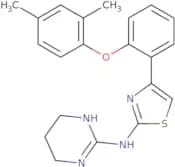
Formule :C21H31ClN6O8Degré de pureté :Min. 95%Masse moléculaire :531 g/molSatranidazole
CAS :Satranidazole is an antimicrobial agent that falls under the category of synthetic nitroimidazoles. It is derived from chemical synthesis and is designed to combat infections caused by specific organisms. The mode of action involves the reduction of the nitro group within the organism, creating reactive intermediates that disrupt DNA synthesis and lead to cell death. This mode of action is notably effective against protozoal infections and anaerobic bacterial infections.
Formule :C8H11N5O5SDegré de pureté :Min. 95%Masse moléculaire :289.27 g/molPenciclovir diacetate
CAS :Penciclovir diacetate is an antiviral compound, which is synthesized as a prodrug derivative of penciclovir. This compound originates from chemical modification processes designed to improve the pharmacokinetic properties of its active metabolite. Once administered, penciclovir diacetate undergoes in vivo conversion to penciclovir, an active nucleoside analog. The mode of action involves selective inhibition of viral DNA polymerase after being phosphorylated to its triphosphate form, thereby impeding viral DNA synthesis and replication.
Formule :C14H19N5O5Degré de pureté :Min. 95%Masse moléculaire :337.33 g/mol21-Norrapamycin
CAS :21-Norrapamycin is a macrocyclic lactone antibiotic, which is derived from the bacterium Streptomyces hygroscopicus. Its chemical structure is closely related to that of rapamycin, a well-known immunosuppressant. The mode of action of 21-Norrapamycin involves the inhibition of the mechanistic target of rapamycin (mTOR) signaling pathway. By binding to the FK506-binding protein 12 (FKBP12), it forms a complex that then inhibits mTOR, a crucial regulator of cell growth, proliferation, and survival.
Formule :C50H77NO13Degré de pureté :Min. 95%Masse moléculaire :900.1 g/molThiadiazin
CAS :Thiadiazin is a synthetic compound, belonging to the class of heterocyclic chemical substances, which is primarily derived from chemical synthesis processes involving sulfur, nitrogen, and carbon atoms. It is characterized by a five-membered ring structure containing both sulfur and nitrogen atoms, which contributes to its diverse chemical properties.
Formule :C12H22N4S4Degré de pureté :Min. 95%Masse moléculaire :350.6 g/molTropodithietic acid
CAS :Tropodithietic acid is a bioactive compound, which is a potent antibacterial agent derived from certain marine bacteria, including the genus Phaeobacter. This antibiotic is characterized by its ability to disrupt quorum sensing, a mechanism that bacteria use for communication and coordination of group behaviors, including virulence. By interfering with this process, tropodithietic acid impedes bacterial colonization and biofilm formation, effectively inhibiting pathogenic activity.
Degré de pureté :Min. 95%Clindamycin 2-palmitate sulfoxide
CAS :Clindamycin 2-palmitate sulfoxide is a semisynthetic antibiotic, which is a derivative of clindamycin. It originates from lincomycin, a natural antibiotic produced by the bacterium *Streptomyces lincolnensis*. This compound functions as a prodrug, which is converted into its active form in the body. Its mode of action involves inhibiting bacterial protein synthesis by binding to the 50S subunit of the ribosome, thereby preventing the growth and replication of susceptible bacteria.
Formule :C34H64Cl2N2O7SDegré de pureté :Min. 95%Masse moléculaire :715.9 g/molTigecycline hydrate
CAS :Inhibitor of protein synthesis; glycylcycline class
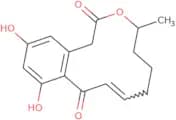
Formule :C29H39N5O8Degré de pureté :Min. 95%Masse moléculaire :585.65 g/mol10, 11-Dehydrocurvularin
CAS :10, 11-Dehydrocurvularin is a fungal phytotoxin with heat shock response and immune-modulatory activitie. Curvularins inhibit the expression of the inducible nitric oxide synthase (iNOS), thereby acting as anti-inflammatory agents and immune system modulators
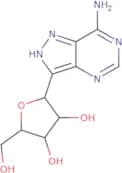
Degré de pureté :Min. 95%Couleur et forme :PowderFormycin A
CAS :Formycin A is a nucleoside analog, which is an antibiotic product derived from certain Streptomyces species. Its mode of action involves mimicking adenosine, one of the four nucleosides in RNA. By doing so, it interferes with the RNA processing of certain microorganisms, ultimately disrupting their ability to synthesize proteins effectively. This interference results in the inhibition of bacterial and parasitic growth.
Formule :C10H13N5O4Degré de pureté :Min. 95%Masse moléculaire :267.24 g/molCoronarin D ethyl ether
CAS :Coronarin D ethyl ether is a diterpenoid compound, which is derived from the plant Hedychium coronarium, also known as white ginger lily. This compound belongs to a class of naturally occurring chemicals with complex polycyclic structures. The source of Coronarin D ethyl ether is the rhizome of Hedychium coronarium, which is part of the Zingiberaceae family. These plants are often studied for their bioactive properties and potential therapeutic applications.
Formule :C22H34O3Degré de pureté :Min. 95%Masse moléculaire :346.5 g/molFlufenacet-methylsulfone
CAS :Flufenacet-methylsulfone is an herbicidal derivative, which is sourced from the modification of flufenacet metabolites. It operates by inhibiting the biosynthesis of very-long-chain fatty acids, which are crucial components in the formation of cell membranes within target plant species. This biochemical intervention disrupts normal cell division and elongation in weeds, ultimately inhibiting their growth and establishment.
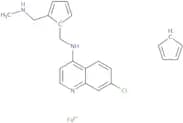
Formule :C12H16FNO3SDegré de pureté :Min. 95%Masse moléculaire :273.33 g/molDesmethyl ferroquine
CAS :Desmethyl ferroquine is an antimalarial compound, which is a derivative of ferroquine. It is synthesized through chemical modification processes, specifically designed to enhance its pharmacokinetic and pharmacodynamic properties. This compound exhibits its mode of action by compromising the integrity of the Plasmodium parasite's digestive vacuole. By doing so, it disrupts heme detoxification, which is crucial for the parasite’s survival within red blood cells.
Formule :C22H22ClFeN3Degré de pureté :Min. 95%Masse moléculaire :419.7 g/molCeratotoxin A
CAS :Ceratotoxin A is a peptide toxin, which is derived from the venom of the female fruit fly *Ceratitis capitata*. This toxin is part of a group of antimicrobial peptides that play a crucial role in the innate immune response of the fly. Ceratotoxin A functions by integrating into the cell membranes of bacteria, leading to membrane disruption and subsequent bacterial cell death.
Formule :C135H243N35O32Degré de pureté :Min. 95%Masse moléculaire :2,868.6 g/molMecillinam, Antibiotic for Culture Media Use Only
CAS :Mecillinam is a beta-lactam antibiotic specifically designed for use in culture media. It is derived from the amidinopenicillin family, featuring a unique ability to interfere with bacterial cell wall synthesis. Its mode of action involves inhibiting penicillin-binding protein 2 (PBP2), an essential enzyme for cell wall elongation and maintenance in Gram-negative bacteria. This targeted inhibition results in the formation of spherical cells and subsequent cell lysis.
Formule :C15H23N3O3SDegré de pureté :Min. 95 Area-%Masse moléculaire :325.43 g/molRef: 3D-Q-201343
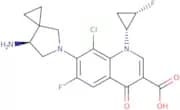
Produit arrêtéSitafloxacin
CAS :Sitafloxacin is an antibacterial agent belonging to the fluoroquinolone class of antibiotics, which is synthetically derived from chemical processes involving fluorinated quinolones. Its mode of action involves the inhibition of bacterial DNA gyrase and topoisomerase IV, enzymes crucial for bacterial DNA replication and transcription. By interfering with these enzymes, Sitafloxacin effectively hampers bacterial DNA synthesis, leading to the eventual demise of the bacterial cell.
Formule :C19H18ClF2N3O3Degré de pureté :Min. 95%Couleur et forme :SolidMasse moléculaire :409.81 g/molCoumoxystrobin
CAS :Coumoxystrobin is a fungicide, which is a product of synthetic chemistry with a mode of action that involves the inhibition of mitochondrial respiration. Specifically, it disrupts the electron transport chain by binding to the Qo site in complex III, thereby preventing the transfer of electrons. This action halts ATP production, leading to the death of fungal cells.
Formule :C26H28O6Degré de pureté :Min. 95%Masse moléculaire :436.5 g/molFenpicoxamid-phenol
CAS :Fenpicoxamid-phenol is a fungicide, which is a synthetic chemical compound primarily used in agriculture. It originates from advanced chemical synthesis methods that leverage specific molecular architectures to inhibit fungal growth effectively. The mode of action involves targeting and disrupting fungal respiration at the mitochondrial level, specifically inhibiting complex III of the electron transport chain. This selective interference curtails energy production in the fungal cells, thereby halting their growth and propagation.
Formule :C26H30N2O9Degré de pureté :Min. 95%Masse moléculaire :514.5 g/molMinocycline hydrochloride dihydrate
CAS :Minocycline hydrochloride dihydrate is a broad-spectrum antibiotic, which is a synthetic derivative of tetracycline. It is sourced from chemical synthesis processes and possesses potent antimicrobial properties. The mode of action involves inhibiting bacterial protein synthesis by binding to the 30S ribosomal subunit, thereby preventing the addition of amino acids to the growing peptide chain. This mechanism effectively disrupts bacterial growth and replication.
Formule :C23H32ClN3O9Degré de pureté :Min. 95%Masse moléculaire :530 g/molDL-chloramphenicol
CAS :DL-chloramphenicol is a broad-spectrum antibiotic, which is a synthetic compound derived from natural chloramphenicol originally isolated from the bacterium Streptomyces venezuelae. This compound exerts its effects by inhibiting bacterial protein synthesis. It binds to the 50S subunit of the bacterial ribosome, preventing peptide bond formation and consequently halting the growth of susceptible bacteria. The optical isomer, DL-chloramphenicol, contains equal parts of both D- and L- isomers, with the L-form being responsible for its antibiotic activity.
Formule :C11H12Cl2N2O5Degré de pureté :Min. 95%Masse moléculaire :323.13 g/mol(10E)-10,11-Didehydro-11-deoxy-6-O-methylerythromycin
CAS :(E)-10,11-Didehydro-11-deoxy-6-O-methylerythromycin is a semisynthetic macrolide antibiotic, which is derived from erythromycin, a natural product obtained from the bacterium *Saccharopolyspora erythraea*. This compound functions as an inhibitor of protein synthesis by binding to the 50S ribosomal subunit of bacteria, thus preventing the growth and proliferation of susceptible bacterial strains. The alteration in its chemical structure, notably the methylation at the 6-O position, enhances its stability and improves its pharmacokinetic profile compared to the parent compound, erythromycin.
Formule :C38H67NO12Degré de pureté :Min. 95%Masse moléculaire :729.94 g/molFlufenoxystrobin
CAS :Flufenoxystrobin is a synthetic fungicide, which is derived from the strobilurin class of compounds known for their antifungal properties. It operates by inhibiting mitochondrial respiration in fungal cells, specifically blocking the electron transport chain at the Qo site of cytochrome b. This disruption in energy production is lethal to the targeted fungi.
Formule :C19H16ClF3O4Degré de pureté :Min. 95%Masse moléculaire :400.8 g/molImazamox-o-desmethyl
CAS :Imazamox-o-desmethyl is a herbicide metabolite, which is derived from the biotransformation of the imazamox compound, typically occurring during degradation processes. Its mode of action involves targeting the acetohydroxyacid synthase (AHAS) enzyme—a critical component in the biosynthesis of branched-chain amino acids in plants. This inhibition disrupts plant growth, leading to effective weed control.
Formule :C14H17N3O4Degré de pureté :Min. 95%Masse moléculaire :291.3 g/molBentaluron
CAS :Bentaluron is a synthetic fungicide, which is a chemical compound developed to combat fungal pathogens in agriculture. Its source originates from rigorous industrial chemical synthesis, ensuring efficacy and stability. The mode of action of Bentaluron involves disrupting essential biochemical pathways within fungal cells, specifically targeting and inhibiting enzymes critical for fungal growth and metabolism. This precise interference prevents the synthesis of vital cellular components, ultimately halting the proliferation of the fungus.
Formule :C11H13N3OSDegré de pureté :Min. 95%Masse moléculaire :235.31 g/molLoracarbef monohydrate
CAS :Loracarbef monohydrate is a synthetic antibiotic, which is derived from carbacephem compounds with a mode of action that involves inhibiting bacterial cell wall synthesis. This is achieved by binding to penicillin-binding proteins, thereby blocking the cross-linking of peptidoglycan chains which are crucial for bacterial cell wall structural integrity.
Formule :C16H16ClN3O4·H2ODegré de pureté :Min. 95%Masse moléculaire :367.78 g/molAldicarb d3
CAS :Aldicarb d3 is an isotopically labeled compound, categorized as a carbamate pesticide, which is derived from chemical synthesis using deuterium labeling. Its mode of action involves the inhibition of acetylcholinesterase, an enzyme essential for nerve function, leading to the disruption of neurological processes in pest organisms.
Formule :C7H14N2O2SDegré de pureté :Min. 95%Masse moléculaire :193.28 g/molNocardicin G
CAS :Nocardicin G is a monocyclic β-lactam antibiotic, which is sourced from certain strains of the soil-dwelling actinobacterium *Nocardia*. This organism is known for its ability to synthesize various bioactive compounds. The mode of action of Nocardicin G involves inhibiting bacterial cell wall synthesis by targeting penicillin-binding proteins, resulting in the bactericidal effect against susceptible bacterial strains. This compound specifically disrupts the formation of the peptidoglycan layer, which is essential for bacterial integrity and survival.
Formule :C19H19N3O6Degré de pureté :Min. 95%Masse moléculaire :385.4 g/molCarbovir triphosphate triethylamine
CAS :Carbovir triphosphate triethylamine is a nucleotide analog, which is a derivative of nucleoside analogs designed for antiviral applications. It is synthesized through chemical modification of guanosine analogs, resulting in its active triphosphate form. This compound functions as a potent antiretroviral agent by mimicking natural nucleotides and interfering with viral DNA synthesis. The active triphosphate impedes the action of viral reverse transcriptase by incorporating itself into the viral DNA chain, causing premature termination and effectively halting viral replication.
Degré de pureté :Min. 95%Spiramycin hexanedioate
CAS :Spiramycin hexanedioate is a macrolide antibiotic, which is derived from the bacterium *Streptomyces ambofaciens*. Its mode of action involves binding to the 50S ribosomal subunit of susceptible bacteria, thereby inhibiting protein synthesis. This interaction results in the interruption of bacterial growth and reproduction, particularly effective against Gram-positive organisms.
Formule :C49H84N2O18Degré de pureté :Min. 95%Masse moléculaire :989.2 g/molSafracin B
CAS :Exhibits antitumour activity against L1210 and P388 leukemias and B16 melanoma
Formule :C28H36N4O7Degré de pureté :Min. 95%Masse moléculaire :540.61 g/molBromobutide-desbromo
CAS :Bromobutide-desbromo is a chemical compound that functions as a selective herbicide. It is derived from synthetic sources and is specifically formulated to interfere with photosynthesis in target plants. The mode of action of bromobutide-desbromo involves inhibiting photosystem II, a crucial component of the photosynthetic electron transport chain in plants. This inhibition disrupts the energy conversion process, leading to a decrease in ATP and NADPH production, which are essential for plant growth.
Formule :C15H23NODegré de pureté :Min. 95%Masse moléculaire :233.35 g/molCefmetazole lactone
CAS :Cefmetazole lactone is an antibiotic, classified as a cephalosporin, which is a type of β-lactam antimicrobial compound. It is derived from the Cephalosporium fungus, known for its progenitor antimicrobial properties. As a second-generation cephalosporin, cefmetazole lactone operates by inhibiting bacterial cell wall synthesis, essentially interfering with the transpeptidation process of peptidoglycan, a critical component of the bacterial cell wall. This disruption leads to cell lysis and eventual bacterial death, mainly affecting Gram-positive and some Gram-negative bacteria.
Formule :C13H13N3O5S2Degré de pureté :Min. 95%Masse moléculaire :355.40 g/molDimoxystrobin-5-benzoic acid
CAS :Dimoxystrobin-5-benzoic acid is a chemical fungicide, which is a synthetic compound derived from the strobilurin class of fungicides. It functions by inhibiting mitochondrial respiration in fungi, specifically blocking the electron transfer at the Qo site of the cytochrome bc1 complex. This mode of action disrupts energy production in fungal cells, thereby curbing their growth and proliferation.
Formule :C19H20N2O5Degré de pureté :Min. 95%Masse moléculaire :356.4 g/molDioxohongdenafil
CAS :Dioxohongdenafil is a synthetic compound, which is a type of pharmaceutical analog. It is derived from sildenafil, a well-known phosphodiesterase type 5 (PDE5) inhibitor, originally conceptualized through chemical modification of the parent compound. The mode of action of Dioxohongdenafil involves competitive inhibition of the PDE5 enzyme, leading to an increase in cyclic guanosine monophosphate (cGMP) levels. This biochemical alteration results in vasodilation and increased blood flow, mimicking the therapeutic mechanism observed in sildenafil.
Formule :C25H30N6O5Degré de pureté :Min. 95%Masse moléculaire :494.5 g/mol



















![(2RS,4S)-2-[[(phenylacetyl)amino]methyl]-5,5-dimethylthiazolidine-4-carboxylic acid (penilloic aci…](/_next/image/?url=https%3A%2Fstatic.cymitquimica.com%2Fproducts%2F3D%2Fthumb-webp%2FAAA50134.webp&w=3840&q=75)