Antimicrobiens
Les antimicrobiens sont des agents qui détruisent ou inhibent la croissance des microorganismes, y compris les bactéries, les virus, les champignons et les parasites. Ces composés sont essentiels dans la prévention et le traitement des infections, jouant un rôle crucial en médecine, en agriculture et dans l'industrie alimentaire. Chez CymitQuimica, nous proposons une vaste gamme d'antimicrobiens de haute qualité et pureté, adaptés à diverses applications scientifiques et industrielles. Notre catalogue comprend des antibiotiques, des antifongiques, des antiviraux et des désinfectants, tous conçus pour répondre aux besoins de la recherche et du développement, ainsi qu'aux applications cliniques et de production. Avec nos produits, les professionnels peuvent garantir l'efficacité et la sécurité dans le contrôle des infections et la protection de la santé publique.
Sous-catégories appartenant à la catégorie "Antimicrobiens"
- Antibiotiques(4.111 produits)
- Antifongiques(835 produits)
- Antiparasitaires(704 produits)
- Antiviraux(762 produits)
2422 produits trouvés pour "Antimicrobiens"
Trier par
Degré de pureté (%)
0
100
|
0
|
50
|
90
|
95
|
100
Amoscanate
CAS :<p>Amoscanate is an antischistosomal agent, which is a synthetic compound with a broad spectrum of activity against parasitic infections. Its mode of action involves the disruption of parasite metabolism and structure, ultimately leading to the elimination of schistosomes. Schistosomes are trematode worms responsible for schistosomiasis, a significant parasitic disease affecting millions of people worldwide.</p>Formule :C13H9N3O2SDegré de pureté :Min. 95%Masse moléculaire :271.3 g/molTaxiphyllin
CAS :<p>Taxiphyllin is a type of cyanogenic glucoside, which is a naturally occurring compound found in certain plants. It is derived primarily from bamboo shoots, among other plant sources. The compound undergoes hydrolysis when the plant tissue is damaged, such as during chewing or processing. This hydrolytic reaction, typically catalyzed by the enzyme β-glucosidase, results in the release of hydrogen cyanide, a potent defense mechanism for the plant against herbivores and pests.</p>Formule :C14H17NO7Degré de pureté :Min. 95%Masse moléculaire :311.29 g/molClarithromycin-13CD3
CAS :<p>Clarithromycin-13CD3 is an isotopically labeled macrolide antibiotic, which is synthesized to include deuterium (D) and carbon-13 (^13C) in its molecular structure. This modified compound serves as a stable isotope-labeled standard, primarily sourced from chemical synthesis. The incorporation of these isotopes differentiates it from the naturally occurring antibiotic, enabling its use in precise analytical studies.</p>Formule :C37CH66D3NO13Degré de pureté :Min. 95%Masse moléculaire :751.97 g/molIclaprim
CAS :<p>Iclaprim is an antibiotic, which is a synthetic diaminopyrimidine antimicrobial agent with a specific mechanism of action. It works by selectively inhibiting bacterial dihydrofolate reductase, a crucial enzyme in the bacterial folate synthesis pathway. This inhibition prevents the production of tetrahydrofolate, ultimately disrupting DNA, RNA, and protein synthesis in susceptible bacterial cells.</p>Formule :C19H22N4O3Degré de pureté :Min. 95%Masse moléculaire :354.4 g/molDeacetylanisomycin
CAS :<p>Deacetylanisomycin is a bacterial metabolite, which is derived from the soil bacterium Streptomyces griseolus. It acts as an inhibitor of protein synthesis by binding to the 60S ribosomal subunit, thus interfering with peptide bond formation during translation. This mode of action is key to its effectiveness in studying the mechanisms of protein synthesis interruption.</p>Formule :C12H17NO3Degré de pureté :Min. 95%Couleur et forme :White To Off-White SolidMasse moléculaire :223.27 g/molKasugamycin
CAS :<p>Kasugamycin is an aminoglycoside antibiotic, which is derived from the actinomycete Streptomyces kasugaensis. Its mode of action involves the inhibition of protein synthesis by interfering with the function of the 30S ribosomal subunit, ultimately preventing the growth and proliferation of sensitive organisms. In agricultural contexts, Kasugamycin is primarily utilized to control bacterial and fungal diseases in a variety of crops, including rice and fruit trees. It is particularly effective against Xanthomonas oryzae, which causes bacterial leaf blight in rice, and other pathogenic organisms detrimental to plant health. The application of Kasugamycin has been an important tool for integrated pest management programs focusing on sustainable agricultural practices. As a compound with a specific mode of activity, it helps to reduce the environmental impact typically associated with broader-spectrum antibiotics, while offering target-specific disease control. Its careful application supports the minimization of resistance development, ensuring continued efficacy in protecting crop yields.</p>Formule :C14H25N3O9Degré de pureté :Min. 95%Masse moléculaire :379.36 g/mol7-O-Demethyl rapamycin
CAS :<p>7-O-Demethyl rapamycin is a macrolide compound, which is a derivative of rapamycin, originally sourced from the bacterial species *Streptomyces hygroscopicus*. This compound operates by binding to the FK506-binding protein 12 (FKBP12), forming a complex that inhibits the mammalian target of rapamycin (mTOR) pathway. This inhibition interferes with cellular processes such as cell growth, proliferation, and survival by altering the phosphorylation state of downstream targets.</p>Formule :C50H77NO13Degré de pureté :80%MinMasse moléculaire :900.15 g/molGentamicin c1 sulfate
CAS :<p>Gentamicin c1 sulfate is an aminoglycoside antibiotic, which is derived from the fermentation of the soil bacterium *Micromonospora purpurea*. Its mode of action involves binding to the 30S ribosomal subunit, disrupting protein synthesis by causing misreading of mRNA and inhibiting the initiation of translation. This mechanism is particularly effective against a broad spectrum of Gram-negative bacteria, including *Pseudomonas aeruginosa* and members of the Enterobacteriaceae family.</p>Formule :C21H45N5O11SDegré de pureté :Min. 95%Masse moléculaire :575.7 g/molCefepime-d3 sulfate
CAS :Produit contrôlé<p>Cefepime-d3 sulfate is an isotopically labeled antibiotic, which is derived from the fourth-generation cephalosporin, cefepime. The source of this compound is synthetic, utilizing deuterium to label the parent cefepime molecule, allowing for detailed metabolic and pharmacokinetic studies. With deuterium's stable, non-radioactive nature, it serves as a powerful tool in mass spectrometry-based analyses.</p>Formule :C19H23D3N6O9S3Degré de pureté :Min. 95%Masse moléculaire :581.66 g/molPurfalcamine
CAS :<p>Purfalcamine is a synthetic pharmaceutical compound that belongs to a class of molecules known as small-molecule inhibitors. It is sourced through advanced chemical synthesis, enabling precise structural modifications to optimize its biological activity. The mode of action of Purfalcamine involves selective inhibition of a specific target protein involved in key cellular signaling pathways. This targeted interaction disrupts abnormal cellular processes, making it a promising therapeutic candidate for certain diseases.</p>Formule :C29H33FN8ODegré de pureté :Min. 95%Masse moléculaire :528.6 g/mol11-Deoxyfusidic acid
CAS :<p>11-Deoxyfusidic acid is a steroidal antibiotic, which is derived from the fermentation broth of certain strains of fungi, specifically within the Fusidium genus. Its mode of action involves inhibiting bacterial protein synthesis by interacting with elongation factor G (EF-G) on the ribosome, thus disrupting essential processes and impeding bacterial growth.</p>Formule :C31H48O5Degré de pureté :Min. 95%Masse moléculaire :500.71 g/molCefotaxime sodium - Sterile grade
CAS :<p>Cefotaxime sodium - Sterile grade is a cephalosporin antibiotic, which is derived from the beta-lactam class of antibacterial agents. It effectively disrupts bacterial cell wall synthesis by binding to and inhibiting penicillin-binding proteins, leading to cell lysis and death. This mechanism of action is potent against a variety of Gram-positive and Gram-negative bacteria, making it a valuable tool in clinical settings.</p>Formule :C16H17N5O7S2·NaDegré de pureté :Min. 95%Masse moléculaire :478.46 g/molFenbuconazole-lactone B rh-9130
CAS :<p>Fenbuconazole-lactone B rh-9130 is an azole fungicide, which is a chemically synthesized compound. It is derived from the lactone form of fenbuconazole, an established triazole fungicide, and designed to inhibit sterol biosynthesis. Its mode of action involves disrupting the synthesis of ergosterol, a critical component of fungal cell membranes, thereby impeding fungal growth and reproduction.</p>Formule :C19H16ClN3O2Degré de pureté :Min. 95%Masse moléculaire :353.8 g/molCeftizoxime alapivoxil
CAS :<p>Ceftizoxime alapivoxil is a prodrug antibiotic, which is derived from ceftizoxime, a third-generation cephalosporin. This semi-synthetic source enables the compound to effectively combat a wide range of bacterial infections by improving oral bioavailability compared to its parent compound. Once administered, ceftizoxime alapivoxil is metabolized in the body to release ceftizoxime, which exerts its antibacterial activity by binding to penicillin-binding proteins (PBPs) on bacterial cell walls. This binding action inhibits the transpeptidation step critical for cell wall synthesis, leading to cell lysis and bacterial death.</p>Degré de pureté :Min. 95%Aqabamycin G
CAS :<p>Aqabamycin G is a macrolactam antibiotic, which is derived from marine bacteria belonging to the genus Streptomyces. This compound is noted for its complex structure, featuring a macrolactam ring that is crucial for its biological activity. Aqabamycin G's mode of action involves inhibiting bacterial protein synthesis by binding to the bacterial ribosomal subunit, thereby disrupting peptide bond formation. This interference with the protein production machinery of bacterial cells results in effective bacteriostatic or bactericidal outcomes, depending on the concentration and specific bacterial target.</p>Formule :C18H11N3O5Degré de pureté :Min. 95%Masse moléculaire :349.3 g/mol1,4-Dihydro-2,3-benzodithiine
CAS :<p>1,4-Dihydro-2,3-benzodithiine is a synthetic organic compound, which is often utilized in the field of material science and chemical research. It is derived from aromatic dithiins, characterized by a unique heterocyclic structure containing sulfur atoms within its ring system. The compound’s mode of action primarily involves its ability to partake in various cycloaddition reactions due to the electron-rich nature of the dithiine ring, which can facilitate interactions with electrophiles.</p>Formule :C8H8S2Degré de pureté :Min. 95%Masse moléculaire :168.3 g/mol8-Hydroxy-3,5,6,7,3',4'-hexamethoxyflavone
CAS :<p>8-Hydroxy-3,5,6,7,3',4'-hexamethoxyflavone is a flavonoid compound, which is a naturally occurring polyphenolic substance found predominantly in various citrus fruits. As part of the flavone class of flavonoids, its structure is characterized by the presence of multiple methoxy and hydroxyl groups. These functional groups contribute to its biochemical properties, particularly its ability to act as an electron donor.</p>Formule :C21H22O9Degré de pureté :Min. 95%Masse moléculaire :418.4 g/molSatranidazole
CAS :<p>Satranidazole is an antimicrobial agent that falls under the category of synthetic nitroimidazoles. It is derived from chemical synthesis and is designed to combat infections caused by specific organisms. The mode of action involves the reduction of the nitro group within the organism, creating reactive intermediates that disrupt DNA synthesis and lead to cell death. This mode of action is notably effective against protozoal infections and anaerobic bacterial infections.</p>Formule :C8H11N5O5SDegré de pureté :Min. 95%Masse moléculaire :289.27 g/molFlorpyrauxifen
CAS :<p>Florpyrauxifen is a synthetic auxin herbicide, which is derived from chemical synthesis. It functions by mimicking natural plant hormones called auxins, which regulate plant growth and development. The mode of action involves disrupting normal cellular function by causing uncontrolled growth, leading to plant death.</p>Formule :C13H8Cl2F2N2O3Degré de pureté :Min. 95%Masse moléculaire :349.11 g/molN-Demethylclindamycin
CAS :<p>N-Demethylclindamycin is a metabolite of clindamycin, which is a semi-synthetic antibiotic derived from the naturally occurring compound lincomycin. This product is synthesized by enzymatic or chemical processes that remove the N-methyl group from clindamycin's molecular structure, making it an important derivative in the study of antibiotic activity and metabolic pathways.</p>Formule :C17H31ClN2O5SDegré de pureté :Min. 95%Masse moléculaire :411 g/molTulathromycin B - 95%
CAS :<p>Inhibitor of protein synthesis; macrolide class</p>Formule :C41H79N3O12Degré de pureté :Min. 95%Masse moléculaire :806.08 g/mol4-Epitetracycline ammonium
CAS :<p>4-Epitetracycline ammonium is a tetracycline analog, which is a derivative of the well-known antibiotic tetracycline. This compound is synthesized from naturally occurring tetracycline through chemical modification, involving the alteration of the hydroxyl group at the C-4 position. As a result, 4-Epitetracycline ammonium retains the fundamental characteristics of its parent compound.</p>Formule :C22H27N3O8Degré de pureté :Min. 95%Masse moléculaire :461.5 g/molPuromycin aminonucleoside
CAS :<p>Inducer of apoptosis; translational inhibitor; aminonucleoside antibiotic</p>Formule :C12H18N6O3Degré de pureté :Min. 95%Masse moléculaire :294.31 g/molSofosbuvir impurity M
CAS :<p>Sofosbuvir impurity M is a chemical impurity, which is a by-product identified during the synthesis and manufacturing of the antiviral drug Sofosbuvir. This impurity originates from the complex chemical reactions involved in the production of nucleoside analogues, which are crucial in the formation of the active pharmaceutical ingredient.</p>Formule :C22H30N3O10PDegré de pureté :Min. 95%Masse moléculaire :527.5 g/molAliconazole
CAS :<p>Aliconazole is a triazole-based antifungal agent, which is a synthetic derivative developed through chemical synthesis. It functions by inhibiting the enzyme lanosterol 14α-demethylase, crucial in the biosynthesis of ergosterol, a vital component of fungal cell membranes. By disrupting ergosterol production, aliconazole compromises the structural integrity of the cell membrane, leading to increased permeability and eventual cell death.</p>Formule :C18H13Cl3N2Degré de pureté :Min. 95%Masse moléculaire :363.7 g/molAmustaline dihydrochloride
CAS :<p>Amustaline dihydrochloride is a chemical compound known for its alkylating properties, which is synthetically derived through chemical synthesis methods. The mode of action of Amustaline dihydrochloride involves the formation of covalent bonds with nucleophilic entities in DNA, leading to cross-linking and subsequent disruption of DNA function. This results in the inhibition of cellular replication, ultimately inducing apoptosis or programmed cell death in rapidly dividing cells.</p>Formule :C22H27Cl4N3O2Degré de pureté :Min. 95%Masse moléculaire :507.3 g/mol4′-O-De(2,6-dideoxy-3-O-methyl-α-L-arabino-hexopyranosyl)-5-O-demethylavermectin A1a
CAS :<p>4′-O-De(2,6-dideoxy-3-O-methyl-α-L-arabino-hexopyranosyl)-5-O-demethylavermectin A1a is a semi-synthetic derivative of avermectin, which is a naturally occurring compound isolated from the fermentation broth of the soil bacterium *Streptomyces avermitilis*. This compound exhibits potent antiparasitic activity by targeting the glutamate-gated chloride channels in the nervous systems of parasitic organisms. By binding and activating these channels, it increases the permeability of the cell membrane to chloride ions, resulting in paralysis and death of the parasite.</p>Formule :C41H60O11Degré de pureté :Min. 95%Masse moléculaire :728.91 g/molPolymyxin E2 sulfate
CAS :<p>Polymyxin E2 sulfate is a cyclic polypeptide antibiotic, which is derived from the bacterium *Paenibacillus polymyxa*. This compound acts by disrupting the bacterial cell membrane, specifically interacting with the lipopolysaccharides and phospholipids in the outer membrane, leading to increased permeability and eventual cell death. It primarily targets gram-negative bacteria, making it effective against a range of pathogens responsible for serious infections.</p>Formule :C52H98N16O13Degré de pureté :Min. 95%Masse moléculaire :1,155.4 g/mol1-Naphthol-o-sulfate potassium
CAS :<p>1-Naphthol-o-sulfate potassium is a sulfate ester, which is a derivative of naphthol. It is synthesized from 1-naphthol, a phenolic compound, through sulfation, typically using chlorosulfonic acid or oleum, followed by neutralization with potassium hydroxide to produce the potassium salt form. This particular compound is involved in various biochemical pathways, especially as a conjugated metabolite in phase II metabolism.</p>Formule :C10H8KO4SDegré de pureté :Min. 95%Masse moléculaire :263.33 g/molBaringolin
CAS :<p>Baringolin is a peptide-based antibiotic, which is derived from marine sources, specifically linked to natural products obtained from marine microorganisms. Its mode of action involves the inhibition of bacterial protein synthesis, which is achieved by interfering with the bacterial ribosome. This inhibition disrupts the ability of bacteria to produce essential proteins, ultimately leading to cell death.</p>Formule :C69H66N18O13S5Degré de pureté :Min. 95%Masse moléculaire :1,515.7 g/mol(-)-Anthrabenzoxocinone
CAS :<p>(-)-Anthrabenzoxocinone is a type of polyketide compound, which is a natural product derived from microbial sources, specifically Streptomyces species. This compound is characterized by its complex aromatic structure, which is a hallmark of polyketides known for their diverse biological activities. The mode of action of (-)-anthrabenzoxocinone primarily involves the inhibition of bacterial RNA synthesis, reflecting its role as an antibiotic. Additionally, it exhibits potential antitumor activity, possibly through the inhibition of topoisomerase enzymes that are crucial for DNA replication and transcription.</p>Formule :C27H24O7Degré de pureté :Min. 95%Masse moléculaire :460.5 g/molRibocil-C (R enantiomer)
CAS :<p>Ribocil-C (R enantiomer) is a synthetic small molecule, which is designed as an antibacterial agent specifically targeting the bacterial riboflavin synthesis pathway. This compound is derived from chemical synthesis methodologies, tailored to exploit the protonation state and steric configuration unique to the R enantiomer. Ribocil-C functions by selectively inhibiting riboswitch-mediated regulation in the flavin mononucleotide (FMN) riboswitch, disrupting the synthesis of riboflavin in bacteria. This targeted inhibition disrupts essential metabolic processes, critically hampering bacterial growth and viability.</p>Formule :C21H21N7OSDegré de pureté :Min. 95%Masse moléculaire :419.5 g/molSars-cov mpro-in-1
CAS :<p>SARS-CoV Mpro-in-1 is a chemical compound that acts as a selective inhibitor of the main protease (Mpro) of the SARS coronavirus. This inhibitor is synthesized through chemical processes, leveraging medicinal chemistry techniques aimed at designing molecules that specifically target viral proteases. Its mode of action involves binding to the active site of the SARS-CoV main protease, thereby blocking the protease's enzymatic activity essential for viral replication. Inhibition occurs by preventing the cleavage of the viral polyprotein, an event crucial for producing the mature, functional proteins that the virus needs to proliferate within the host.</p>Formule :C25H25FN4O4Degré de pureté :Min. 95%Masse moléculaire :464.5 g/molBacitracin B3
CAS :<p>Bacitracin B3 is an antibacterial agent, which is derived from the bacterium Bacillus subtilis. Its mode of action involves the inhibition of bacterial cell wall synthesis. This is achieved by interfering with the dephosphorylation of bactoprenol, an essential carrier molecule in the transport of peptidoglycan precursors across the cytoplasmic membrane. The disruption of this process leads to a weakened cell wall, ultimately resulting in bacterial cell lysis and death.</p>Formule :C65H101N17O16SDegré de pureté :Min. 95%Masse moléculaire :1,408.7 g/molELQ-300
CAS :<p>ELQ-300 is a potent antimalarial compound, which is a synthetic quinolone derivative. As a product of chemical synthesis and medicinal chemistry, it targets the electron transport chain in the mitochondrial cytochrome bc1 complex. This compound acts by selectively inhibiting the cytochrome bc1 complex, a critical component of the parasite's mitochondrial respiratory chain, thus preventing ATP synthesis and ultimately leading to the death of the parasite.</p>Formule :C24H17ClF3NO4Degré de pureté :Min. 95%Masse moléculaire :475.8 g/molBaumycin C2
CAS :<p>Baumycin C2 is an anthracycline antibiotic, which is a type of chemotherapy agent used in cancer treatment. This compound is derived from the bacterium Streptomyces, known for producing specific metabolites that interfere with cellular processes. The mode of action of Baumycin C2 involves intercalating into DNA, thereby disrupting the enzyme topoisomerase II. This interference prevents proper DNA replication and transcription, ultimately leading to apoptosis in rapidly dividing cancer cells. The uses and applications of Baumycin C2 predominantly relate to its efficacy against various types of cancers, including leukemias, lymphomas, and solid tumors such as breast cancer. By targeting DNA replication, Baumycin C2 plays a crucial role in reducing tumor growth and proliferation, representing a significant tool in oncological pharmacotherapy. Researchers continue to explore its potential in combination therapies to enhance its effectiveness and mitigate resistance.</p>Formule :C28H31NO11Degré de pureté :Min. 95%Masse moléculaire :557.5 g/molβ-Lactoglobulin A from bovine milk
CAS :<p>β-Lactoglobulin A is a whey protein found predominantly in bovine milk, characterized as a globular protein. It is sourced from the milk of cows and serves as a major component of whey, the liquid by-product of cheese production. The structure of β-Lactoglobulin A allows it to bind hydrophobic molecules, such as fatty acids and vitamins, which may facilitate their transport and absorption in the digestive tract.</p>Degré de pureté :Min. 95%Nojirimycin bisulfite
CAS :<p>Nojirimycin bisulfite is a potent glycosidase inhibitor, which is a derivative of nojirimycin known for its significant impact on carbohydrate metabolism. This compound originates from microorganisms, primarily isolated from the bacterium *Streptomyces* species. The mechanism through which Nojirimycin bisulfite exerts its effects involves the inhibition of glycosidases, enzymes responsible for breaking down complex carbohydrates into simpler sugars. By interfering with these enzymes, Nojirimycin bisulfite disrupts the normal processing of carbohydrates.</p>Formule :C6H13NO7SDegré de pureté :Min. 95%Masse moléculaire :243.24 g/molPyraoxystrobin
CAS :<p>Pyraoxystrobin is a fungicidal compound, which is a chemically synthesized strobilurin derivative. It functions by disrupting the mitochondrial respiration in fungi. Specifically, pyraoxystrobin inhibits the cytochrome bc1 complex in the electron transport chain, effectively preventing adenosine triphosphate (ATP) synthesis.</p>Formule :C22H21ClN2O4Degré de pureté :Min. 95%Masse moléculaire :412.9 g/molFosmidomycin sodium
CAS :<p>Fosmidomycin sodium is an antibiotic compound, which is derived from phosphonic acid. It functions as an inhibitor of the enzyme 1-deoxy-D-xylulose 5-phosphate reductoisomerase (DXR), crucial in the non-mevalonate pathway of isoprenoid biosynthesis. By targeting this enzyme, fosmidomycin sodium disrupts the production of isoprenoids, essential components for the growth and survival of certain bacteria and parasites.</p>Formule :C4H9NNaO5PDegré de pureté :Min. 95%Masse moléculaire :205.08 g/molDesmethyl ferroquine
CAS :<p>Desmethyl ferroquine is an antimalarial compound, which is a derivative of ferroquine. It is synthesized through chemical modification processes, specifically designed to enhance its pharmacokinetic and pharmacodynamic properties. This compound exhibits its mode of action by compromising the integrity of the Plasmodium parasite's digestive vacuole. By doing so, it disrupts heme detoxification, which is crucial for the parasite’s survival within red blood cells.</p>Formule :C22H22ClFeN3Degré de pureté :Min. 95%Masse moléculaire :419.7 g/molBleomycin acid
CAS :<p>Bleomycin acid is a chemotherapeutic agent, which is a derivative of antibiotics isolated from the bacterium *Streptomyces verticillus*. This bioactive compound exhibits its mode of action primarily through binding to DNA and inducing strand breaks. The interaction of bleomycin acid with DNA leads to the formation of free radicals, which subsequently result in single and double-strand breaks. These actions disrupt the DNA synthesis and repair processes, ultimately inhibiting cancer cell proliferation.</p>Formule :C50H72N16O22S2Degré de pureté :Min. 95%Masse moléculaire :1,313.3 g/molChlortetracycline-13C-d3 hydrochloride
Produit contrôlé<p>Chlortetracycline-13C-d3 hydrochloride is a stable isotope-labeled antibiotic with action on bacterial protein synthesis inhibition and is used for research in bacterial resistance and analytical studies.</p>Formule :C2113CH21D3Cl2N2O8Couleur et forme :PowderMasse moléculaire :519.35 g/molBA-53038B
CAS :<p>BA-53038B is a microbial-based insecticide, which is derived from a naturally occurring bacterium. It functions through a specific mode of action involving the disruption of the digestive processes in target insect larvae. Once ingested by the larvae, the bacterial spores produce endotoxins that bind to receptors in the gut of susceptible insect species, causing cell lysis and eventual death. This product is highly selective, targeting specific insect pests while minimizing harm to non-target organisms and beneficial insects.</p>Formule :C14H16ClNODegré de pureté :Min. 95%Masse moléculaire :249.73 g/molImipenem Monohydrate, Antibiotic for Culture Media Use Only
CAS :<p>Imipenem acts as an antimicrobial through inhibiting cell wall synthesis of various gram-positive and gram-negative bacteria. It remains very stable in the presence of beta-lactamase (both penicillinase andcephalosporinase) produced by some bacteria, and is a strong inhibitor of beta-lactamases from some gram-negative bacteria that are resistant to most beta-lactam antibiotics.</p>Formule :C12H19N3O5SDegré de pureté :Min. 98.0 Area-%Masse moléculaire :317.36 g/molNeosartoricin B
CAS :<p>Neosartoricin B is a promising antibiotic compound, which is derived from fungal sources, specifically the genus *Neosartorya*. Its unique mode of action involves disrupting the cell wall synthesis of target fungal organisms, making it highly effective against a range of pathogenic fungi. This compound works by interfering with the biosynthesis of essential components required for cell wall integrity, ultimately leading to cell lysis and death of the fungal cells.</p>Formule :C24H26O8Degré de pureté :Min. 95%Masse moléculaire :442.5 g/molE-Ceftazidime
CAS :<p>E-Ceftazidime is a third-generation cephalosporin antibiotic, which is derived from the mold Acremonium. It functions by inhibiting bacterial cell wall synthesis, a crucial component for bacterial survival and replication. This inhibition occurs through the binding to specific penicillin-binding proteins (PBPs) within the bacterial cell wall, thus preventing cross-linking of the peptidoglycan chains, which results in the eventual lysis and death of the bacterial cell.</p>Formule :C22H22N6O7S2Degré de pureté :Min. 95%Masse moléculaire :546.60 g/molDesciclovir
CAS :<p>Desciclovir is an antiviral agent, which is a synthetic nucleoside analog derived from guanine. Its mode of action involves the selective inhibition of viral DNA polymerase, leading to the termination of viral DNA chain elongation. By mimicking the natural substrates of the viral nucleic acid synthesis machinery, Desciclovir effectively disrupts the replication of viral genetic material, impeding the proliferation of the virus within the host cells.</p>Formule :C8H11N5O2Degré de pureté :Min. 95%Masse moléculaire :209.21 g/mol6-Amino-1-cyclopropyl-7-(3,4-dihydro-1H-isoquinolin-2-yl)-8-methyl-4-oxoquinoline-3-carboxylic acid
CAS :<p>6-Amino-1-cyclopropyl-7-(3,4-dihydro-1H-isoquinolin-2-yl)-8-methyl-4-oxoquinoline-3-carboxylic acid is a synthetic quinolone antibiotic, which is derived from chemical synthesis processes designed to mimic the naturally occurring quinolone core structure. With a specific mechanism of action, it inhibits bacterial DNA gyrase and topoisomerase IV. These enzymes are critical for supercoiling and uncoiling DNA, meaning that their inhibition results in an inability of bacterial cells to properly replicate their DNA, ultimately leading to cell death.</p>Formule :C23H23N3O3Degré de pureté :Min. 95%Masse moléculaire :389.4 g/molTobramycin sulfate
CAS :<p>Tobramycin sulfate is an aminoglycoside antibiotic, which is derived from selected strains of Streptomyces tenebrarius. It functions by binding irreversibly to the 30S subunit of bacterial ribosomes, thereby inhibiting protein synthesis. This disruption in essential protein formation results in bactericidal activity, particularly against Gram-negative bacteria.</p>Formule :C18H39N5O13SDegré de pureté :Min. 95%Masse moléculaire :565.6 g/molVineomycin A1
CAS :<p>Vineomycin A1 is a cytotoxic antibiotic, which is isolated from the fermentation broth of certain Streptomyces species. This compound is a member of the anthracycline class of antibiotics, known for their potent antitumor activity. Vineomycin A1 exerts its effects by intercalating into DNA, disrupting the DNA replication process and ultimately inducing apoptosis in rapidly dividing cells. This mode of action makes it a valuable tool in studying cellular responses to DNA damage and has potential implications in cancer research. Leveraging its ability to target malignant cells, Vineomycin A1 is primarily examined for its therapeutic potential in oncology, particularly in treating certain types of cancers that are resistant to standard therapies. As a research chemical, it enables scientists to gain insights into the mechanisms of drug resistance and DNA repair pathways, contributing to the development of novel cancer treatment strategies.</p>Formule :C49H58O18Degré de pureté :Min. 95%Masse moléculaire :935.00 g/molML406
CAS :<p>ML406 is a synthetic small molecule compound, which is a chemically-engineered agent with a precise mode of action targeting specific biological pathways. It is synthesized through controlled laboratory processes to achieve high purity and specificity. The compound functions by modulating target proteins or receptors, thereby influencing cellular pathways of interest. Due to its high specificity, ML406 is utilized primarily within a research context to elucidate complex biological mechanisms and validate the roles of potential therapeutic targets.</p>Formule :C20H20N2O4Degré de pureté :Min. 95%Masse moléculaire :352.4 g/molHomoembelin
CAS :<p>Homoembelin is a chemical compound that is classified as a natural product alkaloid, which is derived from specific plant sources, notably the fruit of the plant Embelia ribes. It operates through a variety of biochemical interactions at the molecular level, including the inhibition of specific enzymes and modulation of signaling pathways. This mode of action has garnered interest due to its potential effects in various therapeutic contexts.</p>Formule :C15H22O4Degré de pureté :Min. 95%Masse moléculaire :266.33 g/molContezolid
CAS :<p>Contezolid is an oxazolidinone antibiotic, which is a class of synthetic compounds primarily derived through chemical synthesis. It functions by inhibiting bacterial protein synthesis, specifically by binding to the 50S subunit of the bacterial ribosome. This action prevents the formation of the initiation complex, thereby hindering the growth and replication of bacteria.</p>Formule :C18H15F3N4O4Degré de pureté :Min. 95%Masse moléculaire :408.3 g/molFenpicoxamid-phenol
CAS :<p>Fenpicoxamid-phenol is a fungicide, which is a synthetic chemical compound primarily used in agriculture. It originates from advanced chemical synthesis methods that leverage specific molecular architectures to inhibit fungal growth effectively. The mode of action involves targeting and disrupting fungal respiration at the mitochondrial level, specifically inhibiting complex III of the electron transport chain. This selective interference curtails energy production in the fungal cells, thereby halting their growth and propagation.</p>Formule :C26H30N2O9Degré de pureté :Min. 95%Masse moléculaire :514.5 g/molParvodicin C2
CAS :<p>Parvodicin C2 is a natural antibiotic compound, which is derived from the fermentation of specific actinomycete strains. This antibiotic functions through the inhibition of bacterial protein synthesis, specifically targeting the ribosomal subunits and leading to disruption in the peptide chain elongation process. The targeted mode of action allows it to effectively limit the replication and survival of susceptible bacterial strains.</p>Formule :C83H88Cl2N8O29Degré de pureté :Min. 95%Masse moléculaire :1,732.5 g/molCephalexin hydrochloride
CAS :<p>Cephalexin hydrochloride is a cephalosporin antibiotic, which is a type of beta-lactam antibiotic. It is derived from the fungus Acremonium, previously known as Cephalosporium, with a bactericidal mode of action. This compound works by inhibiting bacterial cell wall synthesis. Specifically, it binds to one or more of the penicillin-binding proteins (PBPs), which in turn disrupts the final stages of bacterial cell wall formation and results in cell lysis mediated through autolytic enzyme action.</p>Formule :C16H18ClN3O4SDegré de pureté :Min. 95%Masse moléculaire :383.9 g/molSulfamethylphenazole
CAS :<p>Sulfamethylphenazole is a synthetic antibacterial compound, which is derived from sulfonamides. It functions by inhibiting bacterial dihydropteroate synthase, an enzyme crucial for the synthesis of folate in bacteria. This inhibition leads to the depletion of folate coenzymes, which are essential for DNA synthesis and cell replication in bacteria. As a result, Sulfamethylphenazole effectively halts bacterial growth by exploiting the reliance of bacteria on folate synthesis, a pathway absent in human cells, thereby offering selective toxicity.</p>Formule :C16H16N4O2SDegré de pureté :Min. 95%Masse moléculaire :328.4 g/molAT-527
CAS :<p>AT-527 is an investigational antiviral compound, which is a nucleoside analog prodrug with a specific mode of action inhibiting viral RNA polymerase. This product is derived from synthetic organic chemistry processes, uniquely designed to interfere with the replication machinery of certain RNA viruses. Upon administration, AT-527 undergoes intracellular conversion to its active triphosphate form, which then incorporates into the viral RNA. This incorporation results in premature chain termination or erroneous RNA synthesis, effectively disrupting the viral replication cycle.</p>Formule :C24H33FN7O7PDegré de pureté :Min. 95%Masse moléculaire :581.5 g/mol2-(((5-Methyl-2-thienyl)methylene)amino)-N-phenylbenzamide
CAS :<p>2-(((5-Methyl-2-thienyl)methylene)amino)-N-phenylbenzamide is a synthetic compound that functions as an enzyme inhibitor, specifically targeting proteins involved in various signaling pathways. This compound is sourced through synthetic organic chemistry whereby it is meticulously crafted to interact with biological molecules at a molecular level. Its mode of action involves binding to the active or allosteric sites of specific enzymes, which can modulate the enzyme's activity. This interaction can lead to the downregulation or inhibition of specific biochemical pathways, making it an invaluable tool in the study of cellular processes.</p>Formule :C19H16N2OSDegré de pureté :Min. 95%Masse moléculaire :320.4 g/molFibracillin
CAS :<p>Fibracillin is a bioengineered peptide, which is derived from specifically modified bacterial strains with advanced genetic manipulation techniques. Its mode of action involves the stimulation of fibroblast activity through targeted binding to cellular receptors, promoting collagen synthesis and extracellular matrix formation. This action facilitates the regeneration of connective tissues and supports wound healing processes.</p>Formule :C26H28ClN3O6SDegré de pureté :Min. 95%Masse moléculaire :546 g/molN-(4-(4-Methylpiperidin-1-yl)-3-(trifluoromethyl)phenyl)-4-(morpholinomethyl)benzamide
CAS :<p>N-(4-(4-Methylpiperidin-1-yl)-3-(trifluoromethyl)phenyl)-4-(morpholinomethyl)benzamide is a sophisticated chemical compound, classified as a synthetic small molecule. It is synthesized through a series of organic reactions, showcasing the intricate art of modern chemical synthesis and design.</p>Formule :C25H30F3N3O2Degré de pureté :Min. 95%Masse moléculaire :461.5 g/molRolitetracycline
CAS :<p>Rolitetracycline is a semi-synthetic tetracycline antibiotic, which is derived from the natural compound tetracycline. It functions primarily by inhibiting protein synthesis in susceptible bacteria. This is achieved through the binding to the 30S ribosomal subunit, effectively blocking the attachment of aminoacyl-tRNA to the mRNA-ribosome complex, thereby preventing the addition of new amino acids to the nascent peptide chain. As a result, bacterial cell growth is inhibited, leading to bacteriostatic effects.</p>Formule :C27H33N3O8Degré de pureté :Min. 95%Couleur et forme :PowderMasse moléculaire :527.57 g/mol2'-Deoxycoformycin
CAS :<p>2'-Deoxycoformycin is a potent adenosine deaminase inhibitor, which is derived from the fermentation of Streptomyces antibioticus, a species of actinomycete bacteria. This compound acts by specifically inhibiting the enzyme adenosine deaminase, leading to an accumulation of toxic deoxyadenosine triphosphate in lymphocytes. This buildup hinders DNA synthesis, effectively suppressing the proliferation of lymphoid cells.</p>Formule :C11H16N4O4Degré de pureté :Min. 95%Masse moléculaire :268.27 g/molTunicamycin
CAS :<p>Inhibitor of N-glycosylation in eukaryotes</p>Formule :C37H60N4O16Degré de pureté :Min. 95%Couleur et forme :PowderMasse moléculaire :816.89Avermectin a1b
CAS :<p>Avermectin A1b is an antiparasitic compound, which is a macrocyclic lactone isolated from the soil bacterium *Streptomyces avermitilis*. This compound functions primarily by enhancing the release of gamma-aminobutyric acid (GABA) and binding to glutamate-gated chloride channels in nerve and muscle cells of parasites. This interaction leads to an increase in the permeability of cell membranes to chloride ions, resulting in paralysis and death of the parasite.</p>Formule :C48H72O14Degré de pureté :Min. 95%Masse moléculaire :873.1 g/molFradimycin B
CAS :<p>Fradimycin B is an aminoglycoside antibiotic, which is derived from the bacterium Streptomyces. It exhibits its mode of action by binding to the bacterial 30S ribosomal subunit, thereby inhibiting protein synthesis. This results in a bactericidal effect, effectively disrupting the growth and proliferation of susceptible bacterial strains.</p>Formule :C38H38O14Degré de pureté :Min. 95%Masse moléculaire :718.7 g/molHypothemycin
CAS :<p>Hypothemycin is a natural product that serves as a potent inhibitor of protein kinases. It is derived from the fungus Hypomyces subiculosus and belongs to the class of resorcylic acid lactones. Its mode of action involves binding covalently to the ATP-binding site of kinases, leading to the inhibition of their activity. This covalent modification is achieved through the formation of a Michael-type addition with a reactive ene-diene functionality within its structure. By targeting these critical enzymes, hypothemycin disrupts key signaling pathways that are essential for cell growth and proliferation.</p>Degré de pureté :Min. 95%Capsimycin
CAS :<p>Capsimycin is an antibiotic product, which is derived from the bacterium Streptomyces. This compound is part of a class of natural products isolated from soil-dwelling actinomycetes, known for their ability to produce a wide array of bioactive molecules. The mode of action of Capsimycin involves the inhibition of cell wall biosynthesis in susceptible bacterial strains. This specific mechanism disrupts the integrity of the bacterial cell wall, ultimately leading to cell lysis and death, making Capsimycin effective against a variety of Gram-positive bacteria.</p>Formule :C30H40N2O6Degré de pureté :Min. 95%Masse moléculaire :524.60 g/molCladosporin
CAS :<p>Cladosporin is a secondary metabolite and natural product, specifically a fungal cyclodepsipeptide, which is isolated from the fungus *Cladosporium cladosporioides*. It exhibits its mode of action by selectively inhibiting the lysyl-tRNA synthetase enzyme in the Plasmodium species, the causative agent of malaria. This inhibition disrupts the protein synthesis pathway crucial for the survival and proliferation of the parasite.</p>Formule :C16H20O5Degré de pureté :Min. 95%Masse moléculaire :292.33 g/molSpiromesifen-alcohol-4-hydroxymethyl
CAS :<p>Spiromesifen-alcohol-4-hydroxymethyl is a selective miticide, which is a derivative of spiromesifen. This compound is sourced from novel chemical synthesis approaches focusing on the manipulation of chemical structures to improve efficacy and selectivity. The mode of action of Spiromesifen-alcohol-4-hydroxymethyl centers on disrupting the lipid biosynthesis pathway within target mites and whiteflies. By inhibiting acetyl-CoA carboxylase, it leads to impaired energy storage and membrane biosynthesis, ultimately causing the mortality of these pests.</p>Formule :C17H20O4Degré de pureté :Min. 95%Masse moléculaire :288.34 g/mol(Z)-Fenpyroximate
CAS :<p>(Z)-Fenpyroximate is a selective acaricide, which is a chemical agent specifically designed to control mite populations. It is derived from the chemical class of pyrazole compounds. The mode of action of (Z)-Fenpyroximate involves the inhibition of the mitochondrial electron transport chain, particularly targeting complex I (NADH: ubiquinone oxidoreductase). This disruption prevents ATP production, leading to mite mortality due to energy starvation.</p>Formule :C20H19N3O4Degré de pureté :Min. 95%Masse moléculaire :365.4 g/mol(1S,3R,6R,7R,10R,11R)-6-[(E,2R,5R)-5,6-Dimethylhept-3-en-2-yl]-7,11-dimethyl-2-oxapentacyclo[8.8.0.01,3.03,7.011,16]octadec-15-ene-1 4,17-dione
CAS :<p>(E)-Parthenolide is a sesquiterpene lactone, which is a naturally occurring organic compound often extracted from plants such as feverfew (Tanacetum parthenium). This compound exerts its effects primarily through the modulation of NF-kB signaling pathways, which play crucial roles in the regulation of immune responses, cell proliferation, and survival. By inhibiting NF-kB, (E)-Parthenolide can interfere with the expression of genes that promote cell growth and inflammation. This action makes it a compound of interest in cancer research, particularly as a potential therapeutic agent that targets cancer stem cells and reduces chemoresistance. Its applications extend to studying its efficacy in inhibiting tumor growth and inducing apoptosis in various cancer cell lines. Moreover, due to its natural source, (E)-Parthenolide is also being explored for its potential as an anti-inflammatory agent in the treatment of inflammatory conditions.</p>Formule :C28H40O3Degré de pureté :Min. 95%Masse moléculaire :424.6 g/molMetalaxyl-hydroxymethyl
CAS :<p>Metalaxyl-hydroxymethyl is a systemic fungicide, which is synthesized chemically. With its unique mechanism of action as an acylalanine fungicide, it targets and disrupts RNA synthesis specifically in oomycetes—a group of fungus-like organisms. This disruption inhibits the growth and spread of pathogenic fungi.</p>Formule :C15H21NO5Degré de pureté :Min. 95%Masse moléculaire :295.33 g/molPSI-352938
CAS :<p>Please enquire for more information about PSI-352938 including the price, delivery time and more detailed product information at the technical inquiry form on this page</p>Formule :C16H23FN5O6PDegré de pureté :Min. 95%Masse moléculaire :431.36 g/molTenatoprazole sodium
CAS :<p>Tenatoprazole sodium is a proton pump inhibitor, which is a synthetic pharmaceutical compound designed to selectively inhibit the hydrogen-potassium ATPase enzyme in the gastric parietal cells. This enzyme is essential for the final step of gastric acid production. Originating from organic chemical synthesis processes, Tenatoprazole sodium features a unique imidazopyridine structure, distinguishing it from other members of the proton pump inhibitor class such as omeprazole, which belongs to the benzimidazole family.</p>Formule :C16H18N4NaO3SDegré de pureté :Min. 95%Masse moléculaire :369.4 g/molOligomycin A
CAS :<p>Oligomycin A is a macrolide antibiotic, which is isolated from the Streptomyces species of bacteria. Its mode of action involves inhibiting ATP synthase by binding to the F_O subunit of the enzyme complex in the mitochondrial membrane. This binding effectively stops the flow of protons across the membrane, which is critical for ATP generation through oxidative phosphorylation.</p>Formule :C45H74O11Degré de pureté :Min. 95%Couleur et forme :PowderMasse moléculaire :791.06 g/mol3-Descyano fludioxonil 3-carboxylic acid
CAS :<p>3-Descyano fludioxonil 3-carboxylic acid is a synthetic compound, which is derived from chemical modification of fludioxonil, a well-known fungicide. The compound acts by disrupting fungal cell osmoregulation through inhibition of the protein kinase pathway. This disruption inhibits spore germination and mycelial growth, contributing to its antifungal properties.</p>Formule :C12H7F2NO4Degré de pureté :Min. 95%Masse moléculaire :267.18 g/mol2-Sec-butyl-1-(decyloxy)-4-tritylbenzene
CAS :<p>2-Sec-butyl-1-(decyloxy)-4-tritylbenzene is a synthetic organic compound, typically utilized in chemical research and development. It is sourced through a series of organic synthesis reactions, involving alkylation, etherification, and aromatic substitution, primarily in a controlled laboratory environment.</p>Formule :C39H48ODegré de pureté :Min. 95%Masse moléculaire :532.8 g/molArbekacin sulfate
CAS :<p>Inhibitor of DNA replication; aminoglycoside class</p>Formule :C22H44N6O10·xH2SO4Degré de pureté :Min. 95%Couleur et forme :White PowderMasse moléculaire :650.7 g/molAlamifovir
CAS :<p>Alamifovir is an antiviral agent, which is synthetically derived. The mode of action of Alamifovir involves the inhibition of viral replication within host cells by targeting specific viral enzymes crucial for the replication process. This interference with the viral life cycle diminishes the ability of the virus to propagate and spread within the host organism.</p>Formule :C19H20F6N5O5PSDegré de pureté :Min. 95%Masse moléculaire :575.42 g/molCefadroxil monohydrate, Antibiotic for Culture Media Use Only
CAS :<p>Cefadroxil is a broad-spectrum bactericidal antibiotic that belongs to the cephalosporin family. It is a semi-synthetic penicillin and inhibits bacterial cell wall synthesis through binding to one or more of the penicillin-binding proteins (PBPs). Cefadroxil monohydrate is used as an antibiotic for culture media and has been proven to be effective against methicillin-resistant Staphylococcus aureus (MRSA). In addition, the drug has been shown to have no significant effect on blood tests or microscopic studies.</p>Formule :C16H19N3O6SDegré de pureté :Min. 97.0 Area-%Masse moléculaire :381.40 g/molTigecycline mesylate
CAS :<p>Tigecycline mesylate is a novel glycylcycline antibiotic, which is a derivative of the tetracycline class of antibiotics. It is a semi-synthetic product derived from minocycline, exhibiting a broad spectrum of antibacterial activity. Tigecycline mesylate functions through the inhibition of bacterial protein synthesis. It achieves this by binding to the 30S ribosomal subunit, thereby preventing the incorporation of amino acid residues into elongating peptide chains, a crucial step in protein production.</p>Formule :C30H43N5O11SDegré de pureté :Min. 95%Masse moléculaire :681.8 g/molVancomycin aglycon
CAS :<p>Vancomycin aglycon is a glycopeptide antibiotic, which is a derivative of vancomycin. It is sourced from the fermentation products of certain Amycolatopsis species, a genus of actinobacteria. The mode of action of vancomycin aglycon involves the inhibition of bacterial cell wall synthesis. It specifically binds to the D-Ala-D-Ala terminus of nascent peptidoglycan chains, thereby preventing the cross-linking that is crucial for maintaining cell wall integrity.</p>Formule :C53H52Cl2N8O17Degré de pureté :Min. 95%Masse moléculaire :1,143.93 g/molMGB-BP-3
CAS :<p>MGB-BP-3 is a synthetic antimicrobial agent, which is derived from natural DNA-binding minor groove binder (MGB) compounds. Its structure is based on distamycin, known for targeting the minor groove of DNA. MGB-BP-3 operates by binding to specific sequences within the DNA minor groove, thereby interfering with the replication and transcription processes of bacterial cells. This binding disrupts the DNA function and inhibits the growth and proliferation of bacterial pathogens.</p>Formule :C36H37N7O4Degré de pureté :Min. 95%Masse moléculaire :631.7 g/molClindamycin sulfoxide
CAS :<p>Clindamycin sulfoxide is a potent metabolite of the lincosamide antibiotic clindamycin, which is derived from the fermentation product of *Streptomyces lincolnensis*. This compound acts by inhibiting bacterial protein synthesis through binding to the 50S ribosomal subunit, thereby interfering with the translocation steps in protein elongation. The mechanism effectively suppresses the growth of a broad range of Gram-positive bacteria, including *Staphylococcus aureus*, *Streptococcus pneumoniae*, and anaerobic microorganisms.</p>Formule :C18H33ClN2O6SDegré de pureté :Min. 95%Masse moléculaire :440.98 g/molThiamethoxam-urea
CAS :<p>Thiamethoxam-urea is an advanced agrochemical formulation, which is a synthetic compound derived from the integration of the neonicotinoid insecticide thiamethoxam and the stabilizing agent urea. This product is engineered from laboratory synthesis, where chemical reactions enable the effective combination of these components to ensure optimal stability and efficacy. The mode of action of Thiamethoxam-urea involves neurotoxic interference within the central nervous system of target organisms, primarily acting as an agonist at nicotinic acetylcholine receptors in insects. This disrupts neural transmission, leading to paralysis and eventual death of the pest.</p>Formule :C8H10ClN3O2SDegré de pureté :Min. 95%Masse moléculaire :247.7 g/molSecorapamycin B
CAS :<p>Secorapamycin B is a secondary metabolite, which is a macrolide lactam produced by the actinobacterium species Amycolatopsis. This compound is characterized by its unique structural features, including a polyketide backbone, which is biosynthesized via modular polyketide synthases. The mode of action for Secorapamycin B involves binding to FK-binding proteins (FKBP), inhibiting calcineurin function, and subsequently suppressing T-cell activation.</p>Formule :C51H81NO14Degré de pureté :Min. 95%Masse moléculaire :932.20 g/mol4-(4,5-Dihydroxy-3-methoxy-6-methyloxan-2-yl)oxy-2,5,7-trihydroxy-3-methoxy-2-methyl-3,4-dihydrotetracene-1,6,11-trione
CAS :<p>4-(4,5-Dihydroxy-3-methoxy-6-methyloxan-2-yl)oxy-2,5,7-trihydroxy-3-methoxy-2-methyl-3,4-dihydrotetracene-1,6,11-trione is an anthraquinone derivative, which is a specialized organic compound. This compound is typically derived from complex synthetic processes involving multi-step organic reactions starting from anthraquinone precursors. Its mode of action primarily involves the disruption of microbial cell walls and the inhibition of essential enzymatic pathways that are critical for microbial replication and survival.</p>Formule :C27H28O12Degré de pureté :Min. 95%Masse moléculaire :544.5 g/molMoxifloxacin
CAS :<p>Moxifloxacin is a synthetic broad-spectrum antibiotic, which is derived from the fluoroquinolones class. It functions by inhibiting bacterial topoisomerase II (DNA gyrase) and topoisomerase IV, enzymes critical for DNA replication, transcription, repair, and recombination. The inhibition of these enzymes results in DNA breakage, thereby leading to bacterial cell death.</p>Formule :C21H24FN3O4Degré de pureté :Min. 95%Masse moléculaire :401.4 g/molValidamycin D
CAS :<p>Validamycin D is an antifungal antibiotic produced by the fermentation of certain Streptomyces species. This compound acts by inhibiting the synthesis of trehalose, a crucial component in the cell structure and stress response of fungi. By disrupting trehalose production, Validamycin D effectively impairs the growth and viability of fungal cells, making it a potent agent in the management of fungal pathogens.</p>Formule :C20H35NO13Degré de pureté :Min. 95%Masse moléculaire :497.5 g/molBonducellpin D
CAS :<p>Bonducellpin D is an experimental bioactive compound derived from the seeds of Caesalpinia bonduc, a tropical plant species known for its rich phytochemical composition. This product is of natural botanical origin, harnessed through advanced extraction and purification techniques to ensure its high purity and activity.</p>Formule :C22H28O7Degré de pureté :Min. 95%Masse moléculaire :404.5 g/molAmidosulfuron-o-desmethyl
CAS :<p>Amidosulfuron-o-desmethyl is a metabolite derivative, which is studied primarily as a secondary product originating from the breakdown of the herbicide amidosulfuron. Synthesized through microbial and environmental degradation processes, it is part of the sulfonylurea class of compounds. The mode of action involves inhibition of the plant enzyme acetolactate synthase (ALS), leading to disrupted synthesis of essential branched-chain amino acids, ultimately affecting plant growth and survival.</p>Formule :C8H13N5O7S2Degré de pureté :Min. 95%Masse moléculaire :355.4 g/molRiamilovir
CAS :<p>Riamilovir is an antiviral agent, which is synthesized chemically, designed to combat the replication of specific viruses. It acts as a nucleoside analogue, interfering with viral nucleic acid synthesis. By incorporating itself into the viral RNA, it effectively hampers the ability of the virus to replicate its genetic material, thereby inhibiting its proliferation within the host.</p>Formule :C5H4N6O3SDegré de pureté :Min. 95%Masse moléculaire :228.19 g/molTropodithietic acid
CAS :<p>Tropodithietic acid is a bioactive compound, which is a potent antibacterial agent derived from certain marine bacteria, including the genus Phaeobacter. This antibiotic is characterized by its ability to disrupt quorum sensing, a mechanism that bacteria use for communication and coordination of group behaviors, including virulence. By interfering with this process, tropodithietic acid impedes bacterial colonization and biofilm formation, effectively inhibiting pathogenic activity.</p>Degré de pureté :Min. 95%Tebuthiuron-N-hydroxymethyl
CAS :<p>Tebuthiuron-N-hydroxymethyl is a derivative herbicide, primarily sourced from synthetic chemical processes. It functions as a broad-spectrum soil-active herbicide with systemic properties. Its mode of action involves the inhibition of photosynthesis by disrupting electron transport in the chloroplasts, thereby stunting plant growth and effectively controlling a wide range of vegetation.</p>Formule :C9H16N4O2SDegré de pureté :Min. 95%Masse moléculaire :244.32 g/molN4-Methyl-5-(3,4,5-trimethoxybenzyl)-pyrimidine-2,4-diamine
CAS :<p>N4-Methyl-5-(3,4,5-trimethoxybenzyl)-pyrimidine-2,4-diamine is a synthetic organic compound, classified as an antimicrobial agent. This compound is developed through chemical synthesis processes, derived from pyrimidine analogs, and is commonly used in medicinal chemistry and pharmacology research. It operates by inhibiting key enzymes involved in the folic acid pathway, crucial for bacterial growth and proliferation. By targeting this pathway, the compound prevents nucleic acid synthesis, ultimately leading to bacterial cell death.</p>Formule :C15H20N4O3Degré de pureté :Min. 95%Masse moléculaire :304.34 g/mol6-Chloro didesacetyl famciclovir
CAS :<p>6-Chloro didesacetyl famciclovir is a synthetic antiviral compound, which is derived from famciclovir, with specific modifications to enhance its biochemical properties. It is a chlorinated analog resulting from structural alterations to famciclovir, a prodrug of the antiviral agent penciclovir.</p>Formule :C10H14ClN5O2Degré de pureté :Min. 95%Masse moléculaire :271.7 g/molClenhexerol
CAS :<p>Clenhexerol is a topical antiseptic, which is a chemically synthesized product with broad-spectrum antimicrobial properties. It is derived from chlorhexidine, commonly used in various medical formulations for its efficacy against both Gram-positive and Gram-negative bacteria. Clenhexerol operates through disrupting microbial cell membranes, leading to leakage of cellular components and cell death, making it highly effective in reducing microbial load on skin and mucous membranes.</p>Formule :C14H22Cl2N2ODegré de pureté :Min. 95%Masse moléculaire :305.2 g/molAspterric acid
CAS :<p>Plant growth regulator</p>Formule :C15H22O4Degré de pureté :Min. 95%Masse moléculaire :266.33 g/molTylosin D
CAS :<p>Tylosin D is an antibiotic product, which is derived from the bacterium *Streptomyces fradiae*. Its mode of action involves binding to the 50S subunit of the bacterial ribosome, thereby inhibiting protein synthesis essential for bacterial growth and replication. This mechanism is particularly effective against Gram-positive bacteria and mycoplasma species, making it a crucial agent in combatting infections in the veterinary field.</p>Formule :C46H79NO17Degré de pureté :Min. 95%Masse moléculaire :918.1 g/molTri-O-benzyl FR 900098
CAS :<p>Tri-O-benzyl FR 900098 is a chemical compound, often referenced in biochemical research contexts. It is a synthetic derivative that originates from complex chemical synthesis, involving multiple benzylation steps to modify the original molecular framework. This structural transformation lends the compound unique chemical properties.</p>Formule :C26H30NO5PDegré de pureté :Min. 95%Masse moléculaire :467.49 g/molNeticonazole hydrochloride
CAS :<p>Neticonazole hydrochloride is an antifungal agent, which is a synthetic imidazole derivative with potent antifungal properties. It is synthesized through a multi-step chemical process in a laboratory setting, designed to enhance its efficacy and stability. Its mode of action involves the inhibition of ergosterol synthesis, a critical component of fungal cell membranes. By hindering this pathway, Neticonazole hydrochloride compromises the integrity and function of the fungal cell membrane, ultimately leading to cell death.</p>Formule :C17H23ClN2OSDegré de pureté :Min. 95%Masse moléculaire :338.9 g/molPenciclovir diacetate
CAS :<p>Penciclovir diacetate is an antiviral compound, which is synthesized as a prodrug derivative of penciclovir. This compound originates from chemical modification processes designed to improve the pharmacokinetic properties of its active metabolite. Once administered, penciclovir diacetate undergoes in vivo conversion to penciclovir, an active nucleoside analog. The mode of action involves selective inhibition of viral DNA polymerase after being phosphorylated to its triphosphate form, thereby impeding viral DNA synthesis and replication.</p>Formule :C14H19N5O5Degré de pureté :Min. 95%Masse moléculaire :337.33 g/mol28-Epirapamycin
CAS :<p>28-Epirapamycin is a semisynthetic derivative of the macrolide antibiotic rapamycin, which is derived from the bacterium *Streptomyces hygroscopicus*. This compound functions primarily as an mTOR (mechanistic target of rapamycin) inhibitor. The mTOR pathway is crucial for regulating cell growth, proliferation, and survival by integrating signals from nutrients, growth factors, and cellular energy status.</p>Formule :C51H79NO13Degré de pureté :Min. 95%Masse moléculaire :914.2 g/molPyrenophorin
CAS :<p>Pyrenophorin is a polyketide metabolite, which is derived from certain fungi, specifically from the genus Pyrenophora. This compound demonstrates its biological efficacy through its unique mode of action as an antimicrobial agent, interfering with cellular processes in target microorganisms, leading to their inhibition or death.</p>Formule :C16H20O6Degré de pureté :Min. 95%Masse moléculaire :308.33 g/molTriadimenol-tert-butylhydroxy
CAS :<p>Triadimenol-tert-butylhydroxy is a systemic fungicide, originating from synthetic chemical processes, characterized by its ability to inhibit fungal sterol biosynthesis. This sterol biosynthesis disruption occurs through the demethylation of lanosterol or 24-methylene dihydrolanosterol, which impedes the production of ergosterol, a crucial component in fungal cell membranes. The inhibition results in disrupted cell membrane integrity and impaired fungal growth, leading to effective control over a range of plant-pathogenic fungi.</p>Formule :C14H18ClN3O3Degré de pureté :Min. 95%Masse moléculaire :311.76 g/molAtherosperminine
CAS :Produit contrôlé<p>Atherosperminine is an alkaloid compound, which is a bioactive chemical derived from plants. Specifically, it is sourced from members of the Lauraceae family, such as Atherosperma moschatum. This compound exhibits a range of pharmacological activities that are of significant interest to researchers. The mode of action of atherosperminine involves interactions with various biological pathways, potentially affecting physiological processes and exhibiting therapeutic effects.</p>Formule :C20H23NO2Degré de pureté :Min. 95%Masse moléculaire :309.4 g/molGramicidin
CAS :<p>Gramicidin is an antibiotic, which is derived from soil bacteria of the genus Bacillus, specifically Bacillus brevis. This polypeptide antibiotic exerts its antibacterial effects by disrupting the cell membranes of susceptible bacteria. Gramicidin forms channels in the phospholipid bilayers of bacterial cell membranes, leading to uncontrolled cation fluxes, which ultimately results in cell death. This mechanism is particularly effective against Gram-positive bacteria due to their specific cell wall structure.</p>Formule :C99H140N20O17Degré de pureté :A1.A2.B1.C1 And C2) 95%Couleur et forme :PowderMasse moléculaire :1,882.3 g/mol(E)-Cefotaxime
CAS :<p>(E)-Cefotaxime is a third-generation cephalosporin antibiotic, which is derived from the actinomycete mold Acremonium. Its mode of action involves inhibiting bacterial cell wall synthesis by binding to penicillin-binding proteins, leading to cell lysis and death. This mechanism is highly effective against a wide range of Gram-positive and Gram-negative bacteria, including strains resistant to earlier cephalosporins and penicillins.</p>Formule :C16H17N5O7S2Degré de pureté :Min. 95%Masse moléculaire :455.5 g/molHBV-IN-4
CAS :<p>HBV-IN-4 is an antiviral compound that serves as a potent and selective inhibitor of hepatitis B virus (HBV). It is derived from chemical synthesis with a focus on targeting the viral replication machinery. The mode of action involves interrupting the HBV lifecycle by inhibiting the functioning of viral polymerase, thereby preventing the synthesis of viral DNA and subsequent viral propagation.</p>Formule :C24H19ClFN5O3Degré de pureté :Min. 95%Masse moléculaire :479.9 g/mol8-Methylpyrido[2,3-d]pyridazin-5(6H)-one
CAS :<p>8-Methylpyrido[2,3-d]pyridazin-5(6H)-one is a heterocyclic compound used in the field of medicinal chemistry. This compound is synthesized through complex organic reactions involving pyridazine and pyridine derivatives. As a molecule, its primary mode of action involves interactions with specific biochemical pathways, potentially influencing enzymatic activity or receptor bindings, leading to modulation of biological activities.</p>Formule :C8H7N3ODegré de pureté :Min. 95%Masse moléculaire :161.16 g/molPirlimycin HCl
CAS :<p>Pirlimycin HCl is an antibacterial product, which is a semi-synthetic derivative of the natural antibiotic lincomycin produced by Streptomyces lincolnensis. Its mode of action involves the inhibition of bacterial protein synthesis by binding to the 50S ribosomal subunit, thereby preventing the elongation of peptide chains. This action is particularly effective against Gram-positive bacteria, including Staphylococcus and Streptococcus species.</p>Formule :C17H31ClN2O5S·HClDegré de pureté :Min. 95%Couleur et forme :White PowderMasse moléculaire :447.42 g/molAcephate d3
CAS :<p>Acephate d3 is an isotopically labeled organophosphorus insecticide, which is a synthetic chemical compound used primarily for its insecticidal properties. It is derived by incorporating deuterium, a stable hydrogen isotope, into the molecular structure of acephate. The inclusion of deuterium isotopes is instrumental in tracing and studying the biochemical pathways and metabolic degradation of acephate within target organisms and ecosystems.</p>Formule :C4H10NO3PSDegré de pureté :Min. 95%Masse moléculaire :186.19 g/molPseudomonic acid F
CAS :<p>Pseudomonic acid F is a naturally occurring secondary metabolite, which is derived from the bacterium *Pseudomonas fluorescens*. Its mode of action involves the inhibition of bacterial protein synthesis by targeting the bacterial isoleucyl-tRNA synthetase enzyme. This inhibition disrupts the addition of isoleucine to the growing polypeptide chain, effectively impeding bacterial growth and proliferation.</p>Formule :C24H40O9Degré de pureté :Min. 95%Masse moléculaire :472.60 g/molDiclobutrazol
CAS :<p>Diclobutrazol is a plant growth regulator, a synthetic compound primarily derived from chemical synthesis methods. This compound acts by inhibiting the biosynthesis of gibberellins, which are plant hormones that regulate various aspects of growth and development. The inhibition of gibberellin biosynthesis results in reduced plant elongation, leading to more compact growth forms.</p>Formule :C15H19Cl2N3ODegré de pureté :Min. 95%Masse moléculaire :328.24 g/molValidamycin E
CAS :<p>Validamycin E is an antifungal antibiotic, which is a secondary metabolite derived from the actinobacterium Streptomyces hygroscopicus. Its mode of action involves the inhibition of trehalase, an enzyme crucial for the hydrolysis of trehalose into glucose, disrupting essential energy pathways in fungi. By inhibiting trehalase, Validamycin E effectively interferes with the growth and development of fungal pathogens.</p>Formule :C26H45NO18Degré de pureté :Min. 95%Masse moléculaire :659.6 g/molPhenamacril
CAS :<p>Phenamacril is a synthetic fungicide, which is derived from chemical synthesis processes with a unique mode of action that targets fungal signaling pathways. It operates by inhibiting the myosin-5 ATPase activities within filamentous fungi, disrupting key cellular functions and effectively halting fungal growth.</p>Formule :C12H12N2O2Degré de pureté :Min. 95%Masse moléculaire :216.24 g/molABT-072
CAS :<p>ABT-072 is a direct-acting antiviral (DAA) agent, specifically designed as an inhibitor of the hepatitis C virus (HCV) NS5B polymerase. This compound originates from advanced pharmaceutical research and development efforts aimed at targeting viral replication mechanisms. Being an NS5B polymerase inhibitor, ABT-072 functions by interfering with the viral RNA-dependent RNA polymerase. This enzyme plays a critical role in the replication cycle of the hepatitis C virus, facilitating the synthesis of new viral RNA strands. By inhibiting this enzyme, ABT-072 effectively halts viral replication.</p>Formule :C24H27N3O5SDegré de pureté :Min. 95%Masse moléculaire :469.6 g/molML303
CAS :<p>Please enquire for more information about ML303 including the price, delivery time and more detailed product information at the technical inquiry form on this page</p>Formule :C21H16F3N3O2Degré de pureté :Min. 95%Masse moléculaire :399.4 g/molCPFX2090
CAS :<p>CPFX2090 is a sophisticated software platform designed for advanced data analytics and visualization, which is developed by a team of computational scientists utilizing cutting-edge algorithms and machine learning techniques. It operates through a dynamic interface that enables automated data processing, multidimensional analysis, and real-time visualization. The platform's mode of action involves ingesting large datasets, performing parallel computations, and visualizing results with interactive graphical tools.</p>Formule :C28H28ClNO6Degré de pureté :Min. 95%Masse moléculaire :510 g/molBRL 42715
CAS :<p>BRL 42715 is an antibacterial agent, which is a synthetic compound with a unique mechanism of action. This compound is derived from rational drug design aimed at targeting specific bacterial enzymes critical for cell wall synthesis. By irreversibly inhibiting these enzymes, BRL 42715 disrupts the bacterial cell wall formation, leading to cell lysis and death.</p>Formule :C10H7N4NaO3SDegré de pureté :Min. 95%Masse moléculaire :286.24 g/molAnhydro erythromycin A
CAS :<p>Anhydro erythromycin A is a semi-synthetic derivative of erythromycin A, which has been shown to be an effective inhibitor of bacterial growth, showing higher selectivity for this inhibition. It is a prodrug that is activated by acid catalysis and can be used as a substitute against methicillin-resistant staphylococcus. Anhydro erythromycin A was developed with the goal of increasing its stability and its potency against methicillin-resistant Staphylococcus aureus, which has been shown to be resistant to erythromycin.</p>Formule :C37H65NO12Degré de pureté :Min. 95%Couleur et forme :White PowderMasse moléculaire :715.91 g/molOmaciclovir
CAS :<p>Please enquire for more information about Omaciclovir including the price, delivery time and more detailed product information at the technical inquiry form on this page</p>Formule :C10H15N5O3Degré de pureté :Min. 95%Masse moléculaire :253.26 g/molVapendavir diphosphate
CAS :<p>Vapendavir diphosphate is an antiviral compound, which is a synthesized small molecule with selective activity targeting picornaviruses. This compound is derived from rigorous medicinal chemistry efforts focusing on the inhibition of viral replication. Vapendavir diphosphate functions by binding to a specific site on the viral capsid, thereby inhibiting the uncoating process essential for viral RNA release into the host cell. This mode of action effectively prevents the virus from replicating within the host.</p>Formule :C21H32N4O11P2Degré de pureté :Min. 95%Masse moléculaire :578.4 g/molRifamycin pr-3
CAS :<p>Rifamycin PR-3 is an antibiotic, which is derived from bacterial fermentation, specifically from the bacterium Amycolatopsis rifamycinica. It acts by inhibiting DNA-dependent RNA polymerase, thereby blocking RNA synthesis in susceptible bacteria. This inhibition disrupts protein synthesis, ultimately leading to bacterial cell death. Rifamycin PR-3 is primarily used for the treatment of various bacterial infections, particularly those caused by gram-positive bacteria and certain mycobacteria. Its application is crucial in managing diseases such as tuberculosis, where it targets the Mycobacterium tuberculosis. As a member of the rifamycin class of antibiotics, it is also explored for use in treating refractory cases and in combinations to prevent the development of resistance. This compound’s efficacy in penetrating phagocytic cells makes it an important player in addressing intracellular infections. Scientists continue to study its pharmacokinetics and potential for synergistic combinations, which may expand its utility in infectious disease therapy.</p>Formule :C43H54N2O13Degré de pureté :Min. 95%Masse moléculaire :806.9 g/molMethyl 6-(2,3-dichlorophenyl)-2-methyl-4-oxocyclohex-2-ene-1-carboxylate
CAS :<p>Methyl 6-(2,3-dichlorophenyl)-2-methyl-4-oxocyclohex-2-ene-1-carboxylate is a synthetic organic compound that can be classified as a specialized chemical reagent. It is primarily sourced from chemical synthesis, utilizing a series of controlled reactions involving halogenated aromatic compounds and cyclohexene derivatives.</p>Formule :C15H14Cl2O3Degré de pureté :Min. 95%Masse moléculaire :313.2 g/molAscomycin
CAS :<p>Ascomycin is an immunosuppressant macrolide lactone, which is derived from the soil bacterium *Streptomyces hygroscopicus*. It functions primarily by inhibiting the T-cell activation pathway. The mechanism involves binding to the immunophilin FKBP-12, forming a complex that inhibits the calcium-dependent phosphatase, calcineurin. This inhibition prevents the dephosphorylation and subsequent translocation of nuclear factor of activated T cells (NFAT), which is crucial for the transcription of interleukin-2 and other cytokines. Consequently, this suppresses the activation and proliferation of T-cells, which are essential components of the adaptive immune response.</p>Formule :C43H69NO12Degré de pureté :Min. 95%Masse moléculaire :792.01 g/molThiostrepton
CAS :<p>Thiostrepton is a thiopeptide antibiotic with action on bacterial protein synthesis by binding to the ribosome and is used for treating bacterial infections in veterinary medicine and research applications.</p>Formule :C72H85N19O18S5Degré de pureté :Min. 95%Couleur et forme :White To Light (Or Pale) Yellow SolidMasse moléculaire :1,664.89 g/molOligomycin
CAS :<p>Oligomycin is a macrolide antibiotic, which is derived from species of the bacterium Streptomyces. It acts as a potent inhibitor of the mitochondrial ATP synthase complex, specifically targeting the F₀ portion of the enzyme. This interference results in the blockage of proton translocation across the mitochondrial membrane, thereby preventing ATP synthesis. Due to this mode of action, Oligomycin is primarily utilized in biochemical research to study cellular respiration and energy metabolism. It serves as a valuable tool in elucidating the mechanisms of oxidative phosphorylation and the role of ATP in various cellular processes. In addition, its application extends to investigations on mitochondrial dysfunctions and the screening of mitochondrial-targeted drugs.</p>Formule :C45H74O11Degré de pureté :Min. 95%Masse moléculaire :791.06 g/mol(2RS,4S)-2-[[(phenylacetyl)amino]methyl]-5,5-dimethylthiazolidine-4-carboxylic acid (penilloic acids of benzylpenicillin)
CAS :<p>(2RS,4S)-2-[[(Phenylacetyl)amino]methyl]-5,5-dimethylthiazolidine-4-carboxylic acid, commonly referred to as penilloic acids, is a hydrolytic degradation product of benzylpenicillin. It is derived through the enzymatic or chemical cleavage of the β-lactam ring of benzylpenicillin, which is a classic β-lactam antibiotic.</p>Formule :C15H20N2O3SDegré de pureté :Min. 95%Masse moléculaire :308.4 g/molAcepromazine hydrochloride
CAS :<p>Acepromazine hydrochloride is a phenothiazine derivative tranquilizer, which is synthesized chemically. Its mode of action is primarily through antagonism of dopamine receptors in the central nervous system, leading to a sedative effect. Additionally, it exerts peripheral actions, including alpha-adrenergic blockade and diminished release of hypothalamic and hypophyseal hormones, contributing to vasodilation and other physiological effects.</p>Formule :C19H23ClN2OSDegré de pureté :Min. 95%Masse moléculaire :362.9 g/molDicloxacillin sodium salt monohydrate
CAS :<p>Dicloxacillin sodium salt monohydrate is a beta-lactam antibiotic with action on bacterial cell wall synthesis and is used for treating infections caused by penicillinase-producing bacteria.</p>Formule :C19H16Cl2N3NaO5S·H2ODegré de pureté :Min. 95%Couleur et forme :White PowderMasse moléculaire :510.32 g/molLevomecol
CAS :<p>Levomekol is a topical antibiotic ointment, which is a synthesized pharmaceutical product with antibacterial and anti-inflammatory properties. It contains chloramphenicol, a broad-spectrum antibiotic, and methyluracil, which promotes tissue repair and regeneration. The mode of action involves the inhibition of bacterial protein synthesis by binding to the 50S ribosomal subunit of susceptible microorganisms, effectively curbing bacterial growth and proliferation. Concurrently, methyluracil stimulates leukocyte activity and enhances the healing process by promoting cellular regeneration and collagen production.</p>Formule :C16H18Cl2N4O7Degré de pureté :Min. 95%Masse moléculaire :449.2 g/molMafoprazine
CAS :<p>Mafoprazine is an experimental psychotropic drug, which is an organic compound synthetically derived from the azapirone family. It functions primarily as a serotonin receptor agonist, specifically targeting the 5-HT1A receptors, while also exhibiting moderate affinity for dopamine and adrenergic receptors. This dual action on neurotransmitter systems is thought to contribute to its therapeutic effects.</p>Formule :C22H28FN3O3Degré de pureté :Min. 95%Masse moléculaire :401.5 g/mol3,4-Dihydro-2H,6H-pyrimido[1,2-c][1,3]benzothiazin-6-imine
CAS :<p>3,4-Dihydro-2H,6H-pyrimido[1,2-c][1,3]benzothiazin-6-imine is a chemical compound classified as a heterocyclic organic compound, which is synthesized through chemical processes in the laboratory. This compound belongs to a novel class of molecules with potential pharmacological applications, particularly in the realm of infectious diseases. Its mode of action involves the inhibition of specific enzymatic pathways essential for the survival of certain pathogenic organisms, such as Plasmodium species responsible for malaria.</p>Formule :C11H11N3SDegré de pureté :Min. 95%Masse moléculaire :217.29 g/molIonomycin
CAS :<p>Ionomycin is an ionophore compound with a mode of action that facilitates calcium ion transport across cell membranes. It is used in research to study calcium signaling and T-cell activation.</p>Formule :C41H72O9Degré de pureté :Min. 98 Area-%Couleur et forme :PowderMasse moléculaire :709.01 g/molTizoxanide - 98%
CAS :<p>Anti-parasitic; pyruvate ferredoxin oxidoreductase inhibitor</p>Formule :C10H7N3O4SDegré de pureté :Min. 95%Masse moléculaire :265.01573Dihydrostreptomycin sesquisulfate
CAS :<p>Dihydrostreptomycin sesquisulfate is an aminoglycoside antibiotic, which is derived from the bacterium Streptomyces griseus. Its mode of action involves binding to the 30S subunit of the bacterial ribosome, leading to the disruption of protein synthesis. This binding interferes with the initiation complex formation, causing misreading of mRNA and ultimately inhibiting bacterial growth.</p>Formule :C21H41N7O12•(H2SO4)1Degré de pureté :Min. 95%Masse moléculaire :730.71 g/molBecliconazole
CAS :<p>Please enquire for more information about Becliconazole including the price, delivery time and more detailed product information at the technical inquiry form on this page</p>Formule :C18H12Cl2N2ODegré de pureté :Min. 95%Masse moléculaire :343.2 g/molLincomycin 2-palmitate hydrochloride
CAS :<p>Lincomycin 2-palmitate hydrochloride is a semi-synthetic antibiotic, derived from the natural antibiotic lincomycin through chemical modification. It is sourced from fermentative processes involving the bacterium *Streptomyces lincolnensis*. The compound exerts its action by inhibiting protein synthesis in susceptible bacteria. This occurs through its binding to the 50S subunit of the bacterial ribosome, thereby hindering peptide chain elongation and ultimately arresting bacterial growth.</p>Formule :C34H65ClN2O7SDegré de pureté :Min. 95%Masse moléculaire :681.41 g/molPiperacillin oxalylamide
CAS :<p>Piperacillin oxalylamide is an investigational antibiotic, which is a synthetic derivative of the widely used β-lactam antibiotic, piperacillin. Its development is rooted in the quest to combat β-lactamase-producing resistant bacterial strains, which are a growing threat in clinical settings. It operates by inhibiting bacterial cell wall synthesis, similar to other β-lactam antibiotics, but possesses a modified structure that enhances its resistance to enzymatic degradation by β-lactamases.</p>Formule :C23H29N5O8SDegré de pureté :Min. 95%Masse moléculaire :535.57 g/molGatifloxacin related compound E
CAS :<p>Gatifloxacin related compound E is a chemical reference standard, which is often used in pharmaceutical and analytical chemistry research for the identification and quantification of impurities. It is generally synthesized or isolated as part of the quality control and validation process for the production of the antibiotic Gatifloxacin. The mode of action of this compound revolves around its structural similarity to Gatifloxacin, which allows it to serve as a benchmark to ensure the accuracy and reliability of high-performance liquid chromatography (HPLC) and other analytical techniques.</p>Formule :C19H22FN3O4·HClDegré de pureté :Min. 95%Masse moléculaire :411.86 g/molSulfamoyldapsone
CAS :<p>Sulfamoyldapsone is a synthetic antimicrobial compound, which is derived from the dapsone family. Its source is primarily synthetic, designed through chemical modifications of the parent compound dapsone, a well-known antibacterial agent. The mode of action of sulfamoyldapsone involves the inhibition of bacterial folic acid synthesis. By targeting dihydropteroate synthase, an enzyme essential for the production of folic acid in microorganisms, the compound effectively interferes with bacterial growth and replication.</p>Formule :C12H13N3O4S2Degré de pureté :Min. 95%Masse moléculaire :327.4 g/mol4-Epianhydrotetracycline
CAS :<p>4-Epianhydrotetracycline is a chemical compound that is a derivative of tetracycline, a well-known antibiotic. It is primarily a byproduct arising from the chemical degradation of tetracycline antibiotics, occurring under acidic or basic conditions. The source of this compound is the structural transformation of tetracycline, resulting in an altered molecular configuration.</p>Formule :C22H22N2O7Degré de pureté :Min. 95%Masse moléculaire :426.4 g/molIndinavir monohydrate
CAS :<p>Indinavir monohydrate is an antiretroviral medication, which is a synthetic pharmaceutical compound, specifically a protease inhibitor, used in the treatment of HIV infection. It is derived from chemical synthesis processes that follow rigorous standards to produce a pharmacologically active compound. Indinavir functions by selectively inhibiting the HIV-1 protease enzyme, which is crucial for the viral replication cycle. By binding to the active site of the enzyme, indinavir prevents the cleavage of viral polypeptides, leading to the production of immature and non-infectious viral particles.</p>Degré de pureté :Min. 95%PF 1022A
CAS :<p>PF 1022A is a cyclooctadepsipeptide, which is a type of cyclic peptide composed of amino acids and hydroxy acids. It is derived from the fermentation products of the fungus *Mycelia sterilia*, a member of the *Rosellinia* genus. Its mode of action involves disrupting glutamate-gated chloride channels in parasitic nematodes, which leads to paralysis and eventual death of the parasite.</p>Formule :C52H76N4O12Degré de pureté :Min. 95%Masse moléculaire :949.18 g/molImazethapyr-1-hydroxyethyl
CAS :<p>Imazethapyr-1-hydroxyethyl is a selective, systemic herbicide, which is synthesized through chemical processes. It functions primarily by inhibiting the acetohydroxyacid synthase (AHAS) enzyme, also known as acetolactate synthase (ALS). This enzyme is vital for the biosynthesis of branched-chain amino acids like valine, leucine, and isoleucine, which are essential for plant growth. By hindering this enzyme's action, Imazethapyr-1-hydroxyethyl effectively stunts the growth and development of susceptible plant species.</p>Formule :C15H19N3O4Degré de pureté :Min. 95%Masse moléculaire :305.33 g/molVicriviroc malate
CAS :<p>Vicriviroc malate is a CCR5 antagonist with action on blocking HIV entry into cells by targeting the CCR5 receptor and is used for research on HIV treatment.</p>Formule :C28H38F3N5O2•C4H6O5Degré de pureté :Area-% Min. 90 Area-%Couleur et forme :PowderMasse moléculaire :667.72 g/molSE 563
CAS :<p>SE 563 is a biocontrol agent, which is an organism-based product derived from natural sources. It is sourced from a specific strain of entomopathogenic nematodes known for their effectiveness in targeting and controlling insect pests. The mode of action involves the nematodes seeking out their insect hosts in the soil, entering through natural openings, and releasing symbiotic bacteria that kill the host from within.</p>Formule :C22H17ClF3NO3Degré de pureté :Min. 95%Masse moléculaire :435.08491Azoxystrobin-d4
CAS :<p>Azoxystrobin-d4 is a deuterated fungicide, which is a synthetic chemical compound designed for use in research, particularly within the field of agrochemical studies. It is a derivative of azoxystrobin, a well-known strobilurin fungicide, and is produced through isotope labeling, where hydrogen atoms are replaced with deuterium. This isotopic substitution does not alter the chemical activity of the compound but assists in analytical studies, such as mass spectrometry, by enabling precise tracking and quantification.</p>Formule :C22H17N3O5Degré de pureté :Min. 95%Masse moléculaire :407.4 g/molViramidine hydrochloride
CAS :<p>Viramidine hydrochloride is an antiviral prodrug with action as a precursor to ribavirin, targeting viral RNA synthesis and is used for research on hepatitis C and other viral infections.</p>Formule :C8H14ClN5O4Degré de pureté :Min. 95%Masse moléculaire :279.68 g/molFormycin A
CAS :<p>Formycin A is a nucleoside analog, which is an antibiotic product derived from certain Streptomyces species. Its mode of action involves mimicking adenosine, one of the four nucleosides in RNA. By doing so, it interferes with the RNA processing of certain microorganisms, ultimately disrupting their ability to synthesize proteins effectively. This interference results in the inhibition of bacterial and parasitic growth.</p>Formule :C10H13N5O4Degré de pureté :Min. 95%Masse moléculaire :267.24 g/molβ-Cypermethrin
CAS :<p>Beta-cypermethrin is a synthetic pyrethroid insecticide, which is a chemically altered derivative of natural pyrethrins found in chrysanthemum flowers. These pyrethrins are modified to enhance their stability and potency. Beta-cypermethrin acts by targeting the nervous system of insects, specifically by modifying the function of voltage-gated sodium channels. This action leads to prolonged depolarization of the neuron, resulting in paralysis and eventual death of the insect.</p>Formule :C22H19Cl2NO3Degré de pureté :Min. 95%Masse moléculaire :416.3 g/molSporidesmolide
CAS :<p>Sporidesmolide is a cyclic depsipeptide, which is a type of compound characterized by having both ester and amide bonds in its structure. This product is derived from fungal sources, specifically certain species within the genus *Sporidesmium*. The mode of action for sporidesmolide involves disrupting microbial cell membrane integrity, leading to increased permeability and eventual cell death. This activity primarily targets bacteria and fungi, making it an important subject of study for its potential antimicrobial properties.</p>Formule :C34H60N4O8Degré de pureté :Min. 95%Masse moléculaire :652.9 g/molTigemonam
CAS :<p>Tigemonam is a synthetic beta-lactam antibiotic, which is derived from chemical synthesis processes. This compound operates by inhibiting bacterial cell wall synthesis, specifically targeting the penicillin-binding proteins (PBPs). The disruption of the cell wall synthesis ultimately leads to cell lysis and death of the bacteria, making it effective primarily against gram-negative bacterial infections.</p>Formule :C12H15N5O9S2Degré de pureté :Min. 95%Masse moléculaire :437.41 g/molThienamycin
CAS :<p>Thienamycin is a β-lactam antibiotic, which originates from the fermentation of the bacterium *Streptomyces cattleya*. Its mode of action involves inhibiting the synthesis of bacterial cell walls. Thienamycin accomplishes this by binding to penicillin-binding proteins (PBPs) critical for peptidoglycan construction, thereby disrupting cell wall integrity and leading to bacterial lysis.</p>Formule :C11H16N2O4SDegré de pureté :80%MinCouleur et forme :PowderMasse moléculaire :272.32 g/molNifursemizone
CAS :<p>Nifursemizone is an antimicrobial agent, which is a synthetic nitrofuran derivative. It is engineered from chemical precursors through targeted synthetic processes designed to maximize its antibacterial properties. The mode of action of Nifursemizone involves the inhibition of bacterial enzymes and interference with nucleic acid synthesis. This action disrupts essential bacterial functions, leading to the inhibition of bacterial growth and eventual cell death.</p>Formule :C8H10N4O4Degré de pureté :Min. 95%Masse moléculaire :226.19 g/molVirginiamycin - Complex of M1+S1
CAS :<p>Virginiamycin - Complex of M1+S1 is an antibiotic compound, which is derived from the actinobacterium Streptomyces virginiae. It functions through the inhibition of bacterial protein synthesis by binding to the 50S ribosomal subunit, thereby obstructing peptide bond formation and impeding microbial growth. The complex is composed of two major components: Virginiamycin M1 and Virginiamycin S1, which synergistically enhance antimicrobial efficacy.</p>Formule :C71H84N10O17Degré de pureté :Min. 95%Masse moléculaire :1,349.48 g/molSARS-CoV-IN-2
CAS :<p>SARS-CoV-IN-2 is a highly specific and potent antiviral inhibitor, which is chemically synthesized to target SARS-CoV-2, the virus responsible for COVID-19. This compound functions by interfering with the viral replication process, specifically targeting the viral 3CL protease enzyme, crucial for viral polyprotein cleavage. By inhibiting this protease, SARS-CoV-IN-2 effectively hampers the replication cycle of the virus, limiting its ability to proliferate within the host cells.</p>Formule :C24H18ClFEN3ODegré de pureté :Min. 95%Masse moléculaire :455.72 g/mol(4S)-2-[Carboxy[[[3-(2-chloro-6-fluorophenyl)-5-methylisoxazol-4-yl]carbonyl]amino]methyl]-5,5-dimethylthiazolidine-4-carboxylic aci d disodium salt (penicilloic acids of flucloxacillin disodium salt)
CAS :<p>(4S)-2-[Carboxy[[[3-(2-chloro-6-fluorophenyl)-5-methylisoxazol-4-yl]carbonyl]amino]methyl]-5,5-dimethylthiazolidine-4-carboxylic acid disodium salt, known as the penicilloic acids of flucloxacillin disodium salt, is a β-lactam antibiotic. This compound is derived from the penicillin family and exhibits potent antibacterial properties. The mode of action involves the inhibition of bacterial cell wall synthesis, primarily targeting the transpeptidase enzyme, which plays a crucial role in cross-linking the peptidoglycan layers of the bacterial cell wall. By acylating this enzyme, the penicilloic acids disrupt the integrity of the cell wall, leading to cell lysis and death of the bacteria.</p>Formule :C19H17ClFN3Na2O6SDegré de pureté :Min. 95%Masse moléculaire :515.9 g/mol2-Methyl-4-isothiazolin-3-one
CAS :Produit contrôlé<p>2-Methyl-4-isothiazolin-3-one or MIT is a powerful antimicrobial and antifungal agent which is widely used in personal care products. It is also used in industrial applications as a preservative and antifouling agent.</p>Formule :C4H5NOSDegré de pureté :Min. 96%Couleur et forme :Yellow PowderMasse moléculaire :115.15 g/mol(4E)-1-(3,4-Dichlorophenyl)-4-[(4-ethoxyphenyl)methylidene]pyrazolidine-3,5-dione
CAS :<p>(4E)-1-(3,4-Dichlorophenyl)-4-[(4-ethoxyphenyl)methylidene]pyrazolidine-3,5-dione is a synthetic compound belonging to the class of pyrazolidine diones. This compound is mainly derived from chemical synthesis in a laboratory setting. It acts through its interaction with specific biological pathways, potentially affecting enzyme activity or receptor sites involved in various physiological processes.</p>Formule :C18H14Cl2N2O3Degré de pureté :Min. 95%Masse moléculaire :377.2 g/molNeuraminidase-in-1
CAS :<p>Neuraminidase-in-1 is a chemical compound known as a neuraminidase inhibitor, which is synthetically derived. This inhibitor functions by blocking the activity of the neuraminidase enzyme, a glycoprotein found on the surface of various viruses, including influenza. The enzyme is crucial for the viral life cycle as it facilitates the release of new viral particles from infected host cells. By inhibiting this enzyme, Neuraminidase-in-1 effectively halts the replication and spread of the virus within the host organism.</p>Formule :C14H11N3O6Degré de pureté :Min. 95%Masse moléculaire :317.25 g/molAlamethacin
CAS :<p>Alamethacin is a peptide antibiotic, which is derived from the soil fungus Trichoderma viride. This compound consists of a sequence of amino acids that form a helical structure, enabling its interaction with lipid membranes. Alamethacin functions by inserting itself into cellular membranes and forming voltage-dependent ion channels. As a result, it alters membrane permeability, causing ion imbalance and leading to cell death.</p>Formule :C92H150N22O25Degré de pureté :Min. 95%Couleur et forme :SolidMasse moléculaire :1,964.31 g/moltert-Butyl 4-[3-(4,4,5,5-tetramethyl-1,3,2-dioxaborolan-2-yl)pyrazol-1-yl]piperidine-1-carboxylate
CAS :<p>Tert-Butyl 4-[3-(4,4,5,5-tetramethyl-1,3,2-dioxaborolan-2-yl)pyrazol-1-yl]piperidine-1-carboxylate is a boronic ester compound used primarily in organic synthesis. It is derived from the reaction of a piperidine-based carboxylate with a dioxaborolane moiety, forming a unique structural entity that serves as a versatile building block in molecular modification and drug development.</p>Formule :C19H32BN3O4Degré de pureté :Min. 95%Masse moléculaire :377.3 g/molAcorafloxacin
CAS :<p>Acorafloxacin is a synthetic fluoroquinolone antibiotic, which is derived from the chemical modification of the quinolone core structure. It acts by inhibiting bacterial DNA gyrase and topoisomerase IV, enzymes crucial for bacterial DNA replication and transcription. The bactericidal action results from preventing the supercoiling and relaxation of the bacterial DNA, ultimately interrupting essential cellular processes.</p>Formule :C21H23F2N3O4Degré de pureté :Min. 95%Masse moléculaire :419.4 g/molLevofloxacin
CAS :<p>Levofloxacin is a fluoroquinolone antibiotic with a mode of action that inhibits bacterial DNA gyrase and topoisomerase IV. It is used for treating bacterial infections like pneumonia and urinary tract infections.</p>Formule :C18H20FN3O4Degré de pureté :Min. 95%Couleur et forme :PowderMasse moléculaire :361.37 g/mol7-Ethyl-10-(4-amino-1-piperidino)carbonyloxycamptothecin-d3
CAS :<p>7-Ethyl-10-(4-amino-1-piperidino)carbonyloxycamptothecin-d3 is a synthetic chemical compound, which is a deuterated derivative of irinotecan. Deuteration involves the substitution of deuterium for hydrogen atoms, which is often utilized to enhance the metabolic stability and pharmacokinetic properties of compounds in research applications. The compound is derived from camptothecin, a natural alkaloid sourced from the Chinese tree Camptotheca acuminata.</p>Formule :C28H30N4O6Degré de pureté :Min. 95%Masse moléculaire :521.6 g/molPazufloxacin
CAS :<p>Pazufloxacin is an antibacterial agent, which is a synthetic derivative originating from the fluoroquinolone class of compounds. This source categorizes it alongside a group of broad-spectrum antibiotics known for their efficacy against a wide variety of bacterial pathogens. The mode of action of pazufloxacin involves the inhibition of bacterial DNA gyrase and topoisomerase IV. These are essential enzymes for bacterial DNA replication, transcription, repair, and recombination processes. By inhibiting these enzymes, pazufloxacin disrupts the bacterial DNA processes, ultimately leading to cell death.</p>Formule :C16H15FN2O4Degré de pureté :Min. 95%Masse moléculaire :318.3 g/molCefminox Sodium
CAS :<p>Cefminox Sodium is a beta-lactam antibiotic, which is synthesized through chemical modification of naturally occurring compounds. This product is classified as a second-generation cephalosporin, derived from cephalosporin C obtained from the fungus Acremonium. It exerts its mode of action by inhibiting bacterial cell wall synthesis. This occurs through the binding to penicillin-binding proteins, ultimately disrupting the cross-linking of peptidoglycan chains which are essential for bacterial cell wall integrity.</p>Formule :C16H20N7O7S3·NaDegré de pureté :Min. 95%Masse moléculaire :541.56 g/molCefodizime
CAS :<p>Cefodizime is a third-generation cephalosporin antibiotic, which is derived from the fungus Acremonium. It exerts its bactericidal effects by inhibiting bacterial cell wall synthesis. This action is achieved through binding to penicillin-binding proteins (PBPs), leading to the interruption of peptidoglycan cross-linking essential for the bacterial cell wall integrity. The breakdown of cell wall synthesis results in the lysis and death of the bacterial cell.</p>Degré de pureté :Min. 95%(±)-Salbutamol
CAS :Produit contrôlé<p>(±)-Salbutamol is a racemic mixture of a beta-2 adrenergic agonist, which is synthetically derived. This compound functions primarily by selectively stimulating beta-2 adrenergic receptors, which are predominantly located on the smooth muscle cells lining the airways. The activation of these receptors leads to the relaxation of bronchial muscle tissue, resulting in bronchodilation and improved airflow.</p>Formule :C13H21NO3Masse moléculaire :239.31 g/molAntimicrobial compound 1
CAS :<p>Antimicrobial Compound 1 is a broad-spectrum antimicrobial agent, which is derived from natural sources, specifically from marine bacteria with known potent antimicrobial properties. This compound acts by targeting and disrupting the synthesis of bacterial cell walls, specifically inhibiting peptidoglycan cross-linking, which ultimately leads to cell lysis and death due to osmotic instability. Such a mechanism offers a robust approach to tackling Gram-positive and Gram-negative bacteria.</p>Formule :C18H30BrNO2Degré de pureté :Min. 95%Masse moléculaire :372.3 g/molPC 190723
CAS :<p>PC 190723 is a synthetic chemical compound, which is derived through targeted chemical synthesis processes involving precise organic reactions. Its mode of action involves disrupting cellular division by inhibiting specific protein functions essential for the mitotic process. This molecular interaction results in potent effects on cell division, making it a valuable tool for studying cellular mechanics and developing therapeutic strategies.</p>Formule :C14H8ClF2N3O2SDegré de pureté :Min. 95%Masse moléculaire :355.75 g/molPorfiromycin
CAS :<p>Porfiromycin is an antineoplastic antibiotic with action on DNA alkylation and cross-linking and is used for research on cancer treatment, particularly for hypoxic tumors.</p>Formule :C16H20N4O5Degré de pureté :Min. 95 Area-%Couleur et forme :PowderMasse moléculaire :348.35 g/molUrdamycin B
CAS :<p>Urdamycin B is an anthracycline antibiotic, which is derived from the bacterium *Streptomyces fradiae*. This compound acts by intercalating into DNA, disrupting the replication and transcription processes, leading to cell death. Its mode of action involves inhibiting topoisomerase II, an enzyme critical for DNA replication and cell cycle progression. This mechanism impairs cellular proliferation, making it effective against rapidly dividing cells.</p>Formule :C37H44O13Degré de pureté :Min. 95%Masse moléculaire :696.70 g/molMagnamycin B
CAS :<p>Magnamycin B is an antifungal antibiotic, which is derived from natural sources through microbial fermentation. Its mode of action involves the inhibition of cell wall synthesis in pathogenic fungi, thereby disrupting essential processes required for their growth and proliferation. Magnamycin B is particularly effective against a range of fungal pathogens that affect agricultural and clinical settings.</p>Formule :C42H67NO15Degré de pureté :Min. 95%Masse moléculaire :826.00 g/molSofosbuvir impurity I
CAS :<p>Sofosbuvir impurity I is an organic chemical impurity often associated with the active pharmaceutical ingredient (API) Sofosbuvir, which is used in the treatment of hepatitis C. This impurity arises during the manufacturing process of Sofosbuvir as a byproduct. It is crucial to monitor and identify such impurities to ensure the safety, efficacy, and quality of the final pharmaceutical product.</p>Formule :C21H27FN3O9PDegré de pureté :Min. 95%Masse moléculaire :515.4 g/molBCX 4430 hydrochloride
CAS :<p>RNA polymerase (RdRp) inhibitor</p>Formule :C11H15N5O3Degré de pureté :Min. 95%Masse moléculaire :265.27 g/molZiresovir
CAS :<p>Respiratory syncytial virus (RSV) fusion (F) protein inhibitor</p>Formule :C22H25N5O3SDegré de pureté :Min. 95%Couleur et forme :PowderMasse moléculaire :439.53 g/molGeneticin Disulfate (G418), Antibiotic for Culture Media Use Only
CAS :<p>Geneticin is very efficient against gram-negative bacteria, however it is not applied for treating infections due to high renal toxicity. Geneticin and its resistance genes found application in the selection of transgenic cell lines including yeasts such as P. pastoris and S. serevisiae, other eukaryotic cell lines such as CHO or HEK293, but also plant cells and bacterial cells.</p>Formule :C20H44N4O18S2Degré de pureté :Min. 97.0 Area-%Masse moléculaire :692.71 g/molN-(4-(tert-Butyl)phenyl)-N-(2-(cyclohexylamino)-2-oxo-1-(pyridin-3-yl)ethyl)-1H-imidazole-4-carboxamide
CAS :<p>N-(4-(tert-Butyl)phenyl)-N-(2-(cyclohexylamino)-2-oxo-1-(pyridin-3-yl)ethyl)-1H-imidazole-4-carboxamide is a synthetic small molecule, which is a product of advanced organic synthesis. This compound is a derivative of imidazole carboxamides, primarily sourced through intricate organic reactions involving selective functionalization and cyclization processes to achieve its precise molecular architecture.</p>Formule :C27H33N5O2Degré de pureté :Min. 95%Masse moléculaire :459.6 g/molM4284
CAS :<p>M4284 is a potent biochemical inhibitor, derived from synthetic organic compounds, designed to target specific enzymes within cell signaling pathways. This product functions by competitively binding to the active site of a target enzyme, effectively blocking its catalytic activity. The competitive inhibition mechanism employed by M4284 enables it to modulate enzymatic activity with high specificity, allowing researchers to dissect complex biochemical processes with precision.</p>Formule :C23H28N2O8Degré de pureté :Min. 95%Masse moléculaire :460.5 g/molAcetyllovastatin
CAS :<p>Acetyllovastatin is a semi-synthetic derivative of lovastatin, which is a member of the statin class of pharmaceuticals. It is derived from the natural product lovastatin, originally isolated from the mold Aspergillus terreus, through acetylation to enhance its pharmacological properties. The mode of action of acetyllovastatin involves the inhibition of HMG-CoA reductase, a key enzyme in the mevalonate pathway responsible for cholesterol biosynthesis. By competitively inhibiting this enzyme, acetyllovastatin effectively reduces intracellular cholesterol levels, leading to upregulation of LDL receptors and increased clearance of low-density lipoprotein (LDL) from the bloodstream.</p>Formule :C26H38O6Degré de pureté :Min. 95%Masse moléculaire :446.6 g/mol(+)-Madindoline A
CAS :<p>(+)-Madindoline A is a chemical substance that inhibits the growth of cancer cells. It has been shown to inhibit colon cancer cell proliferation and induce apoptosis by inhibiting signal pathways and suppressing inflammatory responses. (+)-Madindoline A is an experimental model for the study of bowel disease and inflammatory diseases, as it can be used to treat both bowel disease and inflammatory diseases. It also has inhibitory effects on the production of proinflammatory cytokines in human protein cells and natural compounds in experimental models. (+)-Madindoline A is found in small amounts in food compositions such as apples, carrots, cauliflower, celery, cucumbers, garlic, leeks, lettuce, onions, peas, peppers, potatoes and tomatoes.</p>Formule :C22H27NO4Degré de pureté :Min. 95%Masse moléculaire :369.45 g/mol1-(6-Amino-3,5-difluoropyridin-2-yl)-8-bromo-6-fluoro-7-[3-(methylamino)azetidin-1-yl]-4-oxoquinoline-3-carboxylic acid
CAS :<p>1-(6-Amino-3,5-difluoropyridin-2-yl)-8-bromo-6-fluoro-7-[3-(methylamino)azetidin-1-yl]-4-oxoquinoline-3-carboxylic acid is a synthetically derived quinoline derivative, which is produced through advanced organic chemistry methodologies involving halogenated pyridines and quinoline frameworks. The compound functions primarily as an antibacterial agent, targeting bacterial topoisomerase enzymes, thereby disrupting DNA replication and transcription processes.</p>Formule :C19H15BrF3N5O3Degré de pureté :Min. 95%Masse moléculaire :498.3 g/molCefoselis hydrochloride
CAS :<p>Cefoselis hydrochloride is a broad-spectrum antibiotic, which is a synthetic cephalosporin derived from a semi-synthetic process involving modifications of naturally occurring cephalosporin C. Its mode of action involves inhibiting bacterial cell wall synthesis by binding to specific penicillin-binding proteins, leading to cell lysis and death.</p>Formule :C19H23ClN8O6S2Degré de pureté :Min. 95%Masse moléculaire :559 g/molMepanipyrim-2-hydroxypropyl
CAS :<p>Mepanipyrim-2-hydroxypropyl is a fungicide, which is synthesized from chemical sources, specifically targeting pathogens by inhibiting their metabolic processes. Its mode of action involves the disruption of enzymatic activities crucial for fungal cell survival, leading to halted growth and eventual death of the fungus.</p>Formule :C14H17N3ODegré de pureté :Min. 95%Masse moléculaire :243.3 g/molCeftobiprole medocaril
CAS :<p>Ceftobiprole medocaril is a prodrug of the cephalosporin class, which is a beta-lactam antibiotic. It is synthetically derived, designed to combat Gram-positive and Gram-negative bacteria. The mode of action involves binding to penicillin-binding proteins (PBPs), crucial for bacterial cell wall synthesis, ultimately leading to bacterial cell lysis and death.</p>Formule :C26H26N8O11S2Degré de pureté :Min. 95%Masse moléculaire :690.66 g/molBixlozone
CAS :<p>Bixlozone is a pharmaceutical compound that serves as an antimicrobial agent, developed from synthetic origins. It operates by targeting specific microbial pathways, effectively disrupting the synthesis of essential cellular components within pathogenic organisms. The active mechanisms of Bixlozone involve inhibiting enzymatic functions that are crucial for the survival and replication of these pathogens.</p>Formule :C12H13Cl2NO2Degré de pureté :Min. 95%Masse moléculaire :274.14 g/molENOblock
CAS :<p>ENOblock is a biochemical inhibitor, which is synthesized from specific small molecules with the capability to modulate metabolic pathways. This product is derived from a high-throughput screening aimed at identifying novel regulators of enzymatic processes and exhibits unique properties influencing nicotinamide adenine dinucleotide (NAD) metabolism.</p>Formule :C31H43FN8O3Degré de pureté :Min. 95%Masse moléculaire :594.74 g/molCefonicid
CAS :<p>Cefonicid is a semisynthetic cephalosporin antibiotic, which is derived from the naturally occurring compound cephalosporin C, obtained from the mold *Cephalosporium acremonium*. Its mode of action involves inhibiting bacterial cell wall synthesis by binding to penicillin-binding proteins, leading to cell lysis and death, thereby exhibiting bactericidal activity.</p>Formule :C18H16N6O8S3Degré de pureté :Min. 95%Masse moléculaire :540.55 g/molTriclosan methyl-d3 ether
CAS :<p>Triclosan methyl-d3 ether is a labeled compound, which is a derivative of triclosan, commonly sourced from synthetic chemical synthesis involving deuterium incorporation. It serves as a stable isotope-labeled analog, specifically created to aid in the study of triclosan's metabolic pathways. The incorporation of deuterium atoms allows for precise tracking within biological systems using analytical techniques such as mass spectrometry. This approach enables researchers to differentiate the labeled compound from its naturally occurring counterpart effectively.</p>Formule :C13H9Cl3O2Degré de pureté :Min. 95%Masse moléculaire :306.6 g/molBeauveriolide III
CAS :<p>Beauveriolide III is a cyclic depsipeptide, which is a specialized class of natural products. It is derived from the fungal species Beauveria, known for producing various biologically active compounds. The mode of action of Beauveriolide III involves the inhibition of acyl-CoA:cholesterol acyltransferase (ACAT), an enzyme crucial for cholesterol esterification in cells. This inhibition can lead to reduced cholesterol accumulation, making it a molecule of interest in the study of cholesterol metabolism.</p>Formule :C27H41N3O5Degré de pureté :Min. 95%Masse moléculaire :487.6 g/molN-[[(5S)-3-(4-Methylsulfinylphenyl)-2-oxo-1,3-oxazolidin-5-yl]methyl]acetamide
CAS :<p>N-[[(5S)-3-(4-Methylsulfinylphenyl)-2-oxo-1,3-oxazolidin-5-yl]methyl]acetamide is a synthetic compound, which is derived from the oxazolidinone class of molecules known for their antimicrobial properties. Its mechanism of action involves the inhibition of bacterial protein synthesis by binding to the 50S subunit of the bacterial ribosome, thereby preventing the formation of a functional 70S initiation complex. This effectively disrupts the growth and replication of susceptible bacterial strains.</p>Formule :C13H16N2O4SDegré de pureté :Min. 95%Masse moléculaire :296.34 g/molDanofloxacin d3 (methyl d3)
CAS :<p>Danofloxacin d3 (methyl d3) is a synthetic fluoroquinolone antibiotic, which is derived from the parent compound, danofloxacin, incorporating stable isotope labeling with deuterium. The presence of three deuterium atoms in the methyl group offers an isotopic variation that is utilized in precise quantitative studies. The mechanism of action of danofloxacin d3 involves the inhibition of bacterial DNA gyrase and topoisomerase IV, which are crucial enzymes for bacterial DNA replication, transcription, and repair.</p>Formule :C19H20FN3O3Degré de pureté :Min. 95%Masse moléculaire :360.4 g/molVanoxonin
CAS :<p>Please enquire for more information about Vanoxonin including the price, delivery time and more detailed product information at the technical inquiry form on this page</p>Formule :C18H25N3O9Degré de pureté :Min. 95%Masse moléculaire :427.40 g/molMaribavir
CAS :<p>Potent antiviral against HCMV and Epstein-Barr virus (EBV)</p>Formule :C15H19Cl2N3O4Degré de pureté :Min. 95%Masse moléculaire :376.24 g/mol

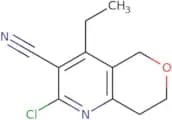
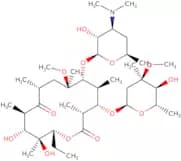
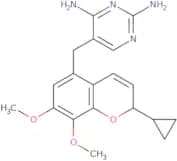
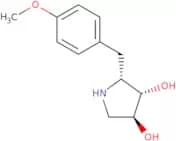
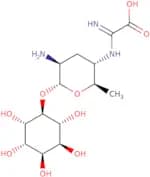
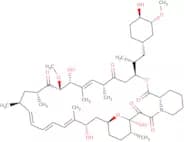
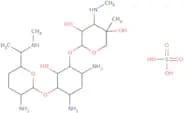
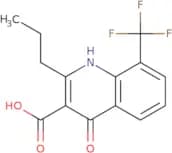
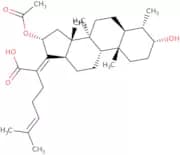
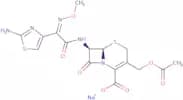
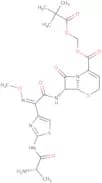

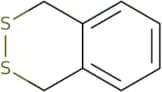
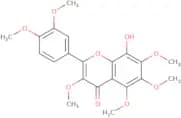
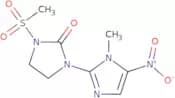
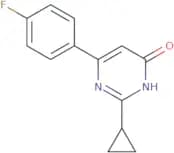
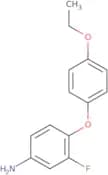
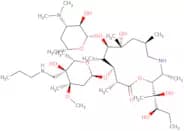
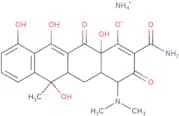

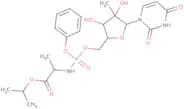
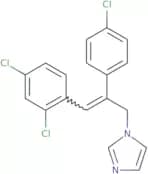
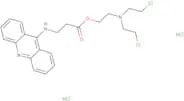
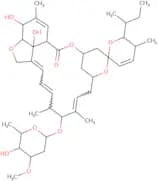
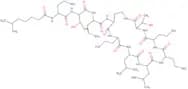
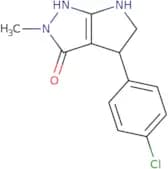
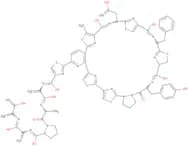
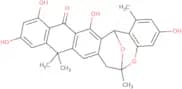
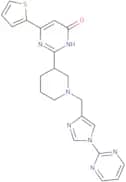
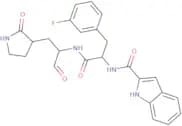
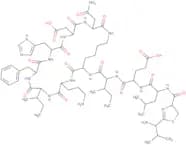
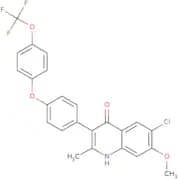
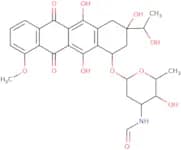

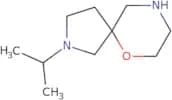
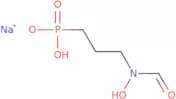
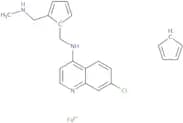
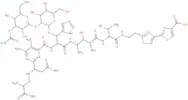
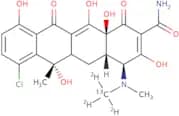
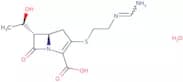
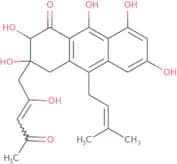
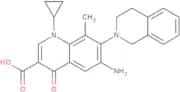
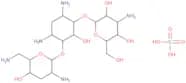
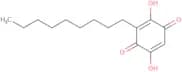
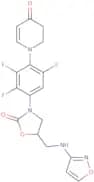
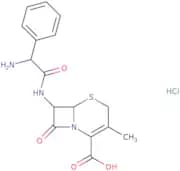
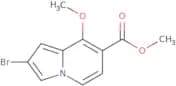
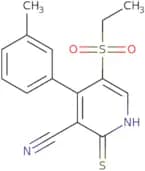
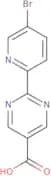
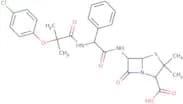
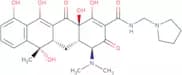
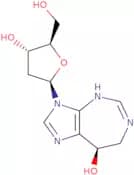
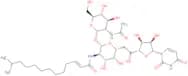
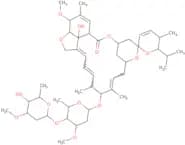
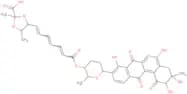
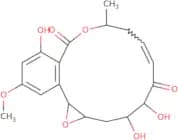
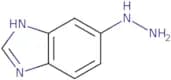
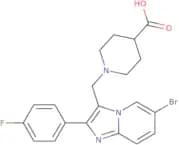
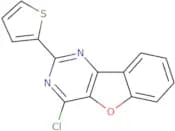
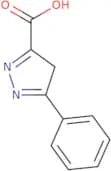
![(1S,3R,6R,7R,10R,11R)-6-[(E,2R,5R)-5,6-Dimethylhept-3-en-2-yl]-7,11-dimethyl-2-oxapentacyclo[8.8.0…](/_next/image/?url=https%3A%2Fstatic.cymitquimica.com%2Fproducts%2F3D%2Fthumb-webp%2FQAC90820.webp&w=3840&q=75)
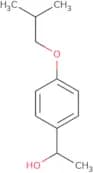
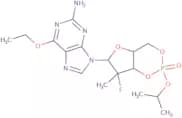
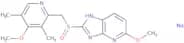
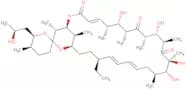
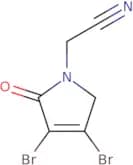
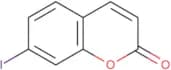
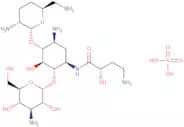
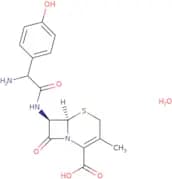
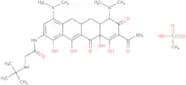
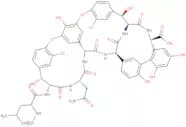
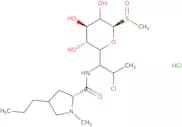
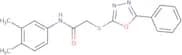
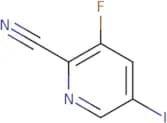
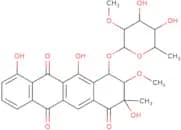
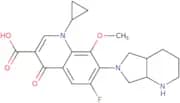
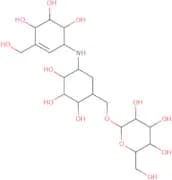
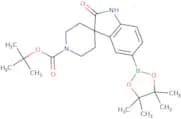
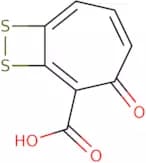
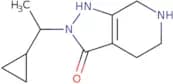
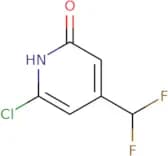
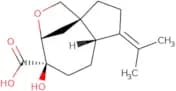
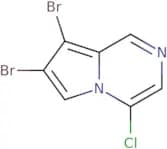
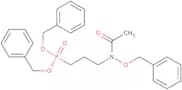
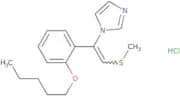
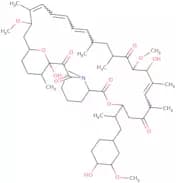
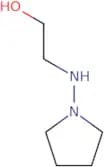
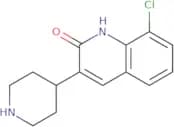
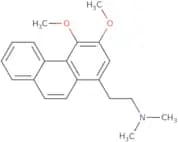
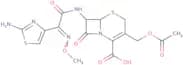
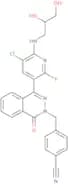
![8-Methylpyrido[2,3-d]pyridazin-5(6H)-one](/_next/image/?url=https%3A%2Fstatic.cymitquimica.com%2Fproducts%2F3D%2Fthumb-webp%2FQDA00407.webp&w=3840&q=75)
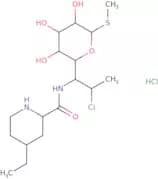
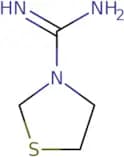
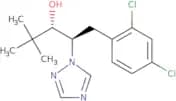
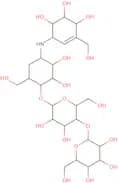
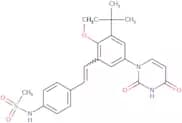
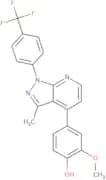
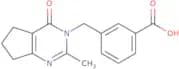
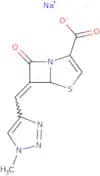
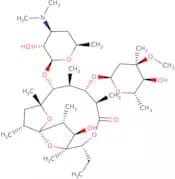
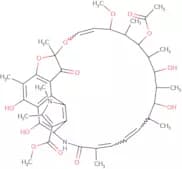
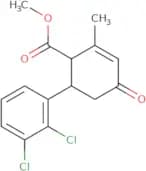
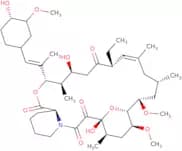
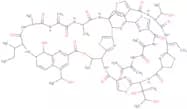
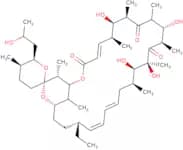
![(2RS,4S)-2-[[(phenylacetyl)amino]methyl]-5,5-dimethylthiazolidine-4-carboxylic acid (penilloic aci…](/_next/image/?url=https%3A%2Fstatic.cymitquimica.com%2Fproducts%2F3D%2Fthumb-webp%2FAAA50134.webp&w=3840&q=75)
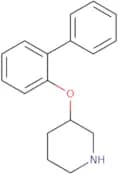
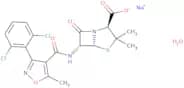
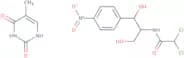
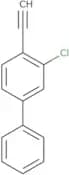
![3,4-Dihydro-2H,6H-pyrimido[1,2-c][1,3]benzothiazin-6-imine](/_next/image/?url=https%3A%2Fstatic.cymitquimica.com%2Fproducts%2F3D%2Fthumb-webp%2FXCA59674.webp&w=3840&q=75)
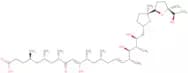
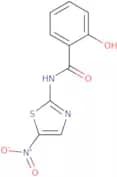
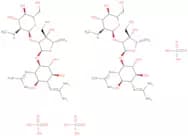
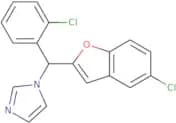
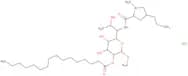
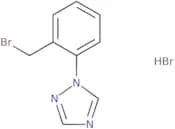
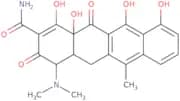
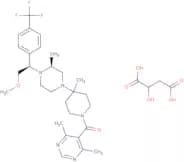
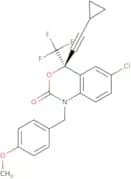
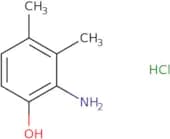
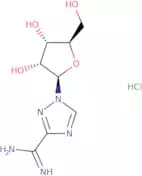
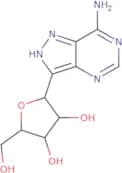
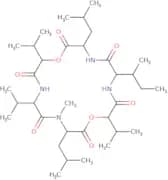
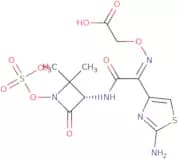
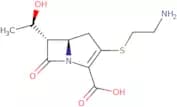
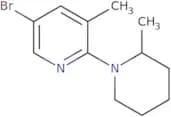
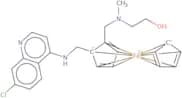
![(4S)-2-[Carboxy[[[3-(2-chloro-6-fluorophenyl)-5-methylisoxazol-4-yl]carbonyl]amino]methyl]-5,5-dim…](/_next/image/?url=https%3A%2Fstatic.cymitquimica.com%2Fproducts%2F3D%2Fthumb-webp%2FTCA72850.webp&w=3840&q=75)
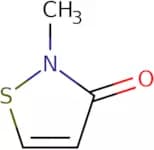
![(4E)-1-(3,4-Dichlorophenyl)-4-[(4-ethoxyphenyl)methylidene]pyrazolidine-3,5-dione](/_next/image/?url=https%3A%2Fstatic.cymitquimica.com%2Fproducts%2F3D%2Fthumb-webp%2FISA23884.webp&w=3840&q=75)
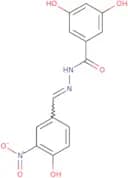
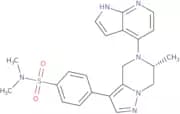
![tert-Butyl 4-[3-(4,4,5,5-tetramethyl-1,3,2-dioxaborolan-2-yl)pyrazol-1-yl]piperidine-1-carboxylate](/_next/image/?url=https%3A%2Fstatic.cymitquimica.com%2Fproducts%2F3D%2Fthumb-webp%2FFP181624.webp&w=3840&q=75)

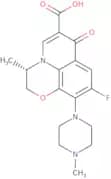
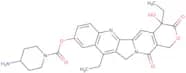
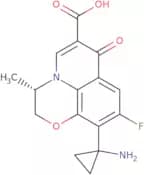
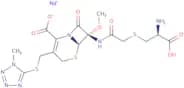
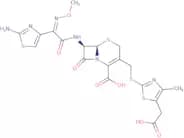
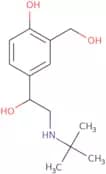

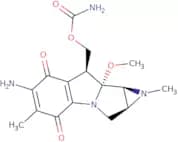

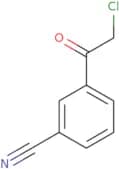
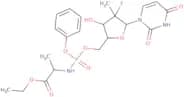
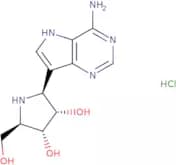

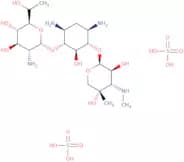
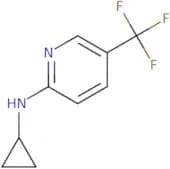
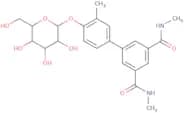

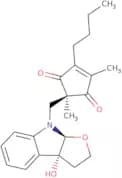
![1-(6-Amino-3,5-difluoropyridin-2-yl)-8-bromo-6-fluoro-7-[3-(methylamino)azetidin-1-yl]-4-oxoquinol…](/_next/image/?url=https%3A%2Fstatic.cymitquimica.com%2Fproducts%2F3D%2Fthumb-webp%2FPHA28013.webp&w=3840&q=75)
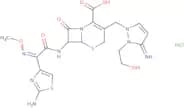
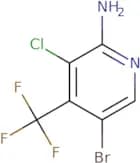
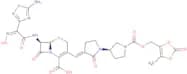

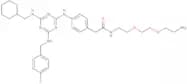
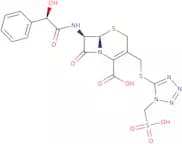
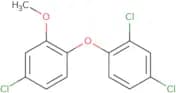
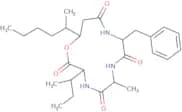
![N-[[(5S)-3-(4-Methylsulfinylphenyl)-2-oxo-1,3-oxazolidin-5-yl]methyl]acetamide](/_next/image/?url=https%3A%2Fstatic.cymitquimica.com%2Fproducts%2F3D%2Fthumb-webp%2FWDA80041.webp&w=3840&q=75)