Antimicrobiens
Sous-catégories appartenant à la catégorie "Antimicrobiens"
- Antibiotiques(4.138 produits)
- Antifongiques(906 produits)
- Antiparasitaires(700 produits)
- Antiviraux(766 produits)
2431 produits trouvés pour "Antimicrobiens"
1-(6-Amino-3,5-difluoro-2-pyridinyl)-7-[3-[3-[[1-(6-amino-3,5-difluoro-2-pyridinyl)-3-carboxy-8-chloro-6-fluoro-1,4-dihydro-4-oxo-7- quinolinyl]amino]-2-hydroxypropoxy]-1-azetidinyl]-8-chloro-6-fluoro-1,4-dihydro-4-oxo-3-quinolinecarboxylic acid
CAS :1-(6-Amino-3,5-difluoro-2-pyridinyl)-7-[3-[3-[[1-(6-amino-3,5-difluoro-2-pyridinyl)-3-carboxy-8-chloro-6-fluoro-1,4-dihydro-4-oxo-7-quinolinyl]amino]-2-hydroxypropoxy]-1-azetidinyl]-8-chloro-6-fluoro-1,4-dihydro-4-oxo-3-quinolinecarboxylic acid is a fluoroquinolone antibiotic, engineered through synthetic chemistry. It is derived from chemical sources involving complex organic synthesis, highlighting its intricate molecular architecture. Its mode of action is distinctive, as it inhibits bacterial DNA gyrase and topoisomerase IV, enzymes crucial for DNA replication and transcription. This interference with bacterial DNA processes results in bactericidal effects, effectively eliminating susceptible bacterial strains.
Formule :C36H24Cl2F6N8O8Degré de pureté :Min. 95%Masse moléculaire :881.52 g/molBCX4430 freebase
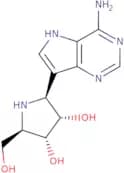
CAS :Adenosine analogue with antiviral activityFormule :C11H15N5O3Degré de pureté :Min. 95%Masse moléculaire :265.27 g/molQuinupristin
CAS :Quinupristin is a semi-synthetic antibiotic, which is derived from the natural compound pristinamycin IIA produced by the bacterium Streptomyces pristinaespiralis. It operates by binding to the 50S ribosomal subunit in bacterial cells, inhibiting protein synthesis and thus exerting a bacteriostatic effect. This mechanism effectively disrupts the growth and proliferation of susceptible bacteria.Formule :C53H67N9O10SDegré de pureté :Min. 95%Masse moléculaire :1,022.22 g/molLomefloxacin hydrochloride
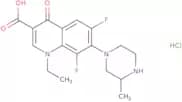
CAS :Lumefantrine is an antimalarial compound with a mode of action that inhibits heme detoxification in Plasmodium parasites. It is used in combination with artemether for treating malaria.Formule :C17H19F2N3O3•HClDegré de pureté :Min. 95%Couleur et forme :PowderMasse moléculaire :387.81 g/molTaniborbactam hydrochloride
CAS :Taniborbactam hydrochloride is a β-lactamase inhibitor that is synthetically derived for use in combination with β-lactam antibiotics. Its mode of action involves the inhibition of β-lactamase enzymes, which are produced by certain bacteria to confer resistance to β-lactam antibiotics, including cephalosporins and carbapenems.Formule :C19H30BCl2N3O5Degré de pureté :Min. 95%Masse moléculaire :462.2 g/molNocardamine
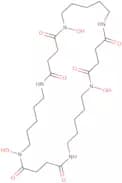
CAS :Nocardamine is a siderophore-based antioxidant, which is naturally derived from the soil-dwelling actinobacteria known as Streptomyces. Its primary mode of action involves the chelation of metal ions, effectively sequestering them and preventing metal-catalyzed oxidation reactions. By binding to iron and other transition metals, Nocardamine mitigates oxidative stress at a cellular level, which could otherwise contribute to cellular damage and dysfunction.
Formule :C27H48N6O9Degré de pureté :Min. 95%Masse moléculaire :600.71 g/molMicafungin FR-179642 impurity (acid)
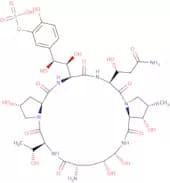
CAS :Micafungin is an antifungal drug that inhibits the synthesis of ergosterol, a vital component of fungal cell membranes. It is a cyclic peptide with a lipophilic fatty acid chain that has been modified to allow penetration into cells. Micafungin is active against Candida and Aspergillus species and has shown activity against some strains of Cryptococcus neoformans. The MIC (minimum inhibitory concentration) for this drug ranges from 0.06 to 1 microgram/mL, depending on the bacterial strain being tested. Micafungin FR-179642 impurity (acid) is an impurity in micafungin that can be present as trace amounts in the final product and may contribute to hemolytic activity. This impurity is formed by hydrolysis during the synthesis process.Formule :C35H52N8O20SDegré de pureté :Min. 95 Area-%Couleur et forme :White PowderMasse moléculaire :936.9 g/molVidarabine monohydrate
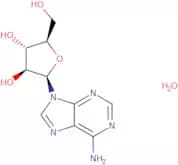
CAS :Vidarabine monohydrate is an antiviral agent with action on viral DNA polymerase to inhibit replication and is used for treating herpes simplex virus infections and varicella-zoster virus infections.Formule :C10H13N5O4·H2ODegré de pureté :(¹H-Nmr) Min. 95 Area-%Couleur et forme :White Off-White PowderMasse moléculaire :285.26 g/molOteseconazole
CAS :Oteseconazole is an antifungal medication, which is a synthetic triazole-derived agent. It functions by inhibiting the activity of the fungal enzyme lanosterol 14α-demethylase. This inhibition disrupts the synthesis of ergosterol, a vital component of fungal cell membranes, thereby interfering with cell membrane integrity and function, ultimately leading to fungal cell death.
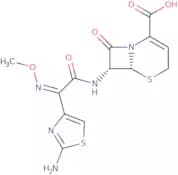
Formule :C23H16F7N5O2Degré de pureté :Min. 95%Masse moléculaire :527.4 g/molCefmenoxime hydrochloride
CAS :Cefmenoxime hydrochloride is a third-generation cephalosporin antibiotic with action on bacterial cell wall synthesis and is used for treating gynecological and obstetric infections.Formule :C16H17N9O5S3HClDegré de pureté :Min. 95%Couleur et forme :White PowderMasse moléculaire :529.79 g/mol4-Demethyl daunomycinone
CAS :4-Demethyl daunomycinone is an anthracycline derivative, which is a natural or semi-synthetic compound derived from the bacterium *Streptomyces*. It is primarily studied for its potential use in anticancer therapies, given its structural similarity to other well-known anthracyclines like daunorubicin and doxorubicin. These compounds are known to intercalate into DNA, thereby disrupting the function of DNA and RNA synthesis, leading to the inhibition of cell proliferation.Formule :C20H16O8Degré de pureté :Min. 95%Masse moléculaire :384.34 g/molCurvularin
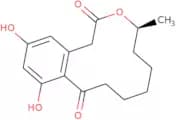
CAS :Curvularin is a secondary metabolite, which is derived from the fungal genus *Curvularia*. This compound is produced through the natural biosynthetic pathways of filamentous fungi, specifically isolated from strains such as *Curvularia lunata*. Curvularin exerts its biological activity primarily through modulation of microtubule dynamics, making it a significant subject of study in cell biology. It disrupts the polymerization processes, impacting the assembly and stability of microtubules, which are critical components of the cytoskeleton involved in cell division, intracellular transport, and structural integrity.Degré de pureté :Min. 95%Maribavir
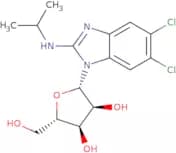
CAS :Potent antiviral against HCMV and Epstein-Barr virus (EBV)
Formule :C15H19Cl2N3O4Degré de pureté :Min. 95%Masse moléculaire :376.24 g/molAzithromycin Dihydrate
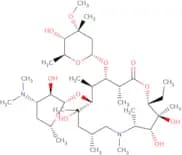
CAS :Azithromycin Dihydrate is a macrolide antibiotic and is used for the treatment of various bacterial infections. It binds to the 23S rRNA of the 50S ribosomal subunit, inhibiting protein synthesisFormule :C38H72N2O12·2H2ODegré de pureté :Min. 95 Area-%Couleur et forme :PowderMasse moléculaire :785.02 g/molRetrocyclin-1 trifluoroacetate salt
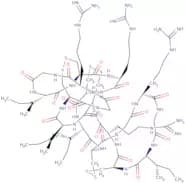
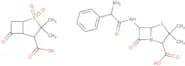
CAS :Retrocyclin-1 trifluoroacetate salt is a synthetic antimicrobial peptide, which is derived from humanized sequences based on the theta-defensin family, originally found in certain primates. Retrocyclin-1 is particularly notable for its circular structure which contributes to its stability and biological activity. The peptide is produced through a process of solid-phase peptide synthesis, designed to mimic the native cyclic conformation of natural theta-defensins.Formule :C74H128N30O18S6Degré de pureté :Min. 95%Masse moléculaire :1,918.4 g/molAmpicillin-sulbactam
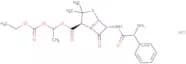
CAS :Ampicillin-sulbactam is a combination antibiotic, which is a pharmaceutical product derived from the penicillin class of beta-lactam antibiotics. Its source involves semi-synthetic processes, combining ampicillin with sulbactam. The mode of action of this compound is through the inhibition of bacterial cell wall synthesis. Ampicillin specifically binds to penicillin-binding proteins, thereby disrupting the cross-linking process essential for maintaining cell wall structural integrity, leading to bacterial lysis. Sulbactam functions as a beta-lactamase inhibitor, enhancing the efficacy of ampicillin by preventing its degradation by beta-lactamase enzymes produced by certain resistant bacterial strains.Formule :C25H31N3O9S2Degré de pureté :Min. 95%Masse moléculaire :581.7 g/molBacampicillin Hydrochloride
CAS :Bacampicillin Hydrochloride is an aminopenicillin antibiotic and is used for the treatment of bacterial infections. It is a prodrug that is converted to ampicillin in the body, which then inhibits bacterial cell wall synthesis.Formule :C21H28ClN3O7SDegré de pureté :Min. 95%Couleur et forme :PowderMasse moléculaire :501.98 g/molClindamycin 3-phosphate
CAS :Clindamycin 3-phosphate is an antibiotic prodrug, which is a derivative of clindamycin. It is semisynthetic with a synthetic origin, derived by chemically modifying the natural compound lincomycin obtained from the bacterium *Streptomyces lincolnensis*. The mode of action of Clindamycin 3-phosphate involves the inhibition of bacterial protein synthesis. It binds to the 50S subunit of the bacterial ribosome, thereby interfering with the translocation step in protein elongation, ultimately leading to the suppression of bacterial growth.Formule :C18H34ClN2O8PSDegré de pureté :Min. 95%Couleur et forme :White To Off-White SolidMasse moléculaire :504.96 g/molSancycline hydrochloride
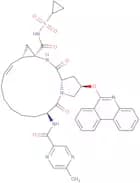
CAS :Sancycline hydrochloride is a tetracycline antibiotic, which is derived from the natural fermentation process of Streptomyces bacteria. The mechanism of action involves the inhibition of protein synthesis by bindin directly to the 30S ribosomal subunit, thereby preventing the attachment of aminoacyl-tRNA to the A site of the ribosome. This action effectively halts the growth of bacteria by impeding protein production, making it bacteriostatic rather than bactericidal.Formule :C21H23ClN2O7Degré de pureté :Min. 95%Masse moléculaire :450.87 g/molParitaprevir
CAS :Paritaprevir is an antiviral medication, which is derived from chemical synthesis with its action targeting the hepatitis C virus (HCV). It operates primarily as a protease inhibitor, specifically targeting the NS3/4A protease, an essential enzyme for HCV replication. By inhibiting this protease, Paritaprevir effectively disrupts the viral life cycle, preventing the virus from maturing and proliferating within the host cells.Degré de pureté :Min. 95%DMDNA31
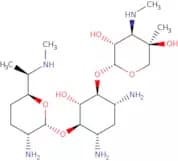
CAS :DMDNA31 is a synthetic nucleotide analog, which is a man-made compound designed to mimic the natural building blocks of DNA. It originates from advanced chemical synthesis processes, allowing precise control over its structure to mimic specific nucleotide sequences. DMDNA31 operates by integrating into DNA strands during replication, thereby enabling the study of genetic mutations and the mapping of genomic sequences.Formule :C50H62N4O13Degré de pureté :Min. 95%Masse moléculaire :927 g/molGentamicin C1 pentaacetate
CAS :Gentamicin C1 pentaacetate is an aminoglycoside antibiotic with action on bacterial protein synthesis inhibition and is used for research and analytical applications.Formule :C21H43N5O7•(C2H4O2)5Degré de pureté :Min. 90%Couleur et forme :Off-White PowderMasse moléculaire :777.86 g/molSisomicin sulfate
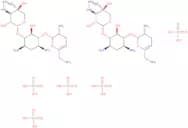
CAS :Sisomicin sulfate is a sulfate salt form of sisomicin with similar action and applications as sisomicin.Formule :(C19H37N5O7)2•(H2SO4)5Degré de pureté :Min. 95%Couleur et forme :PowderMasse moléculaire :1,385.45 g/molAripiprazole monohydrate
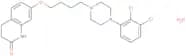
CAS :Produit contrôléAripiprazole monohydrate is an atypical antipsychotic medication, which is synthesized through chemical processes involving aryl piperazine derivatives. It acts primarily as a partial agonist at dopamine D2 and serotonin 5-HT1A receptors and as an antagonist at 5-HT2A receptors, with additional activity at other neurotransmitter receptors. This unique mechanism of action sets it apart from typical antipsychotics that predominantly function as dopamine antagonists.Formule :C23H29Cl2N3O3Degré de pureté :Min. 95%Couleur et forme :PowderMasse moléculaire :466.4 g/molFlucloxacillin
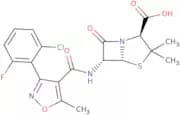
CAS :Flucloxacillin is a beta-lactam antibiotic, which is derived from the penicillin family. It is synthetically produced through chemical modification to enhance its stability against beta-lactamase enzymes. The mode of action of flucloxacillin involves inhibiting bacterial cell wall synthesis. It binds to penicillin-binding proteins (PBPs) located inside the bacterial cell wall, which in turn inhibits the transpeptidation or cross-linking of peptidoglycan chains. This action leads to cell lysis and ultimately, bacterial death.Formule :C19H17ClFN3O5SDegré de pureté :Min. 95%Masse moléculaire :453.87 g/molSTAADIUM™ PeptiZide L-Pyr
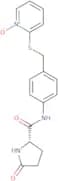
CAS :STAADIUMTM PeptiZide L-Pyr is a targeted inhibitor for pyroglutamyl-aminopeptidase-producing bacteria. The antibacterial activity of STAADIUMTM PeptiZide L-Pyr is triggered by the enzyme pyroglutamyl aminopeptidase (a.k.a. pyrase or pyrrolidonyl peptidase) that is present, not only in bacteria, but also in archaea, plants and animals. STAADIUMTM PeptiZide can be used to suppress the growth of Citrobacter freundii on diagnostic agar plates for Salmonella. L-pyrrolidonyl peptidase activity has also been exploited to distinguish Enterococcus species and Streptococcus pyogenes from other Streptococaceae species. More details in the application notes document.Formule :C17H17N3O3SDegré de pureté :Min. 95 Area-%Couleur et forme :PowderMasse moléculaire :343.41 g/molDolutegravir sodium
CAS :Dolutegravir sodium is an HIV integrase strand transfer inhibitor with action on HIV integrase to block viral replication and is used for treating HIV/AIDS in combination with other antiretroviral medications.Formule :C20H19F2N3NaO5Degré de pureté :(Hplc) 98.0 To 102.0%Couleur et forme :PowderMasse moléculaire :442.40 g/molCeftizoxime
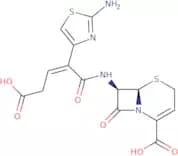
CAS :Ceftizoxime is a third-generation cephalosporin antibiotic with action on bacterial cell wall synthesis and is used for treating respiratory tract infections, urinary tract infections, and gonorrhea.
Formule :C13H13N5O5S2Degré de pureté :Min. 95%Couleur et forme :PowderMasse moléculaire :383.41 g/molPefloxacin-d3
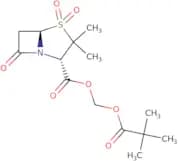
CAS :Produit contrôléPefloxacin-d3 is a deuterated fluoroquinolone antibiotic, which is a synthetic derivative of pefloxacin utilized primarily for research purposes. This compound is chemically modified to include deuterium atoms, a stable isotope of hydrogen, thus offering unique properties essential for precise quantitative analysis in pharmacokinetic studies.Formule :C17H17D3FN3O3Degré de pureté :Min. 95%Masse moléculaire :336.38 g/molSulbactam pivoxyl
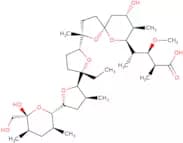
CAS :**Sulbactam pivoxyl** is a prodrug, which is a chemically modified form of sulbactam intended to improve its pharmacokinetic properties. Sulbactam itself is a beta-lactamase inhibitor of synthetic origin, specifically designed to combat antibiotic resistance by inhibiting the beta-lactamase enzymes produced by certain bacteria. These enzymes typically break down beta-lactam antibiotics, rendering them ineffective.Formule :C14H21NO7SDegré de pureté :Min. 95%Masse moléculaire :347.38 g/molMonensin
CAS :Monensin is a polyether ionophore antibiotic, which is derived from the fermentation of the bacterium *Streptomyces cinnamonensis*. It operates by disrupting ion transport across biological membranes, primarily by facilitating the exchange of sodium and potassium ions. This ionophore action alters the osmotic balance in target cells, leading to their destabilization and death, particularly in Gram-positive bacteria and certain protozoa.Formule :C36H62O11Degré de pureté :Min. 95%Masse moléculaire :670.87 g/molCecropin A
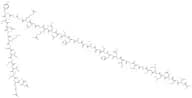
CAS :Cecropin A is an antimicrobial peptide, which is derived from the immune systems of insects, specifically moths. It displays potent antimicrobial properties through its ability to disrupt bacterial cell membranes, leading to cell lysis and death. This peptide primarily targets Gram-negative bacteria but is also effective against some Gram-positive strains. Cecropin A has garnered significant scientific interest due to its potential applications in developing new antimicrobial agents, particularly in the face of increasing antibiotic resistance. By integrating Cecropin A into therapeutic strategies, researchers aim to broaden the spectrum of antimicrobial options available for use in both clinical and agricultural settings, offering a promising avenue for future drug development.Formule :C184H313N53O46Degré de pureté :Min. 95%Masse moléculaire :4,003.78 g/molCefazolin
CAS :Cefazolin is a broad-spectrum antibiotic that inhibits the growth of Gram-positive and Gram-negative bacteria. It is an effective cephalosporin antibiotic against both aerobic and anaerobic bacteria. Cefazolin is used in clinical isolates to inhibit the growth of methicillin-resistant staphylococcus, resistant microorganisms, and systemic inflammation. Some studies has shown good results to inhibit tumor necrosis factor-α (TNFα) production in cell culture.Formule :C14H14N8O4S3Degré de pureté :Min. 95%Masse moléculaire :454.51 g/molSapecin
CAS :Sapecin is an antimicrobial peptide, which is derived from the hemolymph of the silk moth (Bombyx mori) with potent bactericidal action. The source of Sapecin is the immune system of the silk moth, where it acts as a natural defense mechanism against microbial infections. Its mode of action involves disrupting bacterial cell membranes, leading to cell lysis and death. The peptide achieves this by inserting itself into the lipid bilayer, creating pores that compromise the structural integrity of the membrane.Formule :C164H266N58O52S6Degré de pureté :Min. 95%Masse moléculaire :4,074.62 g/molCeftibuten
CAS :Ceftibuten is a third-generation cephalosporin antibiotic, which is a beta-lactam class of antimicrobial agents derived from Acremonium, a genus of fungi. This product is synthesized to resist degradation by beta-lactamase enzymes, which are commonly produced by resistant bacteria, thereby maintaining its efficacy against a wide range of bacterial pathogens.Formule :C15H14N4O6S2Degré de pureté :Min. 95%Masse moléculaire :410.43 g/molTenofovir alafenamide (free base)
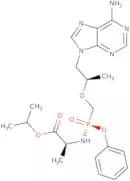
CAS :Tenofovir alafenamide (free base) is a prodrug of tenofovir with action on viral reverse transcriptase to block replication and is used for treating HIV/AIDS and chronic hepatitis B with improved safety profile.Formule :C21H29N6O5PDegré de pureté :Min. 97 Area-%Couleur et forme :PowderMasse moléculaire :476.47 g/molPolymyxin B nonapeptide TFA
CAS :Polymyxin B nonapeptide TFA is an antimicrobial peptide, which is derived from the bacterium *Bacillus polymyxa*. This peptide is a truncated form of polymyxin B, lacking the fatty acyl tail and N-terminal amino acid, resulting in a nonapeptide structure. Its mode of action involves binding to the lipid A portion of bacterial lipopolysaccharides, thereby disrupting the integrity of the bacterial cell membrane. This interaction increases membrane permeability and leads to cell lysis, particularly in Gram-negative bacteria.Formule :C53H79F15N14O21Degré de pureté :Min. 95%Masse moléculaire :1,533.3 g/molAlamifovir
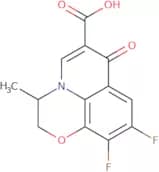
CAS :Alamifovir is an antiviral agent, which is synthetically derived. The mode of action of Alamifovir involves the inhibition of viral replication within host cells by targeting specific viral enzymes crucial for the replication process. This interference with the viral life cycle diminishes the ability of the virus to propagate and spread within the host organism.Formule :C19H20F6N5O5PSDegré de pureté :Min. 95%Masse moléculaire :575.42 g/molOfloxacin Q acid
CAS :Ofloxacin Q acid is a quinolone analog, which is a synthetic derivative known for its significant antibacterial properties. This compound is sourced from the chemical synthesis of fluoroquinolone derivatives, designed to enhance reactivity and efficacy in pharmaceutical applications. Ofloxacin Q acid acts by inhibiting bacterial DNA gyrase and topoisomerase IV, enzymes critical for DNA replication, transcription, and repair, thereby leading to the cessation of bacterial growth and replication.Formule :C13H9F2NO4Degré de pureté :Min. 95%Masse moléculaire :281.21 g/molNarasin sodium
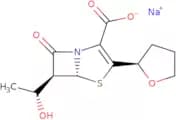
CAS :Narasin sodium is an ionophore antibiotic, which is a type of compound that facilitates ion transport across biological membranes. It is derived from the fermentation of the bacterium *Streptomyces aureofaciens*. The mode of action involves the disruption of ion gradients in target organisms, specifically inhibiting the growth of certain pathogenic bacteria and protozoa by altering their cellular ionic balance.Formule :C43H71NaO11Degré de pureté :Min. 95%Masse moléculaire :787.02 g/molFaropenem sodium hydrate
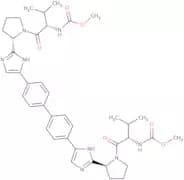
CAS :Faropenem sodium hydrate is a hydrated form of faropenem sodium with similar action and applications as faropenem sodium hemipentahydrate.Formule :C12H14NNaO5S·xH2ODegré de pureté :Min. 95%Couleur et forme :PowderMasse moléculaire :307.3 g/molDaclatasvir
CAS :Daclatasvir is a direct-acting antiviral agent, which is derived from synthetic chemical sources with a specific mode of action targeting the hepatitis C virus (HCV) replication process. It functions as an inhibitor of the HCV nonstructural protein 5A (NS5A), a vital component necessary for viral RNA replication and virion assembly. By binding to two distinct domains of NS5A, Daclatasvir disrupts its ability to function, thereby effectively halting the replication of the viral genome.
Formule :C40H50N8O6Degré de pureté :Min. 95%Masse moléculaire :738.88 g/molCeftriaxone sodium
CAS :Ceftriaxone sodium is a third-generation cephalosporin antibiotic with action on bacterial cell wall synthesis and is used for treating severe bacterial infections like meningitis and pneumonia.Formule :C18H18N8Na2O7S3Degré de pureté :Min. 84 Area-%Couleur et forme :White Yellow PowderMasse moléculaire :600.56 g/molBleomycin A5 hydrochloride
CAS :Bleomycin A5 hydrochloride is an antineoplastic antibiotic, which is derived from the bacterium Streptomyces verticillus. Its mode of action involves binding to DNA and inducing strand breaks through the generation of free radicals, specifically targeting deoxyribose units. This leads to the inhibition of DNA synthesis and cell division, ultimately resulting in cell death.Formule :C57H89N19O21S2•HClDegré de pureté :Min. 95%Couleur et forme :PowderMasse moléculaire :1,177.03 g/molN-Acetal bromopride
CAS :N-Acetal bromopride is a chemical compound that serves as a derivative of bromopride, which is a selective dopamine D2 receptor antagonist. This derivative is synthesized from bromopride, typically through organic chemical processes, and modified to possess an acetal functional group. The presence of this functional group potentially alters its pharmacokinetic or pharmacodynamic properties, although these specific changes may still be under research.Formule :C16H24BrN3O3Degré de pureté :Min. 95%Masse moléculaire :386.28 g/molSulfadimethoxine sodium
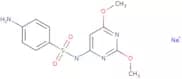
CAS :Sulfadimethoxine sodium is a sulfonamide antibiotic with action on bacterial folate synthesis inhibition and is used for treating respiratory and urinary tract infections in veterinary medicine.Formule :C12H13N4NaO4SDegré de pureté :Min. 95%Couleur et forme :White Off-White PowderMasse moléculaire :332.31 g/molPolymyxin B1-I
CAS :Polymyxin B1-I is an antimicrobial peptide, which is sourced from the bacterium *Bacillus polymyxa*. It functions by interacting with and disrupting the bacterial cell membranes. The polypeptide inserts into the phospholipid bilayer, causing increased permeability and eventual cell lysis. This mechanism is particularly effective against Gram-negative bacteria due to the structural composition of their outer membranes.Formule :C56H98N16O13Masse moléculaire :1,203.5 g/mol14-Bromodaunorubicin HBr
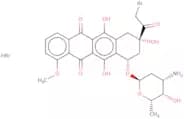
CAS :14-Bromodaunorubicin HBr is a synthetic antitumor antibiotic derivative, which is a modified version of daunorubicin, an anthracycline antibiotic originally isolated from Streptomyces peucetius. With the inclusion of a bromine atom at the 14th position, this compound is designed to enhance the antitumor efficacy and alter pharmacokinetic properties compared to its parent molecule.Formule :C27H28BrNO10·BrHDegré de pureté :75%MinMasse moléculaire :687.33 g/molLactoferricin B (4-14) (bovine) trifluoroacetate salt
CAS :Lactoferricin B (4-14) (bovine) trifluoroacetate salt is a peptide derivative, which is a fragment derived from bovine lactoferrin. It is obtained by enzymatic digestion of lactoferrin, a glycoprotein with a well-established role in the innate immune system. This specific peptide, Lactoferricin B (4-14), is known for its potent antimicrobial properties, attributed to its amphipathic structure that facilitates the disruption of microbial membranes. Additionally, it can modulate immune responses through interactions with immune cells, thereby influencing inflammatory processes.Formule :C70H113N25O13SDegré de pureté :Min. 95%Masse moléculaire :1,544.87 g/molKasugamycin
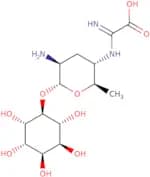
CAS :Kasugamycin is an aminoglycoside antibiotic, which is derived from the actinomycete Streptomyces kasugaensis. Its mode of action involves the inhibition of protein synthesis by interfering with the function of the 30S ribosomal subunit, ultimately preventing the growth and proliferation of sensitive organisms. In agricultural contexts, Kasugamycin is primarily utilized to control bacterial and fungal diseases in a variety of crops, including rice and fruit trees. It is particularly effective against Xanthomonas oryzae, which causes bacterial leaf blight in rice, and other pathogenic organisms detrimental to plant health. The application of Kasugamycin has been an important tool for integrated pest management programs focusing on sustainable agricultural practices. As a compound with a specific mode of activity, it helps to reduce the environmental impact typically associated with broader-spectrum antibiotics, while offering target-specific disease control. Its careful application supports the minimization of resistance development, ensuring continued efficacy in protecting crop yields.Formule :C14H25N3O9Degré de pureté :Min. 95%Masse moléculaire :379.36 g/mol