Antimicrobiens
Sous-catégories appartenant à la catégorie "Antimicrobiens"
- Antibiotiques(4.137 produits)
- Antifongiques(904 produits)
- Antiparasitaires(700 produits)
- Antiviraux(767 produits)
2432 produits trouvés pour "Antimicrobiens"
Ceftriaxone sodium
CAS :Ceftriaxone sodium is a third-generation cephalosporin antibiotic with action on bacterial cell wall synthesis and is used for treating severe bacterial infections like meningitis and pneumonia.Formule :C18H18N8Na2O7S3Degré de pureté :Min. 84 Area-%Couleur et forme :White Yellow PowderMasse moléculaire :600.56 g/molPefloxacin-d3
CAS :Produit contrôléPefloxacin-d3 is a deuterated fluoroquinolone antibiotic, which is a synthetic derivative of pefloxacin utilized primarily for research purposes. This compound is chemically modified to include deuterium atoms, a stable isotope of hydrogen, thus offering unique properties essential for precise quantitative analysis in pharmacokinetic studies.Formule :C17H17D3FN3O3Degré de pureté :Min. 95%Masse moléculaire :336.38 g/molSulbactam pivoxyl
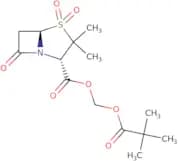
CAS :**Sulbactam pivoxyl** is a prodrug, which is a chemically modified form of sulbactam intended to improve its pharmacokinetic properties. Sulbactam itself is a beta-lactamase inhibitor of synthetic origin, specifically designed to combat antibiotic resistance by inhibiting the beta-lactamase enzymes produced by certain bacteria. These enzymes typically break down beta-lactam antibiotics, rendering them ineffective.Formule :C14H21NO7SDegré de pureté :Min. 95%Masse moléculaire :347.38 g/molCefmenoxime hydrochloride
CAS :Cefmenoxime hydrochloride is a third-generation cephalosporin antibiotic with action on bacterial cell wall synthesis and is used for treating gynecological and obstetric infections.Formule :C16H17N9O5S3HClDegré de pureté :Min. 95%Couleur et forme :White PowderMasse moléculaire :529.79 g/molAripiprazole monohydrate
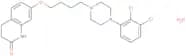
CAS :Produit contrôléAripiprazole monohydrate is an atypical antipsychotic medication, which is synthesized through chemical processes involving aryl piperazine derivatives. It acts primarily as a partial agonist at dopamine D2 and serotonin 5-HT1A receptors and as an antagonist at 5-HT2A receptors, with additional activity at other neurotransmitter receptors. This unique mechanism of action sets it apart from typical antipsychotics that predominantly function as dopamine antagonists.Formule :C23H29Cl2N3O3Degré de pureté :Min. 95%Couleur et forme :PowderMasse moléculaire :466.4 g/molAlamifovir
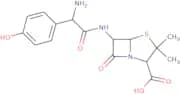
CAS :Alamifovir is an antiviral agent, which is synthetically derived. The mode of action of Alamifovir involves the inhibition of viral replication within host cells by targeting specific viral enzymes crucial for the replication process. This interference with the viral life cycle diminishes the ability of the virus to propagate and spread within the host organism.Formule :C19H20F6N5O5PSDegré de pureté :Min. 95%Masse moléculaire :575.42 g/molAmoxicillin
CAS :Amoxicillin is an aminopenicillin antibiotic and is used for the treatment of various bacterial infections. It works by inhibiting the synthesis of bacterial cell wall mucopeptides, leading to cell lysis and death
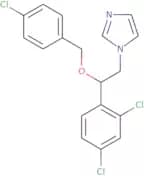
Formule :C16H19N3O5SDegré de pureté :Min. 95%Couleur et forme :PowderMasse moléculaire :365.41 g/molEconazole
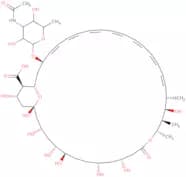
CAS :Econazole is an imidazole antifungal agent with action on fungal cell membrane disruption and is used for treating fungal skin infections like athlete's foot and ringworm.Formule :C18H15Cl3N2ODegré de pureté :Min. 98 Area-%Couleur et forme :White PowderMasse moléculaire :381.68 g/molN-Acetylamphotericin B
CAS :N-Acetylamphotericin B is a derivative of the well-known antifungal agent Amphotericin B, which is derived from the bacterium *Streptomyces nodosus*. This compound is an acetylated version of Amphotericin B, designed to improve certain pharmacokinetic properties. It operates by binding to ergosterol, a key component of fungal cell membranes, leading to the formation of pores that disrupt membrane integrity, causing cell death. The acetylation is intended to reduce the compound's cytotoxicity and improve its solubility in aqueous solutions, potentially allowing for enhanced therapeutic applications.Formule :C49H75NO18Degré de pureté :(%) Min. 75%Couleur et forme :Yellow To Brown SolidMasse moléculaire :966.12 g/molLinearmycin A
CAS :Linearmycin A is an antibiotic compound, which is a secondary metabolite produced by the bacterium Streptomyces sp. Its mode of action involves disrupting bacterial protein synthesis, leading to the inhibition of bacterial growth. This compound exhibits strong efficacy against various Gram-positive and some Gram-negative bacteria, making it valuable in microbiological research.Formule :C64H101NO16Degré de pureté :Min. 95%Masse moléculaire :1,140.5 g/molPuberulic acid
CAS :Puberulic acid is a fungal metabolite that exhibits significant antimicrobial properties. It is derived from certain species of the Penicillium genus, a well-known source of various bioactive compounds. The mode of action of puberulic acid involves the disruption of microbial cell wall synthesis, leading to inhibited growth and eventual cell death of targeted microorganisms.Formule :C8H6O6Degré de pureté :Min. 95%Masse moléculaire :198.13 g/molCasein
CAS :Casein is a phosphoprotein, which is derived from milk. It originates primarily from cow's milk, where it constitutes about 80% of the total protein content. The mode of action for casein involves its ability to form a gel or clot in the stomach, which makes it highly efficient in nutrient delivery, especially the slow release of amino acids. This process is facilitated by its unique structural features, such as the presence of multiple phosphoryl groups that can bind calcium ions.
Degré de pureté :Min. 95%Couleur et forme :PowderDesoxymycin
CAS :Desoxymycin is an antibiotic product that belongs to the class of aminoglycosides, which is derived from natural sources such as certain species of Streptomyces bacteria. This compound exhibits its mode of action by specifically binding to the bacterial ribosomal RNA, interfering with protein synthesis. As a result, it inhibits the replication and growth of susceptible bacterial strains.Formule :C21H41N7O11Degré de pureté :Min. 95%Masse moléculaire :567.59 g/molGramicidin S hydrochloride
CAS :Gramicidin S hydrochloride is a cyclic peptide antibiotic, which is a derivative of the naturally occurring antibiotic gramicidin S. It is sourced from Bacillus brevis, a type of soil bacterium. This peptide operates through a unique mode of action, whereby it disrupts bacterial cell membranes. By integrating into the lipid bilayer, it increases membrane permeability, leading to leakage of essential ions and molecules, and ultimately causing cell death.Formule :C60H92N12O10•(HCl)2Degré de pureté :90%MinMasse moléculaire :1,214.37 g/molCarumonam
CAS :Carumonam is a synthetic monobactam antibiotic, which is derived from chemically modifying aztreonam to enhance its antimicrobial properties. Its source is entirely synthetic, allowing for precise structural modifications to target specific bacterial pathogens. The mode of action involves the inhibition of bacterial cell wall synthesis. Carumonam binds to penicillin-binding proteins (PBPs) on the surface of bacterial cell walls, disrupting the peptidoglycan cross-linking process necessary for cell wall strength and integrity. This action results in bacterial cell lysis and death, making it effective against a range of Gram-negative bacteria.Formule :C12H14N6O10S2Degré de pureté :Min. 95%Masse moléculaire :466.41 g/molGentamicin B
CAS :Gentamicin B is an aminoglycoside antibiotic, which is derived from the bacterium Micromonospora. This derivative exhibits its mode of action by binding to the 30S subunit of the bacterial ribosome, disrupting protein synthesis. As a result, it causes misreading of mRNA, ultimately leading to cell death, thereby exhibiting bactericidal effects.Formule :C19H38N4O10Degré de pureté :Min. 95%Masse moléculaire :482.5 g/molFengycin
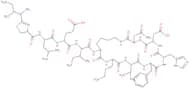
CAS :Fengycin is a cyclic lipopeptide from Bacillus subtilis acts as a biosurfactant and antifungal. As a fungicide, it has a mode of action that involves the formation of ion channels in the fungal lipid membrane, leading to membrane leakage This activity is negatively correlated to cholesterol levels, and may explain why mammalian cells, with higher cholesterol present, are not sensitive to fengycin.Formule :C72H110N12O20Degré de pureté :Min. 90 Area-%Couleur et forme :PowderMasse moléculaire :1,463.71 g/mol(S)-HPMPA
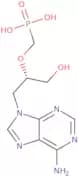
CAS :(S)-HPMPA is a nucleotide analogue, which is a chemically synthesized compound designed to mimic nucleotides. It acts as both an antiviral and an antitumor agent, sourced primarily through synthetic chemistry involving the modification of naturally occurring nucleotide structures. The mode of action of (S)-HPMPA involves mimicking natural substrates of various viral polymerases and cellular enzymes, thereby inhibiting viral DNA synthesis and disrupting the replication cycle of DNA viruses. Additionally, it can interfere with certain cellular pathways contributing to its antitumor effects.Formule :C9H14N5O5PDegré de pureté :Min. 95%Masse moléculaire :303.21 g/molSebuthylazine-2-hydroxy
CAS :Sebuthylazine-2-hydroxy is a selective pre-emergent herbicide, which is a derivative of the sym-triazine compound family synthesized through chemical processes. It functions primarily as a soil-acting agent that inhibits photosynthesis by binding to the D1 protein in the photosystem II complex, thereby disrupting the electron transport chain. This biochemical action effectively curtails the growth of susceptible weed species by preventing their development, particularly annual grasses and broadleaf weeds.
Formule :C9H17N5ODegré de pureté :Min. 95%Masse moléculaire :211.26 g/molQuinofumelin
CAS :Quinofumelin is a fungicide, which is synthetically derived with a novel mode of action targeting specific biochemical pathways in fungi. Its unique mechanism disrupts crucial cellular processes within pathogenic fungi, thereby halting their growth and spread. This fungicide has been meticulously developed through advanced chemical synthesis to ensure high efficacy and specificity against a broad spectrum of fungal pathogens affecting various crops.Formule :C20H16F2N2Degré de pureté :Min. 95%Masse moléculaire :322.4 g/molAmicoumacin C
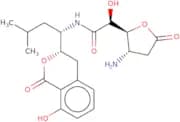
CAS :Amicoumacin C is a biological product derived from certain strains of the Bacillus species, specifically fermented by Bacillus subtilis. It is recognized as a potent antibiotic compound, noted for its ability to inhibit bacterial protein synthesis, primarily by interacting with the 30S ribosomal subunit, thereby hindering the translation process.Formule :C20H26N2O7Degré de pureté :Min. 95%Masse moléculaire :406.43 g/molHalauxifen
CAS :Halauxifen is a synthetic herbicide, which is a product of chemical synthesis used in agricultural practices. Derived from advanced chemical research and development, its primary source is a laboratory setting where it is engineered to exhibit specific properties for plant management.
Formule :C13H9Cl2FN2O3Degré de pureté :Min. 95%Masse moléculaire :331.12 g/molBacitracin B1
CAS :Bacitracin B1 is a polypeptide antibiotic and is used for the treatment of bacterial infections. Its mode of action is similar to bacitracin.
Formule :C65H101N17O16SDegré de pureté :90%MinCouleur et forme :PowderMasse moléculaire :1,408.67 g/mol4-Hydroxyvoriconazole
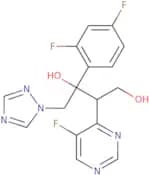
CAS :Metabolite of voriconazole; sterol 14?-demethylase inhibitorDegré de pureté :Min. 95%HIV-1 integrase inhibitor
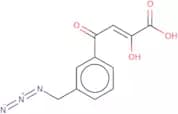
CAS :HIV-1 Integrase Inhibitor is an antiretroviral compound with a mode of action that blocks the viral enzyme integrase, preventing the integration of viral DNA into the host genome. It is used for the treatment of HIV infection.
Formule :C11H9N3O4Degré de pureté :Min. 95%Couleur et forme :PowderMasse moléculaire :247.21 g/mol2-Methyl-4-isothiazolin-3-one hydrochloride
CAS :Methyl-4-isothiazolin-3-one HCl, also known as MIT hydrochloride is often used as a preservative in personal care products and other industrial applications. The product has shown to act as an antimicrobial and antifungal agent.
Formule :C4H6ClNOSDegré de pureté :Min. 99 Area-%Masse moléculaire :151.62 g/molAtovaquone - Bio-X ™
CAS :Atovaquone is an antimicrobial drug that is used for the treatment of Pneumocystis jirovecii pneumonia. This drug is an analog of ubiquinone and has good in vitro activity against Toxoplasma gondii.
Formule :C22H19ClO3Degré de pureté :Min. 95%Couleur et forme :PowderMasse moléculaire :366.84 g/molTebipenem
CAS :Tebipenem is a carbapenem antibiotic with action on bacterial cell wall synthesis and is used for treating multidrug-resistant bacterial infections, including complicated urinary tract infections.
Formule :C16H21N3O4S2Degré de pureté :Min. 95%Masse moléculaire :383.49 g/molCiprofloxacin hydrochloride
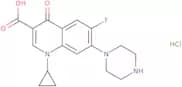
CAS :Ciprofloxacinhydrochloride, the hydrochloride salt form of ciprofloxacin is afluoroquinolone that exerts its antibacterial activity by inhibiting DNK gyrase (topoisomerase II) which inhibits relaxation of supercoiled DNA and promotes breakage of double-stranded DNA. Also, ciprofloxacine inhibits cytochrome P450 CYP1A2. Ciprofloxacine is a broad spectrum antibiotic,effective against Gram positive and Gram negative bacteria: Enterobacteriaceae, H. influenzae, N. gonorrhoeae, Campylobacter spp and Pseudomonas with clinical application for complicated urinary tract infections, respiratory infections caused by Pseudomonas aeruginosa strains inpatients with cystic fibrosis, invasive otitis externa caused by P. aeruginosa, chronic osteomyelitis caused by gram negative organisms, eradication of Salmonella, gonorrhoea, bacterial prostatitis, cervicitis, anthrax.
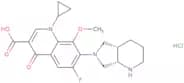
Formule :C17H18FN3O3·HClDegré de pureté :Min. 95%Couleur et forme :PowderMoxifloxacin HCl
CAS :Inhibitor of DNA synthesis; fluoroquinolone class
Formule :C21H25ClFN3O4Degré de pureté :Min. 98 Area-%Couleur et forme :Yellow PowderMasse moléculaire :437.89 g/molMonensin sodium
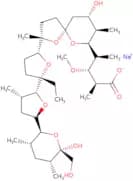
CAS :Monensin sodium is a polyether antibiotic with action on ion transport across bacterial cell membranes and is used for preventing coccidiosis and improving feed efficiency in livestock.
Formule :C36H61NaO11Degré de pureté :(%) Min. 90%Couleur et forme :White Off-White PowderMasse moléculaire :692.85 g/molGSK 8175
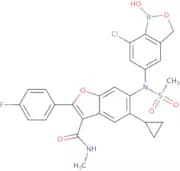
CAS :Inhibitor of viral protein NS5B
Formule :C27H23BClFN2O6SDegré de pureté :Min. 95%Masse moléculaire :568.81 g/molCefiderocol
CAS :Cefiderocol is a siderophore cephalosporin antibiotic with action on bacterial cell wall synthesis, particularly targeting multidrug-resistant gram-negative bacteria and is used for treating complicated urinary tract infections and hospital-acquired pneumonia.
Formule :C30H34CLN7O10S2Degré de pureté :Min. 95%Couleur et forme :PowderMasse moléculaire :752.2 g/molOmbitasvir
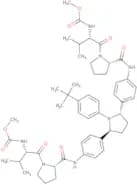
CAS :Ombitasvir is a NS5A inhibitor antiviral agent with action on hepatitis C virus replication and is used for treating chronic hepatitis C in combination therapies.
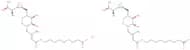
Formule :C50H67N7O8Degré de pureté :Min. 98 Area-%Couleur et forme :White PowderMasse moléculaire :894.1 g/molMupirocin calcium
CAS :Inhibitor of isoleucyl-tRNA synthetase; inhibitor of protein synthesis
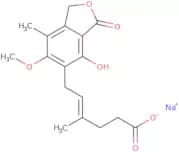
Formule :C26H44O9CaDegré de pureté :Min. 95%Couleur et forme :White PowderMasse moléculaire :520.66 g/molMycophenolate sodium
CAS :Inhibitor of inosine monophosphate dehydrogenase; immunosuppressant
Formule :C17H20O6·NaDegré de pureté :Min. 95%Masse moléculaire :343.33 g/molSTAADIUM™ GlucuroniZide
CAS :STAADIUM⢠GlucuroniZide is a targeted inhibitor of glucuronidase-producing bacteria, which is activated by E. coli-specific glucuronidase enzyme. Glucuronidases are enzymes catalysing the cleavage of complex carbohydrates and E. coli is a well-known producer. In complex cultures, E. coli strains often outcompete bacteria that present at lower titre and STAADIUM⢠GlucuroniZide can help to selectively reduce the growth of E. coli. STAADIUM⢠GlucuroniZide can be used in microbiome studies, food control, environmental safety, hygiene, and clinical diagnostics. More details can be found in the application notes document.
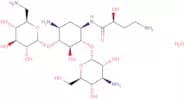
Formule :C18H19NO8SDegré de pureté :Min. 95.0 Area-%Masse moléculaire :409.41 g/molAmikacin hydrate
CAS :Inhibitor of protein synthesis; aminoglycoside
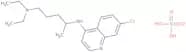
Formule :C22H43N5O13·xH2ODegré de pureté :Min. 900 Μg/MgCouleur et forme :PowderMasse moléculaire :585.6 g/molChloroquine sulfate
CAS :Anti-malarial quinine analogue; effective against Covid-19 infection in vitro
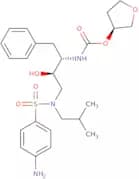
Formule :C18H28ClN3O4SDegré de pureté :Min. 95%Couleur et forme :PowderMasse moléculaire :417.95 g/molAmprenavir
CAS :Anti-retroviral; HIV protease inhibitor
Formule :C25H35N3O6SDegré de pureté :Min. 98 Area-%Couleur et forme :White Off-White PowderMasse moléculaire :505.63 g/molRef: 3D-FA17892
Produit arrêtéCytarabine - Bio-X ™
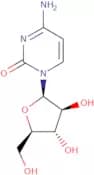
CAS :Cytarabine is also known as cytosine arabinoside (ara-C) and is a chemotherapy drug that works by inhibiting DNA synthesis. It acts as a nucleoside analogue, which is incorporated into the growing DNA chain during replication. Cytarabine combines a cytosine base with an arabinose sugar (1β-arabinofuranosylcytosine) and is an analog for human deoxycytosine. Cytarabine interferes with DNA synthesis as it is rapidly converted to cytosine arabinoside triphosphate, damaging DNA when cells are in the synthesis phase (S phase). Tumor cells which are highly mitotic and growing rapidly are therefore preferably targeted. Cytarabine also inhibits nucleotide reductase enzymes as well as nuclear polymerases, leading to interruption and inhibition of synthesis, strand breaks and cell death.
Formule :C9H13N3O5Degré de pureté :(%) Min. 98%Couleur et forme :PowderMasse moléculaire :243.22 g/molAnthracycline
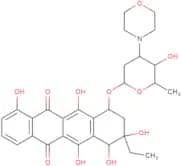
CAS :Anthracycline is a class of chemotherapy drugs, which are anthraquinone antibiotics derived from the bacterial genus Streptomyces. They exert their therapeutic effects primarily through intercalation into DNA, disrupting the function of enzymes such as topoisomerase II, thus preventing the transcription and replication processes in rapidly dividing cancer cells. Furthermore, they generate free radicals, leading to oxidative stress and subsequent cell damage. These mechanisms collectively result in apoptosis of malignant cells. Anthracyclines are utilized extensively in oncology for the treatment of various malignancies, including leukemias, lymphomas, breast cancer, and sarcomas. The efficacy of anthracyclines in inhibiting tumor growth must be balanced against their cardiotoxic potential, which is a significant consideration in their clinical use. This dual nature makes them both pivotal and challenging in chemotherapy regimens, necessitating careful management and monitoring throughout treatment.
Formule :C30H35NO11Degré de pureté :Min. 95%Masse moléculaire :585.60 g/molValinomycin
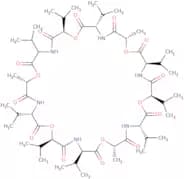
CAS :Valinomycin is an ionophore antibiotic with action on potassium ion transport across cell membranes and is used for research on ion transport and as an antimicrobial agent.
Formule :C54H90N6O18Degré de pureté :Min. 90 Area-%Couleur et forme :White PowderMasse moléculaire :1,111.32 g/molSTAADIUM™ PeptiZide L-Ala
CAS :STAADIUM⢠PeptiZide L-Ala is a targeted inhibitor for L-alanine aminopeptidase-producing bacteria. The antibacterial activity of STAADIUM⢠PeptiZide L-Ala is triggered by the enzyme L-alanine aminopeptidase, an enzyme located in the bacterial cell wall and is a characteristic of Gram-negative bacteria. L-alanine aminopeptidase has not been experimentally detected in Campylobacter species, anaerobic bacilli, Gram-positive and Gram-variable bacteria. More details in the application notes document.
Formule :C15H18ClN3O2SDegré de pureté :Min. 95.0 Area-%Masse moléculaire :339.84 g/molNitrocycline
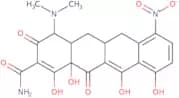
CAS :Nitrocycline is a broad-spectrum antibiotic, which is a synthetic derivative of tetracycline with enhanced antibacterial properties. As a chemically synthesized compound, nitrocycline has been engineered to overcome resistance mechanisms common in bacterial pathogens. Its mode of action involves the inhibition of protein synthesis, achieved by binding to the 30S ribosomal subunit, effectively preventing the addition of new amino acids to nascent peptide chains. This binding action interrupts bacterial growth and replication, providing robust activity against both Gram-positive and Gram-negative bacteria.
Formule :C21H21N3O9Degré de pureté :Min. 95%Masse moléculaire :459.4 g/molKanamycin disulfate
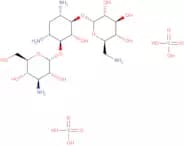
CAS :Binds to 70S ribosomal subunit; inhibits translocation and induces miscoding
Formule :C18H36N4O11·2H2O4SDegré de pureté :Min. 67%Couleur et forme :PowderMasse moléculaire :680.66 g/molAmoscanate
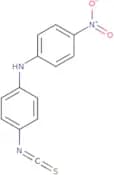
CAS :Amoscanate is an antiparasitic compound derived from synthetic chemical processes, which acts by disrupting the mitochondrial function of parasitic organisms. This compound intervenes in the energy metabolism of endoparasites, leading to their incapacitation and eventual death. Its action is selective for parasitic species, minimizing effects on the host organism.
Formule :C13H9N3O2SDegré de pureté :Min. 95%Masse moléculaire :271.3 g/molHerbicidin K
CAS :Herbicidin K is a naturally derived herbicide, known for its biological origin from microbial fermentation processes. It is primarily sourced from certain strains of Streptomyces, a genus of Gram-positive bacteria notable for their diverse secondary metabolites. The mode of action of Herbicidin K involves the inhibition of key enzymatic pathways within target plants, leading to the disruption of cellular functions and ultimately plant death. This selectivity is particularly effective against broadleaf weeds, providing a targeted approach to weed management.
Formule :C22H27N5O10Degré de pureté :Min. 95%Masse moléculaire :521.48 g/molEthambutol
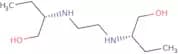
CAS :Ethambutol is an antimicrobial compound, specifically an antitubercular agent, which is a synthetic derivative of ethylenediamine. It is classified as a bacteriostatic agent that primarily targets Mycobacterium tuberculosis. The mode of action of Ethambutol involves the inhibition of arabinosyl transferases, enzymes essential for the polymerization of arabinogalactan, a critical component of the mycobacterial cell wall. By disrupting cell wall biosynthesis, Ethambutol effectively hampers the growth and proliferation of the bacteria.
Formule :C10H24N2O2Degré de pureté :Min. 95%Masse moléculaire :204.31 g/molPiperacillin sodium, pharma grade
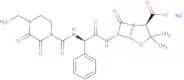
CAS :Piperacillin sodium, pharma grade is a pharmaceutical-grade beta-lactam antibiotic with action on bacterial cell wall synthesis and is used for research and pharmaceutical applications.
Formule :C23H27N5O7S•NaDegré de pureté :Min. 95%Couleur et forme :PowderMasse moléculaire :540.55 g/mol