Terpénoïdes
Les terpénoïdes, également connus sous le nom d'isoprénoïdes, sont la plus grande classe de composés organiques naturels, dérivés d'unités d'isoprène à cinq carbones. Ils se trouvent dans diverses plantes et sont connus pour leurs propriétés aromatiques, ainsi que pour leur rôle dans la défense des plantes et la signalisation. Les terpénoïdes ont été largement étudiés pour leurs effets thérapeutiques, y compris des propriétés anti-inflammatoires, antimicrobiennes et anticancéreuses. Ils sont utilisés dans les industries pharmaceutiques, cosmétiques et alimentaires pour leurs bienfaits sur la santé et leurs qualités aromatiques. Chez CymitQuimica, vous trouverez une large sélection de terpénoïdes, essentiels pour la recherche en biologie végétale, pharmacologie et synthèse de produits naturels.
Sous-catégories appartenant à la catégorie "Terpénoïdes"
- Diterpènes (C₂₀)(671 produits)
- Hémiterpènes (C₅)(21 produits)
- Monoterpènes (C₁₀)(708 produits)
- Sesquiterpènes (C₂₅)(448 produits)
- Tétraterpènes (C₄₀)(63 produits)
- Triterpènes (C₃₀)(1.130 produits)
1423 produits trouvés pour "Terpénoïdes"
Trier par
Degré de pureté (%)
0
100
|
0
|
50
|
90
|
95
|
100
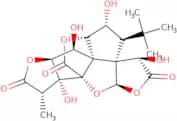
Ginkgolide C
CAS :<p>Ginkgolide C is a terpenoid lactone, which is a natural compound isolated from the leaves of the Ginkgo biloba tree. Ginkgolide C is primarily known for its activity as a specific antagonist of platelet-activating factor (PAF), a potent phospholipid activator and mediator of many leukocyte functions, including platelet aggregation. Its mode of action involves the inhibition of PAF binding to its receptor, thereby reducing PAF-related inflammatory responses and platelet aggregation.</p>Formule :C20H24O11Degré de pureté :Min. 95%Couleur et forme :PowderMasse moléculaire :440.4 g/molIsoescin IA
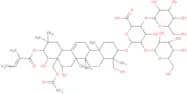
CAS :<p>Isoescin IA is a naturally derived product, specifically a saponin, which is extracted from the seeds of the Aesculus hippocastanum, commonly known as horse chestnut. This compound is isolated through a meticulous process involving solvent extraction and purification to maintain its integrity and efficacy.</p>Formule :C55H86O24Degré de pureté :Min. 95%Couleur et forme :PowderMasse moléculaire :1,131.26 g/molMarrubiin
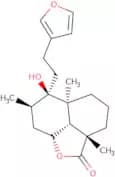
CAS :<p>Marrubiin is a plant-derived alkaloid, which is extracted from the white horehound (Marrubium vulgare) plant. This diterpenoid compound acts primarily through its ability to stimulate gastric secretion, which in turn influences the respiratory system by increasing the production of fluid mucus. This action facilitates the expectoration of phlegm, making Marrubiin useful in treating conditions that involve excessive mucus buildup in the airways, such as chronic bronchitis and asthma.</p>Formule :C20H28O4Degré de pureté :Min. 95%Couleur et forme :PowderMasse moléculaire :332.43 g/molIsocalendin
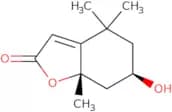
CAS :<p>Isocalendin is a natural compound derived from the calendula plant, known for its potent anti-inflammatory properties. This product is extracted through a meticulous process that maintains the bioactive compounds inherent to calendula, ensuring efficacy and purity. Isocalendin functions by modulating inflammatory pathways at the cellular level, primarily inhibiting pro-inflammatory mediators. This selective action aids in reducing inflammation and promoting tissue repair without adverse effects associated with synthetic alternatives.</p>Formule :C11H16O3Degré de pureté :Min. 95%Couleur et forme :PowderMasse moléculaire :196.24 g/molGinsenoside C-K
CAS :<p>Anti-inflammatory; anti-cancer; anti-angiogenic</p>Formule :C36H62O8Degré de pureté :Min. 98 Area-%Couleur et forme :White PowderMasse moléculaire :622.87 g/molAgnuside
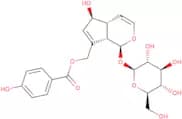
CAS :<p>Agnuside is a diterpenoid compound, which is a phytoconstituent primarily sourced from the plant Vitex agnus-castus, commonly known as chaste tree. This compound is extracted from the fruit of the plant through a series of isolation and purification processes aimed at preserving its chemical integrity.</p>Formule :C22H26O11Degré de pureté :Min. 95 Area-%Couleur et forme :Brown PowderMasse moléculaire :466.44 g/molMomordicine I
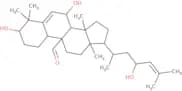
CAS :Produit contrôlé<p>Momordicine I is a bioactive compound classified as a triterpenoid. It is derived from the fruit of the plant Momordica charantia, commonly known as bitter melon, which is native to tropical and subtropical regions. The action mechanism of Momordicine I involves modulation of various signaling pathways, particularly those related to metabolic and cancer-related processes. It can influence insulin signaling pathways, contributing to glucose homeostasis, and exhibits potential inhibitory effects on tumorigenesis by inducing apoptosis and inhibiting proliferation in cancer cells.</p>Formule :C30H48O4Degré de pureté :Min. 95%Couleur et forme :PowderMasse moléculaire :472.7 g/molGlycyrrhizic acid - 80%
CAS :<p>Glycyrrhizic acid is the major bioactive triterpene glycoside of licorice. In mice, glycyrrhizic acid modulates the gut microbiota counteracting a high fat diet. In rats, it has shown an anti-inflammatory activity that resulted in cardioprotective action against myocardial ischemia. In humans, it is a promising adjuvant in the treatment of depression.</p>Formule :C42H62O16Degré de pureté :Min. 95%Couleur et forme :White Off-White PowderMasse moléculaire :822.93 g/mol(-)-Vinigrol
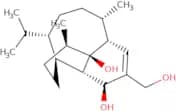
CAS :<p>(-)-Vinigrol is a naturally occurring diterpenoid, which is originally isolated from the fungal species Virgaria nigra, known for its complex stereochemistry and unique structure. It functions as a bioactive compound with multiple mechanisms of action, including modulation of signal transduction pathways and inhibition of specific enzymes, contributing to its broad spectrum of biological activities.</p>Degré de pureté :Min. 95%Daucol
CAS :<p>Please enquire for more information about Daucol including the price, delivery time and more detailed product information at the technical inquiry form on this page</p>Formule :C15H26O2Degré de pureté :Min. 95%Couleur et forme :PowderMasse moléculaire :238.37 g/molAescin
CAS :<p>Beta-Aescin (also known as beta-escin) is a mixture of saponins produced by the horse chestnut tree, Aesculus hippocastanum, with most published reports relating to the pharmacological properties that it shows. It is reported that beta-aescin is a safe and very tolerable drug in the treatment of post thrombotic syndrome and chronic venous insufficiency. Aescin shows promise in the treatment of arthritis and appears to have potential as an anti-cancer drug. In fact, beta-aescin is active on glioblastoma-initiating cells (GIC), which have the ability to initiate glioblastoma growth. Glioblastoma multiform is the most abundant primary tumor of the human nervous system. Beta-aescin was more efficient in diminishing GIC growth compared to present clinically used drugs.</p>Formule :C55H85O24Couleur et forme :PowderMasse moléculaire :1,131.26 g/molEffusanin E
CAS :<p>Effusanin E is a specialized natural compound that falls under the category of secondary metabolites. It is derived from microorganisms, specifically isolated from bacterial sources, which include soil-dwelling bacteria known for their unique biosynthetic capabilities. This compound's mode of action primarily involves inhibiting the growth of certain pathogenic bacteria. It achieves this by disrupting vital bacterial processes, potentially targeting aspects of cell wall synthesis or protein production, although the exact mechanisms may vary and require further elucidation.</p>Formule :C20H28O6Degré de pureté :Min. 95%Masse moléculaire :364.43 g/molSaikosaponin A
CAS :<p>Saikosaponin A is a triterpene saponin, which is a bioactive compound extracted from the roots of the Bupleurum species, primarily Bupleurum falcatum. As a phytochemical, it interacts with cell membranes to exert its effects. Saikosaponin A is known to modulate inflammatory pathways by inhibiting the production of pro-inflammatory cytokines and influencing the NF-κB signaling pathway. Additionally, it can enhance immune responses by regulating T-cell proliferation and differentiation.</p>Formule :C42H68O13Degré de pureté :Min. 95%Couleur et forme :White Off-White PowderMasse moléculaire :780.98 g/mol20(R)Ginsenoside Rh2
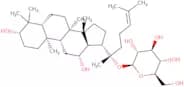
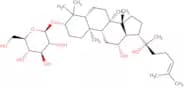
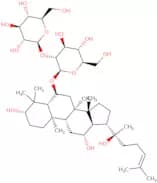
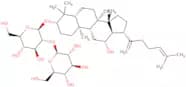
CAS :<p>20(R)Ginsenoside Rh2 is a bioactive compound, specifically a ginsenoside, which is derived from the roots of Panax ginseng. This compound is categorized as a rare saponin, produced through the enzymatic or acidic hydrolysis of protopanaxadiol-type ginsenosides found naturally in ginseng. Its mode of action involves modulating various cellular pathways, including signaling pathways related to apoptosis, inflammation, and immune responses. It has been shown to exert anticancer effects through induction of apoptosis, inhibition of cell proliferation, and disruption of cell cycle progression in cancer cells. Additionally, it may influence the immune system by enhancing or regulating immune cell activity.</p>Formule :C36H62O8Degré de pureté :Min. 98 Area-%Couleur et forme :PowderMasse moléculaire :622.87 g/mol27-Deoxyactein
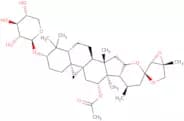
CAS :<p>27-Deoxyactein is a triterpene glycoside, which is primarily derived from the roots of the black cohosh plant, Cimicifuga racemosa. This compound is extracted through meticulous phytochemical processes aimed at isolating active constituents from the plant material. The mode of action of 27-Deoxyactein involves modulating estrogenic activity and interacting with specific cellular pathways to exert anti-inflammatory and antioxidant effects. Additionally, it has been shown to impact bone metabolism and immune function in various in vitro and in vivo studies.</p>Formule :C37H56O10Degré de pureté :Min. 95%Couleur et forme :White PowderMasse moléculaire :660.83 g/molGeniposide
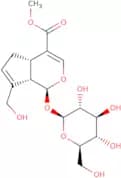
CAS :<p>Geniposide is an iridoid glycoside compound, which is primarily sourced from the fruit of Gardenia jasminoides Ellis, a traditional medicinal plant. This compound is a significant component of various herbal preparations and plays a pivotal role in the plant's reputed therapeutic properties. Geniposide’s mode of action involves multiple biochemical pathways, notably including anti-inflammatory, antioxidant, and cholagogue effects. Its ability to influence these pathways allows it to modulate various physiological and pathological processes in the body.</p>Formule :C17H24O10Degré de pureté :Min. 95 Area-%Couleur et forme :White PowderMasse moléculaire :388.37 g/molβ-Caryophyllene
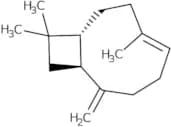
CAS :<p>Beta-Caryophyllene is a bicyclic sesquiterpene, which is a natural product found in essential oils derived from various plants, including black pepper, cloves, and cannabis. This compound is characterized by its unique ability to selectively bind to cannabinoid receptor type 2 (CB2), acting as a full agonist. Unlike typical cannabinoids, beta-Caryophyllene does not interact substantially with CB1 receptors, making it non-psychoactive.</p>Formule :C15H24Degré de pureté :Min. 80%Couleur et forme :Clear LiquidMasse moléculaire :204.35 g/molCryptotanshinone
CAS :<p>Cryptotanshinone is a naturally occurring bioactive compound, which is an abietane diterpenoid sourced from the roots of *Salvia miltiorrhiza*, commonly known as Danshen. This compound exhibits a distinct mode of action characterized by its inhibition of the STAT3 signaling pathway, which is crucial in the regulation of gene expression involved in cell growth and survival. Furthermore, Cryptotanshinone demonstrates the ability to modulate various other molecular targets, such as the androgen receptor, rendering it valuable in the pharmacological landscape.</p>Formule :C19H20O3Degré de pureté :Min. 98 Area-%Couleur et forme :PowderMasse moléculaire :296.36 g/molHarpagide
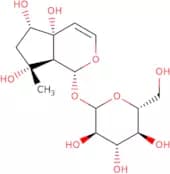
CAS :<p>Harpagide is a bioactive compound classified as an iridoid glycoside, which is extracted primarily from the roots of the plant *Harpagophytum*, commonly known as the "devil’s claw." This compound plays a significant role in the plant's secondary metabolism, contributing to its defense mechanisms.</p>Formule :C15H24O10Degré de pureté :Min. 95%Couleur et forme :PowderMasse moléculaire :364.35 g/mol2'-Hydroxylupalbigenin
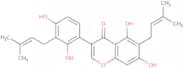
CAS :<p>2'-Hydroxylupalbigenin is a naturally occurring flavonoid, which is isolated from the plant species Lupinus. This compound is characterized by its hydroxylated structure, which contributes to its diverse bioactivities. Flavonoids, as a class of polyphenolic compounds, are well-known for their potential roles in plant defense and have significant pharmacological profiles.</p>Formule :C25H26O6Degré de pureté :Min. 95%Masse moléculaire :422.47 g/mollnuchinenolide B
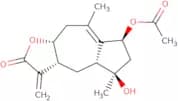
CAS :<p>Lnuchinenolide B is a bioactive compound, which is a type of natural product often isolated from various plant species. This compound has garnered interest due to its origins in diverse botanical sources. Its mode of action is typically associated with its interaction at the molecular level with specific biological targets, potentially inhibiting or modulating particular enzymatic activities or receptor pathways. Such interaction underscores its capacity to influence biological processes, making it a compound of interest in pharmacological research.</p>Formule :C17H22O5Degré de pureté :Min. 95%Masse moléculaire :306.35 g/molLoganic acid
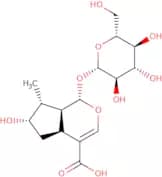
CAS :<p>Loganic acid is a natural iridoid glycoside, which is primarily derived from plants belonging to the Loganiaceae family, such as the genus Strychnos. As a bioactive compound, it plays a significant role in plant defense mechanisms and possesses potential therapeutic properties that are of great interest to the scientific community.</p>Formule :C16H24O10Degré de pureté :Min. 95%Couleur et forme :PowderMasse moléculaire :376.36 g/molCantharidin
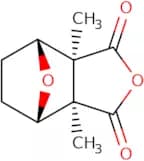
CAS :<p>Natural toxin; protein phosphatase inhibitor</p>Formule :C10H12O4Degré de pureté :Min. 98 Area-%Couleur et forme :White/Off-White SolidMasse moléculaire :196.2 g/mol(+)-Aromadendrene
CAS :<p>(+)-Aromadendrene is a sesquiterpene, which is a type of hydrocarbon compound found in the essential oils of various plants, particularly those within the Myrtaceae family. This compound is primarily sourced from the leaves and branches of Eucalyptus species, where it contributes to the plant’s aromatic profile.</p>Formule :C15H24Degré de pureté :Min. 80 Area-%Couleur et forme :Yellow Clear LiquidMasse moléculaire :204.35 g/molDigitoxose
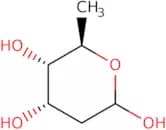
CAS :<p>Digitoxose is a deoxy sugar, which is an integral component of certain cardiac glycosides. These glycosides, such as digitoxin, are predominantly sourced from the leaves of the digitalis species, particularly Digitalis purpurea or Digitalis lanata. The sugar moiety, digitoxose, is critical for the glycoside's ability to exert its pharmacological effects through interactions with cellular components.</p>Formule :C6H12O4Degré de pureté :Min. 95%Couleur et forme :Off-White Yellow PowderMasse moléculaire :148.16 g/molDeltoidin
CAS :<p>Deltoidin is a cutting-edge biochemical compound, which is developed through intricate synthetic processes involving organic precursors. It functions by interacting at the molecular level with specific biochemical pathways, thereby modulating cellular responses precisely and effectively. This mode of action makes it highly valuable for targeted research applications where specific cellular mechanisms need to be studied or manipulated.</p>Formule :C20H22O9Degré de pureté :Min. 95%Masse moléculaire :406.38 g/molBetulinic acid
CAS :<p>Betulinic acid is a pentacyclic triterpenoid, which is derived from the bark of birch trees among other plants. This compound exerts its effects primarily through the induction of apoptosis in cancer cells, interference with viral replication, and modulation of inflammatory pathways. Its mode of action includes mitochondrial membrane potential disruption, inhibition of topoisomerase, and interaction with the NF-kB signaling pathway.</p>Formule :C30H48O3Degré de pureté :Min. 95%Couleur et forme :White PowderMasse moléculaire :456.7 g/molCitronellal
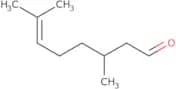
CAS :<p>Citronellal is a monoterpenoid, which is derived from natural sources such as the oils of citronella, lemongrass, and other related plants. It is chemically characterized by its role in the biosynthetic pathway of several essential oils.</p>Formule :C10H18ODegré de pureté :Min. 95%Couleur et forme :Colorless PowderMasse moléculaire :154.25 g/mol(-)-Perillyl alcohol
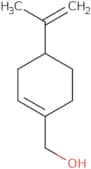
CAS :<p>(-)-Perillyl alcohol is a monoterpene alcohol, which is a naturally occurring compound primarily extracted from the essential oils of lavender, peppermint, and other plants in the Lamiaceae family. It is characterized by its ability to interfere with cellular processes, notably through its modulation of signaling pathways and induction of apoptosis, as well as inhibition of cell proliferation.</p>Formule :C10H16ODegré de pureté :Min. 90%Couleur et forme :Clear LiquidMasse moléculaire :152.23 g/molIridogermanal
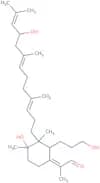
CAS :<p>Please enquire for more information about Iridogermanal including the price, delivery time and more detailed product information at the technical inquiry form on this page</p>Formule :C30H50O4Degré de pureté :Min. 95%Masse moléculaire :474.72 g/molGinsenoside Rf
CAS :<p>Ginsenoside Rf is a steroidal saponin, which is a bioactive compound found primarily in the roots of Panax ginseng, a plant widely used in traditional medicine. As a part of the ginsenoside family, this compound exerts its effects through modulation of several cellular pathways, including anti-inflammatory and antioxidant mechanisms. It is known to interact with glucocorticoid receptors and influence calcium ion channels, contributing to its potential neuroprotective and immunomodulatory effects.</p>Formule :C42H72O14Degré de pureté :Min. 95%Couleur et forme :White PowderMasse moléculaire :801.03 g/molAlantolactone
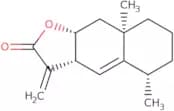
CAS :<p>Alantolactone is a bioactive sesquiterpene lactone, which is derived from the roots of Inula helenium, a plant commonly known as elecampane. This compound is characterized by its complex bicyclic structure and exhibits a range of biological activities. The mode of action of alantolactone involves multiple biochemical pathways, including the inhibition of nuclear factor kappa B (NF-κB) and the modulation of reactive oxygen species (ROS) production. These pathways contribute to its anti-inflammatory, anti-cancer, and antimicrobial properties.</p>Formule :C15H20O2Degré de pureté :Min. 95%Couleur et forme :PowderMasse moléculaire :232.32 g/molCucurbitacin I
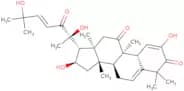
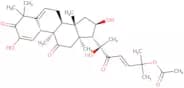
CAS :Produit contrôlé<p>Inhibitor of STAT3/JAK2 signaling; radiosensitizer</p>Formule :C30H42O7Degré de pureté :Min. 98 Area-%Couleur et forme :White PowderMasse moléculaire :514.65 g/molGeranylgeraniol
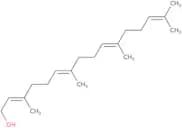
CAS :<p>Intermediate in the mevalonate pathway for biosynthesis of vitamins E and K</p>Formule :C20H34ODegré de pureté :Min. 85 Area-%Couleur et forme :Clear LiquidMasse moléculaire :290.48 g/molOryzalexin S
CAS :<p>Secondary plant metabolite with antimicrobial properties produced in response to plant infection and exposure to UV light. This diterpenoid phytoalexin is found in rice (Oryza sativa).</p>Formule :C20H32O2Degré de pureté :Min. 95%Couleur et forme :PowderMasse moléculaire :304.47 g/mol(1S)-(-)-(-)-Verbenone
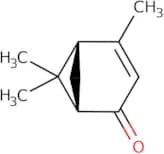
CAS :<p>(1S)-(-)-(-)-Verbenone is a bicyclic monoterpene, which is a type of terpenoid compound. It is naturally sourced from various plants, predominantly from the essential oils of pines and other coniferous trees. The mode of action of Verbenone is intriguing; it acts as an anti-aggregation pheromone in certain beetle species, disrupting their communication and reducing infestation levels. This mechanism is particularly effective against bark beetles, which are known to cause significant damage to forestry ecosystems.</p>Formule :C10H14ODegré de pureté :Min. 98 Area-%Couleur et forme :Clear LiquidMasse moléculaire :150.22 g/molBrusatol - Bio-X ™
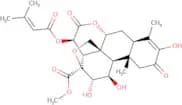
CAS :<p>Brusatol is a NRF2 inhibitor that has anti-inflammatory and immunomodulatory properties. Brusatol may have anti-cancer effects and can cause apoptosis in some cancer cells. It is a plant derived natural quassinoid.</p>Formule :C26H32O11Degré de pureté :Min. 95%Couleur et forme :PowderMasse moléculaire :520.53 g/molCucurbitacin E
CAS :Produit contrôlé<p>Cucurbitacin E is a triterpenoid compound, which is a natural product derived from plants in the Cucurbitaceae family. This bioactive compound exerts its effects primarily through the disruption of cytoskeletal integrity, inhibition of the JAK/STAT signaling pathway, and induction of apoptosis. These molecular activities make it a potent agent in research focusing on cellular proliferation and inflammation.</p>Formule :C32H44O8Degré de pureté :Min. 95%Masse moléculaire :556.69 g/molCineole
CAS :Produit contrôlé<p>Cineole, often referred to as eucalyptol, is a monoterpenoid and a cyclic ether that represents a key constituent of certain essential oils. It is primarily sourced from the leaves of Eucalyptus species, but also found in smaller quantities within other aromatic plants such as rosemary, sage, and tea tree. Cineole exerts its effects through a multifaceted mode of action, acting predominantly as an antimicrobial and anti-inflammatory agent. This is achieved by disrupting the lipid membrane of microbial pathogens, leading to their destabilization and eventual demise. Additionally, cineole modulates inflammatory pathways by inhibiting the production of pro-inflammatory cytokines, thereby ameliorating symptoms associated with inflammation.</p>Formule :C10H18ODegré de pureté :Min. 95%Couleur et forme :Colorless Clear LiquidMasse moléculaire :154.25 g/molTriptophenolide
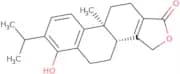
CAS :<p>Triptophenolide is a bioactive compound, which is a diterpenoid lactone extracted from the plant Tripterygium wilfordii. This compound is characterized by its ability to modulate various molecular targets and pathways associated with inflammation and immune response. The mode of action of triptophenolide involves the inhibition of nuclear factor kappa B (NF-κB) signaling, a pivotal transcription factor that regulates genes involved in inflammation, immunity, cell proliferation, and survival. By disrupting NF-κB activity, triptophenolide effectively decreases the expression of pro-inflammatory cytokines and other mediators.</p>Formule :C20H24O3Degré de pureté :Min. 95%Masse moléculaire :312.4 g/molAsiaticoside B
CAS :<p>Asiaticoside B is a natural saponin compound, which is extracted from the plant Centella asiatica. This compound predominantly acts through modulating collagen synthesis and activating fibroblasts, which are crucial for wound healing. Additionally, Asiaticoside B exhibits anti-inflammatory properties by inhibiting pro-inflammatory cytokines, thereby reducing inflammation at the cellular level.</p>Formule :C48H78O20Degré de pureté :Min. 95%Couleur et forme :PowderMasse moléculaire :975.12 g/molGedunin
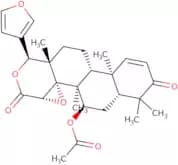
CAS :<p>Gedunin is a pentacyclic triterpenoid compound which is primarily found in the neem tree (Azadirachta indica) and other plants in the Meliaceae family.Gedunin works by inhibiting heat shock proteins (Hsp), which are involved in protein folding and stress responses in cells. It also triggers apoptosis in cancer cells and modulates inflammatory pathways to reduce inflammation.Gedunin is used for its anticancer, antimalarial, antibacterial, antifungal, anti-inflammatory, and neuroprotective properties. It has shown promise in inducing apoptosis in cancer cells, effectively combating malaria parasites, exhibiting antimicrobial properties, reducing inflammation, and potentially benefiting neurodegenerative diseases like Parkinson's.</p>Formule :C28H34O7Degré de pureté :Min. 95%Couleur et forme :PowderMasse moléculaire :482.57 g/molAsiaticoside
CAS :<p>Asiaticoside is a natural glycoside product extracted primarily from the plant Centella asiatica. It is a triterpenoid saponin derived from this medicinal herb, which is well-regarded for its therapeutic properties in traditional Ayurvedic and Chinese medicine. Asiaticoside operates primarily on a biochemical level by promoting collagen synthesis, enhancing angiogenesis, and modulating inflammatory responses. These actions are facilitated through the activation of key signaling pathways, including the TGF-β/Smad pathway, which plays a crucial role in cellular differentiation and proliferation.</p>Formule :C48H78O19Degré de pureté :Min. 95 Area-%Couleur et forme :White Off-White PowderMasse moléculaire :959.13 g/mol(+)-Nerolidol
CAS :<p>(+)-Nerolidol is a sesquiterpene alcohol, which is a type of volatile organic compound. It is derived from the essential oils of various plants, including jasmine, tea tree, and lemongrass. As a natural compound, (+)-Nerolidol is synthesized by plants as part of their aromatic profile and may serve as a defense mechanism against pathogens and herbivores.</p>Formule :C15H26ODegré de pureté :Min. 95%Couleur et forme :Colorless Clear LiquidMasse moléculaire :222.37 g/mol14-Epitriptolide
CAS :<p>14-Epitriptolide is a diterpenoid epoxide, which is derived from the natural product triptolide. It originates from the plant species *Tripterygium wilfordii*, commonly known in traditional Chinese medicine. The mode of action of 14-Epitriptolide involves the inhibition of RNA polymerase II-mediated transcription, thereby interfering with transcriptional processes essential for cancer cell survival and proliferation. Additionally, it induces oxidative stress and disrupts cellular homeostasis.</p>Formule :C20H26O7Degré de pureté :Min. 95%Couleur et forme :SolidMasse moléculaire :378.42 g/molOleanolic acid
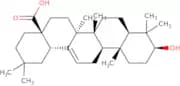
CAS :Produit contrôlé<p>Oleanolic acid is a pentacyclic triterpenoid, which is a naturally occurring compound found in various plants, including olives, apples, and medicinal herbs. It exhibits a wide range of biological activities primarily due to its interaction with cellular signaling pathways. Oleanolic acid exerts its effects by modulating oxidative stress and inflammation through the inhibition of key enzymes and the regulation of gene expression related to these pathways.</p>Formule :C30H48O3Degré de pureté :Min. 95%Couleur et forme :White PowderMasse moléculaire :456.7 g/molGinsenoside Rk1 - Ginsenoside Rk1:Ginsenoside Rz1 (5:2)
CAS :<p>Ginsenoside Rk1 - Ginsenoside Rz1 (5:2) is a complex phytochemical formulation, which is derived from Panax ginseng, a medicinal herb renowned for its bioactive compounds. Ginsenosides, the primary active components, are triterpene saponins known for their diverse pharmacological properties. In this specific formulation, Ginsenoside Rk1 and Ginsenoside Rz1 are combined in a 5:2 ratio, creating a synergistic profile that enhances their biological efficacy.</p>Formule :C42H70O12Degré de pureté :Min. 95%Couleur et forme :PowderMasse moléculaire :766.48673Cycloartenol
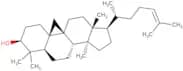
CAS :<p>Cycloartenol is a triterpenoid alcohol, which serves as a precursor in the biosynthesis of sterols. It is primarily derived from plant sources, as it plays a central role in the sterol synthesis pathway in higher plants. The mode of action of cycloartenol involves its conversion into various phytosterols through enzyme-catalyzed reactions, a process that is crucial for the formation of membrane lipids and signaling molecules in plants.</p>Formule :C30H50ODegré de pureté :Min. 90 Area-%Couleur et forme :White PowderMasse moléculaire :426.72 g/molDaucene
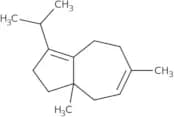
CAS :<p>Daucene is a sesquiterpene lactone, which is isolated from plant sources, particularly from certain species of the Apiaceae family. It functions through modulating cellular pathways, primarily by inhibiting the NF-κB signaling pathway and inducing apoptosis in cancerous cells. This biochemical mode of action demonstrates Daucene's potential in disrupting cancer cell proliferation and promoting cell cycle arrest.</p>Formule :C15H24Degré de pureté :Min. 95%Masse moléculaire :204.35 g/molα-Cyperone
CAS :<p>Alpha-Cyperone is a sesquiterpene compound, which is a natural product isolated from essential oils of certain plants like Cyperus rotundus. It is primarily sourced from the rhizomes of these plants and is known for its diverse biological activities. The mode of action of alpha-Cyperone involves the modulation of cellular pathways, potentially affecting inflammation and oxidation processes.</p>Formule :C15H22ODegré de pureté :Min. 95%Couleur et forme :Yellow Clear LiquidMasse moléculaire :218.33 g/mol