Terpénoïdes
Les terpénoïdes, également connus sous le nom d'isoprénoïdes, sont la plus grande classe de composés organiques naturels, dérivés d'unités d'isoprène à cinq carbones. Ils se trouvent dans diverses plantes et sont connus pour leurs propriétés aromatiques, ainsi que pour leur rôle dans la défense des plantes et la signalisation. Les terpénoïdes ont été largement étudiés pour leurs effets thérapeutiques, y compris des propriétés anti-inflammatoires, antimicrobiennes et anticancéreuses. Ils sont utilisés dans les industries pharmaceutiques, cosmétiques et alimentaires pour leurs bienfaits sur la santé et leurs qualités aromatiques. Chez CymitQuimica, vous trouverez une large sélection de terpénoïdes, essentiels pour la recherche en biologie végétale, pharmacologie et synthèse de produits naturels.
Sous-catégories appartenant à la catégorie "Terpénoïdes"
- Diterpènes (C₂₀)(671 produits)
- Hémiterpènes (C₅)(21 produits)
- Monoterpènes (C₁₀)(709 produits)
- Sesquiterpènes (C₂₅)(451 produits)
- Tétraterpènes (C₄₀)(63 produits)
- Triterpènes (C₃₀)(1.130 produits)
1423 produits trouvés pour "Terpénoïdes"
Trier par
Degré de pureté (%)
0
100
|
0
|
50
|
90
|
95
|
100
Gypenoside L
CAS :Gypenoside L is a saponin compound, which is a secondary metabolite derived from the plant Gynostemma pentaphyllum. This herbaceous plant, commonly known as Jiaogulan, is native to South China and other parts of Asia, where it has been traditionally used in herbal medicine. The mode of action of Gypenoside L involves modulating various biochemical pathways, potentially influencing cellular signaling and metabolic processes. It is known for its role in activating AMP-activated protein kinase (AMPK) pathways, enhancing cellular energy homeostasis, and exhibiting antioxidant properties.Formule :C42H72O14Degré de pureté :Min. 95%Masse moléculaire :801.01 g/molZingibroside R1
CAS :<p>Triterpenoid saponin with anti-tumour and antiangiogenic activity</p>Formule :C42H66O14Degré de pureté :Min. 95%Masse moléculaire :794.97 g/molDanshenxinkun A
CAS :<p>Danshenxinkun A is a herbal compound, which is derived from the root of Salvia miltiorrhiza, commonly known as Danshen. This product utilizes the bioactive constituents of the plant, primarily focusing on its polyphenolic compounds. The mode of action involves modulating various biological pathways, including antioxidant activity, vasodilation, and anti-inflammatory responses, which contribute to enhanced cardiovascular function.</p>Formule :C18H16O4Degré de pureté :Min. 95%Couleur et forme :PowderMasse moléculaire :296.32 g/molNotoginsenoside Fe
CAS :<p>Notoginsenoside Fe is a bioactive saponin, which is a natural compound sourced from the roots of the Panax notoginseng plant, commonly used in traditional Chinese medicine. This compound is part of the ginsenoside family and is known for its diverse pharmacological properties. As a saponin, Notoginsenoside Fe operates by modulating various biological pathways, including anti-inflammatory and antioxidant effects, which contribute to its therapeutic potential.</p>Formule :C47H80O17Degré de pureté :Min. 95%Couleur et forme :SolidMasse moléculaire :917.13 g/molCarvacrol
CAS :<p>Carvacrol is a monoterpenoid phenol, which is primarily derived from essential oils of various aromatic plants, notably oregano (Origanum vulgare) and thyme (Thymus vulgaris). It exhibits potent antimicrobial activity by disrupting microbial cell membranes, leading to leakage of cellular contents and ultimately, cell death. Carvacrol's mechanism also includes inhibition of biofilm formation and interference with quorum sensing pathways in bacteria, enhancing its therapeutic potential.</p>Formule :C10H14ODegré de pureté :Min. 95%Couleur et forme :Colorless Clear LiquidMasse moléculaire :150.22 g/molPhyllanthostatin 2 - Phyllanthus acuminatus
CAS :<p>Phyllanthostatin 2 is a bioactive compound, classified as a lignan, which is isolated from the plant Phyllanthus acuminatus. This compound is part of a broader group of naturally occurring phytochemicals known for exhibiting various biological activities. The primary source of Phyllanthostatin 2, Phyllanthus acuminatus, is a plant found in tropical regions and is traditionally used in herbal medicine.</p>Formule :C40H52O18Degré de pureté :Min. 95%Masse moléculaire :820.83 g/mol7-Hydroxy-4-amophen-3-one - Artemisia arbrotenum (Southernwood)
<p>7-Hydroxy-4-amophen-3-one is a naturally occurring compound, which is extracted from Artemisia arborescens, commonly known as Southernwood. This compound is obtained through specialized extraction methodologies that preserve its active properties. As a member of the flavonoid family, it exhibits potential bioactive properties that are of particular interest in pharmacological research.</p>Formule :C15H24O2Degré de pureté :Min. 95%Masse moléculaire :236.35 g/molgamma-Terpinene
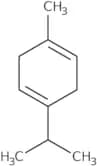
CAS :<p>gamma-Terpinene is a monocyclic monoterpene hydrocarbon, which is a constituent of various essential oils derived from numerous plant sources, notably from species such as tea tree (Melaleuca alternifolia), cumin (Cuminum cyminum), and other aromatic herbs. It acts primarily through its antioxidant activity, effectively scavenging free radicals, and contributes to the overall aroma profile of essential oils.</p>Formule :C10H16Degré de pureté :Min. 95%Couleur et forme :Colorless Clear LiquidMasse moléculaire :136.23 g/molCymarin
CAS :Cymarin is a cardiac glycoside, which is a class of organic compounds commonly derived from certain plant species, notably within the family Apocynaceae. It is extracted primarily from the plant *Apocynum cannabinum* and related species. Cymarin functions by inhibiting the sodium-potassium ATPase pump on cellular membranes. This inhibition leads to an increase in intracellular sodium levels, which in turn affects calcium exchange and enhances cardiac muscle contraction. This mode of action makes it a potent inotropic agent.Formule :C30H44O9Degré de pureté :Min. 95%Masse moléculaire :548.66 g/molEupalinolide k
CAS :Eupalinolide K is a sesquiterpene lactone, which is a type of naturally occurring compound. This compound is sourced primarily from Eupatorium lindleyanum, a plant known for its medicinal properties and commonly found in certain regions of Asia. Eupalinolide K functions by inhibiting specific pathways within the inflammatory response at the molecular level. This action is believed to involve modulation of NF-κB signaling, a critical regulator of immune and inflammatory responses.Degré de pureté :Min. 95%rac-lavandulol
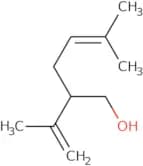
CAS :<p>Rac-lavandulol is a monoterpenoid alcohol, which is a racemic mixture of two enantiomers derived synthetically or biosynthetically. It originates from natural plant sources, particularly from the essential oils of certain aromatic herbs like lavender (Lavandula spp.). Possessing a unique odorous quality, rac-lavandulol interacts with olfactory receptors, influencing sensory perception and offering potential therapeutic benefits.</p>Formule :C10H18ODegré de pureté :Min. 95%Couleur et forme :Colorless Clear LiquidMasse moléculaire :154.25 g/molEuglobal Ia1
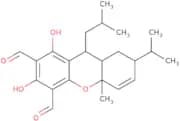
CAS :Euglobal IA1 is a topical anesthetic cream designed to provide localized numbness. It is developed using synthesized active compounds that interact with nerve endings. The mode of action involves the reversible blockage of sodium ion channels in neuronal membranes, which inhibits nerve impulse transmission and results in temporary loss of sensation in the applied area.Formule :C23H30O5Degré de pureté :Min. 95%Couleur et forme :PowderMasse moléculaire :386.48 g/mol8(17)14-Labdadien-13-ol - Picea sitchensis (sitka spruce)
CAS :8(17)14-Labdadien-13-ol is a labdane diterpenoid, a specific type of terpenoid compound. It is derived from the Sitka spruce, scientifically known as Picea sitchensis. This compound is notable for its antifungal properties, making it a focal point in studies examining natural plant defense mechanisms. The mode of action involves the inhibition of fungal growth by disrupting fungal cell membranes or interfering with essential fungal enzyme systems, although the precise mechanisms may vary with different fungal targets.Formule :C20H34ODegré de pureté :Min. 95%Masse moléculaire :290.48 g/molPolygodial
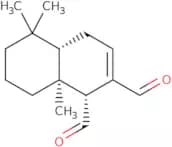
CAS :<p>Isolated from leaves of some peppers; potent and selective activator of TRPA1</p>Formule :C15H22O2Degré de pureté :Min. 97 Area-%Couleur et forme :White Off-White PowderMasse moléculaire :234.33 g/molIsoalloalantolactone - Inula helenium (elecampane)
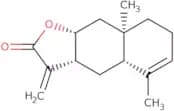
CAS :<p>Isoalloalantolactone is a sesquiterpene lactone, which is a type of naturally occurring organic compound. It is derived from the roots of Inula helenium, commonly known as elecampane. This plant source is known for its historical use in traditional medicine, often utilized for its purported health benefits.</p>Formule :C15H20O2Degré de pureté :Min. 95%Masse moléculaire :232.32 g/molAristolone
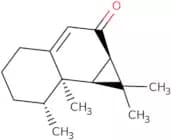
CAS :<p>Aristolone is a sesquiterpene lactone, which is a type of naturally occurring organic compound. It is derived from various plant sources, predominantly from the Aristolochiaceae family. The compound exhibits its mode of action primarily through the interaction with cellular signaling pathways, influencing biological processes such as inflammation and apoptosis.</p>Degré de pureté :Min. 95%Edunol
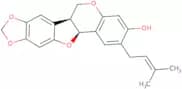
CAS :<p>Edunol is a synthetic compound primarily utilized in neurochemical research. It is derived through complex organic synthesis processes, enabling the precise manipulation of molecular structures to target specific pathways in neural systems. Edunol operates by interacting with neurotransmitter receptors, modulating the activity of neural circuits, and providing insights into neuronal communication and neuromodulation.</p>Formule :C21H20O5Degré de pureté :Min. 95%Masse moléculaire :352.38 g/molOleuroside
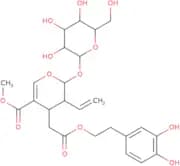
CAS :<p>Oleuroside is a bioactive compound classified as a secoiridoid, which is derived from the leaves of the olive tree (Olea europaea). The source of oleuroside, the olive leaf, is rich in polyphenolic compounds, among which oleuropein is prominent and hydrolyzes to form oleuroside. The mode of action of oleuroside is primarily based on its antioxidant properties. It scavenges free radicals, thereby mitigating oxidative stress and protecting cells from damage. This mechanism is crucial in modulating inflammatory pathways, contributing to its potential therapeutic effects.</p>Formule :C25H32O13Degré de pureté :Min. 95%Masse moléculaire :540.51 g/molLucidumol A
CAS :Lucidumol A is a triterpenoid compound, which is isolated from the medicinal mushroom *Ganoderma lucidum*. This compound is notable for its ability to modulate multiple biological pathways, primarily through its anti-inflammatory and antioxidant properties. By inhibiting pro-inflammatory cytokines and reactive oxygen species, Lucidumol A exerts protective effects at the cellular level, reducing oxidative stress and modulating immune responses.Lucidumol A has piqued the interest of researchers due to its potential therapeutic applications. It is studied for its role in alleviating conditions associated with chronic inflammation and oxidative stress, which are common in various degenerative diseases. The compound’s ability to modulate immune function and prevent cellular damage positions it as a candidate for further investigation in both clinical and preclinical settings. Its natural origin and bioactivity provide a promising avenue for developing novel therapeutic agents derived from traditional medicine sources, emphasizing the intersection of natural products and modern pharmacology.Formule :C30H48O4Degré de pureté :Min. 95%Masse moléculaire :472.70 g/molβ-Aescin
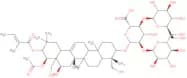
CAS :β-Aescin is a saponin glycoside, which is derived from the seeds of the horse chestnut tree (Aesculus hippocastanum). It acts primarily through anti-inflammatory mechanisms and improves vascular permeability. By inhibiting enzymes such as hyaluronidase and elastase, β-Aescin reduces the breakdown of glycosaminoglycans and supports capillary integrity. This results in decreased edema and improved venous tone, making it beneficial in reducing symptoms associated with chronic venous insufficiency.Formule :C55H86O24Degré de pureté :Min. 95%Couleur et forme :White To Off-White SolidMasse moléculaire :1,131.26 g/mol