Flavonoïdes
Sous-catégories appartenant à la catégorie "Flavonoïdes"
- Anthocyanidines(46 produits)
- Anthocyanine(46 produits)
- Catéchine(88 produits)
- Chalcones(237 produits)
- Pterocarpans(28 produits)
2410 produits trouvés pour "Flavonoïdes"
Glycitein-7-O-methyl ether
CAS :Glycitein-7-O-methyl ether is an isoflavone derivative, which is a type of flavonoid. It is primarily sourced from soybean and other leguminous plants, where it is present as a minor phytoestrogen. The mode of action of Glycitein-7-O-methyl ether involves mimicking estrogenic activity, binding to estrogen receptors, which could potentially affect various physiological processes. Additionally, it may exhibit antioxidant properties, scavenging free radicals and thereby influencing oxidative stress-related pathways.
Formule :C17H14O5Degré de pureté :Min. 95%Masse moléculaire :298.29 g/molSinensetin
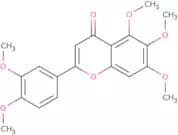
CAS :Sinensetin is a polymethoxyflavone, which is a type of flavonoid compound. It is predominantly sourced from citrus peels, particularly those of oranges. The compound exhibits multiple biological activities, primarily through its mode of action that involves modulating inflammatory pathways and oxidative stress responses. Sinensetin achieves this by inhibiting pro-inflammatory cytokines and enzymes such as cyclooxygenase, thereby reducing inflammation processes at the cellular level.
Formule :C20H20O7Degré de pureté :Min. 95%Couleur et forme :PowderMasse moléculaire :372.37 g/molDerrone-4'-methyl ether
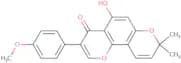
CAS :Derrone-4'-methyl ether is a flavonoid derivative, which is a compound class known for diverse biological activities. This compound is sourced from the isoflavonoid family, predominantly found in legumes and other plant species. Isoflavonoids are secondary metabolites that play crucial roles in plant defense mechanisms and interactions with the environment.Formule :C21H18O5Degré de pureté :Min. 95%Masse moléculaire :350.36 g/molTrifloxystrobin
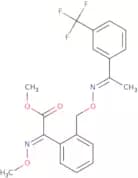
CAS :Trifloxystrobin is a broad-spectrum fungicide, which is a synthetic compound derived from the strobilurin class of fungicides. Its mode of action involves the inhibition of mitochondrial respiration in fungi, specifically by binding to the Qo site of the cytochrome bc1 complex, thereby disrupting electron transport and energy production within fungal cells.Formule :C20H19F3N2O4Degré de pureté :Min. 95%Couleur et forme :PowderMasse moléculaire :408.37 g/molPseudobaptigenin
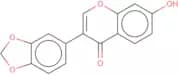
CAS :Pseudobaptigenin is a naturally occurring flavonoid, which is primarily isolated from plant sources. As a type of secondary metabolite, flavonoids like pseudobaptigenin are synthesized by plants and often found in a variety of legumes and other plant species. These compounds typically play a role in plant defense mechanisms and contribute to pigmentation.Formule :C16H10O5Degré de pureté :Min. 95%Couleur et forme :PowderMasse moléculaire :282.25 g/molArvensan
CAS :Arvensan is a bioactive compound that acts as a biocide, derived from natural sources such as certain plant species. Its primary mode of action involves disrupting the cellular membranes of target microorganisms, leading to cell lysis and eventual death. This mechanism ensures efficacy against a broad spectrum of bacteria and fungi, demonstrating its potential as a versatile microbial control agent.
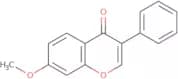
Formule :C17H18O4Degré de pureté :Min. 95%Masse moléculaire :286.32 g/mol7-Methoxyisoflavone
CAS :7-Methoxyisoflavone is a synthetic isoflavone, which is a type of flavonoid compound typically found in plants. This compound, however, is artificially synthesized in laboratories, differentiating it from naturally occurring isoflavones found in sources like soy and other legumes. Its structure allows it to act as a non-hormonal anabolic agent, meaning it purportedly enhances anabolic processes without directly interacting with hormonal pathways, such as those involving testosterone or other steroids.Formule :C16H12O3Degré de pureté :Min. 95%Masse moléculaire :252.26 g/mol3,5,7-Trihydroxy-4'-methoxyflavone
CAS :3,5,7-Trihydroxy-4'-methoxyflavone is a flavonoid compound, which is naturally occurring in various plants. These bioactive compounds are part of a larger group known as flavones, prevalent in many fruits, vegetables, and certain herbs. Flavonoids such as 3,5,7-Trihydroxy-4'-methoxyflavone are synthesized through the plant's secondary metabolic pathways, typically as a response to environmental stressors or as part of normal growth processes.
Formule :C16H12O6Degré de pureté :Min. 95%Couleur et forme :PowderMasse moléculaire :300.26 g/molNeoisoliquiritigenin
CAS :Neoisoliquiritigenin is a flavonoid compound, which is a phytoestrogen derived from the root of Glycyrrhiza glabra, commonly known as licorice. Its mode of action primarily involves modulation of various cellular signaling pathways, including its notable antioxidant and anti-inflammatory effects. This compound exhibits a significant capability to scavenge free radicals and to inhibit pro-inflammatory mediators, thereby impacting oxidative stress and inflammatory responses at the cellular level.Formule :C21H22O9Degré de pureté :Min. 95%Couleur et forme :PowderMasse moléculaire :418.39 g/mol6,3'-Dimethoxyflavanone
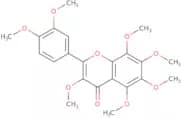
6,3'-Dimethoxyflavanone is a naturally occurring flavanone, which is a type of polyphenolic compound predominantly found in certain plant species. Its source lies primarily in citrus fruits, where it exists as a secondary metabolite. These compounds are often studied for their diverse biological activities due to their presence in traditional medicinal systems.Formule :C17H16O4Degré de pureté :Min. 95%Masse moléculaire :288.41 g/mol3,5,6,7,8,3',4'-Heptamethoxyflavone
CAS :3,5,6,7,8,3',4'-Heptamethoxyflavone is a polymethoxyflavone, which is a type of flavonoid compound. It is primarily sourced from various citrus fruits, such as oranges and tangerines. These fruits naturally produce polymethoxyflavones as part of their secondary metabolite profiles.Formule :C22H24O9Degré de pureté :Min. 95%Couleur et forme :PowderMasse moléculaire :432.42 g/mol7-Hydroxyflavone
CAS :7-Hydroxyflavone is a naturally occurring flavone, which is a type of polyphenolic compound found in various plants. It is commonly derived from plant sources such as fruits and vegetables, where it contributes to a range of biological activities. The structure of 7-Hydroxyflavone includes a hydroxyl group, which plays a significant role in its antioxidant capabilities.Formule :C15H10O3Masse moléculaire :238.25 g/molKazinol U
CAS :Kazinol U is a lignan glycoside, which is a naturally occurring compound sourced from Broussonetia kazinoki, a species belonging to the Moraceae family. This compound is characterized by its antioxidant properties, which are largely due to its unique chemical structure that allows it to neutralize reactive oxygen species and reduce oxidative stress.Formule :C20H22O4Degré de pureté :Min. 95%Couleur et forme :PowderMasse moléculaire :326.39 g/mol4',5-Dihydroxyflavone
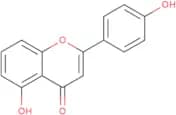
CAS :4',5-Dihydroxyflavone is a naturally occurring flavone, which is a type of polyphenolic compound. It is derived from various plant sources, particularly those rich in flavonoids, such as certain fruits, vegetables, and herbal extracts. The compound's mode of action primarily involves its ability to act as an antioxidant, scavenging free radicals and reducing oxidative stress in biological systems. This antioxidant activity is often linked to neuroprotective properties, as it may help mitigate damage to neurons caused by oxidative stress.
Formule :C15H10O4Degré de pureté :Min. 98%Couleur et forme :PowderMasse moléculaire :254.24 g/molMyricitrin dihydrate
CAS :Myricitrin dihydrate is a flavonoid glycoside, which is a naturally occurring compound primarily found in the bark, leaves, and fruits of certain plants such as Myrica species. The source of this compound is botanical, extracted from plant material through various methods that preserve its structural integrity and bioactivity.Formule :C21H20O12Degré de pureté :Min. 95%Masse moléculaire :464.38 g/mol6-O-Acetylgenistin
CAS :6-O-Acetylgenistin is a natural compound, classified as an acetylated isoflavone. It is sourced from soybeans, where it is naturally present as part of the plant's secondary metabolites. Isoflavones like 6-O-Acetylgenistin are known for their structural similarity to estrogens and are consequently categorized as phytoestrogens.Formule :C23H22O11Degré de pureté :Min. 95 Area-%Couleur et forme :White PowderMasse moléculaire :474.41 g/mol4',6,7-Trihydroxyisoflavone
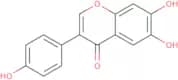
CAS :4',6,7-Trihydroxyisoflavone is a naturally occurring isoflavone, which is a type of phytochemical commonly found in plants. It is primarily derived from legumes and soy products and is known for its presence in various plant-based foods. Isoflavones like 4',6,7-Trihydroxyisoflavone possess a polyphenolic structure, endowing them with significant biological activity, such as antioxidant properties.Formule :C15H10O5Degré de pureté :Min. 95%Couleur et forme :PowderMasse moléculaire :270.24 g/molSilicristin
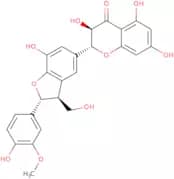
CAS :Silicristin is a flavonolignan compound, which is derived from the seeds of the milk thistle plant, Silybum marianum. This compound is one of the key constituents of silymarin, a complex group of flavonolignans used extensively in herbal medicine. Silicristin is isolated through advanced chromatographic techniques, ensuring high purity and specificity for research applications.
Formule :C25H22O10Degré de pureté :Min. 95%Couleur et forme :White PowderMasse moléculaire :482.44 g/mol7,3',4',5'-Tetrahydroxyflavone
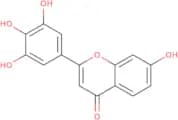
CAS :7,3',4',5'-Tetrahydroxyflavone is a bioactive flavonoid, which is a type of polyphenolic compound. It is derived from natural sources such as plants, where flavonoids are abundant and play crucial roles in plant physiology, including pigmentation and UV filtration. The mode of action of 7,3',4',5'-Tetrahydroxyflavone involves scavenging free radicals and inhibiting pathways that lead to oxidative stress and inflammation. This compound can modulate cellular signaling pathways and gene expression, contributing to its potential therapeutic effects.Formule :C15H10O6Degré de pureté :Min. 95%Couleur et forme :PowderMasse moléculaire :286.24 g/mol6-Hydroxyflavanone
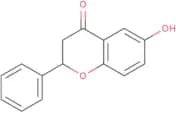
CAS :6-Hydroxyflavanone is a flavonoid derivative, which is a naturally occurring compound found in various plants. It is primarily extracted from citrus fruits and other botanicals rich in flavonoids. The compound acts through its antioxidant and anti-inflammatory properties, effectively scavenging free radicals and modulating inflammatory pathways. This mechanism is crucial in reducing oxidative stress and moderating immune responses, which has implications for both cellular protection and therapeutic applications.Formule :C15H12O3Degré de pureté :Min. 95%Couleur et forme :PowderMasse moléculaire :240.25 g/mol