Flavonoïdes
Les flavonoïdes sont un groupe de métabolites végétaux dotés de propriétés antioxydantes qui contribuent à la couleur des fruits et des fleurs. Ils jouent un rôle important dans la protection des plantes contre les rayons UV et les pathogènes. Les flavonoïdes sont étudiés pour leurs potentiels bienfaits pour la santé, notamment des propriétés anti-inflammatoires, antivirales et anticancéreuses. Ils font l'objet de nombreuses recherches dans les domaines de la pharmacologie, de la nutrition et de la biologie moléculaire.
Sous-catégories appartenant à la catégorie "Flavonoïdes"
- Anthocyanidines(46 produits)
- Anthocyanine(46 produits)
- Catéchine(88 produits)
- Chalcones(237 produits)
- Pterocarpans(28 produits)
2408 produits trouvés pour "Flavonoïdes"
Trier par
Degré de pureté (%)
0
100
|
0
|
50
|
90
|
95
|
100
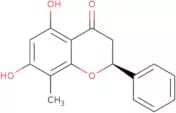
5,7-Dihydroxy-8-methylflavanone
CAS :<p>5,7-Dihydroxy-8-methylflavanone is a specialized flavanone compound, which is a type of flavonoid. This compound is typically derived from natural sources such as plants, where it serves various biological functions. Flavanones are known for their diverse effects and can be found in many fruits, vegetables, and other plant-based materials.</p>Formule :C16H14O4Degré de pureté :Min. 95%Masse moléculaire :270.28 g/molLoureirin B
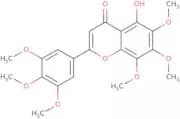
CAS :<p>Loureirin B is a natural polyphenolic compound, which is derived from the resin of Dracaena cochinchinensis, commonly known as Dragon's Blood. This compound exhibits its mode of action primarily through the inhibition of key inflammatory pathways, including the suppression of cyclooxygenase-2 (COX-2) and the reduction of pro-inflammatory cytokines. Such mechanisms suggest its potential in modulating inflammatory responses effectively.</p>Formule :C18H20O5Degré de pureté :Min. 95%Couleur et forme :White PowderMasse moléculaire :316.35 g/mol3',4',5',6,7,8-Hexamethoxy-5-hydroxyflavone
CAS :<p>3',4',5',6,7,8-Hexamethoxy-5-hydroxyflavone is a methoxylated flavonoid, which is a type of polyphenolic compound derived from various plant sources. These compounds are often synthesized naturally within the plant kingdom, and their structures are characterized by multiple methoxy groups that contribute to their distinct bioactive properties.</p>Formule :C21H22O9Degré de pureté :Min. 95%Couleur et forme :PowderMasse moléculaire :418.39 g/mol3,5,7-Trihydroxy-4'-methoxyflavone
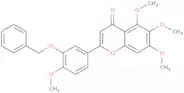
CAS :<p>3,5,7-Trihydroxy-4'-methoxyflavone is a flavonoid compound, which is naturally occurring in various plants. These bioactive compounds are part of a larger group known as flavones, prevalent in many fruits, vegetables, and certain herbs. Flavonoids such as 3,5,7-Trihydroxy-4'-methoxyflavone are synthesized through the plant's secondary metabolic pathways, typically as a response to environmental stressors or as part of normal growth processes.</p>Formule :C16H12O6Degré de pureté :Min. 95%Couleur et forme :PowderMasse moléculaire :300.26 g/mol3'-Benzyloxy-4',5,6,7-tetramethoxyflavone
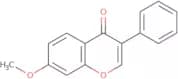
CAS :<p>3'-Benzyloxy-4',5,6,7-tetramethoxyflavone is a synthetic flavone derivative, which is structurally modified from naturally occurring flavonoids. These compounds are often sourced from various plant species or created synthetically to mimic the beneficial components found in plant matter. The mode of action of this compound primarily hinges on its ability to interact with cellular pathways due to its polyphenolic structure. Such interactions may include the inhibition of certain enzymes, modulation of receptor activities, or altering oxidative states within cells.</p>Formule :C26H24O7Degré de pureté :Min. 95%Masse moléculaire :448.46 g/mol7-Methoxyisoflavone
CAS :7-Methoxyisoflavone is a synthetic isoflavone, which is a type of flavonoid compound typically found in plants. This compound, however, is artificially synthesized in laboratories, differentiating it from naturally occurring isoflavones found in sources like soy and other legumes. Its structure allows it to act as a non-hormonal anabolic agent, meaning it purportedly enhances anabolic processes without directly interacting with hormonal pathways, such as those involving testosterone or other steroids.Formule :C16H12O3Degré de pureté :Min. 95%Masse moléculaire :252.26 g/molArvensan
CAS :<p>Arvensan is a bioactive compound that acts as a biocide, derived from natural sources such as certain plant species. Its primary mode of action involves disrupting the cellular membranes of target microorganisms, leading to cell lysis and eventual death. This mechanism ensures efficacy against a broad spectrum of bacteria and fungi, demonstrating its potential as a versatile microbial control agent.</p>Formule :C17H18O4Degré de pureté :Min. 95%Masse moléculaire :286.32 g/mol8-O-Methylretusin
CAS :<p>8-O-Methylretusin is a naturally occurring O-methylated flavonoid, which is derived from various plant sources. This compound is notable for its potential bioactive properties, including antioxidative, anti-inflammatory, and anticancer activities. The mode of action of 8-O-Methylretusin primarily involves modulation of cellular signaling pathways, such as the inhibition of reactive oxygen species and modulation of key transcription factors that regulate inflammatory and apoptotic processes.</p>Formule :C17H14O5Degré de pureté :Min. 95%Masse moléculaire :298.29 g/mol3,7,2',4',5'-Pentamethoxyflavone
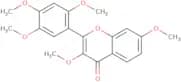
CAS :3,7,2',4',5'-Pentamethoxyflavone is a naturally occurring flavonoid compound, which is a type of polyphenolic product. It is commonly found in various plant species, serving potential protective and adaptive functions within these organisms. The mode of action of 3,7,2',4',5'-Pentamethoxyflavone involves interaction with multiple biological pathways, including modulation of enzyme activity and influence over cellular signaling pathways. Its biochemical interactions often result in antioxidant, anti-inflammatory, and possible antiproliferative effects.Formule :C20H20O7Degré de pureté :Min. 95%Masse moléculaire :372.37 g/molTricetin-6,8-di-C-glucoside
CAS :<p>Tricetin-6,8-di-C-glucoside is a specific type of flavonoid glucoside, which is derived primarily from certain plant sources known for their rich polyphenolic content. This compound is characterized by the attachment of sugar moieties directly to carbon atoms on the flavonoid structure, specifically the 6 and 8 positions of the tricetin molecule. This C-glucosylation confers unique stability and solubility properties, distinguishing it from O-linked glycosides.</p>Formule :C27H30O17Degré de pureté :Min. 95%Couleur et forme :PowderMasse moléculaire :626.52 g/mol3,7,4'-Trihydroxyflavone
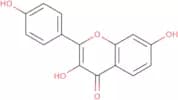
CAS :<p>3,7,4'-Trihydroxyflavone is a flavonoid compound, which is a naturally occurring polyphenolic phytochemical. These compounds are commonly sourced from various plants, where they are present in fruits, vegetables, and certain herbs. Flavonoids such as 3,7,4'-Trihydroxyflavone are known for their role in plant pigmentation and protection against environmental stressors.</p>Formule :C15H10O5Degré de pureté :Min. 95%Couleur et forme :PowderMasse moléculaire :270.24 g/molKaempferol 3-b-glucopyranoside
CAS :<p>Kaempferol 3-b-glucopyranoside is a flavonoid glycoside, which is a compound typically isolated from a variety of plants, including tea, broccoli, and fruits such as apples and grapes. It represents a crucial category of secondary metabolites prevalent in the plant kingdom, often serving roles in plant defense and pigmentation. The mode of action of Kaempferol 3-b-glucopyranoside is primarily attributed to its antioxidant properties, effectively scavenging free radicals and thereby mitigating oxidative stress. Furthermore, it is known to modulate various cellular signaling pathways, including those related to apoptosis and inflammation, by influencing kinase activity and gene expression.</p>Formule :C21H20O11Degré de pureté :Min. 95%Couleur et forme :PowderMasse moléculaire :448.38 g/mol3',4',5',5,6,7-Hexamethoxyflavone
CAS :<p>3',4',5',5,6,7-Hexamethoxyflavone is a polymethoxylated flavone, which is a type of phytochemical or secondary metabolite. It is primarily found in citrus fruits, particularly in the peels, where it serves as a protective compound. This flavone is notable for its complex structure featuring multiple methoxy groups.</p>Formule :C21H22O8Degré de pureté :Min. 95%Couleur et forme :White Clear LiquidMasse moléculaire :402.39 g/mol7,8,2',4'-Tetrabenzyloxyisoflavone
<p>7,8,2',4'-Tetrabenzyloxyisoflavone is a synthetic chemical compound derived from the modification of the isoflavone structure. It is designed for research purposes and acts as a biochemical tool in studying the effects and interactions of isoflavones and their derivatives. The compound is synthesized through a series of benzylation reactions involving isoflavone, sourced primarily from plant-based materials like soybeans, known for their phytoestrogen properties.</p>Formule :C43H34O6Degré de pureté :Min. 95%Masse moléculaire :646.73 g/molPoncirin
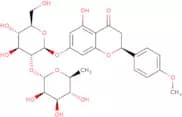
CAS :<p>Poncirin is a natural flavonoid glycoside, which is derived from the fruit of Poncirus trifoliata, commonly known as bitter orange. This compound is extracted from the plant materials using solvents followed by purification processes to isolate the active flavonoid.</p>Formule :C28H34O14Degré de pureté :Min. 95%Couleur et forme :PowderMasse moléculaire :594.56 g/molKaempferol-3,7,4'-trimethyl ether
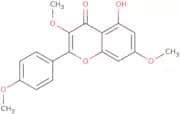
CAS :<p>Kaempferol-3,7,4'-trimethyl ether is a methylated flavonoid compound, which is naturally derived from various plant sources known for their rich polyphenol content. This compound is characterized by its three methoxy groups attached to the kaempferol structure, enhancing its hydrophobic nature and overall stability. The primary mode of action of Kaempferol-3,7,4'-trimethyl ether involves modulation of various cellular signaling pathways, including those related to antioxidant and anti-inflammatory processes. It exerts its effects by interacting with key enzymes and receptors, leading to the modulation of gene expression linked to cellular stress responses.</p>Formule :C18H16O6Degré de pureté :Min. 98 Area-%Couleur et forme :PowderMasse moléculaire :328.32 g/molKaempferol 3-O-neohesperidoside
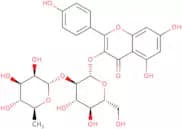
CAS :<p>Kaempferol 3-O-neohesperidoside is a flavonoid glycoside, which is a plant-derived secondary metabolite. It is commonly found in various fruits, vegetables, and herbs, including citrus fruits and certain medicinal plants. The compound consists of the flavonoid kaempferol linked to a neohesperidose sugar moiety.</p>Formule :C27H30O15Degré de pureté :Min. 95%Couleur et forme :SolidMasse moléculaire :594.52 g/molKaempferol-3-O-glucorhamnoside - 65%
CAS :<p>Kaempferol-3-O-glucorhamnoside - 65% is a flavonoid glycoside, which is derived from various plant sources such as tea, broccoli, and apples. This compound is a conjugate of the flavonoid kaempferol with sugar moieties, specifically glucose and rhamnose. Its biochemical mode of action involves modulating various signaling pathways, including those related to oxidative stress and inflammation. By influencing these pathways, it may inhibit the production of reactive oxygen species (ROS) and regulate the expression of inflammatory cytokines.</p>Formule :C27H30O15Degré de pureté :Min. 95%Couleur et forme :PowderMasse moléculaire :594.52 g/molEriodictyol - 98%
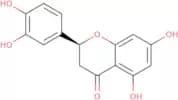
CAS :Eriodictyol - 98% is a flavonoid compound, which is a type of plant-based molecule. It is primarily sourced from multiple plant species, including certain herbs and bark, notably from the Eriodictyon genus. As a bioactive compound, eriodictyol functions by modulating cellular oxidative stress responses through its ability to scavenge free radicals and inhibit reactive oxygen species.Formule :C15H12O6Degré de pureté :Min. 98 Area-%Couleur et forme :White PowderMasse moléculaire :288.25 g/molPseudobaptigenin
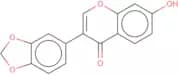
CAS :Pseudobaptigenin is a naturally occurring flavonoid, which is primarily isolated from plant sources. As a type of secondary metabolite, flavonoids like pseudobaptigenin are synthesized by plants and often found in a variety of legumes and other plant species. These compounds typically play a role in plant defense mechanisms and contribute to pigmentation.Formule :C16H10O5Degré de pureté :Min. 95%Couleur et forme :PowderMasse moléculaire :282.25 g/molHerbacetin-8-glucoside-3-sophoroside
CAS :<p>Herbacetin-8-glucoside-3-sophoroside is a flavonoid glycoside derivative, which is a bioactive compound commonly found in plant sources, particularly within the flavonoid subclass. This compound is notable for its multifunctional biological activities and potential health benefits. It is primarily sourced from plant materials, where it can be extracted and isolated for further study and application.</p>Formule :C33H40O22Degré de pureté :Min. 95%Masse moléculaire :788.66 g/molTrifloxystrobin
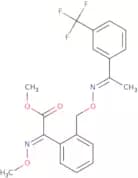
CAS :<p>Trifloxystrobin is a broad-spectrum fungicide, which is a synthetic compound derived from the strobilurin class of fungicides. Its mode of action involves the inhibition of mitochondrial respiration in fungi, specifically by binding to the Qo site of the cytochrome bc1 complex, thereby disrupting electron transport and energy production within fungal cells.</p>Formule :C20H19F3N2O4Degré de pureté :Min. 95%Couleur et forme :PowderMasse moléculaire :408.37 g/molRutin hydrate
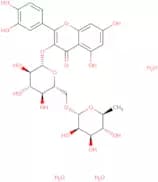
CAS :<p>Capillary protectant; free radical scavenger; antioxidant</p>Formule :C27H30O16·3H2ODegré de pureté :Min. 95 Area-%Couleur et forme :Yellow PowderMasse moléculaire :664.56 g/molIsoliquiritin
CAS :<p>Isoliquiritin is a flavonoid compound, which is primarily extracted from the roots of the Glycyrrhiza glabra plant, commonly known as licorice. The compound is characterized by its unique chemical structure that plays a significant role in its biological activity. The mode of action of isoliquiritin is tied to its ability to interact with various cellular signaling pathways. It exhibits antioxidant, anti-inflammatory, and antimicrobial properties by modulating the expression of specific enzymes and inhibiting the activity of pro-inflammatory cytokines. Additionally, its potential in modulating cellular pathways makes it an intriguing subject for research related to metabolic and cardiovascular health.</p>Formule :C21H22O9Degré de pureté :Min. 85.0 Area-%Masse moléculaire :418.39 g/molRef: 3D-Q-100563
10mgÀ demander25mgÀ demander50mgÀ demander100mgÀ demander250mgÀ demander-Unit-mgmgÀ demander7,3'-Dihydroxyisoflavone
CAS :<p>7,3'-Dihydroxyisoflavone is a bioactive compound belonging to the isoflavone class of flavonoids, which is derived primarily from leguminous plants, such as soy and red clover. The substance displays significant antioxidant activities due to its structure, which allows it to neutralize free radicals and reduce oxidative stress within biological systems. This mode of action involves scavenging reactive oxygen species and chelating metal ions, thereby offering protective effects against cellular damage and inflammation.</p>Formule :C15H10O4Degré de pureté :Min. 95%Couleur et forme :PowderMasse moléculaire :254.24 g/mol7-Benzyloxy-2',4',5'-trimethoxyisoflavone
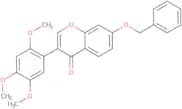
CAS :<p>7-Benzyloxy-2',4',5'-trimethoxyisoflavone is a specialized type of isoflavone, which is a class of naturally occurring organic compounds related to flavonoids. It is typically derived from plant sources, showcasing the vast chemical diversity and potential bioactivity present in botanicals. This compound operates through various biochemical pathways, often interacting with specific cellular receptors or enzymes to exert its effects. Its mode of action can include antioxidant activity or modulation of signaling pathways, which are crucial for maintaining cellular homeostasis and function. The applications of 7-Benzyloxy-2',4',5'-trimethoxyisoflavone are primarily in the realm of pharmacological research, where it is explored for its potential therapeutic uses. It may be investigated for its roles in combating oxidative stress or influencing pathways associated with inflammation and cellular growth. científicos pursue its study to uncover new medical insights and develop novel therapeutic strategies.</p>Formule :C25H22O6Degré de pureté :Min. 95%Masse moléculaire :418.44 g/molLuteolin 3'-O-β-D-glucuronide
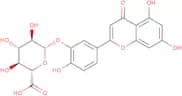
CAS :<p>Luteolin 3'-O-β-D-glucuronide is a flavonoid glucuronide, which is primarily derived from various plant sources, including fruits, vegetables, and certain herbs. As a metabolite of luteolin, it is formed through the addition of a glucuronic acid moiety, enhancing its solubility and bioavailability in biological systems.</p>Formule :C21H18O12Degré de pureté :Min. 97 Area-%Couleur et forme :White PowderMasse moléculaire :462.36 g/molDerrone-4'-methyl ether
CAS :<p>Derrone-4'-methyl ether is a flavonoid derivative, which is a compound class known for diverse biological activities. This compound is sourced from the isoflavonoid family, predominantly found in legumes and other plant species. Isoflavonoids are secondary metabolites that play crucial roles in plant defense mechanisms and interactions with the environment.</p>Formule :C21H18O5Degré de pureté :Min. 95%Masse moléculaire :350.36 g/molLupinisoflavone A
CAS :<p>Lupinisoflavone A is a naturally occurring bioactive compound, specifically an isoflavone, which is extracted from the seeds and other parts of lupine plants. The lupine species are known for their rich phytochemical profile, which includes various bioactive compounds with potential health benefits. Lupinisoflavone A is structurally characterized by its isoflavone backbone, contributing to its diverse biological effects.</p>Formule :C20H16O6Degré de pureté :Min. 95%Masse moléculaire :352.34 g/molSakuranetin
CAS :<p>Sakuranetin is a flavonoid, which is a natural compound derived predominantly from cherry blossoms and various citrus plants. As a phytochemical, it is primarily sourced from plants where it functions as a natural defense mechanism against environmental stressors. The mode of action of sakuranetin involves the inhibition of key pro-inflammatory pathways, notably blocking the activation of NF-κB, a protein complex that plays a crucial role in controlling the transcription of DNA, cytokine production, and cell survival.</p>Formule :C16H14O5Degré de pureté :Min. 95%Couleur et forme :PowderMasse moléculaire :286.28 g/mol7,3',4'-Trimethoxyisoflavone
CAS :<p>7,3',4'-Trimethoxyisoflavone is a natural isoflavone compound, which is typically derived from certain plants within the Leguminosae family. This compound is characterized by its three methoxy groups attached to the isoflavone backbone, distinguishing it from other isoflavone derivatives. The source of 7,3',4'-Trimethoxyisoflavone often includes various leguminous plants, where it functions as a secondary metabolite with potential protective roles.</p>Formule :C18H16O5Degré de pureté :Min. 95%Couleur et forme :PowderMasse moléculaire :312.32 g/mol6,2'-Dimethoxyflavone
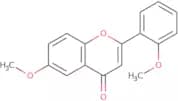
CAS :<p>6,2'-Dimethoxyflavone is a flavonoid compound, which is a type of secondary metabolite commonly found in plants. This compound is derived from various plant sources, where it acts as a natural antioxidant. The mode of action of 6,2'-Dimethoxyflavone includes modulation of signaling pathways involved in inflammation and cell proliferation. It influences the activity of specific enzymes and receptors, such as kinases and growth factor receptors, thereby affecting cellular responses.</p>Formule :C17H14O4Degré de pureté :Min. 95%Couleur et forme :PowderMasse moléculaire :282.29 g/molGalangin
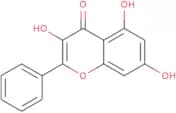
CAS :<p>Galangin is a naturally occurring flavonoid, a type of polyphenolic compound, which is primarily sourced from Alpinia officinarum rhizomes, commonly known as galangal. This compound exhibits a range of biological activities, particularly attributed to its potent antioxidant and anti-inflammatory mechanisms. Galangin's mode of action predominantly involves the scavenging of free radicals and inhibition of oxidative stress pathways, effectively contributing to the mitigation of cellular damage and inflammation.</p>Formule :C15H10O5Degré de pureté :Min. 97 Area-%Couleur et forme :PowderMasse moléculaire :270.24 g/molIsoschaftoside
CAS :Isoschaftoside is a bioactive flavonoid glycoside, which is derived from various plant sources, particularly those within the Fabaceae and Poaceae families. This compound is a result of the glycosylation of apigenin, a well-known flavonoid. The mode of action of isoschaftoside involves its role as a potent antioxidant and anti-inflammatory agent. It achieves this by scavenging free radicals and modulating inflammatory pathways, thus contributing to cellular protection and immune response regulation.Formule :C26H28O14Degré de pureté :Min. 97 Area-%Couleur et forme :PowderMasse moléculaire :564.49 g/molOrobol 7-O-glucoside
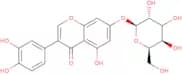
CAS :Orobol 7-O-glucoside is a flavonoid glucoside, which is a type of phenolic compound widely studied in the scientific community for its potential biological activities. It is derived from natural plant sources, particularly legumes, where it occurs as a conjugate of the isoflavone orobol. The mode of action of Orobol 7-O-glucoside involves its ability to scavenge free radicals, providing potent antioxidant effects. This compound exhibits the ability to modulate signaling pathways relevant to oxidative stress and inflammation, suggesting possible therapeutic roles in related disorders.Formule :C21H20O11Degré de pureté :Min. 95%Couleur et forme :PowderMasse moléculaire :448.38 g/molSinensetin
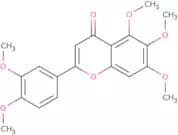
CAS :<p>Sinensetin is a polymethoxyflavone, which is a type of flavonoid compound. It is predominantly sourced from citrus peels, particularly those of oranges. The compound exhibits multiple biological activities, primarily through its mode of action that involves modulating inflammatory pathways and oxidative stress responses. Sinensetin achieves this by inhibiting pro-inflammatory cytokines and enzymes such as cyclooxygenase, thereby reducing inflammation processes at the cellular level.</p>Formule :C20H20O7Degré de pureté :Min. 95%Couleur et forme :PowderMasse moléculaire :372.37 g/mol8-Hydroxygenistein
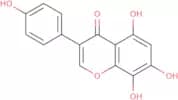
CAS :<p>8-Hydroxygenistein is a naturally occurring isoflavone, which is a type of polyphenolic compound. It is derived primarily from plants, particularly soybeans and other legumes. This compound exhibits its mode of action through selective inhibition of tyrosine kinase enzymes, interference with the cell cycle, and modulation of signal transduction pathways. It also acts as a potent antioxidant, scavenging free radicals and reducing oxidative stress within cells.</p>Formule :C15H10O6Degré de pureté :Min. 95%Couleur et forme :Yellow PowderMasse moléculaire :286.24 g/molKaempferol-3-(p-coumaryl)glucoside
CAS :<p>Kaempferol-3-(p-coumaryl)glucoside is a bioactive phenolic compound found in the plant Tilia tomentosa. It has been shown to have hypoglycemic and anti-inflammatory effects, as well as an ability to inhibit the production of cytokines that are important for the development of inflammatory bowel disease. Kaempferol-3-(p-coumaryl)glucoside has also been shown to have an antiviral effect against infectious diseases such as HIV and herpes simplex virus type 2 (HSV2). This compound binds to the signal pathways that regulate apoptosis, which leads to cell death. Kaempferol-3-(p-coumaryl)glucoside can also cause DNA damage and genotoxic activity in bacteria.</p>Formule :C30H26O13Degré de pureté :Min. 95%Couleur et forme :PowderMasse moléculaire :594.52 g/mol3',4'-Dihydroxyflavanone
<p>3',4'-Dihydroxyflavanone is a type of flavonoid, which is a class of polyphenolic compounds known for diverse biological activities. This compound is primarily sourced from various plants, where it plays a role in plant defense mechanisms due to its antioxidant properties. The mode of action of 3',4'-Dihydroxyflavanone involves the scavenging of free radicals, thereby mitigating oxidative stress at the cellular level. This activity is facilitated by its dihydroxy structure, which allows it to donate hydrogen atoms to neutralize reactive oxygen species.</p>Formule :C15H10O4Degré de pureté :Min. 95%Masse moléculaire :254.24 g/molGlycitein-7-O-methyl ether
CAS :<p>Glycitein-7-O-methyl ether is an isoflavone derivative, which is a type of flavonoid. It is primarily sourced from soybean and other leguminous plants, where it is present as a minor phytoestrogen. The mode of action of Glycitein-7-O-methyl ether involves mimicking estrogenic activity, binding to estrogen receptors, which could potentially affect various physiological processes. Additionally, it may exhibit antioxidant properties, scavenging free radicals and thereby influencing oxidative stress-related pathways.</p>Formule :C17H14O5Degré de pureté :Min. 95%Masse moléculaire :298.29 g/molPatuletin
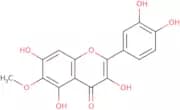
CAS :<p>Patuletin is a naturally occurring flavonoid, which is derived primarily from various plants. It is a type of polyphenolic compound that is widely recognized for its potential therapeutic properties. The source of Patuletin is mostly plant-based, where it is usually extracted from species in the Asteraceae family. The mode of action of Patuletin involves multiple biochemical interactions, including its potential to modulate oxidative stress and inflammation pathways. It acts by scavenging free radicals and may inhibit key enzymes linked to inflammation.</p>Formule :C16H12O8Degré de pureté :80%Couleur et forme :White PowderMasse moléculaire :332.26 g/molTheaflavin-3'-gallate (TF-3'-G)
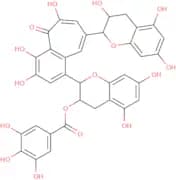
CAS :<p>Induces cell death in human prostate cancer by disrupting mitochondria function</p>Formule :C36H28O16Degré de pureté :Min. 95%Couleur et forme :Red PowderMasse moléculaire :716.6 g/mol5-Methoxyflavanone
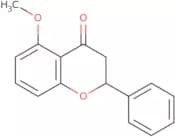
CAS :5-Methoxyflavanone is a synthetic flavonoid compound, which is derived from chemical modifications of naturally occurring flavonoids. These modifications often enhance bioavailability and activity compared to their natural counterparts. This compound functions primarily through its antioxidant activity, scavenging free radicals and reducing oxidative stress within biological systems. This mode of action is vital in cellular protection against damage caused by oxidative agents.Formule :C16H14O3Degré de pureté :Min. 95%Couleur et forme :White PowderMasse moléculaire :254.28 g/molTheaflavin
CAS :Theaflavin is a polyphenolic compound, which is derived from the oxidation of catechins in black tea leaves. This compound acts as an antioxidant by scavenging free radicals and reducing oxidative stress. Theaflavin modulates various signaling pathways, influencing cellular processes such as apoptosis and inflammation. Its antioxidant capabilities are attributed to its ability to donate electrons and stabilize radical species, thus protecting cellular components from damage.Formule :C29H24O12Degré de pureté :Min. 95%Couleur et forme :Red PowderMasse moléculaire :564.49 g/mol6-Hydroxy-5,7,4'-trimethoxyflavone
CAS :<p>6-Hydroxy-5,7,4'-trimethoxyflavone is a methoxylated flavone, which is a type of polyphenolic compound. It is derived from various natural sources, including certain plant species where flavonoids are abundant. This compound features distinct methoxy and hydroxyl groups that contribute to its biochemical activity.</p>Formule :C18H16O6Degré de pureté :Min. 95%Masse moléculaire :328.32 g/molSigmoidin C
CAS :Sigmoidin C is a naturally occurring alkaloid, which is derived from the roots of certain species within the genus Alstonia. This compound is notable for its complex chemical structure and its potential therapeutic effects, which stem from its plant-based origin. Sigmoidin C operates primarily through modulating neurotransmitter systems, where it influences synaptic transmission and neuronal excitability.Formule :C20H18O6Degré de pureté :Min. 95%Masse moléculaire :354.35 g/molIsorhamnetin-5-O-methyl ether-3-glucoside
CAS :<p>Isorhamnetin-5-O-methyl ether-3-glucoside is a flavonoid glycoside, which is a secondary metabolite typically found in various plant sources such as fruits, vegetables, and certain herbs. It is part of a larger class of compounds known as flavonoids, which are well-known for their diverse biological activities. The mode of action of Isorhamnetin-5-O-methyl ether-3-glucoside primarily involves its antioxidant properties, which allow it to neutralize free radicals and reduce oxidative stress.</p>Formule :C22H22O13Degré de pureté :Min. 95%Masse moléculaire :494.4 g/mol3’,4’-Dimethoxyflavanone
CAS :3’,4’-Dimethoxyflavanone is a flavonoid compound, which is a type of natural phenolic product derived from various plant sources. Its structure is characterized by a flavanone backbone with methoxy groups at the 3' and 4' positions on the B-ring. These structural features contribute to its bioactivity, allowing it to interact with various biological targets through mechanisms such as free radical scavenging, modulation of signaling pathways, and enzyme inhibition.Formule :C17H16O4Degré de pureté :Min. 95%Masse moléculaire :284.31 g/molLinarin
CAS :Linarin is a naturally occurring flavonoid compound, which is primarily extracted from plant sources such as the leaves of *Buddleja davidii* and *Mentha aquatica*. This flavonoid is notable for its biological activity, which is characterized by its interaction with various enzymes and receptors involved in cellular processes.Formule :C28H33O14Degré de pureté :Min. 95%Couleur et forme :PowderMasse moléculaire :593.55 g/mol2',7,8-Trihydroxyflavone
CAS :<p>2',7,8-Trihydroxyflavone is a flavonoid compound, which is naturally sourced from various plant species. It functions by acting as an agonist for the tropomyosin receptor kinase B (TrkB), a receptor for brain-derived neurotrophic factor (BDNF). This interaction modulates neurotrophic signaling pathways, promoting neuronal survival, differentiation, and synaptic plasticity.</p>Formule :C15H10O5Degré de pureté :90%Couleur et forme :PowderMasse moléculaire :270.24 g/mol