Flavonoïdes
Les flavonoïdes sont un groupe de métabolites végétaux dotés de propriétés antioxydantes qui contribuent à la couleur des fruits et des fleurs. Ils jouent un rôle important dans la protection des plantes contre les rayons UV et les pathogènes. Les flavonoïdes sont étudiés pour leurs potentiels bienfaits pour la santé, notamment des propriétés anti-inflammatoires, antivirales et anticancéreuses. Ils font l'objet de nombreuses recherches dans les domaines de la pharmacologie, de la nutrition et de la biologie moléculaire.
Sous-catégories appartenant à la catégorie "Flavonoïdes"
- Anthocyanidines(46 produits)
- Anthocyanine(46 produits)
- Catéchine(88 produits)
- Chalcones(237 produits)
- Pterocarpans(28 produits)
2404 produits trouvés pour "Flavonoïdes"
Trier par
Degré de pureté (%)
0
100
|
0
|
50
|
90
|
95
|
100
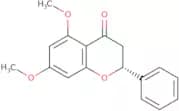
(2R)-5,7-Dimethoxyflavanone
CAS :<p>(2R)-5,7-Dimethoxyflavanone is a natural flavonoid, which is a type of polyphenolic compound. It is derived from various plant sources, commonly found in fruits, vegetables, and certain medicinal herbs. Its structure includes a flavanone backbone with methoxy groups at specific positions, which modulate its biological activity.</p>Formule :C17H16O4Degré de pureté :Min. 95%Masse moléculaire :284.31 g/mol5-Hydroxy-7,8,2'-trimethoxyflavone
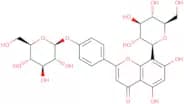
CAS :<p>5-Hydroxy-7,8,2'-trimethoxyflavone is a flavonoid compound, which is a type of polyphenolic molecule. Flavonoids are primarily derived from plants, where they function in various biological roles, including pigmentation, UV filtration, and symbiotic nitrogen fixation. The source of 5-Hydroxy-7,8,2'-trimethoxyflavone is often plants, particularly those known for their medicinal properties.</p>Formule :C18H16O6Degré de pureté :Min. 95%Couleur et forme :PowderMasse moléculaire :328.32 g/molVitexin 4'-glucoside
CAS :<p>Vitexin 4'-glucoside is a natural flavonoid glycoside, which is a type of secondary metabolite found in plants. It is derived from various plant sources, particularly in the leaves, stems, and seeds of certain medicinal plants, where it plays roles in plant defense mechanisms and stress responses. As a flavonoid, its mode of action primarily involves antioxidant activity, scavenging free radicals, and modulating oxidative stress. This is significant in the interaction with cellular signaling pathways and enzyme inhibition.</p>Degré de pureté :Min. 95%Podocarpus flavanone
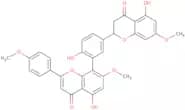
CAS :<p>Podocarpus flavanone is a naturally occurring flavonoid derivative, which is sourced from the Podocarpus genus, a group of coniferous trees native to the Southern Hemisphere. The compound is characterized by its polyphenolic structure, contributing to its ability to engage in a range of biochemical interactions. Its mode of action primarily involves the inhibition of microbial growth through disruption of microbial cell membranes and interference with key enzymatic pathways necessary for cell survival.</p>Formule :C33H26O10Degré de pureté :Min. 95%Masse moléculaire :582.6 g/molLicoisoflavanone
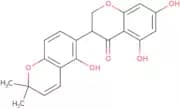
CAS :<p>Licoisoflavanone is a naturally occurring flavonoid compound, which is derived from the roots of plants such as Glycyrrhiza glabra, commonly known as licorice. This phytochemical is primarily obtained through extraction and isolation from licorice roots, where it is present as part of a complex mixture of bioactive compounds. The mode of action of licoisoflavanone involves its ability to interact with various biological pathways, including inhibitory effects on bacterial cell wall synthesis and disruption of microbial cellular functions, as well as scavenging free radicals to exert antioxidant effects.</p>Formule :C20H18O6Degré de pureté :Min. 95%Masse moléculaire :354.4 g/mol3,5,7,2',6'-Pentahydroxyflavanone
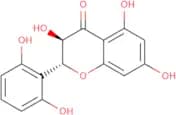
CAS :<p>3,5,7,2',6'-Pentahydroxyflavanone is a flavonoid derivative, which is a type of polyphenolic compound known for its potential health benefits. Typically sourced from various plants, flavonoids like 3,5,7,2',6'-Pentahydroxyflavanone are abundant in fruits, vegetables, and certain medicinal herbs. The mode of action of this compound primarily involves its ability to exert antioxidant and anti-inflammatory effects. It achieves this by scavenging free radicals and modulating pathways associated with oxidative stress and inflammation.</p>Formule :C15H12O7Degré de pureté :Min. 95%Masse moléculaire :304.25 g/mol2',7-Dihydroxy-5,8-dimethoxyflavanone
CAS :<p>2',7-Dihydroxy-5,8-dimethoxyflavanone is a natural flavanone, which is a type of polyphenolic compound. It is derived from various plant sources where flavonoids are commonly found, such as fruits, vegetables, and certain herbs. This particular flavanone exhibits a unique chemical structure characterized by dihydroxy and dimethoxy functional groups, which contribute to its biological activity.</p>Formule :C17H16O6Degré de pureté :Min. 95%Masse moléculaire :316.30 g/mol6-Methoxykaempferol 3-O-rutinoside
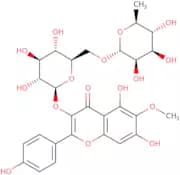
CAS :<p>6-Methoxykaempferol 3-O-rutinoside is a flavonoid glucoside, which is derived from various plants, particularly those belonging to the Leguminosae family. This compound is of significant interest due to its potential biological activities and natural occurrence. The mode of action of 6-Methoxykaempferol 3-O-rutinoside primarily involves its antioxidant properties, which may help in neutralizing free radicals and reducing oxidative stress in biological systems.</p>Degré de pureté :Min. 95%Protogenkwanin 4'-glucoside
CAS :<p>Protogenkwanin 4'-glucoside is a flavonoid glucoside, which is a naturally occurring compound derived from various plant sources, particularly known to be present in certain medicinal herbs used in traditional medicine. As a flavonoid glucoside, it interacts with biological systems primarily through its antioxidant properties, which help in scavenging free radicals and reducing oxidative stress. This mode of action is crucial in mitigating cell damage and inflammation.</p>Formule :C22H24O11Degré de pureté :Min. 95%Masse moléculaire :464.42 g/molParvisoflavanone
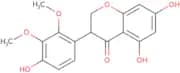
CAS :<p>Parvisoflavanone is a naturally occurring flavanone, which is a type of plant-derived polyphenolic compound. It is sourced from various botanical origins, particularly within certain species of the plant kingdom known for their traditional medicinal uses. The mode of action of Parvisoflavanone involves its interaction with biological pathways that are implicated in antioxidative stress responses and anti-inflammatory mechanisms. It may act as a regulator of cellular signaling processes, thereby influencing cell proliferation and apoptosis.</p>Formule :C17H16O7Degré de pureté :Min. 95%Masse moléculaire :332.3 g/molR-Equol
CAS :<p>R-Equol is a chiral compound classified as an isoflavandiol, which is a type of non-steroidal estrogen. It is derived from the metabolic conversion of daidzein, an isoflavone predominantly found in soy products, by intestinal microbiota in some individuals. The presence of equol-producing bacteria is necessary for this biotransformation process.</p>Degré de pureté :Min. 95%Genistein 7,4'-di-O-glucoside
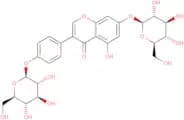
CAS :<p>Genistein 7,4'-di-O-glucoside is a naturally occurring isoflavone glucoside, which is derived from plant sources such as soybeans and other legumes. As an isoflavone, it belongs to a class of phytoestrogens, compounds that are structurally similar to estrogens but are derived from plants. The mode of action of Genistein 7,4'-di-O-glucoside primarily involves its ability to interact with estrogen receptors in the body, exhibiting both estrogenic and anti-estrogenic effects depending on the physiological context. This interaction can modulate various signaling pathways, potentially impacting cellular growth, apoptosis, and differentiation.</p>Formule :C27H30O15Degré de pureté :Min. 95%Masse moléculaire :594.52 g/mol4'-Hydroxywogonin
CAS :<p>4'-Hydroxywogonin is a bioactive flavonoid, which is derived primarily from the roots of the plant *Scutellaria baicalensis*. This compound is a naturally occurring flavone, a subclass of flavonoids, known for its potential therapeutic properties. The mode of action of 4'-Hydroxywogonin involves its ability to modulate various cellular signaling pathways. It is particularly noted for its anti-inflammatory and antioxidant effects, which are mediated through the inhibition of pro-inflammatory cytokines and the scavenging of free radicals, respectively.</p>Formule :C16H12O6Degré de pureté :Min. 95%Couleur et forme :SolidMasse moléculaire :300.26 g/molLeucoside
CAS :<p>Leucoside is a biochemical compound, which is derived from activated human leucocytes. This product is obtained through a meticulous extraction process that isolates specific bioactive molecules. Its mode of action involves the modulation of immune responses, potentially by influencing cytokine signaling pathways. Leucoside interacts with immune cells, potentially enhancing or dampening specific activities to achieve desired immunomodulatory effects.</p>Degré de pureté :Min. 95%Milldurone
CAS :<p>Please enquire for more information about Milldurone including the price, delivery time and more detailed product information at the technical inquiry form on this page</p>Formule :C19H16O7Degré de pureté :Min. 95%Couleur et forme :PowderMasse moléculaire :356.33 g/mol(-)-Epiafzelechin
CAS :<p>(-)-Epiafzelechin is a flavan-3-ol compound, which is a type of flavonoid. It is derived primarily from plant sources, including various tea leaves and cocoa. The compound is known for its potent antioxidant properties, which act by neutralizing free radicals and thereby reducing oxidative stress within biological systems. This action helps in maintaining cellular integrity and function, which is crucial in preventing various oxidative damage-related diseases.</p>Formule :C15H14O5Degré de pureté :Min. 95%Couleur et forme :PowderMasse moléculaire :274.27 g/molSophoraflavanone C
CAS :<p>Sophoraflavanone C is a flavonoid compound, which is derived from the root of the Sophora flavescens plant. This natural product is categorized as a prenylated flavonoid, a group known for diverse biological activities. Sophoraflavanone C exerts its effects through multiple modes of action, including the inhibition of microbial growth and anti-inflammatory pathways. Its antimicrobial properties are attributed to the disruption of bacterial cell walls and inhibition of critical microbial enzymes. Additionally, its anti-inflammatory effects are mediated by the suppression of pro-inflammatory cytokines and inhibition of key signaling pathways such as NF-kB.</p>Formule :C25H28O6Degré de pureté :Min. 95%Masse moléculaire :424.50 g/mol7,4'-Dibenzyl daidzein
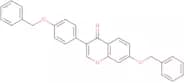
CAS :<p>7,4'-Dibenzyl daidzein is a synthetic isoflavonoid, derived from the modification of natural isoflavones commonly found in soy products. These isoflavones are known for their estrogenic activity and potential therapeutic benefits. The source of inspiration for this compound lies in natural phytoestrogens, which exhibit significant interaction with human estrogen receptors. This synthetic analog is designed to enhance specific bioactivities beyond those of its natural counterparts.</p>Formule :C29H22O4Degré de pureté :Min. 95%Masse moléculaire :434.48 g/mol6-Methoxy-3,5,7,4'-tetrahydroxyflavone
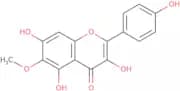
CAS :<p>6-Methoxy-3,5,7,4'-tetrahydroxyflavone is a natural flavonoid derivative, which is primarily sourced from various plants known for their high polyphenolic content. It plays a significant role in the plant's defense mechanism due to its ability to scavenge free radicals and protect against oxidative stress. This compound exerts its mode of action through its potent antioxidant and anti-inflammatory capabilities, primarily by modulating signaling pathways and inhibiting the activity of enzymes involved in inflammation.</p>Formule :C16H12O7Degré de pureté :Min. 95%Masse moléculaire :316.26 g/molQuercetin 3-O-rutinoside-7-O-glucoside
CAS :<p>Quercetin 3-O-rutinoside-7-O-glucoside is a flavonoid derivative, which is a specialized plant metabolite known for its diverse bioactive properties. Extracted primarily from plant sources, this compound is a glycoside derivative of quercetin, a well-known flavonoid found abundantly in fruits and vegetables. The specific glycosylation at the 3-O-rutinoside and 7-O-glucoside positions enhances its solubility and bioavailability compared to its aglycone form.</p>Formule :C33H40O21Degré de pureté :Min. 95%Masse moléculaire :772.66 g/mol7,4'-Dihydroxyhomoisoflavanone
CAS :Produit contrôlé<p>7,4'-Dihydroxyhomoisoflavanone is a naturally occurring compound, classified as a homoisoflavanone, which is a type of polyphenolic compound. It is primarily sourced from plants, specifically found in certain species of the Fabaceae family. The compound is characterized by its unique structural configuration, which contributes to its bioactivity.</p>Formule :C16H14O4Degré de pureté :Min. 95%Masse moléculaire :270.28 g/mol2'-Methoxyflavone
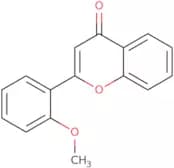
CAS :<p>Enhances TRAIL-induced apoptosis in MOLT-4- cells</p>Formule :C16H12O3Degré de pureté :Min. 95%Couleur et forme :White PowderMasse moléculaire :252.26 g/molR,S equol 4'-sulfate sodium salt
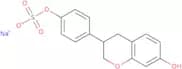
CAS :<p>R,S equol 4'-sulfate sodium salt is a synthetic derivative of equol, which is a type of flavonoid metabolite. This compound is primarily sourced from the biotransformation of the isoflavone daidzein through gut microbiota activity. As a sulfate salt, it is more soluble in aqueous environments, which may facilitate its use in various biological contexts.</p>Formule :C15H13NaO6SDegré de pureté :Min. 95%Masse moléculaire :344.32 g/molSteppogenin
CAS :<p>Steppogenin is a metabolic modulator, which is derived from natural plant sources known for their enzymatic properties. Its mode of action involves the induction of cytochrome P450 enzymes, facilitating various oxidative reactions within biological systems. As an enzyme inducer, Steppogenin modulates metabolic pathways, making it invaluable for the study of drug metabolism and pharmacokinetics.</p>Formule :C15H12O6Degré de pureté :Min. 95%Masse moléculaire :288.25 g/molKaempferol-3-rhamnoglucoside-7-glucoside
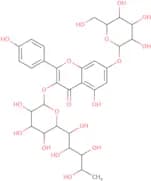
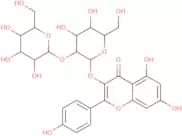
CAS :<p>Kaempferol-3-rhamnoglucoside-7-glucoside is a flavonoid glycoside, which is a type of bioactive compound. It is commonly derived from plant sources such as certain fruits, vegetables, and herbs, where it occurs naturally as part of the plant’s secondary metabolites. This compound is structurally characterized by its glycosidic linkages, where sugar moieties such as rhamnose and glucose are attached to the kaempferol backbone.</p>Formule :C33H40O20Degré de pureté :Min. 95%Masse moléculaire :756.66 g/molEuchrestaflavanone A
CAS :<p>Euchrestaflavanone A is a naturally occurring flavanone, which is a type of polyphenolic compound. It is sourced from plants, specifically derived from the roots of Euchresta formosana, a species used traditionally in herbal medicine. The mode of action of Euchrestaflavanone A involves its interaction with various molecular pathways, influencing antioxidant activity and modulating enzyme function. It exhibits bioactive properties, including anti-inflammatory, antioxidant, and potential anticancer effects.</p>Formule :C25H28O5Degré de pureté :Min. 95%Masse moléculaire :408.50 g/molVitexin-2''-xyloside
CAS :Vitexin-2''-xyloside is a bioactive flavonoid glycoside, which is derived from various plant sources such as Hawthorn and Passiflora species. This compound is part of a class of natural products known for their significant pharmacological activities. The mode of action primarily involves antioxidative mechanisms, where it mitigates oxidative stress by scavenging free radicals and modulating antioxidant enzyme activity. Additionally, it exhibits anti-inflammatory effects through the inhibition of pro-inflammatory cytokines and pathways.Formule :C26H28O14Degré de pureté :Min. 95%Masse moléculaire :564.49 g/molLimocitrin
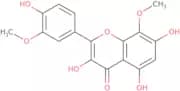
CAS :<p>Limocitrin is a flavonoid compound, which is a naturally occurring plant secondary metabolite. Flavonoids are widely distributed in the plant kingdom and are known for their diverse biological activities. Limocitrin, specifically, has been isolated from various plant sources, including certain fruits and flowers. Its mode of action involves interacting with cellular signaling pathways, affecting processes such as oxidative stress response and gene expression regulation.</p>Degré de pureté :Min. 95%Maackiaflavanone
CAS :<p>Maackiaflavanone is a specialized flavanone, which is a type of natural compound. It is derived from the Maackia plant species, particularly found in temperate regions and known for its rich phytochemical profile. The flavanone exhibits its activity primarily through its interaction with cellular pathways associated with oxidative stress and inflammation, modulating various biochemical signals that can influence cell behavior.</p>Formule :C26H30O6Degré de pureté :Min. 95%Masse moléculaire :438.50 g/molLupinalbin B
CAS :<p>Lupinalbin B is a bioactive compound, specifically classified as an alkaloid, which is derived from the seeds of the Lupinus plant species. These plants, commonly known as lupins, are a part of the legume family and are cultivated primarily for their seeds that contain high protein content. The presence of alkaloids like Lupinalbin B in lupin seeds is a result of the plant's secondary metabolism, which serves various ecological functions, including defense against herbivores.</p>Formule :C20H16O6Degré de pureté :(%) Min. 95%Couleur et forme :PowderMasse moléculaire :352.34 g/mol5-Hydroxy-7,8-dimethoxyflavone
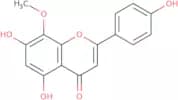
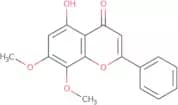
CAS :<p>5-Hydroxy-7,8-dimethoxyflavone is a naturally occurring flavonoid compound, which is typically isolated from plant sources, most notably citrus fruits. The compound functions primarily as a modulator of various biological pathways through its interaction with enzyme systems and receptor sites. This includes the modulation of signaling pathways involved in inflammation, oxidative stress, and cellular apoptosis.</p>Formule :C17H14O5Degré de pureté :Min. 95%Masse moléculaire :298.29 g/mol5,6,7,2'-Tetrahydroxyflavone
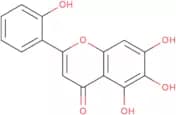
CAS :<p>5,6,7,2'-Tetrahydroxyflavone is a naturally occurring flavonoid, which is commonly found in various plants. As a bioactive compound, it is typically derived from the leaves, stems, or fruits of these plants, where it plays a crucial role in plant defense. The mode of action of 5,6,7,2'-Tetrahydroxyflavone is primarily through its potent antioxidant activity. It scavenges free radicals and reduces oxidative stress, thereby contributing to cellular protection and stability.</p>Formule :C15H10O6Degré de pureté :Min. 95%Masse moléculaire :286.24 g/molOsajin
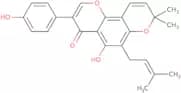
CAS :<p>Osajin is a natural flavonoid compound, which is derived from the fruit of Maclura pomifera, also known as the Osage orange. This compound is characterized by its distinctive isoflavone structure, which is central to its biological activity. The mode of action of Osajin involves modulation of various biochemical pathways, predominantly exhibiting antioxidant properties. It acts by scavenging free radicals and enhancing cellular defense mechanisms against oxidative stress, thereby contributing to its potential therapeutic efficacy.</p>Formule :C25H24O5Degré de pureté :Min. 95%Couleur et forme :PowderMasse moléculaire :404.46 g/molEuropetin
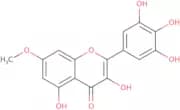
CAS :<p>Europetin is a flavonoid, a type of naturally occurring compound, which is derived from various plant sources. The compound functions as an anti-inflammatory agent by modulating signaling pathways involved in inflammatory responses, such as the NF-kB pathway. Its efficacy in reducing inflammatory mediators makes it a subject of interest for exploring therapeutic interventions.</p>Formule :C16H12O8Degré de pureté :Min. 95%Masse moléculaire :332.26 g/molPinobanksin acetate
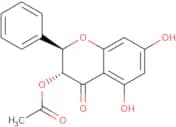
CAS :<p>Pinobanksin acetate is a flavonoid compound, which is naturally sourced from bee propolis. Propolis, a resinous substance collected by bees from tree buds, is renowned for its complex chemical composition integrated from various botanical sources. Pinobanksin acetate is one of the active polyphenolic constituents identified within propolis, exhibiting intriguing bioactive properties.</p>Formule :C17H14O6Degré de pureté :Min. 95%Masse moléculaire :314.29 g/molFarnisin
CAS :<p>Please enquire for more information about Farnisin including the price, delivery time and more detailed product information at the technical inquiry form on this page</p>Formule :C16H12O5Degré de pureté :Min. 95%Masse moléculaire :284.26 g/molGlyasperin C - Glycyrrhiza uralensis (liquorice)
CAS :<p>Glyasperin C is a bioactive compound derived from Glycyrrhiza uralensis, commonly known as liquorice. This product is a phytochemical isolated from the roots of the liquorice plant, a member of the Fabaceae family. Glycyrrhiza uralensis has been traditionally utilized in various medicinal practices, primarily due to its diverse range of biologically active constituents.</p>Formule :C21H24O5Degré de pureté :Min. 95%Masse moléculaire :356.41 g/molPlantanone B
CAS :<p>Plantanone B is a naturally-derived compound, which is an anti-inflammatory agent sourced from the Plantago species. It is known for its distinct bioactive properties attributed to its unique phytochemical structure. The compound primarily functions by modulating inflammatory pathways, specifically targeting the downregulation of pro-inflammatory cytokines and inhibiting the production of reactive oxygen species. This mode of action underscores its potential in addressing inflammation-associated cellular processes.</p>Formule :C33H40O20Degré de pureté :Min. 95%Masse moléculaire :756.66 g/molBiochanin A-7-O-glucoside
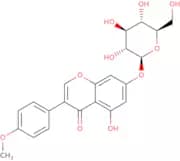
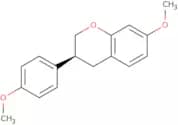
CAS :<p>Biochanin A-7-O-glucoside is a naturally occurring isoflavone glucoside, which is derived from various plants, particularly red clover and soy. It is a secondary metabolite, commonly found in legumes and other related species. The mode of action of Biochanin A-7-O-glucoside involves its structural ability to act as an antioxidant, scavenging free radicals and mitigating oxidative stress. This biochemical property allows it to influence various molecular pathways related to cell signaling and gene expression.</p>Formule :C22H22O10Degré de pureté :Min. 95%Couleur et forme :SolidMasse moléculaire :446.4 g/mol(S)-4',7-Dimethyl equol
CAS :<p>(S)-4',7-Dimethyl equol is an isoflavandiol, which is a metabolite of the soy isoflavone daidzein. It is produced in the human gut by bacterial metabolism, provided the individual has the appropriate intestinal microbiota capable of this transformation. The compound exhibits estrogenic activity, primarily due to its structural similarity to the endogenous hormone 17β-estradiol, allowing it to bind to estrogen receptors.</p>Formule :C17H18O3Degré de pureté :Min. 95%Masse moléculaire :270.32 g/molRhusflavanone
CAS :<p>Rhusflavanone is a flavanone compound, which is a type of polyphenolic molecule found in certain medicinal plants. It is derived primarily from the Rhus genus, known for its rich content of bioactive compounds. The mode of action of Rhusflavanone involves the modulation of inflammatory pathways, as it exhibits inhibition of pro-inflammatory enzymes such as cyclooxygenase (COX) and lipoxygenase (LOX). Additionally, it shows potential in scavenging free radicals, contributing to its antioxidant capabilities.</p>Formule :C30H22O10Degré de pureté :Min. 95%Masse moléculaire :542.5 g/mol5-Hydroxy-7,8-dimethoxy (2R)-flavanone-5-o-β-D-glucopyranoside
CAS :<p>5-Hydroxy-7,8-dimethoxy (2R)-flavanone-5-o-beta-D-glucopyranoside is a flavanone glycoside, which is a type of naturally occurring polyphenolic compound. This compound is typically derived from various plant sources, particularly those used in traditional medicine.</p>Formule :C23H26O10Degré de pureté :Min. 95%Masse moléculaire :462.40 g/molPodospicatin
CAS :<p>Podospicatin is a type of natural compound, which is derived from fungal sources. This unique compound is isolated from specific fungal species known for their ability to produce bioactive secondary metabolites. Podospicatin is characterized by its distinctive molecular structure, which contributes to its potential bioactivity.</p>Formule :C17H14O7Degré de pureté :Min. 95%Couleur et forme :PowderMasse moléculaire :330.29 g/molPanasenoside
CAS :<p>Please enquire for more information about Panasenoside including the price, delivery time and more detailed product information at the technical inquiry form on this page</p>Formule :C27H30O16Degré de pureté :Min. 95%Masse moléculaire :610.5 g/molDatiscin
CAS :<p>Datiscin is a flavonoid glycoside, which is a type of naturally occurring compound found in plants. It is derived from various botanical sources, notably within the Datisca genus. These compounds are characterized by a flavonoid core structure bonded to sugar moieties. The mode of action of Datiscin primarily involves its interaction with free radicals and reactive oxygen species, suggesting potential antioxidative properties. This mechanism can help mitigate oxidative stress within biological systems.</p>Formule :C27H30O15Degré de pureté :Min. 95%Masse moléculaire :594.52 g/molCinnamtannin B-1
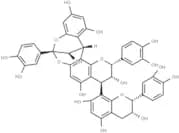
CAS :Cinnamtannin B-1 (LDN 0022358) is an A-type proanthocyanidin contained in several plant species such as Vaccinium vitis-idaea, Laurus nobilis L., CinnamomumFormule :C45H36O18Degré de pureté :99.72%Couleur et forme :SolidMasse moléculaire :864.76Naringenin-7-rutinoside
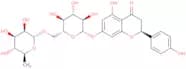
CAS :<p>Naringenin-7-rutinoside is a flavonoid glycoside, which is naturally sourced from citrus fruits, such as grapefruits and oranges. This compound is characterized by its unique molecular structure where the flavonoid naringenin is bound to the disaccharide rutinose. The mode of action of naringenin-7-rutinoside primarily involves its antioxidant properties, which allow it to scavenge free radicals and reduce oxidative stress in biological systems.</p>Formule :C27H32O14Degré de pureté :Min. 98 Area-%Couleur et forme :White PowderMasse moléculaire :580.53 g/molQuercetin-7-O-β-D-glucopyranoside
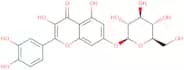
CAS :<p>Quercetin-7-O-β-D-glucopyranoside is a flavonoid glycoside, which is a specialized type of bioactive compound found predominantly in various plants. Structurally, it constitutes quercetin—a well-known flavonoid—conjugated with a glucose molecule, specifically at the 7th position of the quercetin structure. This compound is primarily sourced from fruits, vegetables, and various herbs.</p>Formule :C21H20O12Degré de pureté :Min. 95%Couleur et forme :Yellow PowderMasse moléculaire :464.38 g/molJamaicin
CAS :Jamaicin (AnCoA4), an isoflavone derived from the chickweed plant, is an inhibitor of the STIM1-Orai1 channel that blocks calcium ion influx.Formule :C22H18O6Degré de pureté :99.32%Couleur et forme :SolidMasse moléculaire :378.37Iridin
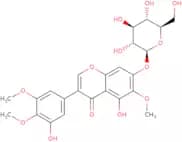
CAS :<p>Iridin is an isoflavone glycoside derived primarily from the rhizomes of certain species of the Iris plant. As a phytochemical compound, its source is botanical, particularly extracted from Iris versicolor, known commonly as the Blue Flag plant. The mode of action for Iridin involves its role as a glycoside compound, which influences various biochemical pathways in the body. Glycosides like Iridin are known for their potential to modulate enzyme activities, interact with cellular signals, and participate in the process of detoxification within the liver.</p>Formule :C24H26O13Degré de pureté :Min. 98 Area-%Couleur et forme :Off-White Yellow PowderMasse moléculaire :522.46 g/mol