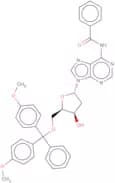
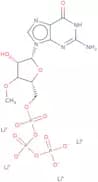
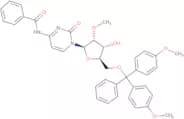
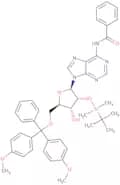
Nucléotides
Sous-catégories appartenant à la catégorie "Nucléotides"
2637 produits trouvés pour "Nucléotides"
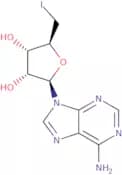
5'-Deoxy-5'-iodoadenosine
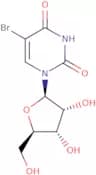
CAS :5'-Deoxy-5'-iodoadenosine is a nucleoside analog that inhibits the activity of the adenosine receptor. This drug binds to adenosine receptors, which are found on the surface of cells. The binding results in an inhibitory effect on viral replication and cell proliferation. 5'-Deoxy-5'-iodoadenosine has been shown to be effective against hepatitis B virus, hepatitis C virus, and human T-cell leukemia virus type 1 (HTLV-1). It is also active against animal models of human diseases such as l1210 murine leukemia and t-cell leukemia. 5'-Deoxy-5'-iodoadenosine has been shown to inhibit the growth of hl-60 cells in cell culture by blocking the synthesis of adenylate cyclase and protein kinase A.Formule :C10H12IN5O3Degré de pureté :Min. 95%Couleur et forme :PowderMasse moléculaire :377.14 g/mol5-Bromouridine
CAS :5-Bromouridine is an energy-related metabolite that is a precursor of uridine. It is a nucleotide base that is incorporated into DNA during DNA replication. 5-Bromouridine has been shown to have radiation resistance and high resistance to viral life. It also binds to the nuclear DNA in cells, where it can act as a transcriptional regulator. 5-Bromouridine is used in the treatment of malignant brain tumors, where it can inhibit tumor growth by binding to the dna of cancer cells and preventing the synthesis of proteins required for cell division. 5-Bromouridine binds with high affinity to basic fibroblast, which may be related to its effects on cancer cells.Formule :C9H11BrN2O6Degré de pureté :Min. 95%Couleur et forme :White PowderMasse moléculaire :323.1 g/mol8-Bromoguanosine 3',5'-cyclic monophosphate sodium salt
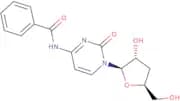
CAS :Activator of cGMP-dependent protein kinasesFormule :C10H10BrN5NaO7PDegré de pureté :Min. 95%Couleur et forme :PowderMasse moléculaire :446.08 g/molN4-Benzoyl-3'-deoxycytidine
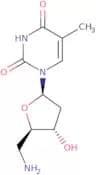
CAS :N4-Benzoyl-3'-deoxycytidine is a novel antiviral agent that has shown activity against DNA and RNA viruses. It is an activator of DNA polymerase, which is essential for replication of viral nucleic acids. The compound is a modified nucleoside with a benzoyl group at the 4' position of the ribose moiety. It also has phosphoramidite, monophosphate, and diphosphate analogues. N4-Benzoyl-3'-deoxycytidine binds to the enzyme DNA polymerase, thereby inhibiting its ability to synthesize deoxyribonucleotides from ribonucleotides. This results in inhibition of viral DNA synthesis and subsequent inhibition of viral replication.Formule :C16H17N3O5Degré de pureté :Min. 95%Couleur et forme :White To Off-White SolidMasse moléculaire :331.32 g/mol5'-Amino-5'-deoxythymidine
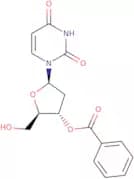
CAS :5'-Amino-5'-deoxythymidine is a nucleoside that is structurally related to thymidine. It has been shown to be a substrate for fatty acid synthase, which is a key enzyme in the synthesis of membrane lipids. 5'-Amino-5'-deoxythymidine has been shown to induce tumorigenesis in mouse bladder carcinoma cells. This compound also does not form stable complexes with DNA duplexes and can inhibit uptake of thymidylate into cells by competitive inhibition. 5'-Amino-5'-deoxythymidine binds to the cell surface and acts as an antibody response modifier.Formule :C10H15N3O4Degré de pureté :Min. 98 Area-%Couleur et forme :White Off-White PowderMasse moléculaire :241.24 g/mol3'-O-Benzoyl-2'-deoxyuridine
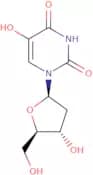
CAS :3'-O-Benzoyl-2'-deoxyuridine is a synthetic nucleoside that is used in the synthesis of DNA and RNA. 3'-O-Benzoyl-2'-deoxyuridine is also an antiviral agent that has shown efficacy against HIV, HSV, and influenza virus. 3'-O-Benzoyl-2'-deoxyuridine is a phosphoramidite monophosphate that can be used as a building block for DNA or RNA synthesis. It is also a diphosphate that can be used to synthesize modified nucleosides. This product has novel properties and high purity, making it suitable for research purposes.Formule :C16H16N2O6Degré de pureté :Min. 95%Couleur et forme :PowderMasse moléculaire :332.31 g/mol2'-Deoxy-5-hydroxyuridine
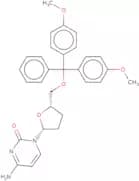
CAS :2'-Deoxy-5-hydroxyuridine is a hydrated form of uracil that is used in the synthesis of nucleic acids. It is also a substrate for DNA polymerases and has been shown to inhibit the replication of herpes simplex virus. 2'-Deoxy-5-hydroxyuridine has been shown to have biological properties, such as inhibition of radiation-induced transformation, inhibition of cancer cell growth, and antiviral activity. The mechanism by which 2'-deoxy-5-hydroxyuridine inhibits the replication of herpes simplex virus is unclear but may be due to its ability to inhibit cellular metabolism.Formule :C9H12N2O6Degré de pureté :Min. 95 Area-%Couleur et forme :White PowderMasse moléculaire :244.21 g/mol2',3'-Dideoxy-5'-O-DMT-cytidine
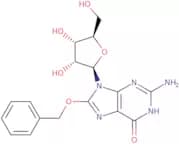
CAS :2',3'-Dideoxy-5'-O-DMT-cytidine is a chemically modified cytidine nucleoside which can be used in synthetic chemistry, especially in nucleic acid synthesis. A dimethoxytrityl (DMT) protecting group is attached to the 5'-oxygen of the sugar. This is not biologically active, but it’s commonly used in solid-phase oligonucleotide synthesis to protect the 5' end during step-by-step DNA or RNA construction.Formule :C30H31N3O5Degré de pureté :Min. 95%Couleur et forme :PowderMasse moléculaire :513.6 g/mol8-(Benzyloxy)guanosine
CAS :8-(Benzyloxy)guanosine is a novel nucleoside analog that is an activator of ribonucleotide reductase. It has been shown to inhibit the proliferation of cancer cells in vitro and in vivo, as well as inhibit the production of diphosphate from ATP. This compound also has antiviral activity against herpes simplex virus type 1 (HSV-1) and human immunodeficiency virus type 1 (HIV-1). 8-(Benzyloxy)guanosine is synthesized by reacting the 8-hydroxy group on guanosine with benzaldehyde, followed by phosphorylation with diphosphate. This compound has CAS No. 3868-36-8 and can be used for research purposes only.Formule :C17H19N5O6Degré de pureté :Min. 95 Area-%Couleur et forme :White To Off-White SolidMasse moléculaire :389.36 g/molAdenosine 5'-monophosphate disodium salt
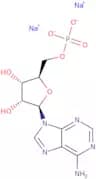
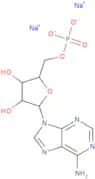
CAS :Adenosine 5'-monophosphate disodium salt (AMP-Na2) is a chemical compound that has been used in the study of metabolic disorders. It belongs to the class of ethylene diamines and has been shown to increase the glomerular filtration rate. Ammonium adenosine 5'-monophosphate disodium salt has also been shown to increase the activity of glutamate decarboxylase, which converts glutamate into GABA, an inhibitory neurotransmitter. The neutral pH optimum for AMP-Na2 is 6.5-7.5, which may be due to its lysine residues. AMP-Na2 has a carbonyl group that can be oxidized by reactive oxygen species and cause oxidative injury to cells in vivo and in vitro. This damage was found mainly in microglia cells, which are responsible for removing dead or damaged neurons from the central nervous system (CNS). AMP-Na2 also activates adFormule :C10H12N5Na2O7PDegré de pureté :Min. 98 Area-%Couleur et forme :PowderMasse moléculaire :391.19 g/molInosine 5'-triphosphate disodium
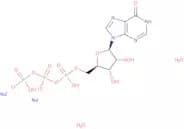
CAS :Inosine 5'-triphosphate disodium salt is a phosphoramidite that can be used as an activator for DNA synthesis. It also has antiviral and anticancer properties. Inosine 5'-triphosphate disodium salt is used in the synthesis of deoxyribonucleosides and other nucleotides.Formule :C10H13N4O14P3•Na2Degré de pureté :Min. 95%Couleur et forme :PowderMasse moléculaire :552.13 g/molStavudine
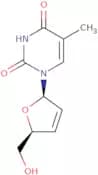
CAS :Anti-viral; reverse transcriptase inhibitorFormule :C10H12N2O4Degré de pureté :Min. 95%Couleur et forme :White PowderMasse moléculaire :224.22 g/mol2'-Deoxyuridine-5'-triphosphate trisodium
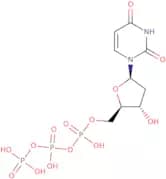
CAS :2'-Deoxyuridine-5'-triphosphate trisodium salt is a fluorophore that is excited by the absorption of light at wavelengths of 365 nm. The emission spectrum ranges from 380 to 500 nm and has a maximum at 480 nm. 2'-Deoxyuridine-5'-triphosphate trisodium salt can be used as a labeling agent for metal ion, molecule, or macrocyclic ligand. It can also be used as an acceptor in fluorescence energy transfer experiments.Formule :C9H15N2O14P3•Na3Degré de pureté :Min. 95%Couleur et forme :PowderMasse moléculaire :537.11 g/mol5,6-Dihydro-5-azacytidine acetate
5,6-Dihydro-5-azacytidine acetate is a monophosphate nucleoside that is used in the synthesis of DNA and RNA. It is an antiviral agent that inhibits the synthesis of DNA by preventing the conversion of deoxyribonucleotides to diphosphates. 5,6-Dihydro-5-azacytidine acetate has been found to have anticancer properties and is used in cancer treatment. This chemical also has a high purity and quality, making it a suitable reagent for use in phosphoramidite coupling reactions for oligonucleotide synthesis. 5,6-Dihydro-5-azacytidine acetate has been shown to be active against a variety of human tumor cell lines, including leukemia cells.Formule :C10H17N4O7Degré de pureté :Min. 95%Couleur et forme :White PowderMasse moléculaire :305.26 g/molN4-Acetyl-2'-deoxycytidine
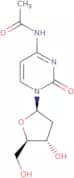
CAS :N4-Acetyl-2'-deoxycytidine is a nucleoside analogue that acts as an inhibitor of DNA synthesis. It binds to the active site of the enzyme ribonucleotide reductase, blocking the conversion of ribonucleotides to deoxyribonucleotides. This prevents DNA synthesis and replication, which leads to cell death. N4-Acetyl-2'-deoxycytidine has been shown to be more efficient than other analogues in terms of energy efficiency, control levels, and constant linear model. This compound is reactive and can cause low yields when isolated from solutions with high concentrations. A diode can be used for analytical purposes, while calcium binding may be used as a mathematical model in order to analyze this drug.Formule :C11H15N3O5Degré de pureté :Min. 98 Area-%Couleur et forme :PowderMasse moléculaire :269.25 g/mol3-Deazaadenosine
CAS :A potential role in apoptosis and cellular senescence.Formule :C11H14N4O4Degré de pureté :Min. 99 Area-%Couleur et forme :PowderMasse moléculaire :266.26 g/mol7-Deaza-2'-deoxy-7-iodoadenosine
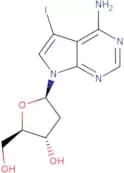
CAS :7-Deaza-2'-deoxy-7-iodoadenosine is an oligomer with a stabilized backbone that has been shown to inhibit the growth of bacteria in vitro. It binds to DNA and prevents RNA synthesis. 7-Deaza-2'-deoxy-7-iodoadenosine is a synthetic nucleotide analogue that is used as a probe for mapping RNA sequences and as an inhibitor of bacterial growth. This compound is also used in the synthesis of oligodeoxynucleotides because it has a high affinity for guanine residues, which can be incorporated into the oligonucleotide chain by chemical ligation. The octameric form of 7-deaza-2'-deoxyadenosine is most active against bacterial cells.
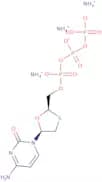
Formule :C11H13IN4O3Degré de pureté :Min. 98 Area-%Couleur et forme :White Off-White PowderMasse moléculaire :376.16 g/molLamivudine 5'-triphosphate triethylammonium salt (Ethanol solution)
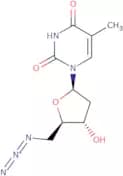
CAS :Sold by weight of nucleoside as solution in ethanol.Formule :C20H46N5O12P3SDegré de pureté :Min. 95%Couleur et forme :Clear LiquidMasse moléculaire :673.59 g/mol5'-Azido-5'-deoxythymidine
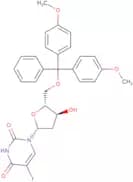
CAS :5'-Azido-5'-deoxythymidine is a synthetic analogue of thymidine. The compound has been synthesised and fluorescently labelled with ferrocene. 5'-Azido-5'-deoxythymidine is not cytotoxic to cancer cells, but it is shown to be an effective inhibitor of DNA synthesis by binding to the enzyme DNA polymerase. This causes a decrease in the rate of DNA synthesis and thus inhibits cancer cell growth.Formule :C10H13N5O4Degré de pureté :Min. 95%Couleur et forme :White PowderMasse moléculaire :267.24 g/mol2'-Deoxy-5'-O-DMT-5-iodouridine
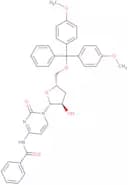
CAS :2'-Deoxy-5'-O-DMT-5-iodouridine is an intercalating agent that binds to DNA and RNA. It can be used as a probe for the detection of specific sequences in human cells. The fluorophore attached to the molecule allows it to be detected by fluorescence microscopy, while the chromophore is responsible for its ability to emit light at a wavelength of 535 nm. 2'-Deoxy-5'-O-DMT-5-iodouridine has been shown to enhance nucleotide excision repair and increase the sensitivity of cancer cells to chemotherapy drugs such as cisplatin. The molecule can also be used as a fluorescent protein marker in her-2 gene amplification and overexpression studies.Formule :C30H29IN2O7Degré de pureté :Min. 95%Couleur et forme :PowderMasse moléculaire :656.48 g/molN4-Benzoyl-3'-deoxy-5'-O-DMT-cytidine
CAS :N4-Benzoyl-3'-deoxy-5'-O-DMT-cytidine is a synthetic nucleoside that is used as an activator for DNA synthesis. It is also used in the preparation of diphosphate derivatives for use as antiviral and anticancer agents or as probes for DNA and RNA research. N4-Benzoyl-3'-deoxy-5'-O-DMT-cytidine is a novel, high purity, and high quality chemical with CAS No. 86234-45-9.
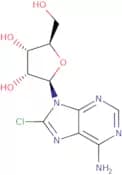
Formule :C37H35N3O7Degré de pureté :Min. 95%Masse moléculaire :633.69 g/mol8-Chloroadenosine
CAS :8-Chloroadenosine is a potent inhibitor of apoptosis, which is the process by which cells die. It has been shown to inhibit cell growth in murine hepatoma cells and synergize with other cytotoxic agents. 8-Chloroadenosine inhibits the activity of bcl-2 protein and thus blocks the release of cytochrome c from mitochondria. This causes DNA damage by inhibiting DNA synthesis and protein synthesis, leading to apoptosis. 8-Chloroadenosine has also been shown to be an active inhibitor of cancer cells, especially myeloma cell lines. The response element for 8-chloroadenosine is located in the promoter region of the gene encoding cyclooxygenase 2 (COX-2), which encodes a protein that produces prostaglandins involved in inflammation and tumor growth. The concentration of camp in cancer tissues determines whether these cells will respond favorably or unfavorably to this drug.Formule :C10H12ClN5O4Degré de pureté :Min. 95%Couleur et forme :PowderMasse moléculaire :301.69 g/molDenufosol tetrasodium
CAS :A P2Y2 receptor agonist that has been studied in cystic fibrosis and retinal diseases such as retinal detachment. Denufosol was studied as an inhaled drug for cystic fibrosis, due to its ability to activate an alternative chloride channel and avoiding the defective CFTR chloride channel. This enhances hydration of the lung mucosa and improves mucociliary clearance. The drug did not progress from phase III clinical trials. Denufosol resulted in subretinal fluid reabsorption in in vivo model of retinal detachment.
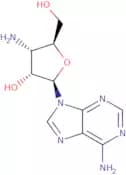
Formule :C18H23N5Na4O21P4Degré de pureté :Min. 90 Area-%Couleur et forme :PowderMasse moléculaire :861.25 g/mol3'-Amino-3'-deoxyadenosine
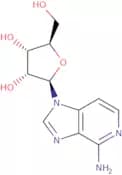
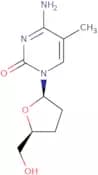
CAS :3'-Amino-3'-deoxyadenosine, also known as spalgomycin, is a natural enediyne antibiotic with potent antibacterial and, more notably, antitumor activity observed in research settings. Its primary use is as a tool to study the mechanisms of enediyne-mediated DNA damage and as a lead compound in the search for novel anticancer therapeutics.Formule :C10H14N6O3Couleur et forme :White Off-White PowderMasse moléculaire :266.26 g/mol2',3'-Dideoxy-5-methylcytidine
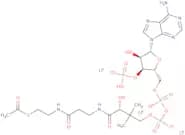
CAS :2',3'-Dideoxy-5-methylcytidine is a synthetic nucleoside analog based on cytidine, a natural building block of DNA and RNA. This molecule is chemically modified to interfere with nucleic acid synthesis, making it a potential tool in antiviral or anticancer therapy, or for studying epigenetics.Formule :C10H15N3O3Degré de pureté :Min. 95%Couleur et forme :PowderMasse moléculaire :225.25 g/molAcetoacetyl coenzyme A lithium salt
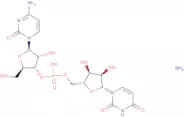
CAS :Acetoacetyl coenzyme A lithium salt is a novel phosphoramidite building block. It's a modified nucleoside that can be used in the synthesis of oligonucleotides and DNA. Acetoacetyl coenzyme A lithium salt has antiviral, anticancer, and antifungal activities.Formule :C25H36N7O18P3SLi4·5H2ODegré de pureté :Min. 96 Area-%Couleur et forme :PowderMasse moléculaire :965.42 g/molCytidyl-3'-5'-uridine ammonium
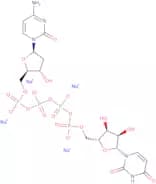
CAS :Cytidyl-3'-5'-uridine ammonium salt is a nucleoside analog that is used as an antiviral and anticancer agent. Cytidyl-3'-5'-uridine ammonium salt inhibits the synthesis of DNA by inhibiting the activity of enzymes such as DNA polymerase, RNA polymerase, or reverse transcriptase. It also has antitumor properties and can be used to treat leukemia and other types of cancer. Cytidyl-3'-5'-uridine ammonium salt has been shown to be more potent than cytidyl-2',4',6'-triaminopyrimidine (CTAP) in inhibiting the growth of lymphocytic leukemia cells.
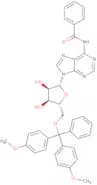
Formule :C18H24N5O13P•NH3Degré de pureté :Min. 95%Couleur et forme :PowderMasse moléculaire :566.42 g/molN6-Benzoyl-5'-O-DMT-adenosine
CAS :N6-Benzoyl-5'-O-DMT-adenosine is a synthetic nucleoside with antiviral activity. It is an activator of viral DNA polymerase and inhibits viral replication by inhibiting DNA synthesis in the host cell. N6-Benzoyl-5'-O-DMT-adenosine has shown anticancer activity in tumor cells, which may be due to its ability to inhibit ribonucleotide reductase and diphosphate kinase.
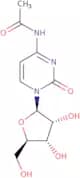
Formule :C38H35N5O7Degré de pureté :Min. 95%Couleur et forme :White PowderMasse moléculaire :673.73 g/molN4-Acetylcytidine
CAS :N4-Acetylcytidine is a modified nucleoside and endogenous urinary nucleoside product of the degradation of tRNA. N4-Acetylcytidine is a biological marker for various cancers with elevated concentrations present in urine. N4-Acetylcytidine is also a partially protected cytidine and therefore can be used as a synthetic building block to prepare further derivatized nucleosides such as 2’,3’-dideoxycytidine.Formule :C11H15N3O6Degré de pureté :Min. 95%Couleur et forme :White PowderMasse moléculaire :285.25 g/molN6-Benzoyl-3'-O-methyladenosine
CAS :N6-Benzoyl-3'-O-methyladenosine is a novel modified nucleoside that has antiviral activity. It has been shown to possess high purity and high quality, and can be used as an activator for DNA synthesis. N6-Benzoyl-3'-O-methyladenosine is synthesized from 3'-O-methyladenosine with the use of phosphoramidites, ribonucleosides, or monophosphate nucleotides. The compound is CAS No. 85090-30-8 and is soluble in water.Formule :C18H19N5O5Degré de pureté :Min. 96 Area-%Couleur et forme :Off-White PowderMasse moléculaire :385.37 g/molAdenosine 2',3'-cyclic monophosphate sodium
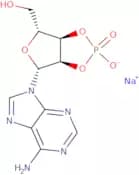
CAS :Adenosine 2',3'-cyclic monophosphate sodium (AMP-Na) is a chemical compound that is found in Streptomyces coelicolor. It has been shown to have an active role in the biotechnology industry for research and development. AMP-Na inhibits the synthesis of carbohydrates by binding to enzymes such as adenosyl-l-methionine peroxidase, which is involved in the metabolism of carbohydrates. Adenosine 2',3'-cyclic monophosphate sodium also has a long half-life, which makes it useful for therapeutic purposes.Formule :C10H11N5NaO6PDegré de pureté :Min. 95%Couleur et forme :PowderMasse moléculaire :351.19 g/mol5-(Azidomethyl)-2’-deoxyuridine
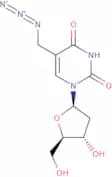
CAS :5-azidomethyl-2-deoxyuridine (AmdU) is a nucleoside that contains an azide group. The structure of the nucleoside is similar to thymidine, and it is incorporated into nascent DNA by cellular polymerases, similarly to EdU (NE08701). Unlike EdU that needs to be further modified with azides in the presence of copper catalyst, AmdU can also react in the absence of copper catalyst using spAAC Click Chemistry with strained cycloalkynes, such as cyclooctynes. This enables detection of nascent DNA in benign, copper free conditions.
Formule :C10H13N5O5Degré de pureté :Min. 95%Couleur et forme :PowderMasse moléculaire :283.24 g/mol2'-O-(2-Methoxyethyl)adenosine
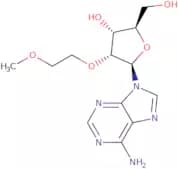
CAS :2'-O-(2-Methoxyethyl)adenosine is a nucleoside derivative that is produced by the methylation of 2'-deoxyadenosine. It is used in organic synthesis as a reagent for the alkylation of aromatic hydrocarbons and as an intermediate in the synthesis of purines. The product can be isolated with yields of 78% or greater, depending on reaction conditions and purification methods. Isomeric purity can be achieved with high purity (>99%) by recrystallization from water or ethanol. The compound has a number of physical properties that are similar to those of adenosine, including boiling point, melting point, density, and refractive index. The molecule also has two chiral centers at C2 and C4 that contribute to its isomeric nature. Adenosine is found in human connective tissue cells, where it plays a role in cell metabolism by regulating the production of RNA and DNA.Formule :C13H19N5O5Degré de pureté :Min. 95%Couleur et forme :White Off-White PowderMasse moléculaire :325.32 g/mol2-Chloro-6-O-methylinosine
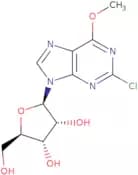
CAS :2-Chloro-6-O-methylinosine is a modified nucleoside analog. Its structure is based on inosine and at position 2 a chlorine atom replaces the hydrogen. At position 6, the keto oxygen (normally part of the purine ring) is O-methylated, forming a methoxy group (-OCH₃)Formule :C11H13ClN4O5Degré de pureté :Min. 95%Couleur et forme :PowderMasse moléculaire :316.7 g/molL-Adenosine 5'-monophosphate disodium
CAS :L-Adenosine 5'-monophosphate disodium is a high quality, novel, modified phosphoramidite used for the synthesis of deoxyribonucleosides and nucleosides. It is also used as an antiviral agent and has anti-cancer properties. L-Adenosine 5'-monophosphate disodium is an activator of ribonucleoside activities and inhibits viral replication by inhibiting the enzyme RNA polymerase. It has been shown to be effective against HIV, herpes simplex virus (HSV), cytomegalovirus (CMV), Epstein-Barr virus (EBV), influenza A virus, and influenza B virus.Formule :C10H12N5Na2O7PDegré de pureté :Min. 98 Area-%Couleur et forme :PowderMasse moléculaire :391.18 g/mol8-Bromoinosine
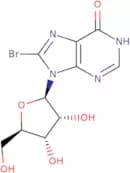
CAS :8-Bromoinosine is a potent chemical probe that can be used to study the molecular mechanism of cGMP-dependent protein kinase (PKG). 8-Bromoinosine reacts with the acceptor site in PKG, which is located at the base of the active site cleft. Electrons from hydrogen bond donor sites on 8-bromoadenosine are transferred to chloride ion and the resulting 8-bromoinosine chloride complex is an effective inhibitor of PKG. It has been shown that stereoselectivity plays a role in this reaction mechanism.
Formule :C10H11BrN4O5Degré de pureté :Min. 95%Couleur et forme :PowderMasse moléculaire :347.13 g/molPseudothymidine
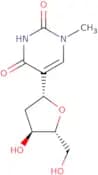
CAS :Pseudothymidine is the nucleobase analog of thymidine. It is a synthetic substance that has been used in the polymerase chain reactions (PCRs) to form DNA molecules. Pseudothymidine is not naturally found in cells and can be used as a substitute for thymidine during PCR to make more copies of DNA sequences. It has been shown that pseudothymidine can be incorporated into DNA without disrupting the polymerase chain reaction. The thermal denaturation of pseudothymidine is 10 °C lower than that of thymidine, allowing it to be used at higher temperatures with less risk of degradation.Formule :C10H14N2O5Degré de pureté :Min. 95%Couleur et forme :PowderMasse moléculaire :242.23 g/mol1-(β-D-Arabinofuranosyl)cytosine 5'-monophosphate
CAS :1-(β-D-Arabinofuranosyl)cytidine 5'-monophosphate (ara-CMP) is a nucleotide derivative of cytidine, specifically a nucleotide where the ribose sugar is replaced by the arabinose sugar. It's a pyrimidine nucleotide commonly known as Cytarabine 5'-monophosphate or arabinosylcytosine 5'-monophosphate.Formule :C9H14N3O8PDegré de pureté :Min. 95 Area-%Couleur et forme :White PowderMasse moléculaire :323.2 g/molClofarabine
CAS :Clofarabine is FDA-approved for treating relapsed or refractory acute lymphoblastic leukaemia (ALL) in children after at least two other types of treatment have failedFormule :C10H11ClFN5O3Degré de pureté :Min. 98 Area-%Couleur et forme :White Off-White PowderMasse moléculaire :303.68 g/mol2-Amino-9-(β-D-ribofuranosyl)purine
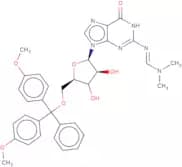
CAS :2-Amino-9-(β-D-ribofuranosyl)purine is a purine nucleoside consisting of the base 2-aminopurine linked via an N9-glycosidic bond to β-D-ribofuranose. As an analog of adenosine, it retains structural compatibility with nucleic acids but exhibits distinct biochemical properties, most notably intrinsic fluorescence. This makes it a valuable probe in molecular biology for studying nucleic acid structure, base pairing, and conformational changes, as its fluorescence is sensitive to local stacking interactions and environmental conditions.Formule :C10H13N5O4Degré de pureté :Min. 95%Couleur et forme :White PowderMasse moléculaire :267.24 g/mol5'-O-DMT-N2-DMF-guanosine
CAS :5'-O-DMT-N2-DMF-guanosine is a novel nucleoside that has been modified with an acetyl group on the 5'-hydroxyl group. This nucleoside has antiviral, anticancer and deoxyribonucleoside properties. It also activates diphosphate synthesis and inhibits protein synthesis. The drug is synthesized in high purity and quality, making it an excellent activator for phosphoramidites.Formule :C34H36N6O7Degré de pureté :(%) Min. 85%Masse moléculaire :640.69 g/mol3'-Azido-N6-benzoyl-2',3'-dideoxyadenosine
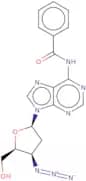
CAS :3'-Azido-N6-benzoyl-2',3'-dideoxyadenosine is an antiviral drug that inhibits the synthesis of viral DNA and RNA. This antiviral drug is a novel synthetic nucleoside analogue that is phosphorylated to form monophosphate, which inhibits the synthesis of RNA. 3'-Azido-N6-benzoyl-2',3'-dideoxyadenosine has been shown to be effective against cancer cells by inhibiting ribonucleotide reductase and DNA synthesis. 3'-Azido-N6-benzoyl-2',3'-dideoxyadenosine also inhibits DNA synthesis by blocking the enzymes DNA polymerase and deoxyribonucleoside kinase.Formule :C17H16N8O3Degré de pureté :Min. 95%Couleur et forme :PowderMasse moléculaire :380.36 g/mol2-Amino-6-chloro-9-(b-D-ribofuranosyl)purine
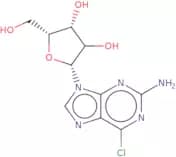
CAS :Intermediate in the synthesis of nelarabineFormule :C10H12ClN5O4Degré de pureté :Min. 97 Area-%Couleur et forme :Off-White PowderMasse moléculaire :301.69 g/mol2'-O-tert-Butyldimethylsilyl-5'-O-DMT-uridine
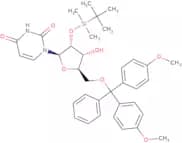
CAS :2'-O-tert-Butyldimethylsilyl-5'-O-DMT-uridine is a synthetic nucleoside that is used in the synthesis of RNA. It has been shown to be resistant to heat and both acidic and basic conditions. 2'-O-tert-Butyldimethylsilyl-5'-O-DMT-uridine can be used for modifications of oligonucleotides and as a convenient sealant for the synthesis of DNA, RNA, or other nucleic acids. This product is neutralized with hydrochloric acid prior to use.Formule :C36H44N2O8SiDegré de pureté :Min. 98 Area-%Couleur et forme :PowderMasse moléculaire :660.83 g/mol3-(3-Acetamido-3-carboxypropyl)uridine
CAS :acetylated derivative from 3-(3-amino-3-carboxypropyl)uridine
Formule :C15H21N3O9Degré de pureté :Min. 95%Couleur et forme :SolidMasse moléculaire :387.34 g/molN6-Benzoyl-2'-deoxy-5'-O-DMT-a-adenosine
CAS :N6-Benzoyl-2'-deoxy-5'-O-DMT-a-adenosine is a novel nucleoside analog with antiviral, anticancer and immunomodulatory activities. It has been shown to inhibit the replication of HIV-1 and to induce apoptosis in tumor cells. N6-Benzoyl-2'-deoxy-5'-O-DMT-a-adenosine is a phosphoramidite that can be used for the synthesis of DNA, RNA, and deoxyribonucleotides. This product is synthesized by using an automated high purity process.Formule :C38H35N5O6Degré de pureté :Min. 95%Couleur et forme :PowderMasse moléculaire :657.73 g/mol3'-O-Methylguanosine 5'-triphosphate lithium
CAS :3'-O-Methylguanosine 5'-triphosphate lithium is a nucleotide that has been synthesized and characterized. It is a biochemical regulatory molecule that is involved in the synthesis of DNA, RNA, and proteins. 3'-O-Methylguanosine 5'-triphosphate lithium binds to the guanine nucleotide binding protein G, which acts as an allosteric activator of the enzyme ribonucleotide reductase. The reconstituted enzyme system containing 3'-O-methylguanosine 5'-triphosphate lithium has demonstrated a high level of fidelity in the replication of dna templates.
Formule :C11H18N5O14P3•Li4Degré de pureté :Min. 95%Couleur et forme :PowderMasse moléculaire :564.97 g/molN4-Benzoyl-5'-O-DMT-2'-O-methylcytidine
CAS :N4-Benzoyl-5'-O-DMT-2'-O-methylcytidine is an antiviral agent that inhibits the replication of a number of DNA viruses, including herpes simplex virus type 1 and type 2. It is a monophosphate inhibitor that binds to the ribonucleotide reductase enzyme, preventing formation of deoxyribonucleotides. N4-Benzoyl-5'-O-DMT-2'-O-methylcytidine is also used as an anticancer agent. This drug has been shown to inhibit the growth of human leukemia cell cultures and can be used for treatment of leukemia in combination with other drugs. The novel properties of this compound make it useful for research purposes and it has been synthesized in high quality at low cost.Formule :C38H37N3O8Degré de pureté :Min. 95%Couleur et forme :PowderMasse moléculaire :663.72 g/mol4'-C-Azido-2'-deoxy-2'-fluoro-β-D-arabinocytidine
CAS :4'-C-Azido-2'-deoxy-2'-fluoro-β-D-arabinocytidine (4FA) is a potent inhibitor of the growth of HIV. It has been shown to inhibit the production of inflammatory cytokines and chemokines, which are associated with inflammatory diseases such as arthritis and asthma. 4FA has also been shown to inhibit glycogen synthase kinase 3 (GSK3), which is involved in the regulation of cellular signaling pathways that control cell growth and proliferation. Furthermore, 4FA inhibits an enzyme that is needed for viral replication and can be used as a therapeutic agent against viruses such as hepatitis C virus.Formule :C9H11FN6O4Degré de pureté :Min. 95%Couleur et forme :Off-White PowderMasse moléculaire :286.22 g/molN6-Benzoyl-2'-O-tert-butyldimethylsilyl-5'-O-DMT-adenosine
CAS :N6-Benzoyl-2'-O-tert-butyldimethylsilyl-5'-O-DMT-adenosine is a nucleoside that can be used in the synthesis of oligomers. It is a synthetic nucleoside with an absorption maximum at 410 nm and emission maximum at 522 nm. This compound has been shown to be efficient in the synthesis of phosphoramidites and ligands, as well as in rna synthesis and modifications. N6-Benzoyl-2'-O-tert-butyldimethylsilyl-5'-O-DMT-adenosine may inhibit bacterial growth by binding to the ribosome, preventing protein synthesis.
Formule :C44H49N5O7SiDegré de pureté :Min. 97 Area-%Couleur et forme :PowderMasse moléculaire :787.97 g/mol8-Bromoadenosine 3',5'-cyclic monophosphate sodium salt
CAS :Membrane-permeable brominated cAMP analog and activator of cAMP-dependent protein kinase A (PKA). In stem cell research, the compound enhanced the induction of pluripotency and efficiency of cellular reprogramming of human neonatal fibroblasts that were transduced with different transcription factors.Formule :C10H10BrN5O6P·NaDegré de pureté :Min. 95%Couleur et forme :White PowderMasse moléculaire :430.08 g/molN6-Benzoyl-5'-O-DMT-2'-O-(2-methoxyethyl)adenosine
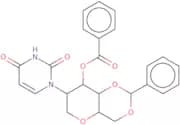
N6-Benzoyl-5'-O-DMT-2'-O-(2-methoxyethyl)adenosine is a nucleoside analog that inhibits the activity of HIV reverse transcriptase. It is an antiviral agent that prevents the synthesis of viral DNA by competitively inhibiting the incorporation of deoxynucleotide triphosphates into viral DNA. This drug also has been shown to be effective against cytomegalovirus (CMV), herpes simplex virus, and varicella zoster virus (VZV). N6-Benzoyl-5'-O-DMT-2'-O-(2-methoxyethyl)adenosine has been synthesized with phosphoramidites and purified to high quality standards. The chemical structure includes a modified sugar moiety, an altered base moiety, and a unique phosphate group.Formule :C41H41N5O8Degré de pureté :Min. 95%Couleur et forme :White To Off-White SolidMasse moléculaire :731.79 g/mol1,5-Anhydro-3-O-benzoyl-4,6-O-benzylidene-2-deoxy-2-(N4-benzoylcytidin-1-yl)-D-altro-hexitol
CAS :1,5-Anhydro-3-O-benzoyl-4,6-O-benzylidene-2-deoxy-2-(N4-benzoylcytidin-1-yl)-D-altro-hexitol is a synthetic nucleoside analog for use in researchFormule :C24H22N2O7Degré de pureté :Min. 95%Couleur et forme :White To Off-White SolidMasse moléculaire :450.45 g/molS-Adenosyl-L-methionine disulfate tosylate
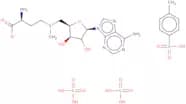
CAS :S-Adenosyl-L-methionine disulfate tosylate (SAMe) is a dietary supplement that is used to treat depression and liver disease. It is also a metabolite of the amino acid methionine, which is formed by the enzyme S-adenosylmethionine synthase. SAMe has been shown to inhibit the activation of caspase 3, which causes apoptosis in cells, and may be useful for treating cancer and other diseases. The chromatographic method used to separate SAMe from other compounds relies on its evaporative properties, due to its high water solubility.Formule :C22H34N6O16S4Degré de pureté :Min. 95 Area-%Couleur et forme :White PowderMasse moléculaire :766.8 g/molN6-Benzoyl-3'-O-tert-butyldimethylsilyl-5'-O-DMT-adenosine
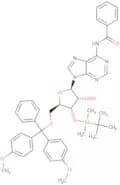
CAS :N6-Benzoyl-3'-O-tert-butyldimethylsilyl-5'-O-DMT-adenosine is a modified nucleoside that is used in the synthesis of oligonucleotides. It is an activator of DNA and RNA synthesis, which has antiviral and antitumor properties. The CAS number for this compound is 81256-88-4.Formule :C44H49N5O7SiDegré de pureté :Min. 95%Couleur et forme :PowderMasse moléculaire :787.97 g/mol6-Mercapto-9-(2'-deoxy-β-D-ribofuranosyl)purine
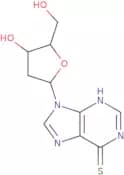
CAS :6-Mercapto-9-(2'-deoxy-b-D-ribofuranosyl)purine (6MPD) is a purine nucleoside that is used in the preparation of glycosidic bonds. It forms a glycosidic bond with the terminal residue of an oligosaccharide, which leads to the formation of an oligodeoxynucleotide. 6MPD also has binding properties to DNA binding proteins, and it can be used as a growth factor. 6MPD is obtained by reacting 3-chloroperoxybenzoic acid with sodium trifluoroacetate in the presence of mercaptoethanol and sodium hydroxide. This reaction yields 6MPD as a white solid with a melting point of 179°C.Formule :C10H12N4O3SDegré de pureté :Min. 95%Couleur et forme :PowderMasse moléculaire :268.29 g/molN6-Benzoyl-2',3'-isopropylideneadenosine
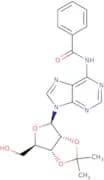
CAS :N6-Benzoyl-2',3'-isopropylideneadenosine is a nucleoside that is structurally related to the natural nucleosides adenosine, deoxyadenosine, and deoxyguanosine. It is an antiviral agent that has been shown to be an activator of the enzyme ribonucleotide reductase. N6-Benzoyl-2',3'-isopropylideneadenosine is a modified nucleoside with high purity and high quality. The CAS number for this compound is 39947-04-1. This compound has not been found in nature, but it can be synthesized by modifying nucleosides or by using phosphoramidites.
Formule :C20H21N5O5Degré de pureté :Min. 95%Couleur et forme :PowderMasse moléculaire :411.41 g/mol6-Benzylamino-9-(b-D-arabinofuranosyl)purine
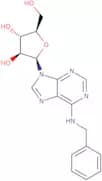
CAS :6-Benzylamino-9-(b-D-arabinofuranosyl)purine is a nucleoside that is used as an activator and as an antiviral agent. It has been used in anticancer research, but it has not been found to have any significant effect against cancer cells. 6-Benzylamino-9-(b-D-arabinofuranosyl)purine is a modified ribonucleoside with a boronic acid group attached to the 9 position of the purine ring. This modification leads to increased stability of the nucleotide in alkaline conditions and improved cellular uptake. 6-Benzylamino-9-(b-D-arabinofuranosyl)purine can be phosphorylated on the 2',3' and 5' positions, forming 2',3'-diphosphate, 3'-diphosphate and 5'-triphosphate derivatives.Formule :C17H19N5O4Degré de pureté :Min. 95%Couleur et forme :PowderMasse moléculaire :357.37 g/mol8-Bromoadenosine 3',5'-cyclic monophosphorothioate, Rp-isomer sodium
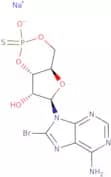
CAS :8-Bromoadenosine 3',5'-cyclic monophosphorothioate, Rp-isomer sodium salt (8-BrAMP) is an activated analog of adenosine that binds to the cyclase enzyme and inhibits its activity. It has been shown to inhibit the production of epidermal growth factor in a model system. 8-BrAMP also blocks the synthesis of cyclic nucleotides by inhibiting cyclic nucleotide phosphodiesterase, which results in increased levels of cAMP. 8-BrAMP has been shown to inhibit HIV infection by acting as a transcription-polymerase chain inhibitor and blocking HIV mRNA synthesis. The drug also inhibits cell lysis by binding to calmodulin and β-catenin.Formule :C10H11BrN5O5PS•NaDegré de pureté :Min. 95%Couleur et forme :PowderMasse moléculaire :447.16 g/mol5'-Deoxy-5-fluorouridine
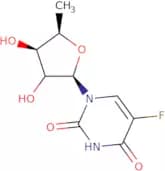
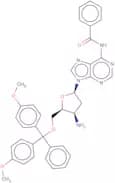
CAS :5'-Deoxy-5-fluorouridine (5FU) is a nucleoside that is used in the treatment of cancer. It is an antimetabolite that inhibits the synthesis of DNA, RNA, and proteins by reversibly inhibiting ribonucleotide reductase. 5FU also inhibits epidermal growth factor receptor (EGFR), which leads to apoptosis in cancerous cells. The concentration–time curve for 5FU has been determined using tissue culture and hl-60 cells as biological samples. This drug has been shown to be effective against metastatic colorectal cancer when administered with other chemotherapeutic drugs.Formule :C9H11FN2O5Degré de pureté :Min. 98 Area-%Couleur et forme :White PowderMasse moléculaire :246.2 g/mol3'-Amino-N6-benzoyl-2',3'-dideoxy-5'-O-DMT-adenosine
A valuable chemical tool for synthesizing modified oligonucleotides with specific functionalities at the 3' end, primarily used in oligonucleotide synthesis.Formule :C38H36N6O5Degré de pureté :Min. 95%Masse moléculaire :656.73 g/mol5'-O-tert-Butyldimethylsilyl-2'-deoxy-5-iodocytidine
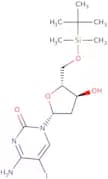
CAS :5'-O-tert-Butyldimethylsilyl-2'-deoxy-5-iodocytidine is a nucleoside that can be used as an activator for ribonucleosides. It has been shown to have anticancer, antiviral and antiviral activities. 5'-O-tert-Butyldimethylsilyl-2'-deoxy-5-iodocytidine is synthesized by the reaction of 2'-deoxycytidine with tertbutyldimethylchlorosilane in the presence of triethylamine. The product may be purified by crystallization or chromatography.Formule :C15H26IN3O4SiDegré de pureté :Min. 95%Couleur et forme :White Off-White PowderMasse moléculaire :467.38 g/molAdenosine 3',5'-cyclic monophosphothioate Sp-isomer sodium salt
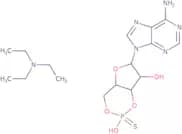
CAS :Adenosine 3',5'-cyclic monophosphothioate Sp-isomer sodium salt (CMPT) is a neurotrophic factor that belongs to the class of adenosine 3',5'-cyclic monophosphates. It has been shown to induce neuronal differentiation and neurite outgrowth in a model system. CMPT has also been shown to have neuroprotective effects by ameliorating the severity of Parkinson's disease symptoms. This drug has been shown to increase body mass index and IGF-I levels in vivo. CMPT has been demonstrated to inhibit tumor growth through upregulation of the cytosolic Ca2+ level, which leads to apoptosis. CMPT can be used as a pharmacological treatment for Alzheimer's disease, Parkinson's disease, and other neurodegenerative disorders.
Formule :C10H11N5O5PS·NaDegré de pureté :Min. 95%Couleur et forme :White PowderMasse moléculaire :367.25 g/mol3',5'-Di-O-(tert-butyldimethylsilyl)-2'-deoxy-N2-DMF-guanosine
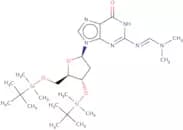
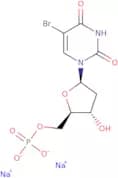
CAS :3',5'-Di-O-(tert-butyldimethylsilyl)-2'-deoxy-N2-DMF-guanosine is a phosphoramidite nucleoside that is synthesized by the reaction of 2'-deoxyguanosine and dimethyldichlorosilane. This product has anticancer activity, as it inhibits DNA synthesis and topoisomerase II activity. It also has antiviral effects, as it inhibits viral RNA synthesis. 3',5'-Di-O-(tert-butyldimethylsilyl)-2'-deoxy-N2-DMF-guanosine has been shown to be more stable than its corresponding 5'-di-O-(tert-butyldimethylsilyl) analogue, with a half life of greater than 10 hours in phosphate buffered saline at 37°C.Formule :C25H46N6O4Si2Degré de pureté :Min. 95%Couleur et forme :PowderMasse moléculaire :550.84 g/mol5-Bromo-2'-deoxyuridine-5'-monophosphate sodium salt
CAS :5-Bromo-2'-deoxyuridine-5'-monophosphate sodium salt (BrdUMP) is an antiviral agent that inhibits the synthesis of DNA. It has shown activity against herpes simplex virus and cytomegalovirus, and has been used in the treatment of Kaposi's sarcoma. BrdUMP is a monophosphate prodrug that is activated by ribonucleoside diphosphates to inhibit the production of viral DNA and RNA. This drug has anticancer properties due to its ability to inhibit cell division. BrdUMP is synthesized from 2'-deoxyuridine-5'-monophosphate, which is obtained from uracil or thymine. The CAS number for this compound is 51432-32-7, and it can be used as a phosphoramidite for the preparation of DNA, RNA, or oligonucleotide analogues.Formule :C9H12BrN2O8PNa2Degré de pureté :Min. 97 Area-%Couleur et forme :PowderMasse moléculaire :433.06 g/molAdenosine 5'-diphosphate magnesium salt
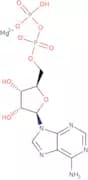
CAS :Adenosine 5'-diphosphate magnesium salt (ADP-Mg) is a pharmacological agent that has inhibitory properties. It is used as a model system to study platelet function and the effect of adenosine on platelet aggregation. ADP-Mg is also used as a reagent in the study of protein synthesis and regulation. This chemical has been shown to potentiate the activity of serotonin receptors, which may contribute to its anti-inflammatory effects. Adenosine 5'-diphosphate magnesium salt also inhibits papillary muscle contractions by inhibiting Ca2+ currents, leading to an improved ejection fraction in patients with congestive heart failure.Formule :C10H13N5O10P2·MgDegré de pureté :Min. 95%Couleur et forme :PowderMasse moléculaire :449.49 g/mol3'-Azido-N4-benzoyl-2',3'-dideoxycytidine
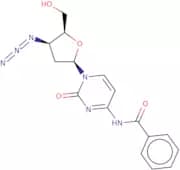
CAS :3'-Azido-N4-benzoyl-2',3'-dideoxycytidine is a novel nucleoside analog with antiviral and anticancer activities. It is used for the treatment of HIV, hepatitis B and C, herpes, and influenza. 3'-Azido-N4-benzoyl-2',3'-dideoxycytidine has been shown to inhibit the proliferation of cells in culture and to induce apoptosis in various cancer cell lines.
The synthesis of 3'-azido-N4-benzoyl-2',3'-dideoxycytidine starts with the condensation of 4-(hydroxymethyl)phenylacetic acid (1) with 2,6-dichloroisonicotinic acid chloride (2) in the presence of triethylamine to give 4-(hydroxymethyl)phenylacetic acid chloride (3). The N4 benzoylFormule :C16H16N6O4Degré de pureté :Min. 95%Couleur et forme :Off-White PowderMasse moléculaire :356.34 g/mol6-Chloro-9-(2'-deoxy-3',5'-di-O-toluoyl-b-ribofuranosyl)purine
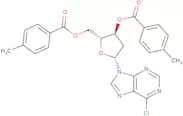
CAS :6-Chloro-9-(2'-deoxy-3',5'-di-O-toluoyl-b-ribofuranosyl)purine is a synthetic nucleoside with antiviral and anticancer activity. It is an activator of the DNA polymerase, which is involved in the synthesis of DNA. The high purity of this product makes it a good choice for use in research or as a starting material for further chemical modification. 6-Chloro-9-(2'-deoxy-3',5'-di-O-toluoyl-b-ribofuranosyl)purine has been shown to inhibit the growth of cancer cells, including breast, lung and colon carcinoma cells.Formule :C26H23ClN4O5Degré de pureté :Min. 95%Couleur et forme :White Off-White PowderMasse moléculaire :506.95 g/molN4-Benzoyl-2'-O-tert-butyldimethylsilyl-5'-O-DMT-cytidine
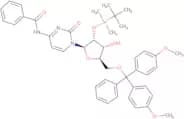
CAS :N4-Benzoyl-2'-O-tert-butyldimethylsilyl-5'-O-DMT-cytidine is a modified nucleoside with anticancer and antiviral properties. It is used in the synthesis of oligonucleotides as an activator, DNA or RNA. This product is also used as a phosphoramidite for the preparation of oligonucleotides. N4-Benzoyl-2'-O-tert-butyldimethylsilyl-5'-O-DMT cytidine has a CAS Number of 8125687.
Formule :C43H49N3O8SiDegré de pureté :Min. 95 Area-%Couleur et forme :White PowderMasse moléculaire :763.95 g/molN6-Benzoyl-5'-O-DMT-2'-O-methyladenosine
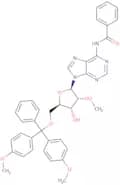
CAS :N6-Benzoyl-5'-O-DMT-2'-O-methyladenosine is a novel nucleoside that is structurally related to adenosine. It is synthesized through the reaction of N6-benzoyladenine with 2'-O-methyladenosine. This nucleoside has been shown to be an effective antiviral and anticancer agent.Formule :C39H37N5O7Degré de pureté :Min. 95%Couleur et forme :White PowderMasse moléculaire :687.76 g/mol8-Bromoadenosine 3',5'-cyclic monophosphate
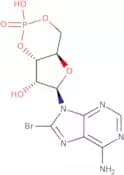
CAS :8-Bromoadenosine 3',5'-cyclic monophosphate (8-Br-cAMP) is a cyclic nucleotide that is involved in the regulation of energy metabolism. It is a pharmacological agent that regulates the intracellular levels of cAMP and plays an important role in regulating cell proliferation, differentiation, and survival. 8-Br-cAMP binds to specific protein kinases and alters their activity. It also inhibits the enzymatic activity of DNA polymerase II. 8-Br-cAMP has been shown to inhibit tumor growth in mice with bone cancer. The mechanism by which this drug exerts its antitumor effect appears to be related to increased expression of basic proteins and decreased expression of phosphatase 2A, leading to increased activation of protein kinase A. 8-Br-cAMP also causes cellular accumulation of Ca2+ ions by stimulating an increase in the activity of phospholipase C, which hydrolyzes phosphatFormule :C10H11BrN5O6PDegré de pureté :Min. 98 Area-%Couleur et forme :Beige PowderMasse moléculaire :408.11 g/mol1,5-Anhydro-3-O-benzoyl-4,6-O-benzylidene-2-deoxy-2-(N8-(dimethylamino)methyleneguanidin-1-yl)-D-altro-hexitol
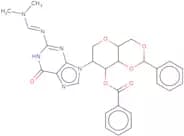
CAS :1,5-Anhydro-3-O-benzoyl-4,6-O-benzylidene-2-deoxy-2-(N8-(dimethylamino)methyleneguanidin-1-yl)-D-altro-hexitol is a synthetic, protected nucleoside analog built on a D-altro-hexitol backbone — which is a six-carbon sugar alcohol structure — and it includes a highly modified guanidine-like base at the 2-position. It has possible applications in synthetic nucleic acid chemistryFormule :C28H28N6O6Degré de pureté :Min. 95%Couleur et forme :White To Off-White SolidMasse moléculaire :544.57 g/molP1-(5'-Adenosyl) P3-(5'-adenosyl) triphosphate sodium salt
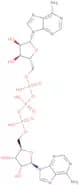
CAS :P1-(5'-Adenosyl) P3-(5'-adenosyl) triphosphate sodium salt is an intermediate in the biosynthesis of ATP. It is also a cofactor for adenylate kinase and pyruvate kinase. The synthesis of this compound takes place in human serum and requires the enzyme synthetase as well as sephadex g-100. Synthetase catalyzes the condensation of ATP with 5-AMP to yield P1-(5'-adenosyl) P3-(5'-adenosyl) triphosphate sodium salt. This reaction is reversible, and can be catalyzed by phosphohydrolases that hydrolyze ATP to AMP and inorganic phosphate. The physiological function of this compound is not yet clear, but it has been shown to increase intracellular Ca2+ levels in cardiac cells, leading to congestive heart failure. This compound has low potency, so it does not have anyFormule :C20H27N10O16P3•(Na)xDegré de pureté :Min. 95 Area-%Couleur et forme :PowderMasse moléculaire :756.41 g/mol3',5'-Di-O-acetyl-2'-deoxy-2'-fluorouridine
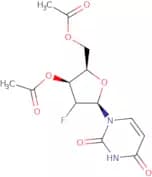
CAS :3',5'-Di-O-acetyl-2'-deoxy-2'-fluorouridine is a nucleoside monophosphate with antiviral activity. It is a synthetic nucleoside that has been modified to be resistant to degradation by ribonucleases. 3',5'-Di-O-acetyl-2'-deoxy-2'-fluorouridine inhibits the synthesis of DNA, RNA and protein and is used for treatment of cancer. This drug is not active against other types of viruses such as herpes simplex virus or cytomegalovirus.
Formule :C13H15FN2O7Degré de pureté :Min. 95%Couleur et forme :White PowderMasse moléculaire :330.27 g/mol5'-Amino-5'-deoxyadenosine hydrochloride
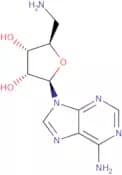
CAS :5'-Amino-5'-deoxyadenosine hydrochloride (5'-ADeA) is a nucleotide that is synthesized from ribose 5-phosphate and adenosine monophosphate. It has been shown to have potential as a biomarker for skin cancer. The synthesis of 5'-ADeA is catalyzed by the enzyme caffeic acid 4-monooxygenase, which converts caffeic acid into 5'-ADeA. This reaction requires molecular oxygen, NADPH, and iron ions. The activity of this enzyme can be inhibited by sodium carbonate or basic fibroblast growth factor (bFGF). This drug has been shown to have anti-inflammatory effects in vivo.Formule :C10H14N6O3Degré de pureté :Min. 95 Area-%Couleur et forme :PowderMasse moléculaire :266.26 g/molAdenosine 3',5'-cyclic monophosphate sodium salt
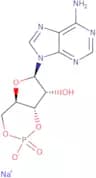
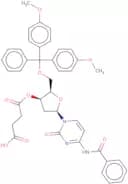
CAS :Second messenger in intracellular signal transductionFormule :C10H11N5NaO6PDegré de pureté :Min. 97 Area-%Couleur et forme :White PowderMasse moléculaire :351.19 g/molN4-Benzoyl-2'-deoxy-5'-O-DMT-cytidine 3'-O-succinate triethylamine salt
CAS :N4-Benzoyl-2'-deoxy-5'-O-DMT-cytidine 3'-O-succinate triethylamine salt is a synthetic antiviral agent that can be used in the treatment of HIV. This drug inhibits the viral DNA polymerase and prevents virus replication. N4-Benzoyl-2'-deoxy-5'-O-DMT cytidine 3'-O succinate triethylamine salt is a novel nucleoside analogue with a monophosphate group at the 5' position and an N4 benzoyl group at the 2' position. It is an activator of DNA synthesis, which can be used for cancer chemotherapy. The chemical name for this drug is CAS No. 74405-44-0 (free base).Formule :C41H39N3O10·C6H15NDegré de pureté :Min. 95%Couleur et forme :White Off-White PowderMasse moléculaire :834.95 g/mol8-Azidoadenosine 3',5'-cyclic monophosphosphate free acid
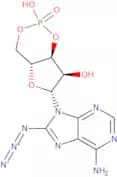
CAS :8-Azidoadenosine 3',5'-cyclic monophosphosphate is used for nucleotide labelling via a click reaction involving the azide moiety and a terminal alkyne conjugated to a label. The reaction generates a stable nucleotide labelled adduct containing a triazole link.Formule :C10H11N8O6PDegré de pureté :Min. 95%Couleur et forme :White to pale yellow solid.Masse moléculaire :370.22 g/molXanthosine
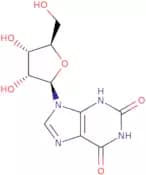
CAS :Produit contrôléXanthosine is a purine nucleoside that is formed from the metabolism of adenosine. Xanthosine can be phosphorylated to form xanthosine 5'-monophosphate (XMP), which has been shown to have biochemical properties and metabolic responses in vitro. The p-hydroxybenzoic acid moiety of xanthosine has been shown to have therapeutic potential for the treatment of inflammatory diseases, such as rheumatoid arthritis. It also has a role in the regulation of disease activity, as it is found at high concentrations in human serum, and regulates the proliferation of cells through its binding to nuclear proteins. Xanthosine is an important component of dinucleotide phosphate (NDP) pools that are essential for cell nuclei function. NDPs are also important for DNA synthesis and repair, as well as protein synthesis. Xanthosine 5'-monophosphate can act as a metal chelate and is used in
Formule :C10H12N4O6Degré de pureté :Min. 98 Area-%Couleur et forme :White Off-White PowderMasse moléculaire :284.23 g/moltrans-Zeatin-o-glucoside riboside
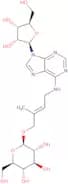
CAS :Trans-Zeatin-o-glucoside riboside is a nucleotide that is found in protonemata and is involved in the regulation of cell division, cytokinin production, and responses to light. It is a cytokinin that regulates the pathways of nitrogen metabolism and other metabolic pathways. Trans-Zeatin-o-glucoside riboside has been detected at detectable levels in cells, tissues, and fluids. It has been shown to be involved in the evolution of plants. It has been shown to regulate cell division by inhibiting the phosphorylation of fibrillarin protein kinase, which leads to an increase in cyclins D1/D2 with no change in cyclin E1/E2. This nucleotide may also play a role in regulating cytokinin production by binding to DNA and influencing gene transcription.Formule :C21H31N5O10Degré de pureté :Min. 95 Area-%Couleur et forme :PowderMasse moléculaire :513.5 g/mol3'-O-Allyladenosine
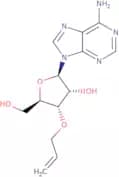
CAS :3'-O-Allyladenosine is an antiviral agent that inhibits the replication of DNA and RNA viruses. It has been shown to have anticancer properties, and is a novel nucleoside analog with potential as an antitumor agent. 3'-O-Allyladenosine is a modified nucleoside analog that can be synthesized with high purity and quality. This compound has shown antiviral activity against influenza virus and herpes simplex virus type 1. In addition, 3'-O-Allyladenosine has been found to inhibit tumor growth in mice without any significant side effects.
Formule :C13H17N5O4Degré de pureté :Min. 95%Couleur et forme :PowderMasse moléculaire :307.31 g/mol8-Azidoadenosine
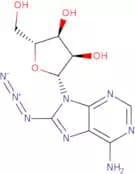
CAS :8-Azidoadenosine is an adenosine analogue conjugated with an azido group which can be used for oligonucleotide labelling. The azido group reacts with a terminal alkyne via a click reaction, forming the labelled nucleotide containing a triazole linker.
Formule :C10H12N8O4Degré de pureté :Min. 95%Couleur et forme :PowderMasse moléculaire :308.25 g/molRibavirin 5'-diphosphate lithium
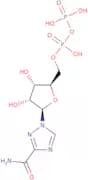
CAS :Ribavirin is an antiviral drug that inhibits the production of viral RNA. Ribavirin 5'-diphosphate is formed in the liver through sequential actions of kinases.Formule :C8H14N4O11P2•Li2Degré de pureté :Min. 95%Couleur et forme :PowderMasse moléculaire :418.03 g/molN4,3'-O-Dibenzoyl-2'-deoxycytidine
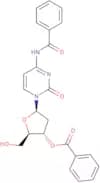
CAS :N4,3'-O-Dibenzoyl-2'-deoxycytidine is a nucleoside that functions as a base. It is a diester of the naturally occurring nucleoside cytidine and 2′,6′-dibenzoyl-deoxyribose. The compound has been shown to be an inhibitor of DNA polymerases and nuclease activity in vitro. N4,3'-O-Dibenzoyl-2'-deoxycytidine has been shown to inhibit the growth of certain strains of bacteria and can be used for the treatment of tuberculosis. This drug also has anti-inflammatory properties that may be due to its ability to inhibit prostaglandin synthesis. !-- END OF PRODUCT DESCRIPTIONS -->Formule :C23H21N3O6Degré de pureté :Min. 95%Couleur et forme :PowderMasse moléculaire :435.44 g/mol7-Deaza-2'-deoxyadenosine
CAS :7-Deaza-2'-deoxyadenosine is an oligodeoxynucleotide analog that has been shown to be a potent inhibitor of human ovarian carcinoma cells. It inhibits the uptake of organic anion transporters, which are proteins found in the cell membrane that transport organic anions such as nucleosides and nucleotides. 7-Deaza-2'-deoxyadenosine has also been shown to inhibit DNA synthesis and polymerase chain reactions by binding to the enzyme RNA polymerase II. This drug can be synthesized with solid phase chemistry, making it a highly reproducible product.Formule :C11H14N4O3Degré de pureté :Min. 98 Area-%Couleur et forme :White PowderMasse moléculaire :250.26 g/molNicotinic acid riboside
CAS :Nicotinic acid riboside is a nicotinic acid derivative that has been shown to increase NAD+ levels in cells. Nicotinic acid riboside has been shown to increase the activity of enzymes involved in energy metabolism and transfer reactions, as well as target enzymes such as nicotinamide phosphoribosyltransferase (NAMPT) and its substrate, nicotinamide mononucleotide (NMN). It also increases cellular NAD+ levels by inhibiting the degradative enzyme, nicotinamide phosphoribosyltransferase (NAMPT). Nicotinic acid riboside can be used to treat metabolic disorders such as diabetes mellitus type 2.Formule :C11H13NO6Degré de pureté :Min. 95%Couleur et forme :PowderMasse moléculaire :255.22 g/mol5'-O-Benzoyl-2,3'-anhydrothymidine
CAS :5'-O-Benzoyl-2,3'-anhydrothymidine is a heterocycle that has been shown to have immunosuppressive properties. The compound binds to the immunodeficiency virus by covalent binding to an isomeric site on the viral envelope protein. It has been shown that 5'-O-Benzoyl-2,3'-anhydrothymidine can inhibit the growth of HIV in vitro with a 50% inhibitory concentration (IC50) of 0.8 μM. This compound also displays potent antiviral activity against herpes simplex virus type 1 (HSV-1) and herpes simplex virus type 2 (HSV-2).
Formule :C17H18N2O5Degré de pureté :Min. 95%Couleur et forme :PowderMasse moléculaire :330.34 g/mol7-(N-Acetylaminomethyl)-7-deazaguanosine
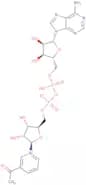
7-(N-Acetylaminomethyl)-7-deazaguanosine is a nucleoside analog that is used to treat diseases such as hepatitis B and C. It is an antiviral, anticancer, and antibacterial agent. 7-(N-Acetylaminomethyl)-7-deazaguanosine inhibits viral replication by blocking the synthesis of DNA or RNA. The drug also inhibits cell growth through activation of apoptosis, which may be due to its ability to inhibit protein synthesis and DNA replication. This novel nucleoside analog has shown high purity levels in our lab and can be used for the treatment of various diseases.Formule :C14H19N5O6Degré de pureté :Min. 95%Couleur et forme :PowderMasse moléculaire :353.33 g/mol3-Acetylpyridine adenine dinucleotide
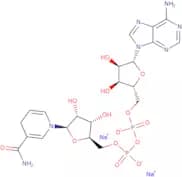
CAS :A non-physiological analog of nicotinamide adenine dinucleotide (NAD+) in biochemical research, particularly as a tool to study the mechanisms of NAD+-dependent enzymes.Formule :C22H28N6O14P2Degré de pureté :Min. 92 Area-%Couleur et forme :White Off-White PowderMasse moléculaire :662.44 g/molN6-Succinyl adenosine
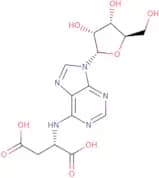
CAS :N6-Succinyl adenosine is a biochemical that is involved in the transfer of fatty acids across membranes. It has been shown to be effective in transfection experiments, where it can be used to increase the expression of genes. N6-Succinyl adenosine has also been shown to be an important substrate for various dehydrogenases. Deficiency of these enzymes leads to orotic aciduria, which is characterized by elevated levels of orotic acid in blood and urine and may lead to mental retardation. A linear calibration curve was generated for diagnosis purposes, with the enzyme activities being determined using a logistic regression model.Formule :C14H17N5O8Degré de pureté :Min. 95%Couleur et forme :White PowderMasse moléculaire :383.31 g/mol2-Amino-9-(2'-deoxy-β-D-ribofuranosyl)purine
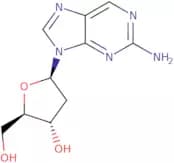
CAS :2-Amino-9-(2'-deoxy-b-D-ribofuranosyl)purine is a nucleoside analog that has been found to be effective in the treatment of leukemia.Formule :C10H13N5O3Degré de pureté :(Hplc) Min. 98.00%Couleur et forme :PowderMasse moléculaire :251.24 g/mol2’-Deoxy-N1-methylguanosine
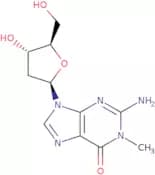
CAS :Produit contrôlé2’-Deoxy-N1-methylguanosine is a modified purine nucleoside composed of a N¹-methylguanine, a guanine base where a methyl group is attached to the nitrogen at position 1 (N¹). This methylation blocks normal Watson-Crick base pairing, especially with cytosine, and can affect RNA structure and function. It also contains a 2′-Deoxyribose and has possible research applicationsFormule :C11H15N5O4Degré de pureté :Min. 97 Area-%Couleur et forme :PowderMasse moléculaire :281.27 g/molb-Nicotinamide adenine dinucleotide reduced form, disodium salt
CAS :β-Nicotinamide adenine dinucleotide reduced form, most commonly known as NADH, is a cofactor involved in the electron transport chain, in the metabolism of amino acids and many other cellular processes such as the synthesis of ATP. It is also a substrate for glutathione peroxidase and superoxide dismutase. The reduced form of NADH can be used as an indicator for glutathione peroxidase activity. In addition, it has been shown to have antioxidant properties by reducing reactive oxygen species (ROS) and inhibiting lipid peroxidation. This product has been used in formulations of synthetic drugs for the treatment of women with long-term effects of menopause, such as osteoporosis and cardiovascular disease. It has also been used in the production of alginate gel, which can be used to create scaffolds for tissue engineering applications. More recently, in bioorganic chemistry, NADH has been used as a source of hydride species for reduction reactions.
Formule :C21H27N7O14P2·2NaDegré de pureté :Min. 98 Area-%Couleur et forme :White PowderMasse moléculaire :709.4 g/molN4-Acetyl-5'-O-DMT-cytidine
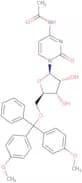
CAS :N4-Acetyl-5'-O-DMT-cytidine is an antiviral drug that inhibits the viral DNA polymerase. It is a modified nucleoside, which is activated by phosphorylation. N4-Acetyl-5'-O-DMT-cytidine is used in research for its anticancer properties and has shown to inhibit the growth of cancer cells in vitro. The compound was found to be more potent than cytidine and other modified nucleosides.Formule :C32H33N3O8Degré de pureté :Min. 98 Area-%Couleur et forme :White PowderMasse moléculaire :587.63 g/molCytarabine
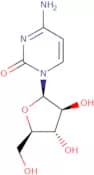
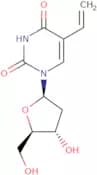
CAS :Anti-viral; anti-neoplasticFormule :C9H13N3O5Degré de pureté :Min. 95%Couleur et forme :White PowderMasse moléculaire :243.22 g/mol2-Deoxy-5-vinyluridine
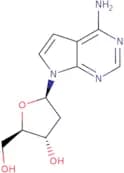
CAS :2-Deoxy-5-vinyluridine (5-VUdR) is a chemical compound that has been shown to cause a mutation in the DNA of herpes simplex virus. The compound is then incorporated into the viral DNA and replicated with each new cell division, leading to mutations in the sequence of its genome. This mutation can either be lethal or nonlethal, depending on how it affects the function of the virus. 5-VUdR has also been shown to affect cancer cells by inhibiting their growth and causing them to undergo apoptosis. This chemical compound also has an effect on animals and humans, as it alters body mass index and causes weight loss. It does this by preventing replication of DNA in cells that produce insulin, which leads to low insulin levels and decreased appetite.END>
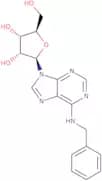
Formule :C11H14N2O5Degré de pureté :Min. 95%Couleur et forme :PowderMasse moléculaire :254.24 g/molN6-Benzyladenosine
CAS :N6-Benzyladenosine is a nucleoside that is synthesized from adenosine and benzylamine. It is a component of the nutrient solution for cell culture studies, which has been shown to have an effect on the hydrophobic effect in cells. This compound also acts as a co-factor for epidermal growth factor and enzyme activities. N6-Benzyladenosine has been used in the development of monoclonal antibodies with covalent linkages. It is also being studied as a potential biomarker for various cancers, including prostate cancer and other solid tumors. In addition, this compound has been shown to be a sesquiterpene lactone with structural analysis and pharmacokinetic properties. N6-Benzyladenosine can be found in plants such as tomato and ginger at physiological levels.
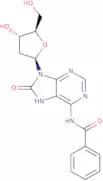
Formule :C17H19N5O4Degré de pureté :Min. 98 Area-%Couleur et forme :White PowderMasse moléculaire :357.36 g/molN6-Benzoyl-2'-deoxy-8-oxoadenosine
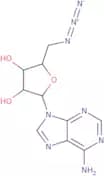
CAS :N6-Benzoyl-2'-deoxy-8-oxoadenosine is a base modified deoxy nucleosideFormule :C17H17N5O5Degré de pureté :Min. 95%Couleur et forme :PowderMasse moléculaire :371.35 g/mol5'-Azido-5'-deoxyadenosine
CAS :5'-Azido-5'-deoxyadenosine (Aza-dA) is an adenosine analog that inhibits the deamination of S-adenosylhomocysteine to form adenosine. It has been shown to be more potent than 2-chloroadenosine and inactivates the enzyme s-adenosylhomocysteine hydrolase, which is responsible for the conversion of S-adenosylhomocysteine to adenosine. This leads to decreased levels of adenosine and increased levels of s-adensoylhomocysteine. Aza-dA has been shown to inhibit tumor growth and induce apoptosis in rat hepatocytes. In addition, it is a halogenated molecule that can be used as a modifying agent.Formule :C10H12N8O3Degré de pureté :Min. 95%Couleur et forme :PowderMasse moléculaire :292.25 g/molN4-Benzoyl-5'-O-DMT-2'-O-propargyl adenosine
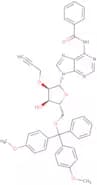
CAS :N4-Benzoyl-5'-O-DMT-2'-O-propargyl adenosine is a novel nucleoside that was synthesized by converting the ribonucleoside 5'-O-DMT to its deoxyribonucleoside form. N4-Benzoyl-5'-O-DMT-2'-O-propargyl adenosine is an antiviral and antiproliferative agent that inhibits DNA synthesis. It also has anticancer activity, but does not have any effect on RNA synthesis. This product is available in high quality and high purity with CAS No. 171486-51-4.Formule :C41H37N5O7Degré de pureté :Min. 95%Couleur et forme :PowderMasse moléculaire :711.76 g/mol