Nucléotides
Sous-catégories appartenant à la catégorie "Nucléotides"
2637 produits trouvés pour "Nucléotides"
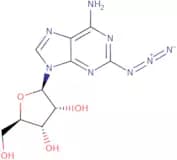
2-Azidoadenosine
CAS :2-Azidoadenosine is a nucleoside analog of adenosine, where the 2'-hydroxyl group of the ribose sugar is replaced with an azido group (–N₃). This substitution imparts unique chemical properties, notably enabling molecules to undergo bioorthogonal reactions, such as click chemistry, which involves the cycloaddition of the azide group with alkynes.
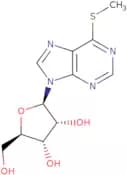
Formule :C10H12H8O4Degré de pureté :Min. 95%Couleur et forme :PowderMasse moléculaire :308.25 g/mol6-Methylmercapto-9-(b-D-ribofuranosyl)purine
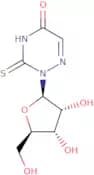
CAS :6-Methylmercapto-9-(b-D-ribofuranosyl)purine (6MMPR) is a nucleotide analog that is synthesized through the process of ribosylation. It has been shown to be reactive and inflammatory in the colon, which may be due to its role as an enzyme inhibitor. 6MMPR inhibits target enzymes such as 2-methylthio-6-chloropurine riboside, which are involved in DNA synthesis and repair. This drug also has anti-inflammatory properties, which may be due to its ability to inhibit the production of inflammatory cytokines by activated immune cells. 6MMPR is used for the treatment of bowel diseases such as Crohn's disease and ulcerative colitis.Formule :C11H14N4O4SDegré de pureté :Min. 95%Couleur et forme :White PowderMasse moléculaire :298.32 g/mol6-Aza-2-thiouridine
CAS :6-Aza-2-thiouridine is a molecule that has been shown to inhibit human immunodeficiency virus (HIV). The compound is cytotoxic to leukemia cells and selectively inhibits the function of cytidine deaminase, which is an enzyme required for DNA synthesis. 6-Aza-2-thiouridine also inhibits the production of viruses by interfering with the activity of their nucleic acid polymerases. This inhibition may be due to its ability to hydrolyze extracellular hydroxyl groups on the viral nucleotide. 6-Aza-2-thiouridine has also been shown to have anti-cancer properties in mammalian cells.
Formule :C8H11N3O5SDegré de pureté :Min. 95%Couleur et forme :White PowderMasse moléculaire :261.26 g/mol7-Deaza-2'-C-methyladenosine
CAS :7-Deaza-2'-C-methyladenosine (7DMA) is an antiviral agent that has shown anti-Hepatitis C virus activity in vitro. 7DMA inhibits the binding of a number of compounds to the viral RNA polymerase and blocks mRNA synthesis, leading to inhibition of viral replication. This drug also binds to the Toll-like receptor 3, which is involved in the immune response against hepatitis. 7DMA has been shown to have a pharmacokinetic profile suitable for use as an antiviral agent. However, it does not show any significant pharmacokinetic properties in vivo and needs further study.Formule :C12H16N4O4Degré de pureté :Min. 97.0 Area-%Masse moléculaire :280.28 g/molRef: 3D-W-202771
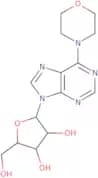
1gÀ demander50mgÀ demander100mgÀ demander250mgÀ demander500mgÀ demander-Unit-ggÀ demander6-(4-Morpholino)-9-(β-D-ribofuranosyl)-9H-purine
CAS :6-(4-Morpholino)-9-(β-D-ribofuranosyl)-9H-purine is a modified monophosphate analog of adenosine. It is an antiviral agent that inhibits the synthesis of nucleic acids in virus-infected cells, preventing viral replication and spread. 6-(4-Morpholino)-9-(β-D-ribofuranosyl)-9H-purine is also used as a radiosensitizer to treat cancer. This drug is synthesized by high purity, high quality and reliable suppliers.Formule :C14H19N5O5Degré de pureté :Min. 95%Couleur et forme :PowderMasse moléculaire :337.33 g/molCTP 2Na
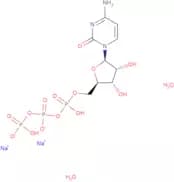
CAS :CTP serves as a molecule of high energy. It acts as a coenzyme in glycerophospholipid biosynthesis and protein glycosylation.Formule :C9H14N3Na2O14P3Degré de pureté :Min. 95.0 Area-%Couleur et forme :White PowderMasse moléculaire :527.12 g/molN2-Methylguanosine
CAS :N2-Methylguanosine is an antiviral agent that has been modified from the natural form of guanosine. It has been shown to inhibit the replication of a number of viruses, including herpes simplex virus type 1 and type 2, cytomegalovirus, and others. N2-Methylguanosine also inhibits the growth of tumor cells in vitro and in vivo. In addition to its antiviral activity, it has been found to have anticancer effects in preclinical studies. N2-Methylguanosine has also been shown to inhibit diphosphate kinase (DPK) and phosphoramidite synthase (PAS), enzymes that are involved in DNA replication. N2-Methylguanosine is synthesized by reacting 5'-monophosphate nucleosides with 2-methyl-4-(4-nitrophenyl)thiourea followed by purification by ion exchange chromatography.Formule :C11H15N5O5Degré de pureté :Min. 95 Area-%Couleur et forme :PowderMasse moléculaire :297.27 g/molClofarabine 5'-triphosphate triethylammonium salt
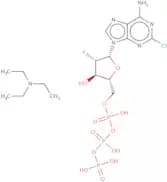
CAS :Clofarabine is a nucleoside analog that is used to treat various types of cancer, including leukemia, lymphoma, and solid tumours. Clofarabine has been shown to have minimal toxicity in healthy cells and is usually well tolerated by patients. It acts by inhibiting the synthesis of DNA in rapidly dividing cells. This effect can be synergistic with other anti-cancer agents such as the cytotoxic agent Bleomycin. Clofarabine binds to an intracellular target and inhibits DNA synthesis by blocking the enzyme DNA polymerase. Inhibition of this enzyme leads to cell death. Clofarabine has been tested in pediatric patients from age 1 month old up to 18 years old. The drug has been found to be safe for use in this population.Formule :C10H14ClFN5O12P3Degré de pureté :Min. 95%Couleur et forme :PowderMasse moléculaire :543.62 g/mol2'-Deoxy-2'-fluoro-5-iodouridine
CAS :2'-Deoxy-2'-fluoro-5-iodouridine is a nucleoside analog that is a modified version of uridine, where the 2'-fluoro modification is added to the sugar (deoxyribose), and an iodine atom is attached at the 5' position of the uracil base. This combination of modifications provides unique properties that may be useful for research and therapeutic applications.
Formule :C9H10FIN2O5Degré de pureté :Min. 95%Couleur et forme :White PowderMasse moléculaire :372.09 g/molb-Nicotinamide adenine dinucleotide phosphate, reduced tetra(cyclohexylammonium)
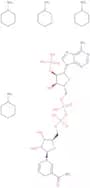
CAS :b-Nicotinamide adenine dinucleotide phosphate, reduced tetra(cyclohexylammonium), or NADPH, is involved in redox reactions, where it acts as an electron donor. NADPH is essential for anabolic reactions, such as lipid and cholesterol biosynthesis, and fatty acid chain elongation. It also plays a significant role in antioxidation mechanisms, protecting cells from oxidative stress by neutralizing reactive oxygen species (ROS) and regenerating antioxidants like glutathioneFormule :C21H30N7O17P3·4C6H13NDegré de pureté :Min. 90 Area-%Couleur et forme :Slightly Yellow PowderMasse moléculaire :1,142.12 g/mol3'-O-Acetyl-2'-deoxy-N2-isobutyrylguanosine
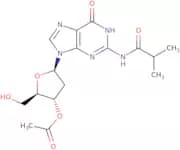
CAS :3'-O-Acetyl-2'-deoxy-N2-isobutyrylguanosine is a modified nucleoside that can be used as an antiviral agent. It is a phosphoramidite that is activated by diphosphate and has been shown to inhibit DNA replication in vitro. 3'-O-Acetyl-2'-deoxy-N2-isobutyrylguanosine also has anticancer activity and can be used to treat leukemia, lymphoma, and myeloma. This high quality product is synthesized from natural deoxyribonucleosides and has a purity of > 98%.Formule :C16H21N5O6Degré de pureté :Min. 95%Masse moléculaire :379.37 g/mol2-Chloropurine
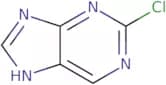
CAS :2-Chloropurine is a halogenated derivative of purine, a bicyclic nitrogen-containing heterocycle that forms the core of many biologically important molecules like DNA, RNA, ATP, and GTP. This molecule has applications in researchFormule :C5H3ClN4Degré de pureté :Min. 95%Couleur et forme :PowderMasse moléculaire :154.56 g/mol7-Deaza-4-Cl-2'-deoxyguanosine
CAS :7-Deaza-4-Cl-2'-deoxyguanosine is a novel antiviral drug that has been synthesized in the laboratory. It is an analogue of deoxyguanosine, a nucleoside that is found in DNA and RNA. 7-Deaza-4-Cl-2'-deoxyguanosine has anti cancer properties because it inhibits the synthesis of DNA by inhibiting the activity of ribonucleoside reductase, an enzyme that converts ribonucleosides to deoxyribonucleosides. This drug has been shown to have potent anticancer activity against human lung cancer cells and mouse leukemia cells.Formule :C11H13ClN4O3Degré de pureté :Min. 95%Couleur et forme :PowderMasse moléculaire :284.7 g/molXanthosine 5'-triphosphate disodium salt
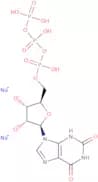
CAS :Xanthosine 5'-triphosphate disodium salt is a nucleotide that is an intermediate in the synthesis of DNA and RNA. It has a hydroxyl group at the 5' carbon atom and two carboxylic acid groups on the 3' carbon atom. Xanthosine 5'-triphosphate disodium salt can be found in many compounds, such as d-glucose, which contains six hydroxyl groups. Xanthosine 5'-triphosphate disodium salt is also used as a building block for other molecules, such as ATP, which contains adenosine with one hydroxyl group on the 2' carbon atom and three phosphate groups.Formule :C10H13N4O15P3·2NaDegré de pureté :Min. 95%Couleur et forme :PowderMasse moléculaire :568.13 g/molDeoxyribonucleic acid sodium salt - (Salmon)
CAS :Deoxyribonucleic acid sodium salt (DNA) is a linear polymer made up of nucleotide subunits. It is the genetic material of most living organisms and plays a role in the storage, retrieval, and transmission of information. DNA is susceptible to attack by electrophilic agents such as aldehydes and nitroaldol, which can lead to the formation of DNA strand breaks. DNA from salmon testes can be used in commercial production of veterinary vaccines.Couleur et forme :Powder1-Methylpseudouridine
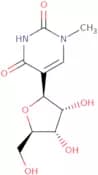
CAS :1-Methylpseudouridine is a substitute for uridine in modified mRNA. This substitution has shown to increase transfection by reducing immuogenicity. The 1-methylpseudouridine substituted mRNA increases protein expression due to low immune stimulation as it evades detection by the edosomal Toll-like receptor (TLR3).Formule :C10H14N2O6Degré de pureté :Min. 95 Area-%Couleur et forme :PowderMasse moléculaire :258.23 g/molEdU
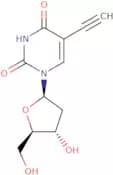
CAS :2'-Deoxy-5-ethynyluridine (5-EdU) is a modified thymidine analogue containing a terminal alkyne group, which is used for nucleotide labelling. 5-Edu is easily taken up by cells and incorporated by metabolic activation during DNA synthesis. By adding an azide conjugated to a fluorophore or a biotin moiety, a click reaction occurs from the labelled nucleotide linked by a triazole group. 5-Edu are employed in cell proliferation assays, to study DNA and RNA localisation, structure and dynamics, in the synthesis of aptamers with the click-SELEX method, and in other applications such as the preparation of oligonucleotide microarrays and nanoelectronic devices.Formule :C11H12N2O5Degré de pureté :Min. 98 Area-%Couleur et forme :PowderMasse moléculaire :252.23 g/mol9-(2'-Deoxy-2'-fluoro-b-D-ribofuranosyl)-isoguanine
9-(2'-Deoxy-2'-fluoro-b-D-ribofuranosyl)-isoguanine is an oligonucleotide with a fluorinated nucleobase that is used to stabilize DNA duplexes. It is synthesized from 5'-deoxy-5'-fluorocytidine, which is a phosphoramidite, and 2',3',5'-triacetylpyrimidine, which is a substituent. The deprotection of the fluorinated oligonucleotide can be achieved by treatment with sodium hydroxide in ethanol or hydrochloric acid in acetic acid. 9-(2'-Deoxy-2'-fluoro-b-D-ribofuranosyl)-isoguanine has been shown to be stable and antiparallel when incorporated into double stranded DNA molecules.Formule :C10H12FN5O4Degré de pureté :Min. 95%Couleur et forme :White PowderMasse moléculaire :285.24 g/molN6-Carbamoylthreonyladenosine sodium salt
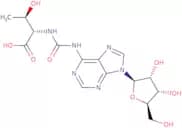
CAS :N6-Carbamoylthreonyladenosine sodium salt is a fatty acid that is found in the bacterial cell wall. It has been shown to be an essential component of the cell wall for Gram-positive and Gram-negative bacteria. N6-Carbamoylthreonyladenosine sodium salt has been used to study the mechanism of protein synthesis in bacteria, especially how enzymes are involved in this process. Chemical biology studies have shown that this molecule can bind to DNA and inhibit bacterial growth. The crystal structure of N6-Carbamoylthreonyladenosine sodium salt has also been determined using x-ray diffraction data. This molecule inhibits the binding of proteins to DNA, which prevents transcription and replication. The reaction mechanism involves hydrogen bonding between the oxygen atoms on N6-Carbamoylthreonyladenosine sodium salt and divalent metal ions such as magnesium or zinc, which are required for protein synthesis.Formule :C15H19N6O8·NaDegré de pureté :Min. 98 Area-%Couleur et forme :White PowderMasse moléculaire :434.34 g/mol3'-O-Propargylcytidine
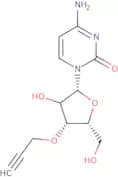
3'-O-Propargylcytidine is a monophosphate nucleoside that belongs to the group of synthetic, novel nucleosides and deoxyribonucleosides. It is a modified form of cytidine with an extra methyl group attached to the 3' position of the ribose sugar. 3'-O-Propargylcytidine has been shown to inhibit cancer cells by binding to DNA and preventing transcription and replication. This compound also inhibits virus replication and has antiviral properties. 3'-O-Propargylcytidine is highly pure and high quality, which makes it a good candidate for use in pharmaceuticals or other applications requiring high purity.
Formule :C12H15N3O5Degré de pureté :(%) Min. 97%Couleur et forme :PowderMasse moléculaire :281.26 g/molL-Uridine
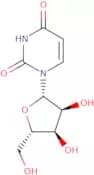
CAS :L-Uridine is a nucleoside that is the major precursor of RNA and DNA. It is also an equilibrative nucleoside, which means that it can act as either an acid or a base. L-Uridine has been shown to have anti-tumor activity in squamous cell carcinoma and human malignancies. It has also been shown to be an active inhibitor of arabinoside, which is a drug used for the treatment of acute myeloid leukemia (AML). L-Uridine may also have antitumor immunity effects by activating natural killer cells.Formule :C9H12N2O6Degré de pureté :Min. 95%Couleur et forme :PowderMasse moléculaire :244.2 g/molb-Nicotinamide adenine dinucleotide phosphate sodium salt
CAS :Coenzyme and regenerating electron donor in catabolic processesFormule :C21H27N7NaO17P3Degré de pureté :Min. 95 Area-%Couleur et forme :PowderMasse moléculaire :765.39 g/mol3',5'-O-(1,1,3,3-Tetraisopropyl-1,3-disiloxanediyl)cytidine
CAS :Used as a protected cytidine nucleoside in RNA synthesis. Similar to its adenosine counterpart, the 1,1,3,3-tetraisopropyl-1,3-disiloxanediyl (TIPDS or TBDPSi2) group serves as a bulky and selectively acid-labile protecting group for the 3' and 5' hydroxyl groups of the cytidine ribonucleoside during RNA oligonucleotide synthesis.Formule :C21H39N3O6Si2Degré de pureté :Min. 95 Area-%Couleur et forme :PowderMasse moléculaire :485.72 g/molGuanosine 5'-triphosphate sodium salt hydrate
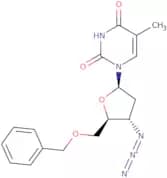
CAS :Guanosine 5'-triphosphate sodium salt hydrate (GTP) is an energy-rich nucleotide that is synthesized from guanosine and inorganic phosphate. GTP acts as a coenzyme in the synthesis of proteins, lipids, and other biological molecules. It also has been shown to inhibit the growth of murine sarcoma virus by regulating intracellular calcium levels. GTP's binding to a receptor on the surface of cells leads to a cascade of reactions that ultimately lead to the production of proteins. This process can be inhibited by pharmacological agents such as thiostrepton, which blocks GTP's incorporation into proteins.Formule :C10H16N5O14P3•Nax•(H2O)xDegré de pureté :Min. 95%Couleur et forme :White PowderMasse moléculaire :523.18 g/mol3'-Azido-5'-O-benzoyl-3'-deoxythymidine
CAS :3'-Azido-5'-O-benzoyl-3'-deoxythymidine is a novel antiviral agent that is synthesized by modifying the structure of thymidine. It has been shown to have high antiviral activity against HIV and other viruses in vitro. 3'-Azido-5'-O-benzoyl-3'-deoxythymidine also inhibits tumor growth in animal models and may be useful as an anticancer drug. This compound is found to be active against a number of cancers, including leukemia, colon cancer, and prostate cancer. 3'-Azido-5'-O-benzoyl-3'-deoxythymidine is phosphoramidites for DNA synthesis, which can be used in the production of ribonucleosides or deoxyribonucleosides.Formule :C17H19N5O4Degré de pureté :Min. 95%Masse moléculaire :357.36 g/molCytidine 3',5'-cyclic monophosphate monosodium
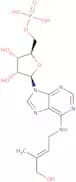
CAS :Cytidine 3',5'-cyclic monophosphate monosodium is a phosphotriester that is used as a building block to synthesize ribonucleosides, uridine, guanosine, and cytidine. The phosphate group in the molecule can be removed by nucleophilic substitution with ammonia or sodium hydroxide to form the corresponding nucleosides. Cytidine 3',5'-cyclic monophosphate monosodium has been shown to inhibit bacterial growth.Formule :C9H11N3O7PNaDegré de pureté :Min. 95%Couleur et forme :White PowderMasse moléculaire :327.16 g/moltrans-Zeatin riboside-5'-monophosphate sodium salt
CAS :Trans-zeatin riboside-5'-monophosphate sodium salt is a growth rate inhibitor that inhibits protein synthesis by binding to the 30S subunit of the ribosome. This compound has been shown to inhibit cell growth and proliferation in vitro when applied to tissue cultures of tabacum l. and other plants. Trans-zeatin riboside-5'-monophosphate sodium salt is not active against plant tissues grown in vivo, which may be due to its inability to cross the plasma membrane or cell wall.Formule :C15H20N5O8PNa2Degré de pureté :Min. 95 Area-%Couleur et forme :PowderMasse moléculaire :475.3 g/mol5-Cyanouridine
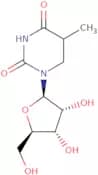
CAS :5-Cyanouridine is a pyrimidine nucleoside that is synthesized from uracil. It is a potent inhibitor of the enzyme decarboxylase, which catalyzes the conversion of 5-cytosine to 5-uracil, and has been used for the treatment of malignant lymphoma. 5-Cyanouridine is also a substrate for DNA replication and can be used as a target for antiviral drugs. The drug inhibits viral RNA synthesis by acting on the vesicular stomatitis virus (VSV) in two different ways: first, by inhibiting viral RNA polymerase activity; second, by incorporation into viral DNA. This incorporation can lead to chain termination or to translesion synthesis. 5-Cyanouridine has been shown to inhibit VSV replication in cell culture at concentrations as low as 1 μM.Formule :C10H11N3O6Degré de pureté :Min. 95%Couleur et forme :PowderMasse moléculaire :269.21 g/mol5,6-Dihydro-5-methyluridine
CAS :5,6-Dihydro-5-methyluridine is a nucleoside that is found in the human genome. It is a precursor of uridine and can be used to synthesize 5-methylcytosine, which is an epigenetic modification that occurs in DNA. This modification can affect the expression of genes by changing the structure of chromatin. This drug has been identified as a potential drug target for cancer treatment and other diseases. Structural analysis has shown that this compound has a number of hydrogen bonds with oxygen atoms and hydroxyl groups, which may make it more effective than other drugs currently being studied. 5,6-Dihydro-5-methyluridine forms a phylogenetic tree with other compounds that are also found in the human genome, suggesting that it may have evolved through natural selection.Formule :C10H16N2O6Degré de pureté :Min. 95%Couleur et forme :White Off-White PowderMasse moléculaire :260.24 g/molAdenosine 5'-phosphosulfate sodium salt, 10 mM in water
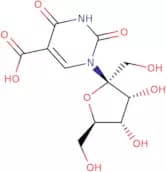
CAS :Adenosine 5′-phosphosulfate sodium salt has been used quantify pyrophosphate and in enzyme-linked bioluminescence assay for adenosine triphosphate (ATP).Product provided as 10 mM solution in water.Formule :C10H14N5O10PSDegré de pureté :Min. 90.0 Area-%Masse moléculaire :427.28 g/mol5-Carboxyhydroxymethyluridine
CAS :5-Carboxyhydroxymethyluridine is a hydroxylated nucleoside that is used to study DNA repair. It is a nucleotide analogue that has been modified at the hydroxyl group by methylation. 5-Carboxyhydroxymethyluridine can be converted back to uridine by escherichia coli hydroxylases, but this conversion does not occur in vivo. 5-Carboxyhydroxymethyluridine can be used as a substrate for methyltransferase enzymes, which are involved in DNA repair. The enzyme 5'-methylthioadenosine phosphorylase converts 5-carboxyhydroxymethyluridine into S-adenosylhomocysteine and adenine. This conversion can be reversed by the enzyme methionine synthase. Some homologues of 5-carboxyhydroxymethyluridine have been found in nature and other modifications have been made on theFormule :C11H14N2O9Degré de pureté :Min. 95%Couleur et forme :PowderMasse moléculaire :318.24 g/mol5'-O-DMT-2'-O-methylcytidine
CAS :5'-O-DMT-2'-O-methylcytidine is a monophosphate nucleoside of cytidine. It is used as an antiviral agent and has been shown to have anticancer effects in vitro. 5'-O-DMT-2'-O-methylcytidine is synthesized by modification of the natural deoxyribonucleosides, which are then phosphoramidited to form a 5'-O-DMT-2'-O-methylcytidine monophosphate. The synthesis process also produces diphosphate and triphosphate forms of the nucleoside, which can be used for other purposes.
Formule :C31H33N3O7Degré de pureté :Min. 95%Masse moléculaire :559.61 g/molGlycinamide ribonucleotide
CAS :Glycinamide ribonucleotide (GAR) is a reactive metabolite that is formed from glycinamide, which is an intermediate in the synthesis of purines. GAR has been shown to bind to intracellular targets and inhibit their enzyme activities. GAR has been shown to inhibit the activity of enzymes that are involved in the synthesis of purines, such as ribonucleotides and nucleoside phosphates. These enzymes have been found in human tissues. GAR also inhibits the polymerase chain reaction (PCR) by binding to DNA and inhibiting its replication. This drug has also been shown to be effective against bowel disease by binding to bacterial dna gyrase, dna topoisomerase, and rna synthesis.
Formule :C7H15N2O8PDegré de pureté :Min. 80 Area-%Couleur et forme :PowderMasse moléculaire :286.18 g/molN1-Methyladenosine
CAS :N1-Methyladenosine is a nucleoside that has been shown to inhibit the synthesis of proteins in the ribosome, which are essential for all cellular functions. N1-Methyladenosine has been shown to be effective against HIV infection, and has also been used as a chemotherapeutic agent in cancer cells. The optimum concentration of this drug is unknown, but it is known that at high concentrations, it can cause cellular death. N1-Methyladenosine has also been shown to be effective in treating metabolic disorders and autoimmune diseases.Formule :C11H15N5O4Degré de pureté :Min. 95%Couleur et forme :White PowderMasse moléculaire :281.27 g/molC2-Methyladenosine
CAS :C2-Methyladenosine is a x-ray crystal structure of the mutant strain of Mycobacterium tuberculosis that has an efficient method for binding to the substrate. The uptake of C2-methyladenosine by the wild type strain was found to be at least four times higher than that of adenosine. The analog was also shown to have pharmacokinetic properties in fat cells, which leads to a decrease in ATP levels.
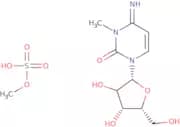
Formule :C11H15N5O4Degré de pureté :Min. 96 Area-%Couleur et forme :White PowderMasse moléculaire :281.27 g/molN3-Methylcytidine methosulfate
CAS :N3-Methylcytidine methosulfate is a novel antiviral agent that inhibits the synthesis of DNA and RNA. It has been shown to be effective against hepatitis B virus, herpes simplex virus, varicella-zoster virus, human immunodeficiency virus, and cytomegalovirus. N3-Methylcytidine methosulfate was found to be active in a variety of animal models including mice and rats. This drug has anticancer properties in the treatment of leukemia, lymphoma, and breast cancer. The phosphoramidite derivative of N3-methylcytidine methosulfate is used as an activator for oligonucleotide synthesis.
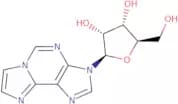
Formule :C10H15N3O5·CH4SO4Degré de pureté :Min. 98 Area-%Couleur et forme :PowderMasse moléculaire :369.35 g/molN6-Ethenoadenosine
CAS :N6-Ethenoadenosine is a fluorescent derivative that is used in biology to study the binding of receptor molecules to DNA. N6-Ethenoadenosine binds to the dinucleotide phosphate, which is an important component for many metabolic processes. It also has been shown to be an effective inhibitor of DNA duplexes and ATPase activity. N6-Ethenoadenosine has a glycosidic bond with p-nitrophenyl phosphate, which is a substrate of creatine kinase and can be used as an indicator of its activity. This product is also used as a marker for damaged DNA.Formule :C12H13N5O4Degré de pureté :Min. 95%Couleur et forme :White PowderMasse moléculaire :291.26 g/molGuanosine 3',5'-cyclic monophosphate
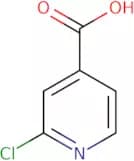
CAS :Guanosine 3',5'-cyclic monophosphate (cGMP) is a nucleotide that functions as a second messenger in the cell. It is involved in many cellular processes, including mitochondrial functions and energy metabolism. cGMP is synthesized from guanosine triphosphate (GTP) by the enzyme guanine nucleotide-binding protein, which hydrolyzes the phosphate group from GTP to form cGMP. cGMP has been shown to be involved in neuronal death, axonal growth, and glucose uptake in cells. Optimum concentrations of cGMP have been found to be between 1-10 μM. It has also been shown to be an important mediator of cyclic axonal growth and bowel disease. Guanosine 3',5'-cyclic monophosphate can also act as a polymerase chain reaction primer for DNA amplification in vitro.Formule :C10H12N5O7PDegré de pureté :Min. 98 Area-%Couleur et forme :White PowderMasse moléculaire :345.21 g/mol2-Chloroisonicotinic acid
CAS :2-Chloroisonicotinic acid is a halogenated derivative of isonicotinic acid where a chlorine atom is substituted at the 2-position of the pyridine ring (next to the carboxylic acid group).Formule :C6H4ClNO2Degré de pureté :Min. 95%Couleur et forme :PowderMasse moléculaire :157.55 g/mol2'-Deoxy-2',2'-difluorocytidine 5'-triphosphate triethylammonium salt - Aqueous solution
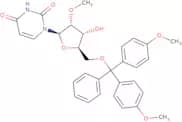
CAS :2'-Deoxy-2',2'-difluorocytidine 5'-triphosphate triethylammonium salt - Aqueous solution is a nucleoside analog for research purposesFormule :C9H14F2N3O13P3·C24H60N4Couleur et forme :Colorless PowderMasse moléculaire :907.9 g/mol5'-O-DMT-2'-O-methyluridine
CAS :5'-O-DMT-2'-O-methyluridine (5'-OMeT) is a phosphoramidite building block of a modified nucleoside that is used in biological research. The stability of 5'-OMeT has been studied by thermal denaturation studies and found to be more stable than other analogues such as 6-azacytidine, 6-azauridine, and 6-azathymidine. This may be due to its increased resistance to endonucleolytic cleavage. 5'-OMeT has not shown any significant biological activity in vivo or in vitro.Formule :C31H32N2O8Degré de pureté :Min. 95%Couleur et forme :White PowderMasse moléculaire :560.61 g/mol8-(4-Chlorophenylthio)adenosine 3',5'-cyclic monophosphate monosodium salt
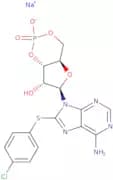
CAS :8-(4-Chlorophenylthio)adenosine 3',5'-cyclic monophosphate monosodium salt (8-CPT-cAMP) is a cytosolic second messenger that regulates physiological processes. It interacts with the G protein coupled receptor 2-adrenergic receptor, and activates adenylyl cyclase to produce cAMP. 8-CPT-cAMP also induces mitochondrial membrane potential depolarization and Ca2+ release from the endoplasmic reticulum, which leads to cell death. The pro-apoptotic protein Bax is upregulated by 8-CPT-cAMP in cells and contributes to cell death.Formule :C16H14ClN5NaO6PSDegré de pureté :Min. 97 Area-%Couleur et forme :PowderMasse moléculaire :493.79 g/mol2',3'-Di-O-acetyladenoside
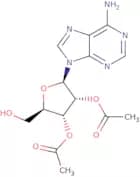
CAS :2',3'-Di-O-acetyladenoside is a nucleoside for use in research applicationsFormule :C14H17N5O6Degré de pureté :Min. 97 Area-%Couleur et forme :White PowderMasse moléculaire :351.31 g/mol2'-O-Methylguanosine
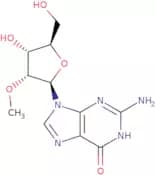
CAS :2'-O-Methylguanosine is a nucleoside that contains a 2'-O-methyl group at the 2' position of the ribose. It is a component of many nucleic acids and is usually found as a minor component in RNA. 2'-O-Methylguanosine has been shown to be an inhibitor of DNA polymerase and an activator of RNA polymerase, which may be due to its ability to form hydrogen bonds with the phosphate backbone. This compound has also been shown to act as a competitive inhibitor for both wild-type and mutant bacterial strains, suggesting that it can inhibit DNA synthesis in bacteria by binding to the enzyme's active site. 2'-O-Methylguanosine is present in relatively high concentrations in tissues, such as liver and muscle, where it is involved in metabolism or energy production. The optimum concentration for detection by analytical methods varies depending on the type of detector used.Formule :C11H15N5O5Degré de pureté :Min. 95%Couleur et forme :White PowderMasse moléculaire :297.27 g/mol3'-O-Methylguanosine
CAS :3'-O-Methylguanosine is a nucleoside that is found in the guanine molecule and has been shown to have inhibitory properties against malignant brain tumors. 3'-O-Methylguanosine blocks the synthesis of DNA, RNA, and peptide hormones. It also inhibits the growth of erythromycin-resistant strains of bacteria. The kinetic data for 3'-O-Methylguanosine was obtained from experiments with leukemic mice and carcinoma cell lines. The enzyme glut1 regulates the rate of metabolism of 3'-O-Methylguanosine. It is metabolized by dehydroascorbic acid reductase to 3'-deoxyadenosine monophosphate (dAMP) and then to adenosine monophosphate (AMP). The optimum pH for this reaction is 7.3 at 37 degrees Celsius.Formule :C11H15N5O5Degré de pureté :Min. 98 Area-%Couleur et forme :White Off-White PowderMasse moléculaire :297.27 g/mol5-Hydroxycytidine
CAS :5-Hydroxycytidine is a pyrimidine nucleoside that is found in DNA and RNA. It can be produced by the conversion of cytidine 5-monophosphate to cytidine 5'-diphosphate, which is then hydrolyzed to produce 5-hydroxycytidine. This conversion requires the enzyme cytidylate kinase. The structure of 5-hydroxycytidine differs from other pyrimidine nucleosides as its hydroxyl group does not have an acidic proton present. Biological functions that have been attributed to 5-hydroxydihydrocytidylic acid include its ability to inhibit translation and induce cell death in lung cells. This compound has also been shown to modify DNA duplexes and form bioconjugates with proteins or small molecules, such as fluorescein and digoxigenin. These modifications are used in analytical methods such as phase chromatography, nuclear magnetic resonance spectroscopy
Formule :C9H13N3O6Degré de pureté :Min. 95 Area-%Couleur et forme :PowderMasse moléculaire :259.22 g/mol8-Bromoguanosine hydrate
CAS :8-Bromoguanosine hydrate is a brominated form of guanosine. It is used as a marker for colorectal cancer in urine samples. 8-Bromoguanosine hydrate can be used to calibrate the results of chromatographic analyses and to identify metabolic disorders, such as fatty acid oxidation defects. The compound is also an endogenous ligand that interacts with adenosine receptors and may have pro-apoptotic effects on cancer cells by triggering their death. 8-Bromoguanosine hydrate has been shown to be more effective than other brominated nucleosides in inducing apoptosis in malignant cells, including colorectal carcinoma cells.Formule :C10H12BrN5O5·xH2ODegré de pureté :Min. 95%Couleur et forme :PowderMasse moléculaire :362.14 g/mol2'-Deoxy-5-hydroxymethylcytidine
CAS :2'-Deoxy-5-hydroxymethylcytidine is a nucleoside analog that inhibits the enzyme thymidylate synthase. The inhibition of this enzyme leads to a deficiency in the production of thymine, which is essential for DNA synthesis. 2'-Deoxy-5-hydroxymethylcytidine has been shown to be an effective anti-cancer agent in vitro and in vivo. It can also be used as a potential biomarker for cancer and can be used as a polymerase chain reaction (PCR) primer for detection of cancer tissue. This drug binds to the polymerase enzyme, preventing it from performing its function to replicate DNA, thereby halting cell division and causing cell death.Formule :C10H15N3O5Degré de pureté :Min. 95%Couleur et forme :White Yellow PowderMasse moléculaire :257.24 g/mol3'-O-Propargyluridine
CAS :3'-O-Propargyluridine is a synthetic nucleoside with an alkyne functional handle on the 3'-position of the sugarFormule :C12H14N2O6Degré de pureté :Min. 95%Couleur et forme :White PowderMasse moléculaire :282.25 g/mol2-Chloro-2',3'-O-isopropylideneadenosine
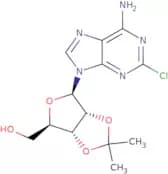
CAS :2-Chloro-2',3'-O-isopropylideneadenosine is a novel, anti-cancer drug that inhibits the synthesis of DNA. It is a phosphoramidite monophosphate with a molecular weight of 288.08 g/mol and an empirical formula C6H12ClNO5PS. The chemical name for this compound is 2-chloro-N-(2,3-diisopropyl)adenine diphosphate. This product has not yet been approved by the FDA for use in humans or animals.Formule :C13H16ClN5O4Degré de pureté :Min. 95%Couleur et forme :PowderMasse moléculaire :341.75 g/mol