Nucléosides
3570 produits trouvés pour "Nucléosides"
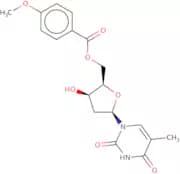
5'-O-p-Anisoylthymidine
5'-O-p-Anisoylthymidine is a novel activator and ribonucleoside that has been synthesized by modifying the structure of thymidine. This compound is active against cancer and antiviral, such as herpes simplex virus type 1, herpes simplex virus type 2, varicella zoster virus, influenza A/PR/8/34 (H1N1), and influenza B/Yamagata/16/88. 5'-O-p-Anisoylthymidine activates viral transcription in cells infected with these viruses by inhibiting the synthesis of deoxyribonucleosides. It also inhibits DNA synthesis by inhibiting the incorporation of deoxyribonucleotides into DNA during replication. This product is CAS No. 138581-03-2 and comes in high purity and high quality.Formule :C18H20N2O7Degré de pureté :Min. 95%Masse moléculaire :376.36 g/mol2'-Deoxy-5-methyl-isocytidine triphosphate
2'-Deoxy-5-methyl-isocytidine triphosphate (2'-DMI-dTP) is a novel nucleoside that is synthesized by phosphoramidite chemistry. 2'-DMI-dTP has antiviral and anticancer activities, and can be used for the treatment of hepatitis B virus (HBV) and human papillomavirus (HPV). It has shown protective effects in animal models of HBV infection. 2'-DMI-dTP inhibits HBV replication by inhibiting DNA synthesis. In addition, it decreases levels of reactive oxygen species in cells treated with HBV. 2'-DMI-dTP also inhibits HPV replication through inhibition of DNA synthesis, which may lead to cancer prevention or treatment. 2'-DMI-dTP may be a useful drug candidate for the treatment of other viral infections such as influenza A virus and HIV type 1.Degré de pureté :Min. 95%O2-3'-anhydro-β-D-fructofuranosyluracil
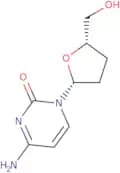
O2-3'-anhydro-beta-D-fructofuranosyluracil is a novel nucleoside analogue that has antiviral and anticancer properties. It is synthesized by the reaction of beta-D-fructofuranosyluracil with phosphoramidites. The product is purified by HPLC and characterized by IR spectroscopy, UV spectroscopy, and mass spectrometry.Degré de pureté :Min. 95%2',3'-Dideoxycytidine
CAS :Anti-viral; reverse transcriptase inhibitorFormule :C9H13N3O3Degré de pureté :Min. 98 Area-%Couleur et forme :White PowderMasse moléculaire :211.22 g/molQueuine hydrochloride
CAS :Queuine is a modified nucleoside found in tRNA. It is synthesized from guanosine by the enzyme queuine tRNA-ribosyltransferase, which converts guanosine to queuosine. Queuine hydrochloride is a synthetic form of queuine that can be used for research purposes to examine the anticodon loop and other structural features of the molecule. The prokaryotic and eukaryotic organisms studied showed different levels of synthesis of queuine, with bacteria synthesizing more than mammals. Bacteria were found to have a greater affinity for queuine than eukaryotes, which may be due to modification of the trna anticodon loop or to differences in ribosomal proteins.Formule :C12H15N5O3·HClDegré de pureté :(%) Min. 90%Couleur et forme :Light (Or Pale) Beige To Light (Or Pale) Purple SolidMasse moléculaire :313.74 g/mol3'-b-Azido-2',3'-dideoxy-5'-O-DMT-uridine
3'-b-Azido-2',3'-dideoxy-5'-O-DMT-uridine is a modified nucleoside that is synthesized by the phosphoramidite method. It is a novel antiviral drug with anticancer properties. This active compound has been shown to be an activator of ribonucleotide reductases, which are enzymes that catalyze the conversion of ribonucleotides to deoxyribonucleotides. 3'-b-Azido-2',3'-dideoxy-5'-O-DMT-uridine is not cytotoxic at concentrations up to 40 mM, and it has been shown to inhibit replication of human immunodeficiency virus type 1 (HIV) in tissue culture.Degré de pureté :Min. 95%5'-O-Benzyl-N2-DMF-2'-deoxyguanosine
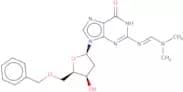
5'-O-Benzyl-N2-DMF-2'-deoxyguanosine is a deoxyribonucleoside that is synthesized from 5'-O-benzyl-N2,N4-dimethoxypyridinium chloride and 2'-deoxyguanosine. It is a novel anticancer and antiviral agent that has shown to be more active than other analogues in inhibiting the growth of human cancer cells in culture. The drug has also been shown to inhibit the replication of herpes simplex virus type 1 (HSV1) in animal models. 5'-O-Benzyl-N2,N4-dimethoxypyridinium chloride was used as the precursor for this drug, which can be prepared by reacting benzaldehyde with dimethoxypyrimidine.Formule :C20H24N6O4Degré de pureté :Min. 95%Masse moléculaire :412.44 g/mol5’(R)-C-Methyladenosine
CAS :5’(R)-C-Methyladenosine is a nucleoside that is used as an antiviral and anticancer agent. It has been shown to inhibit the replication of the human immunodeficiency virus type 1 (HIV-1) in a dose-dependent manner, with an IC50 value of about 0.4 μM for HIV-1 reverse transcriptase activity. In addition, 5’(R)-C-Methyladenosine has been shown to inhibit DNA synthesis and promote apoptosis in cancer cells by inhibiting transcription and translation. The compound also inhibits the growth of tumor cells in mice without affecting normal tissue growth.
Degré de pureté :Min. 95%3'-O-Aminothymidine
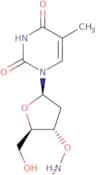
CAS :3'-O-Aminothymidine is an isomer of thymidine, a nucleoside that is found in DNA and RNA. It has a neutral charge and belongs to the category of nucleosides. 3'-O-Aminothymidine is synthesized by the coupling of an amino group with a hydroxyl group. This reaction is efficient and can be used to produce dimers. 3'-O-Aminothymidine can also be used as a precursor for other nucleotides or as a synthetic intermediate in other chemical reactions.Formule :C10H15N3O5Degré de pureté :Min. 95%Couleur et forme :PowderMasse moléculaire :257.24 g/molN6-Carbamoylthreonyladenosine sodium salt
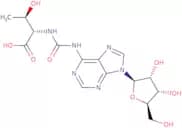
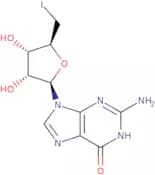
CAS :N6-Carbamoylthreonyladenosine sodium salt is a fatty acid that is found in the bacterial cell wall. It has been shown to be an essential component of the cell wall for Gram-positive and Gram-negative bacteria. N6-Carbamoylthreonyladenosine sodium salt has been used to study the mechanism of protein synthesis in bacteria, especially how enzymes are involved in this process. Chemical biology studies have shown that this molecule can bind to DNA and inhibit bacterial growth. The crystal structure of N6-Carbamoylthreonyladenosine sodium salt has also been determined using x-ray diffraction data. This molecule inhibits the binding of proteins to DNA, which prevents transcription and replication. The reaction mechanism involves hydrogen bonding between the oxygen atoms on N6-Carbamoylthreonyladenosine sodium salt and divalent metal ions such as magnesium or zinc, which are required for protein synthesis.Formule :C15H19N6O8·NaDegré de pureté :Min. 98 Area-%Couleur et forme :White PowderMasse moléculaire :434.34 g/mol5'-Deoxy-5'-iodoguanosine
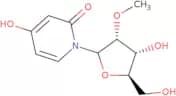
CAS :5'-Deoxy-5'-iodoguanosine is a synthetic nucleoside that is used as a molecular probe to study the biochemical and physiological effects of UV irradiation. It has been shown to be reactive under in vitro conditions, and to have functionalities in vivo. 5'-Deoxy-5'-iodoguanosine has been used as a polymerase inhibitor, and it can also be used for the synthesis of oligonucleotides.Formule :C10H12IN5O4Degré de pureté :Min. 95%Couleur et forme :Yellow PowderMasse moléculaire :393.14 g/mol3-Deaza-2'-O-methyluridine
CAS :3-Deaza-2'-O-methyluridine is a nucleoside that is used as an antiviral agent and in the treatment of leukemia. It has been shown to inhibit the growth of L1210 cells in a dose-dependent manner. 3-Deaza-2'-O-methyluridine also inhibits the synthesis of DNA, RNA, and proteins. The compound is eliminated by renal excretion with a plasma elimination half life of 9 hours. This drug can be administered intramuscularly or intravenously at a dosage of 10 mg/kg every 8 hours, but should not be given more than 5 days without interruption due to accumulation in tissues.
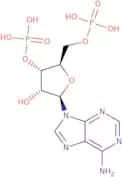
Formule :C11H15NO6Degré de pureté :Min. 95%Masse moléculaire :257.24 g/molAdenosine 3',5'-bisphosphate triethylammonium salt - 10mM aqueous solution
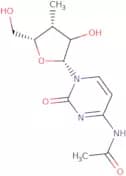
CAS :Adenosine 3',5'-bisphosphate triethylammonium salt is a metabolite of adenosine and an ester of triethylamine. The conjugate acid has been isolated from mouse urine. It is a metabolite of adenosine in the liver and is hydrolyzed to adenosine monophosphate and bisphosphate. Adenosine 3',5'-bisphosphate triethylammonium salt is used to study the metabolism of adenosine in mice. It has also been shown that this metabolite can inhibit the growth of E. coli (a bacterium) and mouse erythrocyte mitochondria by blocking ATP synthesis at the level of substrate-level phosphorylation.Formule :C10H15N5O10P2•(C6H15N)xDegré de pureté :Min. 95%Masse moléculaire :427.2 g/molN4-Acetyl-3'-deoxy-3'-C-methylcytidine
N4-Acetyl-3'-deoxy-3'-C-methylcytidine is a novel antiviral drug that is modified from cytidine. It is an activator of the monophosphate pathway of DNA synthesis, which causes the incorporation of N4-acetyl-3'-deoxy-3'-C-methylcytidine into ribonucleosides and deoxyribonucleosides. This compound has been shown to be active against a variety of cancers, including leukemia, colon cancer, breast cancer, and prostate cancer.Formule :C12H17N3O5Degré de pureté :Min. 95%Masse moléculaire :283.28 g/mol3-Acetylpyridine adenine dinucleotide
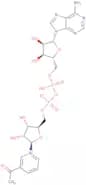
CAS :A non-physiological analog of nicotinamide adenine dinucleotide (NAD+) in biochemical research, particularly as a tool to study the mechanisms of NAD+-dependent enzymes.Formule :C22H28N6O14P2Degré de pureté :Min. 92 Area-%Couleur et forme :White Off-White PowderMasse moléculaire :662.44 g/mol1-(2-Deoxy-5-O-MMT-b-D-threo-pentofuranosyl)-5-fluorouracil
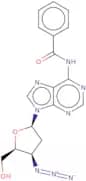
CAS :1-(2-Deoxy-5-O-MMT-b-D-threo-pentofuranosyl)-5-fluorouracil is a monophosphate of 1,4,5,6-tetrahydro-2-(2′,3′,4′,5′,6′)-dimethoxytrityloxyimino-[3H]benzofuran. It is an antiviral agent that inhibits the synthesis of viral DNA. It can be used as a synthetic nucleoside to inhibit the growth of cancer cells. This drug is manufactured by modifying the structure at the 5 position to include 2’-, 3’-, and 4’-O-[(methoxycarbonyl)methyl] substituents. The 1-(2'-deoxyribonucleoside) moiety has been modified with a phosphoramidite residue at the 5 position so that it isFormule :C29H27FN2O6Degré de pureté :Min. 95%Masse moléculaire :518.53 g/mol3'-Azido-N6-benzoyl-2',3'-dideoxyadenosine
CAS :3'-Azido-N6-benzoyl-2',3'-dideoxyadenosine is an antiviral drug that inhibits the synthesis of viral DNA and RNA. This antiviral drug is a novel synthetic nucleoside analogue that is phosphorylated to form monophosphate, which inhibits the synthesis of RNA. 3'-Azido-N6-benzoyl-2',3'-dideoxyadenosine has been shown to be effective against cancer cells by inhibiting ribonucleotide reductase and DNA synthesis. 3'-Azido-N6-benzoyl-2',3'-dideoxyadenosine also inhibits DNA synthesis by blocking the enzymes DNA polymerase and deoxyribonucleoside kinase.Formule :C17H16N8O3Degré de pureté :Min. 95%Couleur et forme :PowderMasse moléculaire :380.36 g/mol3'-O-Propargylcytidine
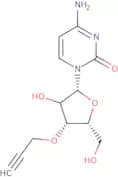
3'-O-Propargylcytidine is a monophosphate nucleoside that belongs to the group of synthetic, novel nucleosides and deoxyribonucleosides. It is a modified form of cytidine with an extra methyl group attached to the 3' position of the ribose sugar. 3'-O-Propargylcytidine has been shown to inhibit cancer cells by binding to DNA and preventing transcription and replication. This compound also inhibits virus replication and has antiviral properties. 3'-O-Propargylcytidine is highly pure and high quality, which makes it a good candidate for use in pharmaceuticals or other applications requiring high purity.
Formule :C12H15N3O5Degré de pureté :(%) Min. 97%Couleur et forme :PowderMasse moléculaire :281.26 g/mol5-O-Benzoyl-1,2-O-isopropylidene-3-O-methyl-a-D-xylofuranose
5-O-Benzoyl-1,2-O-isopropylidene-3-O-methyl-a-D-xylofuranose is a modified nucleoside that belongs to the category of deoxyribonucleosides. It is an antiviral agent that has been shown to be active against Herpes simplex virus type 1. 5-O-Benzoyl-1,2,3,4,5,6 -hexahydrobenzo[e]pyrazine (BENZOPYR) is a potent activator of DNA synthesis and phosphorylation in mammalian cells. The modification of this nucleoside allows for its use as a monophosphate in the synthesis of DNA or RNA. 5ODAP is also used as a substrate for phosphoramidite chemistry in the preparation of oligodeoxynucleotides for use in DNA sequencing and other biotechnological applications.Degré de pureté :Min. 95%5-Azidouridine
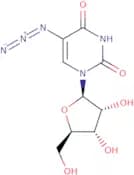
CAS :5-Azidouridine is used for nucleotide labelling and promptly reacts via a click reaction with a terminal alkyne or cyclooctyne conjugated to a reporter (fluorophore or biotine). The formed labelled nucleotide has a stable triazole linker. 5-Azidouridine has been used in living cell fluorescent imaging of cancer cells.
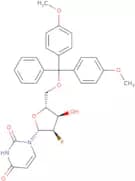
Formule :C9H11N5O6Degré de pureté :Min. 95%Couleur et forme :PowderMasse moléculaire :285.21 g/mol2'-Deoxy-5'-O-DMT-2'-fluorouridine
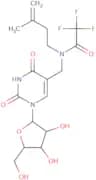
CAS :2'-Deoxy-5'-O-DMT-2'-fluorouridine is a medicament that belongs to the group of antineoplastic agents and is used in cancer treatment. It inhibits the synthesis of DNA by inhibiting the enzyme thymidylate synthetase, which is required for the formation of thymine nucleotides. This drug has been shown to be effective against some cancer cells in vitro and in vivo, but not all. 2'-Deoxy-5'-O-DMT-2'-fluorouridine can also inhibit terminal growth phases and induce programmed cell death. Solid phase synthesis has been used to synthesize this molecule as a phosphoramidite.Formule :C30H29FN2O7Degré de pureté :Min. 98 Area-%Couleur et forme :White PowderMasse moléculaire :548.57 g/mol5-(N-Isopentenyl-N-trifluoroacetyl)aminomethyluridine
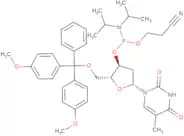
CAS :5-(N-Isopentenyl-N-trifluoroacetyl)aminomethyluridine is a nucleoside analog that is structurally related to cytidine. It was first synthesized in the 1970s, and has been shown to possess antiviral activity against herpes simplex virus type 1. In addition, it has been shown to inhibit DNA synthesis and the formation of DNA double strands. 5-(N-Isopentenyl-N-trifluoroacetyl)aminomethyluridine is an activator of protein kinase C and cyclic AMP phosphodiesterase, as well as a DNA polymerase inhibitor with anticancer properties.Degré de pureté :Min. 95%5'-O-DMT-thymidine 3'-CE phosphoramidite
CAS :5'-O-DMT-thymidine 3'-CE phosphoramidite is a building block for the introduction of thymidine units into oligonucleotides. 5'-O-DMT-thymidine 3'-CE phosphoramidite is utilised in a broad range of applications, including the synthesis of natural and unnatural DNA and RNA strands. Phosphoramidites are the reagent class of choice for oligonucleotide synthesis as they contain readily removable orthogonal protecting groups and can be produced at reasonable scales. The diisopropylamino leaving group is readily cleaved upon exposure to an azole catalyst allowing for a highly efficient coupling reaction with a free hydroxyl group on the growing oligonucleotide and oxidation of the subsequent phosphite triester, followed by beta-elimination of the cyanoethyl group affords the stable phosphodiester linkage.Formule :C40H49N4O8PDegré de pureté :Min. 98 Area-%Couleur et forme :PowderMasse moléculaire :744.83 g/mol2'-Azido-2'-deoxyadenosine
CAS :2'-Azido-2'-deoxyadenosine is a synthetic nucleoside analog of adenosine in which the 2'-hydroxyl group of the ribose sugar is replaced by an azido group (–N₃), and the 3'- and 5'-hydroxyl groups remain intact. This modification confers unique chemical properties, including the ability to participate in bioorthogonal "click" chemistry reactions, particularly azide-alkyne cycloadditions, making it useful for labeling and tracking nucleic acids in biochemical studies. Additionally, the azido substitution can influence enzymatic recognition and incorporation by polymerases, allowing its use in studying nucleic acid metabolism, drug design, and therapeutic nucleoside analog development.Formule :C10H12N8O3Degré de pureté :Min. 95%Couleur et forme :PowderMasse moléculaire :292.25 g/mol2’-Deoxy-2’-fluoroadenosine 5’-monophosphate triethyl ammonium salt
2’-Deoxy-2’-fluoroadenosine 5’-monophosphate triethyl ammonium salt is a nucleoside phosphoramidite that acts as an antiviral agent. It is used to treat influenza and herpes simplex virus infections. 2’-Deoxy-2’-fluoroadenosine 5’-monophosphate triethyl ammonium salt also inhibits the growth of cancer cells, but has not been shown to be effective against bacterial or fungal infections.Degré de pureté :Min. 95%2'-Deoxyadenosine-5'-monophosphate disodium salt
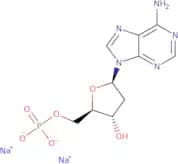
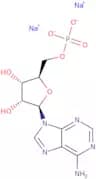
CAS :2'-Deoxyadenosine-5'-monophosphate disodium salt (DAP) is a white crystalline powder. It is soluble in water and insoluble in ethanol. DAP can be neutralised by aqueous solutions of hydroxide, such as sodium hydroxide or ammonium hydroxide. DAP is also reactive with aluminium oxide, which can be used for drying the compound to form anhydrous particles. DAP reacts with chloride ions to form 2',3'-diacetylpyridine-5'-diphosphate dibasic chloride, which has been shown to inhibit bacterial growth and act as an antibacterial agent. Autoclaving may be required for preparation of this drug due to its sensitivity to heat energy.Formule :C10H12N5Na2O6PDegré de pureté :Min. 99 Area-%Couleur et forme :White PowderMasse moléculaire :375.19 g/molCyclopentenyl cytosine
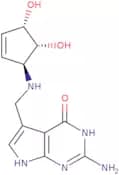
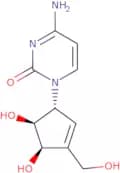
CAS :Cyclopentenyl cytosine is a cytotoxic drug that inhibits the synthesis of DNA, RNA, and proteins. It is a nucleoside analogue that inhibits the enzyme activity of ribonucleotide reductase. Cyclopentenyl cytosine has significant cytotoxicity against hl-60 cells, as well as squamous carcinoma and MDA-MB-231 breast cancer cells. It also has significant activity against cyclopentenyl, dextran sulfate, and mitochondrial functions in vivo in human cells. Cyclopentenyl cytosine binds to the response element on the DNA strand, preventing transcription of genes for protein synthesis and cell division.
Formule :C10H13N3O4Degré de pureté :Min. 95%Couleur et forme :PowderMasse moléculaire :239.23 g/mol2-Amino-9-(2'-deoxy-β-D-ribofuranosyl)purine
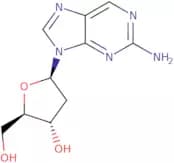
CAS :2-Amino-9-(2'-deoxy-b-D-ribofuranosyl)purine is a nucleoside analog that has been found to be effective in the treatment of leukemia.Formule :C10H13N5O3Degré de pureté :(Hplc) Min. 98.00%Couleur et forme :PowderMasse moléculaire :251.24 g/molAdenosine 5'-phosphosulfate sodium salt, 10 mM in water
CAS :Adenosine 5′-phosphosulfate sodium salt has been used quantify pyrophosphate and in enzyme-linked bioluminescence assay for adenosine triphosphate (ATP).Product provided as 10 mM solution in water.Formule :C10H14N5O10PSDegré de pureté :Min. 90.0 Area-%Masse moléculaire :427.28 g/mol5'-O-Benzoyl-2'-deoxy-N2-isobutyrylguanosine 3'-CE phosphoramidite
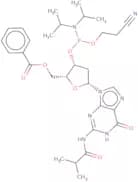
5'-O-Benzoyl-2'-deoxy-N2-isobutyrylguanosine 3'-CE phosphoramidite is a novel nucleoside phosphoramidite. It is an activator that can be used in the synthesis of oligonucleotide analogues, such as ribonucleosides and deoxyribonucleosides. 5'-O-Benzoyl-2'-deoxy-N2-isobutyrylguanosine 3'-CE phosphoramidite has shown anticancer activity.Formule :C30H40N7O7PDegré de pureté :Min. 95%Masse moléculaire :641.67 g/molN2-Acetyl-5'-O-DMT-2'-O-methylguanosine 3'-CE phosphoramidite
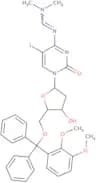
CAS :N2-Acetyl-5'-O-DMT-2'-O-methylguanosine 3'-CE phosphoramidite is an organic compound that has been modified to be an anticancer agent. It has been shown to have antiviral and antiparasitic activities. N2-Acetyl-5'-O-DMT-2'-O-methylguanosine 3'-CE phosphoramidite is a nucleoside analog, which means it substitutes for the natural ribonucleoside in DNA or RNA. The modified nucleotide prevents the incorporation of the normal nucleotide into DNA or RNA, thereby inhibiting replication. This compound also inhibits tumor growth by interfering with viral replication and inhibiting tumor angiogenesis.Formule :C43H52N7O9PDegré de pureté :Min. 95%Masse moléculaire :841.89 g/mol5-o-(Dimethoxytrityl)-N4-dimethylaminomethylidene-5-iodo-2'-deoxycytidine
CAS :Dimethoxytrityl-5-iodo-2'-deoxycytidine is a novel, modified nucleoside that has anticancer and antiviral properties. It is synthesized by reacting 5-iodo-2'-deoxycytidine with dimethoxytrityl chloride in the presence of triethylamine. This compound can be used to synthesize oligonucleotide phosphoramidites, ribonucleosides, and diphosphates.Formule :C33H35IN4O6Degré de pureté :Min. 95%Masse moléculaire :710.6 g/mol5'-O-p-Anisoyl-3'-fluoro-2',3'-dideoxyuridine
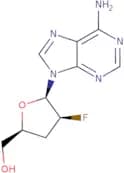
5'-O-p-Anisoyl-3'-fluoro-2',3'-dideoxyuridine (5-FAU) is a deoxynucleoside that is synthesized by the phosphoramidite method, and it has been used as an antiviral agent. 5-FAU is a novel nucleoside analog with anticancer activity. It inhibits replication of herpes simplex virus type 1 and 2, varicella zoster virus, and Epstein Barr virus in cell culture. 5-FAU also inhibits HIV replication in vitro and in animal models. The antiviral activity of 5-FAU is due to its inhibition of viral DNA polymerase, which prevents the synthesis of viral DNA from viral RNA templates.Formule :C17H17FN2O6Degré de pureté :Min. 95%Masse moléculaire :364.33 g/mol4’,5’-Didehydro-2’-O-(2-methoxyethyl)uridine
CAS :4’,5’-Didehydro-2’-O-(2-methoxyethyl)uridine (4,5DDMU) is a novel nucleoside analog that is phosphorylated to 4,5-didehydro-2'-O-(2-methoxyethyl)uridine 5'-triphosphate. This nucleoside has been shown to inhibit the proliferation of human cancer cells in vitro and in vivo. 4,5DDMU inhibits viral replication by generating diphosphate derivatives of the viral DNA polymerase enzyme that are unable to synthesize DNA. 4,5DDMU also inhibits HIV replication by inhibiting reverse transcriptase activity in the virus.End>Degré de pureté :Min. 95%N4-Benzoyl-3'-O-tert-butydimethylsilylcytidine 2'-CE-phosphoramidite
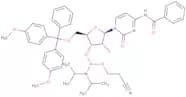
N4-Benzoyl-3'-O-tert-butydimethylsilylcytidine 2'-CE-phosphoramidite is a novel nucleoside analog that has shown anticancer and antiviral activity. It is a monophosphate, modified nucleoside that inhibits the deoxyribonucleotide biosynthetic pathway in cells. N4-Benzoyl-3'-O-tert-butydimethylsilylcytidine 2'-CE-phosphoramidite can be used as an activator of ribonuclease S1 and ribonuclease T1, which are enzymes involved in the process of DNA replication. In addition to its use as a therapeutic agent, this compound is also used for research purposes.Formule :C52H66N5O9PSiDegré de pureté :Min. 95%Masse moléculaire :964.17 g/mol5'-O-Benzoyl-2'-deoxyuridine 3'-CE phosphoramidite
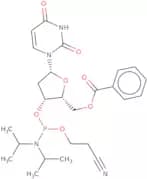
5'-O-Benzoyl-2'-deoxyuridine 3'-CE phosphoramidite is an anticancer drug that inhibits viral and tumor DNA synthesis. It is a nucleoside monophosphate with antiviral and antitumor activities. The compound is synthesized by coupling a benzoyl group to 5'-O-DMT-2'-deoxyuridine 3'-phosphate, followed by the addition of a triethylammonium salt group. The phosphoramidite is then reacted with 2,4,6-trichlorophenylisocyanate to produce the final product. This product has a CAS number of 86825-34-1.Formule :C25H33N4O7PDegré de pureté :Min. 95%Masse moléculaire :532.54 g/mol4-7H-Chloro-5-iodo-7-(2-C-methyl-b-D-ribofuranosyl)-7H-pyrrolo[2,3-d]pyrimidin-2-amine
CAS :4-7H-Chloro-5-iodo-7-(2-C-methyl-b-D-ribofuranosyl)-7H-pyrrolo[2,3-d]pyrimidin-2-amine is a modified nucleoside that has been shown to have antiviral, anticancer and activator properties. This compound is synthesized by the reaction of 4,7H chloro 5 Iodo 7 (2 C methyl b D ribofuranosyl) 7 H pyrrolo[2,3 d]pyrimidine with 2 C methyl b D ribofuranosyl in aqueous solution at neutral pH. 4 - 7 H Chloro 5 Iodo 7 (2 C methyl b D ribofuranosyl) 7 H pyrrolo [2,3 d] pyrimidine reacts with 2 C methyl b D ribofuranosyl to form 4 - 7 H ChlorDegré de pureté :Min. 95%Oleoyl coenzyme A
CAS :Oleoyl coenzyme A is an acyl-coa that is synthesized from oleic acid. Its synthesis is regulated by transcriptional factors. The enzyme ATP-binding cassette transporter transports the oleoyl coenzyme A to the endoplasmic reticulum, where it is converted to caprylic acid by synthetase. Caprylic acid is then transported back to the cytosol, where it can be converted into other compounds. Oleoyl CoA has been shown to regulate cellular metabolism and energy production in the liver, which may be related to its ability to prevent hepatic steatosis and reduce cancer tissues. Oleoyl CoA also has a role in regulating the activity of various enzymes in cells through a polymerase chain reaction (PCR) technique.Formule :C39H68N7O17P3SDegré de pureté :Min. 95%Masse moléculaire :1,031.98 g/mol2,4-Dithiothymidine
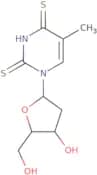
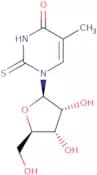
CAS :2,4-Dithiothymidine (DT) is a chemotherapeutic that has been shown to be clinically effective in the treatment of hematopoietic malignancies. It is an oligothymidylate analogue that contains a pyrimidine heterocycle and an ethylthio group. DT is not a nucleoside analog, but it inhibits DNA synthesis by binding to the enzyme thymidylate synthase and preventing the formation of thymine from uracil. DT also binds to single-stranded DNA with high affinity and alters its conformation, which may inhibit transcription and replication. The photophysical properties of this molecule are studied theoretically using quantum mechanics and population analysis theory. The reagent DT can be used to focus attention on other molecules or conformation states of proteins that might have improved biological activity.
Formule :C10H14N2O3S2Degré de pureté :Min. 95%Masse moléculaire :274.36 g/mol5-Aza-N6-benzoyl-5'-O-DMT-2'-deoxycytidine 3'-CE phosphoramidite
CAS :5-Aza-N6-benzoyl-5'-O-DMT-2'-deoxycytidine 3'-CE phosphoramidite is a monophosphate, Synthetic, DNA Activator, Anticancer, Modified, Novel, Nucleosides. It has the CAS No. 929904-98-3 and is High purity.Formule :C46H53N6O9PDegré de pureté :Min. 95%Masse moléculaire :864.92 g/molN6-Succinyl adenosine
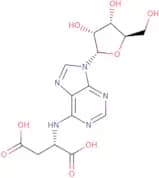
CAS :N6-Succinyl adenosine is a biochemical that is involved in the transfer of fatty acids across membranes. It has been shown to be effective in transfection experiments, where it can be used to increase the expression of genes. N6-Succinyl adenosine has also been shown to be an important substrate for various dehydrogenases. Deficiency of these enzymes leads to orotic aciduria, which is characterized by elevated levels of orotic acid in blood and urine and may lead to mental retardation. A linear calibration curve was generated for diagnosis purposes, with the enzyme activities being determined using a logistic regression model.Formule :C14H17N5O8Degré de pureté :Min. 95%Couleur et forme :White PowderMasse moléculaire :383.31 g/mol5-Chlorocytidine
CAS :5-Chlorocytidine is a reactive oxygen species that can be generated by the hypochlorous acid (HOCl) or by atp, which is a nucleotide. 5-Chlorocytidine has been shown to induce apoptosis in virus-infected mammalian cells and macrophage-like cells. It also induces pro-inflammatory cytokines and has potential as a biomarker for leukemia and inflammatory diseases. 5-Chlorocytidine reacts with proteins and lipids in the atherosclerotic lesion to produce other reactive oxygen species, such as hydrogen peroxide, which may lead to cell death.Formule :C9H12ClN3O5Degré de pureté :Min. 95 Area-%Couleur et forme :White PowderMasse moléculaire :277.66 g/mol3'-O-tert-Butyldimethylsilyl-5'-O-DMT-uridine 2'-CE phosphoramidite
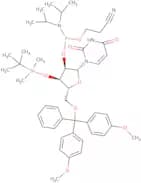
CAS :3'-O-tert-Butyldimethylsilyl-5'-O-DMT-uridine 2'-CE phosphoramidite is a modified nucleoside that is commonly used in the synthesis of DNA. It is a monophosphate, diphosphate, and triphosphate analog of uridine. 3'-O-tert-Butyldimethylsilyl-5'-O-DMT-uridine 2'-CE phosphoramidite has antiviral and anticancer activity, as well as antitumor properties. This product is available in high purity and high quality.Formule :C45H61N4O9PSiDegré de pureté :Min. 95%Masse moléculaire :861.05 g/mol4-Thiothymidine
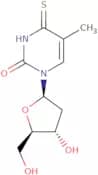
CAS :4-Thiothymidine is a nucleoside analog that is converted to thymidine by the enzyme thymidine kinase. It has been shown to inhibit the growth of human skin cancer cells by binding to DNA duplexes and inhibiting the synthesis of new DNA strands. 4-Thiothymidine has also been shown to be effective against radiation-induced damage in cultured human cells and inhibits tumor growth in mice bearing a transplantable mouse skin cancer. 4-Thiothymidine can be used as an inhibitor for chemotherapy or radiation therapy for cancer patients. It is active on both site-specific and cell-specific gene targets, with a reactive hydrogen bond that helps stabilize its formation.Formule :C10H14N2O4SDegré de pureté :Min. 98 Area-%Couleur et forme :Yellow PowderMasse moléculaire :258.3 g/molN4-Benzoyl-2'-deoxy-5'-O-DMT-2'-fluoro-cytidine 3-CE phosphoramidite
CAS :N4-Benzoyl-2'-deoxy-5'-O-DMT-2'-fluoro-cytidine 3-CE phosphoramidite is a novel nucleoside phosphoramidite that is used for the synthesis of DNA and RNA. It has anticancer properties and has been shown to inhibit the replication of HIV and herpes virus. N4-Benzoyl-2'-deoxy-5'-O-DMT-2'-fluoro-cytidine 3-CE phosphoramidite is also a potent antiviral that inhibits the production of diphosphate by inhibiting ribonucleotide reductase, an enzyme involved in DNA synthesis.Formule :C46H51FN5O8PDegré de pureté :Min. 95%Couleur et forme :White PowderMasse moléculaire :851.9 g/mol5-Methoxy-2-thiouridine
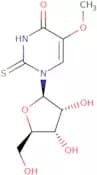
CAS :5-Methoxy-2-thiouridine is the peracylated form of thiouracil. It is a reactive oxygen species, which can cause primary site lesions in cells. 5-Methoxy-2-thiouridine is a posttranscriptional modification that leads to conformational changes in the anticodon loop of tRNA molecules. This modification prevents the anticodon from pairing with its corresponding codon during translation, thereby inhibiting protein synthesis. The modifications also affect RNA processing and stability and lead to changes in gene expression.Degré de pureté :Min. 95%N4-Benzoyl-2'-O-propargyladenosine
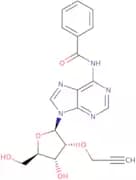
CAS :N4-Benzoyl-2'-O-propargyladenosine (BAP) is an antiviral monophosphate nucleoside that inhibits the synthesis of DNA. It is a novel, synthetic, and high quality nucleoside with antiviral activity. BAP has been shown to inhibit the replication of human immunodeficiency virus type 1 (HIV-1), human cytomegalovirus (HCMV), and herpes simplex virus type 2 (HSV2). This drug also has anticancer activity as it inhibits the production of cancer cells in vitro. As a phosphoramidite, BAP can be used for the synthesis of DNA.Degré de pureté :Min. 95%N4-Benzoyl-2'-deoxy-5'-O-DMT-cytidine 3'-O-succinate triethylamine salt
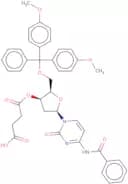
CAS :N4-Benzoyl-2'-deoxy-5'-O-DMT-cytidine 3'-O-succinate triethylamine salt is a synthetic antiviral agent that can be used in the treatment of HIV. This drug inhibits the viral DNA polymerase and prevents virus replication. N4-Benzoyl-2'-deoxy-5'-O-DMT cytidine 3'-O succinate triethylamine salt is a novel nucleoside analogue with a monophosphate group at the 5' position and an N4 benzoyl group at the 2' position. It is an activator of DNA synthesis, which can be used for cancer chemotherapy. The chemical name for this drug is CAS No. 74405-44-0 (free base).Formule :C41H39N3O10·C6H15NDegré de pureté :Min. 95%Couleur et forme :White Off-White PowderMasse moléculaire :834.95 g/mol9-(5’-Methyl-b-D-ribofuranosyl)-6-chloropurine
9-(5’-Methyl-b-D-ribofuranosyl)-6-chloropurine is a novel antiviral that belongs to the class of deoxyribonucleosides. It is synthesized by reacting 5’-methyl-2,4(1H,3H) pyrimidinedione with 6-chloropurine in the presence of sodium bicarbonate and sulfuric acid. 9-(5’-Methyl-b-D-ribofuranosyl)-6-chloropurine inhibits DNA synthesis by binding to the enzyme ribonuclease H (RNase H). RNase H hydrolyzes RNA sequences that are complementary to the 3’ end of DNA sequences and this drug prevents RNase H from functioning. 9-(5’-Methyl-b-Dribofuranosyl)-6 chloropurine also inhibits tumour cells and has shown anticancer activity inDegré de pureté :Min. 95%5'-Benzoylthymidine 3'-CE phosphoramidite
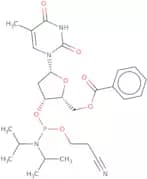
5'-Benzoylthymidine 3'-CE phosphoramidite is a nucleoside analogue. It is used as an antiviral, antitumor and antimicrobial agent. 5'-Benzoylthymidine 3'-CE phosphoramidite can be synthesized by the reaction of 5'-benzoylthymidine with chloroethyl-N,N-diisopropylphosphoramidite in an organic solvent. This compound has been shown to be active against DNA viruses such as Herpes simplex virus type 1 and 2, Varicella zoster virus, Cytomegalovirus, Epstein-Barr virus, human immunodeficiency virus type 1 and 2, human T cell leukemia virus type 1 and 2, Hepatitis B virus, Hepatitis C virus and influenza A virus. It also has anticancer activity.Formule :C26H35N4O7PDegré de pureté :Min. 95%Masse moléculaire :546.57 g/molAdenosine 5'-monophosphate disodium salt
CAS :Adenosine 5'-monophosphate disodium salt (AMP-Na2) is a chemical compound that has been used in the study of metabolic disorders. It belongs to the class of ethylene diamines and has been shown to increase the glomerular filtration rate. Ammonium adenosine 5'-monophosphate disodium salt has also been shown to increase the activity of glutamate decarboxylase, which converts glutamate into GABA, an inhibitory neurotransmitter. The neutral pH optimum for AMP-Na2 is 6.5-7.5, which may be due to its lysine residues. AMP-Na2 has a carbonyl group that can be oxidized by reactive oxygen species and cause oxidative injury to cells in vivo and in vitro. This damage was found mainly in microglia cells, which are responsible for removing dead or damaged neurons from the central nervous system (CNS). AMP-Na2 also activates adFormule :C10H12N5Na2O7PDegré de pureté :Min. 98 Area-%Couleur et forme :PowderMasse moléculaire :391.19 g/mol5-Iodocytidine
CAS :5-Iodocytidine is a nucleoside analogue that has been shown to possess potent antitumor activity. It is also used as a fluorescent probe for detection of uridine in biological samples. 5-Iodocytidine is structurally similar to uridine, which allows it to be taken up by cells and incorporated into RNA. This analog can also be detected with antibody response, as well as with the use of a fluorescence microscope. 5-Iodocytidine may have the potential to treat infectious diseases and autoimmune diseases because it binds to response elements on DNA and activates gene transcription.
Formule :C9H12IN3O5Degré de pureté :Min. 98 Area-%Couleur et forme :White PowderMasse moléculaire :369.11 g/mol3’-Azido-3’-deoxy-5-fluoro-b-L-uridine
CAS :3’-Azido-3’-deoxy-5-fluoro-b-L-uridine is a novel, activator ribonucleoside that is an analog of the natural nucleoside uridine. It has high quality and purity. This compound is used to synthesize deoxyribonucleosides, diphosphate, phosphoramidites, modified, anticancer and antiviral agents.Degré de pureté :Min. 95%5-Methyl-2-thiouridine
CAS :5-Methyl-2-thiouridine is a nucleotide that is found in the type strain of Escherichia coli. It has been shown to be an effective inhibitor of protein synthesis, with optimum concentration at 0.1 mM. 5-Methyl-2-thiouridine binds to the ribosome and inhibits its activity. 5-Methyl-2-thiouridine also interacts with human mitochondrial RNA and alters its structure, leading to an antibody response that protects against infection by the bacteria in question. This nucleotide has also been shown to inhibit bacterial growth in wastewater treatment plants. The chemical structures of 5-methyluridine are similar to those of uridine except for a methyl group on the second carbon atom (5 position). The presence of this methyl group confers increased water permeability and decreased kinetic energy on the molecule, which can be detected using nuclear magnetic resonance spectroscopy.
Formule :C10H14N2O5SDegré de pureté :Min. 95%Couleur et forme :White PowderMasse moléculaire :274.29 g/mol9-(2',3',5'-Tri-O-benzoyl-b-D-ribofuranosyl)-2-chloropurine
CAS :9-(2',3',5'-Tri-O-benzoyl-b-D-ribofuranosyl)-2-chloropurine is a modified nucleoside with anticancer activity. It has been shown to be an effective activator of DNA, RNA, and protein synthesis in vitro. This drug has also been shown to have antiviral properties against herpes simplex virus type 1 (HSV1) and influenza A virus. 9-(2',3',5'-Tri-O-benzoyl-b-D-ribofuranosyl)-2-chloropurine is an analog of the natural purine metabolite hypoxanthine that can be synthesized in high purity.Degré de pureté :Min. 95%3,5-Bis-O-(4-methylbenzoyl)-2-C-methyl-D-ribonic acid gama-lactone
CAS :3,5-Bis-O-(4-methylbenzoyl)-2-C-methyl-D-ribonic acid gama-lactone is a novel synthetic nucleoside. It is an activation agent that releases 2'-deoxyuridine 5'-triphosphate from ribonucleotides. This nucleoside has been shown to have antiviral and anticancer properties, as well as the ability to inhibit HIV replication in vitro. It is also used for the preparation of oligonucleotide analogs for use in molecular biology research and molecular medicine.Degré de pureté :Min. 95%5'-O-DMT-N2-DMF-guanosine
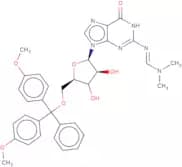
CAS :5'-O-DMT-N2-DMF-guanosine is a novel nucleoside that has been modified with an acetyl group on the 5'-hydroxyl group. This nucleoside has antiviral, anticancer and deoxyribonucleoside properties. It also activates diphosphate synthesis and inhibits protein synthesis. The drug is synthesized in high purity and quality, making it an excellent activator for phosphoramidites.Formule :C34H36N6O7Degré de pureté :(%) Min. 85%Masse moléculaire :640.69 g/molN3-Benzyl-5'-O-tert-butyldimethylsilyluridine 3'-CE phosphoramidite
N3-Benzyl-5'-O-tert-butyldimethylsilyluridine 3'-CE phosphoramidite is a Ribonucleosides, Novel, High quality, Activator, Deoxyribonucleosides, Modified, DNA, monophosphate. It is an Anticancer and Antiviral with High purity and Phosphoramidites.Formule :C31H49N4O6PSiDegré de pureté :Min. 95%Masse moléculaire :632.8 g/mol7-Deaza-2'-deoxy-7-iodoadenosine
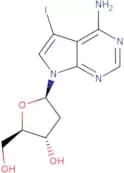
CAS :7-Deaza-2'-deoxy-7-iodoadenosine is an oligomer with a stabilized backbone that has been shown to inhibit the growth of bacteria in vitro. It binds to DNA and prevents RNA synthesis. 7-Deaza-2'-deoxy-7-iodoadenosine is a synthetic nucleotide analogue that is used as a probe for mapping RNA sequences and as an inhibitor of bacterial growth. This compound is also used in the synthesis of oligodeoxynucleotides because it has a high affinity for guanine residues, which can be incorporated into the oligonucleotide chain by chemical ligation. The octameric form of 7-deaza-2'-deoxyadenosine is most active against bacterial cells.
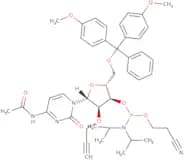
Formule :C11H13IN4O3Degré de pureté :Min. 98 Area-%Couleur et forme :White Off-White PowderMasse moléculaire :376.16 g/molN4-Acetyl-5'-O-DMT-2'-O-propynylcytidine 3'-CE phosphoramidite
CAS :N4-Acetyl-5'-O-DMT-2'-O-propynylcytidine 3'-CE phosphoramidite is an activator and antiviral agent that inhibits viral DNA synthesis by terminating the elongation step of viral DNA chain extension. N4-Acetyl-5'-O-DMT-2'-O-propynylcytidine 3'-CE phosphoramidite has a novel structure and is synthesized by modified chemical reactions. It can be used in the synthesis of oligonucleotides or as a building block for the synthesis of other nucleosides.Formule :C44H52N5O9PDegré de pureté :Min. 95%Masse moléculaire :825.89 g/molN4-Benzoyl-5'-O-Trityl-cytidine
CAS :N4-Benzoyl-5'-O-Trityl-cytidine (NBT) is a nucleoside that occurs in two forms: diphosphate and monophosphate. It is used as an activator of DNA and RNA synthesis, and as an antiviral agent. NBT has been shown to inhibit the replication of herpes simplex virus type 1, vaccinia virus and influenza virus in cell culture. It also inhibits the reverse transcriptase activity of HIV in vitro.
NBT is a novel deoxyribonucleoside phosphoramidite, which can be used in the synthesis of oligodeoxyribonucleotides for use in DNA sequencing or gene cloning applications.Formule :C35H31N3O6Degré de pureté :Min. 95%Masse moléculaire :589.64 g/mol2’C-Methyl-5-methoxyuridine
CAS :2’-C-Methyl-5-methoxyuridine is a nucleoside analog that inhibits viral replication by inhibiting DNA synthesis. It is also used in the treatment of cancer, as it inhibits the growth of tumor cells by altering their genetic material. This drug is a phosphorothioate and can be activated with an activator to form its active form, which is incorporated into DNA during replication. 2’-C-Methyl-5-methoxyuridine has been shown to be effective against many viruses, including human immunodeficiency virus (HIV), herpes simplex virus type 1 (HSV1), and herpes simplex virus type 2 (HSV2). This drug has been shown to cause death of tumor cells via apoptosis or cell cycle arrest at the G0/G1 phase.
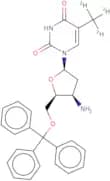
Degré de pureté :Min. 95%3'-Amino-3'-deoxy-D3-thymidine
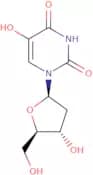
Produit contrôlé3'-Amino-3'-deoxy-D3-thymidine is a novel, modified nucleoside of the deoxyribonucleosides group. It is an activator of ribonucleotide reductase and has antiviral properties. 3'-Amino-3'-deoxy-D3-thymidine is an anticancer agent that induces DNA synthesis and inhibits RNA synthesis.Formule :C10H12N3O4D3Degré de pureté :Min. 95%Masse moléculaire :244.27 g/mol2'-Deoxy-5-hydroxyuridine
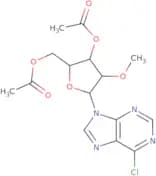
CAS :2'-Deoxy-5-hydroxyuridine is a hydrated form of uracil that is used in the synthesis of nucleic acids. It is also a substrate for DNA polymerases and has been shown to inhibit the replication of herpes simplex virus. 2'-Deoxy-5-hydroxyuridine has been shown to have biological properties, such as inhibition of radiation-induced transformation, inhibition of cancer cell growth, and antiviral activity. The mechanism by which 2'-deoxy-5-hydroxyuridine inhibits the replication of herpes simplex virus is unclear but may be due to its ability to inhibit cellular metabolism.Formule :C9H12N2O6Degré de pureté :Min. 95 Area-%Couleur et forme :White PowderMasse moléculaire :244.21 g/mol9-(3',5'-Di-O-acetyl-2'-O-methyl-b-D-ribofuranosyl)-6-chloropurine
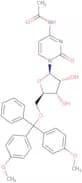
CAS :9-(3',5'-Di-O-acetyl-2'-O-methyl-b-D-ribofuranosyl)-6-chloropurine is a novel and high quality antiviral monophosphate deoxyribonucleoside. It is synthesized from 2'-deoxyadenosine monophosphate, 2'-deoxycytidine monophosphate, and 6-chloropurine by the phosphorylation of nucleosides with a modified phosphoramidite method. The polymerase chain reaction (PCR) amplification of HIV DNA was inhibited with this compound in vitro. This drug also has anticancer activity when it is used in combination with other chemotherapeutic drugs such as gemcitabine, cisplatin, and paclitaxel.Degré de pureté :Min. 95%N4-Acetyl-5'-O-DMT-cytidine
CAS :N4-Acetyl-5'-O-DMT-cytidine is an antiviral drug that inhibits the viral DNA polymerase. It is a modified nucleoside, which is activated by phosphorylation. N4-Acetyl-5'-O-DMT-cytidine is used in research for its anticancer properties and has shown to inhibit the growth of cancer cells in vitro. The compound was found to be more potent than cytidine and other modified nucleosides.Formule :C32H33N3O8Degré de pureté :Min. 98 Area-%Couleur et forme :White PowderMasse moléculaire :587.63 g/mol6-O-Methyl-2'-deoxyinosine
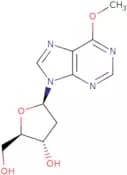
CAS :6-O-Methyl-2'-deoxyinosine is a modified nucleoside that inhibits the synthesis of DNA and RNA. It is also an anticancer agent, inhibiting the growth of tumor cells by arresting the cell cycle at the G1 phase. 6-O-Methyl-2'-deoxyinosine is a phosphoramidite for use in solid phase synthesis of oligodeoxynucleotides (ODN). This product has high purity, good quality, novel structures and excellent stability.
6-O-Methyl-2'-deoxyinosine can be used to inhibit viral replication by preventing viral DNA from being replicated into double stranded DNA. The antiviral activity of 6-O-methyl 2'-deoxyinosine against HIV has been demonstrated in vitro and in vivo using monophosphate forms.Degré de pureté :Min. 95%1-(3'-5'-Di-O-benzoyl-2'-deoxy-2'-fluoro-alpha-L-arabinofuranosyl)thymine
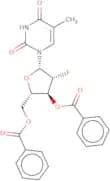
1-(3`-5`-Di-O-benzoyl-2`-deoxy-2`-fluoro-alpha-L-arabinofuranosyl)thymine is a nucleoside analog with modifications that influence its biological activity. It is made up of a thymine base, benzoyl groups that protect hydroxyl functionalities during chemical synthesis and a α-L-linkage, which impacts its biological interactions compared to β-L-nucleosides. This molecule also contains the sugar 2'-Deoxy-2'-fluoro-α-L-arabinofuranose which has a L-arabinose configuration, an α-Anomeric linkage and a 2'-Fluoro substitution. The latter modification has the potential to increase the molecule's metabolic stability and resistance to enzymatic degradationFormule :C24H21FN2O7Degré de pureté :Min. 95%Masse moléculaire :484.89 g/mol7-Iodo-7-deaza-2'-C-methylguanosine
7-Iodo-7-deaza-2'-C-methylguanosine has antiviral activity and is used as a building block in the synthesis of DNA and RNA molecules. 7-Iodo-7-deaza-2'-C-methylguanosine is a novel synthetic nucleoside that has anticancer properties and is used for the treatment of different types of cancer. It is also used for the prevention of viral infections, such as influenza. This product has high purity and is available in its phosphate or monophosphate form.Degré de pureté :Min. 95%2'-Deoxy-N2-isobutyryl-5'-O-MMT-guanosine 3'-CE phosphoramidite
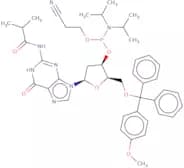
2'-Deoxy-N2-isobutyryl-5'-O-MMT-guanosine 3'-CE phosphoramidite is a modified nucleoside analogue with anticancer activity. It is synthesized by reacting 2'-deoxy-N2-isobutyryl-5'-O-methylguanosine with diethyl chlorophosphate in the presence of tetrazole. This novel compound has been shown to have antiviral and antitumor activities as well as high affinity for DNA and RNA.Formule :C43H52N7O7PDegré de pureté :Min. 95%Masse moléculaire :809.91 g/mol5-Bromo-2'-deoxy-5'-O-DMT-uridine
5-Bromo-2'-deoxy-5'-O-DMT-uridine is an antiviral nucleoside that is a monophosphate analog of deoxyuridine. 5-Bromo-2'-deoxy-5'-O-DMT-uridine can be used to treat patients with leukemia and other cancers. 5-Bromo-2'-deoxy-5'-O-DMT-uridine has been shown to induce tumor cell apoptosis in vitro and in vivo, as well as inhibit the proliferation of tumor cells by blocking the synthesis of DNA. This drug also has anticancer properties, which are due to its ability to block RNA synthesis.Formule :C30H29BrN2O7Degré de pureté :Min. 95%Couleur et forme :Off-white to beige solid.Masse moléculaire :609.48 g/mol2'-Deoxyadenosine-5'-monophosphate free acid
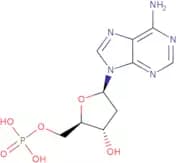
CAS :2'-Deoxyadenosine-5'-monophosphate free acid (2DAMP) is a nucleoside analogue that can be used as a fluorescent probe for detecting water vapor. 2DAMP has been shown to have cytotoxic activity against solid tumours in vitro, and may act by hydrogen bonding interactions with the active site of the enzyme form. 2DAMP is also an important cofactor in the polymerase chain reaction, and can inhibit cellular proliferation by inhibiting nuclear DNA synthesis. This drug has been used as an active antiretroviral therapy, where it inhibits HIV-1 reverse transcriptase. 2DAMP's mechanism of action involves the inhibition of p-nitrophenyl phosphate reductase (PNPPR), which is responsible for converting p-nitrophenyl phosphate into p-nitrophenol.Formule :C10H14N5O6PDegré de pureté :Min. 95%Couleur et forme :White PowderMasse moléculaire :331.23 g/molMizoribine
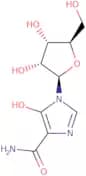
CAS :Inhibitor of heat shock protein Hsp60; immunosuppressant
Formule :C9H13N3O6Degré de pureté :Min. 95%Couleur et forme :White PowderMasse moléculaire :259.22 g/mol3'-Amino-3'-deoxy-5'-O-trityl-D3-thymidine
Produit contrôlé3'-Amino-3'-deoxy-5'-O-trityl-D3-thymidine is a nucleoside and deoxyribonucleoside. It is an antiviral and anticancer agent that inhibits the synthesis of DNA by competitively inhibiting the enzyme ribonucleotide reductase, which converts ribonucleotides to deoxyribonucleotides. 3'-Amino-3'-deoxy-5'-O-trityl-D3-thymidine has been shown to be effective in treating HIV, herpes zoster, and cancer cells.Formule :C29H26N3O4D3Degré de pureté :Min. 95%Masse moléculaire :486.58 g/molL-Uridine
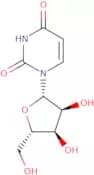
CAS :L-Uridine is a nucleoside that is the major precursor of RNA and DNA. It is also an equilibrative nucleoside, which means that it can act as either an acid or a base. L-Uridine has been shown to have anti-tumor activity in squamous cell carcinoma and human malignancies. It has also been shown to be an active inhibitor of arabinoside, which is a drug used for the treatment of acute myeloid leukemia (AML). L-Uridine may also have antitumor immunity effects by activating natural killer cells.Formule :C9H12N2O6Degré de pureté :Min. 95%Couleur et forme :PowderMasse moléculaire :244.2 g/molb-Nicotinamide adenine dinucleotide reduced form, disodium salt
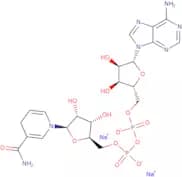
CAS :β-Nicotinamide adenine dinucleotide reduced form, most commonly known as NADH, is a cofactor involved in the electron transport chain, in the metabolism of amino acids and many other cellular processes such as the synthesis of ATP. It is also a substrate for glutathione peroxidase and superoxide dismutase. The reduced form of NADH can be used as an indicator for glutathione peroxidase activity. In addition, it has been shown to have antioxidant properties by reducing reactive oxygen species (ROS) and inhibiting lipid peroxidation. This product has been used in formulations of synthetic drugs for the treatment of women with long-term effects of menopause, such as osteoporosis and cardiovascular disease. It has also been used in the production of alginate gel, which can be used to create scaffolds for tissue engineering applications. More recently, in bioorganic chemistry, NADH has been used as a source of hydride species for reduction reactions.
Formule :C21H27N7O14P2·2NaDegré de pureté :Min. 98 Area-%Couleur et forme :White PowderMasse moléculaire :709.4 g/molN6-Benzoyl-2'-O-benzyl-5'-O-DMT-adenosine
CAS :N6-Benzoyl-2'-O-benzyl-5'-O-DMT-adenosine is a novel nucleoside with anticancer and antiviral properties. It is a phosphoramidite that can be used for the synthesis of DNA, RNA, and other nucleosides. N6-Benzoyl-2'-O-benzyl-5'-O-DMT-adenosine has been shown to inhibit the growth of cancer cells by preventing RNA synthesis and DNA replication. This chemical also has antiviral effects against HIV and can inhibit the replication of herpes simplex virus type 1. The chemical is highly soluble in water, methanol, ethanol, acetone, chloroform, ethyl ether and acetonitrile.Formule :C45H41N5O7Degré de pureté :Min. 95%Masse moléculaire :763.84 g/molb-Nicotinamide adenine dinucleotide phosphate sodium salt
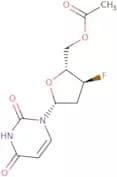
CAS :Coenzyme and regenerating electron donor in catabolic processesFormule :C21H27N7NaO17P3Degré de pureté :Min. 95 Area-%Couleur et forme :PowderMasse moléculaire :765.39 g/mol5'-O-Acetyl-2',3'-dideoxy-3'-fluoro-a-uridine
CAS :5'-O-Acetyl-2',3'-dideoxy-3'-fluoro-a-uridine is a novel nucleoside analogue that is an activator of the innate immune system. It is used for the treatment of cancer and viral infections. 5'-O-Acetyl-2',3'-dideoxy-3'-fluoro-a-uridine has been shown to have anticancer activity against pancreatic, lung, breast, prostate, colon, and leukemia cells in vitro. This drug also inhibits influenza virus A/WSN/33 replication in cell culture by blocking the RNA polymerase complex at the initiation stage. 5'-O-Acetyl-2',3'-dideoxy-3'-fluoro-a-uridine has also been shown to be active against herpes simplex virus type 1 (HSV1) and human immunodeficiency virus type 1 (HIV1).Degré de pureté :Min. 95%2'-Deoxy-L-uridine 3'-O-L-valinyl ester
CAS :2'-Deoxy-L-uridine 3'-O-L-valinyl ester is a nucleoside that can be used as an antiviral and anticancer agent. It is a novel compound with phosphoramidites, diphosphate, and monophosphate groups. This product has been modified to possess antiviral and anticancer activities. 2'-Deoxy-L-uridine 3'-O-L-valinyl ester is also a high quality nucleoside that can be used in DNA synthesis.Formule :C14H21N3O6Degré de pureté :Min. 95%Masse moléculaire :327.33 g/mol2’,3’,5’-Tri-O-acetyl-5-hydroxymethyluridine
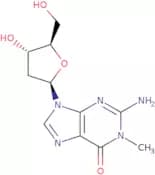
CAS :2’,3’,5’-Tri-O-acetyl-5-hydroxymethyluridine (THMU) is a modified nucleoside that inhibits viral replication and tumor growth. It has been shown to inhibit the synthesis of DNA in human cells. This synthetic nucleoside is synthesized by reacting 2’,3’,5’-triphosphate 5'-deoxyribonucleotides with acetaldehyde. THMU is a monophosphate nucleotide analogue which also acts as an activator for ribonucleic acid synthesis.Degré de pureté :Min. 95%2’-Deoxy-N1-methylguanosine
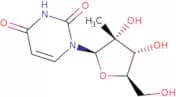
CAS :Produit contrôlé2’-Deoxy-N1-methylguanosine is a modified purine nucleoside composed of a N¹-methylguanine, a guanine base where a methyl group is attached to the nitrogen at position 1 (N¹). This methylation blocks normal Watson-Crick base pairing, especially with cytosine, and can affect RNA structure and function. It also contains a 2′-Deoxyribose and has possible research applicationsFormule :C11H15N5O4Degré de pureté :Min. 97 Area-%Couleur et forme :PowderMasse moléculaire :281.27 g/mol2'-C-Methyluridine
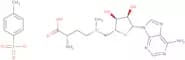
CAS :2'-C-Methyluridine is a synthetic nucleoside analog derived from uridine, modified with a methyl group at the 2'-carbon of the ribose sugar. This small chemical change has important implications for RNA biology, antiviral drug development, and biochemical research, especially in targeting RNA viruses.Formule :C10H14N2O6Degré de pureté :Min. 95%Couleur et forme :PowderMasse moléculaire :258.23 g/molS-Adenosyl-L-methionine p-toluenesulfonate
CAS :Methyl donor and a cofactor for enzyme-catalyzed methylationsFormule :C15H23N6O5S•C7H7O3SDegré de pureté :Min. 95%Couleur et forme :White PowderMasse moléculaire :570.64 g/molN6-Isobutyryl-2'-O-methyladenosine
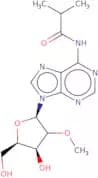
N6-Isobutyryl-2'-O-methyladenosine is a nucleoside that has antiviral, anticancer, and anti-inflammatory properties. It is an analog of adenosine that is used in the synthesis of DNA and RNA. It is modified by the incorporation of an iso-butyl group at the 2' position on the ribose ring. N6-Isobutyryl-2'-O-methyladenosine was first synthesized in 1962 and has been extensively studied due to its novel properties. The phosphoramidites are activated with tetrazole or triazole, which are both strong activators. This nucleoside can be synthesized in high purity (>98%) through a modification of the conventional phosphorylation process.Formule :C15H21N5O5Degré de pureté :Min. 95%Masse moléculaire :351.36 g/mol5-(2',3',5'-Tri-O-benzyl-b-D-ribofuranosyl)-3-methyl-2-benzyloxypyridine
CAS :5-(2',3',5'-Tri-O-benzyl-b-D-ribofuranosyl)-3-methyl-2-benzyloxypyridine is a nucleoside analog that inhibits the growth of cancer cells. This compound has been shown to inhibit the synthesis of deoxyribonucleosides and ribonucleosides, and also inhibit the growth of certain viruses. 5-(2',3',5'-Tri-O-benzyl-b-D-ribofuranosyl)-3 methyl -2 benzyloxypyridine can be used as a phosphoramidite or activator in the synthesis of DNA or RNA.Degré de pureté :Min. 95%2'-O-tert-Butyldimethylsilyl-5'-O-DMT-N6-phenoxyacetyladenosine 3'-CE phosphoramidite
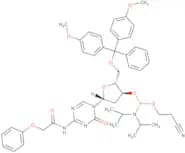
2'-O-tert-Butyldimethylsilyl-5'-O-DMT-N6-phenoxyacetyladenosine 3'-CE phosphoramidite is a nucleoside analogue that is synthesized by the condensation of 5'-O-DMT-N6-phenoxyacetyladenosine and 2'-deoxyadenosine. It has antiviral, anticancer and immunomodulatory properties. This compound is novel and modified in that it contains a silyl group at the 2' position, which renders the molecule inactive as an inhibitor of human thymidine kinase. 2'-O-tert-Butyldimethylsilyl-5'-O-DMT-N6-phenoxyacetyladenosine 3'-CE phosphoramidite inhibits viral replication by interfering with DNA synthesis. It also has been shown to inhibit tumor cell proliferation and promote apoptosis in vitroFormule :C54H68N7O9PSiDegré de pureté :Min. 95%Couleur et forme :PowderMasse moléculaire :1,018.25 g/mol5'-O-Methyl-D3-thymidine
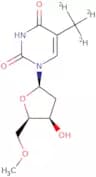
Produit contrôlé5'-O-Methyl-D3-thymidine is a synthetic nucleoside that has been modified to contain a methyl group at the 5' position. It is used in the synthesis of DNA and RNA, as well as in the preparation of phosphoramidites for oligonucleotide synthesis. This nucleoside has antiviral and anticancer properties and may be useful for treating diseases such as AIDS, hepatitis B, and leukemia. The compound can also act as an activator during polymerase chain reactions. 5'-O-Methyl-D3-thymidine is readily soluble in water and in organic solvents and is highly pure with a high yield of 99%.Formule :C11H13N2O5D3Degré de pureté :Min. 95%Masse moléculaire :259.27 g/mol(R)-5',P'-Ester with thiodiphosphoric acid ((HO)2P(O)OP(S)(OH)2) adenosine
CAS :(R)-5',P'-Ester with thiodiphosphoric acid ((HO)2P(O)OP(S)(OH)2) adenosine is a nucleoside monophosphate. It has been shown to be an activator of the enzyme adenylate cyclase, which converts ATP into cyclic AMP, a second messenger in cell signaling. (R)-5',P'-Ester with thiodiphosphoric acid ((HO)2P(O)OP(S)(OH)2) adenosine does not have anticancer properties and does not inhibit the production of ribonucleotides or deoxyribonucleotides. This compound is synthesized using novel methods and is of high purity and quality.Formule :C10H12N5Na3O9P2SDegré de pureté :Min. 95%Masse moléculaire :509.21 g/molUridine 5'-monophosphate disodium salt
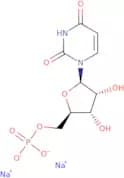
CAS :Uridine 5'-monophosphate disodium salt (UDP-MS) is a structural analog of uridine that is used as a dietary supplement. It has been shown to inhibit phosphodiesterases and cyclic nucleotide phosphodiesterases, which are enzymes that degrade the secondary messenger, cyclic adenosine monophosphate (cAMP). This inhibition leads to increased levels of cAMP in cells, which stimulates protein kinase A activity and promotes cellular differentiation. The analysis of UDP-MS has been performed using liquid chromatography with ultraviolet detection.Formule :C9H11N2Na2O9PDegré de pureté :Min. 98 Area-%Couleur et forme :White Off-White PowderMasse moléculaire :368.15 g/molThymidine-5'-diphosphate-4-keto-6-deoxy-D-glucose disodium salt
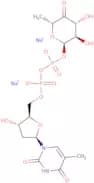
CAS :Thymidine-5'-diphosphate-4-keto-6-deoxy-D-glucose disodium salt is a precursor in the synthesis of nucleoside sugars in pathways such as rhamnose biosynthesis.Formule :C16H22N2O15P2Na2Degré de pureté :Min. 85 Area-%Couleur et forme :White PowderMasse moléculaire :590.28 g/mol1-(4’-Azido-2’-deoxy-2’-fluoro-b-D-arabinofuranosyl)N4-(n-octadecanoyl)-cytosine
1-(4’-Azido-2’-deoxy-2’-fluoro-b-D-arabinofuranosyl)N4-(n-octadecanoyl)-cytosine is an antiviral nucleoside that is synthesized from a 4′ azidodecanoyl derivative of cytosine. It has been shown to be effective against herpes simplex virus type 1 and 2 (HSV1, HSV2), varicella zoster virus (VZV), and Epstein Barr Virus (EBV). The antiviral mechanism of action for this compound is not known.Degré de pureté :Min. 95%2’-Deoxy-2’-fluoro-N3-(n-dodecyl)uridine
2’-Deoxy-2’-fluoro-N3-(n-dodecyl)uridine (2DFO) is a novel nucleoside analog that is phosphorylated to 2DFP, which is an antiviral drug that has been shown to inhibit the replication of HIV. 2DFO inhibits the activity of DNA polymerase, RNA polymerase, and reverse transcriptase, preventing the synthesis of viral DNA and RNA. This drug also inhibits the activity of human topoisomerase II alpha and beta, which are enzymes involved in replication and transcription. 2DFO binds to purine nucleosides by competitive inhibition at the enzyme active site, preventing the formation of ribonucleotides from deoxyribonucleosides.Degré de pureté :Min. 95%5-Hydroxyuridine
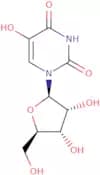
CAS :5-Hydroxyduridine is a nucleoside that is naturally found in the human body. It can be synthesized from uridine by oxidation of the 5-hydroxyl group to the corresponding aldehyde. It has been shown to have genotoxic effects in vitro and in prostate cancer cells. 5-Hydroxyduridine has also been shown to inhibit sugar transport, which may be due to its ability to form hydrogen bonds with glycosidic bonds. It has been reported that 5-hydroxyduridine causes acid formation and hydroxylation of cardiac lipids.Formule :C9H12N2O7Degré de pureté :Min. 96 Area-%Couleur et forme :White Off-White PowderMasse moléculaire :260.2 g/mol9-Deazaguanosine
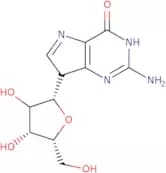
CAS :9-Deazaguanosine is a naturally occurring purine, which has been shown to inhibit the binding of adenosine deaminase enzyme. This enzyme is responsible for the conversion of adenosine to inosine, and plays a role in the replication of viruses. 9-Deazaguanosine has also been shown to have an inhibitory effect on trichomonas vaginalis, benzyl groups, and anomers. The hydroxyl group on 9-Deazaguanosine interacts with mammalian cells which may be related to its inhibitory effect on leishmania and hepatitis.
Formule :C11H14N4O5Degré de pureté :Min. 95%Couleur et forme :PowderMasse moléculaire :282.25 g/mol5'-O-DMT-5-[N-(6-(trifluoroacetamido)hexyl)-3-E-acrylamido]-2'-deoxyuridine
CAS :5'-O-DMT-5-[N-(6-(trifluoroacetamido)hexyl)-3-E-acrylamido]-2'-deoxyuridine is a novel phosphoramidate nucleoside monophosphate, which is a phosphate analog of 2'-deoxyuridine. It has been shown to be an activator for DNA polymerases and is able to inhibit the replication of DNA in vitro. It also has antiviral properties, as it inhibits the synthesis of viral RNA. 5'-O-DMT-5-[N-(6-(trifluoroacetamido)hexyl)-3-E-acrylamido]-2'-deoxyuridine also has anti-inflammatory effects, as it inhibits prostaglandin synthesis.Formule :C41H45F3N4O9Degré de pureté :Min. 95%Couleur et forme :White PowderMasse moléculaire :794.83 g/mol6-Amino-9-(2',3'-dideoxy-2'-fluoro-β-D-arabinofuranosyl)purine
CAS :6-Amino-9-(2',3'-dideoxy-2'-fluoro-β-D-arabinofuranosyl)purine is a nucleoside analog that is used to treat HIV. It is a prodrug that undergoes phosphorylation by host cell kinases to form its active form, 2'-deoxycytidine monophosphate (2'DCPM). This drug has been shown to inhibit the replication of HIV in vitro and in vivo. 6-Amino-9-(2',3'-dideoxy-2'-fluoro-β-D-arabinofuranosyl)purine has antiviral potency against both group M and N HIV isolates. It also enhances polymerase chain reaction amplification of HIV DNA and can be used in tissue culture experiments to study the effects of drugs on the virus. Clinical trials have shown that 6-amino 9-(2',3'-dideoxy-2Formule :C10H12FN5O2Degré de pureté :Min. 95%Couleur et forme :White PowderMasse moléculaire :253.24 g/mol2'-Deoxyadenosine-5'-diphosphate sodium salt
CAS :2'-Deoxyadenosine-5'-diphosphate sodium salt is a nucleotide that is involved in the synthesis of DNA. It is a structural analog of adenosine-5'-diphosphate and can be used as an experimental tool to study metabolic disorders. 2'-Deoxyadenosine-5'-diphosphate sodium salt binds to p2y receptors and blocks their activation, which inhibits cellular energy metabolism. This compound is structurally similar to adenosine-5'-triphosphate, but has been shown to inhibit the expansion of cells when heated, unlike adenosine-5'-triphosphate. 2'-Deoxyadenosine-5'-diphosphate sodium salt also inhibits cell proliferation in cancer cells and may have potential as a therapeutic agent for bowel disease.Formule :C10H12N5O9P2·xNaDegré de pureté :Min. 95 Area-%Couleur et forme :PowderMasse moléculaire :408.18 g/molDihydrozeatin riboside
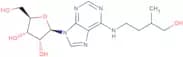
CAS :Dihydrozeatin riboside is a cytokinin, a group of plant hormones that regulate various aspects of plant growth and development. It is found in the form of an ester, dihydrozeatin riboside, which is produced by the action of trifluoroacetic acid on zeatin. The natural function of this hormone is to stimulate cell division in plants, but it has also been shown to have antibacterial effects against bacterial strains such as Bacillus subtilis and Escherichia coli. Dihydrozeatin riboside inhibits bacterial growth by binding to DNA-dependent RNA polymerase, thereby preventing transcription and replication. The high frequency of human activity has been shown using a patch-clamp technique on human erythrocytes. This active form is metabolized through a number of metabolic transformations, including hydrolysis by esterases or glucuronidases, oxidation by cytochrome P450 enzymes, reductionFormule :C15H23N5O5Degré de pureté :Min. 95%Couleur et forme :PowderMasse moléculaire :353.37 g/molUridine-5'-triphosphate trisodium salt
CAS :P2Y receptor agonist; precursor in RNA biosynthesisÂFormule :C9H12N2Na3O15P3Degré de pureté :(31P Nmr) Min. 95 Area-%Couleur et forme :White PowderMasse moléculaire :550.09 g/mol












![4-7H-Chloro-5-iodo-7-(2-C-methyl-b-D-ribofuranosyl)-7H-pyrrolo[2,3-d]pyrimidin-2-amine](/_next/image/?url=https%3A%2Fstatic.cymitquimica.com%2Fproducts%2F3D%2Fthumb-webp%2FNC14083.webp&w=3840&q=75)






















![5'-O-DMT-5-[N-(6-(trifluoroacetamido)hexyl)-3-E-acrylamido]-2'-deoxyuridine](/_next/image/?url=https%3A%2Fstatic.cymitquimica.com%2Fproducts%2F3D%2Fthumb-webp%2FND08237.webp&w=3840&q=75)