Nucléosides
3570 produits trouvés pour "Nucléosides"
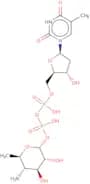
Thymidine-5'-diphosphate-D-viosamine disodium salt
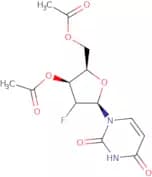
CAS :Thymidine-5'-diphosphate-D-viosamine disodium salt is a nucleoside that has been conjugated to a carrier molecule. This compound is an anomeric, pyranose, and conjugate acid. It has been shown to have antiviral activity in vitro and in vivo against herpes simplex virus type 1 (HSV-1), herpes simplex virus type 2 (HSV-2), and human cytomegalovirus (CMV). Thymidine-5'-diphosphate-D-viosamine disodium salt inhibits the synthesis of viral DNA by inhibiting the incorporation of uracil into the viral DNA strand. This inhibition prevents the production of new viruses by preventing replication.Formule :C16H25N3O14P2Na2Degré de pureté :Min. 95 Area-%Couleur et forme :White Off-White PowderMasse moléculaire :591.31 g/mol3',5'-Di-O-acetyl-2'-deoxy-2'-fluorouridine
CAS :3',5'-Di-O-acetyl-2'-deoxy-2'-fluorouridine is a nucleoside monophosphate with antiviral activity. It is a synthetic nucleoside that has been modified to be resistant to degradation by ribonucleases. 3',5'-Di-O-acetyl-2'-deoxy-2'-fluorouridine inhibits the synthesis of DNA, RNA and protein and is used for treatment of cancer. This drug is not active against other types of viruses such as herpes simplex virus or cytomegalovirus.
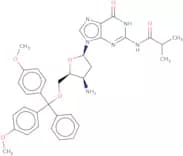
Formule :C13H15FN2O7Degré de pureté :Min. 95%Couleur et forme :White PowderMasse moléculaire :330.27 g/mol3'-Amino-2',3'-dideoxy-5'-O-DMT-N2-isobutyrylguanosine
a specifically designed building block for introducing a 3'-amino group into oligonucleotides. The dideoxy sugar ensures the amino group is the primary functionality at the 3' end, while the DMT and isobutyryl protecting groups ensure controlled reactivity during oligonucleotide synthesis and subsequent modification steps.Formule :C35H38N6O6Degré de pureté :Min. 95%Masse moléculaire :638.71 g/mol5’-Azido-5’-deoxy-2’-O,4’-C-methyleneuridine
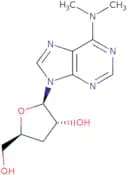
CAS :5’-Azido-5’-deoxy-2’-O,4’-C-methyleneuridine is a novel modified nucleoside that is phosphorylated to the 5′ position. It can be used as a purine analogue in the synthesis of DNA and RNA. This compound has antiviral activity, which may be due to its ability to inhibit viral DNA polymerase and/or viral RNA polymerase. 5’-Azido-5’-deoxy-2’-O,4’-C methyleneuridine also has anticancer properties by inhibiting DNA synthesis and cell division.Formule :C10H11N5O5Degré de pureté :Min. 95%Masse moléculaire :281.22 g/mol3’-Deoxy-N6,N6-dimethyladenosine
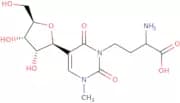
CAS :Please enquire for more information about 3’-Deoxy-N6,N6-dimethyladenosine including the price, delivery time and more detailed product information at the technical inquiry form on this pageDegré de pureté :Min. 95%1-Methyl-3-(3-amino-3-carboxypropyl)pseudouridine
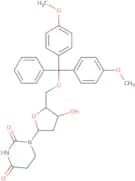
CAS :1-Methyl-3-(3-amino-3-carboxypropyl)pseudouridine is a nucleoside analog for use in research into biological functions. Pseudouridine is a modified version of uridine found in certain types of RNA e.g. tRNA. This nucleoside analog could be used for research into how alteration to RNA structures can impact cellular function.Formule :C14H21N3O8Degré de pureté :Min. 95%Couleur et forme :PowderMasse moléculaire :359.33 g/mol5'-o-(Dimethoxytrityl)-5,6-dihydro-2'-deoxyuridine
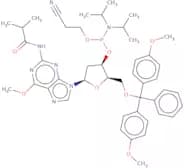
CAS :5'-O-Dimethoxytrityl-5,6-dihydro-2'-deoxyuridine is a nucleoside that is used as an anticancer drug. It is a modified nucleoside with a dimethoxytrityl group at the 5'-position and a phosphate group at the 2' position. This modification makes it resistant to degradation by phosphodiesterases. 5'-O-Dimethoxytrityl-5,6-dihydro-2'-deoxyuridine is used as a precursor in the synthesis of DNA or RNA and has been shown to be effective against some human cancer cell lines.Formule :C30H32N2O7Degré de pureté :Min. 95%Masse moléculaire :532.6 g/mol2'-Deoxy-5'-O-DMT-N2-isobutyryl-O6-methylguanosine 3'-CE phosphoramidite
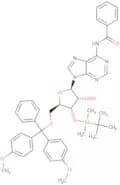
2'-Deoxy-5'-O-DMT-N2-isobutyryl-O6-methylguanosine 3'-CE phosphoramidite is a modified nucleoside that can be used in the synthesis of DNA. It is a modified nucleoside with a methyl group at the 2' position and an isobutyryl group at the 6' position. The methyl group is attached to the 5' carbon atom of the ribose sugar, and the isobutyryl group is attached to the 2' carbon atom. This product has anticancer activity, as well as antiviral, antibacterial, and antifungal properties. It has been shown to inhibit transcription by binding to RNA polymerase II in vitro and in vivo. This product also has high purity and high quality for research purposes.Formule :C45H56N7O8PDegré de pureté :Min. 95%Couleur et forme :Off-White To Light (Or Pale) Brown SolidMasse moléculaire :853.96 g/molN6-Benzoyl-3'-O-tert-butyldimethylsilyl-5'-O-DMT-adenosine
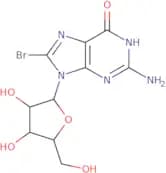
CAS :N6-Benzoyl-3'-O-tert-butyldimethylsilyl-5'-O-DMT-adenosine is a modified nucleoside that is used in the synthesis of oligonucleotides. It is an activator of DNA and RNA synthesis, which has antiviral and antitumor properties. The CAS number for this compound is 81256-88-4.Formule :C44H49N5O7SiDegré de pureté :Min. 95%Couleur et forme :PowderMasse moléculaire :787.97 g/mol8-Bromo-9-(b-D-xylofuranosyl)guanine
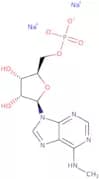
CAS :8-Bromo-9-(beta-D-xylofuranosyl)guanine (8BrG) is a modified nucleoside that has been shown to inhibit DNA and RNA synthesis in cells. This compound is also an antiviral agent with activity against herpes simplex virus type 1, herpes simplex virus type 2, and HIV. 8BrG inhibits the production of viral diphosphate and ribonucleosides by competitive inhibition of cellular enzymes involved in nucleotide biosynthesis. 8BrG is not active against bacterial cells, which lack these enzymes. 8BrG is synthesized by the addition of a bromine to the 9th position of guanine. It is a novel nucleotide that may have applications as an activator for other drugs or as a cancer treatment.Formule :C10H12BrN5O5Degré de pureté :Min. 95%Masse moléculaire :362.14 g/molN6-Methyladenosine-5'-monophosphate sodium
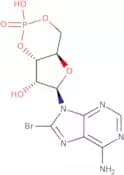
CAS :N6-Methyladenosine-5'-monophosphate sodium is a synthetic nucleoside that has antiviral and anticancer activity. It is an activator of DNA polymerase α, which is involved in the synthesis of DNA. N6-Methyladenosine-5'-monophosphate sodium has been shown to inhibit the replication of human immunodeficiency virus type 1 (HIV-1) in cultured cells and to induce apoptosis in cancer cells. This drug also inhibits the growth of certain bacteria, such as methicillin-resistant Staphylococcus aureus (MRSA) or Mycobacterium tuberculosis. N6-Methyladenosine-5'-monophosphate sodium may be used for the treatment of HIV/AIDS or cancer.Formule :C11H16N5O7P·2NaDegré de pureté :Min. 98 Area-%Couleur et forme :White PowderMasse moléculaire :407.23 g/mol8-Bromoadenosine 3',5'-cyclic monophosphate
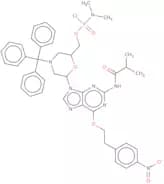
CAS :8-Bromoadenosine 3',5'-cyclic monophosphate (8-Br-cAMP) is a cyclic nucleotide that is involved in the regulation of energy metabolism. It is a pharmacological agent that regulates the intracellular levels of cAMP and plays an important role in regulating cell proliferation, differentiation, and survival. 8-Br-cAMP binds to specific protein kinases and alters their activity. It also inhibits the enzymatic activity of DNA polymerase II. 8-Br-cAMP has been shown to inhibit tumor growth in mice with bone cancer. The mechanism by which this drug exerts its antitumor effect appears to be related to increased expression of basic proteins and decreased expression of phosphatase 2A, leading to increased activation of protein kinase A. 8-Br-cAMP also causes cellular accumulation of Ca2+ ions by stimulating an increase in the activity of phospholipase C, which hydrolyzes phosphatFormule :C10H11BrN5O6PDegré de pureté :Min. 98 Area-%Couleur et forme :Beige PowderMasse moléculaire :408.11 g/molMorpholino O6-(p-nitrophenethyl) G monomer
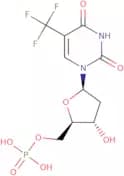
CAS :Morpholino O6-(p-nitrophenethyl) G monomer is a sub-unit used to prepare morpholino oligomersFormule :C43H46ClN8O7PDegré de pureté :Min. 98 Area-%Couleur et forme :PowderMasse moléculaire :853.3 g/mol2'-Deoxy-5-trifluoromethyluridine-5'-monophosphate
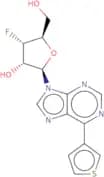
CAS :2'-Deoxy-5-trifluoromethyluridine-5'-monophosphate is a prodrug that has been shown to inhibit the growth of endothelial cells. It has also been shown to be effective against cancer cells, specifically those that are resistant to other chemotherapeutic agents. The mechanism of action is not yet known, but it may be due to inhibition of thymidylate synthase and DNA synthesis. 2'-Deoxy-5-trifluoromethyluridine-5'-monophosphate is a potential drug for use in the treatment of cancer. Clinical trials have shown that it can promote tumor regression in patients with advanced solid tumors.Formule :C10H12F3N2O8PDegré de pureté :Min. 95%Masse moléculaire :376.18 g/mol9-(3'-Deoxy-3'-fluoro-b-D-ribofuranosyl)-6-(thiophen-3-yl)purine
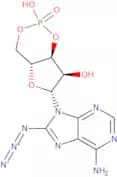
CAS :9-(3'-Deoxy-3'-fluoro-b-D-ribofuranosyl)-6-(thiophen-3-yl)purine is a novel monophosphate nucleotide analog, which has been shown to be an activator of anticancer activity. It has been found to inhibit the activity of deoxyribonucleoside kinase, ribonucleotide reductase, and DNA polymerase in vitro. 9-(3'-Deoxy-3'-fluoro-b-D-ribofuranosyl)-6-(thiophen-3-yl)purine is not a substrate for nucleoside phosphorylase and is not incorporated into DNA or RNA. This compound can be used as a precursor for the synthesis of modified nucleotides and phosphoramidites.Degré de pureté :Min. 95%8-Azidoadenosine 3',5'-cyclic monophosphosphate free acid
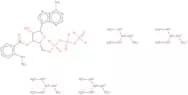
CAS :8-Azidoadenosine 3',5'-cyclic monophosphosphate is used for nucleotide labelling via a click reaction involving the azide moiety and a terminal alkyne conjugated to a label. The reaction generates a stable nucleotide labelled adduct containing a triazole link.Formule :C10H11N8O6PDegré de pureté :Min. 95%Couleur et forme :White to pale yellow solid.Masse moléculaire :370.22 g/mol2'/3'-O-(N-Methyl-anthraniloyl)-adenosine-5'-(γ-thio)-triphosphate triethylammonium salt
CAS :2'/3'-O-(N-Methyl-anthraniloyl)-adenosine-5'-(gamma-thio)-triphosphate triethylammonium salt is a nucleoside phosphoramidite that is used to synthesize oligonucleotides for use in research, diagnostics, and other applications. 2'/3'-O-(N-Methyl-anthraniloyl)-adenosine-5'-(gamma-thio)-triphosphate triethylammonium salt has antiviral properties, anticancer effects, and can be used for synthesis of modified DNA and RNA. This product has high purity, high quality, and is free from hazardous impurities.Formule :C18H23N6O13P3SDegré de pureté :Min. 95%Masse moléculaire :656.4 g/molP1-(5'-Adenosyl) P3-(5'-adenosyl) triphosphate sodium salt
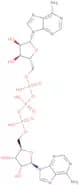
CAS :P1-(5'-Adenosyl) P3-(5'-adenosyl) triphosphate sodium salt is an intermediate in the biosynthesis of ATP. It is also a cofactor for adenylate kinase and pyruvate kinase. The synthesis of this compound takes place in human serum and requires the enzyme synthetase as well as sephadex g-100. Synthetase catalyzes the condensation of ATP with 5-AMP to yield P1-(5'-adenosyl) P3-(5'-adenosyl) triphosphate sodium salt. This reaction is reversible, and can be catalyzed by phosphohydrolases that hydrolyze ATP to AMP and inorganic phosphate. The physiological function of this compound is not yet clear, but it has been shown to increase intracellular Ca2+ levels in cardiac cells, leading to congestive heart failure. This compound has low potency, so it does not have anyFormule :C20H27N10O16P3•(Na)xDegré de pureté :Min. 95 Area-%Couleur et forme :PowderMasse moléculaire :756.41 g/mol1-(2’-Deoxy-2’-fluoro-b-D-arabinofuranosyl)-2-thiouracil
1-(2’-Deoxy-2’-fluoro-b-D-arabinofuranosyl)-2-thiouracil is an antiviral agent that is a modified monophosphate ribonucleoside. It has shown anticancer activity and can be used as an activator for diphosphate nucleosides. 1-(2’-Deoxy-2’-fluoro-b-D-arabinofuranosyl)-2-thiouracil can also be used in the synthesis of deoxyribonucleosides and phosphoramidites. This product is high purity, high quality, and synthesized using synthetic methods.Degré de pureté :Min. 95%4-C-Hydroxymethyl-1,2-O-isopropylidine-3-O-(4-methoxybenzyl)-a-D-ribofuranose
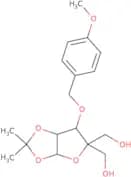
CAS :4-C-Hydroxymethyl-1,2-O-isopropylidine-3-O-(4-methoxybenzyl)-a-D-ribofuranose is a novel antiviral drug with an IC50 of 0.01 μM. It inhibits the replication of viruses such as human immunodeficiency virus (HIV) and hepatitis B virus (HBV). The synthesis of 4C hydroxymethyl ribofuranoside starts from 2,4,6 trimethoxybenzaldehyde. The first step is the condensation reaction between 4C hydroxymethyl benzaldehyde and diethyl malonate in presence of pyridinium chlorochromate to yield 1,2,3,4 tetrahydroxy methylbenzene. In the next step, 1,2,3,4 tetrahydroxy methylbenzene is converted to 1,2,3 trihydroxy methylbenDegré de pureté :Min. 95%5-(Ferrocene-1-yl-ethynyl)-2'-deoxyuridinetriphosphate sodium
CAS :Please enquire for more information about 5-(Ferrocene-1-yl-ethynyl)-2'-deoxyuridinetriphosphate sodium including the price, delivery time and more detailed product information at the technical inquiry form on this pageFormule :C21H19FeN2O14P3·4NaMasse moléculaire :764.11 g/molCladribine
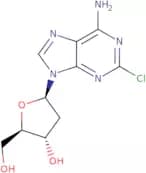
CAS :Deoxyadenosine analog resistant to adenosine deaminase
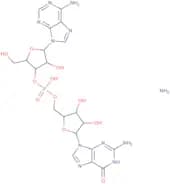
Formule :C10H12ClN5O3Degré de pureté :Min. 97 Area-%Couleur et forme :PowderMasse moléculaire :285.69 g/molAdenylyl-(3'-5')-guanosine
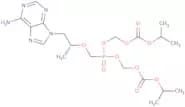
CAS :Please enquire for more information about Adenylyl-(3'-5')-guanosine including the price, delivery time and more detailed product information at the technical inquiry form on this pageFormule :C20H25N10O11P·H3NDegré de pureté :Min. 95%Masse moléculaire :629.48 g/molTenofovir disoproxil
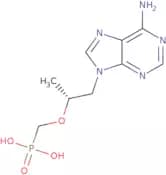
CAS :Anti-viral; reverse transcriptase inhibitor
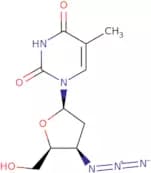
Formule :C19H30N5O10PDegré de pureté :Min. 95%Couleur et forme :White PowderMasse moléculaire :519.44 g/molZidovudine
CAS :Inhibitor of reverse transcriptaseFormule :C10H13N5O4Degré de pureté :Min. 95%Couleur et forme :Off-White PowderMasse moléculaire :267.24 g/molAbacavir sulfate
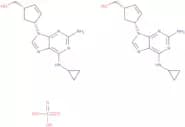
CAS :Anti-viral; reverse transcriptase inhibitor
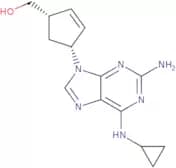
Formule :C14H18N6OH2SO4Degré de pureté :Min. 98 Area-%Couleur et forme :PowderMasse moléculaire :670.75 g/molAbacavir
CAS :Abacavir is a carbocyclic 2'-deoxyguanosine nucleoside reverse transcriptase (RT) inhibitor with anti-retroviral activity against HIV. Good oral bioavailability, high aqueous solubility and good cerebrospinal fluid penetrance. Synergistic with other nucleoside RT inhibitors such as AZT.Formule :C14H18N6ODegré de pureté :Min. 98 Area-%Couleur et forme :White PowderMasse moléculaire :286.33 g/molTenofovir
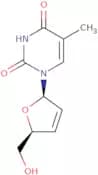
CAS :Tenofovir is an acyclic nucleoside phosphonate that exhibits anti-viral properties through its inhibition of reverse transcriptases. In particular, Tenofovir is a potent inhibitor of Human Immunodeficiency Virus (HIV) and chronic Hepatitis B Virus (HBV) reverse transcriptases, thus preventing the replication of genetic viral material. This property is beneficial in virus research areas and developing antiviral treatments. Once inside the body tenofovir is metabolized into its active form, tenofovir diphosphate, by the lysosomal protease cathepsin A, nucleotide kinases and adenylate kinases. An oral prodrug, used in the treatment of HIV, is tenofovir alafenamide (TAF) hemifumerate and this has improved stability, greater antiviral activity and reduces the risk of side effects such as loss of kidney function. Furthermore, TAF is easily metabolized into tenofovir in the lymphocytes allowing increased drug accumulation in HIV cells.Formule :C9H14N5O4PDegré de pureté :Min. 95%Couleur et forme :White Clear LiquidMasse moléculaire :287.21 g/molStavudine
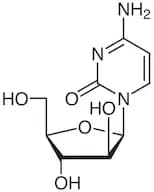
CAS :Anti-viral; reverse transcriptase inhibitorFormule :C10H12N2O4Degré de pureté :Min. 95%Couleur et forme :White PowderMasse moléculaire :224.22 g/molCytarabine
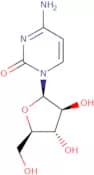
CAS :Anti-viral; anti-neoplasticFormule :C9H13N3O5Degré de pureté :Min. 95%Couleur et forme :White PowderMasse moléculaire :243.22 g/molOleoyl coenzyme A potassium salt
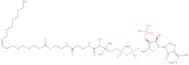
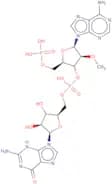
CAS :Ribonuclesides are a class of modified nucleosides that have been shown to be effective against cancer cells. Oleoyl CoA potassium salt is a Ribonucleoside that inhibits the growth of cancer cells by inhibiting DNA synthesis and RNA synthesis. The Ribonucleosides inhibit the formation of DNA by preventing the conversion of ribose-5-phosphate to deoxyribose-5-phosphate, which is required for DNA synthesis. Oleoyl CoA potassium salt also binds to the enzyme ribonucleotide reductase, which converts ribonucleotides into deoxyribonucleotides, thereby inhibiting DNA synthesis. This drug has been studied in preclinical animal trials.Formule :C39H67N7O17P3S·xKDegré de pureté :Min. 95%Masse moléculaire :1,070.07 g/mol(2’OMe-5’P-A)pG
CAS :A nucleoside product for research purposes
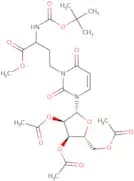
Formule :C39H73N13O14P2Masse moléculaire :1,010.02 g/mol3N’-Boc-α-(aminoacetyl)propyl-N-2’,3’,5’-tri-O-acetyluridine
Based functionalised uridineFormule :C25H35N3O13Masse moléculaire :585.56 g/molAminoallyl-UTP trisodium
Please enquire for more information about Aminoallyl-UTP trisodium including the price, delivery time and more detailed product information at the technical inquiry form on this pageFormule :C12H20N3O15P3•Na3Degré de pureté :Min. 95%Masse moléculaire :608.22 g/mol5'-O-DMT-uridine
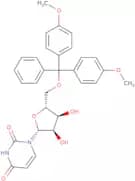
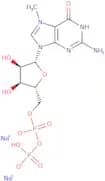
CAS :5'-O-DMT-uridine is an oligodeoxynucleotide that has been conjugated to tetracycline. It is a bioconjugate that can be used for photooxidation of DNA, as well as for the prevention of bacterial efflux. The 5'-O-DMT group can be removed from the uridine by light irradiation or by bioconjugate chemistry, which results in the release of tetracycline and subsequent binding to bacterial ribosomes. This prevents protein synthesis and cell division. The linker can be any cyclic or dehydrating compound.Formule :C30H30N2O8Degré de pureté :Min. 98 Area-%Couleur et forme :White Off-White PowderMasse moléculaire :546.58 g/mol7-Methylguanosine-5’-diphosphate disodium
CAS :Inhibition of decapping.Formule :C11H17N5O11P2•Na2Degré de pureté :Min. 95%Couleur et forme :PowderMasse moléculaire :503.21 g/mol2-Fluoro-6-O-[2-(4-nitrophenyl)ethyl]inosine
CAS :2-Fluoro-6-O-[2-(4-nitrophenyl)ethyl]inosine (2F-6ENPE) is a novel antiviral agent that inhibits the synthesis of RNA in the body. It is a monophosphate nucleotide analog and a prodrug that is converted to its active form, 2F-6ENP by ribonucleoside kinases. This drug has been shown to inhibit the growth of cancer cells in vitro and in vivo. 2F-6ENPE has also been shown to be effective against methicillin resistant staphylococcus aureus (MRSA).Formule :C18H18FN5O7Degré de pureté :Min. 95%Couleur et forme :PowderMasse moléculaire :435.36 g/mol2'-Deoxy-4-thiouridine
CAS :2'-Deoxy-4-thiouridine is a pyrimidine nucleoside for a range of applications
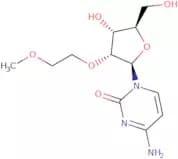
Formule :C9H12N2O4SDegré de pureté :Min. 98 Area-%Couleur et forme :PowderMasse moléculaire :244.27 g/mol2'-O-(2-Methoxyethyl)cytidine
CAS :2'-O-(2-Methoxyethyl)cytidine is a nutrient that is used to maintain the dry weight of Lactobacillus acidophilus cultures. It is also used as a texturizing agent in food products. 2'-O-(2-Methoxyethyl)cytidine has been shown to increase the rate of lactose hydrolysis and reduce the viscosity of yogurt by activating L. acidophilus. 2'-O-(2-Methoxyethyl)cytidine is also used as a dietary supplement for people with intestinal disorders, such as irritable bowel syndrome. It can be found in sodium salts and n-methyl-d-glucamine.Formule :C12H19N3O6Degré de pureté :Min. 95%Couleur et forme :PowderMasse moléculaire :301.3 g/molCytidine 5'-triphosphate disodium dihydrate
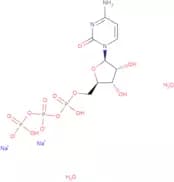
CAS :Cytidine 5'-triphosphate (CTP) disodium dihydrate prevents the action of aspartate carbamoyltransferase, an enzyme involved in pyrimidine biosynthesis. CTP serves as a molecule of high energy and acts as a coenzyme in glycerophospholipid biosynthesis and protein glycosylation.Formule :C9H16N3O14P3•(H2O)2•Na2Degré de pureté :Min. 95%Couleur et forme :PowderMasse moléculaire :565.17 g/molAdenosine 5'-diphosphate bis(cyclohexylammonium) salt
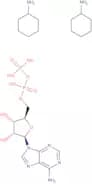
CAS :Adenosine 5'-diphosphate bis(cyclohexylammonium) salt is a novel antiviral agent that has been shown to be an activator of the adenylate cyclase enzyme. It also inhibits DNA and RNA synthesis in viruses, which prevents viral replication. Adenosine 5'-diphosphate bis(cyclohexylammonium) salt is active against cancer cells and has been shown to inhibit tumor growth and prolong survival in animal models. This compound can be synthesized by reacting the monophosphate with phosphoramidites or deoxyribonucleosides.Formule :C10H15N5O10P2·2C6H13NDegré de pureté :Min. 98 Area-%Couleur et forme :PowderMasse moléculaire :625.55 g/molUridine
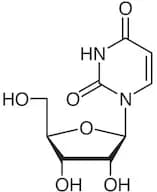
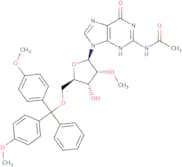
CAS :Formule :C9H12N2O6Degré de pureté :>98.0%(T)(HPLC)Couleur et forme :White powder to crystalMasse moléculaire :244.20N2-Acetyl-5'-O-DMT-2'-O-methyl guanosine
CAS :2'-O-Me protected nucleosideFormule :C34H35N5O8Masse moléculaire :641.67 g/mol5'-O-DMT-N2-isobutyryl-2'-O-methylguanosine 3'-CE phosphoramidite
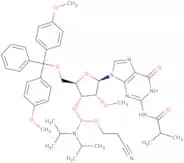
CAS :5'-O-DMT-N2-isobutyryl-2'-O-methylguanosine 3'-CE phosphoramidite is a labile, thermally sensitive chemical compound. It is used as a building block for the synthesis of oligonucleotides.
Formule :C45H56N7O9PDegré de pureté :Min. 98 Area-%Couleur et forme :White PowderMasse moléculaire :869.96 g/mol2'-Deoxy-N2,3-ethenoguanosine
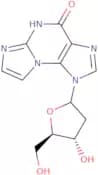
CAS :2'-Deoxy-N2,3-ethenoguanosine is a novel antiviral agent that is phosphorylated by the viral enzyme ribonucleotide reductase and then incorporated into viral DNA. This compound is an activator of deoxyribonucleoside monophosphate activity and inhibits the synthesis of DNA and RNA. 2'-Deoxy-N2,3-ethenoguanosine has been shown to inhibit the growth of cancer cells in culture and may be useful for treating cancer.Formule :C12H13N5O4Degré de pureté :Min. 95%Masse moléculaire :291.26 g/molAdenosine-5’-triphosphate disodium salt trihydrate
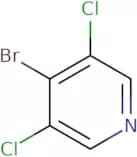
CAS :Please enquire for more information about Adenosine-5’-triphosphate disodium salt trihydrate including the price, delivery time and more detailed product information at the technical inquiry form on this pageFormule :C10H14N5O13P3·2Na·3H2OMasse moléculaire :605.19 g/mol4-Bromo-3,5-dichloropyridine
CAS :4-Bromo-3,5-dichloropyridine is a reactive intermediate that is used as a reagent in organic synthesis. It has low basicity and reacts with lithium to form the lithium salt. The salt can be deprotonated to form the bromide anion, which is more reactive than the chloride anion. 4-Bromo-3,5-dichloropyridine can also be used for the selective isomerization of ketones and related compounds. Bromine is added to prevent side reactions with oxygen. The intermediates are generated at the site of reaction by using an excess of diisopropylamide over bromination agent.
Formule :C5H2BrCl2NDegré de pureté :Min. 95%Masse moléculaire :226.89 g/mol2'-Deoxyadenosine 5'-O-thiophosphate sodium salt
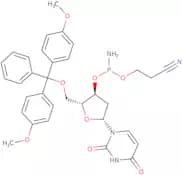
CAS :2'-Deoxyadenosine 5'-O-thiophosphate sodium salt is a synthetic nucleotide that has antiviral, anticancer and antitumor properties. It is a modified deoxyribonucleoside and it activates the synthesis of DNA by acting as an activator. This drug is not found in nature and it has shown to inhibit the growth of human breast cancer cells in cell culture.Formule :C10H14N5O5PSDegré de pureté :Min. 95%Masse moléculaire :347.29 g/mol2'-Deoxy-5'-O-DMT-uridine 3'-CE phosphoramidite
CAS :2'-Deoxy-5'-O-DMT-uridine 3'-CE phosphoramidite is an antibiotic that inhibits bacterial growth by binding to DNA, preventing transcription and replication. It has been shown to have antibacterial activity against a wide variety of bacteria, including staphylococcus, tuberculosis and vibrio cholerae. 2'-Deoxy-5'-O-DMT-uridine 3'-CE phosphoramidite is a chemotaxis regulator in the biosynthetic pathway of certain bacteria. These bacteria use this compound as a precursor for the production of other antibiotics. This antibiotic binds to the regulatory site on bacterial chemotaxis and inhibits the response to attractants such as sugars or amino acids.Formule :C39H47N4O8PDegré de pureté :Min. 98 Area-%Couleur et forme :White Off-White PowderMasse moléculaire :730.81 g/molN2,7-Dimethylguanosine
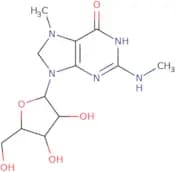
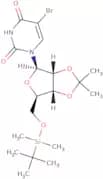
CAS :N2,7-Dimethylguanosine is a modified nucleotide that is an intermediate in the biosynthesis of guanine. This modification is catalyzed by an enzyme called methyltransferase, which transfers a methyl group from S-adenosylmethionine to the guanine base. N2,7-dimethylguanosine has been shown to be involved in epigenetic regulation and translation regulation as well as having a biological function as an acceptor for aminoacylation. N2,7-dimethylguanosine can be detected with mass spectrometry and can also be immobilized onto solid supports for use in biochemical pathways. br> N2,7-dimethylguanosine is synthesized from S-adenosylmethionine (SAM) and 5'-methylthioadenosine (MTA) by a series of reactions involving methyltetrahydrofolate reductase and methyFormule :C12H18N5O5Degré de pureté :Min. 95%Couleur et forme :White PowderMasse moléculaire :312.3 g/mol5-Bromo-5'-O-tert-butyldimethylsilyl-2',3'-O-isopropylideneuridine
CAS :5-Bromo-5'-O-tert-butyldimethylsilyl-2',3'-O-isopropylideneuridine is a novel nucleoside analog that has been synthesized to inhibit the synthesis of RNA. The 5-Bromo-5'-O-tert-butyldimethylsilyl-2',3'-O-isopropylideneuridine is an Activator, which inhibits the activity of ribonucleotide reductase. It also exhibits antiviral and anticancer activities.Formule :C18H29BrN2O6SiDegré de pureté :Min. 95%Couleur et forme :PowderMasse moléculaire :477.42 g/mol8-Chloro-2'-deoxyadenosine
CAS :8-Chloro-2'-deoxyadenosine is a nucleoside analogue and a disinfectant that inhibits the synthesis of DNA. It has been used to control active viruses and to induce apoptotic cell death in cancer cells. 8-Chloro-2'-deoxyadenosine binds to viral RNA and DNA, preventing viral replication by inhibiting the activity of reverse transcriptase, which is an enzyme that copies the virus's genetic information from RNA into DNA. This drug has also been shown to be effective for the treatment of HIV infection. 8-Chloro-2'-deoxyadenosine disrupts DNA synthesis and cellular metabolism by blocking transcription and protein synthesis.Formule :C10H12ClN5O3Degré de pureté :Min. 95%Couleur et forme :PowderMasse moléculaire :285.69 g/molGuanosine 3',5'-bisdiphosphate lithium salt - 100mM aqueous solution
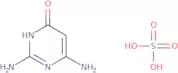
CAS :Regulates gene transcription; inhibits the synthesis of tRNA and rRNAFormule :C10H17N5O17P4·xLiDegré de pureté :Min. 85 Area-%Couleur et forme :Colorless PowderMasse moléculaire :602.16 g/mol2,4-Diamino-6-hydroxypyridine sulphate
CAS :2,4-Diamino-6-hydroxypyridine sulphate is a nucleoside for use in research applicationsFormule :C4H6N4O•(H2SO4)xDegré de pureté :Min. 95%Couleur et forme :PowderMasse moléculaire :224.2 g/mol1-(β-D-Arabinofuranosyl)thymine
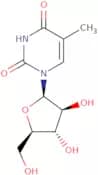
CAS :1-(β-D-Arabinofuranosyl)thymine is a nucleoside analog. It has a similar structure to thymidine. It has possible applications in research into the specificity and kinetics of thymidine kinases and has demonstrated antiviral activity against some viruses.Formule :C10H14N2O6Degré de pureté :Min. 95%Couleur et forme :White PowderMasse moléculaire :258.23 g/mol2-Chloroadenosine hemihydrate
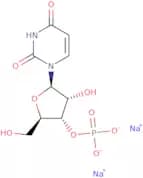
CAS :2-Chloroadenosine hemihydrate is a synthetic purine nucleoside analog, closely related to adenosine, with a chlorine atom substituted at the 2-position on the adenine ring. This molecule has potential application in research.Formule :C10H12ClN5O4H2ODegré de pureté :Min. 95%Couleur et forme :PowderMasse moléculaire :310.69 g/molUridine 3'-monophosphate disodium salt
CAS :Uridine 3'-monophosphate disodium salt is a nucleotide that is part of the pyrimidine family. It is synthesized from uridine and phosphoric acid in a reaction that requires hydrogen bonding and the presence of an enzyme. Uridine 3'-monophosphate disodium salt has been shown to inhibit the production of eosinophil cationic protein, which may be due to its ability to denature proteins. This drug also has an effect on the synthesis of proteins by inhibiting enzymes such as acetylcholinesterase and catalase. The synthesis of glycosidic bonds is also inhibited, which may lead to an increase in body mass index (BMI).Formule :C9H11N2Na2O9PDegré de pureté :Min. 95%Couleur et forme :White PowderMasse moléculaire :368.15 g/mol4-(b-D-Ribofuranosyl)-vic-triazolo[4,5-b]pyridin-5-one
CAS :Ribonucleosides, Deoxyribonucleosides and Activator are a group of synthetic compounds that are used in the synthesis of DNA. Ribonucleosides and Deoxyribonucleosides are nucleotides that contain ribose or deoxyribose as the sugar moiety. Activator is an activator for DNA polymerase, which catalyses the formation of a phosphodiester bond between two adjacent 3'-5' phosphate groups on a single strand of DNA. Ribonuclesides, Deoxyribonucleosides and Activator are used in recombinant DNA technology to synthesize DNA molecules containing modified bases. The CAS number for Ribonuclesides, Deoxyribonucleosides and Activator is 59892-40-9.
Formule :C10H12N4O5Degré de pureté :Min. 95%Masse moléculaire :268.23 g/mol2',3'-O-Isopropylidenecytidine
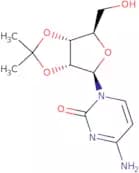
CAS :2',3'-O-Isopropylidenecytidine is a nucleoside for use in research applications
Formule :C12H17N3O5Degré de pureté :Min. 95%Couleur et forme :PowderMasse moléculaire :283.28 g/mol8-Amino[1''-(N''-dansyl)-4''-aminobutyl]-5'-(1-aziridinyl)-5'-deoxy adenosine
CAS :8-Amino-[1''-(N''-dansyl)-4''-aminobutyl]-5'-(1-aziridinyl)-5'-deoxyadenosine is a novel nucleoside phosphoramidite that has antiviral and anticancer activity. It is currently under development as a potential treatment for Hepatitis C, HIV and cancer. 8-Amino-[1''-(N''-dansyl)-4''-aminobutyl]-5'-(1-aziridinyl)-5'-deoxyadenosine is an activator of the enzyme ribonucleotide reductase, which converts ribonucleotides to deoxyribonucleotides. It also inhibits the synthesis of DNA and RNA by inhibiting the enzyme DNA gyrase and topoisomerase IV. 8-Amino-[1''-(N''-dansyl)-4''-aminobutylFormule :C28H37N9O5SDegré de pureté :Min. 95%Couleur et forme :PowderMasse moléculaire :611.72 g/mol9-(2'-Deoxy-2'-fluoro-β-D-arabinofuranosyl)guanine
CAS :9-(2'-Deoxy-2'-fluoro-b-D-arabinofuranosyl)guanine is a nucleoside phosphorylase inhibitor that is used to treat inflammatory bowel disease. It has been shown to be effective in treating women with inflammatory bowel disease, and has no significant side effects. 9-(2'-Deoxy-2'-fluoro-b-D-arabinofuranosyl)guanine inhibits the bacterial enzyme nucleoside phosphorylase, which is responsible for the conversion of guanosine triphosphate (GTP) to guanosine diphosphate (GDP). This inhibition prevents the synthesis of DNA and RNA by blocking the conversion of GTP and GDP into AMP and GMP. The drug binds to the active site of nucleoside phosphorylase, which is located in the bacterial cytoplasmic membrane. 9-(2'-Deoxy-2'-fluoroFormule :C10H12FN5O4Degré de pureté :Min. 97 Area-%Couleur et forme :PowderMasse moléculaire :285.24 g/mol5-Aza-7-deazaguanosine
CAS :5-Aza-7-deazaguanosine is a nucleoside analogue that has antiviral activity against herpes simplex virus, influenza, and other DNA viruses. 5-Aza-7-deazaguanosine is an analog of guanosine with the addition of a 7-deaza group on the nitrogen atom. This drug inhibits viral replication by inhibiting the polymerase function of the viral NS5B protein, which is essential for DNA synthesis. The structure activity relationship studies have shown that this compound has anti-hepatitis B virus activity, but not against hepatitis C virus. 5-Aza-7-deazaguanosine has been shown to be effective in animal models as well as in humans without any significant toxicity issues.Formule :C10H13N5O5Degré de pureté :Min. 95%Couleur et forme :PowderMasse moléculaire :283.24 g/mol5’-ODMT-cET-5-methyluridine 3’-OCE amidite
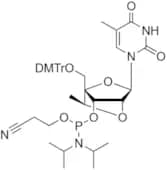
CAS :5’-ODMT-cET-5-methyluridine 3’-OCE amidite is a bicyclic nucleoside that is commonly known as BNA for bicyclic nucleic acid or LNA for locked nucleic acid. It comprises a bridge between the 4' and 2' carbon atoms to lock the ribose ring into a fixed configuration. The BNA or LNA incorporated oligonucleotides are useful to regulate gene expression via antisense mechanisms.Formule :C42H51N4O9PMasse moléculaire :786.86 g/molAdenosine 5'-diphosphate disodium salt
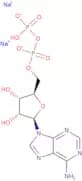
CAS :Adenosine 5'-diphosphate disodium salt is a sodium salt of adenosine 5'-diphosphate. It is found in the extract of plants such as salvianolic acid and rhizoma gastrodiae, as well as in dinucleotide phosphate. This product has been shown to have cardioprotective effects against ischemia reperfusion injury in animal models. It also has congestive heart failure activity, which may be due to its ability to relax vascular smooth muscle and increase the diameter of lymphatic vessels. Adenosine 5'-diphosphate disodium salt has been shown to inhibit the binding of serotonin (5-hydroxytryptamine) to 5-HT2 receptors, which are present in heart tissue.
Formule :C10H13N5Na2O10P2Degré de pureté :Min. 95 Area-%Couleur et forme :White PowderMasse moléculaire :471.16 g/mol2',3'-Di-O-benzoyluridine
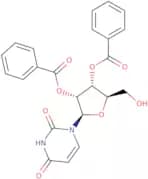
CAS :2',3'-Di-O-benzoyluridine is a nucleoside for use in research applications
Formule :C23H20N2O8Degré de pureté :Min. 98 Area-%Couleur et forme :PowderMasse moléculaire :452.41 g/molβ-Nicotinamide adenine dinucleotide, reduced form, disodium
CAS :β-Nicotinamide adenine dinucleotide reduced form, most commonly known as NADH, is a cofactor involved in the electron transport chain, in the metabolism of amino acids and many other cellular processes such as the synthesis of ATP. It is also a substrate for glutathione peroxidase and superoxide dismutase. The reduced form of NADH can be used as an indicator for glutathione peroxidase activity. In addition, it has been shown to have antioxidant properties by reducing reactive oxygen species (ROS) and inhibiting lipid peroxidation. This product has been used in formulations of synthetic drugs for the treatment of women with long-term effects of menopause, such as osteoporosis and cardiovascular disease. It has also been used in the production of alginate gel, which can be used to create scaffolds for tissue engineering applications. Lately, in bioorganic chemistry, NADH has been used as a source of hydride species for reduction reactions.
Formule :C21H29N7O14P2•Na2Degré de pureté :Min. 95%Masse moléculaire :711.42 g/mol2'-Deoxyxanthosine
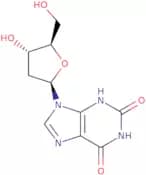
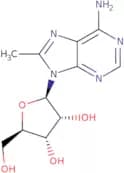
CAS :Produit contrôlé2'-Deoxyxanthosine is a chemical compound with biochemical properties that can be used as a pharmaceutical drug. It is a nucleoside analogue that interferes with DNA synthesis. 2'-Deoxyxanthosine inhibits the enzyme ribonucleotide reductase, which converts ribonucleotides to deoxyribonucleotides, and prevents the formation of DNA in cells. This drug is also known to have anti-tumor effects, including angiogenesis inhibition and cytostatic activity. The reaction mechanism of 2'-deoxyxanthosine involves nitrous acid, which reacts with the 2' hydroxyl group of xanthosine to form the nitroso intermediate and then reacts with oxygen to produce nitrite and hydrogen peroxide. The final step in this process is the cleavage of xanthosine by nitrite into xanthine and oxalate. This drug has been shown to be reactive at neutral pH conditionsFormule :C10H12N4O5Degré de pureté :Min. 95%Couleur et forme :White Off-White PowderMasse moléculaire :268.23 g/mol8-Methyladenosine
CAS :8-Methyladenosine is an acid conjugate that can be found in the urine of healthy people. It is a protonated molecule that binds to a p2 subtype of the G protein-coupled receptor, which is activated by adenosine and 8-methyladenosine. This drug has been used in clinical trials for the treatment of herpes simplex virus and cervical cancer. The intramolecular hydrogen bond between the methyl group and the adenosine ring is responsible for its high binding affinity for this receptor. The glycosidic bond is formed when an 8-methyladenosine molecule attaches to a receptor on a cell surface, forming an intramolecular hydrogen bond with the receptor's amino acid side chain. This bond is broken when a protonated molecule of 8-methyladenosine enters the cell and interacts with the receptor, resulting in activation of this receptor.
Formule :C11H15N5O4Degré de pureté :Min. 95%Couleur et forme :White PowderMasse moléculaire :281.27 g/molGuanosine 5'-monophosphate disodium salt
CAS :Guanosine 5'-monophosphate disodium salt (GMPDS) is an antiviral agent that inhibits the synthesis of viral nucleic acids by competitive inhibition of the enzyme ribonucleotide reductase. GMPDS has been shown to inhibit the replication of a number of RNA viruses, including influenza A and B, herpes simplex virus type 1, and human immunodeficiency virus type 1. This drug also has been shown to decrease cyclic adenosine monophosphate (cAMP) levels in cells by inhibiting phosphodiesterase activity. GMPDS is used for treatment of infectious diseases such as influenza A, herpes, and HIV-1.Formule :C10H12N5Na2O8PDegré de pureté :Min. 98 Area-%Couleur et forme :White Off-White PowderMasse moléculaire :407.18 g/mol2'-Deoxycytidine-5'-diphosphate trisodium salt hydrate
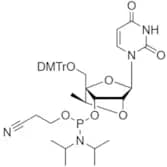
CAS :2'-Deoxycytidine-5'-diphosphate trisodium salt hydrate is a nucleoside that is used as an antiviral agent in the treatment of herpes zoster and varicella zoster. This drug also has anticancer properties, which may be due to its ability to inhibit DNA synthesis. 2'-Deoxycytidine-5'-diphosphate trisodium salt hydrate is a novel nucleotide analogue that has been modified to improve its stability, solubility and bioavailability. It can be used as a starting material for the synthesis of phosphoramidites by reacting with phosphorous pentoxide at elevated temperatures and pH. CAS No. 151151-32-5Formule :C9H12N3O10P2·Na3Degré de pureté :Min. 95%Couleur et forme :White Off-White PowderMasse moléculaire :453.12 g/mol5’-ODMT cET-uridine 3’-OCE amidite
CAS :5’-ODMT cET-uridine 3’-OCE amidite is a bicyclic nucleoside that is commonly known as BNA for bicyclic nucleic acid or LNA for locked nucleic acid. It comprises a bridge between the 4' and 2' carbon atoms to lock the ribose ring into a fixed configuration. The BNA or LNA incorporated oligonucleotides are useful to regulate gene expression via antisense mechanisms.Formule :C41H49N4O9PMasse moléculaire :772.82 g/molQueuosine
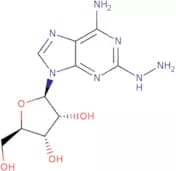
CAS :Queuosine is a modified nucleoside found in the tRNA of both eukaryotic and prokaryotic organisms. It is primarily sourced from the gut microbiota and obtained through dietary intake, as humans lack the biosynthetic machinery to produce it endogenously. Queuosine plays a crucial role in cellular processes by contributing to the accuracy of protein synthesis, impacting cellular growth and maintenance. Its importance extends to understanding the molecular mechanisms underpinning various physiological processes and the potential for dysregulation in diseases. Ongoing research is exploring queuosine's implications in cellular metabolism, including its role in cancer biology and neurobiology. Understanding the pathways and effects of queuosine incorporation into tRNA may provide insights into novel therapeutic avenues for targeting metabolic disorders and diseases associated with translational fidelity.Formule :C17H23N5O7Degré de pureté :Min. 95 Area-%Couleur et forme :PowderMasse moléculaire :409.39 g/mol2-Hydrazinoadenosine
CAS :2-Hydrazinoadenosine is an active analogue of adenosine. It is a potent agonist for the adenosine receptor subtypes A1 and A2A with high affinity. 2-Hydrazinoadenosine has been shown to inhibit cardiac contractility in animal models, as well as to produce hypotension, bradycardia, and bronchodilation in humans. This drug also has a functional effect on the heart by binding to adenosine receptors, which leads to the inhibition of catecholamine release. This drug is used clinically as an antiarrhythmic agent and a vasodilator in coronary artery disease.
Formule :C10H15N7O4Degré de pureté :Min. 95%Couleur et forme :PowderMasse moléculaire :297.27 g/molCytarabine
CAS :Formule :C9H13N3O5Degré de pureté :>98.0%(T)(HPLC)Couleur et forme :White to Almost white powder to crystalMasse moléculaire :243.222'-O-(tert-Butyldimethylsilyl)-5'-O-DMT-N2-isobutyryl-guanosine
CAS :2'-O-(tert-Butyldimethylsilyl)-5'-O-DMT-N2-isobutyryl-guanosine is a synthetic nucleoside that has been modified with a tert-butyldimethylsilyl group. This modification is used to improve the efficiency of coupling reactions between nucleosides and phosphoramidites in oligonucleotide synthesis. The 2'-O-(tert-Butyldimethylsilyl)-5'-O-DMT-N2-isobutyryl guanosine is also used as a chromophore in spectroscopy experiments and as a ligand in metal coordination chemistry.Formule :C41H51N5O8SiDegré de pureté :Min. 98 Area-%Couleur et forme :Off-White PowderMasse moléculaire :769.96 g/moldNTP pre-mixes, 10 mM aqueous solution
CAS :dATP, dTTP, dCTP and dGTP pre-mixed in a single vialFormule :C10H16N5O12P3Degré de pureté :Min. 95%Couleur et forme :Clear LiquidMasse moléculaire :491.18 g/mol2'-O-Methyluridine
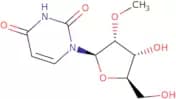
CAS :2'-O-Methyluridine is a chemical compound that is used in the synthesis of RNA. It is an analog of uridine and has been shown to have antiviral and anticancer properties. 2'-O-Methyluridine inhibits protein synthesis by competing with uridine for the active site of the enzyme ribonucleotide reductase, which converts ribonucleotides to dNMPs. This compound also inhibits RNA synthesis by disrupting the pairing of adenine and cytosine residues in RNA strands. 2'-O-Methyluridine has been shown to inhibit growth in some types of cancer cells, including colorectal adenocarcinoma cells. It may also be useful as a chemotherapeutic agent against HIV, as it inhibits virus replication by inhibiting reverse transcription and DNA synthesis.
Formule :C10H14N2O6Degré de pureté :Min. 98 Area-%Couleur et forme :White Off-White PowderMasse moléculaire :258.23 g/mol2'-O-tert-Butyldimethylsilyl-5'-O-DMT-pseudouridine 3'-CE phosphoramidite
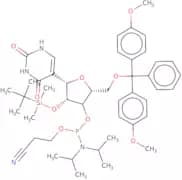
CAS :2'-O-tert-Butyldimethylsilyl-5'-O-DMT-pseudouridine 3'-CE phosphoramidite is a novel, high quality, high purity, and deoxyribonucleoside. It is a phosphoramidite that is used in the synthesis of oligodeoxyribonucleotides and has antiviral, anticancer, and anti-inflammatory activities. 2'-O-tert-Butyldimethylsilyl-5'-O-DMT-pseudouridine 3'-CE phosphoramidite inhibits the replication of DNA by inhibiting the synthesis of RNA from DNA. This deoxynucleoside also activates nucleases to degrade proteins that are involved in cancer cell proliferation.Formule :C45H61N4O9PSiDegré de pureté :Min. 95%Couleur et forme :PowderMasse moléculaire :861.05 g/mol5-Fluorouridine-5'-triphosphate sodium salt
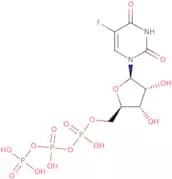
CAS :5-Fluorouridine-5'-triphosphate sodium salt is an analog of uridine that has been used in the treatment of metastatic colorectal cancer. It is a prodrug that is metabolized to 5-fluorouracil, its active form. 5-Fluorouridine-5'-triphosphate sodium salt inhibits the synthesis of thymidylate, one of the precursors to DNA, and blocks the production of nucleotides. This results in cell lysis and death by apoptosis. The drug also inhibits epidermal growth factor receptor (EGFR), which may contribute to its antitumor effects.Formule :C9H14N2O15P3FDegré de pureté :Min. 95%Masse moléculaire :502.13 g/mol4-Amino-2,6-dihydroxy-5-nitrosopyrimidine
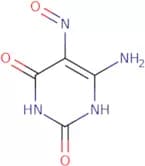
CAS :4-Amino-2,6-dihydroxy-5-nitrosopyrimidine is a molecule that has been shown to be an effective inhibitor of the enzyme tyrosinase in the oxidation of tyrosine to DOPA, which is a precursor of melanin. It is believed that vibrational and structural changes during these reactions are responsible for the inhibitory effects. 4-Amino-2,6-dihydroxy-5-nitrosopyrimidine has also been shown to have anti cancer effects on glioma cells. This molecule binds to copper ions, forming a chelate ring that can stabilize reactive intermediates and terminate free radicals. The chlorine atom on this molecule may be responsible for its cytotoxic effects by reacting with nucleophilic sites on proteins. The functional groups on this molecule react with acid catalysts, such as protonation or dehydration reactions.Formule :C4H4N4O3Degré de pureté :Min. 98 Area-%Couleur et forme :PowderMasse moléculaire :156.1 g/mol2'-O-Methylinosine
CAS :2'-O-Methylinosine is a nucleoside that is structurally related to inosine. It has been shown to induce apoptotic cell death in HIV-infected cells by inhibiting the synthesis of rRNA and by inhibiting the activity of the transcriptase enzyme. 2'-O-Methylinosine has also been shown to inhibit the replication of RNA viruses, such as herpes simplex virus and cytomegalovirus, and it can be used as an experimental model for studying apoptosis. 2'-O-Methylinosine can be synthesized from inosine using a chromatographic method that utilizes hydroxylamine. The chemical structure of this nucleoside is amphipathic, which allows it to bind both DNA and RNA strands.Formule :C11H14N4O5Degré de pureté :Min. 99 Area-%Couleur et forme :White PowderMasse moléculaire :282.25 g/molPolycytidylic acid
CAS :Polycytidylic acid is a single stranded RNA analog which is combined with Polyinosinic acid to form a stable duplex structure known as Polyinosinic acid-polycytidylic acid (Poly I:C). PolyI:C stimulates the secretion of pro-inflammatory cytokines and type I interferon through its interaction with endosomal Toll-like receptor 3 (TLR-3) and the cytoplasmic receptors melanoma differentiation-associated gene 5 (MDA-5) and retinoic acid-inducible gene I (RIG-I). This immunostimulant activity makes Poly I:C a useful vaccine adjuvant and is used in vaccine formulations. Poly I:C and its stabilized analogs (e.g., poly-ICLC) are also being actively researched for their dual role in oncology: directly targeting tumors and acting as immune potentiators. For example Poly I:C can induce apoptosis in tumor cells and stimulate immunogenic cell death and is therefore being explored alongside chemotherapy, radiotherapy, and checkpoint inhibitors, helping to overcome resistance mechanisms and strengthen treatment outcomes. We can supply PolyI:C to all stages of your project - from R&D and preclinical phases right up to GMP commercial manufacture. Contact our team for custom Poly I:C products.
For more on poly I:C read out blog 'Poly I:C: A Vaccine Adjuvant With Oncological Potential.'Degré de pureté :Min. 95%Cytidine 5'-diphosphocholine
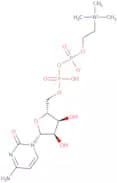
CAS :Cytidine 5'-diphosphocholine is a nucleotide that is a precursor of uridine 5'-triphosphate and cytidine 5'-monophosphate, which are important for DNA synthesis. Cytidine 5'-diphosphocholine is used in the preparation of samples for experiments. This compound has been shown to induce neuronal death in an experimental model. It has also been shown to inhibit polymerase chain reactions and affect the activity of enzymes such as alpha-7 nicotinic acetylcholine receptors and glutamate decarboxylase. Cytidine 5'-diphosphocholine has been found to have no effect on basic fibroblast cells, but it does have physiological effects on human erythrocytes.Formule :C14H26N4O11P2Degré de pureté :Min. 98 Area-%Couleur et forme :White PowderMasse moléculaire :488.32 g/mol2'-Deoxy-L-uridine
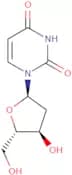
CAS :2'-Deoxy-L-uridine is a nucleoside that is found in the human body. It phosphorylates l-thymidine, which is a natural substrate, and this reaction prevents the formation of diphosphate from d-ribose 5'-monophosphate. 2'-Deoxy-L-uridine is an exogenous substance that inhibits cell growth by affecting protein synthesis and DNA replication. 2'-Deoxy-L-uridine has been shown to be more efficient than wild type uridine in inhibiting cell growth in vitro at concentrations of 1 mM or greater. The enantiomers of 2'-deoxy-L-uridine affect cell growth differently, with the (R)-enantiomer being more potent than the (S)-enantiomer.
Formule :C9H12N2O5Degré de pureté :Min. 95%Couleur et forme :White PowderMasse moléculaire :228.2 g/mol5'-O-DMT-N2-isobutyrylguanosine
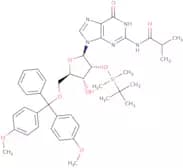
CAS :5'-O-DMT-N2-isobutyrylguanosine is a novel phosphoramidite monophosphate, which has been modified with an isobutyryl group. This compound was synthesized in order to be used as a nucleoside analogue and antimetabolite for the treatment of cancer. It also has antiviral properties and inhibits the replication of DNA by inhibiting transcription. 5'-O-DMT-N2-isobutyrylguanosine is an anticancer agent that can be used to treat tumors that are resistant to other chemotherapy drugs. It also inhibits the growth of cells by preventing the synthesis of proteins needed for cell division.
Formule :C35H37N5O8Degré de pureté :Min. 95%Couleur et forme :White PowderMasse moléculaire :655.7 g/mol2'-Deoxy-a-guanosine
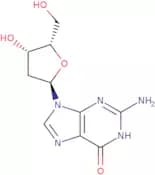
CAS :2'-Deoxy-a-guanosine is a nucleoside that is modified by the substitution of its ribose sugar with deoxyribose. It is used in anticancer and antiviral research. This chemical has been shown to inhibit DNA synthesis and RNA polymerase activity. 2'-Deoxy-a-guanosine has also been shown to have an anti-inflammatory effect, which may be due to its inhibition of prostaglandin synthesis.Formule :C10H13N5O4Degré de pureté :Min. 95%Couleur et forme :PowderMasse moléculaire :267.25 g/molN¹-Methylpseudouridine-5'-triphosphate sodium,100 mM aqueous solution
N¹-methylpseudouridine-5'-triphosphate sodium, 100 mM aqueous solution (NMP) is an activator of deoxyribonucleosides that is synthesized in the laboratory. It has antiviral and anticancer activity and can be used to treat influenza A virus. NMP has been shown to inhibit the growth of cancer cells by inhibiting DNA synthesis and inducing apoptosis.Formule :C10H17N2O15P3•xNaDegré de pureté :Min. 95%Masse moléculaire :498.17 g/mol5-(Isopentenylaminomethyl)uridine
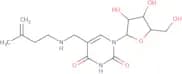
CAS :5-(Isopentenylaminomethyl)uridine is a modified uridine nucleoside that is used in biochemical research. It is the precursor to 5-amino-2'-deoxyuridine, which is converted to 5-iodo-2'-deoxyuridine. This modified uridine nucleoside can be used as a linker molecule for DNA and RNA ligation reactions and for analysis of biological samples. 5-(Isopentenylaminomethyl)uridine has been shown to inhibit the expression of genes in eukaryotes and prokaryotes. It also has been shown to inhibit the ribosome by binding to the peptidyl transferase center (PTC).Formule :C15H23N3O6Degré de pureté :Min. 95%Masse moléculaire :341.36 g/molN6-Cyclopentyladenosine
CAS :N6-Cyclopentyladenosine is a nucleoside analog that binds to the kappa-opioid receptor. The physiological effects of this drug are mediated through its interaction with the kappa-opioid receptor, which is found in the central nervous system and mediates many of the effects of morphine. N6-Cyclopentyladenosine has been shown to increase blood flow and heart rate in humans. This drug also inhibits tetrazolium dye uptake by papillary muscle cells, suggesting that it may have cardiotonic effects. N6-Cyclopentyladenosine has been used as an analytical probe for adenosine, which is metabolized by cyclic AMP and cyclic GMP phosphodiesterases into adenosine 3',5'-cyclic monophosphate (cAMP).Formule :C15H21N5O4Degré de pureté :Min. 95%Couleur et forme :PowderMasse moléculaire :335.36 g/mol2'-Deoxyinosine-5'-monophosphate disodium salt
CAS :2'-Deoxyinosine-5'-monophosphate disodium salt is a synthetic nucleoside, phosphoramidite, and diphosphate that is used in the synthesis of DNA. It has been shown to have antiviral effects against HIV and herpes simplex virus type 2 (HSV-2). This drug also has anticancer activity and is an activator of novel nucleosides.Formule :C10H11N4Na2O7PDegré de pureté :Min. 98 Area-%Couleur et forme :White PowderMasse moléculaire :376.17 g/molGuanosine 5'-monophosphate disodium [1',2',3',4',5'-13C5]
Guanosine 5'-monophosphate disodium salt [1',2',3',4',5'-13C5] is a modified nucleoside that is used as an antiviral agent. It inhibits the synthesis of DNA by competitively inhibiting the activity of ribonucleotide reductase, which is required for de novo synthesis of DNA. Guanosine 5'-monophosphate disodium salt [1',2',3',4',5'-13C5] has been shown to be effective in treating cancer and may have anticancer properties due to its ability to inhibit the proliferation of tumor cells.Formule :C5C5H14N5O8P•Na2Degré de pureté :Min. 95%Couleur et forme :PowderMasse moléculaire :414.64 g/mol2'-Deoxy-N2-phenoxyacetylguanosine
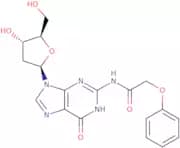
CAS :2'-deoxy-N2-phenoxyacetylguanosine is a synthetic nucleoside that is used as a substrate in experiments to study the properties of guanine. The compound can be synthesized by the reaction of 2'-deoxy-N2-phenoxyacetaldehyde with guanine. The synthesis starts with the condensation of 2'-deoxyribose and N2-phenoxyacetaldehyde, followed by the oxidation of the resulting anhydride to give aldehyde, which reacts with guanine to form a Schiff base. This then undergoes hydrolysis to yield 2'-deoxy-N2-phenoxyacetylguanosine.Formule :C18H19N5O6Degré de pureté :Min. 95%Masse moléculaire :401.38 g/molCytidine-5-carboxylic acid sodium
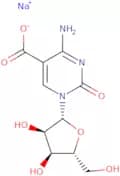
CAS :Cytidine-5-carboxylic acid sodium salt is a nucleoside that is used as an activator for the synthesis of phosphoramidites. It is also used in anticancer and antiviral research as a component of DNA. Cytidine-5-carboxylic acid sodium salt is available in high purity, with a monophosphate form and diphosphate forms available.Formule :C10H13N3O7•NaDegré de pureté :Min. 95%Couleur et forme :PowderMasse moléculaire :310.21 g/moldNTP bundle, 4 x 100mM aqueous solution
CAS :Each dNTP supplied in a separate vialDegré de pureté :Min. 99 Area-%Couleur et forme :Clear Liquid2'-Amino-2'-deoxyadenosine-5'-triphosphate sodium salt - aqueous solution
CAS :2'-Amino-2'-deoxyadenosine-5'-triphosphate sodium salt - aqueous solution is a modified ATP analog, where the ribose has a 2'-amino substitution. This compound has potential research applicationsFormule :C10H17N6O12P3·xNaDegré de pureté :Min. 95 Area-%Couleur et forme :PowderMasse moléculaire :506.2 g/molN3-Methylthymidine
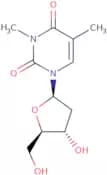
CAS :N3-Methylthymidine is a metalloprotease inhibitor that has been shown to inhibit the activity of epidermal growth factor (EGF). N3-Methylthymidine is also an effective inhibitor of HIV infection. The inhibitory effect on HIV infection is due to the competitive inhibition of viral protease and subsequent degradation of viral proteins. N3-Methylthymidine inhibits the synthesis and release of infectious herpes simplex virus particles. This drug also inhibits the growth of human tumor cells in culture by inhibiting cell proliferation, most likely due to its ability to inhibit EGF. An analytical method for determining the concentration of this drug in plasma using chemical ligation has been developed.Formule :C11H16N2O5Degré de pureté :Min. 95%Couleur et forme :White PowderMasse moléculaire :256.26 g/mol5-Carboxymethylaminomethyluridine
CAS :5-Carboxymethylaminomethyluridine is a nucleoside analogue that is used in molecular modeling studies to investigate the role and interactions of uridine in the mitochondrial ribosome. It has been shown to bind to the mitochondrial ribosome, which may be due to hydrogen bonding interactions with adenine. 5-Carboxymethylaminomethyluridine also inhibits protein synthesis at the level of translation by inhibiting group P2 of eukaryotic cytosolic ribosomes. This inhibition results in decreased production of proteins necessary for mitochondrial biogenesis.Formule :C12H17N3O8Degré de pureté :Min. 95 Area-%Couleur et forme :White Off-White PowderMasse moléculaire :331.28 g/molN4-Etheno 2'-deoxycytidine
CAS :N4-Etheno 2'-deoxycytidine is an aromatic hydrocarbon that has been shown to be a potent inhibitor of DNA synthesis. It binds covalently with the N4 position of deoxycytidine in DNA, thereby inhibiting transcription and replication. This drug has been shown to be a potent inhibitor of DNA synthesis in human cells when it is added to the culture medium, but it does not inhibit protein synthesis. N4-Etheno 2'-deoxycytidine can also react with hydrogen bonds in cellular proteins and nucleosides that are involved in DNA repair mechanisms. This drug is reactive and may cause oxidative damage to cellular components, which may lead to carcinogenesis.Formule :C11H13N3O4Degré de pureté :Min. 95%Couleur et forme :White PowderMasse moléculaire :251.24 g/molMyristoyl coenzyme A
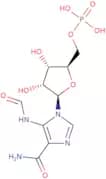
CAS :Myristoyl coenzyme A is a potential drug that inhibits the binding of human pathogens to protein. It also has been shown to have potential as an inhibitor for reactions involving myristoylation, which is a process where proteins are modified with myristic acid. Myristoyl coenzyme A was synthesized using titration calorimetry and in vitro assays. The compound has been shown to have the ability to inhibit polymerase chain reaction (PCR) and reduce the growth of bacteria in vitro. Myristoyl coenzyme A may be useful in treating metabolic disorders and infectious diseases such as AIDS, tuberculosis, and malaria.Formule :C35H62N7O17P3S·H2ODegré de pureté :Min. 90%Couleur et forme :White PowderMasse moléculaire :995.91 g/mol5-Formylamino-4-imidazolecarboxamide ribonucleotide
CAS :5-Formylamino-4-imidazolecarboxamide ribonucleotide is a nucleoside that is synthesized from 5-aminoimidazole ribonucleotide. It has antiviral and anticancer properties and is used as a precursor for the synthesis of other nucleosides. 5-Formylamino-4-imidazolecarboxamide ribonucleotide can be used in the preparation of oligodeoxyribonucleotides, which are involved in DNA replication, transcription, and translation. This compound also has been shown to inhibit the growth of cells with HIV or cancerous cells.Formule :C10H15N4O9PDegré de pureté :(Elemental Analysis) Min. 85%Masse moléculaire :366.22 g/mol





![2-Fluoro-6-O-[2-(4-nitrophenyl)ethyl]inosine](/_next/image/?url=https%3A%2Fstatic.cymitquimica.com%2Fproducts%2F3D%2Fthumb-webp%2FNF162956.webp&w=3840&q=75)







![4-(b-D-Ribofuranosyl)-vic-triazolo[4,5-b]pyridin-5-one](/_next/image/?url=https%3A%2Fstatic.cymitquimica.com%2Fproducts%2F3D%2Fthumb-webp%2FNR04971.webp&w=3840&q=75)
![8-Amino[1''-(N''-dansyl)-4''-aminobutyl]-5'-(1-aziridinyl)-5'-deoxy adenosine](/_next/image/?url=https%3A%2Fstatic.cymitquimica.com%2Fproducts%2F3D%2Fthumb-webp%2FNA16503.webp&w=3840&q=75)













![Guanosine 5'-monophosphate disodium [1',2',3',4',5'-13C5]](/_next/image/?url=https%3A%2Fstatic.cymitquimica.com%2Fproducts%2F3D%2Fthumb-webp%2FNG57598.webp&w=3840&q=75)