Autres
6270 produits trouvés pour "Autres"
Trier par
Degré de pureté (%)
0
100
|
0
|
50
|
90
|
95
|
100
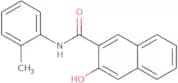
Naphthol AS-D
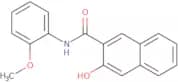
CAS :<p>Naphthol AS-D is a diagnostic chemical for phosphatase enzymes and is used to stain cells, tissues, and body fluids for diagnosis. The chemical reacts with the amino groups of proteins in cells and produces a brown color. Naphthol AS-D is not toxic to living cells in concentrations below 5%. It stains basophilic leukemia cells as well as brain cells. This chemical can be used to diagnose cutaneous lesions, such as psoriasis or melanoma, which are difficult to diagnose by standard methods. present in these lesions and produce a brown color.</p>Formule :C18H15NO2Degré de pureté :Min. 95%Couleur et forme :PowderMasse moléculaire :277.32 g/mol2-Nitrophenyl-β-D-galactopyranoside - non-animal origin
CAS :<p>2-Nitrophenyl-beta-D-galactopyranoside is a non-animal origin chromogenic substrate for the detection of beta-galactosidase activity. It is used in food testing, diagnostics, and environmental testing. 2-Nitrophenyl-beta-D-galactopyranoside is also used as a ligand in enzyme assays and a fluorogenic substrate for chemiluminescent reactions. This product is conjugated to HRP.</p>Formule :C12H15NO8Degré de pureté :Min. 98 Area-%Masse moléculaire :301.25 g/mol2-Naphthyl b-D-galactopyranoside
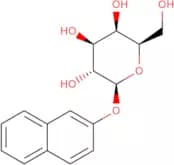
CAS :<p>2-Naphthyl beta-D-galactopyranoside is a glycoside that is found in the flowers of the plant Eschscholzia californica. It is used as a localizer for bacterial strains and can be hydrolyzed by enzymes to release naphthalene. 2-Naphthyl beta-D-galactopyranoside has been shown to inhibit the growth of corynebacterium and diazonium salt, which may be due to its ability to bind to DNA and disrupt protein synthesis. The potential use of this molecule is for its insolubility, which prevents it from being absorbed by skin cells.</p>Formule :C16H18O6Degré de pureté :Min. 99 Area-%Couleur et forme :PowderMasse moléculaire :306.31 g/mol6-Chloro-3-indoxyl-α-D-glucopyranoside
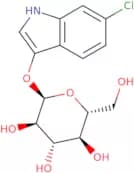
CAS :<p>Chromogenic substrate for α-glucosidase yielding a salmon-colored precipitate.</p>Formule :C14H16ClNO6Degré de pureté :Min. 98 Area-%Masse moléculaire :329.74 g/mol4-Nitrophenyl 6-O-(b-D-galactopyranosyl)-b-D-galactopyranoside
CAS :<p>4-Nitrophenyl 6-O-(b-D-galactopyranosyl)-b-D-galactopyranoside is a fluorescent substrate that is used in diagnostics and culture media. It can be used to detect the presence of aminoglycoside antibiotics, such as gentamicin, by using the fluorogenic or chromogenic reaction. 4NP6BG has been shown to bind to the beta subunit of RNA polymerase and inhibit transcription, which can be useful for testing environmental samples for the presence of aminoglycosides.</p>Degré de pureté :Min. 95%Ostazin brilliant red H-3B galactomannan
<p>Ostazin Brilliant Red H-3B Galactomannan is a chemiluminescent substrate used for the detection of β-1,4-galactomannans. It reacts with the glucose residues on the mannan backbone to produce a red fluorescent product. This product can be detected by spectrophotometry at an excitation wavelength of 395 nm and emission wavelength of 510 nm. The Ostazin Brilliant Red H-3B Galactomannan substrate is useful in detecting Staphylococcus aureus, Streptococcus pyogenes, Streptococcus pneumoniae, Group A streptococci, Group B streptococci, Group D streptococci, Group G streptococci, and Group C streptococci.</p>Degré de pureté :Min. 95%5-Bromo-4-chloro-3-indoxyl-N-acetyl-β-D-galactosaminide
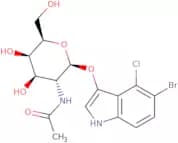
CAS :<p>5-Bromo-4-Chloro-3-Indoxyl-N-Acetyl-Beta-D-Galactosaminide is a chromogenic substrate for detecting beta-galactosidase and GalNAc-transferase enzymes. Upon hydrolysis by the enzyme, it produces a blue-green colored compound that can be detected visually or measured spectrophotometrically. This substrate is useful in characterizing the activity of Beta-Galactosidase and GalNAc-transferase enzymes involved in glycobiology research and diagnostic applications.</p>Formule :C16H18BrClN2O6Degré de pureté :Min. 98 Area-%Couleur et forme :Crystalline PowderMasse moléculaire :449.68 g/mol6-Chloro-3-indoxyl nonanoate
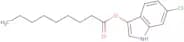
CAS :<p>6-Chloro-3-indoxyl nonanoate is a fluorescent substrate that is used in the detection of beta-galactosidase activity. It has been used to detect the enzyme levels in various culture media and as a high quality, food testing, and environmental testing. The product is also used as a ligand for enzyme inhibition studies. 6-Chloro-3-indoxyl nonanoate has shown to be an excellent fluoroquinolone substrate for chemiluminescence assays. This product is CAS No. 133950-72-8 and is of high purity and high quality.</p>Degré de pureté :Min. 95%Masse moléculaire :307.81 g/mol5-Bromo-6-chloro-3-indoxyl-β-D-glucuronic acid, cyclohexylammonium salt
CAS :<p>Chromogenic substrate for β-D-glucuronidase (GUS) yielding a magenta precipitate. It is used fordetection of GUS+ bacterial colonies as analternative to 5-bromo-4-chloro-3-indoxyl-β-D-glucuronide (X-GlcA).</p>Formule :C20H26BrClN2O7Degré de pureté :Min. 99 Area-%Masse moléculaire :521.80 g/mol4-Nitrophenyl β-D-galactofuranoside
CAS :<p>Chromogenic substrate for beta-galactofuranosidase</p>Formule :C12H15NO8Degré de pureté :Min. 98 Area-%Couleur et forme :White PowderMasse moléculaire :301.25 g/mol2-Nitrophenyl b-D-arabinopyranoside
<p>2-Nitrophenyl b-D-arabinopyranoside is a chemical compound that is used in the detection of ATP by chemiluminescence. It acts as a substrate for enzymes such as luciferase and catalase, which catalyze the oxidation of 2-nitrophenyl b-D-arabinopyranoside to phenol and carbon dioxide with the release of light. This reaction can be used in diagnostic applications such as detecting bacteria in culture media or diagnosing food spoilage. 2-Nitrophenyl b-D-arabinopyranoside can also be used as a conjugate to detect proteins or nucleic acids by fluorescence spectroscopy. The CAS number for this compound is 107772-06-1.</p>Degré de pureté :Min. 95%Masse moléculaire :271.22 g/mol4-Nitrophenyl-β-D-xylopyranoside
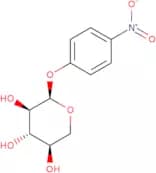
CAS :<p>Chromogenic β-xylosidase substrate yielding a yellow solution upon cleavage.</p>Formule :C11H13NO7Degré de pureté :Min. 99 Area-%Masse moléculaire :271.23 g/mol3-Nitrophenyl a-D-galactopyranoside
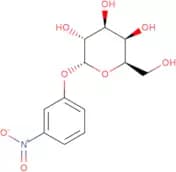
CAS :<p>3-Nitrophenyl alpha-D-galactopyranoside is a chromogenic substrate to measure the activity of the alpha-galactosidase enzymes. Upon hydrolysis by galactosidase, 3NPG releases a yellowish product, 3-nitrophenol, which can be easily measured spectrophotometrically. Some of the applications include enzyme assays, screening for alpha-galactosidase-producing microorganisms, and studying the kinetics and inhibition of alpha-galactosidase enzymes.</p>Degré de pureté :Min. 95%Couleur et forme :PowderMasse moléculaire :301.25 g/molAldol® 515 caprylate hydrochloride
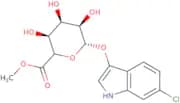
CAS :<p>Aldol 515 caprylate hydrochloride is a high-quality fluorogenic substrate that is used for the detection of enzymes in culture media and enzyme substrates. The product has a CAS number of 2484873-14-3 and can be used for food testing, diagnostics, and environmental testing. Aldol 515 caprylate hydrochloride can also be used as a ligand or chromogenic substrate to measure bioluminescence.</p>Formule :C31H35ClN2O3Degré de pureté :Min. 95 Area-%Masse moléculaire :519.08 g/mol6-Chloro-3-indoxyl-β-D-glucuronic acid methyl ester, Biosynth Patent: EP 2718458 and US 9127303
<p>6-Chloro-3-indoxyl-beta-D-glucuronic acid methyl ester is a chromogenic substrate that can be used for the detection of indoxyl glucuronide in urine and other biological fluids. 6-Chloro-3-indoxyl-beta-D-glucuronic acid methyl ester is a white or light yellow crystalline solid that is soluble in water. It has a melting point of about 80°C and is stable at pH levels ranging from 2 to 12. The CAS number for this compound is 13982-87-6.</p>Formule :C15H16ClNO7Degré de pureté :Min. 97.0 Area-%Masse moléculaire :357.74 g/molAldol® 470 nonanoate, Biosynth Patent: EP 2427431 and US 8940909
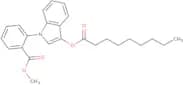
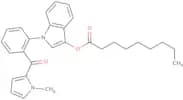
CAS :Produit contrôlé<p>Aldol® 470 nonanoate is a chemiluminescent substrate that can be used as a ligand for the detection of C8/C9-esterases, lipases activity, to result in an orange/green color. Aldol® 470 nonanoate has been shown to be active with horseradish peroxidase in a number of different assay systems. The purity and quality of Aldol® 470 nonanoate has been tested with culture media, environmental testing, bioluminescence, staining, fluorogenic substrate, chromogenic substrate, enzyme substrate, food testing and conjugates.</p>Formule :C32H35NO5Degré de pureté :Min. 95%Couleur et forme :PowderMasse moléculaire :513.62 g/mol5-Bromo-4-chloro-3-indoxyl-β-D-fucopyranoside
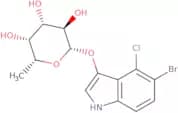
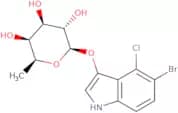
CAS :<p>Chromogenic substrate for β-D-fucosidase yielding a blue precipitate.</p>Formule :C14H15BrClNO5Degré de pureté :Min. 99.0 Area-%Masse moléculaire :392.64 g/mol5-Bromo-4-chloro-3-indolyl b-L-fucopyranoside
CAS :<p>5-Bromo-4-chloro-3-indolyl β-L-fucopyranoside (X-Fuc) is a chromogenic substrate specifically designed for the identification and detection of fucosidase enzyme activity. Upon cleavage by fucosidase, it generates a blue-colored 5-Bromo-4-chloro-3-hydroxy-indole precipitate, which can be easily observed under a microscope or spectrophotometer. This feature makes X-Fuc an invaluable tool across various applications, such as biochemical analysis, histochemical staining, cell biology, and enzyme kinetic assays. By providing a fast, sensitive, and reliable readout for fucosidase activity, 5-Bromo-4-chloro-3-indolyl β-L-fucopyranoside facilitates essential research in the understanding of biological processes and the development of therapeutic interventions.</p>Formule :C14H15BrClNO5Degré de pureté :Min. 95%Couleur et forme :White PowderMasse moléculaire :392.63 g/mol3,4-Cyclohexenoesculetine-N-acetyl-glucosamine
<p>Please enquire for more information about 3,4-Cyclohexenoesculetine-N-acetyl-glucosamine including the price, delivery time and more detailed product information at the technical inquiry form on this page</p>Aldol® 484 α-D-glucopyranoside, Biosynth Patent: EP 2427431 and US 8940909
CAS :<p>Aldol® 484 alpha-D-glucopyranoside is a chromogenic and fluorogenic enzyme substrate for ?-glucosidase activity (EC 3.2.1.20, ?-1,4-glucosidase, also known as maltase). The colorless enzyme substrate is cleaved by bacteria producing this enzyme in liquid or solid media, yielding orange color. Green fluorescence is also generated if a suitable matrix is present such as: cellulose acetate filters, polypropylene tubes or microplates and polyethylene vials. Aldol® 484 alpha-D-glucopyranoside can be used under aerobic and anaerobic conditions.</p>Formule :C26H24ClFN2O7Degré de pureté :Min. 95.0 Area-%Masse moléculaire :530.93 g/mol3,4-Cyclohexenoesculetin β-D-galactopyranoside
CAS :<p>Chromogenic substrate for beta-galactosidase</p>Formule :C19H22O9Degré de pureté :Min. 95 Area-%Masse moléculaire :394.37 g/mol1-Naphthyl β-D-galactopyranoside
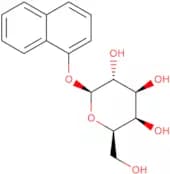
CAS :<p>1-Naphthyl b-D-galactopyranoside is a chromogenic substrate used to detect the presence of beta-galactosidase enzymes. The enzyme cleaves the substrate to produce a colored product that can be quantified and visualized. This substrate is commonly used in applications such as the detection of lacZ gene expression in bacterial colonies or in histochemical staining of tissues to identify beta-galactosidase activity.</p>Formule :C16H18O6Degré de pureté :Min. 95%Couleur et forme :PowderMasse moléculaire :306.32 g/mol1-Naphthyl β-D-glucopyranoside
CAS :<p>1-Naphthyl β-D-glucopyranoside can be used as a chromogenic substrate for beta-glucosidases. It can also be used as a fluorogenic substrate to study carbohydrate metabolism and in screening enzyme inhitibitors in pharmacologic research.</p>Formule :C16H18O6Degré de pureté :Min. 95%Couleur et forme :White Off-White PowderMasse moléculaire :306.31 g/mol5-Bromo-6-chloro-3-indoxyl-β-D-galactopyranoside
CAS :<p>5-Bromo-6-chloro-3-indoxyl-beta-D-galactopyranoside is a chromogenic substrate for beta-D-galactosidase, yielding a magenta precipitate and contained in a chromogenic culture media. It is an indolyl carbohydrate that is the alpha-D-mannoside of indoxyl, in which the indole moiety is substituted at positions 4 and 5 by chlorine and bromine, respectively.</p>Formule :C14H15BrClNO6Degré de pureté :Min. 99.0 Area-%Masse moléculaire :408.64 g/mol5-Bromo-4-chloro-3-indoxyl-3-acetate
CAS :<p>5-Bromo-4-chloro-3-indolyl acetate (5BCIA) is an enzyme substrate that has been shown to inhibit the activity of a number of enzymes, such as proteases and phosphatases. It has also been shown to inhibit the growth of a number of human pathogens, including Staphylococcus aureus, Escherichia coli, Salmonella enterica, Pseudomonas aeruginosa, and Mycobacterium tuberculosis. 5BCIA inhibits bacterial growth by binding to the active site of the enzyme phosphatase and preventing it from hydrolyzing a phosphate group from ATP. This process is necessary for energy metabolism in all living cells. 5BCIA has been shown to be effective against methicillin resistant Staphylococcus aureus (MRSA).</p>Formule :C10H7BrClNO2Degré de pureté :Min. 98 Area-%Masse moléculaire :288.53 g/mol6-Chloro-3-indoxyl-N-acetyl-β-D-galactosaminide
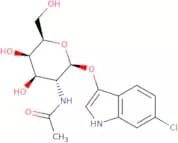
CAS :<p>Chromogenic substrate for N-Acetyl-β-D-galactosaminidase yielding a salmon-colored precipitate.</p>Formule :C16H19ClN2O6Degré de pureté :Min. 98.0 Area-%Masse moléculaire :370.79 g/molAldol® 515 L-alanine amide, hydrochloride, Biosynth Patent: EP 2427431 and US 8940909
CAS :<p>Aldol® 515 L-alanine amide is a chromogenic and fluorogenic enzyme substrate used for detection of L-alanine aminopeptidase activity. The colorless enzyme substrate is cleaved by L-alanine aminopeptidase produced by microorganisms, grown in liquid or solid media yielding red color. In addition, red fluorescence is generated when a fluorescence enhancer or a suitable matrix is present. Aldol® 515 L-alanine amide can be used under aerobic and anaerobic conditions.</p>Formule :C26H27ClN4O2Degré de pureté :Min. 95.0 Area-%Masse moléculaire :462.97 g/molNaphthol AS-BI sulphate potassium
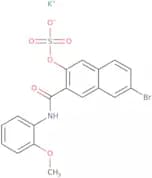
CAS :<p>Naphthol AS-BI sulphate potassium salt is a modified naphtol AS substrate used for alkaline and acid phosphatase.</p>Formule :C18H14BrNO6S•KDegré de pureté :Min. 95%Masse moléculaire :491.38 g/mol5-Bromo-4-chloro-3-indolyl nonanoate
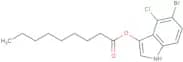
CAS :<p>5-Bromo-4-chloro-3-indolyl nonanoate is a fluorogenic substrate that is used in the detection of enzymes. The substrate reacts with various enzymes and produces a fluorescent product, which can be detected using a fluorimeter or luminometer. It has been shown to be active against β-galactosidase, α-chymotrypsin, and β-glucuronidase. This compound may also be used as an enzyme substrate for the detection of bacteria in culture media or for food testing. 5-Bromo-4-chloro-3 indolyl nonanoate is not mutagenic or genotoxic when tested on bacterial cells.</p>Formule :C17H21BrClNO2Degré de pureté :Min. 95%Masse moléculaire :386.71 g/mol4-Nitrophenyl myristate
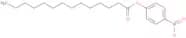
CAS :<p>4-Nitrophenyl myristate (NphOMy) is a chromogenic enzyme substrate used as a diagnosis tool for detection of β-lactamase hydrolysis activities. In the presence of certain drugs, 4-nitrophenyl myristate HSA-Tyr411-catalyzed hydrolysis seems to be inhibited.</p>Formule :C20H31NO4Degré de pureté :Min. 95 Area-%Couleur et forme :White PowderMasse moléculaire :349.46 g/molNaphthol AS-OL
CAS :<p>Naphthol AS-OL is a widely used chromogenic enzyme substrate that forms a colored product upon reaction with specific enzymes. It is commonly employed in histochemical and cytochemical staining techniques to visualize enzyme activity in cells and tissues. Naphthol AS-OL is particularly useful for detecting the presence of enzymes such as alkaline phosphatase, acid phosphatase, and esterases. The resulting colored product can be easily observed under a microscope, allowing researchers to study the distribution and localization of these enzymes in various biological samples.</p>Formule :C18H15NO3Degré de pureté :Min. 95%Couleur et forme :PowderMasse moléculaire :293.32 g/mol4-Nitrophenyl b-D-cellotrioside
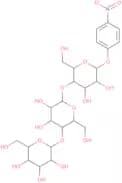
CAS :<p>4-Nitrophenyl beta-D-cellotrioside is a chromogenic substrate for cellulase. Upon hydrolysis, para-nitrophenol is released yielding a yellowish colour. 4-Nitrophenyl beta-D-cellotrioside is used in different applications such as the Biomass conversion research, paper industry applications</p>Formule :C24H35NO18Degré de pureté :Min. 95%Couleur et forme :PowderMasse moléculaire :625.53 g/mol5-Bromo-4-chloro-3-indoxyl-α-D-N-acetylneuraminic acid, sodium salt
CAS :<p>Chromogenic substrate for neuraminidase yielding a blue precipitate upon cleavage.</p>Formule :C19H21BrClN2NaO9Degré de pureté :Min. 98.0 Area-%Masse moléculaire :559.74 g/molAldol® 458 nonanoate solution, 0.75 M in DMSO, Biosynth Patent: EP 2427431 and US 8940909
CAS :Produit contrôlé<p>Aldol 458 nonanoate solution (0.75 M) is a substrate for enzymes and ligands, which is used in various applications such as food testing, staining, fluorogenic substrate, environmental testing, chromogenic substrate and conjugate. Aldol 458 nonanoate solution (0.75 M) has high purity and is highly stable at pH 2-12. This product can be used as a chemiluminescence or bioluminescence substrate. The CAS number for this product is 2484873-15-4.</p>Formule :C25H29NO4Degré de pureté :Min. 95%Couleur et forme :Clear LiquidMasse moléculaire :407.51 g/molChitin azure
CAS :<p>Chitin azure is a chromogenic substrate for chitinases. It is one of the few specific substrates for this enzyme that produces chito-oligosaccharides from chitin.</p>Couleur et forme :Powder5-Bromo-4-chloro-1-methyl-3-indolyl-α-D-glucopyranoside
CAS :<p>5-Bromo-4-chloro-1-methyl-3-indolyl-α-D-glucopyranoside is a fluorescent substrate used for the detection of α-glucuronidase.</p>Formule :C15H17BrClNO6Degré de pureté :Min. 99.0 Area-%Masse moléculaire :422.66 g/mol5-Amino-3-indoxyl-β-D-galactopyranoside
<p>5-Amino-3-indoxyl-beta-D-galactopyranoside (AIG) is a chromogenic substrate that is used for the detection of beta-galactosidase activity. AIG is also used in food testing, diagnostics, and environmental testing. The detection of beta-galactosidase activity can be done by either using the fluorogenic substrate 4-methylumbelliferyl galactopyranoside or the bioluminescence system of firefly luciferase and luciferin. This product has a CAS number of 110114-03-0 and a molecular weight of 417.5 g/mol.</p>Formule :C14H18N2O6Masse moléculaire :310.31 g/molAldol® 455 β-D-galactopyranoside, Biosynth Patent: EP 2427431 and US 8940909
CAS :<p>Aldol® 455 beta-D-galactopyranoside is a chromogenic substrate for the enzyme β-galactosidase. It is used to detect the activity of β-galactosidase in cell culture, and has been shown to be highly purified and of high quality. This product can be used as a ligand for receptor binding studies or as an agent in enzyme substrates in fluorescence and chemiluminescence reactions.</p>Formule :C27H24ClNO7Degré de pureté :Min. 93.0 Area-%Masse moléculaire :509.94 g/mol5-Bromo-4-chloro-3-indolyl a-L-rhamnoside
<p>5-Bromo-4-chloro-3-indolyl a-L-rhamnoside is a chromogenic substrate used to detect the specific enzymatic activity of alpha-L-rhamnosidase. After cleavage, 5-bromo-4-chloro-indoxyl is released, resulting in a blue to blue-green color change in bacterial colonies or media. 5-Bromo-4-chloro-3-indolyl a-L-rhamnoside is used in bacterial rhamnose metabolism studies (e.g. E. coli).</p>Formule :C14H15BrClNO5Degré de pureté :Min. 95%Couleur et forme :SolidMasse moléculaire :392.63 g/mol2-Chloro-4-nitrophenyl b-D-maltoside
<p>2-Chloro-4-nitrophenyl b-D-maltoside is a fluorescent substrate used in diagnostic kits. It is used to detect the presence of beta-glucuronidase enzymes, which are found in many bacteria and fungi. 2-Chloro-4-nitrophenyl b-D-maltoside has been shown to be a superior substrate for beta-glucuronidase as it can be used at lower concentrations and is more stable than other substrates. The enzyme hydrolyzes the 2,4 nitrophenyl ester bond and releases the fluorogenic product 4-(2'-hydroxyethyl)benzene diazonium chloride (HED). This product emits light under ultraviolet light, making it ideal for use in Bioluminescence Assays.</p>Degré de pureté :Min. 95%Aldol® 470 butyrate, Biosynth Patent: EP 2427431 and US 8940909
CAS :Produit contrôlé<p>Aldol® 470 butyrate, a chromogenic substrate manufactured by Cymit Quimica and used for enzymatic assays that produces a yellow-orange color upon enzymatic cleavage.</p>Formule :C27H25NO5Degré de pureté :Min. 95%Couleur et forme :PowderMasse moléculaire :443.5 g/mol4-Nitrophenyl N,N',N''-triacetyl-b-D-chitotriose
CAS :<p>Substrate for determining hydrolytic activity of chitinase</p>Degré de pureté :Min. 95%Couleur et forme :White PowderMasse moléculaire :748.69 g/mol4-Nitrophenyl-N-acetyl-β-D-galactosaminide
CAS :<p>4-Nitrophenyl-N-acetyl-beta-D-galactosaminide is a synthetic substrate that is used in enzyme kinetics. It is a beta-galactosidase substrate that reacts with the enzyme to form a product. The rate of reaction can be measured by following the change in absorbance over time. This product will react with an acceptor, such as chondroitin sulfate, to produce an observable reaction product. 4NPBGA has been shown to be an effective carbon source for plant physiology studies and has been shown to have optimal activity at pH 6.5.</p>Formule :C14H18N2O8Degré de pureté :Min. 98 Area-%Masse moléculaire :342.31 g/mol5-Bromo-4-chloro-3-indoxyl-α-D-galactopyranoside
CAS :<p>Chromogenic substrate for α-galactosidase yielding a blue precipitate. Used for species differentiation within the family Enterobacteriaceae and differentiation of Bifido bacteria species from Lactobacillus species.</p>Formule :C14H15BrClNO6Degré de pureté :Min. 99 Area-%Masse moléculaire :408.64 g/molAldol® 455 α-D-maltopyranoside, Biosynth Patent: EP 2427431 and US 8940909
<p>Aldol® 455 alpha-D-maltopyranoside is a chromogenic substrate developed by Cymit Quimica, designed for the detection of maltosidases.</p>Formule :C33H34ClNO12Degré de pureté :Min. 95.0 Area-%Masse moléculaire :672.08 g/mol2-Nitrophenyl α-D-glucopyranoside
CAS :<p>2-Nitrophenyl a-D-glucopyranoside is a chromogenic substrate commonly used to assay the activity of glucosidases. Upon cleavage of the glycosidic bond by glucosidases, the released 2-nitrophenyl group yields a yellow color detectable by spectrophotometry. This substrate has high sensitivity and is widely used in a variety of applications, including drug discovery and enzyme kinetics studies.</p>Formule :C12H15NO8Degré de pureté :Min. 95%Couleur et forme :White to off-white solid.Masse moléculaire :301.25 g/mol4-Nitrophenyl 2-acetamido-6-O-(2-acetamido-2-deoxy-b-D-glucopyranosyl)-3-O-(b-D-galactopyranosyl)-2-deoxy-a-D-galactopyranoside
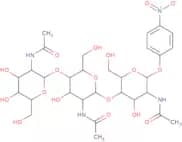
CAS :<p>4-Nitrophenyl 2-acetamido-6-O-(2-acetamido-2-deoxy-b-D-glucopyranosyl)-3-O-(b-D-galactopyranosyl)-2-deoxy-a-D-galactopyranoside is a specific chromogenic substrate designed for the highly sensitive and accurate detection of glycosidase enzyme activity. Glycosidases are responsible for the cleavage of glycosidic bonds between saccharide units in various carbohydrates. The hydrolysis of this substrate by glycosidase enzymes produces 4-nitrophenol, a yellow-colored compound that can be easily monitored through spectrophotometric measurements due to its strong absorbance at 405 nm. This chromogenic substrate is widely used in the analysis of glycosidase activity in various biological samples, including bacterial, fungal, and plant tissues, as well as in environmental samples and biotechnological applications.</p>Formule :C28H41N3O18Degré de pureté :Min. 95 Area-%Couleur et forme :White PowderMasse moléculaire :707.63 g/mol1-Naphthyl b-D-glucuronide sodium salt
CAS :<p>1-Naphthyl b-D-glucuronide sodium salt is a chromogenic substrate commonly used to assay the activity of beta-glucuronidase enzymes. It is hydrolyzed by beta-glucuronidase to yield a yellow-colored product, 1-naphthol, which can be quantified spectrophotometrically. This substrate is widely used in diagnostic tests for detection of beta-glucuronidase activity, particularly in clinical microbiology for the identification of E. coli and other enteric bacteria. With its sodium salt form, it boasts increased solubility in aqueous solutions, ensuring seamless integration into various experimental settings.</p>Formule :C16H15NaO7Degré de pureté :Min. 95%Couleur et forme :PowderMasse moléculaire :342.28 g/mol4-Nitrophenyl α-L-fucopyranoside
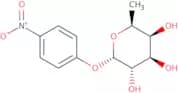
CAS :<p>Chromogenic substrate for alpha-L-fucosidase</p>Formule :C12H15NO7Degré de pureté :(%) Min. 98.0%Couleur et forme :PowderMasse moléculaire :285.25 g/mol5-Bromo-4-chloro-3-indoxyl oleate
CAS :<p>5-Bromo-4-chloro-3-indoxyl oleate is a chromogenic substrate used to detect the specific enzymatic activity of lipase. After cleavage, 5-bromo-4-chloro-indoxyl is released, resulting in a blue to blue-green color change in bacterial colonies or media. 5-Bromo-4-chloro-3-indoxyl oleate is used in lipid metabolism disorder screening.</p>Formule :C26H37BrClNO2Degré de pureté :Min. 95%Couleur et forme :PowderMasse moléculaire :510.93 g/molAldol® 515 4-acetoxybutyrate solution, 0.75 M in DMSO, Biosynth Patent: EP 2427431 and US 8940909
CAS :Produit contrôlé<p>Aldol® 515 4-acetoxybutyrate solution, 0.75 M in DMSO, is a chromogenic substrate that can be used to measure the activity of aldolase. It is a liquid at room temperature and has a pH of 7.2. The Aldol® 515 4-acetoxybutyrate solution, 0.75 M in DMSO, is soluble in water and organic solvents such as DMSO and ethanol. This product does not contain any preservatives or additives and is suitable for use with humans and animals. Aldol® 515 4-acetoxybutyrate solution, 0.75 M in DMSO, is manufactured by Cymit Quimica under patents EP 2427431 and US 8940909.br>br><br>Aldolase catalyzes the conversion of dihydroxyacetone phosphate (DHAP) to glyceraldehyde 3-phosphate</p>Formule :C29H28N2O5Degré de pureté :Min. 95 Area-%Masse moléculaire :484.54 g/mol2-Chloro-4-nitrophenyl β-D-maltotrioside
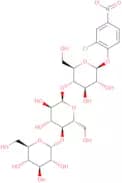
CAS :<p>2-Chloro-4-nitrophenyl beta-D-maltotrioside, often abbreviated as CNP-G3, is a chromogenic substrate to detect and mesaure alpha-amylase activity. Evaluation and monitoring of alpha-amylase activity is important to help diagnose certain diseases such as pancreatitis.</p>Formule :C24H34ClNO18Degré de pureté :Min. 95%Couleur et forme :PowderMasse moléculaire :659.98 g/mol6-Chloro-3-indoxyl-α-D-galactopyranoside
CAS :<p>Chromogenic substrate for α-galactosidase yielding a salmon-colored precipitate.</p>Formule :C14H16ClNO6Masse moléculaire :329.74 g/mol6-Nitro-3-indolyl-b-D-galactopyranoside
<p>6-Nitro-3-indolyl-b-D-galactopyranoside is a chemiluminescent substrate that reacts with horseradish peroxidase to produce light. 6NIGP is used in the diagnostic field as a fluorogenic or chromogenic substrate for enzymes such as alkaline phosphatase, and as a staining agent for cells, tissues, and other biological materials. 6NIGP has been used in the detection of bacteria, fungi, parasites, and viruses. It is also used in food testing as an enzyme substrate. 6NIGP is purified by recrystallization from water or acetone and can be stored at −20°C.</p>Degré de pureté :Min. 95%5-Bromo-4-chloro-3-indoxyl-α-D-N-acetylneuraminic acid, cyclohexylammonium salt
<p>5-Bromo-4-chloro-3-indoxyl-alpha-D-N-acetylneuraminic acid, cyclohexylammonium salt is a chemiluminescent substrate that provides a significant increase in light emission. It has a CAS number of 59820-92-0 and is supplied in high purity and high quality. This product is used for the detection of various biological reactions, including diagnostics, enzyme substrates, food testing, and more.</p>Degré de pureté :Min. 95%Aldol® 495 inositol-phosphate, ammonium salt, Biosynth Patent: EP 2427431 and US 8940909
CAS :<p>Aldol® 495 inositol-phosphate is a chromogenic and fluorogenic enzyme substrate used for detection of phosphatidylinositol specific phospholipase C activity (PI-PLC, EC 4.6.1.13). The colorless enzyme substrate is cleaved by PI-PLC or PI-PLC-positive microorganisms in liquid or solid media, yielding orange color. In addition, green fluorescence is generated when a suitable matrix is present, e.g. PE-Pellets or cellulose acetate filter. Aldol® 495 inositol-phosphate is suitable for use in liquid and solid media, under aerobic as well as anaerobic conditions.</p>Formule :C26H29ClN3O10PDegré de pureté :Min. 95.0 Area-%Masse moléculaire :609.95 g/molAldol® 470 choline phosphate, Biosynth Patent: EP 2427431 and US 8940909
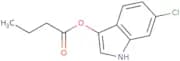
CAS :<p>Aldol® 470 choline phosphate is a chromogenic and fluorogenic enzyme substrate used for detection of phosphatidyl-choline specific phospholipase C (PC-PLC, EC 3.1.4.3) activity. The colorless product is cleaved by PC-PLC positive microorganisms in liquid or solid media, yielding a yellow color and green fluorescence. Aldol® 470 choline phosphate therefore, enables the detection and identification of PC-PLC positive pathogenic bacteria, such as, Clostridium perfringens, Pseudomonas aeruginosa, Helicobacter pylori, Legionella pneumophila, Bacillus cereus, Bacillus anthracis, Listeria monocytogenes, and others. Aldol® 470 choline phosphate can be used under aerobic and anaerobic conditions.</p>Formule :C28H31N2O7PDegré de pureté :Min. 95 Area-%Masse moléculaire :538.53 g/mol6-Chloro-3-indoxyl butyrate
CAS :<p>6-Chloro-3-indoxyl butyrate is a chemiluminescent substrate that is used in diagnostics and research. It has been shown to be an excellent ligand for the detection of DNA and protein. 6-Chloro-3-indoxyl butyrate can also be used as a chromogenic substrate for the detection of alkaline phosphatase, acid phosphatase, or beta-galactosidase. This product is also used in food testing, enzyme substrates, and fluorogenic substrates.</p>Formule :C12H12ClNO2Degré de pureté :Min. 99.0 Area-%Masse moléculaire :237.69 g/mol4-Nitrophenyl b-L-arabinopyranoside
CAS :<p>4-Nitrophenyl beta-L-arabinopyranoside is a chromogenic substrate for beta-L-arabinosidase. Upon hydrolysis, para-nitrophenol is released yielding a yellowish colour. 4-Nitrophenyl beta-L-arabinopyranoside is used in different applications such as the Bacterial arabinan degradation assays, gut microbiome analysis</p>Formule :C11H13NO7Degré de pureté :Min. 98 Area-%Couleur et forme :White PowderMasse moléculaire :271.22 g/molAldol® 458 phosphate, disodium salt, Biosynth Patent: EP 2427431 and US 8940909
CAS :<p>Aldol® 458 phosphate is a chromogenic and fluorogenic enzyme substrate used for detection of phosphatase activity. The colorless enzyme substrate is cleaved by phosphatases secreted by bacteria grown in liquid media, yielding yellow color and green fluorescence. Aldol® 458 phosphate can also be used in assays involving phosphatase-coupled antibodies in immunoassay applications (ELISA). Aldol® 458 phosphate can be used under aerobic and anaerobic conditions.</p>Formule :C16H12NNa2O6PDegré de pureté :Min. 95%Couleur et forme :PowderMasse moléculaire :391.22 g/mol5-Bromo-3-indoxyl myo-inositol-1-phosphate, ammonium salt
<p>Please enquire for more information about 5-Bromo-3-indoxyl myo-inositol-1-phosphate, ammonium salt including the price, delivery time and more detailed product information at the technical inquiry form on this page</p>Formule :C14H20BrN2O9PMasse moléculaire :471.2 g/mol4-Nitrophenyl β-rutinoside
CAS :<p>4-Nitrophenyl beta-rutinoside is a chromogenic substrate for beta-glucosidase. Upon hydrolysis, para-nitrophenol is released yielding a yellowish colour. 4-Nitrophenyl beta-rutinoside is used in different applications such as the Flavonoid glycoside hydrolysis, food industry applications</p>Formule :C18H25NO12Degré de pureté :Min. 95%Couleur et forme :PowderMasse moléculaire :447.39 g/mol3-Indoxyl-β-D-galactopyranoside
CAS :<p>Chromogenic substrate for β-D-galactosidase, yielding a blue precipitate upon cleavage.</p>Formule :C14H17NO6Degré de pureté :Min. 98 Area-%Masse moléculaire :295.29 g/mol3-Indoxyl sulfate, potassium salt
CAS :<p>3-Indoxyl sulfate, potassium salt (3ISK) is a chemical compound that is soluble in water. It has been used as a marker for bowel disease, and it has been shown to react with analytical methods such as titration calorimetry and lc-ms/ms. 3ISK can be used to determine the optimum concentration for pharmacological treatment of bowel disease. The metabolic fate of 3ISK has been studied extensively and it is found that 3ISK is metabolized by microbial enzymes in the gut, which may lead to an increased incidence of bowel disease in patients with low levels of microbial metabolism. 3ISK also plays an important physiological function by maintaining mitochondrial membrane potential, which could have implications for pharmacological treatment of bowel disease.</p>Formule :C8H6KNO4SDegré de pureté :Min. 98.0 Area-%Masse moléculaire :251.31 g/mol6-Chloro-3-indoxyl-α-D-mannopyranoside
CAS :<p>Chromogenic substrate for α-mannosidase yielding a salmon colored precipitate upon cleavage.</p>Formule :C14H16ClNO6Degré de pureté :Min. 98.0 Area-%Masse moléculaire :329.74 g/molAldol® 518 β-D-glucopyranoside, Biosynth Patent: EP 2427431 and US 8940909
CAS :<p>Aldol® 518 beta-D-glucopyranoside is a chromogenic and fluorogenic enzyme substrate used for detection of beta-glucosidase activity. The colorless enzyme substrate is cleaved by beta-glucosidase-producing bacteria in liquid or solid media, yielding intense red color and red fluorescence. Aldol® 518 beta-D-glucopyranoside can be used under aerobic and anaerobic conditions.</p>Formule :C29H29ClN2O7Degré de pureté :Min. 95.0 Area-%Masse moléculaire :553 g/mol6-Chloro-3-indoxyl-β-D-glucuronic acid, cyclohexylammonium salt
CAS :<p>6-Chloro-3-indoxyl-beta-D-glucuronic acid (cyclohexylammonium salt) is a chromogenic substrate for beta-glucuronidase yielding a salmon colored precipitate upon cleavage.</p>Formule :C20H27ClN2O7Degré de pureté :Min. 98.0 Area-%Masse moléculaire :442.90 g/mol4-Nitrophenyl-α-D-mannopyranoside
CAS :<p>Chromogenic α-mannosidase substrate yielding a absorbent solution upon cleavage. Also used for studies of the crystal structure of the complexes of concanavalin A and binding studies with concanavalin A.</p>Formule :C12H15NO8Degré de pureté :Min. 99 Area-%Masse moléculaire :301.26 g/mol4-Chloro-1-naphthol
CAS :<p>Substrate for horseradish peroxidase</p>Formule :C10H7ClODegré de pureté :Min. 96.0 Area-%Couleur et forme :Brown PowderMasse moléculaire :178.61 g/molAldol® 518 acetate, Biosynth Patent: EP 2427431 and US 8940909
CAS :<p>Aldol® 518 acetate is a fluorogenic substrate for the enzyme aldolase. It is used in diagnostic kits for detecting aldolase in blood and other body fluids, and as an indicator of liver function. Aldol® 518 acetate can be used to detect the presence of aldolase in foods and beverages. The compound has also been shown to be an excellent substrate for bioluminescence and chemiluminescence reactions, which are widely used in research laboratories.</p>Formule :C25H21ClN2O3Degré de pureté :Min. 95.0 Area-%Masse moléculaire :432.9 g/molAldol® 470 phosphate, disodium salt, Biosynth Patent: EP 2427431 and US 8940909
CAS :<p>Aldol 470 phosphate is a chromogenic substrate for phosphatases yielding a yellow precipitate. Furthermore it shows some fluorescence (excitationat 320 nm to 490 nm). In contrast to classical indoxyl substrates, Aldolsubstrates work not only under aerobic but also under anaerobic conditions.</p>Formule :C23H18NNa2O7PDegré de pureté :Min. 95.0 Area-%Masse moléculaire :497.34 g/molChlorophenol red-β-D-cellotrioside
CAS :<p>Chromogenic substrate for cellulases; red color</p>Formule :C37H42Cl2O20SDegré de pureté :Min. 95%Couleur et forme :Orange to red solid.Masse moléculaire :909.69 g/mol4-Nitrophenyl a-D-mannopyranoside
CAS :<p>4-Nitrophenyl a-D-mannopyranoside is a chromogenic pNP enzyme substrate that enables the detection and quantification of a-D-mannosidase activity in various biological samples through a colorimetric assay. The hydrolysis of the substrate by the enzyme releases 4-nitrophenol, a yellow compound whose absorption can be measured spectrophotometrically. Applications for this substrate span biomedical research, disease diagnostics, and industrial enzyme production.</p>Formule :C12H15NO8Degré de pureté :Min. 98.0 Area-%Couleur et forme :Off-White PowderMasse moléculaire :301.25 g/mol5-Cyano-3-indoxyl-β-D-galactopyranoside
<p>For detection of beta-galactosidase activity. <br>The colors of the chromogen can be adjusted by incorporating different functional groups, e.g. cyano or nitro group, which yields purple or black green colonies with beta-galactosidase positive strain.</p>Formule :C15H16N2O6Masse moléculaire :320.3 g/molAldol® 495 nonanoate, Biosynth Patent: EP 2427431 and US 8940909
CAS :Produit contrôlé<p>Aldol 495 nonanoate is a bioluminescent substrate that can be used to measure the activity of Aldolase, which is an enzyme that catalyzes the conversion of glyceraldehyde-3-phosphate and dihydroxyacetone phosphate to D-glyceraldehyde. This substrate is used in various diagnostic assays, including food testing and staining. Aldol 495 nonanoate was developed by Cymit Quimica Pharmaceuticals and has been patented by EP 2427431 and US 8940909.</p>Formule :C29H31ClN2O3Degré de pureté :Min. 95.0 Area-%Masse moléculaire :491.02 g/mol5-Bromo-4-chloro-3-indoxyl oleate
CAS :<p>5-Bromo-4-chloro-3-indoxyl oleate is a fluorescent substrate that is used for staining and enzyme substrate. It is a conjugate that is used in environmental testing, food testing, and diagnostics. 5-Bromo-4-chloro-3-indoxyl oleate has a CAS number of 341972-97-2 and its molecular weight is 229.5 g/mol. It's purity is > 98%, with a specific optical rotation of +147° (c=1, CHCl3). This compound can be used as a chromogenic or fluorogenic substrate in bioluminescence assays. 5BRIO3 has been shown to be an excellent ligand for the detection of DNA polymerase I activity.</p>Formule :C26H37BrClNO2Degré de pureté :Min. 98 Area-%Masse moléculaire :510.95 g/mol4-Nitrophenyl a-D-xylopyranoside
CAS :<p>The 4-Nitrophenyl a-D-xylopyranoside is a highly sensitive and reliable chromogenic substrate tailored for the detection and analysis of alpha-D-xylosidase enzyme activity. Upon enzymatic hydrolysis, it forms 4-nitrophenol, a yellow compound with remarkable fluorescence that enables a straightforward, quantitative assay in areas including environmental science, metabolism studies, and enzyme modifier exploration.</p>Formule :C11H13NO7Degré de pureté :Min. 95%Couleur et forme :White PowderMasse moléculaire :271.22 g/mol5-Bromo-4-chloro-1-methyl-3-indolyl-β-D-glucopyranoside
CAS :<p>5-Bromo-4-chloro-1-methyl-3-indolyl-β-D-glucopyranoside is a fluorescent substrate used for the detection of β-glucuronidase. It can be used in several enzyme substrates, such as 5,5'-dithiobis(2-nitrobenzoic acid), 5,5'-dithiobis(3,4,5,-trimethoxybenzoic acid), and 4-(p-[N-(7-(2,7'-dimethyl -2H -chromenyl)-2H -indazolium)]phenylazo)benzoic acid. This product is used for diagnostics and culture media as well as food testing. The product has an extremely high purity and a CAS number.</p>Formule :C15H17BrClNO6Degré de pureté :Min. 99.0 Area-%Masse moléculaire :422.66 g/mol2-Naphthyl b-D-glucopyranoside monohydrate
CAS :<p>2-Naphthyl-lpha-D-glucopyranoside is a substrate for α-glucosidase. 2-Naphthol is released upon hydrolyzation. By simultaneous coupling with a suitable staining reagent, such as hexazonium p-rosaniline, the corresponding reddish-brown azo-dye is formed. Naphthols can also be detected by fluorescence analysis.</p>Degré de pureté :Min. 95%Couleur et forme :PowderMasse moléculaire :324.33 g/molAldol® 458 nonanoate, Biosynth Patent: EP 2427431 and US 8940909
CAS :Produit contrôlé<p>Aldol 458 nonanoate is a high quality, chromogenic and fluorogenic substrate for use in enzymatic, chemiluminescent, and immunochemical reactions. Aldol 458 nonanoate is used as a chromogenic substrate for the detection of glucose oxidase activity in culture media and as a fluorogenic substrate for the detection of glucose oxidase activity in environmental testing. This product has CAS number 2484872-52-6.</p>Formule :C25H29NO4Degré de pureté :Min. 98.0 Area-%Masse moléculaire :407.5 g/molNaphthol AS-D chloroacetate
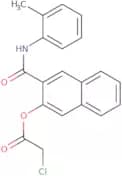
CAS :<p>Histochemical substrate for esterase</p>Formule :C20H16ClNO3Degré de pureté :Min. 98 Area-%Couleur et forme :PowderMasse moléculaire :353.8 g/molAldol® 518 α-D-glucopyranoside, Biosynth Patent: EP 2427431 and US 8940909
CAS :<p>Aldol® 518 alpha-D-glucopyranoside is a fluorogenic enzyme substrate used for detection of alpha-D-glucosidase activity. The colorless enzyme substrate is cleaved by alpha-D-glucosidase, generating red fluorescent signal and in some conditions, an orange colour in the visible spectrum can get formed, staining bacterial colonies in faint orange coloration. Aldol® 518 alpha-D-glucopyranoside can be used under aerobic and anaerobic conditions.</p>Formule :C29H29ClN2O7Degré de pureté :Min. 95.0 Area-%Masse moléculaire :553 g/mol4-Nitrophenyl b-D-glucopyranoside-6-phosphate
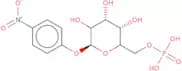
CAS :<p>4-Nitrophenyl beta-D-glucopyranoside-6-phosphate is a chromogenic substrate for glucose-6-phosphatase. Upon hydrolysis, para-nitrophenol is released yielding a yellowish colour. 4-Nitrophenyl beta-D-glucopyranoside-6-phosphate is used in different applications such as the Glycogen storage disease diagnosis (e.g., von Gierke disease)</p>Formule :C12H16NO11PDegré de pureté :Min. 98 Area-%Couleur et forme :PowderMasse moléculaire :381.23 g/mol4-Nitrophenyl 3-O-(β-D-glucopyranosyl)-α-D-glucopyranoside
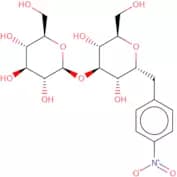
<p>4-Nitrophenyl 3-O-(beta-D-glucopyranosyl)-alpha-D-glucopyranoside is a chromogenic substrate for alpha-glucosidase. Upon hydrolysis, para-nitrophenol is released yielding a yellowish colour. 4-Nitrophenyl 3-O-(beta-D-glucopyranosyl)-alpha-D-glucopyranoside is used in different applications such as the Gaucher disease screening, carbohydrate metabolism studies</p>Formule :C18H25NO13Degré de pureté :Min. 95%Masse moléculaire :463.39 g/mol4-Nitrophenyl-α-L-fucopyranoside
CAS :<p>Chromogenic substrate yielding a soluble yellow chromophor for the colorimetric assay of α-L-fucosidase, especially in human serum.</p>Formule :C12H15NO7Degré de pureté :Min. 98 Area-%Masse moléculaire :285.26 g/molAldol® 515 caprylate solution, 0.50 M in DMSO, Biosynth Patent: EP 2427431 and US 8940909
CAS :<p>Aldol® 515 caprylate is a chromogenic and fluorogenic enzyme substrate used for detection of lipase activity. The colorless enzyme substrate is cleaved by C8 esterases, yielding development of red coloration. In addition, red fluorescence is generated when Aldol® 355 fluorescence enhancer or a suitable matrix is present. Aldol® 515 caprylate can be used in enzyme assays and live bacterial cultures. Aldol® 515 caprylate is suitable for use in liquid and solid media, under aerobic as well as anaerobic conditions.</p>Formule :C31H34N2O3Degré de pureté :Of Solute (Hplc) Min. 90.0 Area-%Masse moléculaire :482.62 g/mol4-Nitrophenyl 4,6-benzylidene-α-D-maltoheptaoside
CAS :<p>4-Nitrophenyl 4,6-benzylidene-alpha-D-maltoheptaoside is a chromogenic substrate for alpha-amylase. Upon hydrolysis, para-nitrophenol is released yielding a yellowish colour. 4-Nitrophenyl 4,6-benzylidene-alpha-D-maltoheptaoside is used in different applications such as the Starch digestion studies, industrial enzyme optimization</p>Formule :C55H79NO38Degré de pureté :Min. 95%Couleur et forme :PowderMasse moléculaire :1,362.2 g/mol5-Bromo-3-indolyl-a-D-galactopyranoside
<p>5-Bromo-3-indolyl-a-D-galactopyranoside (5BIG) is a bioluminescent substrate that is used in various applications, including environmental testing, diagnostics, and the detection of bacterial activity. 5BIG is a ligand for luciferase enzymes and is used as a chromogenic substrate. It also has the ability to be conjugated with other molecules for use in enzyme substrates or fluorescence assays. 5BIG has been shown to be an effective fluorogenic substrate for enzymes such as alkaline phosphatase and beta-glucuronidase.</p>Degré de pureté :Min. 95%Aldol® 515 propionate, Biosynth Patent: EP 2427431 and US 8940909
CAS :<p>Aldol® 515 propionate is a chromogenic substrate for many enzymes, including beta-galactosidase, β-glucuronidase, α-galactosidase, β-galactosidase, and acid phosphatase. It can be used as a substrate in the detection of staining and enzyme activity in diagnostic testing. Aldol® 515 propionate has been shown to be an effective ligand for the protein Glu-C.</p>Formule :C26H24N2O3Degré de pureté :Min. 95%Couleur et forme :PowderMasse moléculaire :412.48 g/mol5-Bromo-4-chloro-3-indolyl N-acetyl-a-D-neuraminic acid ammonium salt
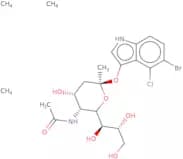
CAS :<p>5-Bromo-4-chloro-3-indolyl N-acetyl-a-D-neuraminic acid ammonium salt is a substrate used to detect and quantify sialidase activity. Sialidases are enzymes that cleave sialic acid residues from glycoconjugates, and their activity is important in various cellular processes. The substrate is commonly used in research aimed at understanding the role of sialidases in diseases such as influenza and cancer.</p>Formule :C19H22BrClN2O9·NH3·2H2ODegré de pureté :Min. 95%Couleur et forme :PowderMasse moléculaire :590.8 g/mol2-Nitrophenyl b-D-cellobioside heptaacetate
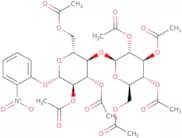
CAS :<p>2-Nitrophenyl b-D-cellobioside heptaacetate is a chromogenic enzyme substrate used to assay for cellobiohydrolase activity. The substrate undergoes enzymatic hydrolysis, releasing 2-nitrophenol which can then be detected via absorbance at 400 nm. This type of substrate is also used for the analysis of cellulose and hemicelluloses in plant materials. The heptaacetate modification enhances solubility, making it ideal for use in organic solvents, and it also protects against unwanted hydrolysis by acid or alkali. The substrate can be used in a variety of applications, including enzyme assay development, screening for inhibitors or activators, and in the study of the mode of action and substrate specificity of cellulase enzymes.</p>Degré de pureté :Min. 95%Couleur et forme :PowderMasse moléculaire :757.65 g/molAldol® 484 β-D-galactopyranoside, Biosynth Patent: EP 2427431 and US 8940909
CAS :<p>Aldol® 484 beta-D-galactopyranoside is a chromogenic enzyme substrate for beta-galactosidase activity. The colorless product is cleaved by lactose-utilizing bacteria in liquid or solid media, yielding intense red color. Aldol® 484 beta-D-galacto-pyranoside can also be used in beta-gal reporter gene assays or for identification of beta-gal positive transformants on agar. Aldol® 484 beta-D-galactopyranoside can be used under aerobic and anaerobic conditions.</p>Formule :C26H24ClFN2O7Degré de pureté :Min. 95%Couleur et forme :PowderMasse moléculaire :530.93 g/mol5-Bromo-4-chloro-3-indoxyl phosphate, dipotassium salt
CAS :<p>Also known as BCIP; can be used for visualization of phosphatase labelled antibodies on Western blots. This method quickly became extremely popular in diagnostics and biology research.</p>Formule :C8H4BrClK2NO4PCouleur et forme :Brown Off-White PowderMasse moléculaire :402.65 g/molAldol® 515 palmitate, Biosynth Patent: EP 2427431 and US 8940909
CAS :<p>Aldol® 515 palmitate is a chromogenic substrate that is used in food testing, diagnostics, and other applications. It has a high purity and is conjugated to various ligands for specific applications. Aldol® 515 palmitate is an excellent chemiluminescent substrate for the detection of ATP and other nucleotides. It also has high bioluminescence activity for the detection of adenosine-5'-triphosphate (ATP) or luciferin as well as enzyme substrates to measure β-galactosidase or β-glucuronidase activity.</p>Formule :C39H50N2O3Degré de pureté :Min. 95.0 Area-%Masse moléculaire :594.83 g/mol2-Naphthyl-β-D-galactopyranoside
CAS :<p>2-Naphthyl-β-D-galactopyranoside is a substrate for β-galactosidase. 2-Naphthol is released upon hydrolyzation. By simultaneous coupling with a suitable staining reagent, such as hexazonium p-rosaniline, the corresponding reddish-brown azo-dye is formed. Naphthols can also be detected by fluorescence analysis.</p>Formule :C16H18O6Degré de pureté :Min. 99 Area-%Masse moléculaire :306.32 g/mol8-Hydroxyquinoline b-D-glucopyranoside
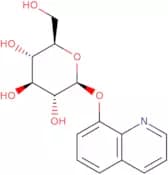
CAS :<p>8-Hydroxyquinoline b-D-glucopyranoside (8-OHG-glu) is a chromogenic enzyme substrate commonly used to detect the presence of beta-glucosidase in biological samples. When hydrolyzed by beta-glucosidase, 8-OHG-glu produces a yellow-orange color, indicating the presence of the enzyme. This substrate is particularly useful for measuring beta-glucosidase activity in soil and plant samples.</p>Formule :C15H17NO6Degré de pureté :Min. 95%Couleur et forme :PowderMasse moléculaire :307.3 g/mol5-Bromo-4-chloro-3-indoxyl-β-D-glucopyranoside
CAS :<p>Chromogenic substrate for beta-D-glucosidase, yielding a blue precipitate and contained in a chromogenic culture media for the detection of Enterococci, Streptococci, Klebsiella species, Enterobacter species and Listeria species. It is an indolyl carbohydrate that is the beta-D-glucoside of 3-hydroxy-1H-indole, in which the indole moiety is substituted at positions 4 and 5 by chlorine and bromine, respectively. It is used to test for the presence of the enzyme, beta-glucosidase, which cleaves the glycosidic bond to give 5-bromo-4-chloro-3-hydroxy-1H-indole; this immediately dimerises to give an intensely blue product.</p>Formule :C14H15BrClNO6Degré de pureté :Min. 98.0 Area-%Masse moléculaire :408.64 g/mol5-Bromo-4-chloro-3-indolyl a-D-maltopyranoside
CAS :<p>5-Bromo-4-chloro-3-indolyl a-D-maltopyranoside is a chromogenic substrate used to detect the specific enzymatic activity of alpha-glucosidase. After cleavage, 5-bromo-4-chloro-indoxyl is released, resulting in a blue to blue-green color change in bacterial colonies or media. 5-Bromo-4-chloro-3-indolyl a-D-maltopyranoside is used in Pompe disease screening and glycogen storage disorder diagnosis.</p>Formule :C20H25BrClNO11Degré de pureté :Min. 95%Couleur et forme :PowderMasse moléculaire :570.77 g/mol5-Bromo-4-chloro-3-indoxyl-α-L-arabinopyranoside
<p>5-Bromo-4-chloro-3-indoxyl-alpha-L-arabinopyranoside is a fluorogenic substrate that can be used in enzyme and chromogenic assays. It is a high purity, stable product with a CAS number of 53673-61-7. This product has been shown to have fluorescence properties under acidic conditions, as well as chemiluminescence properties when exposed to an oxidizing agent. This compound can be used for the detection of bacterial activity in culture media and for the detection of pathogens in environmental samples. The conjugate can also be used for food testing.</p>Formule :C13H13BrClNO5Masse moléculaire :378.61 g/mol2-Chloro-4-nitrophenyl-α-L-fucopyranoside
CAS :<p>2-Chloro-4-nitrophenyl-alpha-L-fucopyranoside is a compound that is commonly used as an enzyme substrate for glycogen synthase kinase (GSK). It is activated by GSK-3β and has been shown to inhibit the activity of this enzyme. This compound has also been found to have inhibitory effects on other enzymes such as carbonic anhydrase and lactate dehydrogenase. Additionally, 2-Chloro-4-nitrophenyl-alpha-L-fucopyranoside exhibits antifungal activity against various fungi, including those resistant to other antifungal agents such as fluopyram and prothioconazole. Its mechanism of action involves interfering with ergosterol biosynthesis, an essential component of fungal cell membranes. Furthermore, this compound has potential applications in the development of new drugs targeting GSK-3β and β-catenin signaling pathways, which are implicated in various diseases including cancer and neuro</p>Formule :C12H14ClNO7Degré de pureté :Min. 98 Area-%Masse moléculaire :319.7 g/mol